
Complete Guide to Sichuan–Tibet Highway Northern Route (G317)
The Sichuan–Tibet Highway Northern Route (G317) is one of the most remote and culturally immersive overland routes connecting Chengdu with Lhasa. Compared with the more popular southern route G318, G317 passes through deeper Tibetan regions, higher plateaus, and less-traveled landscapes, making it ideal for experienced travelers seeking an authentic overland journey.
As a Chengdu-based travel agency specializing in western China and Tibet overland journeys since 2007, WindhorseTour has organized and supported multiple expeditions along the G317 route, working directly with local Tibetan guides and logistics teams across Sichuan, Kham, and eastern Tibet.
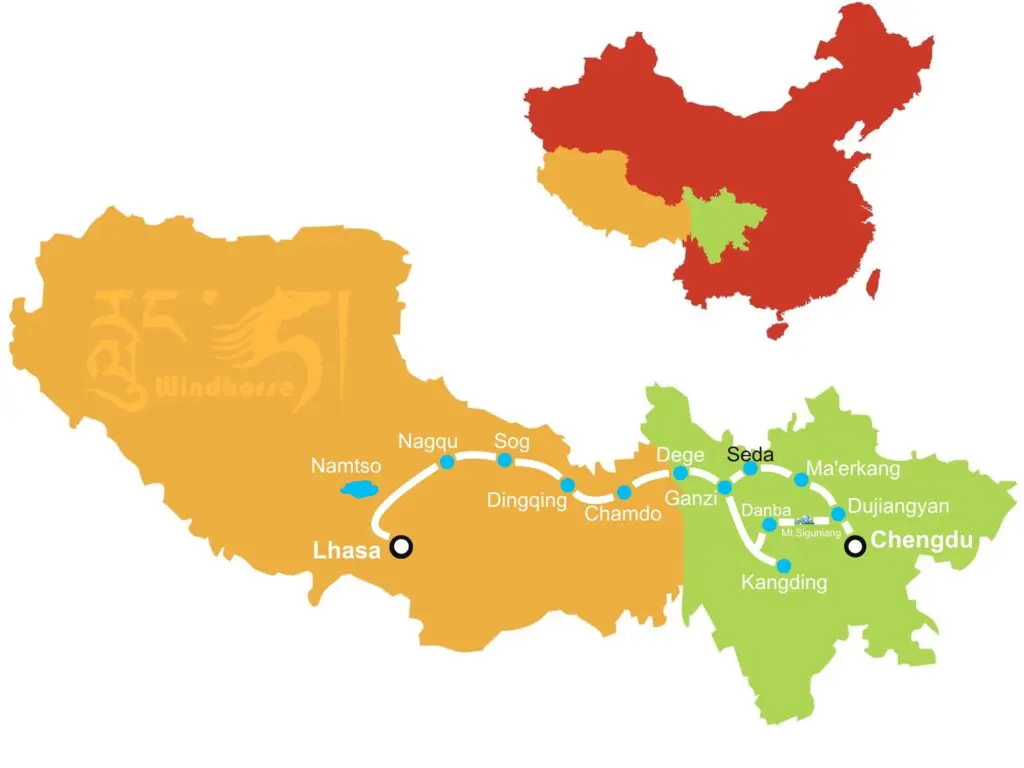
Table of Contents
G317 Sichuan–Tibet Highway (Northern Route): Quick Facts
Official Name: China National Highway 317 (G317)
Route Name: Northern Route of Sichuan–Tibet Highway (G317)
Starting Point: Chengdu, Sichuan
Ending Point: Nagqu, Tibet (connecting to Lhasa via G109)
Total Distance: ~2,300 km (1,430 miles)
Recommended Travel Duration: Around 12-14 days
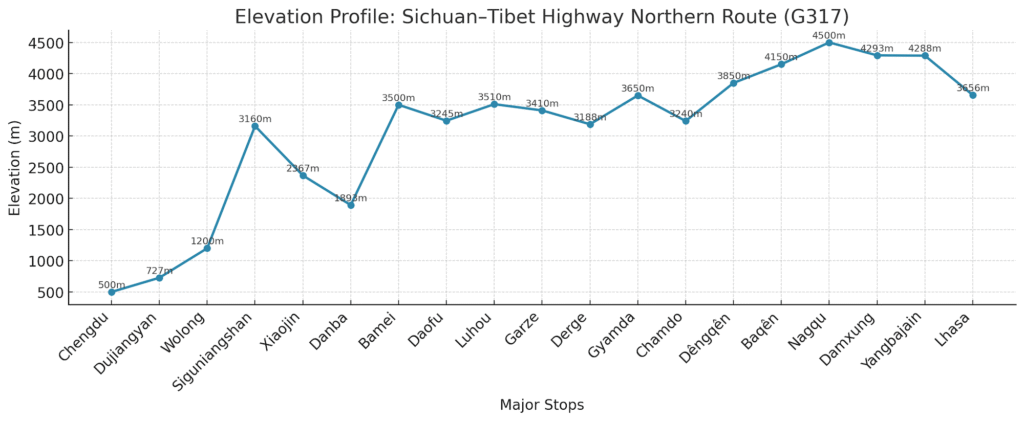
Highest Point Elevation: Zholpel La Pass or high plateau sections near Nagqu (Approx. 4,688 – 4,700 meters)
Key Tunnel Elevation: Que’er Shan Tunnel (The world’s highest long road tunnel), with an entrance elevation around 4,378 meters.
Road Condition: Mostly paved (with occasional rough sections)
Best Travel Season: May–June and September–October
Main Highlights: Danba, Garze, Dege, Chamdo, remote monasteries, high-plateau grasslands
Significance: Offers deep cultural immersion into the Kham region, featuring monasteries and unique Tibetan architecture.
What Is the Sichuan–Tibet Northern Route (G317)?
The G317 is the northern branch of the historic Sichuan–Tibet Highway, running from Chengdu through western Sichuan and eastern Tibet before reaching Lhasa. This route travels across vast high-altitude grasslands, deeply Tibetan regions, and some of the least-visited counties in Kham and eastern Tibet, offering a more rugged and culturally immersive experience than the southern route.
Alternative Route Due to Sertar (Larung Gar) Access Restrictions
Due to the long-term closure of Sertar (Larung Gar Buddhist Academy) to foreign travelers, we recommend an alternative approach that diverges from the official G317 route earlier in the journey.
Instead of heading north through Ma’erkang and Sertar, travelers proceed northwest from Chengdu via Mount Siguniang, Danba, Bamei, Daofu, and Luhuo before reaching Garze, where the journey rejoins the main Sichuan–Tibet Highway Northern Route (G317).
This alternative route offers richer alpine scenery, deeper cultural immersion, and more developed tourism infrastructure, including a wider selection of hotels and dining options, making it a more comfortable and rewarding option for international travelers while preserving the spirit of the G317 overland journey.
Is the G317 Northern Route Fully Paved?
Yes. The Sichuan–Tibet Highway Northern Route (G317) is now predominantly paved and significantly improved compared to earlier years. Most sections are asphalted and suitable for regular vehicles, though roadworks, weather-related damage, and temporary gravel sections may still occur, especially near high mountain passes and remote areas.
Best Time to Travel the Sichuan–Tibet Northern Route
The best time to travel the G317 route is May–June and September–October, when weather conditions are relatively stable and mountain passes are generally accessible. July and August can bring heavy rainfall and occasional landslides, while winter months are not recommended due to snow, ice, and high-altitude road closures.
Major Stops and Highlights Along G317
Key highlights along the G317 route typically include Garze (Ganzi), Dege County and its famous printing house, Chamdo in eastern Tibet, and numerous remote monasteries and nomadic grasslands. These regions preserve strong Tibetan cultural traditions and offer fewer crowds compared with more tourist-heavy routes.
Chengdu – The Starting Point of G317
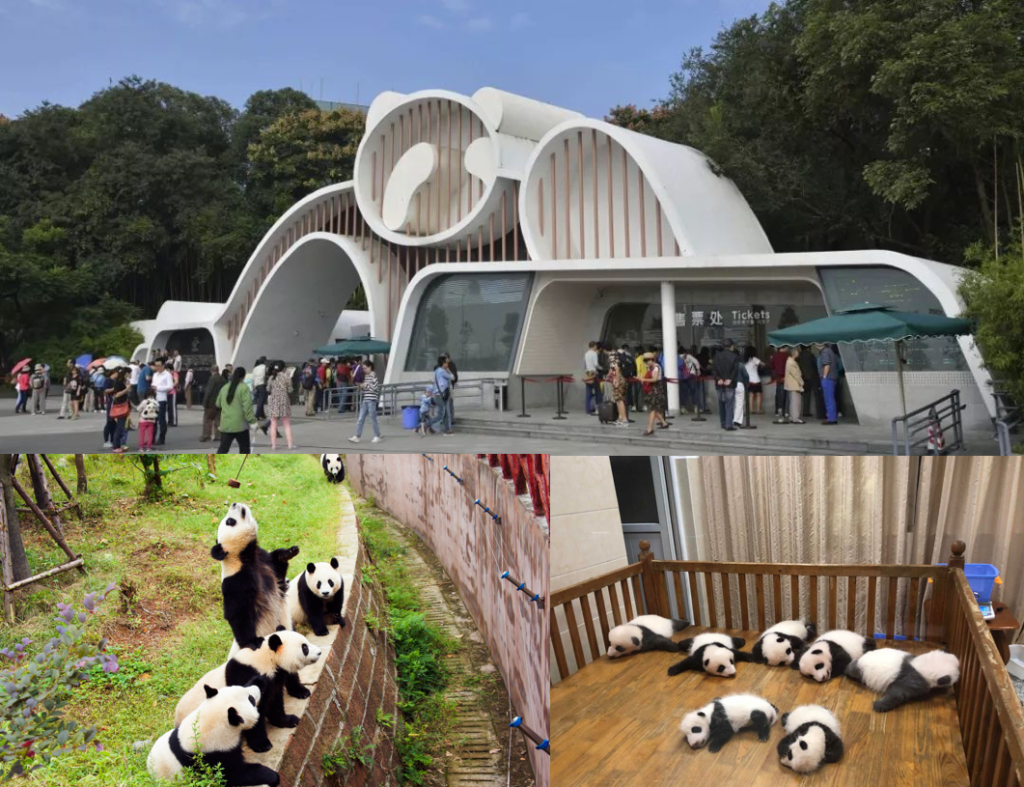
As the gateway to your adventure, Chengdu offers a perfect blend of modern culture and ancient history. The city is famous for its lively atmosphere, spicy cuisine, and, of course, its adorable pandas. Before you head off to the high-altitude expanses of Tibet, take some time to immerse yourself in the vibrant heart of Sichuan Province.
- Things to Do:
- Visit the Chengdu Panda Base and see the iconic giant pandas.
- Enjoy a traditional Sichuan Hotpot, dive into the spicy world of Sichuan cuisine, known for its bold flavors and numbing spice.
- Explore Wuhou Shrine, step into the Three Kingdoms era and explore this historic site dedicated to the legendary strategist Zhuge Liang.
Dujiangyan – Ancient Waterworks & Taoism Mountain
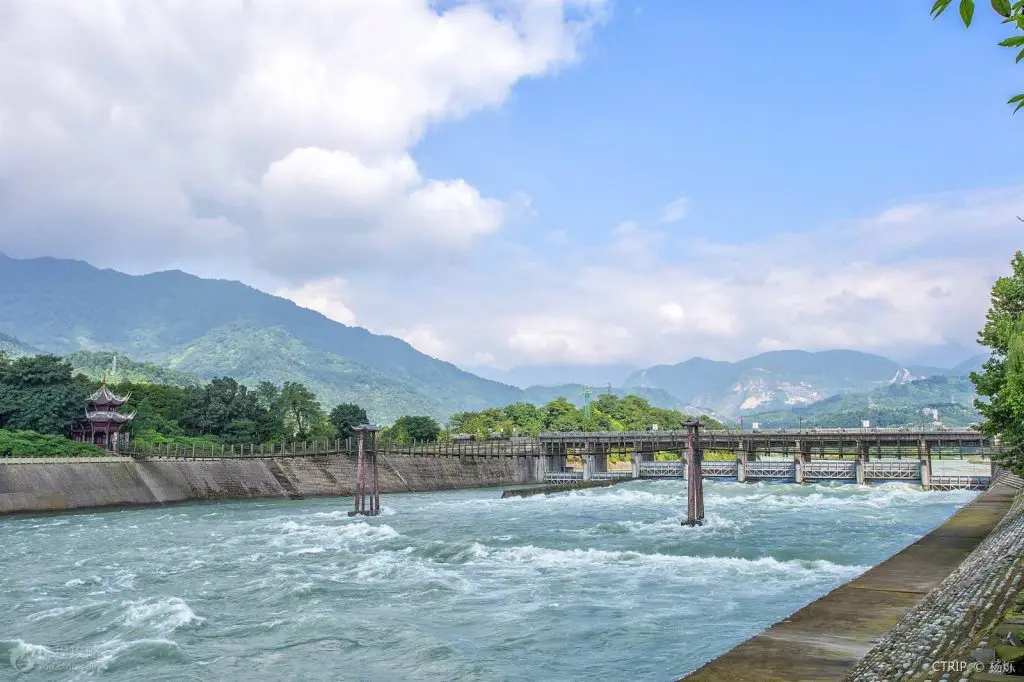
As you leave Chengdu and head west, the Dujiangyan Irrigation System awaits, an engineering marvel that has been shaping the landscape of the Chengdu Plain for over 2,000 years. This UNESCO World Heritage Site is a testament to the ingenuity of ancient Chinese engineers and provides an awe-inspiring introduction to the spiritual and historical richness of the region.
- Things to Do:
- Explore Dujiangyan Irrigation System: Witness one of the world’s oldest and still-functioning water management systems, designed to control the flow of the Min River and prevent flooding.
- Climb Mount Qingcheng: Hike through the lush forests of Mount Qingcheng, a sacred Daoist mountain, and experience its serene atmosphere, with temples hidden among the trees.
Wenchuan & Lixian – The Minjiang River Valley
Further along the journey, you’ll enter the Minjiang River Valley, home to Wenchuan and Lixian, two towns rich in history and culture. These towns, although severely affected by the devastating 2008 earthquake, have rebuilt and preserved their unique heritage. This section offers travelers a blend of natural beauty, ethnic diversity, and a deep connection to the Qiang people’s history.
- Things to Do:
- Taoping Qiang Village: Visit this ancient Qiang ethnic village, known for its unique stone watchtowers and traditional architecture, offering a peek into the Qiang people’s distinct way of life.
- Experience the beauty of the Minjiang River as it cuts through the valley.
- Optional Stop at Bipenggou: Consider a stop at Bipenggou, a hidden gem nestled in the Dawu Mountains. Known for its clear lakes, lush forests, and snow-capped peaks, Bipenggou offers a peaceful escape for nature lovers and photographers especially in autumn.
- Taoping Qiang Village: Visit this ancient Qiang ethnic village, known for its unique stone watchtowers and traditional architecture, offering a peek into the Qiang people’s distinct way of life.
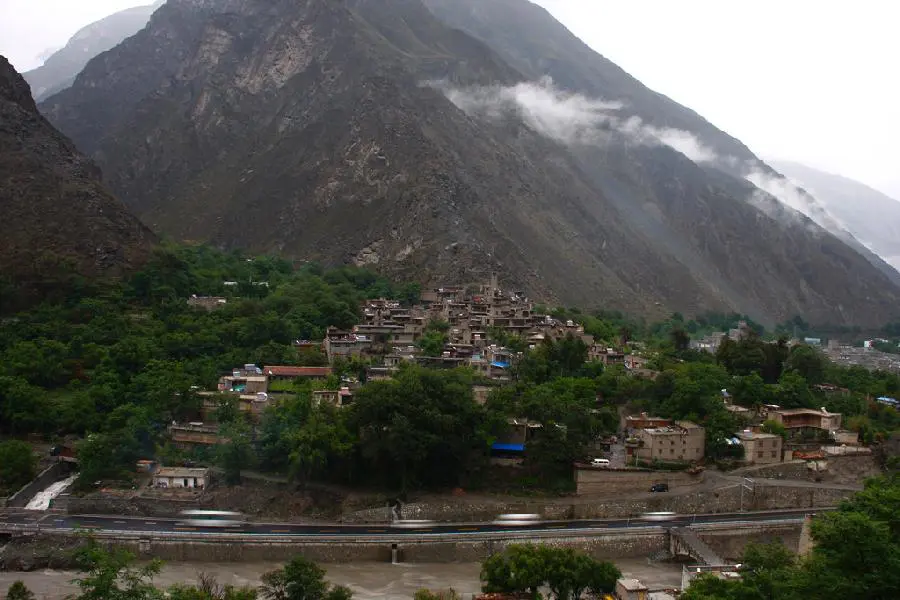
Ma’erkang (Barkam) – Gateway to the Tibetan Highlands
Ma’erkang (also known as Barkam) is the gateway to the Tibetan Highlands, offering travelers a clear transition into Tibetan architecture and culture. As you leave behind the lower-lying regions of Sichuan, Ma’erkang’s rugged landscapes and nomadic lifestyle become evident, marking the start of your journey into the Tibetan Plateau.
- Things to Do:
- Visit Zhuokeji Chieftain Village: Explore the historical Tusi manor in Zhuokeji Chieftain Village. This village offers a fascinating look into the Tusi system, a traditional system of local governance in Tibet, with ancient architecture and cultural insights into the Tibetan way of life.
- Witness the Transition to Tibetan Architecture: As you move through Ma’erkang, observe how the architecture shifts to traditional Tibetan designs, with wooden houses and colorful prayer flags adorning the landscape.
- Optional Stop at Guanyin Monastery: As you continue toward Seda, take a short detour to Guanyin Monastery, an important Buddhist site along the way. The monastery, perched on the hillsides, offers peaceful views and provides a great opportunity for reflection and spiritual immersion during your journey.
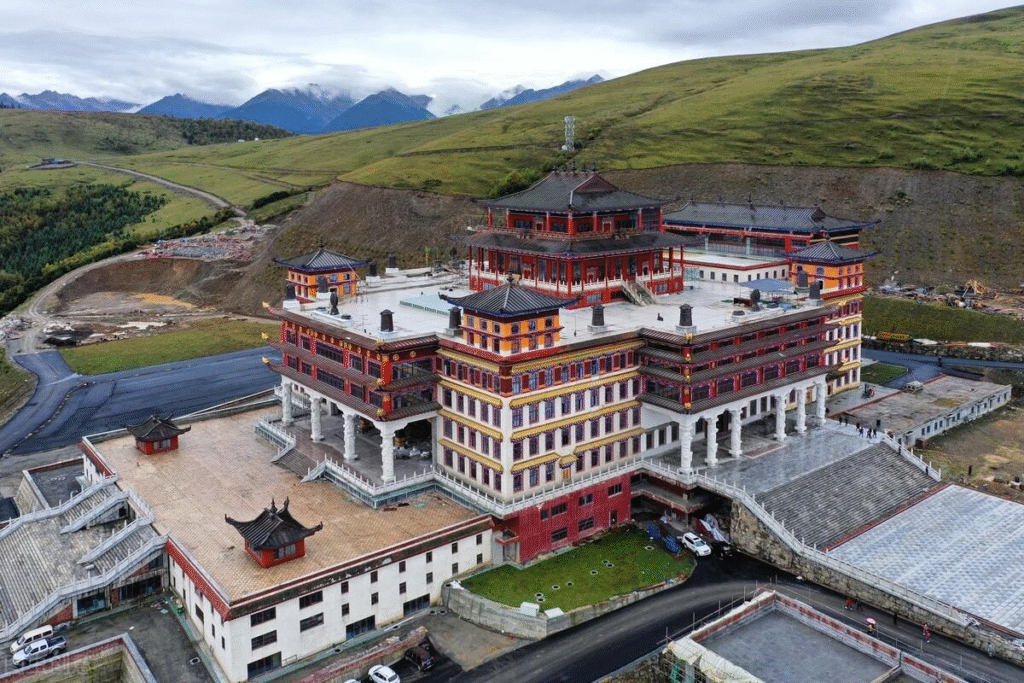
Sertar (Seda) – The Sea of Red Houses
Sertar, or Seda, is home to the world-famous Larung Gar Buddhist Academy. Known for its vast “sea of red houses”, this monastic complex is the spiritual heart of the Kham Tibetan region and offers a profound insight into Tibetan Buddhism. For many travelers, this is the highlight of the G317 route, a truly breathtaking experience.
- Things to Do:
- Visit Larung Gar Buddhist Academy: Marvel at the hundreds of tiny, red-roofed houses that form the largest Buddhist monastic complex in the world. Witness the meditation and study that goes on in this spiritual hub. (Currently this site is closed to foreign tourists).
- Photography: Capture the iconic sight of this sea of red, which offers an unforgettable visual impression against the backdrop of the snow-capped mountains.
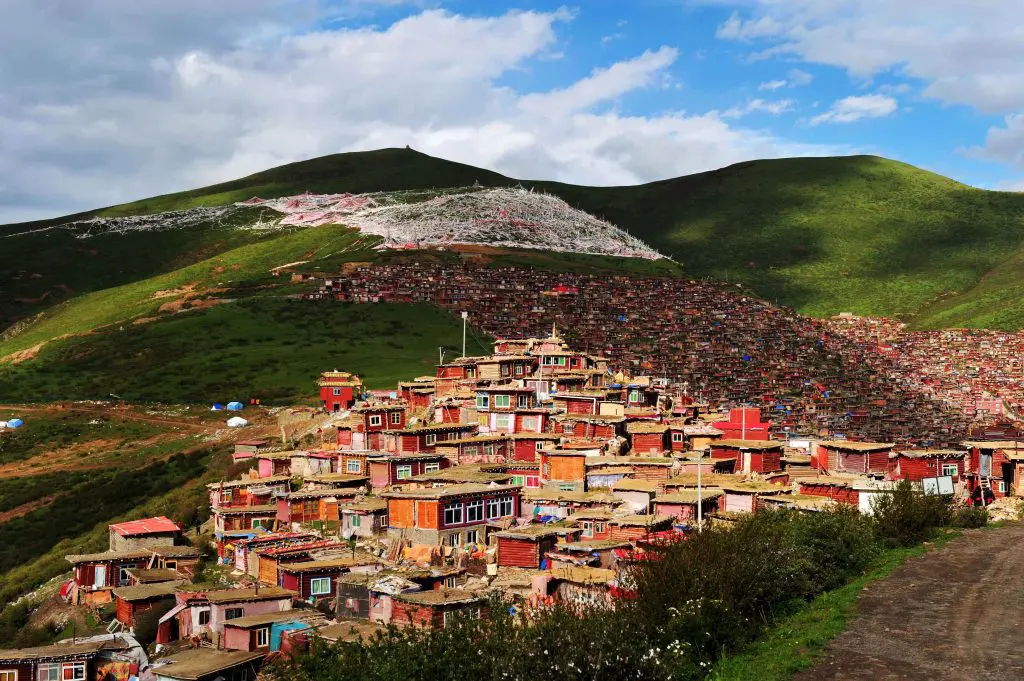
Garzê (Ganzi) – Tibetan Monasteries and Wetlands
Garzê (also known as Ganzi) serves as a central hub of Tibetan culture and Buddhism in the Kham region of Sichuan Province. Located at an elevation of approximately 3,400 meters, Garzê is surrounded by snow-capped peaks and offers travelers a deep immersion into Tibetan spiritual life and natural beauty.
- Things to Do:
- Visit Garzê Monastery: Experience the deep spiritual atmosphere of this Gelugpa school monastery, known for its importance in Tibetan Buddhism.
- Yalong River Wetlands: Wander through high-altitude wetlands where you can encounter wildlife and enjoy the natural beauty of the landscape.
- Optional Detour to Yarchen Gar: About 400 kilometers west of Garzê, Yarchen Gar (Yaqên Orgyän Temple) is one of the largest Tibetan Buddhist monastic communities, known for its focus on Nyingma Buddhism. At 4,000 meters altitude, this “City of Nuns” offers a unique spiritual experience, where visitors can observe the daily life of monks and nuns. Founded in the 1980s, Yarchen Gar provides a glimpse into Tibetan monastic life, set against the stunning backdrop of the Tibetan Plateau.
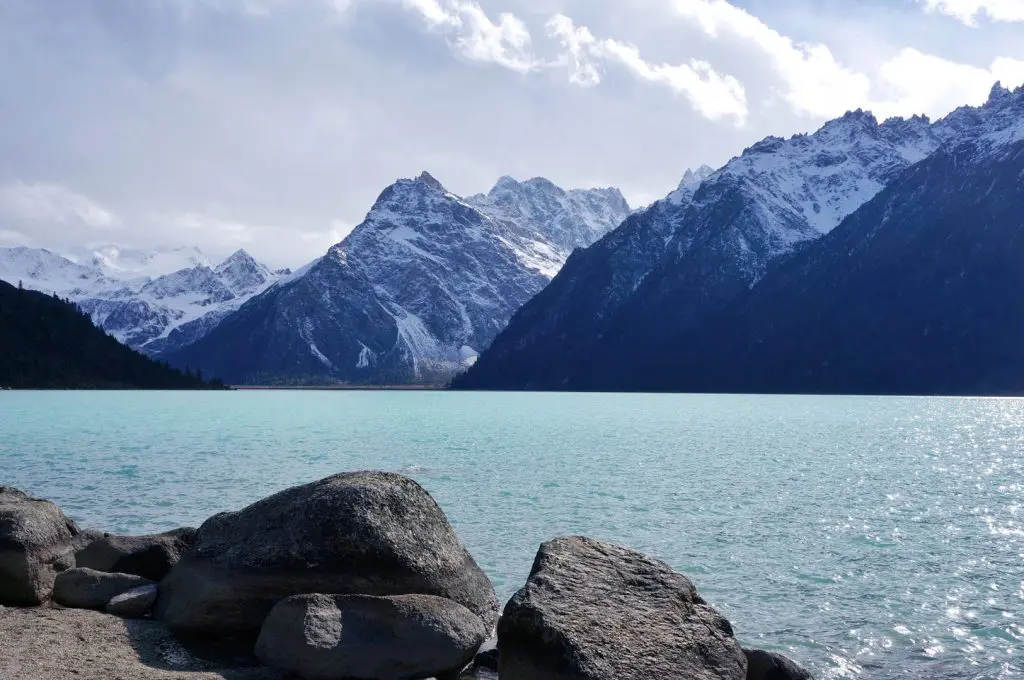
Dege – The Cultural Heart of Kham
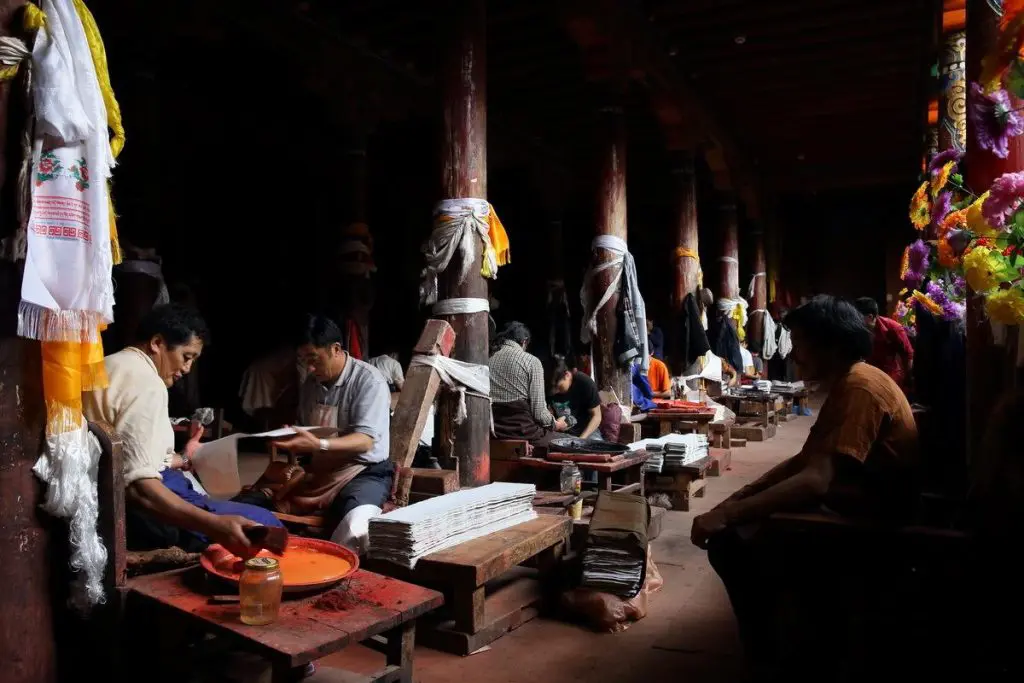
Dege is often considered the cultural heart of Kham, and for good reason. Home to the renowned Dege Parkhang Sutra-Printing House, this town is deeply embedded in Tibetan Buddhism. The Parkhang is not only a cultural treasure but also an essential place for the preservation of Buddhist scriptures. This region offers travelers a unique opportunity to explore the ancient traditions of Tibetan printing and manuscript preservation, all while witnessing the rugged beauty of the Tibetan plateau.
- Things to Do:
- Drive over Chola Pass: Take in the dramatic views from Chola Pass, and visit Xinluhai Lake, a stunning high-altitude lake.
- Visit Dege Parkhang: Explore one of Tibet’s most significant cultural sites, where sacred Buddhist scriptures are still hand-printed using traditional woodblocks.
- Detour Opportunities:
For those looking to dive deeper into Tibetan spirituality and culture, then travel south to Palyul, where you can visit Katok Monastery, Palyul Monastery, both are Nyingma monasteries, and Dzongsar Monastery, Sakya monastery focusing on Tibetan philosophy and Tibetan medicine.
Chamdo (Qamdo) – Historic Trade Hub
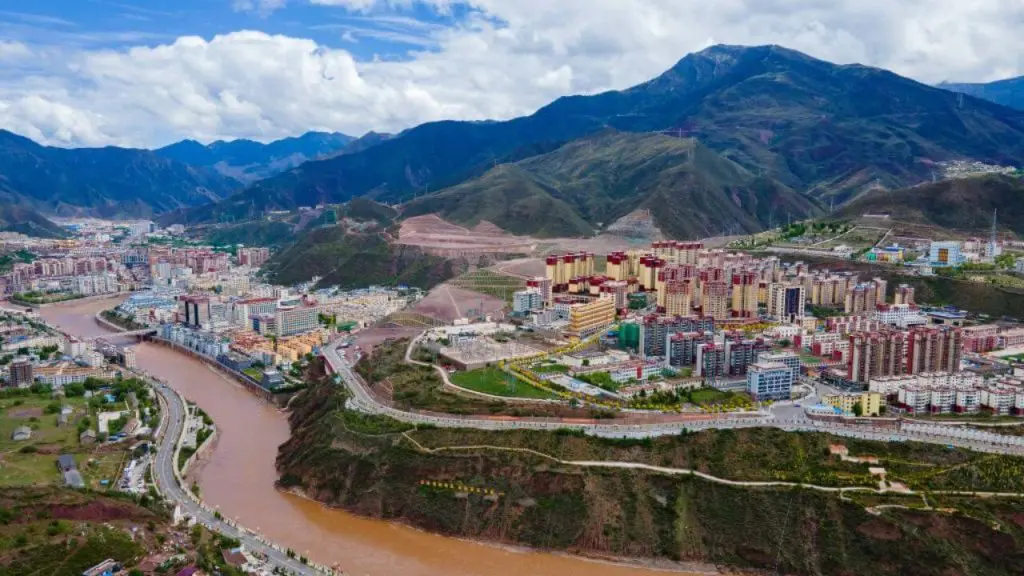
The drive from Dege to Chamdo takes you through dramatic landscapes of the Tibetan Plateau, passing rugged mountain passes, grasslands, and the Jinsha River. As you approach Chamdo, the landscape opens into vast treeless plains. Chamdo, one of the largest cities in Tibet, is a historic trade hub and an important stop on the ancient Tea Horse Road. It is rich in both Tibetan heritage and natural beauty, serving as an important crossroads for pilgrims and traders.
- Things to Do:
- Visit Galden Jampaling Monastery: Explore this 15th-century monastery, an important site for Tibetan pilgrims and scholars.
- Go to the Tea Horse Square for the bustling center of Chamdo.
Riwoche monastery (Leiwuqi) – Hidden Gem of Eastern Tibet
As you continue into Riwoche, a small county in Chamdo Prefecture that quietly holds some of eastern Tibet’s most stunning scenery. The drive from Chamdo takes about three hours, winding through high-plateau valleys and mountain ridges that reveal the wild, untouched charm of northern Kham.
- Things to Do:
- Yiri Grand Canyon (伊日大峡谷): Still little-known and barely developed for tourism, this canyon feels pristine and otherworldly. The road is well-paved and cars can drive deep into the gorge. Towering cliffs, turquoise streams, and fresh alpine air make it a perfect stop for photography and short walks.
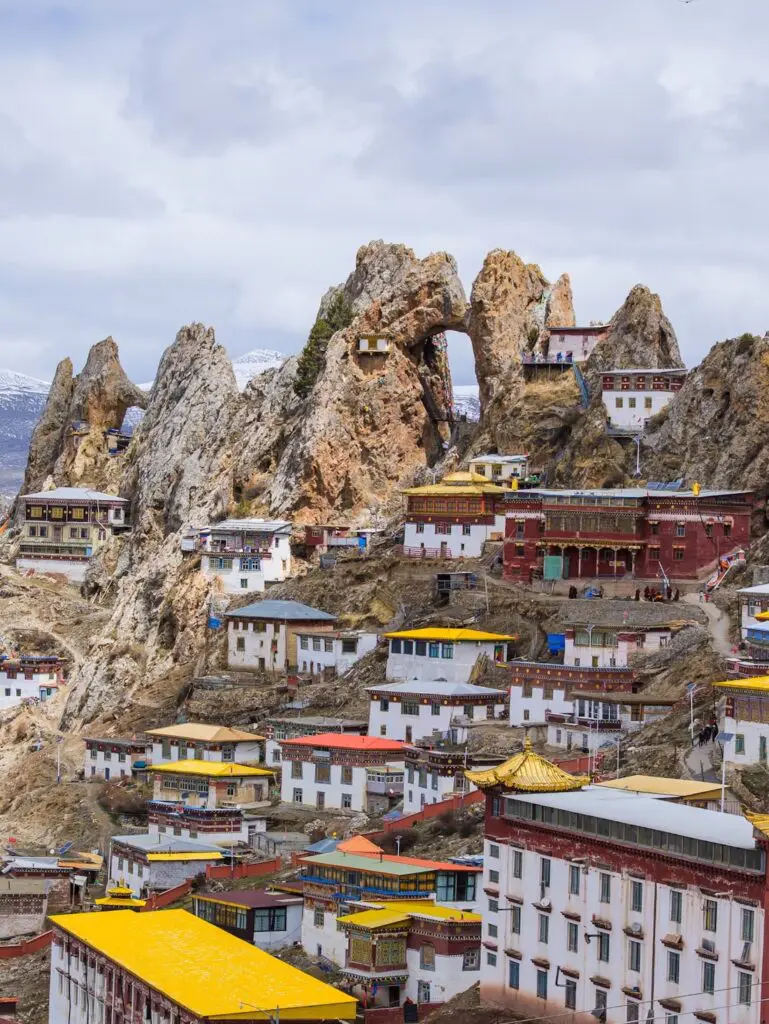
- Riwoche Monastery: One of the two principal monasteries of the Taklung Kagyu school, easily recognized by its striking red, white, and black striped walls. Nestled in a peaceful valley north of town, it embodies the quiet spiritual power of old Tibet.
Zizhu Monastery (Dengchen County/ Dingqing) – Cliffside Monastery
The drive from Riwoche to Dengchen crosses two high mountain passes and winds through dramatic valleys and grasslands. The scenery is wild and ever-changing, though the road can be rough in the rainy season.
Dengchen is famous for the Zizhu Monastery, an ancient Bön temple perched on a cliff face at over 4,700 meters. It’s an extraordinary place to explore, with spectacular views and a rich spiritual heritage.
- Things to Do:
- Visit the Zizhu Monastery, a Bön monastery, perched high above the valley on a cliff. Its remote location and incredible construction make it a unique and sacred site in Tibet.
Sog (Suoxian) – Grassland Scenery and Sacred Monasteries
Leaving Dingqing, the drive along the G317 opens into sweeping high-altitude landscapes. The terrain shifts from narrow valleys to wide river plains and rolling grasslands dotted with yaks and marmots. The route crosses several major passes — Tsuri La (4,430 m), Shel La (4,472 m), and Angwu La (5,089 m) — each offering breathtaking views of the vast northern plateau before descending into Sog County (≈ 4,000 m).
- Things to Do:
- Bujia Snow Mountain & Glacier: Pause en route to admire this pristine glacial landscape — a hidden gem for photographers and nature lovers.
- Zandan Monastery: Near Sog, visit this hillside monastery often called the Mini Potala Palace for its tiered structure and striking presence above the valley.
Nagqu – The Vast Grasslands of Northern Tibet
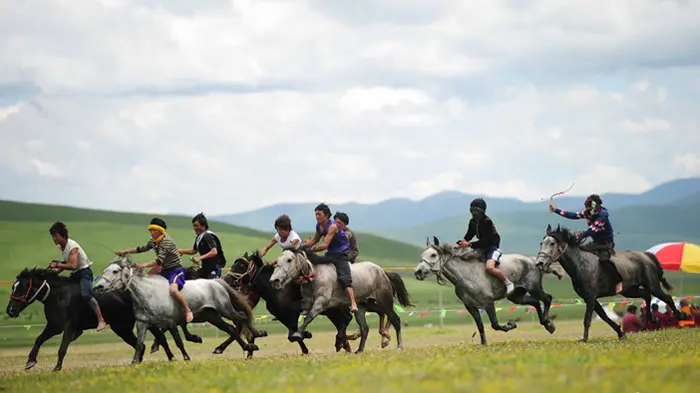
The G317 ends in Nagqu, a place known for its treeless grasslands and the traditional nomadic lifestyle of the Tibetan herders. Yaks and sheep graze freely across the open plateau, where the sky seems endlessly close. From here, the route merges with the Qinghai–Tibet Highway (G109), leading south toward Lhasa via the turquoise waters of Namtso Lake, one of Tibet’s most sacred and breathtaking natural wonders.
- Things to Do:
- Enjoy the drive across the vast Nagqu Grasslands: Take in the vast scenery from your car as you cross the open plateau.
- Drive from Nagqu to Lhasa with a detour to Namtso Lake: Enjoy the breathtaking high-altitude scenery as you travel toward Lhasa, stopping briefly to admire the turquoise beauty of Namtso, one of Tibet’s most sacred lakes.
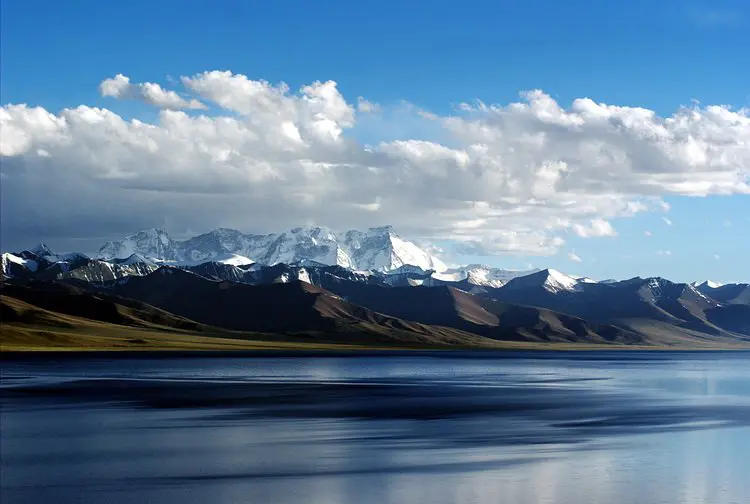
Altitude and Acclimatization on G317
The G317 route involves sustained high-altitude travel, with several passes exceeding 4,500 meters. Travelers should allow sufficient time for gradual acclimatization, avoid rapid ascents, and plan rest days when necessary. Proper pacing is essential to reduce the risk of altitude sickness and ensure a safe and comfortable journey.
What Vehicle Is Best for the G317 Route?
Although the G317 Northern Route is mostly paved, a reliable high-clearance SUV or 4WD vehicle is strongly recommended. These vehicles provide better stability on rough sections, greater comfort on long driving days, and increased safety when encountering sudden weather changes, roadworks, or unpaved detours, particularly during shoulder seasons.
Why vehicle choice matters on G317
The G317 is a spectacular but demanding high-altitude road, with sharp mountain curves, occasional gravel stretches, and rapidly changing weather conditions. Landslides or snow can temporarily affect certain passes, particularly in spring and during the monsoon season. Traveling with an experienced local driver familiar with Tibetan terrain helps ensure safety and smoother day-to-day logistics.
Permits Required for the Sichuan–Tibet Highway
Foreign travelers entering Tibet via the G317 route requires a Tibet Travel Permit, arranged through a registered local travel agency before your trip. This document is checked at multiple points beyond Dege, so ensure it’s ready and accessible. Foreign travelers must join an organized tour or private guided arrangement to continue beyond the Sichuan border into Tibet.
G317 Sichuan–Tibet Highway FAQs
How long does it take to travel the G317 Northern Route?
Most travelers need 12-15 days to complete the G317 route from Chengdu to Lhasa at a comfortable pace, allowing time for altitude acclimatization, cultural visits, and weather flexibility.
Is the G317 route suitable for first-time Tibet travelers?
The G317 route is better suited for travelers with prior high-altitude or overland experience, as it is longer, more remote, and higher in elevation than the southern G318 route.
Do I need a Tibet Travel Permit for G317?
Yes. Foreign travelers must obtain a Tibet Travel Permit to enter Tibet, along with additional permits for certain regions. These permits must be arranged in advance through a licensed Tibet travel agency.
Conclusion
The Sichuan-Tibet Highway Northern Route (G317) offers an unforgettable adventure for those looking to explore the heart of Tibet and the Kham region (Learn about Kham via our Kham Tibet travel guide). Whether you’re trekking through Tibetan monasteries, driving across high-altitude passes, or experiencing the nomadic lifestyle, the G317 promises an enriching experience filled with cultural immersion and natural beauty.
Check out the detailed itinerary of our Sichuan-Tibet overland tour via Northern Route (G317) and contact us for the a free quote.
Related tours
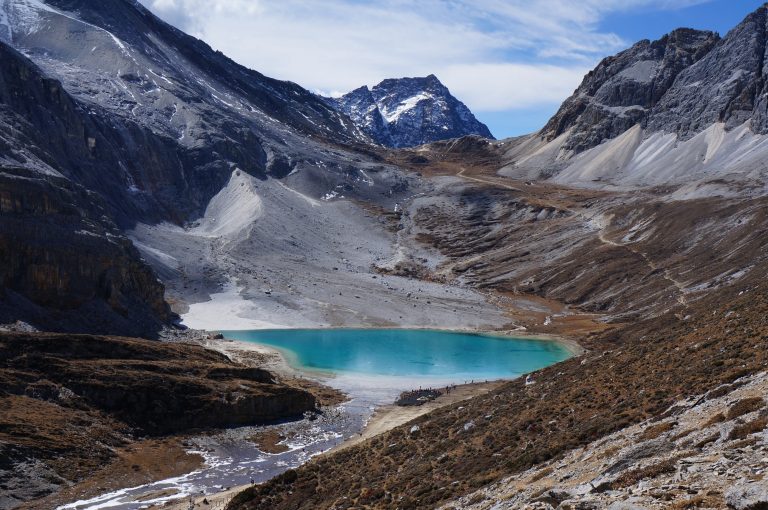
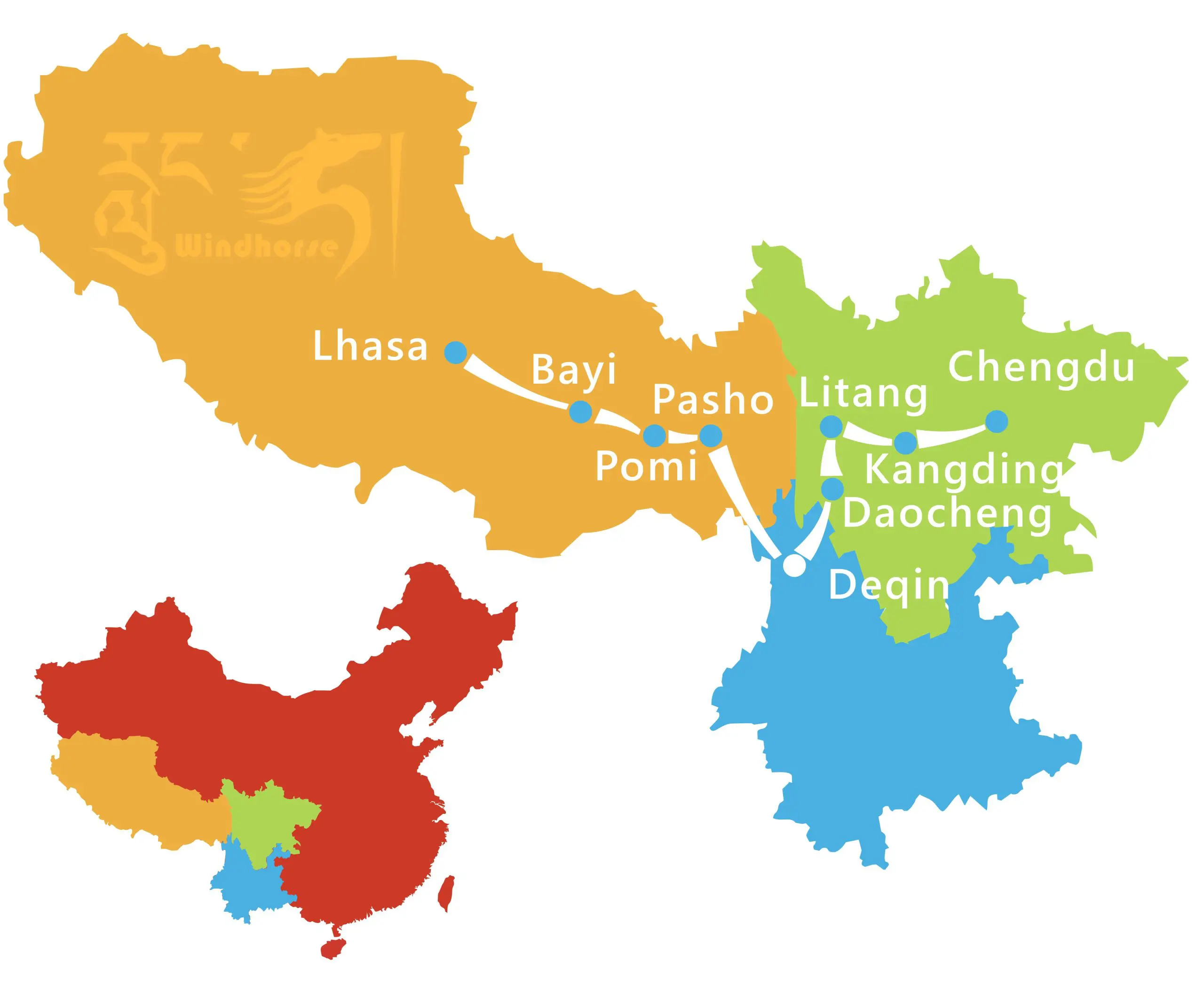
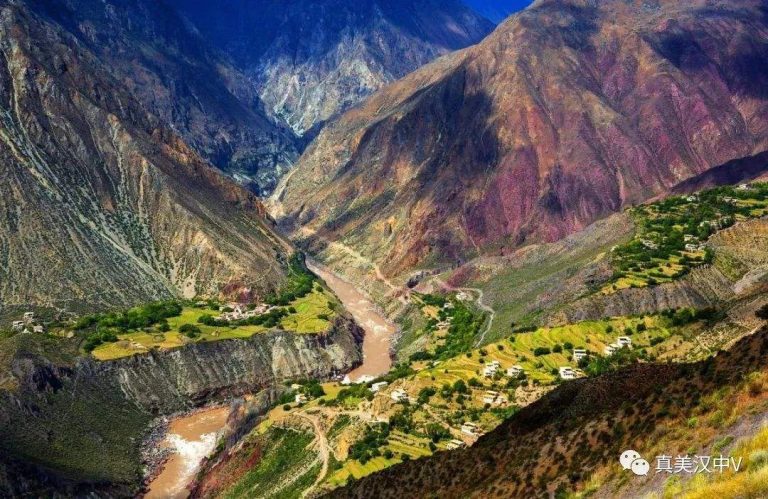
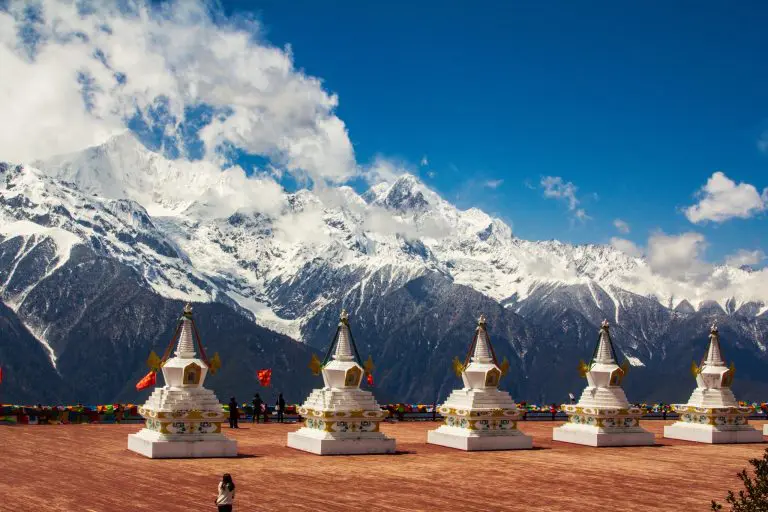
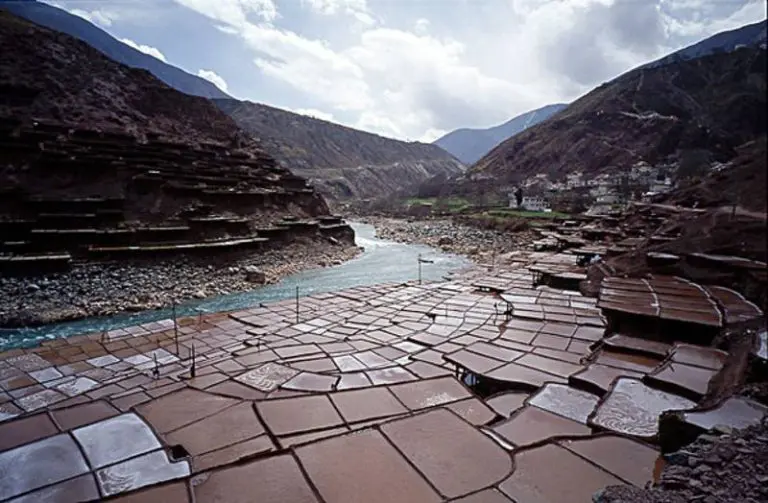
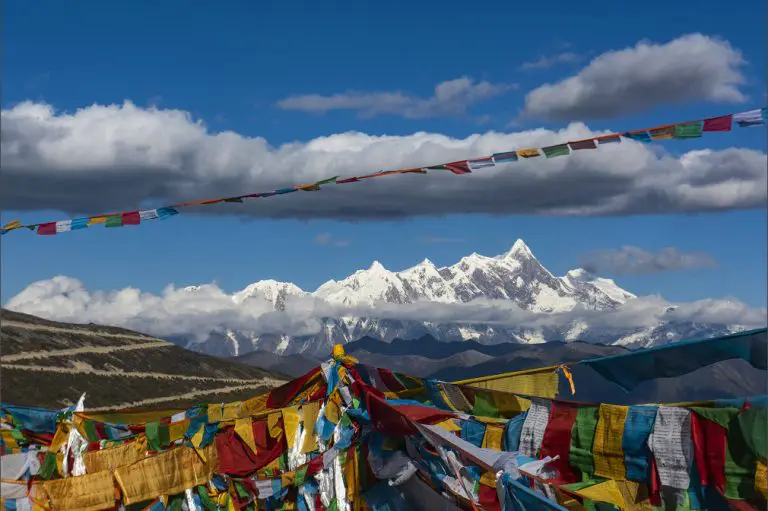
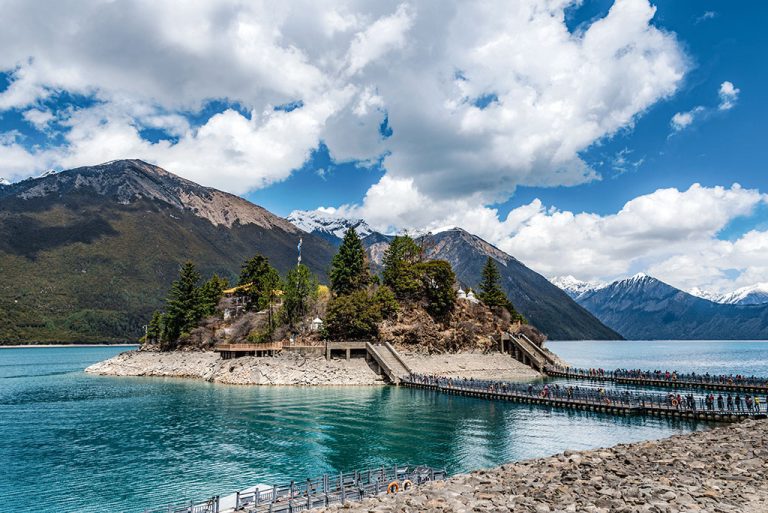
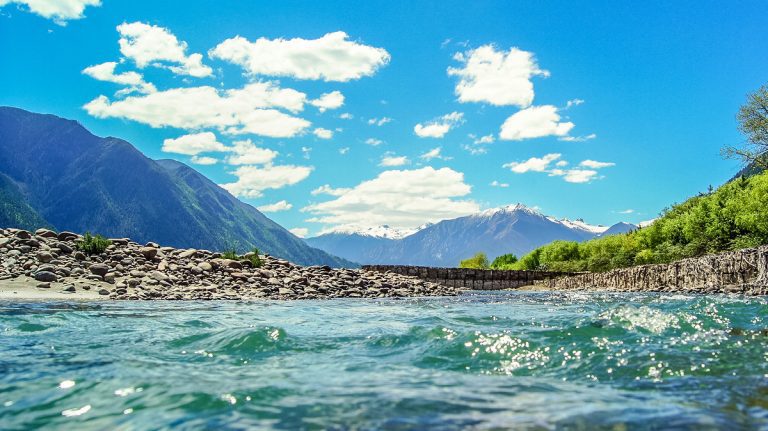
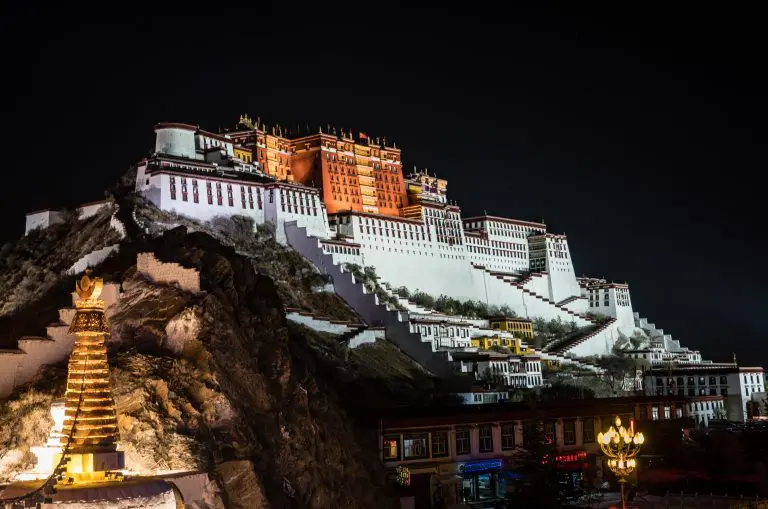
Travel from Chengdu to Lhasa along the Sichuan–Tibet Highway (G318) and Yunnan–Tibet Highway (G214), with detours to Daocheng Yading and Mount Meili. Explore Mount Siguniang, Danba Tibetan villages, monasteries, holy lakes, glaciers, and the dramatic landscapes of Kham regions in Sichuan, Yunnan, and Tibet.
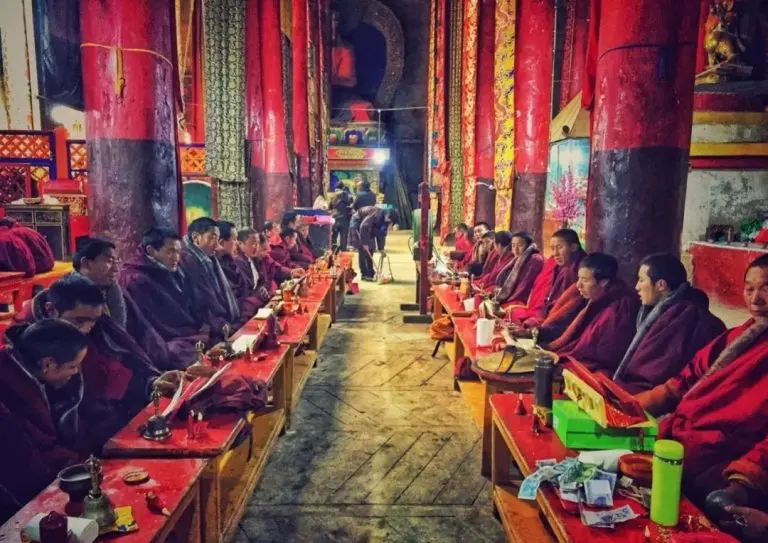
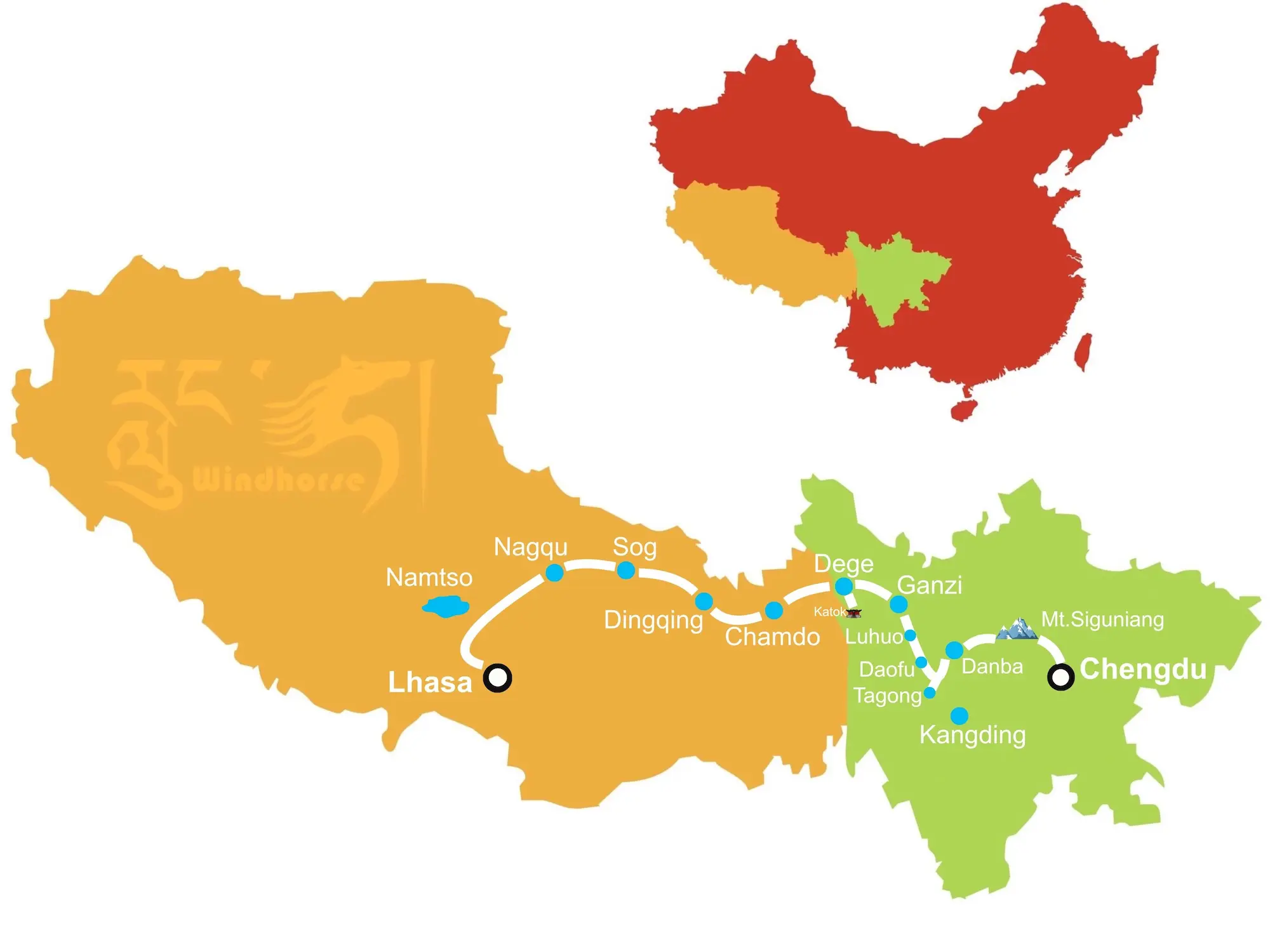
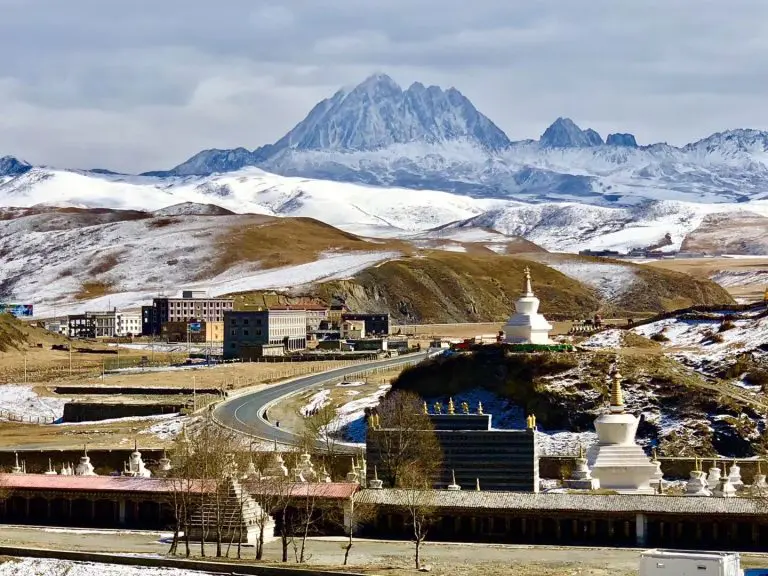
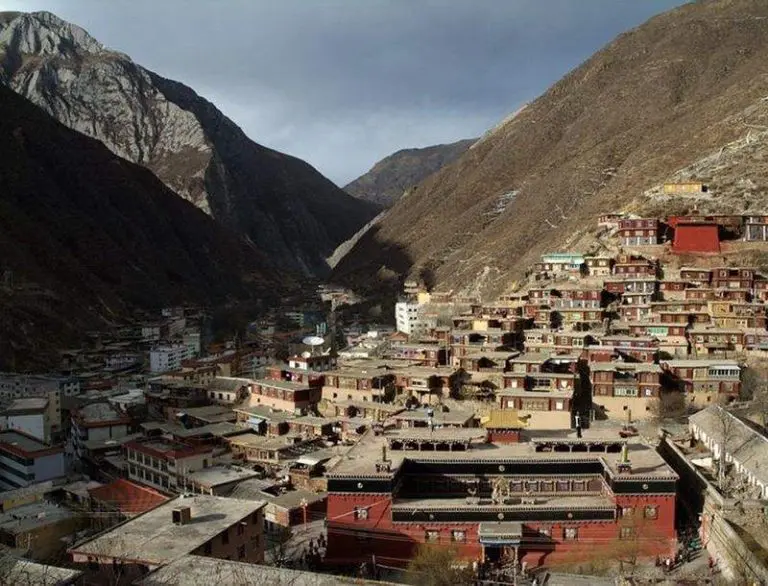
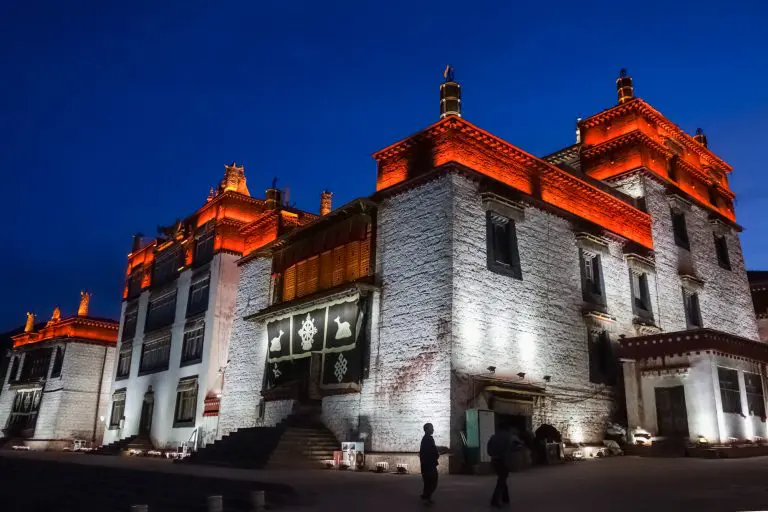
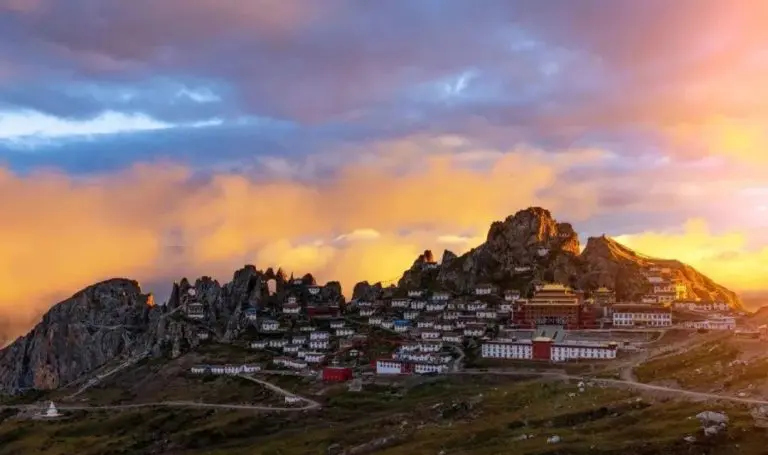
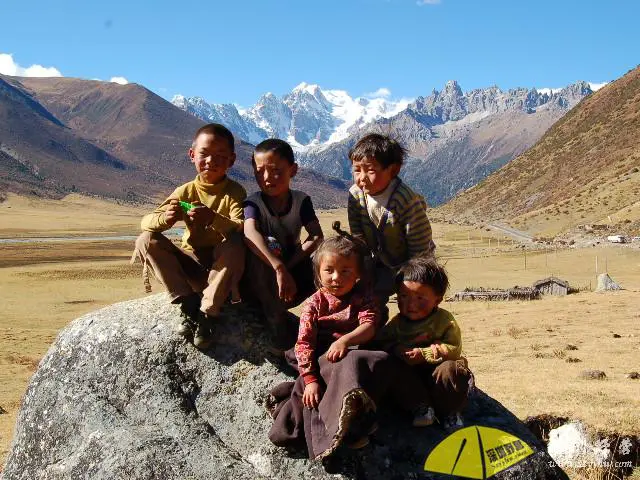
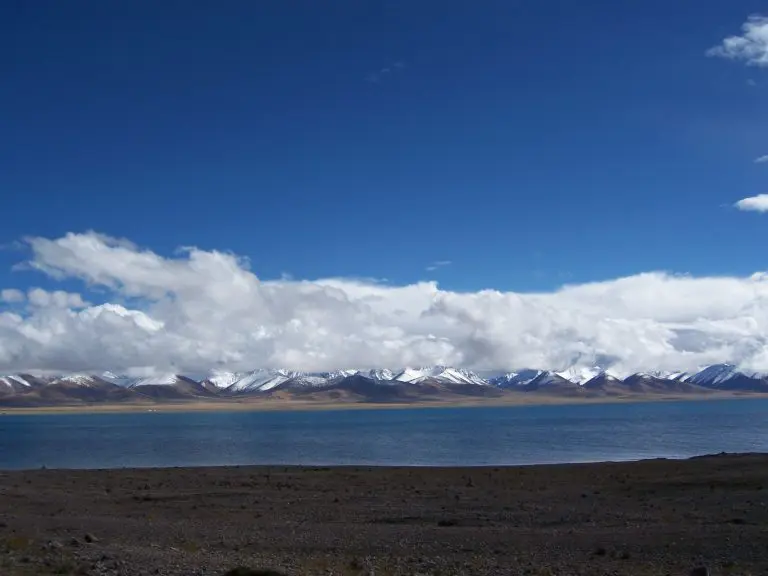
Discover the overland journey along the legendary Sichuan–Tibet Highway Northern Route (G317) from Chengdu to Lhasa. Travel through alpine valleys, ancient monasteries, and Tibetan villages, experiencing the stunning landscapes and rich culture of Kham and northern Tibet.
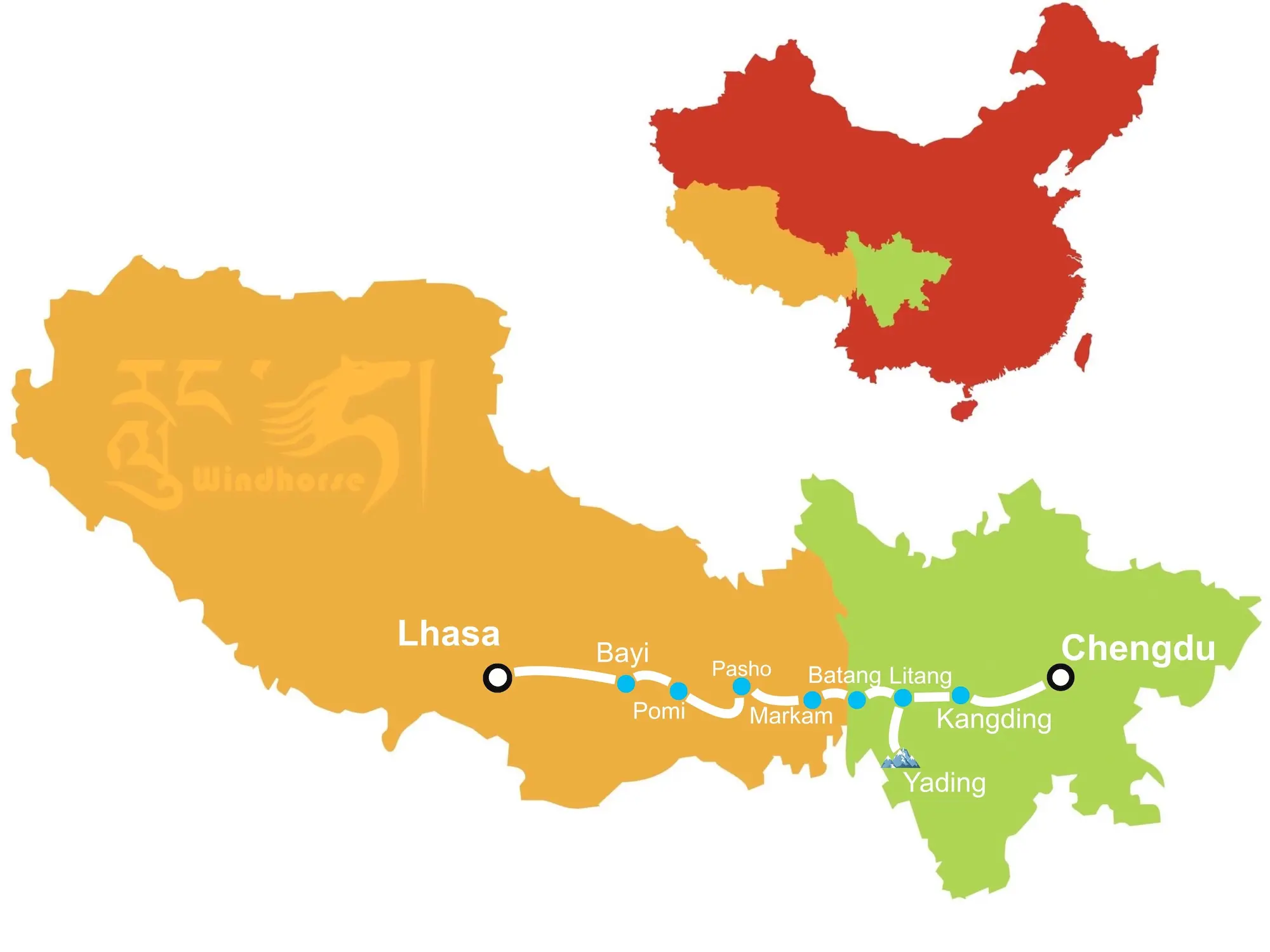
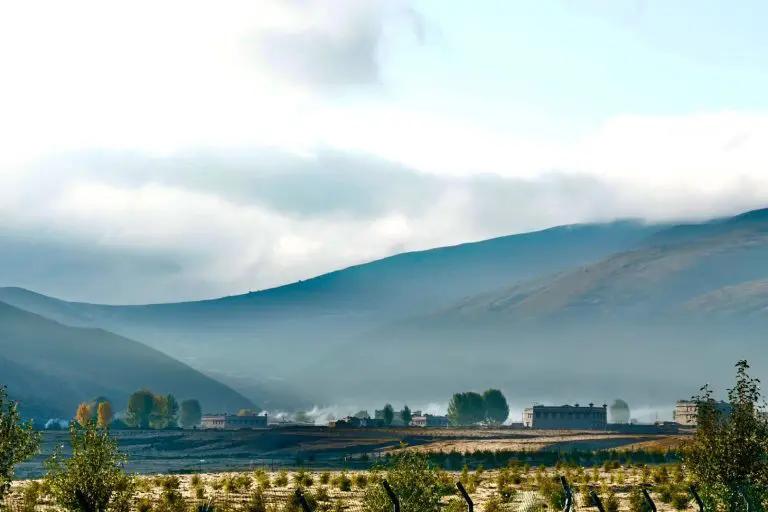
Take a Chengdu to Lhasa overland tour via Daocheng Yading along the Sichuan–Tibet Highway Southern Route (G318). Travel through Tagong Grasslands, Litang, Yading Nature Reserve, Ranwu Lake, Midui Glacier, Lulang Forest, and Draksum-tso before reaching Lhasa.
Comments

Can foreighers visit Zizhu Monastery (Dengchen County/ Dingqing)

Dear Jane,
Thank you for reaching out with your inquiry about visiting Zizhu Monastery in Dengchen (Dingqing) County.
Unfortunately, it is currently not possible for foreign passport holders to visit this specific location. Zizhu Monastery is located in a restricted area where travel permits for international visitors are not being issued at this time.
While I understand this may be disappointing, the regulations for this region are quite strict, and we are unable to facilitate access or bypass these local government restrictions.
If you are looking for alternative sites with similar cultural or architectural significance that are open to international travelers, I would be happy to provide some recommendations.
Best regards,
Yuki