
15 days Sichuan–Tibet Highway Northern Route Overland Tour (G317)
Discover the overland journey along the legendary Sichuan–Tibet Highway Northern Route (G317) from Chengdu to Lhasa. Travel through alpine valleys, ancient monasteries, and Tibetan villages, experiencing the stunning landscapes and rich culture of Kham and northern Tibet.
Itinerary
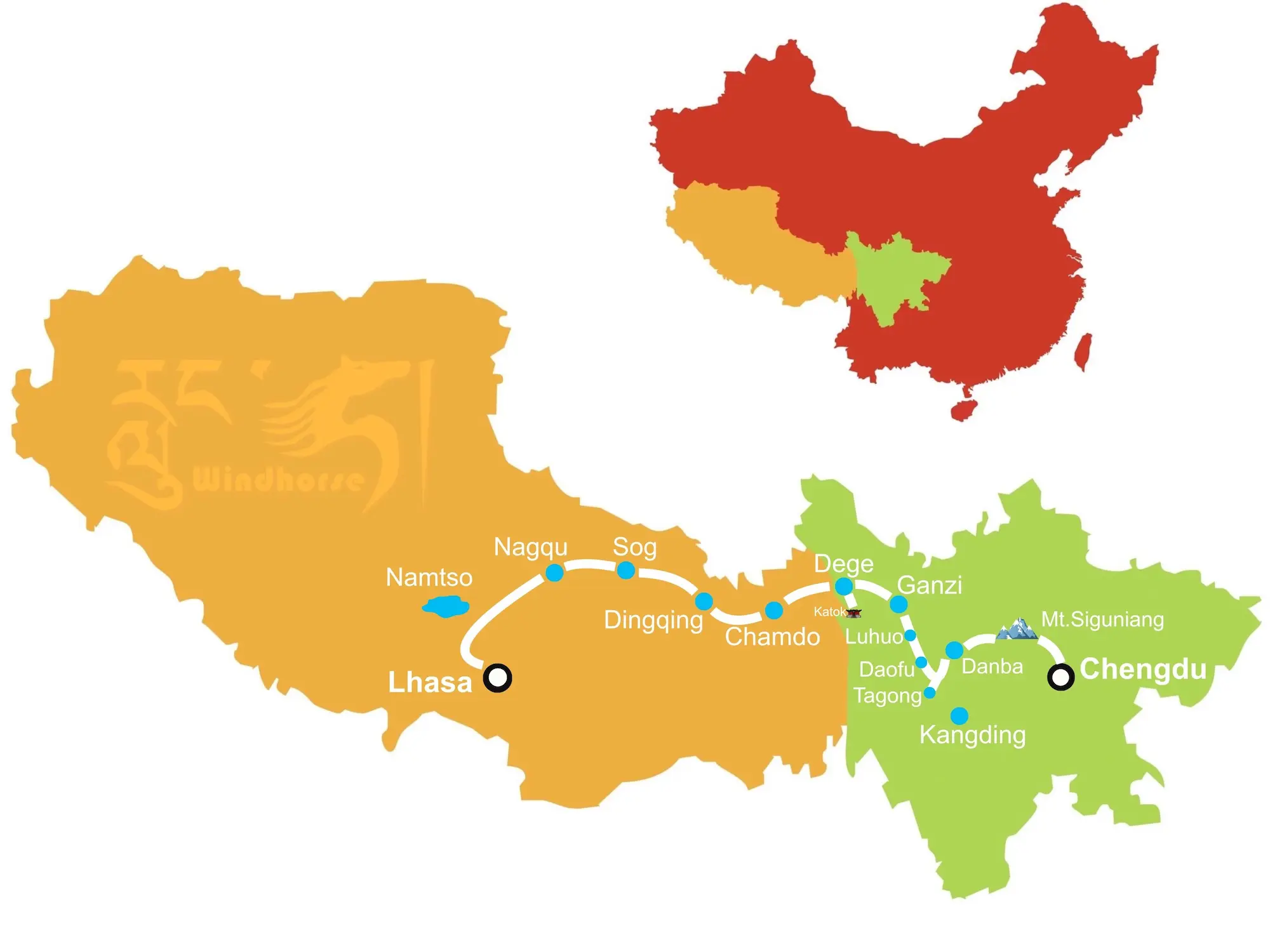
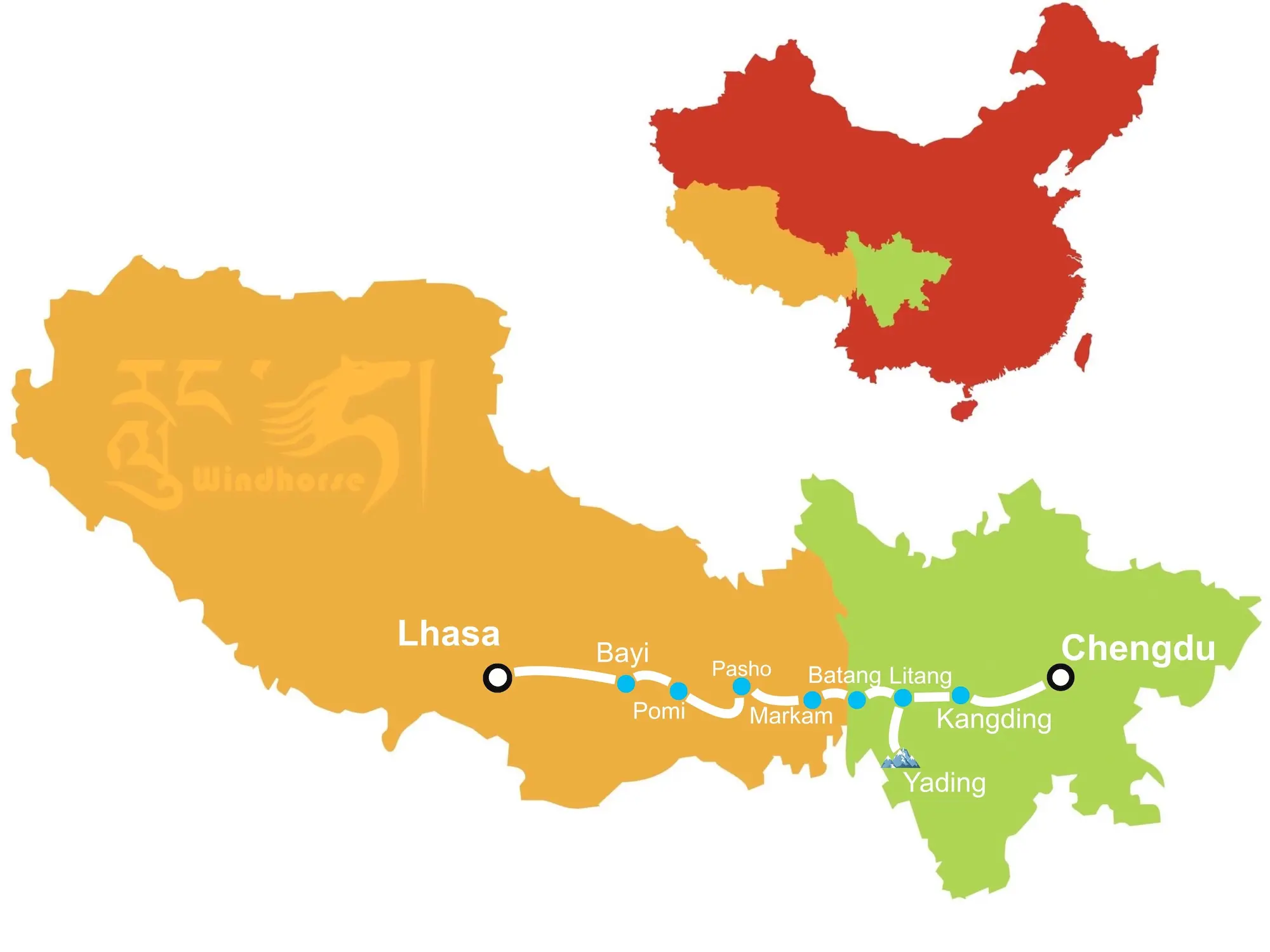
The Sichuan–Tibet Highway Northern Route Overland Tour (G317) is one of China’s most spectacular overland journeys, stretching from Chengdu to Lhasa via G317 through the heart of Kham Tibet. This legendary route passes alpine valleys, sacred monasteries, and remote Tibetan towns such as Danba, Tagong, Ganzi, Dege, Chamdo, Riwoche, and Nagqu, before reaching the holy city of Lhasa.
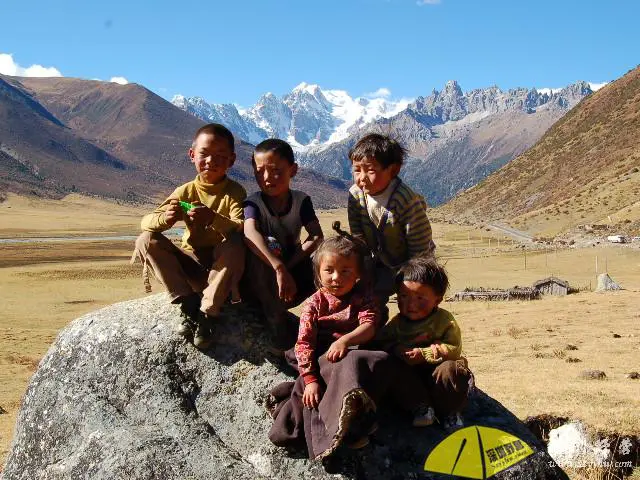
Compared with the southern route, the northern G317 is longer but less affected by monsoon rains, offering clearer skies and wilder mountain scenery. Travelers can experience authentic Tibetan culture by visiting ancient monasteries, meeting Khampa people, and witnessing nomadic life on the high-altitude grasslands where yaks roam beneath endless blue skies.
Although remote and challenging due to rugged terrain and high elevation, this Chengdu to Lhasa overland adventure rewards with unforgettable landscapes, vibrant cultural encounters, and the timeless spirit of the Tibetan plateau.
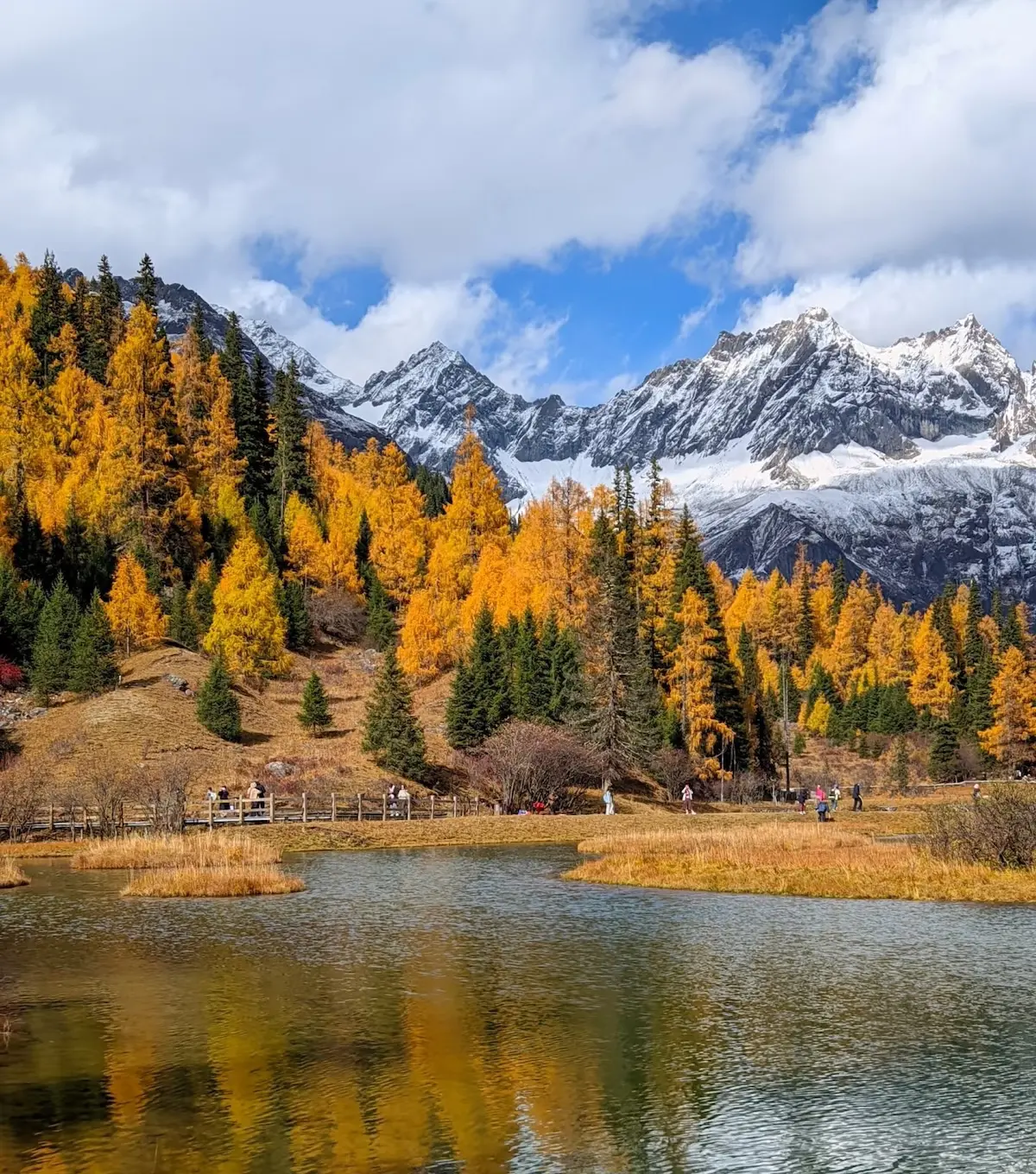
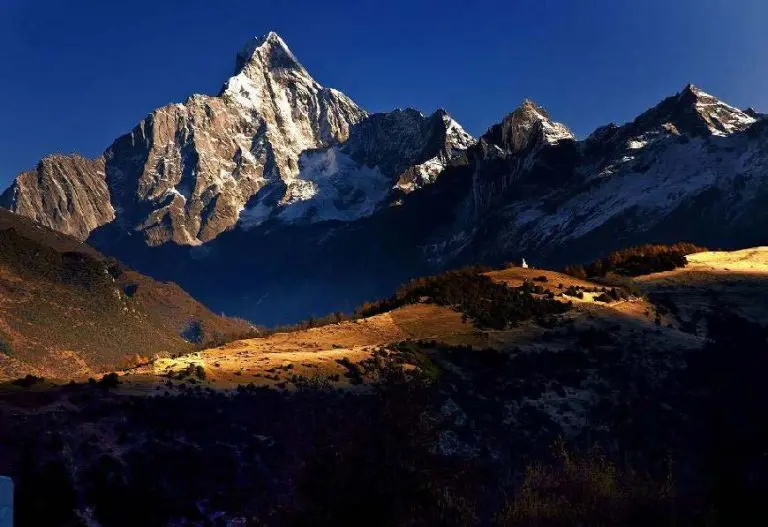
Start your journey this morning with a scenic drive to Rilong, the gateway to Mount Siguniang National Park, often called the 'Queen of Sichuan Mountains'. The drive takes about 4 hours, gradually climbing from the fertile Sichuan Basin into the dramatic alpine landscapes of western Sichuan. Travel through the Balangshan Tunnel (4,020 m) and stop at the Maobiliang Viewpoint for your first panorama look at the four majestic peaks of Mount Siguniang, shimmering in the distance.
Arrive in Rilong (3,200 m / 10,500 ft) by midday, a peaceful mountain town that serves as the base for exploring the park. In the afternoon, visit Shuangqiao Valley, the most accessible of the park’s three main valleys. Board the eco-bus deep into the valley, then walk between scenic stops such as Red Cedar Forest, Siguna Lake, and Bonsai Beach. The route winds through alpine meadows, crystal streams, and forests backed by glacial peaks. Return to Rilong for overnight.
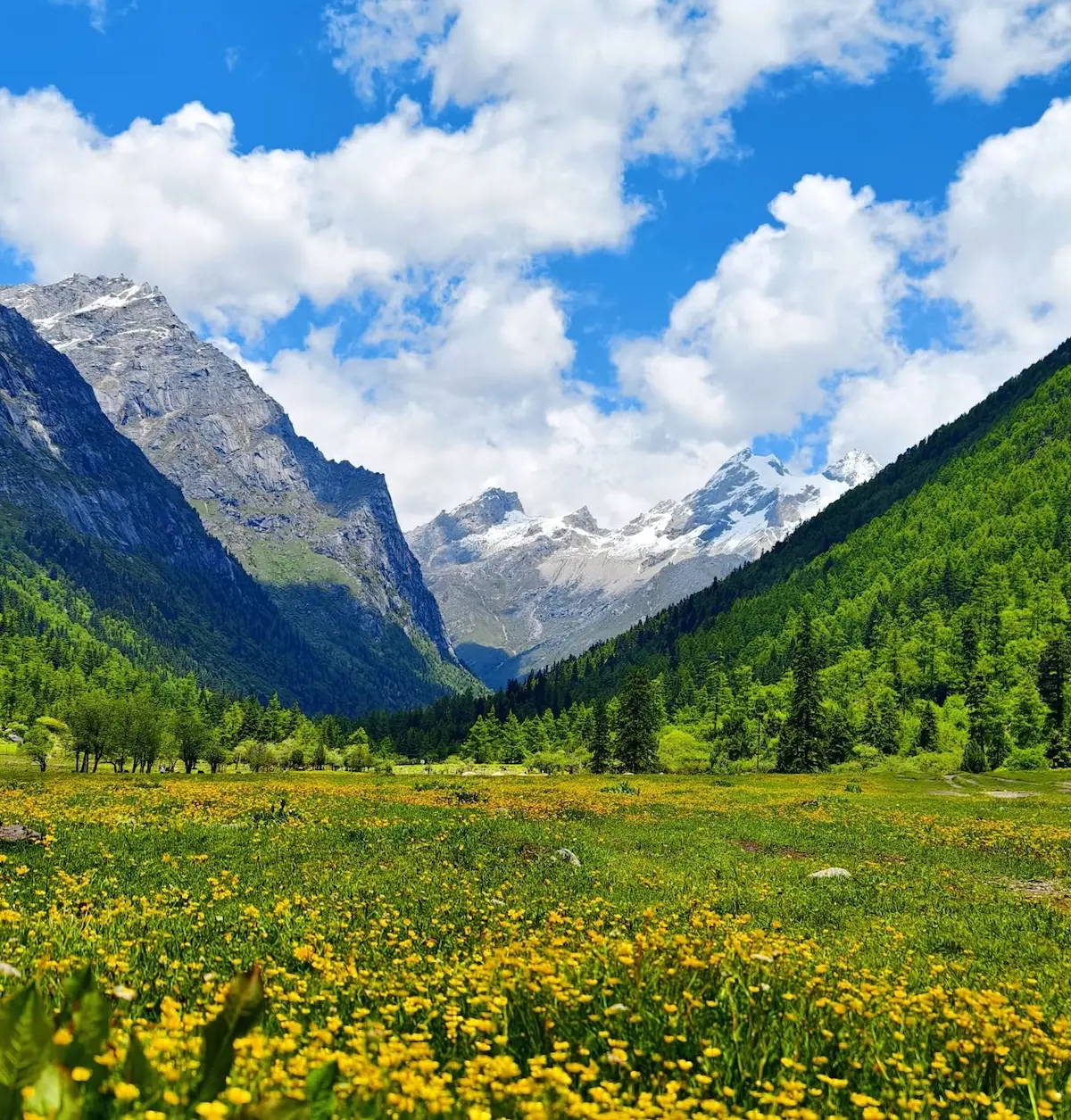
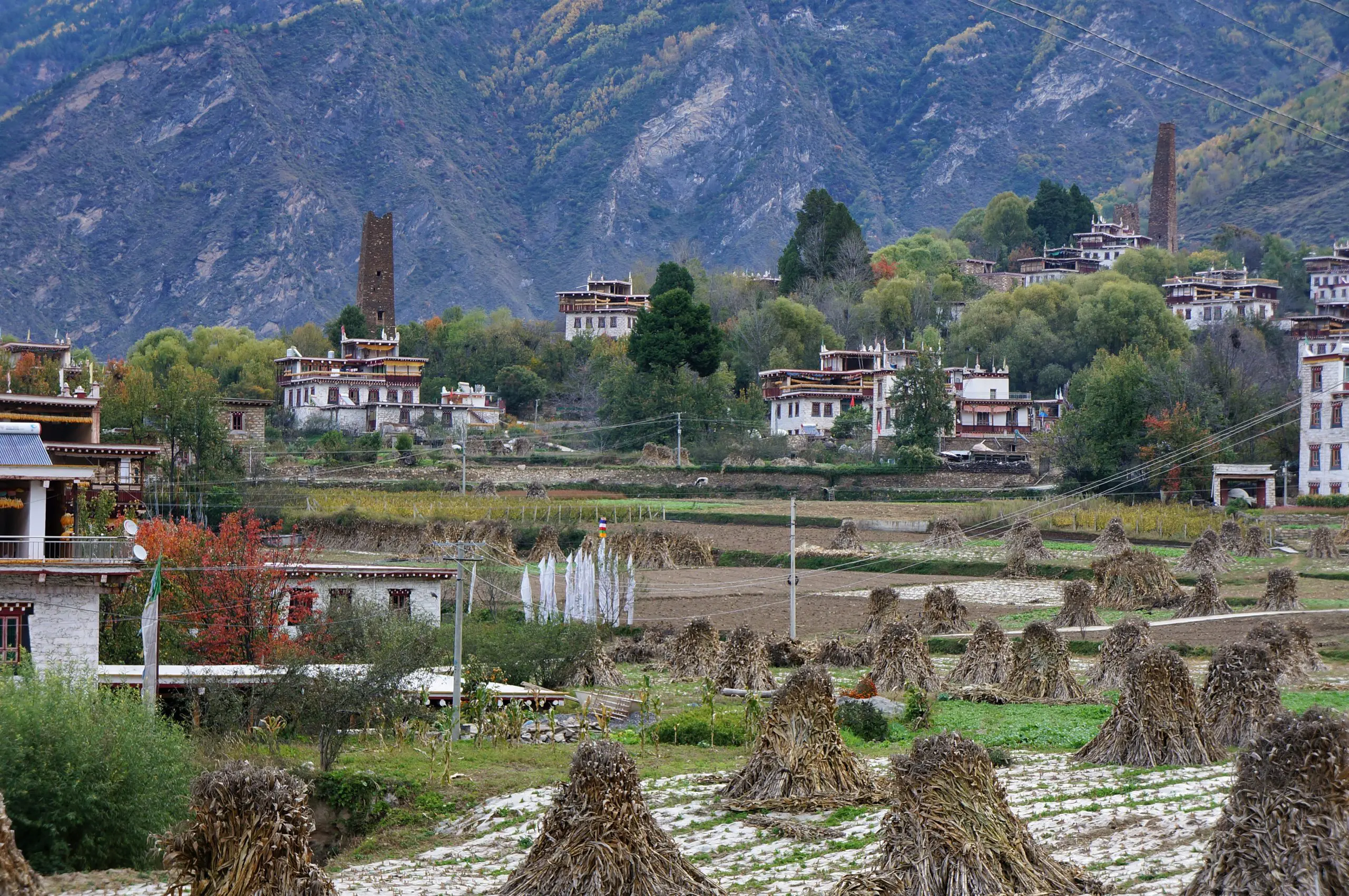
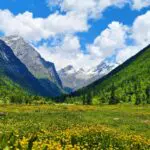
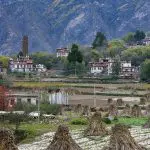
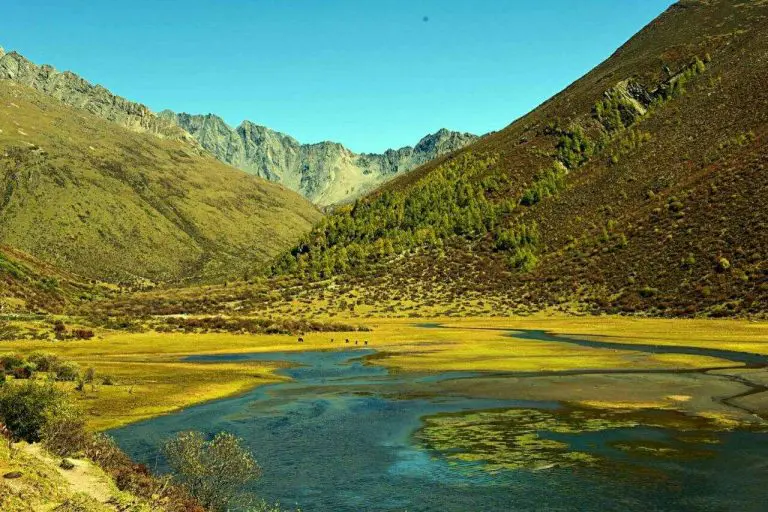
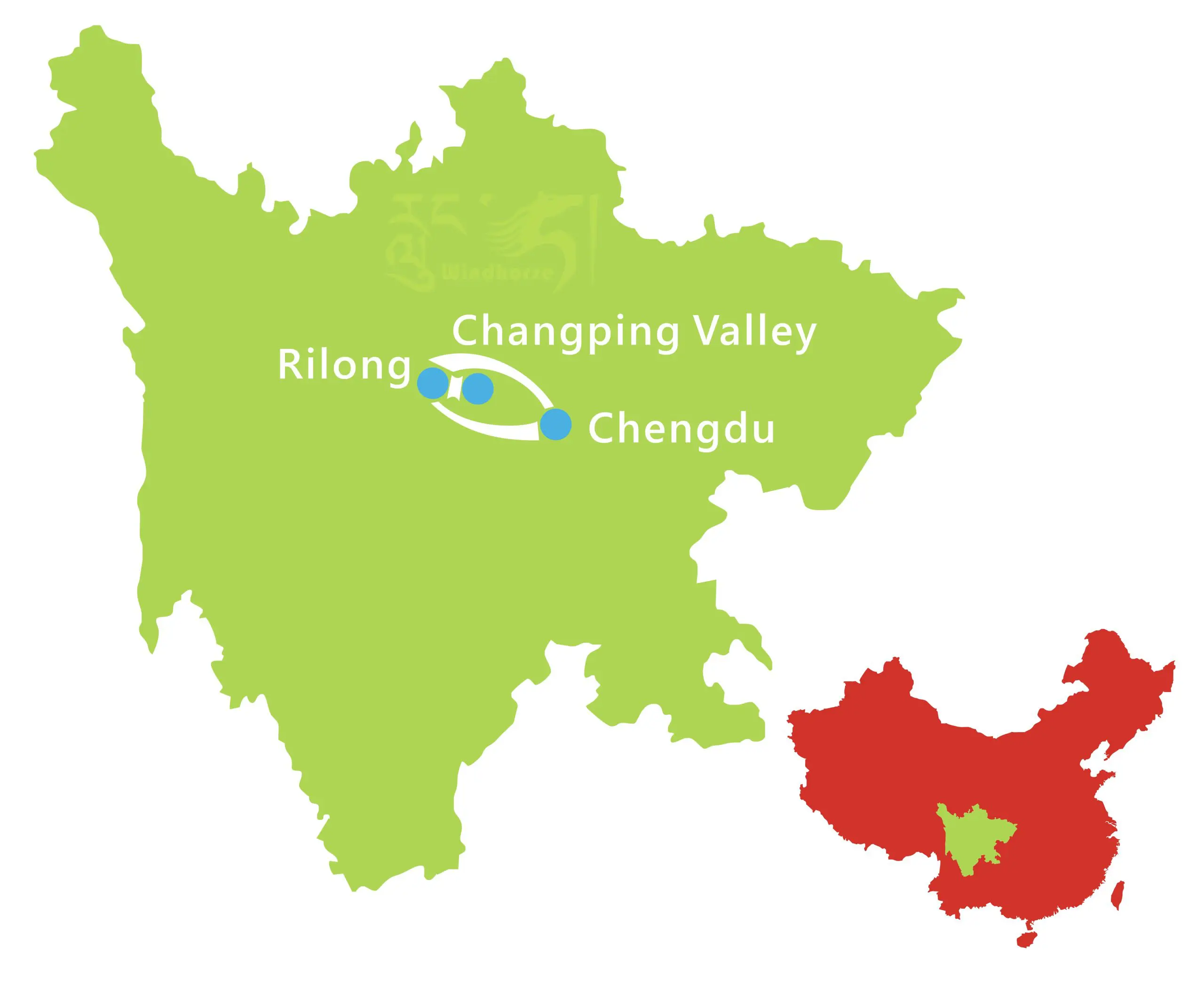
Morning visit Changping Valley, another main valley of Mount Siguniang National Park to enjoy the spectacular scenery of Mount Siguniang. Situated at the foot of Mount Siguniang, Changping Valley is 3,600 m (11,811 ft.) above sea level. During your trek along the stream flowing through the valley, observe the four peaks of Mount Siguniang in the distance. As you traverse the mountain range, admire the steep ridges of the mountains, which draw travelers worldwide. Often referred to as the 'Alps of the Orient', a local Tibetan legend says that Mount Siguniang's four peaks represent four beautiful girls. As you cross the cypress pass of Changping Valley, discover ancient monasteries and learn about local Tibetan customs. In the afternoon, drive to Danba and explore the Gyarong Tibetan village. Delight in the beauty of Zhonglu Tibetan village and its surrounding vistas. If the weather allows, enjoy a stunning sunset.
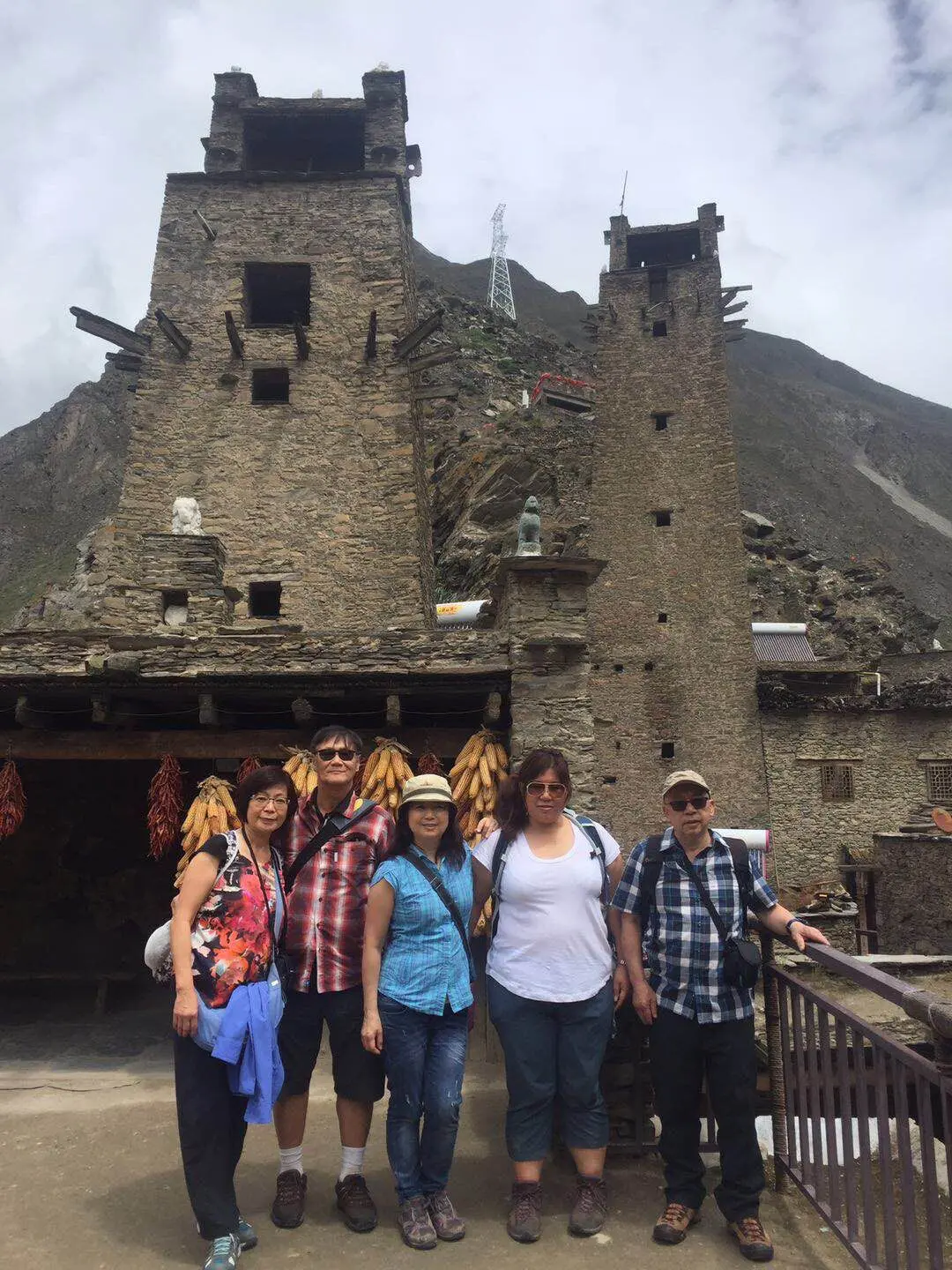
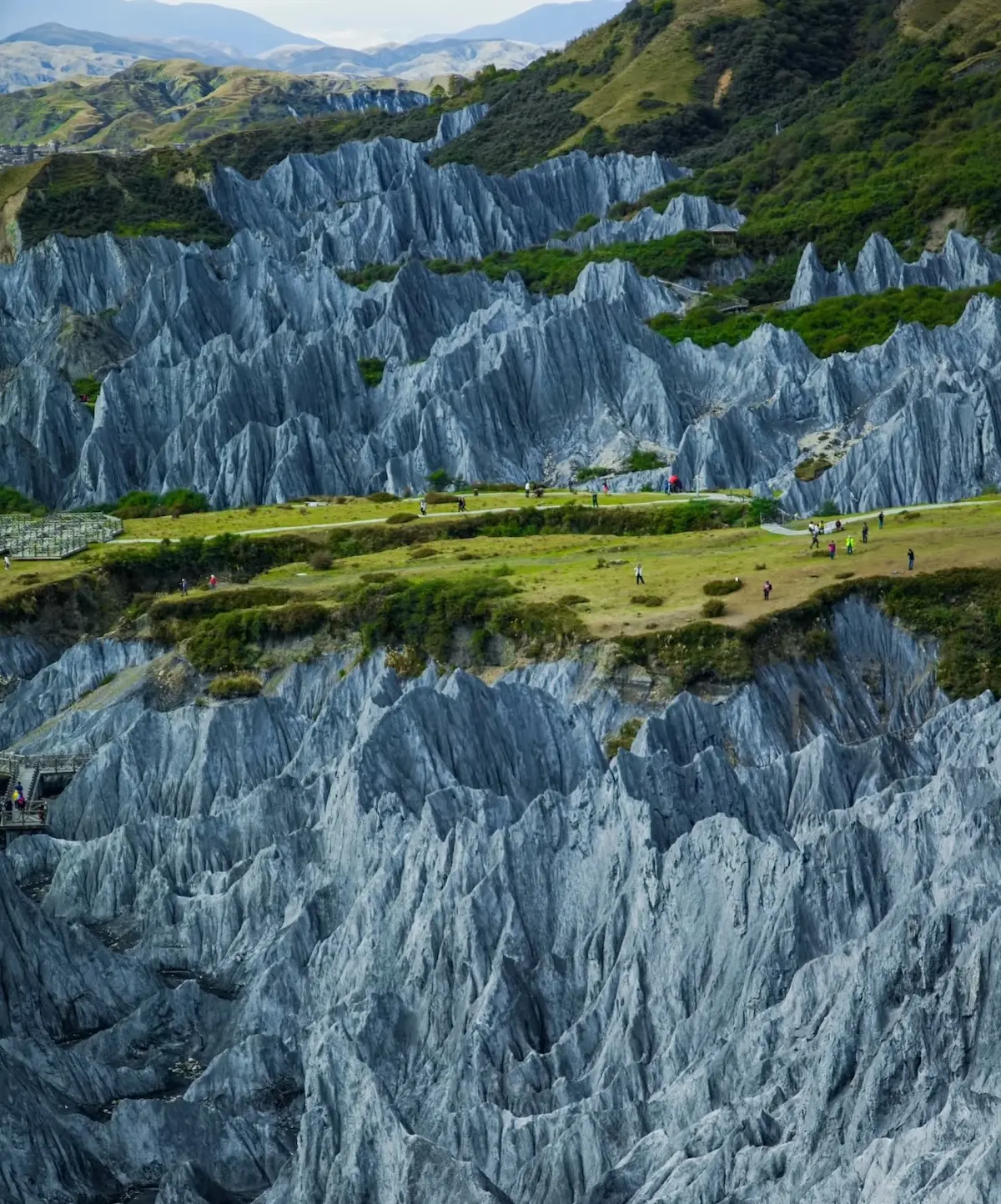
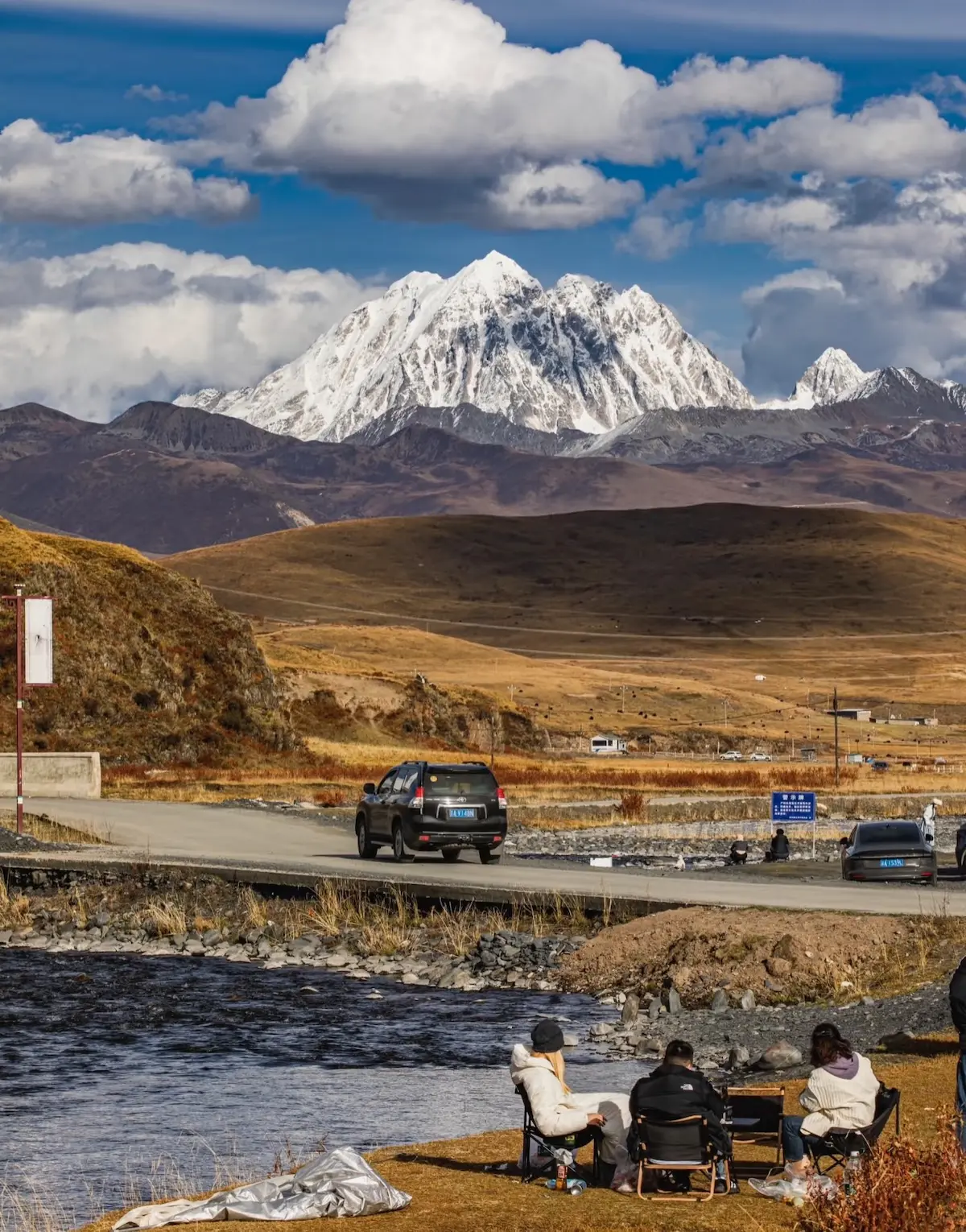
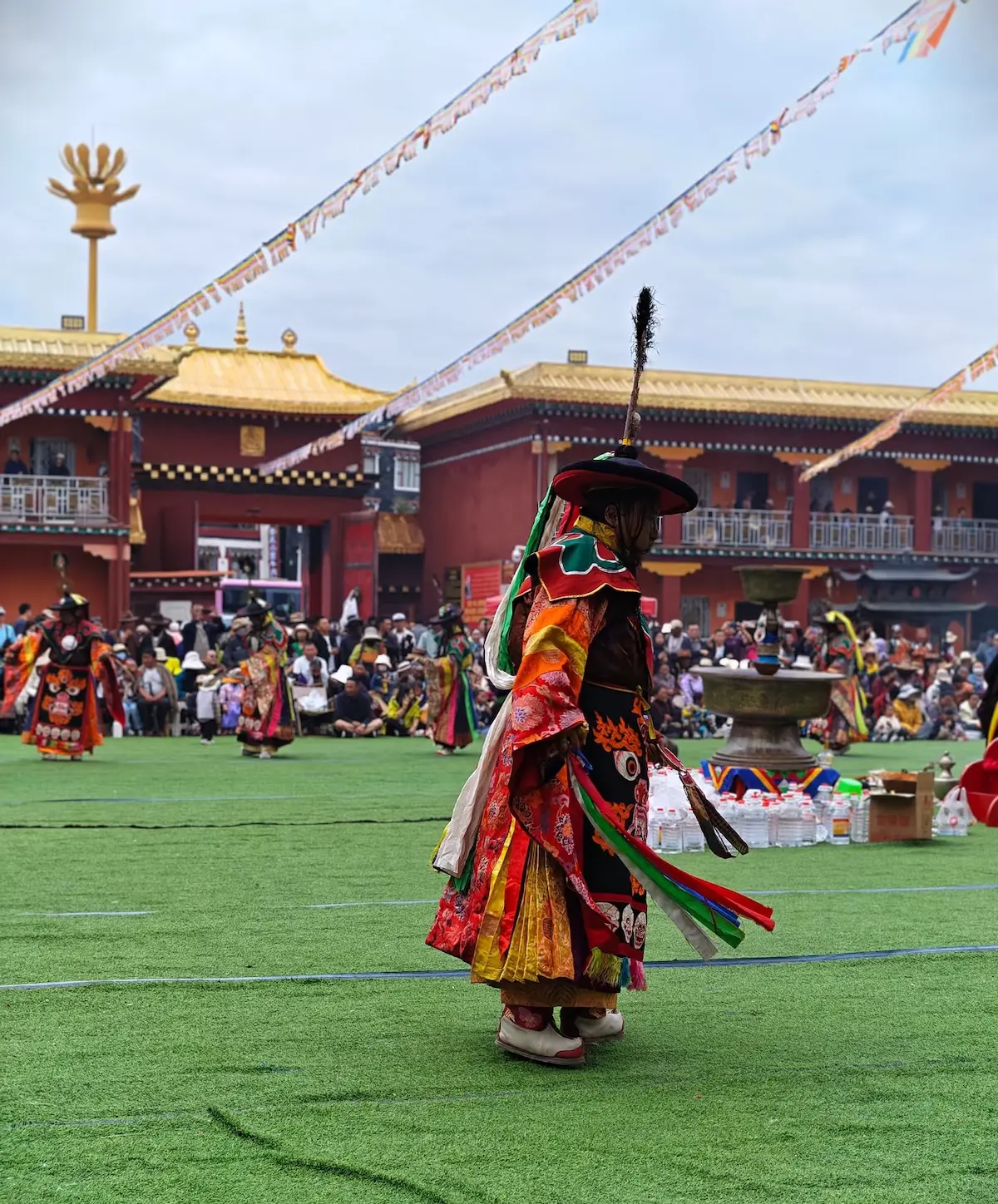
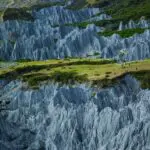
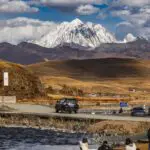
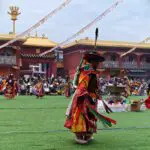
This morning, enjoy the sunrise at Zhonglu Tibetan village, then drive to visit Suopo Village in Danba, renowned for its centuries-old stone watchtowers and traditional Tibetan houses scattered along the valley slopes. Continue westward and stop at Yala Snow Mountain view point where you will have a great view of Mount Yala, then continue to Moshi Park, a stunning geological wonder of stone forests and surreal rock formations sculpted by wind and erosion, a dramatic contrast to the surrounding grasslands.
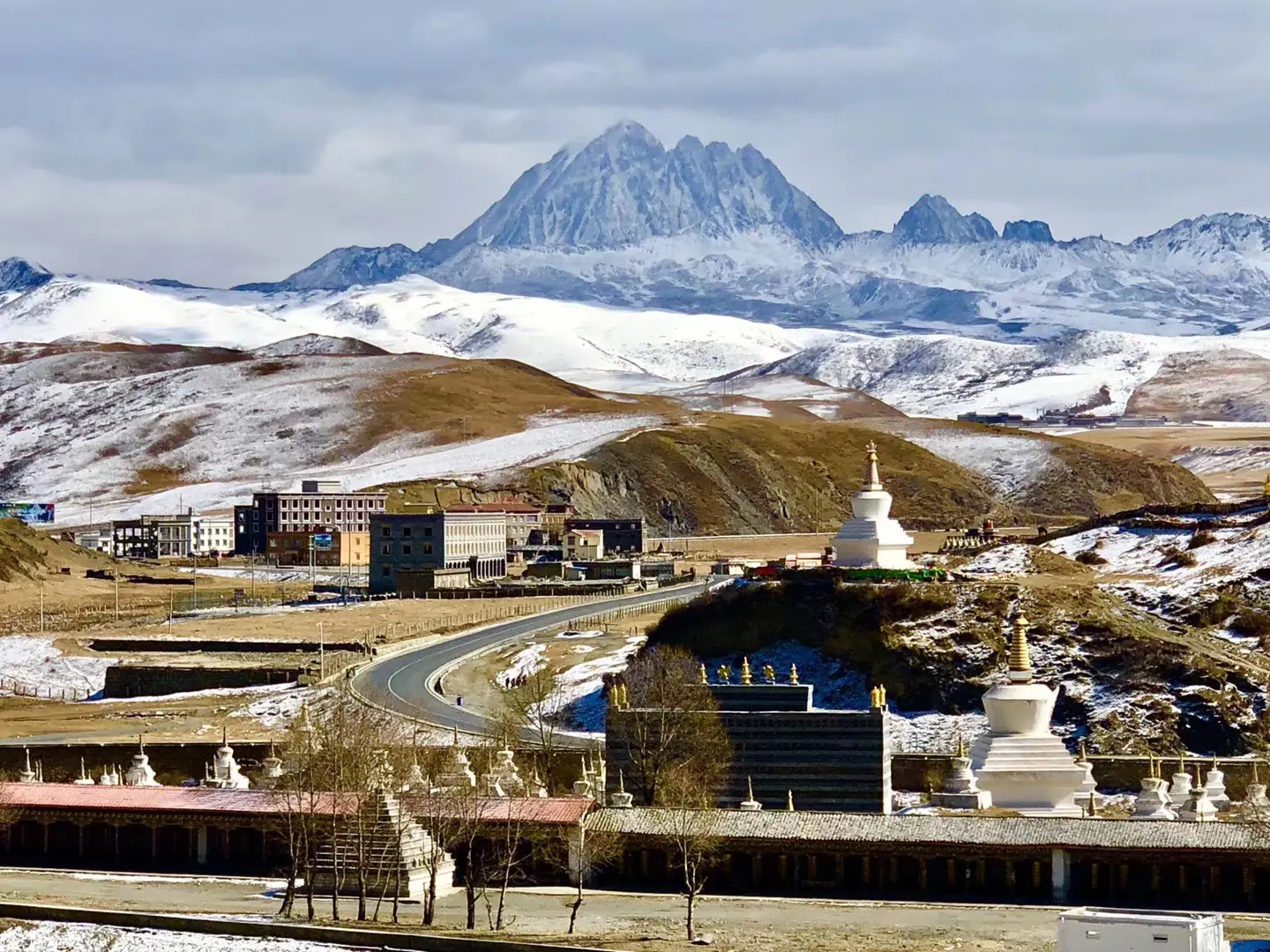
Arrive in Tagong, a small town set on sweeping alpine pastures. Visit the historic Tagong Monastery, an important Sakya monastery often called the “Little Jokhang”, and then drive about 20 minutes to Gunong Village, where you will enjoy panoramic views of Mount Yala (5,820 m) rising above the grasslands.
Late afternoon drive to Bamei for overnight.
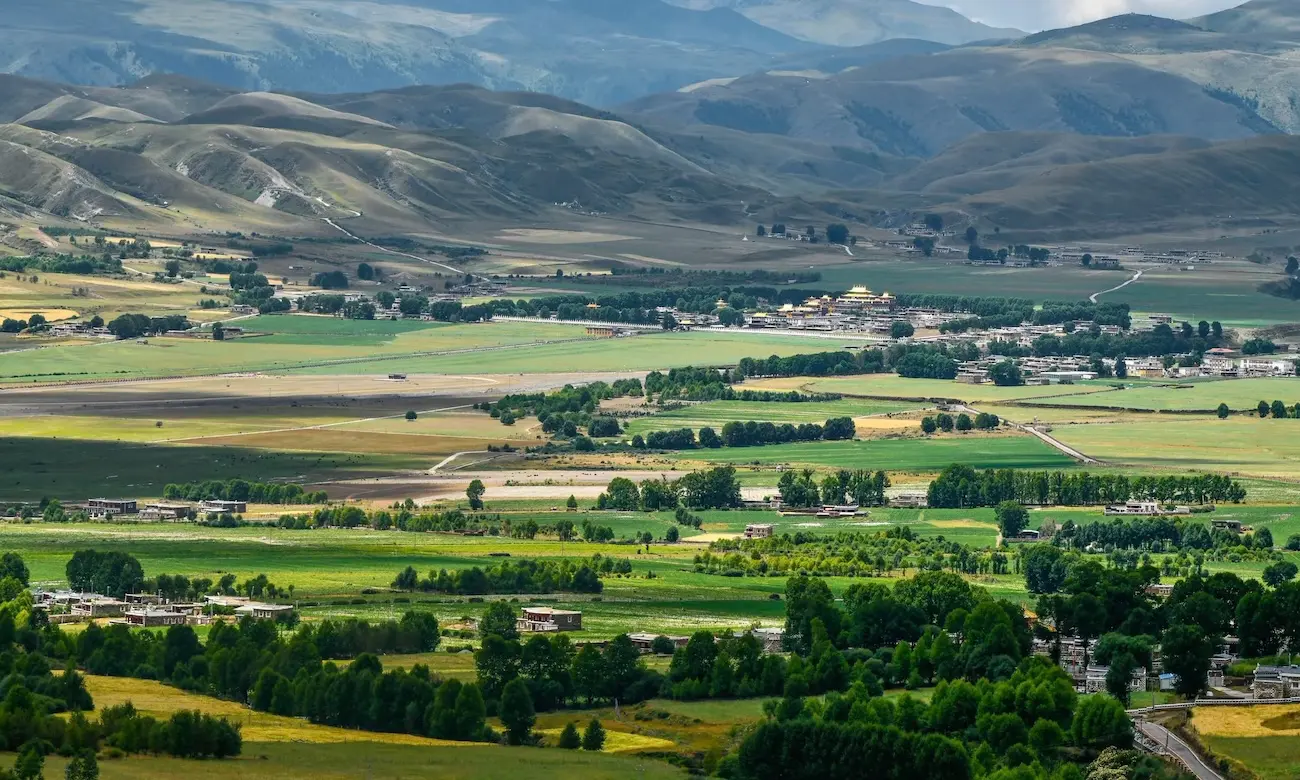
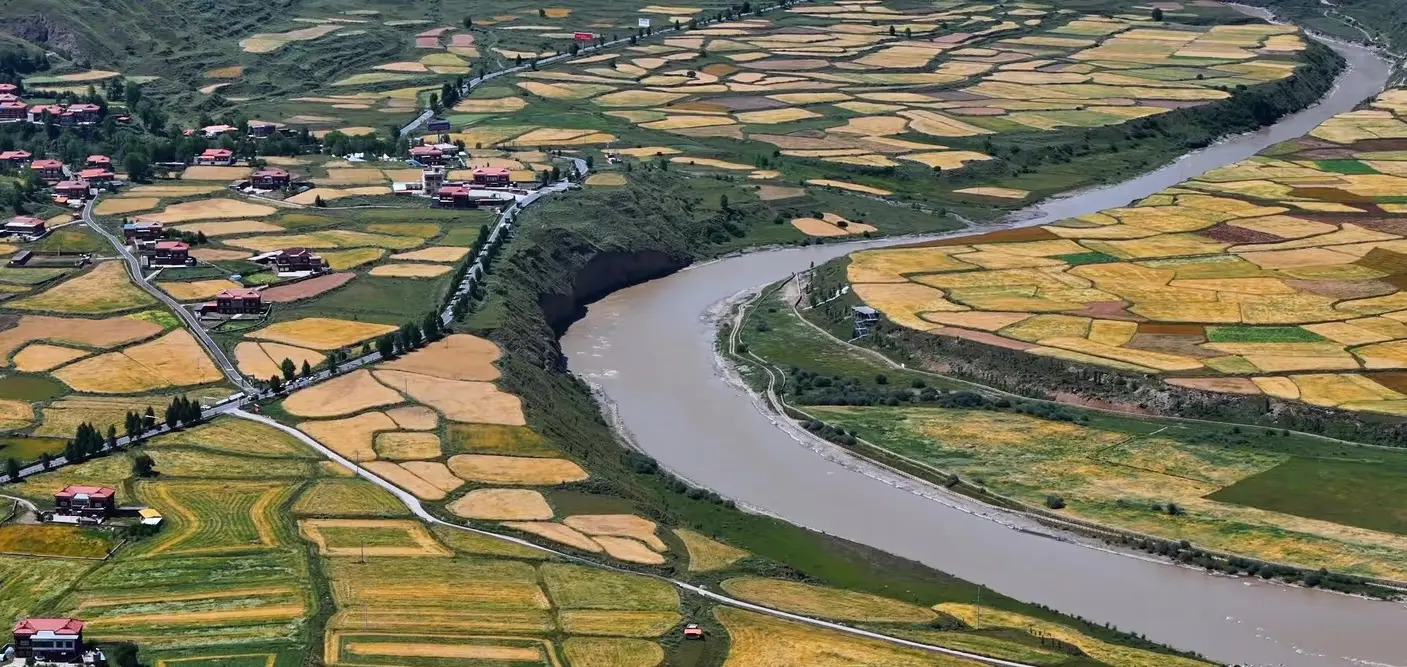
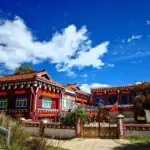
After breakfast, visit Huiyuan Gompa (Garthar Chodé Monastery), a famous Gelugpa monastery founded in 1728 by the 7th Dalai Lama with support from Emperor Qianlong of the Qing Dynasty. It is also the birthplace of the 11th Dalai Lama. Set at 3,550 m, the monastery overlooks the vast Bamei grasslands and nearby villages.
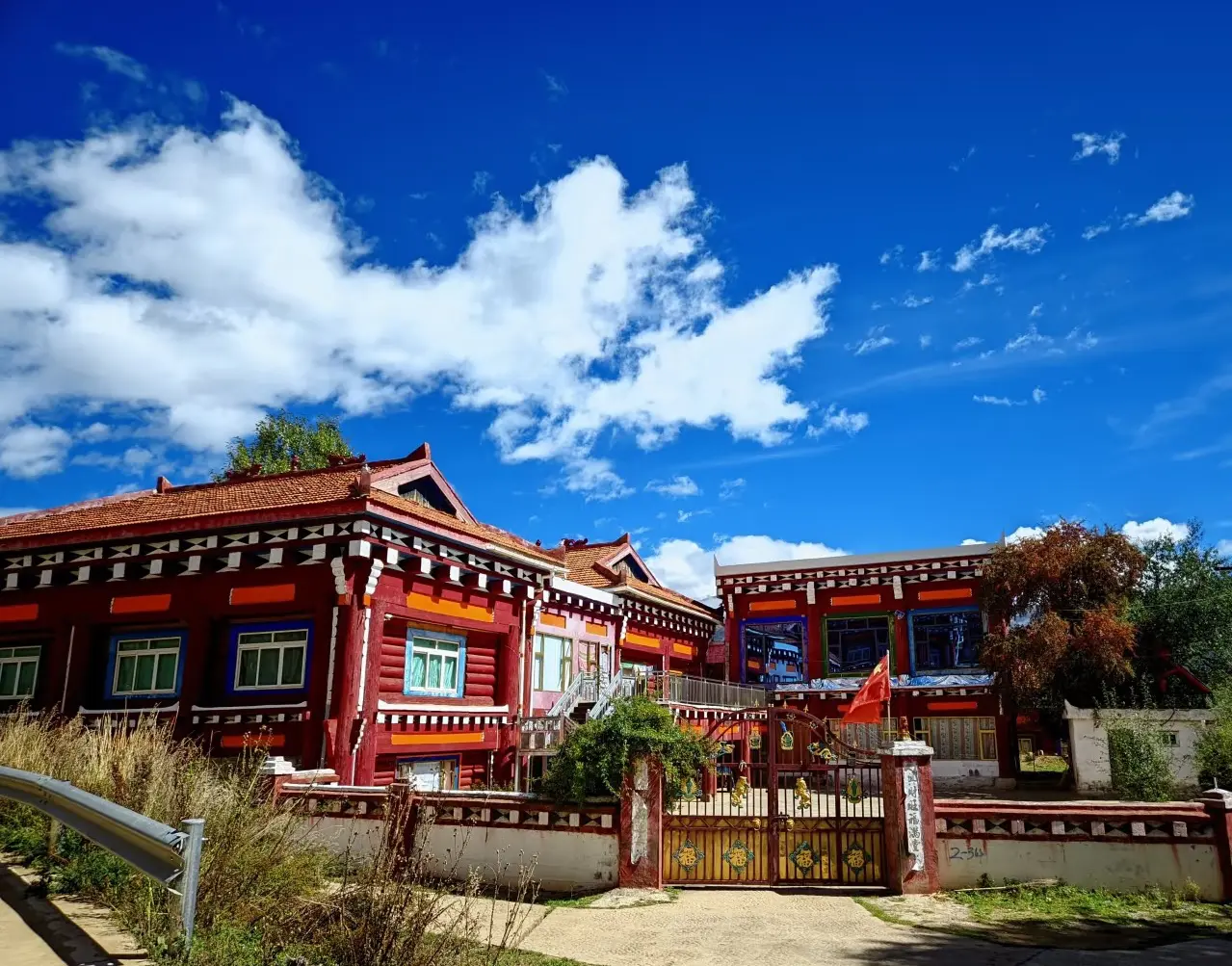
Continue west through the Longdeng Pasture, a vast highland meadow dotted with black nomad tents, grazing yaks, and colorful prayer flags. Arrive in Daofu (Dawu), often celebrated as a center of Tibetan residential art in Kham. The region is known for houses with whitewashed walls, richly carved eaves and window frames, and painted ornamentation. Visit a traditional house to appreciate the craftsmanship firsthand.
Follow the Xianshui River north to Luhuo (Drango) to visit Drango Gompa (Shouling Temple), a 17th-century Gelugpa monastery perched above the valley, whose name means “wishing for longevity and safety.”
In the late afternoon, continue to Garze (Ganzi), stopping at Kasa Lake (Karsar Tso) for a brief rest and photo opportunity.
Garze (Ganzi) is a lively mountain town set in a broad valley surrounded by snow-capped peaks. It serves as an important cultural and trading hub in northern Kham. From here, you’ll rejoin the main G317 Highway to continue your journey west toward Dege. Overnight in Garze.
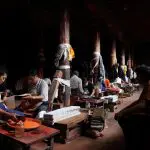
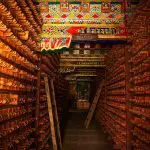
Depart Garze in the morning and begin your scenic drive toward Derge, one of the most beautiful stretches of the Sichuan Tibet highway northern route G317. As you leave the town, enjoy views of verdant barley fields, snow-fed rivers, and the rolling pastures of northern Kham.
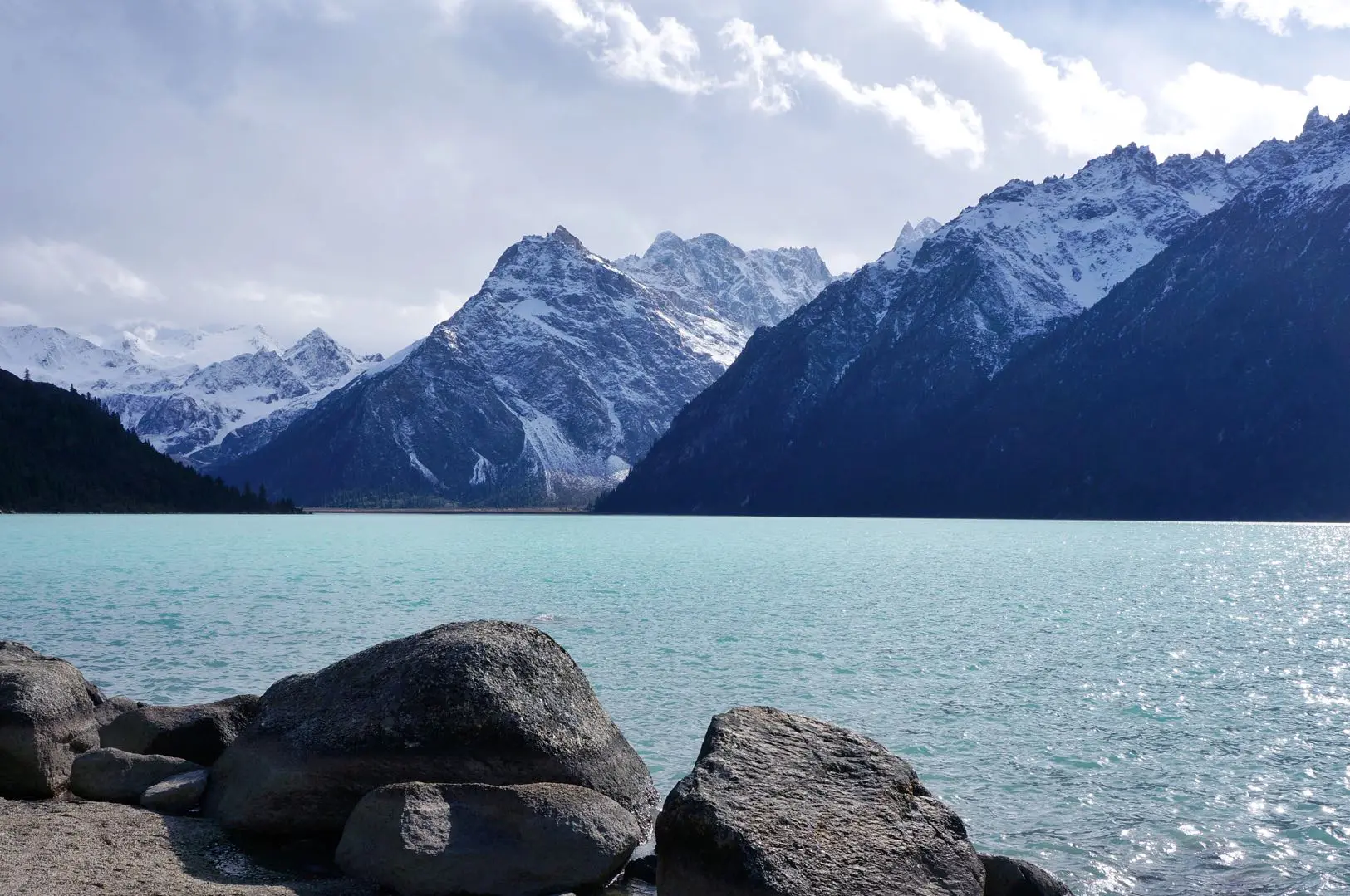
Continue west, passing natural hot springs where locals bathe in warm, mineral-rich waters surrounded by alpine scenery. After the picturesque Tibetan town Manigango, on the way drive to Yilhun Lhatso (Xinluhai), you will stop at Chola Mountain viewpoint for the spectacular Chola mountain glacier with the mountains. Yilhun Lhatso (Xinluhai), is a sacred turquoise lake at the foot of Chola Mountain (6,168 m). The lakeshore is dotted with ancient mani stones and rock carvings, and the clear waters reflect surrounding glaciers and snow peaks. Spend some time walking around the lake and enjoying the peaceful alpine atmosphere.
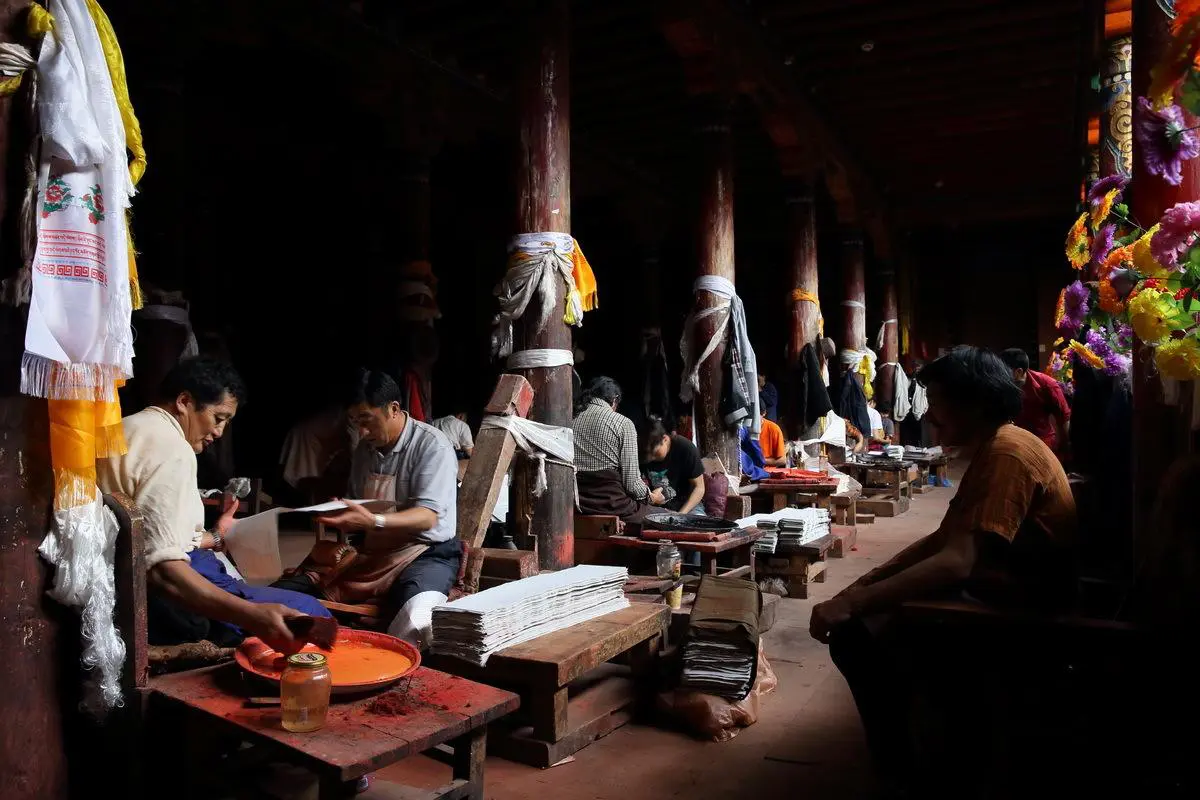
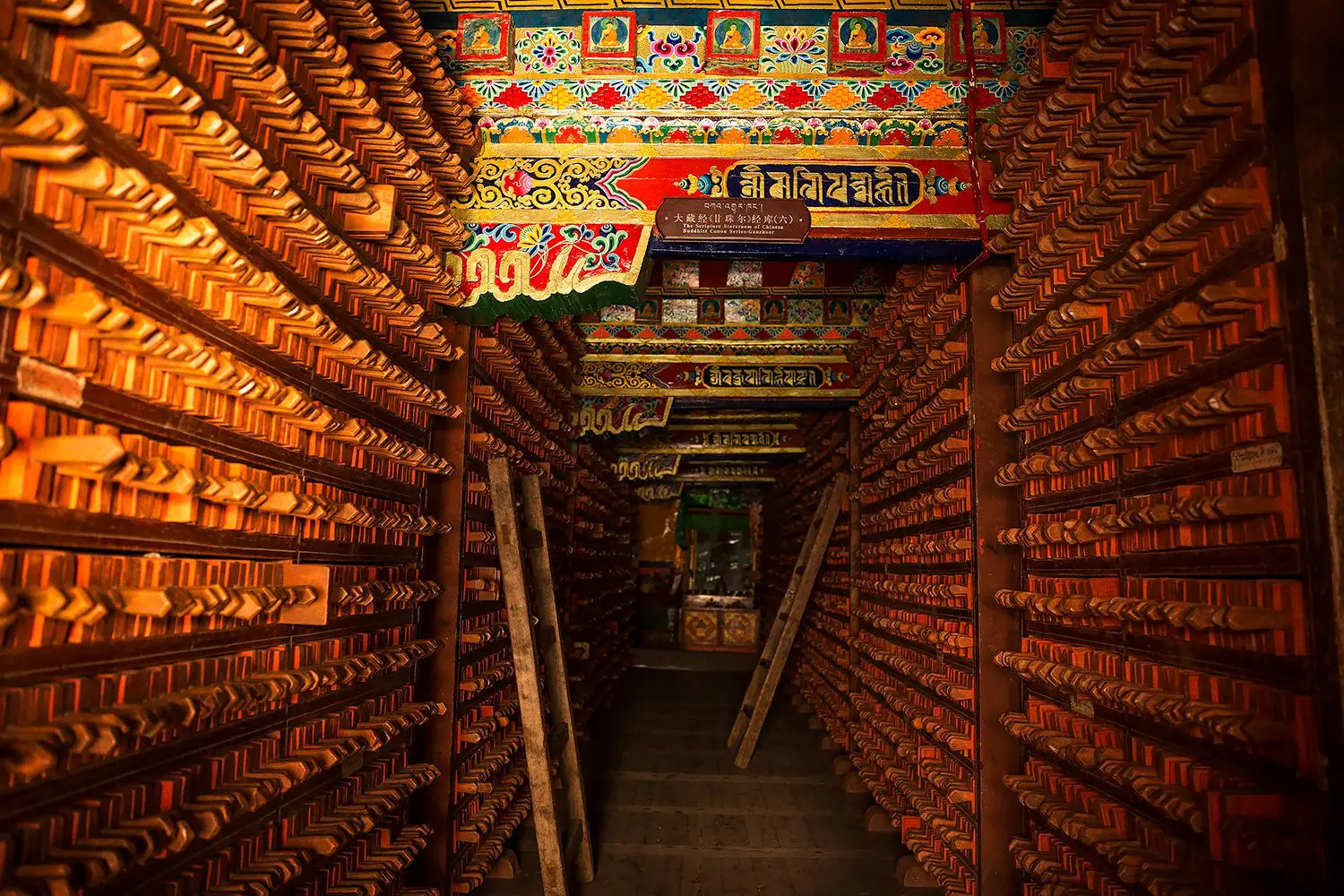
Then, continue the travel to Dege via Chola Mountain tunnel. Derge County, located along the Jinsha River, has long been a cultural and religious heart of Kham Tibet, renowned for its ancient Printing House and monastic heritage. Visit the Derge Parkhang (Scripture Printing House), founded in 1729, it’s Tibet’s most famous woodblock printing house, still preserving thousands of sacred Buddhist texts. If time is allowed, you may also visit the nearby Derge Monastery, rich in murals and religious relics. Overnight in Derge.
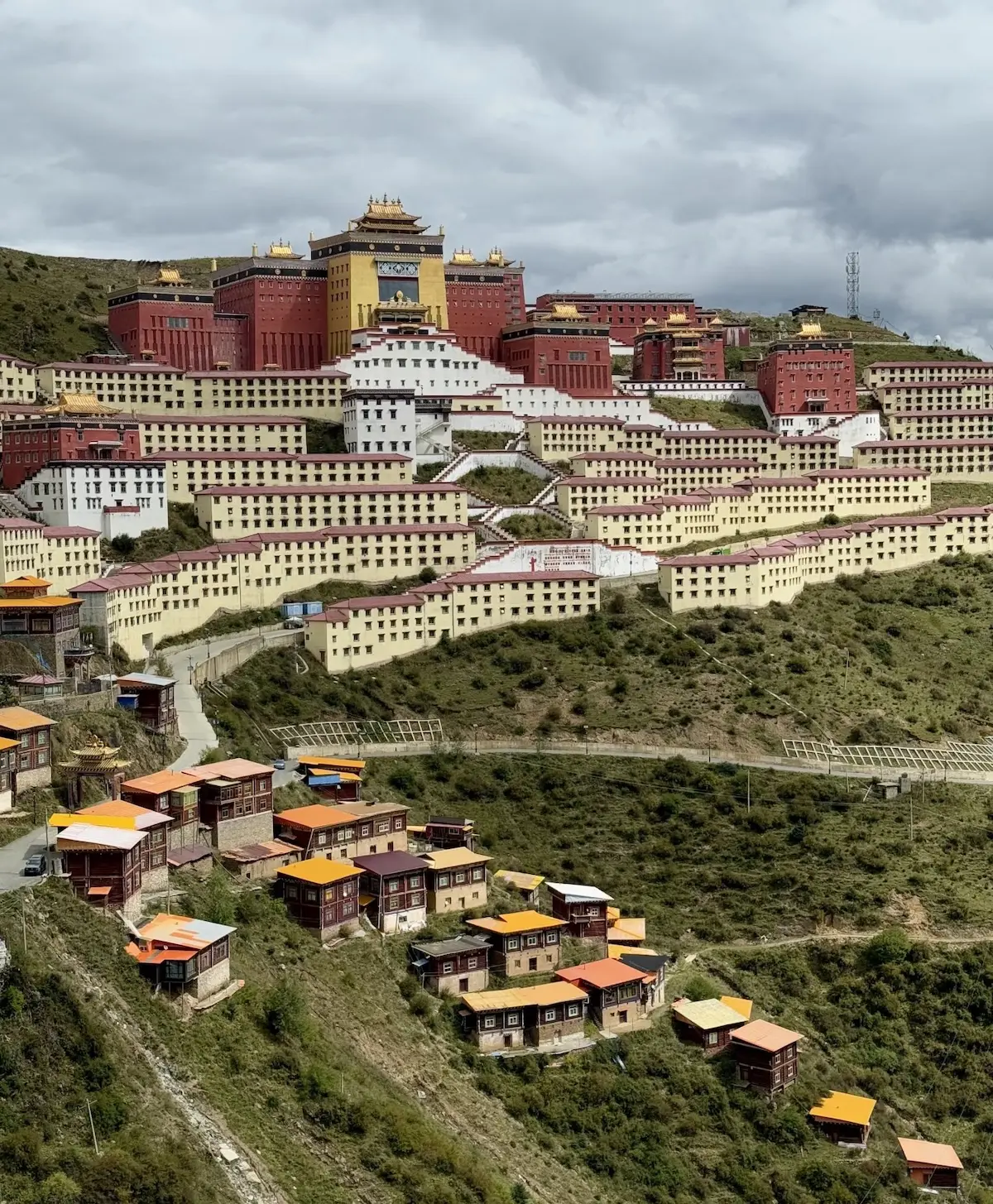
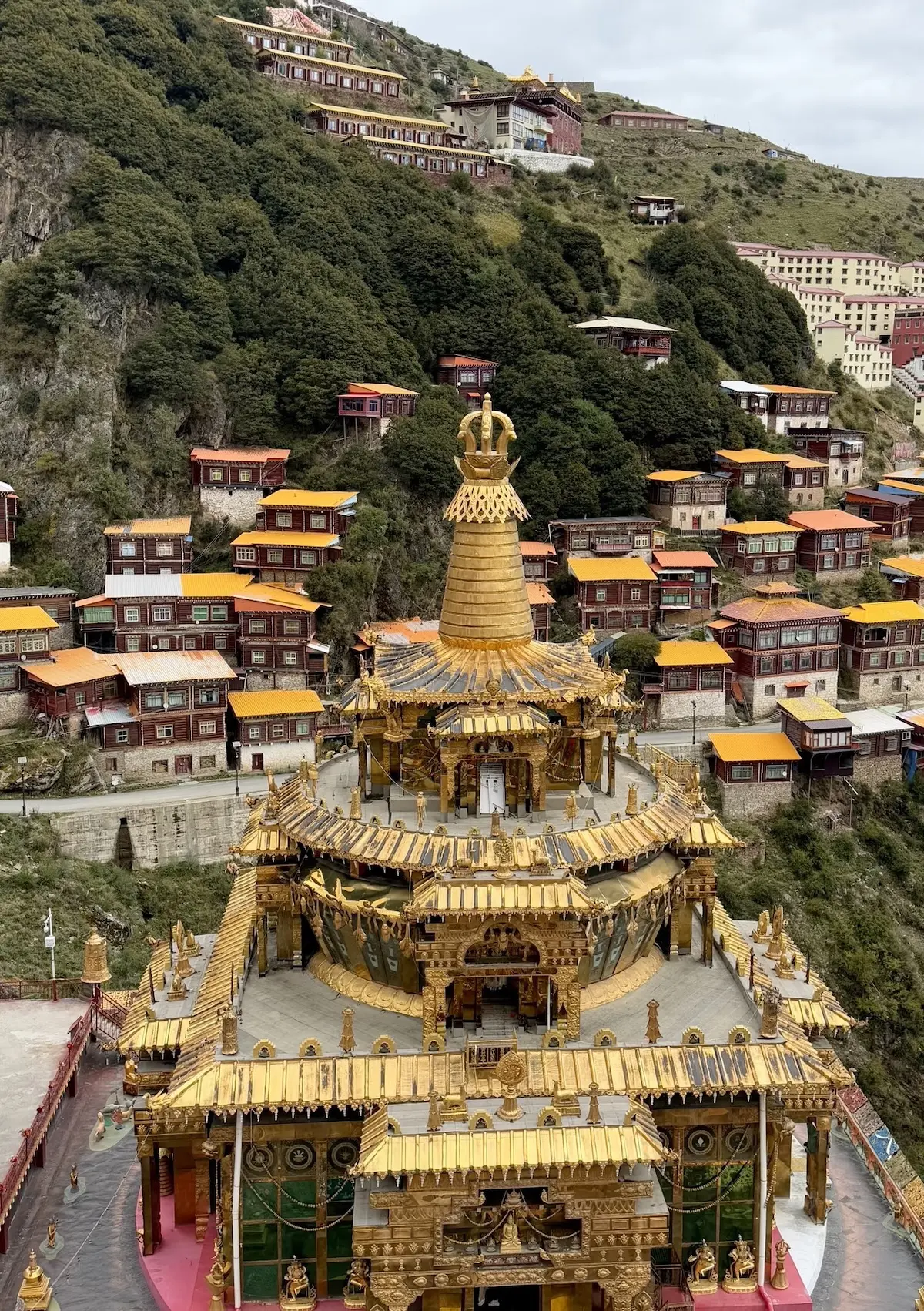
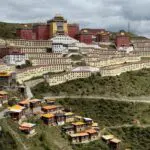
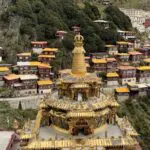
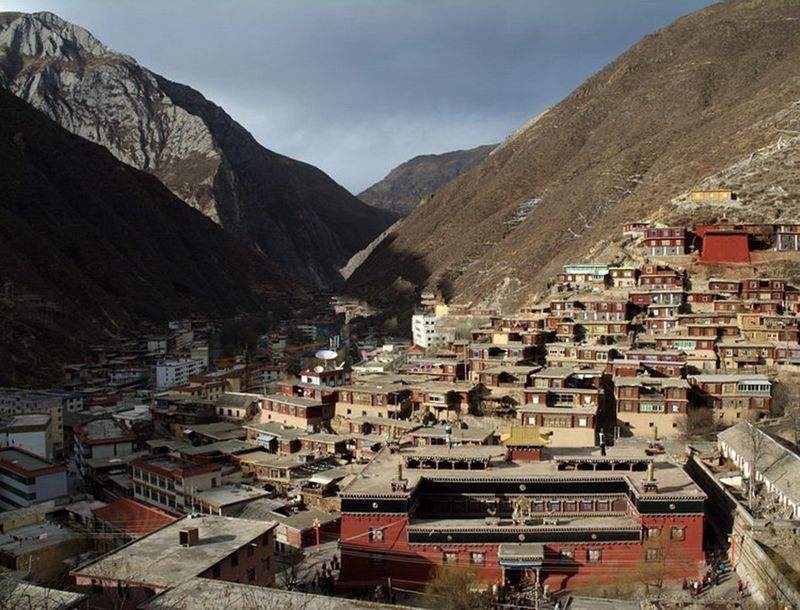
After breakfast, drive south along the Jinsha River toward Palyul County, where the river marks the border between Sichuan and Tibet. Visit Katok Monastery, founded in 1159 and regarded as the oldest and most influential Nyingma monastery in Kham. With more than eight centuries of history, Kathok is often called the “mother monastery” of Kham, known for its sacred atmosphere, meditation retreats, and mountain hermitages scattered across the surrounding hills.
Spend some time exploring the monastery complex and enjoying the panoramic views before returning to Derge for the night.
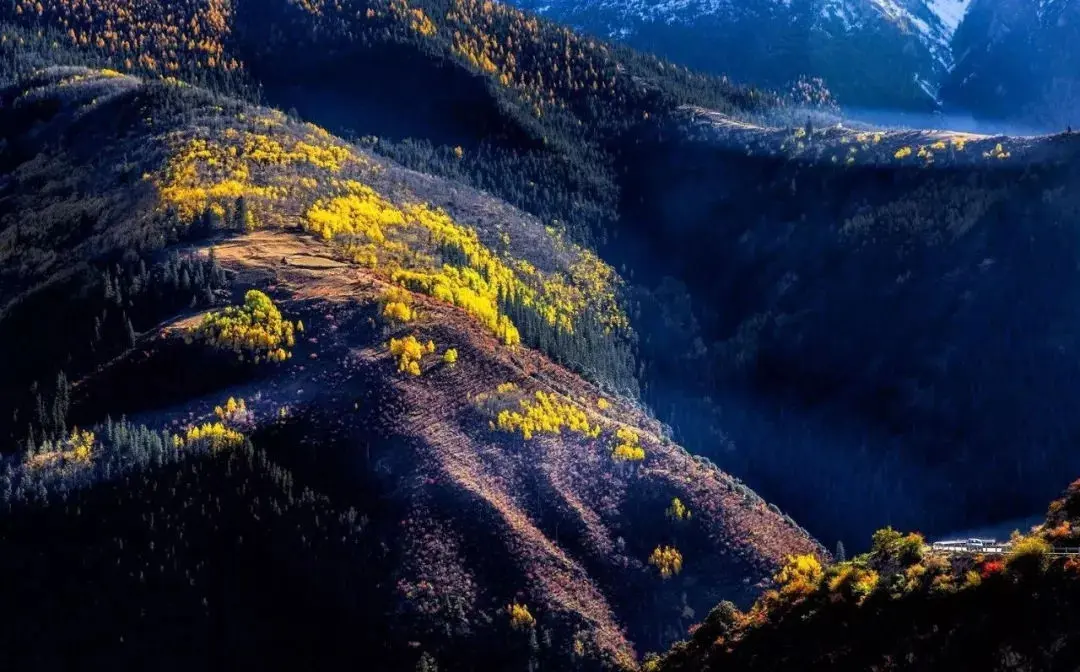
After breakfast, set out from Derge and follow the G317 Highway west toward Chamdo. Shortly after leaving town, cross the Jinsha River, you officially enter the Tibet Autonomous Region (TAR), leaving Garze Prefecture behind and entering Chamdo.
Continue west toward Jomda County, where the landscape opens into wide highland pastures dotted with nomad tents and grazing yaks. Stop in Jomda Town for lunch and a short rest before continuing the journey.
The road ahead climbs over Xuejila Pass (4,200 m), offering panoramic views of the grasslands and distant snow peaks. Along the way, pass Jiba Village, known for its roadside monkey reserve where wild macaques can often be seen.
Though the road can be rough in places with occasional construction and truck traffic, the scenery is stunning, sweeping plateaus, deep valleys, and towering mountains. Descend gradually into Chamdo Valley (3,600 m), surrounded by alpine forests and river gorges, and arrive in the late afternoon. Overnight in Chamdo.
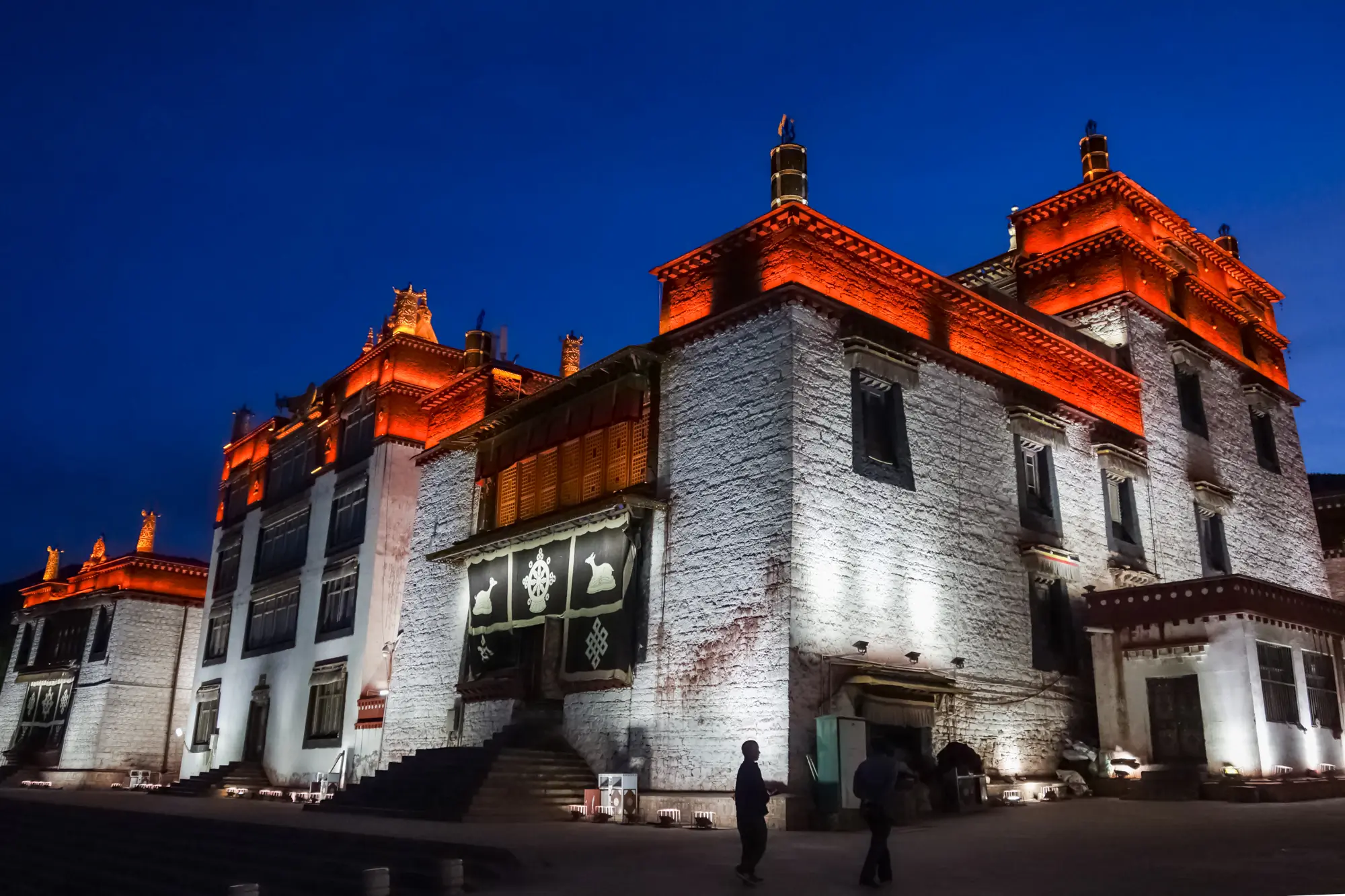
Chamdo is the major transport, administrative, and cultural hub of the Kham region - a historic crossroads linking Tibet with Sichuan and Yunnan.
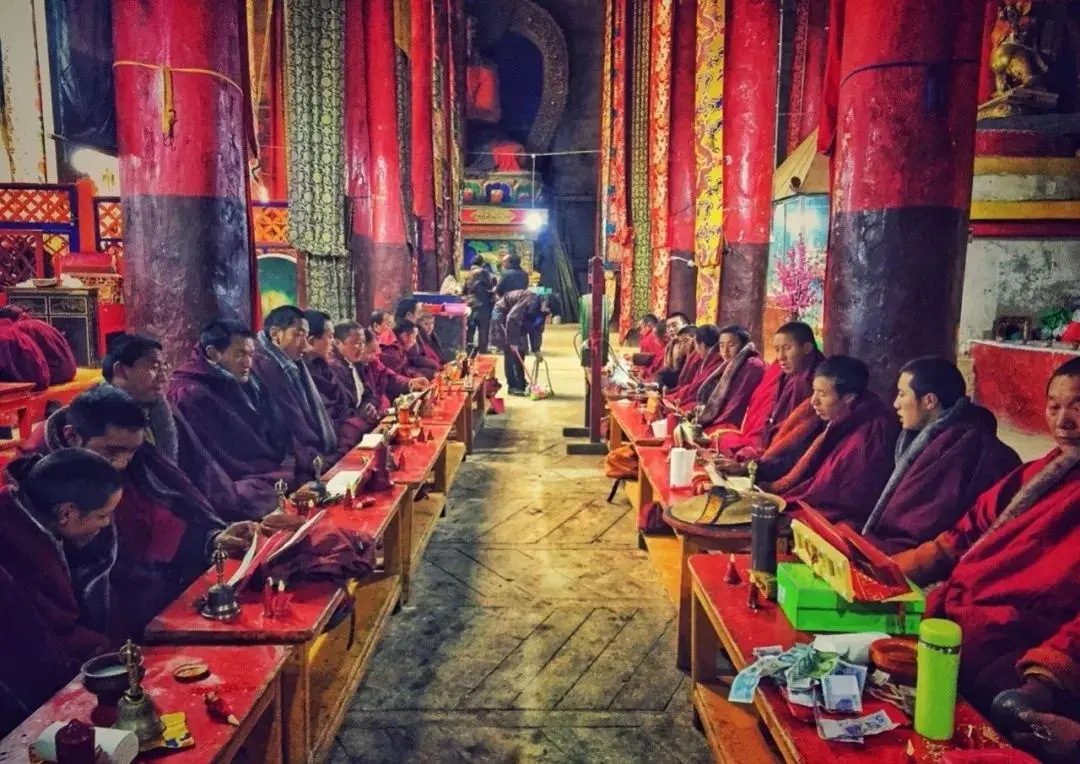
In the morning visit Jampaling Monastery on the hilltop, this important Gelugpa monastery dates back to the 15th century and remains an active center of worship. Join local pilgrims for a circumambulation (kora) around the monastery to experience the devotion and rhythm of Tibetan life.
Then drive to northwest toward Riwoche, crossing the Zholpel La Pass (4,688 m). The road winds through sweeping high-plateau valleys and rugged mountain ridges that showcase the wild, unspoiled beauty of northern Kham. The drive takes about 3 hours.
Upon arrival, visit Riwoche Monastery, one of the two principal monasteries of the Taklung Kagyu school, easily recognized by its stunning red, white, and black striped walls. Nestled in a peaceful valley north of town, it embodies the quiet spiritual power of old Tibet. Overnight at Riwoche.
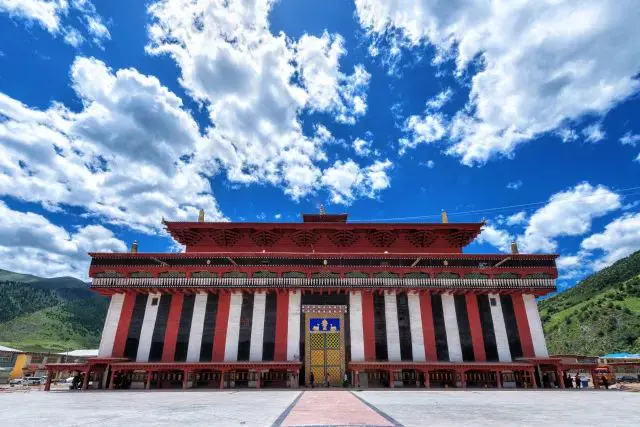
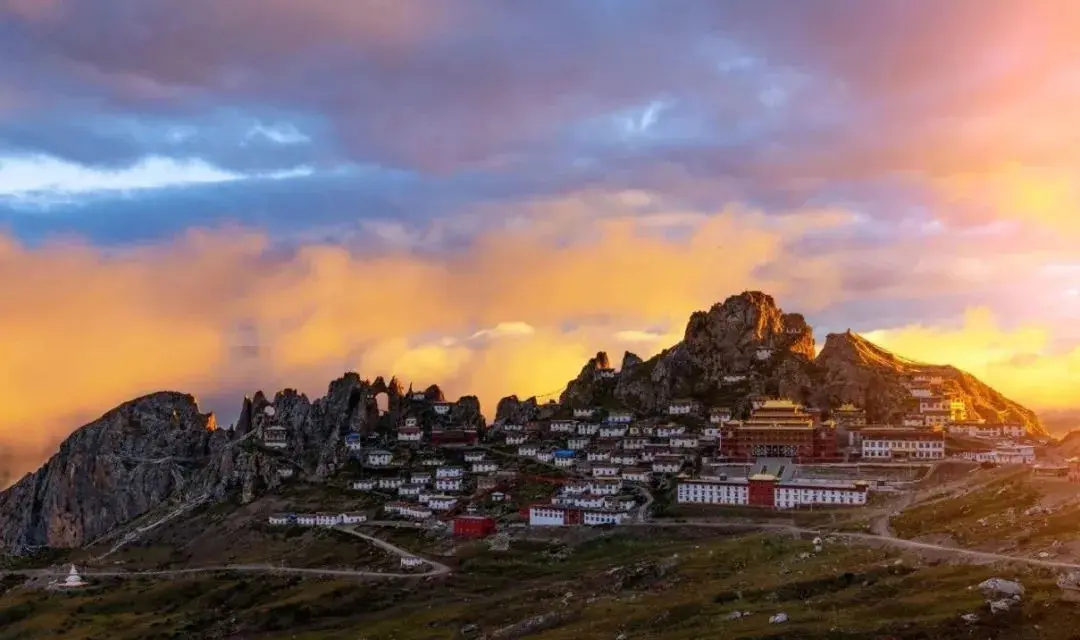
Morning drive to Tengchen (Dingqing), crossing two high mountain passes and winding through dramatic valleys and grasslands. The scenery is wild and ever-changing, though the road can be rough in the rainy season.
En route, make a worthwhile detour to visit Zizhu Monastery (Zezhol Monastery), one of the most sacred sites of the ancient Bön religion. Perched dramatically on a cliff at over 4,700 meters, this remote monastery offers spectacular views and deep insight into Tibet’s pre-Buddhist spiritual traditions.
Arrive in Tengchen (Dingqing) by late afternoon. The region is considered the heartland of the Bön faith, which is a primitive religion, based on ancient witchcraft and worship to god and ghost, and was spread through the whole Tibet before the Buddhism was introduced into Tibetan area.
Overnight at Tengchen.
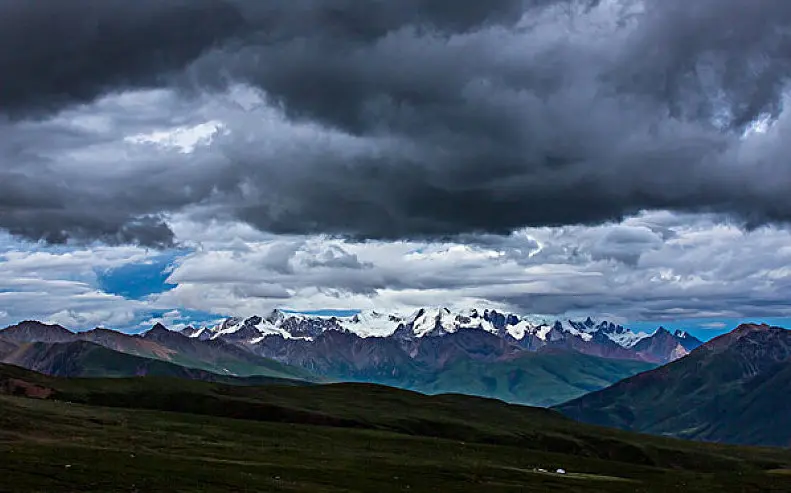
Depart Tengchen (Dingqing) in the morning and continue west along the G317 Highway, one of the most scenic stretches of the northern route to Lhasa. The road climbs through high-altitude valleys and wide river plains, opening to sweeping views of rolling grasslands dotted with yaks and nomad tents.
Along the way, you’ll cross several dramatic mountain passes including Jiongni La (4,430 m), Qia La (4,472 m), and Anwu La (5,089 m), each revealing breathtaking panoramas of the vast northern plateau. You may stop at Bujia Snow Mountain and Glacier, where gleaming ice fields spill down from jagged peaks and turquoise meltwater streams wind through the valley below.
As you approach Sog County (about 4,000 m), the landscape softens into broad valleys. Overnight in Sog.
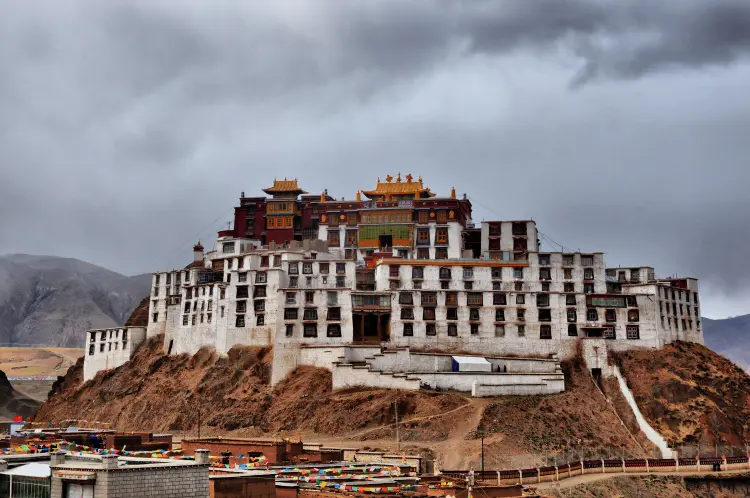
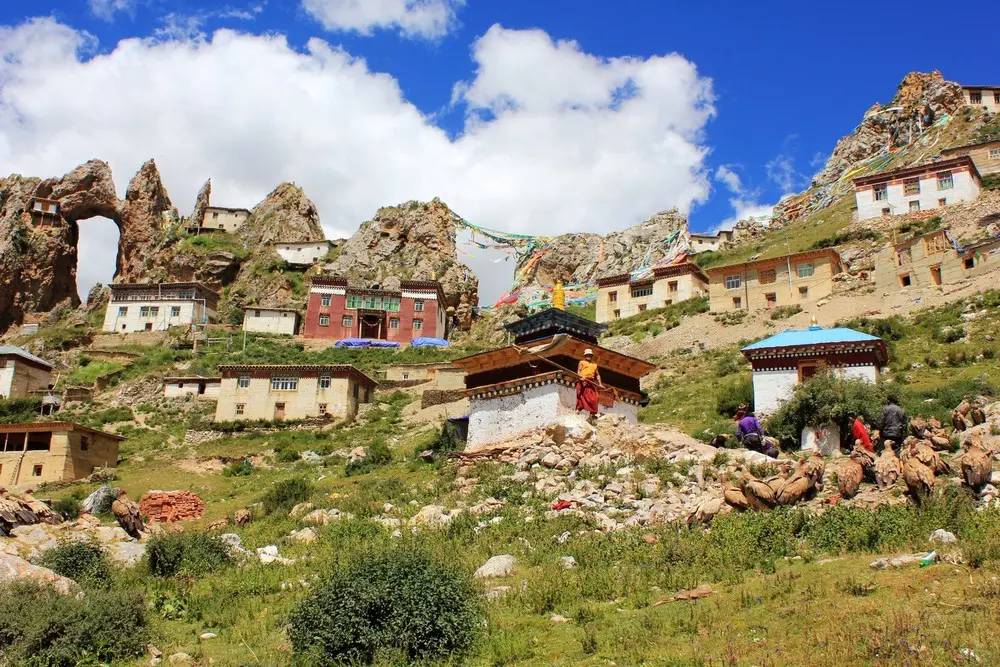
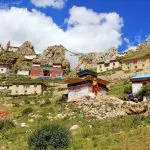
Morning visit Sok Tsanden Gompa (Zandan Monastery), a Nyimpa sect monastery often called the “Mini Potala Palace” for its tiered design and stunning position on the hillside overlooking the valley(sometimes it is impossible to visit this monastery).
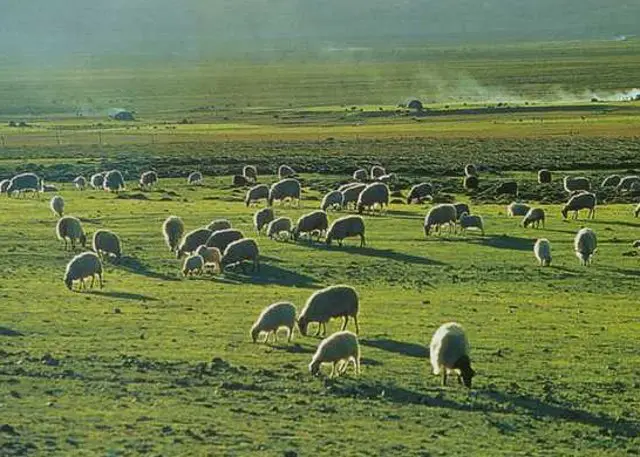
Then drive west across several high mountain passes toward Shakchuka, a small plateau town surrounded by broad grasslands. Continue another 100 km to Nagqu, the administrative center and the largest town of northern Tibet, then join the Qinghai Tibet highway (Beijing-Tibet highway) south across the sweeping Qiangtang Grasslands towards Damxung, where nomads herd yaks beneath vast, open skies. Arrive in Damxung County (≈4,200 m) for overnight. Damxung is the gateway to Namtso Lake.

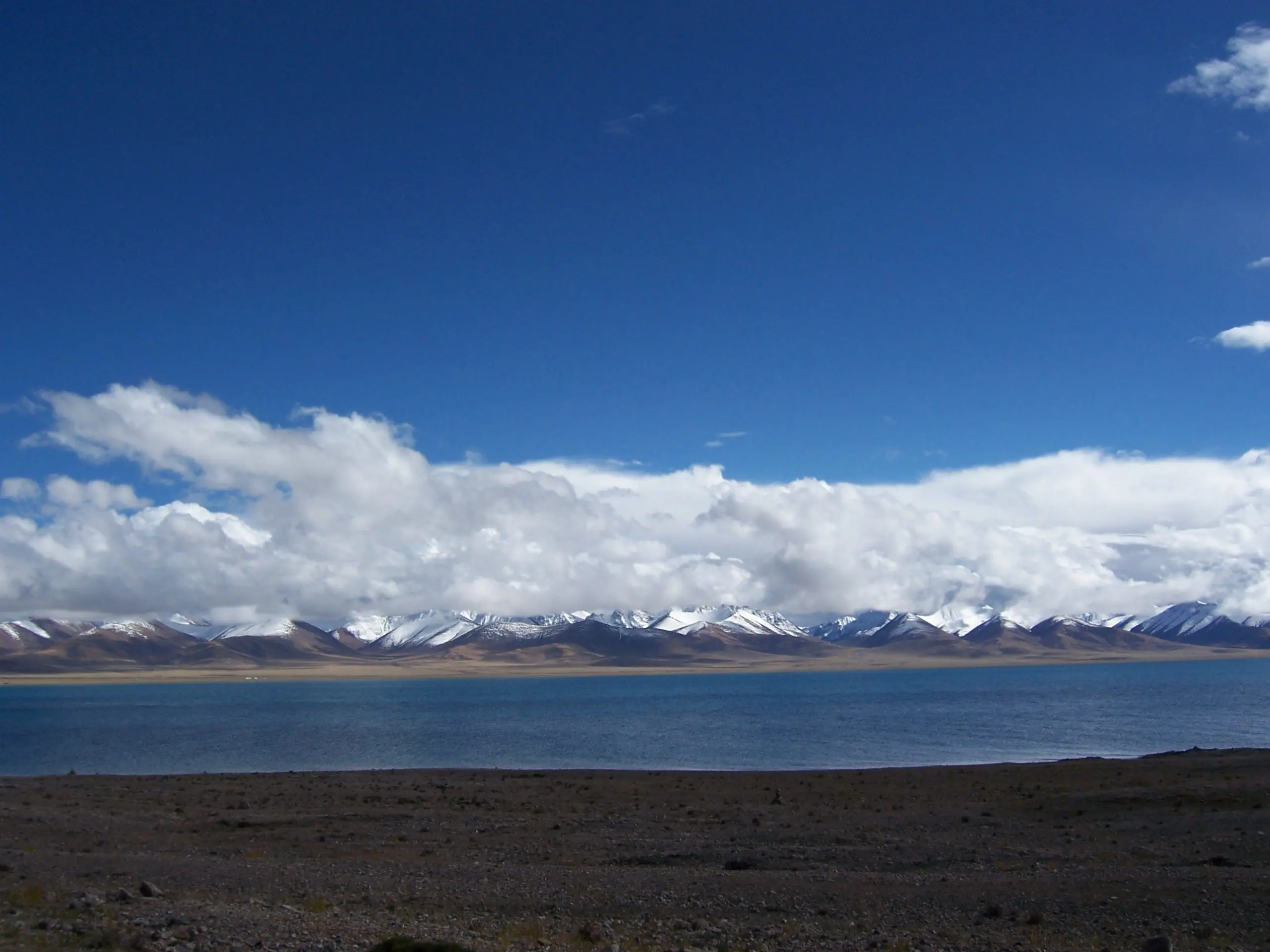
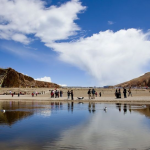
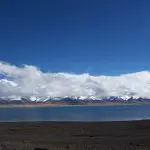
Morning drive across Nagenla Pass (5,150 m), where you’ll catch your first breathtaking glimpse of Namtso Lake, one of Tibet’s three great holy lakes. Spend a few hours exploring the Tashi Dor Peninsula, walking along the lakeshore, and taking in the incredible views of turquoise waters framed by snow-capped peaks. In the afternoon, continue your drive to Lhasa, the capital of Tibet, nestled in the Kyichu River Valley.
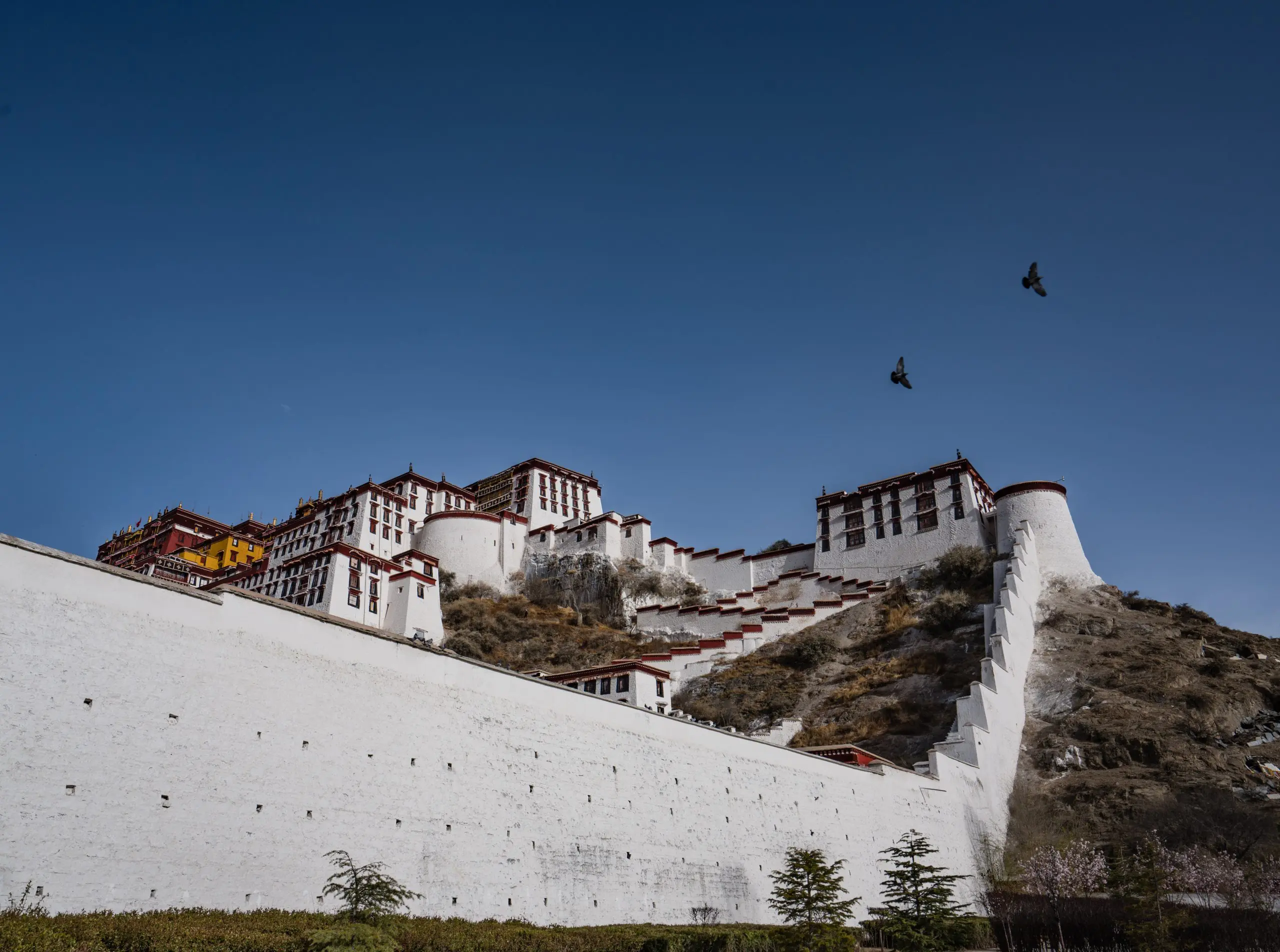
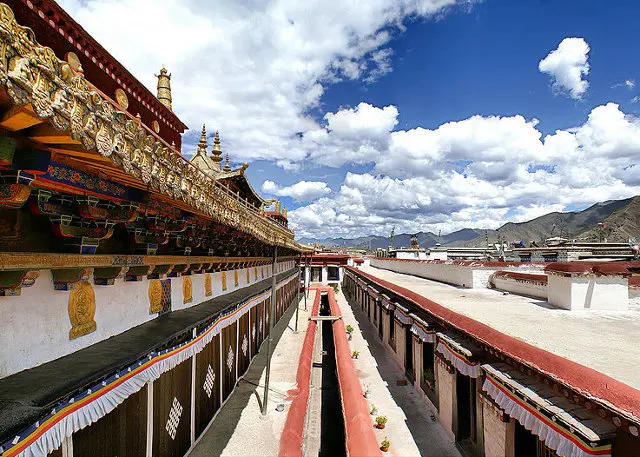
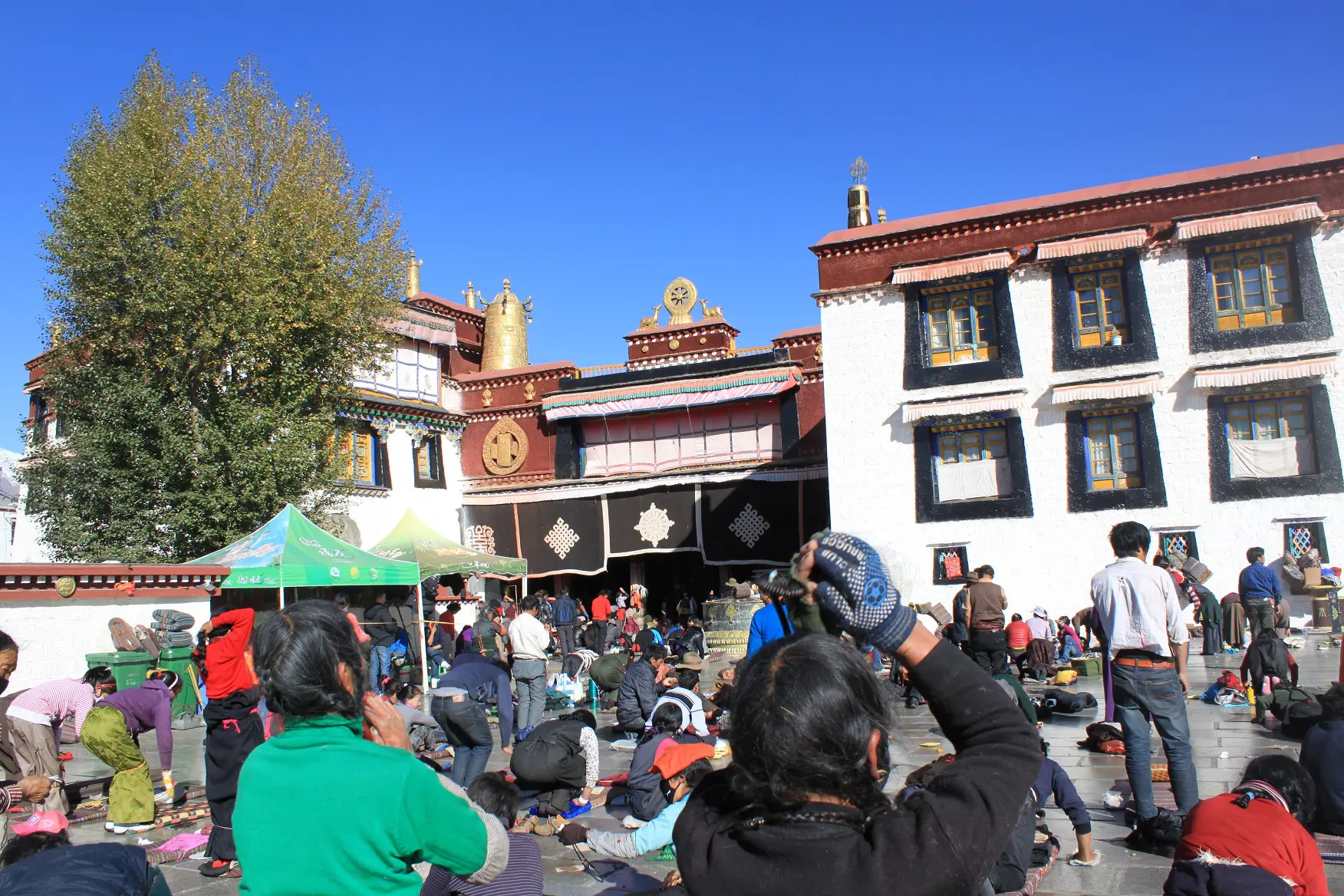
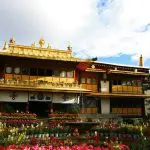
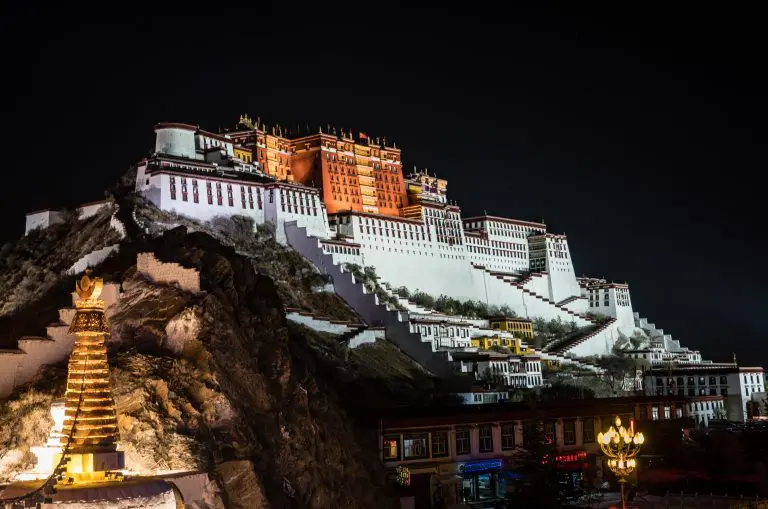
You'll visit Jokhang temple and Potala Palace. Jokhang temple is the most sacred shrine in Tibet which was built in the 7th century and located at the heart of old town in Lhasa, the circuit around it called Barkhor street, which is a good place to purchase souvenirs. Potala Palace is the worldwide known cardinal landmark of Tibet. The massive structure itself contains a small world within it. Mostly it is renowned as residence of the Dalai Lama lineages (Avalokiteshvara). Both of them are the focal points of pilgrims from Tibetan world, multitudinous pilgrims are circumambulating and prostrating in their strong faith. Overnight at Lhasa.
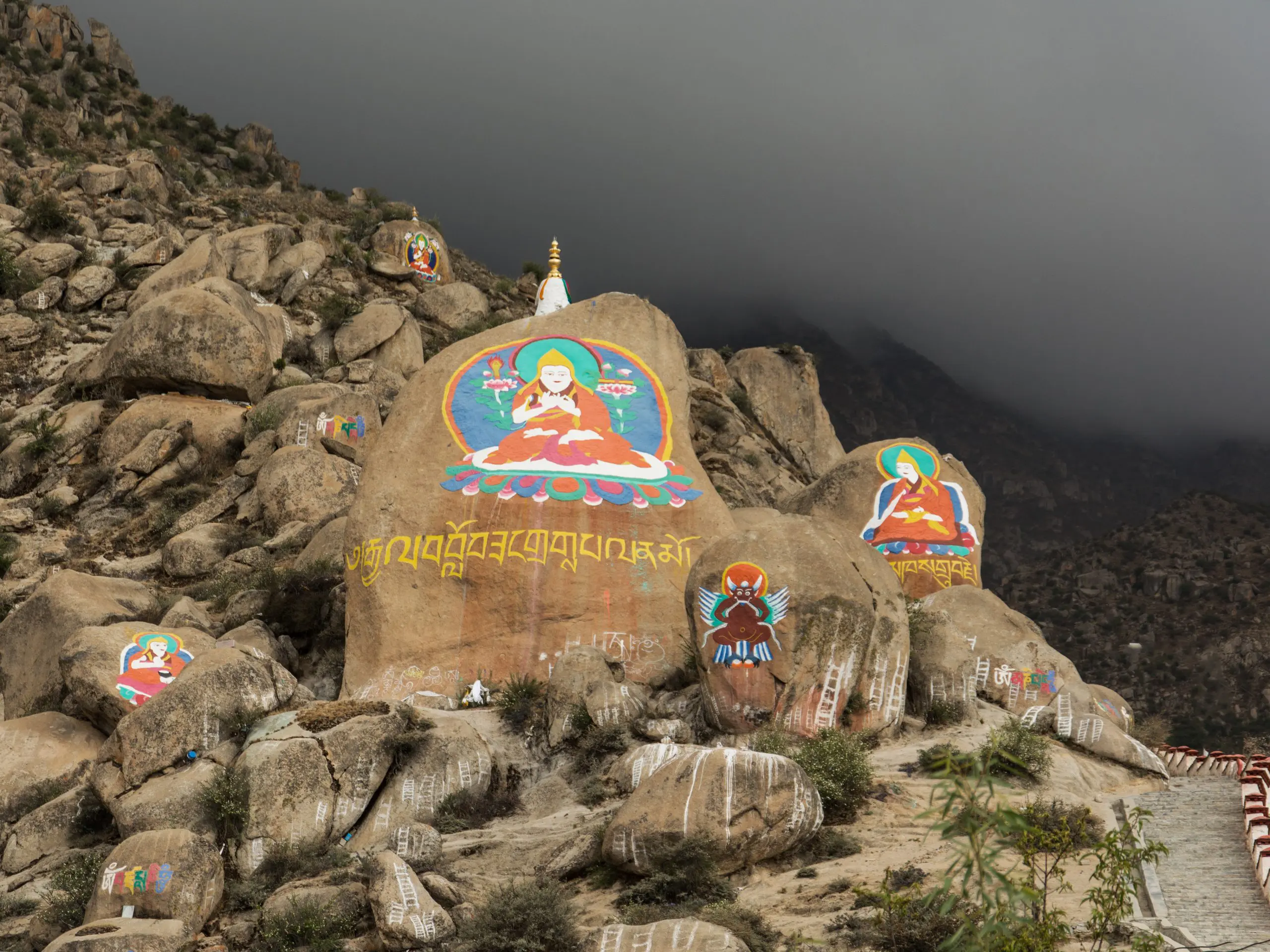
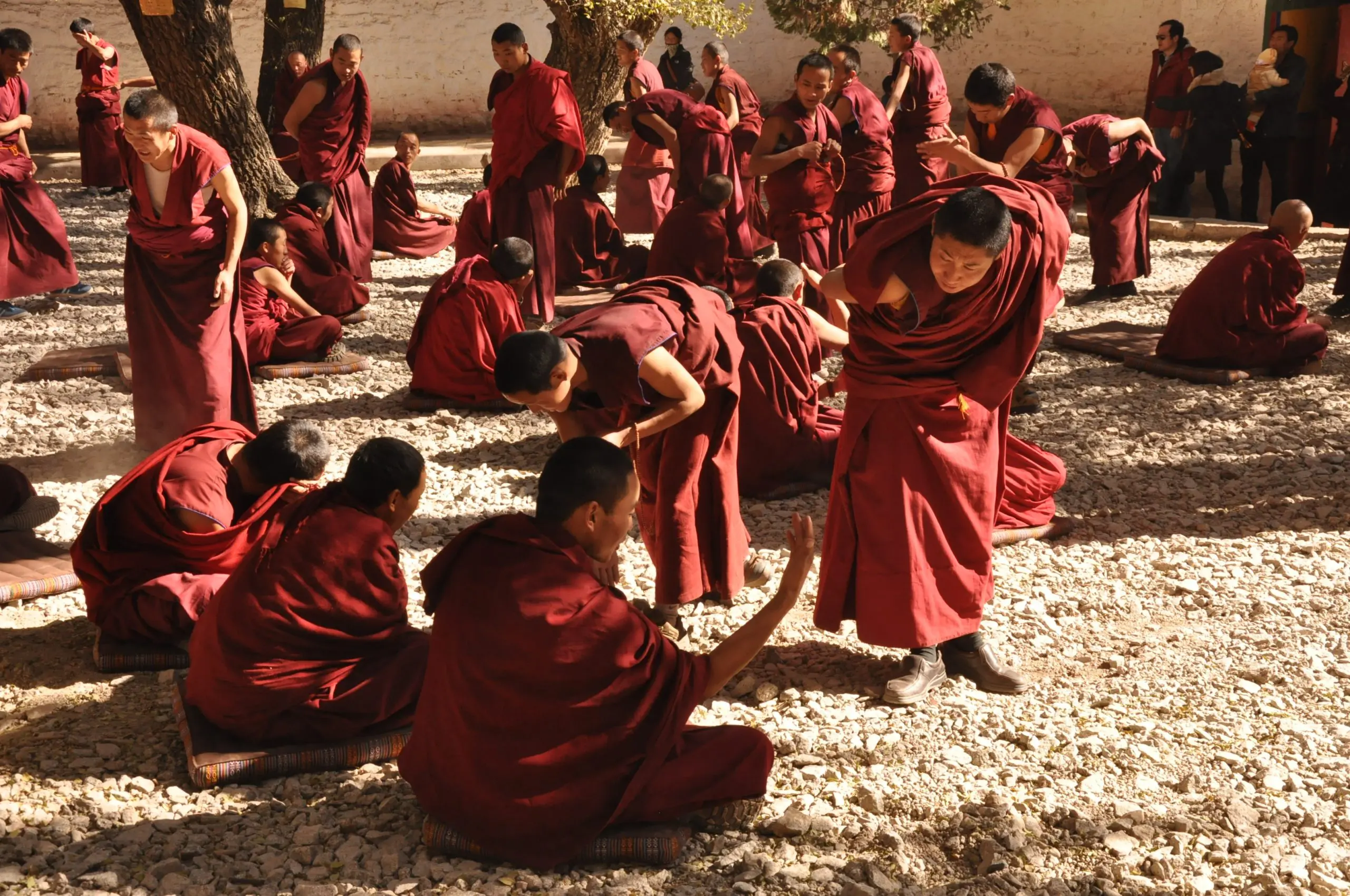
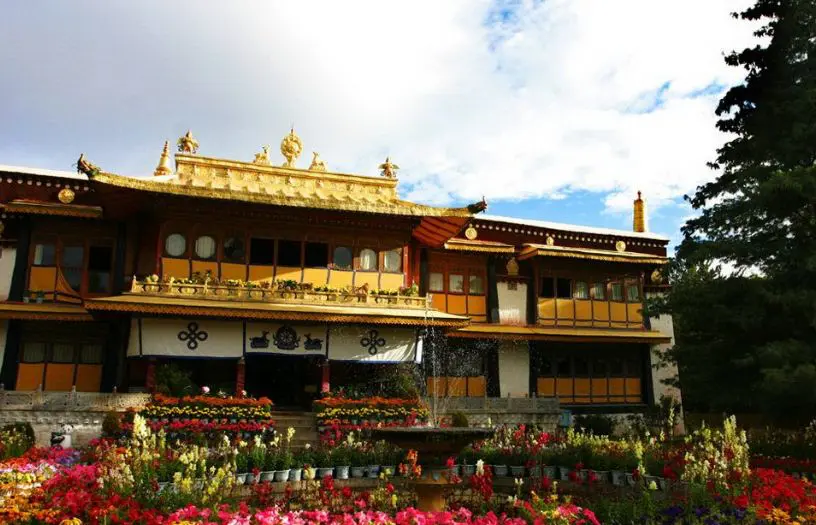
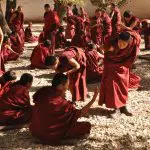
Today you will visit Drepung, Sera monasteries and Summer Palace - Norbulingka palace. Both Drepung and Sera monasteries are Gelugpa (yellow hat) sect monastic colleges. Drepung monastery was the seat of the Government prior to Potala, it was once the world largest monastery in the history with 7,700 monks hailed from different monasteries all over Tibet. Sera monastery is famous for its Buddhism philosophical debate practice, the clapping sound and aggressive expression of the monks are well worth to see. Norbulingka is the summer palace of Dalai Lama, you can visit the residences of different lineages of the Dalai Lama. Overnight at Lhasa.
Your guide and driver will see you off at the airport or train station, end of the trip.
Inclusions
Tour notes:
General inclusions:
General exclusions:
You may also like
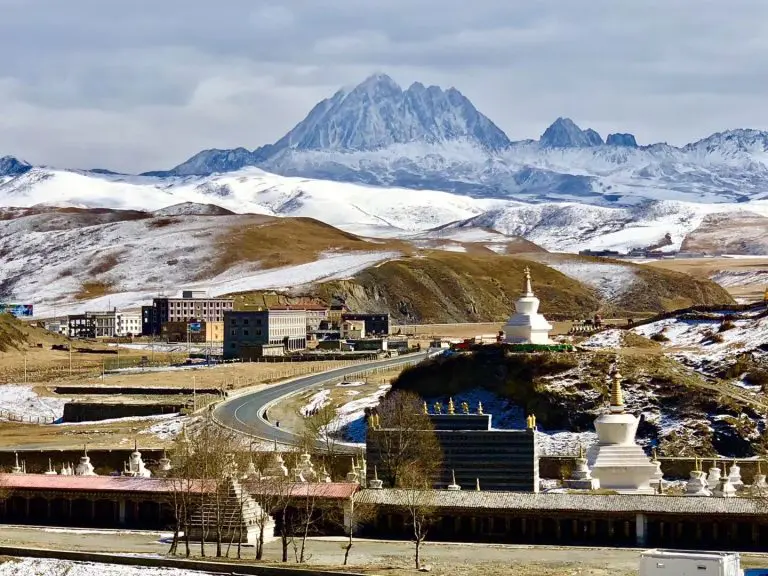
Take a Chengdu to Lhasa overland tour via Daocheng Yading along the Sichuan–Tibet Highway Southern Route (G318). Travel through Tagong Grasslands, Litang, Yading Nature Reserve, Ranwu Lake, Midui Glacier, Lulang Forest, and Draksum-tso before reaching Lhasa.
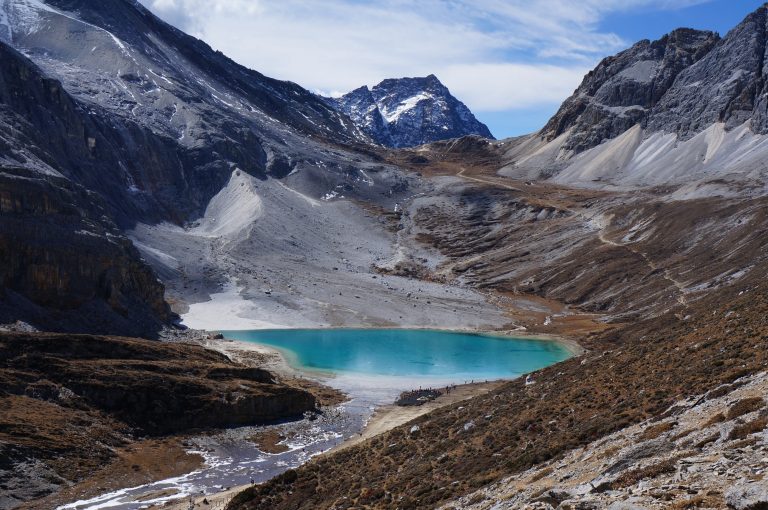
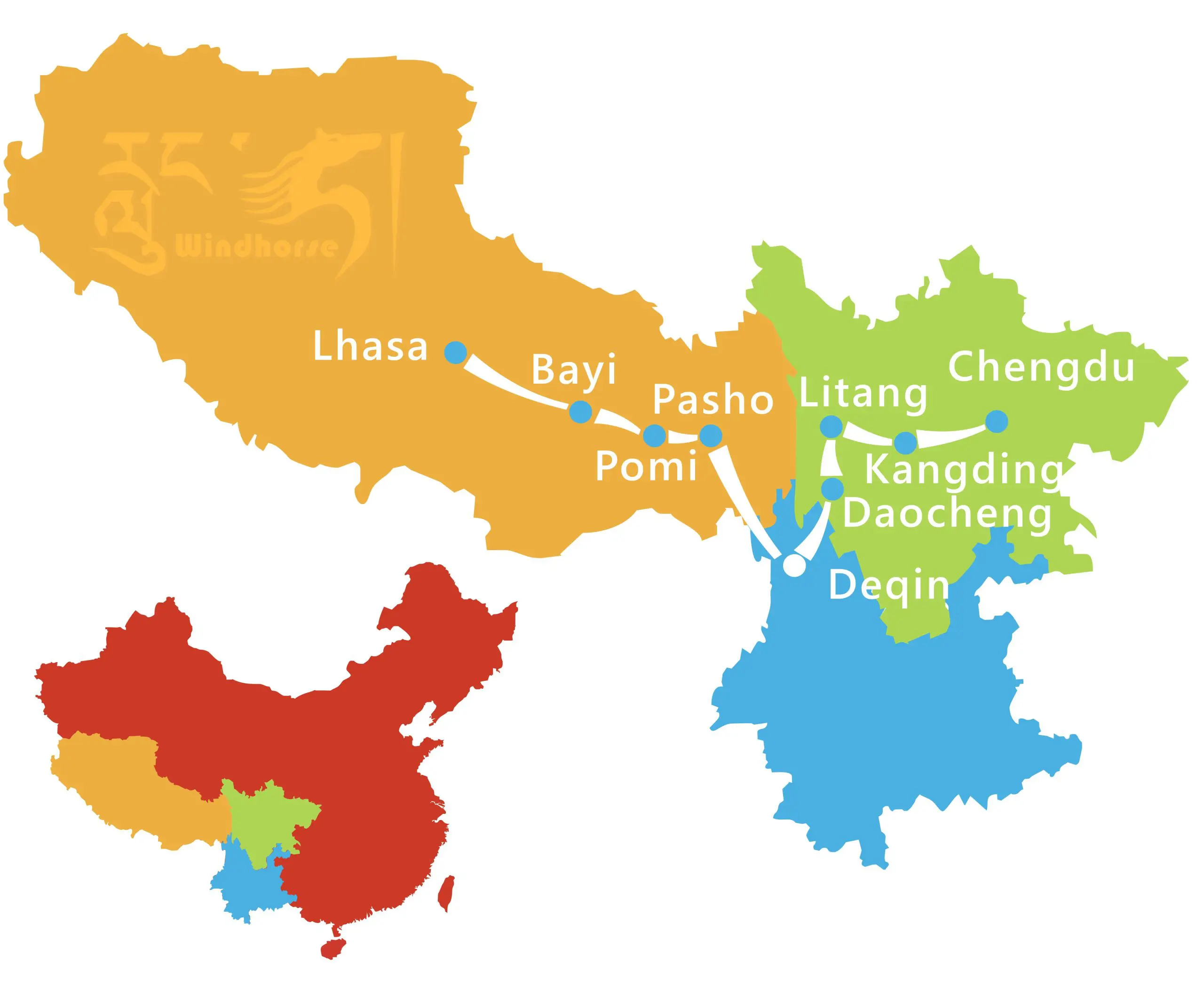
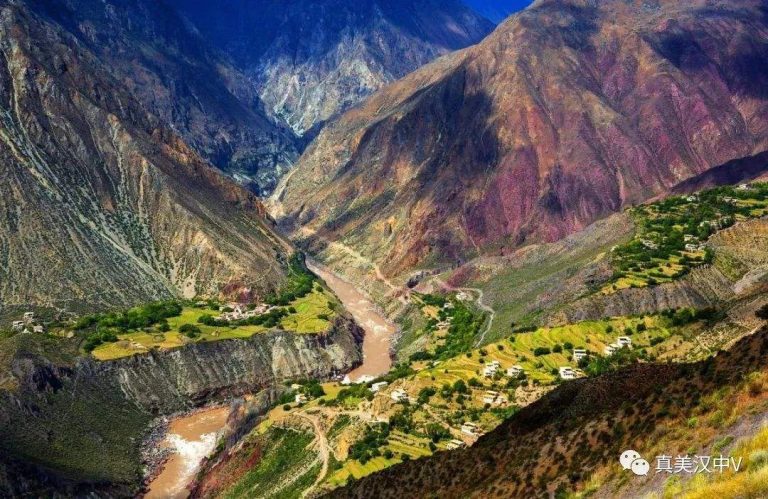
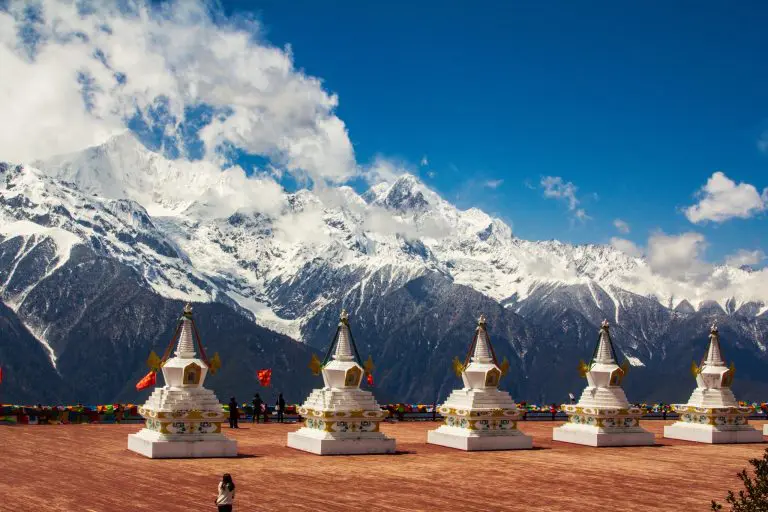
Travel from Chengdu to Lhasa along the Sichuan–Tibet Highway (G318) and Yunnan–Tibet Highway (G214), with detours to Daocheng Yading and Mount Meili. Explore Mount Siguniang, Danba Tibetan villages, monasteries, holy lakes, glaciers, and the dramatic landscapes of Kham regions in Sichuan, Yunnan, and Tibet.
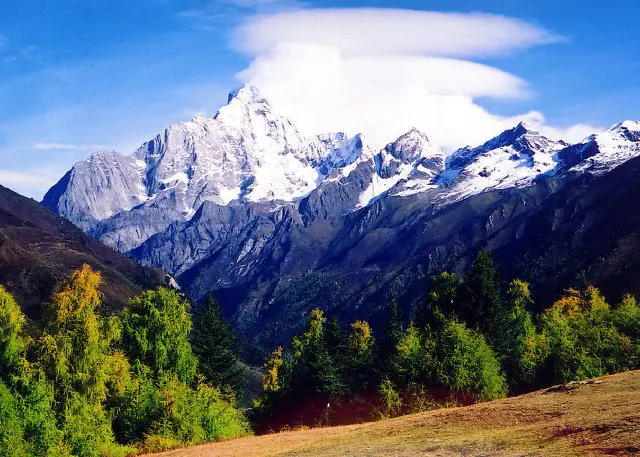
This one week long Siguniang Haizi Valley trekking tour starts in Chengdu and continues to Rilong for hikes in Shuangqiao Valley, Changping Valley and Haizi Valley. Explore alpine lakes, snow capped peaks, forests and meadows, then return to Chengdu to visit Dujiangyan and the Panda Base.
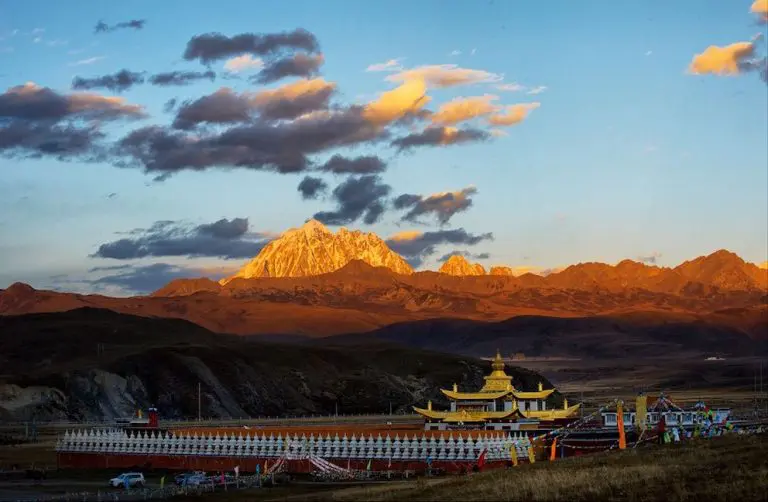
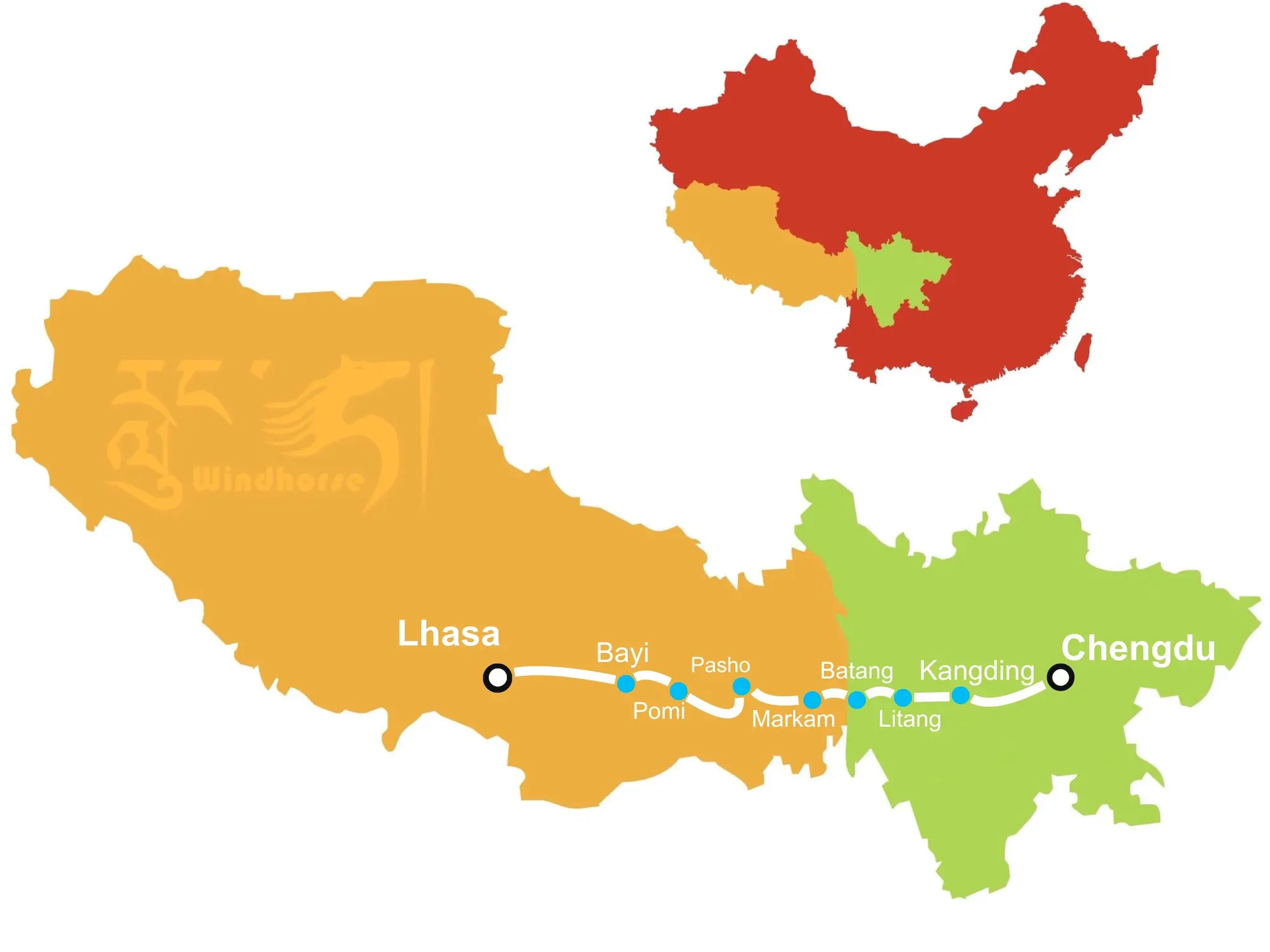
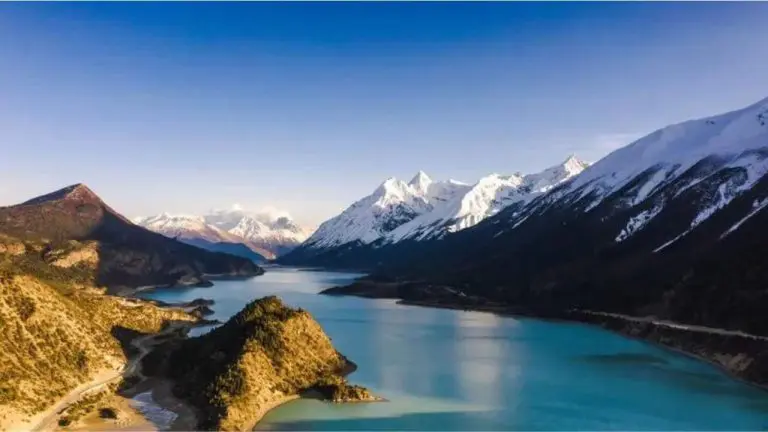
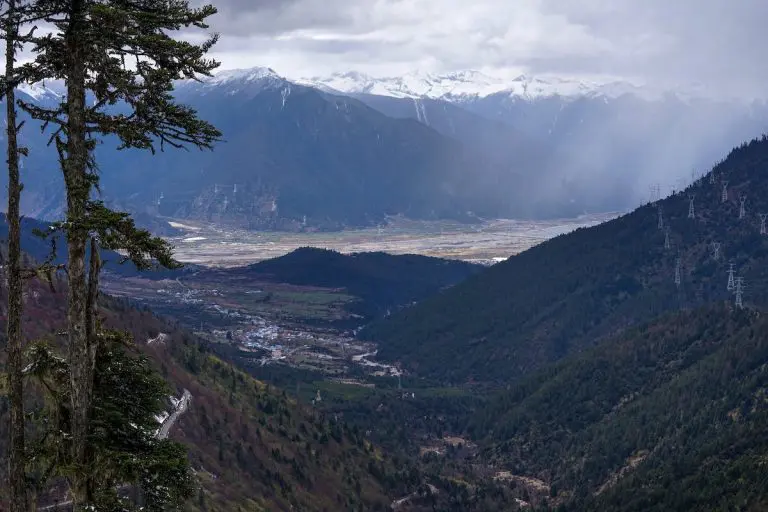
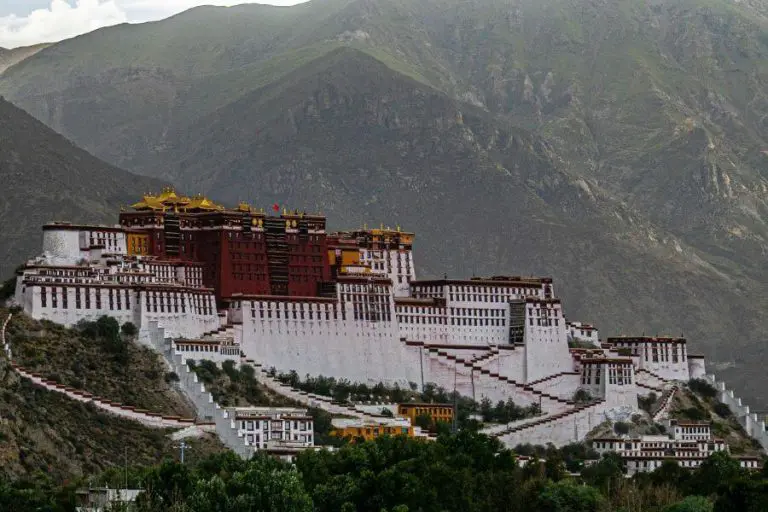
Set out on an unforgettable 11-day Chengdu to Lhasa overland tour along the Sichuan–Tibet Highway (G318). Cross high passes, vast grasslands, glaciers, and sacred lakes while experiencing yourself in Kham culture and the dramatic landscapes of eastern Tibet.
Comments
Hi,
We're interested in a tour (about 15 days + or - sounds OK) from Chengdu to Lhasa along the northern route.
We have traveled twice before throughout "central" Tibet from Lhasa down toward Shigatse etc. and the EBC, once by air to Lhasa and SUV inside Tibet, and the second time by train up from Xining and SUV inside Tibet.
We will be two, most probably three, travelers. We can leave from the US on/a June 7, but will then need about one week in and around Chengdu to get acclimated to the time difference and re/see some areas around Chengdu.
So our approximate Chengdu-Lhasa start date would be around June 14.
Please give us an idea of what is possible, and about what such a tour would cost. Your recommendation re level of hotels and prices levels would also be helpful, if that impacts the price significantly. We usually stay in guest houses or economy hotels, but we'd like to weigh our options.
Best,
Neil Silver
Hi Neil,
Thanks for contacting us!
Mid June is a good time for this trip, however, with regrets to share that the northern route from Chengdu to Lhasa is not available for foreign travelers. I have sent you an email with the details, please have a look and let me know your comments and thoughts.
Look forward to your reply for further assistance.
Warm regards,
Yuki
Hi,
Do I need to have a permit to enter Tibet and, have to follow a local for visiting Tibet province?
Best,
Andrew
Hi Andrew,
Thanks for your inquiry. This is Anita from WindhorseTour.
For your questions, yes, overseas travelers must apply Tibet Permit to enter Tibet, and our agency will help to organize all of your Tibet permits. In addition, independent travel is not allowed in Tibet. A guide, transportation with a prepared itinerary are required to book with a travel agency in advance.
Hope the above information is clear and helpful. If you need any further info, please feel free to get back to me by email.
Best regards,
Anita
Reply