
Mount Everest Base Camp Tibet (North Face)
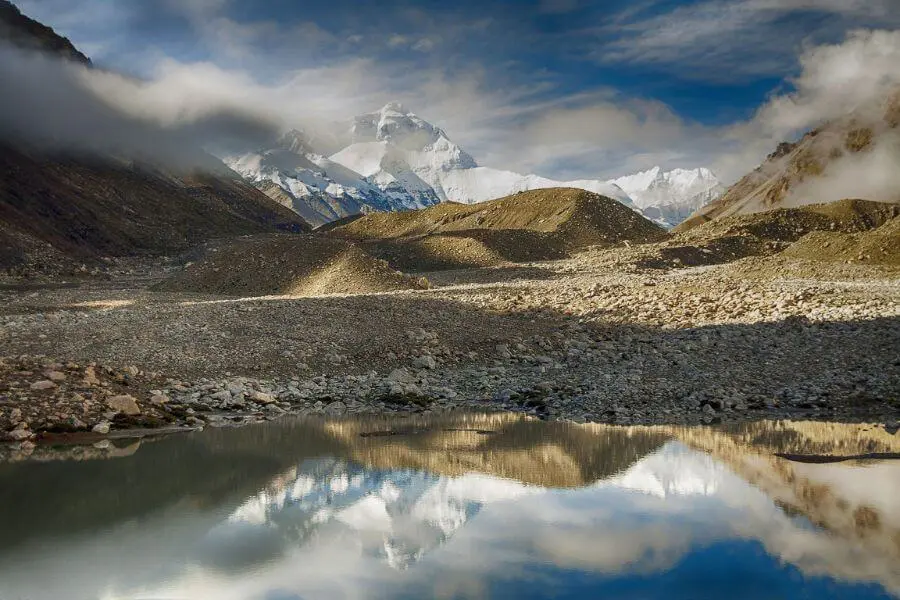
Everest Base Camp in Tibet lies on the northern slope of Mount Everest, in the Tibet Autonomous Region, and gives a full view of the mountain’s north face. Unlike the base camp in Nepal, you can reach it by road, with no trek.
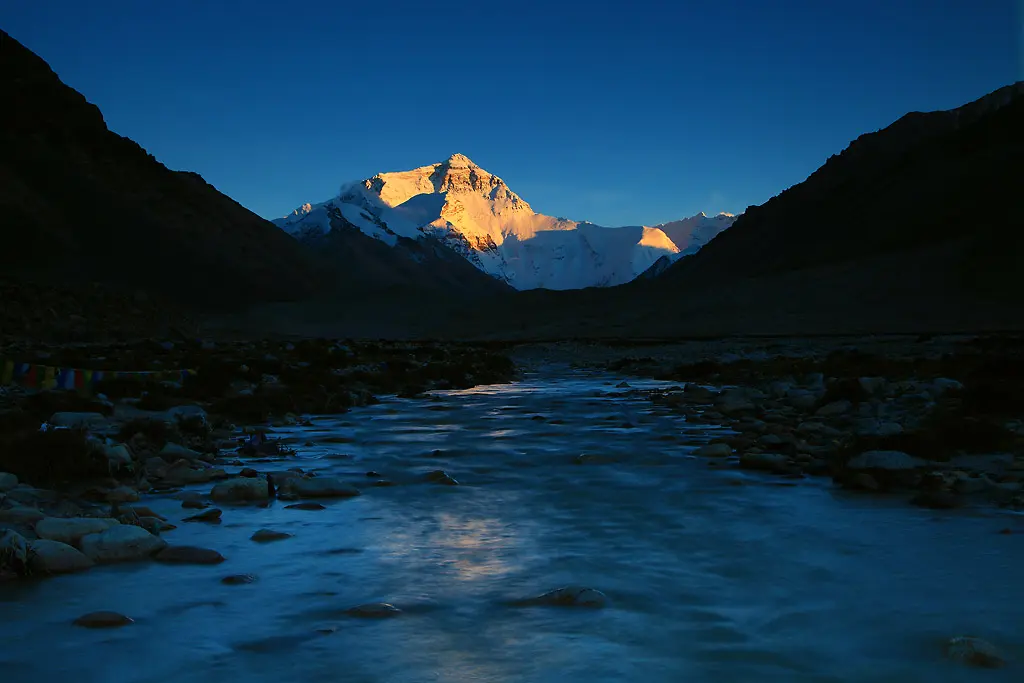
Overview of Mount Everest (Qomolangma)
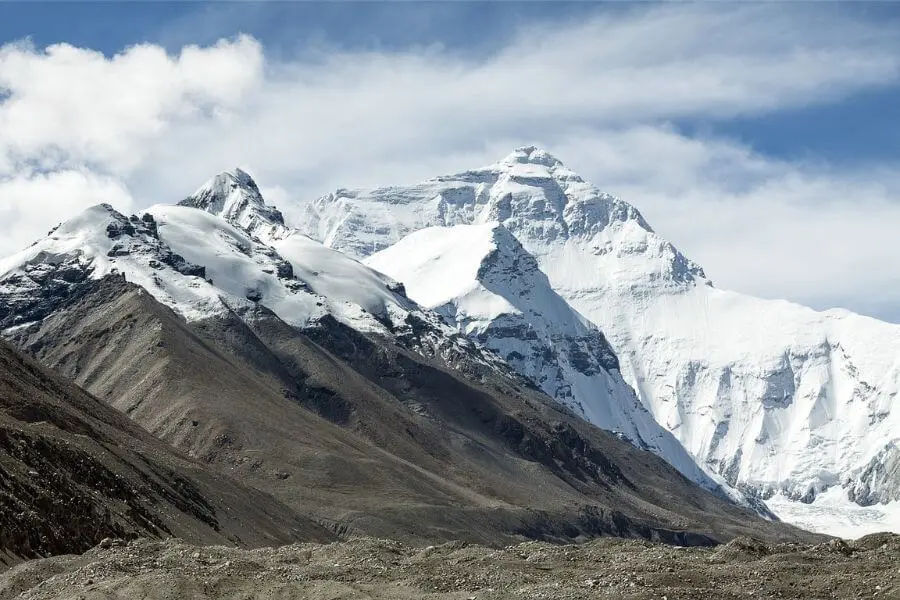
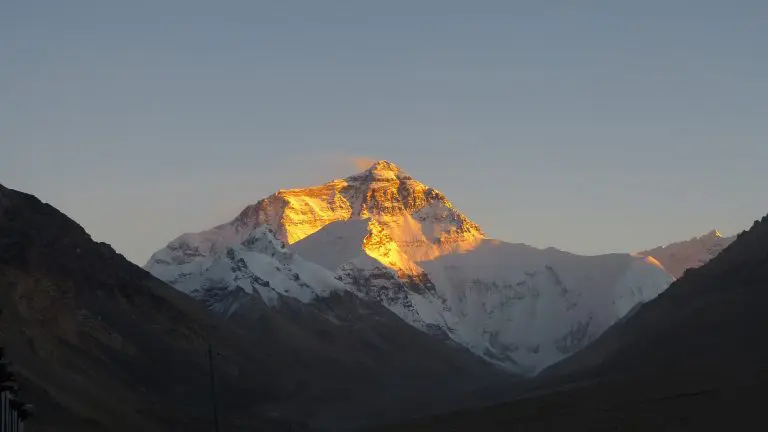
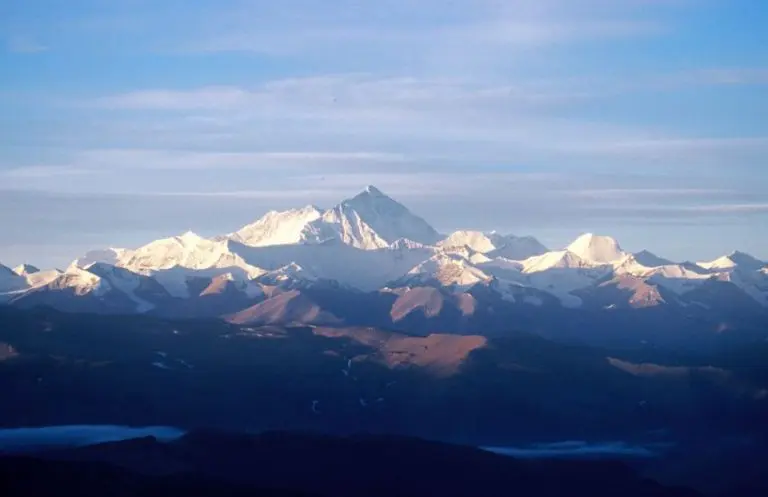
Mount Everest, called Qomolangma in Tibetan, meaning “Mother Goddess of the Universe,” is the world’s highest peak at 8,848.86 meters (29,031.7 feet). It stands on the border of Tibet (China) and Nepal, and its north face lies within the Qomolangma National Nature Reserve in Tibet. Glaciers, icefalls and high ridges surround it.
Scenic Landscape and Neighboring Peaks
Mount Everest is part of the greater Himalayan range and is flanked by some of the highest and most famous peaks on Earth:
- Lhotse (8,516m) – the fourth-highest mountain in the world
- Makalu (8,485m) – known for its steep pyramid shape
- Cho Oyu (8,188m) – one of the more accessible 8,000m peaks to climb
- Shishapangma (8,027m) – the only 8,000-meter peak located entirely in Tibet
With many unnamed 6,000–7,000m peaks, they form a skyline of snow-covered summits and deep glacial valleys, ideal for photography.
Top Attractions in the Mount Everest Region in Tibet
Everest Base Camp North Face (EBC – 5,200m)
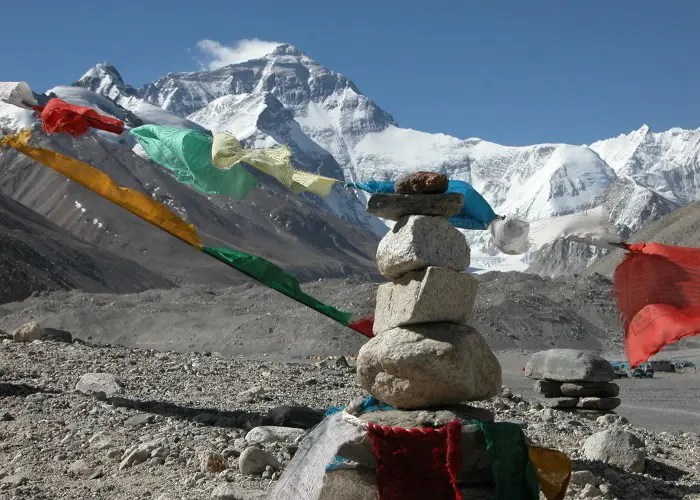
Everest Base Camp on the Tibet side stands about 19 km in a straight line from the summit. You see the north face of Everest from the end of the road.
The camp has two parts. The tourist camp is open to all visitors, and the climbers’ camp lies beyond it in a restricted area where only expedition teams may camp. The stone marker “Mt. Qomolangma Base Camp” is the favorite photo spot. The original stone was moved closer to the tent guesthouses to protect the environment.
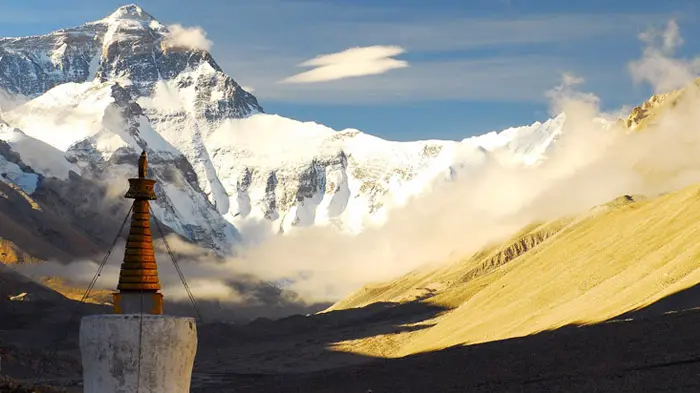
When the sky is clear, the north face glows at sunrise and sunset, and the night sky is full of stars. Most visitors stay in the tent guesthouses or at the Rongbuk Monastery guesthouse and see the mountain the next morning.
Note: visitors cannot go beyond the designated tourist area without a licensed guide, and fines may apply.
Rongbuk Monastery (4,980m)
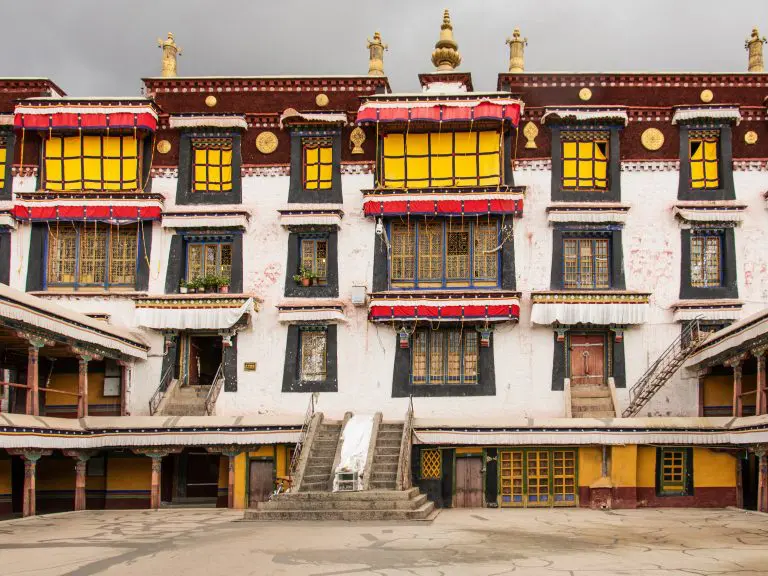
Just north of Everest Base Camp, Rongbuk is often described as the highest monastery in the world. Founded in 1902 by a Nyingmapa lama, it has served as a spiritual refuge for monks and nuns. Its whitewashed buildings and chorten (stupa) face Everest directly, one of the most iconic spiritual scenes in Tibet.
Gawula Pass (Pang-la, 5,198m)
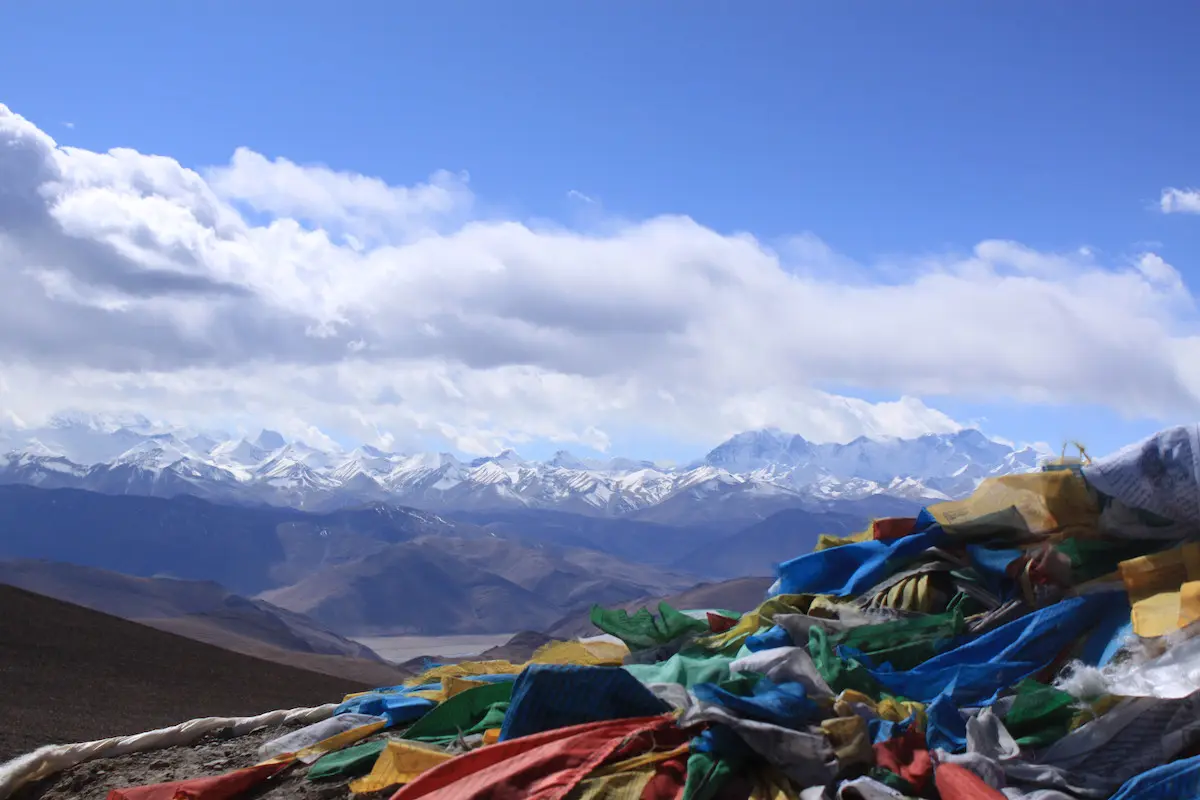
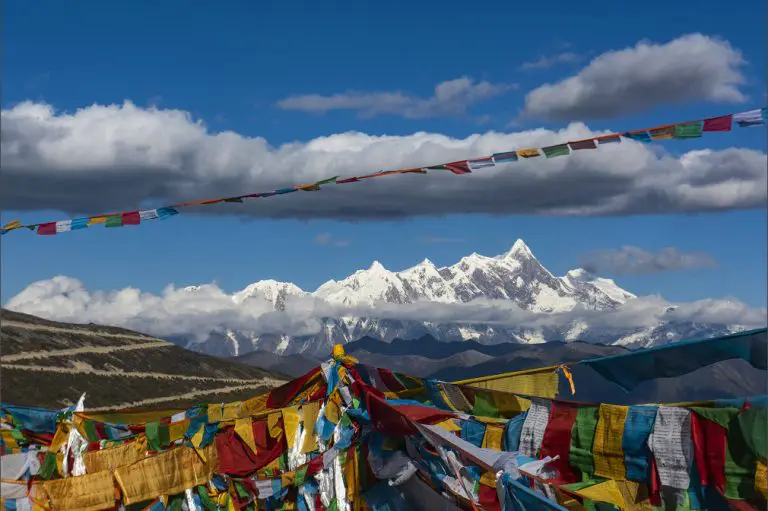
Gawula Pass, also called Pang-la, is the best panoramic viewpoint on the road to Everest Base Camp. On the road from Shegar to Rongbuk, a long series of hairpin turns climbs to a windswept summit hung with prayer flags. On a clear day, five of the world’s fourteen 8,000-meter peaks line up along the southern horizon.
From east to west they are: Makalu (8,485m), Lhotse (8,516m), Mount Everest (8,848.86m), Cho Oyu (8,188m) and Shishapangma (8,027m)
Beyond the pass, the road descends into the Dzakar Chu valley, which leads to Rongbuk Monastery and the north face of Everest. The drive itself is one of the highlights of a Tibet Everest tour.
Cultural Significance
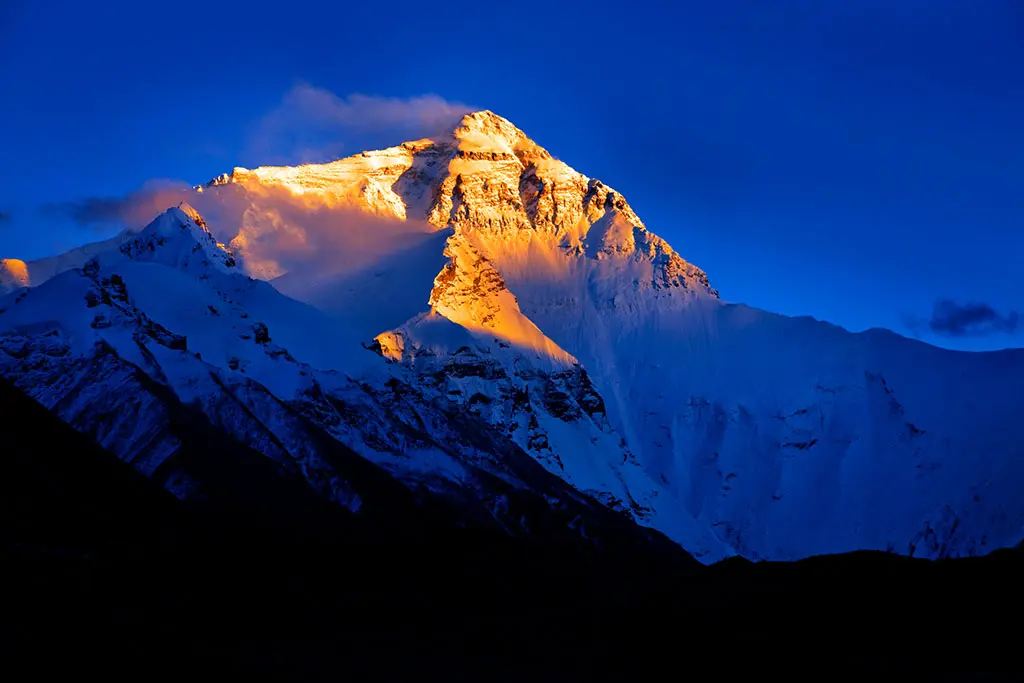
To Tibetans, Qomolangma is a sacred goddess who protects the Himalayas. Visit with respect: spin the prayer wheels at monasteries, walk clockwise around monasteries and temples, ask before photographing people or entering religious sites, and take all your trash with you.
Mount Everest Expedition Season
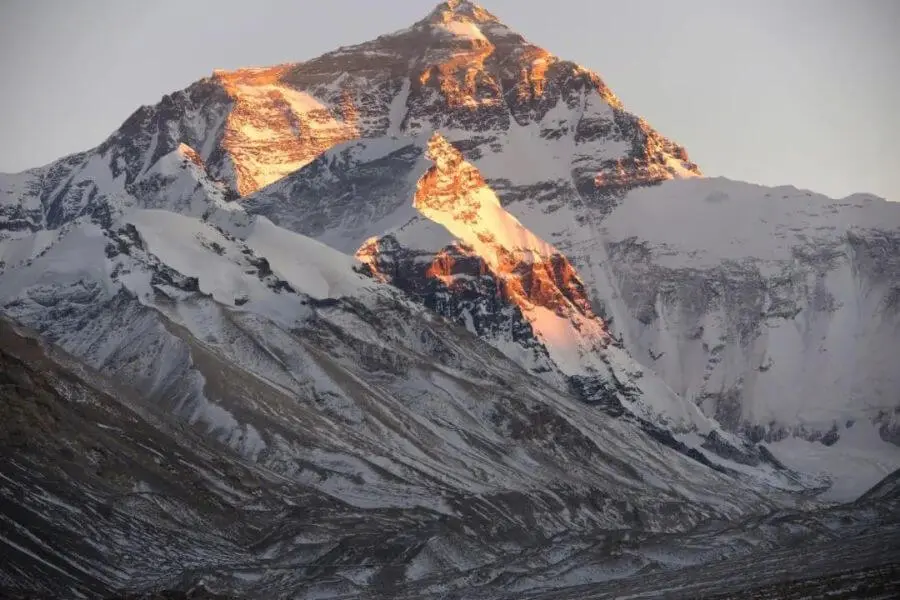
The main expedition season on the north (Tibetan) side of Mount Everest takes place from late April to late May, the most stable weather window.
- Climbing expeditions usually arrive in mid-April to begin acclimatization at Advanced Base Camp (6,500m) and higher camps.
- Most summit pushes occur between May 15–25.
- Unlike the Nepali side, the Tibetan side does not have a significant post-monsoon (autumn) climbing season due to colder, windier conditions later in the year.
Note: climbing permits are strictly regulated and only issued to licensed mountaineering groups through official organizations.
Planning a visit to Everest in Tibet?
- When to go: April to early June and September to October give the clearest views. [Best time to visit Mount Everest Base Camp in Tibet →]
- Permit: a Tibet Travel Permit is required, arranged by a local agency. [Tibet Permit details →]
- Getting there: by road from Lhasa, usually 2–3 days. [Everest route and itineraries →]
- Where to stay: tent guesthouses near the camp, or Rongbuk Monastery Guesthouse.
- Altitude: the camp is at 5,200m, so acclimatize in Lhasa first. [Altitude safety →]
Tickets: Everest Base Camp admission is 180 CNY per person (free of charge from November to April). The eco-bus from Tashi Dzom to Rongbuk and EBC is mandatory and costs 120 CNY per person.
For more practical travel information, including costs and packing, check How to Plan a Tibet Everest Base Camp Trip
Travel with us for your Tibet Mount Everest Base Camp tour
We offer both private and small group tours to Mount Everest Base Camp in Tibet. Choose from our thoughtfully designed Everest Base Camp itineraries that balance scenic highlights, cultural immersion, and altitude comfort:
- 8 Day Group tour to Tibet Everest Base Camp
- 10 days Mt. Everest Base Camp with holy Namtso Lake tour
Related tours
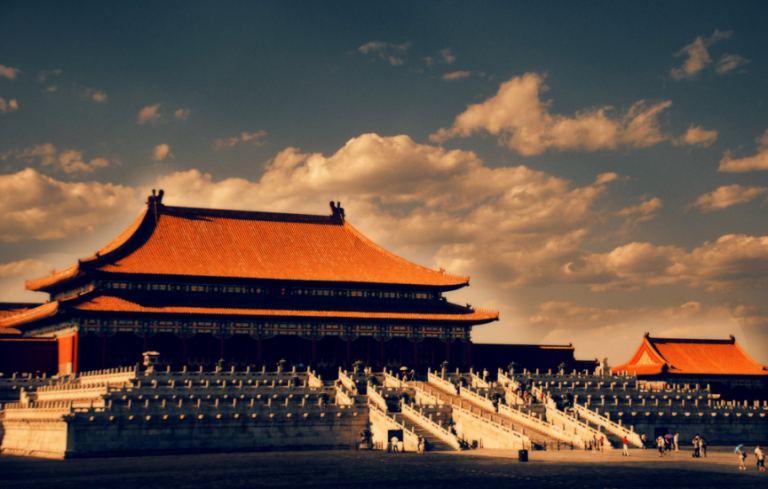
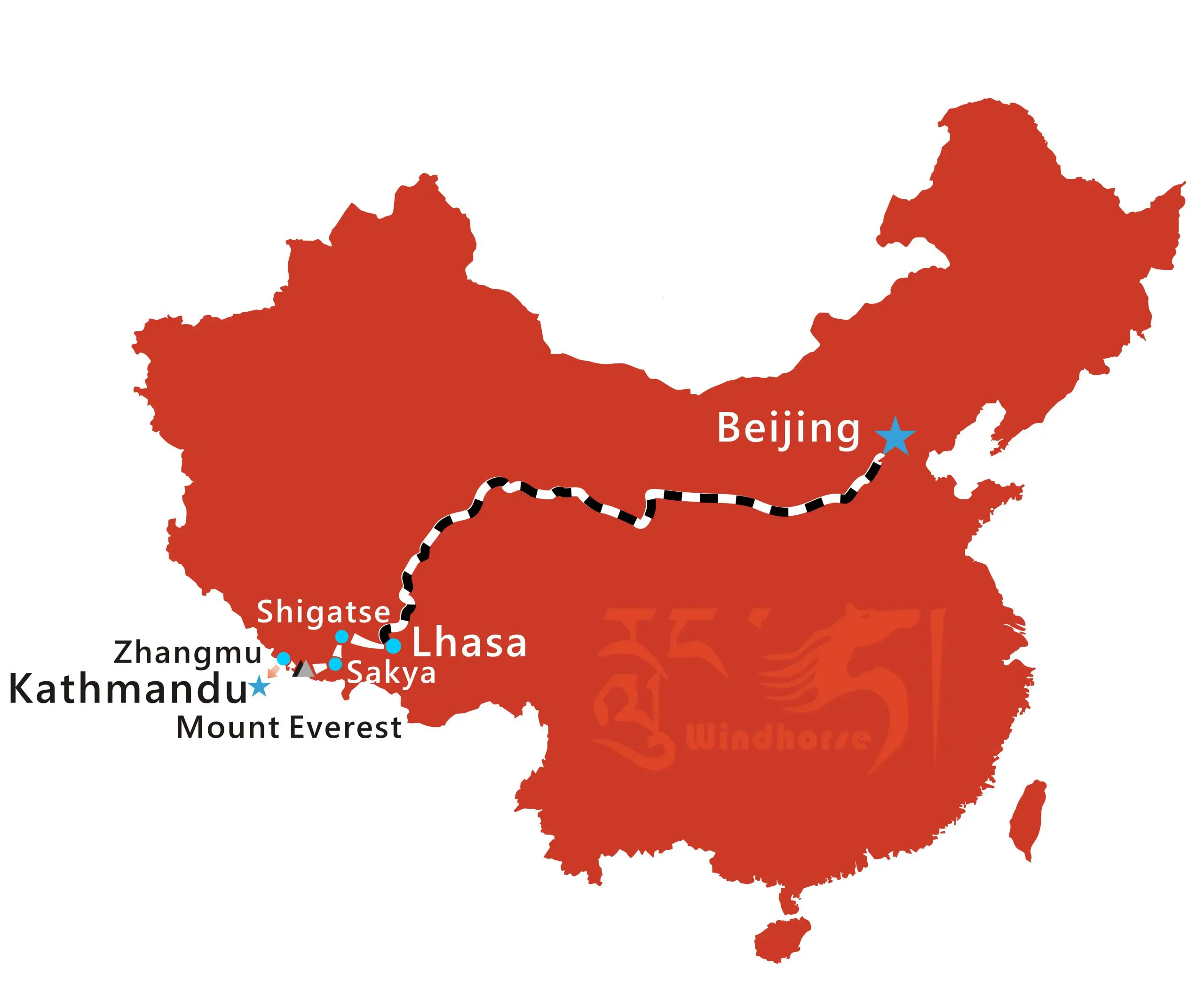
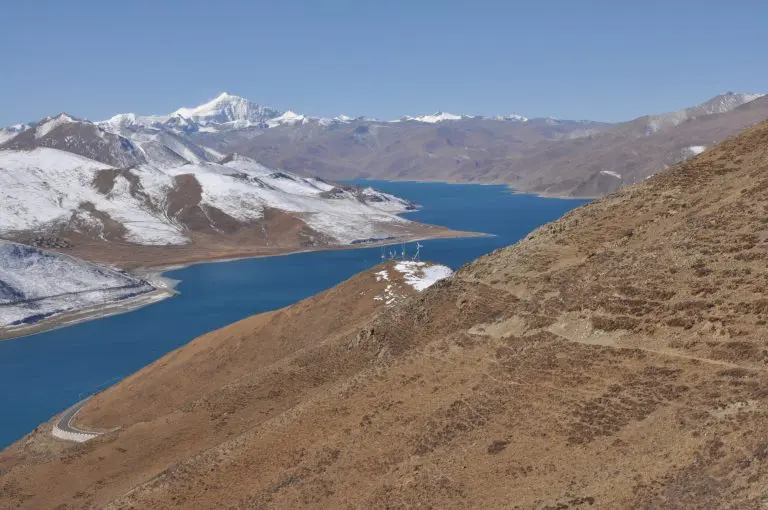

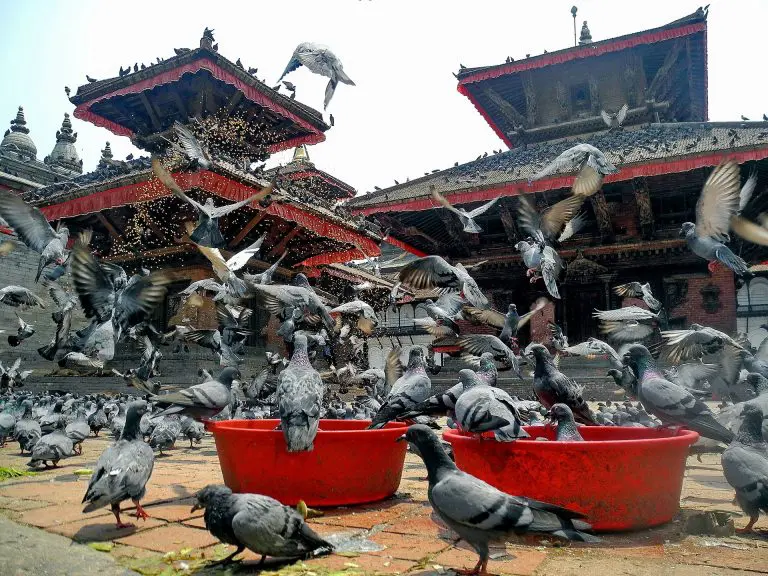
Experience the ultimate overland adventure on this 12-Day Beijing Tibet Train Tour to Kathmandu.
Explore Beijing’s Forbidden City, Temple of Heaven, and the Great Wall before boarding the Qinghai-Tibet Railway to Lhasa. Discover the Potala Palace, Yamdrok Lake, and Everest Base Camp, then continue into Kathmandu valley, where Tibetan culture meets Nepal’s vibrant mountain spirit.
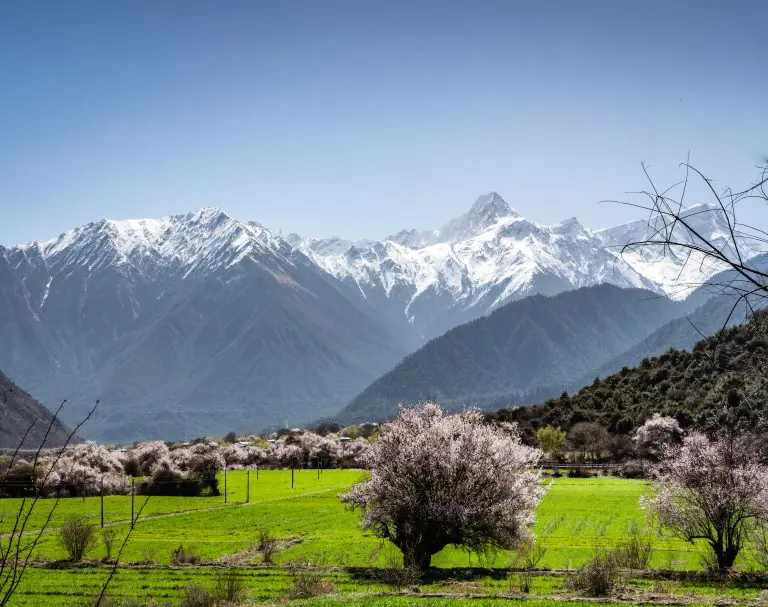
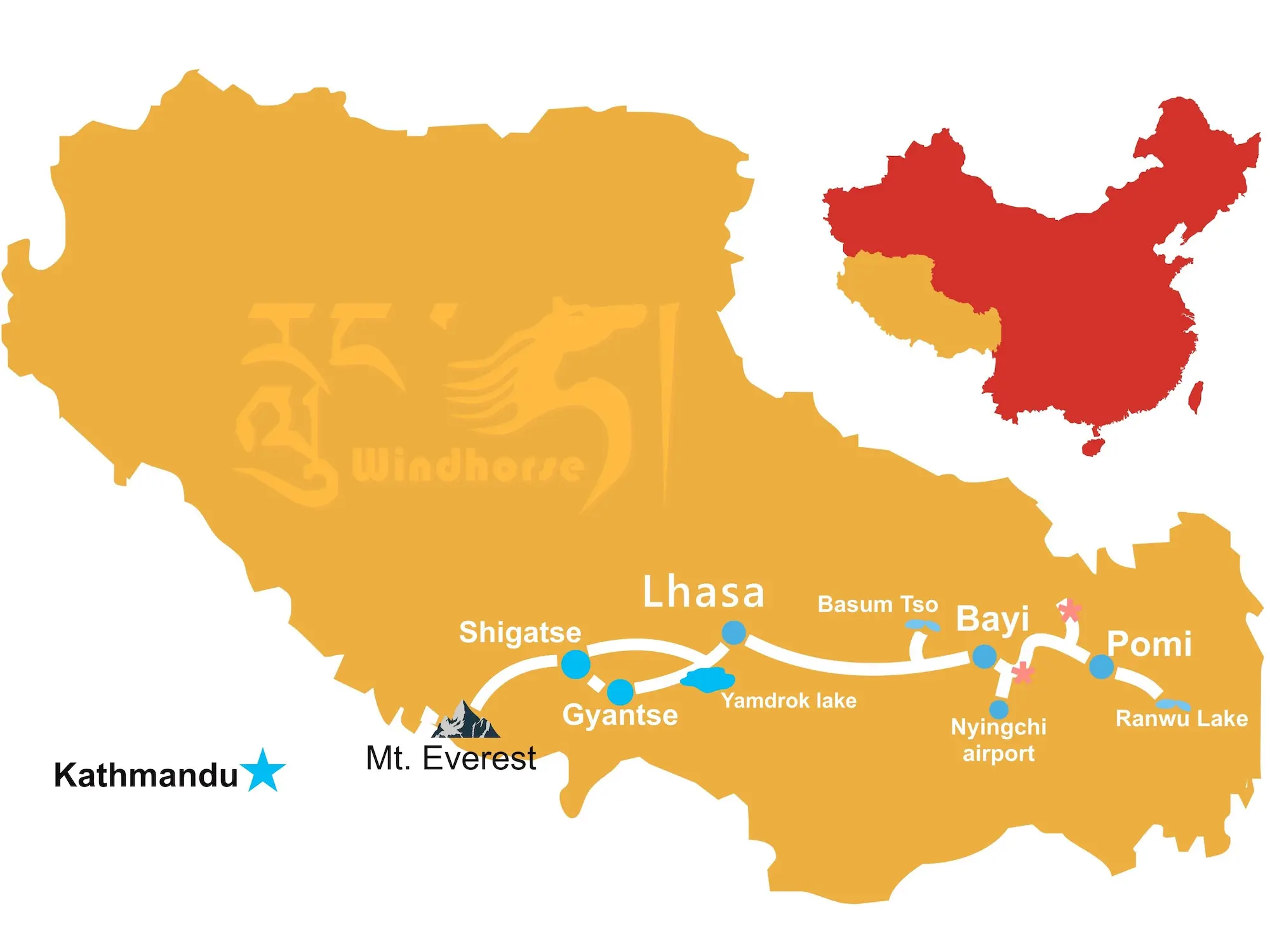
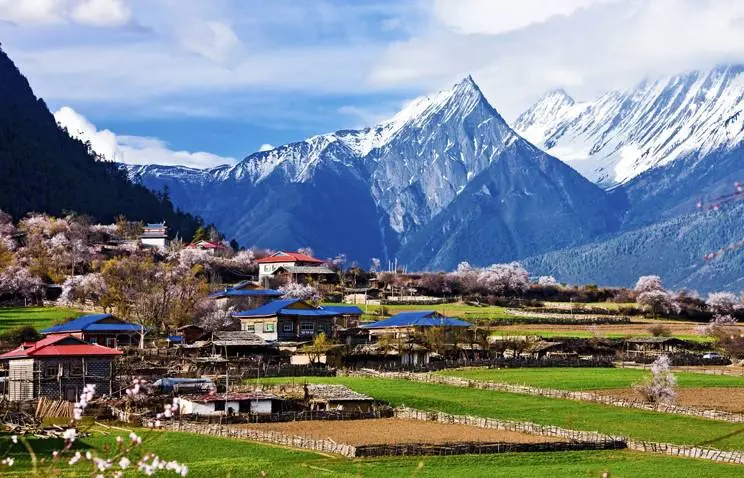

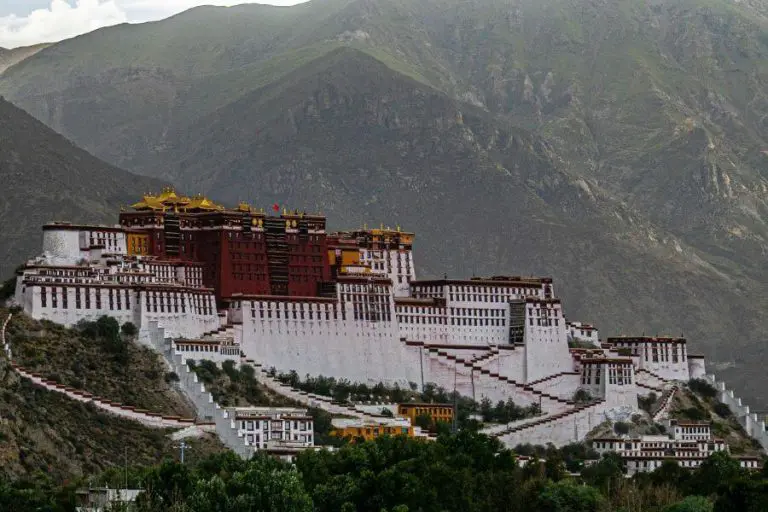
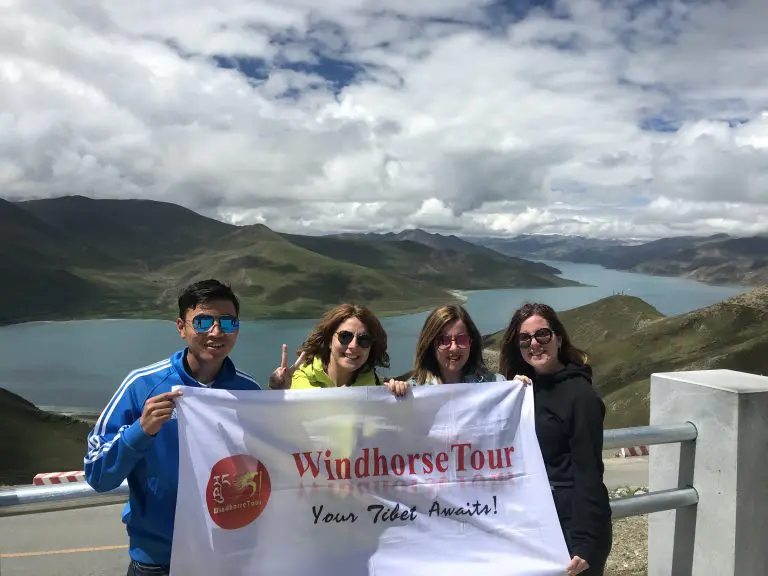

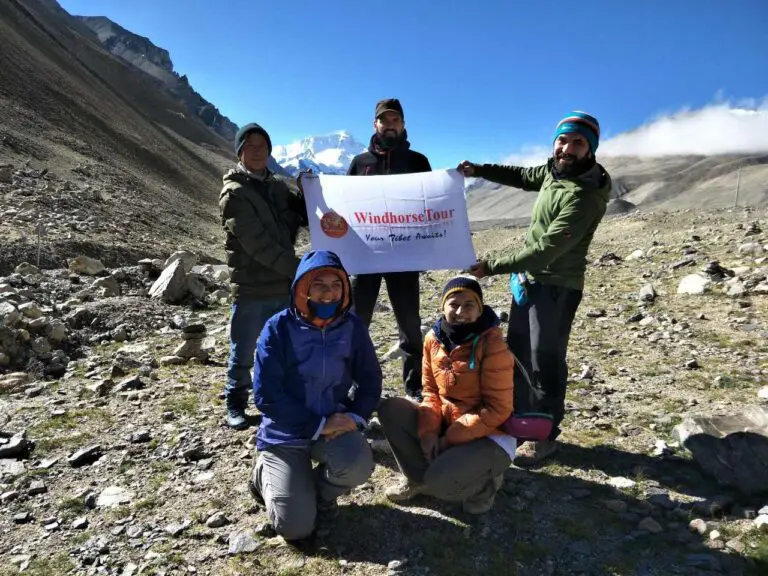
Experience the best of Tibet in spring on this 2 week Tibet tour. Join Nyingchi’s Peach Blossom Festival, explore Bomi Peach blossom valley, Ranwu Lake, visit Lhasa’s Potala Palace and monasteries, and overland trip to Everest Base Camp for stunning Himalayan views.
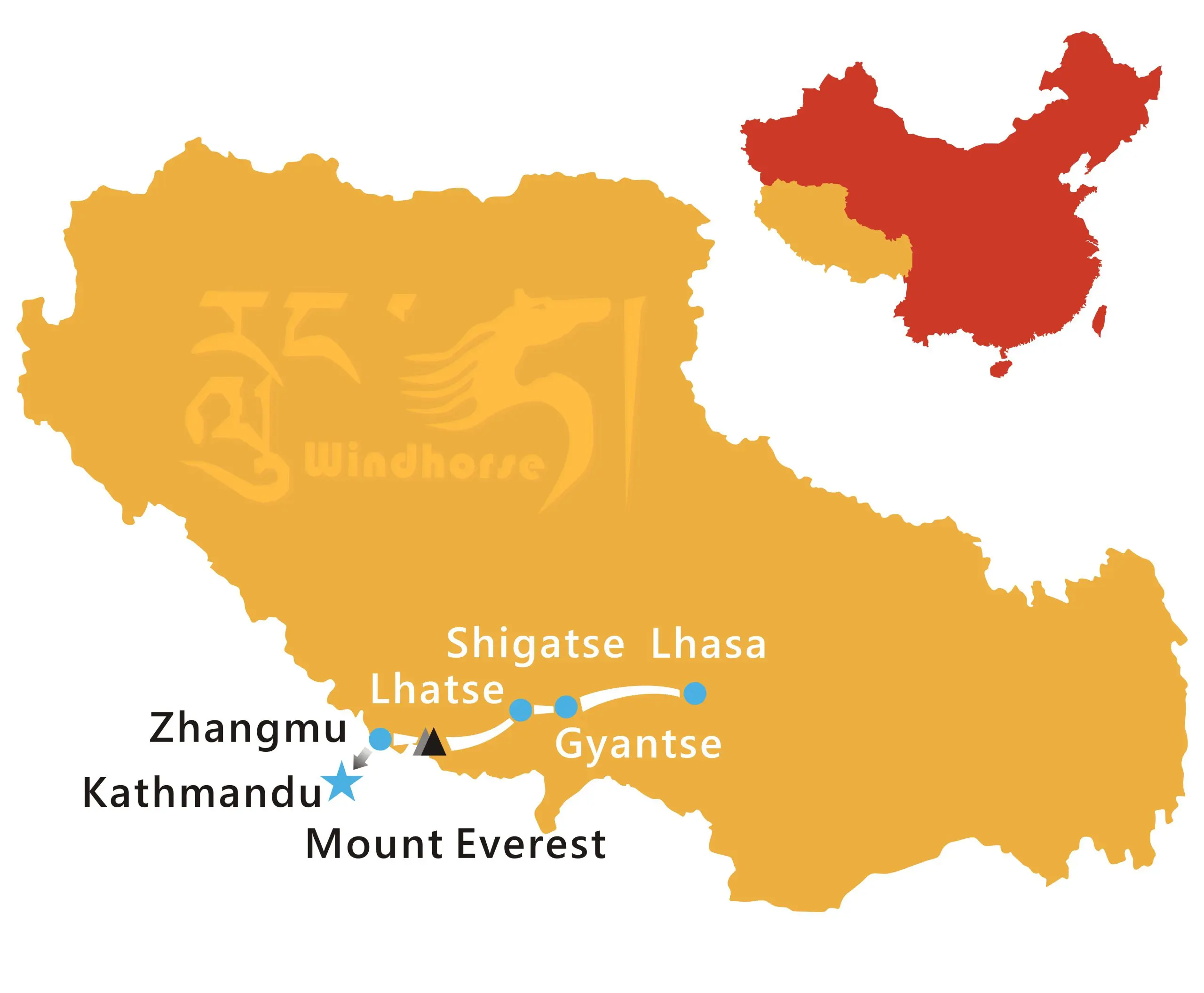
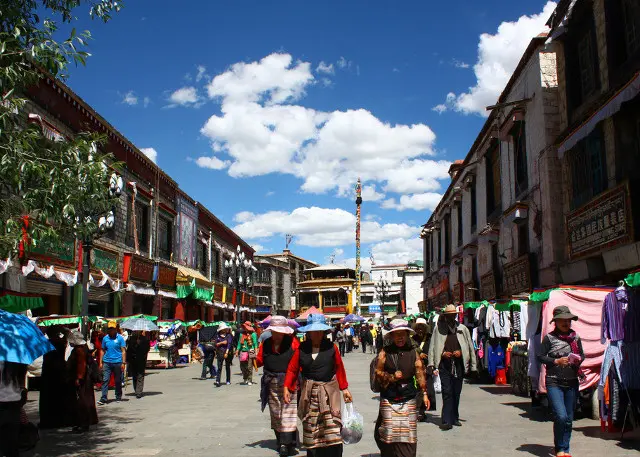
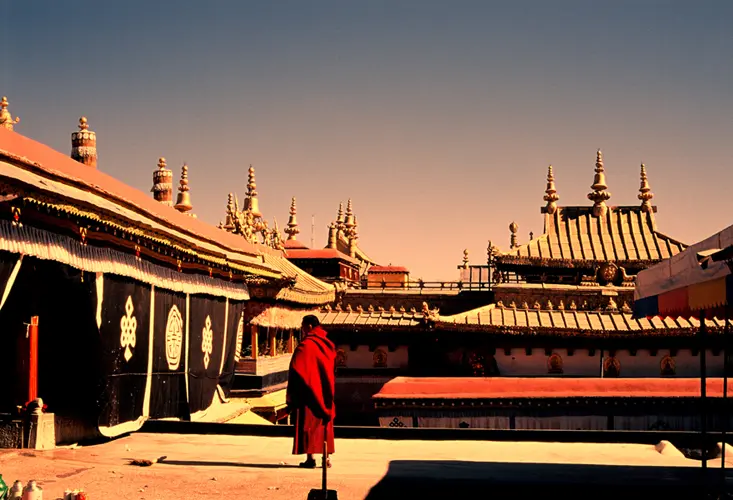
Take the Lhasa to Kathmandu Overland Tour via Everest, following the legendary Friendship Highway across Tibet. Visit Potala Palace, Yamdrok Lake, Gyantse, Shigatse, and Everest Base Camp before crossing the scenic Gyirong Border into Nepal.
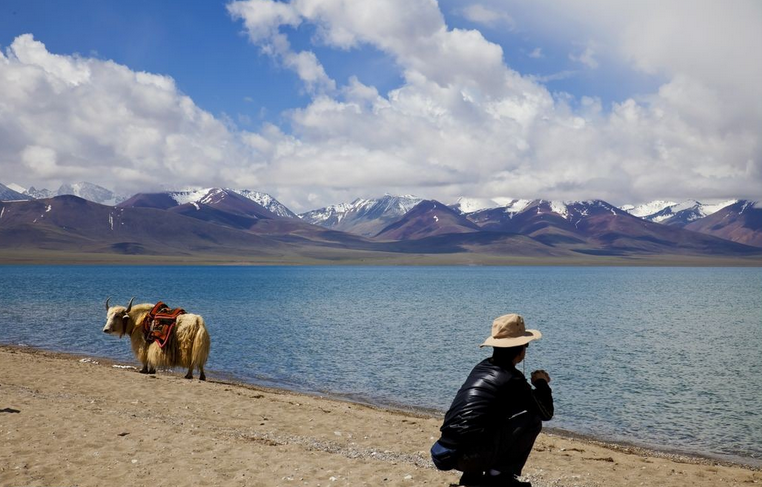
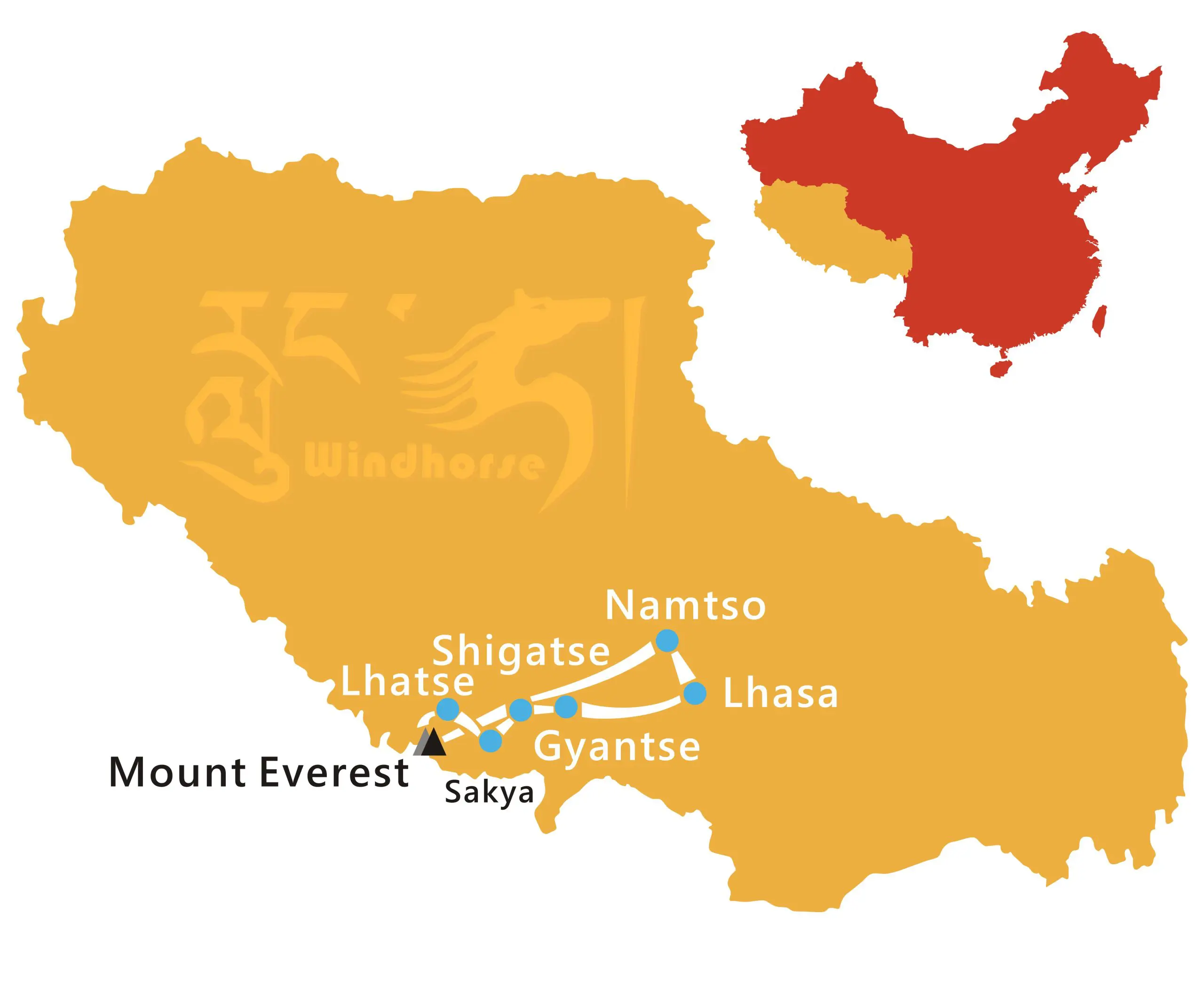
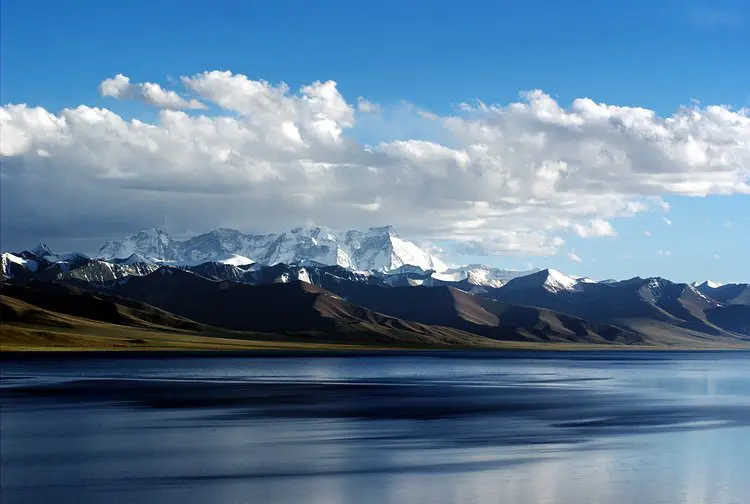
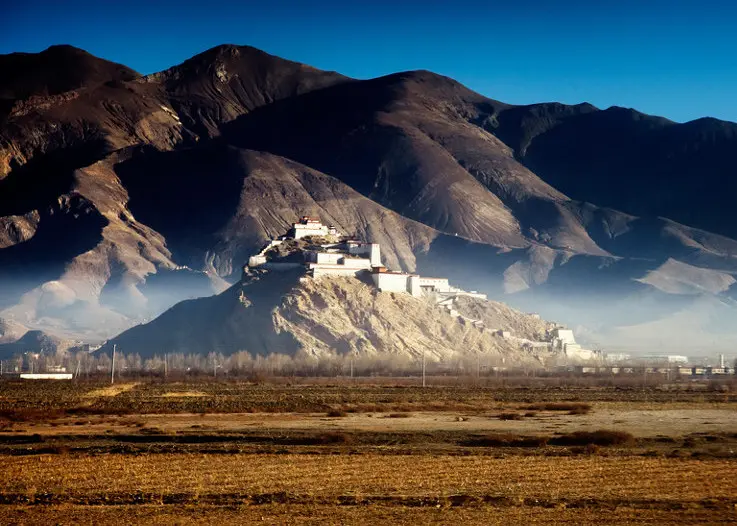
This 10-day Tibet tour combines the iconic Everest Base Camp and the holy Namtso Lake. Travel from Lhasa along the scenic Friendship Highway to the north face of Mount Everest, then continue to the sacred Namtso, where nomadic life and breathtaking northern grassland views await!