
20 days Grand Silk Road & Tibet Tour from Kashgar to Lhasa
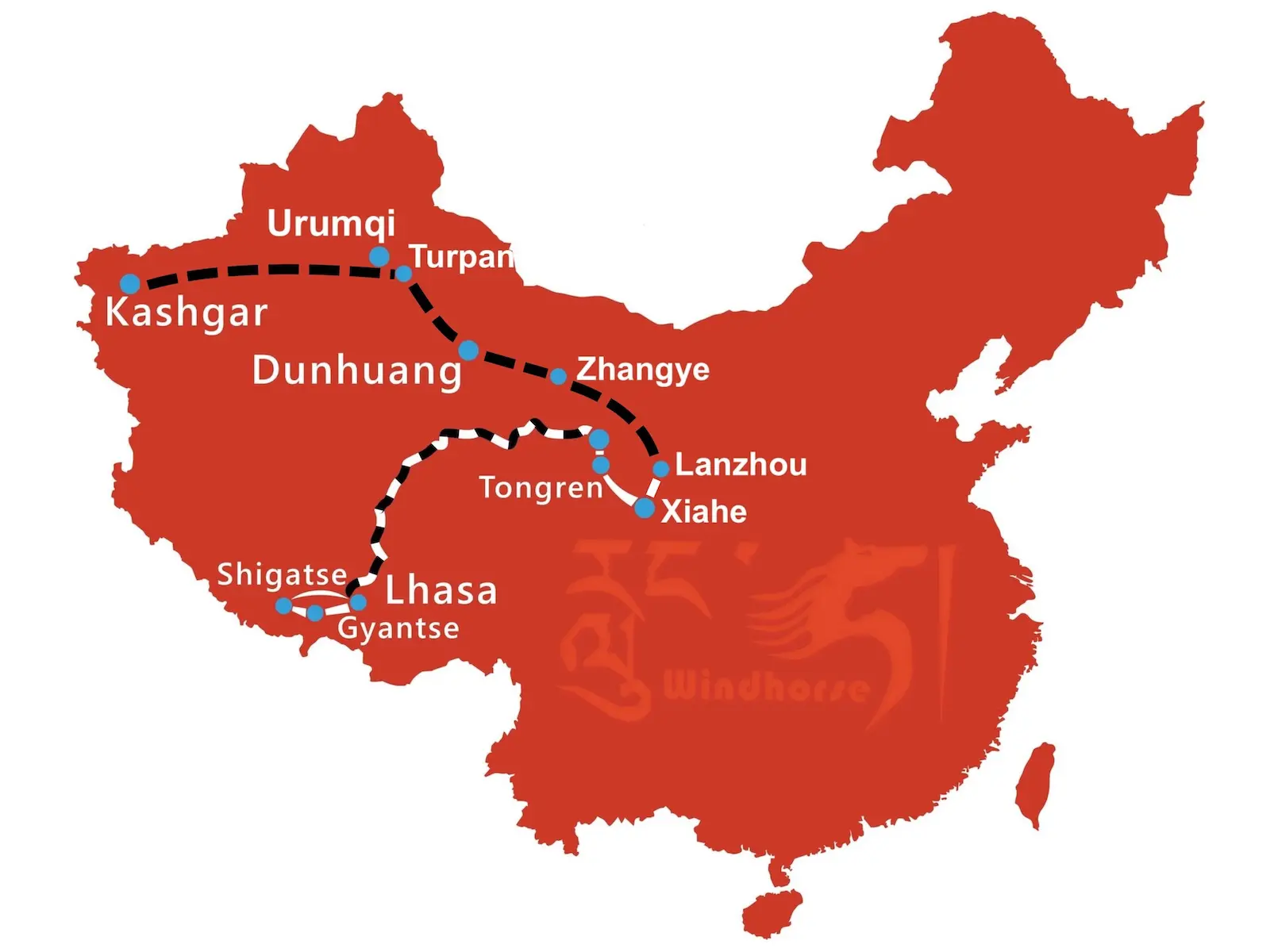
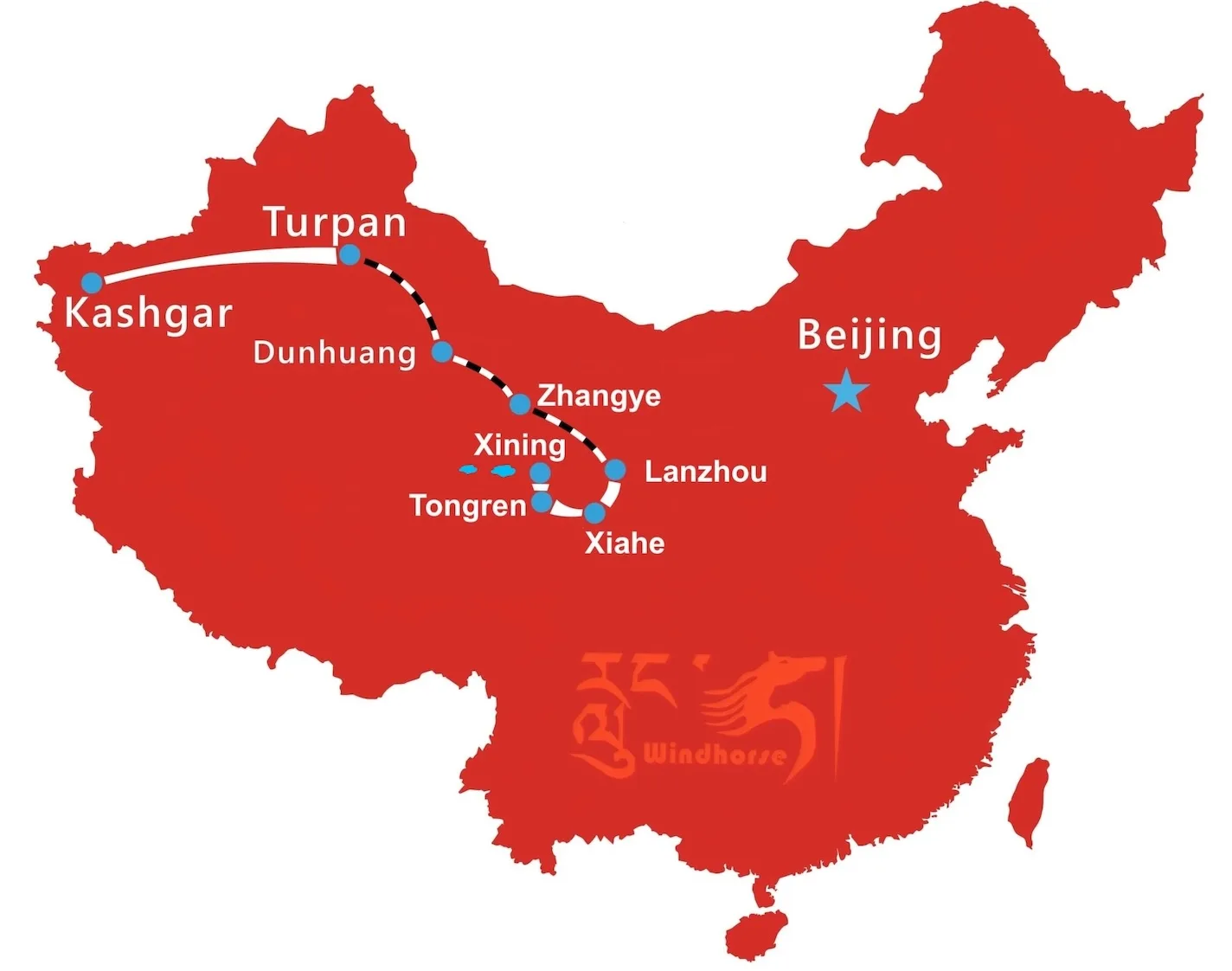
This Grand Silk Road and Tibet Tour travels from Kashgar to Lhasa through Xinjiang, Gansu, Qinghai and Tibet. Explore desert oases, Buddhist grottoes, ancient cities, monasteries and highland lakes before riding the Qinghai–Tibet Railway into Lhasa.
Itinerary
This 20-day Grand Silk Road and Tibet Tour follows one of China’s most remarkable travel routes from Kashgar to Lhasa. Begin in Kashgar, where lively bazaars, traditional Uyghur neighborhoods, and the highland scenery of Karakul Lake and Tashkorgan highlight the cultural crossroads of the western Silk Road. Continue east to Turpan, Dunhuang, and Zhangye to explore ancient desert cities, the Mogao Grottoes, and the colorful Danxia landforms that have long been central to Silk Road history.
Travel onward through the Tibetan-influenced regions of Xiahe and Tongren, home to important monasteries such as Labrang, Rongwo, and the renowned Wutun art centers. From Qinghai, continue to Xining and board the Qinghai–Tibet Railway for a scenic ride across the plateau to Lhasa. In Tibet’s cultural heart, visit the Potala Palace, Jokhang Temple, Ganden and Sera Monasteries before journeying to Yamdrok Lake, Gyantse, and Shigatse.
Blending desert oases, Buddhist heritage sites, highland grasslands, and Himalayan landscapes, this itinerary offers a comprehensive and immersive experience of China’s Silk Road and Tibet.
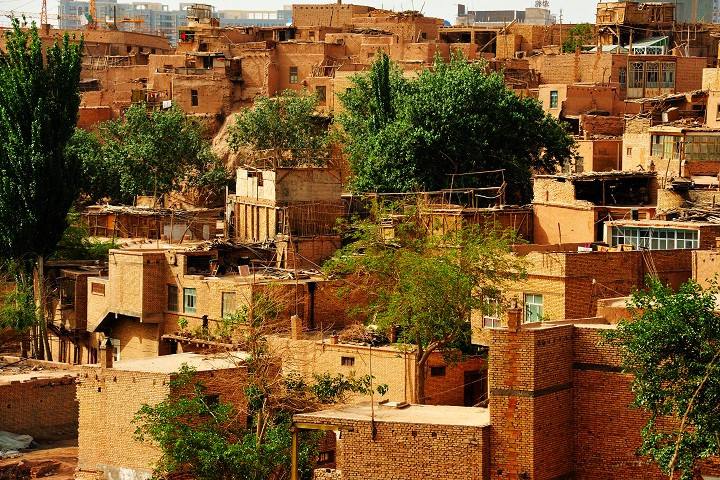
Start your wonderful journey with a flight to Kashgar via Urumqi. Located in the west of Xinjiang, Kashgar is a famous border city which has more than 2,000 years history. Upon arrival, the local guide and driver will pick you up at the airport and drive you to the hotel. The rest of the day is left flexible to have a break.
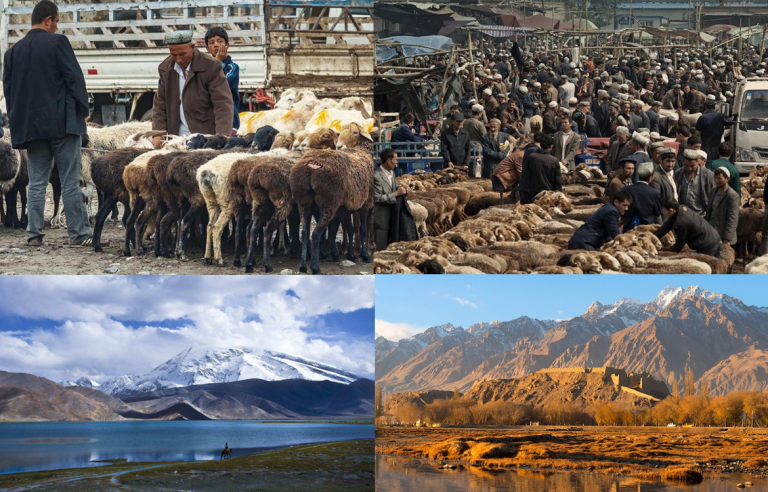
Begin your adventure in Kashgar and travel along the world famous Karakoram Highway, one of the highest and most spectacular mountain routes on earth. Your first stop is Upal Village, where you can buy fresh fruit, local nang bread, and simple snacks while enjoying the lively atmosphere of a traditional Xinjiang market.
Continue driving along the Karakoram Highway toward the dramatic Oytagh Red Mountain, stopping to photograph its brilliant red cliffs framed by the snowcapped Kunlun Mountains.
Arrive at Baisha Lake, also called White Sand Lake, where turquoise water meets snow white sand dunes to create one of the region’s most unique landscapes. Take a short lakeside walk and enjoy the peaceful highland scenery.
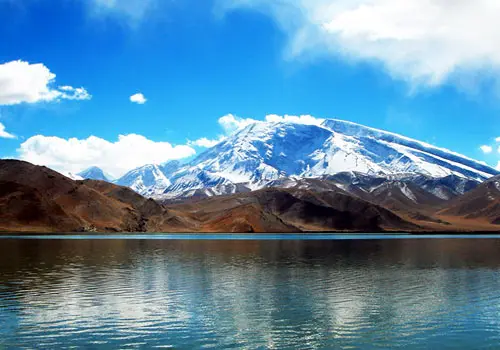
Continue west along the highway to Karakul Lake at 3600 meters. Set beneath the towering peaks of Muztagh Ata at 7546 meters and Kongur at 7719 meters, the lake offers magnificent reflections and classic Pamir Plateau views. Spend time exploring and relaxing by the lakeshore. Late afternoon drive to Tashkorgan, suggest to try local famous yak meat hot pot.
Overnight in Tashkorgan.
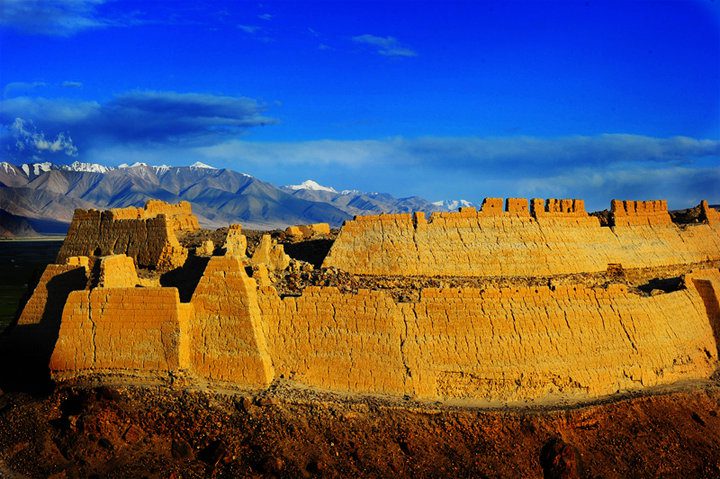
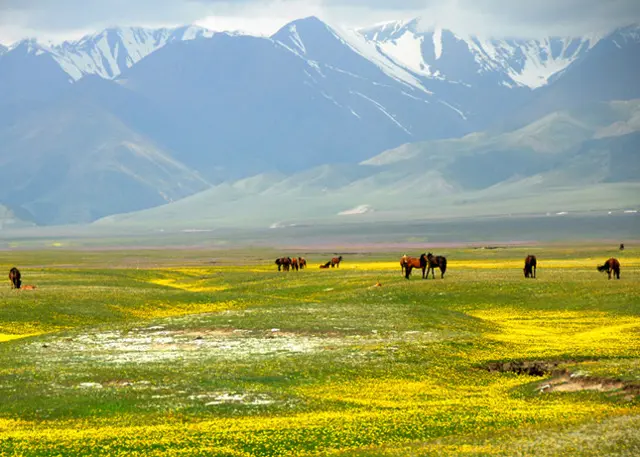
After breakfast, visit the ancient Tashkorgan Stone Fortress, one of the most important fortifications on the Silk Road. Surrounded by vast grasslands and snowcapped peaks, the site preserves remnants from the Tang and Qing dynasties including old city walls, temples, and administrative ruins that once oversaw Silk Road caravans.
Walk through the nearby Tajik grasslands to experience local pastoral life and take in wide open views of the Tashkorgan valley.
In the afternoon, rejoin the Karakoram Highway for the scenic return drive to Kashgar, arriving at your hotel in the evening.
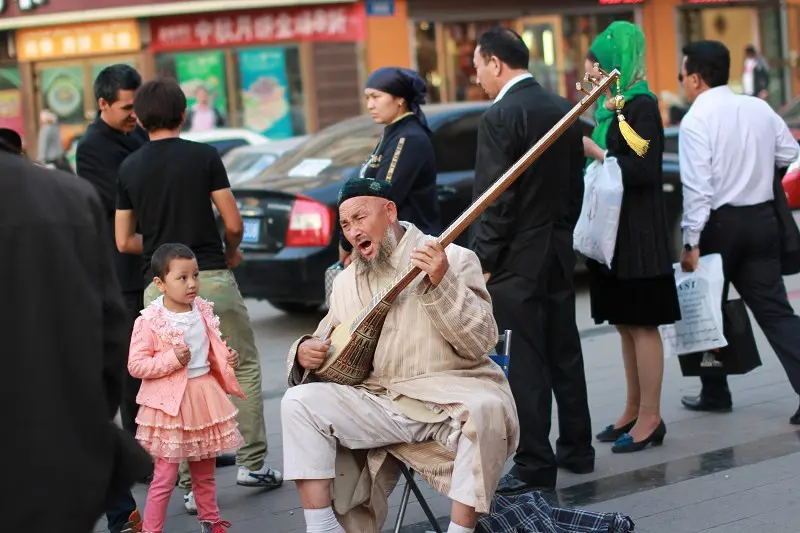
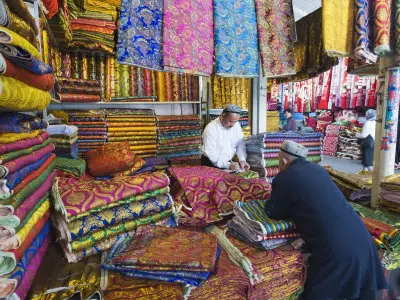
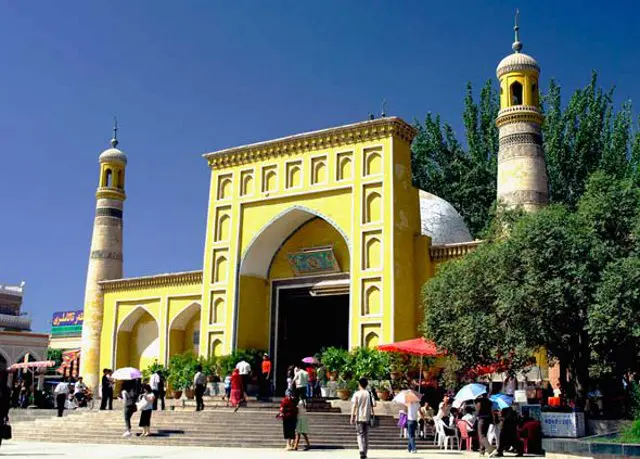
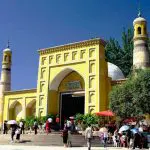
Today you will explore the cultural heart of Kashgar, beginning with the Sunday Livestock Market, where herders trade sheep, cattle, camels, and horses in a scene that reflects centuries of Silk Road tradition. Continue to the nearby Grand Bazaar, a lively hub filled with local foods, spices, and handicrafts. After lunch, visit the historic Id Kah Mosque and the Apak Hoja Tomb, two of Kashgar’s most important religious and architectural landmarks. End the day with a walk through the Kashgar Old Town and Ostangboyi Handicraft Street, where traditional artisans craft musical instruments, copperware, and local souvenirs. In the evening, take the overnight train from Kashgar to Turpan (T9522, 20:27-10:07am+1day, 13.5hours).
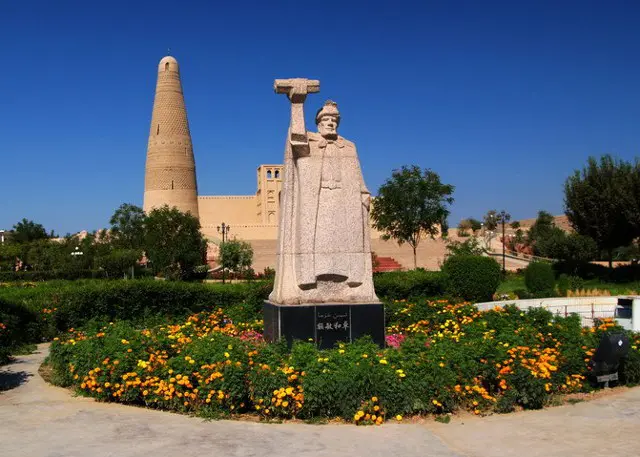
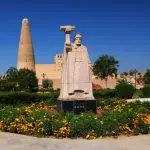
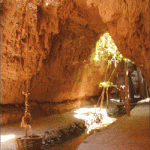
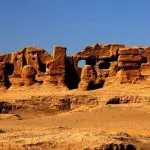
Turpan, an oasis city located 183 km (114 mi) from Urumqi, is an important city on a branch of the ancient Silk Road from Kumul to Kashgar and is also one of the centers of Uighur culture. Upon arrival in Turpan, you will be transferred to your hotel for a short rest, followed by the exploration of Turpan city.
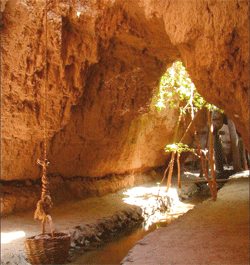
First head to visit the Karez Well, a unique irrigation system of wells connected by underground channels invented and built by ancient farmers from the various ethnic minorities of Turpan. It is regarded as one of the three great ancient projects in China. Here, you are allowed to walk along the channels below ground for a firsthand view, most of which are still maintained and functioning now.
Then drive to the Bezeklik Thousand Buddha Caves for learning about the Buddhism culture along the ancient Silk Road. These caves were built on the legendary Flaming Mountains, which are the barren, eroded, red sandstone hills in Tian Shan Mountain range. Stop at here for seeing the memorable spectacle of the hills looking like a fiery dragon.
Next up with a visit to Tuyuk Village, a traditional village of vineyards, orchards, narrow streets and irrigation channels tumbling between ancient mud brick houses and shady trees.
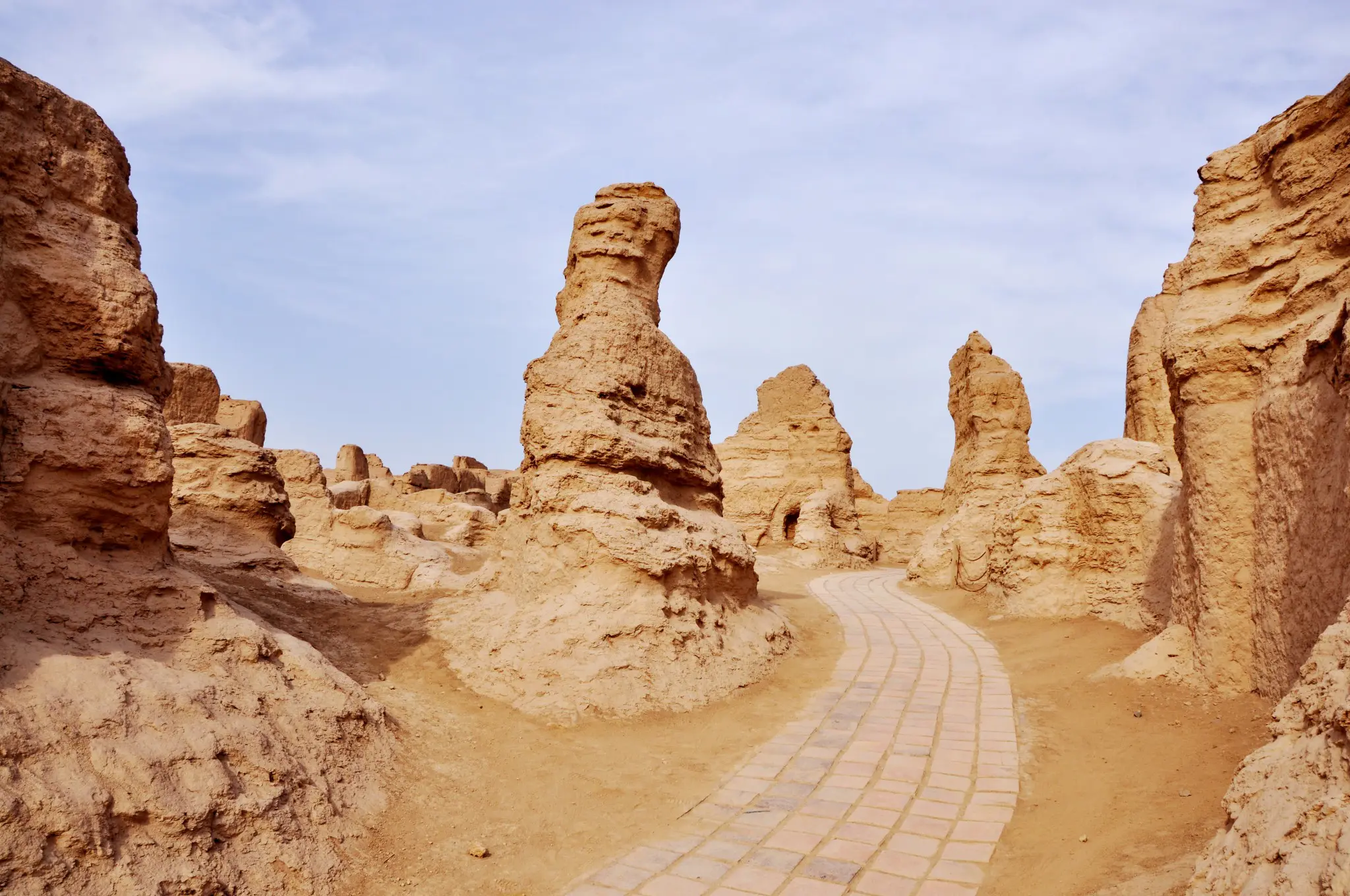
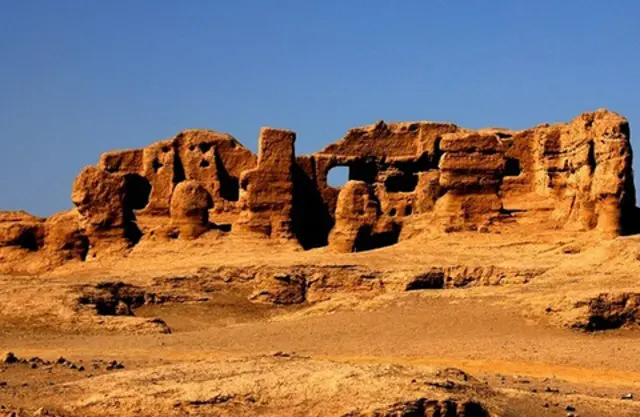
The final stop today will be Gaochang City, another famous ancient ruin in Turpan. Along with Jiaohe, Gaochang also stands in the boundless desolate Gobi desert of Xinjiang. Due to the dry and hot weather, the ancient city of Gaochang has been well preserved as you can clearly see the outline of this city.
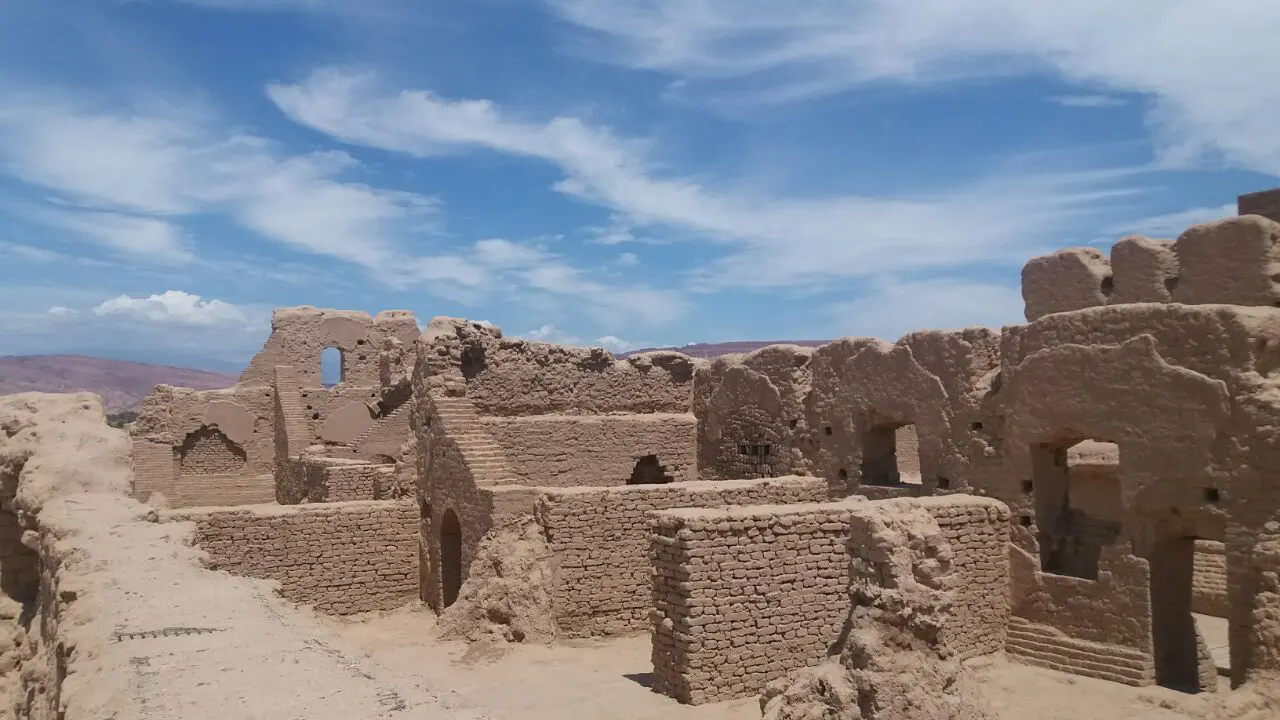
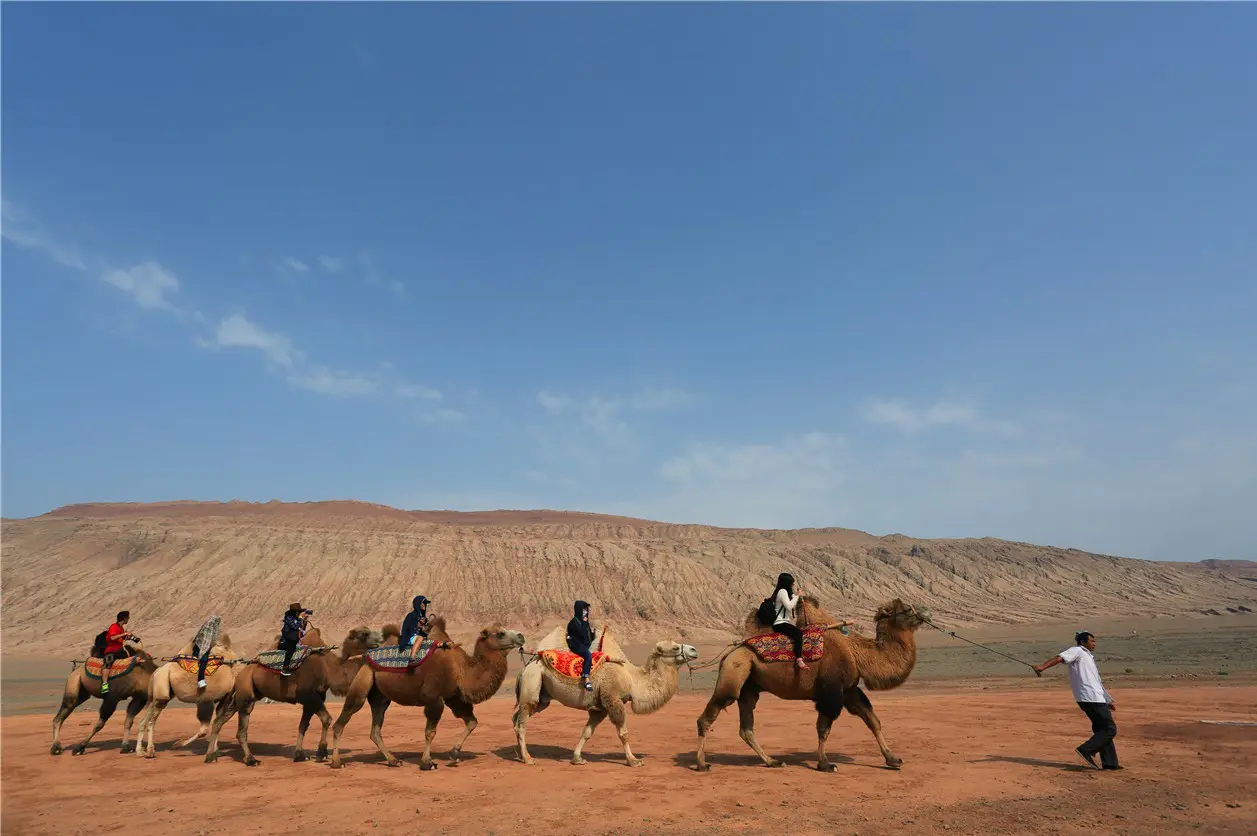
Today you will have half day to explore Turpan, firstly head to visit the Ruins of Jiaohe, located 8 km (5 mi) west of Turpan. This is an ancient city over 2,300 years old. The once prosperous city has declined over time, and now you can only see the magnificent ruins, surrounded by desert and mountains.
Then head to the Sugong Pagoda, which was built by the ruler of Turpan Prefecture to honor his father in 1811. The architectural style of this pagoda displays the typical design of Uygur features.
Take afternoon train to Dunhuang (D2706, 12:13-15:48, 3.5 hours). Upon arrival, you will be picked up and transfer to your hotel in Dunhuang, the rest day is on your own to explore Dunhuang on your own.
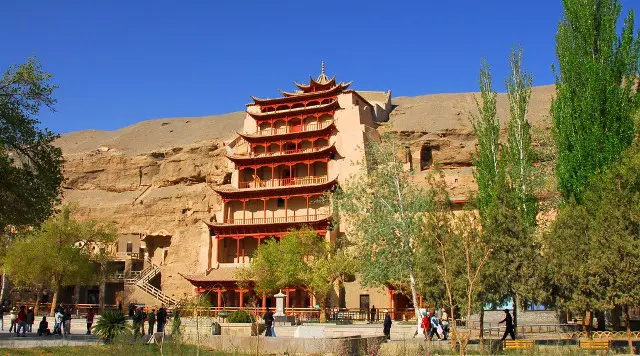
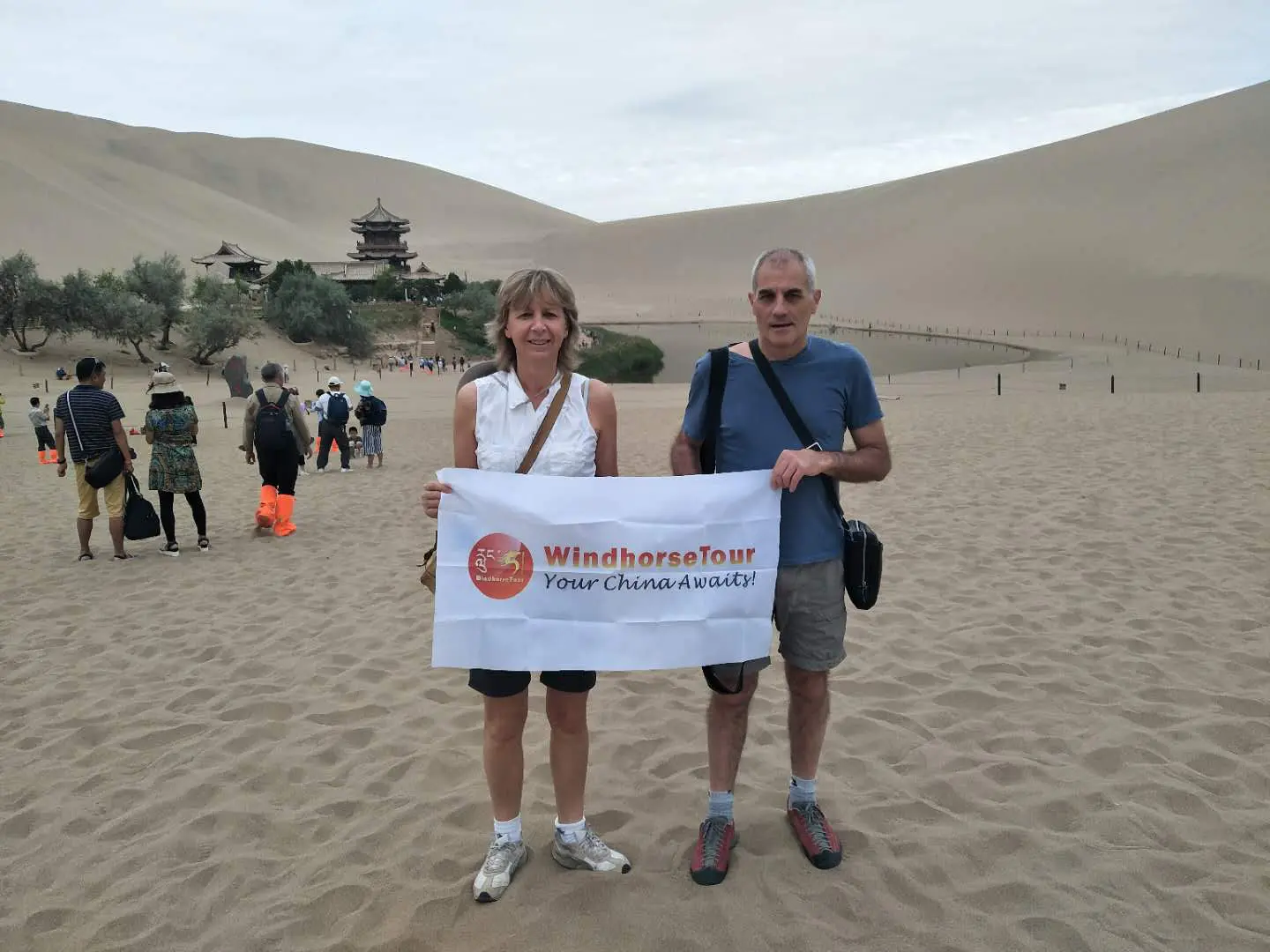
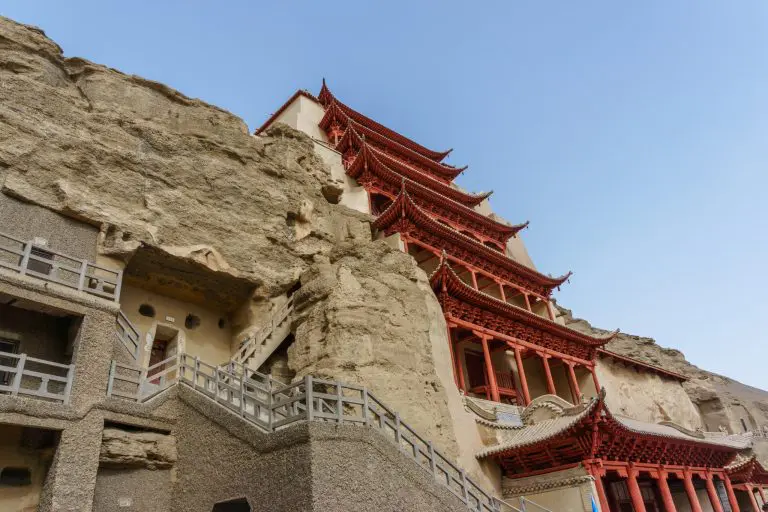
Today, explore the best of Dunhuang. Begin with a visit to the Mogao Grottoes, a UNESCO World Heritage Site along the ancient Silk Road. Built between the 4th and 14th centuries, the grottoes contain 492 caves, more than 45,000 square meters of exquisite Buddhist murals, and over 2,400 painted sculptures, representing one of the finest collections of classical Chinese art.
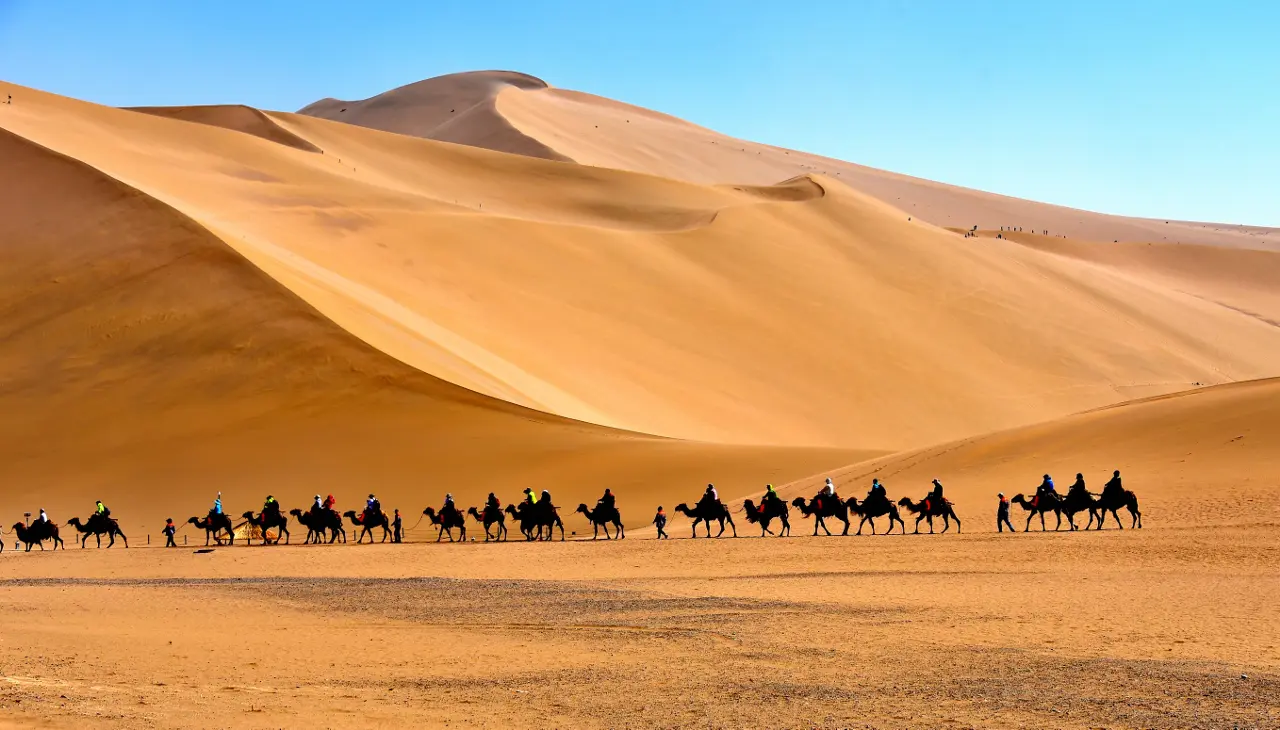
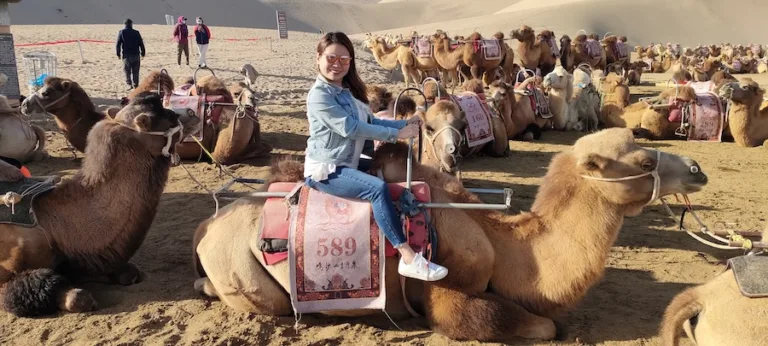
In the afternoon, enjoy a camel ride to Mingsha (Echoing-Sand) Hill and Crescent Spring. You may also take other optional desert activities such as sandboarding, ATV rides, dune buggying on the sand dunes. End the day with a stunning sunset over the desert, a truly spectacular and memorable experience.
Overnight in Dunhuang.
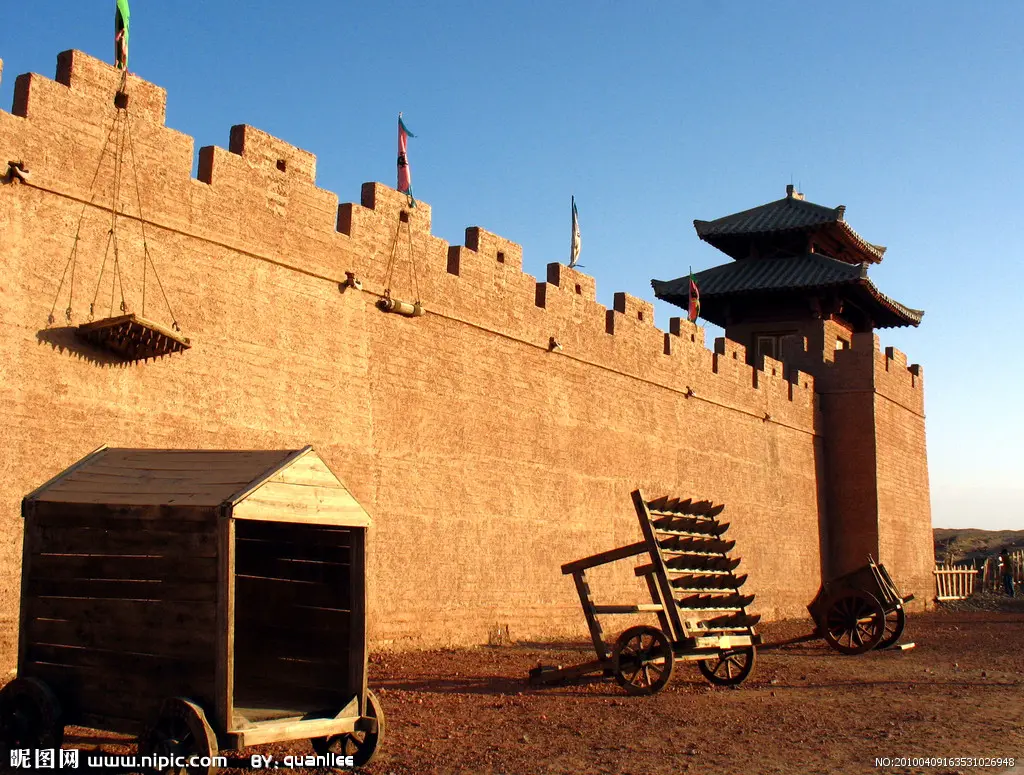
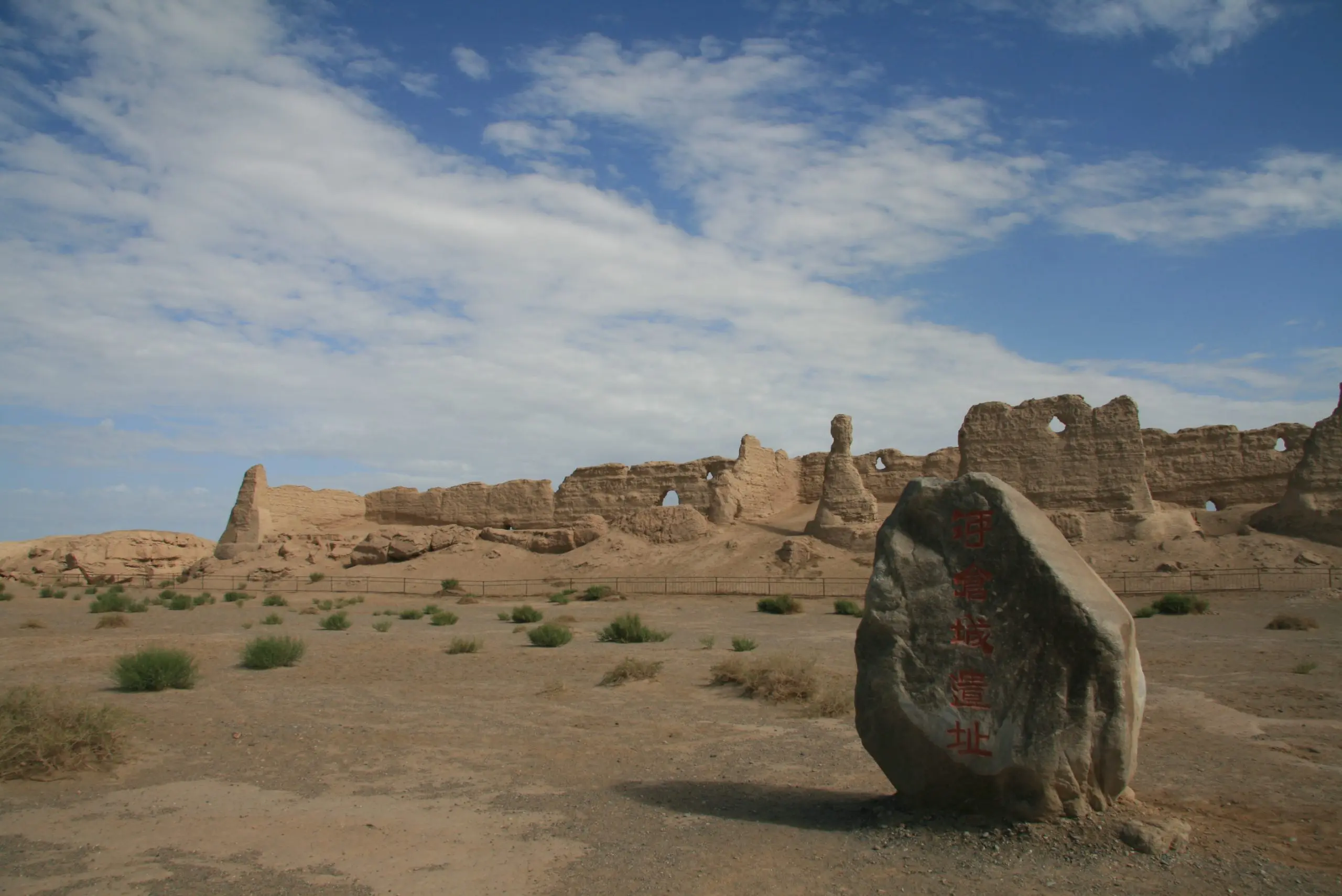
Today drive west to visit to Yumenguan (Jade Gate) Pass, one of the most important frontier checkpoints of the Han Dynasty. Located about 102 km from Dunhuang, this ancient military outpost once served as a critical gateway between the Hexi Corridor and the Western Regions. Han officials inspected Silk Road caravans, regulated military movements, and managed diplomatic missions here. Today, its weathered beacon towers and rammed-earth ruins stand quietly in the Gobi Desert, offering a vivid reminder of its strategic role along the ancient Silk Road.
Continue driving west into the depths of the Gobi to reach Yadan National Geopark, known for its dramatic yardang formations, the landscape was shaped by fierce winds over more than 700,000 years. Explore the eerie desert scenery of Yadan “Ghost Town,” where sculpted rock ridges and wind-carved silhouettes create one of Dunhuang’s most surreal natural wonders.
After your visit, return to Dunhuang for overnight.
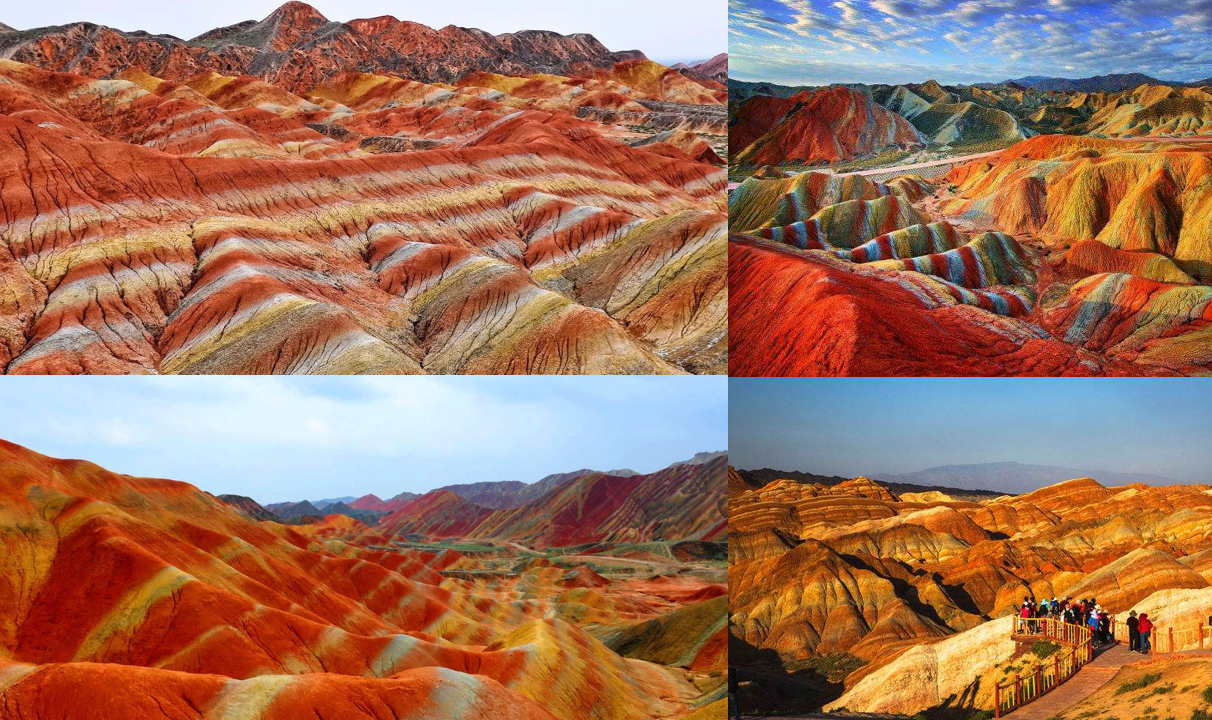
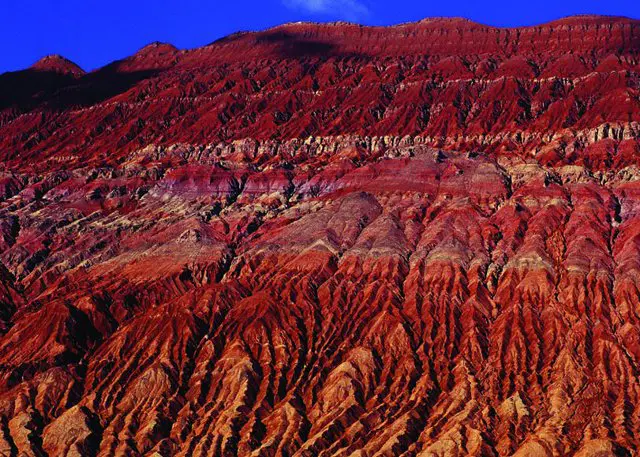
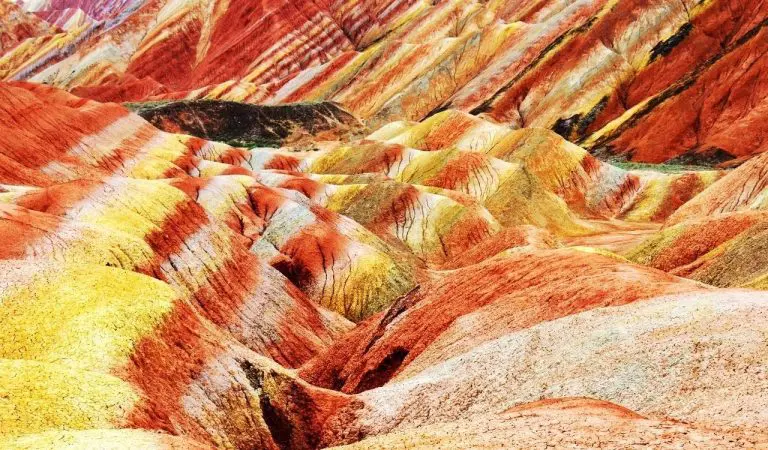
This morning, take a high-speed train from Dunhuang to Zhangye, a comfortable ride of about four hours. Upon arrival, meet your local guide and transfer directly to the famed Zhangye Danxia National Geopark, also known as the Rainbow Mountains.
Over millions of years, layers of mineral-rich sandstone have been shaped by wind and rain into rolling ridges of red, gold, orange, and white, creating one of China’s most spectacular geological wonders. Spend the afternoon exploring the park’s five scenic viewing platforms, each offering a unique vantage point over the colorful Danxia landscape. Shuttle buses are available inside the park for easy access between viewpoints.
Toward evening, make your way to Viewing Platform No. 4, widely regarded as the best location to watch the sunset. Arriving a little early ensures a good spot as the setting sun casts a golden glow over the rainbow-colored hills.
After sunset, return to Zhangye for an overnight stay.
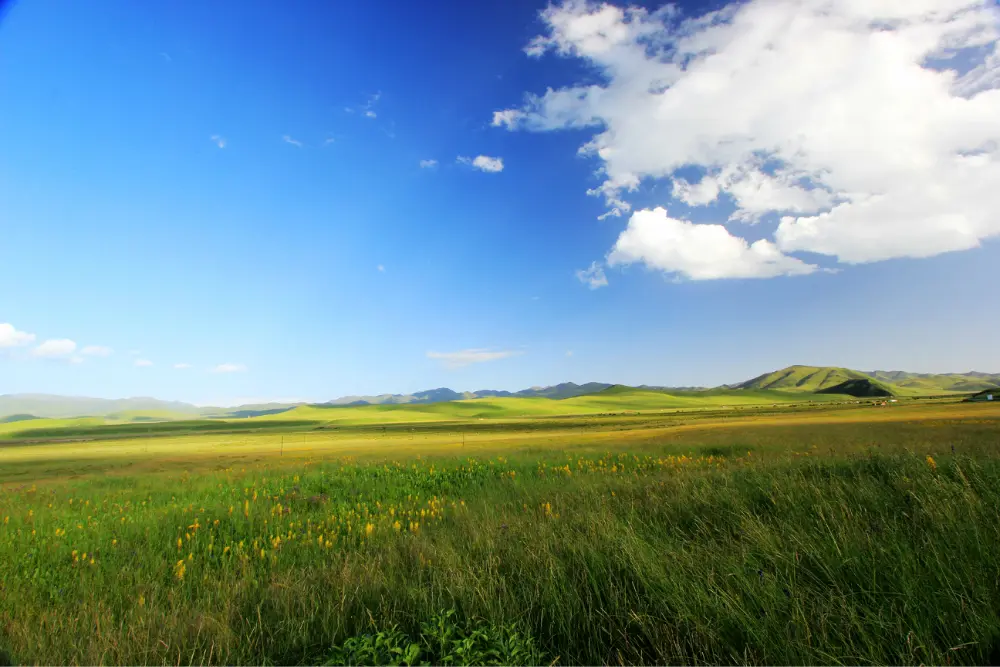
This morning, board a high-speed train from Zhangye to Lanzhou, a comfortable ride of about three hours. Upon arrival, meet your guide and continue by road to Xiahe, a Tibetan-influenced county known for its open grasslands and serene atmosphere. The drive covers roughly 190 km and takes around 3.5 hours. After checking in, enjoy the rest of the day at your own pace. Overnight at Xiahe.
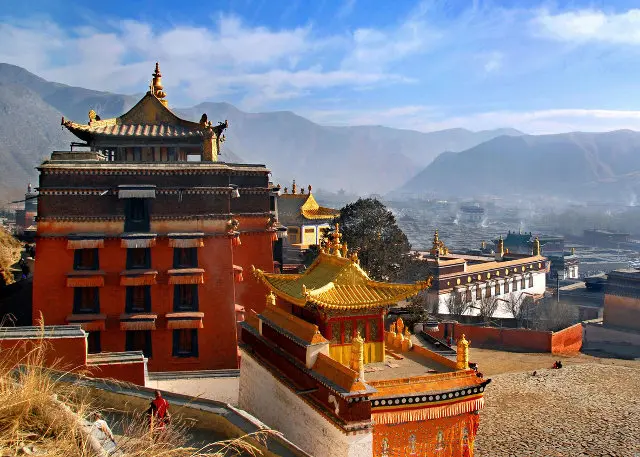
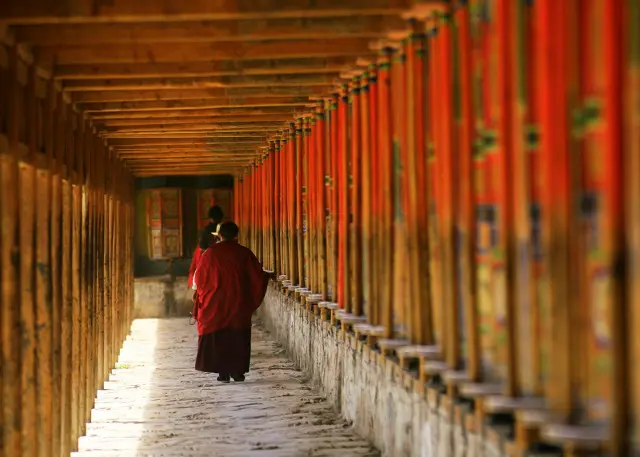
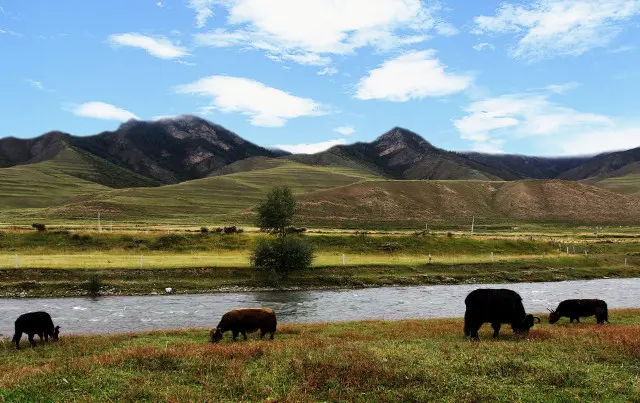
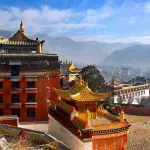
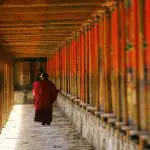
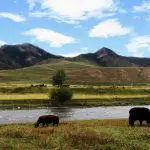
This morning, visit Labrang Monastery, one of the six great Gelugpa monasteries and an important center of Tibetan Buddhism. Explore its traditional Tibetan architecture, active monastic halls, and long corridors of prayer wheels that showcase centuries of spiritual heritage.
Afterward, drive to the Sangke Grassland, a broad alpine meadow known for its summer-blooming Sangke flowers. Spend the afternoon experiencing Tibetan nomadic culture by visiting a local herder family. Learn about their daily lifestyle, step inside a traditional yak-hair tent, and enjoy a warm cup of Tibetan butter tea while chatting with the hosts. Take in the open grassland scenery before returning to town.
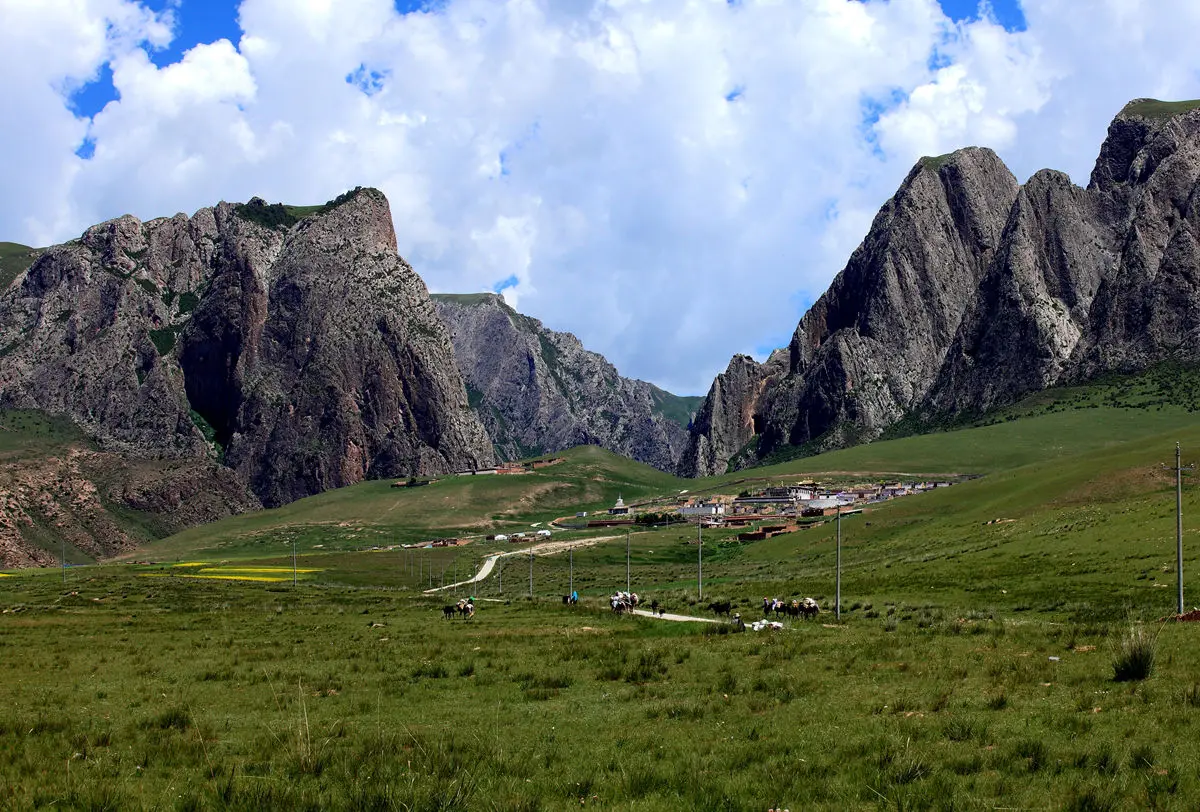
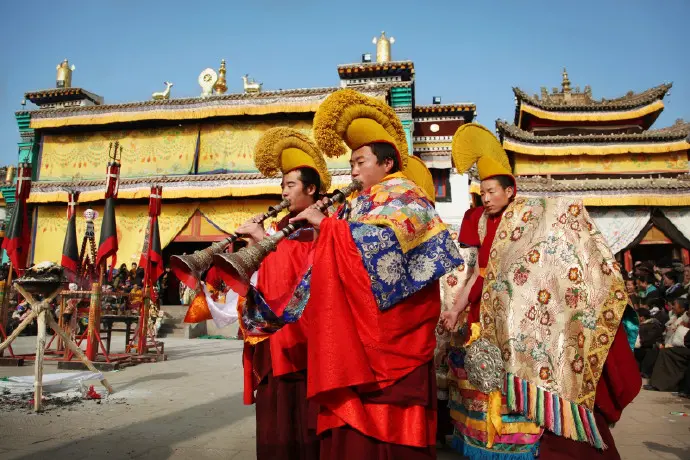
After breakfast, leave Xiahe and drive about two hours to Tongren, the artistic and spiritual center of the Amdo Tibetan region. The area is renowned for its Buddhist monasteries, sacred stupas, and its long tradition of Thangka painting.
Begin with a visit to Rongwo Monastery, the largest and most influential monastery in the Huangnan Tibetan Autonomous Prefecture. Founded in 1301, it remains a major center of Gelugpa learning and is home to three important colleges: the Kalachakra College, the Tantric College, and the Dialectics College.
Continue to the Wutun Monasteries, the heart of Tongren’s celebrated art tradition. Famous throughout Tibet for their exceptional Thangka painting, sculpture, and woodcarving, the monasteries feature colorful temples and stupas. Visit a local Thangka studio to observe master artists at work.
Overnight in Tongren.
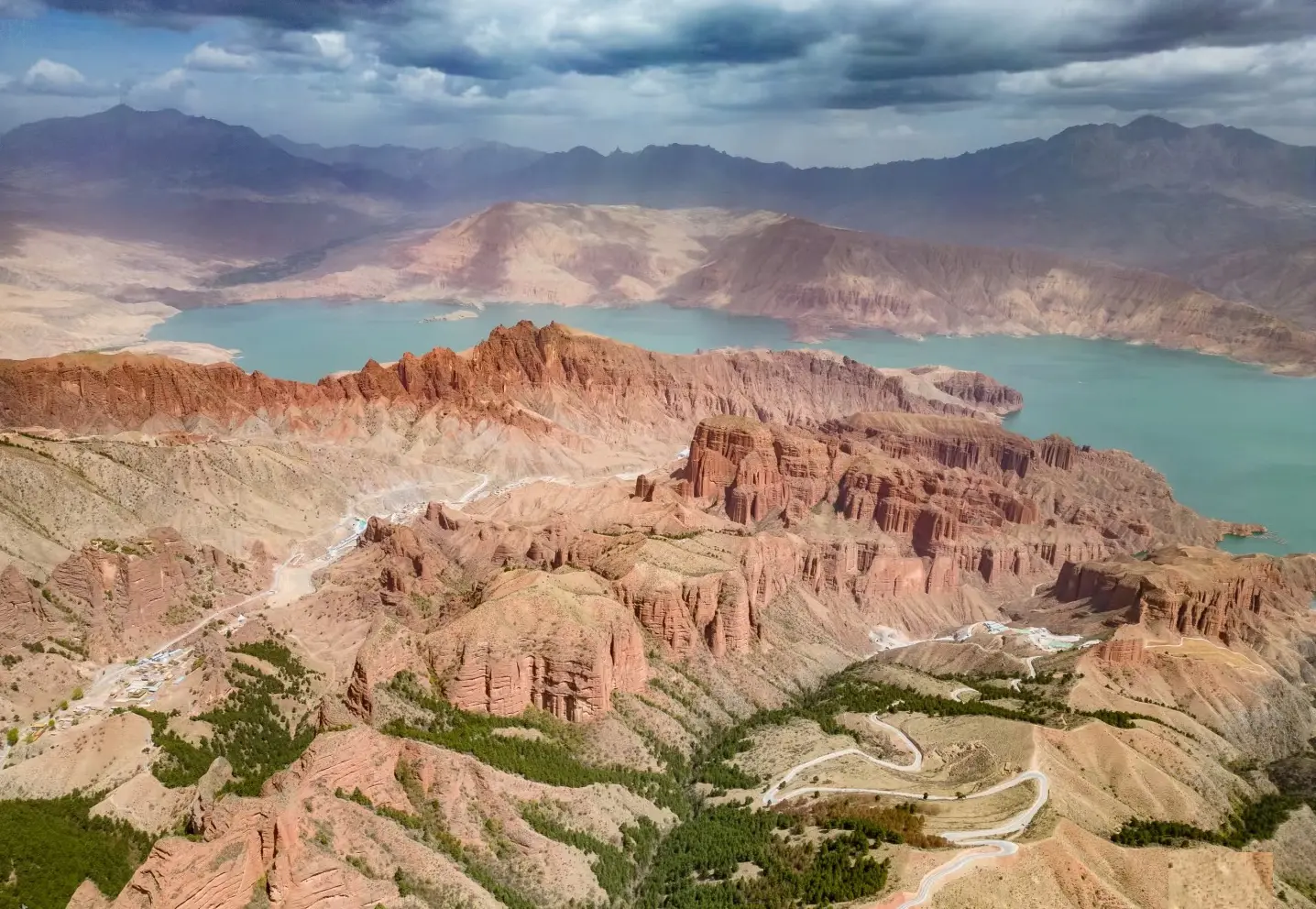
After breakfast, leave Tongren and drive along the Yellow River to Kanbula National Park, a scenic area where the Qinghai–Tibet Plateau meets the Loess Plateau. With its red-clay Danxia formations, steep cliffs, deep gorges, and turquoise reservoir, the park showcases over 38 million years of geological history. The Yellow River flows through the canyons here and is controlled by the Lijiaxia Dam, offering a close look at China’s “Mother River.”
Explore the park by shuttle bus, stopping at major viewpoints for short walks and photos. When available, a seasonal dam cruise provides a different perspective of Kanbula’s dramatic red-rock landscapes. The visit typically lasts 4–5 hours.
Afterward, continue the drive to Xining for your overnight stay.
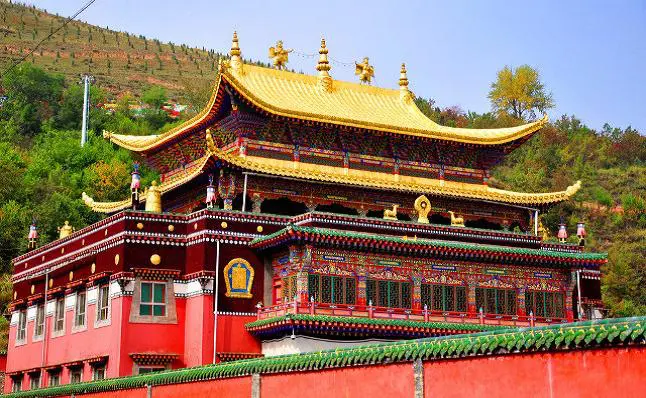
After breakfast, drive to Kumbum Monastery (Ta’er Monastery), one of the six great Gelugpa monasteries and the birthplace of Tsongkhapa. Explore its Tibetan–Chinese architectural mix, vibrant murals, butter sculptures, and important religious halls.
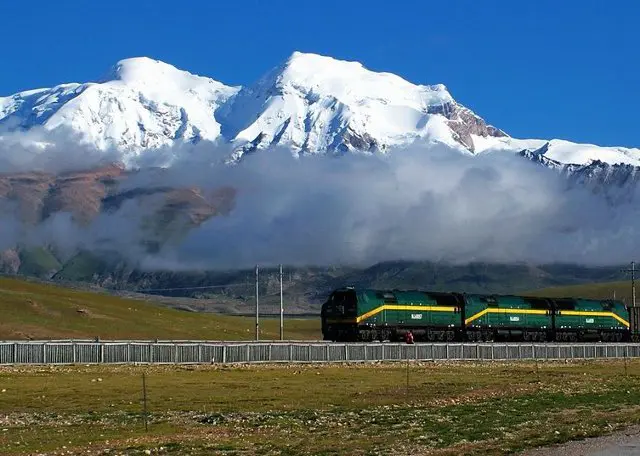
In the afternoon, visit the Tibetan Medicine and Culture Museum to learn about traditional Tibetan medical practices and see the impressive 618-meter Thangka art scroll. Board the late afternoon or evening train to Lhasa along the Qinghai Tibet railway. Overnight on the train.
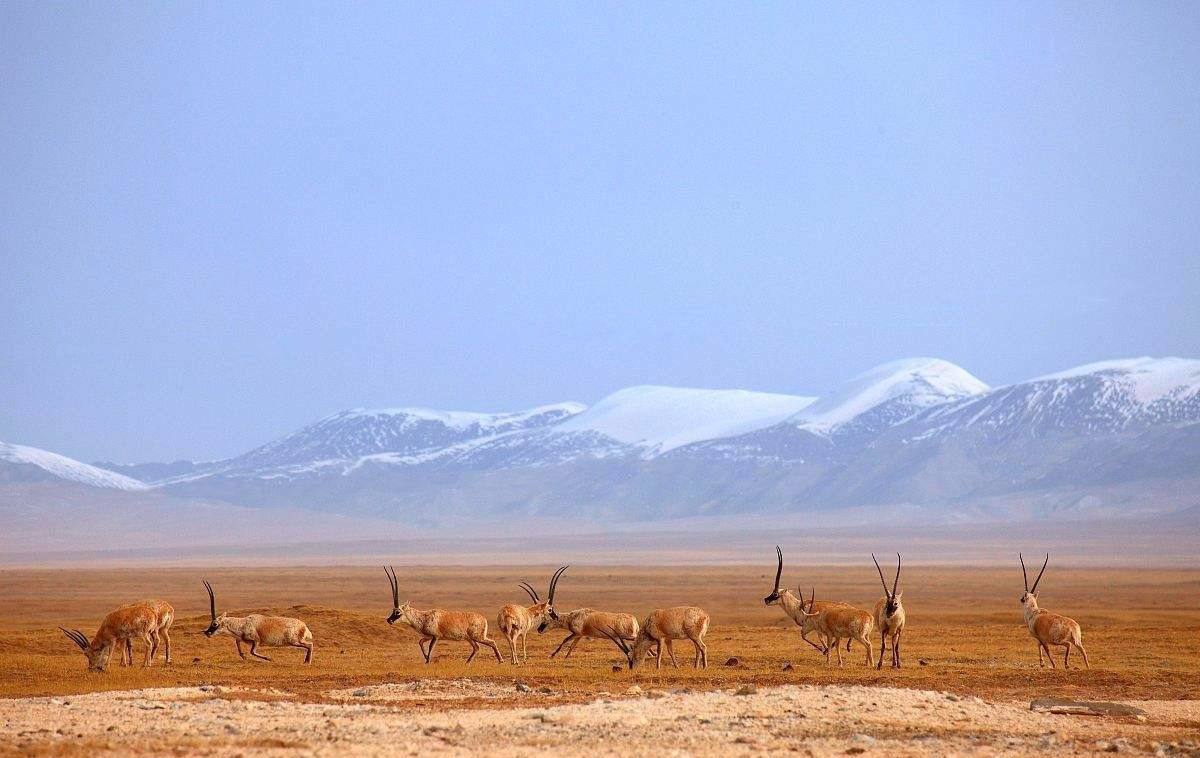
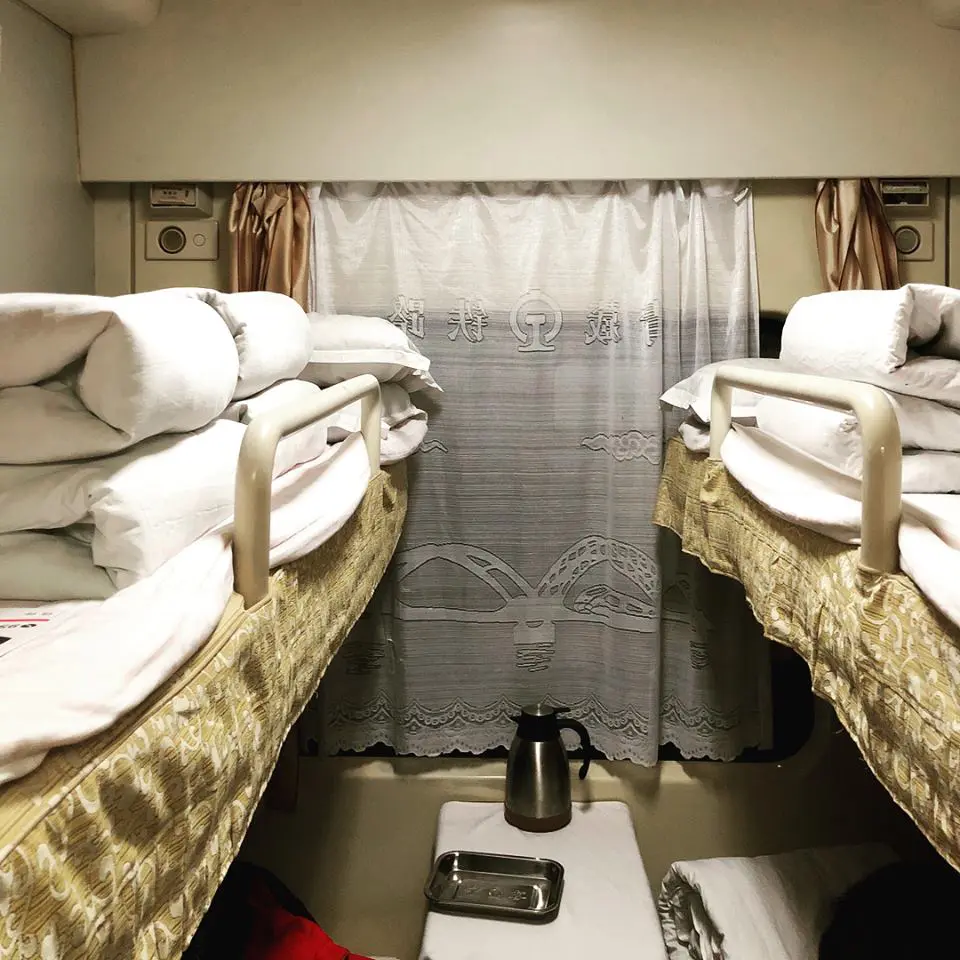

During your train journey to Lhasa, you’ll enjoy breathtaking views of the Tibetan Plateau, spotting nomadic herders, grazing yaks, and the vast, untouched landscapes of the Kekexili Nature Reserve. Arriving in Lhasa in the afternoon, meet your local guide and transfer to your hotel, where you can rest and adjust to the high altitude.
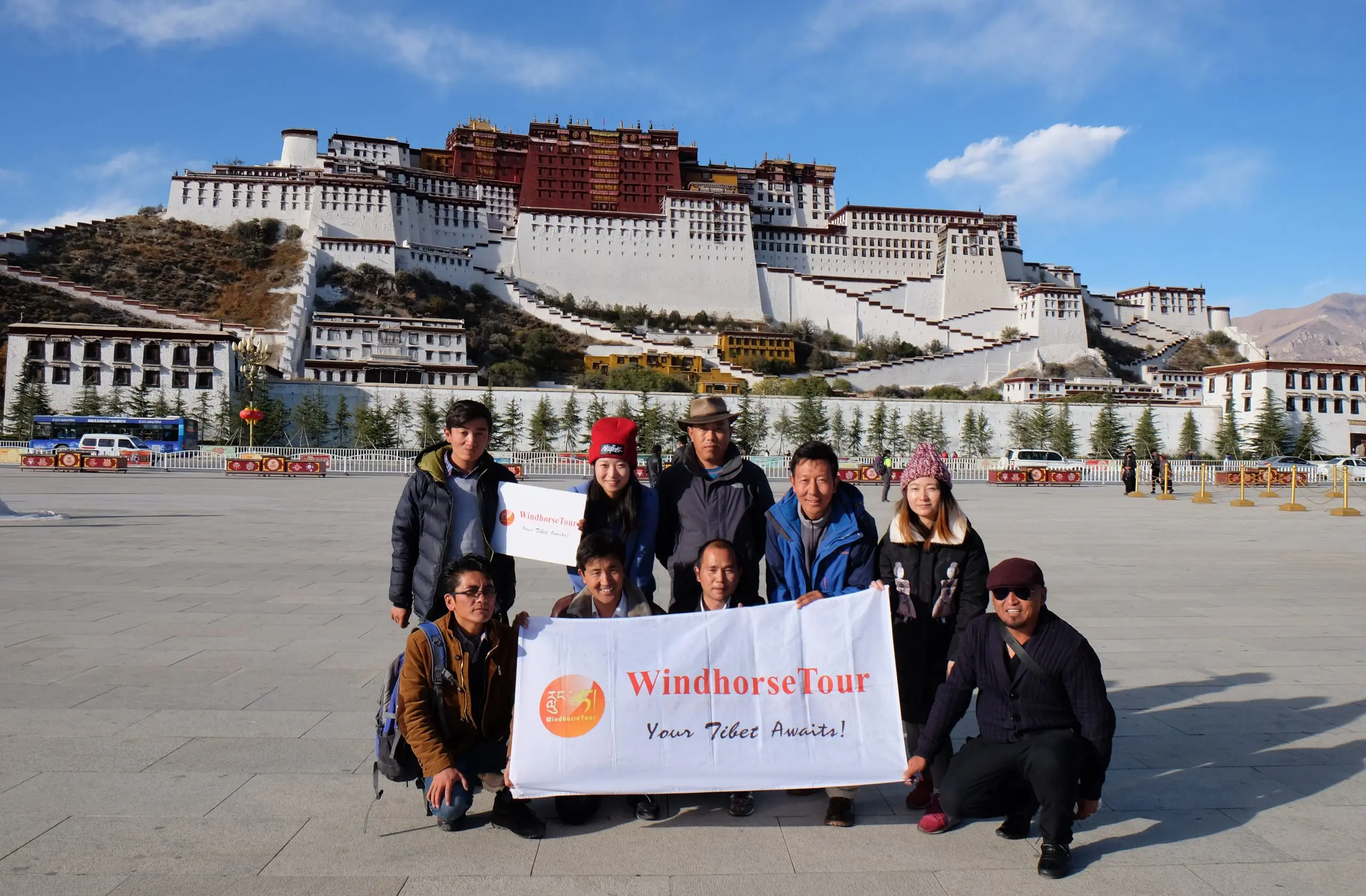
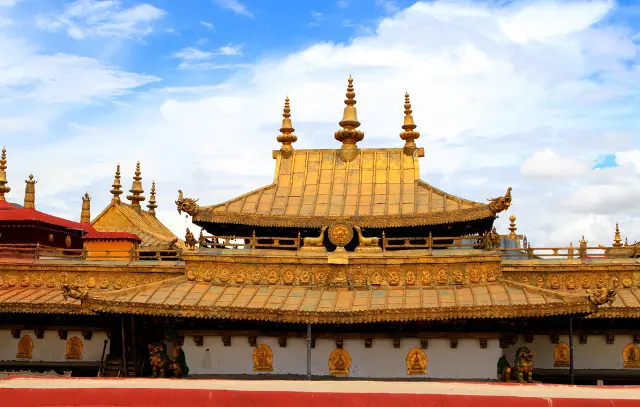
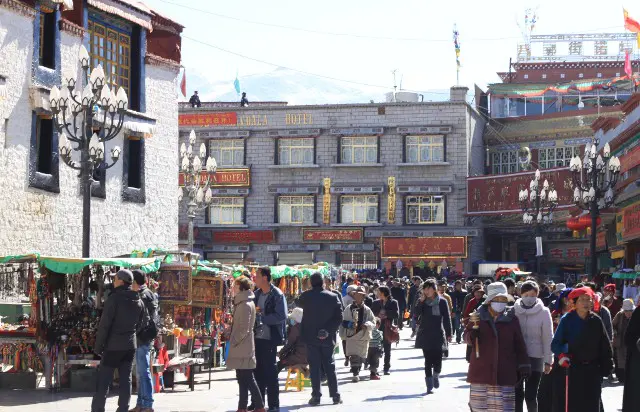
Since today is your first day of sightseeing on the highest plateau of the world, you will only be arranged to visit two highlights within Lhasa City, Potala Palace and Jokhang Temple, two of which are regarded as the landmarks of Lhasa. In the morning, head to the Potala Palace, which is an architectural miracle even by modern standards. The palace once was the chief residence of the Dalai Lamas. It rises 13 stories and contains more than 1,000 rooms. However, it is not simply one building with many rooms, you can see various different palaces all built into one, magnificent and mysterious.
In the afternoon, visit Jokhang Temple at the heart of Lhasa. The temple has over 1,300-year history, and is considered to be the spiritual center of Tibet, attracting millions of Tibetan Buddhism believers and travelers every year. The circuit around the temple is called Barkhor, it is a popular devotional place for pilgrims and locals. The street is also the largest market where you can see lots of shops selling traditional souvenirs. Walk along the street for some good bargains.
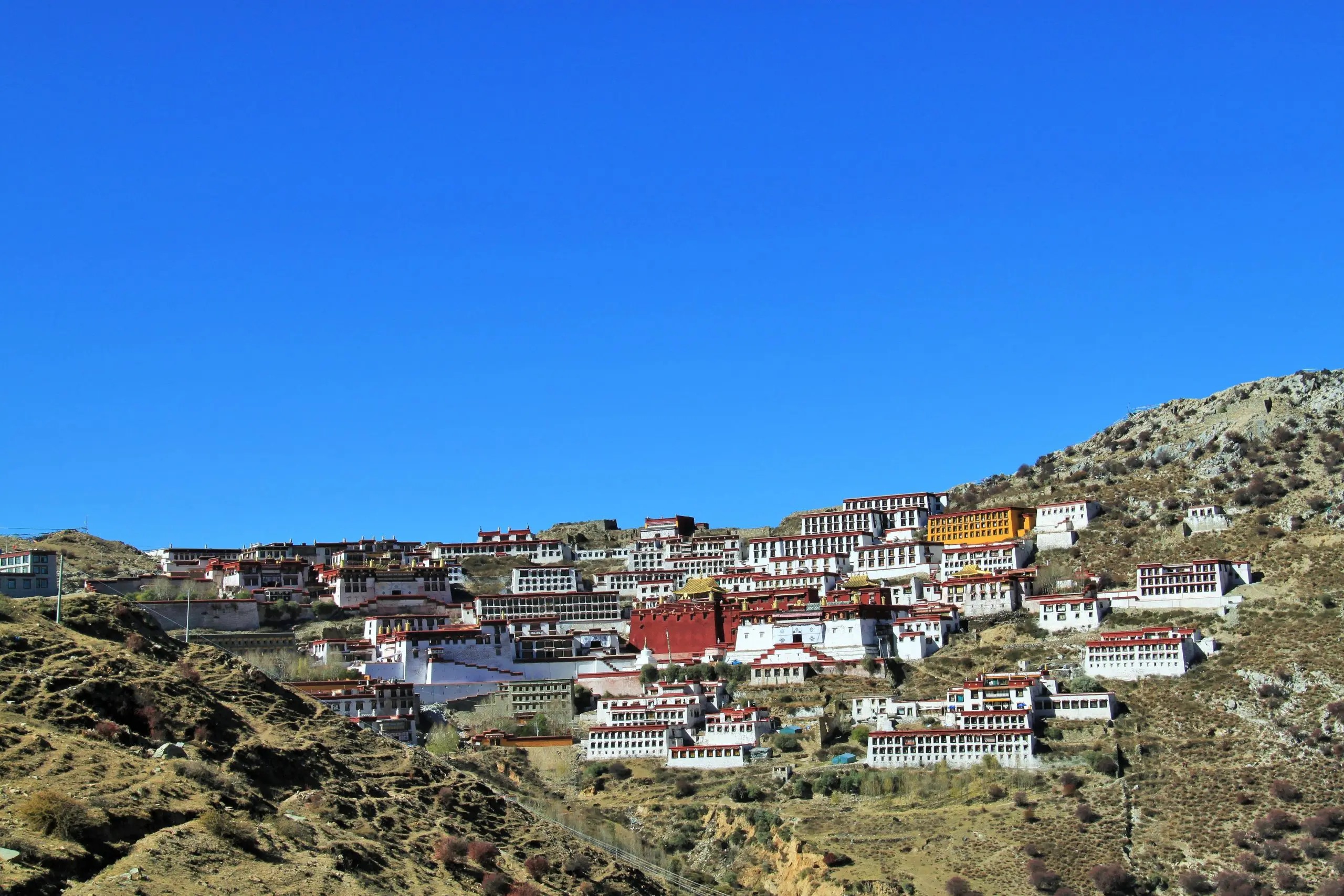
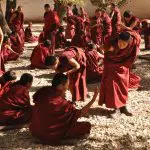
Lots of Tibetan people believe in their unique Tibetan Buddhism, and there are many monasteries for them to learn the Buddhism Scripture. Today you will visit two near Lhasa city, Ganden Monastery and Sera Monastery. Morning drive to Ganden Monastery which is located 36 km. (22 mi.) from Lhasa. This monastery is one as well as the first of the great three Gelugpa Sect monasteries. Now there are about 170 monks living and studying here. Ganden Monastery is famous for its Kora.While wanking along the path, you will see many pilgrims and monks offering prayers, rubbing holy rocks and prostrating themselves.
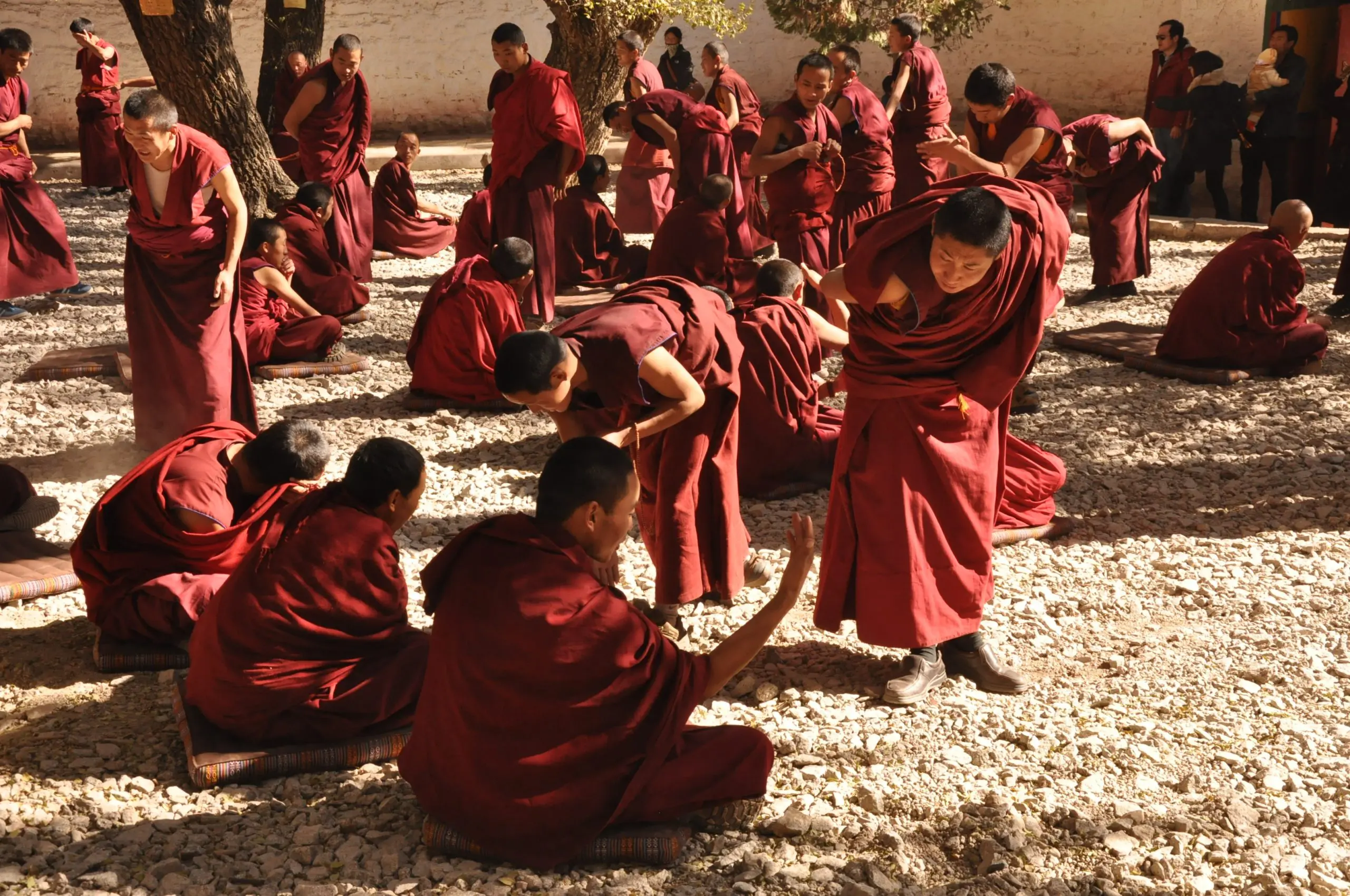
In the afternoon, head to the Sera Monastery for a visit. This monastery is well known for its debating tradition. The debating is usually set within a stone walled natural courtyard every afternoon, where you will see some monks clap their hand and debate the Buddhism scriptures.
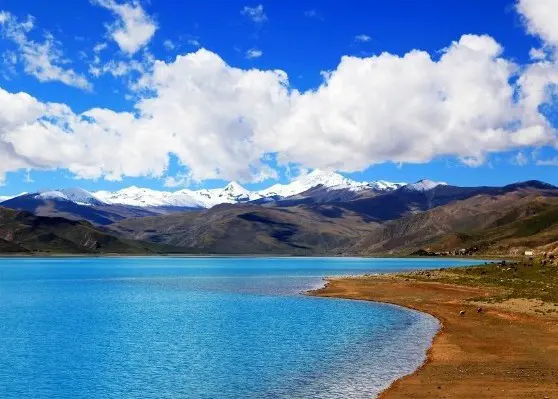
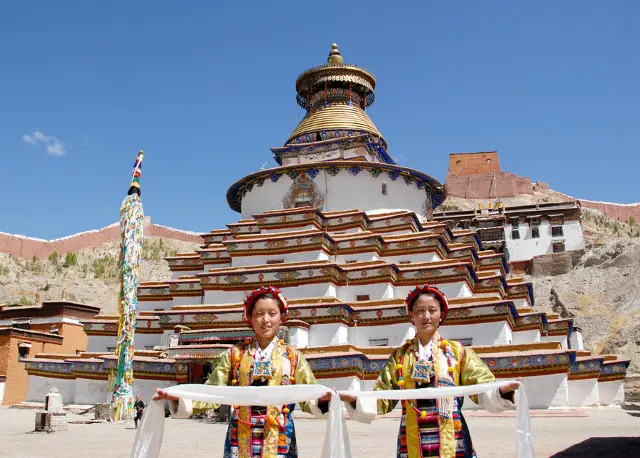
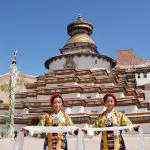
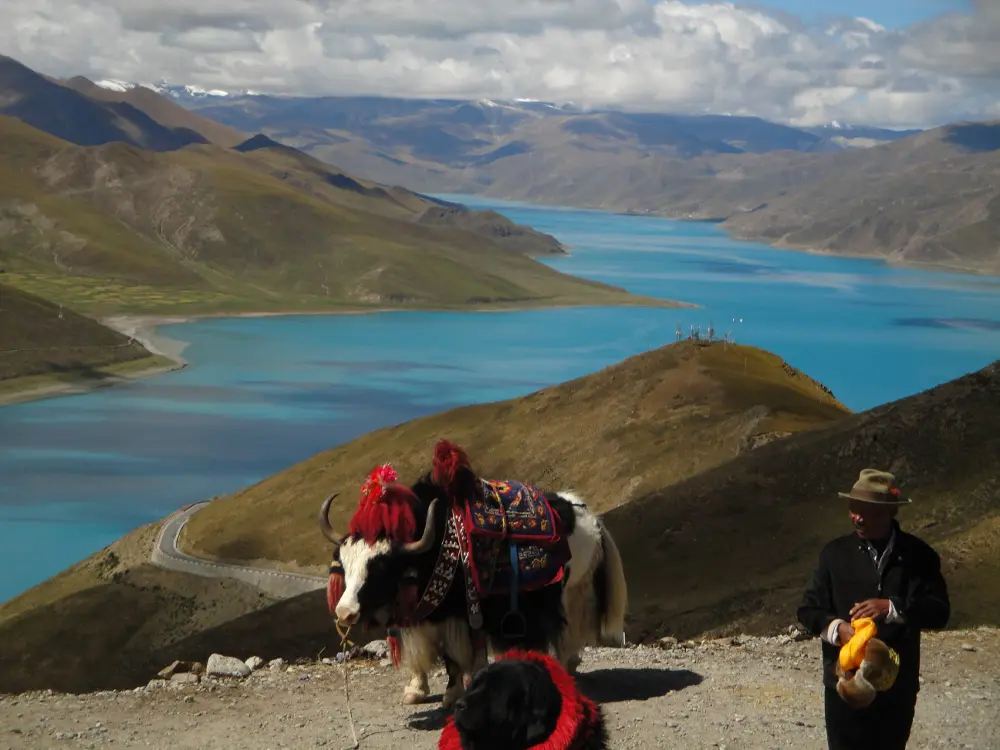
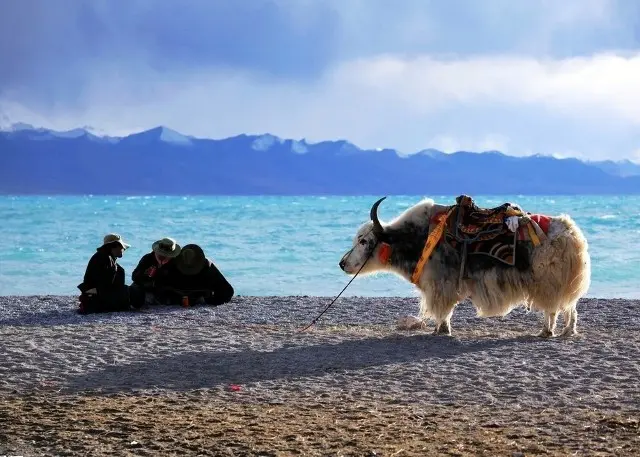
This morning, drive over the Kampa La Pass (4,794 m) for a stunning panoramic view of Yamdrok Lake, one of Tibet’s three sacred lakes, famous for its turquoise waters and the distant snow peaks of Mount Nyenchen Khangsar. Continue to the Karo La Glacier, which descends dramatically toward the road. Along the southern Friendship Highway, arrive in Gyantse to visit the impressive Gyantse Kumbum, Tibet’s largest multi-storied chorten and a masterpiece of Buddhist art. If time permits, stroll through the old town. In the late afternoon, continue driving to Shigatse for your overnight stay.

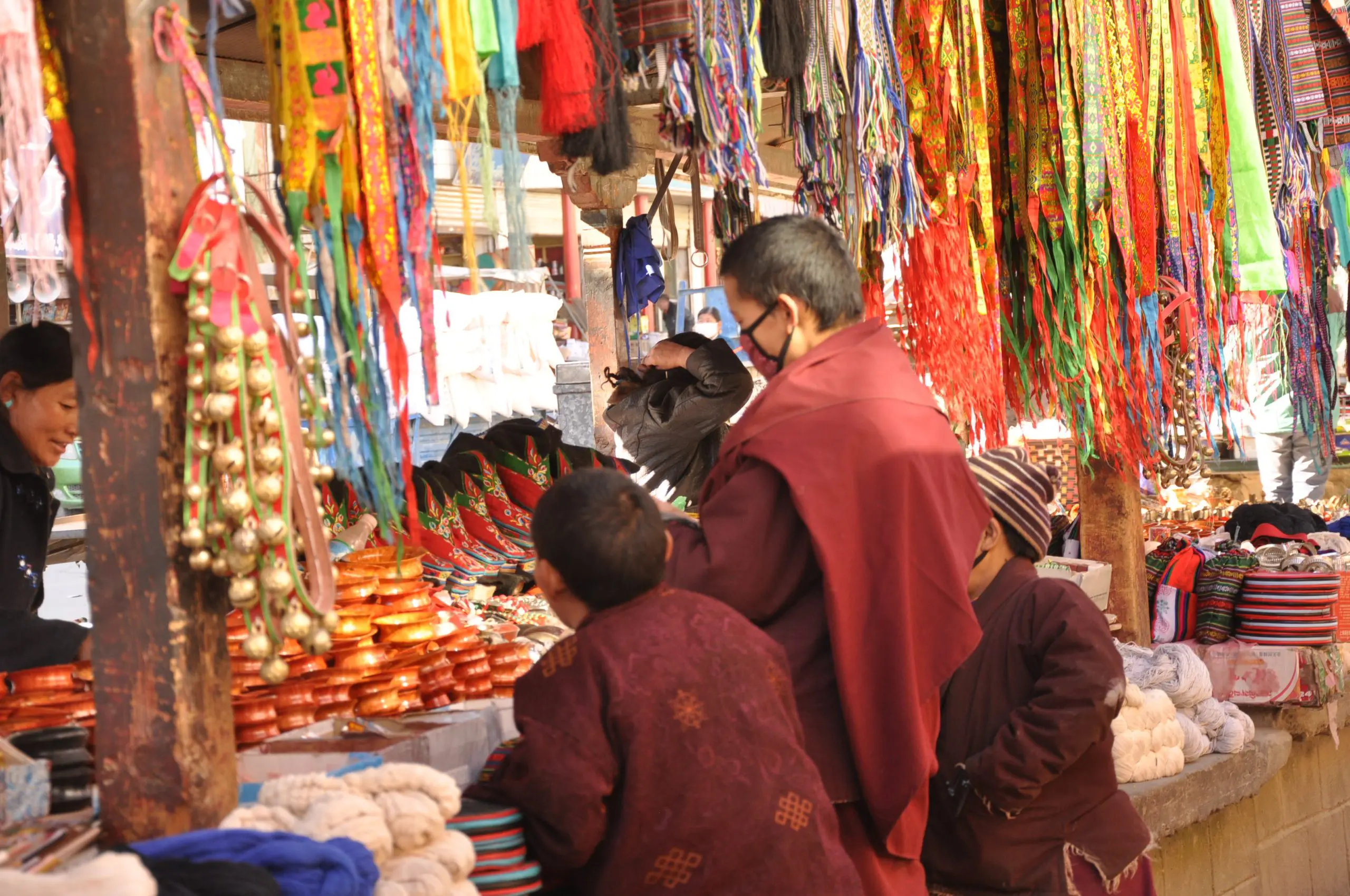
In the morning, visit Tashilhunpo Monastery, the traditional seat of the Panchen Lamas and one of the most influential Gelugpa centers in Tibet. Explore its golden-roofed chapels, sacred stupas, and the scenic kora path overlooking Shigatse. Before leaving the city, stop by the local market to browse Tibetan crafts and daily goods. Drive back from Shigatse to Lhasa along the Yarlung Tsangpo River, with stop at Nyemo County to see traditional Tibetan incense and handmade paper workshops. Overnight in Lhasa.
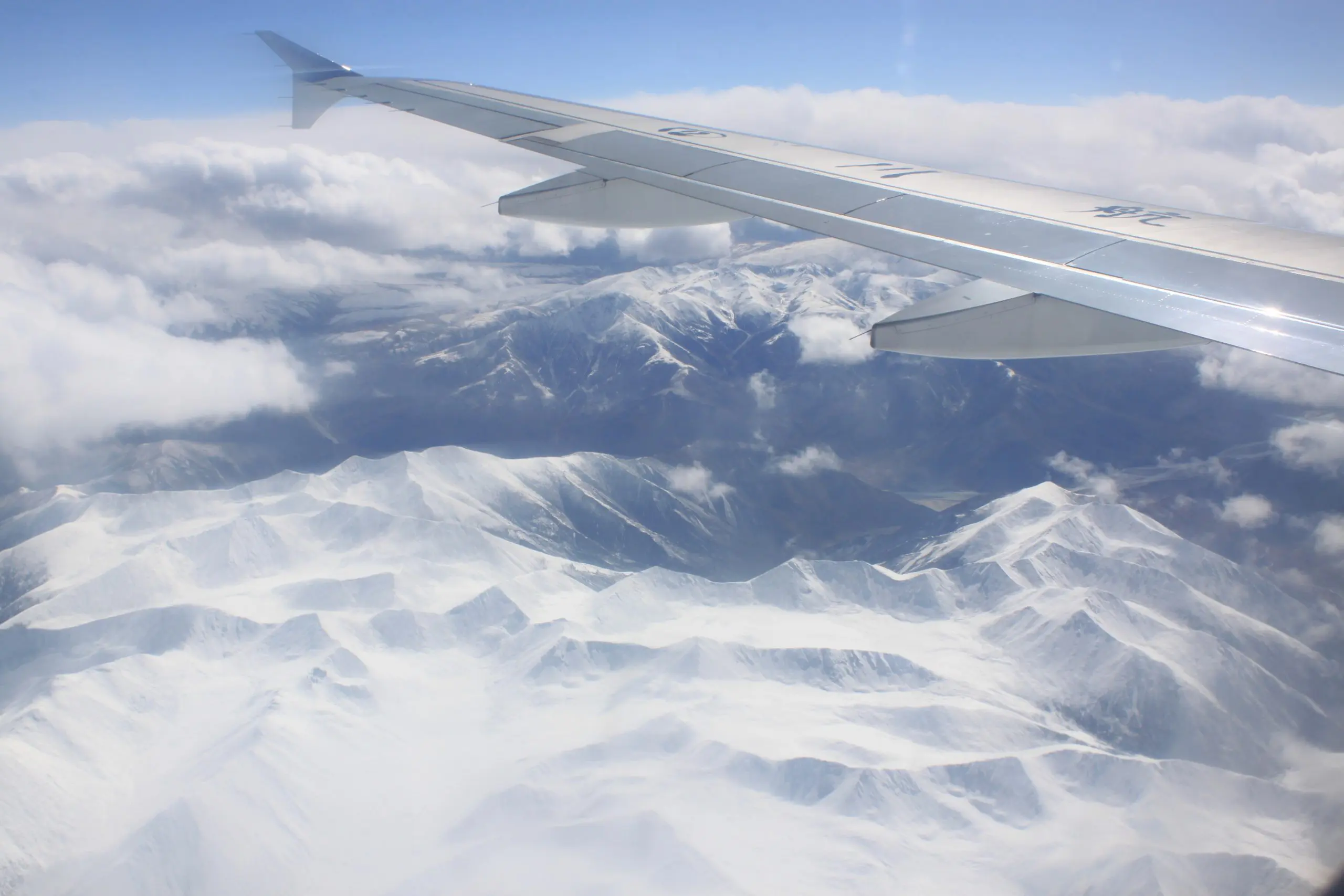
After breakfast, your guide and driver will transfer you to the airport or railway station for your departure. This concludes your 20-day Silk Road and Tibet journey. We hope you enjoyed exploring the history, culture, and landscapes along this legendary route.
If you would like to adjust this itinerary or add extensions to other parts of China, we are happy to customize the trip to match your interests and travel plans.
Inclusions
Tour notes:
General inclusions:
General exclusions:
You may also like
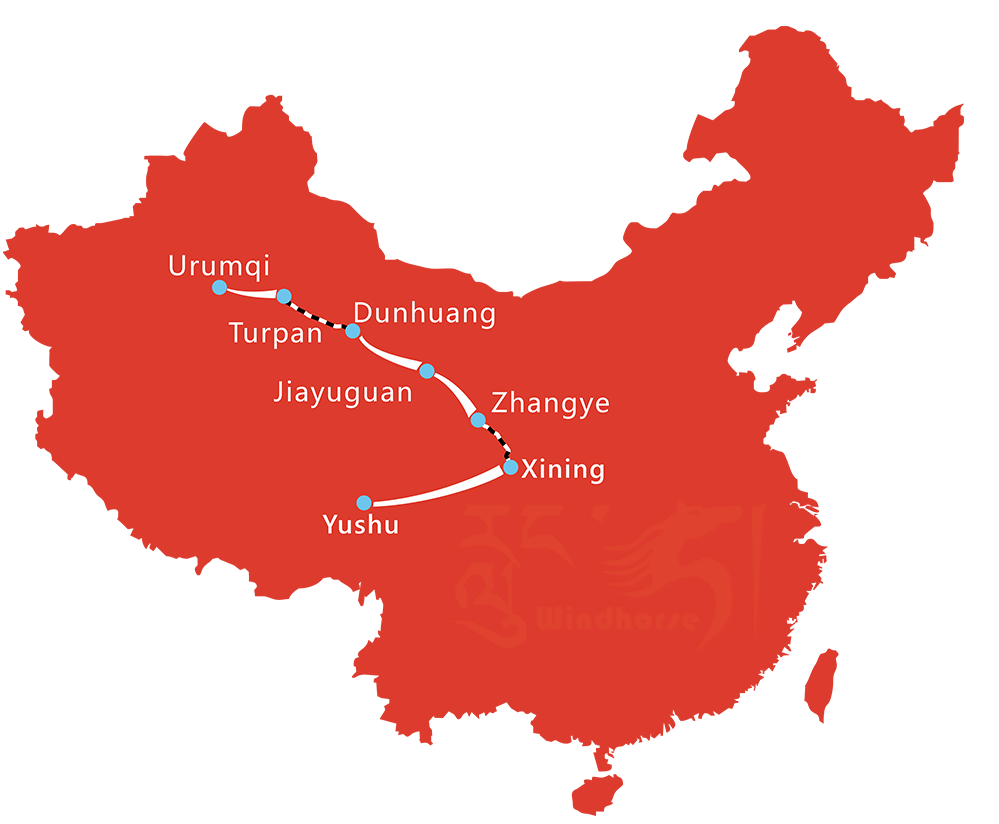
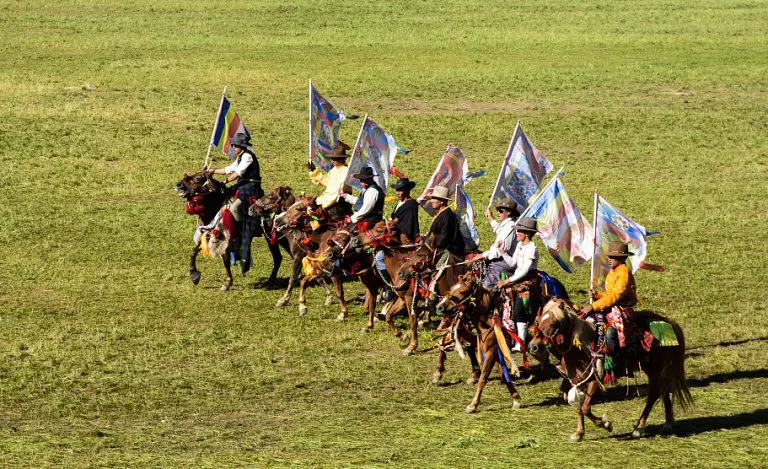
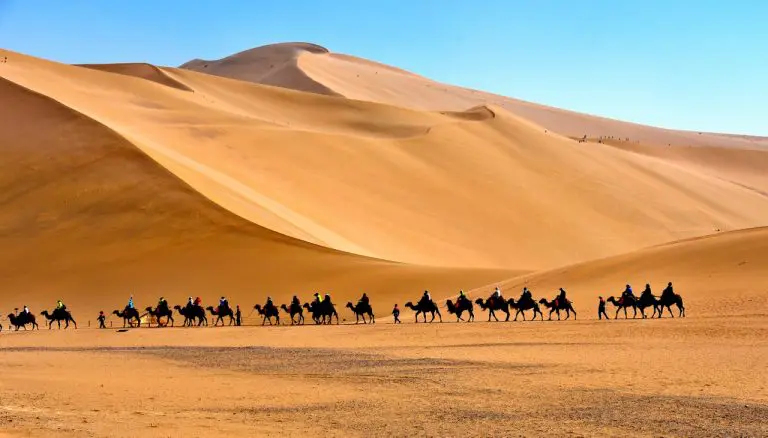
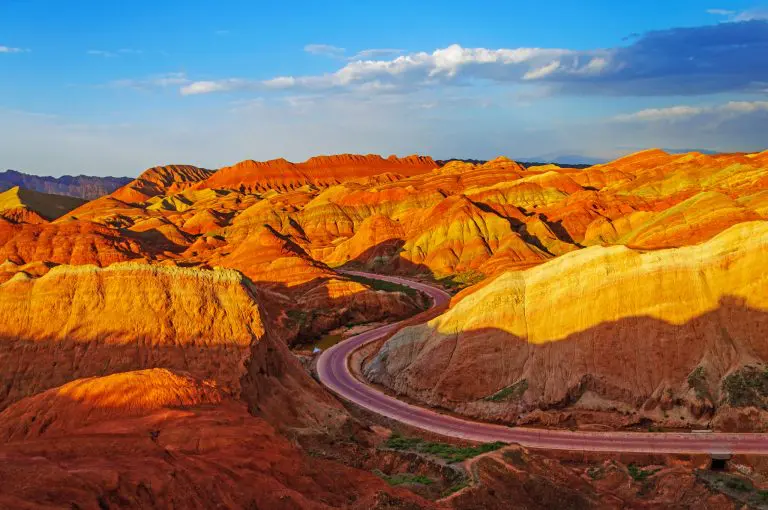
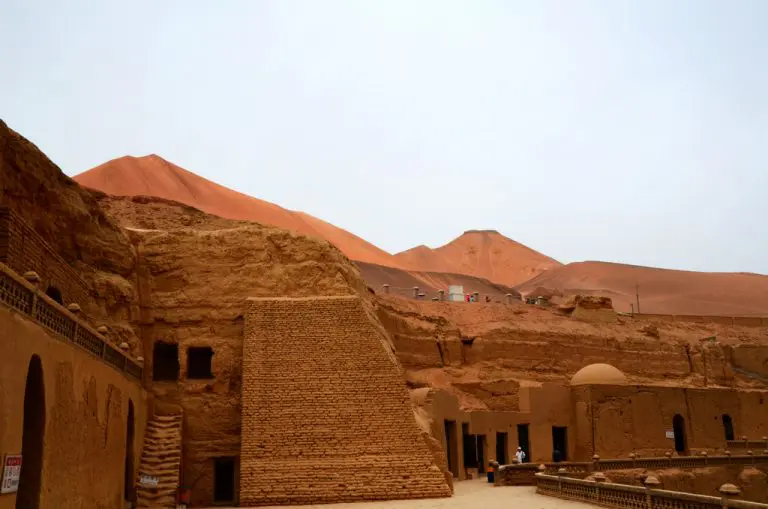
Experience the blend of adventure and culture on this 15-day Silk Road and Yushu Horse Festival Tour. Travel from Xining to Tibet’s grasslands, witness the Yushu Horse Racing Festival, explore monasteries, deserts, and ancient Silk Road cities like Dunhuang, Turpan, and Urumqi.
Journey across Western China on this 15-day Silk Road tour through Xinjiang, Gansu and Qinghai. Explore Kashgar, Turpan, Dunhuang, Zhangye Rainbow Mountains, Labrang Monastery, Xining, Qinghai Lake and the stunning Chaka Salt Lake.
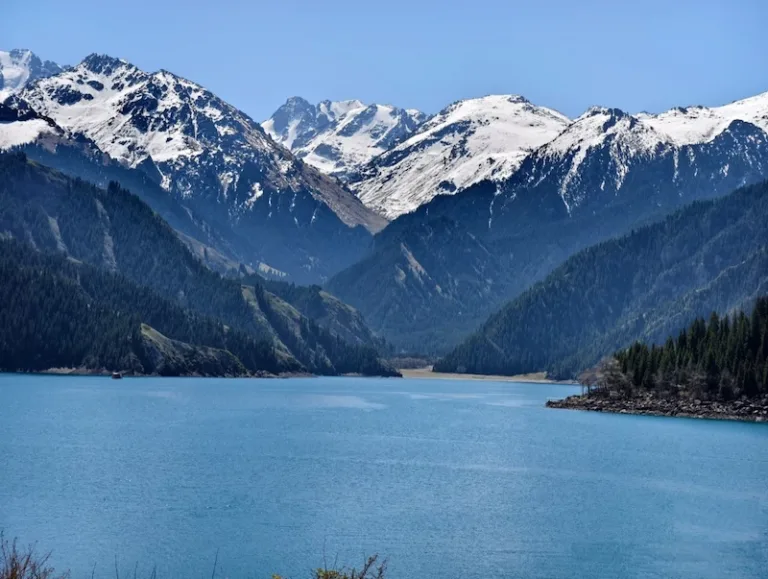
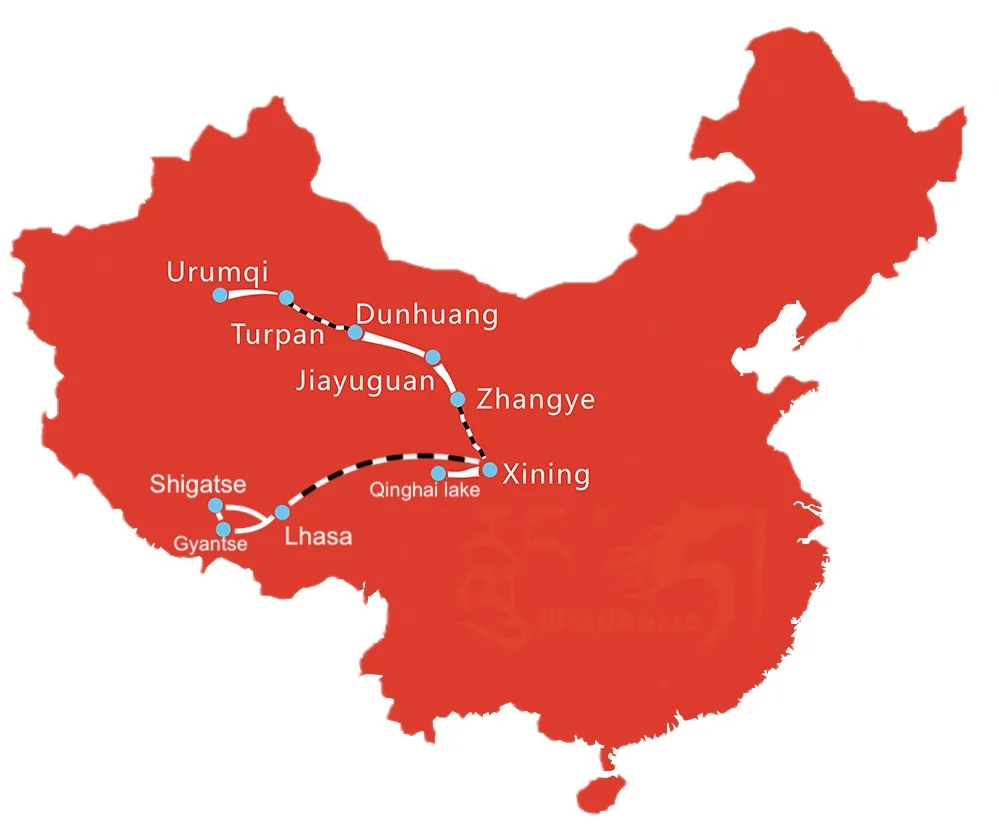
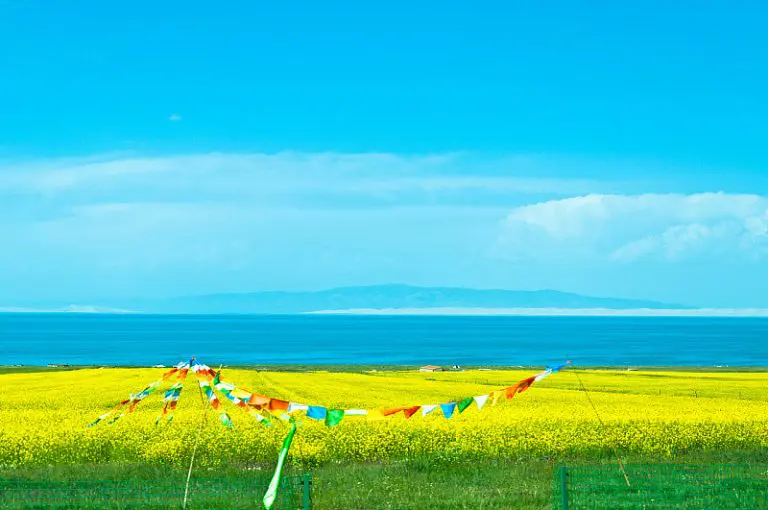

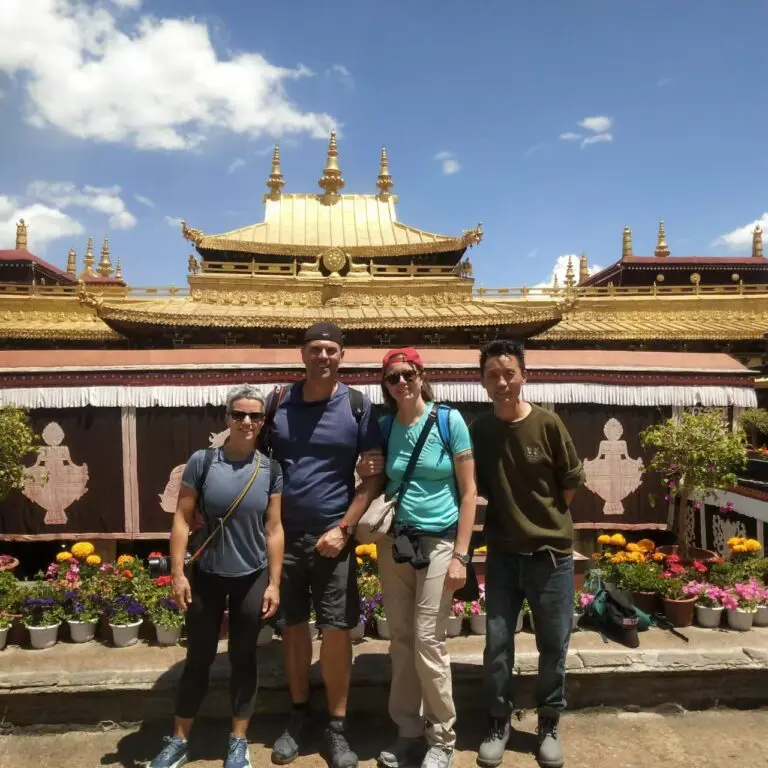
Travel from Urumqi to Lhasa on this 15-day Tibet & Silk Road tour, visiting Turpan, Dunhuang, Jiayuguan Pass, Zhangye Danxia, Xining, and Qinghai Lake before riding the Qinghai–Tibet Railway to explore Lhasa, Gyantse, and Shigatse.
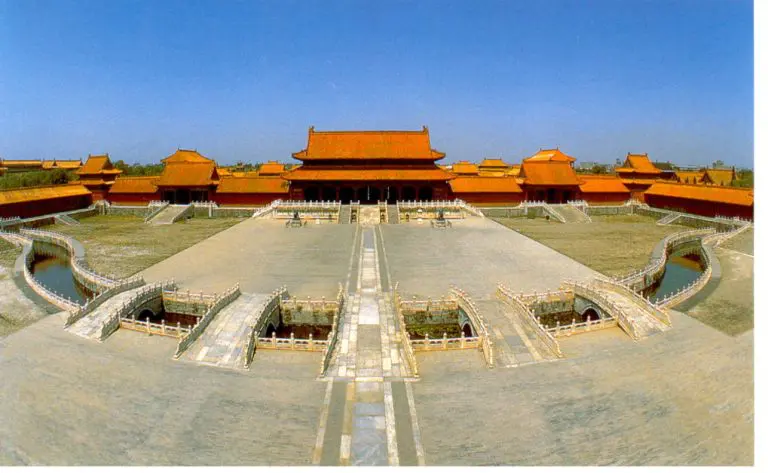
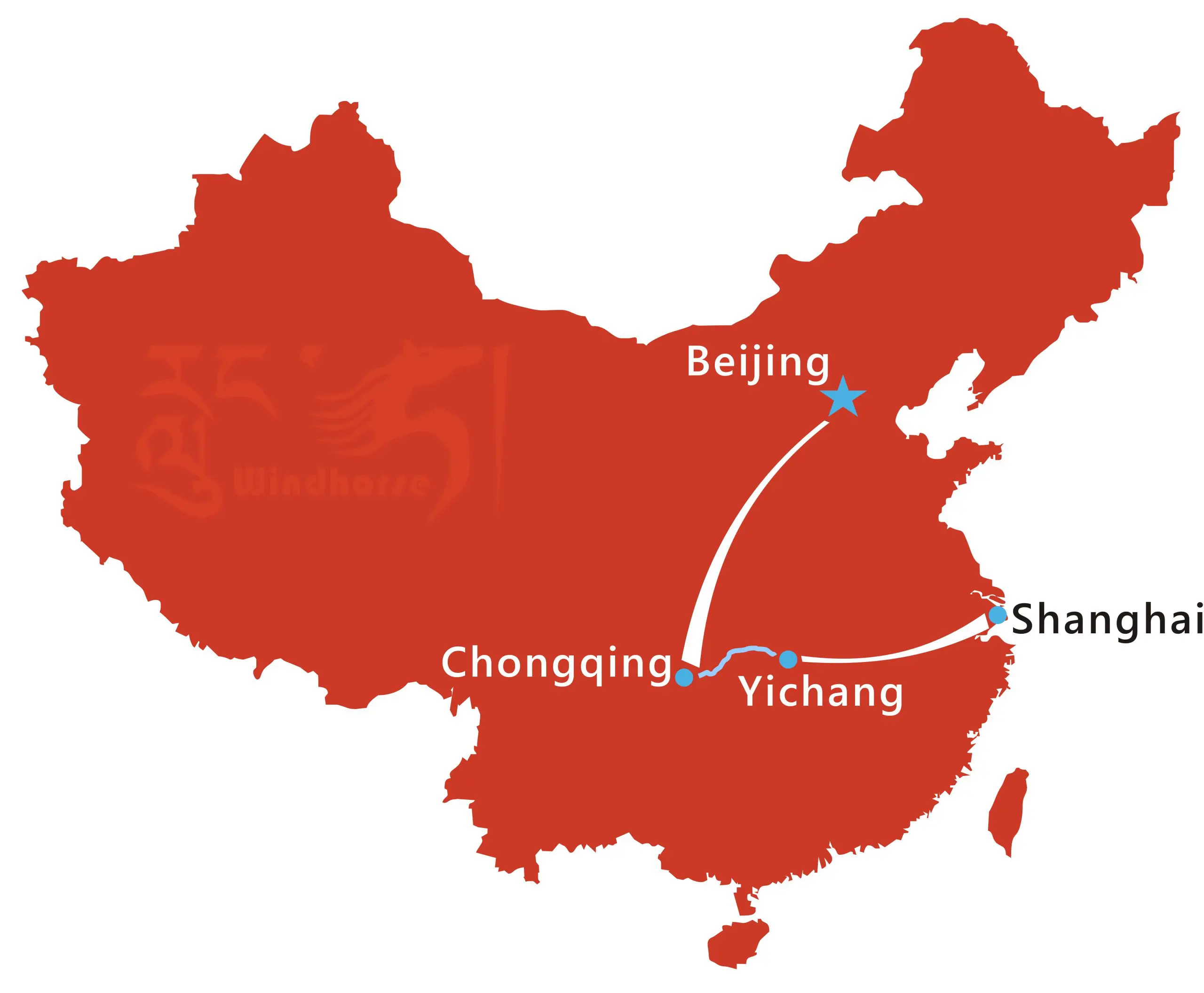
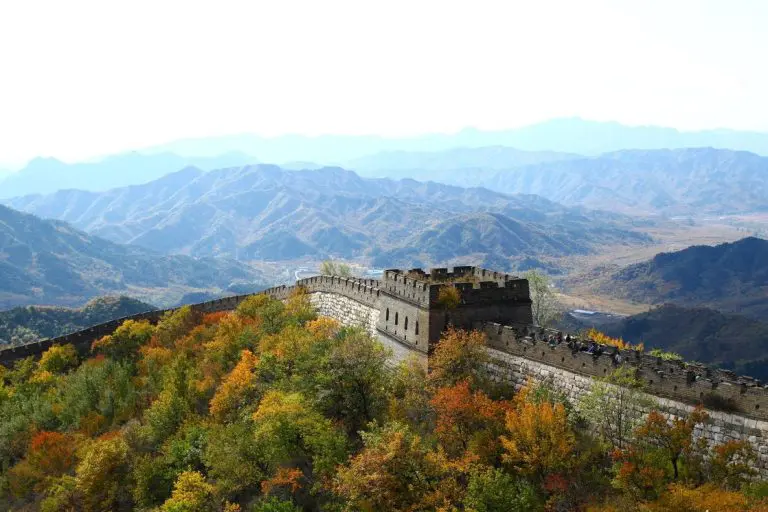
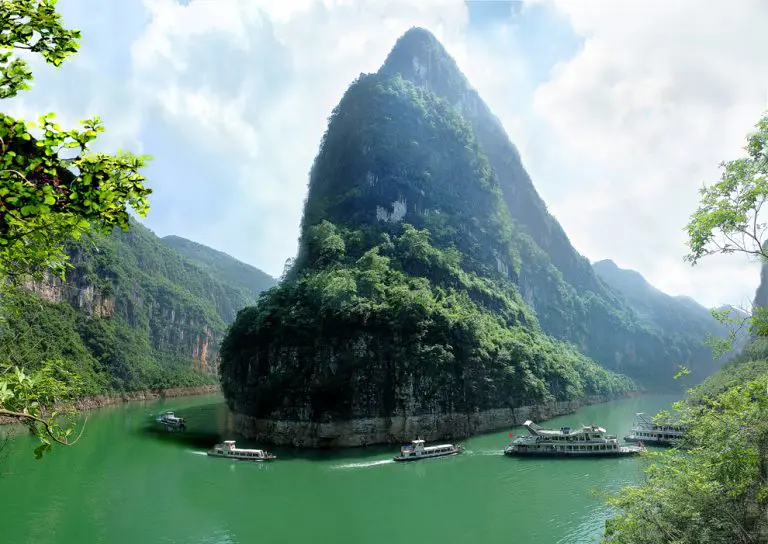

Experience China’s culture and scenery on this 10-day Beijing, Yangtze River Cruise & Shanghai Tour. Visit Beijing’s heritage sites, sail the Three Gorges from Chongqing to Yichang, and finish with Shanghai’s iconic highlights.
Reply