
Who set fire to the Terracotta Warriors – was it Xi’ang yu


The third excavation of the first pit of the Terracotta Warriors and Horses has been continuing for 3 years. The latest news was that there were burned traces of these terracotta warriors in the ruins. Some experts have pointed out and commented that this could be the work of Xiang Yu, a general who destroyed the Qin Dynasty. In the cultural properties released to the public for the first time on 9th June 2012, it was reported by local media that these are the burned traces on the terracotta warriors.
Background on Xiang Yu
Xiang Yu (232-202 B.C.) was an uprising leader in ancient China and the King of Western Chu. He was ambitious and as a child, his uncle Xiang Liang started to hire teachers to teach him calligraphy, but he just got tired of it. After that, his uncle changed plans and started to teach him martial arts. What made his uncle disappointed was that he quit again. Xiang Yu said “Learning writing just helps to memorize names, while learning the martial arts serves to resist a hundred by one. I have a bigger plan, if I can choose; I would learn to fight with ten thousand people.” His uncle was shocked by his words and started to teach him tactics.

Uprising and the End of the Qin Dynasty
In 209 B.C. Chen Sheng and Wu Guang launched the peasant uprising in Daze County; along with his uncle Xiang Liang assisted the uprising. It was said that in the battle he killed a hundred enemies. Due to his excellent martial skills, soon he was chosen as the leader of the uprising and it was Xiang Yu who put an end to the Qin reign. Therefore, the experts focus their attention on Xiang Yu, that it was he who once set fire to the warriors. It could most possibly be Xiang Yu’s work. Actually, except in this case, he also had the suspicion to set fire to 阿房宫 (ē páng gōng).
The Terracotta Warriors and Horses of Qin Shihuang are located on an outskirt of Xi’an, Shanxi Province. It was in the 3rd century B.C. that the emperor of the first united county (Qin) of Qin Shihuang, ordered to building of his tomb. This tomb buried a large number of life-sized warriors and horses as his sacrificial objects. The site has been listed on the UNESCO World Heritage List. Now, it is renowned as the “Eighth Wonder of the World”.

Controversy Over the Fire Incident
The controversy surrounding the fire incident involving the Terracotta Warriors has reignited debates among historians and archaeologists. The discovery of charred remains alongside the warriors suggests that a significant fire event took place, yet the attribution of this act to Xiang Yu, a prominent historical figure known for his military prowess and rebellion against the Qin dynasty, remains speculative.
Historical records do indicate that Xiang Yu engaged in acts of destruction against the Qin state, including the notable excavation of Emperor Qin Shihuang’s Tomb in 206 B.C. This act of desecration, coupled with the burning of the luxurious Epang Palace (阿房宫), underscores his reputation as a fierce opponent of the Qin dynasty. However, the direct linkage of Xiang Yu to the burning of the Terracotta Warriors is not substantiated by concrete evidence. The absence of clear historical documentation or archaeological proof leaves room for alternative theories and underscores the complexity of attributing ancient acts of vandalism.
The implications of hastily assigning blame to Xiang Yu for the fire incident are multifaceted. On one hand, it reinforces his image as a destructive force in Chinese history. On the other, it risks oversimplifying the historical narrative and potentially misrepresenting the events that led to the destruction of these invaluable cultural artifacts. The lack of definitive evidence calls for a cautious approach to drawing conclusions, emphasizing the need for further research and investigation.
The renewed interest in the Terracotta Warriors, spurred by the latest excavation findings, has not only captivated the media but has also had a significant impact on local culture and the tourism industry. The discovery highlights the enduring fascination with China’s ancient history and the technological achievements of the Qin dynasty. It serves as a reminder of the country’s rich cultural heritage and its capacity to inspire both national pride and global interest.

As technology advances, it offers new opportunities to explore and understand the past. Future archaeological endeavors may provide the tools needed to unravel the mysteries surrounding the Terracotta Warriors, including the true cause of the fire incident. By employing modern scientific methods and digital reconstruction techniques, researchers hope to offer a more detailed and accurate representation of historical events, shedding light on the enigmatic figures that have captivated the world’s imagination for centuries.
In conclusion, the debate over who was responsible for the burning of the Terracotta Warriors remains unresolved, highlighting the challenges of interpreting historical events from limited evidence. As investigations continue, it is hoped that new discoveries will contribute to a clearer understanding of the past, enriching our appreciation of one of the greatest archaeological finds of the 20th century.

Museum and Tourist Attraction
Since opening in 1979, the Museum of the Terracotta and Horses of Qin Shihuang has welcomed over 60 million visitors globally. The recent discovery in the first pit is expected to attract even more tourists. This landmark, renowned for its historical significance and cultural value, showcases the army of life-size terracotta figures, buried with the first Emperor of China to protect him in the afterlife. As a testament to human craftsmanship and ancient Chinese artistry, the museum not only serves as a bridge to the past but also as a beacon for educational and cultural exchange. The ongoing excavations and new findings continue to unravel the mysteries of ancient China, making every visit a unique experience. To witness this wonder firsthand or explore from afar, enthusiasts are encouraged to visit the museum’s official website for virtual tours or to book an in-person visit, ensuring they don’t miss the opportunity to dive into one of the greatest archaeological discoveries of the 20th century.
Have a virtual experience at the Official website for the Museum of The Terracotta Warriors online or book a tour to look it up yourself!

Related tours

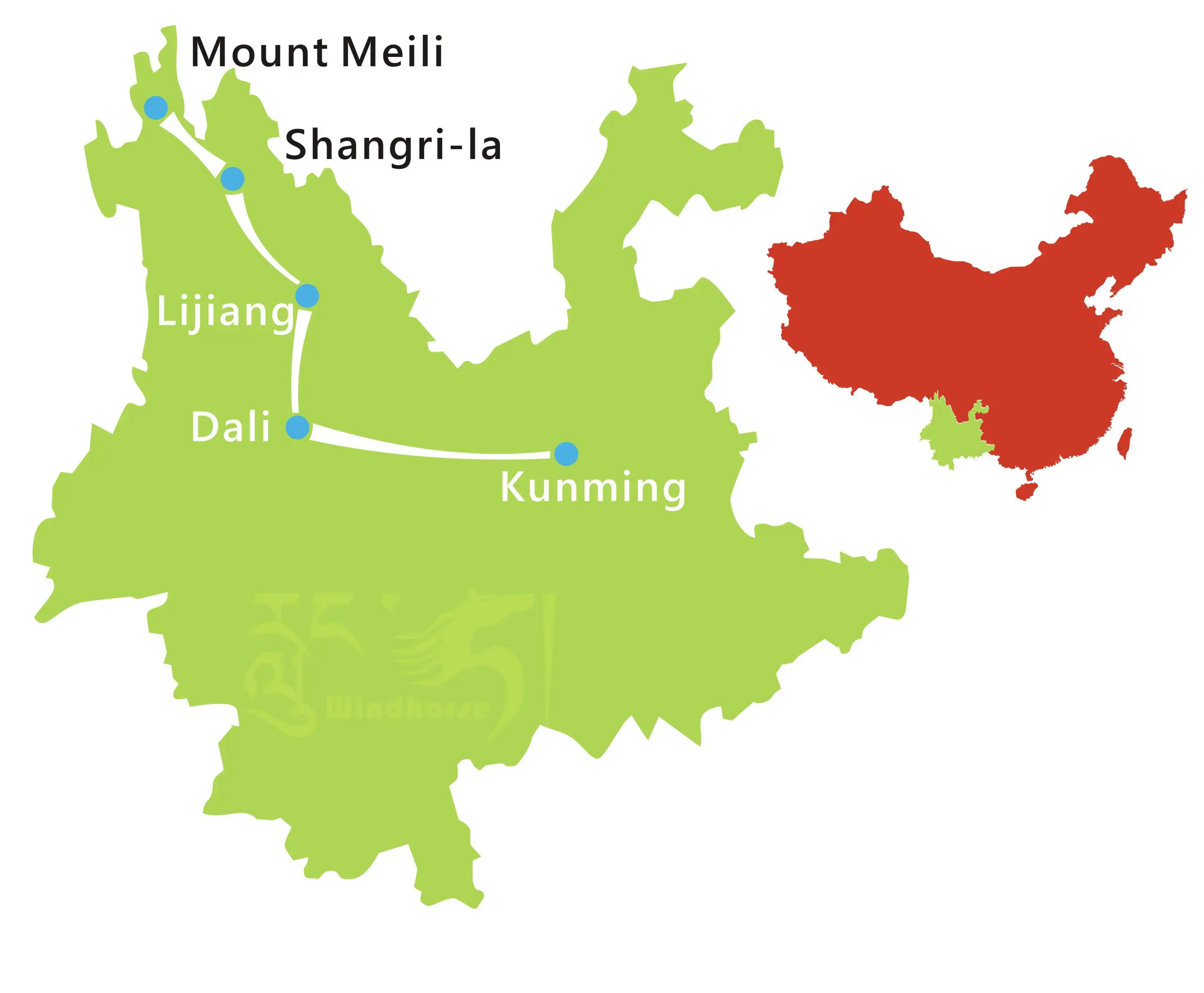



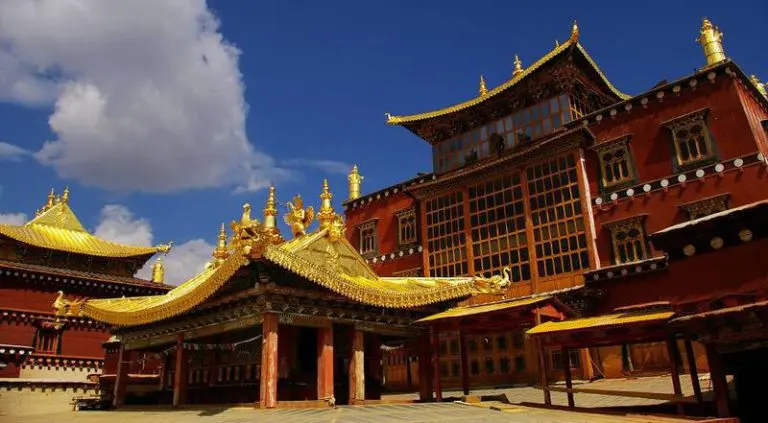
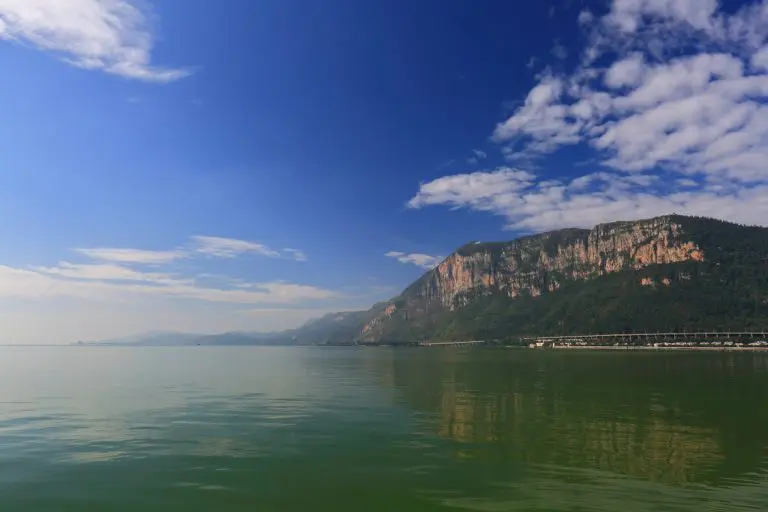

Discover Yunnan's highlights on this 10-day tour with Meili Snow Mountain, exploring Kunming, Dali, Lijiang and Shangri-La. Enjoy ancient towns, minority culture, lakes, gorges and sunrise and glacier views at Meili.
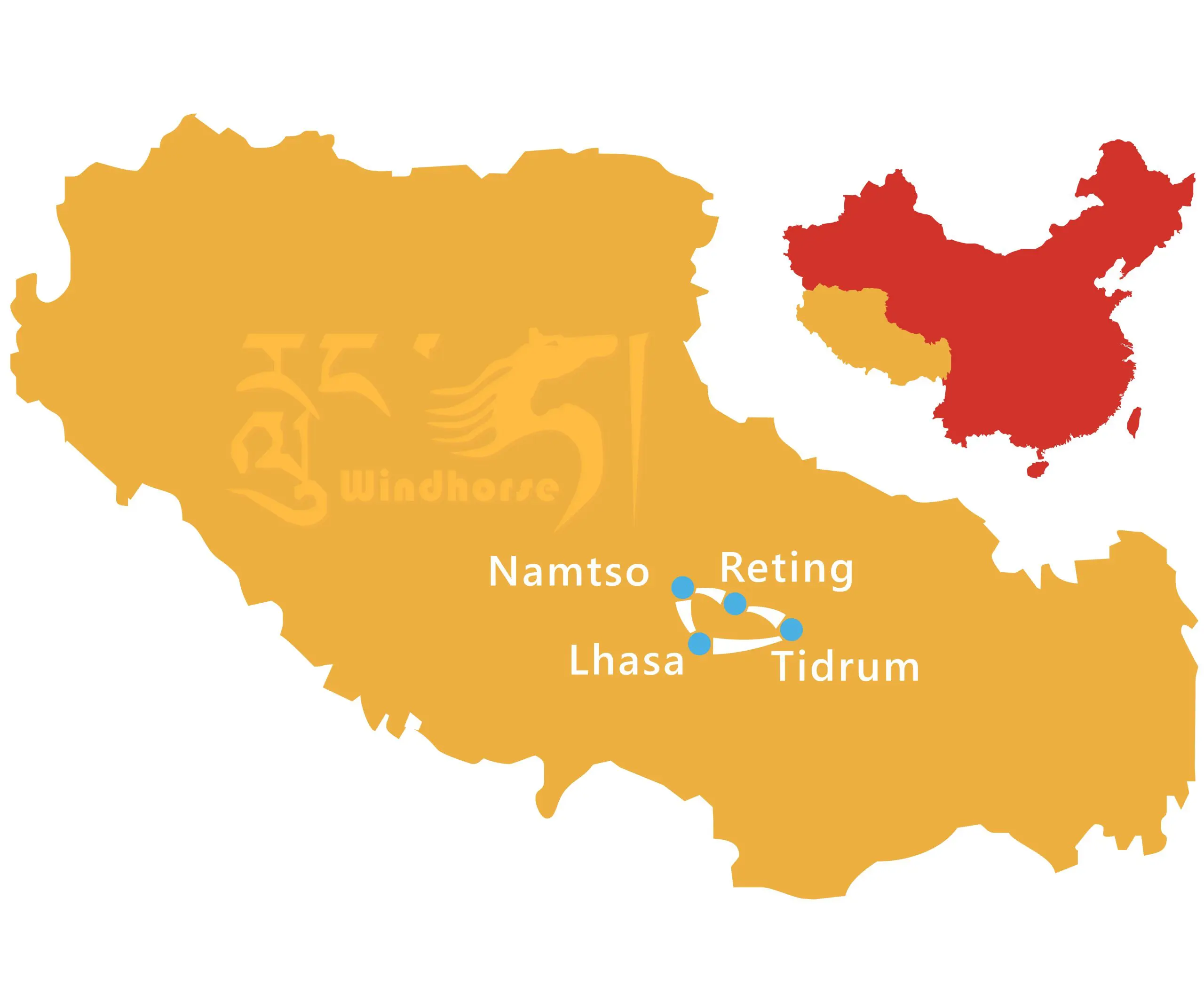



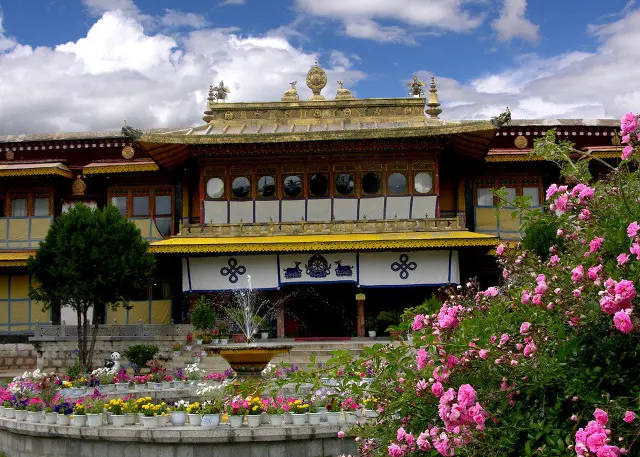
This Spiritual Tibet Tour from Lhasa takes you along less-traveled roads through northern Tibet's grasslands and rural valleys. Visit Tsurphu Monastery and Namtso Lake before continuing to Reting Monastery, Tidrum Hot Springs, and the monasteries of Drigung Til and Ganden. It's a good choice for travelers interested in Tibet's quieter spiritual and rural life.





Capture Luoping’s canola fields and Yuanyang’s rice terraces at sunrise and sunset on this 8-day Yunnan photography tour. Explore Stone Forest, Jiulong Waterfalls, Jianshui Old Town and Hani minority villages for diverse cultural and landscape photography.


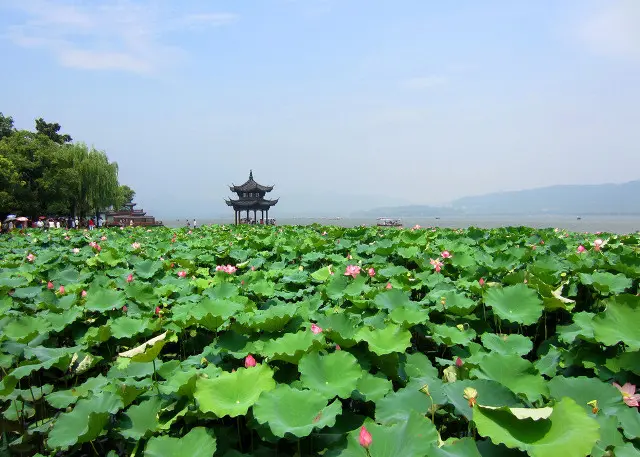
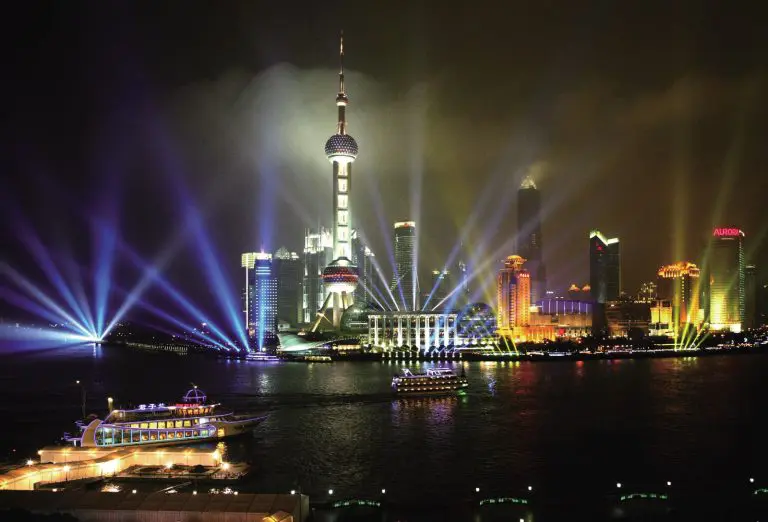

Travel from Shanghai to Beijing in 12 days with stops in Suzhou, Tongli, Hangzhou, and Mount Huangshan. Explore classical gardens, ancient water towns, West Lake, and Huangshan’s peaks before ending your journey in China’s capital.