
The Magic of Chinese Dragons: History, Meaning, and Mythology

Dragons have a special place in Chinese culture, symbolizing prosperity and strength. Chinese dragons are benevolent, often associated with rain and agriculture. They’ve been part of Chinese heritage for over 6,500 years, with early depictions on jade artifacts from the Hongshan culture (4500-3000 BCE).
When you are in any part of China, you’ll surely notice the majestic dragon imagery woven into everyday life. In Chinese culture, dragons are not fearsome monsters but revered symbols of power, strength, wisdom, and good fortune. Through the time dragons were linked to emperors, weather control, and festivals like Chinese New Year. The Chinese dragons are very persistent in art, architecture and mythology. Dragon is also part of the Chinese zodiac as the 5th sign and it is believed that Dragon possesses traits like confidence and ambition.
The Cultural Importance of Chinese Dragons
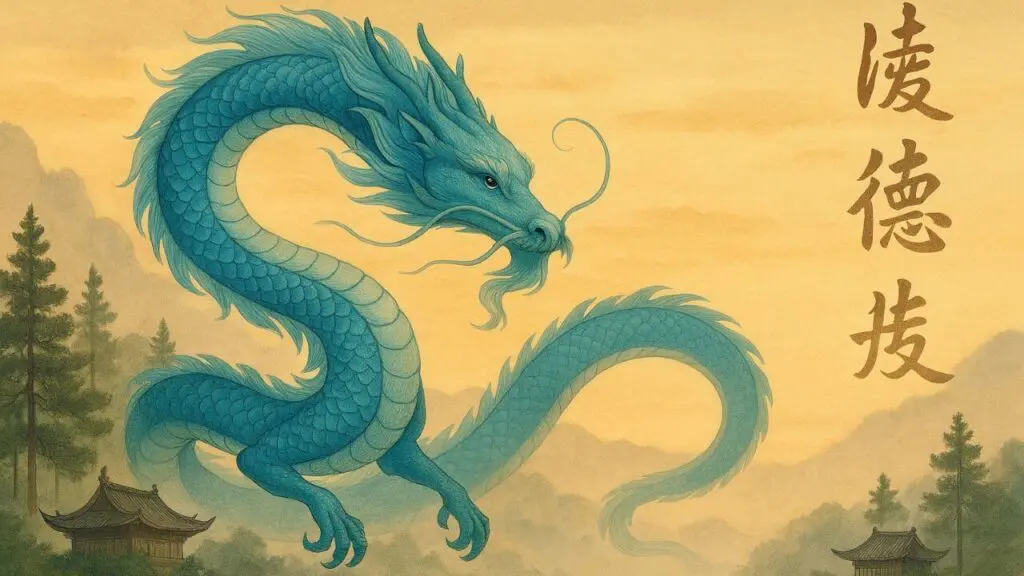
Chinese Dragons are celebrated for their varied symbolism. They represent not only raw power and strength but also the wisdom and grace required to wield that power wisely. Traditionally, the dragon is seen as a protector, bringing with it good luck and auspicious energy. In art, literature, and architecture, dragon motifs remind locals and visitors alike of the rich tapestry of China’s cultural heritage.
It is believed that dragons can control water, rainfall, and river flows, directly influencing agriculture and the well-being of communities. This control over nature’s most vital resources not only ensures bountiful harvests but also signifies the harmonious balance between humans and the environment.
However, Chinese dragons serve as sacred mediators between the living and the divine. In many ancient legends, these majestic beings are portrayed as guides who bridge the gap between mortal life and celestial powers. They are often invoked for protection and wisdom, offering guidance in times of uncertainty. The deep-seated respect for these creatures is evident in the amazing architecture of temples and the vibrant energy of traditional festivals.
Historical Origins of The Chinese Dragons
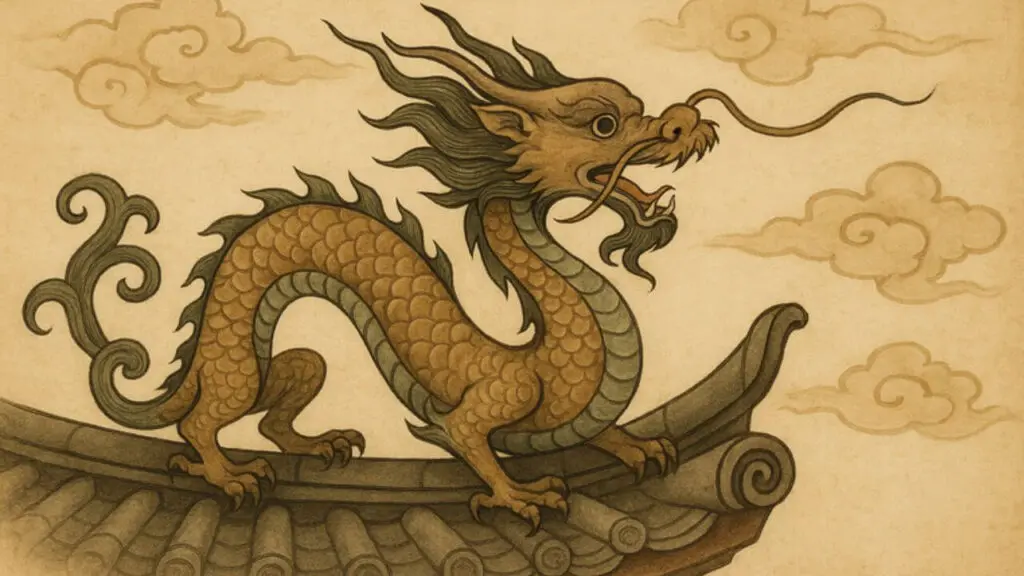
Historically, the Chinese dragons were closely tied to imperial power. The emperor was called the ‘Son of the Dragon,’ with dragon motifs used in imperial palaces and robes. During the Tang Dynasty (618-907 CE), emperors wore dragon motif robes, and in the Qing Dynasty (1644-1912 CE), the five-clawed dragon was exclusive to the emperor, while nobles used four-clawed dragons, and commoners had three or none, reflecting social hierarchy.
Legends like Liu Bang, the Han Dynasty founder, claiming conception after his mother dreamt of a dragon, and the Yellow Emperor’s immortalization into a dragon, underscore this association. The dragon’s role in rain rituals, dating back to the 6th century BCE, involved dances to secure good fortune, still practiced today.
Types of Dragons: Classifications and Varieties
Chinese mythology includes several dragon types, such as the Celestial Dragon, which guards heavenly palaces, and the Spiritual Dragon, controlling weather. Historically, dragons were linked to emperors, with the five-clawed dragon reserved for the emperor in the Qing Dynasty (1644-1912 CE), symbolizing supreme authority.
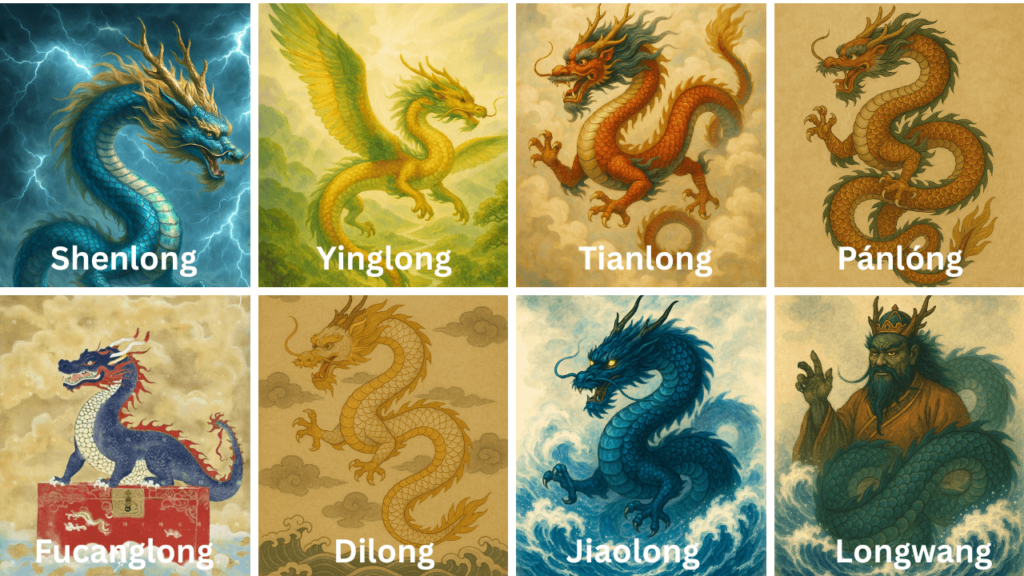
Types of Chinese Dragons in Mythology
| Type of Dragon | Chinese Name | Role/ Description |
| Spirit Dragon | Shenlong (神龙) | The Spirit Dragon can control the rain and wind, and it has blue color. |
| Pterosaur | Yinglong (应龙) | This dragon actually has wings, which is a little odd considering that dragons don’t have wings. However, it is an important dragon that symbolizes rain and sometimes flood. This winged dragon is also celebrated in mythology for its association with transformation and its legendary role in assisting the Yellow Emperor during battles. |
| Heavenly Dragon | Tianlong (天龙) | This dragon is believed to live in the sky, and its job is to protect the gods from falling to the earth. It is often associated with the celestial realm, symbolizing divine power and authority in mythology. |
| Coiled Dragon | Pánlóng (盘龙) | These types of dragons can control the time. They live in the sea. |
| Treasure Dragon | Fucanglong (福苍龙) | It is believed that this dragon protects hidden treasures such as money, valued gems, and personal wealth. |
| Underworld Dragon | Dilong (地龙) | This dragon is also known as Earth Dragon. It controls rivers, streams and oceans. Someone believes that this is a female version of the Spirit Dragon and that these two dragons can mate. |
| Horned Dragon | Jiaolong (蛟龙) | This is one of the most powerful dragons in Chinese tradition. Some People believe that it is depicted as having evil tendencies, but it is also associated with bringing rain. |
| Dragon King | Longwang (龙王) | Dragon God, is considered the most powerful of all dragons, He can appear in different shapes and it’s often depicted as a human. It is believed that this dragon ruled over the Chinese seas in the four directions (east, west, north and south). |
The number nine is significant, with dragons said to have nine children, each with different characteristics, and 117 scales (81 yang, 36 yin), reflecting their mystical nature.
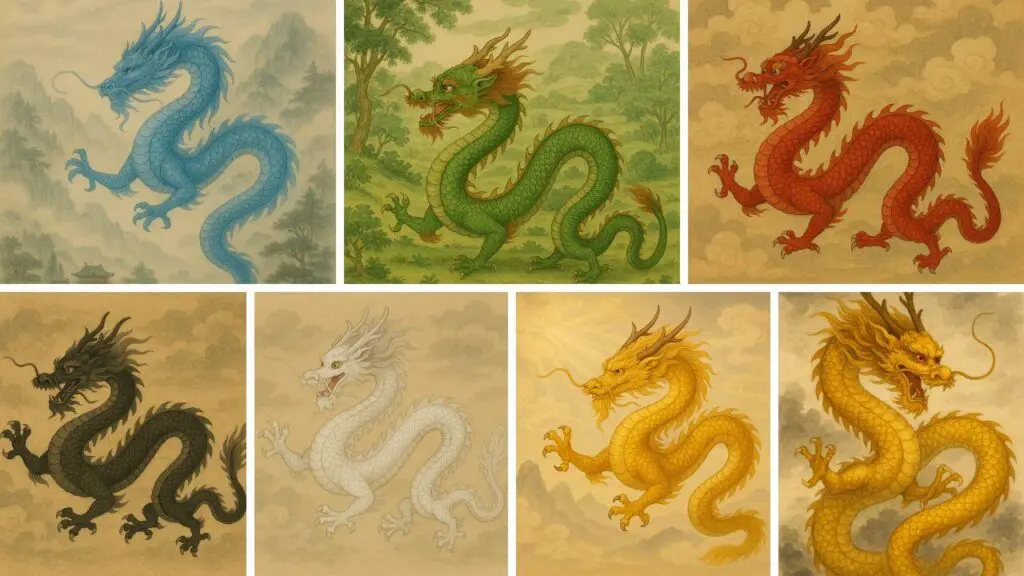
Chinese Dragons Defined By Color
| Dragon Type | Description |
| Blue Dragons | Blue dragons symbolize calm and wisdom. Often linked to water and the heavens, they symbolize clarity and spiritual depth, inviting a feeling of serenity as you explore ancient temples or quiet lakesides in China. |
| Green Dragons | Green dragons bring to mind the vitality of nature. Representing growth, renewal, and health, they are often associated with spring and the flourishing of life—perfectly capturing the essence of vibrant landscapes and lush countryside vistas. |
| Red Dragons | Red dragons are celebrated for their power and good fortune, they are central to festivals and cultural celebrations, where their bold hue ignites the spirit of joy and the promise of a prosperous future. |
| Black Dragons | Black dragons are seen as guardians of hidden realms, they embody the balance between light and shadow. |
| White Dragons | White dragons stand for purity and transformation. They often symbolize a fresh start and the clarity of thought, bridging the gap between the mortal and divine. |
| Yellow Dragons | Yellow dragons are steeped in regal symbolism. Traditionally linked to imperial authority and nobility, they evoke a sense of majesty and stability. |
| Golden Dragons | Golden dragons represent the pinnacle of divine power and prosperity. With their radiant, shimmering appearance, they embody ultimate wisdom, good fortune, and cosmic significance—an inspiring reminder of the rich, celestial heritage that continues to enchant travelers across China. |
Dragon Classification By Shape and Features
Exploring Chinese art and architecture, you’ll encounter the enchanting “Nine Sons of the Dragon”—each with its own distinct personality and role. These unique dragon figures appear on everything from temple roofs to stone bridges, adding layers of meaning to every carving. Here’s a brief introduction to each one:
| Name of the Dragon | Description |
| Bixi | Bixi is the stalwart, turtle-like dragon often seen carrying heavy stone stelae. Symbolizing strength and endurance, his image reassures us of the steadfast support that history and culture provide. |
| Qiuniu | Qiuniu sometimes is called the “captive bull,” and it is known for his robust and powerful presence. With an affinity for dynamic energy, he is often depicted in a way that suggests both playfulness and a hint of mischief. |
| Yazi | Yazi is the fierce, battle-ready dragon with a lion-like face. Frequently adorning the corners of gates and weapons, Yazi embodies martial valor and a protective spirit that wards off malevolent forces. |
| Chaofeng | Chaofeng, the “wind-teaser,” loves high places. His graceful, upward-reaching form suggests a close relationship with the air and the skies, watching over the world as if to challenge the very winds. |
| Pulao | Pulao is famed for his booming roar—a sound so powerful that his image is commonly found on temple bells. His commanding presence celebrates the vibrancy of sound and the resonant heartbeat of cultural festivities. |
| Chiwen | Chiwen is typically seen perched on roof ridges, where he serves as a guardian against evil spirits. His elegant, flowing form symbolizes protection and the seamless harmony between earth and the divine. |
| Bi’an | Bi’an, with his distinctive, somewhat asymmetrical face, is closely associated with justice and the legal system. Carved on courthouses and prison gates, his vigilant expression reminds us of fairness and the rule of law. |
| Suanni | Suanni, resembling a creature with hints of both lion and dog, is often portrayed in a state of calm. His fondness for incense and quiet repose makes him a symbol of peace, meditation, and refined taste. |
| Fuxi | Fuxi, celebrated as a patron of music and wisdom, rounds out the nine sons. His gentle, creative spirit is often captured on musical instruments and decorative artifacts, reflecting a deep connection to art and harmony. |
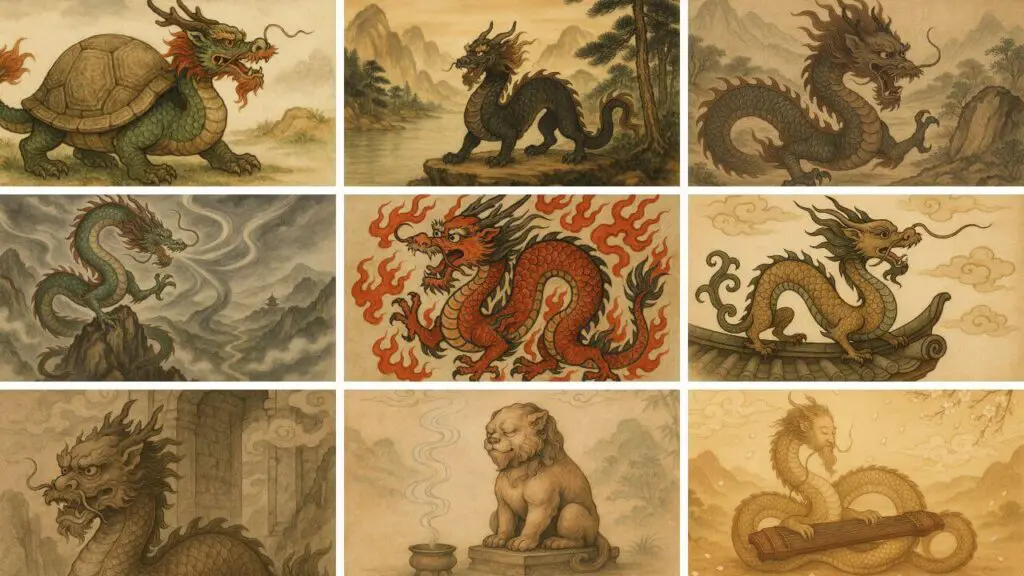
Each of these dragon figures contributes to a rich tapestry of folklore, reflecting the many facets of Chinese culture—from might and protection to wisdom and artistic expression. Whether carved on ancient stone or depicted in a vibrant festival, the nine sons continue to inspire wonder and tell the story of a civilization that treasures both myth and history.
Other Classifications
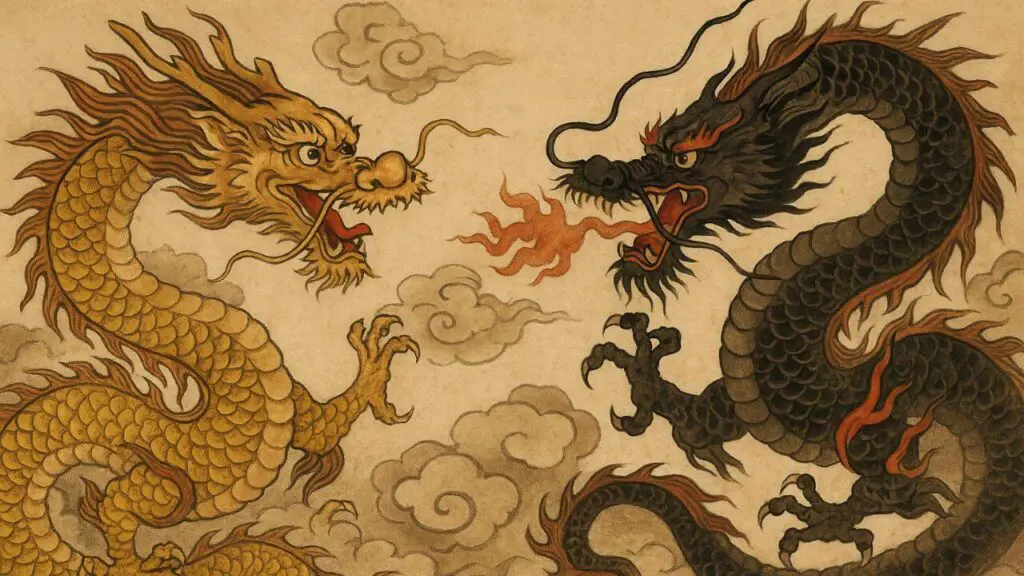
In Chinese folklore, dragons are not simply one-dimensional symbols of power—they embody a fascinating duality. On one hand, benevolent dragons are celebrated as auspicious guardians who bring rain, ensure agricultural abundance, and symbolize wisdom and protection. Their graceful forms are featured in temple carvings, festival decorations, and art, reminding us of the nurturing, life-affirming forces that sustain communities.
On the other hand, malevolent dragons represent the wild, untamed aspects of nature. These dragons serve as cautionary figures, reminding us that nature’s power can also be destructive if not respected. Their fearsome depictions in legends emphasize the need to appease and honor these forces to maintain balance.
Together, these contrasting classifications highlight the deep cultural wisdom embedded in Chinese mythology—a balance of creation and chaos that continues to inspire both awe and respect.
Meaning of the Dragon in Chinese Astrology
The Dragon in Chinese astrology captures the imagination and holds a special place in the zodiac. Known as a symbol of power and good fortune, the Dragon is one of the most revered creatures in Chinese culture.
The Year of the Dragon
People born in the year of the Dragon are considered to have an adventure spirit and dynamic and charismatic personality. They are often thought to be confident, energetic, and fearless. Also, people born under this sign are believed to possess natural leadership skills, a flair for creativity, and an ambitious spirit that inspires those around them. These qualities, combined with a sense of good luck, make the Year of the Dragon one of the most favorite signs in the Chinese calendar.
Dragon Motifs in Art and Architecture in China
Dragon motifs are widespread in Chinese art and architecture, from porcelain vases to silk tapestries. When you travel through China, you can see them in every attraction, for example Forbidden City in Beijing. Other sites include the Nine-Dragon Wall, found in imperial palaces, with images of nine different dragons, reflecting the emperor’s number.
Museums and galleries offer glimpses into artistic interpretations, while traditional buildings feature dragons on beams and ceilings, enhancing the cultural experience for visitors.
Festivals and Celebrations Involving Dragons
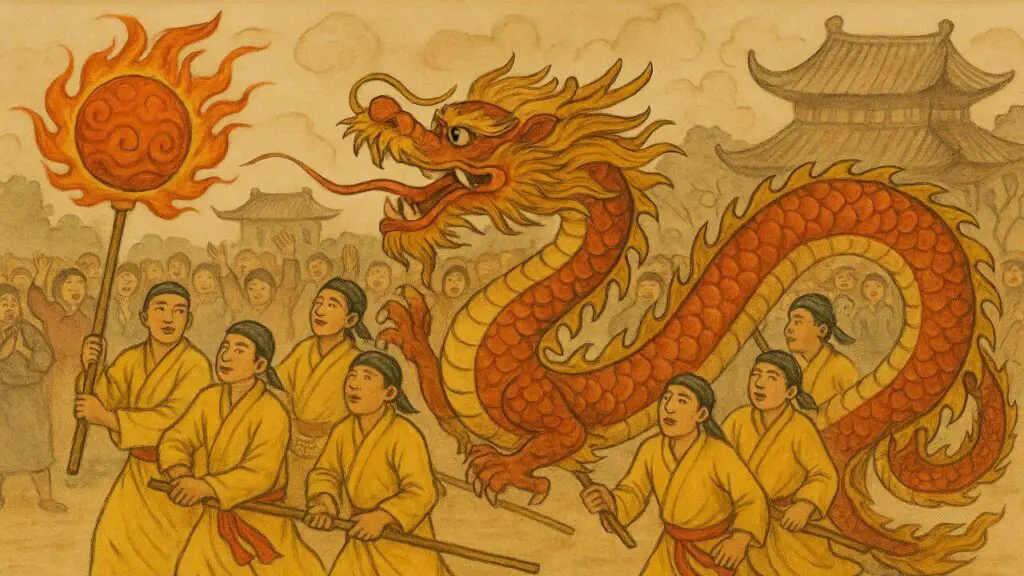
Dragons are central to festivals like Chinese New Year and the Dragon Boat Festival. During Chinese New Year, dragon dances are performed to bring prosperity, with teams manipulating dragon puppets to drums and cymbals. The Dragon Boat Festival, in late spring or early summer, features dragon boat races, believed to honor the poet Qu Yuan and ward off evil spirits.
If you are in China during some of these festivals you can enjoy watching dancing or racing and all that in honor of Chinese culture.
Unique Facts about Chinese Dragons
Anatomy: The dragon is composed of parts from various animals: the head of a camel, eyes of a rabbit, ears of an ox, neck of a snake, belly of a clam, scales of a carp, claws of an eagle, and soles of a tiger, as noted in ancient texts.
Regional Legends: Certain mountains and bodies of water, like the Dragon’s Pool in Guilin, are believed to be inhabited by dragons, with local stories enhancing tourist appeal.
Nine Children: Dragons are said to have nine children, each with different abilities, represented in architecture, such as Bixi in temples for strength.
Dragon Bones: In rural China, “dragon bones” (often dinosaur fossils) are sold as traditional medicine, reflecting ongoing veneration.
Dragon-Related Tourist Attractions
Here are some of the most popular attractions where you can see the Chinese Dragons as art or as culture:
Forbidden City, Beijing: Features extensive dragon motifs, symbolizing imperial power, accessible at China Highlights.
Dragon Gate on the Yellow River: At the border of Shanxi and Shaanxi, linked to the carp-to-dragon legend, a natural wonder for cultural exploration, detailed at Travel China Guide.
Dragon’s Back Trail, Hong Kong: A scenic hike named for its dragon-like shape, offering panoramic views, highlighted at China Highlights.
Longsheng Dragon’s Back Rice Terraces, Guilin: Named for their dragon-like appearance, a UNESCO site for agricultural beauty, found at Asia Odyssey Travel.
Huanglong Terrace Pools, Sichuan: Named for the Yellow Dragon, with vibrant pools, a UNESCO site, explored at China Highlights.
These sites provide opportunities to connect with dragon culture, from historical architecture to natural wonders.
Unlike Western dragons, which are often feared, Chinese dragons are celebrated and treasured. We hope that all this information and these fun facts about dragons as a part of China’s identity help you learn more about its culture and art—and easily understand why Chinese people are so fascinated by them. Join us as we explore China and uncover all the legends and myths surrounding these magnificent creatures.
Related tours




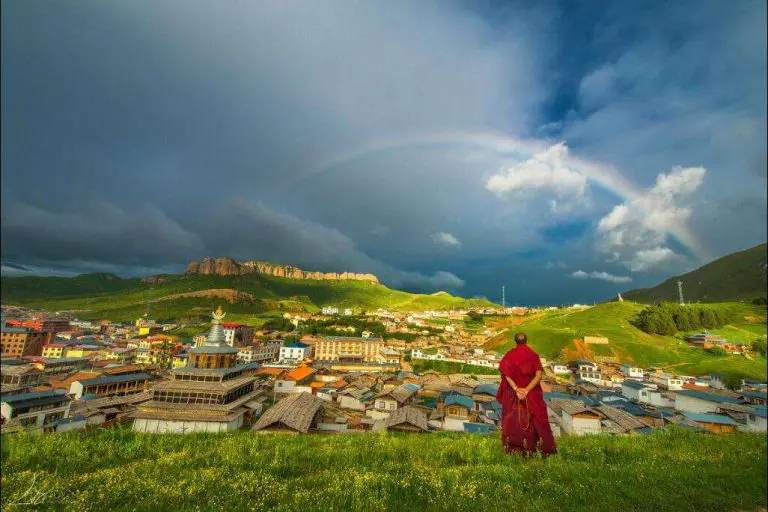
This Jiuzhaigou-Langmusi horse trekking and nomad tour offers a unique opportunity to experience Tibetan nomadic life and culture, as well as to appreciate the incredible natural beauty of Jiuzhaigou, Huanglong, and the Ruoergai grasslands.

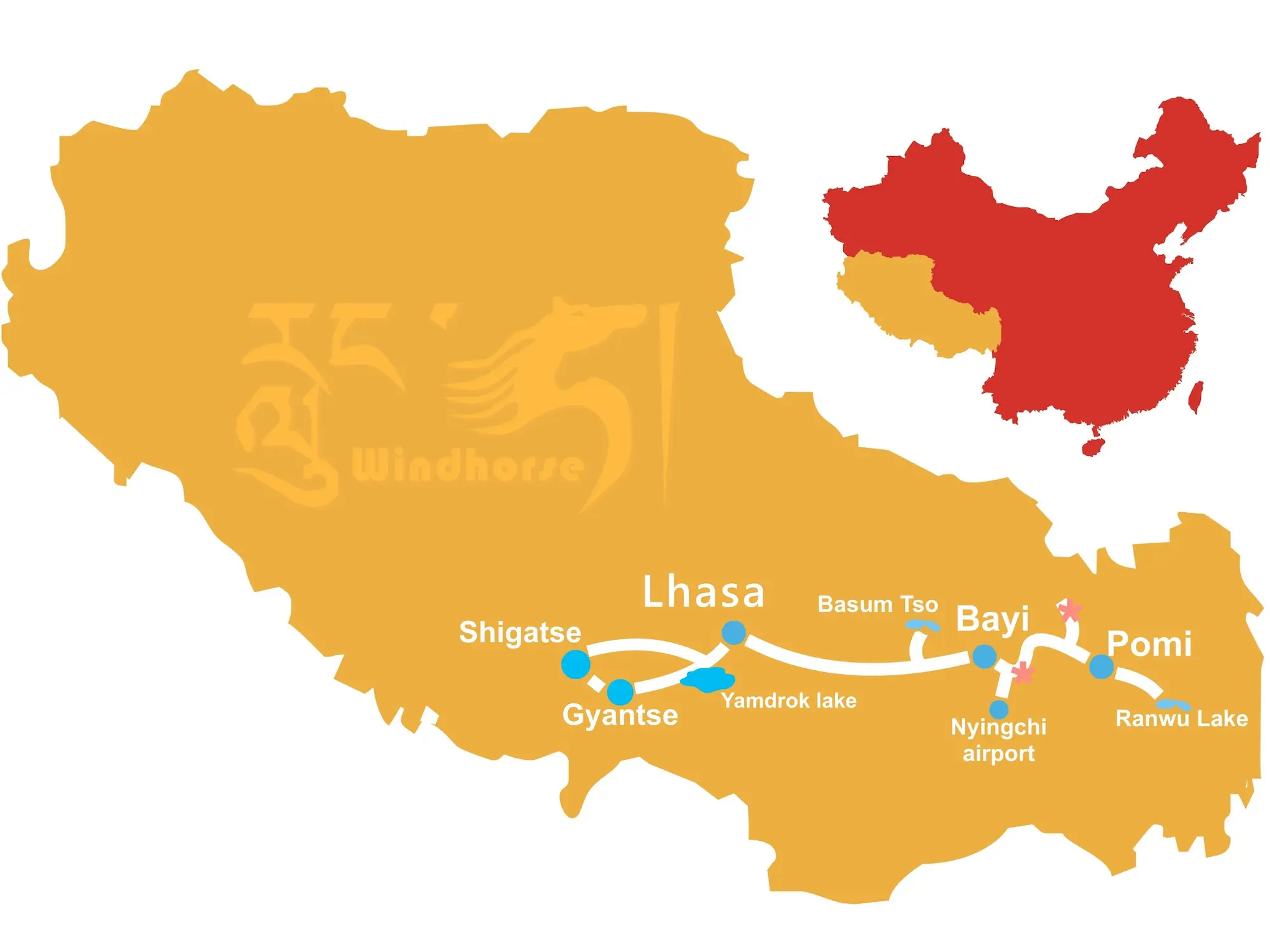


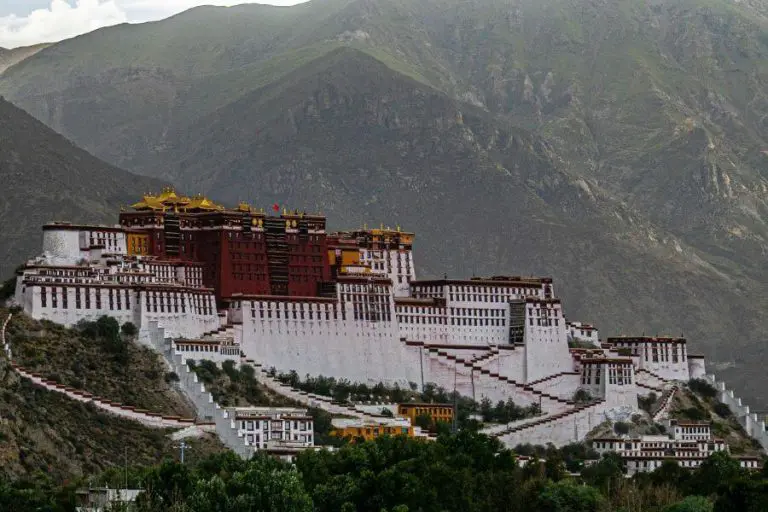


Discover eastern and central Tibet on this 10-day tour, from Nyingchi’s alpine valleys, Ranwu lake and Basum-tso Lake to Lhasa’s Potala Palace and Jokhang Temple, Yamdrok Lake, Gyantse’s Kumbum Stupa, and Shigatse’s Tashilhunpo Monastery.

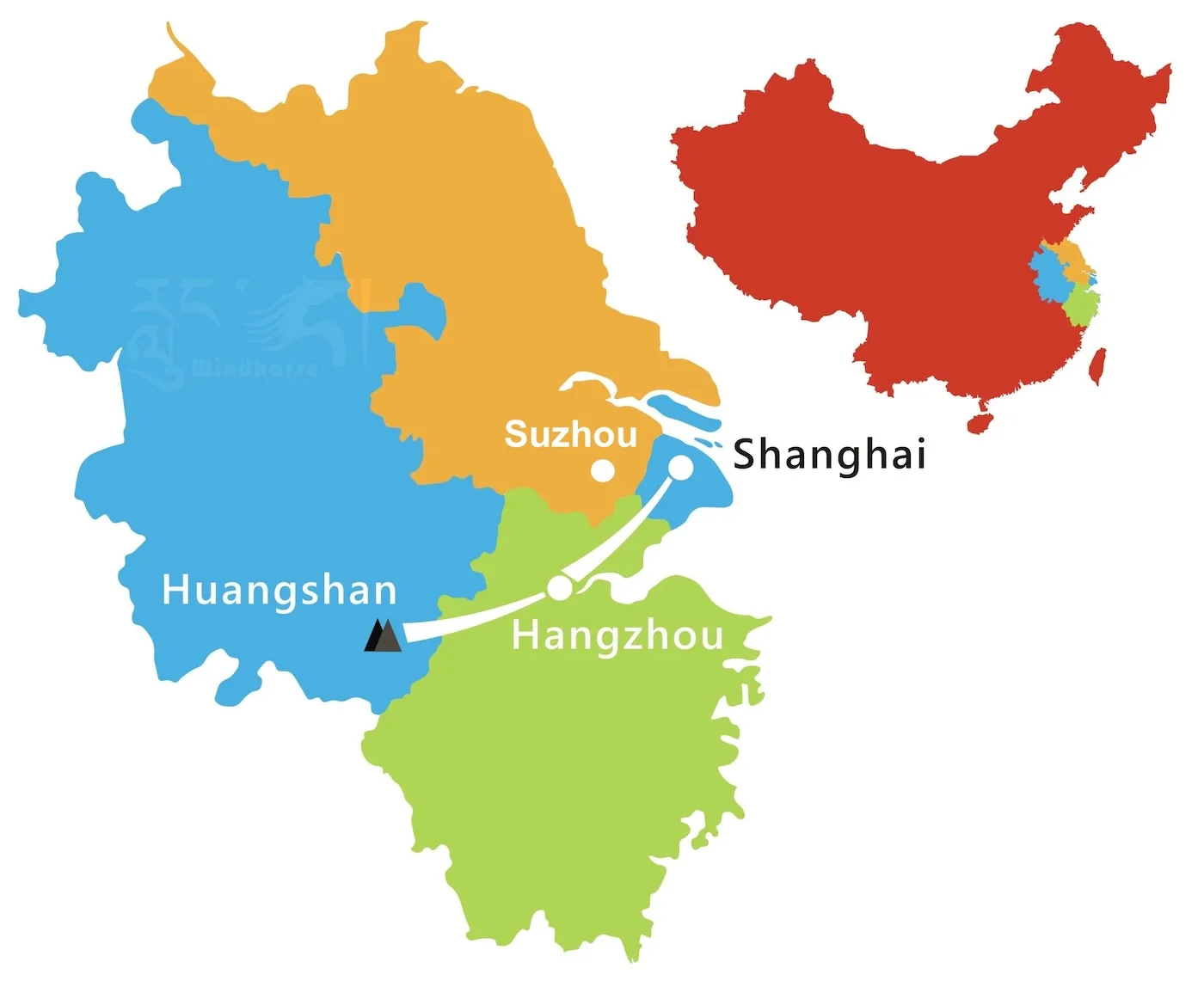
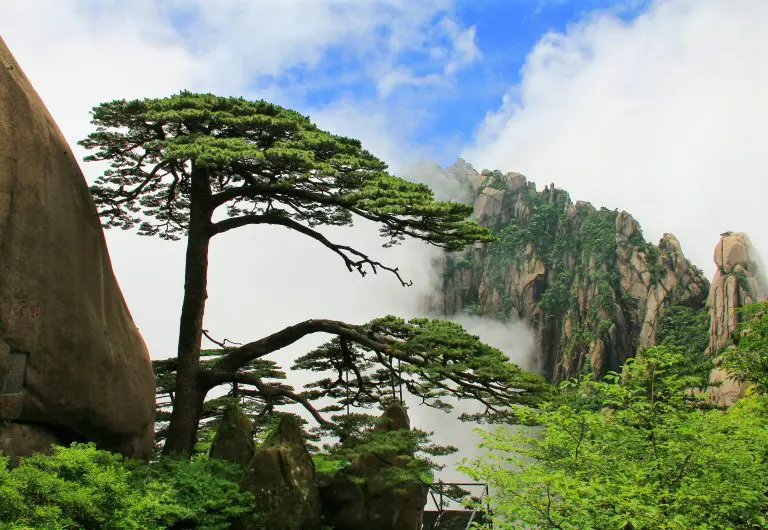

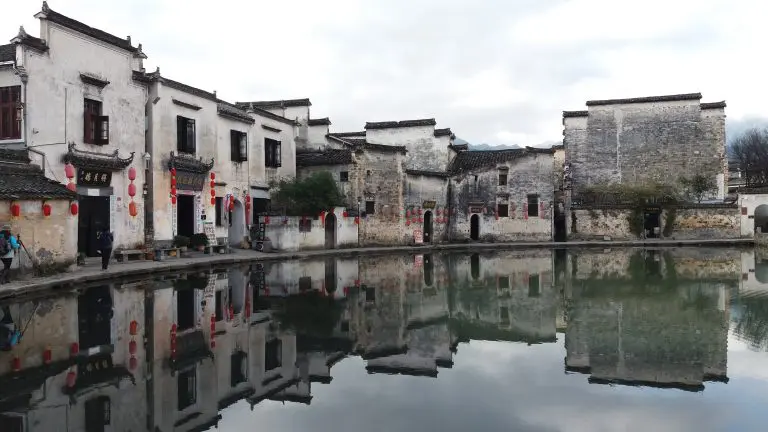
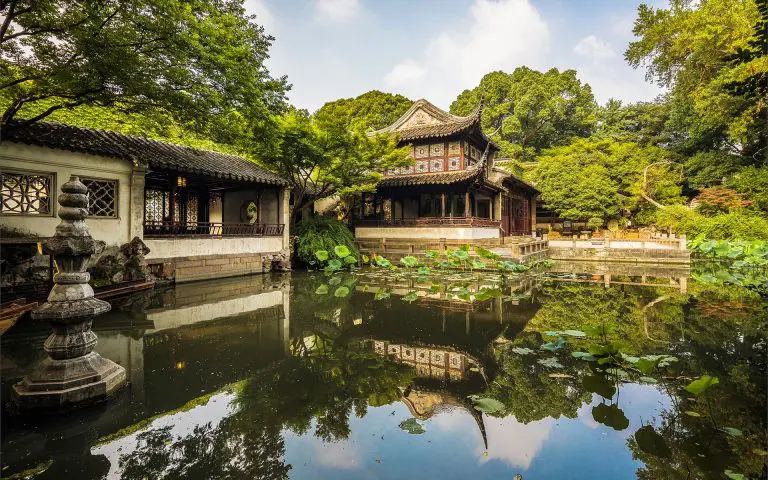
This one week long Shanghai and Hangzhou tour to Mount Huangshan covers Shanghai city highlights, West Lake in Hangzhou, Mount Huangshan scenery with sunrise views, and the historic village of Hongcun, combining city sightseeing with classic landscapes.
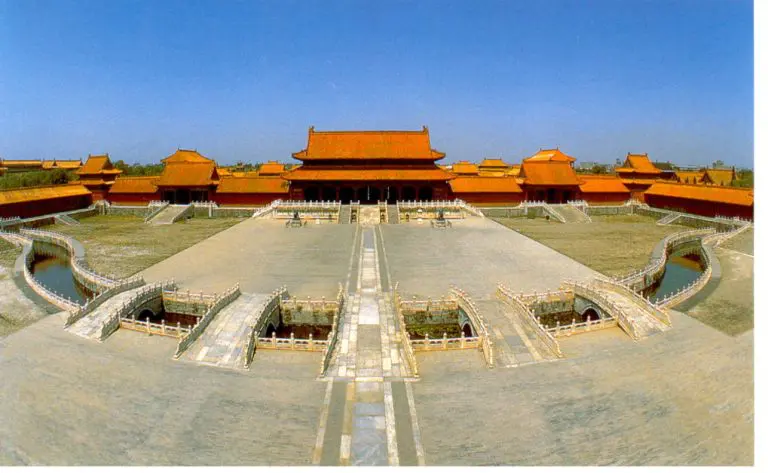



Experience China’s culture and scenery on this 10-day Beijing, Yangtze River Cruise & Shanghai Tour. Visit Beijing’s heritage sites, sail the Three Gorges from Chongqing to Yichang, and finish with Shanghai’s iconic highlights.