
Lantern festival – conclusion of the Chinese New Year celebration

China’s Lantern Festival, or Yuan Xiao Jie (元宵节), falls on the 15th day of the
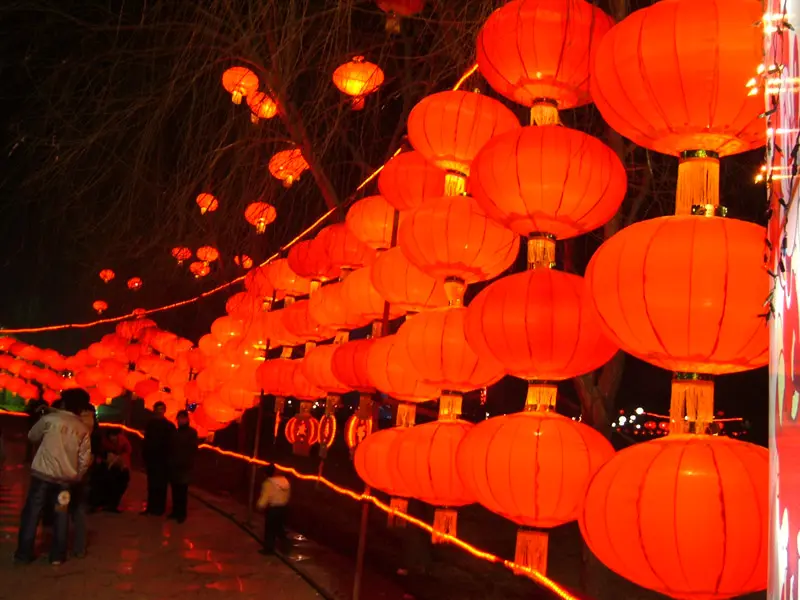
first lunar month, two weeks after Chinese New Year, and is the night of the first full moon in the new year. The celebration coincides with the full moon, symbolizing unity, family reunion, and perfection, and is the official end of the new year celebration holiday and the begining of a new spring.
Legend of the Lantern Festival: Long ago, a celestial swan flew down to our mortal world and was inadvertently shot down by a hunter. The deity who owned the swan was outraged and decided to send disaster to earth in retribution – he decided to send a troop of celestial soldiers on the 15th day of the first lunar month to incinerate all humans and animals on earth. However, the soldiers felt the punishment was too brutal, so they warned the people of earth to be prepared.
In their ingenuity, people came up with a great ruse to fool the god – that night, every household hung red lanterns outside their doors and set off firecrackers and fireworks, giving the false impression that they were already burning. As a result, humanity was saved from extermination, and every year thereafter, on the 15th night of 1st lunar month, people display beautiful red lanterns and set off thousands of fireworks in commemoration.
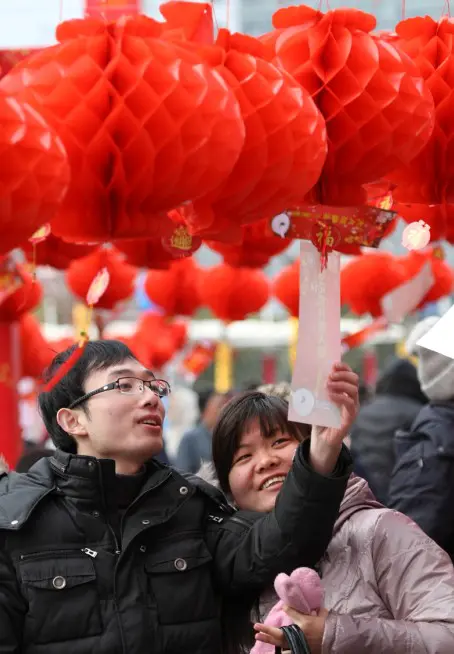
Traditional activities for Lantern Fesitval:
1. Lantern fairs – Many cities thoughout China will hold a lantern fair for the festival, displaying thousands of uniquely-designed lanterns lit up for visitors to enjoy. Chengdu, in southwest China’s Sichuan province, holds a lantern fair each year in its cultural park, transforming the park into an ocean of lanterns!
2. Lantern riddles are another not-to-miss aspect of the festival. The tradition of writing lantern riddles emerged in the Song Dynasty (960-1279) and has become popular across China. People will write out riddles and paste them on their lanterns hanging on display at the lantern fairs. While appreciating the design and craftwork of the lantern, visitors will try to guess the answer to the riddle on each lantern. If the visitor has a guess, they can approach the creator of the riddle, and correct answers are often rewarded with a small gift.
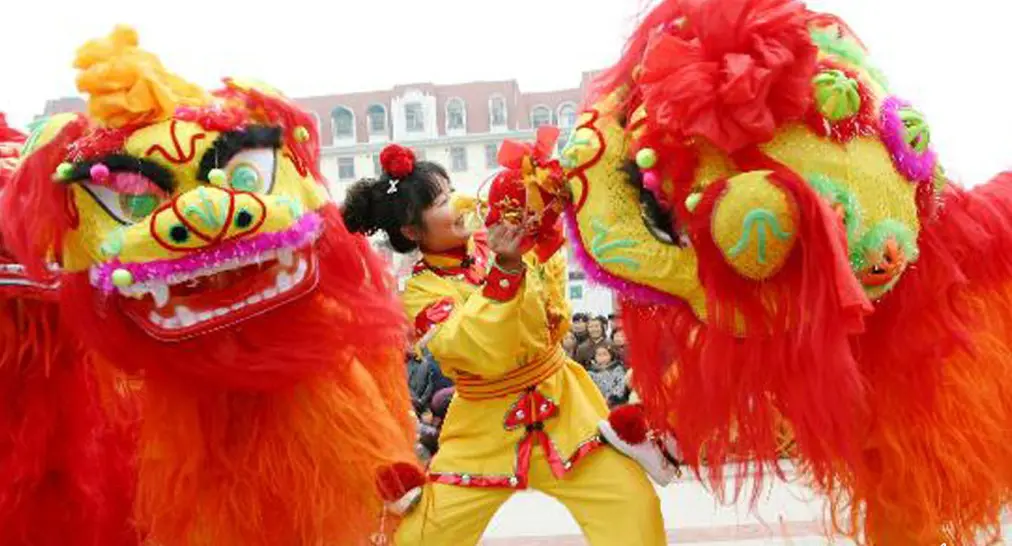
3. The Lion dance, or dragon lantern dance, is a performance that remains one of the most outstanding traditional folk arts in China. Chinese people regard lions or dragons as symbols of bravery, strength, and dignity. They also believe that dragons can protect them and their livestock from evil spirits, so dragon dances are performed during the Lantern Festival and other important events as a traditional way to celebrate, to entertain, and to show wishes for good luck and prosperity.
4. Fireworks are an essential part of the festival and often even local governments will host a fireworks display. On the evening of the Lantern Festival, the night is alive with the sounds and flashes of fireworks for hours.
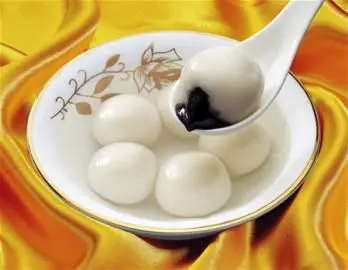
The Food of Lantern Festival: Traditionally, a small dumpling ball called ‘yuanxiao‘ or ‘tangyuan‘ is the customary food eaten to celebrate the festival. Yuanxiao are made of glutinour rice flour with walnuts, sesame seeds, bean paste, and other sweet fillings. In addition, it is customary in many of China’s southern provinces to put a coin inside one of the yuanxiao in the batch, and whoever finds it is believed to be in store for a lucky year.
This year for the Lantern Festival, enjoy a dragon dance performance, try to find the lucky coin in a batch of yuanxiao, and then sit back to watch an evening fireworks!
Related tours
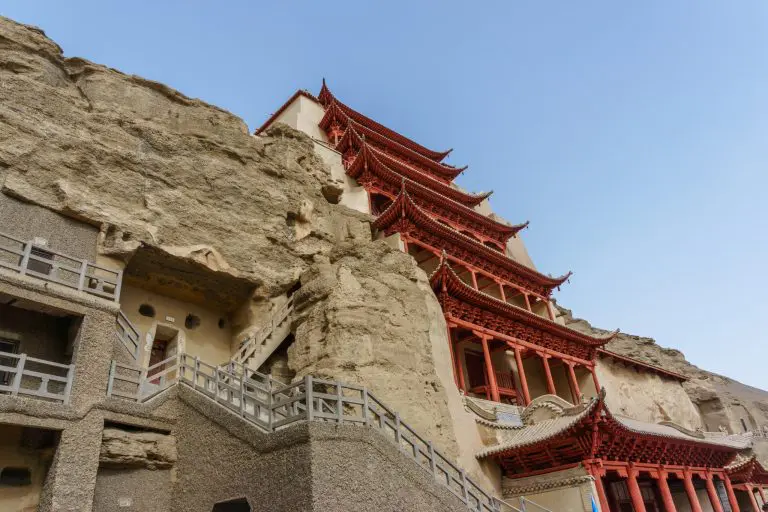
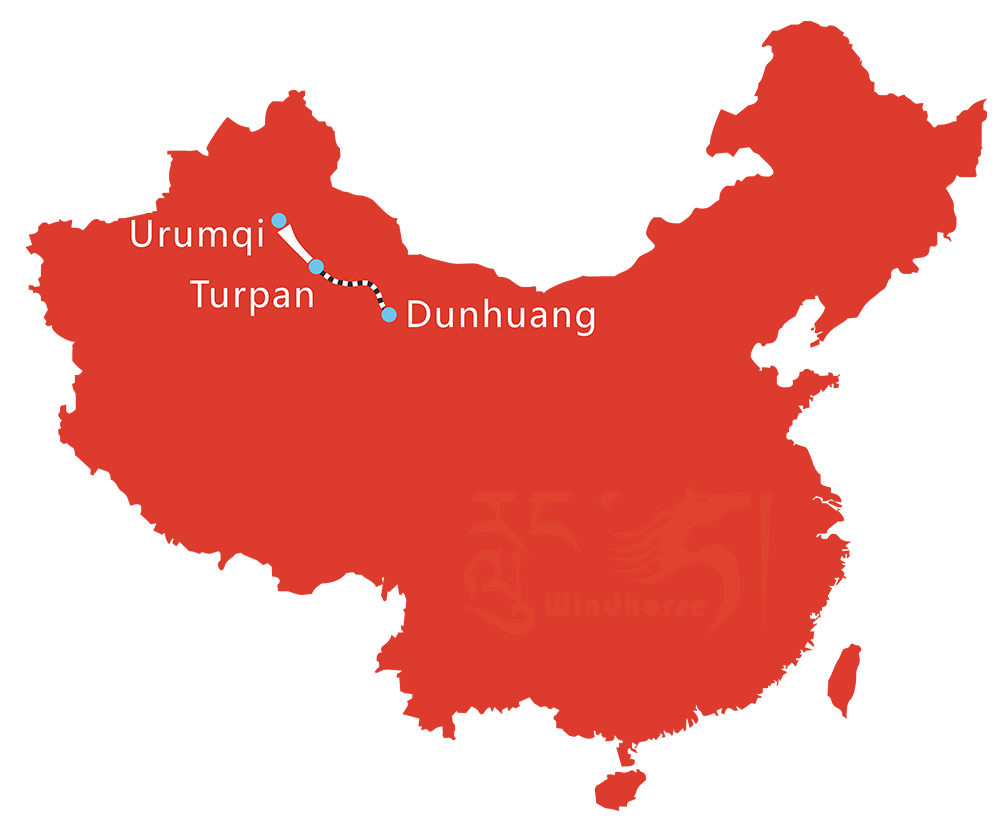
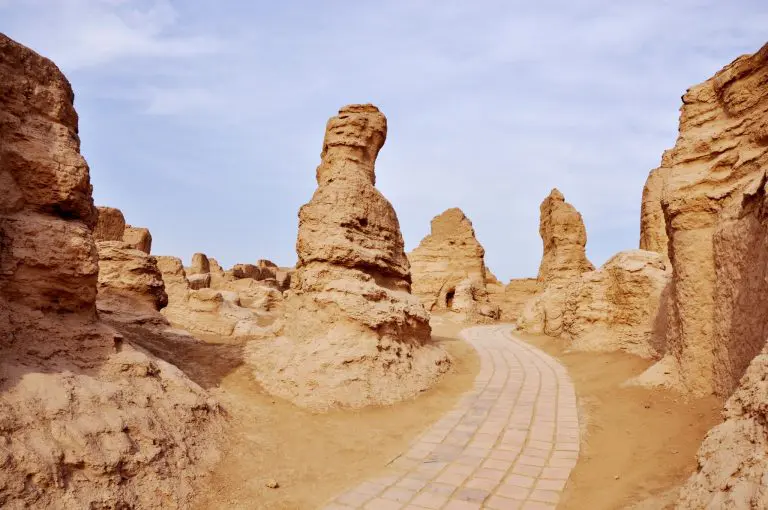

Experience the essence of the Silk Road on this 6 Day Urumqi to Dunhuang Silk Road Tour. Discover Heavenly Lake’s alpine beauty, explore Turpan’s ancient oasis and Uyghur heritage, and marvel at the Mogao Caves in Dunhuang. A perfect short tour to Northwest China’s culture, landscapes and history.

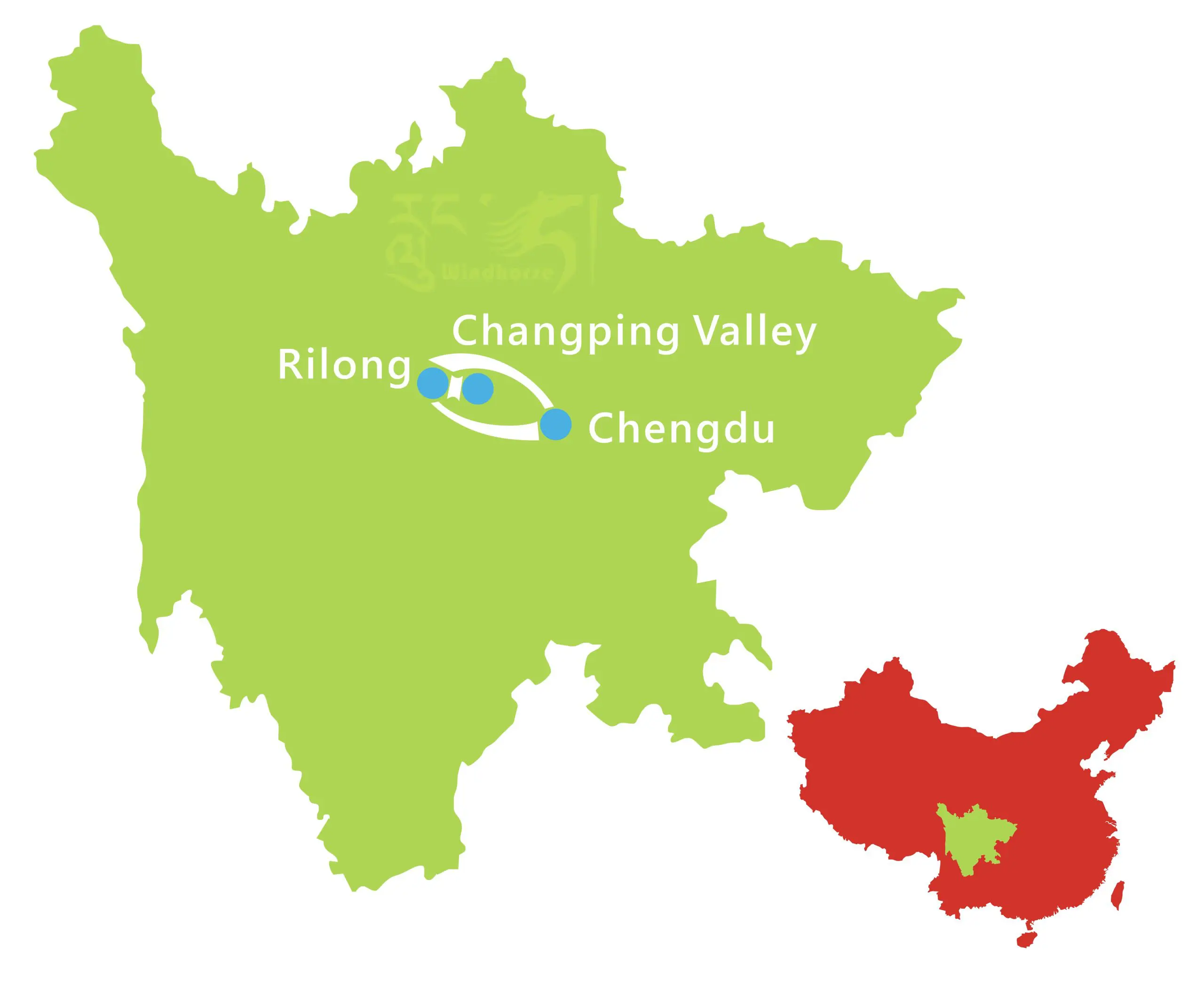



This one week long Siguniang Haizi Valley trekking tour starts in Chengdu and continues to Rilong for hikes in Shuangqiao Valley, Changping Valley and Haizi Valley. Explore alpine lakes, snow capped peaks, forests and meadows, then return to Chengdu to visit Dujiangyan and the Panda Base.
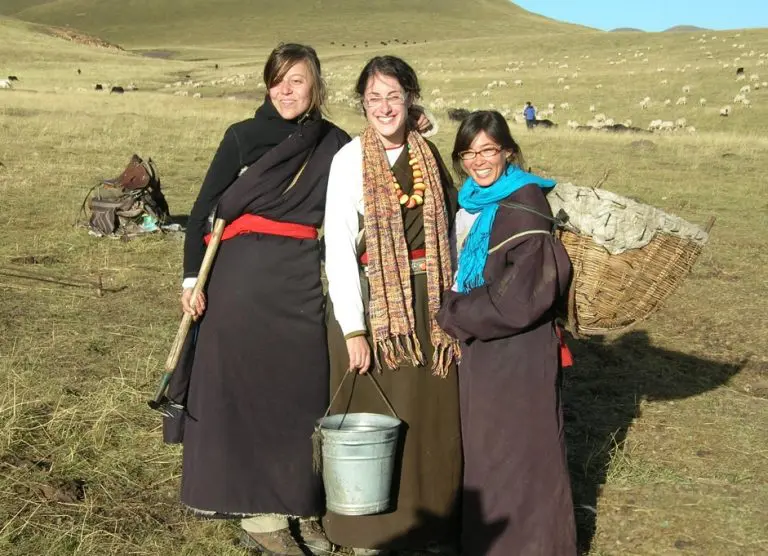
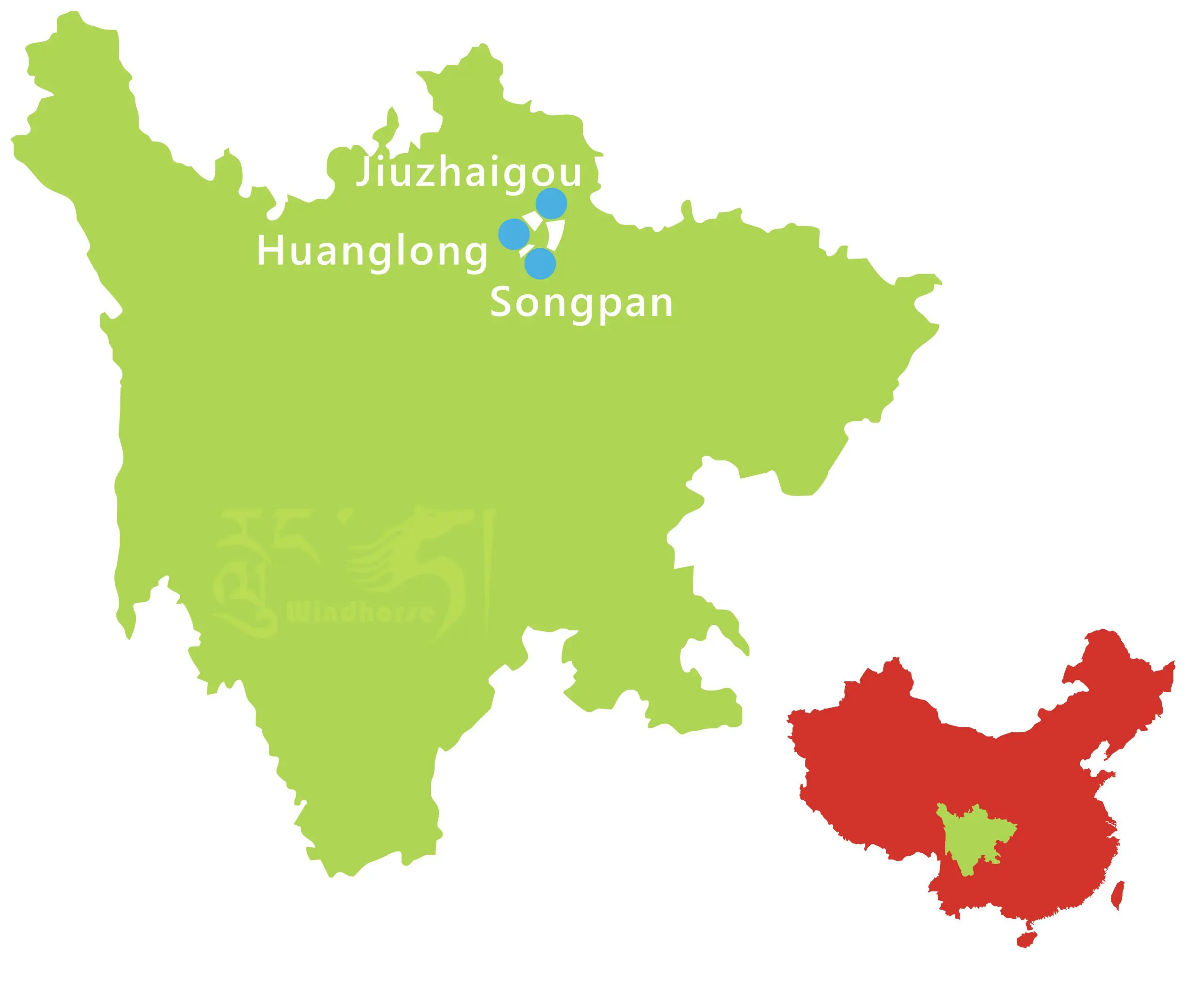
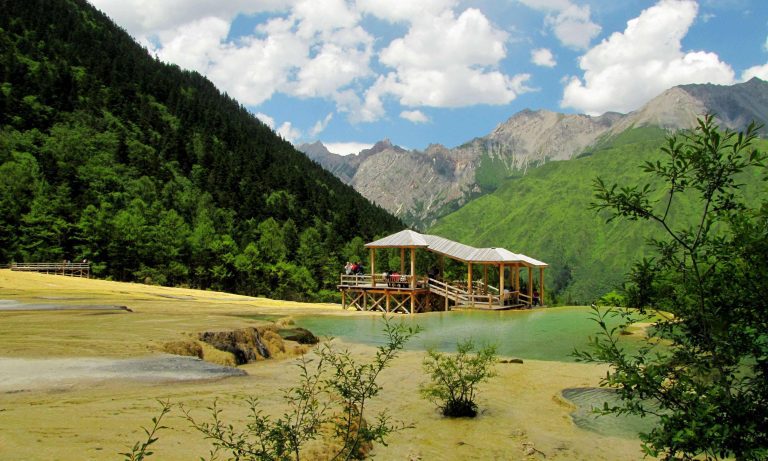

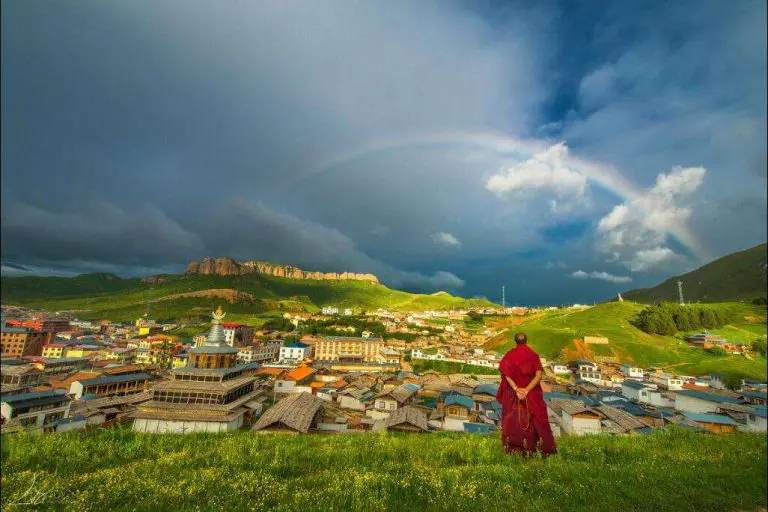
This Jiuzhaigou-Langmusi horse trekking and nomad tour offers a unique opportunity to experience Tibetan nomadic life and culture, as well as to appreciate the incredible natural beauty of Jiuzhaigou, Huanglong, and the Ruoergai grasslands.
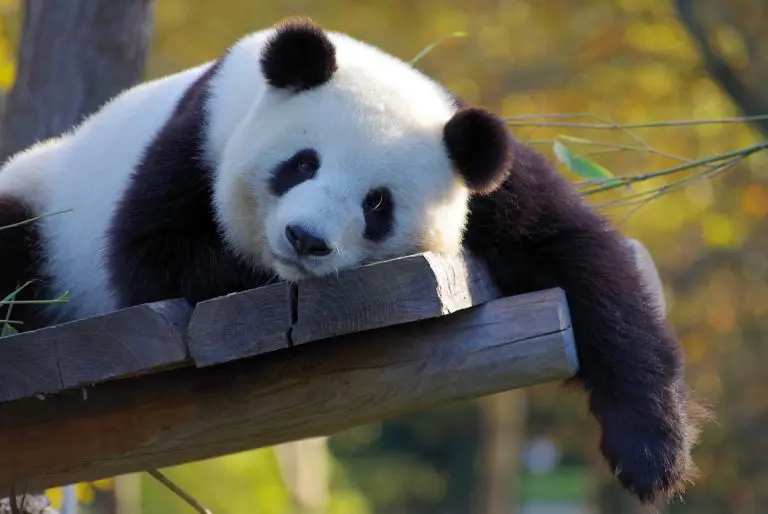
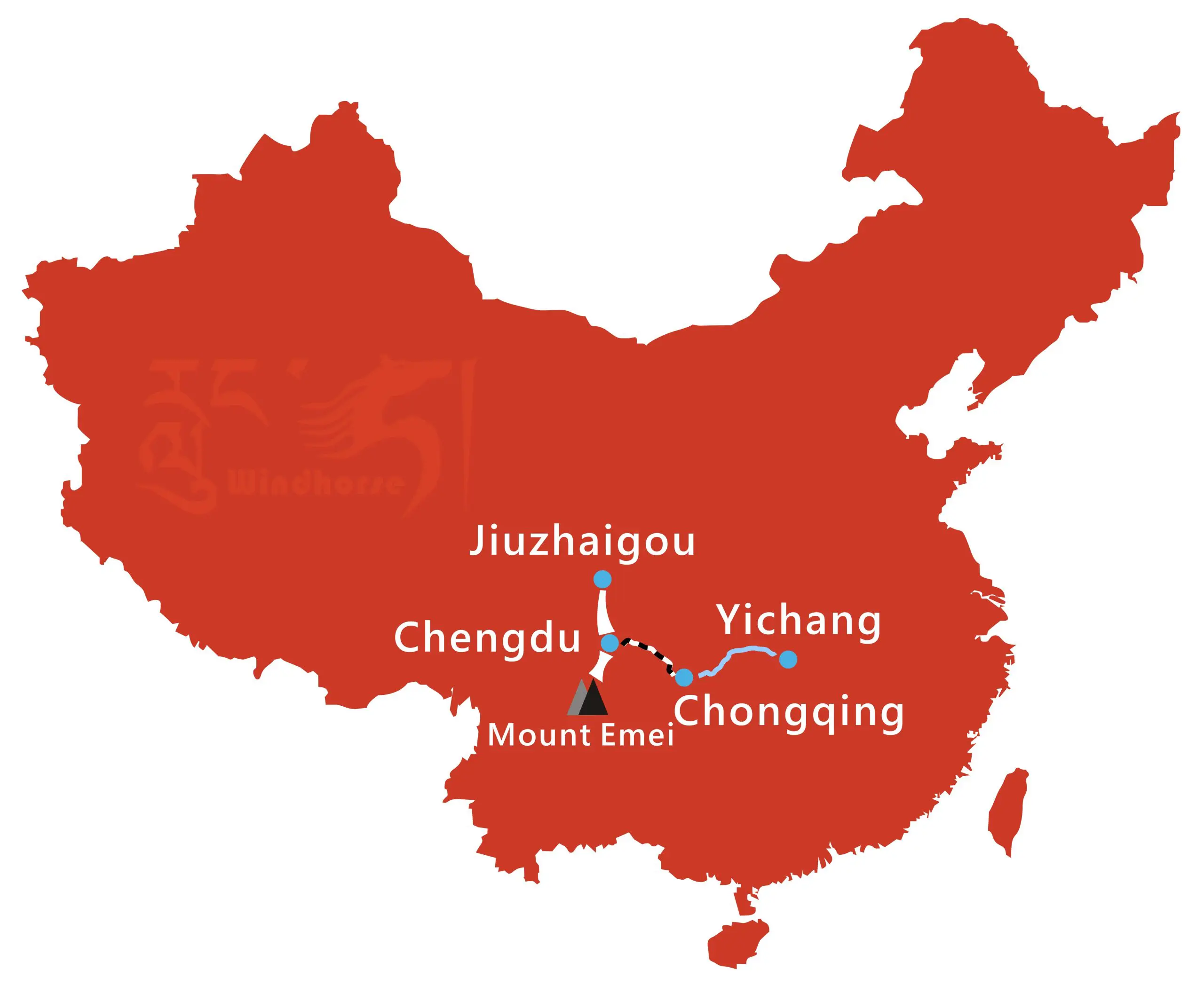
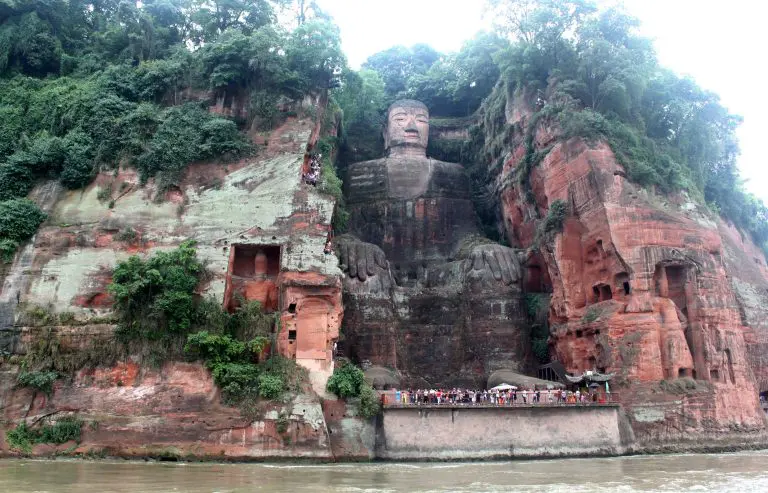
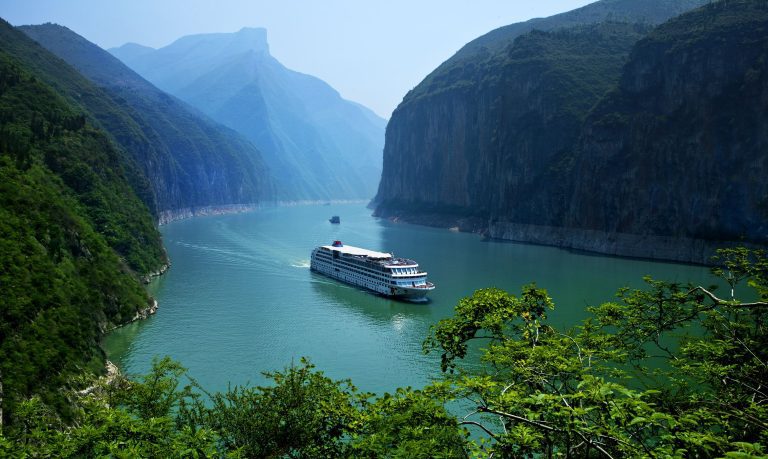
Explore Sichuan’s natural wonders and cruise the Yangtze River. Visit Chengdu pandas, Jiuzhaigou’s turquoise lakes, Mount Emei’s Golden Summit, Dazu Rock Carvings, Chongqing, and sail through the dramatic Three Gorges.