
Must Visit Attractions from The Ming Dynasty Legacy
The Ming Dynasty (1368–1644) was one of the most important times in Chinese history. It was known for peace, wealth, and many achievements. During this period, China grew strong and organized, leaving behind a legacy that still amazes people today.
One of the Ming Dynasty’s great strengths was mixing usefulness with beauty, especially in buildings and city planning. Big projects like the Forbidden City and parts of the Great Wall were built during this time. These were not just useful but also beautiful, with bright colors, detailed carvings, and perfect designs.
The Ming rulers also valued harmony and order. They planned cities carefully, with straight streets, strong walls for protection, and landmarks like temples and palaces that showed their strength and culture. This mix of function and beauty made the Ming Dynasty a golden time for building and city design.
In short, the Ming Dynasty was a time of growth, creativity, and amazing achievements that shaped China’s history and still inspire people today.
Iconic Ming Dynasty Achievements (Still Visible Today)
The Ming Dynasty created some of China’s most famous landmarks, which are still admired by tourists from around the world. These amazing achievements show the dynasty’s skill in building and its love for lasting symbols of power and culture.
The Great Wall of China
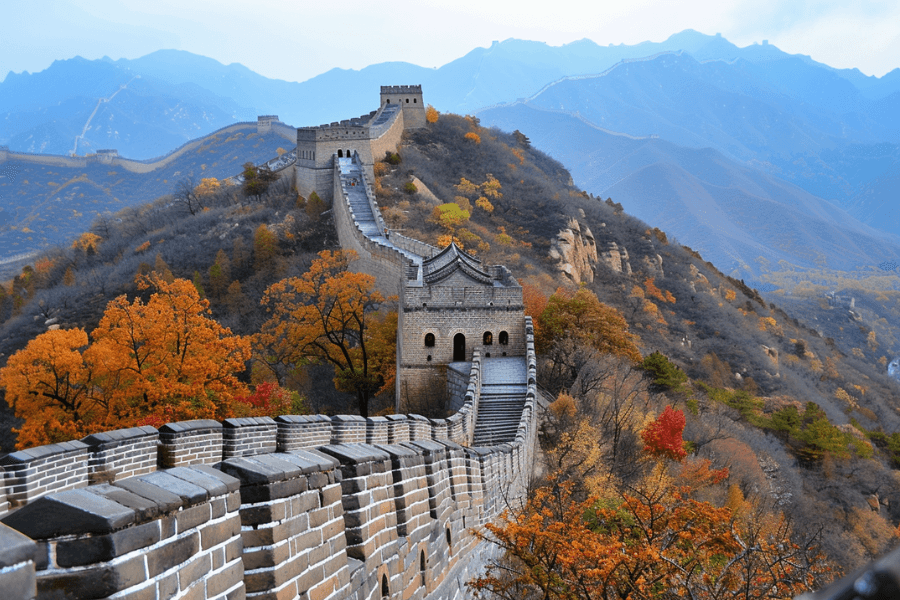
There is no man in the world that does not know about The Great Wall of China. During the Ming Dynasty it rebuilt and expanded the Great Wall, making it the strong and impressive structure we see today. Popular sections like Badaling, Mutianyu, and Jiankou, near Beijing, are favorite spots for tourists. These areas offer great views, well-kept watchtowers, and beautiful hiking trails. Whether you want a guided tour or amazing photo opportunities, the Great Wall is a must-visit. The Wall today is renovated, but still there are preserved all the building structures that were builded during the Ming Dynasty.
The Forbidden City (Beijing)
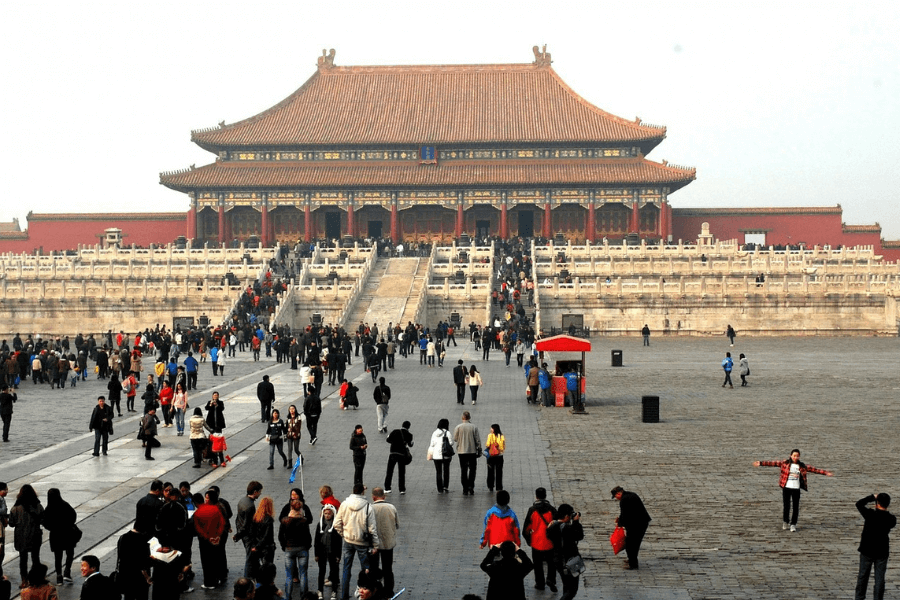
Another remarkable building from the time of the Ming Dynasty is Forbidden City in Beijing. Built in the 15th century by Emperor Yongle, the Forbidden City is the world’s largest palace complex and a masterpiece of Ming design. All the red and gold buildings and grand halls show the dynasty’s creativity. Tourists can explore places like the Hall of Supreme Harmony, the Imperial Gardens, and special exhibits about royal life. It’s a fascinating way to see China’s imperial history.
The Temple of Heaven (Beijing)
The Temple of Heaven was where Ming emperors prayed for good harvests. Its most famous building, the Hall of Prayer for Good Harvests, is round and beautifully designed. The complex also has an echo wall that carries whispers over long distances. Visitors can walk through peaceful gardens or join morning tai chi sessions for a relaxing experience.
The Ming Tombs (Beijing Suburbs)
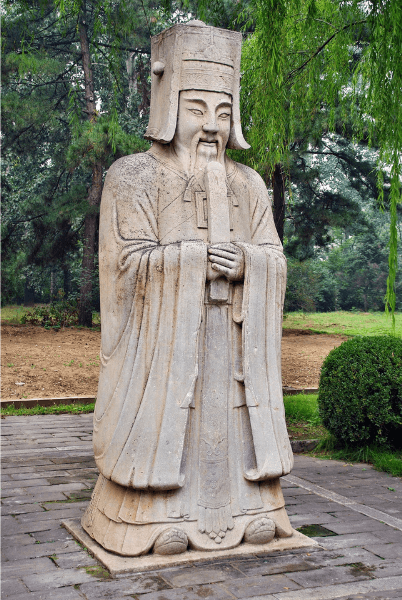
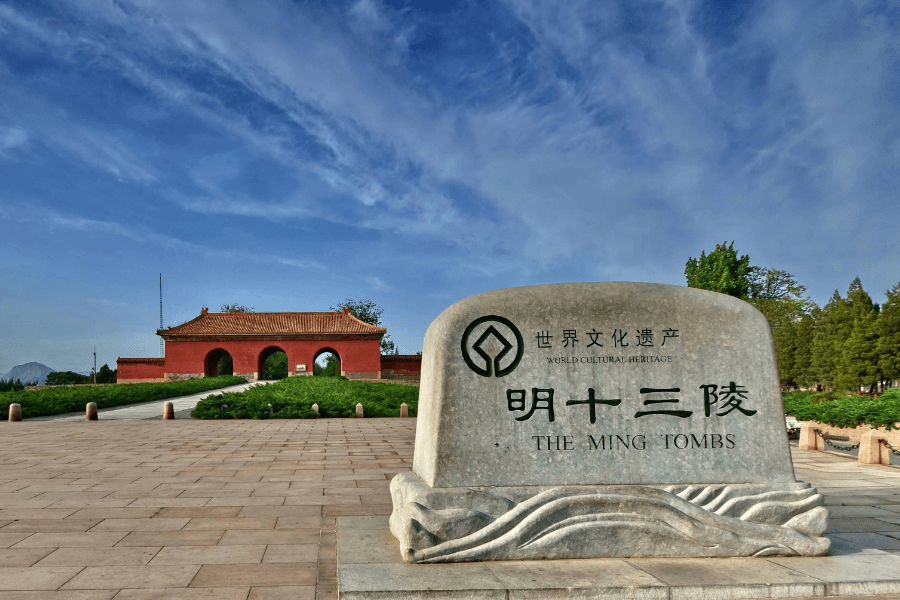
The Ming Tombs, just outside Beijing, are the burial site for 13 Ming emperors. These tombs feature grand stone paths, carved statues, and underground chambers. Dingling, the only tomb open to visitors, lets you see the emperor’s burial chamber. Changling, another highlight, has stunning halls and courtyards. Together, the tombs show the grandeur of imperial burials.
These landmarks not only display the brilliance of Ming architecture but also let visitors step into China’s rich history and culture.
Ming Dynasty Architecture: Features and Styles
Ming Dynasty architecture is known for its balance, beauty, and careful details. It shows the values of the time, combining practical use with artistic style.
Key Features of Ming Architecture
Ming buildings are famous for their symmetry and harmony, influenced by Confucian ideas of order. Imperial structures often had red walls and yellow roof tiles, with yellow symbolizing the emperor’s power. The Ming were experts in wooden construction, using interlocking beams that made their buildings strong and long-lasting, even after hundreds of years.
Examples of Ming Design
Ming architecture is easy to spot with its tiered roofs and upturned eaves that look like they’re reaching for the sky. These roofs were often decorated with mythical creatures like dragons and phoenixes, symbolizing power, protection, and good luck. Walls, doors, and ceilings were beautifully carved with intricate designs.
Gardens were another highlight, blending nature with man-made features like pavilions, rocks, and water. These gardens weren’t just pretty; they were designed to inspire peace and reflection.
Ming Dynasty architecture is a perfect mix of function and beauty, creating buildings that still amaze visitors today.
What Ming Dynasty has left as legacy for us
The Ming Dynasty left behind a rich legacy that continues to influence the world today. From stunning porcelain to advancements in trade, literature, and governance, the contributions of this era have stood the test of time.
Porcelain and Ceramics
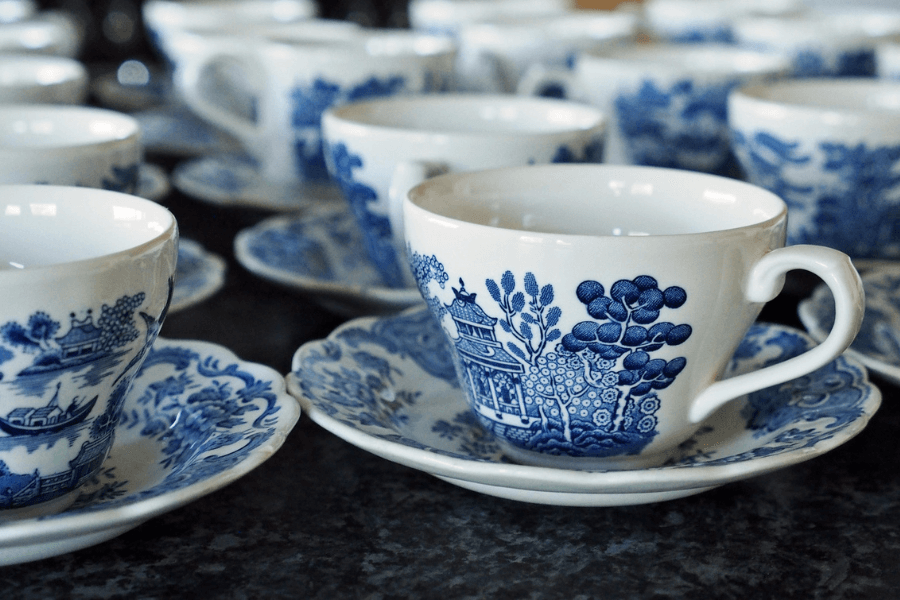
- Blue-and-White Porcelain:
Ming porcelain is famous worldwide, especially the elegant blue-and-white style with its intricate patterns. It was highly valued in global trade and even influenced European ceramics. - Jingdezhen:
This city was the center of porcelain production during the Ming era. Its fine craftsmanship made Jingdezhen wares legendary, a reputation that continues to this day.
Maritime Expeditions
- Zheng He’s Voyages:
Admiral Zheng He led seven grand naval expeditions, traveling as far as Africa and the Middle East. These voyages showcased China’s impressive naval power, encouraged cultural exchange, and expanded trade networks.
Literature and Art
- Classical Novels:
The Ming Dynasty saw the creation and popularity of some of China’s greatest literary works, such as Journey to the West, Water Margin, and The Plum in the Golden Vase. These stories remain classics in Chinese literature. - Landscape Painting:
Ming artists celebrated the beauty of nature, focusing on landscapes and the connection between humans and their environment. Calligraphy and scroll painting also flourished, blending artistry with tradition.
Urban Development and Infrastructure
- City Walls and Fortifications:
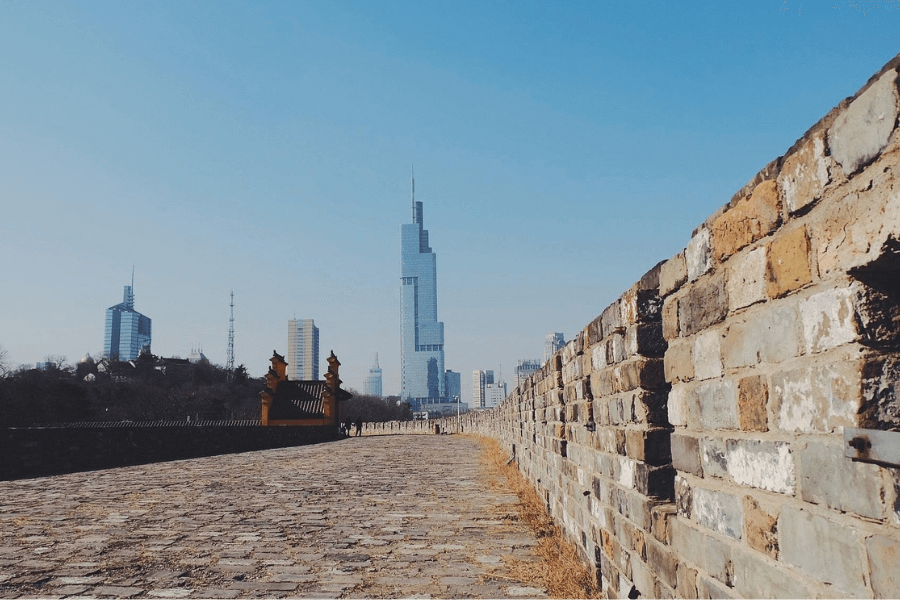
Cities like Nanjing and Xi’an still feature massive Ming-era walls, which were built for defense and urban organization. - Canal Systems:
The Grand Canal, an ancient waterway, was refurbished during the Ming Dynasty, making trade and transportation more efficient and boosting the economy.
Cultural and Technological Advancements
- Silk and Textiles:
Ming silk production reached new heights, creating fabrics that were highly sought after across Asia and Europe. - Printing and Books:
The widespread use of woodblock printing during this period allowed for the production and sharing of literature, making knowledge more accessible.
Governance and Bureaucracy
- Confucian Ideals:
The Ming rulers reinstated the Confucian civil service examination system, ensuring that government officials were highly educated and capable. - Stability and Prosperity:
Despite some challenges, much of the Ming period was marked by economic growth and strong governance, providing a model of stability.
Ming Dynasty Legacy on Today Tourist Destinations
Historic Cities and Sites
- Nanjing: Once the Ming capital, it has landmarks like the Ming Xiaoling Mausoleum and ancient city walls.
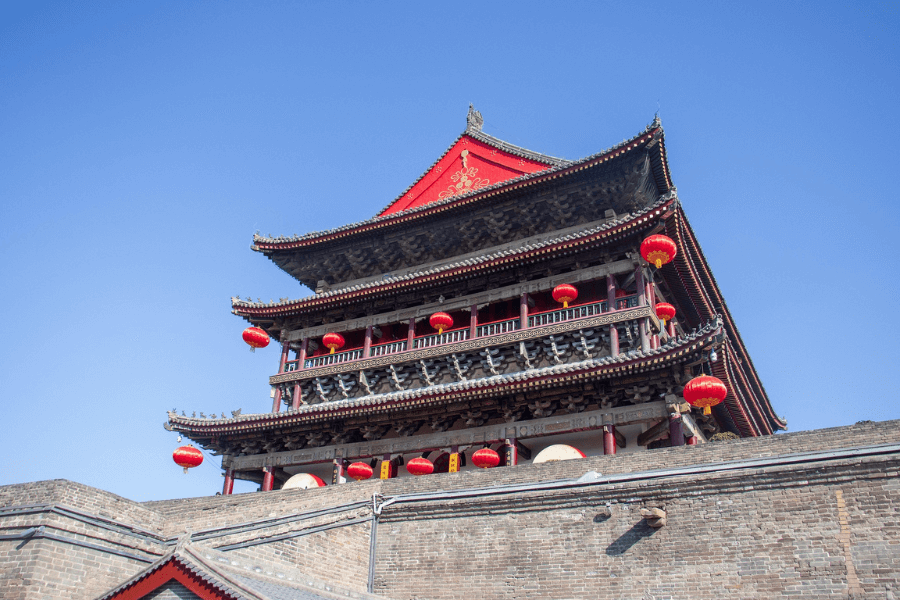
- Xi’an: Home to the Bell and Drum Towers built during the Ming period.
- Suzhou Gardens: Famous for Ming-era classical garden designs.
Other Preserved Architecture
- Ancient bridges like the Zhaozhou Bridge and Marco Polo Bridge.
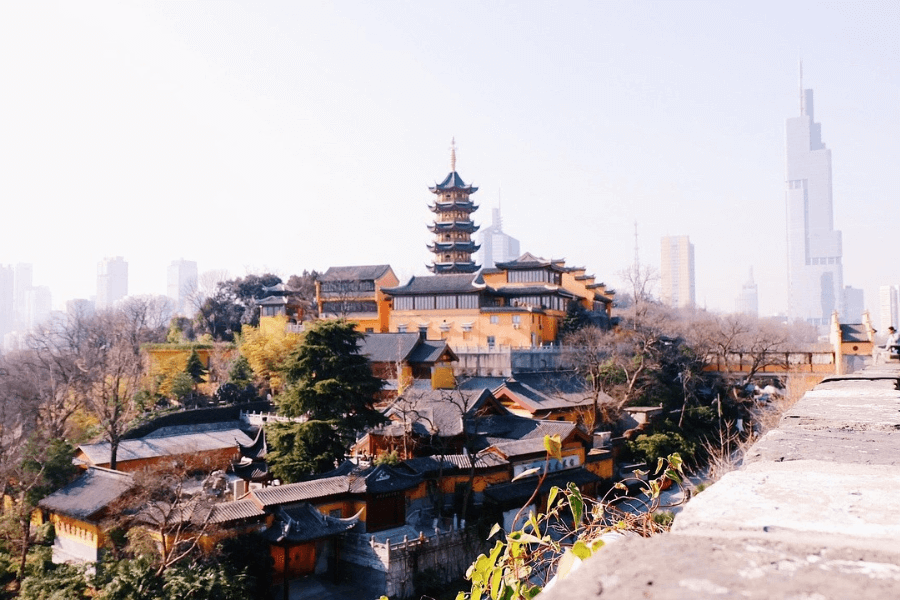
- Pagodas, such as the Lingering Garden Pagoda in Suzhou.
Experiencing Ming Legacy Today
The Ming Dynasty’s culture and history are still alive, with many ways to experience this fascinating era.
Cultural Activities
- Chinese Opera and Ming-Inspired Art: Opera performances bring Ming stories to life with colorful costumes and themes. Artists also recreate Ming-style paintings and calligraphy.
- Porcelain Workshops: Try making blue-and-white porcelain, a famous Ming art form, at workshops that teach traditional techniques.
- Museums: Explore exhibits with Ming artifacts, imperial documents, and displays about the dynasty’s achievements.
Festivals and Events
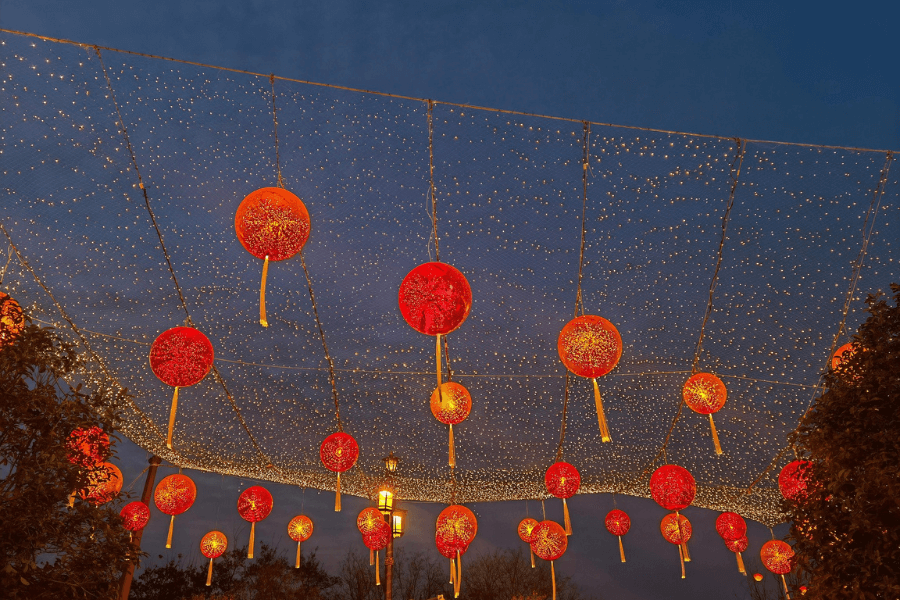
- Local Festivals: Many towns celebrate Ming traditions with music, dance, and martial arts. These festivals are a fun way to explore the past.
- Interactive Exhibits: Heritage sites often have re-enactments of Ming court life and cultural performances.
Modern Ming Cuisine
- Imperial Dishes: Restaurants serve dishes inspired by Ming-era recipes, featuring delicate flavors and creative presentations.
- Local Food Markets: Near Ming heritage sites, markets offer modern takes on traditional dishes and regional specialties influenced by Ming culinary traditions.
Tips for Travelers
Visiting Ming Dynasty attractions is a fascinating journey into China’s rich history. To make the most of your trip, here are some practical tips for travelers.
Best Seasons to Visit
- Spring and Autumn:
These are the ideal times to explore major Ming-era sites like Beijing’s Forbidden City, the Great Wall, and Suzhou’s classical gardens.- Spring (March to May): Mild temperatures and blooming flowers make the surroundings particularly picturesque.
- Autumn (September to November): Cool, crisp weather and vibrant fall foliage provide the perfect backdrop for exploring.
Avoid summer (hot and crowded) and winter (cold and icy at outdoor sites) unless you enjoy off-season travel with fewer tourists.
Guided Tours vs. Independent Exploration
- Guided Tours:
- Perfect for first-time visitors or those who want deeper insights into the history and significance of each site.
- Guides can explain architectural details, historical context, and share stories that you might miss on your own.
- Many tours include transportation, making it easier to visit remote areas like the Great Wall or the Ming Tombs.
- Independent Exploration:
- Ideal for seasoned travelers or those who prefer flexibility.
- Apps, audio guides, and English-language plaques at many sites make it easier to explore at your own pace.
- Renting a bike or using public transport can be a fun and affordable way to get around cities like Beijing or Suzhou.
Combining Ming Sites with Nearby Attractions
- Beijing:
- Pair the Forbidden City with the nearby Temple of Heaven for a day immersed in Ming-era architecture.
- Add a visit to the Great Wall (Mutianyu or Badaling sections) for a full-day adventure.
- Suzhou:
- Explore the city’s classical Ming-era gardens like the Lingering Garden, then visit the ancient water towns of Zhouzhuang or Tongli for a glimpse of traditional Chinese life.
- Nanjing:
- Combine the Ming Xiaoling Mausoleum with a visit to the Nanjing City Wall and the Confucius Temple area.
- Xi’an:
- Visit Ming-era Bell and Drum Towers in the city center, then explore the nearby Terracotta Army for a broader historical experience.
Final Tips
- Book tickets online in advance for popular attractions to avoid long queues.
- Wear comfortable walking shoes, as many sites involve a lot of walking or hiking (especially the Great Wall and gardens).
- Bring a good camera or smartphone to capture the stunning architecture and scenery.
With proper planning, you can fully enjoy the rich history and breathtaking beauty of Ming Dynasty attractions while exploring the culture and charm of modern China.
The Ming Dynasty’s legacy is one of cultural brilliance, architectural marvels, and profound historical impact. Its influence continues to shape China’s identity today.
Dive into the treasures of the Ming era and uncover the stories behind its great achievements. Let this be your invitation to explore China’s rich history and plan your next journey into its remarkable past.
Related tours
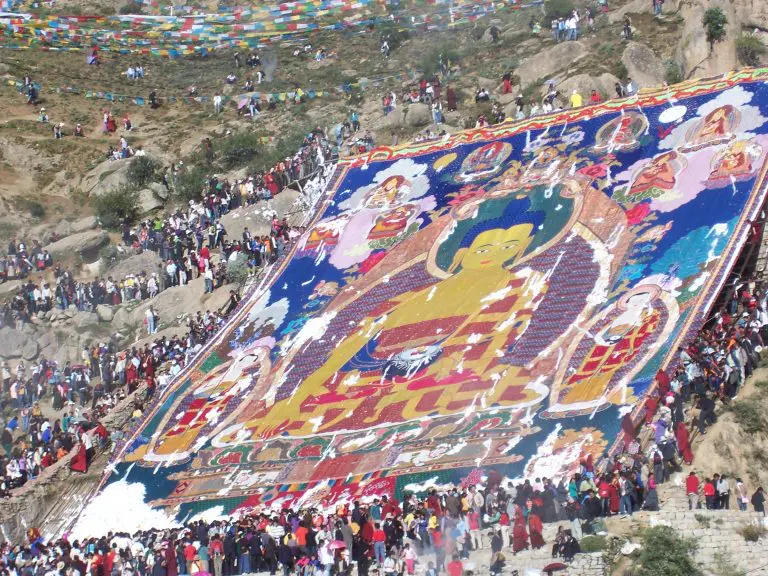
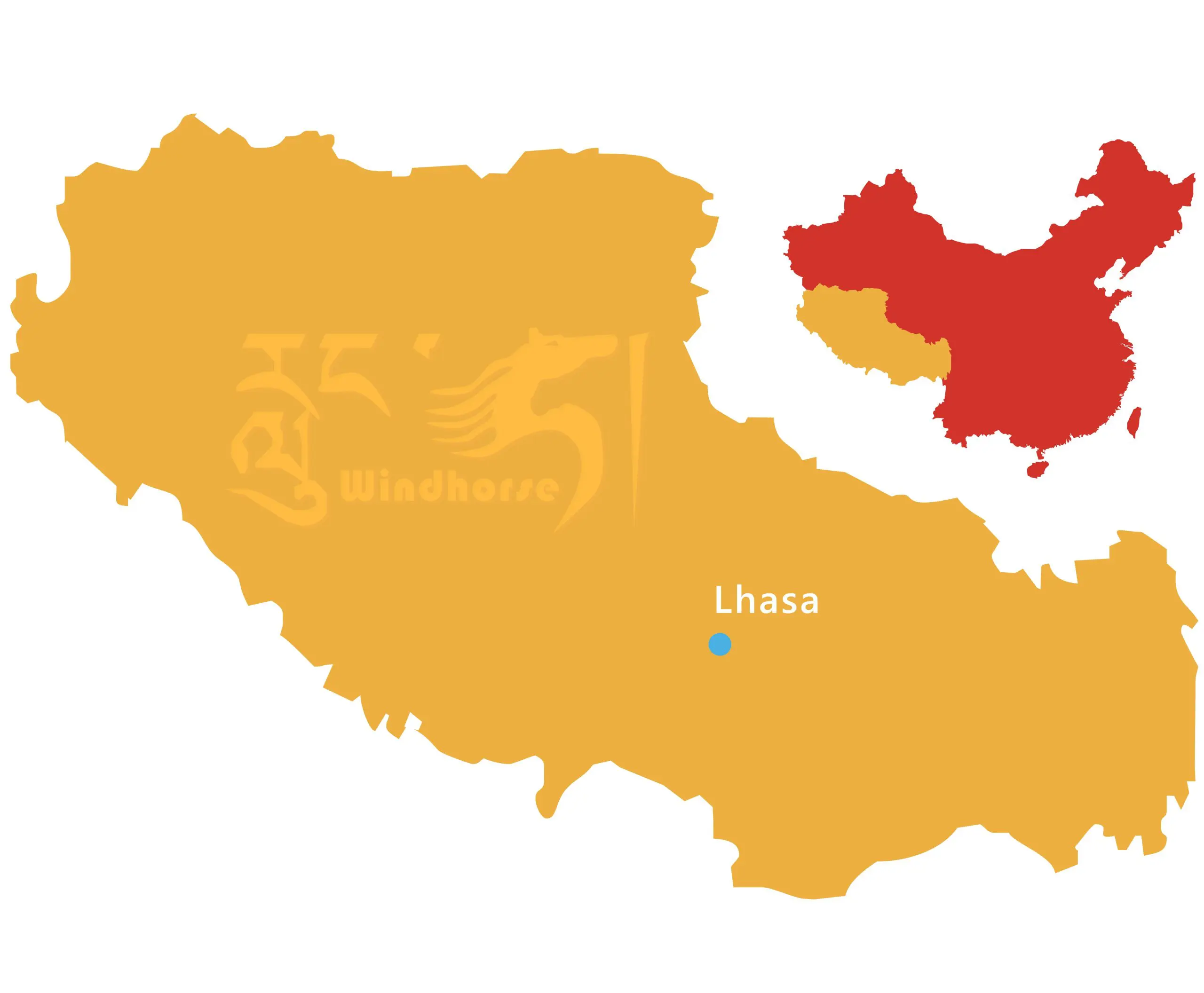
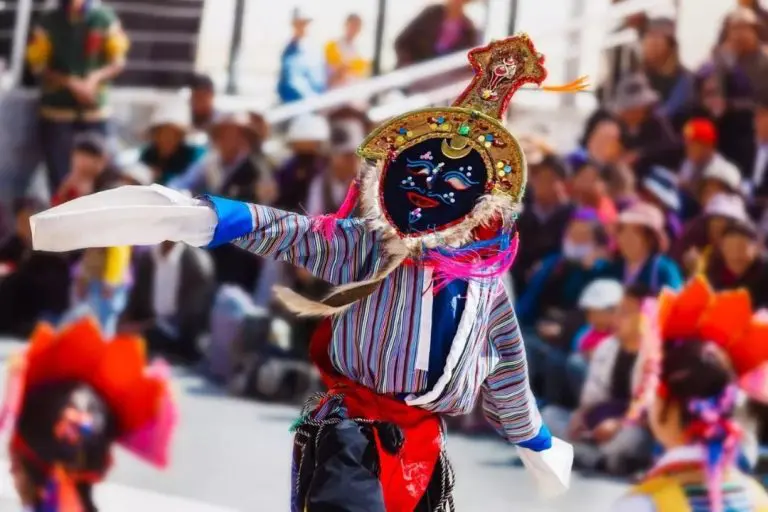

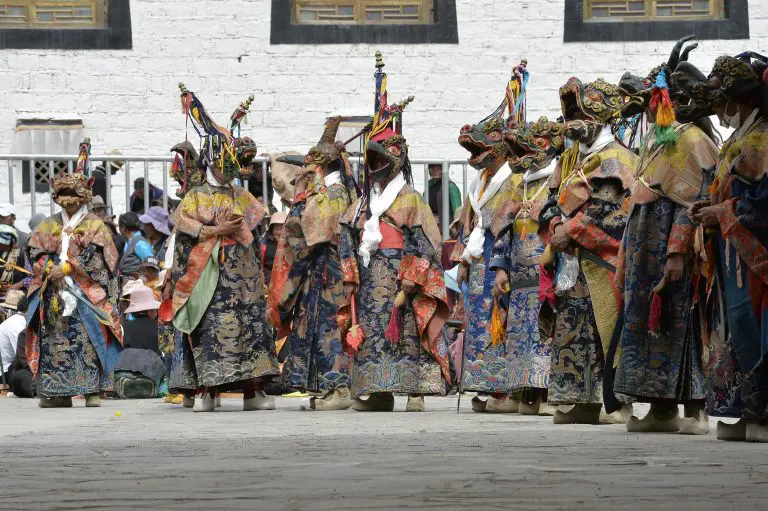
Join our Tibetan Shoton Festival Tour and experience one of Tibet's major religious celebrations on Aug. 23rd 2025. Enjoy the grand unveiling of Thangkas at Drepung Monastery and lively Tibetan opera performances at Norbulingka Palace and more.

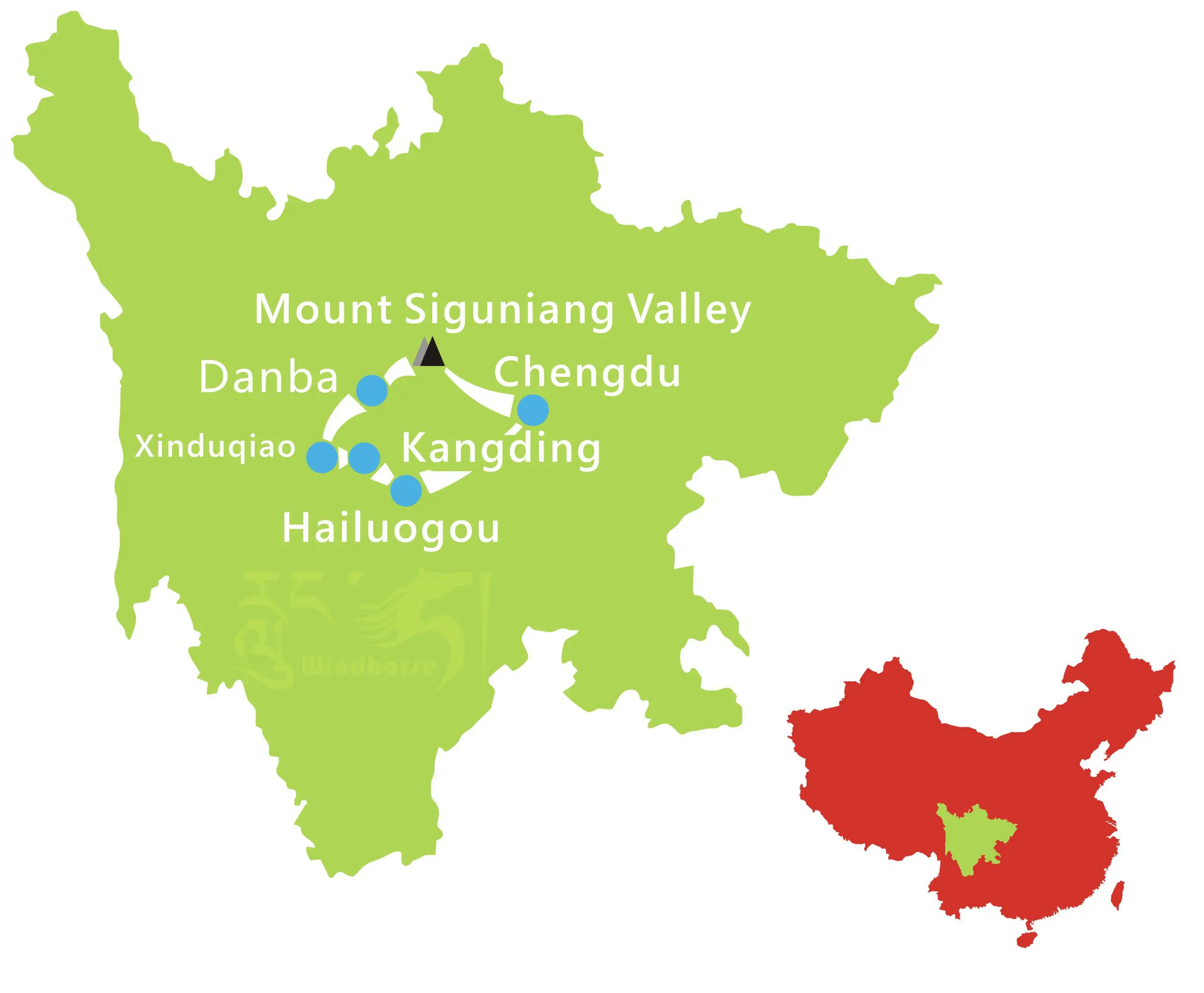



Enjoy the “king of shu mountains” Hailuogou Glacier as you travel into the Tibetan Kham region of western Sichuan. The beautiful Tagong grassland and the East Alpine Mount Siguniang offers some of the best sightseeing in all of China.
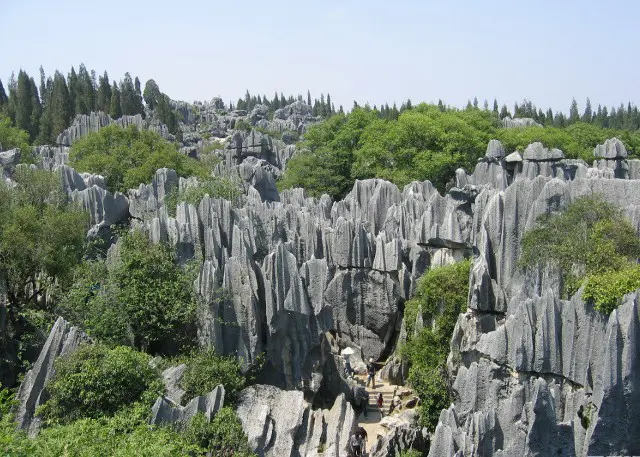
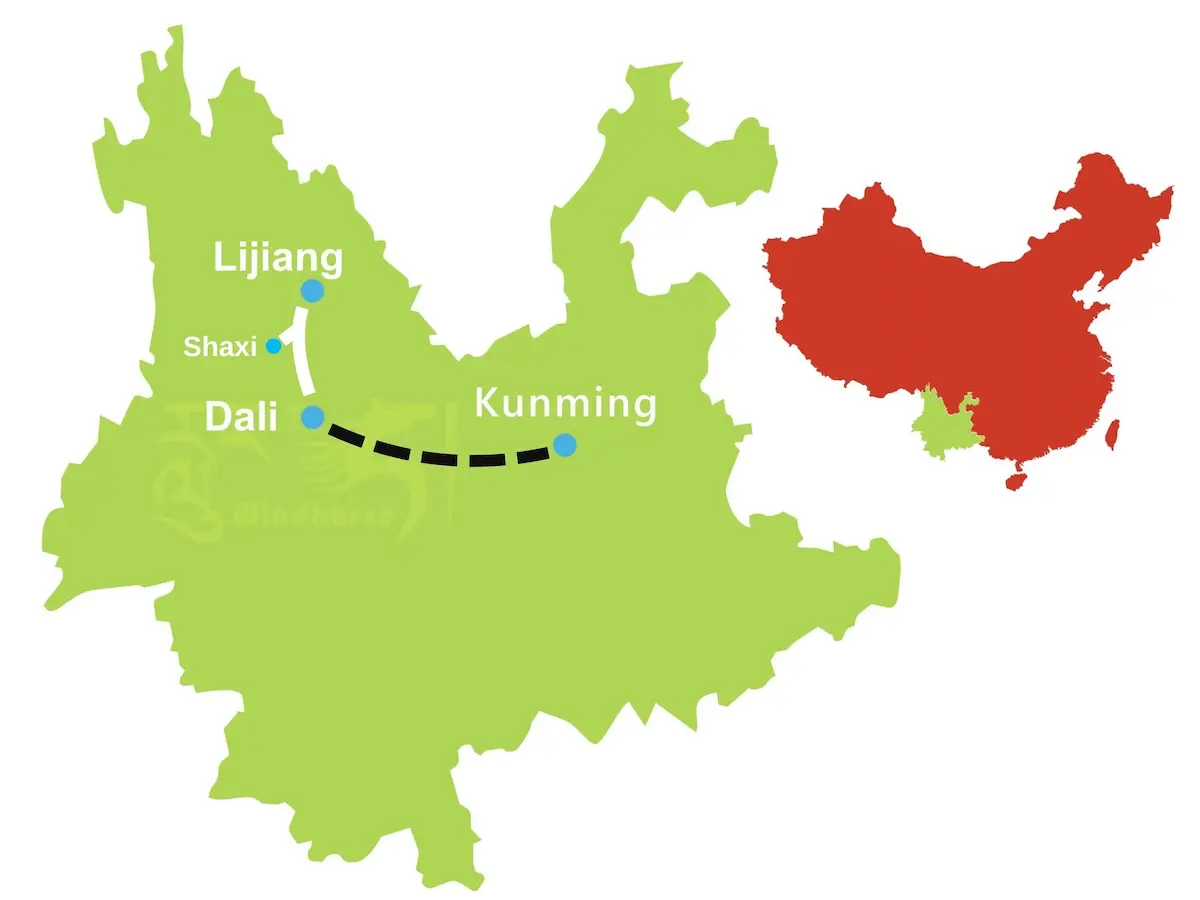
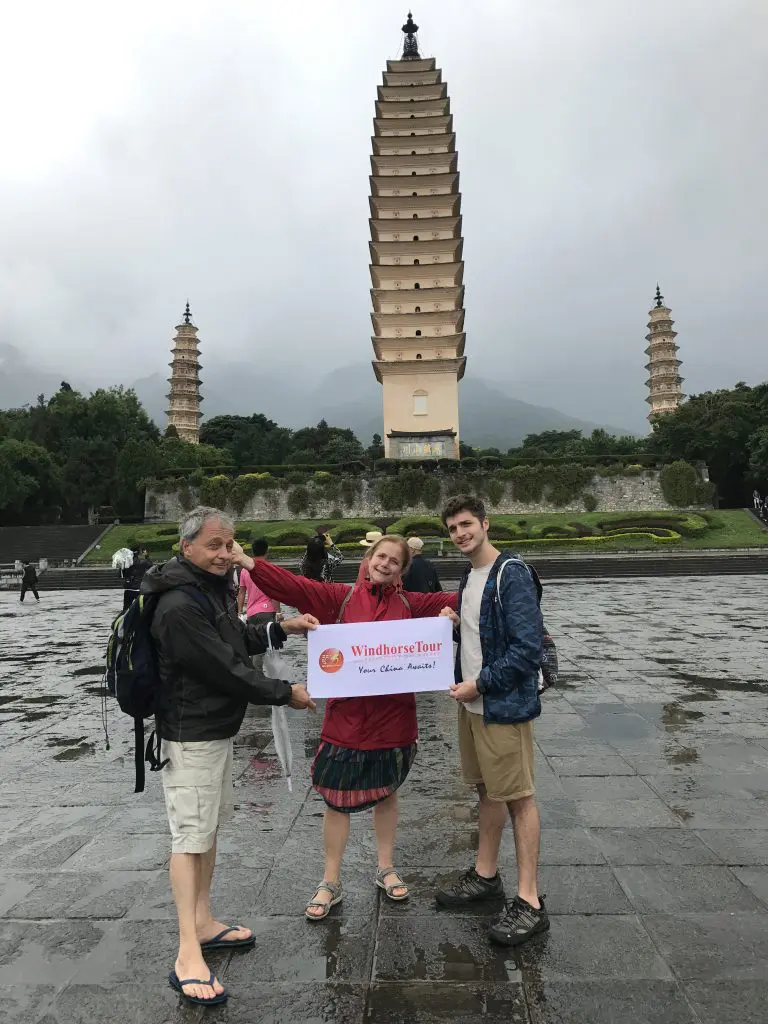
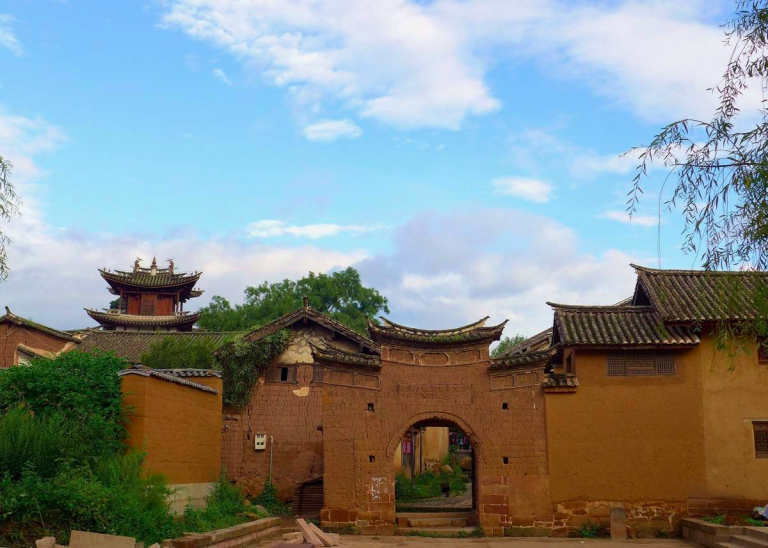


Explore Yunnan's most iconic destinations on this 7-day private tour. From Kunming's Stone Forest to Dali's ancient towns and Lijiang's Jade Dragon Snow Mountain, with a stop at the lesser-known Shaxi on the Tea Horse Road.

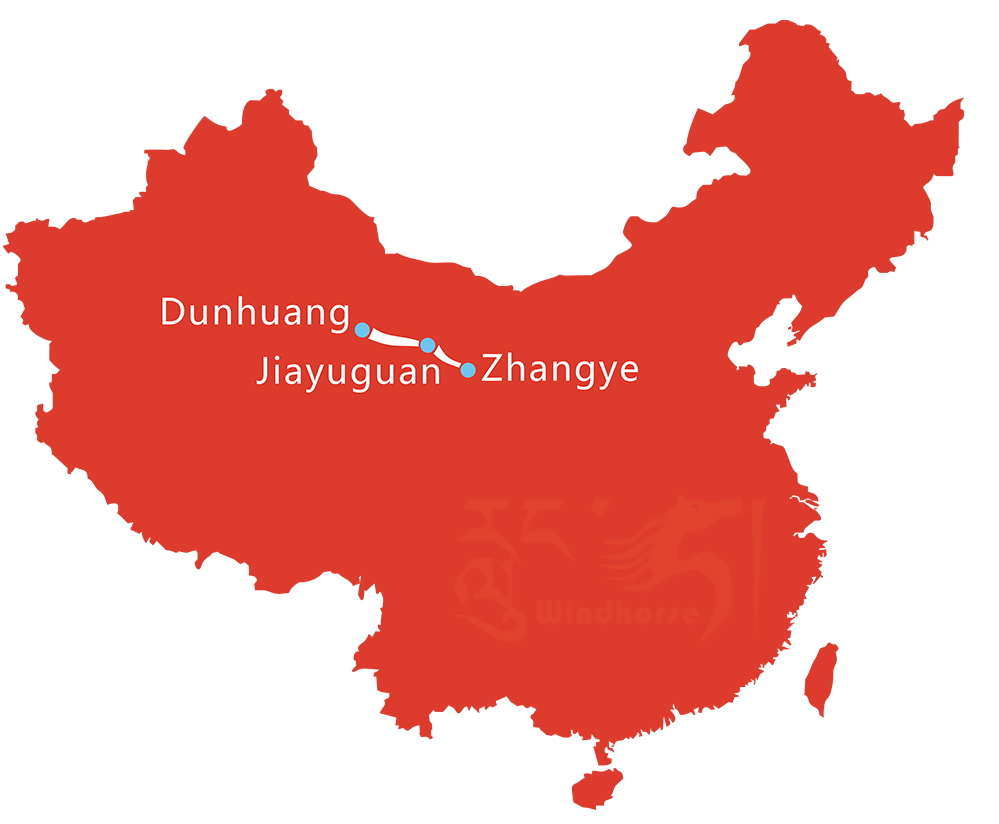
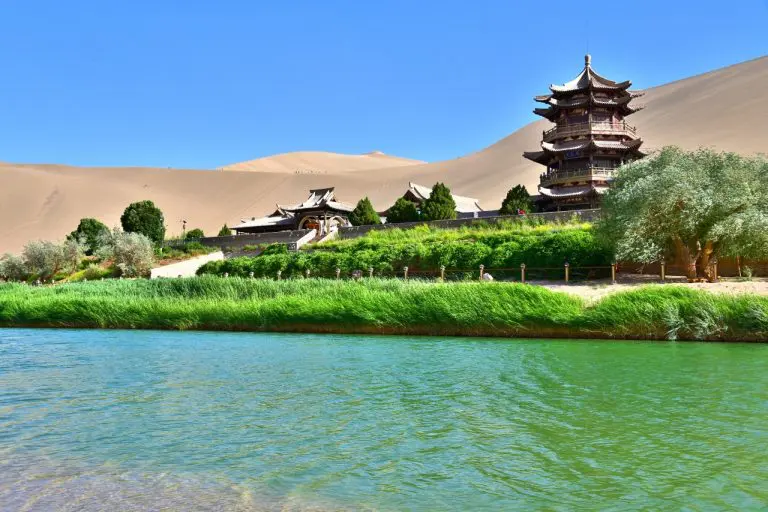
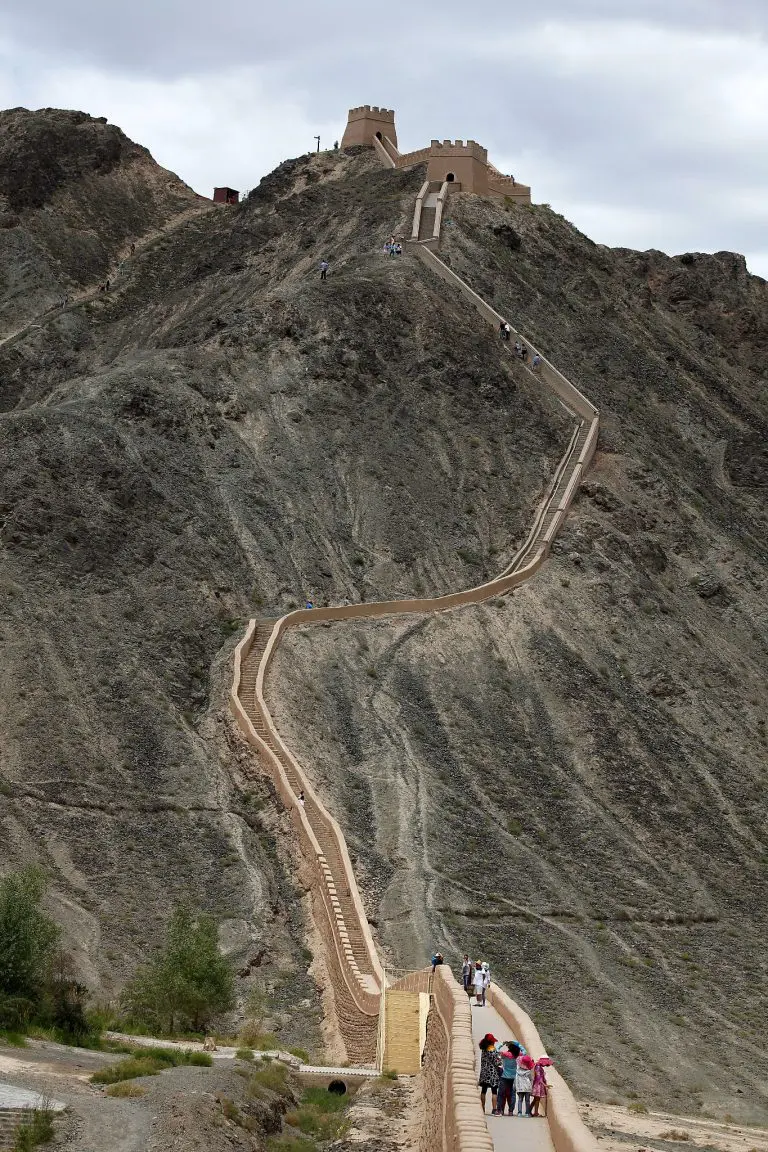
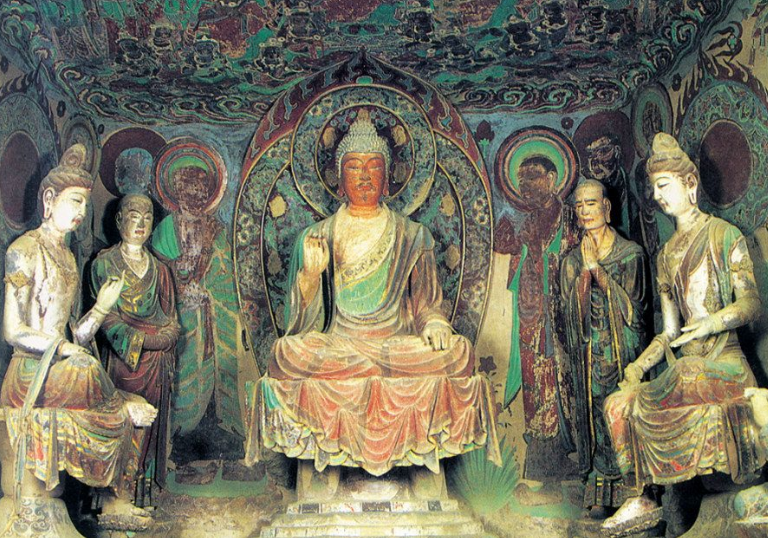
Experience Buddhist art, ancient history, and breathtaking landscapes on this 5 Day Dunhuang Jiayuguan Zhangye Tour. Visit the Mogao Caves, explore the Jiayuguan Great Wall fortress, and marvel at the rainbow-colored Zhangye Danxia Landform. A perfect Gansu tour filled with culture and natural beauty.