
10 Weird and Wonderful Museums In China You Never Knew Existed

When we travel, we always look for the most popular attractions to visit in some place or city. It is the same when traveling to China. Everyone wants to visit the Great Wall of China or visit the most popular museums. However, China has so many wonderful museums that are worth visiting. This time we would like to introduce to you the lesser known and the 10 wonderful museums in China that you must visit if you have enough time on your trip.
Each of these museums are unique and have a specific field of exhibition, and we know that every person can find at least one museum that will want to visit on the next tour in China.
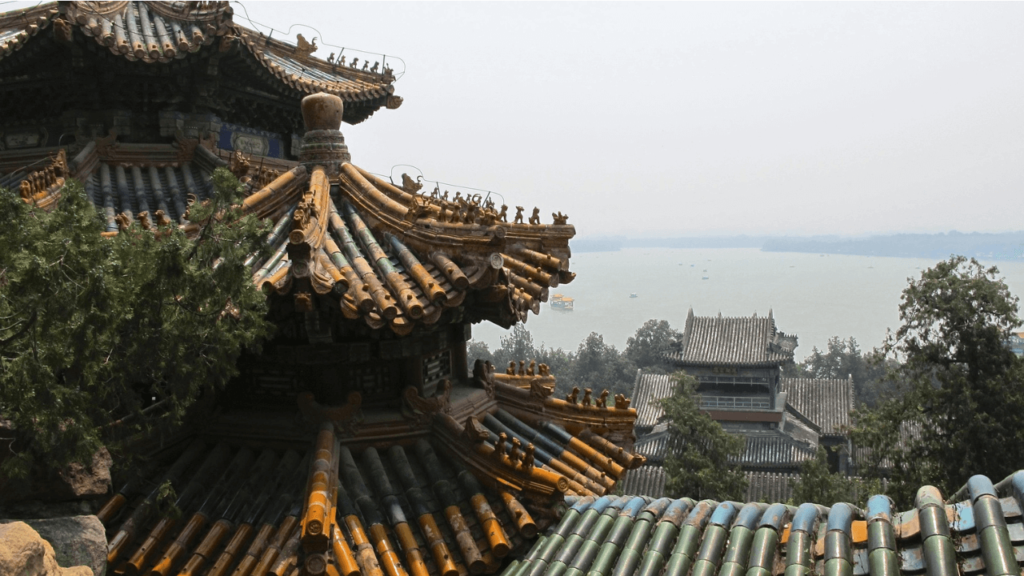
If you want something off path then these 10 weird museums are the right for that.
Did you know that China has 6,565 museums?
And many of them are some of the most visited museums in the world. For example, The National Museum of China is the 3rd most visited museum in the world and in 2023 has 6,765,000 visitors, and The China Science and Technology Museum in 2023 has 5,315,000 visitors.
Eunuch Cultural Exhibition Hall(北京太监文化博物馆)
The Eunuch Culture Exhibition Hall (Tianyi Tomb), also named Cixiang Nunnery, Shixianglu Nunnery) in Beijing is the only place in the world that is dedicated completely to the history and culture of eunuchs in China.
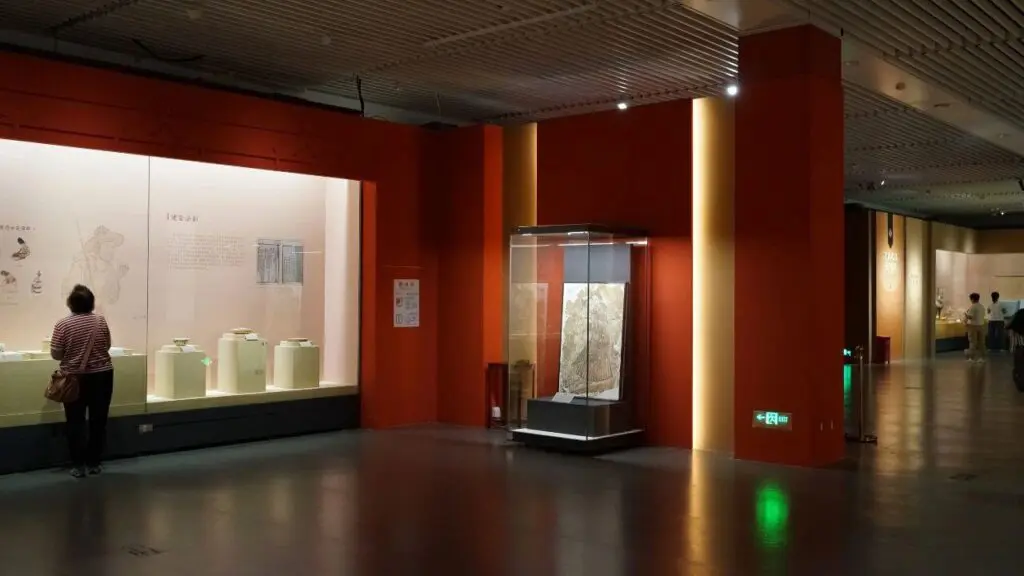
If you decide to visit this unique museum you can see in depth the lives of eunuchs. Eunuch are men that were castrated to serve in the imperial courts. The museum has a collection of artifacts including statues, documents and personal effects of eunuch lifes. Also, there are illustrations of how castration was performed.
Beyond the technical aspects of their roles, the museum delves into the complex social and political dynamics surrounding eunuchs. It explains how these court figures wielded power, navigated palace intrigue, and influenced the course of Chinese history.
Overall, the Eunuch Culture Museum serves as an intriguing portal into a hidden chapter of Chinese history, offering both educational and thought-provoking experiences for those interested in the cultural and political intricacies of ancient China.
Location: the foot of Cuiwei Mountain, No.80 of Moshikou Street, north to Panlonng Mountain.
Best Time to Visit: all year around
Tickets: Adults- 8yuan, Students- 4 yuan
Watermelon Museum (中国西瓜博物馆)
Yes, there is a Watermelon Museum in Beijing, dedicated entirely to this sweet and juicy fruit-watermelon. Why were we added to this list of weird museums? Because every museum has a traditional focus on history, art or science, this museum is all about the watermelon culture.
What to expect in a Watermelon museum: You will see over 170 different varieties of watermelons. Also you can admire an impressive array of shapes, sizes, colors, and textures—from the classic deep-red varieties to rare types that might feature unusual colors or patterns.
In addition to the botanical and agricultural aspects, the museum also delves into the cultural role of the watermelon in Chinese society. Exhibits explore its symbolism, culinary uses, and the ways in which this humble fruit has been woven into local traditions and festivals.
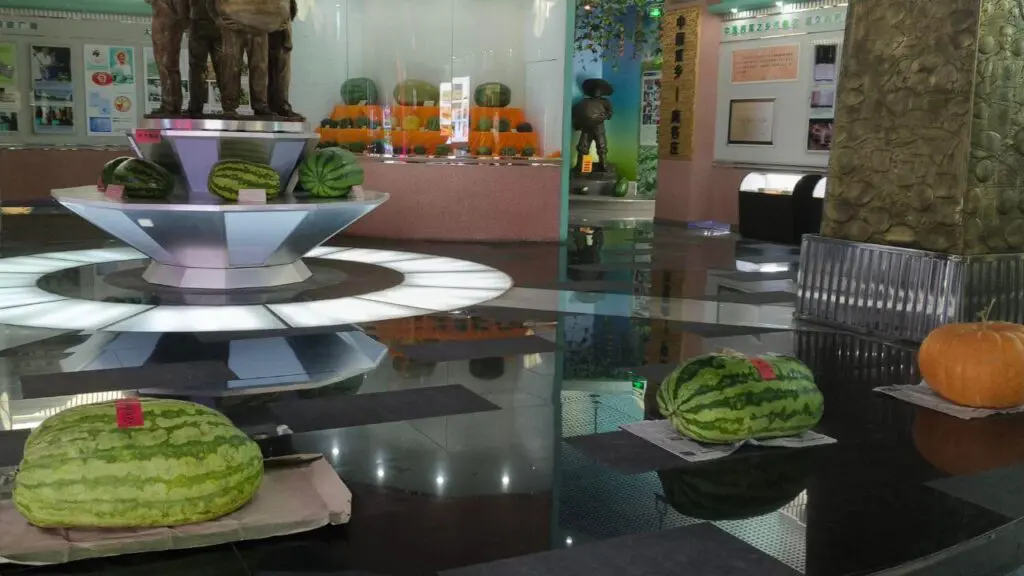
No way that you will find boring during the exploring the Watermelon museum, because there are iInteractive displays, detailed infographics, and historical artifacts provide insights into watermelon cultivation techniques, the science behind its growth, and even fun facts about how different regions in China have embraced this fruit over the centuries.
With its colorful displays and interactive elements, the museum is an ideal outing for families and curious travelers who want to explore an unconventional aspect of Chinese culture.
Overall, the Watermelon Museum is a charming and unconventional destination that turns the spotlight on a fruit often taken for granted, inviting visitors to learn about its many varieties and the special place it holds in Chinese culture.
Location: Panggezhuang Town, Daxing District
Best time to Visit: July- September
Tickets: 20 yuan per person and 10 yuan for students and seniors
Tap Water Museum (北京自来水博物馆)
This museum is probably the only one in the world of this type, so that is one of the reasons why it is on our list of weird and wonderful museums in China. The Tap Water Museum in Beijing offers a fascinating look into the history and technology behind one of the most essential urban services—tap water (drinking water).
It is a very interesting museum to visit because the Tap Water Museum is devoted entirely to the evolution of water supply in Beijing. It examines the journey of tap water—from its early methods of extraction and purification to the modern, intricate systems that keep the city hydrated.
In the museum you can see a range of artifacts and documents that trace the development of Beijing’s water infrastructure. Also, you can explore models, old equipment, and technical exhibits that explain how water was historically sourced, treated, and delivered throughout the city.
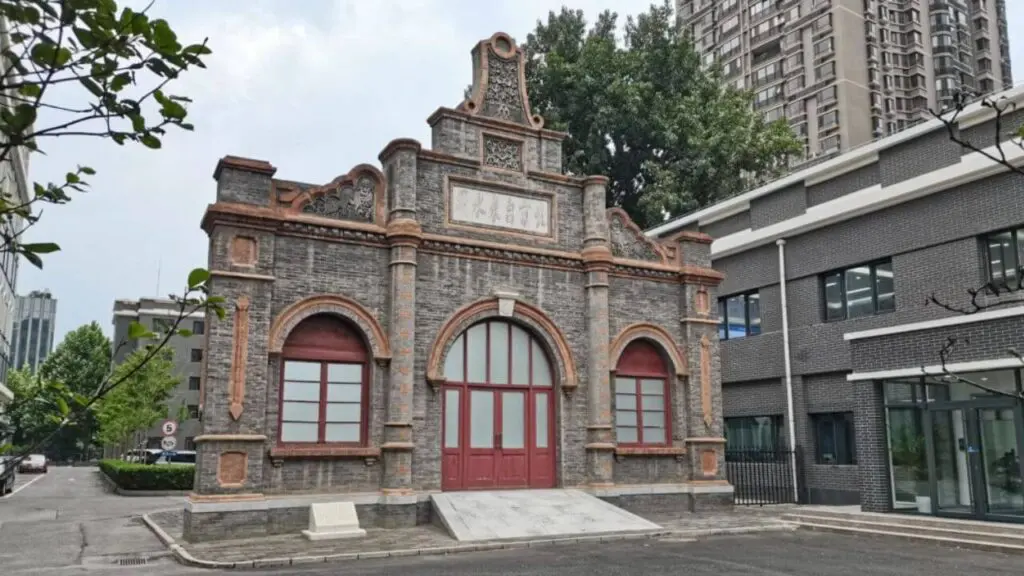
Through interactive exhibits and detailed infographics, the museum illustrates the technological advancements in water purification and distribution. It covers topics such as ancient water storage methods, early filtration systems, and the transformation brought about by industrial innovations. The Water Museum is open for visitors of all ages, so it is a great opportunity to visit with kids.
For those travelers who are seeking a unique and off-the-beaten-path museum experience, the Tap Water Museum offers an unexpected peek into an everyday aspect of life that is often overlooked, yet absolutely essential. You can add this museum on your list when you booking a tour in Beijing.
Location: Qingshuiyuan Community of North Dongzhimen Street
Opening hours: 9 AM – 4 PM, Wednesday – SundayTickets: Adults 5 yuan, Students 2 yuan
Bee Museum of China (中国蜜蜂博物馆)
The Bee Museum of China is a unique institution dedicated to exploring the vital role that bees play in both nature and human society. It was opened in 1993 and from that time to this day the museum has purpose to popularize bee science knowledge and bee product health care knowledge to the general public, and to build a biology and technology teaching base for young people. The museum is an ideal destination for families, students, and anyone interested in environmental science or sustainable agriculture.
The museum shines a spotlight on bees, offering an in-depth look at these essential pollinators. It explains not only the biological aspects of bees but also their broader ecological and agricultural significance.
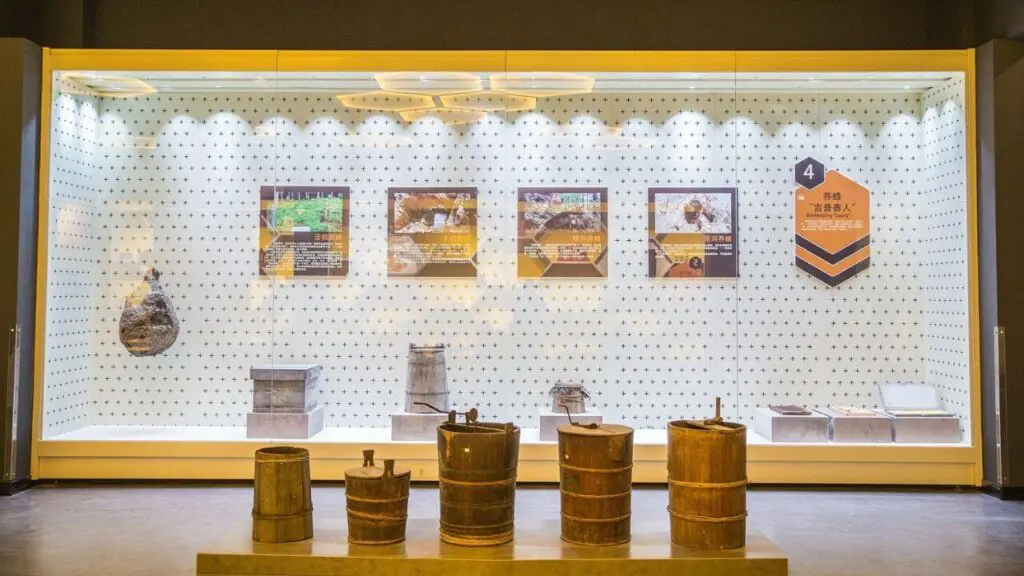
When you are there you can explore a wide range of exhibits featuring bee specimens, intricate models, and detailed diagrams that illustrate the anatomy, behavior, and life cycle of different bee species. Also, It documents traditional beekeeping practices, the evolution of honey production, and the cultural significance of bees in Chinese folklore and agriculture.
A key focus of the museum is the critical role bees play in pollinating crops and maintaining biodiversity. Interactive displays and informative panels highlight how bees support food production and the broader ecosystem, underscoring the consequences of declining bee populations.
Location: Haidian District, Beijing
Opening Hours: All year around (except November 15 until March 5)
Best Time to Visit: Spring, Summer and Autumn
Tickets: free
Socks Museum (袜子博物馆)
If you think that can’t go any weirder you are wrong. In Hanzhong there is The Socks Museum and it is a truly offbeat destination that celebrates an everyday item in a delightfully unexpected way. It is located in a store, and there are not only socks on display, but also a history, art and culture of the socks.
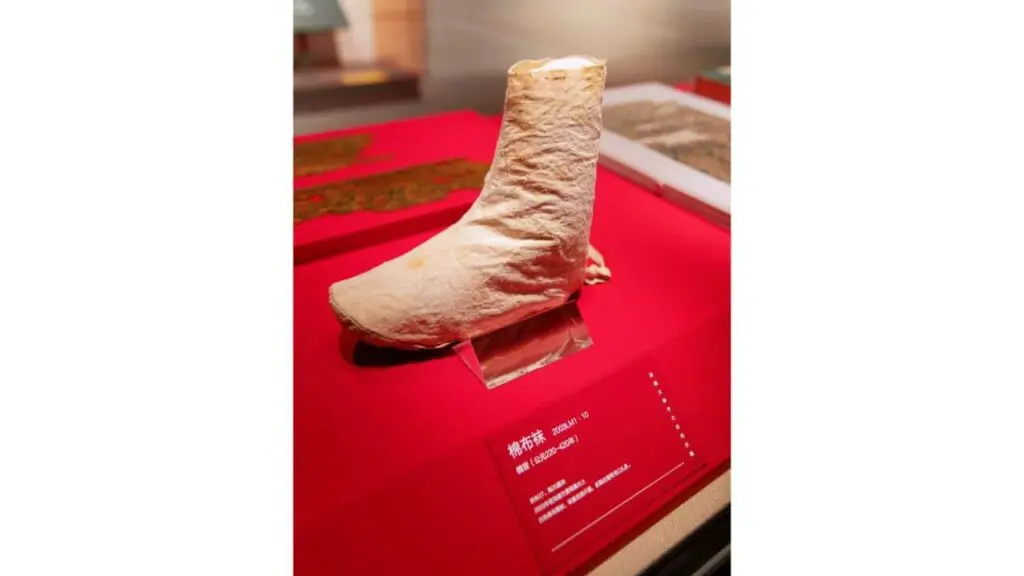
This wonderful museum in China has the origins of socks from their humble beginnings as simple foot coverings to the sophisticated, fashionable items they are today. Exhibits detail how different cultures, including ancient Chinese traditions, have utilized socks, highlighting changes in materials, design, and manufacturing techniques over the centuries. Each exhibit cabinet has its own story.
You can also see a vertical hand- cranked sock knitting machine that is hundreds of years old.
Did you know?
Socks in the ancient time were luxury, and they were worn only by nobles and royalties. It is considered that the first word “socks” appeared in China.
Information like these and many more you can learn in Socks Museum in Hanzhong.
Location: No. 106, Building 1, Qingshuiwan Community, Tangfang Community, Hantai District
Opening hours: 9:00-21:00
Zigong Dinosaur Museum (自贡恐龙博物馆)
The Zigong Dinosaur Museum was built and opened in 1987 with an area of more than 66 000 square meters. In this unique museum you can see the largest fossil collection in the world of all the dinosaur species from the Jurassic Period. This is one of the first national first- class museums in China and the core area of the UNESCO Zigong World Geopark, Attractions in Zigong Dinosaur Tourism Resort, a National AAAA-Level Tourist Attraction.
It is situated near the city of Zigong in Sichuan, the museum is built directly over one of the world’s richest fossil beds. This prime location means that many of the exhibits are not only curated from local finds but also stem from ongoing paleontological research in the area.
Visitors can explore displays featuring various dinosaur species, including famous genera and unique local discoveries. Detailed exhibits illustrate the anatomy, behavior, and evolution of these ancient creatures, providing valuable insights into how they once roamed the Earth.
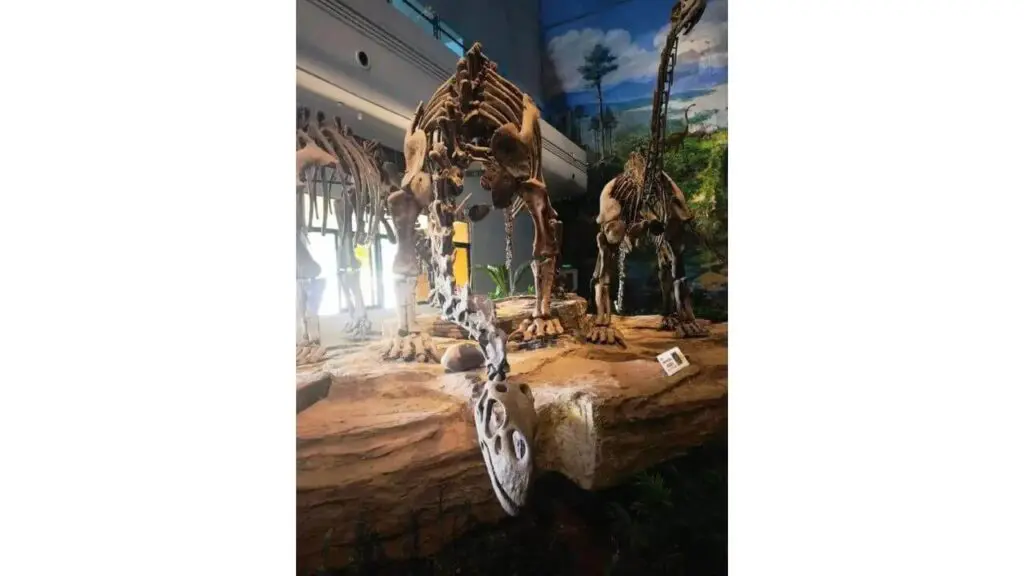
The exhibits not only showcase the physical remnants of these magnificent creatures but also provide context about the geological processes and environmental conditions that shaped their existence.
Whether you’re a seasoned researcher or a curious family looking for an educational outing, the museum’s engaging and interactive exhibits make it a compelling destination for visitors of all ages.
Did you know?
The Jurassic Period lasted from about 201 to 145 million years ago. During this time, the Earth enjoyed a warm, humid climate with high sea levels that created shallow inland seas, making it an ideal environment for diverse plant and animal life. In this period of time many famous dinosaurs, like Brachiosaurus and Diplodocus, and also Allosaurus.
Location: No 238, Dashanpu, Da’an District, ZIgong City, Sichuan Province.
Opening Hours: 08:30- 17:30 (tickets sales stops at 16:45, and admission stops at 17:00)
Ticket Price: 40 yuan for adults
National Wetland Museum (国家湿地博物馆)
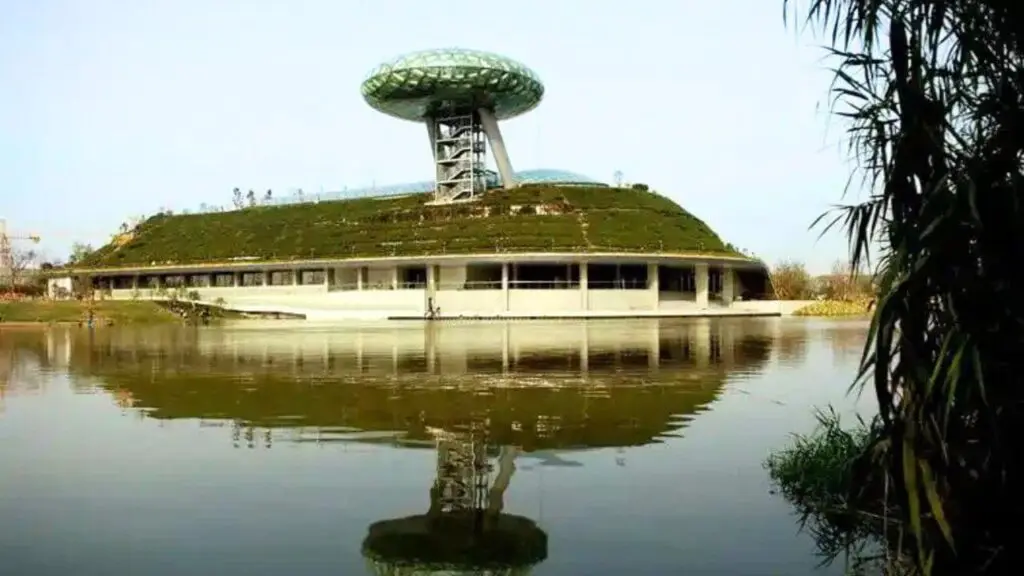
The National Wetland Museum of China maybe is not so weird but definitely is a wonderful attraction to visit during your China tour. The museum is an innovative cultural and educational institution dedicated to exploring the natural history and human impact of wetland ecosystems. The museum is located in the southeast of Xixi National Wetland Park, and the building has a shape as “UFO”. It was opened in 2009 and it is recognized as a national third-level museum by the State Administration of Cultural Heritage.
Inside, visitors can explore expansive exhibition halls that trace the historical development of the region’s wetlands. Interactive displays, life-size models, and multimedia presentations explain the formation, ecology, and evolution of these vital ecosystems.
The museum not only focuses on the natural aspects of wetlands—highlighting the unique flora and fauna, water purification processes, and flood control functions—but also examines the deep cultural and historical connections local communities have with these landscapes.
Location: No.402, Tianmushan Road, Xixi District, Hangzhou City, Zhejiang Province.
Opening Hours: Tuesday to Sunday from 09:00 to 16:30, admission ends at 16:00 (it is closed on Mondays, except on holidays).
Ticket price: Free
Suzhou Silk Museum (苏州丝绸博物馆)
The Suzhou Silk Museum is a destination that delves into the rich legacy of silk production and Suzhou embroidery, a true cornerstone of Chinese culture. This is a one of the many wonderful museums in China that is a hidden gem. When you enter in this museum you will feel the serene environment and also you can learn more about the silk culture and history of the silk production in China.
Although silk is a classic Chinese product, the museum goes far beyond the surface. It traces the entire evolution of sericulture—from the ancient origins of silk production in China to the sophisticated techniques that have been refined over millennia. There are detailed exhibits that illustrate how silk was once reserved for royalty and how it gradually became an integral part of everyday life.
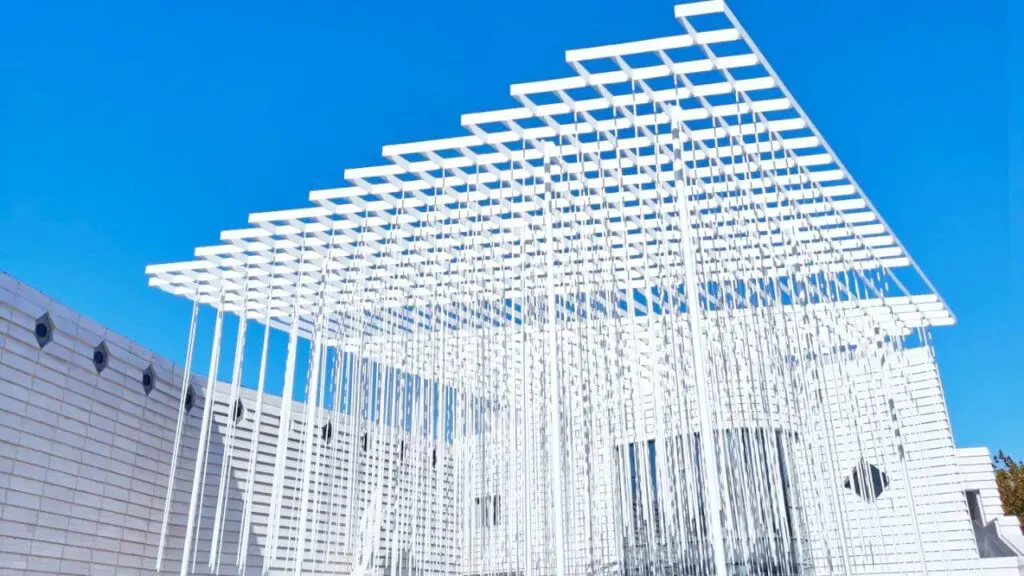
The museum places a special emphasis on Suzhou embroidery, renowned for its intricate designs, vibrant colors, and exquisite craftsmanship. Visitors can marvel at beautifully embroidered textiles that showcase the delicate art and precision that has made Suzhou a center for this traditional craft.
Featuring ancient looms, traditional dyeing methods, and rare silk garments, the museum offers an immersive experience. Interactive exhibits allow visitors to appreciate the painstaking process behind silk weaving and embroidery, turning history into a tangible, sensory experience.
Address: No. 2001 Renmin Road, Suzhou, Jiangsu
Opening Hours: 09:00- 17:00 Tuesday to Sunday (admission ends at 16:00, it is closed every Monday except on National holidays).
Propaganda Poster Art Centre (上海宣传画艺术中心), Shanghai
The Propaganda Poster Art Centre in Shanghai is a unique and for someone maybe weird museum that is dedicated to preserving and showcasing a remarkable collection of political propaganda posters from the Maoist era and beyond.
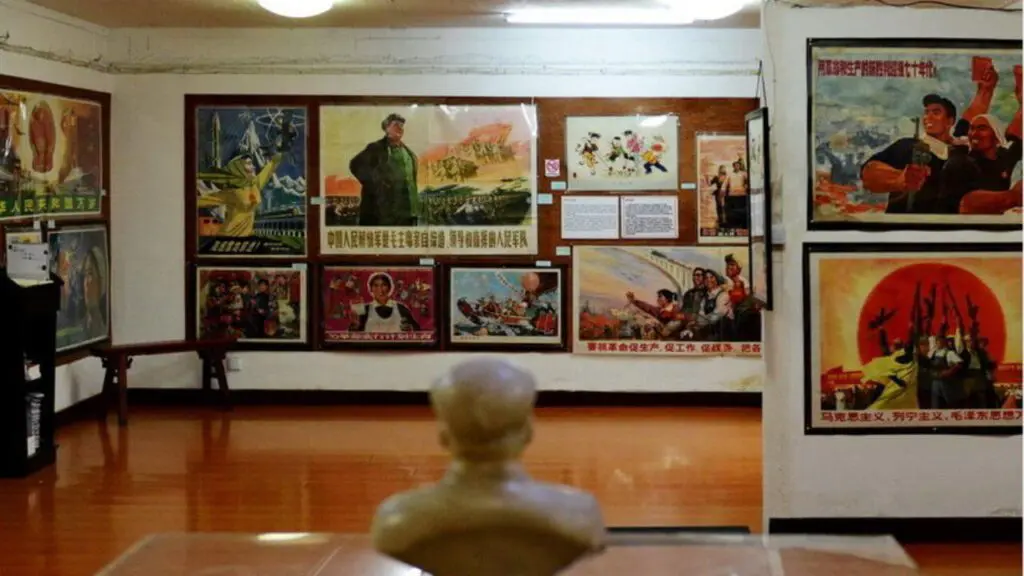
The museum has an extensive collection (over 400) of original propaganda posters that were once ubiquitous in public spaces during China’s Cultural Revolution and earlier communist campaigns. These posters, often vibrant and dramatic, reveal how art was mobilized to inspire ideological fervor and shape public opinion.
Each poster is a window into the cultural, political, and social narratives of its time. Through bold slogans, striking imagery, and powerful symbolism, visitors can explore the ways in which propaganda was used to convey messages of unity, revolution, and national progress.
By presenting these artifacts side by side, the museum encourages reflection on the intersection of art and politics. It illustrates how creative expression can serve as both a tool for persuasion and a lasting record of historical moments.
Originally housed in a humble basement in the former French Concession area of Shanghai, the museum’s offbeat location adds to its charm and reinforces its identity as a hidden gem for those interested in the less conventional side of Chinese cultural history.
Address: Yan, 726 Anxi Rd, Changning District, Shanghai
Opening Hours: Every day from 10:00 to 17:00
Guizhou Batik Museum (贵州蜡染博物馆), Guiyang
The Guizhou Batik Museum in Guiyang is a niche but visually stunning institution dedicated to celebrating the traditional art of batik. It is also known as wax-resist dyeing. In the museum you will see a meticulous textile art where wax is applied to fabric before dyeing to create intricate, colorful patterns. This traditional technique has been passed down through generations, and the museum preserves its rich legacy with a dedicated collection of batik artworks. Although, there is limited space and only 63 Chinese ethnic minority batik costumes are on display. You can see 13 ethnic minority batik costume sets, 9 batik tops, 17 batik back fans, 4 headscarves and 1 skirt. These batik costumes are from four ethnic minorities: Miao, Buyi, Yao and Yi.
Guizhou is known for its diverse ethnic communities, each contributing unique artistic traditions.
Visitors are treated to an array of batik creations that showcase the diversity and complexity of the art form. From bold geometric designs to delicate, floral motifs, the museum’s collection illustrates the depth of technique and creativity involved in producing these textiles.
Beyond static exhibits, the museum often provides interactive demonstrations and workshops, allowing visitors to witness the batik process firsthand.
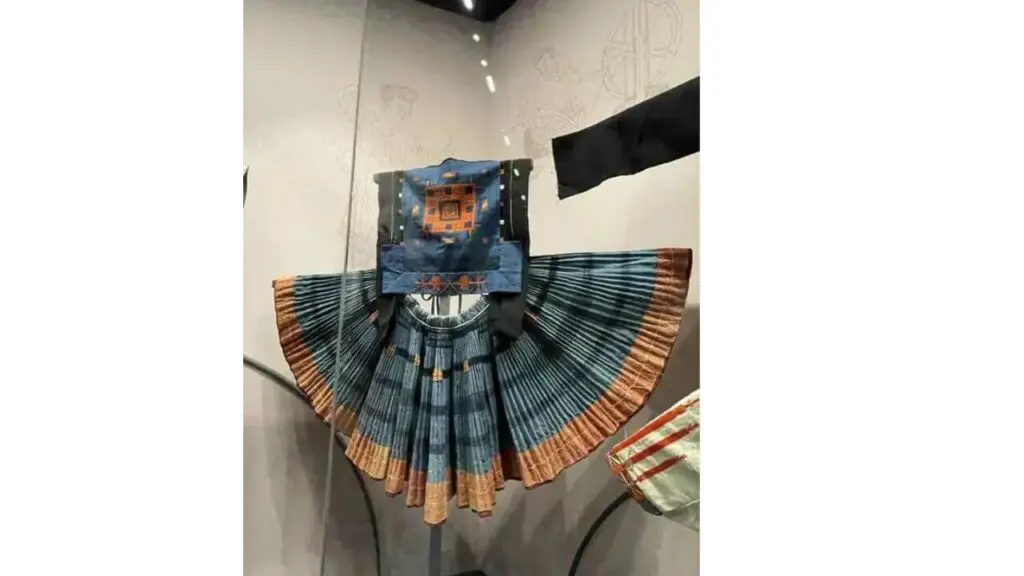
The Guizhou Batik Museum is a must-see for anyone interested in traditional crafts and ethnic art. It provides a rare glimpse into the artistic traditions that continue to thrive in Guizhou, offering insights into the region’s cultural diversity.
The museum’s stunning array of batik textiles is not only a testament to traditional craftsmanship but also a visual delight, making it a perfect destination for art enthusiasts and photographers alike.
Address: Qiyun Pavilion, Gu’s former Residence, Rulin Road, Xixiu District, Anshan City, Guizhou province
Opening Hours: Monday to Thursday 09:00-18:00; Friday- Sunday 10:00- 20:00
Final Words
All these weird and wonderful museums in China offers a portal into a side of the country that is as unexpected as it is fascinating. These museums are not only preserve unique aspects of cultural heritage but also invite visitors to laugh, reflect, and engage with history in surprising ways. Whether you’re a dedicated history buff, a lover of modern art, or just someone looking for an unconventional travel experience, exploring these hidden gems reveals a playful, innovative spirit that is uniquely Chinese. Embark on a journey off the beaten track, and let the weird and wonderful museums of China transform the way you see the world.
Related tours
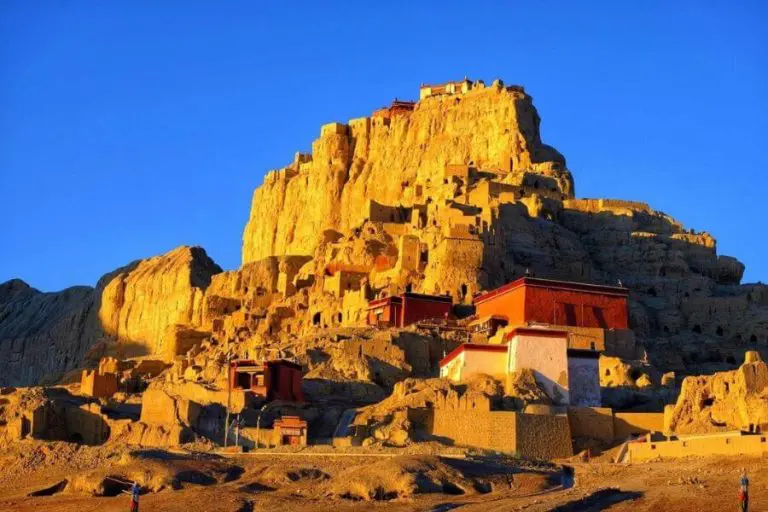
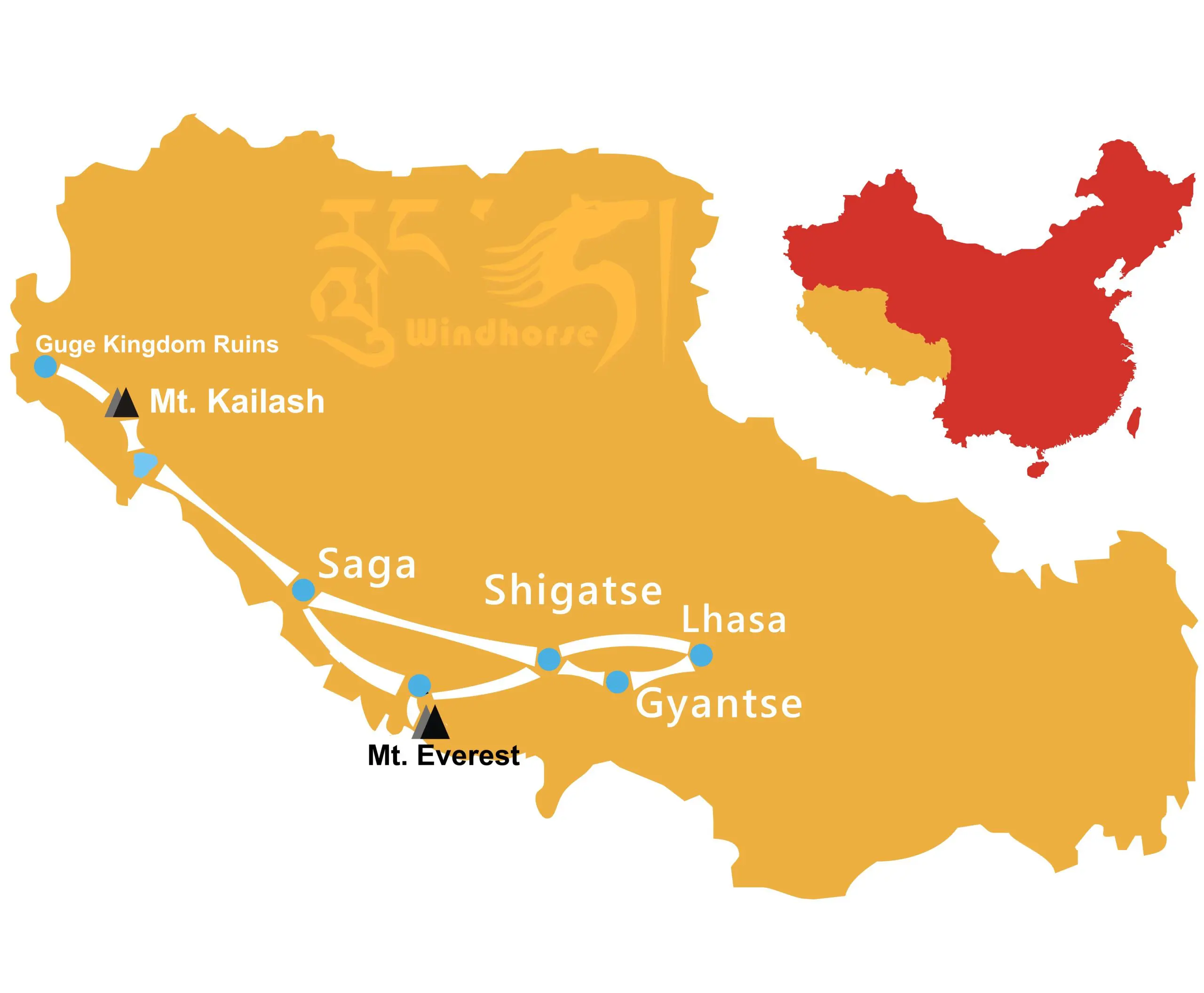






Join our Mount Kailash Group Tour with Guge Kingdom Ruins, explore Lhasa’s sacred sites, journey to Everest Base Camp, visit the ancient Guge Kingdom and Toling Monastery, and complete the epic Kailash Kora with holy Lake Manasarovar. Tour can ends at Gyrong border or Lhasa.

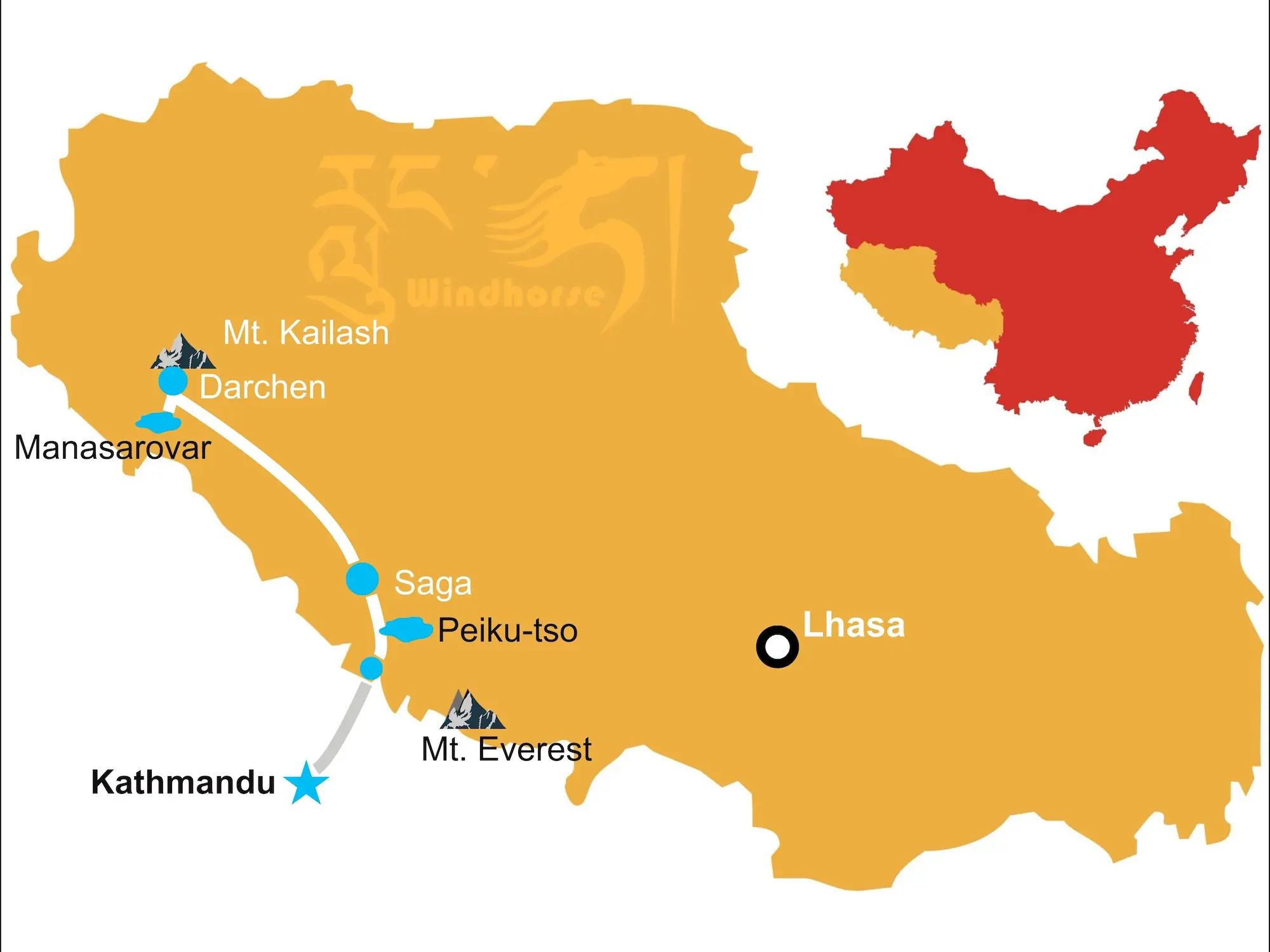


Take an 11-day Mount Kailash Tour from Kathmandu, traveling overland into Tibet’s sacred west. Visit holy Lake Manasarovar and complete the 3-day Kailash Kora trek, a spiritual journey through Tibet’s remote highlands.
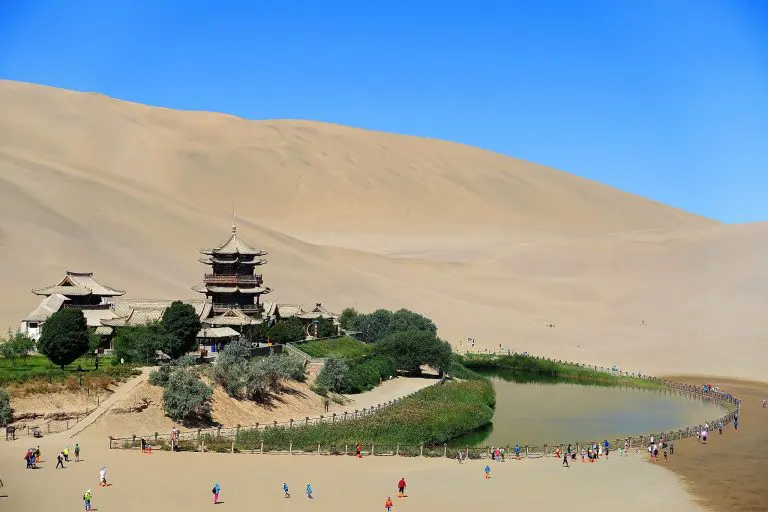
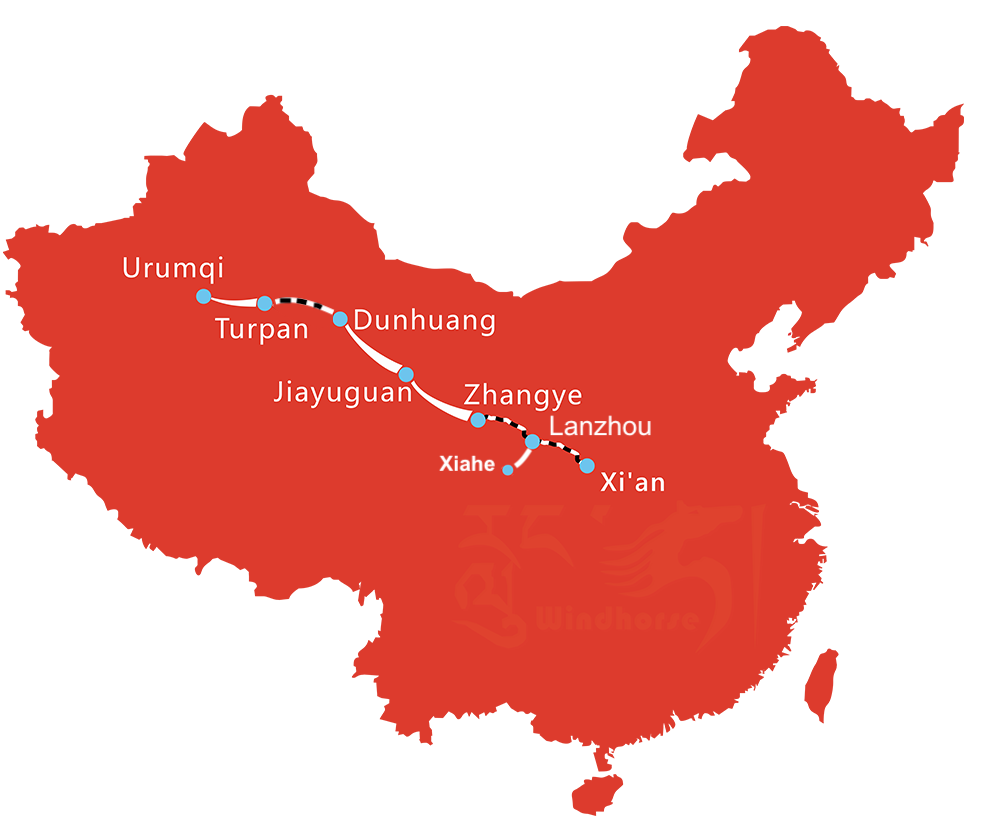
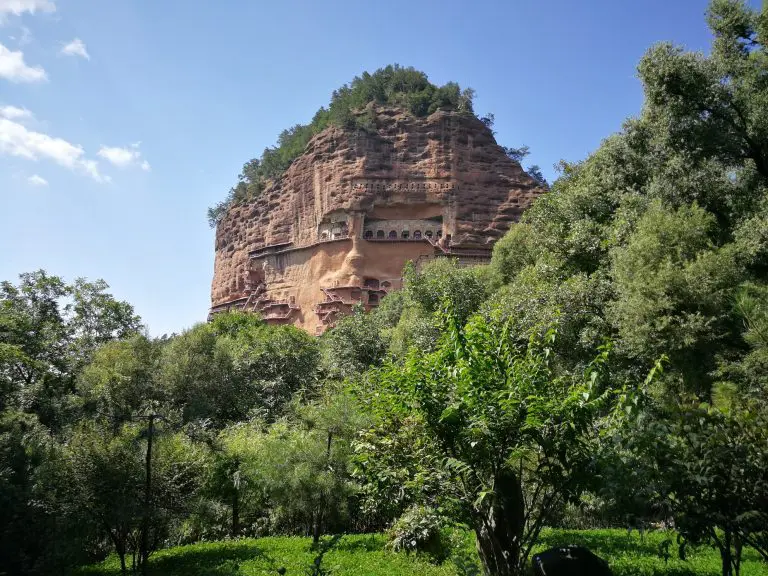
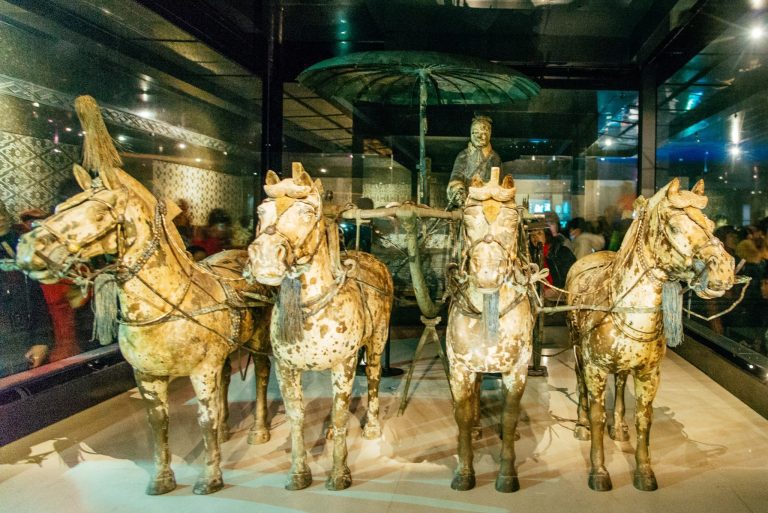

Travel along China’s legendary Silk Road from Xi’an to Urumqi on this 2 week Classic Silk Road Tour. Discover Terracotta Warriors, Mogao Caves, Labrang Monastery, Zhangye Danxia, Jiayuguan Pass & Heavenly Lake, a perfect journey through culture & landscapes.

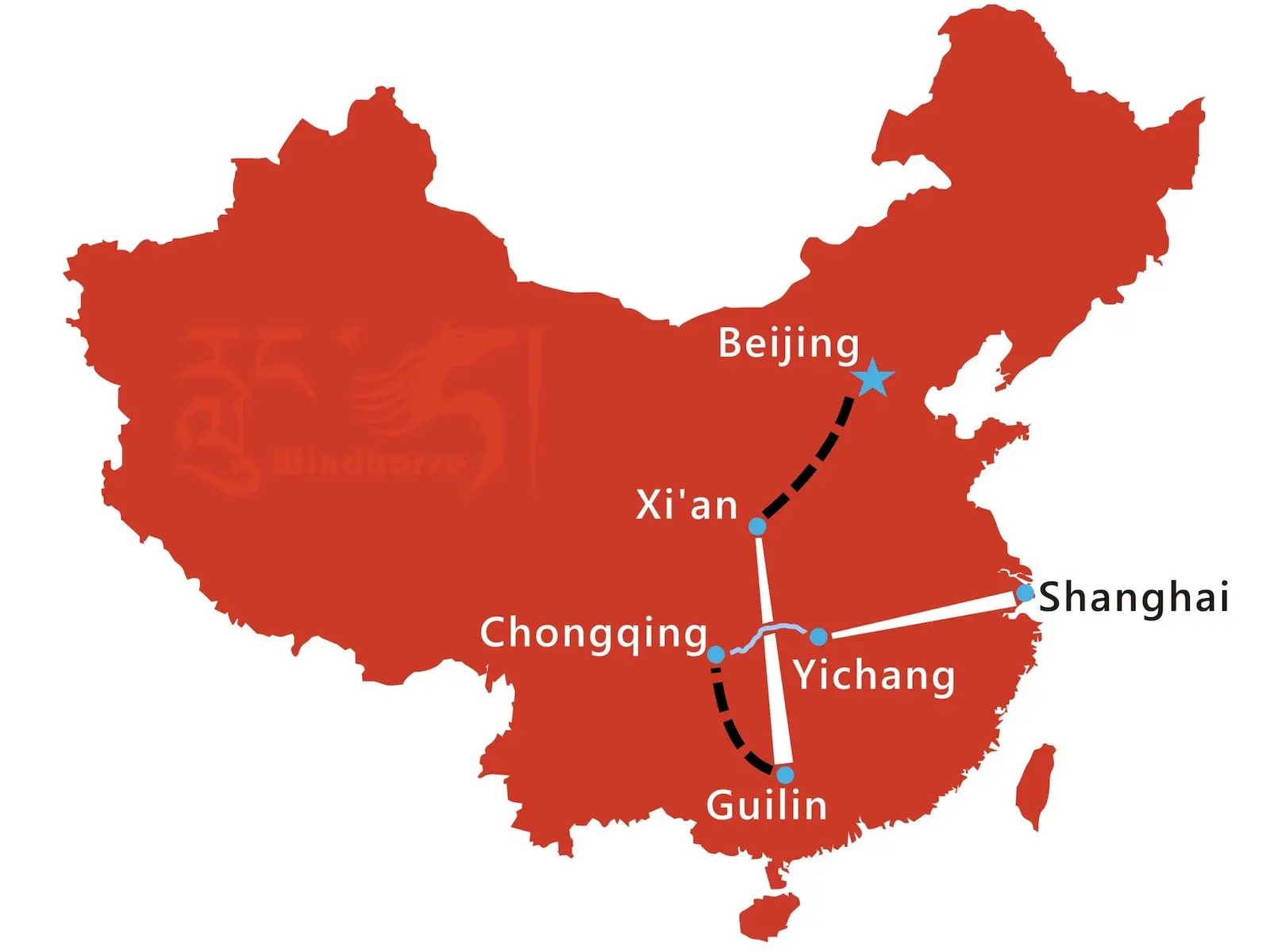
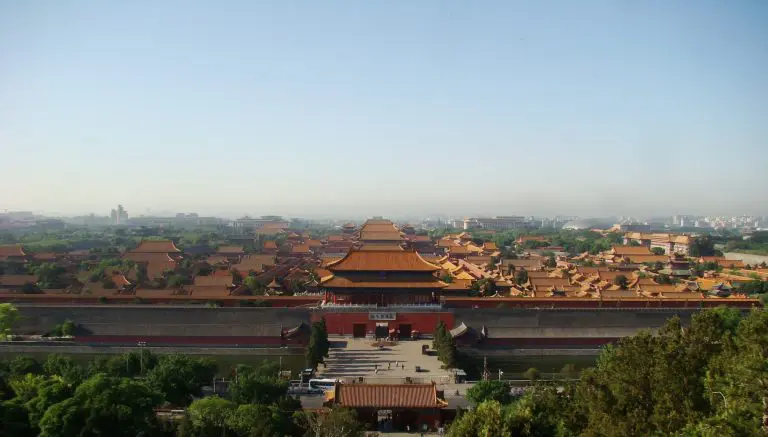
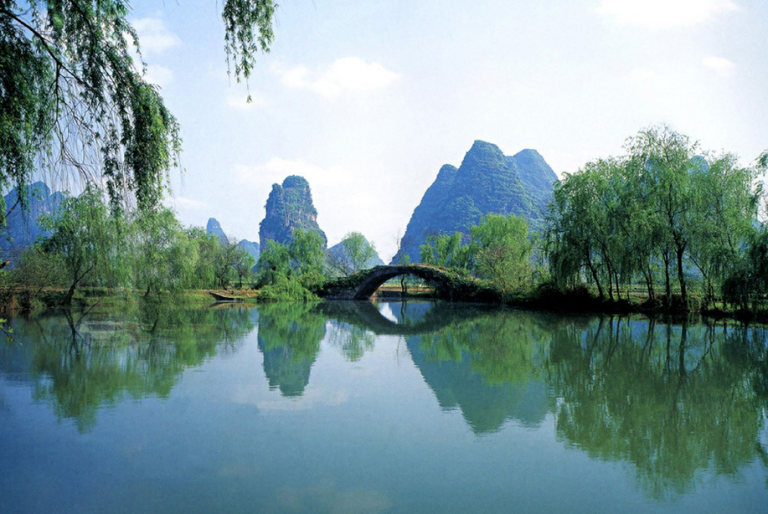
Explore China’s essential highlights on this 16-day journey through Beijing, Xi’an, Guilin, Yangshuo, Chongqing, Yichang, Shanghai, and Suzhou. Enjoy the Great Wall, Terracotta Warriors, Li River cruise, Longji Rice Terraces, and a relaxing Yangtze River Cruise through the Three Gorges.