
Explore 5 UNESCO-Listed China’s Villages

China has so many UNESCO listings that can bring you back in time. In numbers, China has 59 sites that are UNESCO recognized, of these 40 are listed for cultural reasons, 15 for their natural and 4 for both cultural and natural significance.
So, if you had a dream to step back in time and see some amazing places that will bring you the feeling that you are in some movie or living postcard, then we have 5 UNESCO-listed China’s villages that can do exactly that.
From the ancient charm of Lijiang Old Town to the impressive fortress homes in Fujian, these spots show a side of China you won’t find in the big cities.

Xidi & Hongcun Villages (Anhui Province)
Location
- Located in Yixian County, near Huangshan City, in Anhui Province, eastern China.
- Nestled at the base of the scenic Yellow Mountains (Huangshan).
How to Get There
- By Train: Take a high-speed train to Huangshan North Railway Station.
- From Huangshan: It’s about 1 — 1.5 hours by car or bus to the villages.
- Many travelers also combine a visit with a trip to Huangshan Mountain.
What to Expect
- Ancient Anhui-style architecture from the Ming & Qing Dynasties.
- Narrow stone-paved alleys, decorative wooden carvings, and peaceful water features.
- Hongcun has a famous Moon Pond and an ox-shaped layout.
- Used as a filming location for Crouching Tiger, Hidden Dragon.
Best Time to Visit
- Spring (March–May) and Autumn (September–November).
- These seasons offer mild weather and beautiful scenery, especially with blooming flowers or colorful leaves.
- Avoid Chinese national holidays for fewer crowds.
Xidi and Hongun Villages were recognized as UNESCO World Heritage Sites in 2000, and it’s easy to see why. These are charming villages with beautiful examples of traditional Anhui architecture dating back to the Ming and Qing dynasties.
In Xidi, you’ll find more than 120 well-preserved wooden homes, many of them decorated with detailed carvings that reflect the craftsmanship of a bygone era.
Hongcun, on the other hand, is famous for its unique ox-shaped village layout and the tranquil Moon Pond at its center.
Both villages offer a fascinating window into China’s feudal history—and film fans might recognize them as shooting locations for Crouching Tiger, Hidden Dragon.

Kaiping Diaolou and Villages (Guangdong Province)
Location
- Located in Kaiping City, Guangdong Province, southern China.
- Scattered across several villages, including Zili, Jinjiangli, and Majianglong.
How to Get There
- By Train: Take a train to Jiangmen Station or Guangzhou South Station.
- From Guangzhou, it’s about a 2.5 to 3-hour drive to Kaiping.
- Local buses or hired cars can take you between the villages.
What to Expect
- Over 1,800 multi-storey watchtowers (called diaolou), blending Western and Chinese architectural styles.
- Built in the early 20th century by overseas Chinese for defense and prestige.
- Quiet villages surrounded by rice paddies, bamboo groves, and canals.
- Highlights include Zili Village for rural scenery and Jinjiangli for postcard-perfect towers.
Best Time to Visit
- October to March offers the most pleasant weather—cooler and less humid.
- Avoid the summer months (June–August) due to high heat and possible typhoons.
- Weekdays are better for fewer tourists and a peaceful experience.
Kaiping Diaolou and Villages are added to the list in 2007, these UNESCO-listed China’s villages include Zili and Jinjiangli are rural areas with striking Diaolou that once served as homes and defenses. These striking multi-story towers blend Chinese and Western architectural styles and were originally built in the early 20th century by overseas Chinese.
Designed as both homes and watchtowers, the Diaolou reflects a unique mix of practicality and cultural fusion. Villages like Zili and Jinjiangli are perfect places to explore these fascinating structures, set against a scenic backdrop of rice paddies and bamboo groves.

Lijiang Old Town (Yunnan Province)
Location
- Situated in Lijiang City, Yunnan Province, southwestern China.
- Nestled at the foot of the Jade Dragon Snow Mountain, about 2,400 meters above sea level.
How to Get There
- By Air: Fly into Lijiang Sanyi Airport, about 30 minutes from the Old Town by car.
- By Train: High-speed trains are available from Kunming or Dali.
- Taxis, buses, or hotel shuttles can take you to the entrance of the Old Town.
What to Expect
- A beautifully preserved ancient town with winding cobblestone streets, wooden buildings, and lively canals.
- Home to the Naxi ethnic group, featuring traditional Dongba culture, music, and script.
- Plenty of local crafts, tea houses, cafes, and guesthouses in a relaxed setting.
- The Old Town comes alive at night with soft lanterns and local performances.
Best Time to Visit
- April to June and September to November offer the best mix of clear skies and comfortable temperatures.
- Avoid national holidays and peak summer (July–August) to skip the crowds.
- Mornings and evenings are especially charming for strolling.
Lijiang Old Town is one of the most popular UNESCO-listed China’s villages, famed for its Naxi culture, stone-paved alleys, and peaceful canals. It has been a UNESCO World Heritage Site since 1997. Lijiang Old Town is a beautifully preserved gem, known for its ancient architecture and winding canal system, and that are some of the reasons why is on this UNESCO-listed China’s villages.
It’s the heartland of the Naxi ethnic group, where visitors can wander cobblestone streets, admire traditional wooden homes, and soak in the rich local culture.
Don’t miss the chance to experience the unique Dongba script and the hauntingly beautiful sounds of traditional Naxi music—both still alive in this enchanting town.

Pingyao Ancient City (Shanxi Province)
Location
- Located in Pingyao County, Jinzhong City, Shanxi Province, northern China.
- About 100 kilometers southwest of Taiyuan, the provincial capital.
How to Get There
- By Train: High-speed trains are available to Pingyao Gucheng Station, just 10–15 minutes from the ancient city.
- From Taiyuan, it’s a 1–1.5 hour train ride.
- The city is walkable, but electric carts are also available inside the walled town.
What to Expect
- A fully preserved ancient walled city, reflecting Ming and Qing dynasty architecture.
- Explore stone streets, courtyard homes, temples, and former banking institutions—Pingyao was once China’s financial hub.
- The city walls, complete with watchtowers, are a major highlight and can be walked in full.
- Offers a strong cultural vibe with museums, local snacks, and historic inns.
Best Time to Visit
- Spring (April–June) and Autumn (September–November) are ideal for mild weather and fewer tourists.
- Winters can be cold, but the snow-covered rooftops offer a picturesque view.
- Avoid public holidays for a more relaxed visit.
A standout among UNESCO-listed China’s villages, Pingyao is a walled city that perfectly preserves China’s financial and architectural history.
Recognized in 1997, Pingyao offers more than just scenic walks, it presents a deep dive into imperial China’s governance and merchant class life, making it a true gem of UNESCO-listed China’s villages. And stepping into this ancient city feels like stepping back in time. This remarkably well-preserved Han Chinese city is surrounded by intact ancient walls and filled with temples, courtyards, and traditional homes that showcase the architectural charm of the Ming and Qing dynasties.
Once a bustling financial hub, Pingyao was home to China’s very first banks, adding another layer of history to its cobbled streets. Today, visitors can stroll along the city walls, explore centuries-old buildings, and get a real sense of what life was like in imperial China.

Fujian Tulou (Fujian Province)
Location
- Found mainly in the mountainous areas of southwestern Fujian Province, especially in Yongding, Nanjing, and Hua’an counties.
- These are rural areas located 2–3 hours from Xiamen City by car or bus.
How to Get There
- By Air/Rail: Fly or take a train to Xiamen, a major transport hub in Fujian.
- From Xiamen, take a bus or private car to the tulou clusters (around 2.5 to 3.5 hours, depending on the site).
- Tours and day trips from Xiamen are also widely available.
What to Expect
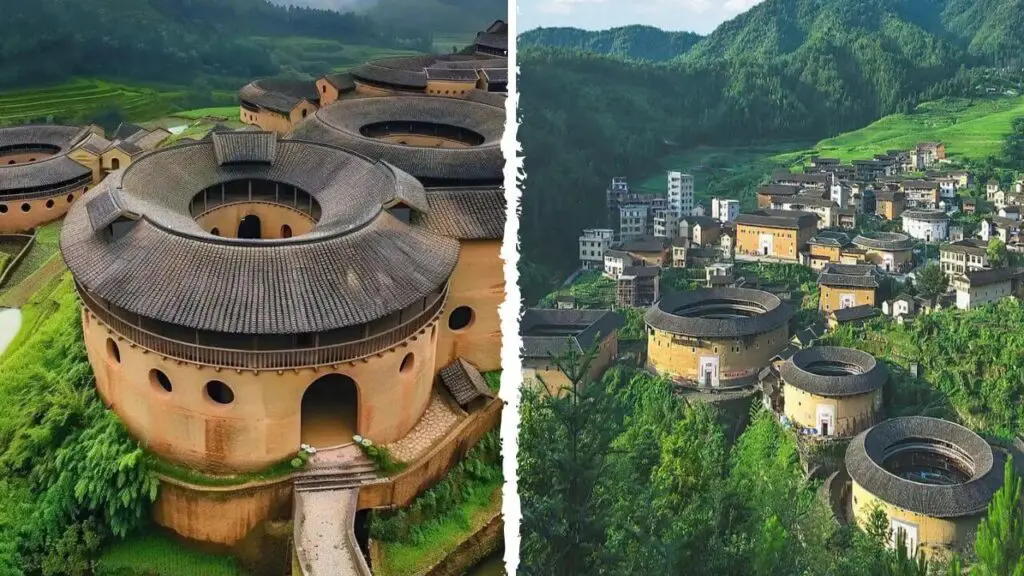
- Massive earthen structures built for communal living and defense, mostly by the Hakka people.
- Tulou are usually circular or square, with thick walls and an open courtyard in the center.
- Some buildings are still inhabited, while others are open for visitors.
- The Tianluokeng Cluster, Chuxi Cluster, and Yuchang Building are among the most famous.
- Expect a peaceful, rural setting with tea fields, rice paddies, and small villages.
Best Time to Visit
- March to May and September to November offer pleasant temperatures and lush greenery.
- Avoid peak summer due to heat and potential rain.
- Early mornings and weekdays are best for quiet visits and photography.
Fujian Tulou structures are unique among UNESCO-listed China’s villages, they were built by the Hakka people for defense and community living. And trust me these are some of China’s most fascinating architectural treasures.
Listed in 2008, these massive earthen buildings show another aspect of China’s rural past. Their circular and square layouts house entire extended families, representing the community spirit that runs through all UNESCO-listed China’s villages.
What makes them truly special are their unique circular and square layouts, some are large enough to house up to 800 residents under one roof. Visiting a Tulou feels like stepping into a living village, where community and tradition are still very much a part of daily life.
Final Words
These five UNESCO-listed China’s villages are more than just scenic views, if you visit at least one of them you will feel like you’re stepping into China’s rich and diverse cultural history. Whether you’re wandering the stone streets of Pingyao, admiring the harmony of Hongcun’s layout, or marveling at the communal life inside a tulou, each place tells a story you won’t forget.
They may be quiet and tucked away, but they’re bursting with life, tradition, and charm. So if you’re dreaming of a journey that feels like stepping into a living postcard, or even a movie scene, then these China’s villages are waiting to be explored. Also, you can find here our travel tour options that can lead to some of these amazing villages.
Related tours

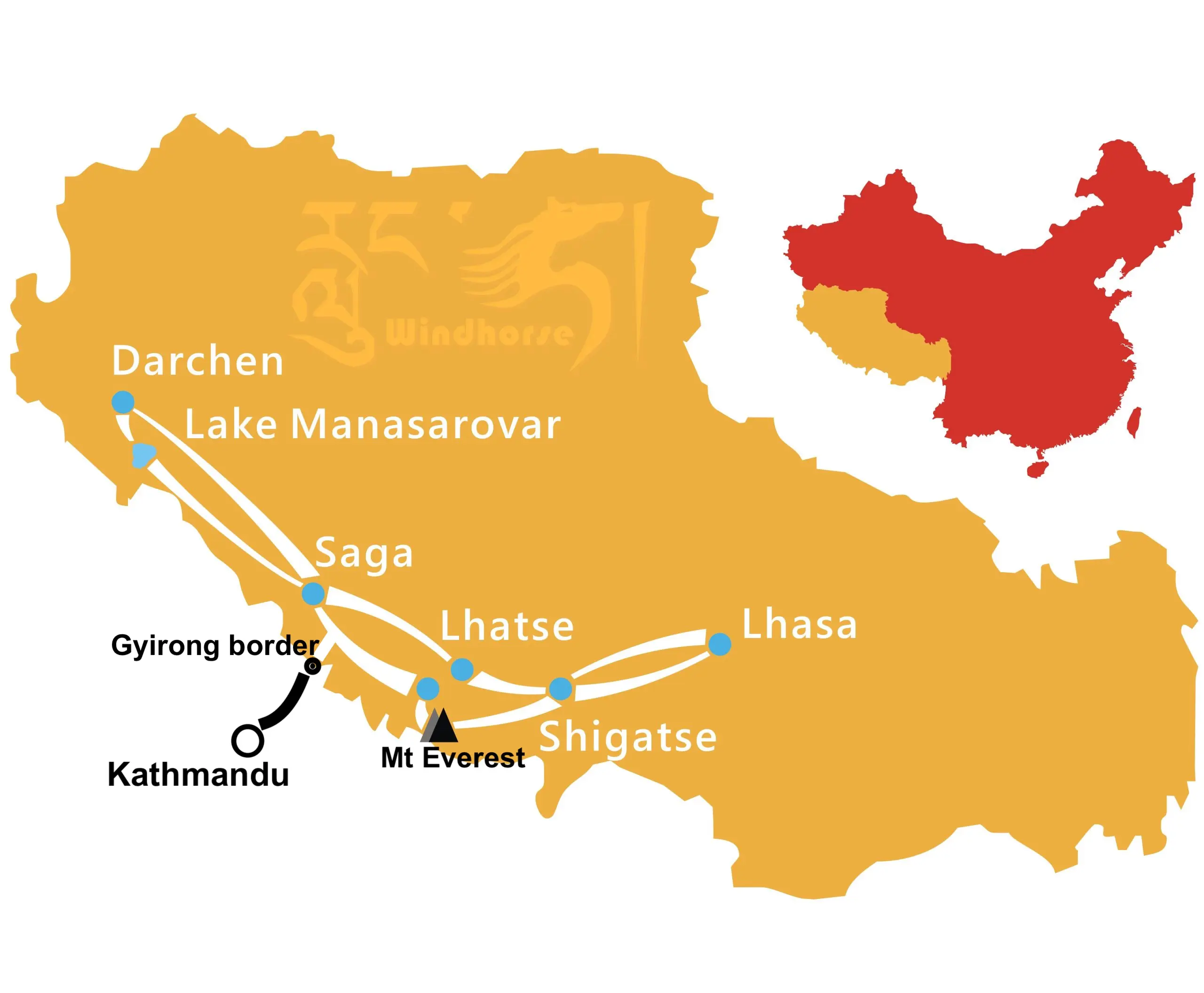





Join this Mount Kailash Group Tour from Lhasa to Kathmandu, a once-in-a-lifetime journey across the Tibetan Plateau. Visit the Potala Palace and Everest Base Camp, trek the Kailash Kora, see the sacred Lake Manasarovar, and end your Tibet adventure at the Gyirong border before reaching Kathmandu.
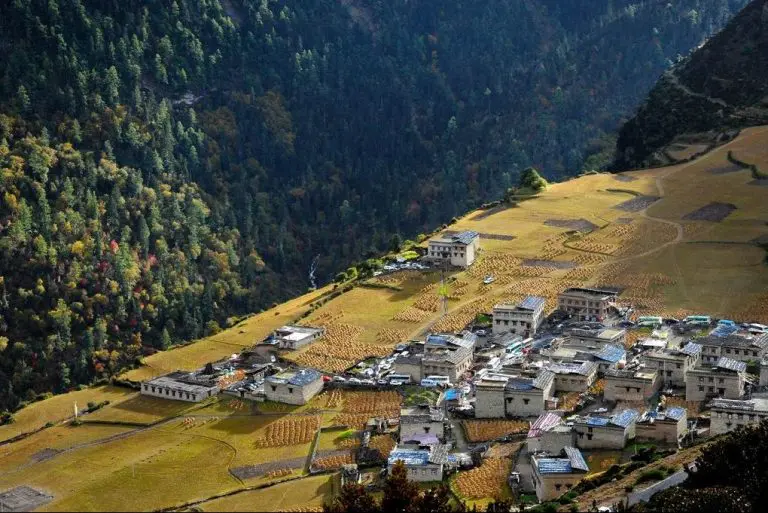
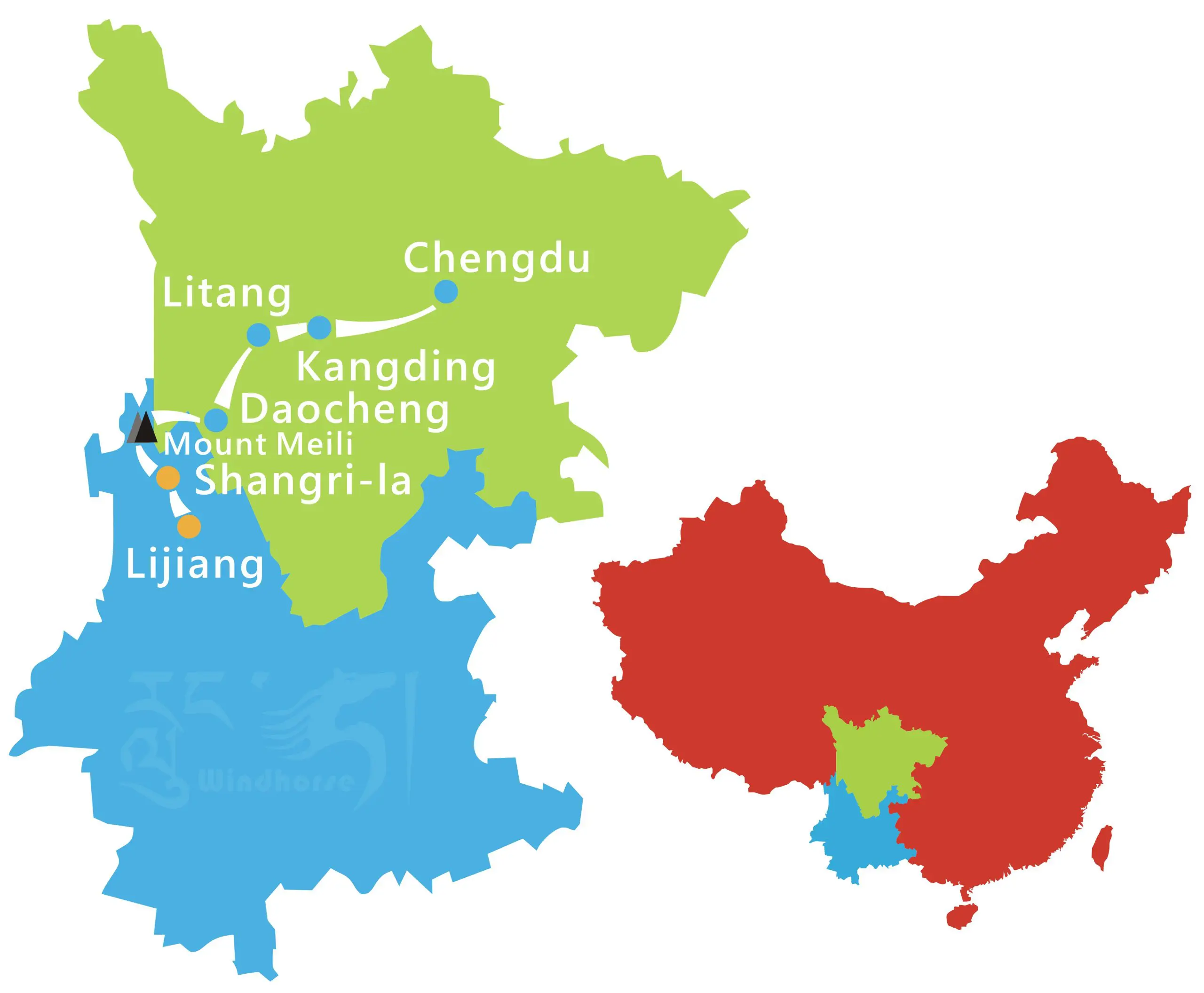





Experience an excellent picturesque trip traveling from Chengdu to the real Shangri-la and ending in Lijiang. A tour that passes through the wonderful virgin forest and snow-capped mountains of Daocheng and Yading. So much more awaits.

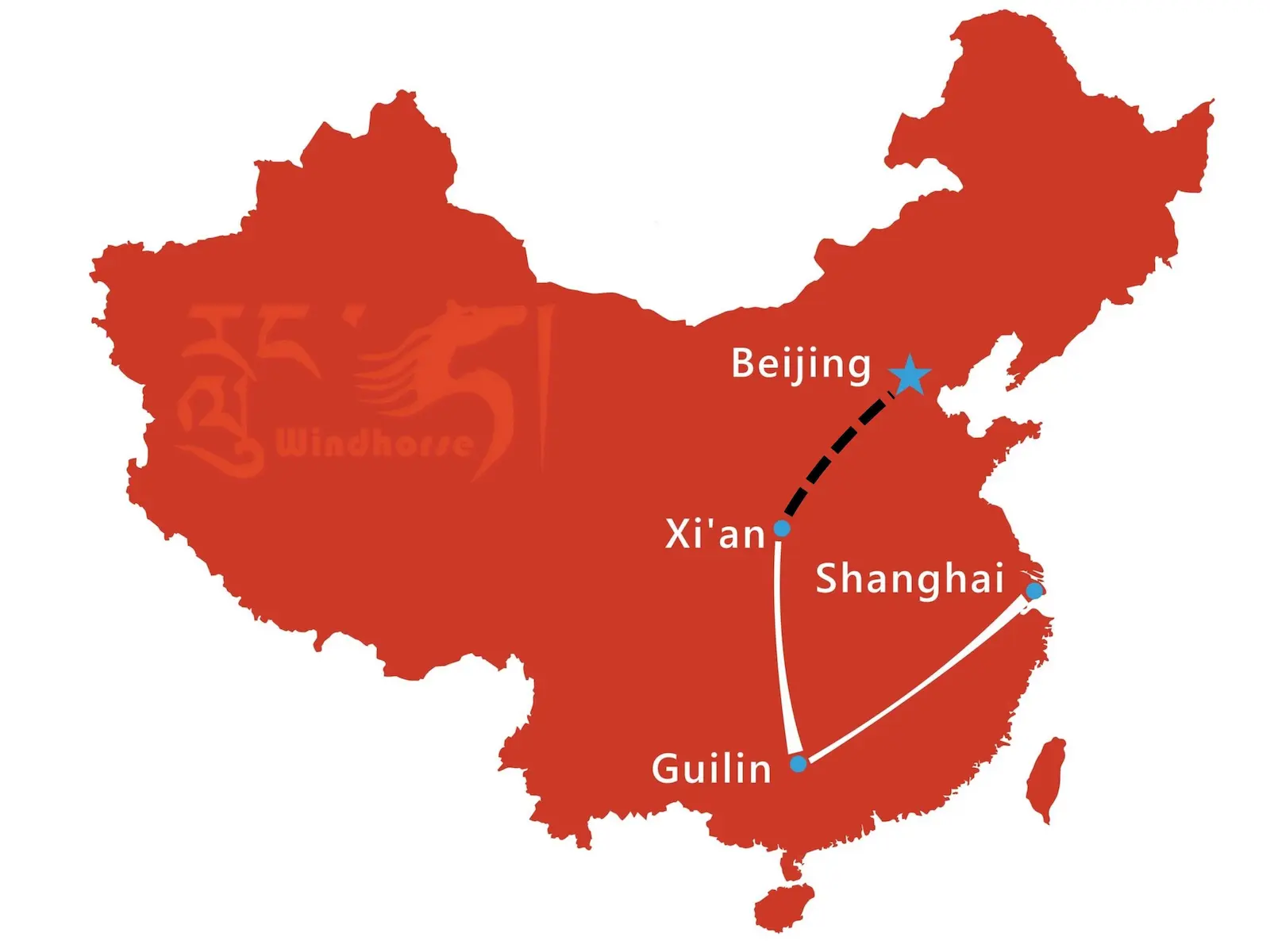


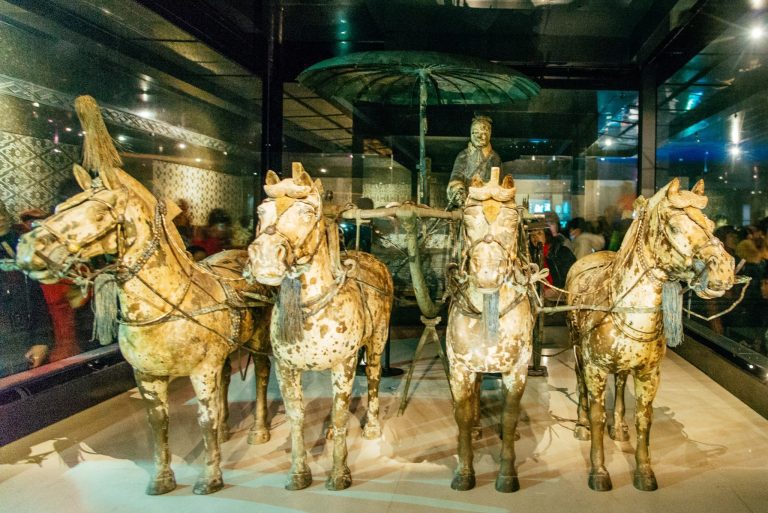


This 13 day China tour highlights Beijing, Xi’an, Guilin and Shanghai. Walk the Great Wall, see the Terracotta Warriors, cruise the Li River, explore Yangshuo and discover Shanghai’s blend of tradition and modern city life.

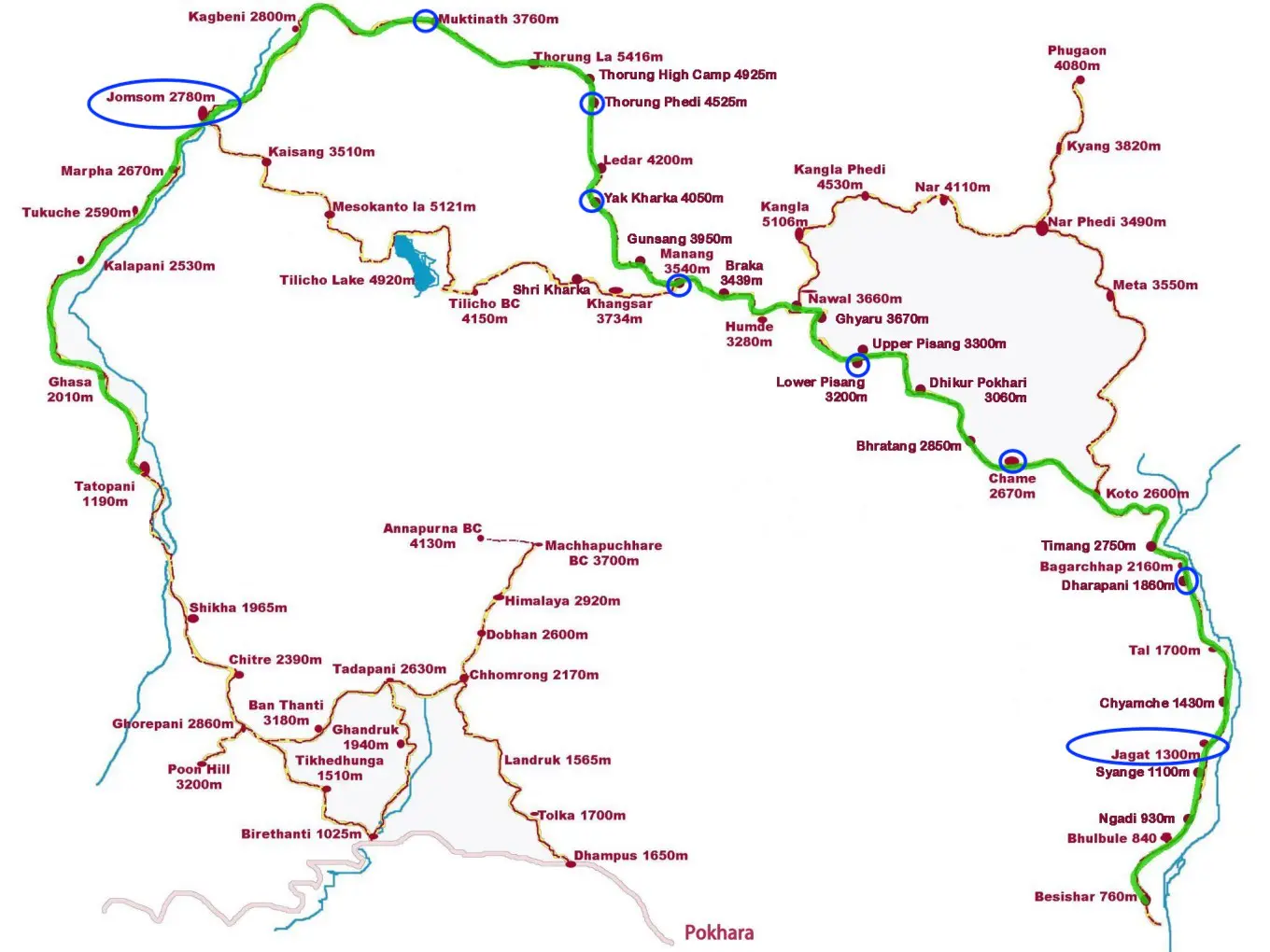









Experience this 15 day Annapurna Circuit Trek through Nepal's most scenic and culturally rich region. Hike from Jagat to Jomsom via Thorung La Pass, total 136km/84mi, explore traditional Gurung and Thakali villages, and enjoy incredible views of the Annapurna and Dhaulagiri ranges before flying to Pokhara.