
Foot Binding in China – A Vanished Tradition

Introduction to Three-Inch Golden Lotus Feet
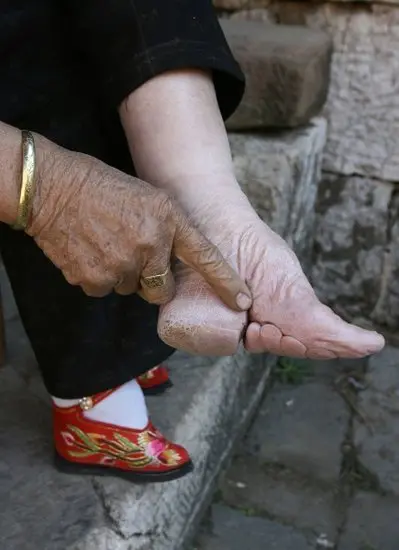
Have you ever seen an adult foot that is only three inches long? In feudal China, they were called “three-inch golden lotus feet” (三寸金莲). At that time, it was common to see women with these painfully bound feet. In today’s modern living, the practice of foot binding in China has nearly disappeared due to its brutality and impracticality.
However, behind the allure and mystique of these “golden lotus feet” lay a reality of immense pain and suffering. The process of foot binding, necessary to achieve this small size, was excruciating and often led to lifelong disabilities. Despite its popularity, the practice was fraught with health complications, leading to its eventual decline in modern times. In today’s China, the tradition has largely vanished, viewed as a relic of a bygone era that is both painful and impractical.
Origins of Foot Binding in China
There are different versions of the origins of foot binding in China with little concrete evidence to help substantiate any of the claims. The widely-held story is that foot binding came into vogue in China when word spread around the imperial court of a prince who had become captivated by the adorable small feet of one of his concubines. It was said that wherever her feet stepped, an amazing golden lotus would bloom. The so-called “three-inch golden lotus feet”(三寸金莲) became fashionable among the aristocrats and then gradually became widely adopted by commoners as a sign of beauty and social status. However, since very few women naturally have three-inch feet and big feet had become undesirable, a drastic measure emerged to affect smaller feet – foot binding.
Another theory suggests that foot binding began during the Song Dynasty, potentially inspired by a court dancer named Yao Niang who bound her feet into the shape of a new moon to perform a ballet dance on a floor decorated with a lotus flower design. This performance is said to have caught the emperor’s attention, and consequently, the practice started to be emulated by the upper class as a symbol of elegance and grace.
Beyond these legends, foot binding can also be understood as a reflection of the societal and gender dynamics of the time. In a society where women’s value was often judged by their marriageability, foot binding became a physical manifestation of femininity and desirability. It was also a way to control women’s mobility and ensure their chastity, which were considered vital attributes in a patrilineal society.
Over time, the practice of foot binding transcended its origins in the royal court and became a widespread custom among the general populace. It evolved from a privilege of the aristocracy to a societal norm expected of all girls, regardless of their social standing. By the late Qing Dynasty, the bound foot had become an entrenched standard of beauty and a prerequisite for marriage within most Chinese communities.

The Practice and Process of Foot Binding
As the practice of foot binding progressed, it was discovered that the binding would be more successful if the process was started before the arch of the foot fully developed. Therefore, young girls were started as early as possible, the optimum time being around the age of 4 or 5. A young girl’s toes would be bent toward the sole of her foot and taped tightly with a long cotton bandage.
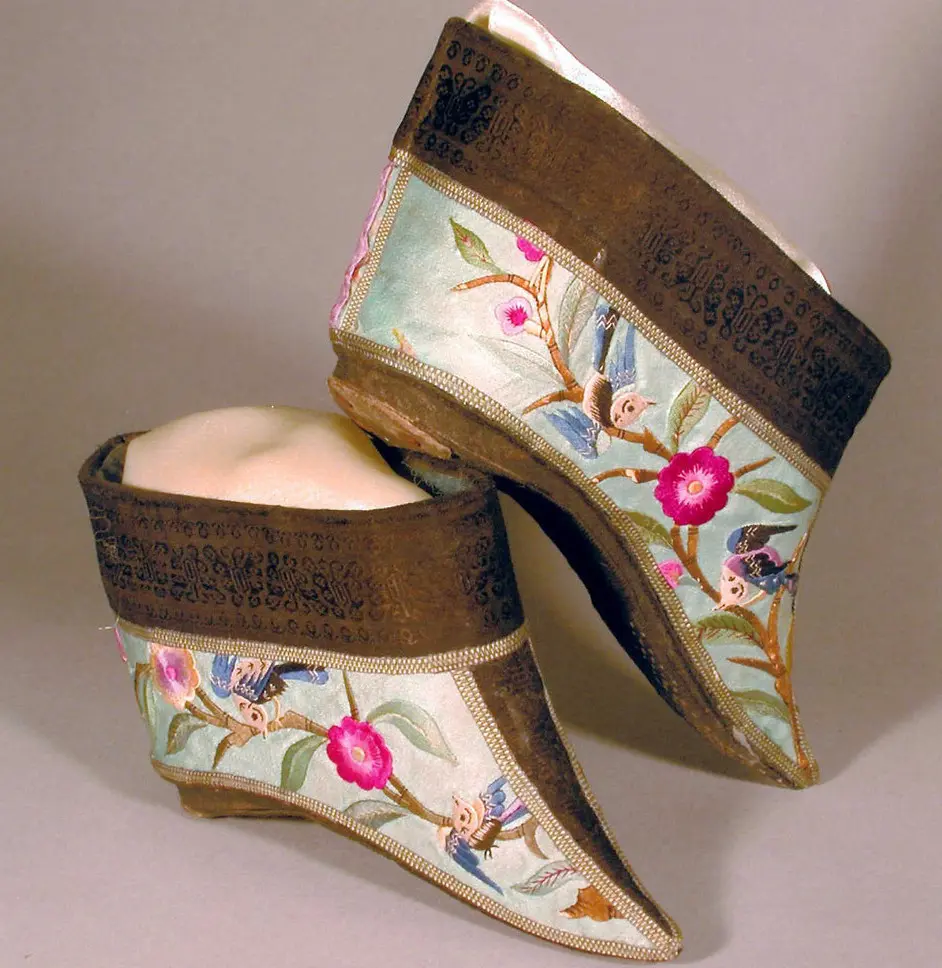
The bandage would bind the foot tight enough to break the bones, without any relief from the pain. Often, each binding would be sewn together to prevent the girl from loosening it, and the young girl would be forced to practice walking on her broken feet until she had become used to it and could walk gracefully. This process would be repeated over and over, rebinding the feet tighter and tighter each time. Finally, the feet would reach the desired length of three inches and forever to be able to fit in ornate golden lotus shoes.
The process of foot binding was not a one-time event but a prolonged ordeal. Every few days or weeks, the bandages would be removed, and the feet would be washed, a process that was both painful and necessary to prevent infection. Following this, the feet would be re-bound, each time more tightly than before. This cycle would be repeated over and over, rebinding the feet tighter and tighter each time.
The desired end result was a foot that measured no more than three inches in length, a size so small that it could fit into exquisitely ornate golden lotus shoes. These shoes, often beautifully embroidered, were as much a status symbol as the feet themselves. However, achieving this ideal was a process that could take several years, during which the girls would endure ongoing pain and suffering.
The consequences of foot binding extended beyond the physical pain. Women with bound feet were often severely limited in their mobility, making them dependent on their families. This dependency was seen as a virtue in a patriarchal society, as it reinforced traditional gender roles. Furthermore, bound feet became a prerequisite for marriage in many communities, with the size and shape of a woman’s foot often being a significant factor in her marriage prospects.
Despite its brutality, foot binding was a deeply entrenched cultural practice, upheld by social, familial, and economic pressures. It was a symbol of beauty, status, and eligibility, with its practice woven deeply into the fabric of Chinese society until its gradual decline in the early 20th century.

Related tours




This 9 day Beijing Xi'an Shanghai tour covers China’s Golden Triangle highlights. Walk the Great Wall, explore the Forbidden City, see the Terracotta Warriors and experience Shanghai’s blend of historic charm and modern skylines.





Explore Xinjiang’s top grasslands and Silk Road heritage on this journey from Urumqi through Sayram Lake, Kalajun, Nalati and Bayanbuluk, then south via the Duku Highway to Kuqa’s canyons, caves and historic old town.

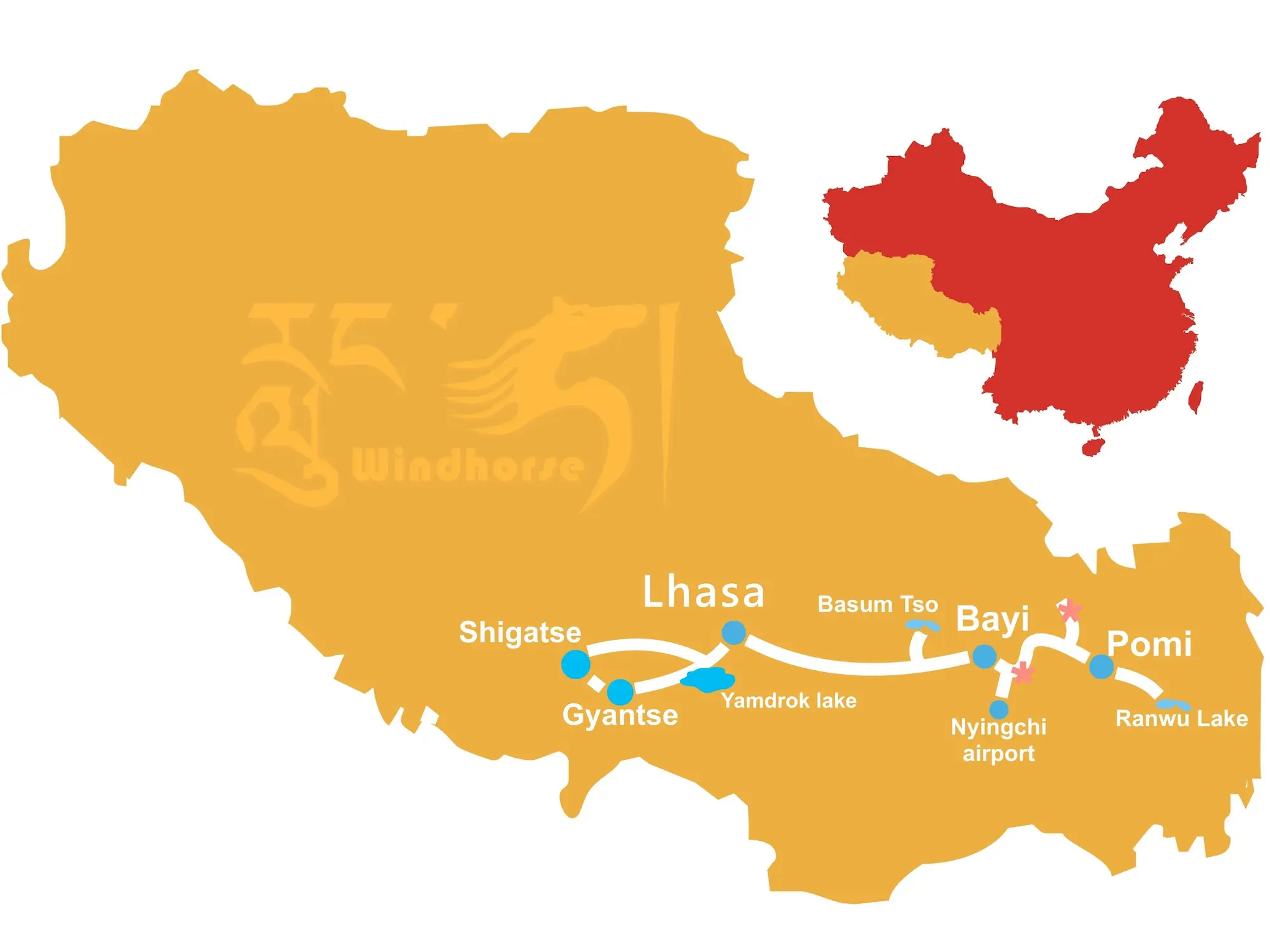





Discover eastern and central Tibet on this 10-day tour, from Nyingchi’s alpine valleys, Ranwu lake and Basum-tso Lake to Lhasa’s Potala Palace and Jokhang Temple, Yamdrok Lake, Gyantse’s Kumbum Stupa, and Shigatse’s Tashilhunpo Monastery.

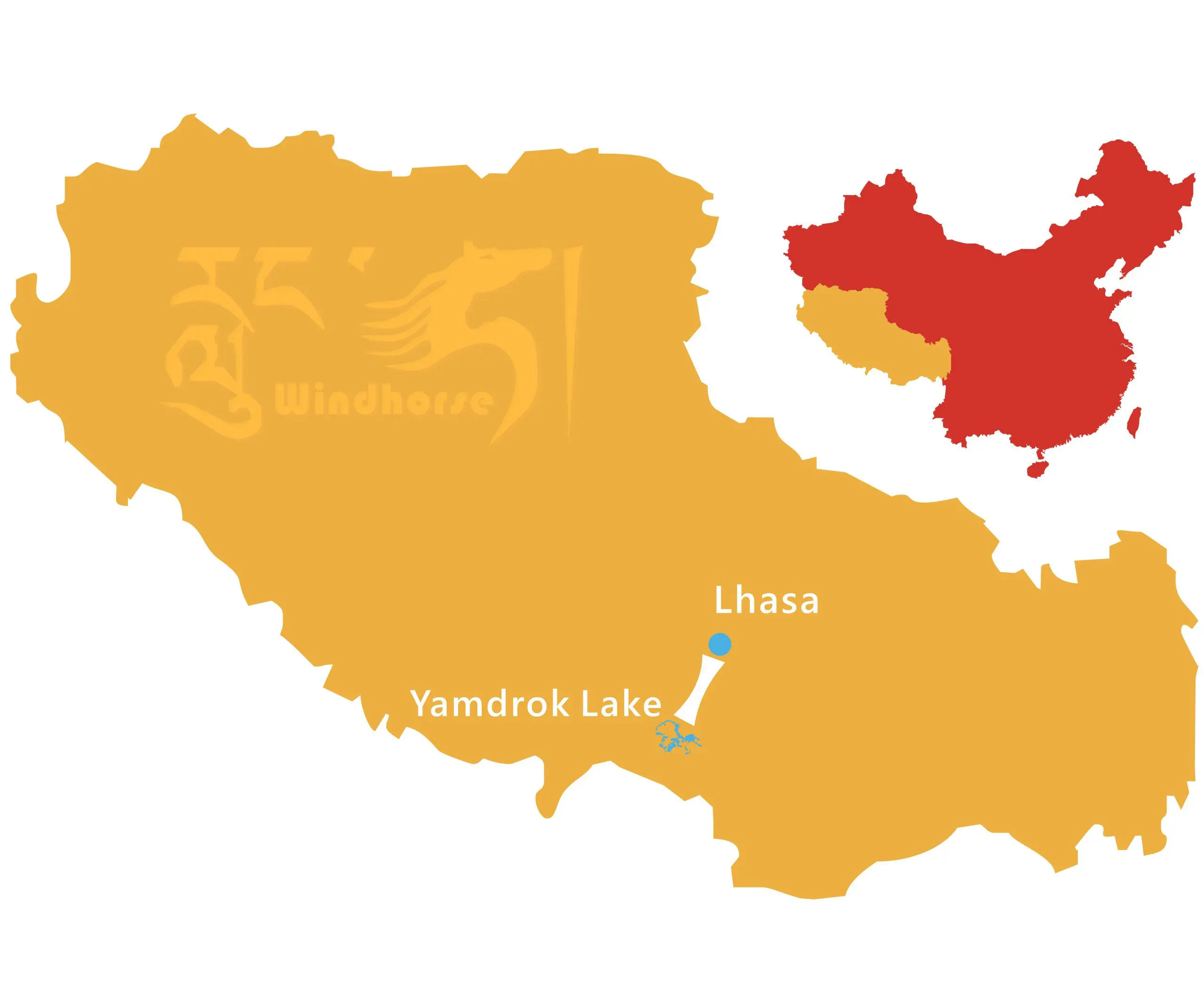



This 5-day Lhasa Yamdrok Lake Tour is perfect for families or first-time visitors. Explore Lhasa’s sacred landmarks, the hilltop Ganden Monastery, and the turquoise Yamdrok Lake. Meet a Tibetan family and experience authentic local life on this easy and scenic Tibet journey.