
China’s Roots: Tao, Buddha and Confucius

When we talk about China’s roots, we often think of the great philosophers that made a great impact of China everyday life. China has had deep roots in philosophy and guiding everything from personal conduct to statecraft since forever. Philosophy in China is living and breathing because it is intertwined in the history, art, traditions, basically in every part of people’s lives. Can you believe that over 90% of Chinese people today still identify with at least one of the country’s major philosophical traditions.
The most, if I can say- popular and powerful philosophical learning in China are Taoism, Buddhism and Confucianism. And each of these philosophies has contributed unique perspectives on balance, morality, humanism and the nature of existence, and not just in history, but also in today’s modern living.
In this blog post, we will delve into how these three traditions have shaped China’s rich tapestry—from ancient dynasties to contemporary culture, highlighting their timeless relevance and the ways in which they continue to inform the lives and identities of millions.
Also, we will guide you to the most popular destinations in China that represent each of these three philosophical beliefs that are in China’s roots of culture.
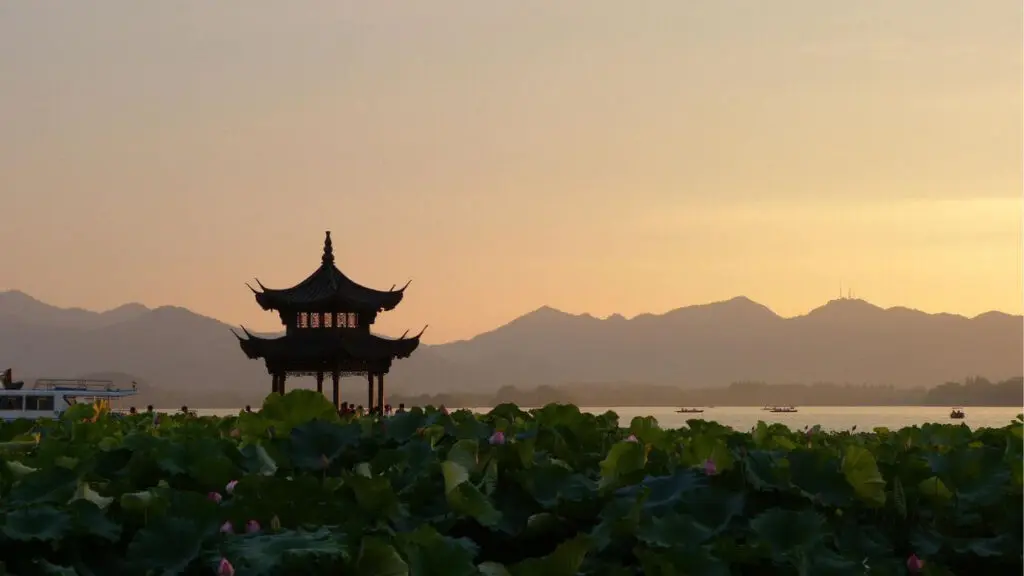
Taoism in China
Taoism (Daoism) is a philosophy that teaches us how to embrace the natural order of life, and how to emphasize the importance of balance and harmony in every aspect of our existence. In other words: Taoism is teaching us how to be here, how to be present in this moment. Also, Taoism is teaching how not to force things but to let it happen. And there is the balance between dark and light. And maybe the most important, Taoism is teaching us how to be humble and live a simple life.
As one of the key philosophies that form China’s roots, Taoism offers deep insight into the values, beliefs, and traditions that have shaped Chinese society for centuries.
Here’s an in-depth look at its foundational aspects and how you can experience its rich cultural heritage:
Origins and Key Concepts
Origins of Taoism:
- Taoism began in ancient China over 2,500 years ago, or 6th century BCE
- It grew from old wisdom and the search for understanding nature.
- A key text is the Tao Te Ching, written by Lao Tzu, who is a legendary figure. (As the opening line of the Tao Te Ching suggests, “The Tao that can be told is not the eternal Tao,” implying that the true essence of the Tao transcends words and definitions.)
- Later, more ideas about Taoism were added by another thinker named Zhuangzi.
Key Concepts of Taoism:
The Tao (The Way):
Taoism teaching is not attached to god or deity, the Tao is an underlying, indescribable force that shapes everything in the universe. As the opening line of the Tao Te Ching suggests, “The Tao that can be told is not the eternal Tao,” implying that the true essence of the Tao transcends words and definitions.
Wu-wei (Effortless Action):
This principle is about getting yourself so closely with the natural flow that your actions feel effortless. Instead of forcing or struggling, you act in harmony with the natural rhythms of life. Think of it as “non-action” or “effortless doing,” where you respond to situations naturally and intuitively.
Balance and Duality:
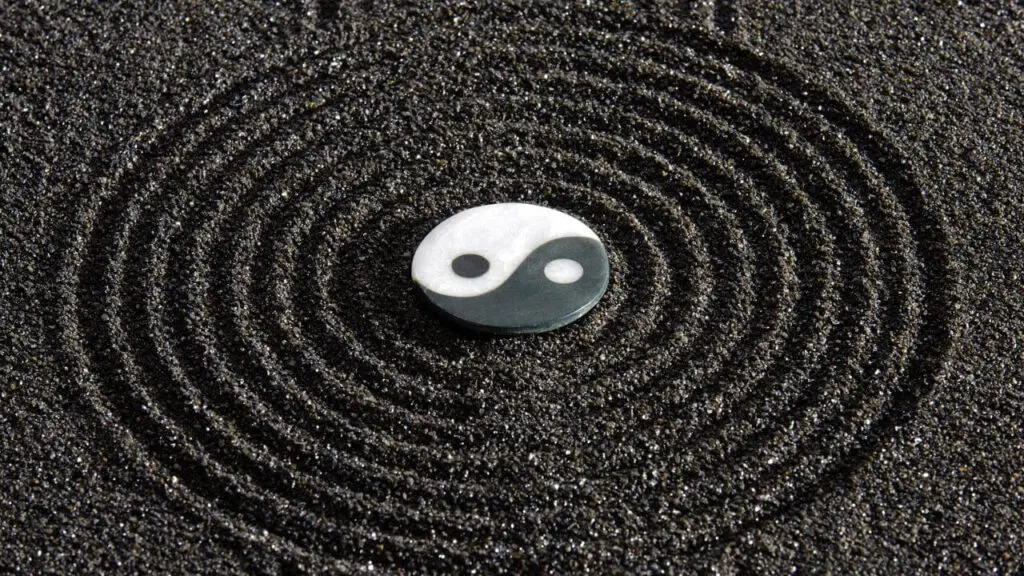
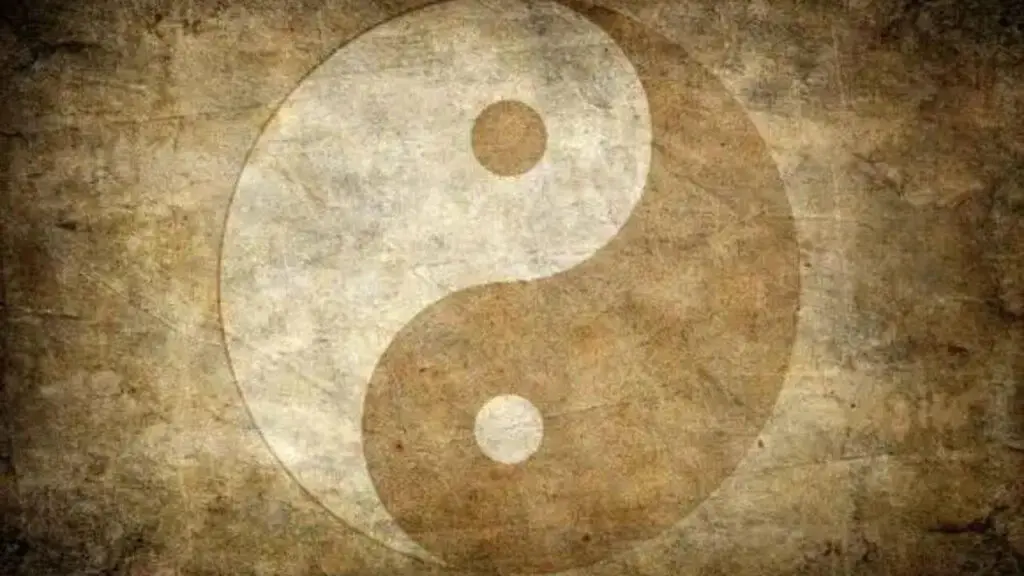
Balance and duality in Taoism is symbolized by yin and yang. This teaches us that opposites like light and dark, active and passive, or male and female are interconnected and complementary. Understanding that these forces exist in balance helps us appreciate the natural ebb and flow of life.
Simplicity and Naturalness:
One of the main teachings of Taoism is simplicity, humility, and spontaneity. It’s about stripping away unnecessary complexities to find a more authentic, natural way of living. This means embracing a lifestyle that is in tune with nature, where you let go of excessive desires and artificial constraints.
Living in the Present:
By focusing on the here and now rather than getting caught up in regrets about the past or anxieties about the future, you will get yourself more fully with the Tao. This presence allows you to navigate life with clarity and ease.
Here is where you can experience the Taoism in China
For those interested in Taoism and wishing to immerse themselves in its traditions, China offers several remarkable destinations that reflect China’s roots in spiritual philosophy:
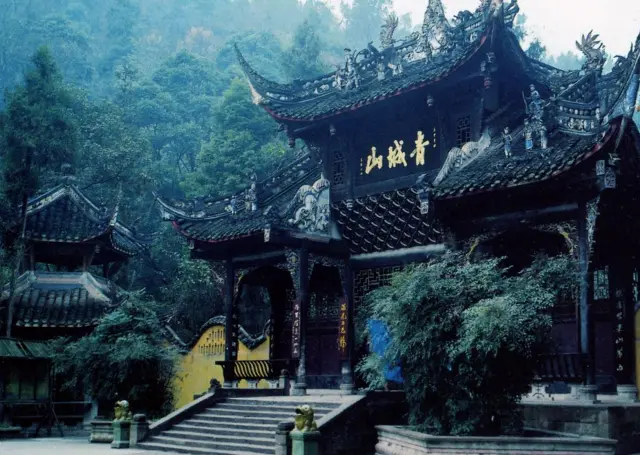
- Mount Qingcheng (Sichuan) is often regarded as the cradle of Taoism, and it is renowned for its lush landscapes and ancient temples. The calm environment here is perfect for meditation and reflection, echoing the Taoist call to live in harmony with nature. You don’t need to be Taoist to visit Mount Qingcheng in Sichuan Province and practice yoga in perfectly serene surroundings.
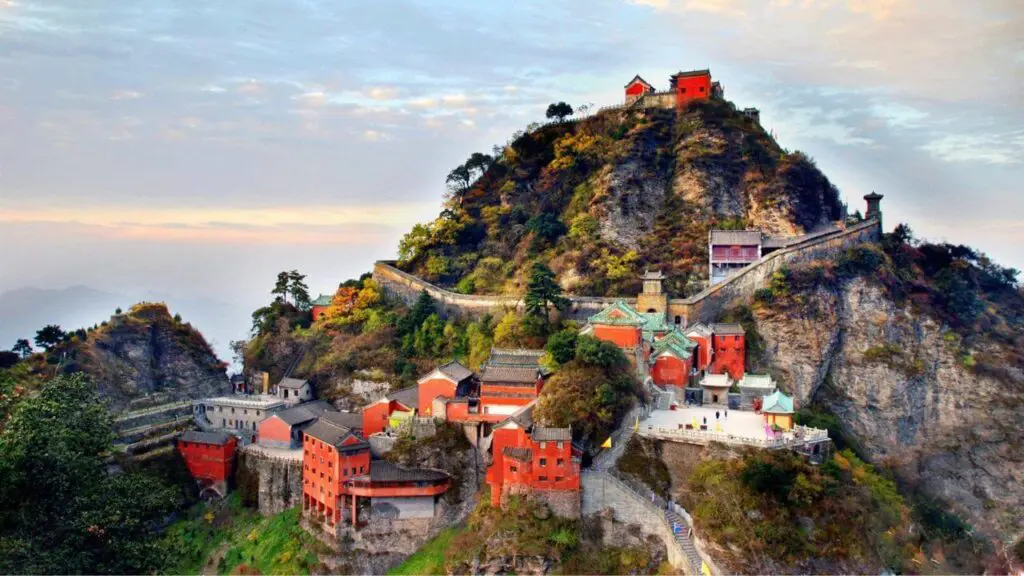
- Wudang Mountains: Known as the home of Taoist martial arts, the Wudang Mountains offer both breathtaking scenery and a deep sense of spiritual history. Visitors can explore ancient temples and witness traditional martial arts demonstrations that reflect Taoist principles of balance and inner strength.
- White Cloud Temple in Beijing: This temple is one of the most active Taoist centers in modern China. Here, visitors have the unique opportunity to observe or even participate in a traditional Taoist temple ceremony, gaining first hand insight into rituals that have been passed down through generations.
A Remarkable Fact About Longevity
Some Taoist practices, such as Qi Gong, are credited with stress reduction and longevity—there are even local legends of Taoist monks reputed to live well past 100 years.
Buddhism in China
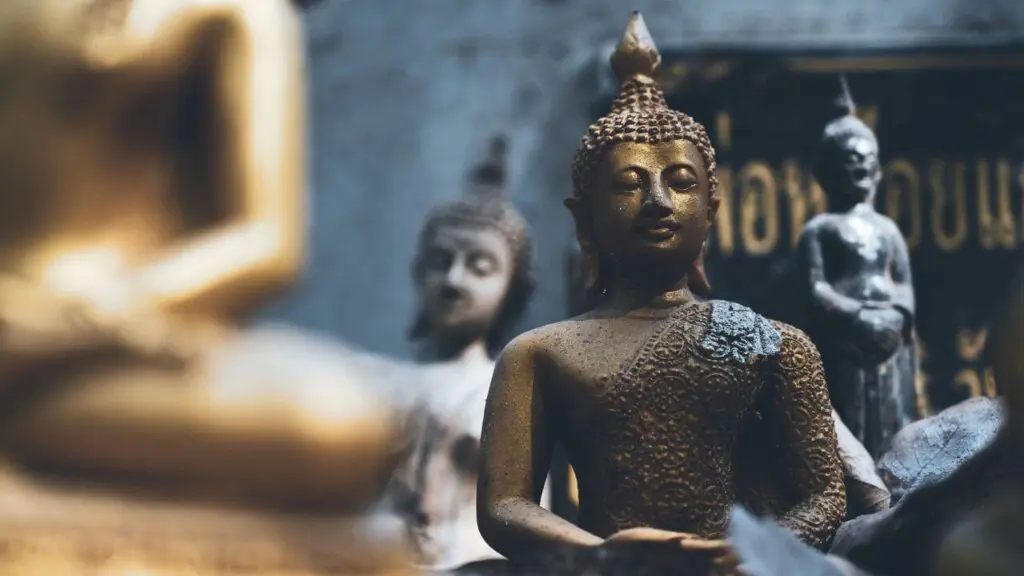
Chinese Buddhism or Han Buddhism is the largest and officially recognized religion in China. Buddhism entered China around the 1st century CE, primarily through the Silk Road. Early translations of Buddhist texts into Chinese allowed the ideas and teachings to spread, sparking interest among scholars and the general public.
Buddhism is commonly divided into three main branches:
- Theravada: Often called the “Teaching of the Elders,” this branch is practiced mainly in Southeast Asian countries like Thailand, Sri Lanka, and Myanmar.
- Mahayana: Known as the “Great Vehicle,” Mahayana Buddhism is popular in East Asian countries like China, Japan, Korea, and Vietnam. It includes schools like Zen (Chan) and Pure Land.
- Vajrayana: Also called “Tantric Buddhism” or Tibetan Buddhism, this branch is mainly found in Tibet, Nepal, and Mongolia.
Let’s dive into the rich history, key concepts, and must-visit destinations that make Chinese Buddhism so unique.
Origins and Key Concepts
Buddhism made its way to China traveling along the ancient Silk Road. This migration of ideas not only enriched Chinese spirituality but also facilitated cultural exchanges that left lasting imprints on art, literature, and philosophy, deeply embedding itself into China’s roots.
Even the first Buddhism is from India, The Han Dynasty has developed its own Chinese style and has also shaped older Chinese beliefs, that is the reason for today’s Han Buddhism.
Han Buddhists value the Confucian idea of filial piety (xiao 孝) and often pray for the well-being of their ancestors as part of ancestor worship. They also use Taoist breathing exercises in their practice.
Core Beliefs
Buddhists believe in karma, reincarnation and the pursuit of enlightenment. That is the core of Buddhism. These ideas suggest that every action has consequences, that life is a continuous cycle of birth, death, and rebirth, and that the ultimate goal is to achieve Nirvana—a state free from suffering and the cycle of rebirth.
Chinese Adaptation: Chan Buddhism (Zen Buddhism)
Chan Buddhism is a unique form of Buddhism in China that later influenced Japanese Zen. It focuses on meditation and direct experience rather than many rituals. Practitioners are encouraged to seek sudden insight into the true nature of life. This approach made Buddhism more accessible and closely connected with Chinese culture and philosophy.
Visit the Buddhist Heritage in China
For those interested in exploring the spiritual sites and landmarks of Chinese Buddhism, there are several destinations worth visiting, including the Four Sacred Buddhist Mountains and other remarkable temples:
- Mount Wutai (Shanxi Province):
Recognized as one of China’s four sacred Buddhist mountains, Mount Wutai is a pilgrimage site that offers breathtaking natural beauty along with a collection of ancient temples. The mountain’s spiritual aura makes it an ideal destination for those seeking inner peace and enlightenment. - Mount Emei (Sichuan Province)
Also one of the Four Sacred Buddhist Mountains, Mount Emei is a UNESCO World Heritage Site known for its deep spiritual significance, misty peaks, and ancient monasteries. The mountain is closely associated with the Bodhisattva Samantabhadra and is home to the famous Golden Summit and a towering 48-meter statue of Samantabhadra. - Mount Jiuhua (Anhui Province)
Dedicated to Kṣitigarbha Bodhisattva (known as Dizang in Chinese), Mount Jiuhua is a revered destination for those praying for ancestors and the deceased. Its peaceful environment and spiritual resonance make it a meaningful place for reflection, pilgrimage, and Buddhist learning. - Mount Putuo (Zhejiang Province)
Located on an island in the East China Sea, Mount Putuo is dedicated to Guanyin, the Bodhisattva of Compassion. It is famed for its picturesque coastline, beautiful temples, and deep sense of devotion. Pilgrims come to seek blessings and peace, often participating in sunrise prayers at Puji Temple. - Shaolin Temple:
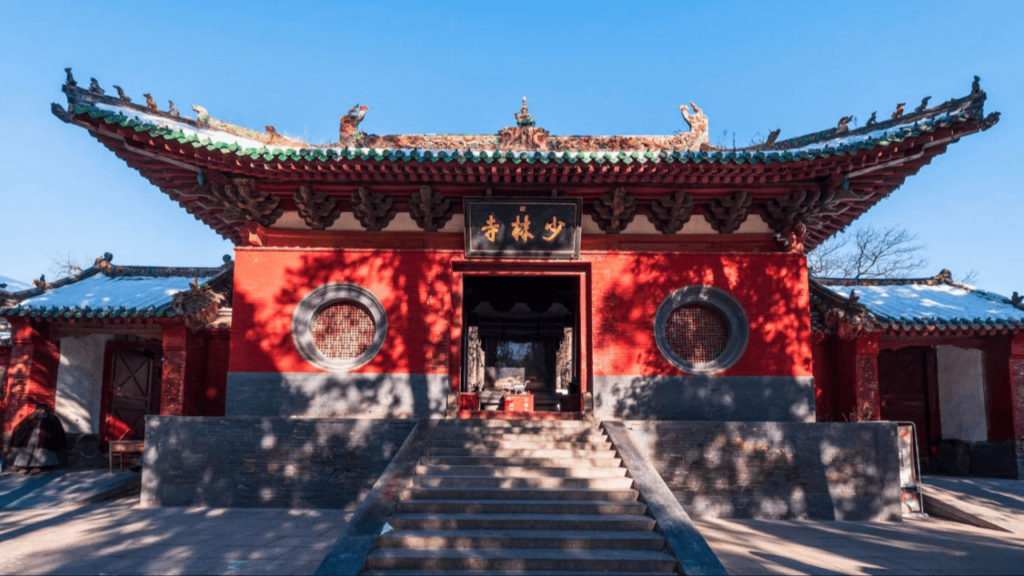
Shaolin Monastery or also known as Shaolin Temple is located at the foot of Wuru Peak of the Songshan mountain range in Dengfeng County, Henan province. It is renowned as the birthplace of kung fu. Here, you can witness the unique blend of martial arts and Buddhist philosophy in action, reflecting the dynamic way in which Buddhism has influenced both the body and the spirit. - Leshan Giant Buddha:
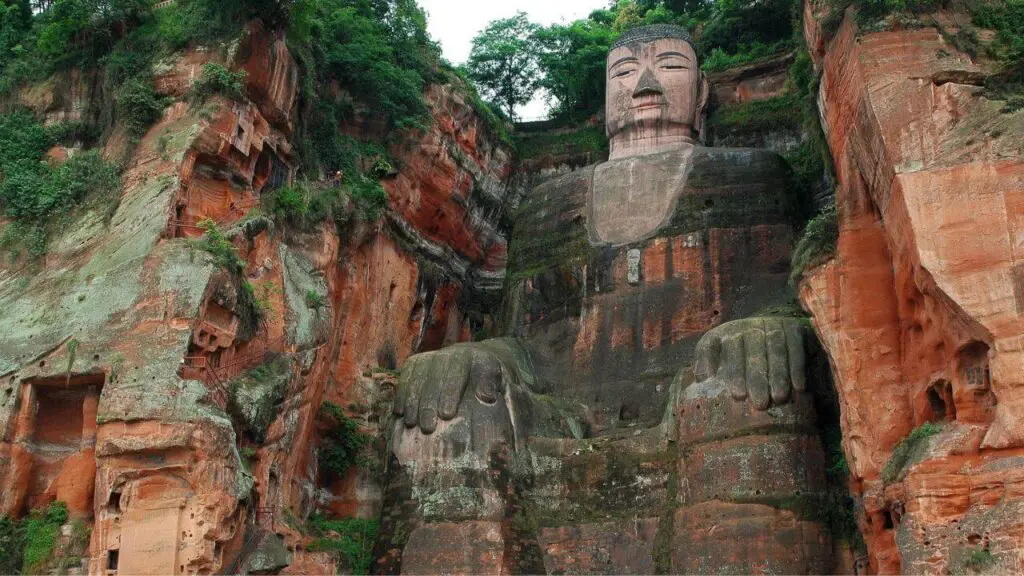
Carved into a cliff near Min River and Dadu River in the southern part of Sichuan Province, near Leshan. It is builded during the 8th century, this towering 71-meter statue stands as a monumental symbol of Buddhist artistry and devotion. The sheer scale and serenity of the Leshan Giant Buddha continue to captivate visitors from around the world.
Chinese Buddhism in modern World
Today, China has the largest Buddhist population in the world with over 244 million Buddhists. This statistic from the last survey from 2010 underscores the enduring appeal of Buddhism, which continues to shape social practices, art, and the collective consciousness of the Chinese people.
Confucianism
Confucianism has been a cornerstone of Chinese civilization, shaping its social structures and moral values for over two millennia. Rooted in the teachings of Confucius, this philosophy emphasizes ethics, respect for elders, and the pursuit of societal harmony—principles that continue to influence both historical traditions and modern cultural practices.
Origins and Key Concepts
Confucianism originated with Confucius (551–479 BCE), a revered teacher and political thinker whose insights laid the foundation for a moral and orderly society. His thoughts, articulated through discussions on governance, personal conduct, and social relationships, established a framework that has guided countless generations.
Core Beliefs
Central to Confucian thought is the emphasis on ethics and the cultivation of moral character. Respect for elders, the nurturing of family values, and the importance of social harmony are all integral to this philosophy. The teachings compiled in The Analects remain a vital source of wisdom, offering practical advice on how to live a virtuous life and maintain balanced relationships within society.
Where you can experiencing Confucian Heritage in China
For those eager to explore the tangible legacies of Confucianism, several cultural and historical sites offer immersive experiences:
- Qufu (Shandong):
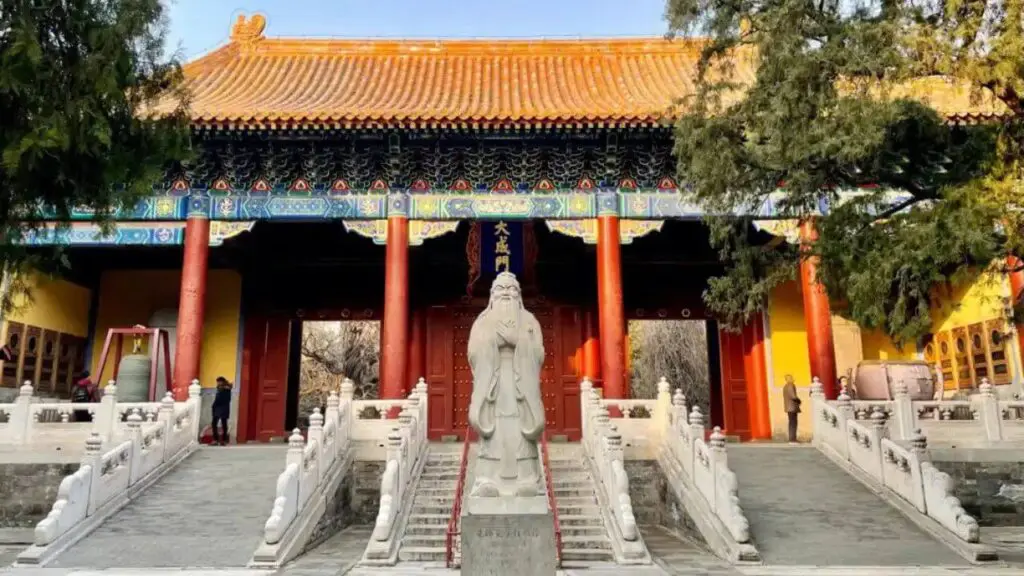
As the birthplace of Confucius, Qufu is a pilgrimage site for those interested in the origins of Confucian thought. The city is home to the Confucius Temple, where visitors can walk in the footsteps of the ancient philosopher and absorb the enduring spirit of his teachings. - Beijing’s Confucius Temple & Imperial College:
Located in the heart of the capital, these institutions have long been centers of learning and cultural preservation. The Confucius Temple and the Imperial College stand as testaments to the historical emphasis on education and moral development inspired by Confucian ideals. - Modern Cultural Experiences:
Beyond ancient sites, contemporary China offers Confucian tea ceremonies and etiquette classes. These experiences allow visitors to engage directly with the customs that reflect the discipline, refinement, and respect central to Confucian practice, bridging the gap between past and present.
A Legacy of Enduring Influence
Confucianism’s impact extends far beyond personal morality; it has significantly influenced the administrative and educational systems of China. An interesting fact highlighting its historical influence is that the Chinese civil service exam—rooted in Confucian thought—was a fundamental institution for an astonishing 1,300 years. This system not only reinforced the importance of scholarly learning and ethical governance but also underscored the lasting relevance of Confucian principles in maintaining social order.
How These Philosophies Influence Modern China
Modern China is deeply influenced by ancient philosophies, with Taoism, Buddhism, and Confucianism playing key roles in shaping everyday life, health, business, and tourism. These enduring traditions create a cultural landscape where old wisdom and modern progress come together.
In daily life, many Chinese people draw on a blend of these philosophies rather than adhering to a single belief system. Whether it’s enjoying a quiet morning walk in nature or showing deep respect during family gatherings, the teachings of balance, ethical living, and spiritual fulfillment guide personal choices and community practices. This harmonious blend supports individuals as they navigate both the challenges and celebrations of everyday living.
Taoist concepts such as Yin-Yang and the flow of Qi (vital energy) have left a lasting mark on traditional Chinese medicine. Practices like acupuncture, herbal remedies, and Qi Gong exercises are designed to restore balance within the body by harmonizing physical, emotional, and spiritual health. These methods remain an essential part of China’s healthcare system, underscoring the timeless relevance of Taoist thought.
Confucian ideals, emphasizing respect for hierarchy, the value of education, and the importance of family, also continue to shape modern China. In the corporate world, these principles manifest in structured work environments, mentorship practices, and a deep respect for seniority. Whether in state-owned enterprises or thriving private companies, the influence of Confucian values encourages disciplined leadership and collaborative success.
Moreover, China’s roots are rich with philosophical heritage that is a major attraction for tourists. Visitors can explore historical sites, attend workshops on traditional etiquette, and experience ceremonies that reveal the depth of these ancient teachings. These cultural experiences not only enrich travelers but also help preserve and promote the enduring wisdom that continues to guide modern China.
Final Words
What we can conclude is that the ideas of Taoism, Buddhism, and Confucianism are still alive in modern China. People are living with these beliefs, and tourists can also see and feel aspects of everyday life, where old traditions mix with new ways—highlighting China’s Roots in these enduring philosophies.
No matter what you choose to visit in China, each of these activities lets you explore China’s Roots through its deep cultural history and offers personal insights into the philosophies that have guided people for generations. As you travel through this interesting land, you are not just a visitor—you become part of a conversation between the past and the present.
Which of these philosophies resonates most with you?
Related tours
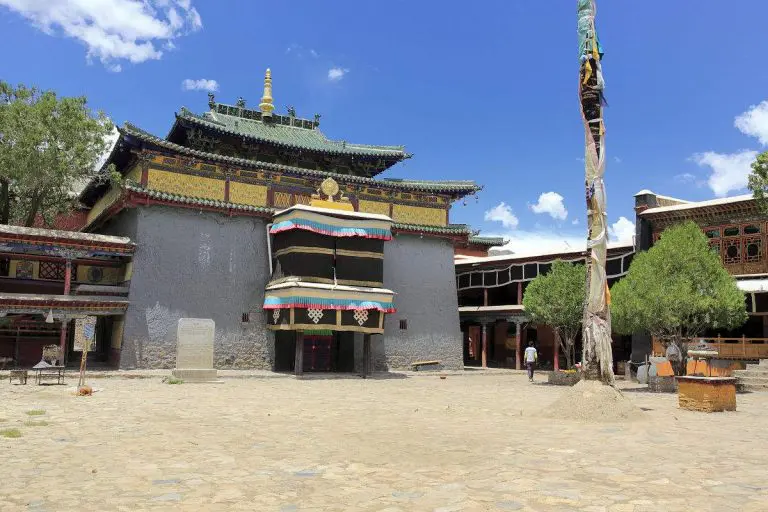
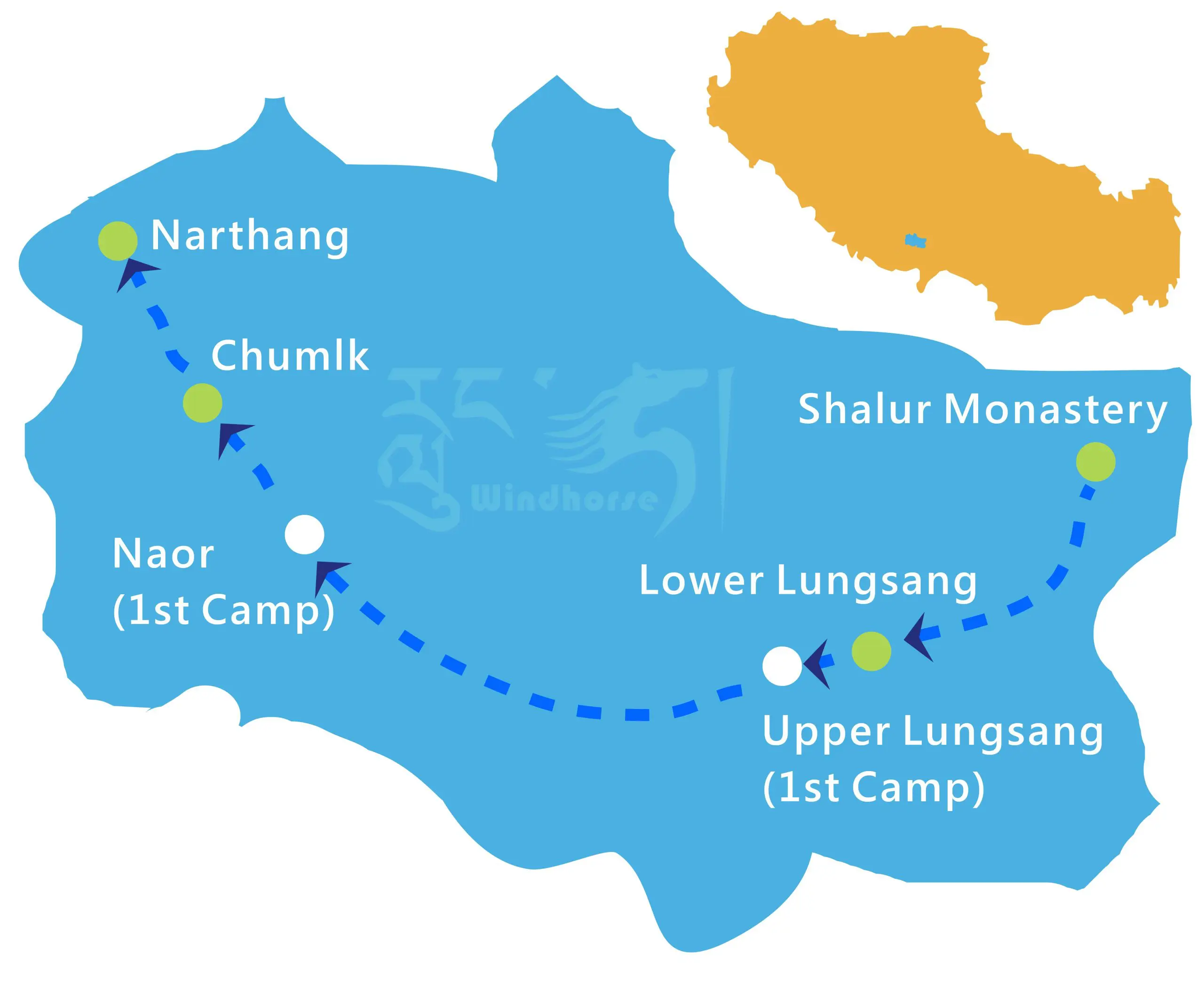
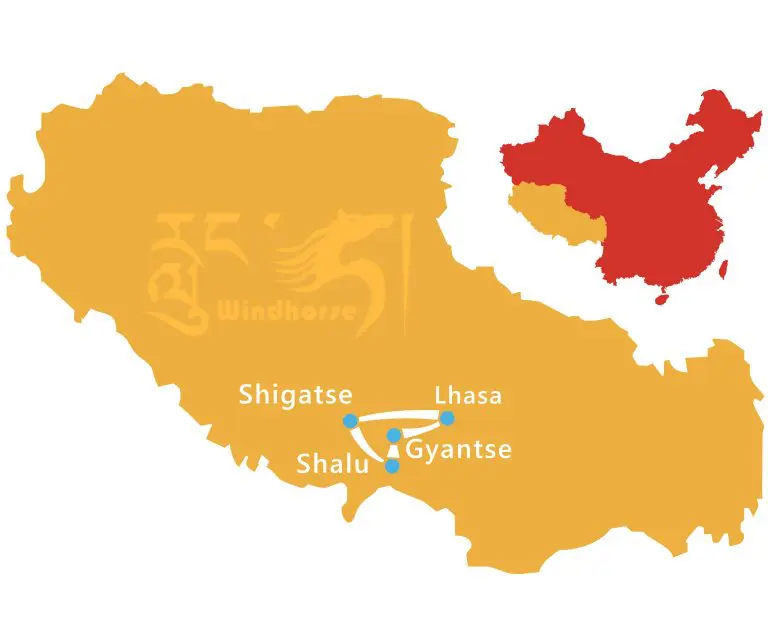
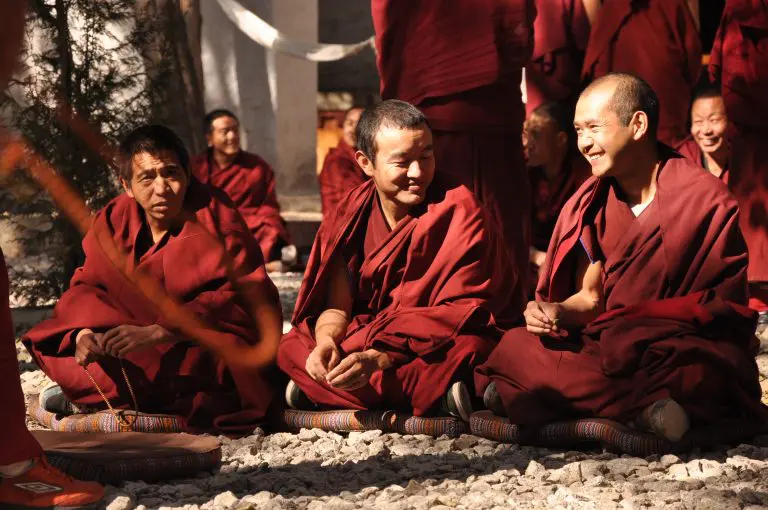

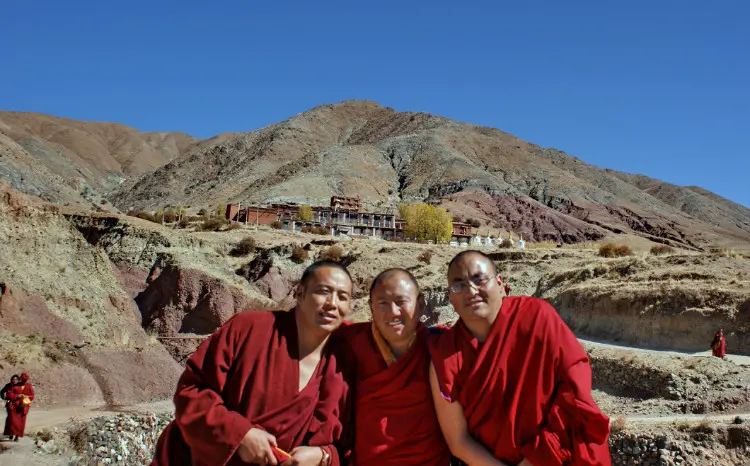

This 8-day Shalu to Nartang Monastery Trek combines Tibetan culture and easy trekking. Walk through quiet villages, barley fields, and dry valleys between two historic monasteries near Shigatse, offering a glimpse into authentic Tibetan life and scenery.
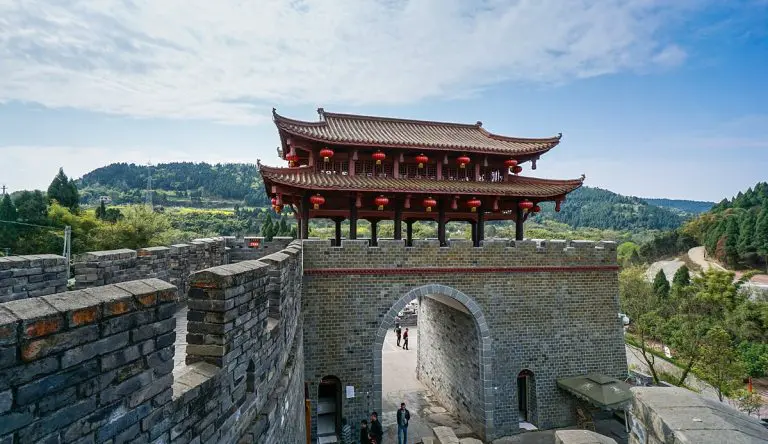
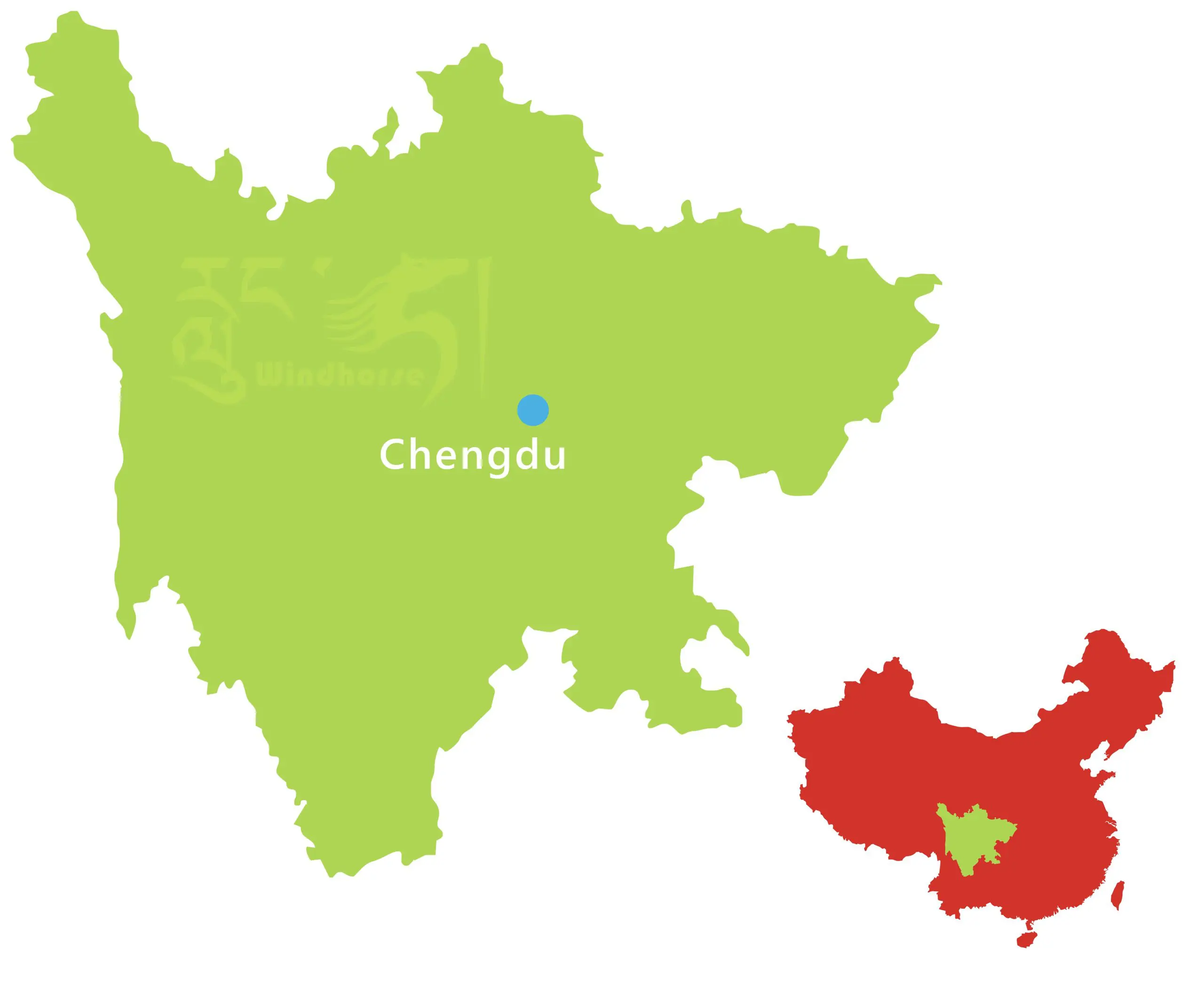
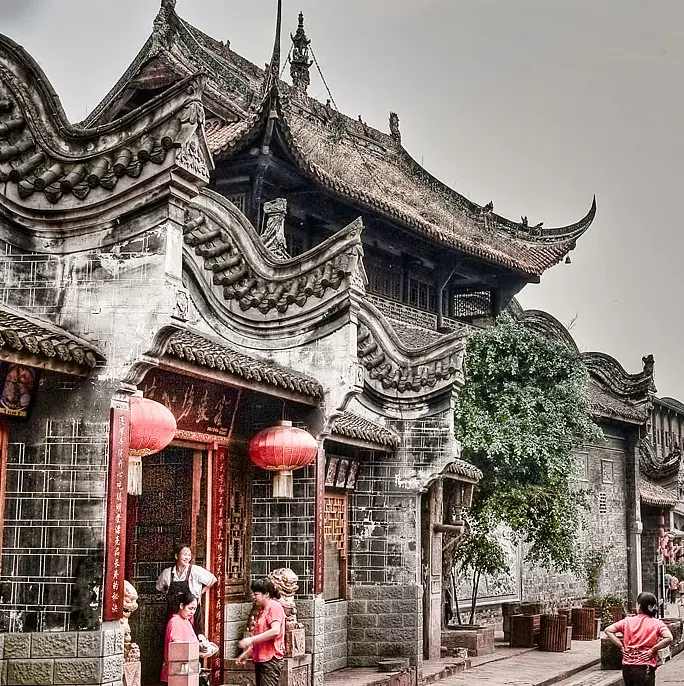
Luodai a 2,000 year old ancient town is a top choice for venturing out of Chengdu into the surrounding areas. Hike what some call Chengdu's Gerat Wall, the "Golden Dragon Great Wall" offers a beautiful view of the countryside.
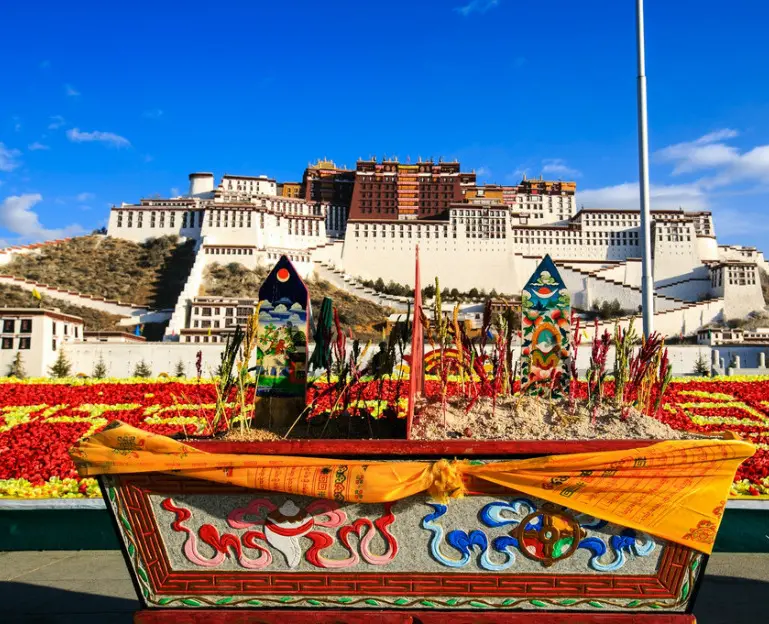

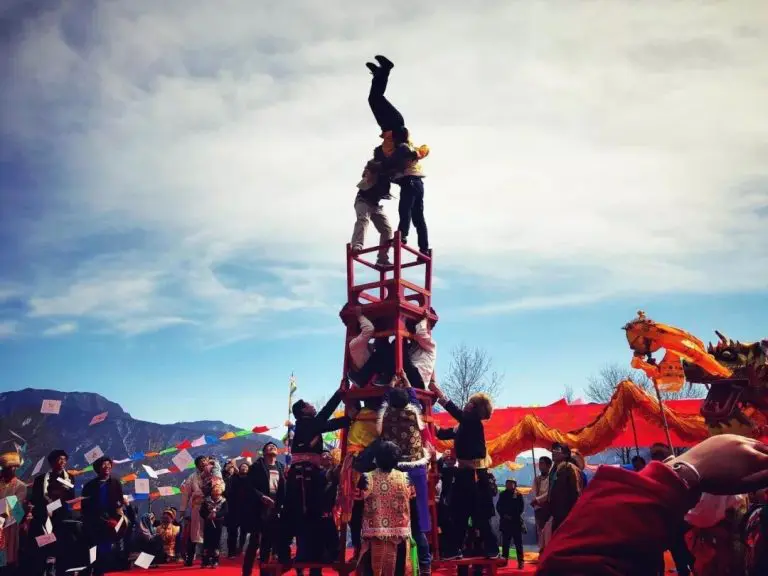
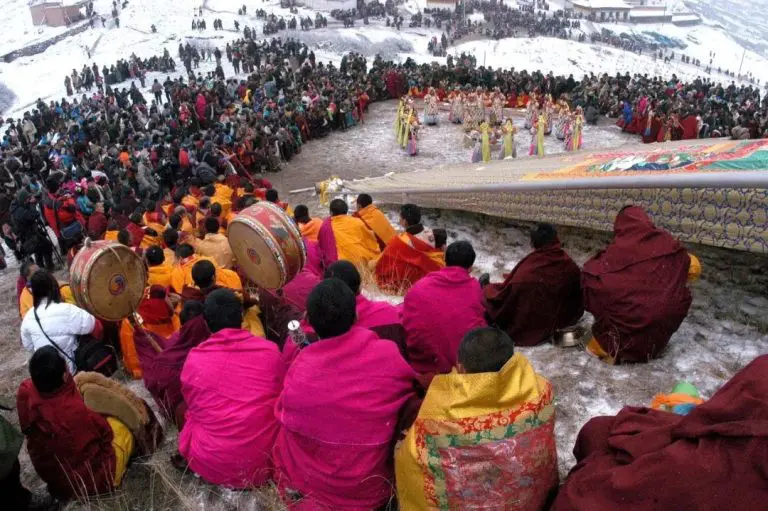
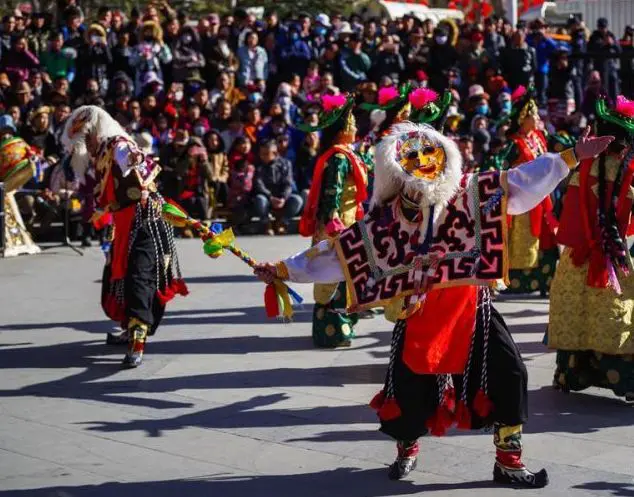
Celebrate Tibetan New Year (Losar) in Lhasa with sacred Cham dances, monastery ceremonies, festive markets, Tibetan opera, a local family visit, and breathtaking Yamdrok Lake on this immersive 7-day cultural journey.

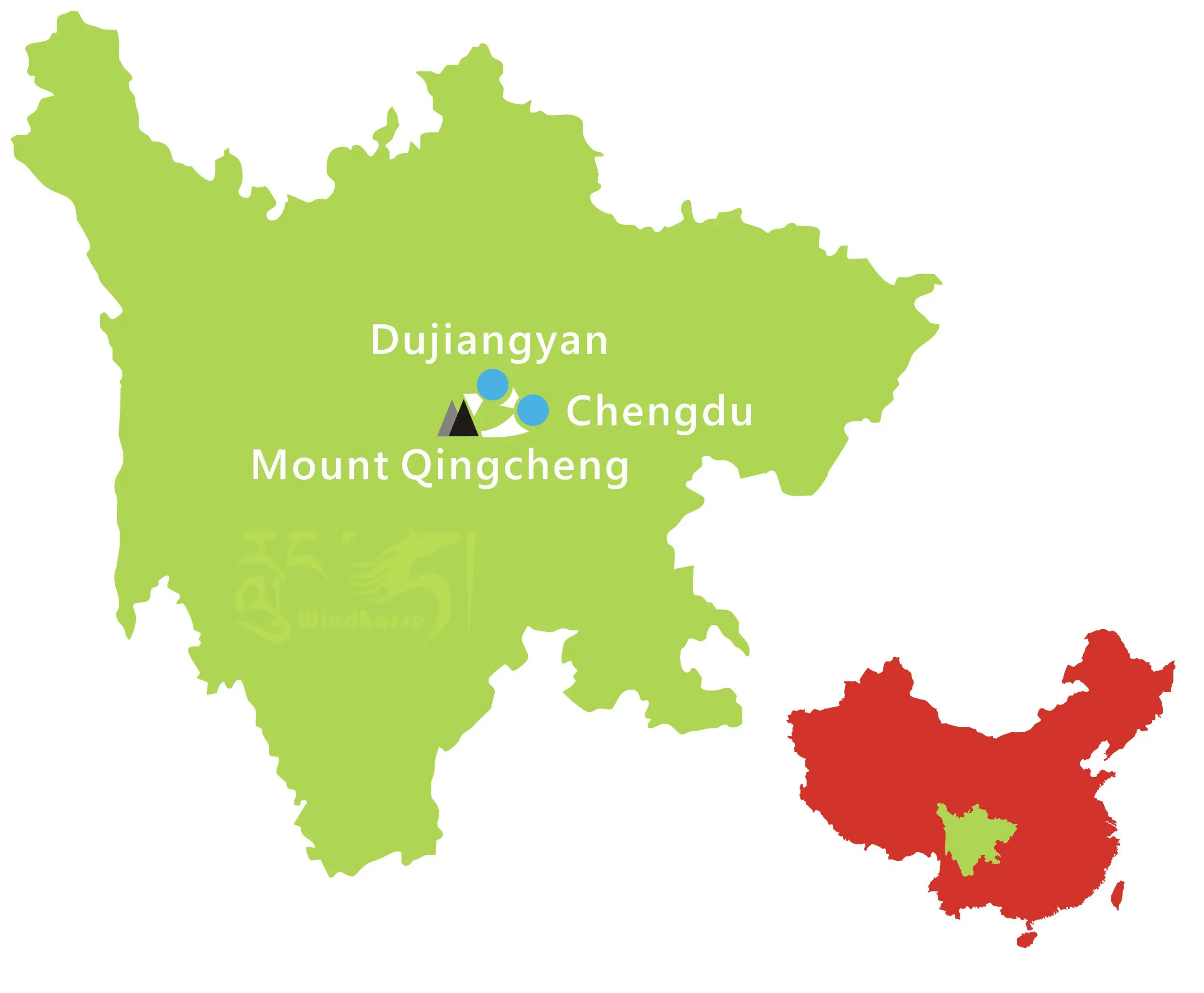
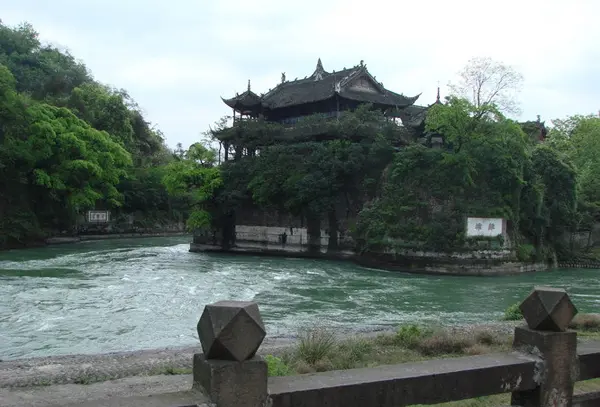
A 1 day tour to Sichuan's most famous taoist mountain and the only surviving natural irrigation project with no dam. Both Mout Qincheng and the Dujiangyan Irrigation are both filled with over 2,000 years of history.