
Ancient Silk Road Journey- 8 Rarely Visited Sites

I wonder how do you imagine the Ancient Silk Road? Do you also picture a brave travelers charting courses through vast, untamed territories, a places far removed from the usual tourist trail? In today’s post, I want to shine a light on those hidden stretches that most guides never mention. I want to introduce to you the winding byways and dusty tracks that once sustained caravans and connected cultures. These off-the-map routes reveal a side of the old trade network that’s all about pure adventure. If you want adventure that is off the beaten path so pack your bags, keep your eyes open, and let’s uncover the spirit of discovery that still lingers in these seldom-seen corners of the ancient Silk Road!
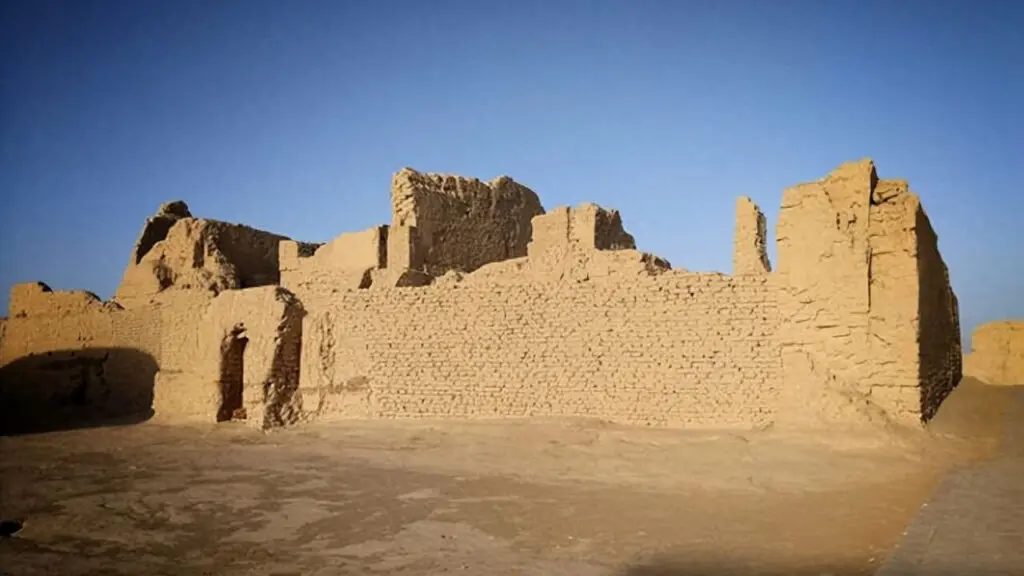
Astana Graves
Location: Astana Graves are located approximately 37 kilometers southeast of Turpan, in the Xinjiang Uyghur Autonomous Region of China, and about 6 kilometers from the ruins of the ancient city of Gaochang.
How to Get There:
- By Taxi: A round-trip taxi ride from Turpan, with a one-hour stay, typically costs around 80 yuan. A one-way trip is approximately 50 yuan.
- By Bus: From Turpan Passenger Station, take the Turpan-Shanshan bus to Shengjinkou, then transfer to a local passenger tricycle to reach the Astana Tombs. Alternatively, take a bus to Sanbao Township Government and disembark at the entrance of the Astana Tombs.
- Self-Driving: The journey from downtown Turpan to the Astana Cemetery takes approximately 40 minutes by car.
Best Time to Visit: The optimal time to visit the Astana Cemetery is during autumn, particularly in August and September. During this period, the weather is cooler, and local fruits are in season, enhancing the travel experience.
Additional Information:
- Entrance Fee: 20 RMB.
- Recommended Visiting Duration: Approximately 30 minutes.
The Astana Cemetery is an ancient burial site located approximately 37 kilometers southeast of Turpan, Xinjiang Province, and about 6 kilometers from the ruins of the ancient city of Gaochang. This cemetery was a public cemetery for Gaochang’s residents from the 3rd to the 8th centuries, and it spans an area of about 10 square kilometers and contains over 1,000 tombs. Due to the arid climate, many artifacts, including natural mummies, have been remarkably well-preserved.
Why it’s rare: The Astana Graves are an ancient cemetery that dates back to the Tang Dynasty (618-907 AD). While they are historically significant, they are often overshadowed by more famous sites in the Turpan region, such as the Flaming Mountains and the ancient city of Gaochang.
What to see: The graves contain well-preserved mummies, murals, and artifacts that provide insight into the daily life, culture, and burial practices of the people who lived along the ancient Silk Road. The site offers a fascinating glimpse into the past, away from the usual tourist crowds. However, currently only three tombs are open to the public. For safety reasons, visitors are advised not to enter unopened areas or touch the murals inside the chambers.
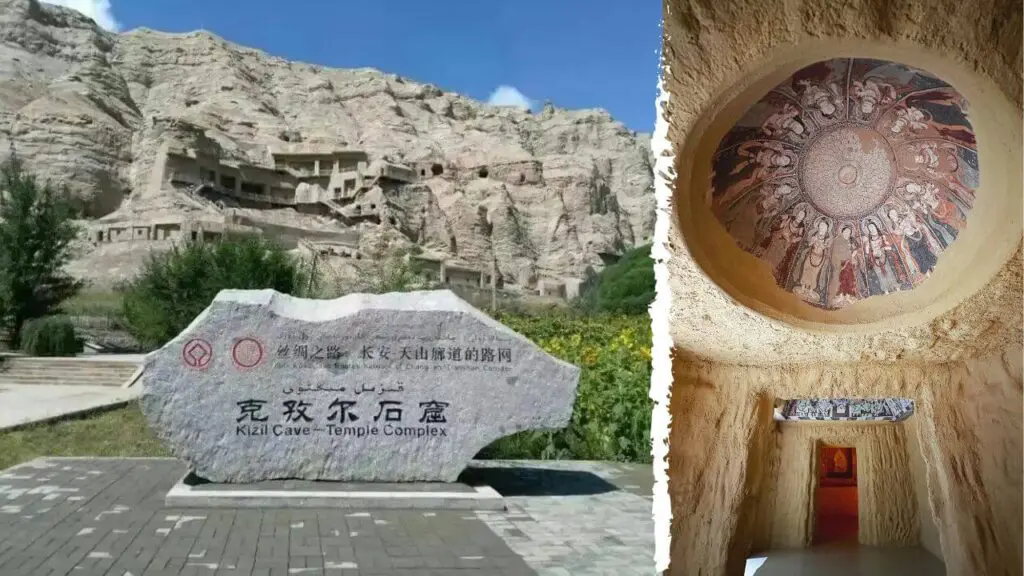
Kizil Caves
Location: near Kizil Township in Baicheng County, approximately 67 kilometers west of Kuqa (Kucha) in the Xinjiang Uyghur Autonomous Region, China.
How to Get There:
- By Car: The caves are approximately 67 kilometers west of Kuqa (also spelled Kucha) and about 7 kilometers east of Kizil Town. Hiring a car from Kuqa is a convenient option, typically costing around 200 RMB.
- By Bus: From Kuqa, you can take a bus towards Kizil Town and then hire a local taxi or tricycle to reach the caves.
Best Time to Visit: The best times to explore the Kizil Caves are during the spring (May to June) and autumn (September to October) months.
Additional Information:
- Entrance Fee: The admission fee is approximately 70 RMB.
- Opening Hours: The caves are open from 9:30 AM to 7:00 PM between May and September, and from 10:00 AM to 7:00 PM from October to April.
- Visiting Tips: Photography inside the caves is prohibited to protect the delicate murals. It’s advisable to allocate about 2 hours for the visit to fully appreciate the site.
The Kizil Thousand-Buddha Caves are a significant complex of ancient Buddhist rock-cut caves located near Kizil Town in Baicheng County, Xinjiang Uygur Autonomous Region, China. Carved between the 3rd and 8th centuries CE, these caves are considered the earliest major Buddhist cave complex in China, predating the renowned Mogao Caves in Dunhuang by about a century.
Why it’s rare: The Kizil Caves are one of the earliest major Buddhist cave complexes in China, predating even the Mogao Caves. Despite their historical importance, they are less visited due to their remote location and the need for special permits.
What to see: The caves feature stunning murals and sculptures that reflect a blend of Indian, Persian, and Central Asian artistic influences. The surrounding landscape of the Tian Shan mountains adds to the site’s allure, making it a hidden gem for those interested in Buddhist art and history.
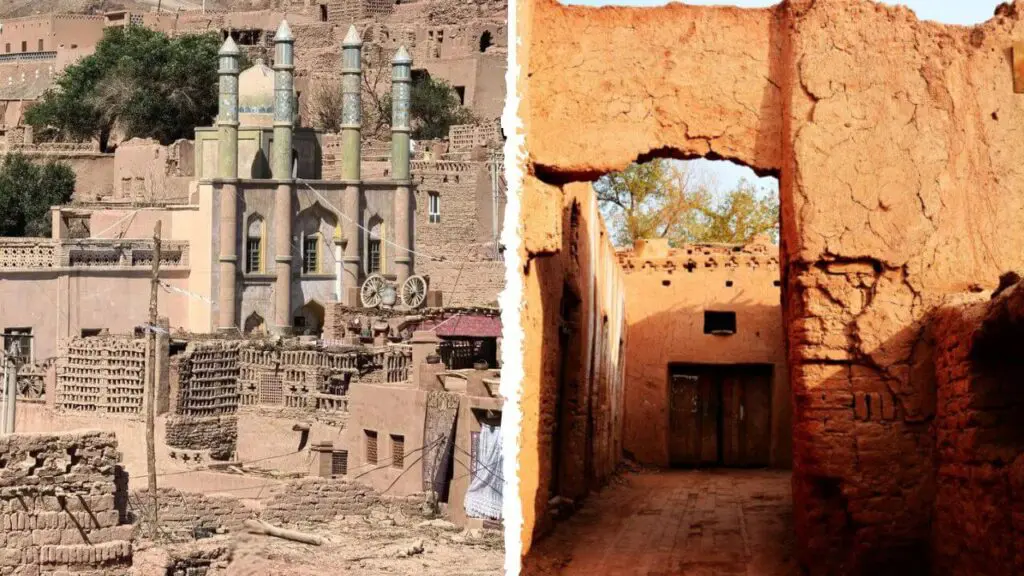
Tuyoq Village
Location: Shanshan County, about 70 kilometers east of Turpan in the Xinjiang Uyghur Autonomous Region
How to Get There:
- By Private Vehicle: The most convenient way to reach Tuyoq Village is by renting a car or hiring a taxi from Turpan. The journey takes about an hour and offers scenic views of the surrounding desert and mountain landscapes.
Best Time to Visit: During spring (April to June) and autumn (September to October) months. During these periods, the weather is pleasant, and the vineyards are either blossoming or ready for harvest, enhancing the village’s charm.
Additional Information:
- Entrance Fee: As of October 2020, the entrance fee is 30 CNY per person.
- Opening Hours: The village is open from 8:00 AM to 9:00 PM between April 21 and October 20, and from 10:00 AM to 6:30 PM from October 21 to April 20.
- Cultural Significance: Tuyoq Village is considered a significant Islamic pilgrimage site. According to local legend, visiting Tuyoq seven times is equivalent to a pilgrimage to Mecca.
Tuyoq Village is nestled within a lush valley that cuts into the Flaming Mountains, this village is renowned for its well-preserved Uyghur culture, historic significance, and picturesque landscapes.
Why it’s rare: It is one of the oldest continuously inhabited villages in Xinjiang and remains relatively untouched by mass tourism.
What to see: The village is known for its traditional Uyghur architecture, ancient grape vineyards, and the nearby Tuyoq Grottoes, which contain Buddhist murals. The peaceful atmosphere and stunning natural scenery make Tuyoq a perfect destination for those seeking an authentic ancient Silk Road experience.
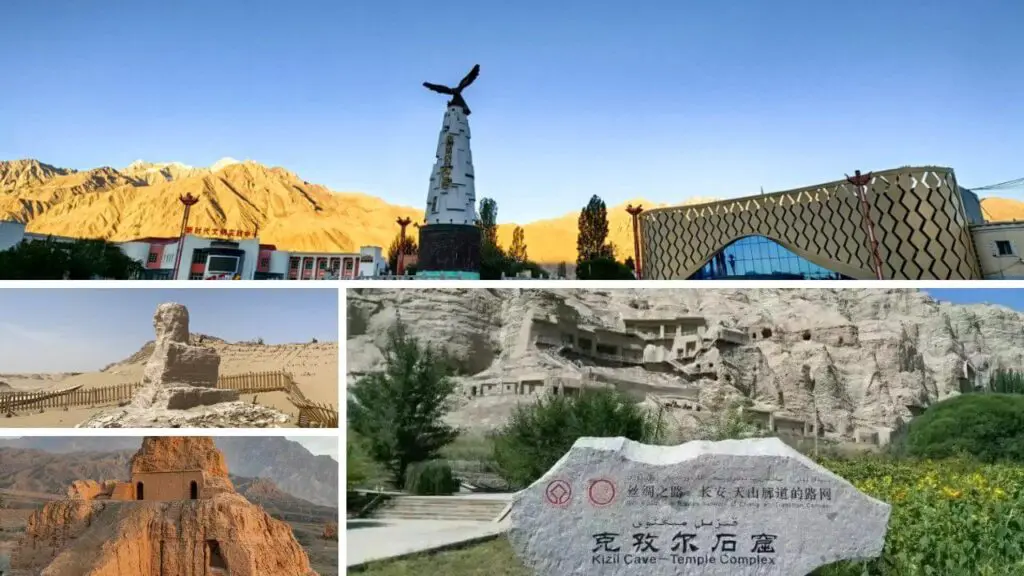
Tashkurgan
Location: southwestern part of Xinjiang, China, near the borders with Pakistan, Afghanistan, and Tajikistan
How to Get There:
- By Air: Tashkurgan is served by the Tashiku’ergan Hongqilafu Airport, which opened on December 23, 2022. The airport offers daily flights to and from Kashgar, providing a convenient option for travelers.
- By Road: Tashkurgan lies along the Karakoram Highway, approximately 290 kilometers (180 miles) south of Kashgar. The journey by car or bus takes about 4 to 5 hours, offering travelers breathtaking views of the surrounding mountains and valleys.
Best Time to Visit: The ideal time to visit Tashkurgan is during the summer months, from June to September. During this period, the weather is relatively mild, and the natural scenery is at its most vibrant. Winters can be harsh and extremely cold, making travel more challenging.
Additional Information:
- Altitude Consideration: Given Tashkurgan’s high elevation,(over 3,000 meters (9,800 feet) visitors should be mindful of potential altitude sickness. It’s advisable to acclimate gradually and stay hydrated during your visit.
- Cultural Sensitivity: The town is predominantly inhabited by the Tajik ethnic group. Visitors are encouraged to respect local customs and traditions, enhancing the cultural exchange experience.
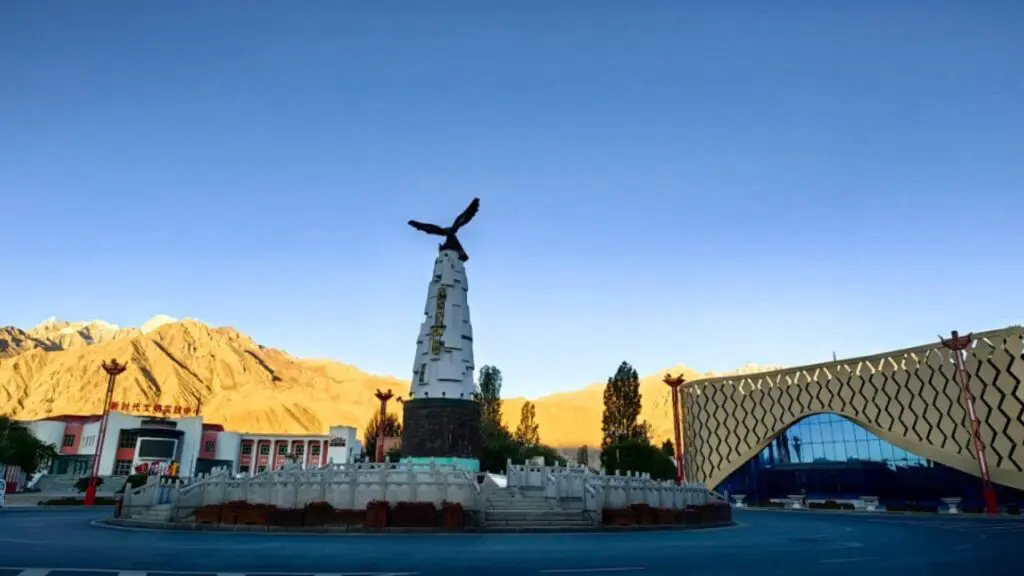
Tashkurgan is a remote town located in the far west of China’s Xinjiang Uyghur Autonomous Region. Situated at an elevation of approximately 3,090 meters (10,140 feet), it serves as the administrative center of the Tashkurgan Tajik Autonomous County. The town is renowned for its rich cultural heritage, stunning landscapes, and as a historical stop along the ancient Silk Road.
Why it’s rare: It is the last major stop before the Silk Road crosses into Central Asia.
What to see
- Stone City: This ancient fortress, perched on a hill overlooking the town, offers panoramic views of the surrounding valley and mountains. It stands as a testament to the town’s historical significance along the Silk Road.
- Golden Grassland: Located east of the Stone City, this expansive grassland is interwoven with meandering streams of the Tashkurgan River, set against a backdrop of rugged mountains. It’s an ideal spot for photography and experiencing the area’s natural beauty.
- Tashkurgan Museum: This museum houses local artifacts, photographic displays, and Bronze Age to Warring States period mummies discovered in the nearby Xiabandi Valley. It’s an excellent place to delve into the region’s rich history and culture.
Niya Ruins
Location: Situated about 150 kilometers north of Minfeng County (Niya County) in the Taklamakan Desert, Xinjiang, China.
How to Get There: Due to its remote location, visitors typically travel first to Minfeng County or Hotan by flight or road. From Minfeng, hiring an off-road vehicle with a professional guide and special permits is essential, as the ruins lie deep in the desert with challenging terrain.
Best Time to Visit: The best visiting periods are spring (April–June) and autumn (September–October) to avoid extreme temperatures.
Additional Tips:
- Access is restricted; visitors must obtain special permits from local authorities.
- Prepare thoroughly for desert conditions (carry water, food, sun protection, and suitable clothing).
- Actual ruins are not generally open to the public, but artifacts are displayed in the Hotan Museum in Hotan City.
Note: Direct visits are rare due to strict protection; it’s advised to view exhibits at museums instead.
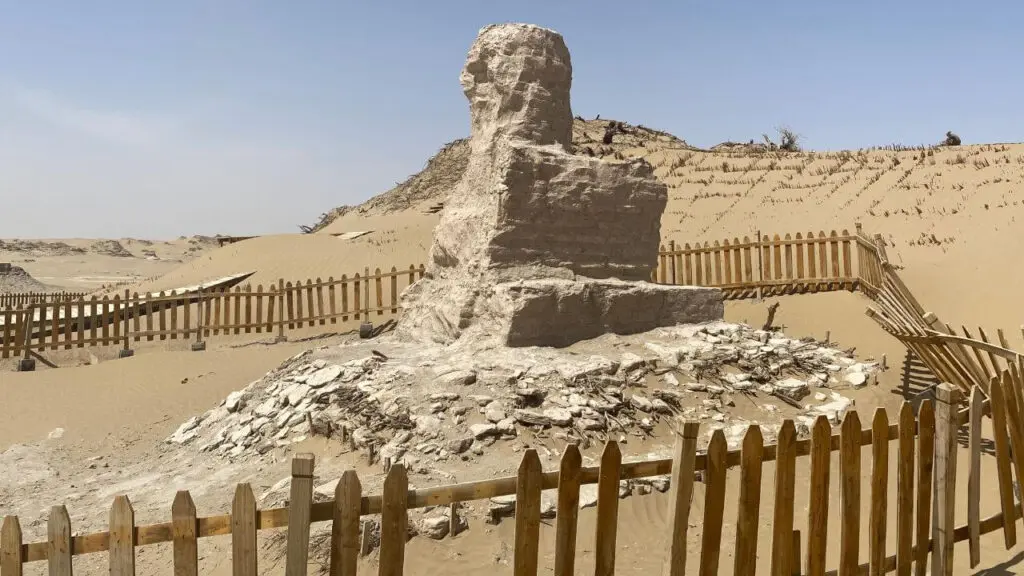
The Niya Ruins are the archaeological remains of an ancient oasis city hidden deep within the sands of the Taklamakan Desert in Xinjiang, and one of the rarely visited sited on the ancient silk road. Often called the “Eastern Pompeii,” Niya was once a prosperous city along the ancient Silk Road, serving as a vital trading hub between East and West. Remarkably well-preserved wooden tablets, coins, and textiles discovered at the site offer valuable insights into life from the 1st century CE onwards. Today, although access to the ruins themselves is highly restricted due to their fragile condition, artifacts from Niya can be explored in museums such as the Hotan Museum, providing visitors with a fascinating glimpse into this lost desert kingdom.
Why it’s rare: The site is difficult to reach and requires special permits, making it one of the least visited Silk Road sites.
What to see: The ruins of houses, temples, and tombs, as well as the eerie desert landscape that has preserved the site for centuries.
Subashi Ruins
Location: approximately 23 kilometers (14 miles) northwest of Kuqa County in Xinjiang, China
How to Get There: The ruins are accessible via a 23-kilometer drive from Kuqa County. Hiring a taxi or joining a guided tour from Kuqa is a common approach.
Best Time to Visit: Spring (April to June) and autumn (September to October) offer pleasant weather conditions suitable for exploration.
Additional Tips: The site is expansive; allocating several hours will allow for a thorough visit. It’s advisable to carry water, sun protection, and wear comfortable footwear due to the desert terrain.
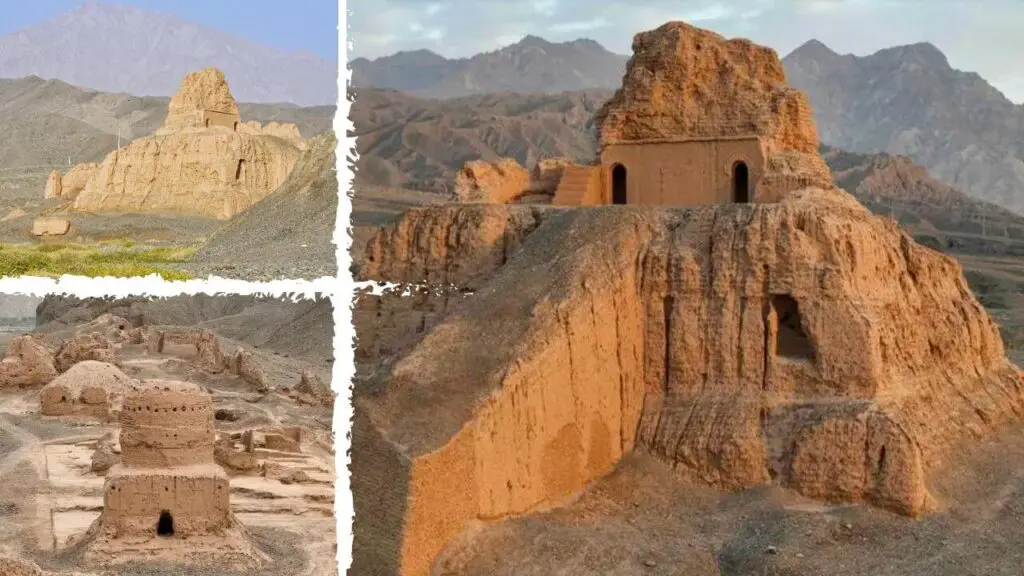
The Subashi Ruins are the remnants of an ancient Buddhist temple complex that is situated along the ancient Silk Road, these ruins offer a glimpse into the region’s historical significance as a center for Buddhist culture and trade.
Why it’s rare: The site is not well-known and is often bypassed by tourists heading to more famous destinations like the Kizil Caves.
What to see: The ruins of the monastery, including stupas, temples, and living quarters, set against the backdrop of the Tian Shan mountains.
The ruins are divided by the Kuqa River into eastern and western sections. Both areas contain remnants of Buddhist halls, pagodas, and monks’ quarters, reflecting the temple’s past grandeur. The western area, covering about one square kilometer, includes structures such as the main temple, living quarters for monks, lecture halls, and stupas. The eastern area, though smaller, features a grand pagoda and associated buildings.
Loulan Ancient City
Location: Lop Nur, Xinjiang
How to Get There: The ruins are located approximately 300 kilometers northeast of Ruoqiang County in Xinjiang, near the desiccated Lop Nur salt lake. Due to its remote and inhospitable desert environment, direct visits are rare and require special permits from local authorities.
Best Time to Visit: The best time to visit the surrounding region is during spring (April to June) and autumn (September to October), when temperatures are more moderate.
Additional Tips:
- Loulan Museum: To gain insights into Loulan’s history and culture, consider visiting the Loulan Museum in Ruoqiang County. It was opened in 2011, and it has artifacts, including mummies, woodenware, bronzeware, pottery, and documents, offering a comprehensive overview of the ancient city’s significance.
- Preparation: If planning to travel in the region, ensure you are well-prepared for desert conditions by carrying ample water, sun protection, and appropriate clothing. Always check local regulations and obtain necessary permissions before attempting to visit any restricted archaeological sites.
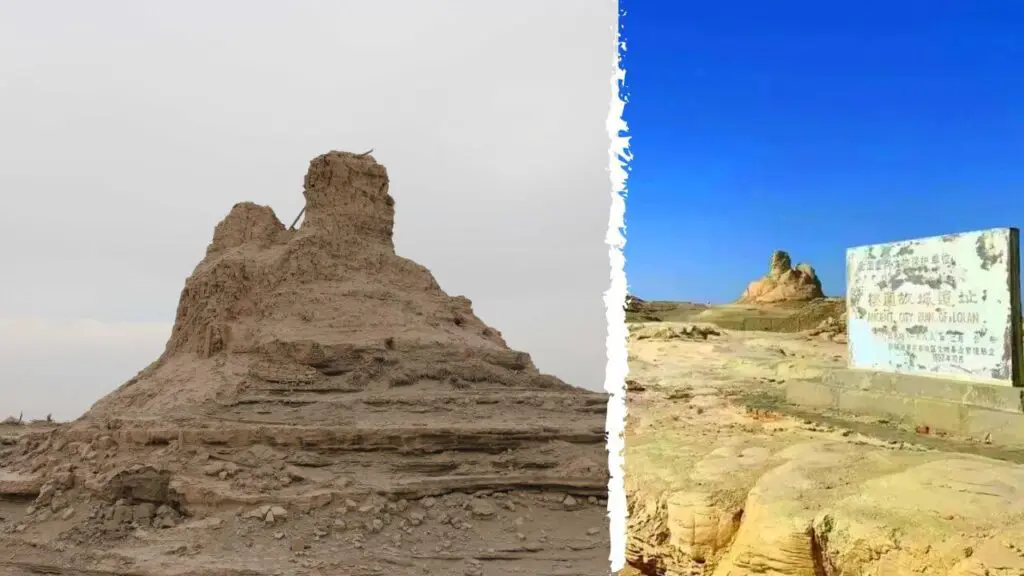
The Loulan Ancient City was a prominent oasis city along the ancient Silk Road, serving as a crucial hub for trade and cultural exchange between the East and West. Established around 176 BCE, Loulan thrived due to its strategic location but mysteriously declined and was abandoned by the 5th century CE, likely due to environmental changes such as shifting river courses and desertification.
Why it’s rare: Loulan was once a flourishing city on the Silk Road, but it was abandoned and eventually swallowed by the desert. The site is extremely remote and difficult to access, requiring special permits and a guided expedition.
What to see: The remains of the ancient city, including houses, tombs, and artifacts, as well as the stark beauty of the surrounding desert.
Shipton’s Arch
Location: Near Kashgar, Xinjiang
How to Get There: Located approximately 66 km northwest of Kashgar, Xinjiang. Accessible via a 1–2-hour drive from Kashgar city, followed by a hike lasting around 45 minutes to 2 hours, depending on fitness.
Best Time to Visit: Spring (April–June) and Autumn (September–October) due to comfortable temperatures. Early morning or late afternoon is recommended to avoid midday heat and for optimal photography.
Access: Moderate hiking involved improved trails, staircases, and viewing platforms built for tourists. Suitable for visitors in average physical condition, though proper hiking footwear and adequate hydration are strongly advised.
Additional Tips: Prepare sun protection, snacks, and ample drinking water.
- Entrance fee required (around 40–50 RMB).
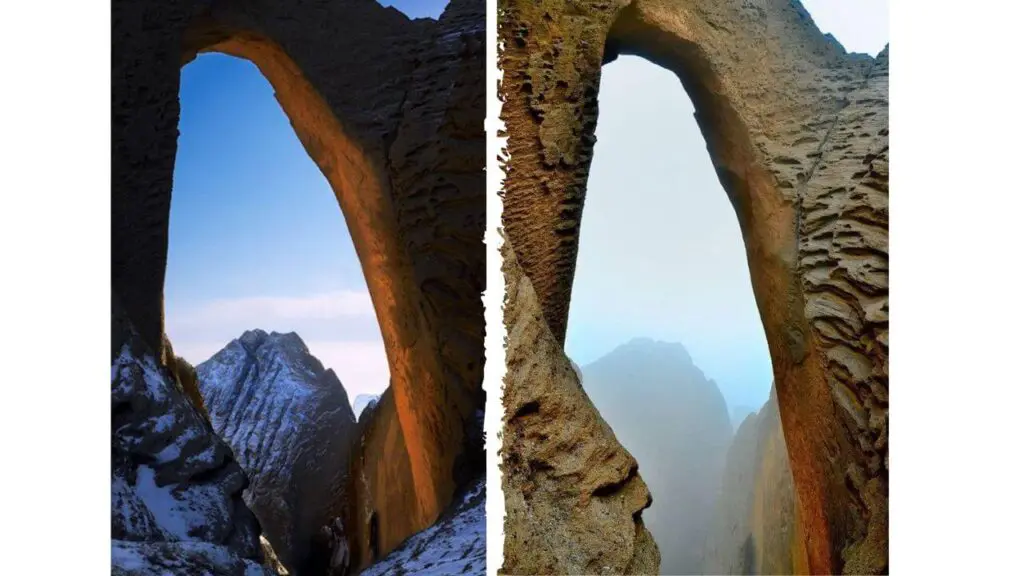
Shipton’s Arch, locally known as Tushuk Tash (“Pierced Rock”) in Uyghur and Ātúshí Tiānmén (“Artux Heavenly Gate”) in Chinese, is recognized as the world’s tallest natural stone arch. Discovered by British mountaineer Eric Shipton in 1947, the arch remained largely unknown to the outside world for decades. Today, visitors can experience this awe-inspiring landmark by hiking scenic trails, making it a favorite destination for adventure enthusiasts and nature lovers exploring China’s far west.
Why it’s rare: Shipton’s Arch is one of the tallest natural arches in the world, yet it remains relatively unknown due to its remote location and the challenging trek required to reach it.
What to see: The massive natural arch, the rugged mountain scenery, and the sense of adventure in reaching this hidden gem.
Tips for Visiting Rarely Visited Silk Road Sites
- Permits: Some of these sites require special permits to visit, especially those located near border areas or in sensitive regions. Make sure to check the latest regulations and obtain the necessary permissions.
- Guides: Due to the remote and sometimes challenging nature of these locations, it is advisable to hire a local guide or join a specialized tour.
- Preparation: Many of these sites are in harsh environments, so be prepared with appropriate gear, including sturdy footwear, sun protection, and plenty of water.
Final Words
There’s no doubt that all the sites along the ancient Silk Road are remarkable and rare to find anywhere else in the world. If you’re planning a tour to Xinjiang or the far east of China, be sure to include some of these sites in your itinerary.
I highly recommend joining a tour group and traveling with a guide for trips like this. My suggestion has nothing to do with safety concerns—it’s about the quality of the experience. A guided group tour enhances your journey, providing deeper cultural insights and a richer understanding of the history behind each attraction. With a guide, you’ll truly learn the stories and significance of the places you visit.
Related tours

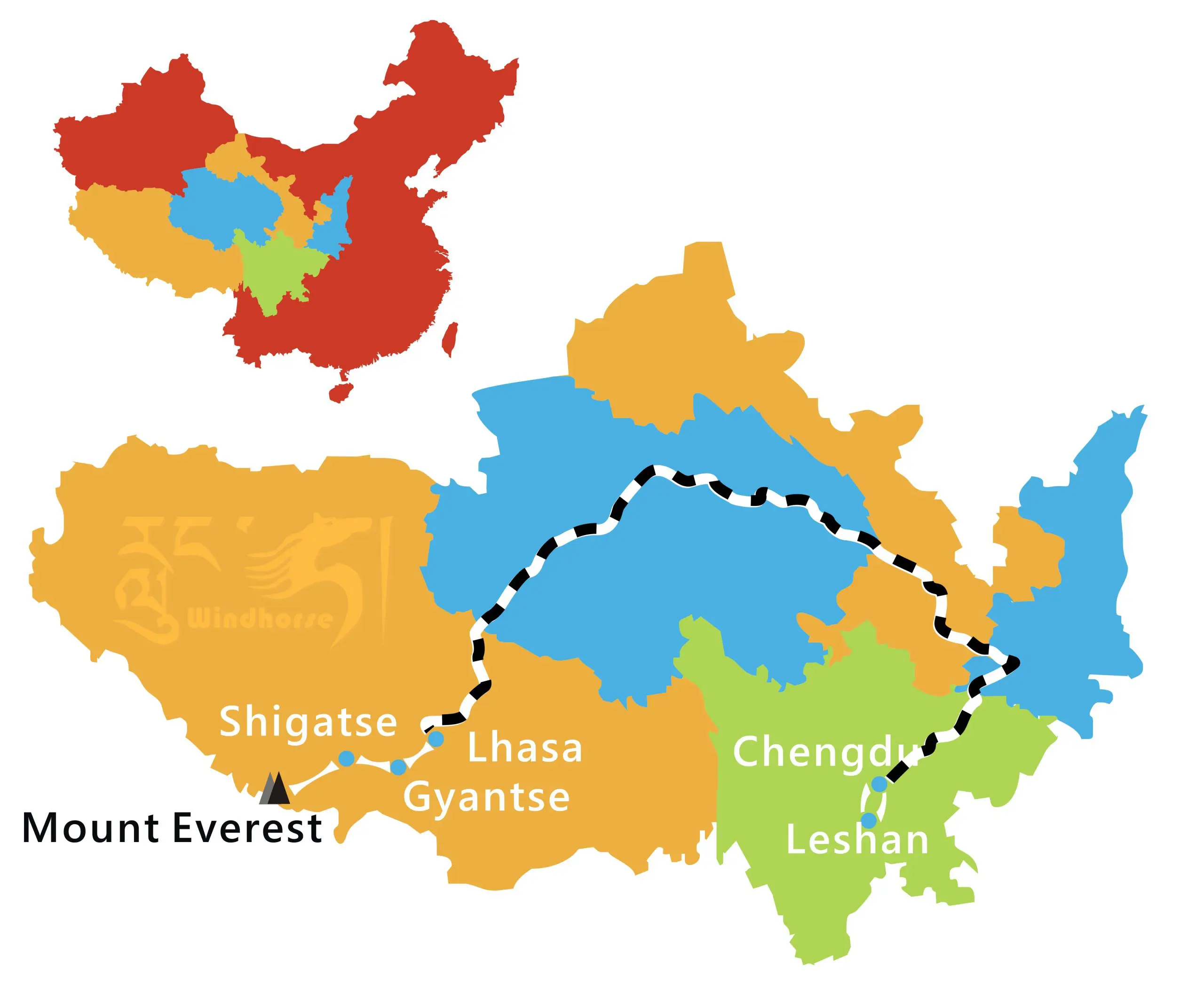
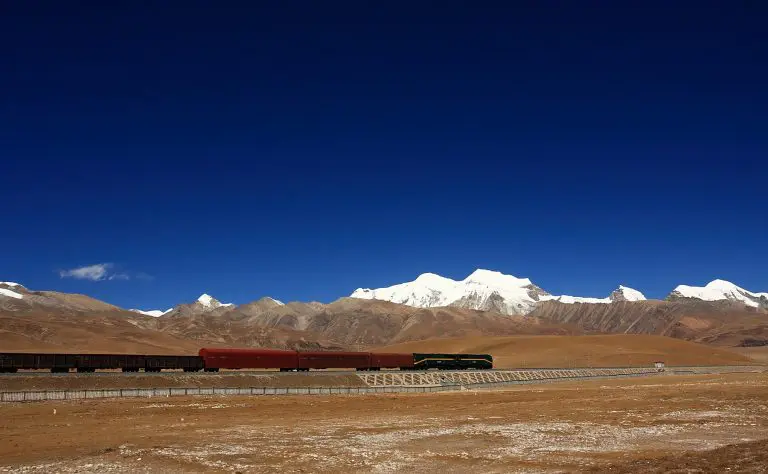


Experience a 12-day Chengdu Tibet Train Tour that links Sichuan’s culture with Tibet’s Himalayan wonders. Visit pandas and the Leshan Giant Buddha, ride the Qinghai-Tibet Railway to Lhasa, explore the Potala Palace, and travel west via Gyantse and Shigatse to Everest Base Camp before returning to Lhasa.
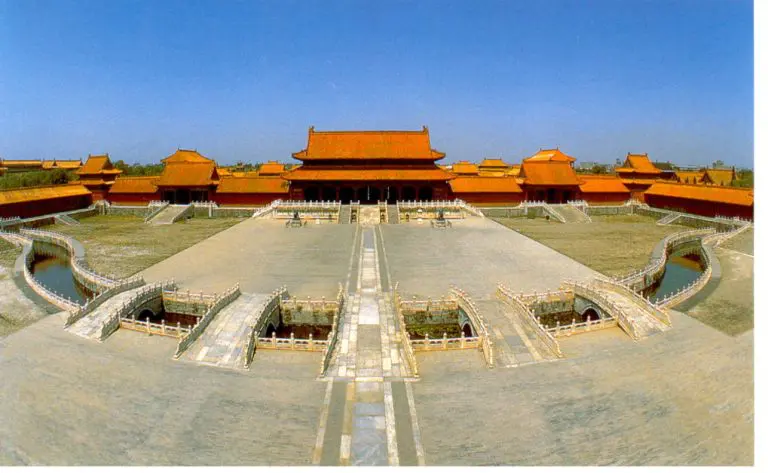




Experience China’s culture and scenery on this 10-day Beijing, Yangtze River Cruise & Shanghai Tour. Visit Beijing’s heritage sites, sail the Three Gorges from Chongqing to Yichang, and finish with Shanghai’s iconic highlights.

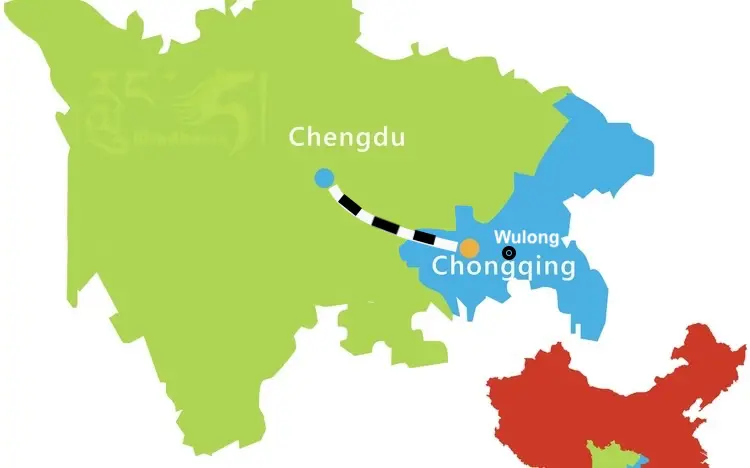

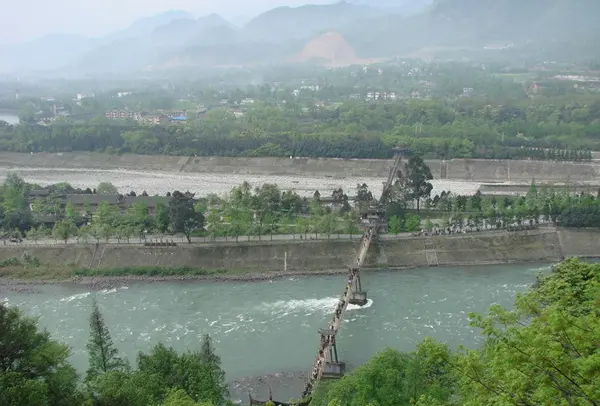



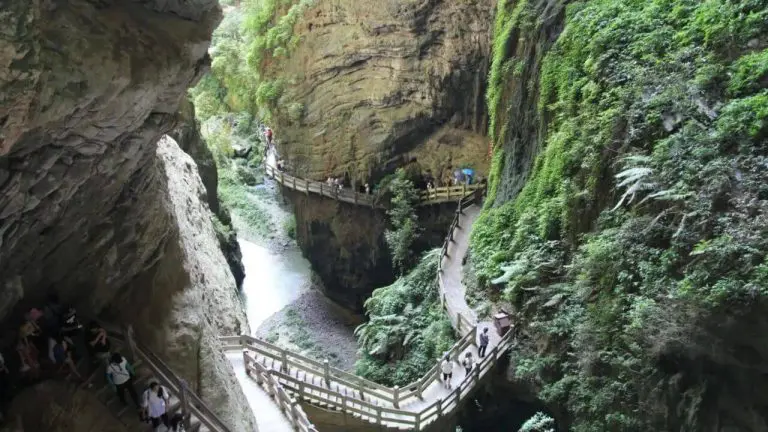

Travel through the top two cities of Southwest China on this 6-day Chengdu to Chongqing Tour with Wulong Karst. See giant pandas, the Leshan Grand Buddha, and Dujiangyan in Chengdu, explore Chongqing’s lively old streets, and marvel at Wulong’s UNESCO-listed karst bridges and gorges.

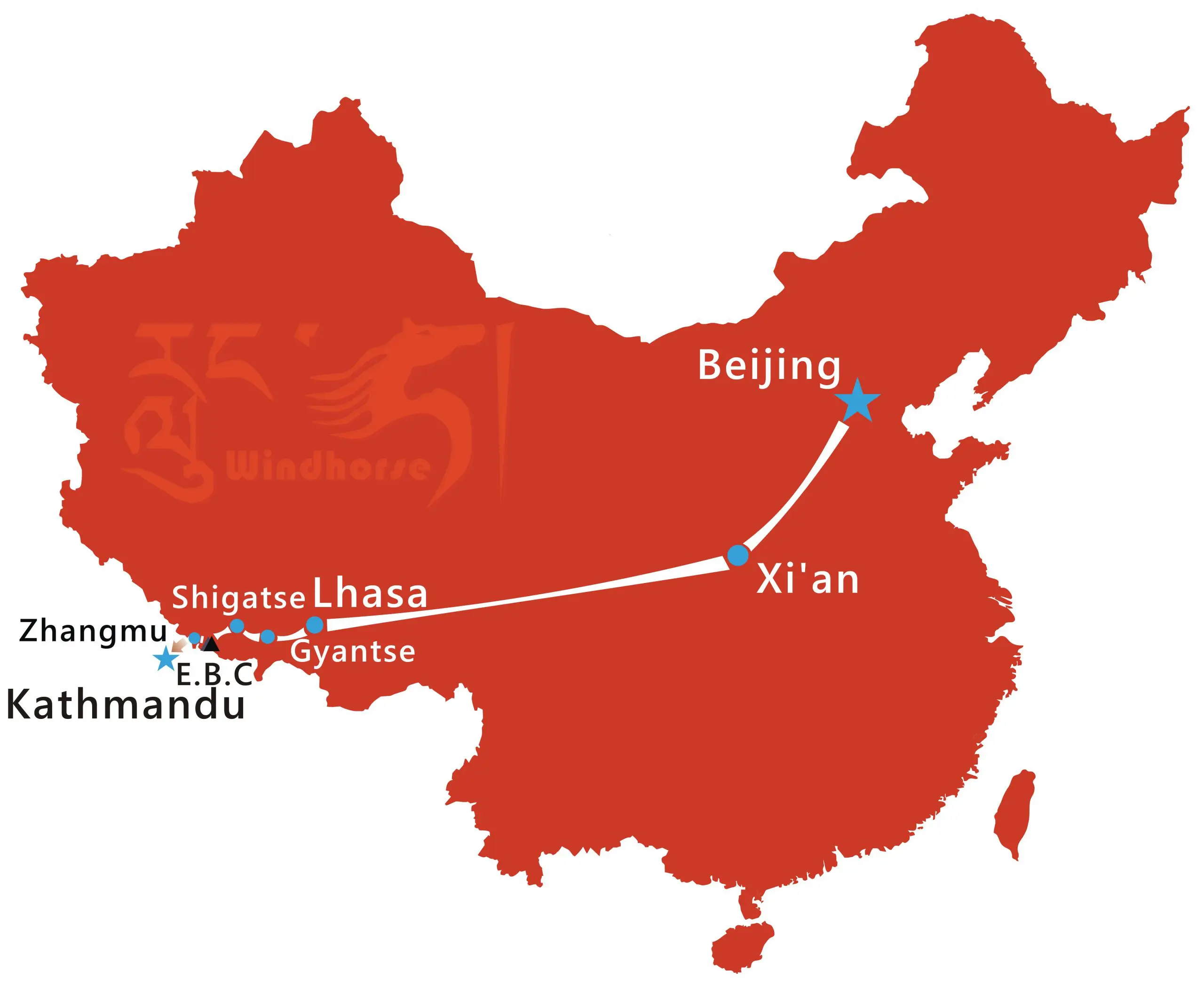




This China Tibet Tour from Beijing to Kathmandu links China’s imperial landmarks with Tibet’s sacred sites and dramatic Himalayan landscapes. Explore Beijing and Xi’an, ride the Qinghai-Tibet Railway to Lhasa, visit the Potala Palace and Everest Base Camp, then journey along the Friendship Highway to Kathmandu.