
Tibet Trekking Tips: Insider Advice from Local Experts
Trekking in Tibet is a once-in-a-lifetime adventure across the Roof of the World. With towering Himalayan peaks, sacred pilgrimage trails, centuries-old monasteries and authentic Tibetan culture, Tibet offers one of the most extraordinary trekking experiences on Earth.
However, Tibet’s high altitude and rugged terrain demand serious preparation. As a local Tibetan tour operator with decades of experience, we’ve guided trekkers across legendary routes such as Mount Kailash Kora, Ganden to Samye, and Tsurphu to Yangpachen.
Table of Contents
Here are our most essential Tibet trekking tips to help you prepare for a safe, fulfilling, and unforgettable journey.
1. Acclimatize Properly Before You Trek
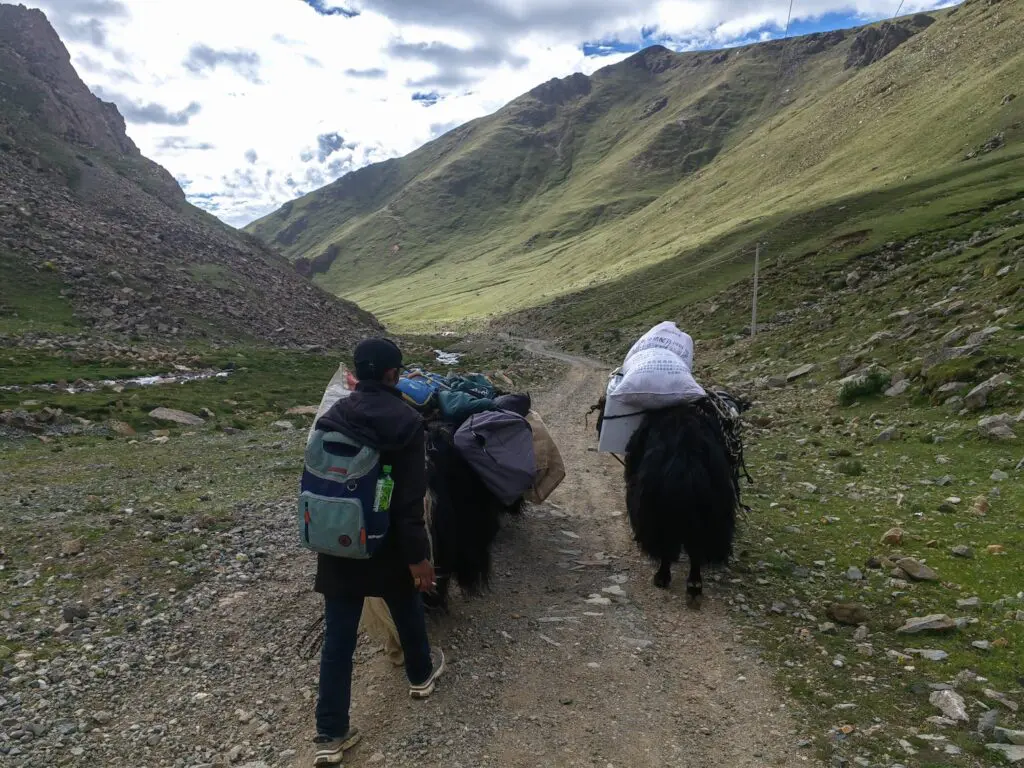
Altitude sickness is the biggest challenge when trekking in Tibet, and it affects everyone differently. Based on our years of experience guiding experience on the plateau, we recommend spending at least 3 days in Lhasa (3,650m) before beginning your trek. Rest well, stay hydrated with 3 to 4 liters of water daily, and avoid alcohol or heavy meals. Take gentle walk around the city to help your body adjust naturally.
Most travelers adapt within 2 to 3 days, but always listen to your body as it knows best. Common symptoms include headaches, nausea, or dizziness. If these worsen despite rest, descend to a lower altitude and seek medical attention immediately.
Learn the detailed guide on how to prevent high-altitude sickness in Tibet. Acclimatization is not a race, it’s the foundation for a safe and successful trek across Tibet’s highlands.
2. Choose the Right Season for Your Trek
Timing is everything in Tibet’s extreme highland climate. The best trekking season in Tibet runs from late April to early October when trails are open and weather is relatively stable.
For classic routes such as Ganden to Samye and Mount Kailash Kora, late April to early of June and September to October offer the clearest skies, mild temperatures, and perfect conditions for photography. July to August brings lush summer scenery but also afternoon rain, especially in July.
Winter trekking (November–March) is normally not suggested as trails can be icy and remote facilities close. However if you plan to trek to Yubeng village at the foot of Mount Meili, then the trekking still can be done in November and December.
3. Get Physically Fit and Know Your Trek’s Difficulty
Preparation starts months before you land in Lhasa. Begin training 2–3 months in advance with cardio workouts such as hiking, cycling, or stair climbing. Build leg and core strength to handle high-altitude climb.
Not all Tibet treks are the same. Routes near Lhasa like Ganden to Samye (9 days) or Tsurphu to Yangpachen (7 days) are moderate and ideal for beginners. High-altitude expeditions such as Mount Kailash Kora or Everest Base Camp require prior experience and strong endurance.
Proper preparation ensures that your trek is both achievable and enjoyable.
4. Secure All Necessary Permits Early
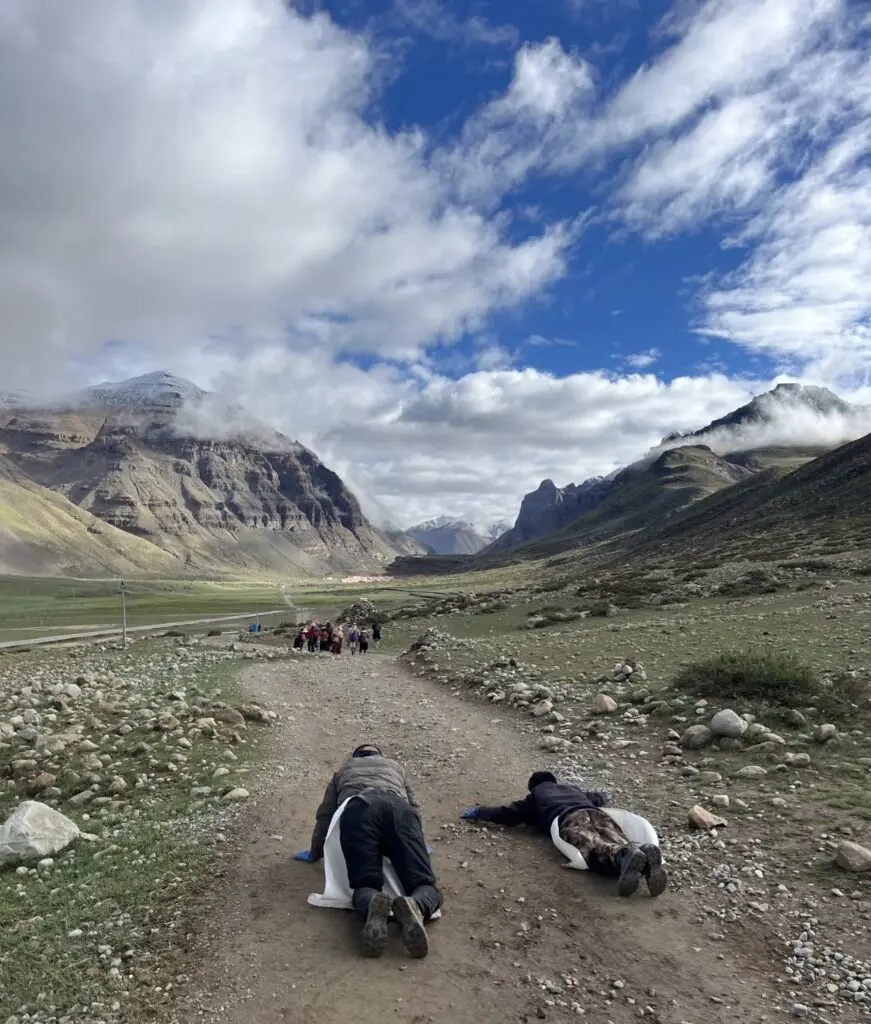
Independent trekking is not allowed within the Tibet Autonomous Region (TAR). You’ll need official permits to travel and trek legally.
For treks in TAR, these include the Tibet Travel Permit (TTP), Alien’s Travel Permit (ATP), and for restricted regions like Mount Kailash, a Military Permit. The process takes 15–20 days as multiple offices approve applications.
Licensed Tibetan travel agencies like ours handle all paperwork, submissions, and permit collection for you.
If trekking in Kham or Amdo (Western Sichuan, Qinghai, or Yunnan), only a standard Chinese visa is needed, making these regions easier to access.
5. Trek With Licensed Local Tibetan Guides and Full Support
Permits grant access, but local guides make your trek possible. Tibet’s vast terrain, unpredictable weather, and strict regulations require professional guidance.
Our Tibetan guides know every pass and valley, manage altitude, handle emergencies, and share deep cultural knowledge. Trekking with locals also ensures your trip directly supports Tibetan communities.
For camping treks, yaks or porters carry supplies and equipment, so you only need to bring a light daypack. At over 4,000 meters, even walking is tiring, let our team handle the logistics while you enjoy the views.
This full-service support guarantees safety, comfort, and authentic connection throughout your journey.
6. Pack Smart and Light
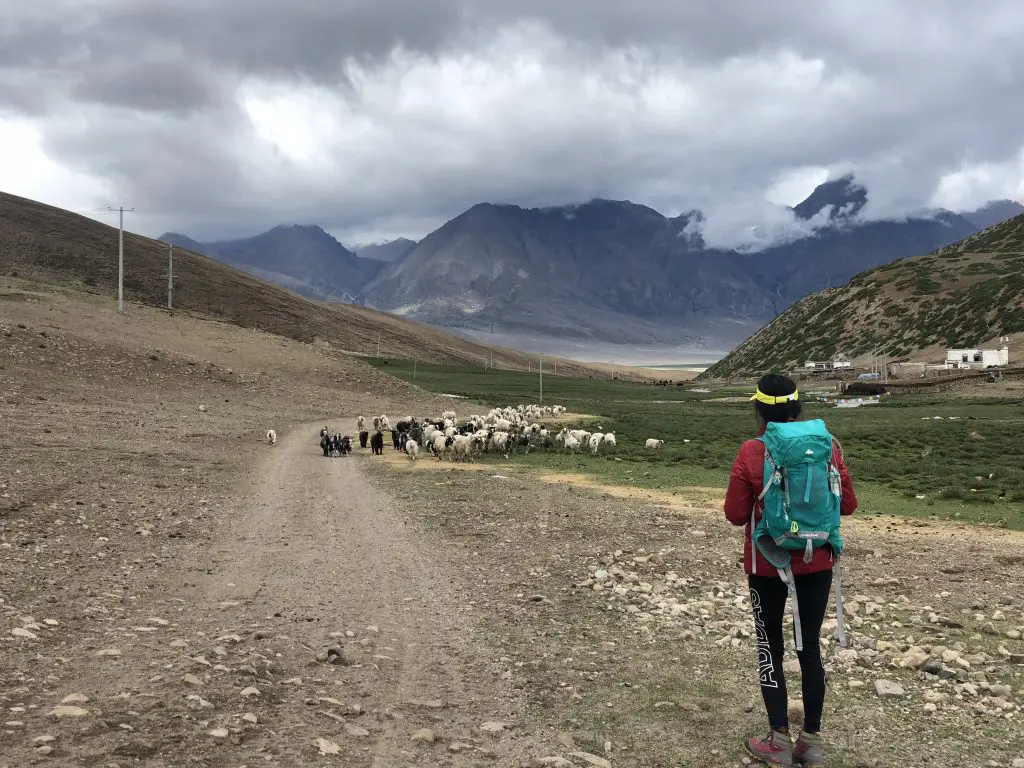
Layering is key for Tibet’s extreme temperature swings. Pack a quality down jacket (rated to -10°C rated), waterproof shell, thermal base layers, fleece, trekking pants, warm hat, and sturdy hiking boots.
High UV levels demand SPF 50+ sunscreen, polarized sunglasses, and a wide-brimmed hat. Don’t forget trekking poles, a four-season sleeping bag, water purification tablets, and a headlamp with spare batteries.
Carry enough cash (RMB) in small bills (10–50 yuan) for snacks or monastery donations, ATMs are rare. Some guesthouses accept mobile payment like WeChat Pay, but mobile coverage is unreliable at part of the trails. Our team provides a detailed packing checklist customized for your trek.
7. Prepare for Simple but Authentic Accommodation
Expect basic conditions on most trekking routes. Guesthouses and monastery stays often have shared dorms, limited electricity, and squat toilets.
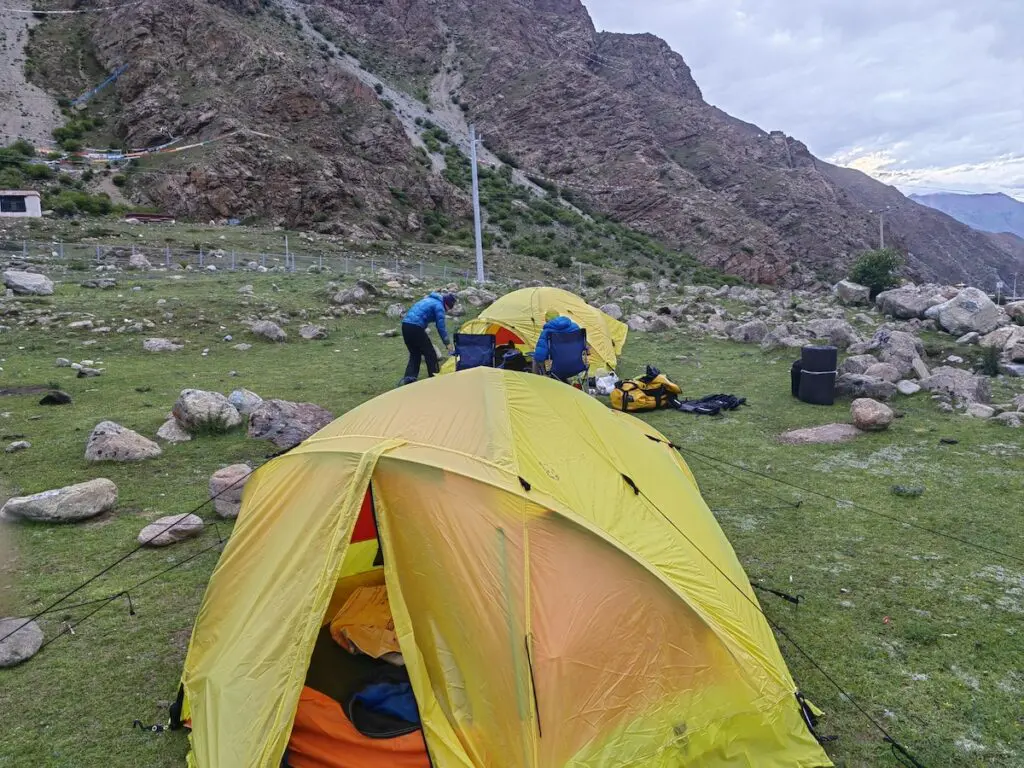
For camping treks, we provide sturdy tents, mattresses, and hot meals prepared by our guide or cook (depend on the group size).
Facilities may be simple, but the experience is genuine, the landscapes, silence, and starlit nights are part of Tibet’s raw beauty. Come with an open mind and you’ll find comfort in simplicity.
8. Stay Hydrated and Eat for Energy
Dehydration is one of the fastest ways to develop altitude sickness. Drink consistently even when you’re not thirsty, a 3–4 liters per day helps prevent altitude sickness. Clear to light-yellow urine is a good sign of hydration.
Eat plenty of carbohydrates such as rice, noodles, and porridge for sustained energy, and snack often on nuts, chocolate, or dried fruit.
Tibetan butter or sweet tea provides warmth and calories locals rely on. Our cooks or guides prepare nutritious meals suited to high-altitude trekking, keeping you strong throughout your journey.
9. Recognize Altitude Sickness Warning Signs
Altitude sickness can develop quickly and unpredictably, even in experienced trekkers. Mild symptoms such as headache, fatigue, or shortness of breath are normal during the first days at high elevation. However, serious warning signs include intense headache unrelieved by medication, persistent vomiting, confusion, loss of balance, or difficulty breathing at rest, require immediate action.
If these symptoms appear, stop ascending and descend to a lower altitude. Our guides are trained in high-altitude first aid and will make safety decisions promptly. Never try to hide symptoms or push yourself to keep pace with others, your health always comes first.
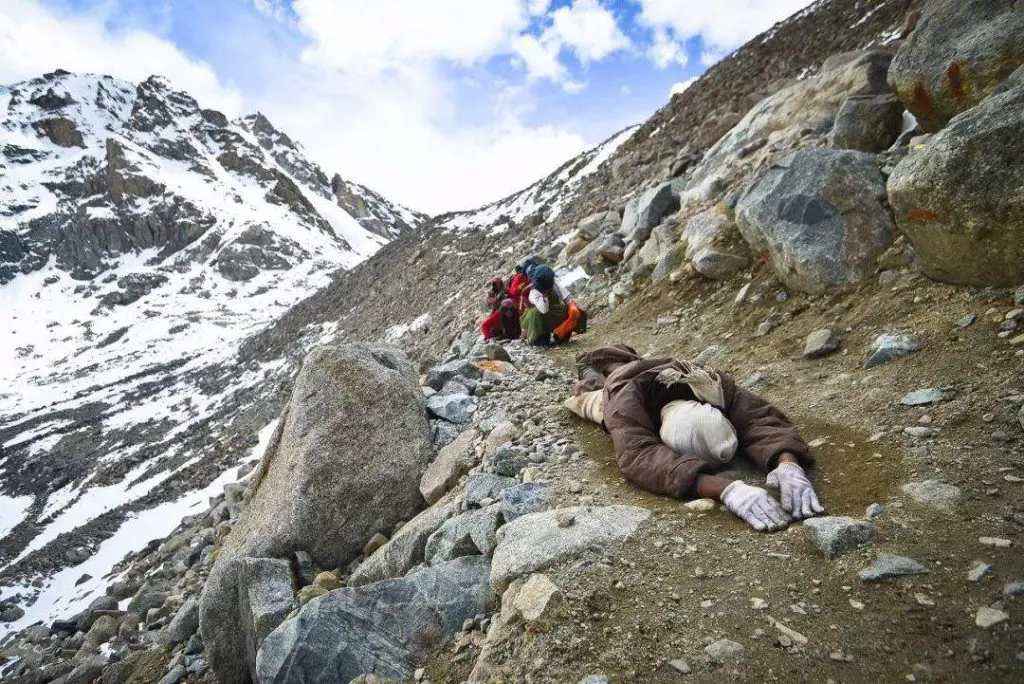
10. Respect Tibetan Buddhist Culture
Tibet is one of the most spiritual regions in the world, and showing respect for local customs will greatly enrich your trekking experience.
Always walk clockwise around monasteries, stupas, and mani walls. Remove your hat and sunglasses when entering temples, and dress modestly with shoulders and knees covered.
Ask permission before taking photos of monks, locals, or religious ceremonies. Accept offerings or tea with both hands, and never touching anyone’s head or pointing your feet toward people or sacred objects.
Simple greetings like “Tashi Delek” (hello) or “Thuchi Che” (thank you) show warmth and respect, and often lead to memorable exchanges along the trail.
11. Get Specialized Travel Insurance
Before traveling to Tibet, make sure your insurance policy covers high-altitude trekking and emergency evacuation from remote areas. Many standard plans exclude coverage above 4,000 or 5,000 meters. Choose a policy that includes medical treatment, evacuation, and trip interruption protection.
It’s a small investment that ensures peace of mind when trekking through remote, high-elevation terrain.
12. Why Book with Local Tibetan Experts
As a local Tibetan tour operator, we know these mountains and traditions intimately.
We provide experienced guides, handle all permits and logistics, supply quality equipment, and maintain strict safety standards.
When you trek with us, you’re not just booking a service, you’re joining a local family that cares deeply about your wellbeing and connection to Tibet.
Frequently Asked Questions About Tibet Trekking
How long does it take to trek to Everest Base Camp from the Tibet side?
The classic Tingri to Everest Base Camp trek takes 3 days of trekking (11 days total including travel and acclimatization). You’ll trek through pristine valleys and high passes to reach the north face base camp at 5,200m. This is shorter than the Nepal side and offers stunning, unobstructed views of Everest’s north face with far fewer crowds.
Can I do the Mount Kailash Kora if I’m not religious?
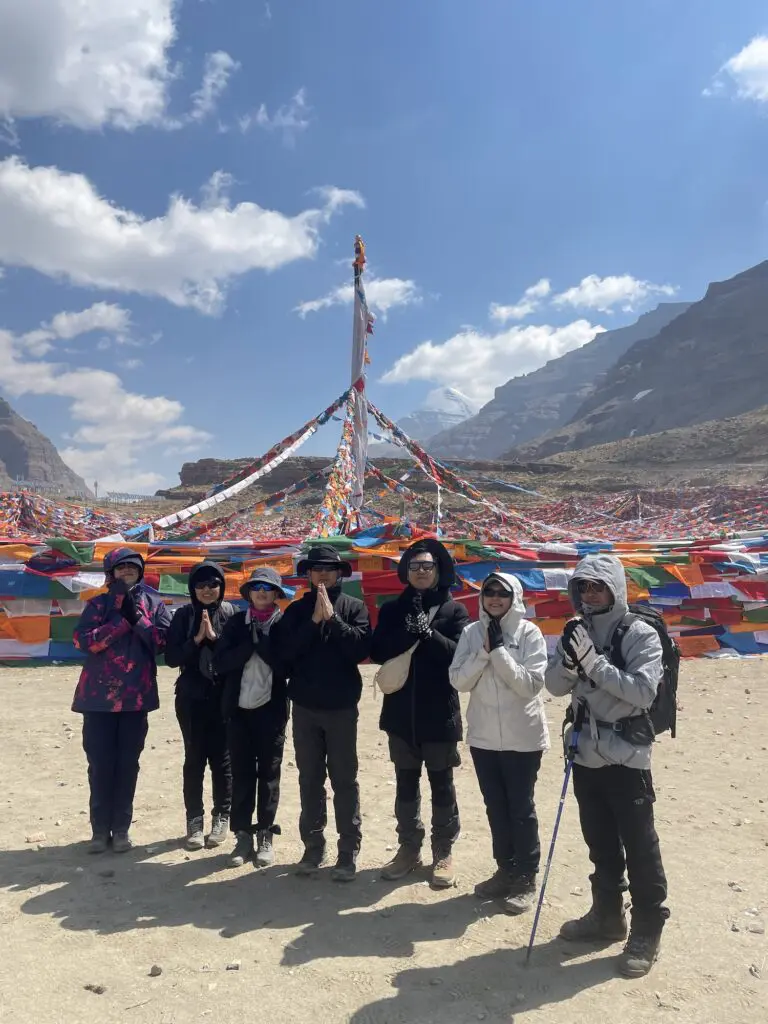
Absolutely. While the Mount Kailash Kora is sacred to Buddhists, Hindus, Jains, and Bon practitioners, non religious trekkers are welcome and many complete this challenging 52km circuit. The three day trek crosses Dolma La pass at 5,630m and offers incredible Tibetan plateau scenery and a profound sense of wilderness. You’ll trek alongside pilgrims, which adds cultural richness to the experience regardless of your beliefs.
What’s the difference between trekking near Lhasa versus remote western Tibet?
Treks near Lhasa like Ganden to Samye are more accessible, moderate in difficulty, and rich in Buddhist monastery culture. They’re perfect for first timers. Remote western Tibet treks like Kailash and Everest involve longer drives (2 to 4 days), higher altitudes, more extreme conditions, and require excellent fitness. Western treks are more isolated, with basic facilities and fewer tourists, offering a wilder, more challenging adventure.
What happens if I get sick or injured during a remote trek?
Our guides are trained in wilderness first aid and altitude sickness management. For serious cases, we coordinate ground evacuation where possible.
Since phone coverage is limited, our teams carry satellite communication devices. This is why having specialized travel insurance with high-altitude coverage is mandatory.
Can I charge my phone and camera during multi day treks?
Electricity is extremely limited on remote treks. Some monastery guesthouses have power for a few hours in the evening (often for a small fee like 10 to 20 yuan). We recommend bringing fully charged power banks (20,000mAh+), extra camera batteries, and keeping devices in inside jacket pockets to preserve battery in cold weather. Solar chargers work but are weather dependent. Plan to be mostly off grid.
Ready to Trek the Roof of the World?
With the right preparation, mindset, and local guidance, your Tibet trek will be one of the most transformative experiences of your life. Check out our Tibet trekking tour to get some inspiration and contact us to share your requirements and interests, then we can help you to design your unique Tibet trekking tour.
Tashi Delek!
Read the comprehensive Tibet trekking guide to learn about classic Tibet trekking routes, required permits, packing list and detailed planning tips.
Related tours
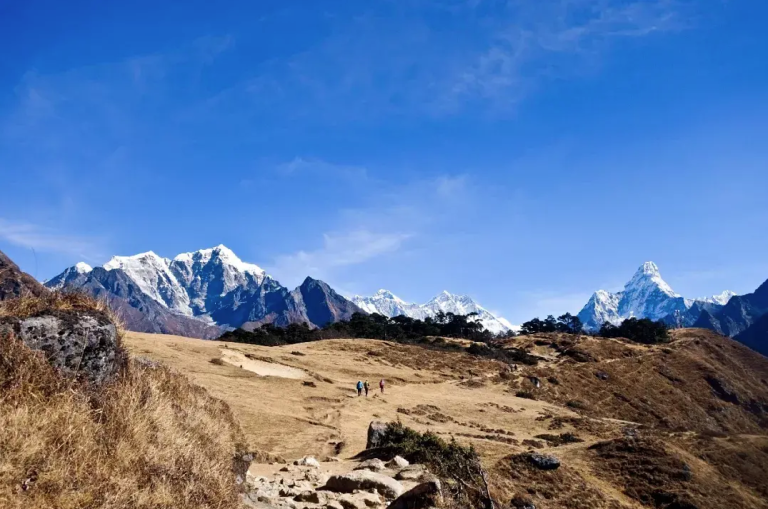
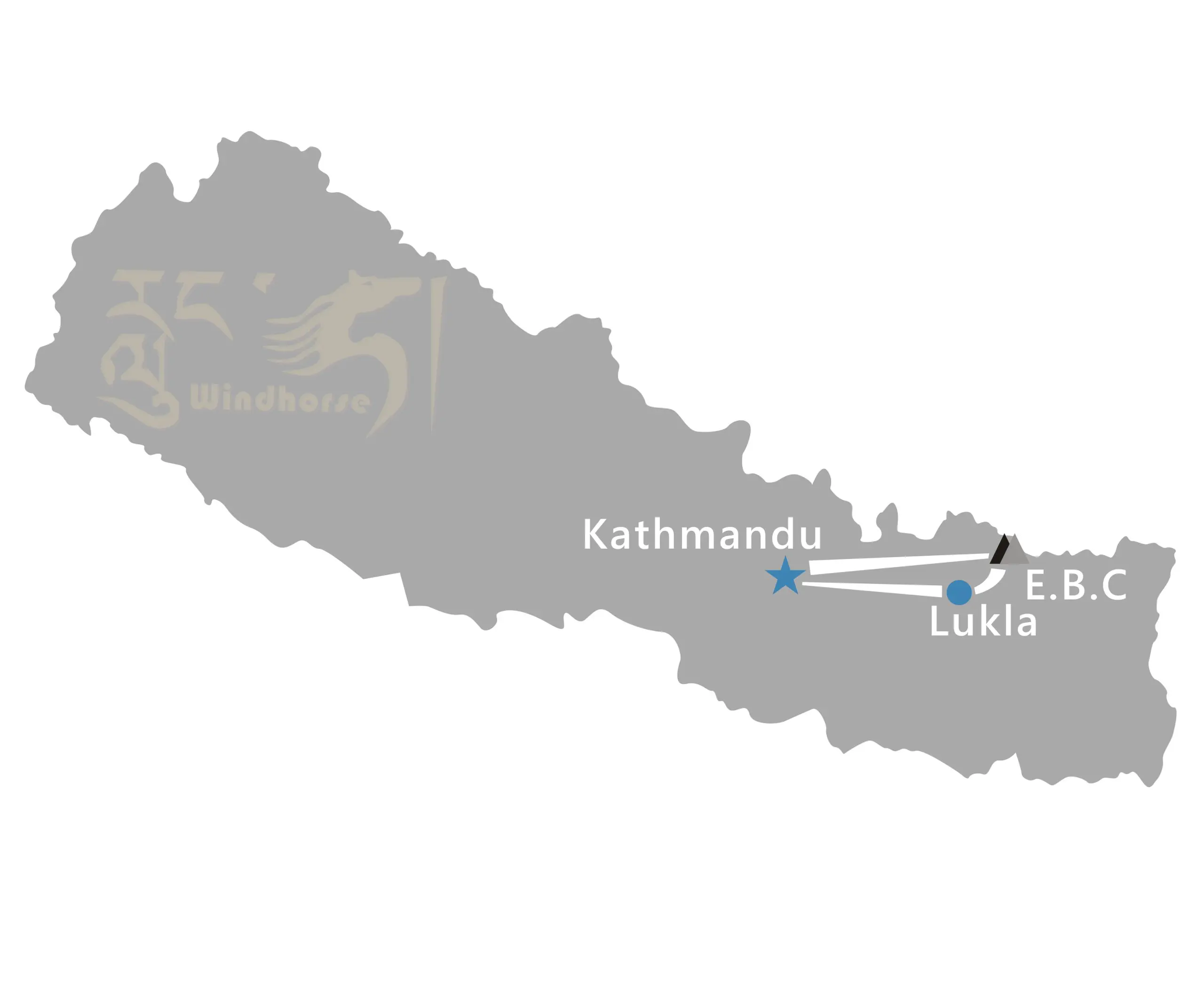
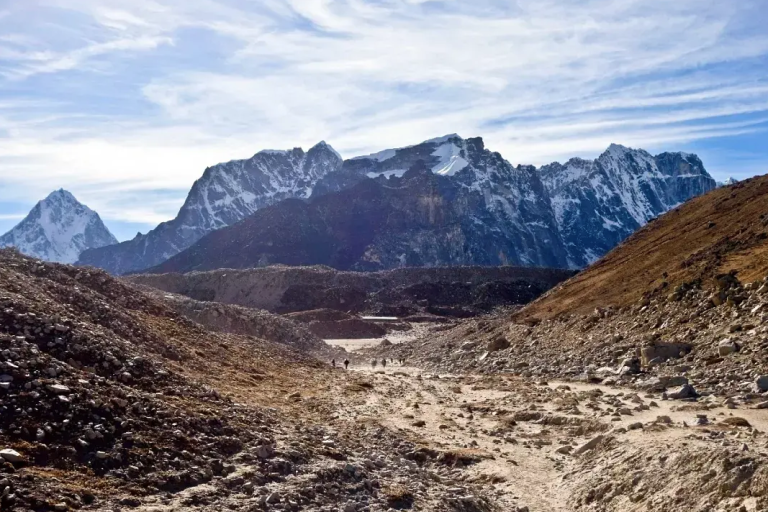
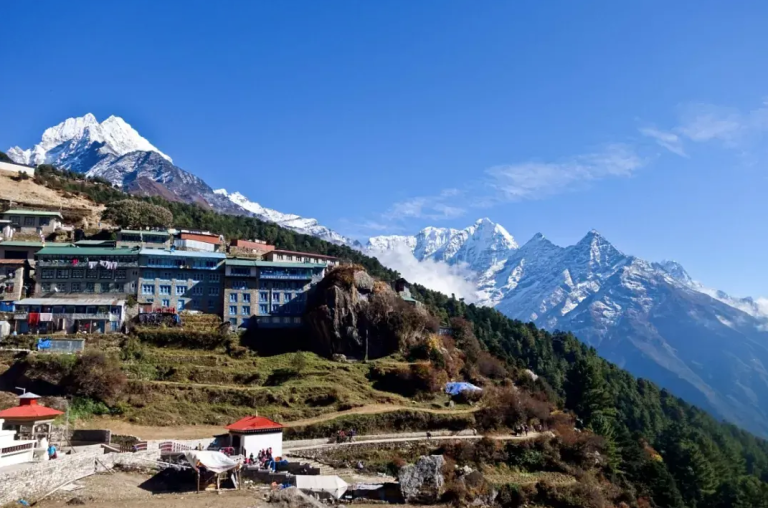
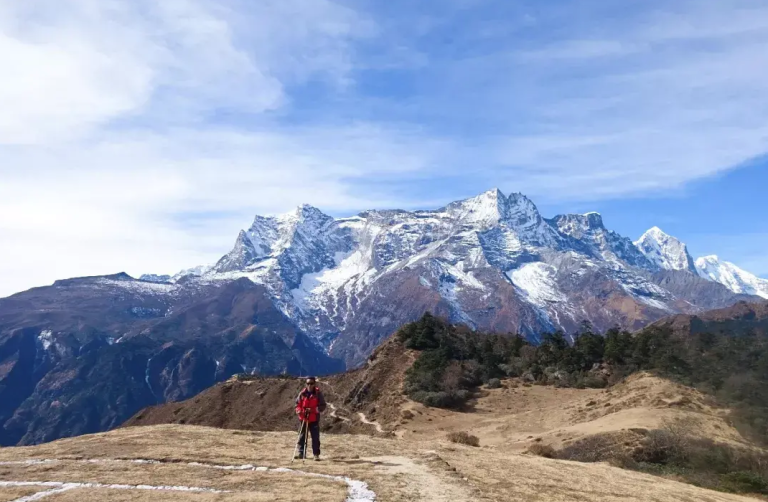
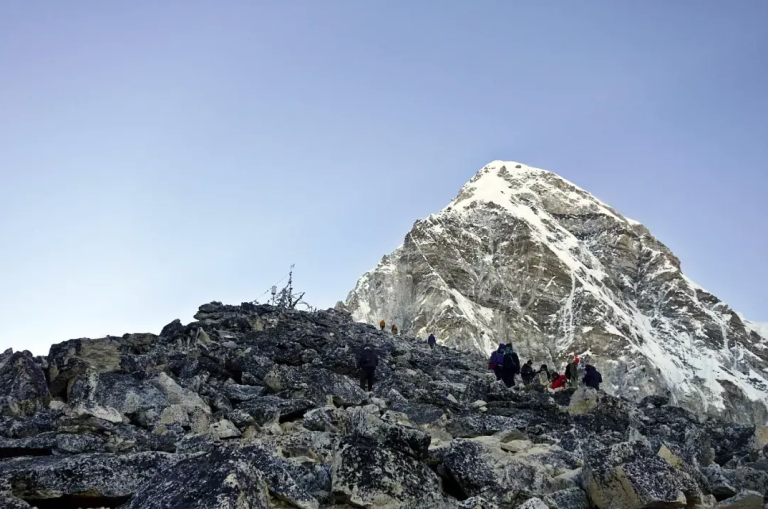
There are 2 base camps for Mount Everest: the south in Nepal and the north in Tibet. The trek to Everest Base Camp on the Nepal side is one of the most popular trekking routes in the Himalayas and is visited by thousands of trekkers each year.
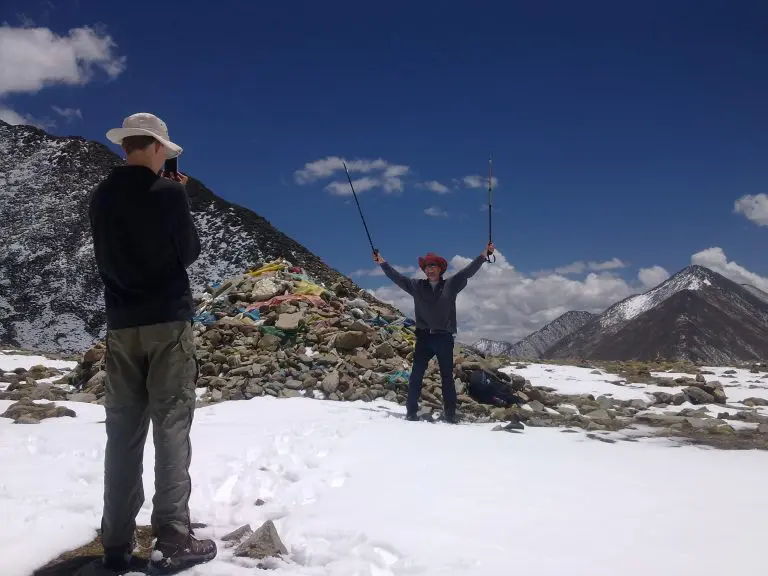
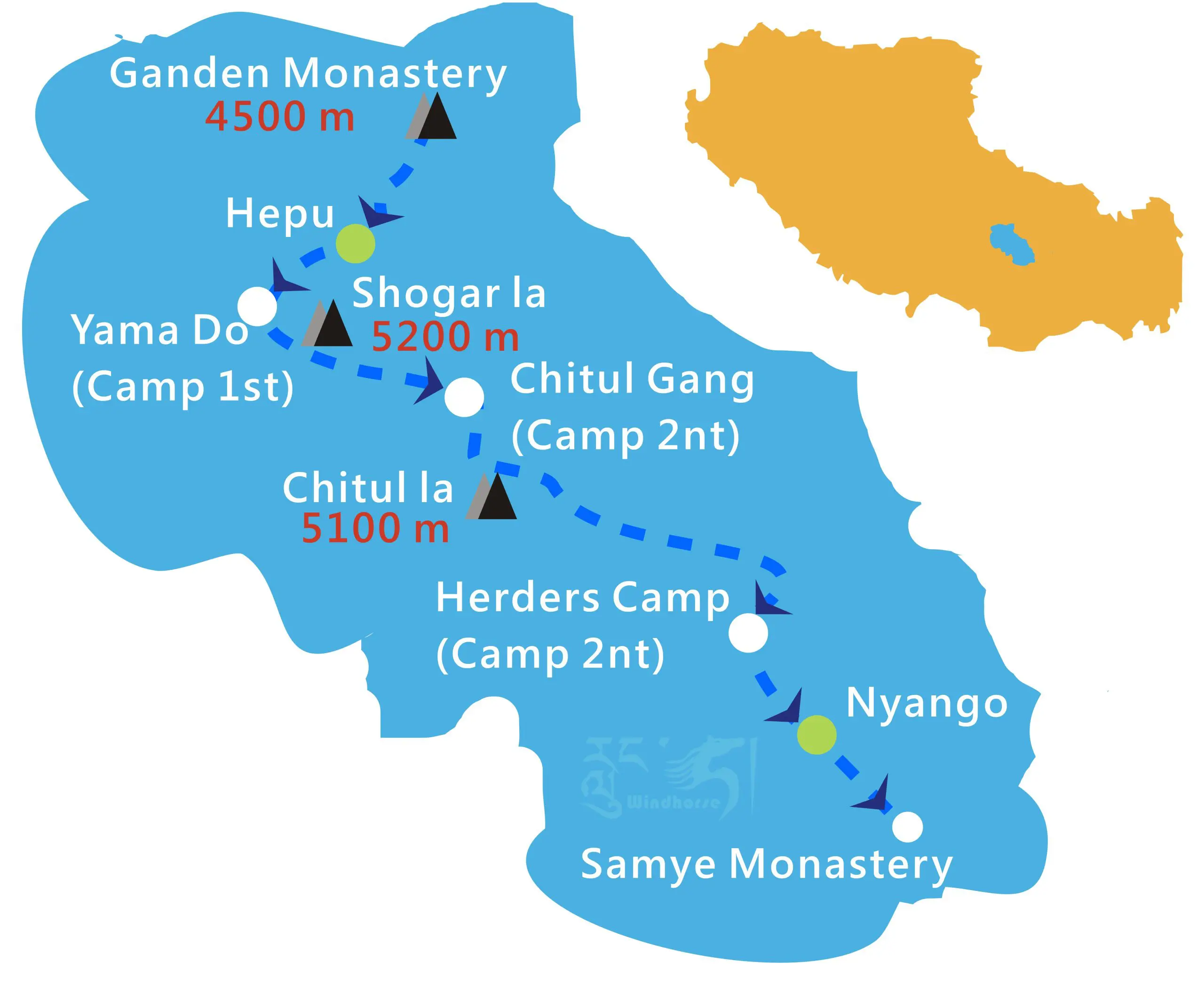
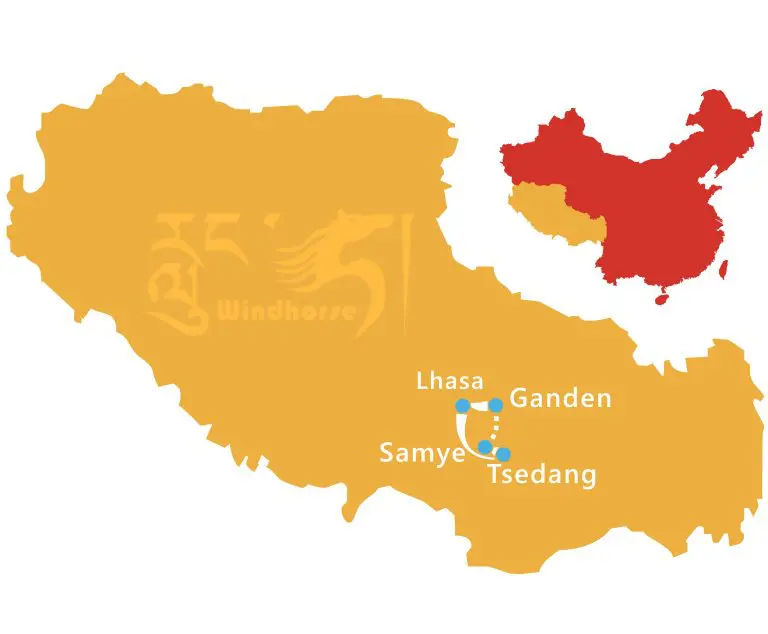
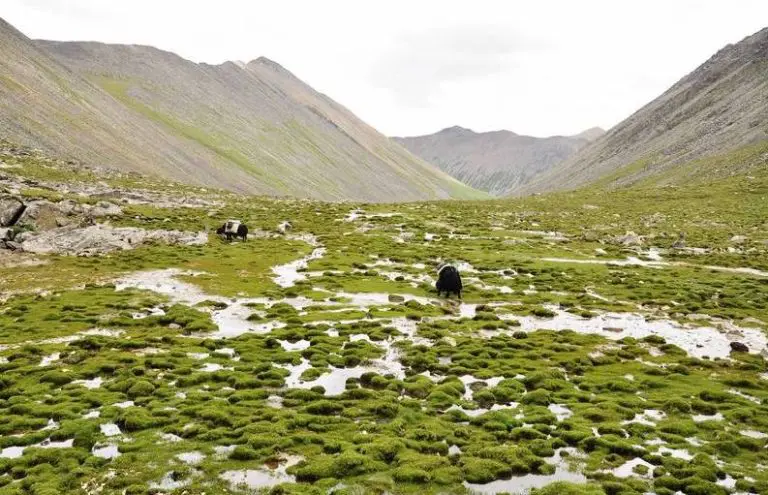
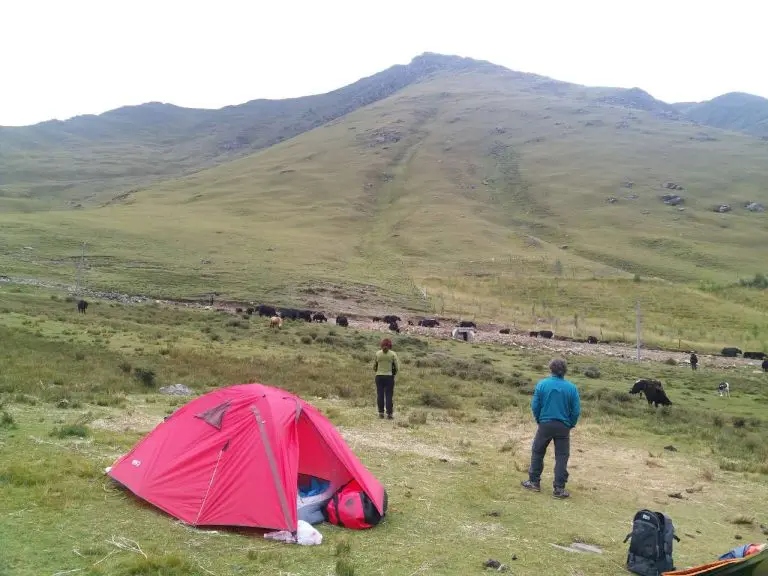
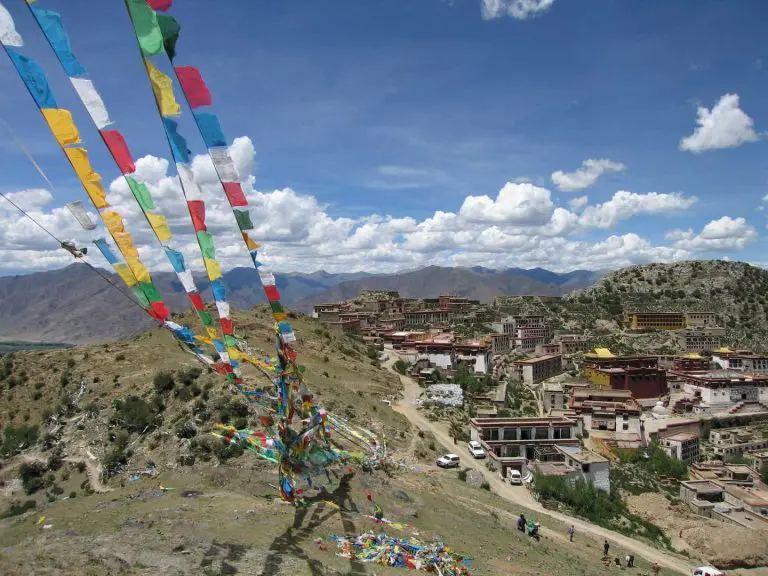
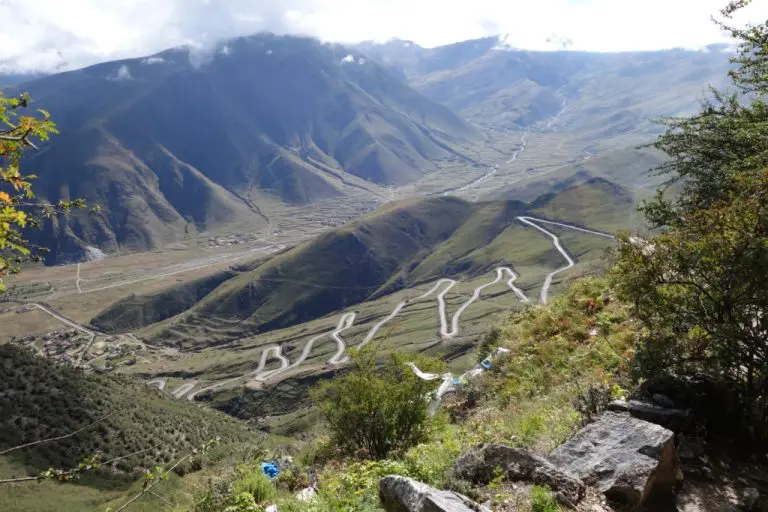
Trek from Ganden Monastery to Samye, Tibet’s most famous trekking route. Cross alpine valleys, high passes, and nomadic camps while exploring ancient monasteries and Tibetan culture along the way.
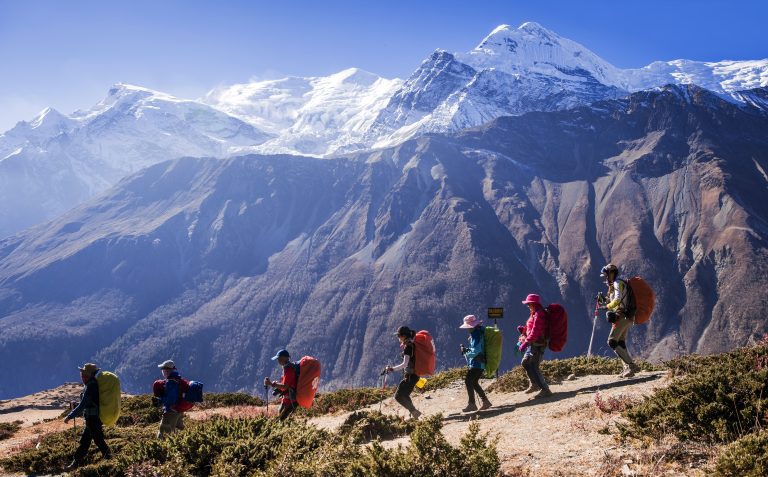
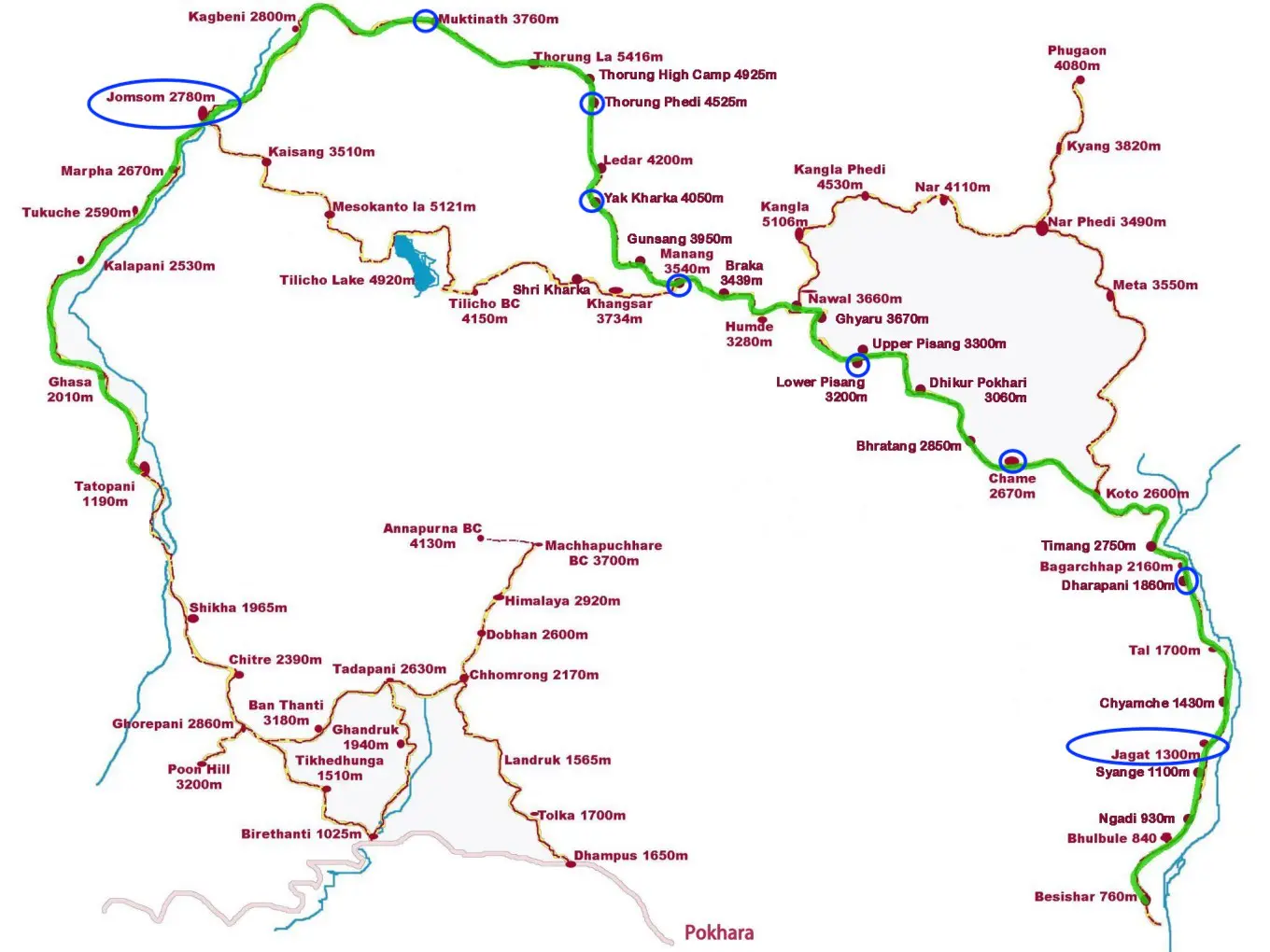
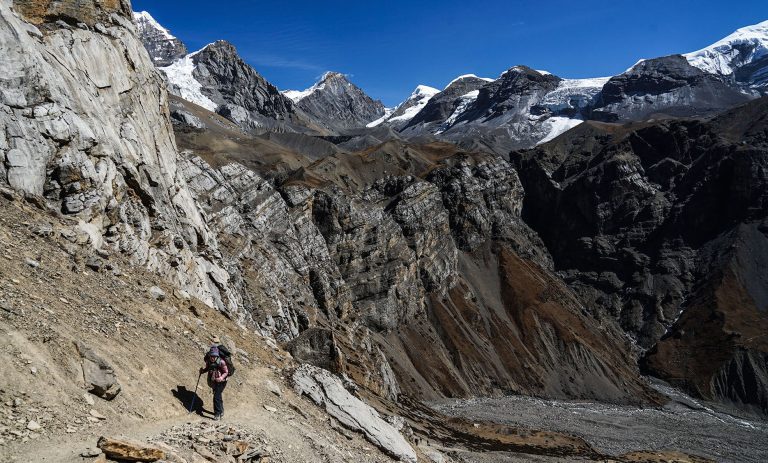
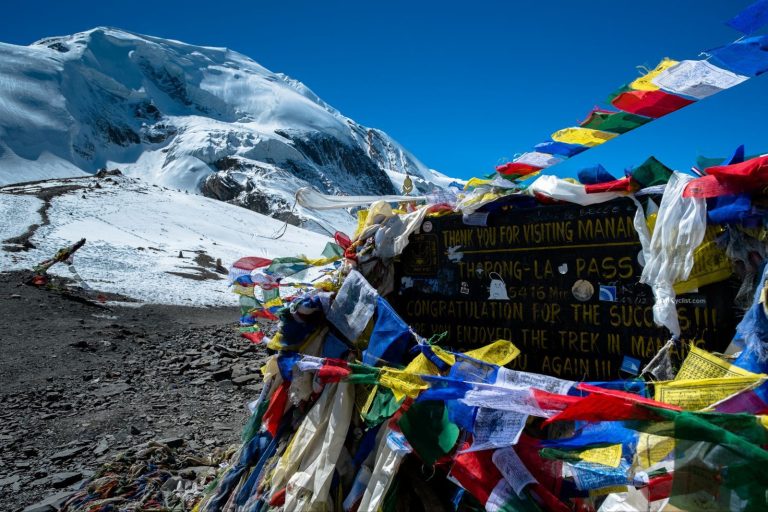
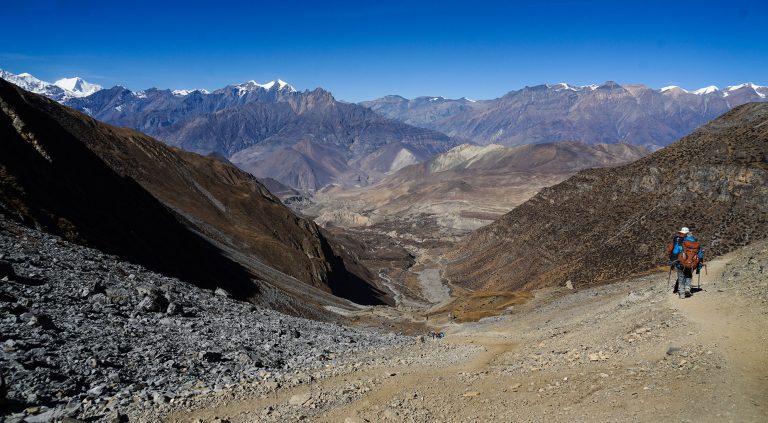
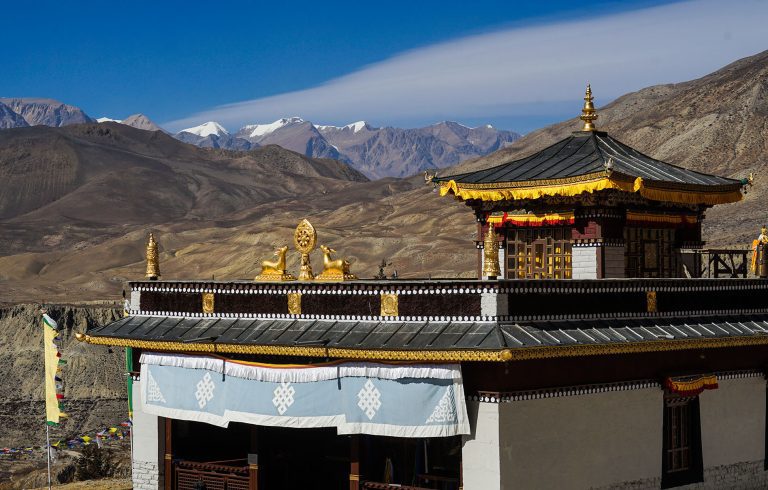
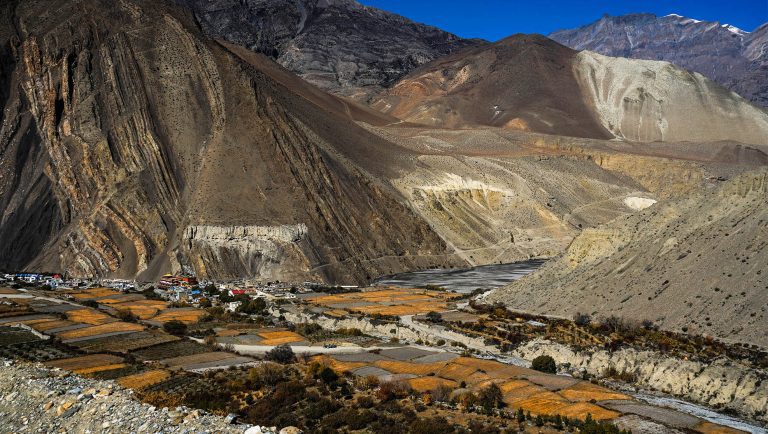
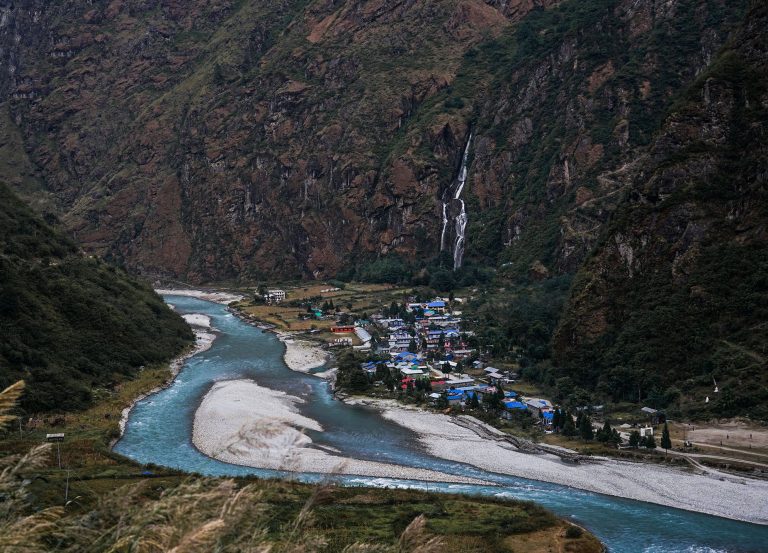
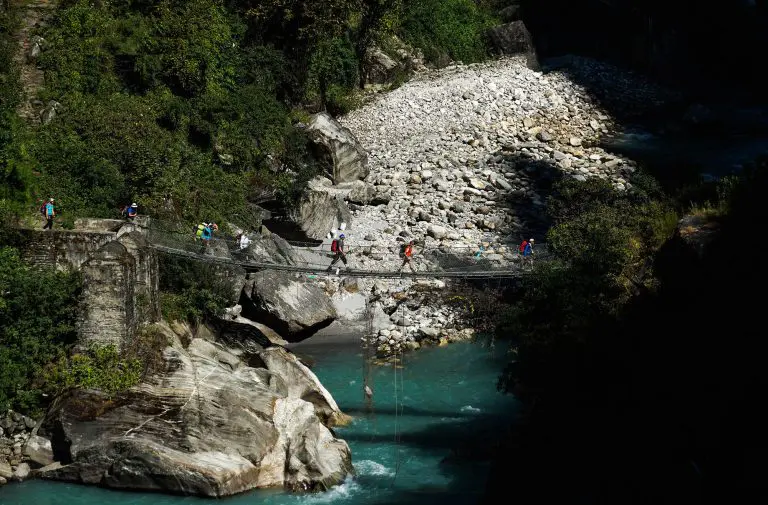
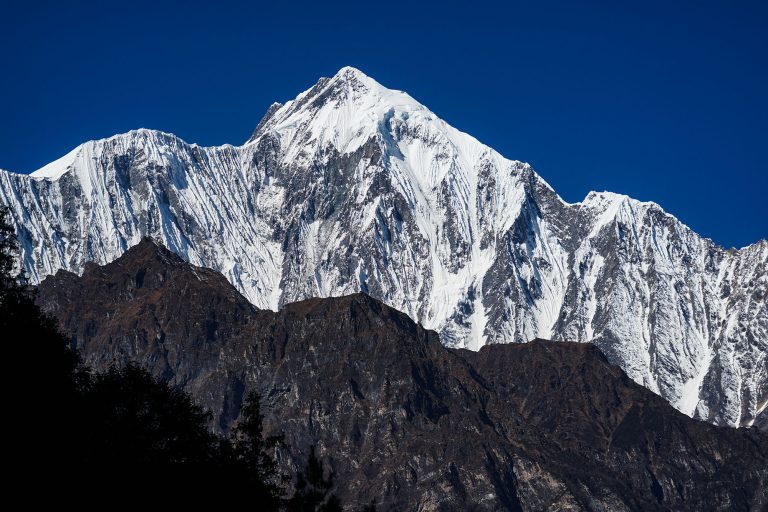
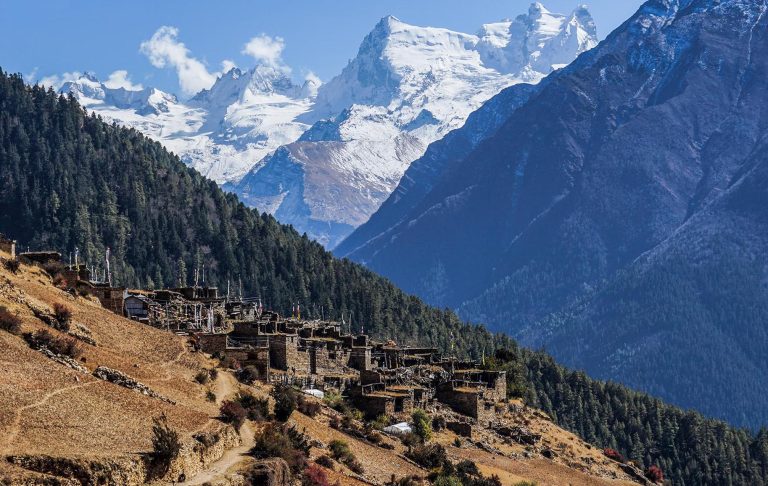
Experience this 15 day Annapurna Circuit Trek through Nepal's most scenic and culturally rich region. Hike from Jagat to Jomsom via Thorung La Pass, total 136km/84mi, explore traditional Gurung and Thakali villages, and enjoy incredible views of the Annapurna and Dhaulagiri ranges before flying to Pokhara.