
Imperial mausoleum of Xi Xia Dynasty
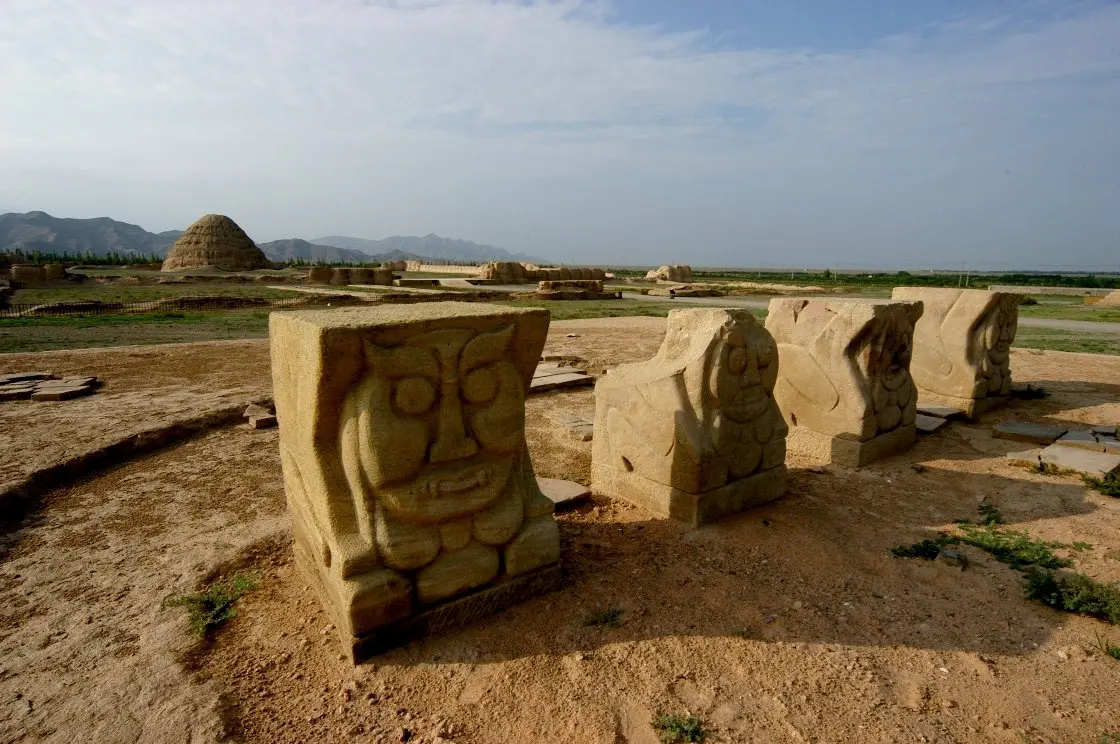
Imperial Mausoleum of Xixia Dynasty’s unique stone statues and architectures reminds many of the Easter Island. Try to catch a glimpse of the ancient nomad imperial’s lives from the relics!
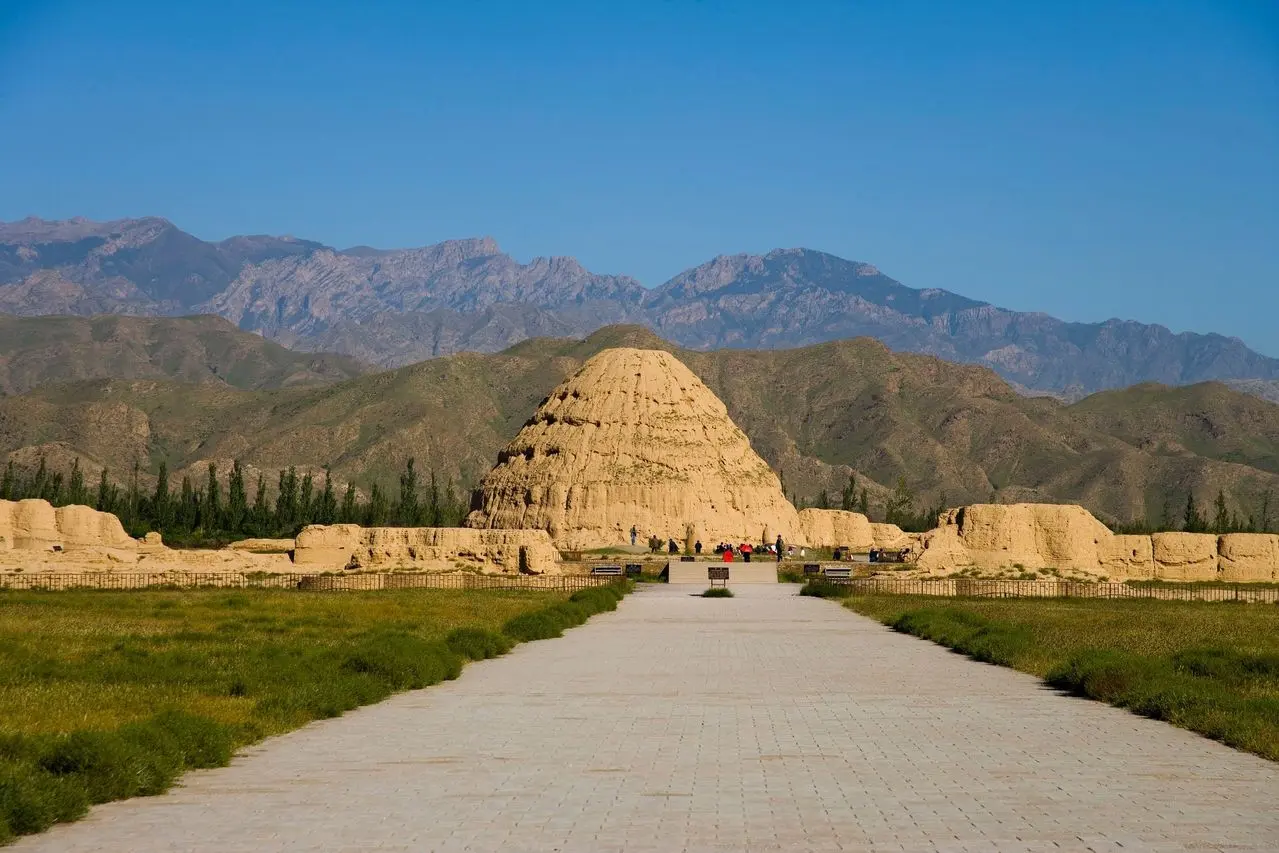
Travel Tips one – location. It is located at the foot of Helan Mountain, 30 km. (19 mi.) west of Yinchuan City in Ningxia Hui Autonomous Region, consisting of 9 imperial tombs and 254 tombs of imperial relatives and officials.
It’s the one of the largest and well preserved imperial mausoleums in China. In 1988, it was listed as a key cultural site under national protection by the State Council.
These hill-like yellow tombs look particularly spectacular scattering on a south-north axis. At present, you can still find remains of the ancient architectures such as turret, outer and inner city, stele pavilion and tower-shaped terrace.
All of them are shrouded in a mysterious cultural atmosphere of the ancient times earning the Imperial Mausoleum of Xixia Dynasty (1038 – 1227) the reputation of being the “Oriental pyramid”.
Nowadays, Xixia Museum has been built to better preserve and showcase the culture and history of that historical period. The museum covers an area of 5,300 sq.m. (57,048 sq. ft.) with a unique and characteristic architectural style of Xixia Dynasty.
There are now 671 elaborately selected cultural relics and 431 monographs, thesis and magazines devoted to the introduction of Xixia culture exhibited there.
Look, Click, Start Your Private China Tour Today!
Besides, stone pillars with carved dragons, Xixia stone inscriptions and statues, Xixia porcelain, Buddhist sutras and paintings are also worth a visit to see. The most famous is the gliding copper cattle which weighs 188 tons and is deemed as the gem of Xixia cultural relics.
On the second floor of the museum, you’ll find eight scrolls of mural paintings considered as the quintessence of Xixia grotto art.
It is a wonderful museum that enables you to appreciate the brilliant culture of Xixia Dynasty, to explore the secrets of its history and to capture your imagination as well.
Final travel tips for you: the ticket price is 60 RMB (10 USD) per person and it opens from 8:00 to 18:00.
Related tours
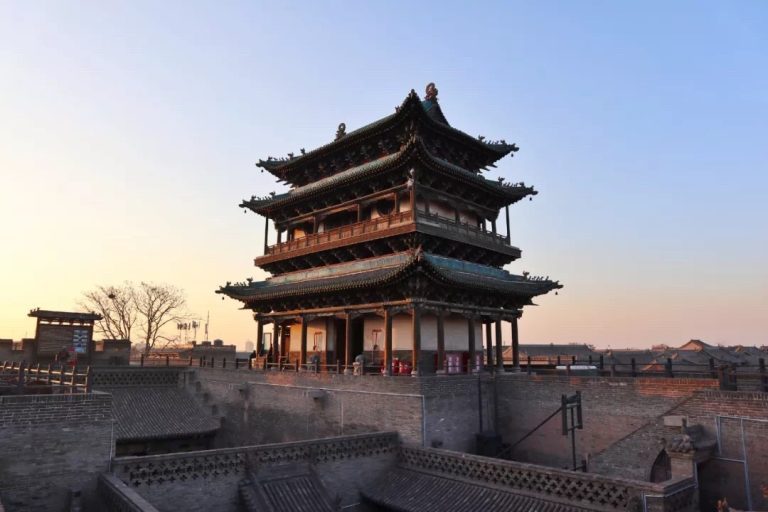
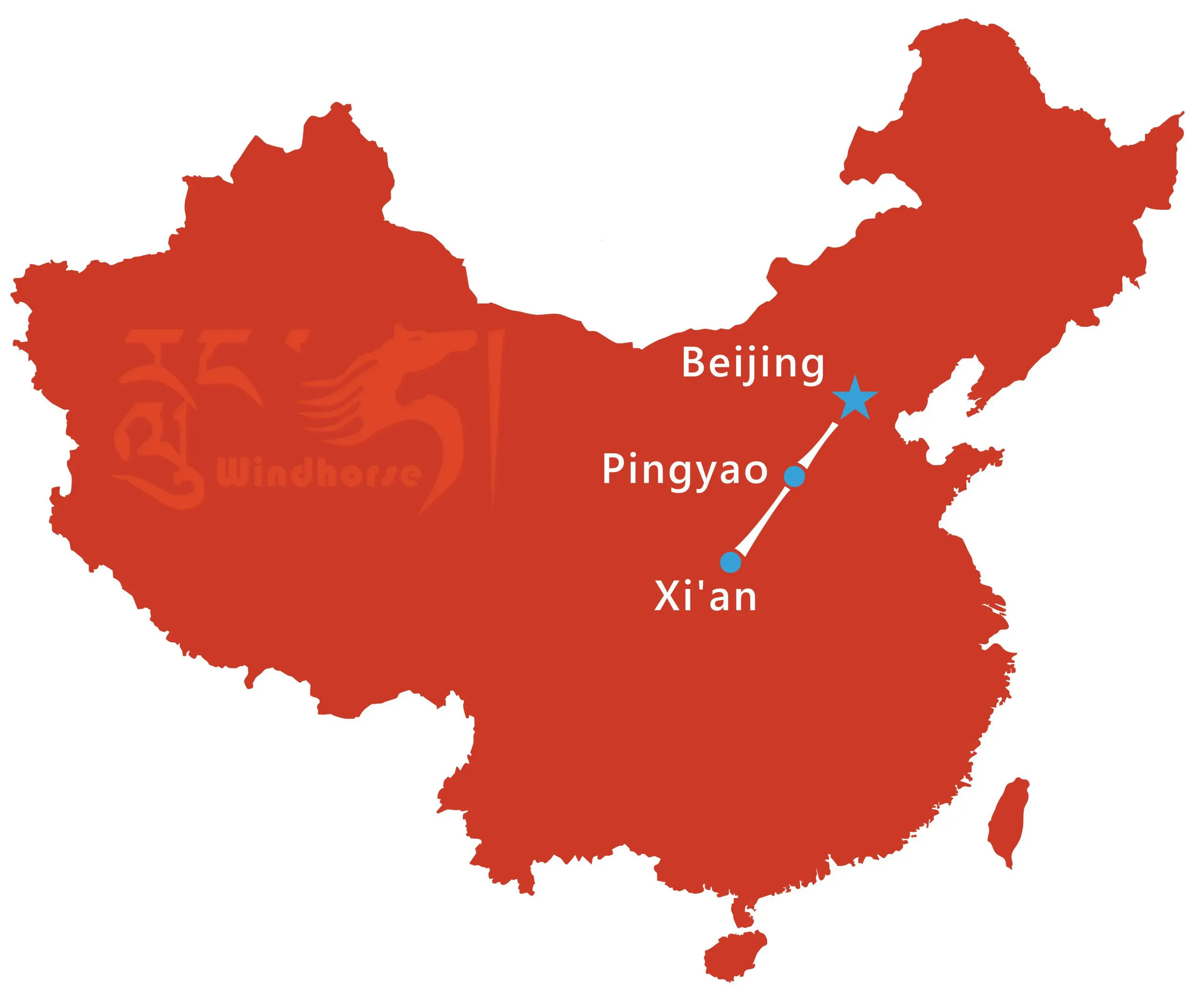
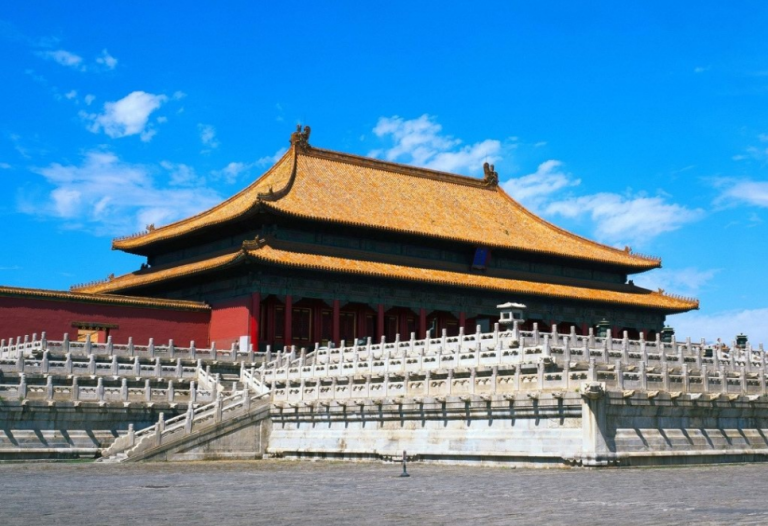
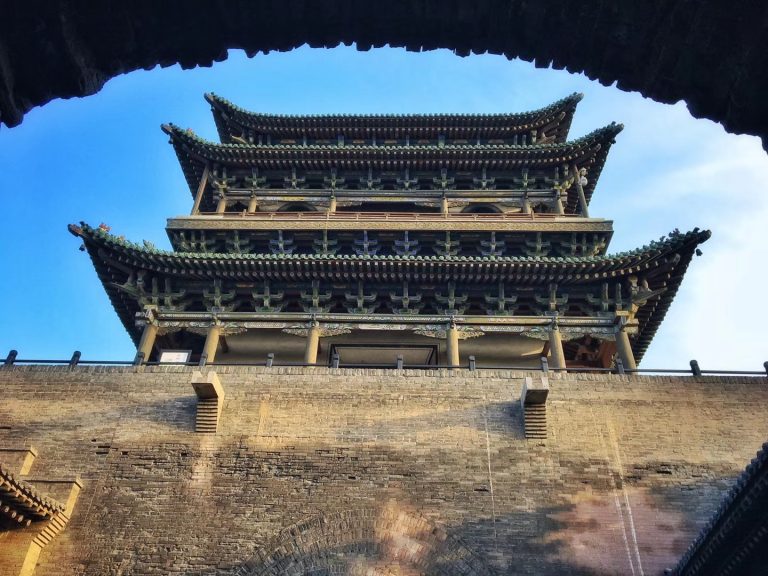
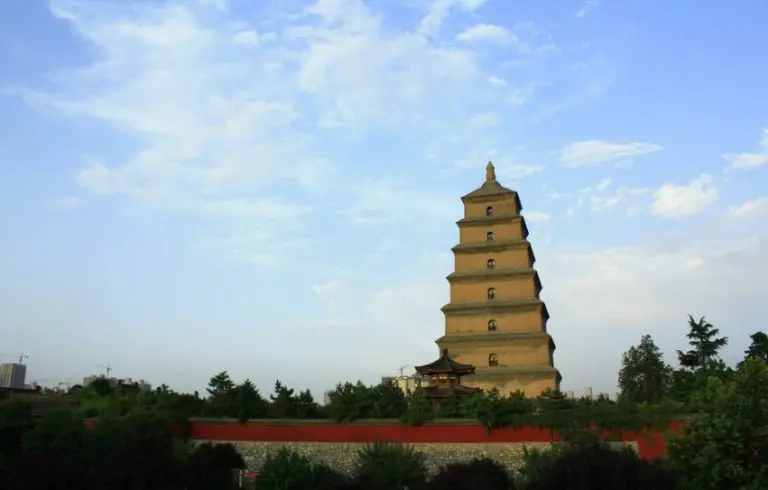
Explore Beijing, Pingyao and Xi’an through China’s imperial landmarks, ancient trading towns and rich cultural heritage. From the Great Wall and Forbidden City to Pingyao’s well-preserved old city and Xi’an’s Terracotta Warriors, this journey blends history, architecture and local life.
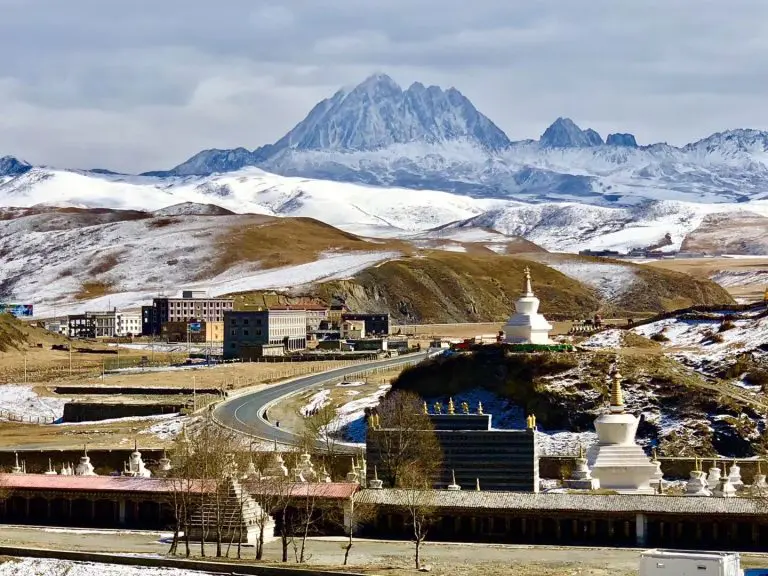
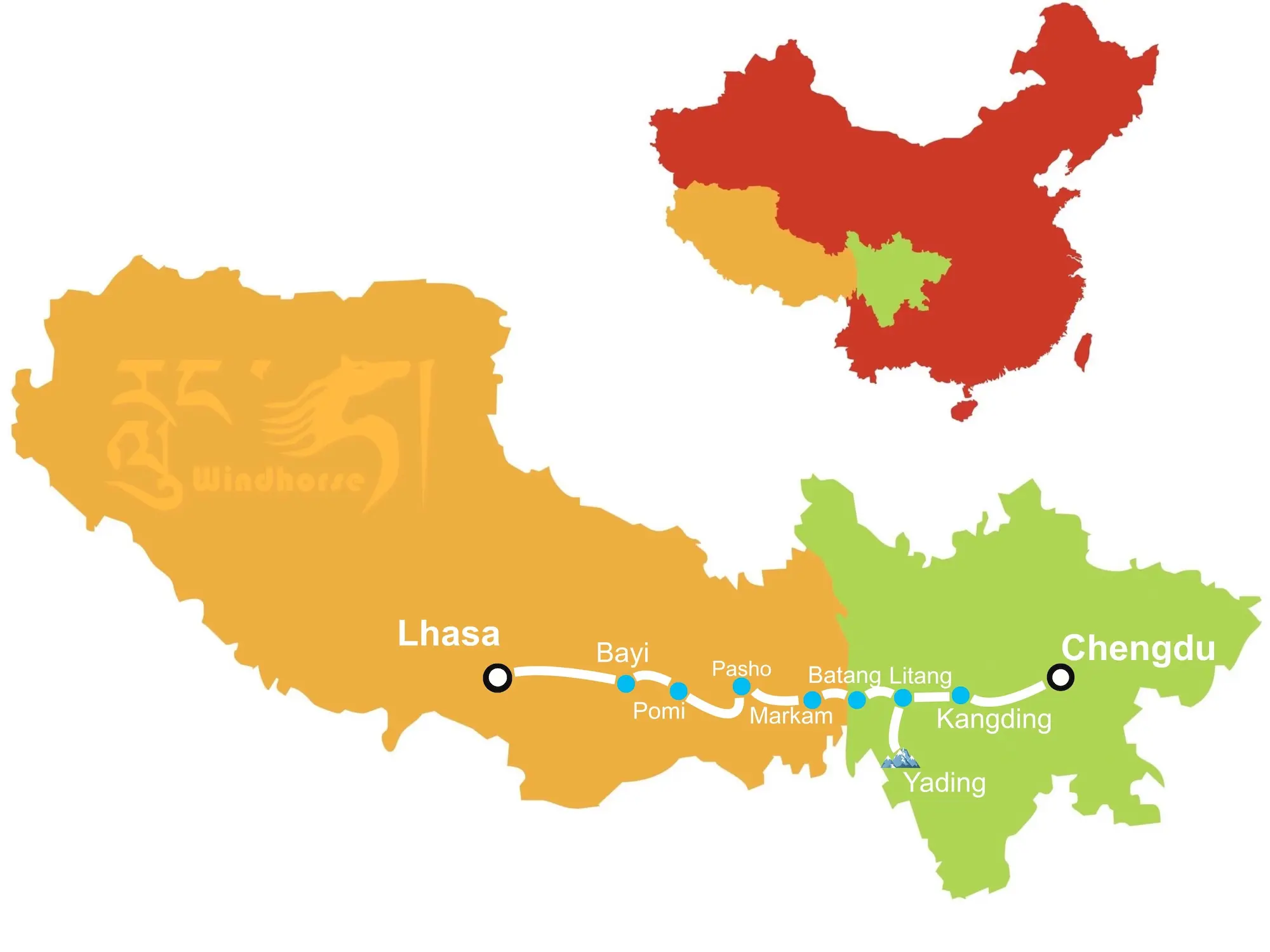
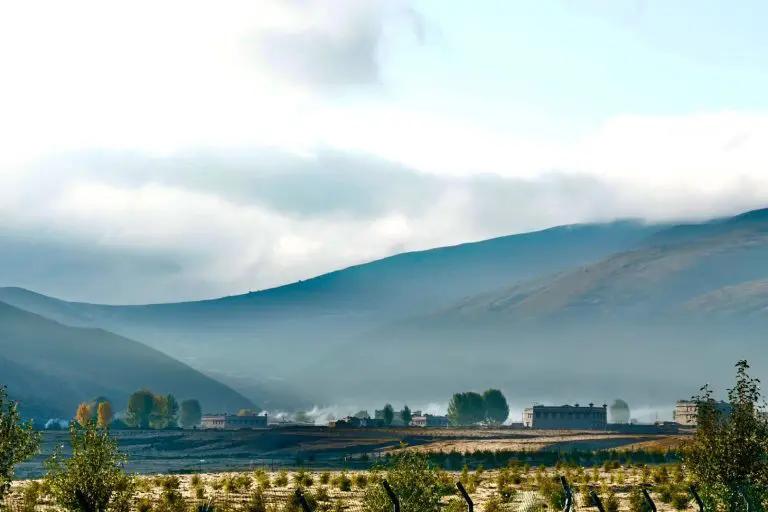
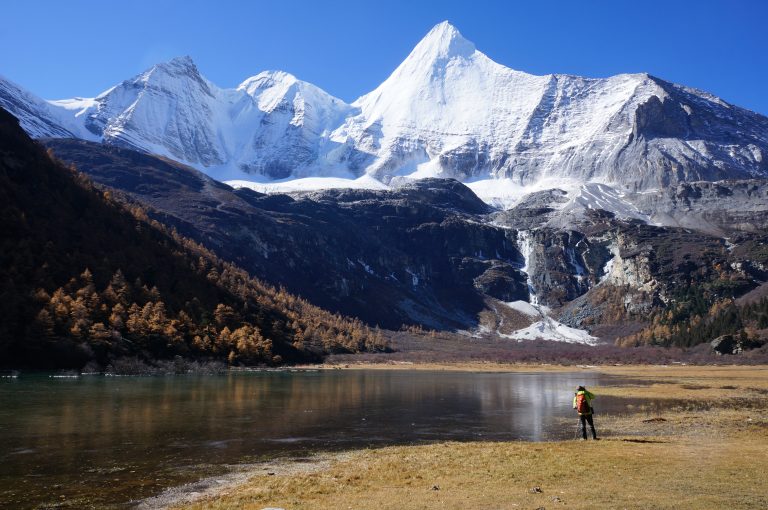
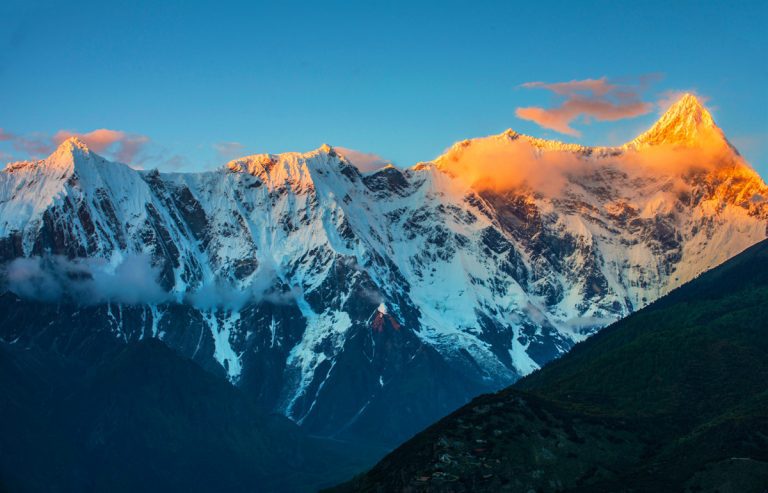
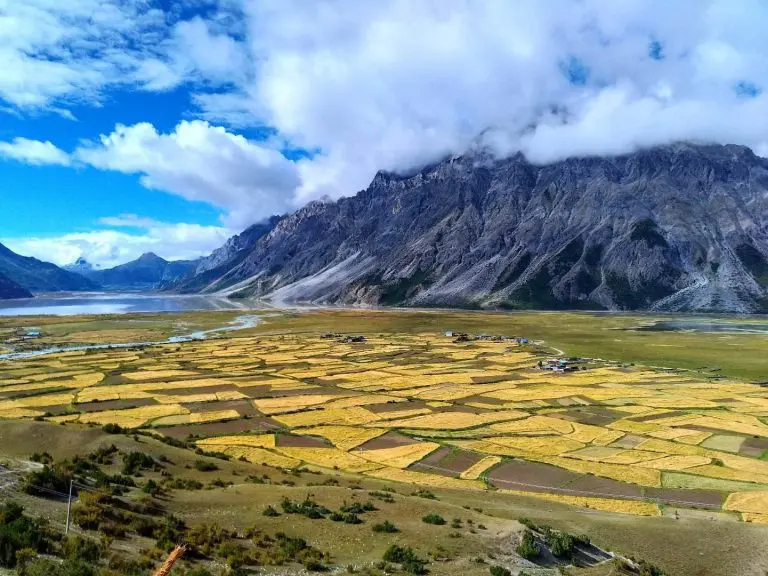
Take a Chengdu to Lhasa overland tour via Daocheng Yading along the Sichuan–Tibet Highway Southern Route (G318). Travel through Tagong Grasslands, Litang, Yading Nature Reserve, Ranwu Lake, Midui Glacier, Lulang Forest, and Draksum-tso before reaching Lhasa.
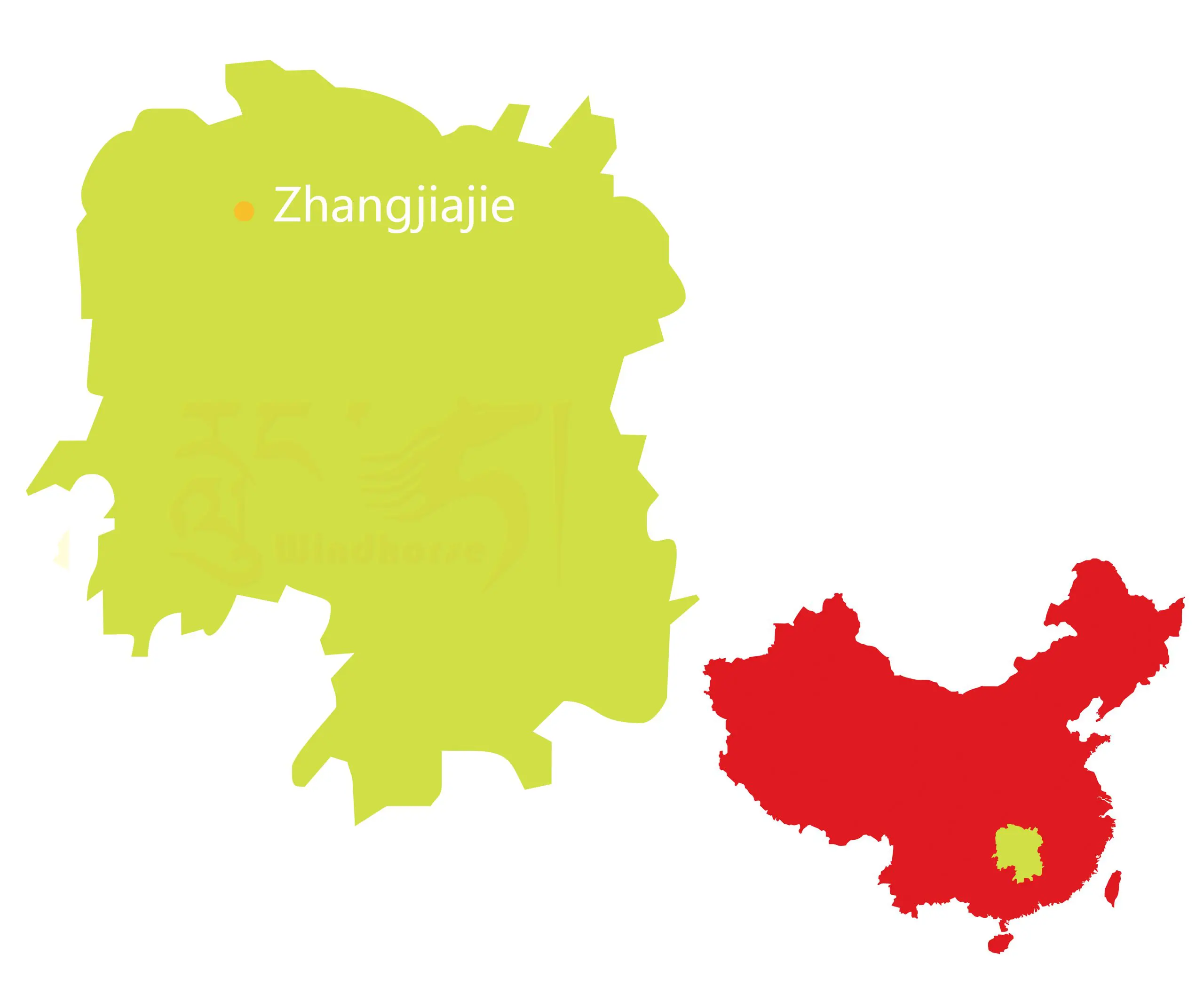
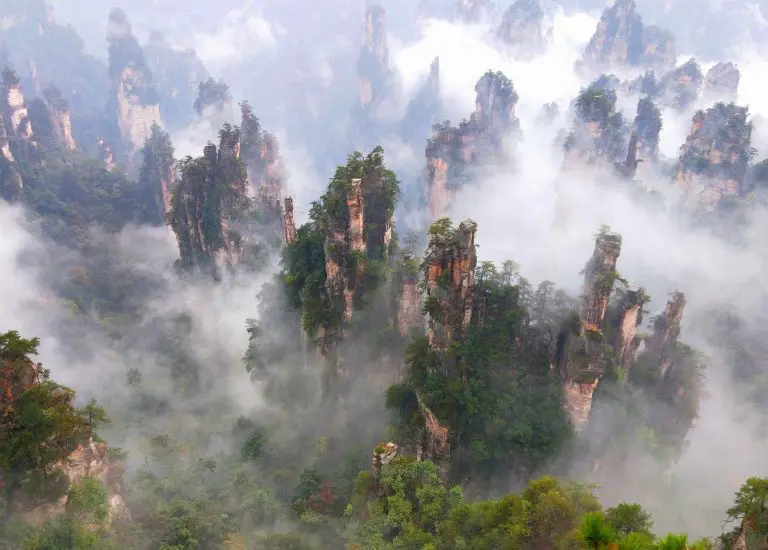
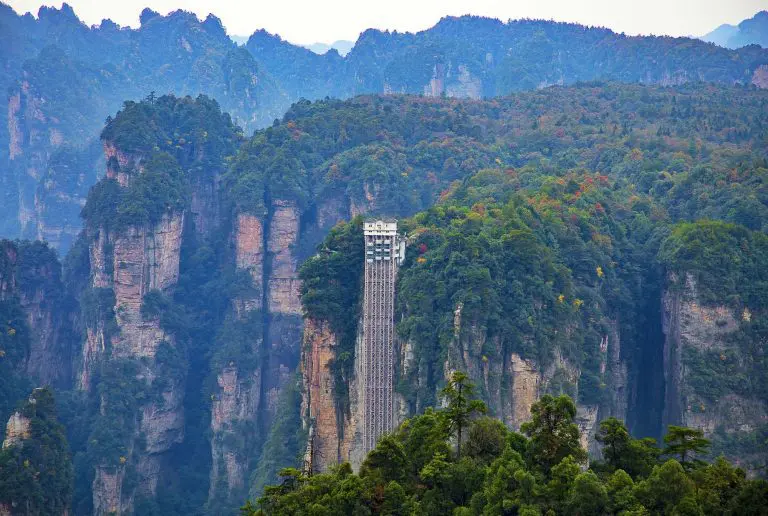
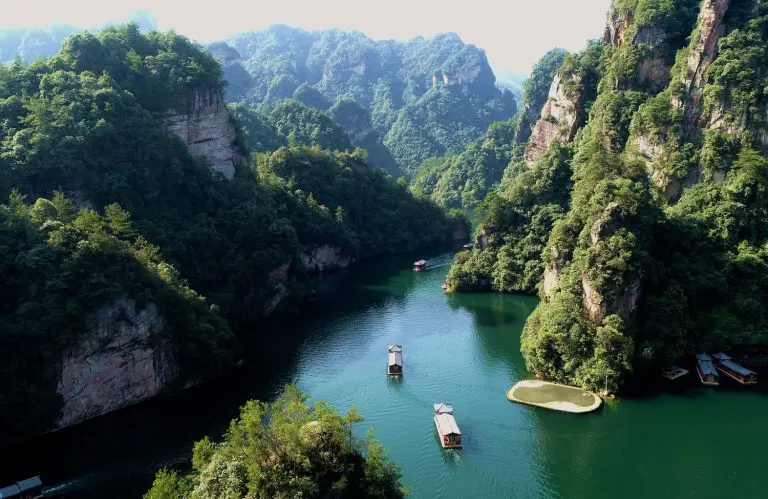
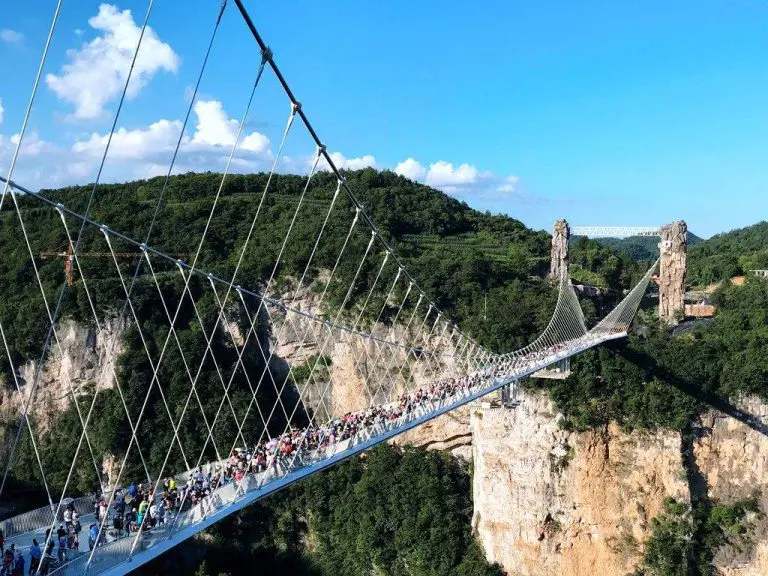
Explore Huangshizhai, Golden Whip Stream, Yuanjiajie's Avatar Mountains, Tianzi Mountain, the Glass Bridge at Zhangjiajie Grand Canyon, and Tianmen Mountain's Heaven's Gate on this private 5-day Zhangjiajie tour with Glass Bridge.
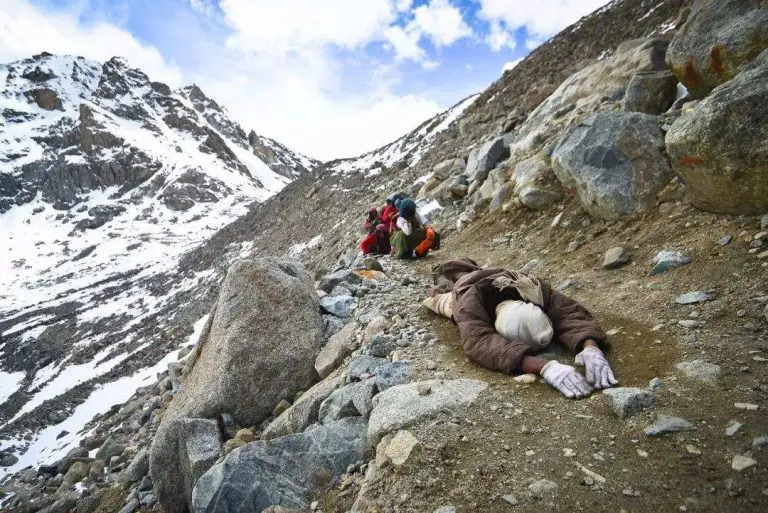
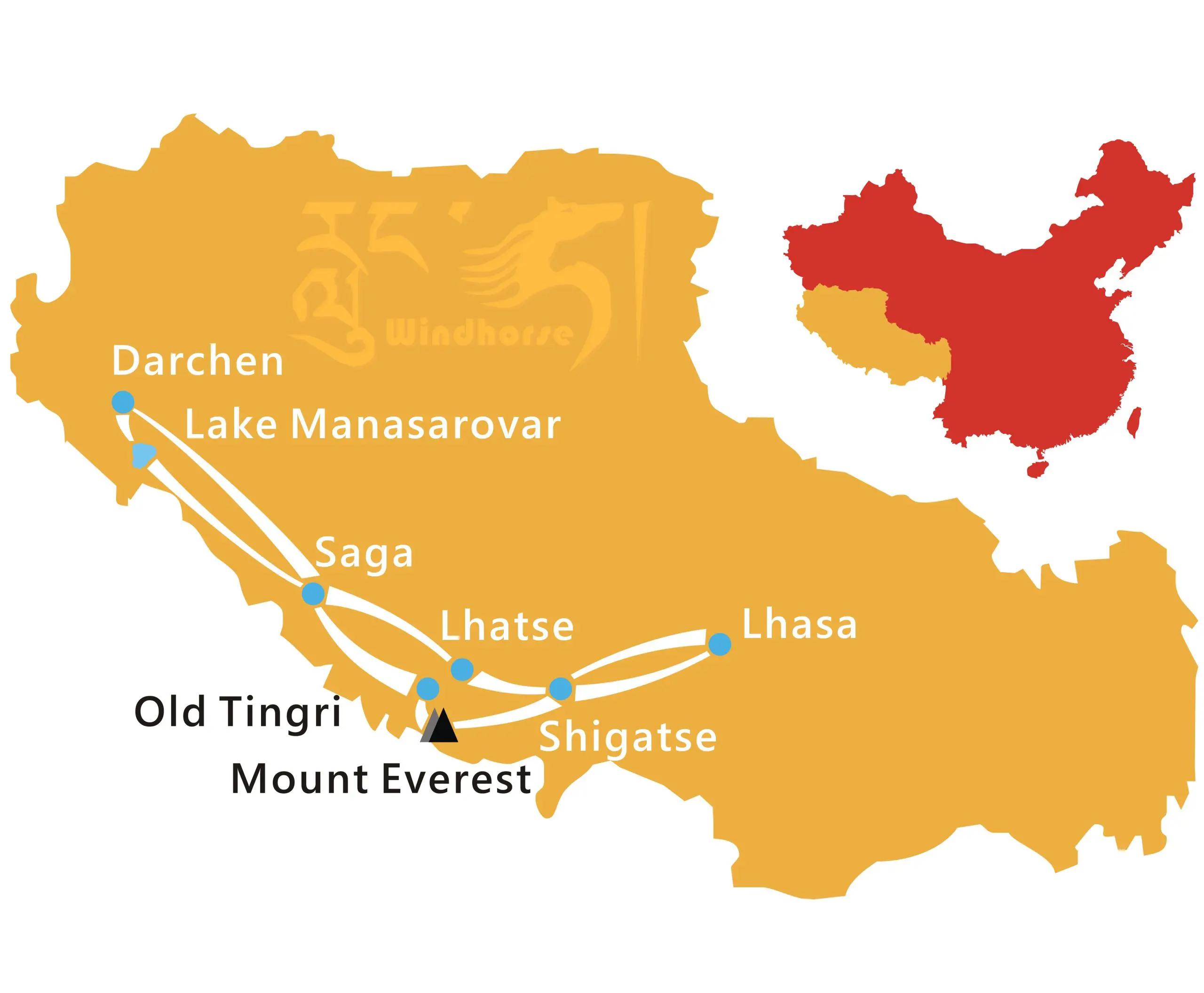
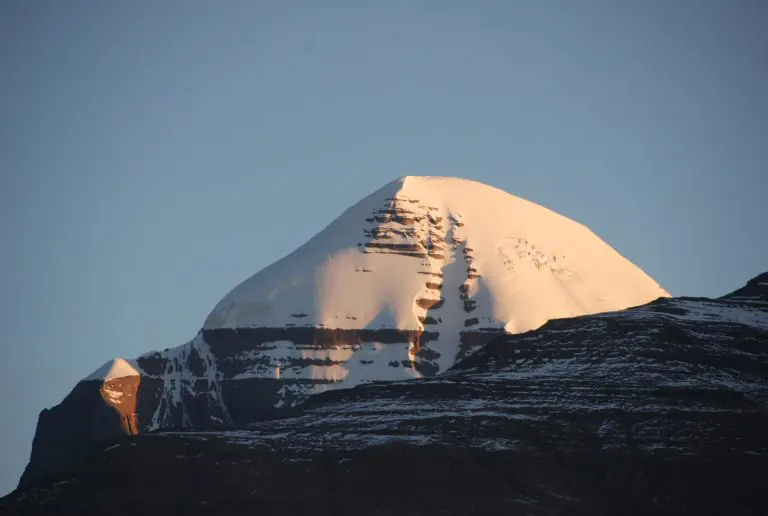
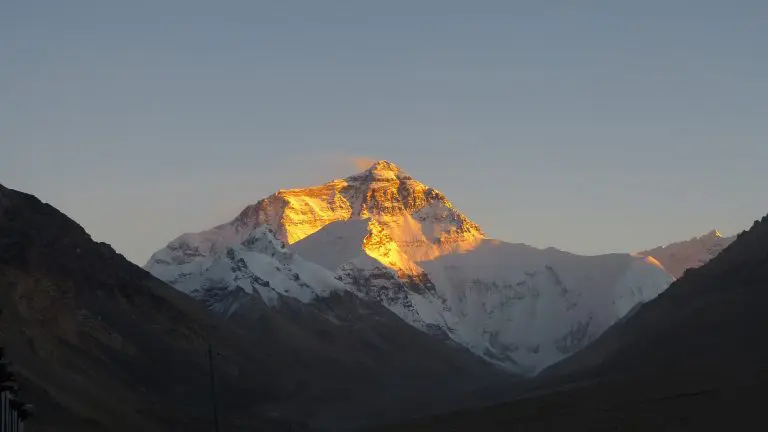
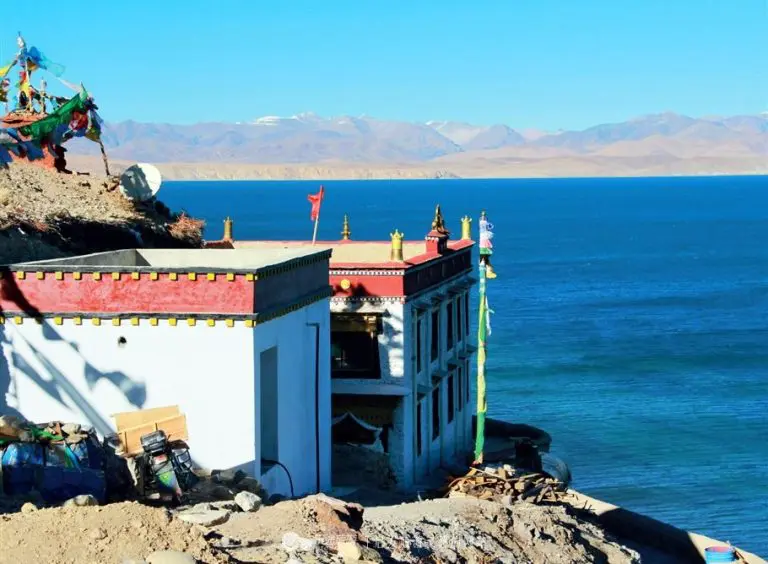
Join a 15 day Mount Kailash group tour with and Everest from Lhasa. Visit Potala Palace, Jokhang Temple, and Everest Base Camp before journeying to Lake Manasarovar and completing the sacred Kailash Kora trek with local Tibetan guides.