
Turpan – Oasis City in Deserts
Turpan, also known as Tulufan (吐鲁番), is a legendary Silk Road oasis city nestled in the eastern foothills of the Tianshan Mountains in Xinjiang, China. It is famous for its extreme climate, rich cultural heritage, ancient ruins, and sweet grapes. With a total area of approximately 69,700 square kilometers (26,900 square miles), it is home to over 600,000 residents, the majority of whom are Uyghur and live in rural areas. Turpan city governs Shanshan County and Toksun County, together forming one of China’s most unique desert regions.
A historical Crossroads of Civilizations
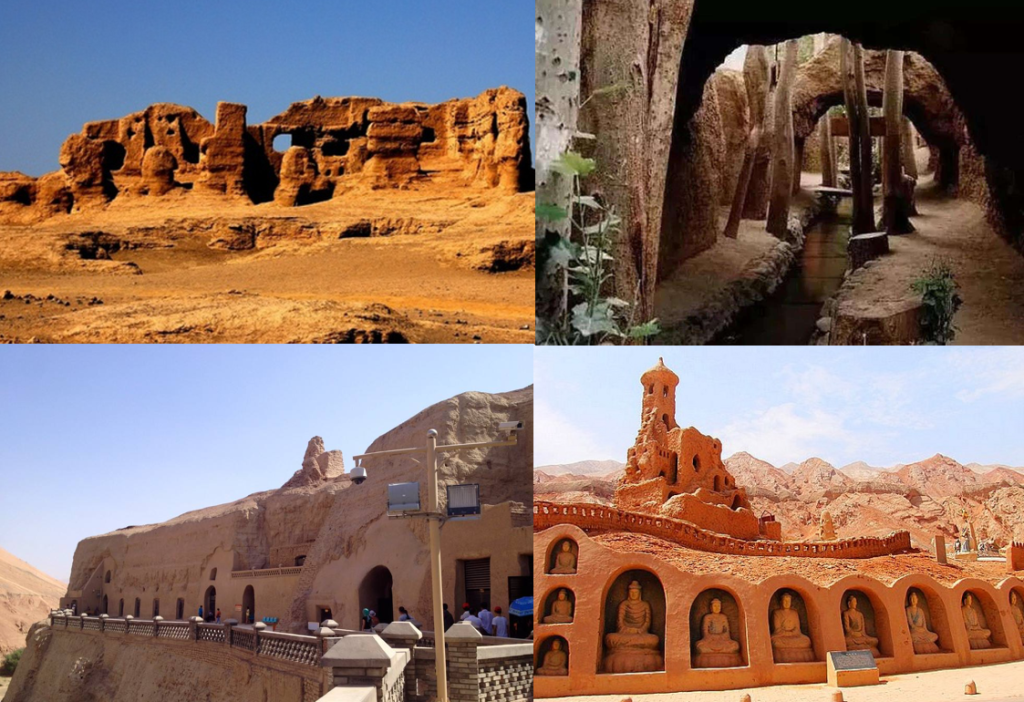
Historically, Turpan was a vital stop on the ancient Silk Road, serving as a political, economic, and cultural hub in the Western Regions. Its rich heritage is reflected in the 200+ archaeological sites discovered across the region, including:
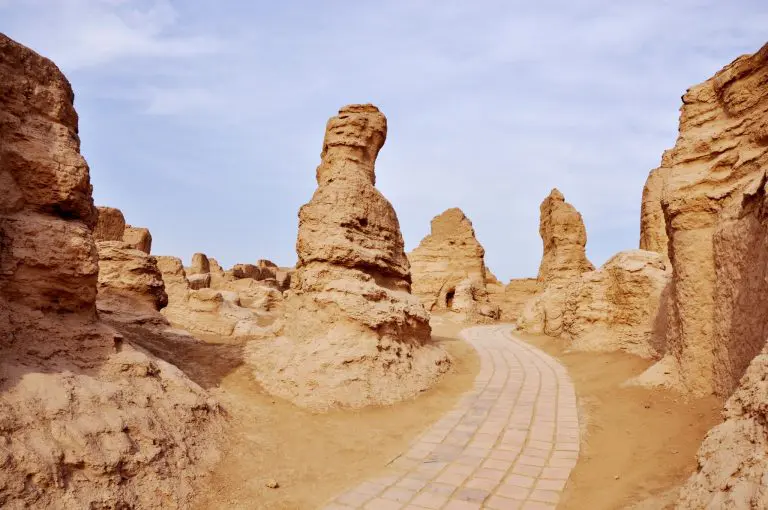
- Jiaohe Ruins – One of the world’s oldest and largest earthen cities, dating back over 2,000 years.
- Gaochang Ruins – A once-prosperous kingdom from the 1st century BC, now a hauntingly beautiful archaeological site.
- Bezeklik Thousand Buddha Caves – Ancient Buddhist grottoes filled with murals depicting life and beliefs from the 5th to 14th centuries.
- Karez Well System – A remarkable ancient irrigation network that taps underground water, vital for farming in this desert region.
- Sugong Pagoda (Emin Minaret) – The tallest ancient minaret in China, built in 1777 with elegant Islamic architecture.
- Astana Tombs – A Tang Dynasty-era cemetery showcasing well-preserved artifacts and mummies.
With over 40,000 artifacts discovered and inscriptions in more than 20 languages, Turpan is often referred to as a living museum of multiculturalism on the Silk Road.
Scenic & Cultural Attractions in Turpan
Turpan is home to several top-rated tourist attractions in Xinjiang:
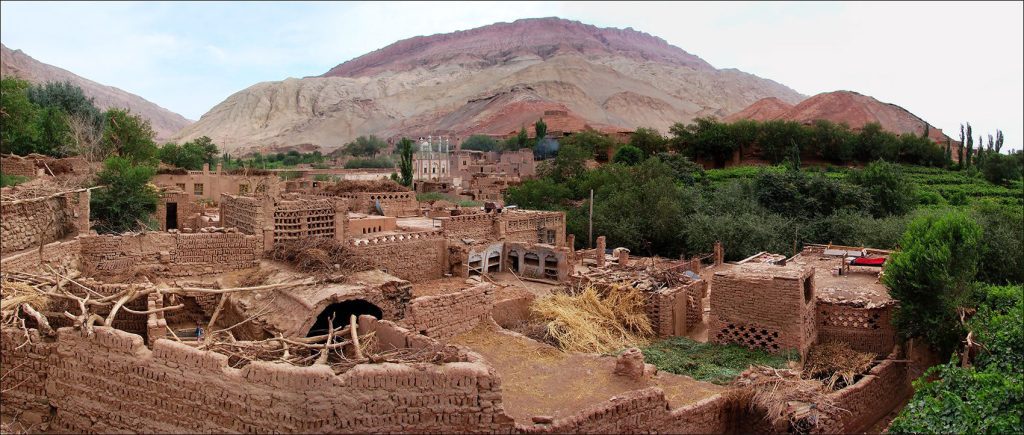
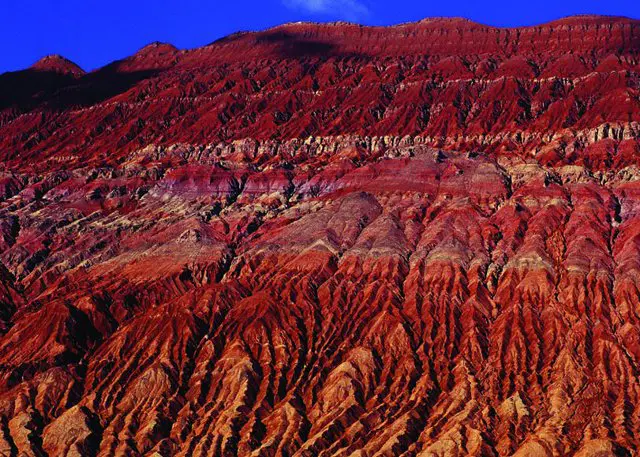
- Flaming Mountains: A dramatic red sandstone mountain range made famous by the classic novel Journey to the West.
- Tuyoq Village (吐峪沟) is a peaceful ancient Uyghur village nestled in Turpan’s Flaming Mountains. Known for its mud-brick homes, vineyards, and timeless charm, it offers a glimpse into traditional Silk Road life. Tuyoq Village is a key stop on our Silk Road tours in Turpan, where we arrange a traditional Uyghur lunch and a visit to a local family for an authentic cultural experience.
- Turpan Desert Botanical Garden: A rare botanical park showcasing desert-adapted flora from around the world.
Turpan Culture and Climate
About 77% of Turpan’s population are Uyghur, and over two-thirds live in rural areas, maintaining a traditional way of life. Walking through Turpan’s bazaars and villages, visitors can experience vibrant Uyghur culture, local crafts, and signature hospitality.
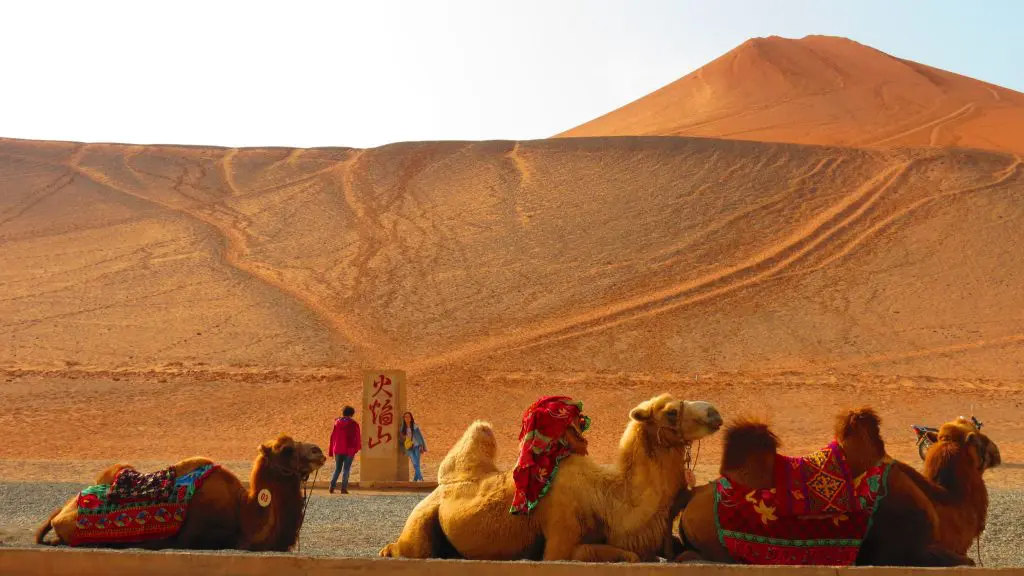
Turpan has a typical continental desert climate: hot, dry, and sunny. Summer temperatures can soar past 40°C (104°F), earning the nickname ‘China’s Fire State.’ Despite the heat, the region is ideal for growing grapes, melons, and other fruits due to long daylight hours and low humidity. This fertile oasis has earned Turpan the titles of ‘Hometown of Grapes’ and ‘Hometown of Melons.’ When Chinese people think of grapes, Turpan often comes to mind first.
A Land Rich in Resources: Beyond agriculture, Turpan is rich in natural resources. More than 65 types of minerals have been found here, including oil, natural gas, coal, gold, copper, sodium sulfate, and granite. It ranks among China’s top producers of Nitratine and Bentonite, and the “Shanshan Red” granite is a nationally recognized brand.
Practical Travel Information
- How to Get There: Turpan is easily accessible by high-speed train and plane.
By Train: The high-speed train from Urumqi to Turpan takes just about 1 hour, making it ideal for a day trip or a short visit. You can also travel from Turpan to Dunhuang via Liuyuan Station in approximately 3.5 hours, enjoying scenic views of the desert along the way. If you’re heading east, the train from Turpan to Jiayuguan takes around 5.5 hours.
By Plane: Turpan is served by Jiaohe Airport (TLQ), the lowest-altitude airport in China. During the travel season, you’ll find direct flights to other top destinations in Xinjiang like Kashgar, Hotan, Kuqa, and Yining, as well as to key Silk Road cities such as Xi’an, Lanzhou, and Dunhuang. There are also flights to major hubs like Chengdu and Shanghai, making it easy to include Turpan in your China itinerary. - Best Time to Visit: April to June and September to October are the best months to visit Turpan. These months offer mild temperatures and clear skies, perfect for sightseeing and enjoy fruit. Summers can be extremely hot, often exceeding 40°C (104°F), so plan accordingly if visiting in July or August.
- Recommended visiting time: Turpan is a great stopover between Dunhuang or Jiayuguan, and Urumqi along the Silk Road. Allow 2–3 days to take in its highlights, including the Jiaohe and Gaochang ruins, Grape Valley, Karez irrigation system, and vibrant Uyghur markets and villages.
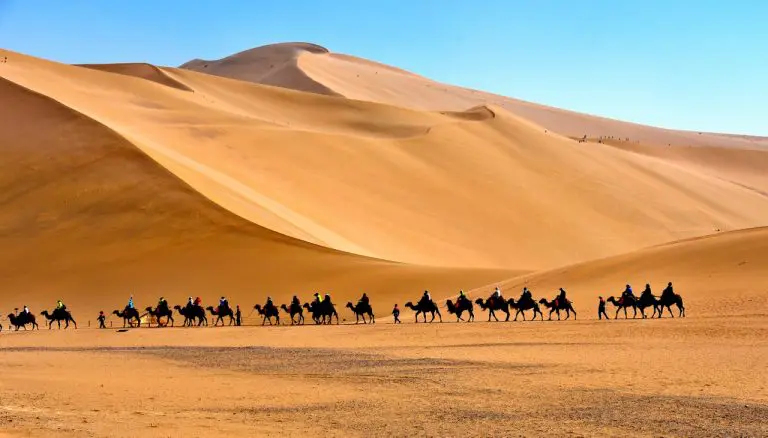
If you’d like to experience part of the vast Taklamakan Desert, consider a one-day excursion to the nearby Kumtag Desert. There, you can enjoy camel rides, explore rolling sand dunes, and take in the dramatic desert scenery.
Related tours
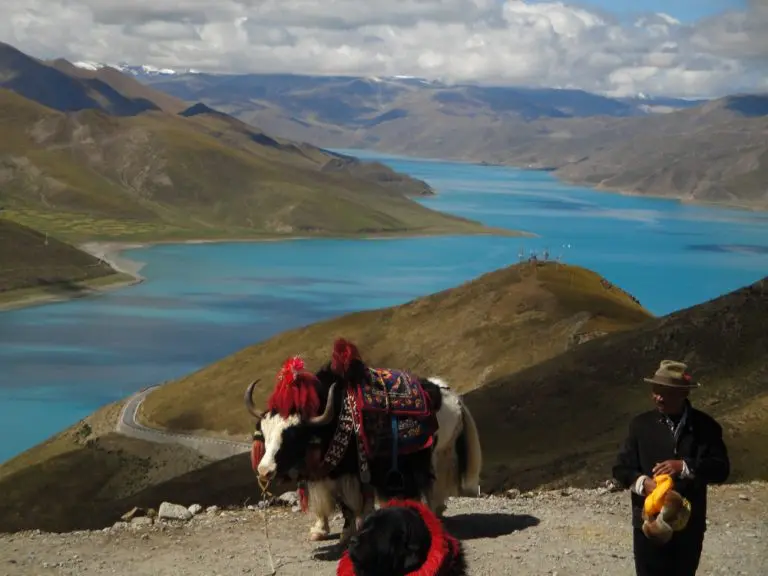
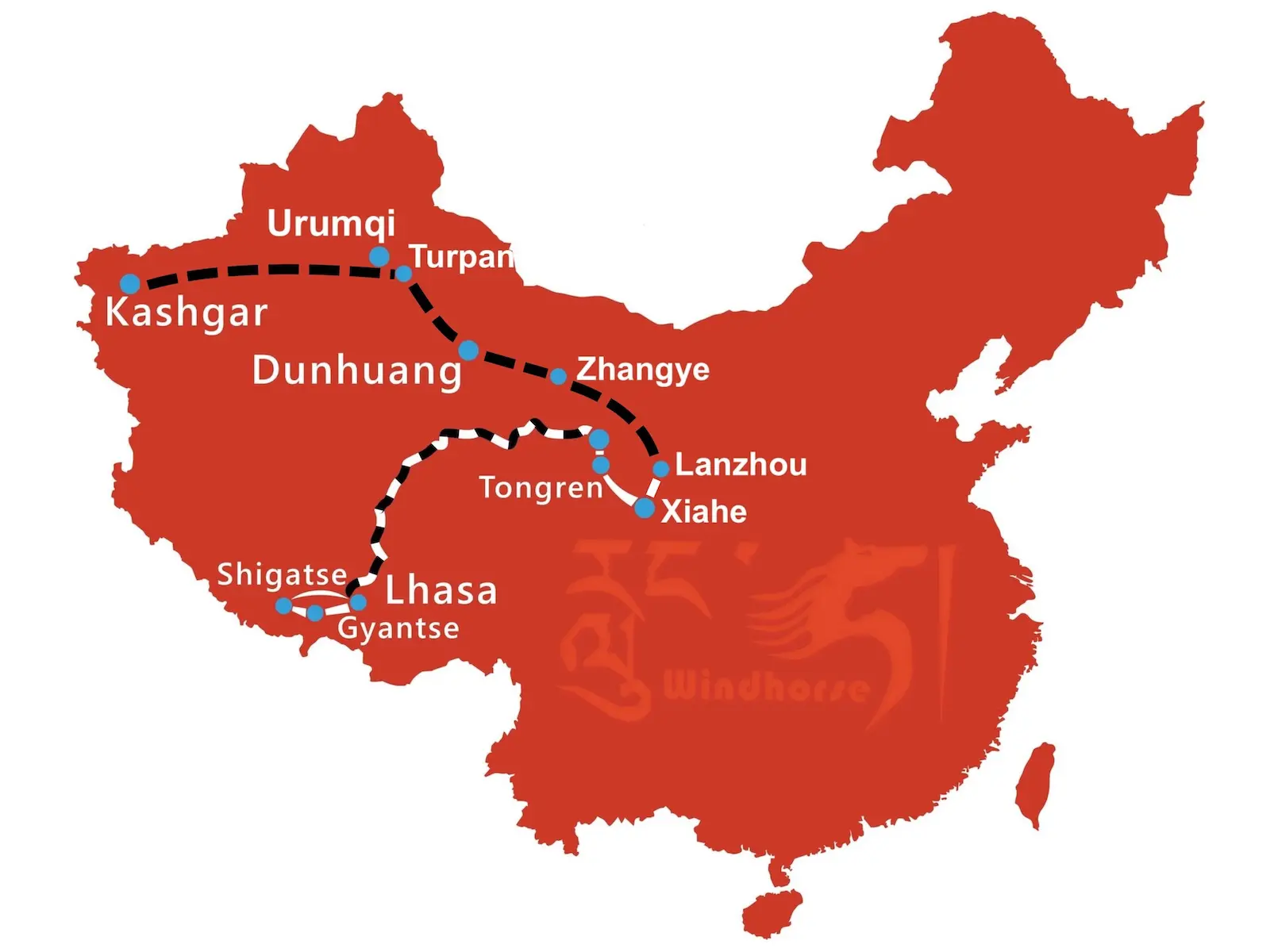
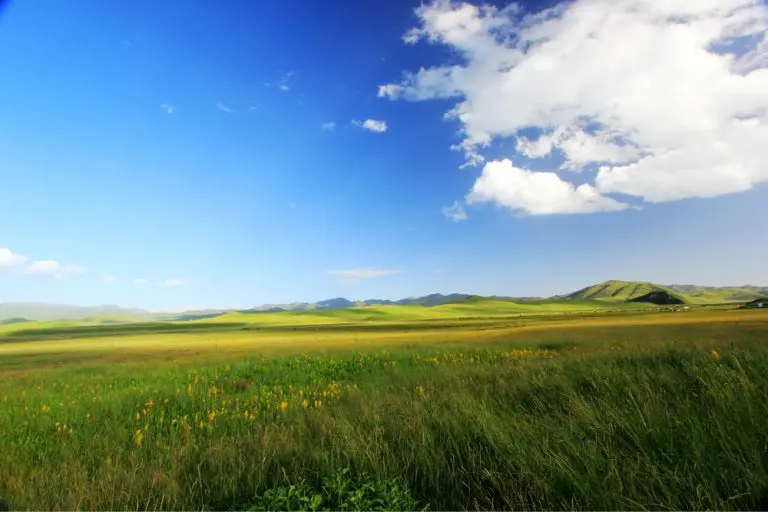

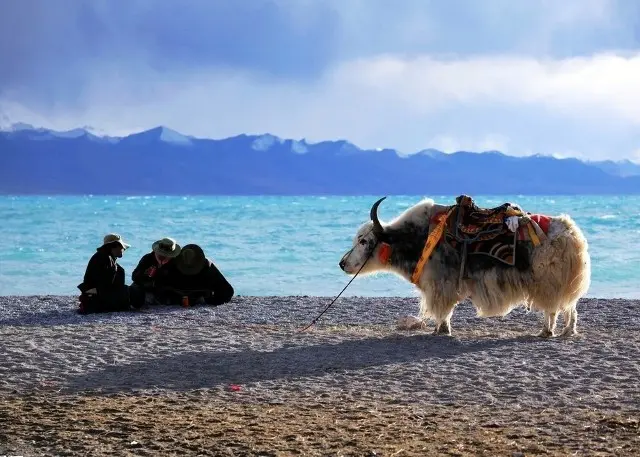
This Grand Silk Road and Tibet Tour travels from Kashgar to Lhasa through Xinjiang, Gansu, Qinghai and Tibet. Explore desert oases, Buddhist grottoes, ancient cities, monasteries and highland lakes before riding the Qinghai–Tibet Railway into Lhasa.
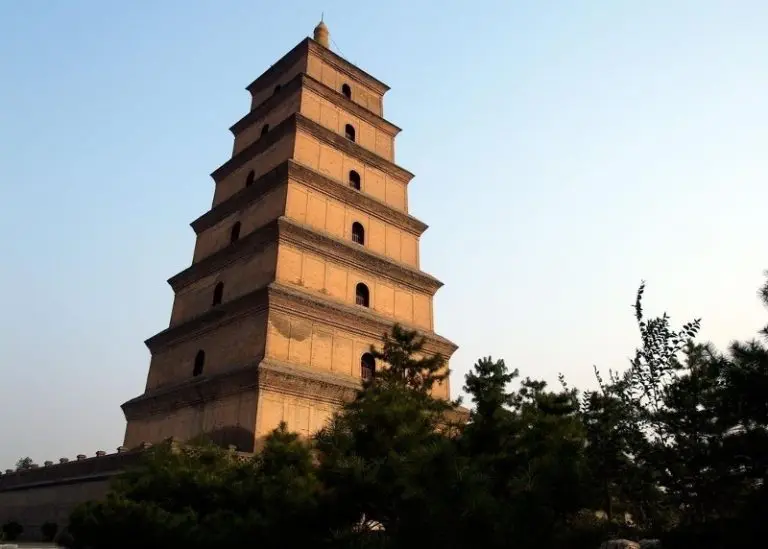
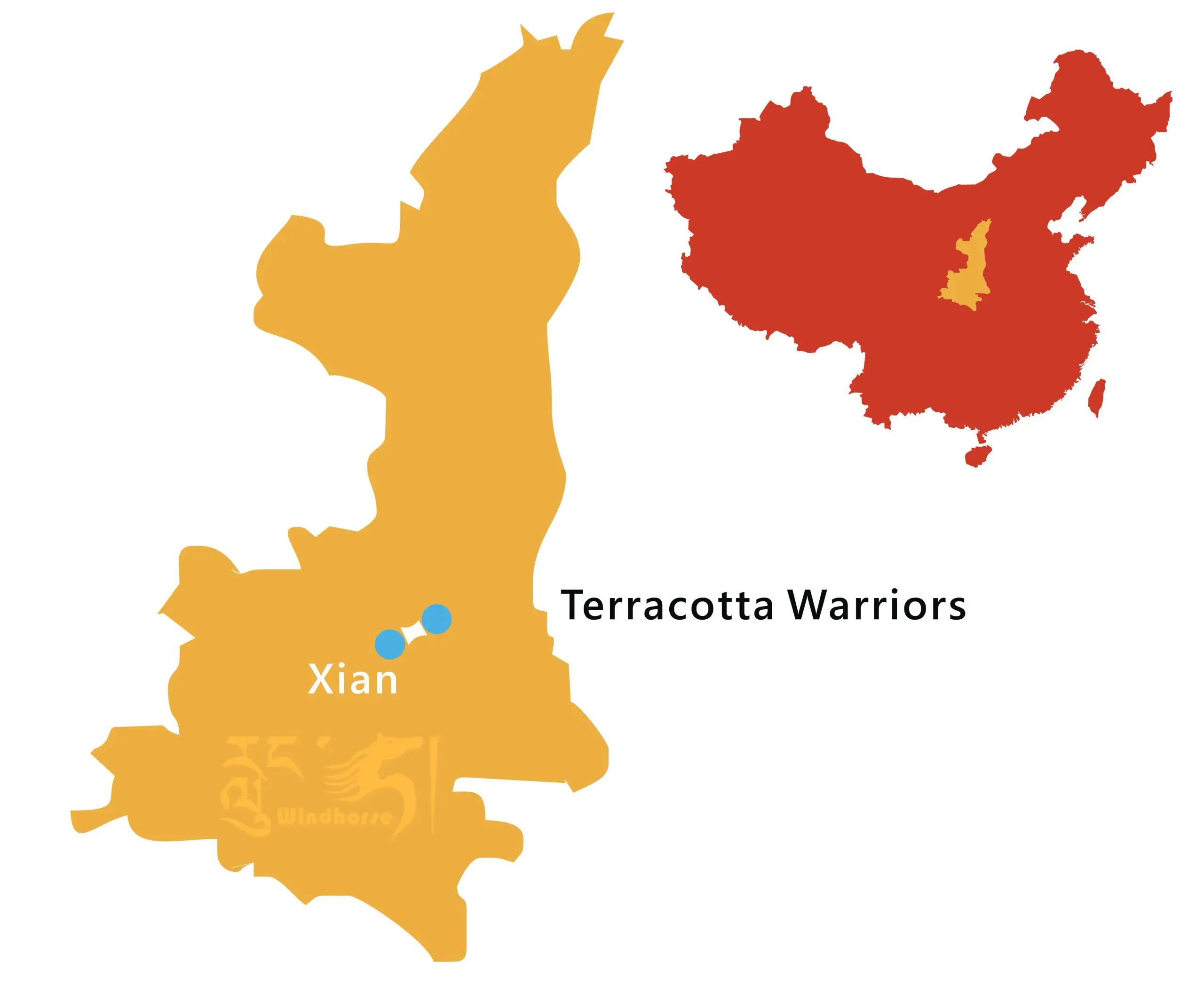
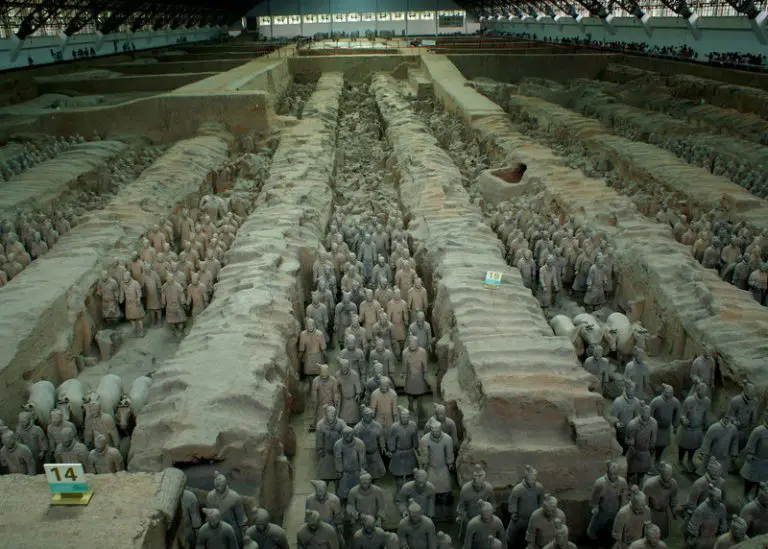
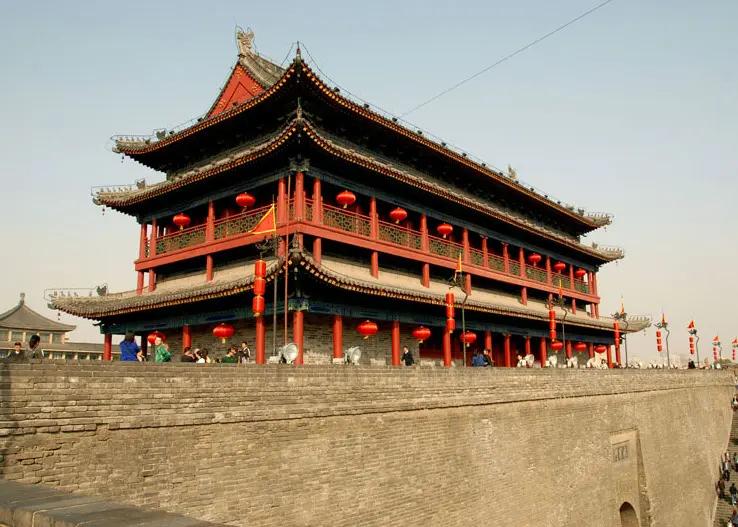
3 days is all some people need to see the best of Xian. Capturing the Terecotta Warriors, City Wall and Giant Goose Pagoda. Experience the original capital of China and learn it is called the "Middle Kingdom". You may just ask for more time.
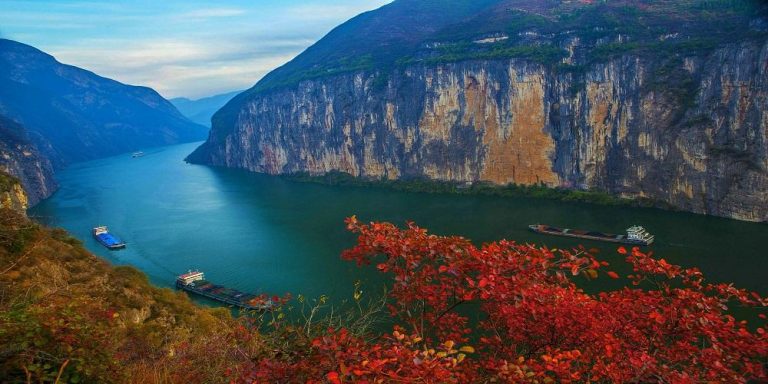
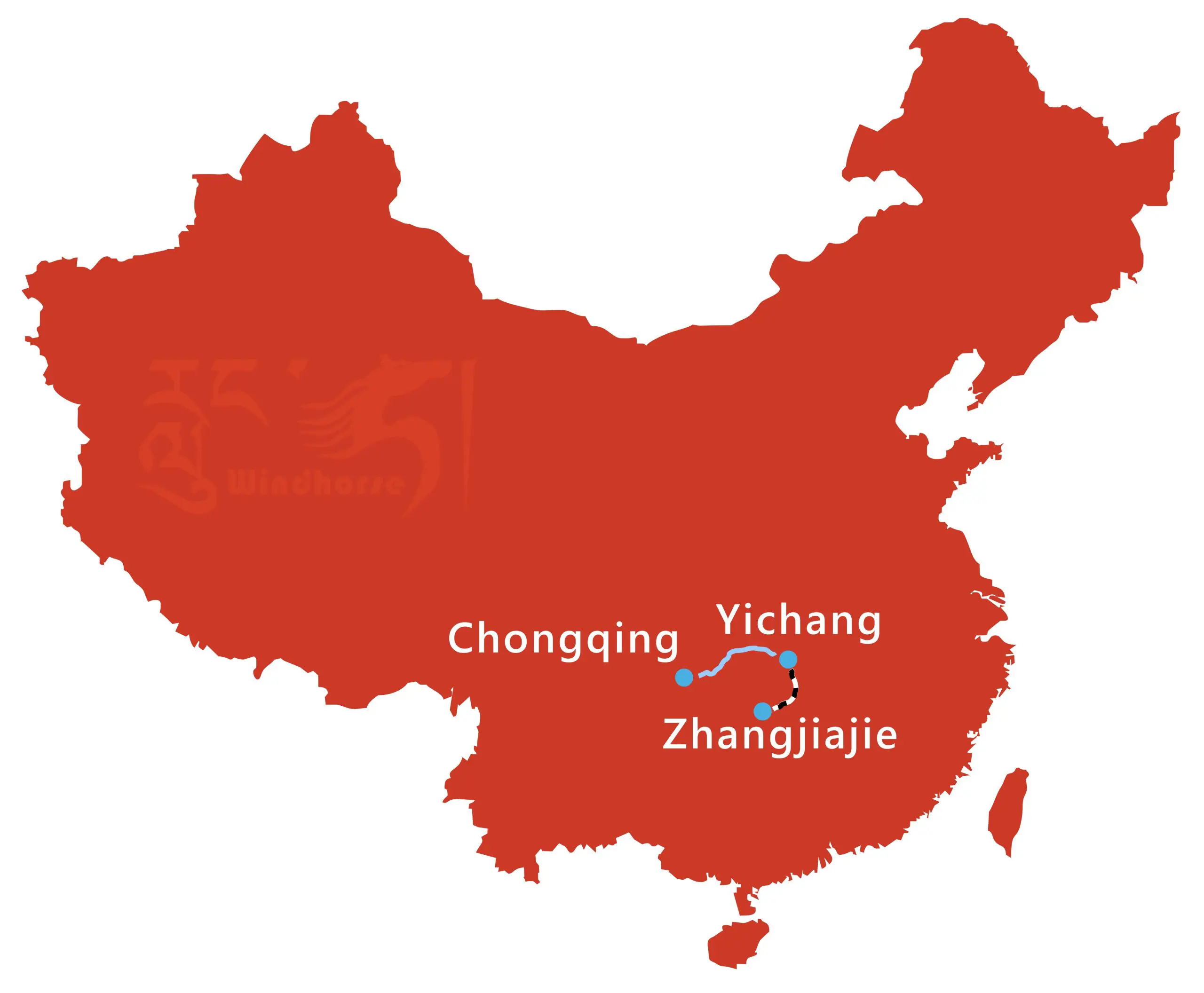
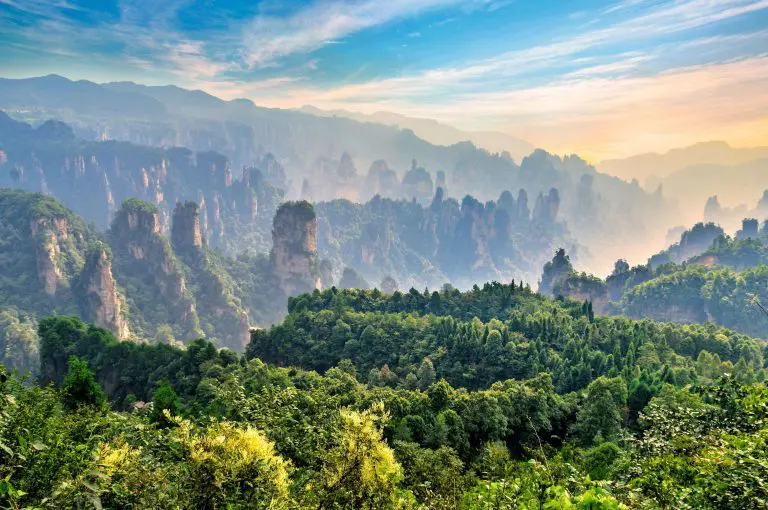

Experience an 8-day Chongqing Yangtze Cruise and Zhangjiajie Tour, combining a classic Three Gorges cruise from Chongqing to Yichang with Zhangjiajie’s top sites, including Yuanjiajie, Tianzi Mountain, the Glass Bridge, and Tianmen Mountain.
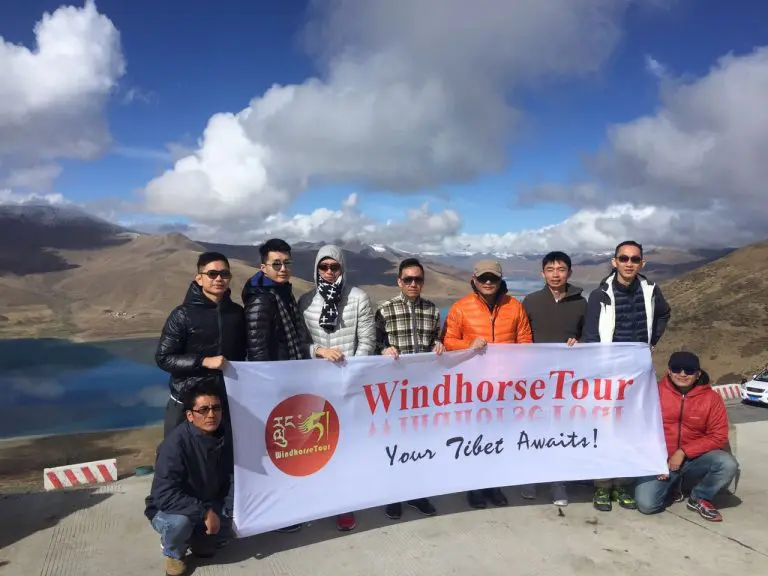
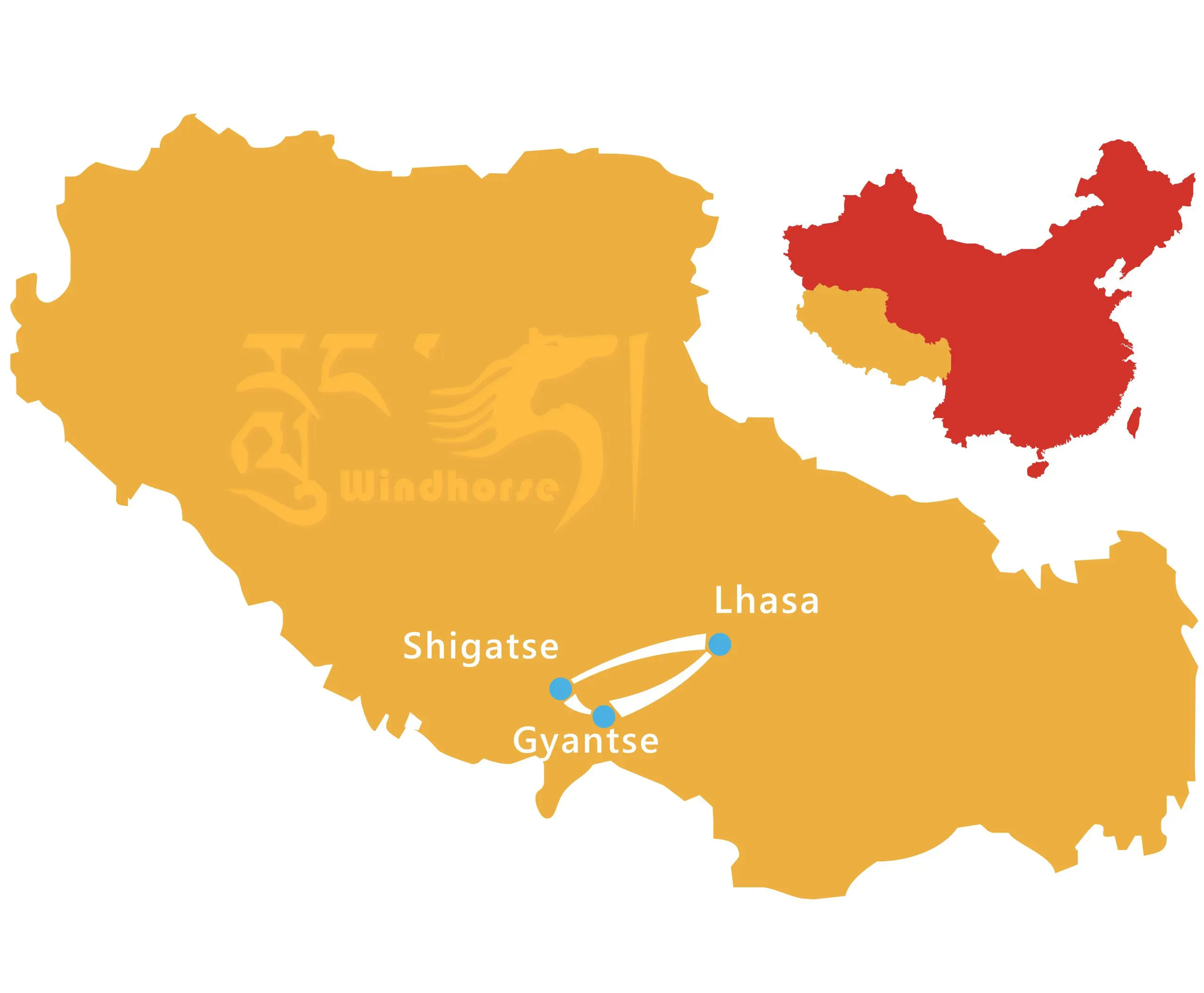


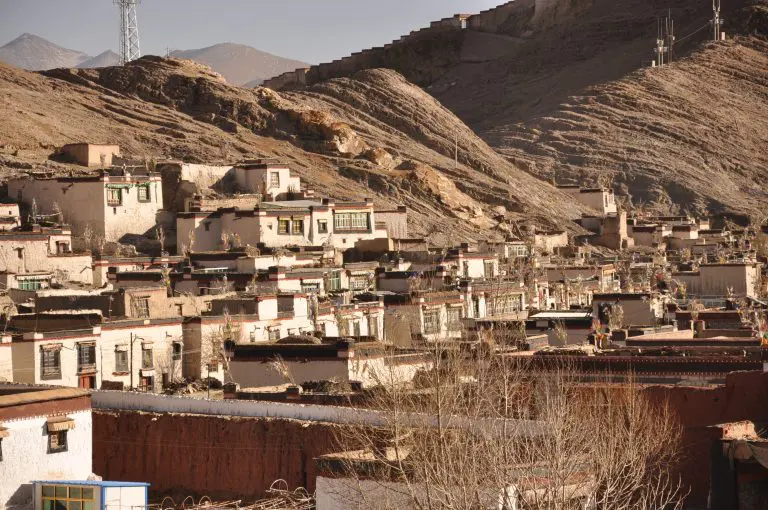
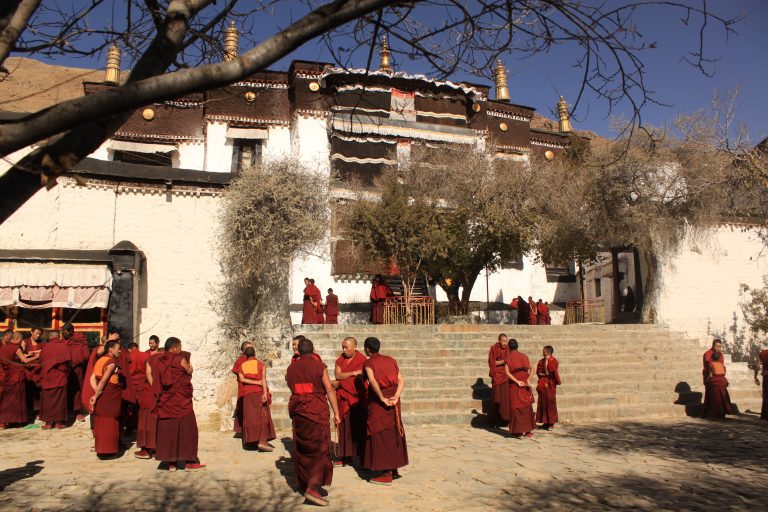
Discover Tibet’s culture and scenery on this 6-day Lhasa Shigatse Group Tour. Explore Potala Palace, Jokhang Temple, Yamdrok Lake, and Tashilhunpo Monastery while traveling with like-minded explorers on this classic Central Tibet route.