
Top 30 Yunnan Attractions For Your Next Visit in China

Written By Helen Wang – Yunnan Travel Expert & Cultural Insider
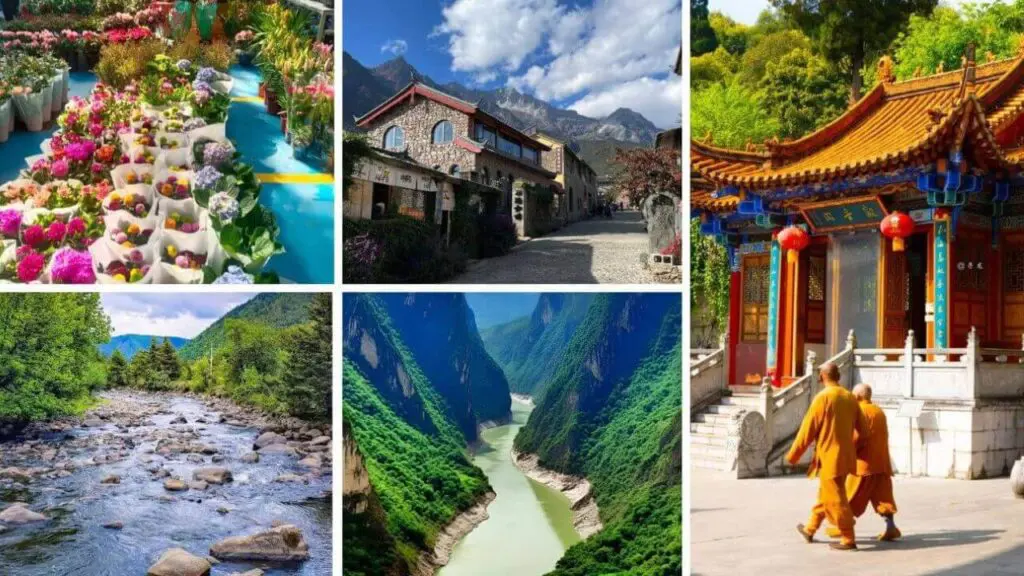
With over 18 years of experience exploring and guiding travelers through Yunnan, I can confidently say that this corner of southwest China is unlike anywhere else in the country. It’s where snow-capped mountains meet lush tropical forests, and where more than 20 ethnic groups live side by side, each preserving their own distinct traditions, food, and festivals.
As someone who has helped thousands of visitors uncover Yunnan’s beauty, I’ve put together this curated list of 30 Yunnan attractions that truly showcase the province’s diversity and charm. I hope this will help you to plan your perfect Yunnan itinerary.
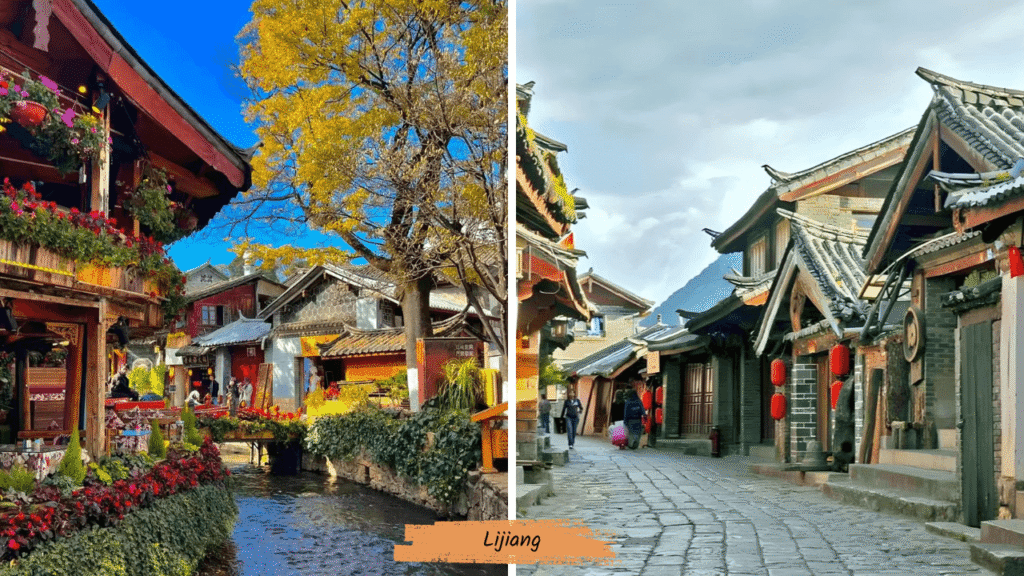
1. Lijiang Ancient Town
As a UNESCO World Heritage Site, Lijiang is often the first place travelers visit in Yunnan—and it’s easy to see why. The old town is beautifully preserved, with winding cobblestone streets, ancient canals, and traditional Naxi courtyard homes. I’ve walked these lanes countless times, yet they never lose their charm.
Be sure to visit Black Dragon Pool early in the morning—the reflection of Jade Dragon Snow Mountain in the water is unforgettable. And don’t miss a Naxi music performance; it’s a window into one of China’s most fascinating cultures.
Highlights:
- Wander up to Lion Hill for a view of the whole town
- Visit Black Dragon Pool Park with Jade Dragon Snow Mountain in the background
- Catch a performance by the Naxi Ancient Music Ensemble
- Day excursions to Jade Dragon Snow Mountain or Tiger Leaping Gorge
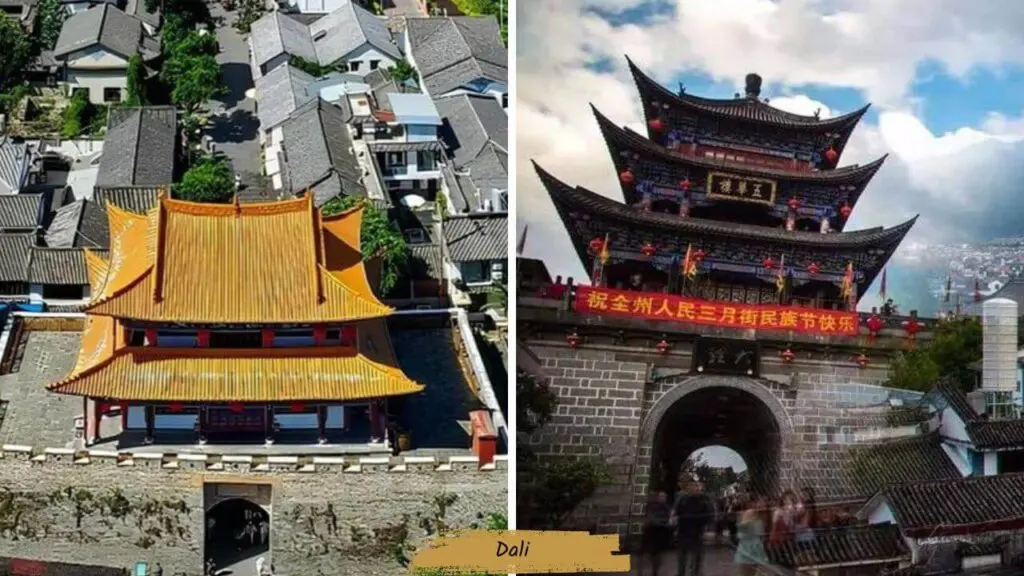
2. Dali Ancient Town
Dali Ancient city has a laid-back energy that draws people in. Set between Cangshan Mountain and Erhai Lake, it’s long been a retreat for artists, writers, and free spirits. The town blends old-world charm with modern creativity, you’ll find Bai minority architecture alongside indie coffee shops and art galleries.
For a deeper cultural experience, I always recommend visiting nearby Xizhou to see authentic Bai homes and catch a traditional tie-dye workshop. Cycling around Erhai Lake is another highlight, it’s scenic, peaceful, and full of surprises. Dali one of the many must visit Yunnan attractions.
Things to do:
- Ride a bike around Erhai Lake and stop at charming villages like Xizhou or Shuanglang
- Explore the Three Pagodas and Chongsheng Temple
- Stroll Dali Old Town’s market streets filled with local crafts and Bai-style silver jewelry
- Pay a visit to a local market
3. Shangri-La (Zhongdian)
Often called the gateway to the Tibetan world, Shangri-La sits on the northern edge of Yunnan at over 3,000 meters. It’s a place where Tibetan culture thrives, colorful prayer flags flutter in the wind, yak butter lamps burn in temples, and locals greet you with open-hearted smiles.
I always tell travelers: give yourself time to adjust to the altitude, then dive into the experience. Visit Songzanlin Monastery, wander the old town, and enjoy the stunning high plateau scenery like Pudacuo National Park. Explore this destination on our Classic Yunnan Highlights Tour.
Highlights:
- Visit Songzanlin Monastery, the largest Tibetan Buddhist monastery in Yunnan
- Walk the wooden sky bridge across Napahai Lake, home to migratory birds
- Hike in Pudacuo National Park, known for alpine lakes, wildflowers, and fir forests

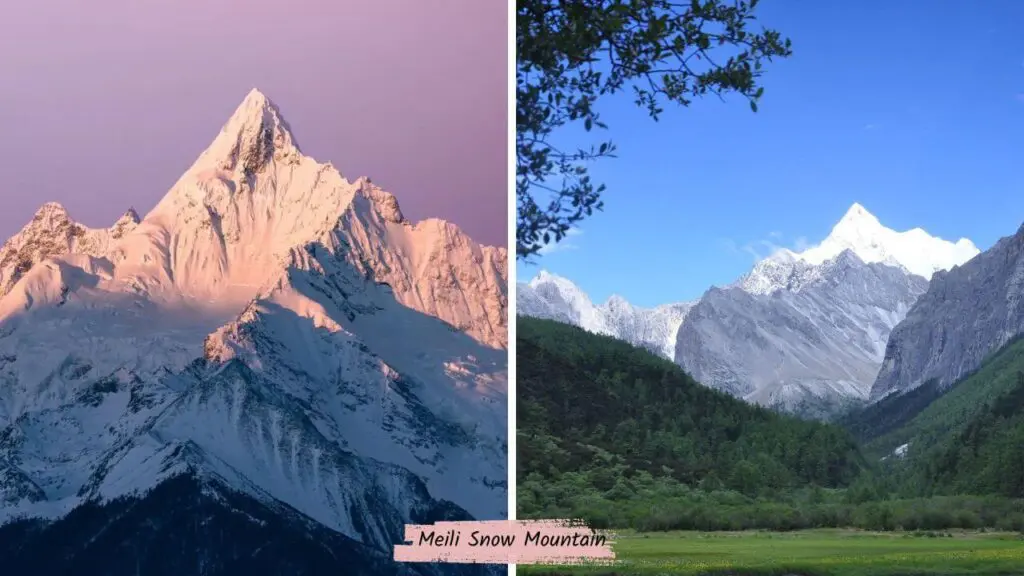
4. Meili Snow Mountain
Also known as Mount Meili, this sacred mountain range in northwest Yunnan is home to Kawagarbo, the province’s highest peak at 6,740 meters. This snow-covered peaks often emerge from layers of morning mist, glowing golden as the sun rises. To Tibetans, Mount Meili isn’t just a mountain, it’s a revered pilgrimage site. No one has ever summited it, and locals believe it should remain untouched.
When I first stood at Feilai Temple and watched the sun rise over the snowy peaks, I understood why. It’s spiritual. Even if you’re not religious, there’s a silence and stillness here that speaks to something deep inside.
Best experiences:
• Stay in Feilai Temple Village for sunrise views
• Trekking to Yubeng village – a hiking paradise at the foot of Mount Meili.
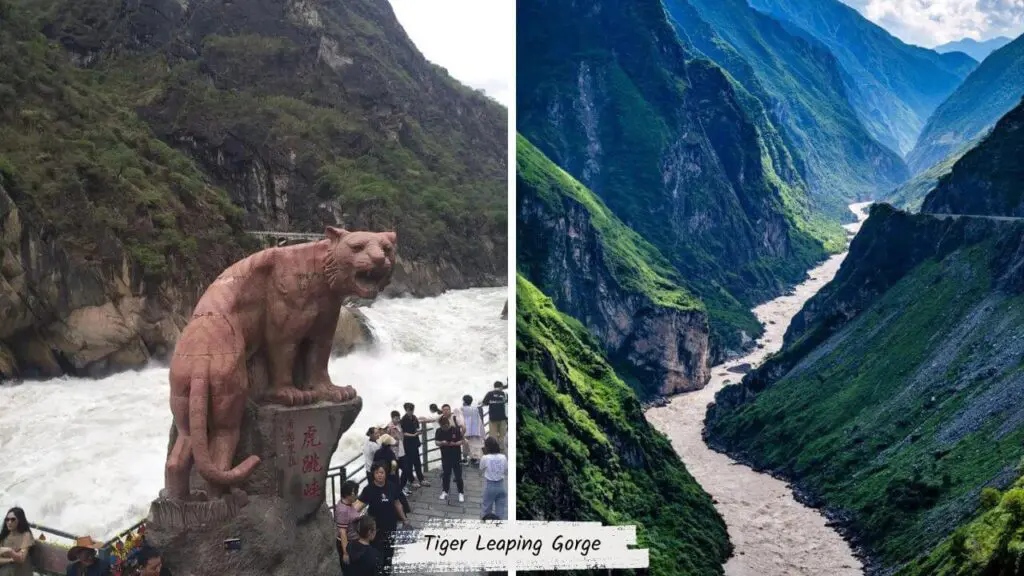
5. Tiger Leaping Gorge
A trek through Tiger Leaping Gorge is one of the most exhilarating hikes in China and one of the most poplular Yunnan attractions among the hikers. With vertical cliffs towering above the Jinsha River (upper Yangtze), the gorge offers epic views and a dramatic sense of scale. According to legend, a tiger once leapt across the narrowest point to escape a hunter, hence the name.
I’ve hiked the high trail multiple times and still find it breathtaking—literally and figuratively. Local guesthouses along the way are simple but welcoming, and the scenery changes with every step. It’s raw, it’s real, and it’s one of Yunnan’s true gems.
Travel tips:
• The 2-day trek is moderate to challenging, pack light but bring layers
• Popular stops include Halfway Guesthouse and Tina’s Guesthouse
• You can also do shorter hikes or drive to scenic viewpoints if trekking isn’t your thing
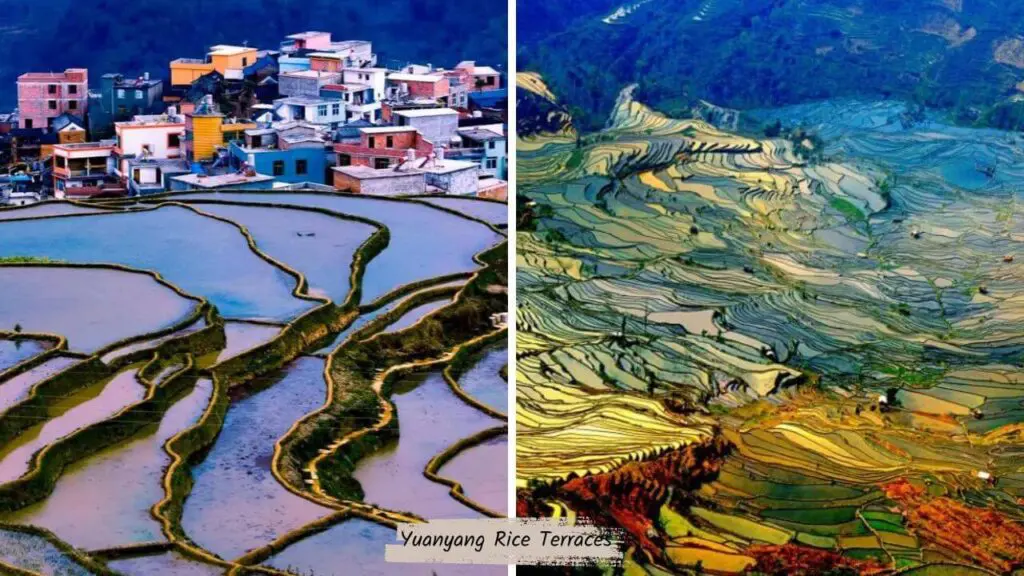
6. Yuanyang Rice Terraces
Carved into the mountains over centuries by the Hani people, the Yuanyang terraces are a masterpiece of human and natural harmony. Come during the winter months when the fields are filled with water, and you’ll see why photographers from all over the world flock here.
But what stays with me is the rhythm of village life, lively markets where Hani people gather to sell fresh produce, wild herbs, and colorful textiles. It’s a living culture, full of warmth and tradition. It’s humbling.
Best time to visit:
- November to March, when the terraces are flooded and reflect the sky
- Sunrise at Duoyishu Viewpoint is unforgettable
- Visit a local lively market where you will find everything interesting
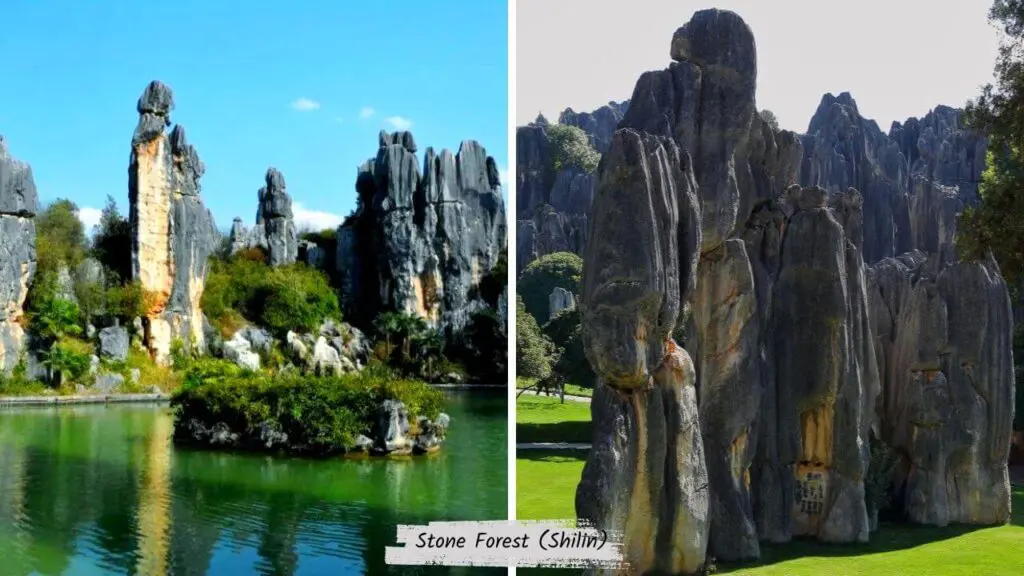
7. Stone Forest (Shilin)
Located just outside Kunming, the Stone Forest is one of Yunnan’s most accessible wonders. These towering limestone formations look like frozen trees or mythical beasts and are steeped in Yi minority folklore.
I recommend hiring a local guide from the Sani community, they bring the stones to life with stories that blend geology and legend. Don’t forget to try the local snacks outside the park, especially the roasted tofu.
What to do:
- Explore Major and Minor Stone Forests, both walkable
- Visit the Sani Cultural Village
- Pair your visit with Kunming’s famous crossing-the-bridge noodles for lunch
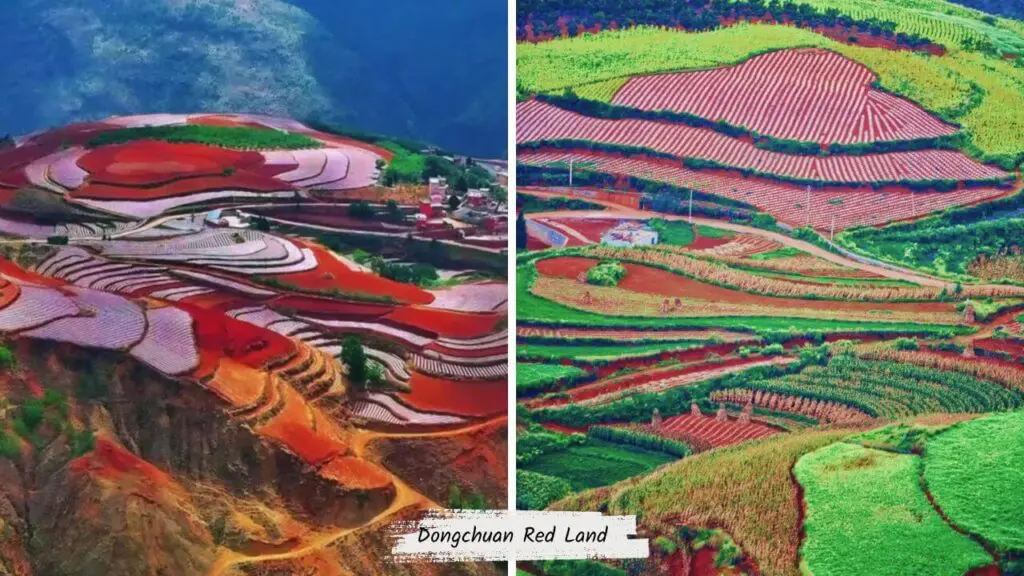
8. Dongchuan Red Land
For photographers and nature lovers, Dongchuan feels like stepping into a living painting. It is about 3 hours from Kunming by car, has some of the richest red soil on Earth thanks to its iron content and subtropical climate. The patchwork of red earth, green crops, and blue skies is simply stunning. It’s still relatively off-the-beaten-path, which means fewer tourists and more authentic village life.
Best viewing times:
- May–June (crop growing season) and September–November (harvest season)
- Popular spots: Luoxiagou (Sunset Valley) and Damakan Viewpoint
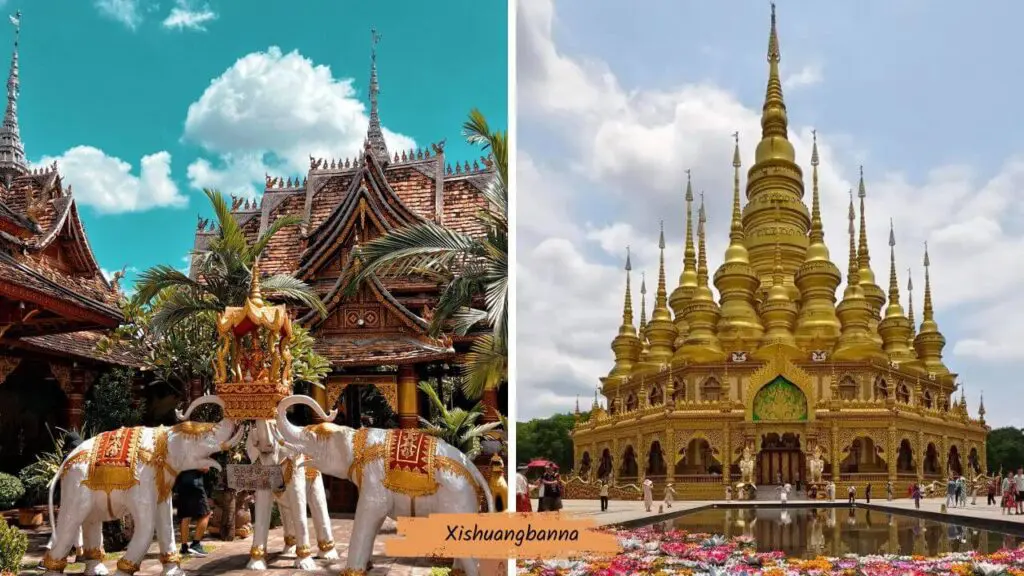
9. Xishuangbanna
Yunnan’s far south feels like another world. Xishuangbanna borders Laos and Myanmar and is home to tropical rainforests, wild elephants, and the Dai people, whose stilt houses, festivals, and cuisine reflect Southeast Asian influences. The weather here is hot and humid, think palm trees and banana groves. It’s a great place to slow down and soak in something different.
The Dai people who live here have their own language, script, and way of life. I’ve spent many evenings eating sticky rice and river fish in their stilted homes, always welcomed with warmth.
The Water Splashing Festival in April is a highlight, but even on a quiet day, Xishuangbanna is alive with color, fragrance, and rhythm.
Highlights:
- Explore the Xishuangbanna Tropical Botanical Garden in Menglun
- Visit a traditional Dai village and try sticky rice cooked in bamboo
- If you’re there in April, don’t miss the Water-Splashing Festival—a joyful celebration marking Dai New Year
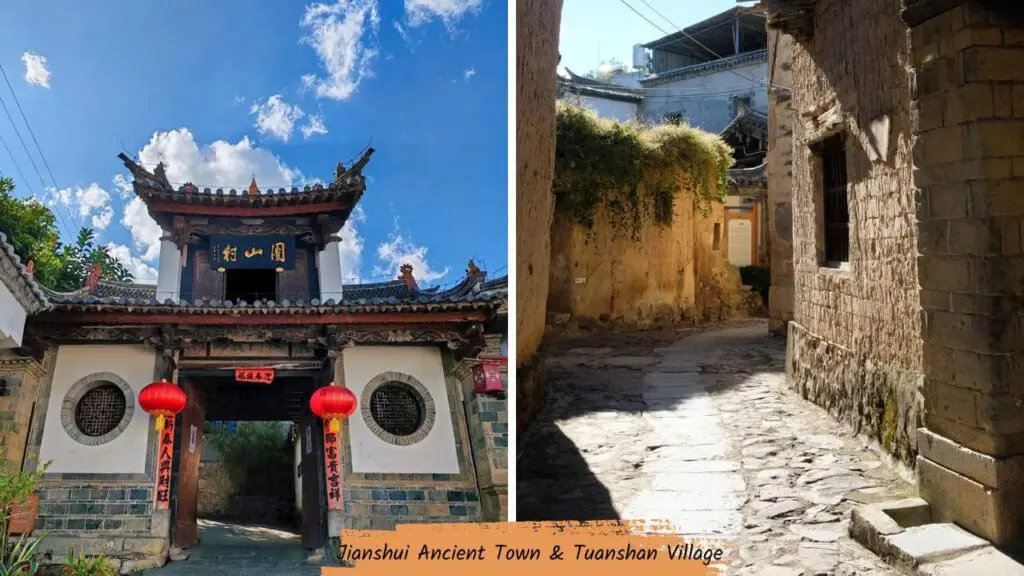
10. Jianshui Ancient Town & Tuanshan Village
This lesser-known gem in southern Yunnan is full of charm. Jianshui was once a Confucian stronghold, and you’ll still find elegant architecture, quiet alleyways, and a scholarly vibe. Nearby Tuanshan Village has preserved its centuries-old layout and traditional homes beautifully. It’s not flashy or touristy, just honest, old-world China.
What to see:
- Visit the grand Confucius Temple and Zhu Family Garden
- Explore Tuanshan’s stone lanes and centuries-old family homes
- Try the famous Jianshui grilled tofu, still prepared the traditional way
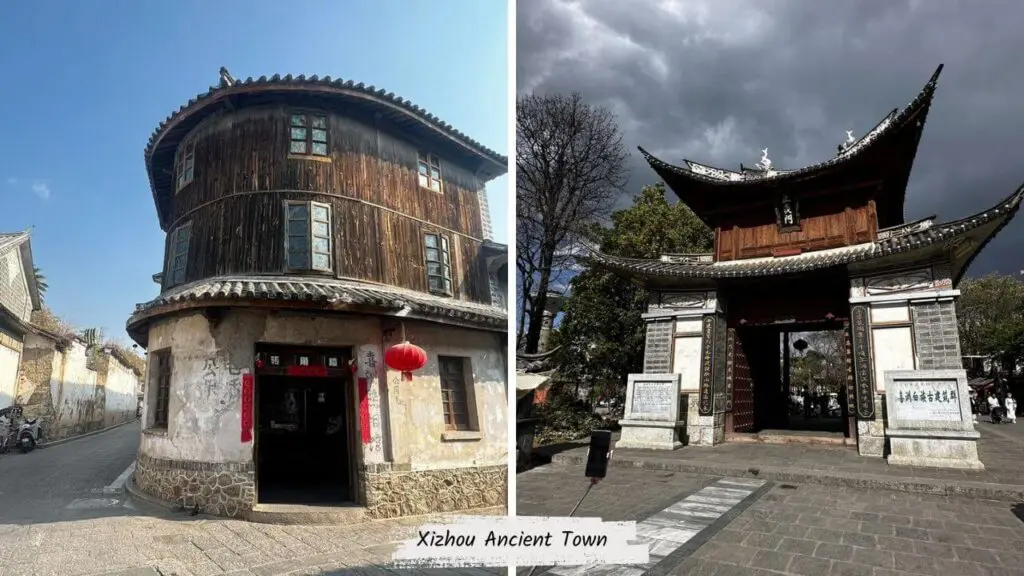
11. Xizhou Ancient Town
Xizhou is a living tapestry of Bai culture, If you have a short drive north from Dali for about 19km, you will reach Xizhou Ancient Town. This ancient town is smaller than the other ancient towns in Yunnan, but it’s rich with tradition, with white-walled homes and ornate wood carvings, lively morning markets, and locals going about their day much like they have for generations.
The authenticity is what makes Xizhou so special and worth visiting. I love wandering through its peaceful lanes at sunrise, when the town is just waking up and the smell of fresh baba bread fills the air. One of my favorite stops is the Yan Family Mansion, where you can see the elegance of old Bai architecture up close. If you are in Xizhou, don’t leave without trying a cup of the town’s signature flower tea at a local courtyard café.
Cultural Highlights:
- Step inside the beautifully preserved Yan Family Mansion
- Watch traditional Bai tie-dye artisans at work
- Stroll the morning market and sample local snacks like baba bread
- Sip flower tea in a quiet courtyard with mountain views
12. Lashihai Lake
Just outside Lijiang, Lashihai Lake is nestled in a high-altitude valley and it is a seasonal wetland that transforms into a haven for migratory birds, especially in winter. The lake is surrounded by rolling hills and the distant outline of Jade Dragon Snow Mountain, and it is a peaceful retreat where you can spot rare species like black-necked cranes and bar-headed geese. The area is also home to Naxi and Yi villages, where you can experience local life, traditional crafts, and warm hospitality.
Highlights of Lashihai Lake:
- Take a leisurely boat ride across the lake to soak in the scenery.
- Cycle or horseback ride along the lake’s edge for a closer look at the wetlands and villages.
- Visit in winter (November to February) to see flocks of migratory birds.
- Explore nearby Naxi villages to learn about their unique customs and cuisine, like local yak butter tea.
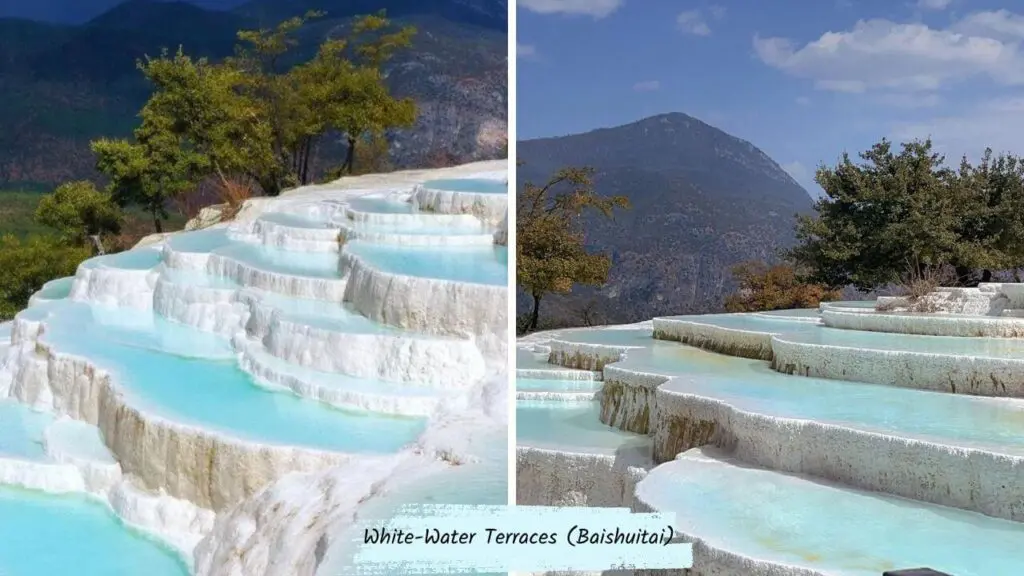
13. White-Water Terraces (Baishuitai)
Tucked away in the mountains between Lijiang and Shangri-La, Baishuitai is one of Yunnan’s hidden wonders. These natural limestone terraces are formed by mineral-rich spring water that leaves behind white, layered pools. It is a surreal sight that almost looks sculpted by hand. Locals believe it’s the birthplace of the Dongba religion, and there’s a quiet spiritual energy to the place.
The journey to get here is part of the adventure with winding roads, village life, and breathtaking scenery all the way. When you arrive, you’ll find a serene, otherworldly landscape with few crowds and wide open skies. It’s a great stop if you’re headed to Shangri-La, especially for travelers who enjoy off-the-beaten-path gems.
Don’t Miss:
- Walk along the terraced pools, especially stunning in morning light
- Learn about the Naxi people’s Dongba traditions at the local temple
- Enjoy panoramic views of the Haba Snow Mountains in the distance
- Chat with villagers who still live a largely traditional lifestyle
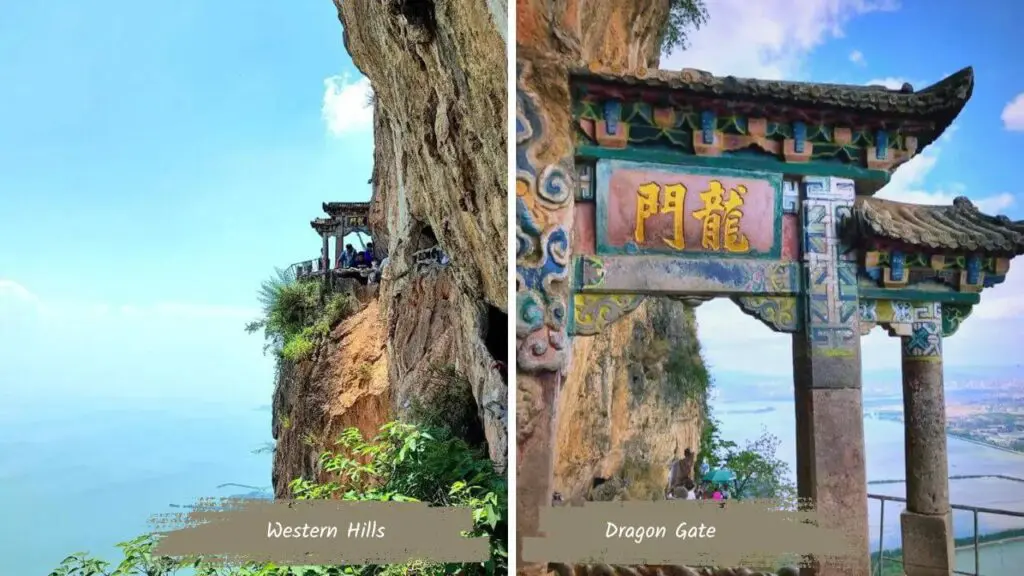
14. Western Hills & Dragon Gate
The Western Hills rise like a green wall above Dianchi Lake, just outside of Kunming. Locals call them the “Sleeping Beauty Hills” because from a distance, the ridgeline looks like a woman resting on her back. But up close, it’s all cliffs, pines, and winding paths carved into rock.
Visiting Western Hills as one of the Yunnan attractions is a must if you like to hike. You will climb through tunnels and up stairways that cling to the edge of the mountain. The views are wide and beautiful, with Kunming on one side and misty hills stretching forever on the other. It’s the kind of place where the journey is just as good as the view at the top. It is an amazing attraction even if you are not a hiker. If you don’t want to go up stairways, you can choose to go up with a cable car, and still enjoy the view.
Dragon Gate is perched high on the cliffs of the Western Hills, Dragon Gate is the most dramatic spot in Kunming and one of the top Yunnan attractions. I remember gripping the railings as the wind picked up and gazing down at the boats on Dianchi Lake far below. Pilgrims leave incense at tiny altars, and the whole place feels like a blend of devotion and daring.
Best Moments on Western Hills:
- The climb through stone tunnels with Dianchi Lake glittering below
- Quiet temples nestled in the forest
- A panoramic view that’s worth every step
What to Expect in Dragon Gate:
- Carved cliffside paths that twist and turn
- Shrines and Taoist symbols hidden in the rock
- Sweeping views that make your heart race
15. Nujiang Grand Canyon
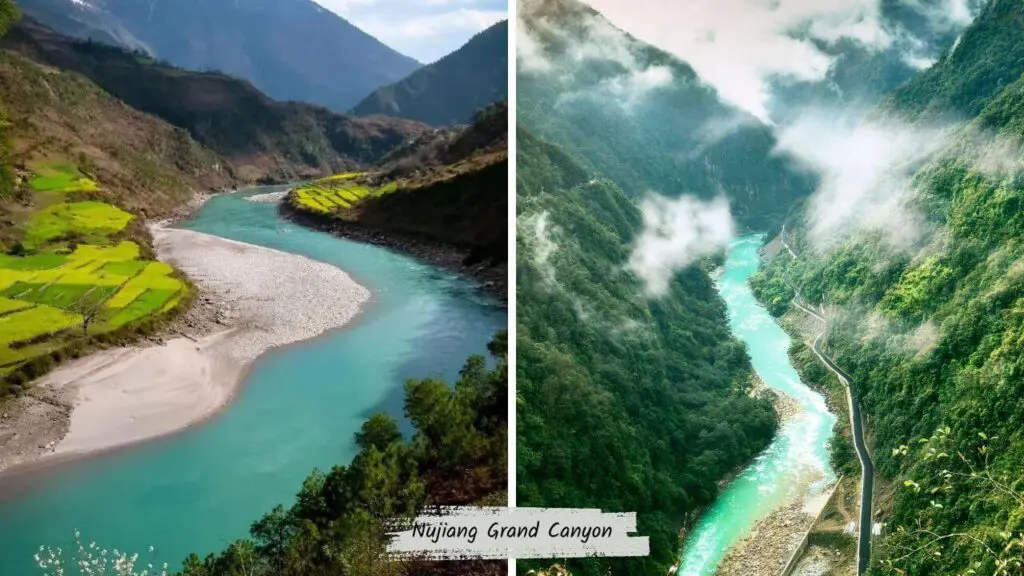
Nujiang Grand Canyon is one of China’s wildest and least-traveled frontiers. Carved by the roaring Nu River as it cuts through the Hengduan Mountains, the canyon stretches for over 300 kilometers, and it is deep, rugged, and utterly majestic. This is not a place of polished tourism, because it’s raw and real.
The scenery here is dramatic: steep cliffs, mist-covered peaks, and tiny villages clinging to the slopes. It’s also home to the Lisu and Nu ethnic groups, whose stilted wooden homes dot the riverbanks. I remember crossing a swaying rope bridge while locals herded goats below—every moment here feels like a story.
To have Unforgettable Moments:
- Ride the road from Liuku to Bingzhongluo, a journey of nonstop beauty
- Visit stone churches and Lisu villages hidden in the canyon
- Walk across rope bridges suspended over the turquoise Nu River
- Witness sunbeams break through clouds over endless green valleys
16. Heshun Ancient Town (Tengchong)
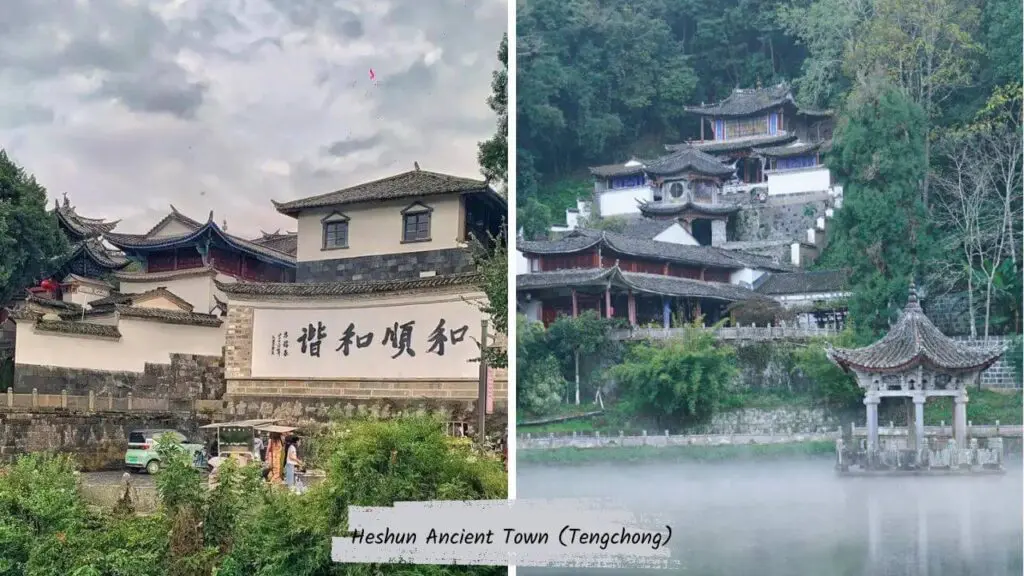
Nestled in the hills of western Yunnan near the Myanmar border, Heshun is a graceful blend of nature, history, and quiet sophistication. This ancient town was once a stop for Silk Road caravans, and it’s easy to imagine merchants wandering the same cobbled paths centuries ago.
Heshun is known for its traditional courtyard homes, elegant archways, and surprisingly literary vibe—many famous scholars and writers once lived here. I love the serene reflection of willow trees in the village pond and browsing the old bookstores that seem untouched by time. It’s also the perfect base to explore Tengchong’s hot springs, volcanoes, and WWII history.
Best Experiences:
- Walk the willow-lined paths past stone bridges and ancestral halls
- Visit the Library of Heshun, a cultural treasure hidden in a small town
- Explore nearby Tengchong volcanic park and natural hot springs
- Sip tea with locals in a shaded courtyard surrounded by birdsong
17. Puzhehei (Wenshan) – Karst Lakes & Lotus Fields
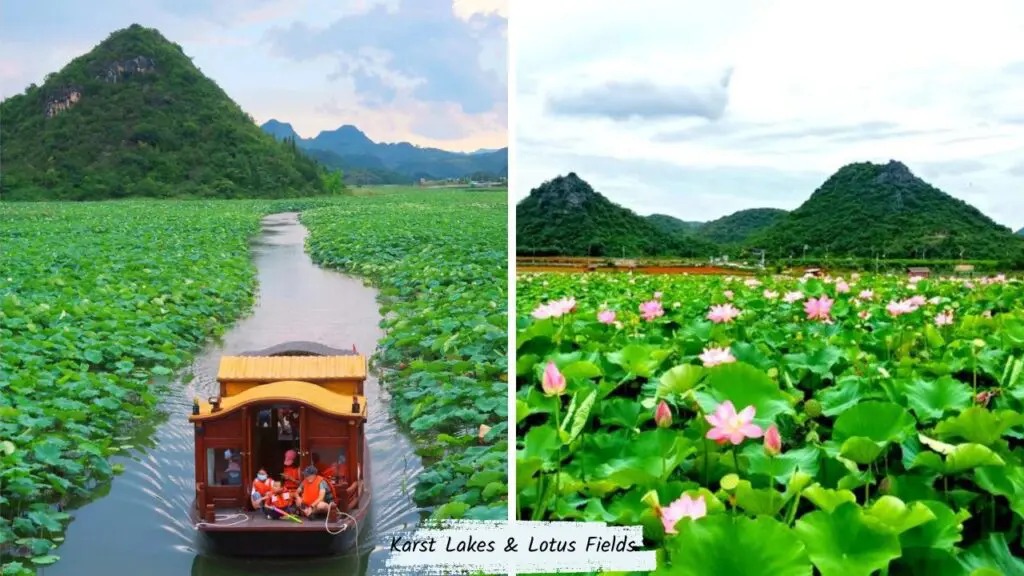
Puzhehei is a dreamscape of karst peaks rising from glassy lakes, lotus fields stretching to the horizon, and villages nestled on the water’s edge. In summer, the air is fragrant with lotus blossoms and the sounds of children laughing as they paddle wooden boats along narrow channels.
It feels like stepping into a Chinese ink painting. I spent hours kayaking through lily-covered waterways, watching herons take flight. At sunset, the sky turns gold over the water, and the silhouette of the karst mountains becomes pure magic. It’s peaceful, photogenic, and still relatively under the radar.
Magical Moments:
- Rent a kayak or bamboo raft and float through lotus-covered canals
- Hike up Qinglong Mountain for panoramic views of the lake region
- Catch a Yi minority festival with traditional costumes and dances
- Enjoy local rice noodles at a lakeside café surrounded by water
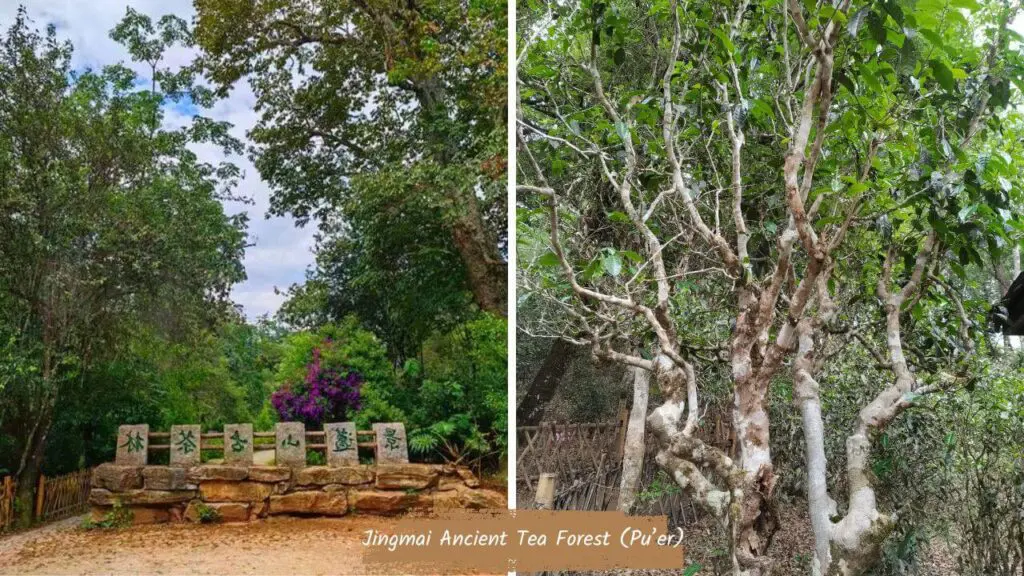
18. Jingmai Ancient Tea Forest (Pu’er)
High in the misty hills of Pu’er, Jingmai is where ancient tea trees still thrive, some over a thousand years old. This UNESCO-listed cultural landscape is more than a tea plantation—it’s a living harmony between people and forest, cultivated by the Dai and Bulang communities for generations.
Walking through the tea forest is like entering a green cathedral. The paths are soft with moss, the trees gnarled and wise. Tea is a way of life here, and every leaf tells a story. I sat with a Bulang elder once as she brewed tea with graceful movements passed down for centuries. It was humbling.
Tea Forest Highlights:
- Wander shaded trails lined with ancient tea trees
Visit Bulang or Dai villages to learn about traditional tea processing - Taste Pu’er tea at its source, brewed with spring water from the mountain
- Stay in a local guesthouse for early-morning mists and mountain sunrises
19. Jade Dragon Snow Mountain
Jade Dragon Snow Mountain is located above Lijiang and it is a sacred mountain to the Naxi people and a place of wild, alpine beauty. The snow-covered peaks shine white even in summer, and clouds wrap around them like a scarf.
You don’t have to be a mountaineer or hiker to experience it. There’s a cable car that takes you high up, where the air gets thin and prayer flags flutter in the wind. When I stood there, bundled up, breath short, staring at the glacier as sunlight bounced off the snow, it felt like the edge of the world.
What to Experience:
- Ride the cable car to Glacier Park or Yak Meadow
- See the famous Impression Lijiang show—performed at the foot of the mountain
- Watch clouds drift across the jagged peaks from afar

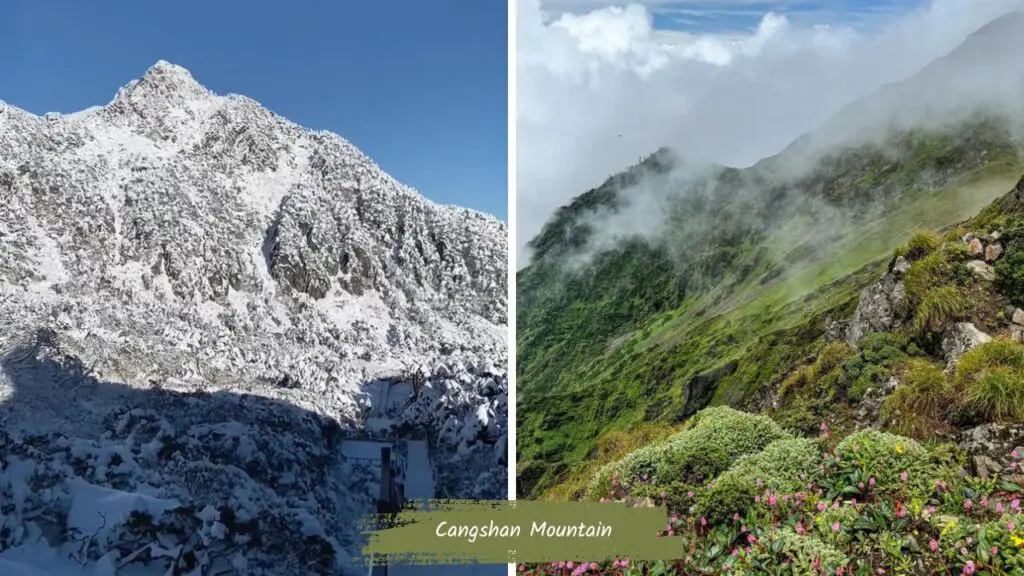
20. Cangshan Mountain
Rising behind Dali like a protective wall, Cangshan Mountain is green, rugged, and full of winding trails and hidden temples.This is where locals go to hike, picnic, and breathe in the cool mountain air. The peaks are often wrapped in mist, and from the top, Erhai Lake stretches out like a giant mirror below.
There’s a cable car, but I recommend walking a bit of the Cloud Pass Trail. It’s an easy, mostly flat path that runs along the mountain at mid-level, with stone steps, waterfalls, and the occasional tea stand. I once spent a whole afternoon there with nothing but the sound of wind in the trees and water trickling down mossy rocks.
Highlights:
- Hike or take the cable car for sweeping views of Dali and Erhai
- Walk the Cloud Pass Trail—peaceful, scenic, and full of charm
- Look for wildflowers in spring and waterfalls in the rainy season
21. Wild Elephants in Mengla (Xishuangbanna)
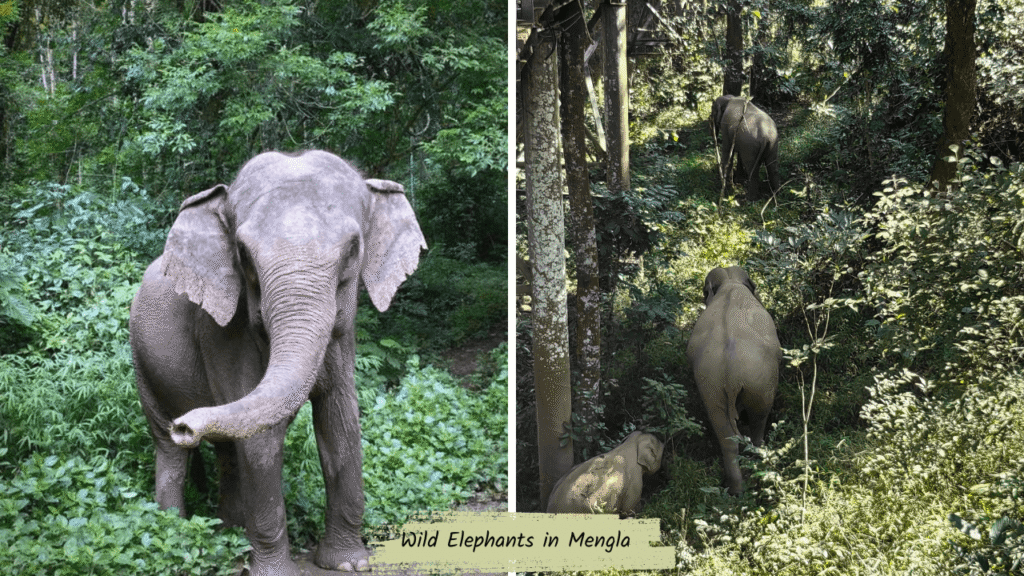
In the tropical forests of southern Yunnan, wild elephants still roam free, which is a rare and thrilling sight in modern China. Mengla County is near the Laos border, and it is part of Xishuangbanna’s rich rainforest ecosystem, and the Wild Elephant Valley here offers a unique chance to observe these gentle giants in their natural habitat.
I’ll never forget the first time I spotted an elephant family emerging from the trees at dusk, so silent, massive, and completely at ease. Elevated walkways let you safely watch them move through the jungle, and if you’re lucky, you might even hear them trumpet in the distance. The surrounding forest is teeming with life, you can see colorful birds, butterflies, and tropical flora at every turn.
Wild Encounters:
- Watch wild elephants from skywalks deep in the rainforest
- Visit at dawn or dusk for the best chance to see them roaming
- Explore nearby botanical gardens and butterfly sanctuaries
- Learn about Dai culture and local conservation efforts in Mengla
22. Fuxian Lake
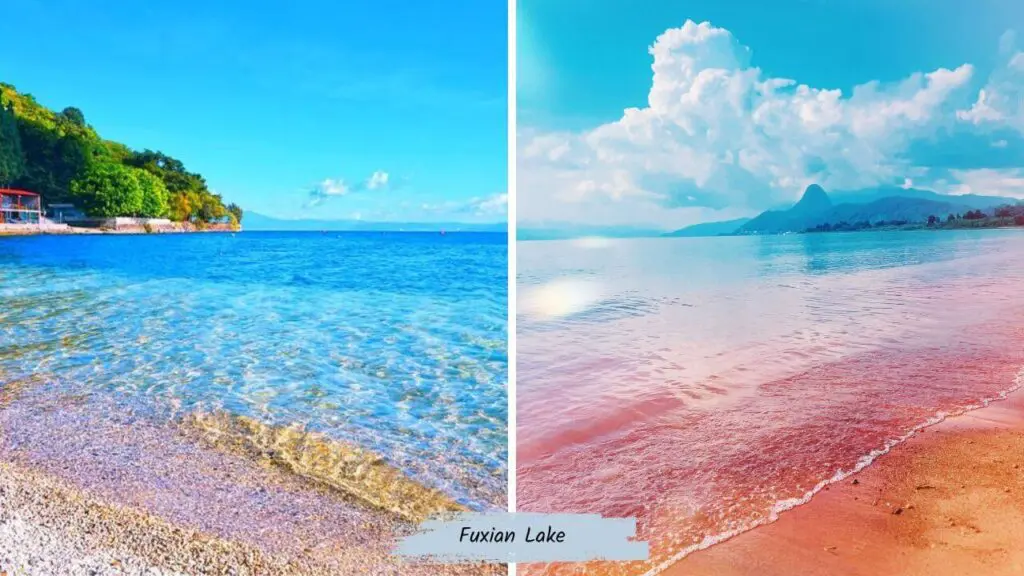
Fuxian Lake is Yunnan’s hidden gem with a shimmering expanse of crystal-clear water surrounded by gentle hills and quiet villages. This is one of the many Yunnan attractions that you can visit near Kunming. It’s the perfect escape from city life, with a peacefulness that’s rare and restorative. The lake is famously deep (the second-deepest in China) and so clean that locals say you can drink straight from the surface.
I love mornings here when the water is still, reflecting sky and mountains like a mirror. The lakeside towns of Chengjiang and Jiangchuan are slow-paced and welcoming, offering fresh fish, lakeside cycling paths, and even underwater archaeological sites rumored to be part of an ancient sunken city.
Highlights by the Water:
- Swim or kayak in some of China’s clearest freshwater
- Walk the lakeside promenade in Chengjiang at sunrise
- Try fresh grilled fish and wild mushrooms at a family-run restaurant
Visit the ancient tombs of Maotianshan and explore local fossil finds
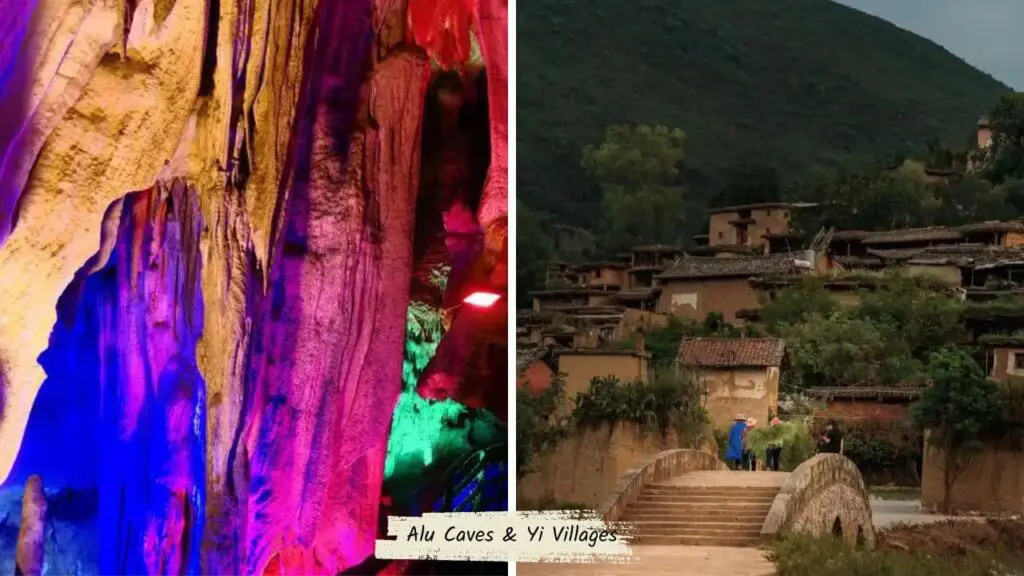
23. Alu Caves & Yi Villages (Luxi)
Deep beneath the hills of Luxi County lies the Alu Caves—a spectacular underground world of limestone cathedrals, winding chambers, and glowing pools. These caves are some of the most beautiful in China, yet still relatively uncrowded. Colored lights highlight the stalactites and underground rivers, creating a dreamlike atmosphere as you explore.
Above ground, the hills are home to vibrant Yi minority villages, where traditional embroidery, music, and festivals are still alive and well. I once arrived during a torch festival and danced around a bonfire with locals until late into the night—it felt like stepping into another time.
What to Discover:
- Descend into the massive caverns and subterranean rivers of Alu Caves
- Walk among colorful Yi homes with handwoven fabrics drying in the sun
- Catch a local festival and share roasted meats and rice wine
- Enjoy scenic drives through lush karst landscapes dotted with terraces
24. Tengchong Volcanic Scenic Area
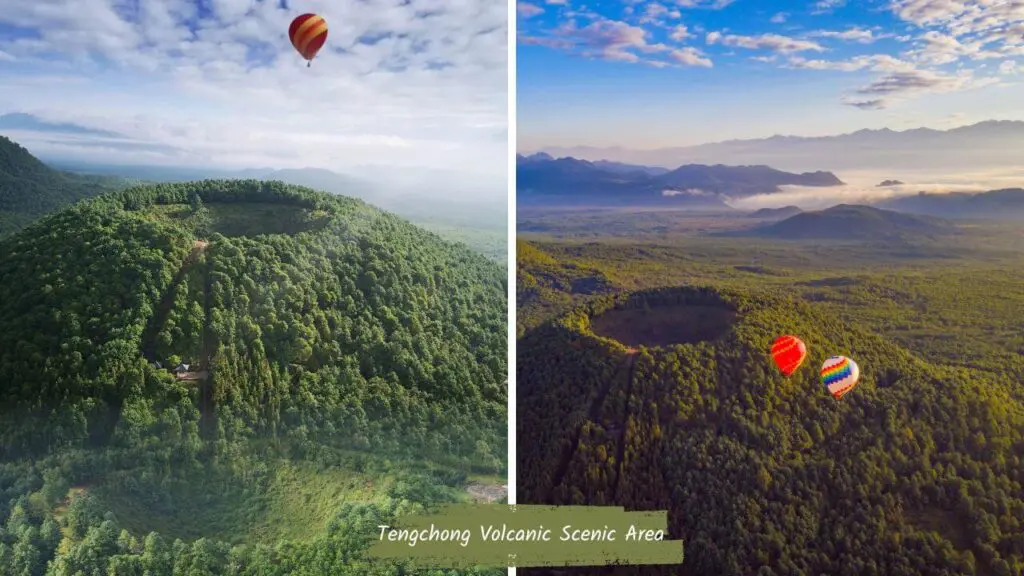
In the far west of Yunnan, near the border with Myanmar, the land around Tengchong bubbles and steam. The Tengchong Volcanic Scenic Area is a place where the Earth feels alive—dormant volcanoes, hot springs, and geothermal vents shape the landscape into something wild and wonderful.
You can hike up extinct volcanic cones for sweeping views, soak in mineral-rich hot springs, or visit steaming fumaroles where the air smells of sulfur and adventure. The area also has a strong cultural connection to nature: locals use hot spring steam to cook eggs and even bathe in the therapeutic waters daily. It’s nature, science, and serenity rolled into one.
Must-Do Experiences:
- Hike up Dakongshan Volcano and gaze into the ancient crater
- Soak in Rehai (Hot Sea) thermal pools surrounded by jungle
- Watch geysers erupt in the aptly named “Boiling Valley”
Visit the Volcano Museum to learn about Tengchong’s explosive history
25. Napa Lake
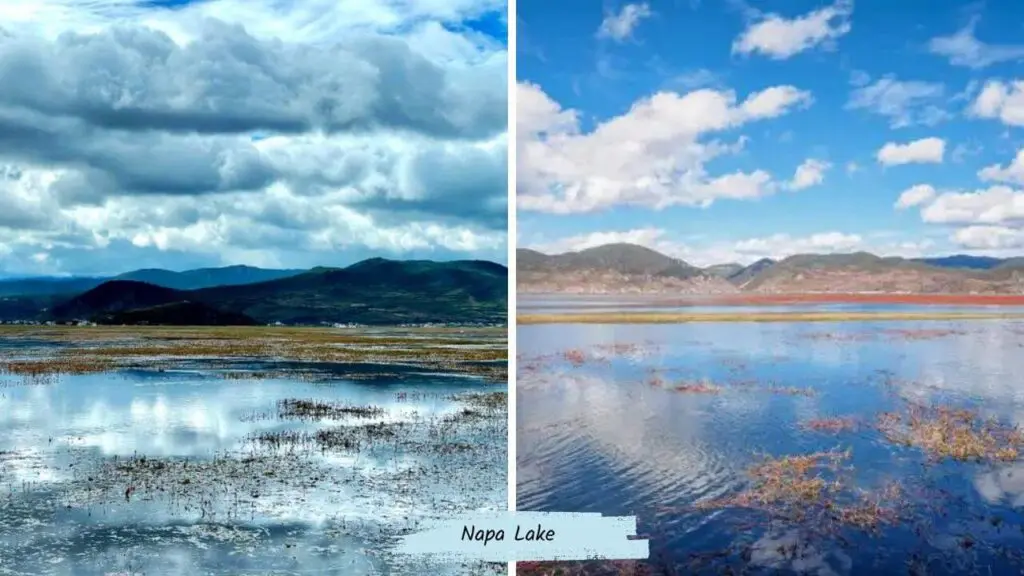
Just a short drive from Shangri-La, Napa Lake Natural Reserve is a seasonal lake that changes with the weather that is lush green in summer, frozen white in winter, and golden in between. It’s surrounded by grasslands, wooden fences, and rolling hills where yaks and wild horses graze freely.
What I love about Napa Lake is the quiet. It’s wide, open, and untouched, with barely any buildings in sight. On some days, the lake recedes and reveals meadows that stretch to the horizon. I once watched a flock of black-necked cranes lift off from the water, their wings cutting across the cold blue sky.
What to Do:
- Stop along the road for sweeping photo spots and yak sightings
- Visit in winter to see migratory birds like the black-necked crane
- Come at sunset when the light turns golden over the fields
26. Lugu Lake
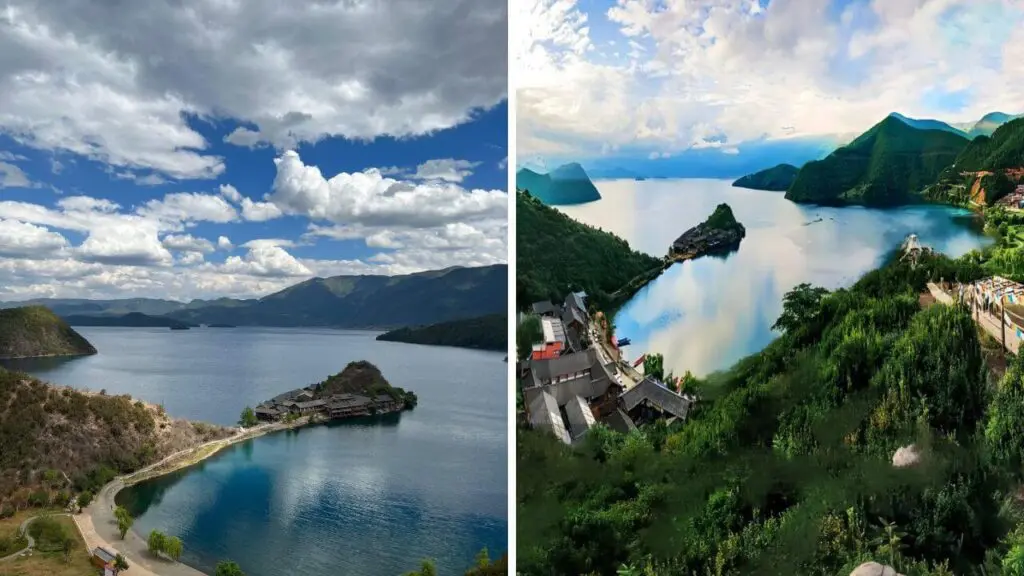
Lugu Lake sits high in the mountains on the border of Yunnan and Sichuan, and it’s one of the most beautiful lakes in China. Its waters are deep blue and incredibly clear, surrounded by tree-covered slopes and quiet Mosuo villages.
The Mosuo people are known for their matrilineal culture and “walking marriages,” where women traditionally lead households. You can visit their homes, take a wooden boat across the lake, or just sit by the shore and watch the light dance on the water. I stayed in a lakeside guesthouse where mornings were filled with birdcalls and evenings with starlight. It’s a place for slow days and gentle reflections.
Must-Do:
- Take a canoe-style pig boat across the lake
- Learn about Mosuo culture in local villages like Luoshui or Lige
- Wake early for the sunrise over the water—it’s magical
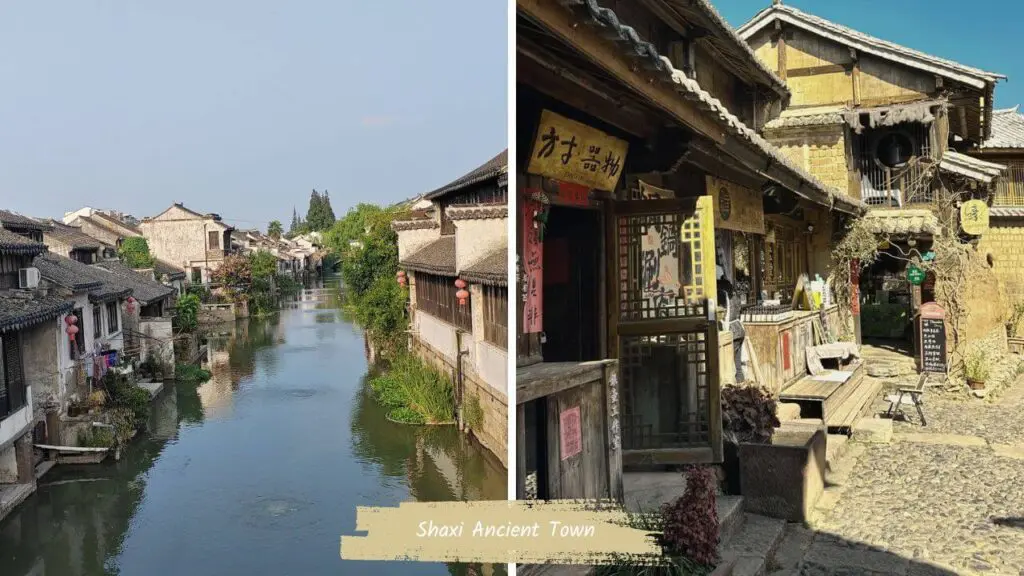
27. Shaxi Ancient Town
Tucked between Dali and Lijiang, Shaxi is a peaceful stop on the old Tea Horse Road. Unlike its busier neighbors, Shaxi has kept its slow rhythm with stone alleys, wooden homes, and a weekly market that still feels authentic.
You can cross the ancient stone bridge, visit the old theater square, or sip tea in a courtyard while farmers lead horses past your door. I loved waking up to the sound of roosters and seeing locals gather at the temple before breakfast. It’s the kind of place where nothing much happens and that’s exactly the charm.
What to Enjoy:
- Walk across the ancient Sideng Bridge and visit the village market
- Visit the Shaxi Friday Market which is located on Sideng Street. It is offering a vibrant weekly market experience.
- You can’t miss visiting Shibao Mountain Grottoes. They are situated on Shibao Mountain, approximately 10 kilometers north of Shaxi Ancient Town, making them a nearby attraction rather than part of the town.
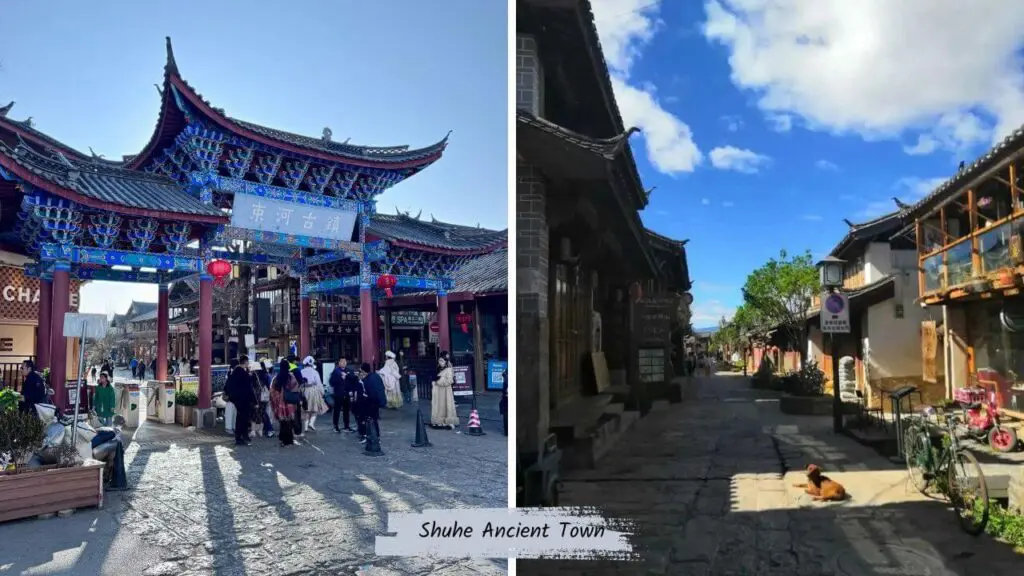
28. Shuhe Ancient Town
Shuhe is like Lijiang’s quieter cousin with similar old stone streets and Naxi architecture, but with fewer crowds and a more relaxed vibe. It was once a key stop on the Tea Horse Road, and that history lingers in its cobbled lanes and wooden homes.
You’ll find flowing streams, red lanterns, and hidden courtyards filled with music and the smell of grilled yak skewers. I remember sitting by the water with a cup of local tea, watching shopkeepers sweep their steps and old men play cards under a tree. Shuhe Ancient Town has rhythm, charm, and just the right amount of life.
Best Bits:
- Explore the old streets early in the morning or at dusk
- Visit the Tea Horse Road Museum for a deeper history
- Enjoy local food in a courtyard café, away from the crowds
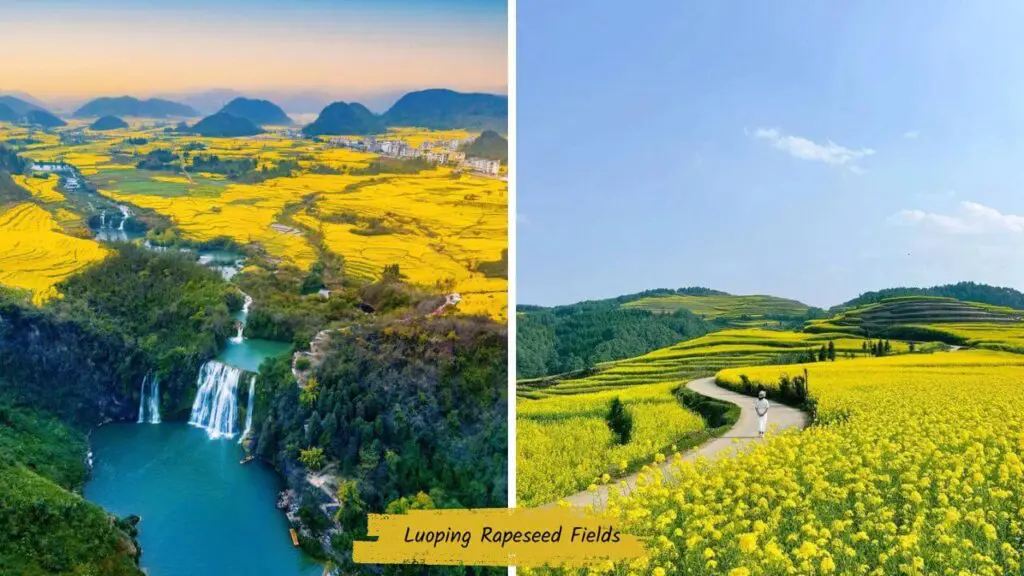
29. Luoping Rapeseed Fields
Every spring, Luoping Rapeseed fields explode into bright yellow as rapeseed flowers bloom in sweeping waves. The contrast of golden fields against the karst mountains makes it one of the most photographed places in China, and when you see it, you’ll understand why.
It’s not just about the flowers, though. The whole region feels alive with buzzing bees, fresh spring air, and quiet rural life. I climbed to a small hilltop before sunrise and watched the morning mist roll over the fields. The petals glowed, the light softened and for a moment, the whole landscape looked like a painting.
What to See:
- Visit in February or March for peak bloom
- Climb to Jinji Peak for panoramic views at sunrise
- Wander the fields and soak in the scent of spring
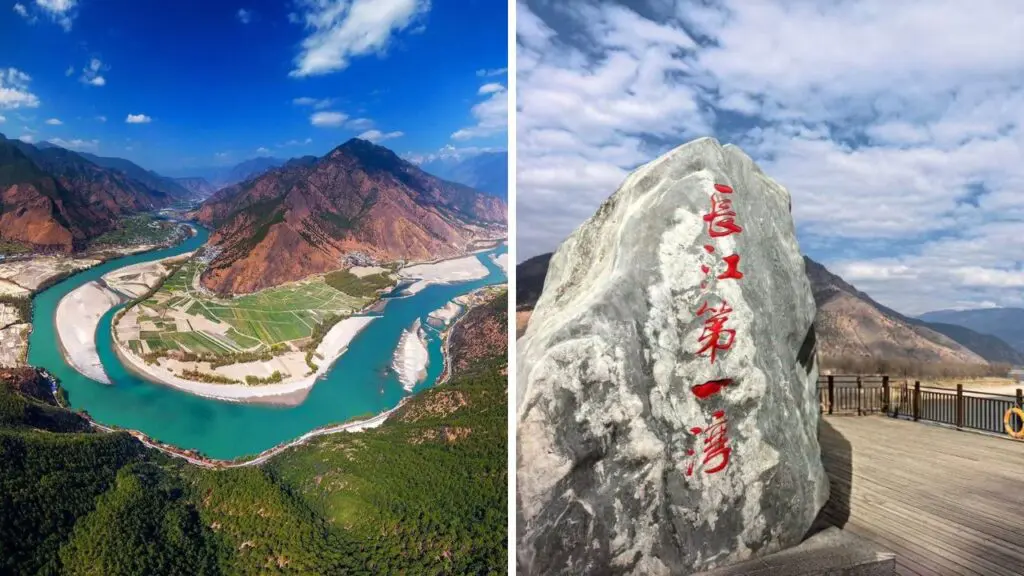
30. The First Bend of the Yangtze River
If you drive North of Lijiang to Shangri- La, you must stop by the First Bend of the Yangtze. This is geographical wonder that marks the spot where the river, flowing from the glaciers of Tibet, suddenly veers eastward in a sweeping arc before heading south again.
The best views are from a hilltop near Shigu Town, where the river loops gracefully around green hills and golden fields. When I travel in Yunnan I must stop at by the First Bend of the Yangtze, especially if it’s afternoon when the light is turning the water bronze and the mountains cast long shadows across the valley.
Why It’s Worth the Stop:
- Panoramic views of the Yangtze carving its path through mountain valleys
- Visit Shigu Town and see the legendary stone drum monument
- Learn how this bend influenced trade, travel, and Tibetan–Han connections
- Enjoy a peaceful riverside stroll or a photo stop at golden hour
Conclusion
Yunnan is the kind of place you could return to again and again, and still find new corners of beauty and culture. Whether you’re sightseeing, trekking, simply relaxing by Erhai lake, or watching the sunrise over rice terraces, this province leaves a mark on your heart.
Want help planning your own journey through Yunnan? Reach out to our team for customized Yunnan itineraries, local insights, and real travel experiences designed just for you. Or browse our carefully designed Yunnan Tours to get inspired and plan your trip to China.
Related tours
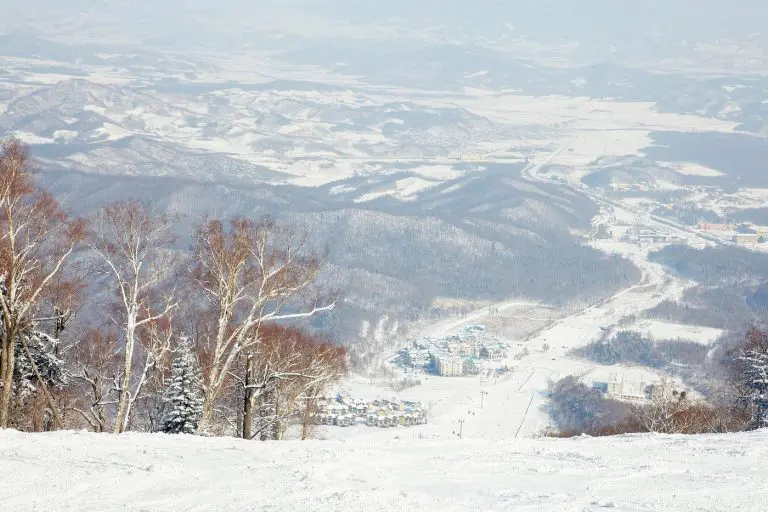

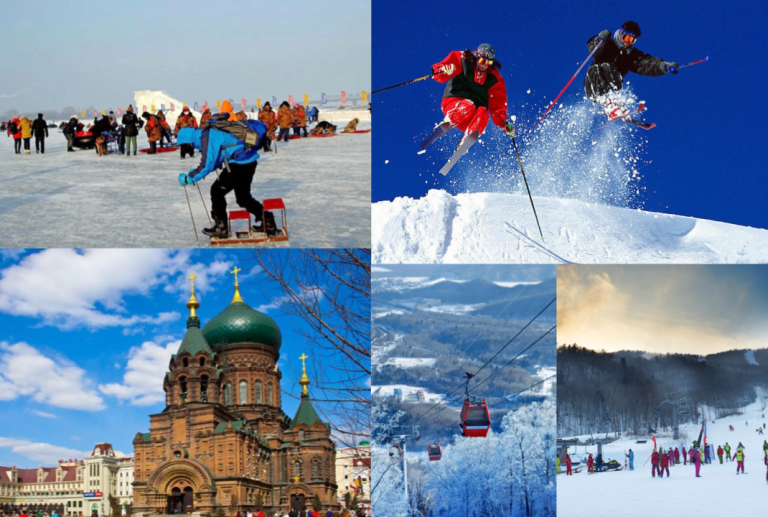
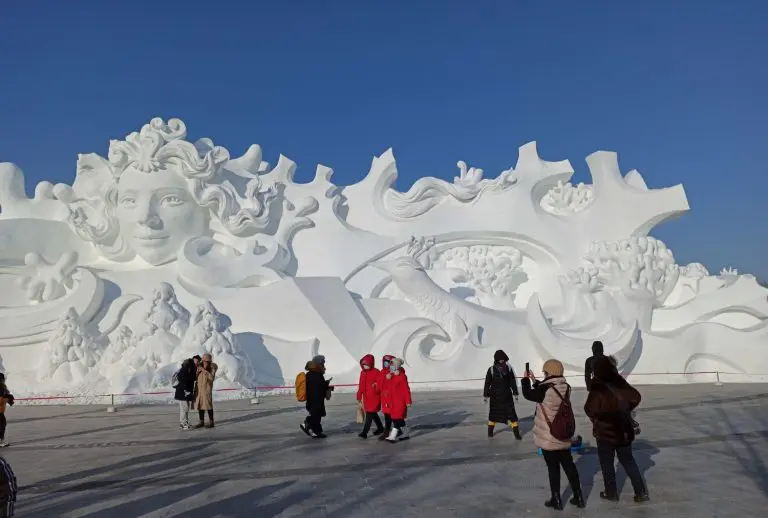
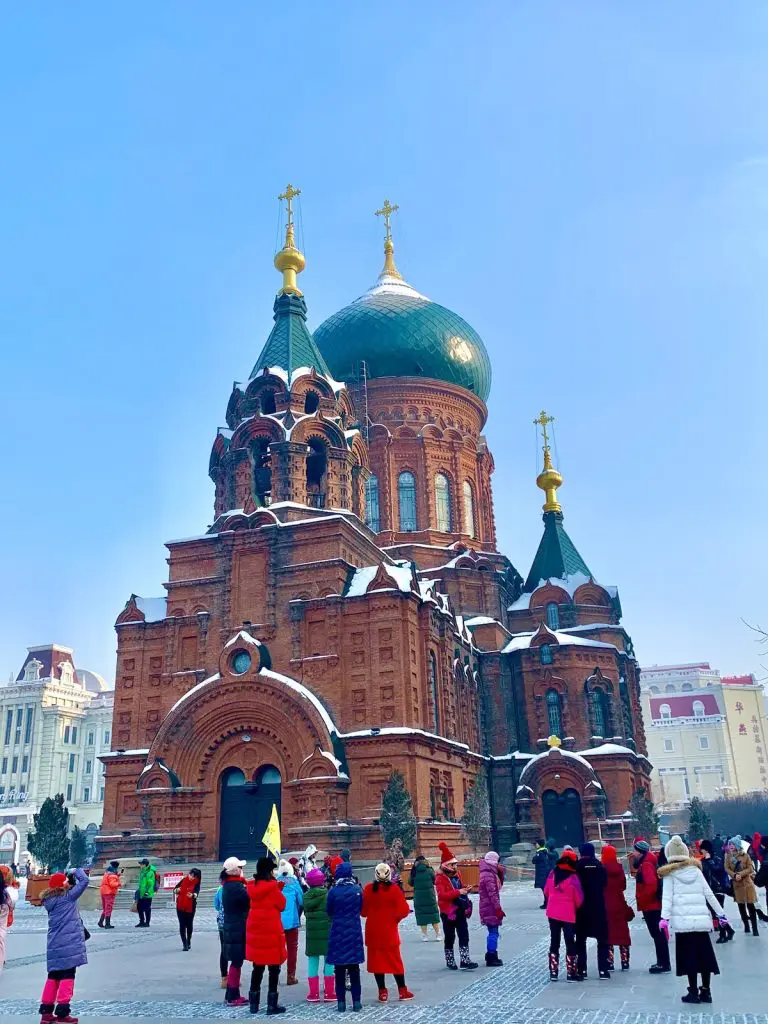

This 6 day Harbin Ice Festival and Yabuli Club Med Tour combines the dazzling Harbin Ice and Snow Festival with skiing at Yabuli Ski Resort and a relaxing stay at Club Med Yabuli. A perfect winter getaway for families seeking snow, fun, and comfort in northern China.
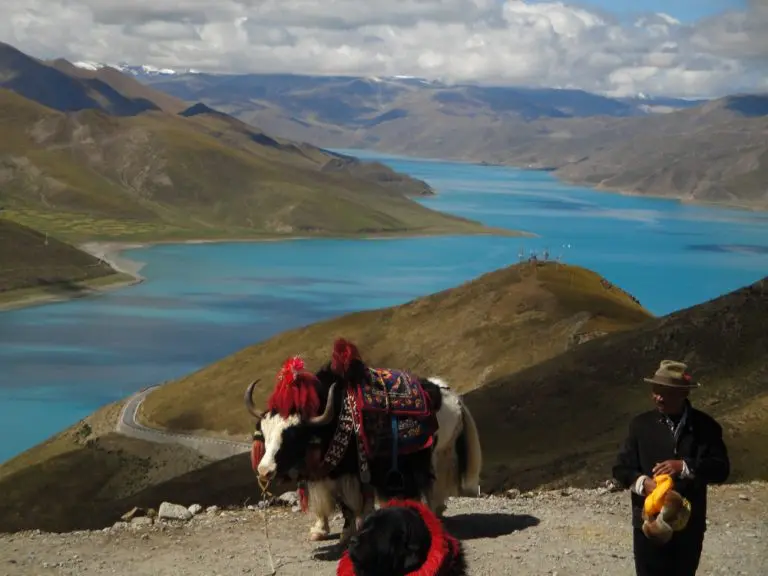
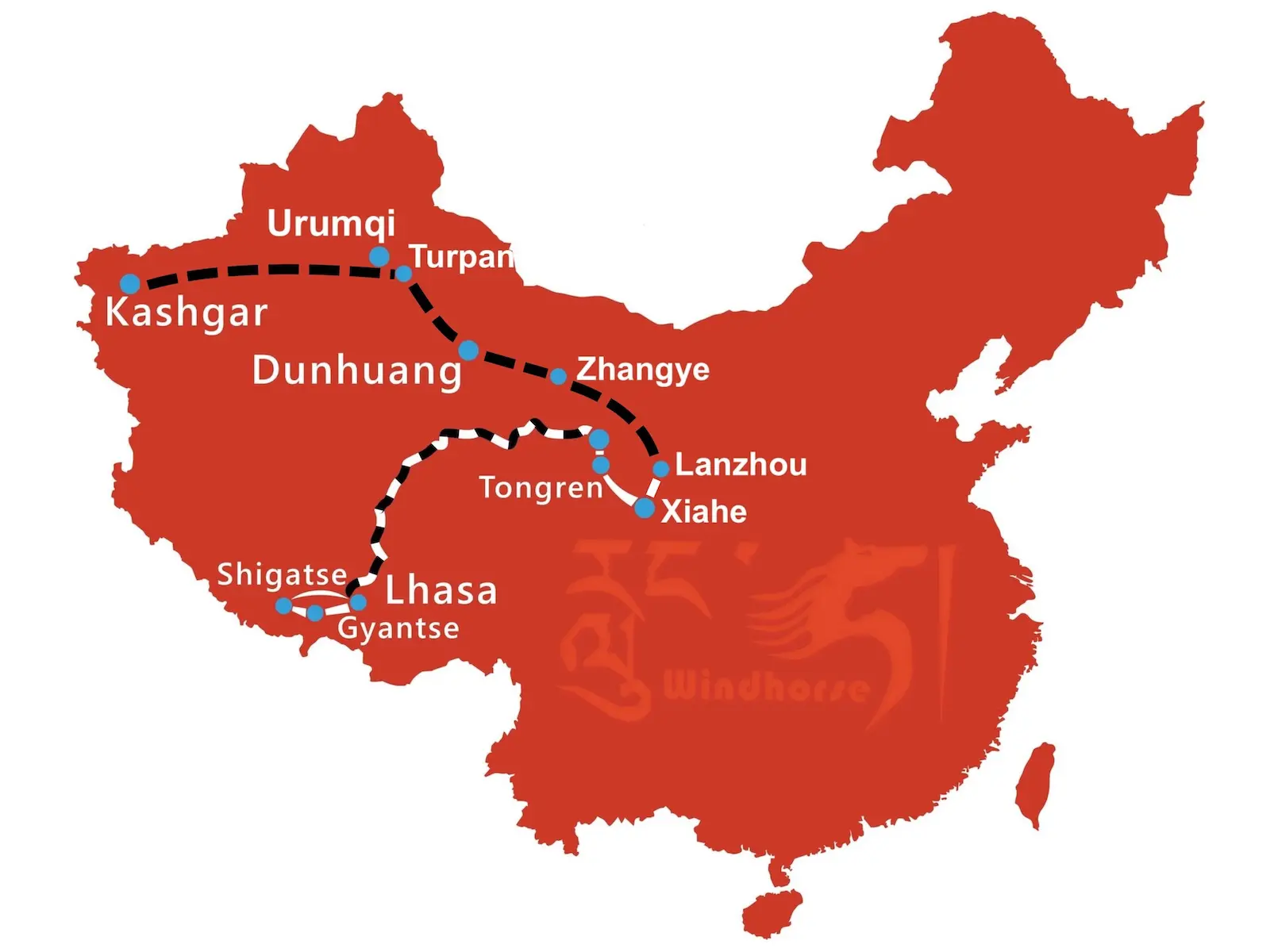
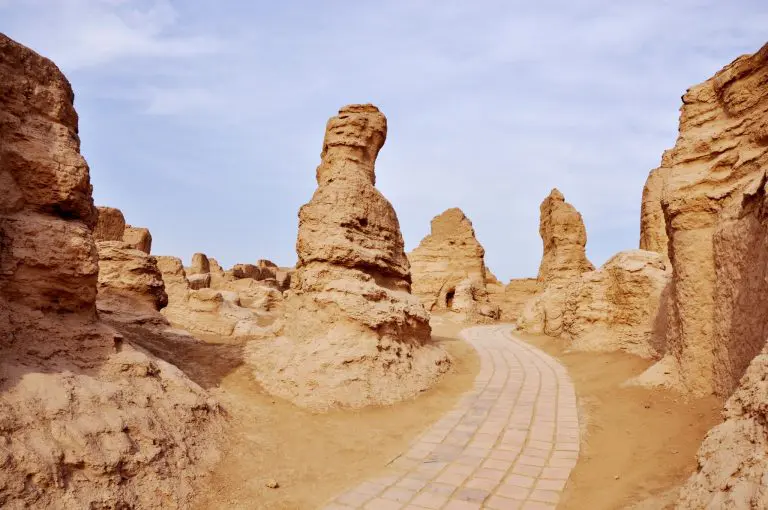
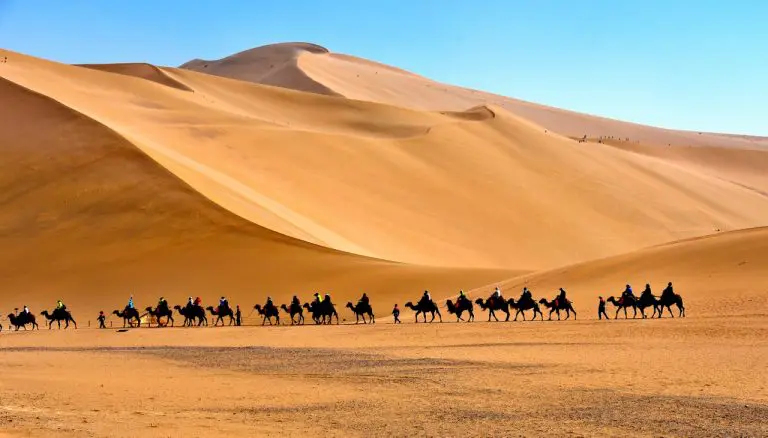


This Grand Silk Road and Tibet Tour travels from Kashgar to Lhasa through Xinjiang, Gansu, Qinghai and Tibet. Explore desert oases, Buddhist grottoes, ancient cities, monasteries and highland lakes before riding the Qinghai–Tibet Railway into Lhasa.

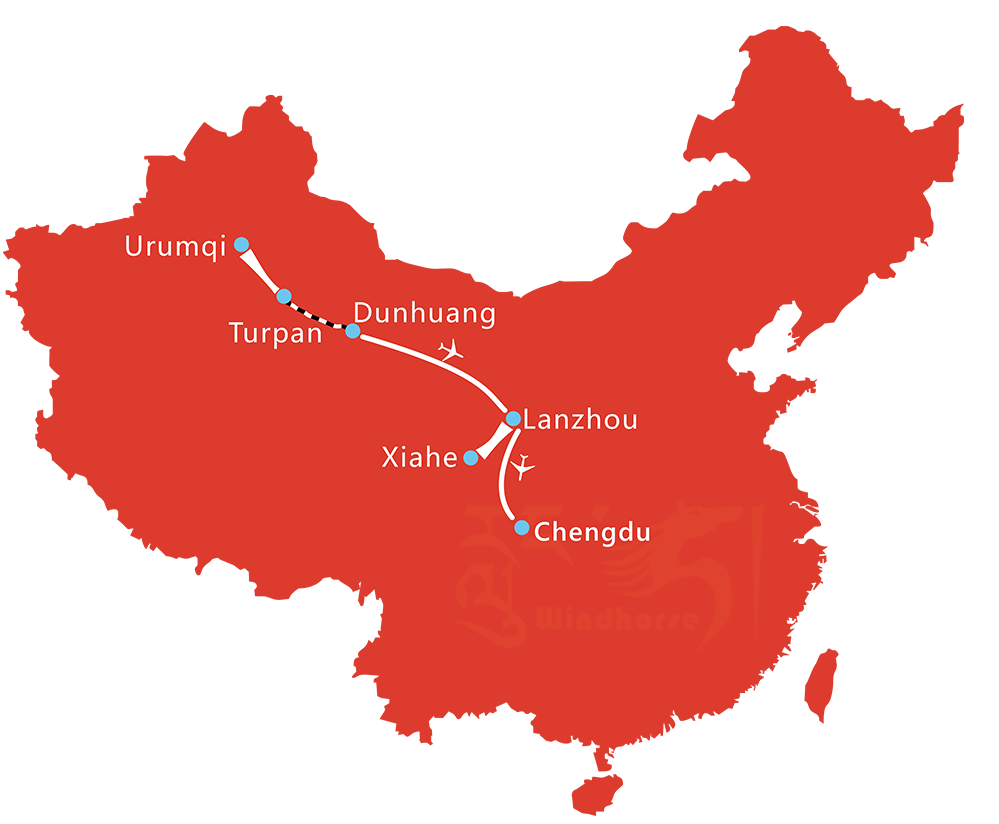
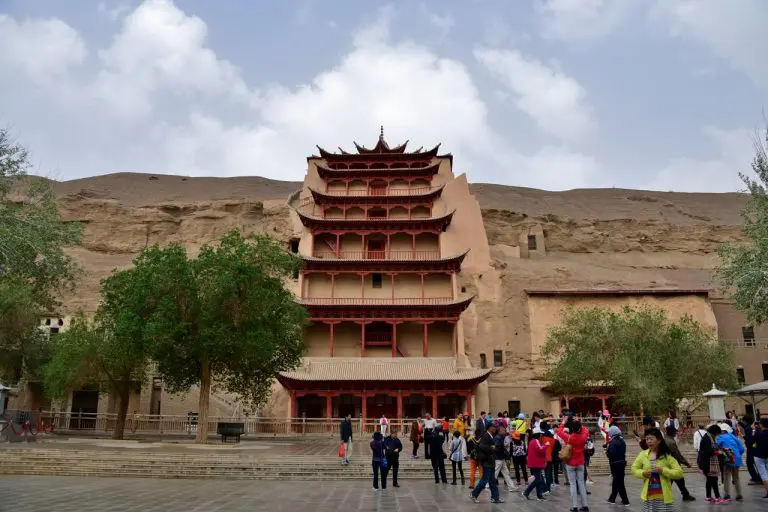
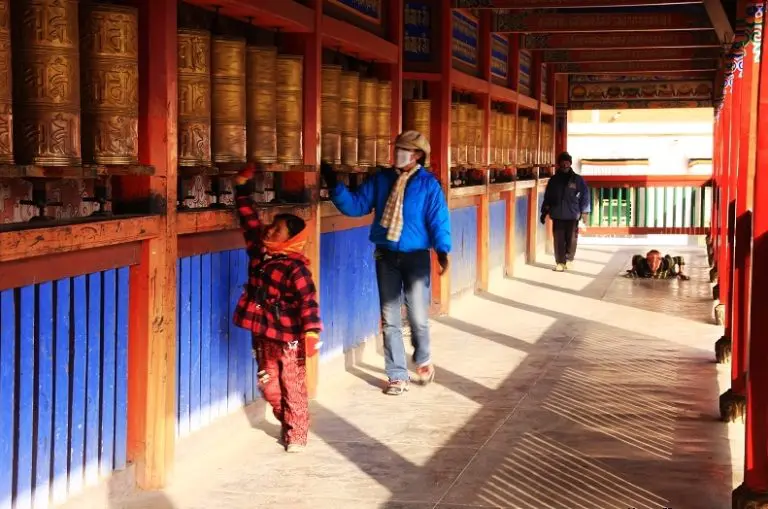
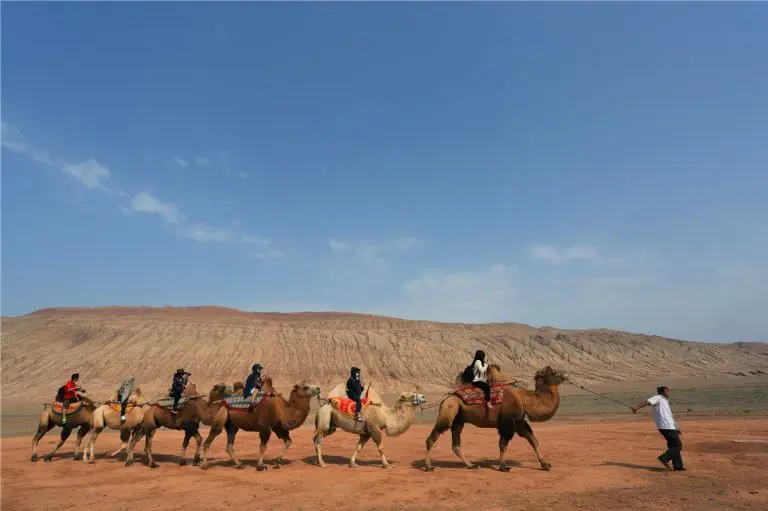

Travel from Urumqi to Chengdu on this 10 day China Silk Road and Panda Tour. Explore Turpan’s ruins, Dunhuang’s Mogao Caves, and Labrang Monastery before meeting giant pandas in Chengdu. A perfect blend of Silk Road history, Tibetan culture, and Sichuan charm.
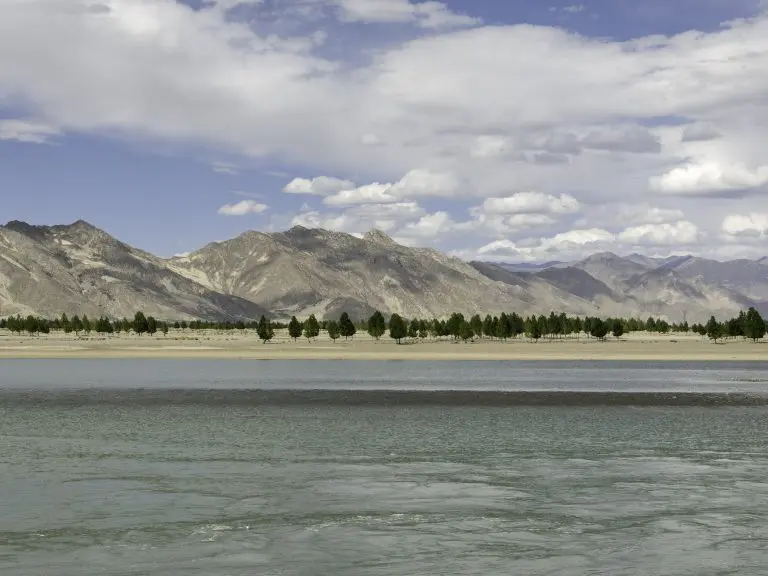
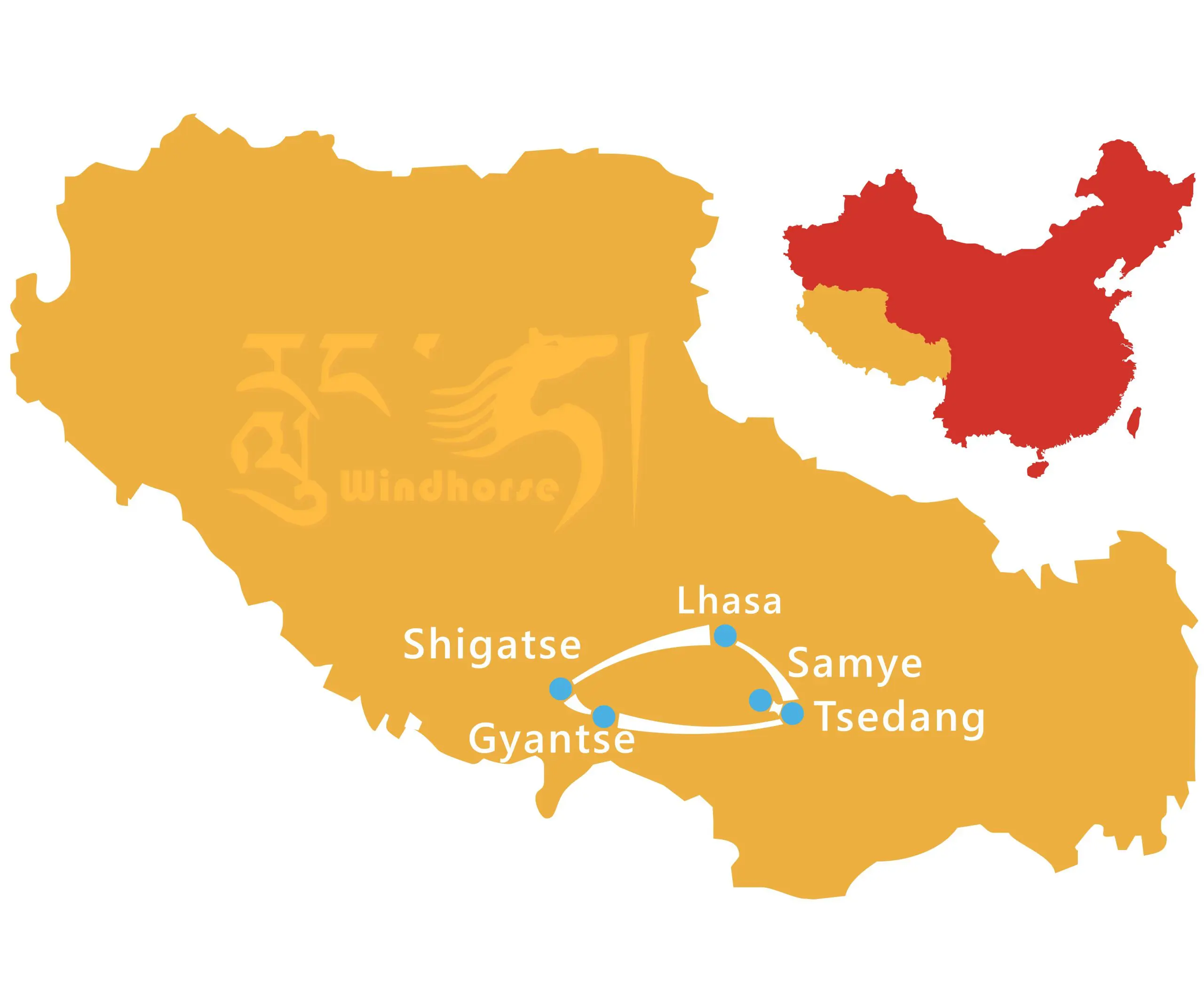
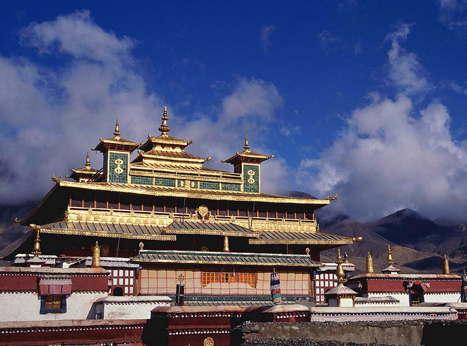
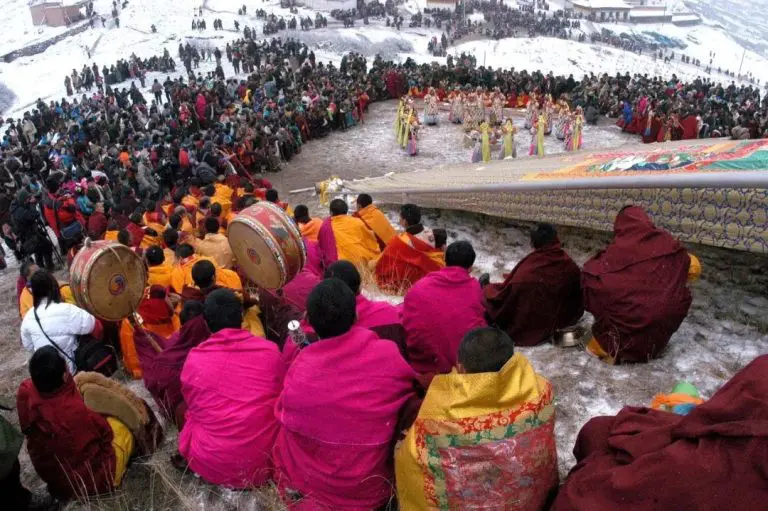

Discover Tibet's wonders on a 9-day Tibet tour from Lhasa, through the spiritual landmarks of Yarlung Valley to the tranquil Yamdrok Tso Lake. Witness Gyantse's architectural marvels and explore Shigatse's majestic Tashilhunpo Monastery.