
Hotpot mania, a national cuisine fashion culture – order as you like

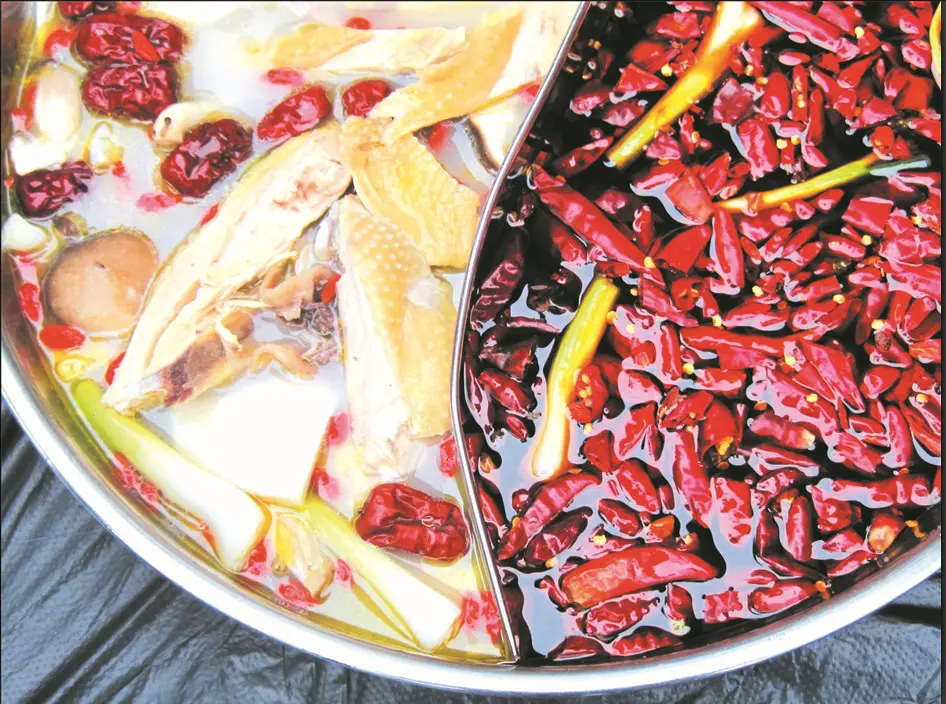
Hotpot is to Chinese people what the hot dog is to Americans. As proud as I am of being Chinese, when it comes to our national cuisine, I start to snigger. “Well, we’ve got hotpot, hotpot and, uh…hotpots.” However, there aren’t many Chinese people, northerners or southerners, who don’t (openly or secretly) look forward to a delicious Chinese hotpot, especially when the weather grows colder and the days start to shorten. But when you go out to a Chinese restaurant, how do you order? How do you treat yourself to this traditional Chinese cuisine? What are the steps? I believe you can’t wait to know the secret recipe…
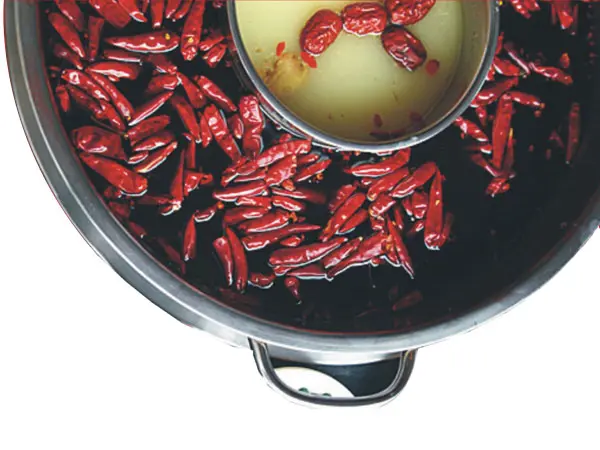
First, order a pot. Restaurants usually offer several different kinds of hotpots to suit different customer’s tastes, so hotpot is a choose-your-own-adventure. Generally, there are Yuan Yang pots, chicken soup and red jujube pots, corn sparerib hotpots and hoof sparerib pots. Probably, the waiter will ask how spicy (ultra-mild, mild, normal, or hot) you want your pot to be. But be carfeul! Sichuan and Chongqing hotpots can be quite spicy, especially for diners not accustomed to spicy food.
Recipe Collections
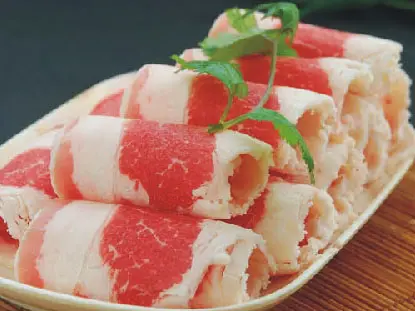

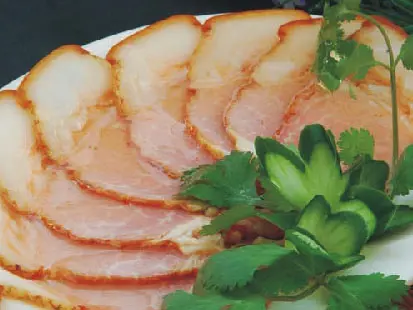
Then it’s time to order your ingredients. It’s time for you to choose what kind of meats, seafood and vegetables you like. For meats and seafood, there are many selections, such as fat beef, mutton, pork, fresh fish slice, pig brain, bacon, chicken kidney, arctic sweet shrimp and quail eggs.
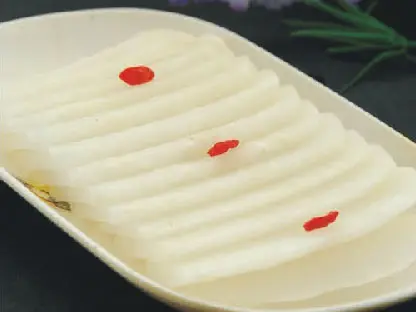

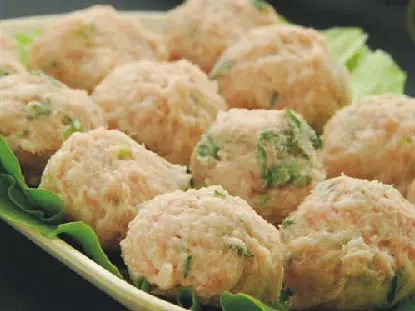
As for vegetables, there are corianders, potato slices, onions, mushrooms, parsley balls, radish, Chinese cabbages, and tofu, etc.
But before you try a classic Sichuan hotpot, you’d better improve your chopstick skill. You don’t want the ingredients to slop in and out of the pot, splash your eyes with hot, spicy oil or dribble all over your clothes.
Hotpot originates from Chongqing. It was first eaten by poor boatmen along the Yangtze River in Chongqing. The boatmen needed a fast and inexpensive meal to warm them during Chongqing’s cold and wet winters. Later, hotpot spread westward throughout the rest of Sichuan. Sichuan Hotpot was recorded in the Three Capitals Rhapsodies written by Zuo Si, a writer from the Jin Dynasty, which proves hotpot is at least 1700 years old. Today, hotpot is renowned for its peppery taste and spiciness. Hotpot restaurants are especially popular in Chongqing and Chengdu, where you see numerous sidewalk hotpot operations, as well as exquisite hotpot restaurants.

Located in the Jinniu District,Wei Dao Jiang Hu(味道江湖) is the most well-known Sichuan hotpot restaurant. It serves four different styles of Sichuan Hotpot – one super spicy, the others non-spicy. Customers can choose from a wide range of meats, seafood and vegetables and cook them all together in a broth of their choice. Book a tour in Chengdu, and treat yourself to this great local dining experience.
Recommended tours:
Related tours
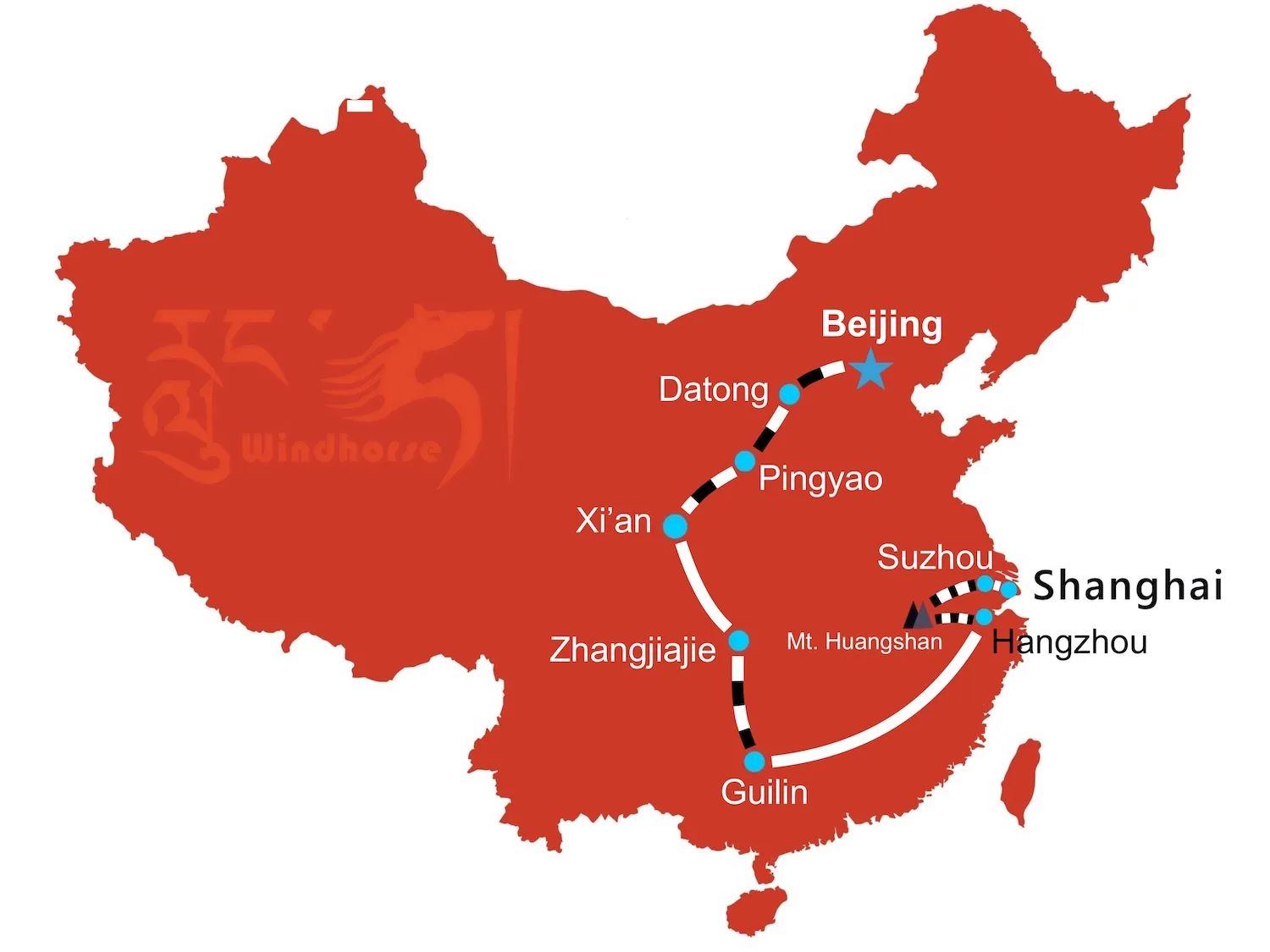


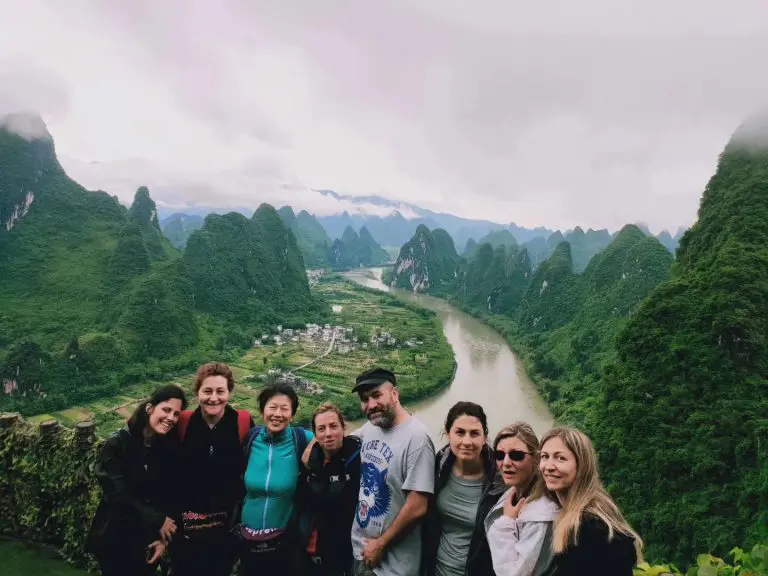



This 3 week China tour from Shanghai to Beijing connects the country’s most important cultural heritage sites with its iconic natural landscapes including Suzhou, Huangshan, Hangzhou, Guilin, Zhangjiajie, Xi’an, Pingyao, and Datong.

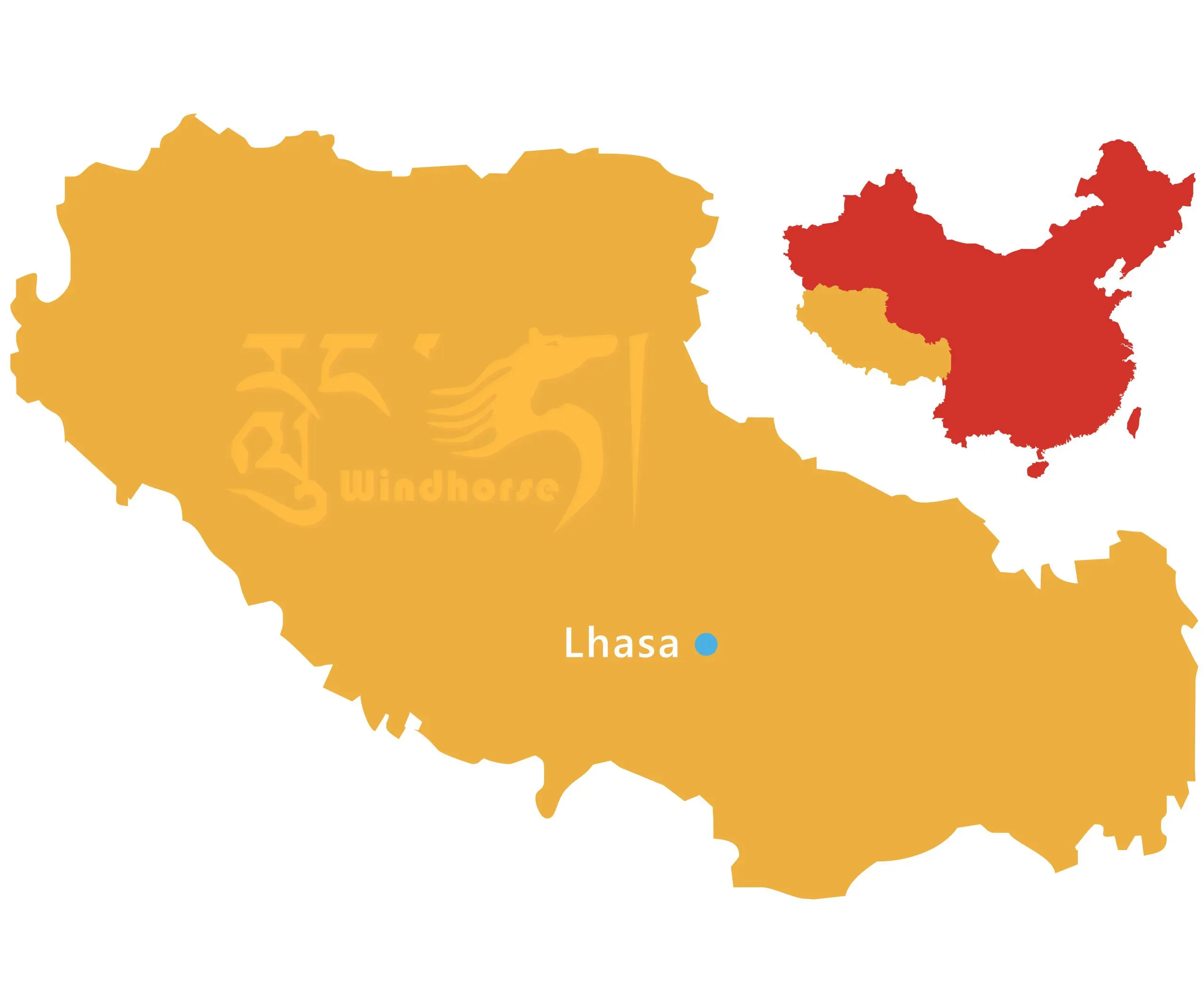


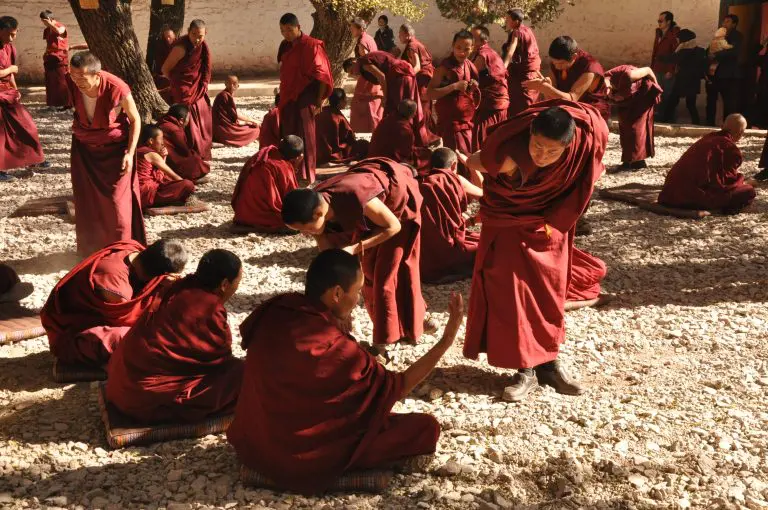

Experience Tibet’s culture and nature on this 6-day Lhasa Hiking & Nomad Experience Tour. Visit Lhasa’s landmarks, hike peaceful valleys, and visit a Tibetan nomad camp to learn about their traditional lifestyle on the plateau.

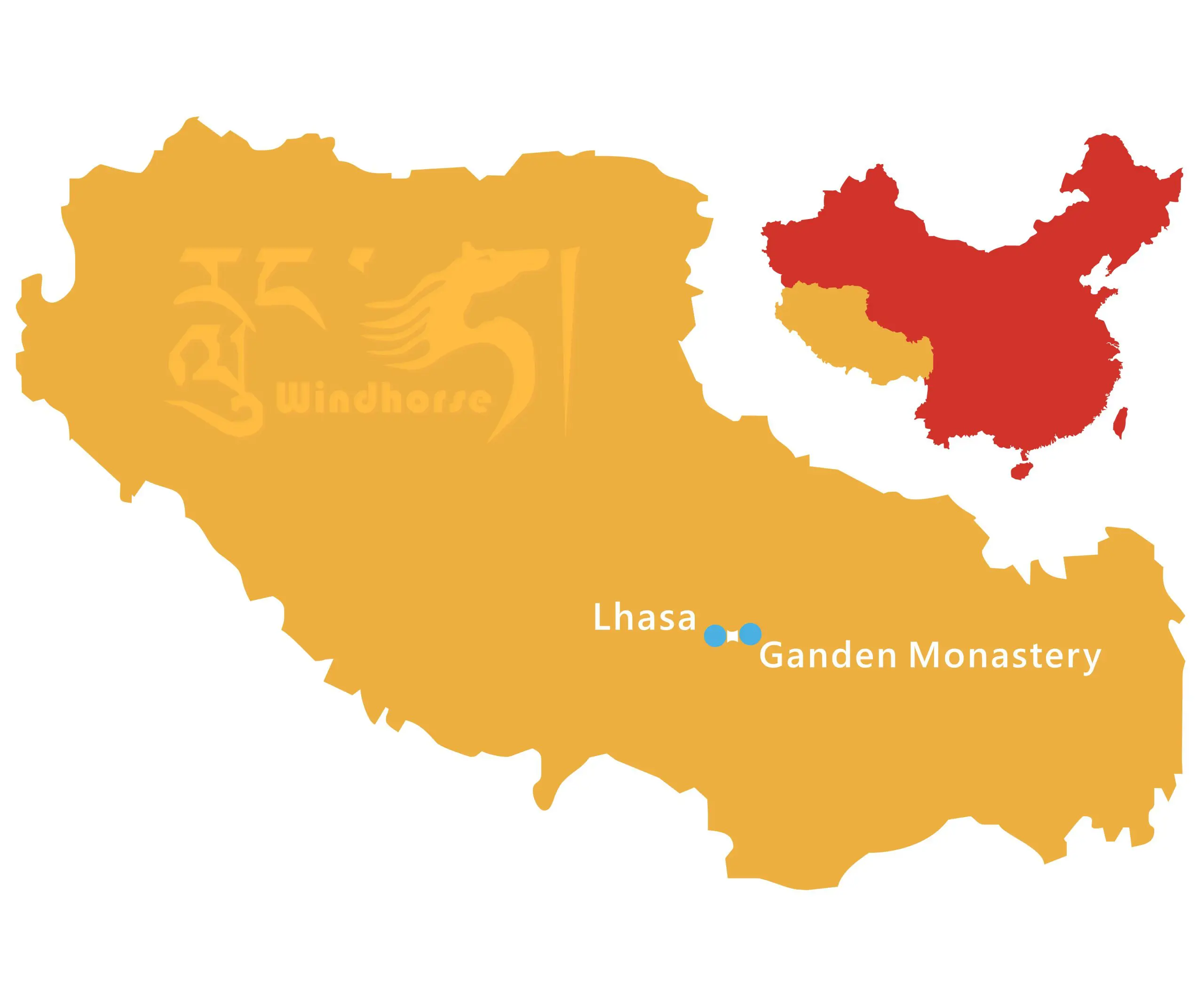


Discover Tibet’s spiritual and cultural heart on this 5 day Lhasa Ganden Monastery Tour. Explore Potala Palace, Jokhang Temple, Drepung, and Sera Monasteries, then travel to Ganden Monastery for panoramic views of Kyichu Valley and a scenic hike on the monastery hill.

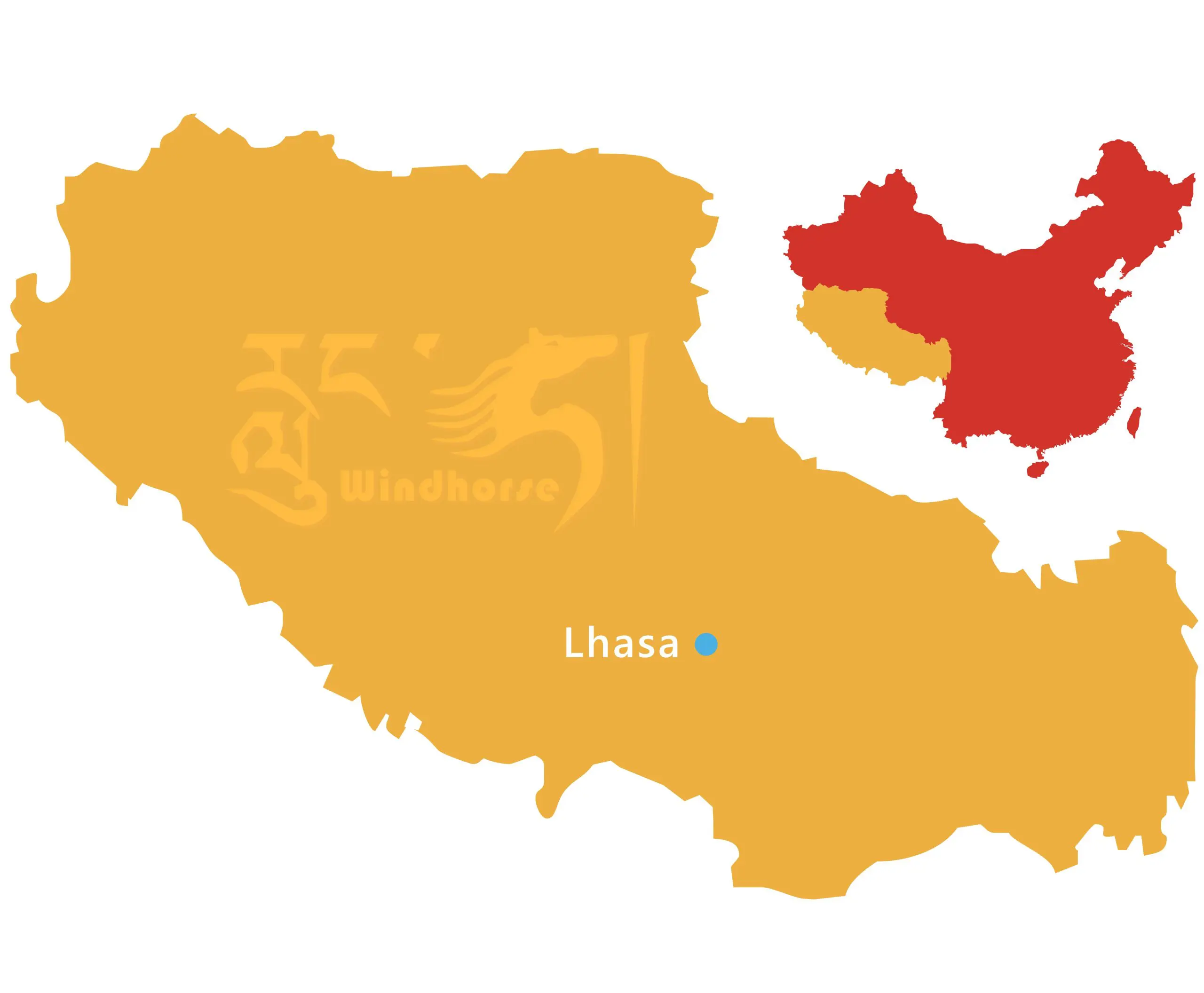



Experience Tibet’s calm winter landscapes on this 6-day Lhasa Winter Tour. Explore Potala Palace, Jokhang, and Sera Monastery, enjoy Yamdrok Lake’s turquoise beauty, and hike to Drak Yerpa meditation caves. A perfect blend of culture, nature, and local life.