
Chengdu hot pot – “do’s and don’ts”

So far in our series on the spicy Chengdu hallmark known as hot pot, we started with where it came from and then took a look at some of the different broth options. Now it’s time to look at how one goes about actually eating hot pot – what are the “do’s and don’ts”?
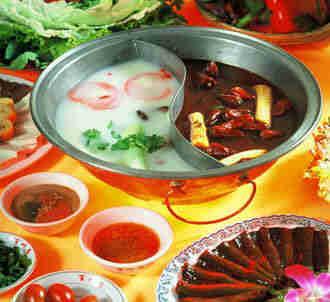
Eating a hot pot meal has a few similarities to other Chinese meals – it is eaten “family style” around a shared pot, and chopsticks are still used. Past that, though, hot pot is fairly different. All the meat and vegetables are laid out raw on dishes around the pot of boiling broth, to be cooked by those eating (much like fondue). Intriguing, right?
However, as anyone who has ever tried fondue knows, if you want your food to turn out well, you need to know the proper method for cooking! To begin, the raw food should be placed in the pot of broth with a pair of chopsticks. Certain vegetables, such as potatoes, will need to cook much longer and should be put in early, while others items, such as lettuce and thin-sliced meats, may cook in a matter of minutes.
The best method is to decide as a group if there are any items that need to be cooked longer and slide them all in first, then as individuals begin adding whichever fare you desire, keeping track of how much you put in and how long they have been cooking. Of course, half the fun is not knowing what treat your chopsticks will grab each time – cooking while eating is great fun!
In addition to needing to cook thoroughly, each item will pick up the flavor of the sauce at different speeds, and determining the right length of time to allow each item to cook must be learned each for him or herself. For safety’s sake, we recommend that on your first time, you cook the meat first and then the vegetables. When it’s finally time to eat the final products, feel free to experiement with the condiments – dipping in oil, pepper, vinegar, and so on.
After you finish eating, a cup of tea or milk might help to relieve the spicy burning sensation in your mouth!
Tips:

- The flame under the pot should be strong.
- Having some juice before eating will help with digestion.
- Be aware of how hot items coming out of the pot will be – dip them in a condiment to help cool them before chomping down.
- Focus on vegetables rather than meat – they will carry the flavor of the sauce well and have great nutritional value.
- If in doubt, let it cook a little longer!
Thank you for reading and we hope you’ll find time to come to Chengdu for a hot pot experience. If you have an questions or comments, feel free to email [email protected].
Related tours

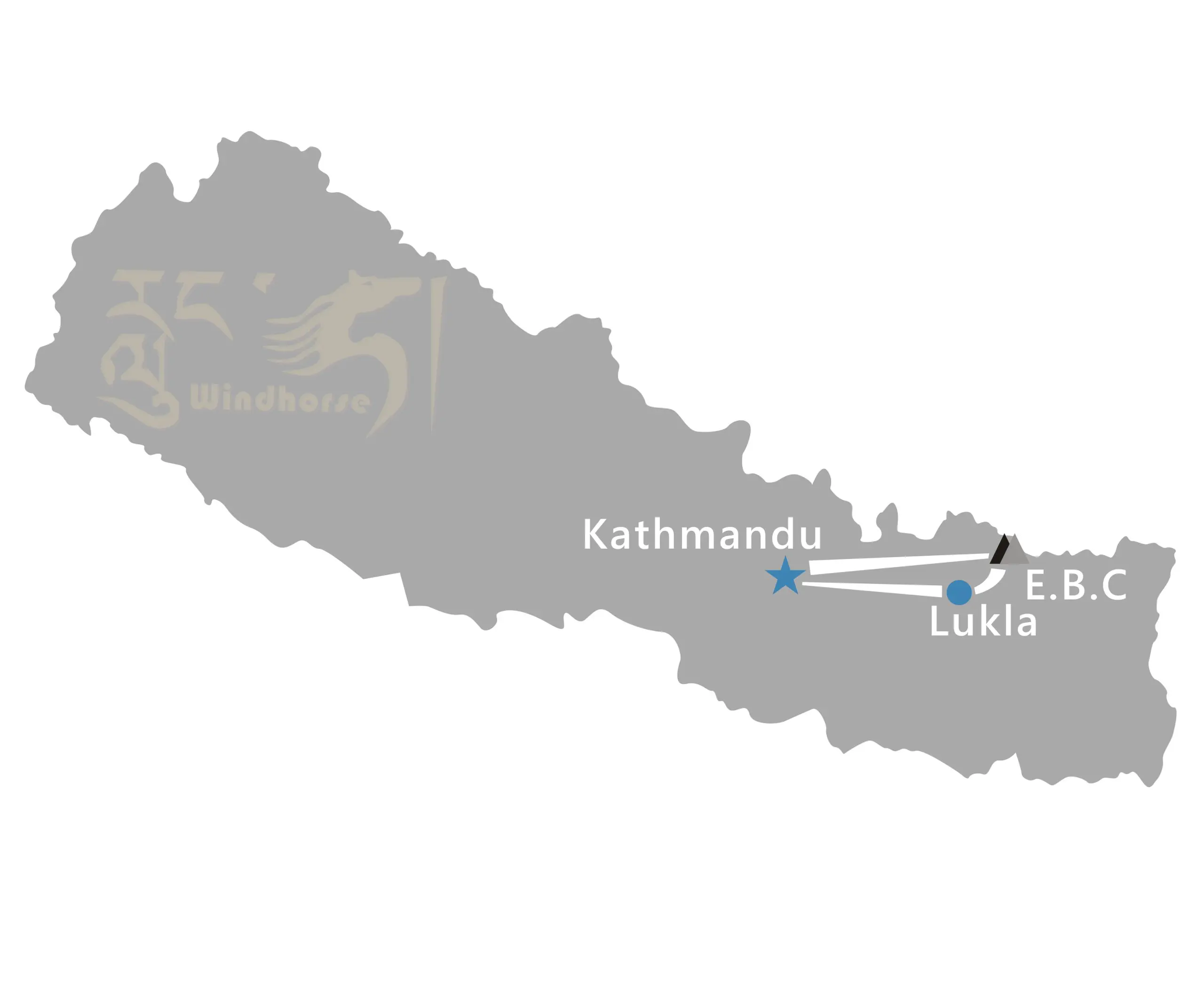




There are 2 base camps for Mount Everest: the south in Nepal and the north in Tibet. The trek to Everest Base Camp on the Nepal side is one of the most popular trekking routes in the Himalayas and is visited by thousands of trekkers each year.
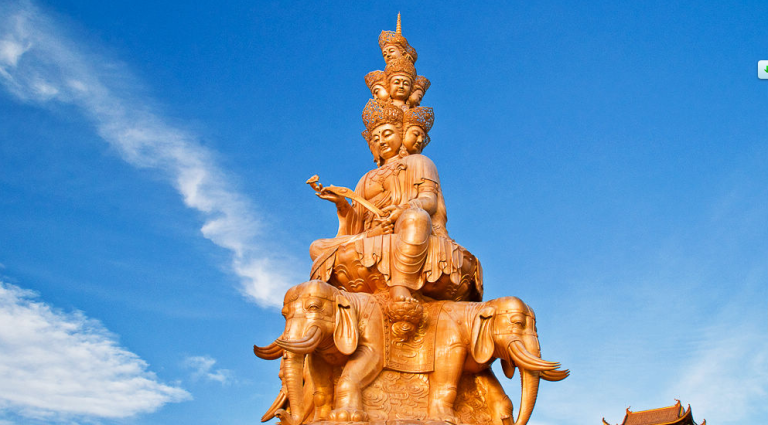
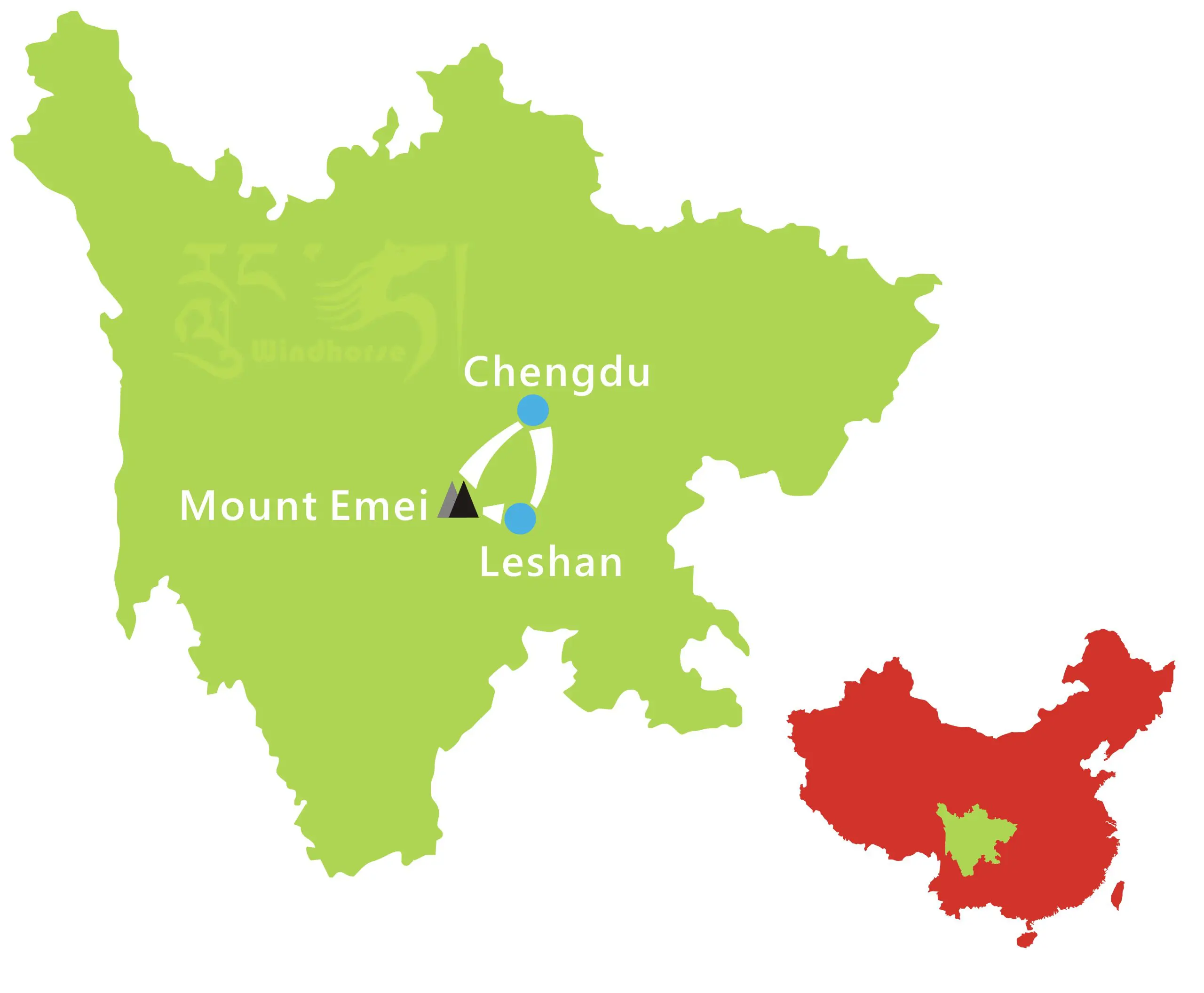


A classic trip to Leshan and Mount Emei only takes 2 days. Leshan Grand Buddha is the biggest sitting Buddha in the world and Mount Emei is one of the four Buddhist Mountains in China.

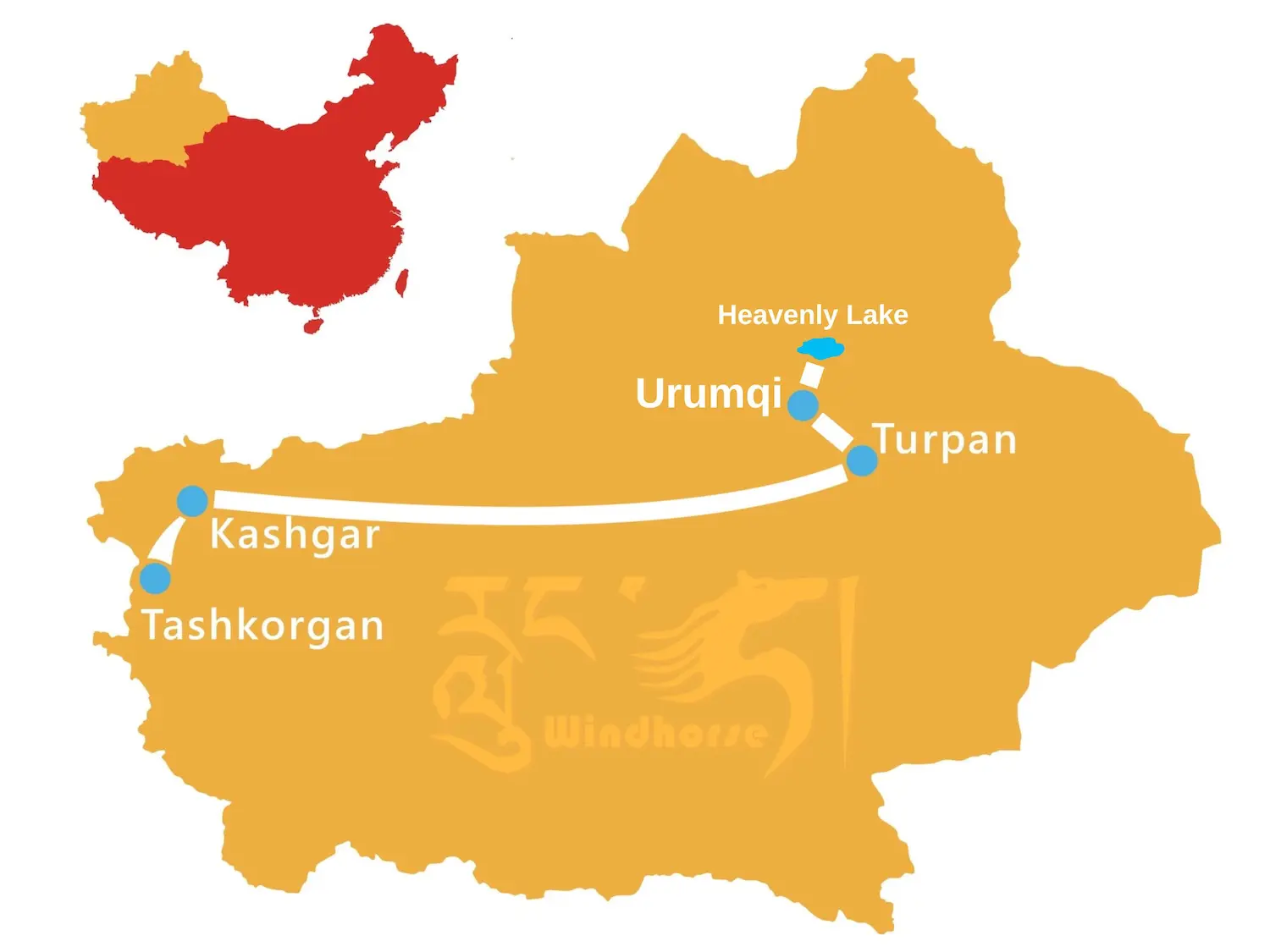
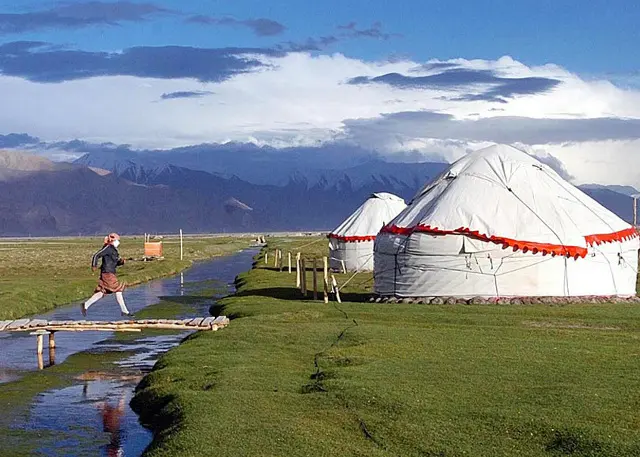


This Xinjiang Highlights Tour covers Urumqi, Turpan, Kashgar and Karakul Lake. Experience ancient Silk Road cities, Uyghur culture, desert ruins, alpine lakes and dramatic mountain landscapes along the Karakoram Highway.

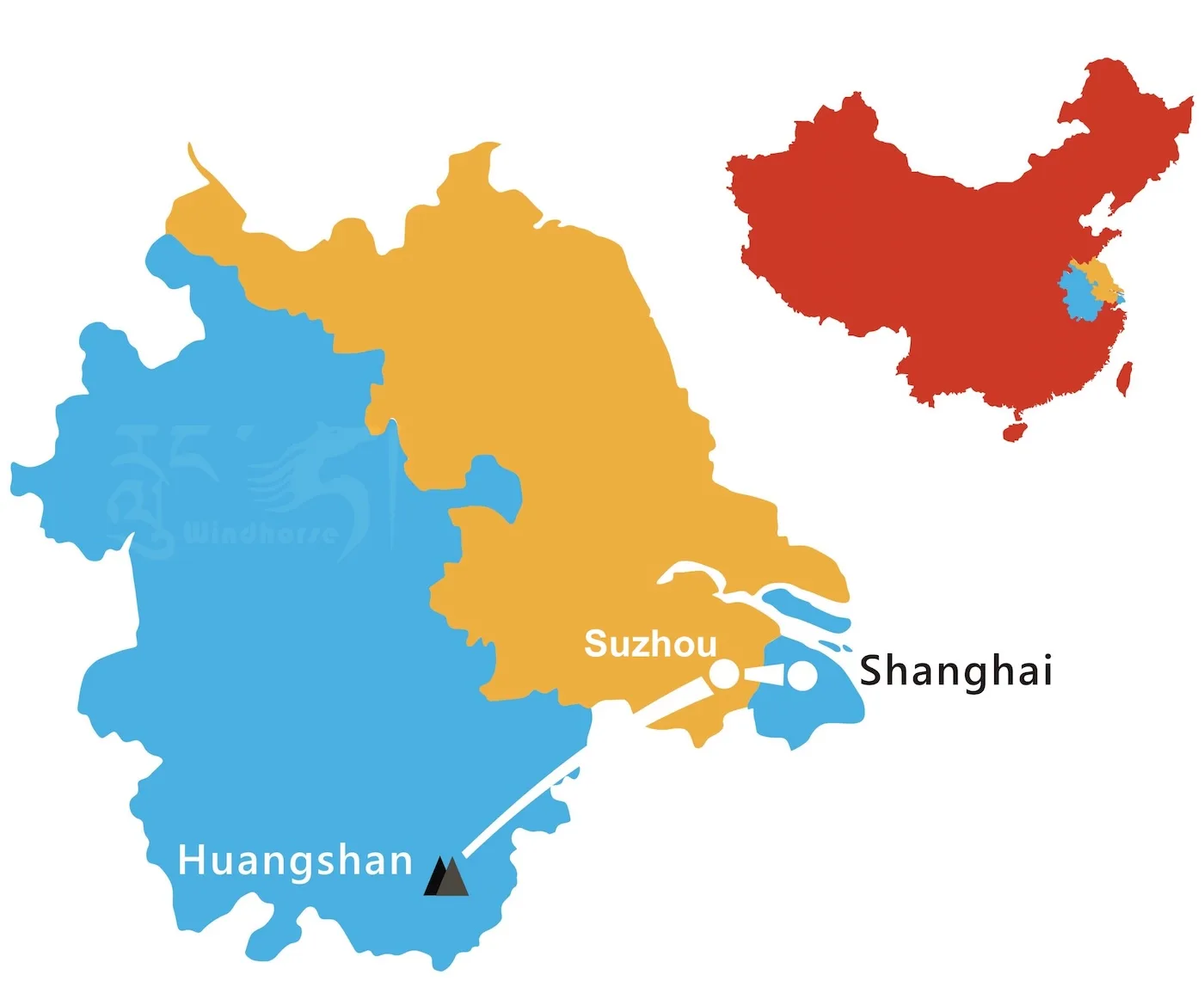

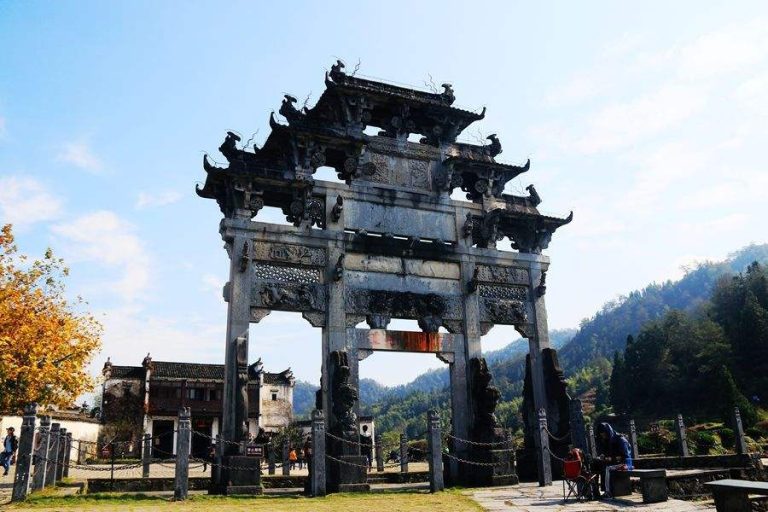



This one week Shanghai Mount Huangshan tour connects Shanghai, Suzhou, Mount Huangshan, and Hongcun, combining city highlights, classical gardens, water towns, mountain scenery, and Huizhou culture with high-speed train travel.