
Let’s eat hot pot at ease

Hot pot boasts itself is a Chinese culture dating back over 1,000 years in our history. Nowadays hot pot (Chinese: 火鍋; pinyin: huǒ guō) is gaining increased popularity. It is common to see people standing in long queues only to wait for their turn to eat hot pot in most cities of China. Even in hot summer, you can still see them eat hot pot meals with air conditioner on.
At the center of dinner table, there will be a simmering metal pot with different ingredients like spice and pepper. The cooking pot is often sunk into the table and fueled. People around the table will place vegetables or frozen meat like beef, chicken, duck, mutton or others to the pot for cooking. The cooked food is usually eaten with a dipping sauce.
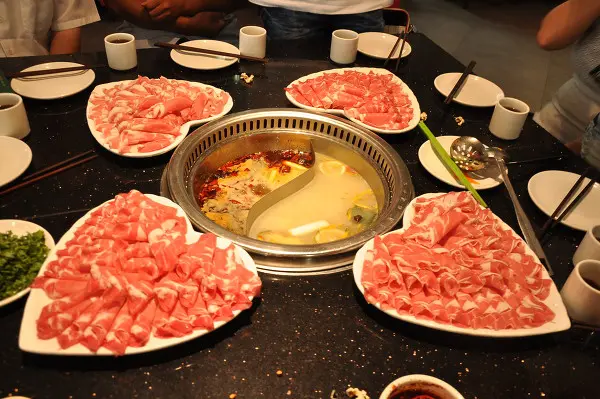
There are many hot pot restaurants. The famous ones include Huangcheng Laoma Restaurant, Shizilou Restaurant, Shujiuxiang Restaurant, Wu Ming Restaurant, Kong Liang Restaurant etc. There are also thousands of other inglorious restaurants.
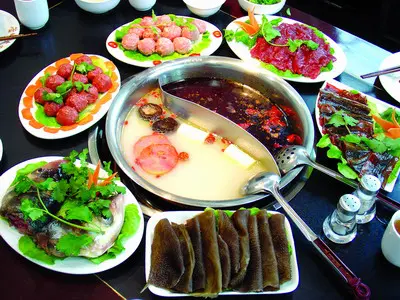
Foreigners at times are hesitant to try the food as it is very oily and because the oil in the pot has traditionally been cleaned and recycled to help reduce waste. With the increase in popularity there has have been some ‘bad eggs’ trying to cut corners and damaging some of hot pots’ long legacy.
To help combat this and keep this delicious food appealing to both locals and visitors, 47 of China’s largest hot pot chain restaurants signed a commitment on July 28, 2011 to promise that they will use ‘one – time pot oil’ in future.
On August 16, Kong Liang Restaurant launched the one-time hot pot at Altay Road, Xin Jiang. After the meals, the waiter brings a cup of ink which allows the customers to destroy the oil pot on the spot. Then the waiter will throw the entire residue to the garbage. The customer will witness such move. When a reporter asked whether customers could take the rest food home, the waiter said: Customers can take food home, but due to the high temperature, the food goes bad easily, so a guarantee letter should be written before such action in case customers may have a stomachache.
Let’s eat hot pot at ease and eat healthy! Remember not to miss the hot pot if you come to Chengdu or Chongqing.
As always if you have any question or wish to get my personal advise on where is the best hotpot in Chengdu please email me at [email protected]. Safe travels and happy eating!
Related tours
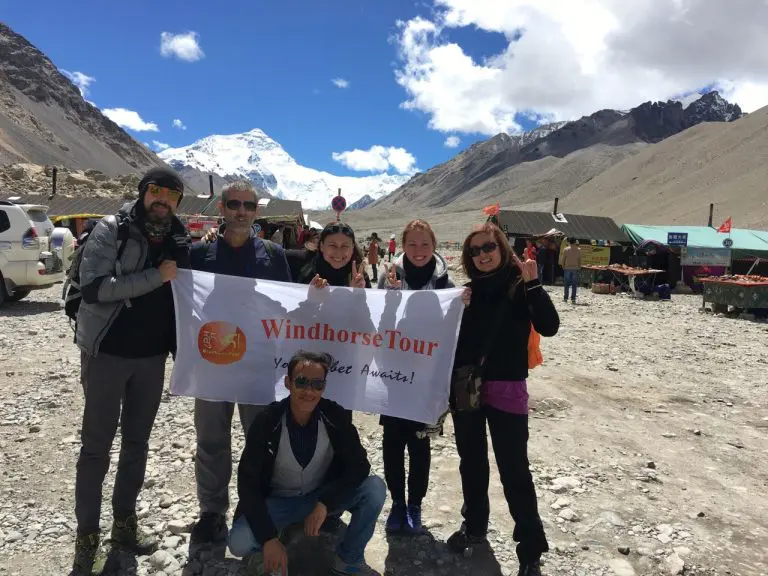






Travel from Kathmandu to Lhasa on an 8-day Kathmandu to Lhasa Group Tour, crossing the Himalayas via Everest Base Camp. This small-group overland journey combines dramatic landscapes, careful acclimatization, and Tibet’s cultural highlights.
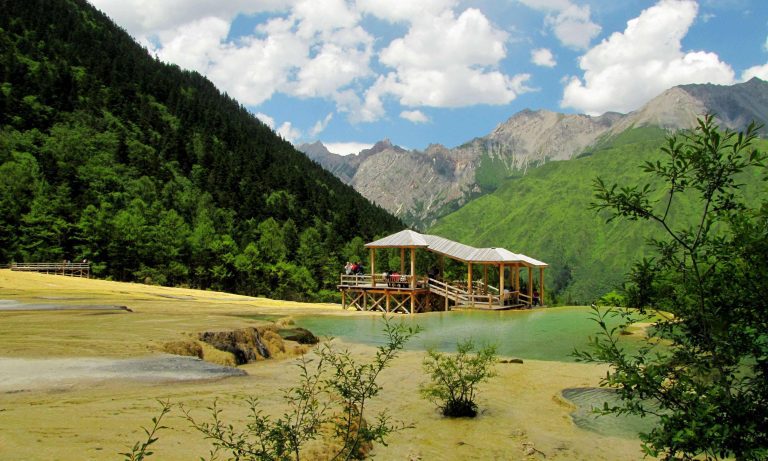
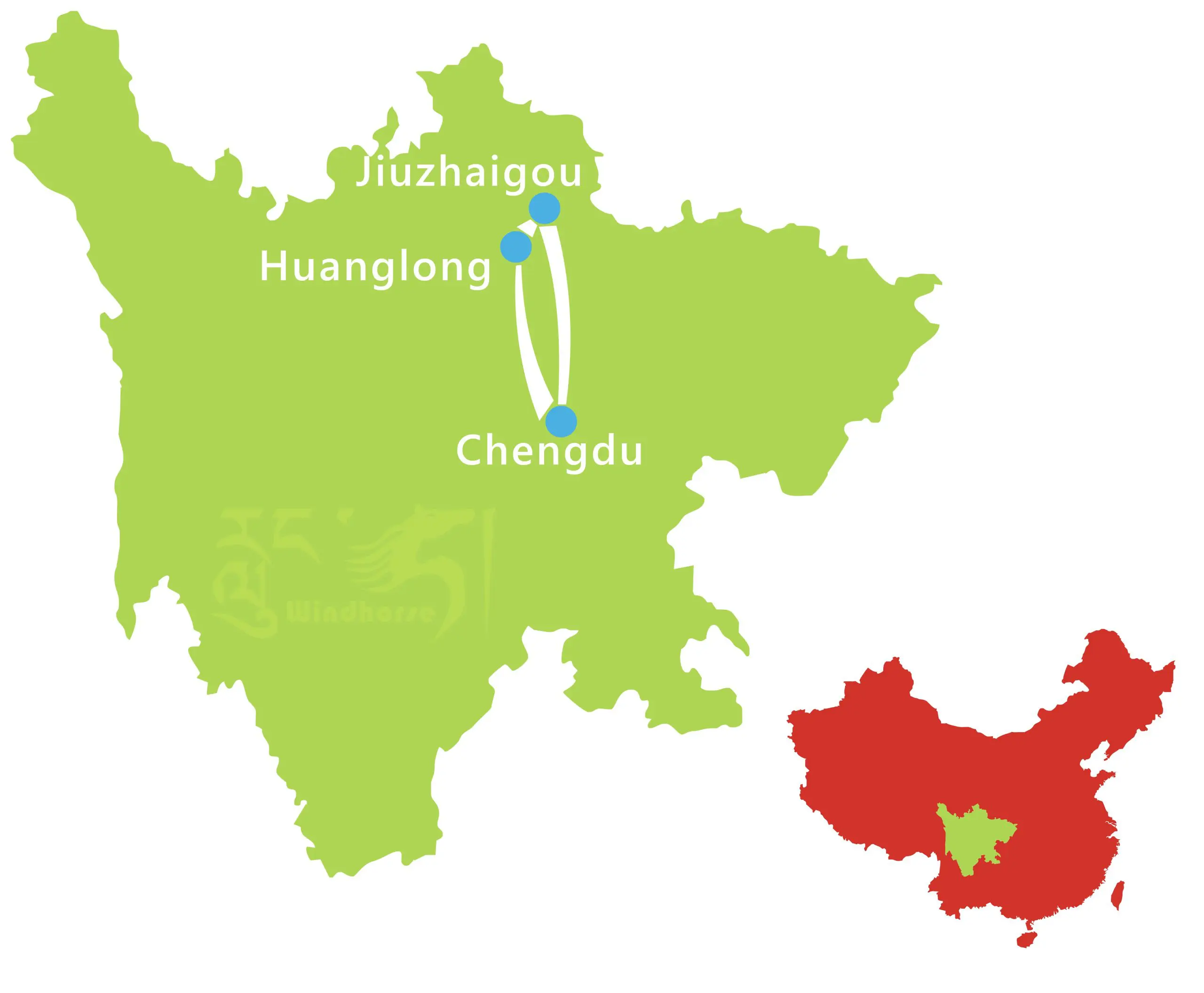

For a quick Jiuzhaigou getaway, this 3-day Jiuzhaigou tour by air offers a full day at Jiuzhaigou National Park and a half-day at Huanglong. You can easily reach Jiuzhaigou from Chengdu and Beijing with the daily scheduled direct flights.

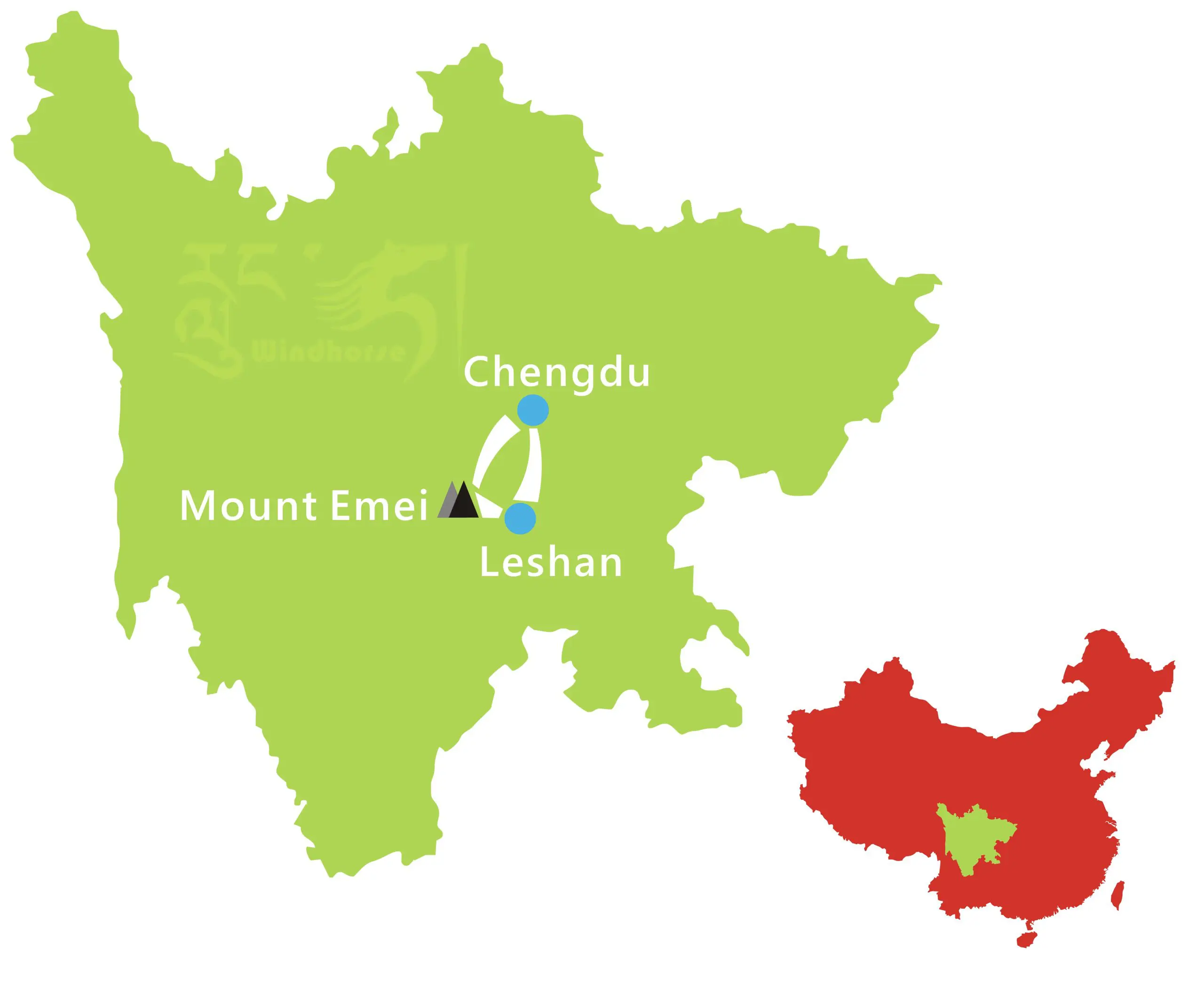
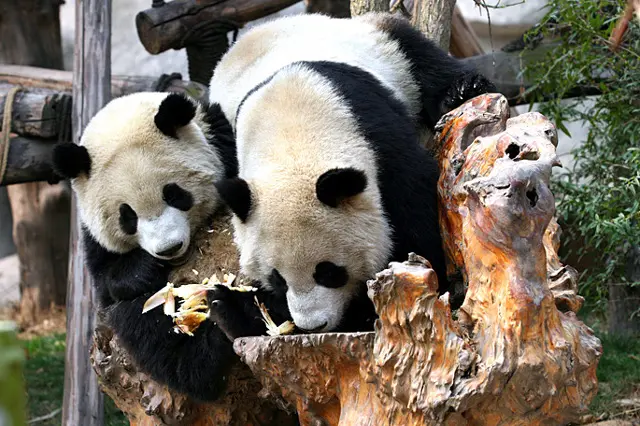



Spend two days at Mount Emei to have an in-depth tour including the visits to half mountain of Wannian Temple and the Golden Summit of the Golden Statue. Additionally, you will also visit the Panda Base in Chengdu and the Giant Buddha at Leshan.

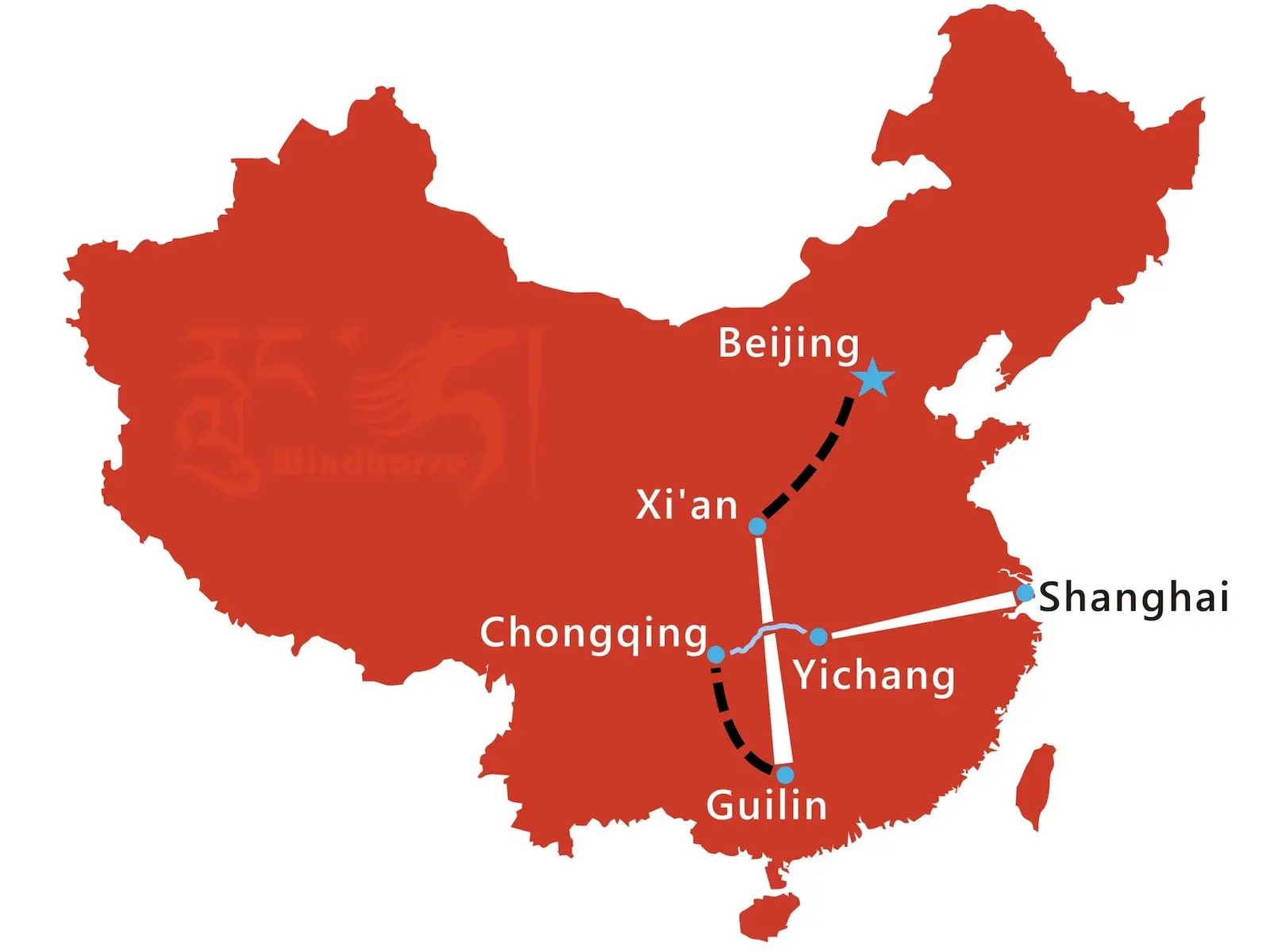
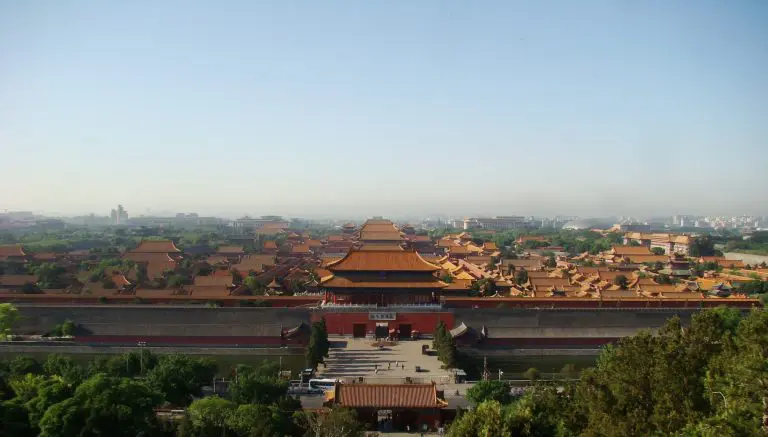


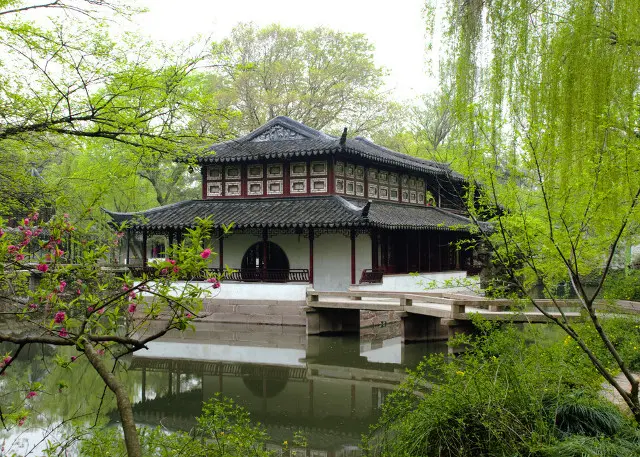
Explore China’s essential highlights on this 16-day journey through Beijing, Xi’an, Guilin, Yangshuo, Chongqing, Yichang, Shanghai, and Suzhou. Enjoy the Great Wall, Terracotta Warriors, Li River cruise, Longji Rice Terraces, and a relaxing Yangtze River Cruise through the Three Gorges.