
8 Fascinating Customs and Traditions of China’s Ethnic Groups

China is a vast cultural treasure trove, rich in history, traditions, and customs that have shaped its diverse heritage over thousands of years. While landmarks like the Great Wall, bustling cities such as Beijing and Shanghai, and world-renowned cuisine often come to mind, it’s the country’s cultural diversity that truly makes it stand out.
Did you know China officially recognizes 56 ethnic groups? The Han people make up the majority, and are the largest ethnic group in the world. But beyond the Han majority, the other 55 minority groups contribute an incredible array of unique traditions, languages, festivals, music, art, and beliefs that offer a deeper understanding of the country.
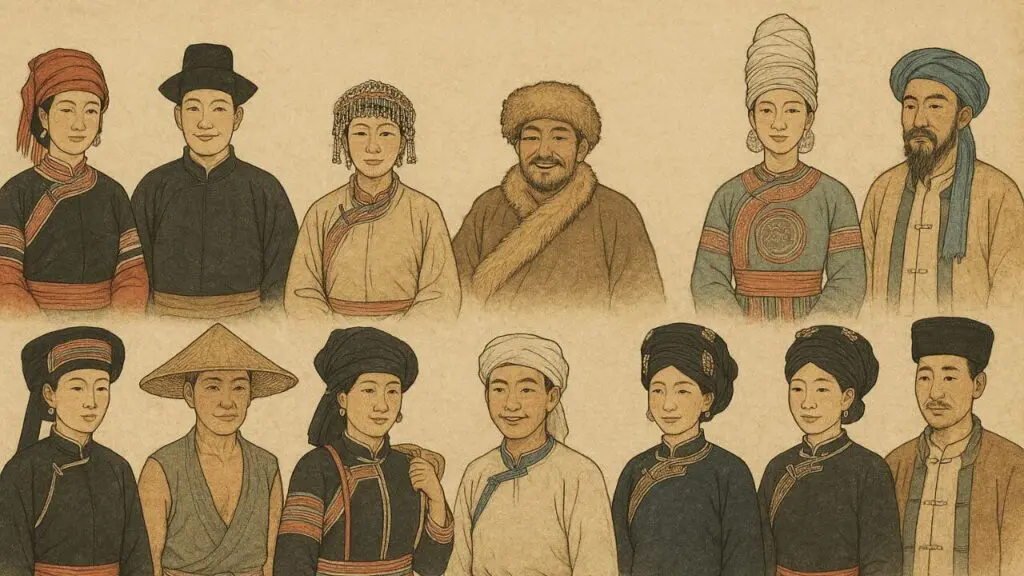
One of the best things about traveling in China is getting to experience these different customs and traditions of China’s ethnic groups. Whether it’s joining in on the Dai Water Splashing Festival in Yunnan, or listening to the hauntingly beautiful Dong folk songs, there’s always something new and exciting to learn.
If you’re the kind of traveler who loves diving into culture, meeting new people, and seeing how traditions shape everyday life, then exploring customs and traditions of China’s ethnic groups will be an unforgettable experience. Trust me, it’s way more than just Great walls and pandas (though those are pretty great too!).
The Dai Water Splashing Festival
The Dai people are one of China’s 56 recognized ethnic groups. Dai people mostly live in the Xishuangbanna and Dehong regions of Yunnan Province, near the borders of Myanmar, Laos, and Thailand. Their culture has a lot in common with the Thai and Lao people, which is very noticeable in their language, food, and even their traditional clothing.
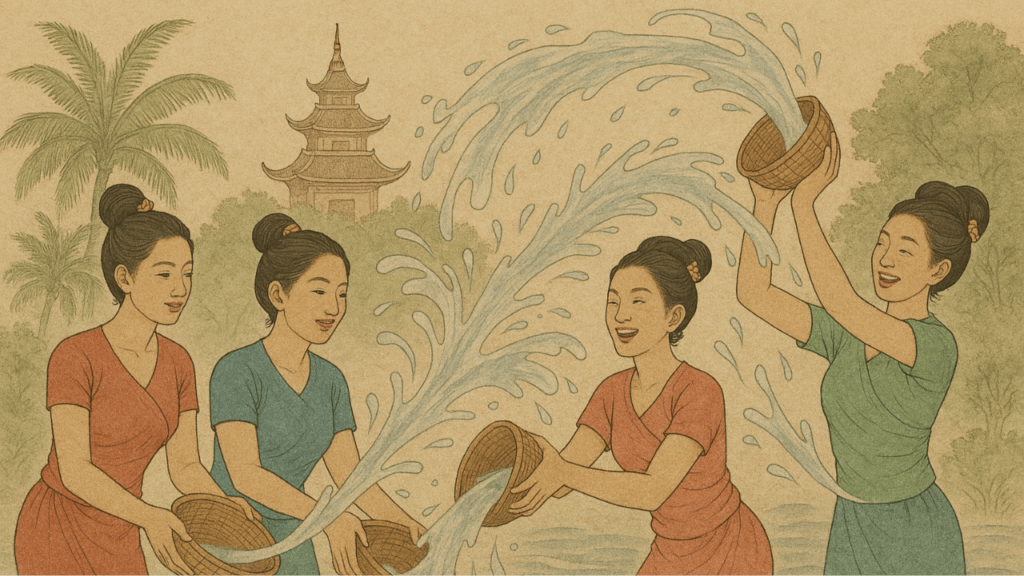
The Dai Water Splashing Festival, which is one of the most exciting and refreshing celebrations in China, is like you step into a festival and then you all get drenched.
That’s exactly what happens at the Dai Water Splashing Festival, which is held in Yunnan’s Xishuangbanna region. This lively festival marks the Dai New Year and is all about washing away bad luck while welcoming good fortune, happiness, and health.
There is a main event where locals and tourists alike grab buckets, water guns, and even hoses, soaking everyone in sight. It starts as a sacred ritual like pouring water gently over Buddhist statues, but quickly turns into an all-out splash war. The more drenched you get, the luckier your year is supposed to be! This may be the most fun of all customs of China’s ethnic groups.
Beyond the water fun, there are dragon boat races, traditional Dai dances, and sky lantern releases, making it an unforgettable cultural experience. It’s the perfect way to cool off in the heat and get a taste of the Dai people’s warm and joyful spirit.
The Mongolian Naadam Festival
The Mongols are one of China’s largest ethnic minorities, with most living in Inner Mongolia (a vast region in northern China, not to be confused with the independent country of Mongolia). Their culture is deeply rooted in nomadic traditions, horseback skills, and a strong warrior legacy that dates back to Genghis Khan and the Mongol Empire.
So, If you’ve ever wanted to step into the world of ancient warriors and fearless horsemen, the Naadam Festival in Inner Mongolia is your chance. This festival is also a showdown of strength, skill, and tradition, dating back over 800 years to the days of Genghis Khan.
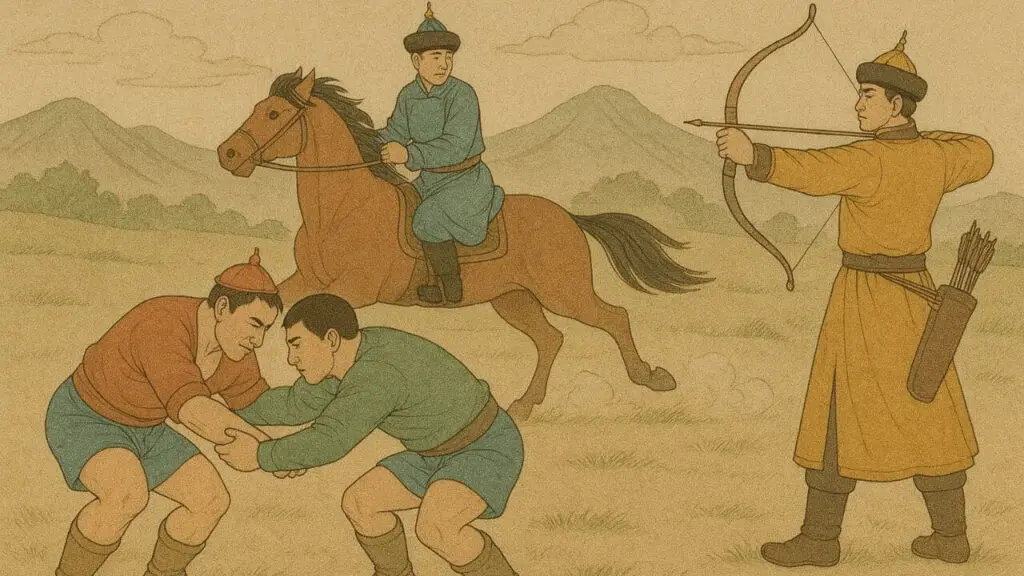
At the heart of Naadam are the “Three Manly Games”:
- Wrestling – No weight classes, no time limits—just two competitors trying to take each other down. The wrestlers wear open-chested outfits with long sleeves, a nod to the legend that no woman can enter the competition.
- Horse Racing – Unlike traditional racetracks, these races stretch across the open grasslands, covering up to 18 miles! The riders? Mostly kids, some as young as five, proving just how deep Mongolia’s horse culture runs.
- Archery – With bows made from wood and horn, archers (including women and even children) shoot at distant targets with stunning precision.
However, aside from the competition at Naadam, a full-on cultural festival with colorful parades, throat-singing performances, and traditional Mongolian feasts.
The festival is happening every July. And this is the best way to experience Mongolia’s nomadic traditions without leaving China. If you’re planning a trip to Inner Mongolia, Naadam is an absolute must, whether you’re cheering from the sidelines or testing your own skills!
The Miao Silver Headdresses and Courtship Rituals
The Miao people are one of China’s most vibrant ethnic groups. The Miao people are known for their colorful festivals, intricate embroidery, and rich musical traditions. They mainly live in Guizhou, Yunnan, Hunan, and Guangxi provinces in China.
When exploring the customs and traditions of China’s ethnic groups, the Miao stand out for their dazzling cultural expression and unique artistry.
What Miao people are famous for is silver jewelry. If you ever find yourself at a Miao festival in Guizhou, you’ll immediately notice something breathtaking: the towering silver headdresses worn by Miao women. These stunning pieces are symbols of beauty, family heritage, and good fortune. All the silver pieces are handmade by skilled artisans, the headdresses can weigh up to 10 pounds and are often passed down through generations. During festivals like the Sisters’ Meal Festival (Miao Valentine’s Day), young women dress in intricately embroidered outfits, covered in layers of silver jewelry that jingle with every step.
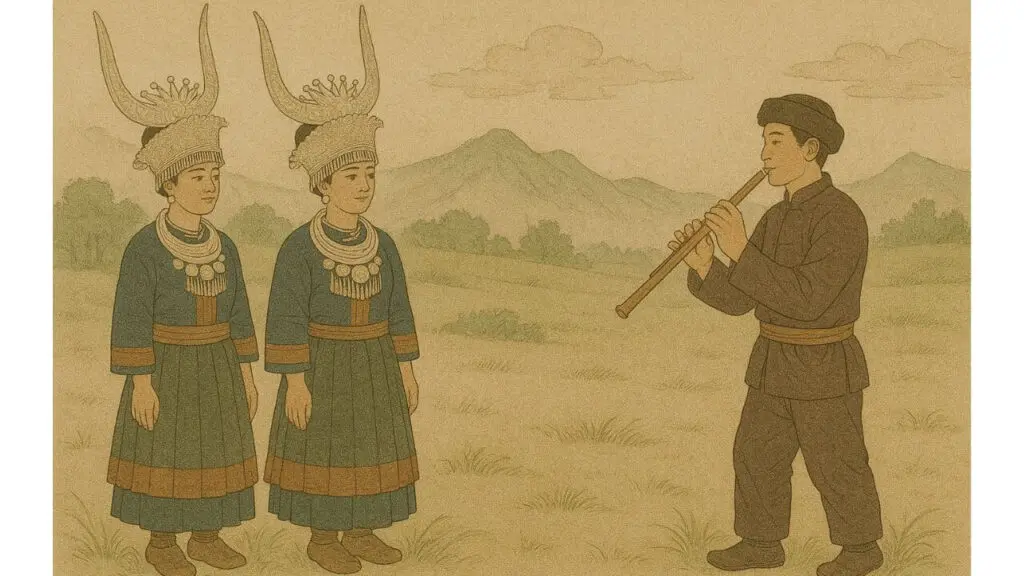
The Miao have some of the most unique courtship traditions in China.
- Lusheng Dance Competitions where men play the lusheng (a bamboo reed instrument) while dancing energetically. Women watch and decide if they’re impressed!
- Singing Duets where Miao couples used to flirt through improvised love songs. If a woman liked a man’s song, she’d sing back. If not… silence!
- Embroidery as Love Letters – Miao women are famous for their hand woven embroidery, which are great for fashion but also a way to express emotions. A beautifully embroidered piece given to a suitor could mean love, rejection, or even a challenge to prove himself.
If you want a real taste of Miao culture, visiting during a festival is a must. The combination of music, dance, colorful outfits, and ancient traditions makes it feel like stepping into a living fairytale!
Here are some tours to Yunnan if you want to visit Miao people.
Tibetan Sky Burials
The Tibetan people are one of China’s most spiritually rich and resilient ethnic groups. Tibetan people are living primarily in Tibet, but you can also find them in Qinghai, Sichuan, Gansu, and Yunnan provinces. With their deep connection to Buddhism, breathtaking high-altitude landscapes, and unique traditions, Tibetan culture is unlike any other in the world.
Tibetan people have a lot of customs and traditions but one of the most unique and profound customs here is the Sky Burial.
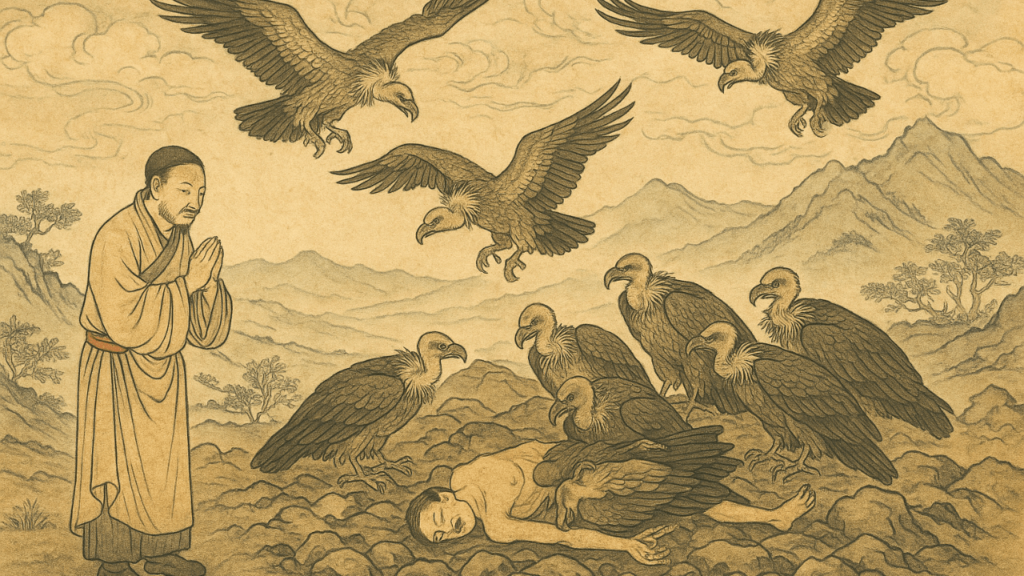
Sky Burial is a funeral practice that might seem shocking at first but is actually a deeply spiritual and meaningful ritual. It involves offering the deceased’s body to vultures. In Tibetan Vajrayana Buddhism, this act represents compassion, selflessness, and the cycle of life.
The vultures, known as “Dakinis” (sky dancers), are thought to carry the soul to the heavens, completing the journey of rebirth.
This practice takes place at sacred burial sites, often in the mountains, where monks perform prayers and rituals before the body is prepared.
Because of its deep religious significance, Sky Burials are not open to tourists. However, just learning about this tradition offers an incredible insight into Tibetan views on life, death, and the afterlife, a perspective that is vastly different from Western funeral customs.
The Yao Women Long Hair Tradition
The Yao trace their ancestry back over 2,000 years, with legends linking them to ancient Chinese emperors. They mainly live in Guangxi, Hunan, Yunnan, and Guangdong provinces. One of the most fascinating customs of this China ethnic group is long hair tradition, specifically in Huangluo Village which is home of the Red Yao women where hair is a symbol of beauty, luck and longevity.
The most fascinating part is that Yao women only cut their hair once in their entire lives, and that is when they turn 18. After that, they let it grow forever, sometimes reaching over six feet long! According to Yao traditions, long hair brings good fortune, a happy marriage, and a long life. And instead of throwing away the hair they shed, they collect it and weave it back into their styles. So their hairstyles are literally made of a lifetime of growth.
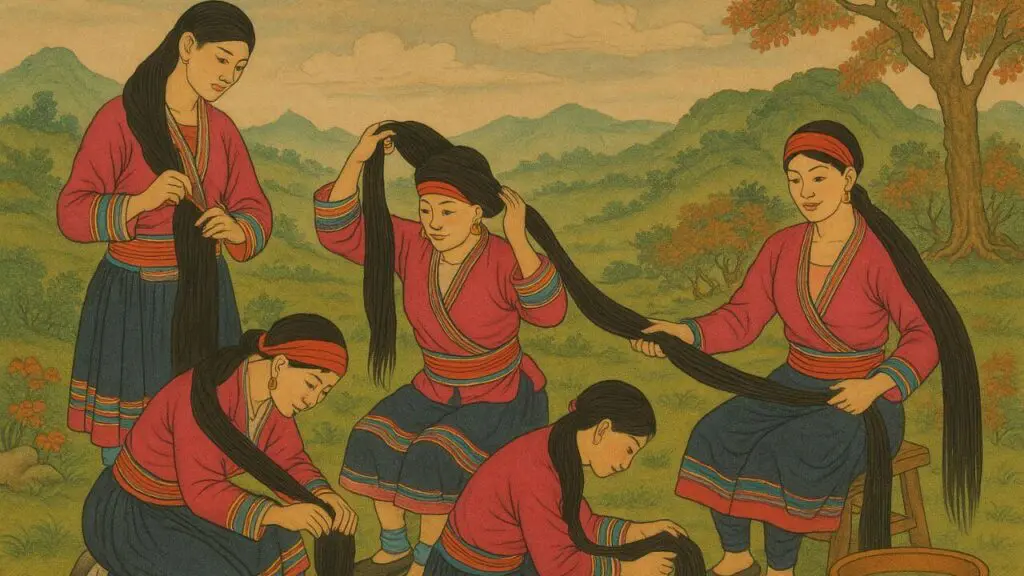
Yao women don’t just let it hang loose, the hair is somehow the art of wrapping, twisting, and styling their hair into intricate buns, each style carrying a special meaning. What is interesting about the style of the wrapping? Well, a certain wrap signals a married woman, another a woman with children, and an uncovered hairstyle means she’s looking for love.
When you are in China, visit Huangluo Village, and the Yao women are more than happy to show off their hair rituals, perform traditional dances, and even let you watch their unique hair-wrapping process. It is definitely one of the most unique beauty traditions in the world!
The Kazakh Eagle Hunting Tradition
The Kazakh people are one of China’s officially recognized ethnic groups, they are primarily living in Xinjiang, near the borders of Kazakhstan, Mongolia, and Russia. The Kazakh people are descendants of the great steppe nomads, known for their horseback skills, rich storytelling traditions, and legendary eagle hunting.
The Kazakhs are one of the last groups in the world to practice eagle hunting, training golden eagles to hunt for food in the freezing winter months. But what’s even more impressive is the bond between these majestic birds and their human partners. We are so fascinated by this tradition of the Kazakh people and that is why it is one on the this list of the customs and traditions of China’s ethnic groups.
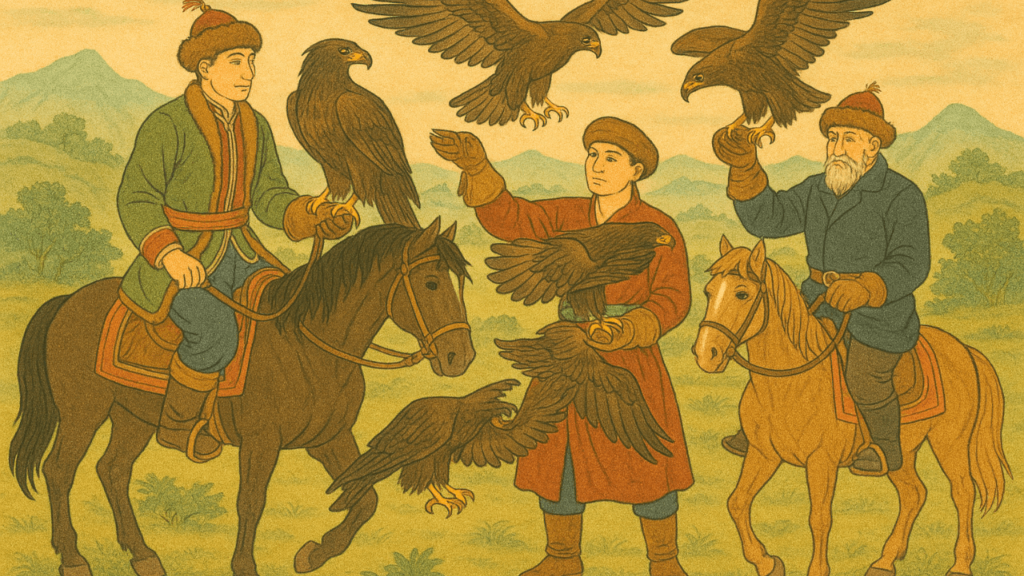
For Kazakh nomads, eagle hunting is a sport but also a way of life, passed down through generations. Hunters (called “Berkutchi”) raise and train golden eagles from a young age, forming an unbreakable connection with them. These birds become loyal hunting companions, able to track and catch foxes, rabbits, and other small animals in the harsh winter landscapes of the Altai Mountains. And here’s the incredible part: after about 10 years, the eagles are released back into the wild, allowing them to live freely once again.
The best time to experience this tradition is the annual Eagle Hunting Festival in Xinjiang, where hunters dress in traditional fur-lined coats, show off their skills, and compete in hunting challenges. It’s a dream come true for travelers, photographers, and adventure seekers. It is a chance to see ancient Kazakh culture in action and witness the raw beauty of human-animal teamwork.
The Dong Grand Song Performances
The Dong people are one of China’s most peaceful ethnic groups, they never had a written history of war. Their culture emphasizes peace, music, and community strength over conflict.
Most Dong villages are found in the mountainous regions of Guizhou, Hunan, and Guangxi provinces, where they have preserved their centuries-old traditions. Also, Dong villages are home to stunning drum towers and covered bridges, and the objects are built without a single nail! The most famous is Chengyang Wind and Rain Bridge, a breathtaking example of Dong craftsmanship.
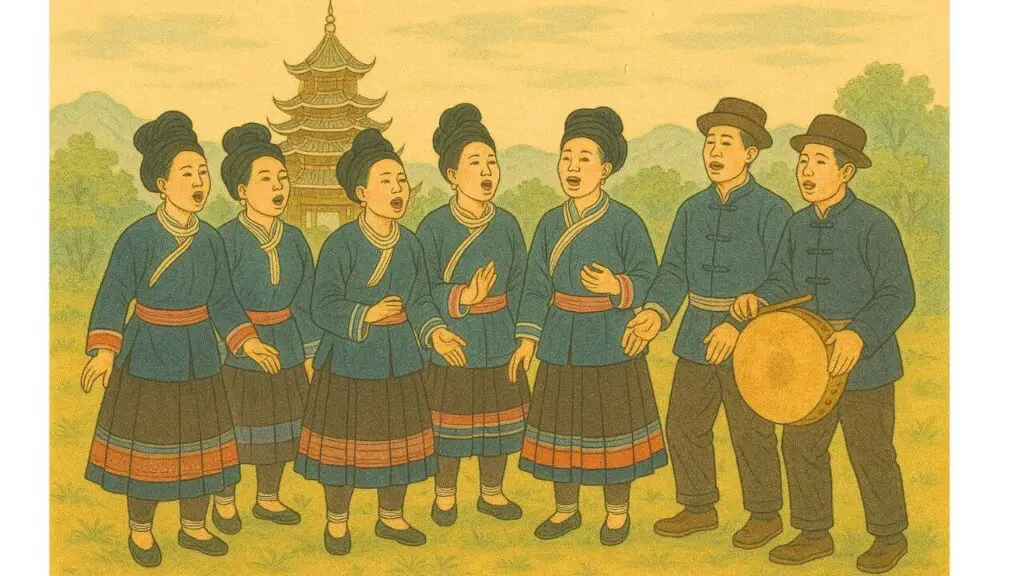
If you ever go to Dong village in Guizhou, don’t be surprised if you hear something truly magical, layered, harmonic voices filling the air without a single instrument in sight. This is the Grand Song tradition of the Dong people, one of the most beautiful and unique a cappella singing styles in the world. It’s also a perfect example of the customs and traditions of China’s ethnic groups, where music plays a central role in storytelling, community bonding, and cultural preservation.
What makes these songs so special? First, they are completely passed down by ear. There is no written music, no formal training, just generations of singers teaching the next. The melodies are rich and complex, often mimicking sounds of nature, like birds chirping or flowing water. Some songs tell stories of love and village life, while others are meant to honor ancestors or celebrate good harvests.
The best place to experience a Grand Song performance is inside a Dong drum tower. When the singers gather inside, their voices reverberate through the wooden beams, creating a deep, echoing harmony that feels almost otherworldly.
The Dong believe that singing is a way of preserving their history, strengthening community bonds, and passing on wisdom.
The Han Tea Ceremony
As we said before, the Han people are the largest ethnic group in China. The Han trace their roots back over 4,000 years, with famous dynasties like the Han, Tang, Song, and Ming shaping China’s history, technology, and culture.
Han people has a lot of customs and traditions, but today for customs and traditions of China’s ethnic groups we will focus on the tea ceremony. There’s something incredibly calming about sipping a perfectly brewed cup of tea, watching the steam rise, and letting time slow down for a moment.
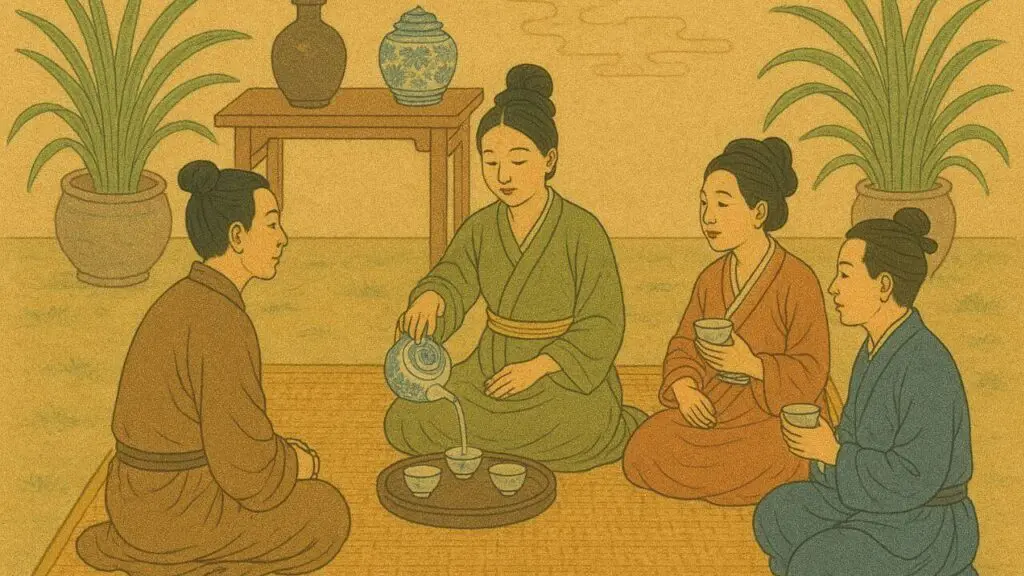
The Han tea ceremony is all about grace, patience, and appreciation and this is one of the many the customs and traditions of China’s ethnic groups. Every step, from selecting the tea leaves to pouring the hot water, is done with intention. The goal isn’t just to make tea but to create an experience. The sound of the water pouring, the delicate aroma, and the warmth of the cup in your hands all play a role in making tea-drinking an art form.
If you ever get the chance to experience a traditional Han tea ceremony, take it and enjoy it! Whether you’re drinking green tea, earthy pu-erh, or oolong, you need to know that that is a window into centuries of culture, mindfulness, and artistic expression.
Final Words
The customs and traditions of China’s ethnic groups are a testament to the country’s incredible diversity, each tradition offering a window into centuries of history, beliefs, and ways of life. From spirited festivals to ancient crafts, music, and rituals, these practices continue to thrive, keeping cultural identities alive. Whether it’s the Miao’s intricate embroidery, the Yao women’s long hair traditions, or the Tibetan sky burials, each ethnic group contributes to the vibrant tapestry of Chinese heritage. Experiencing these customs firsthand it is about connecting with people and their stories in the most authentic way. So, when you are planning your trip to China, consider visiting at least one of the places where you can experience some of the customs of China’s ethnic groups.
Related tours
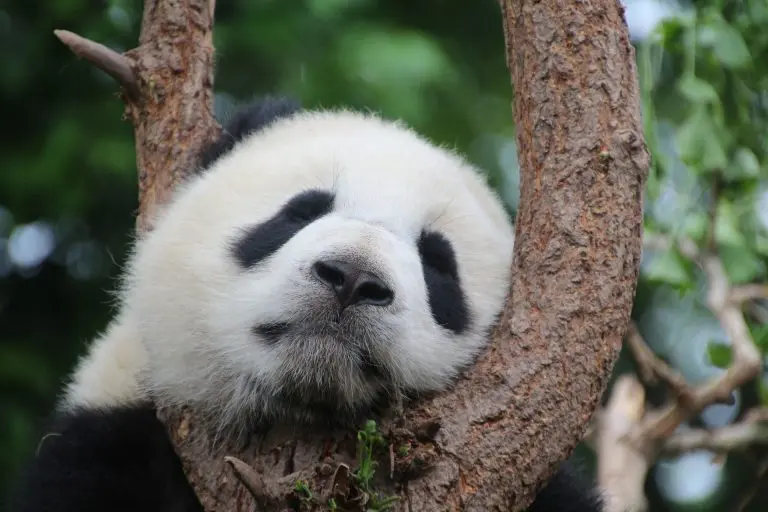
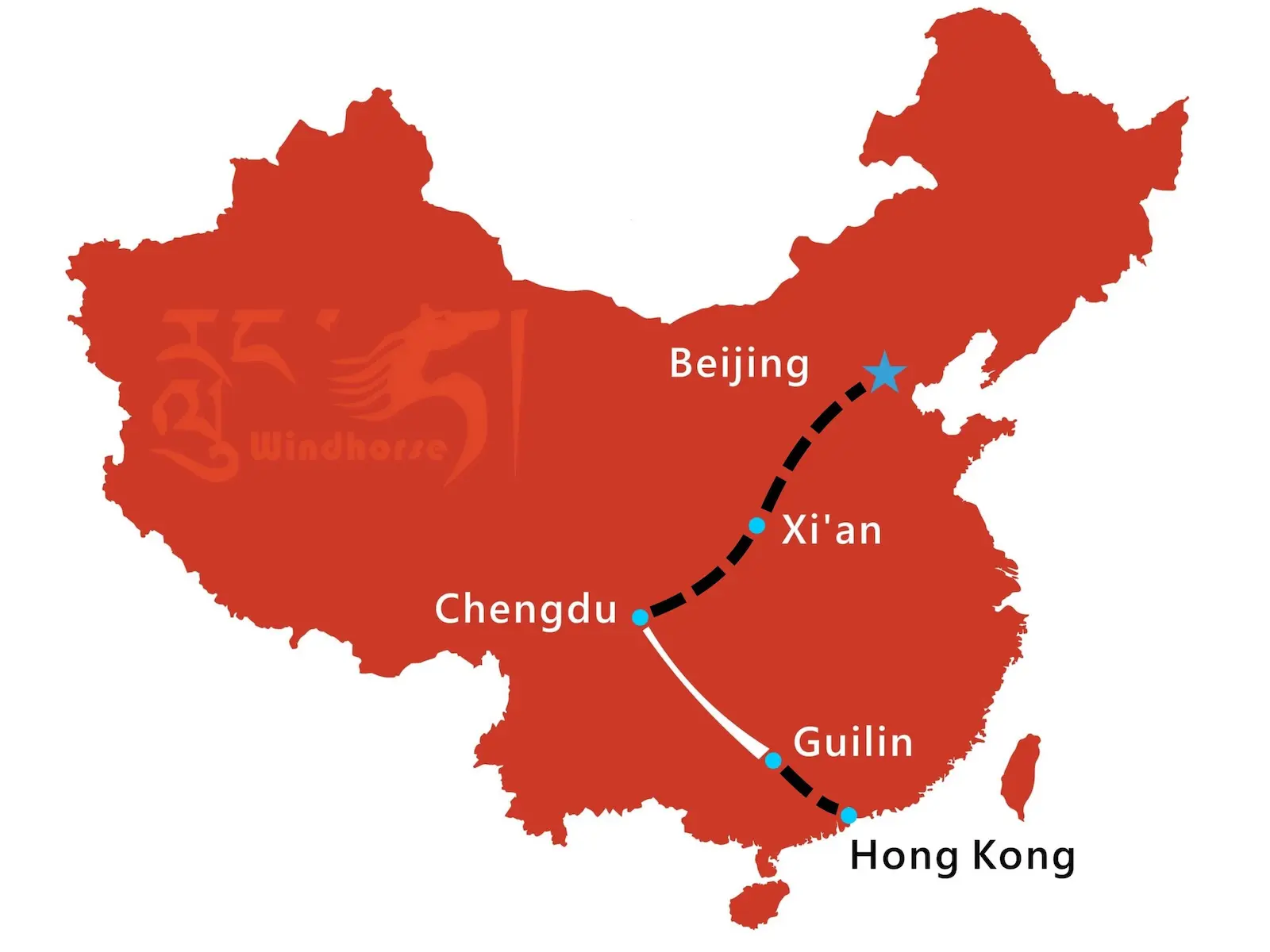
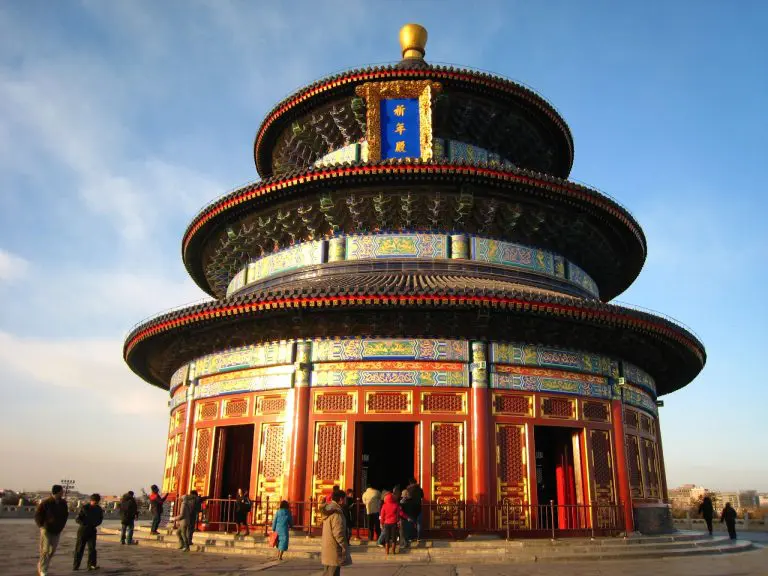
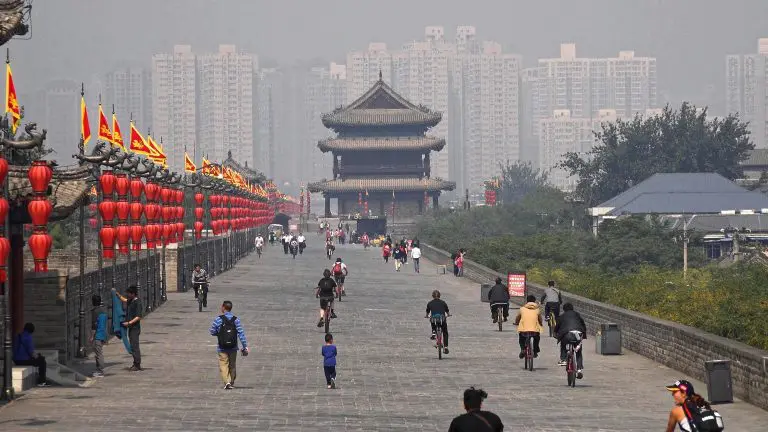
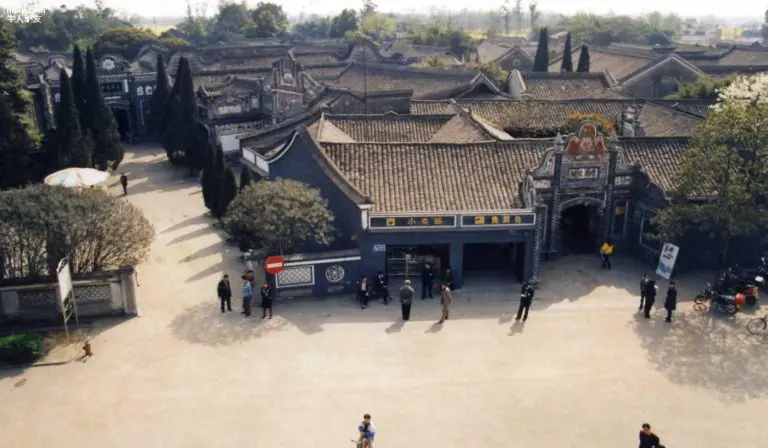
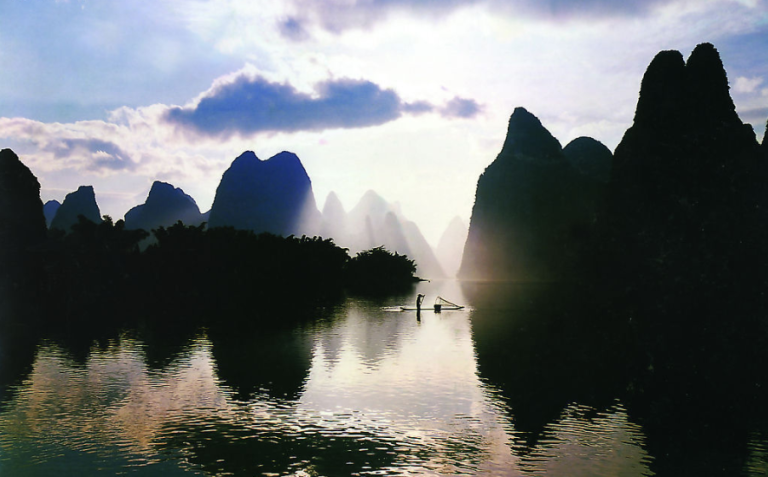

Experience China’s cultural and scenic highlights on this 13-day Essence of China tour from Beijing to Hong Kong. Explore the Great Wall, Terracotta Warriors, Chengdu pandas, Li River landscapes, and finish in vibrant Hong Kong for the perfect mix of history, nature, and modern city life.
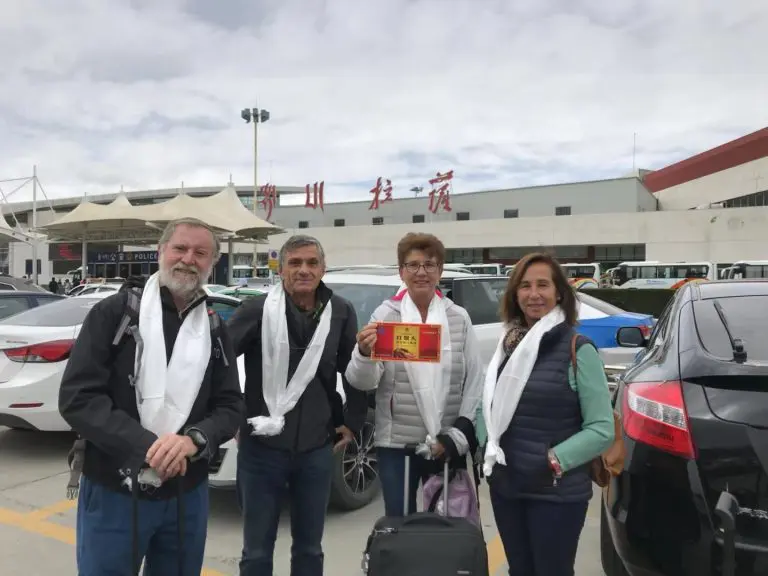
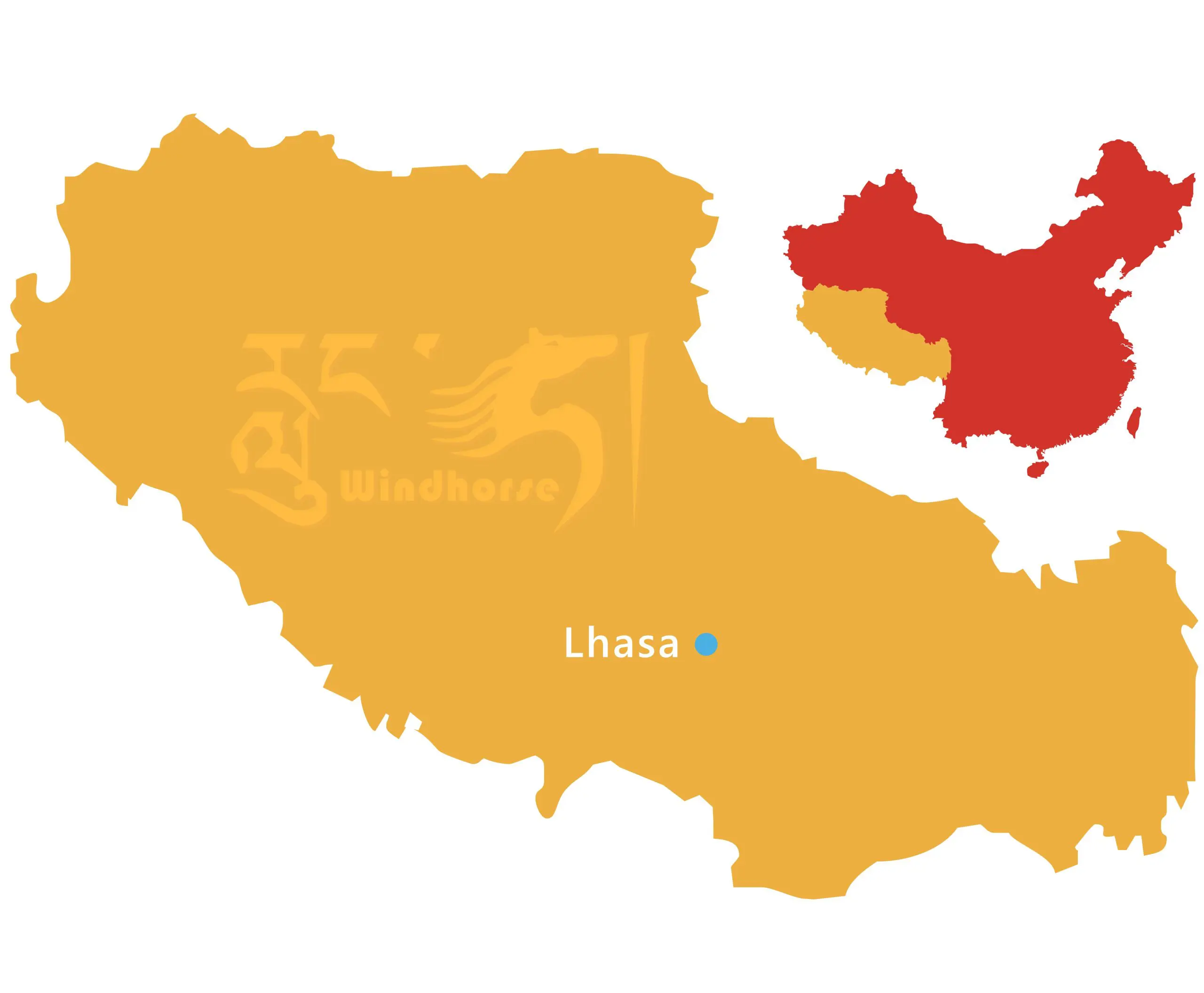
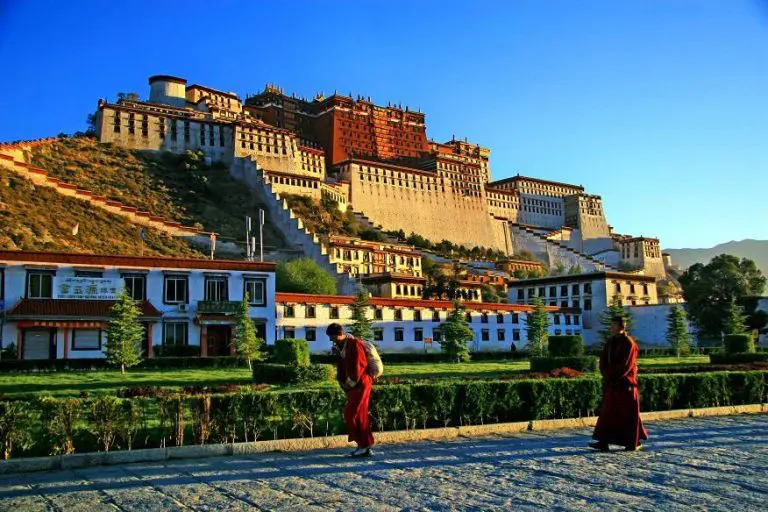

Discover the essence of Tibet on this 4-day Lhasa City Tour. Visit Potala Palace, Jokhang Temple, Barkhor Street, and the great monasteries of Drepung and Sera to experience Tibet’s deep spirituality and rich culture.

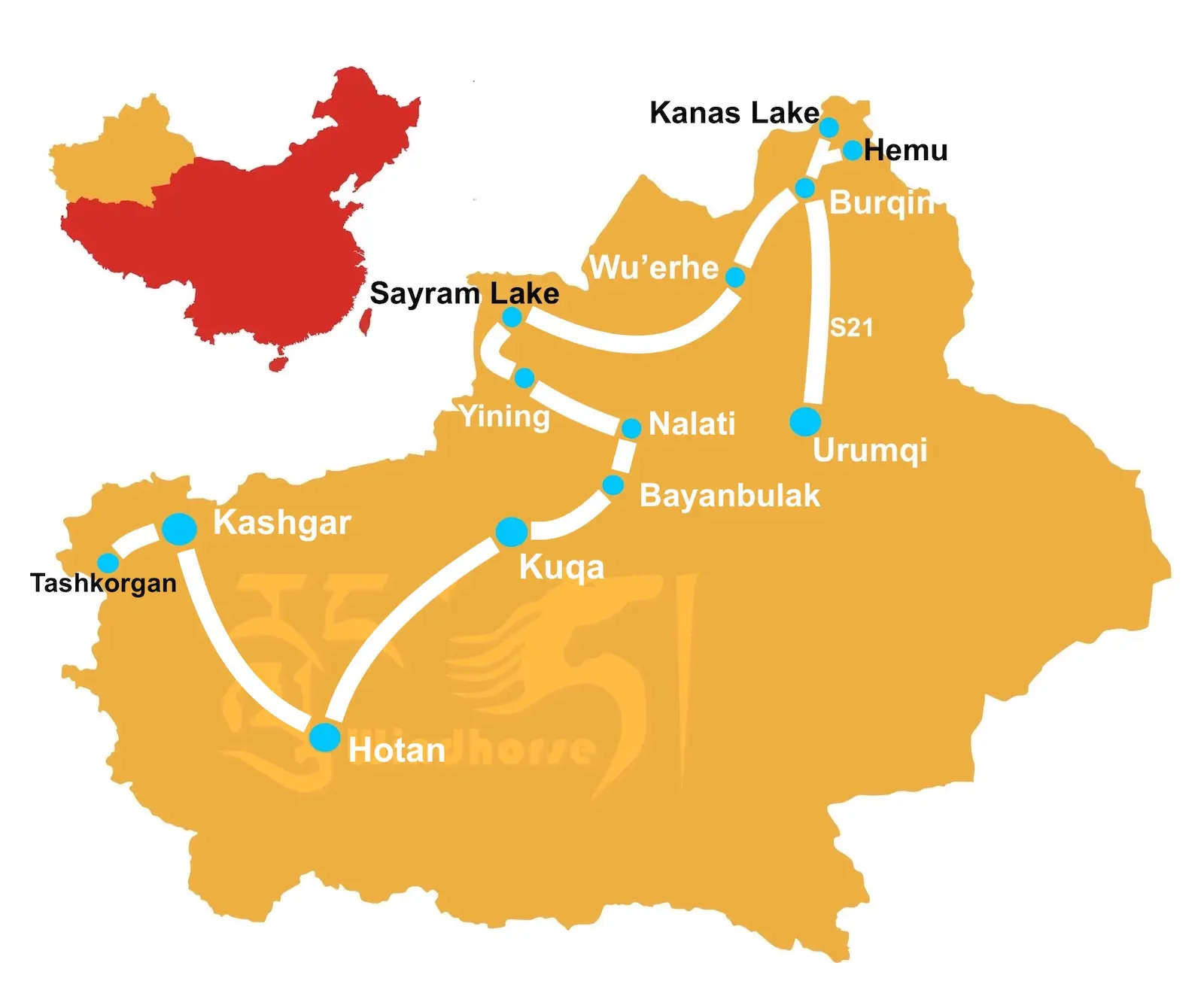
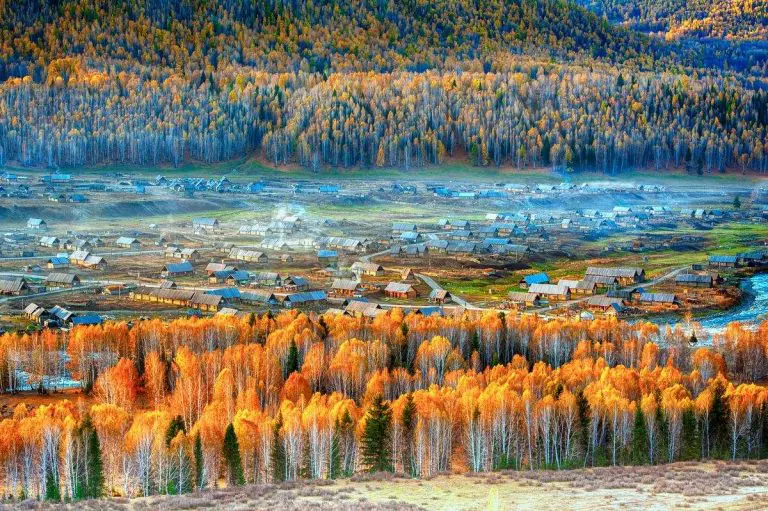

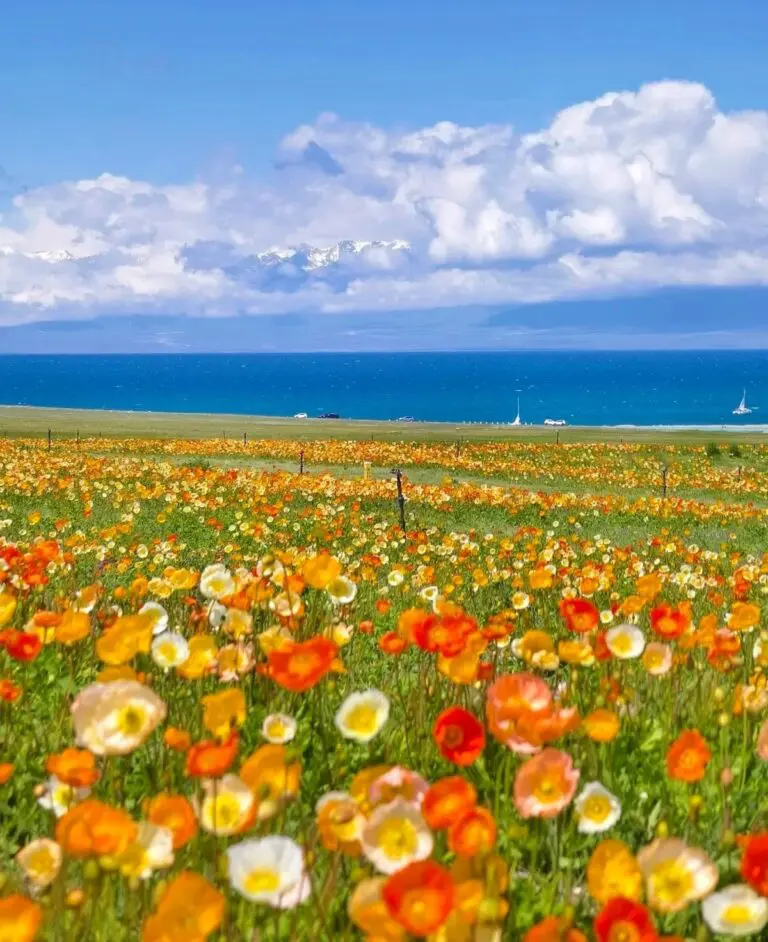
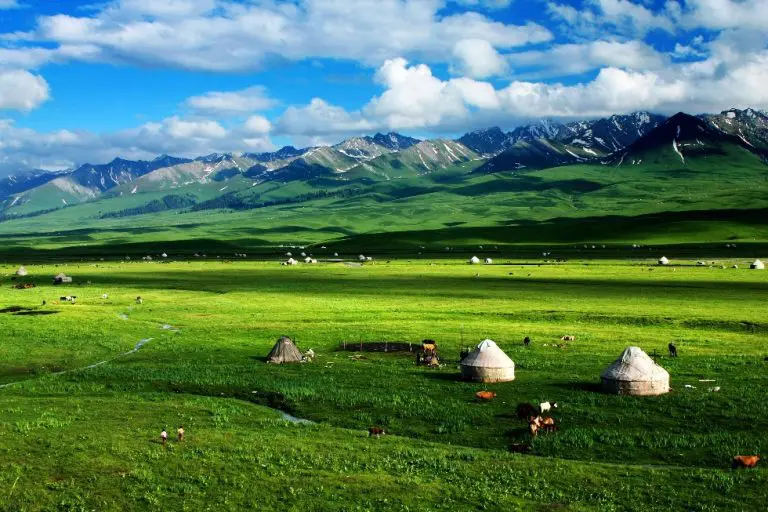

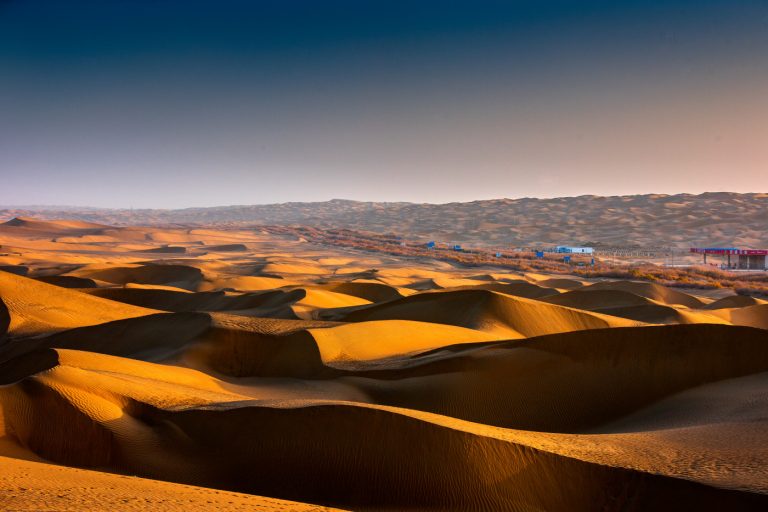
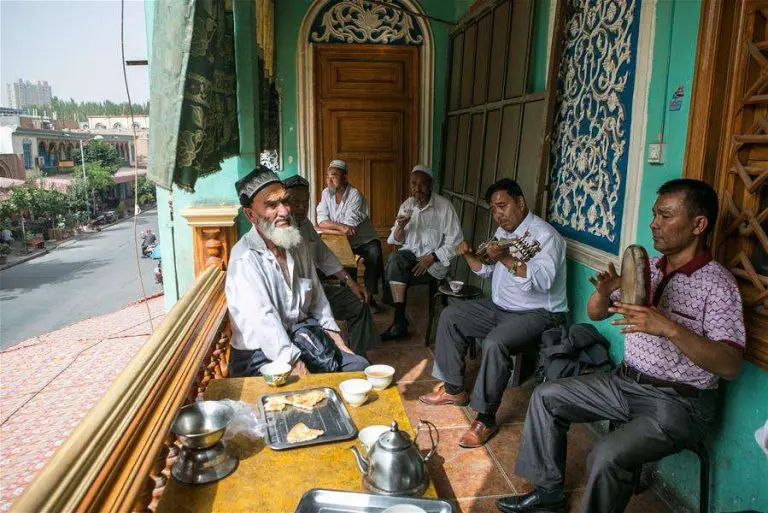
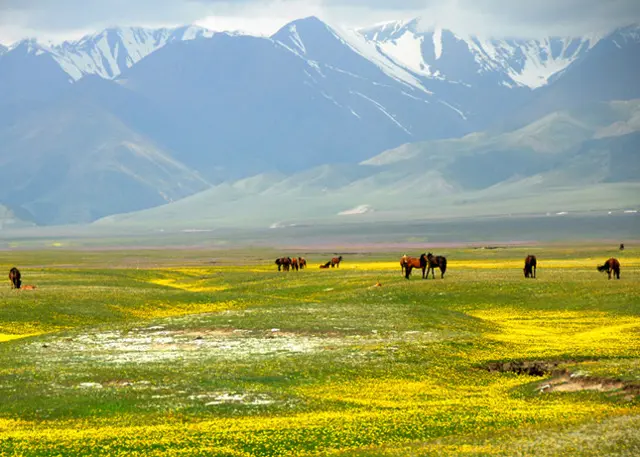
Travel from Urumqi to Kashgar on a 16-day private journey across North and South Xinjiang, exploring Kanas, Ili, the Duku Highway, Taklamakan Desert, Silk Road oasis towns and the Pamir Plateau.
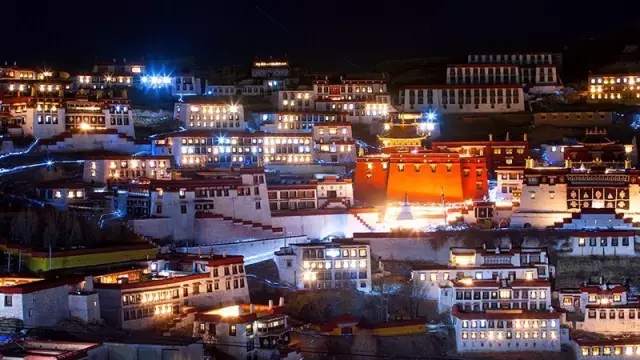
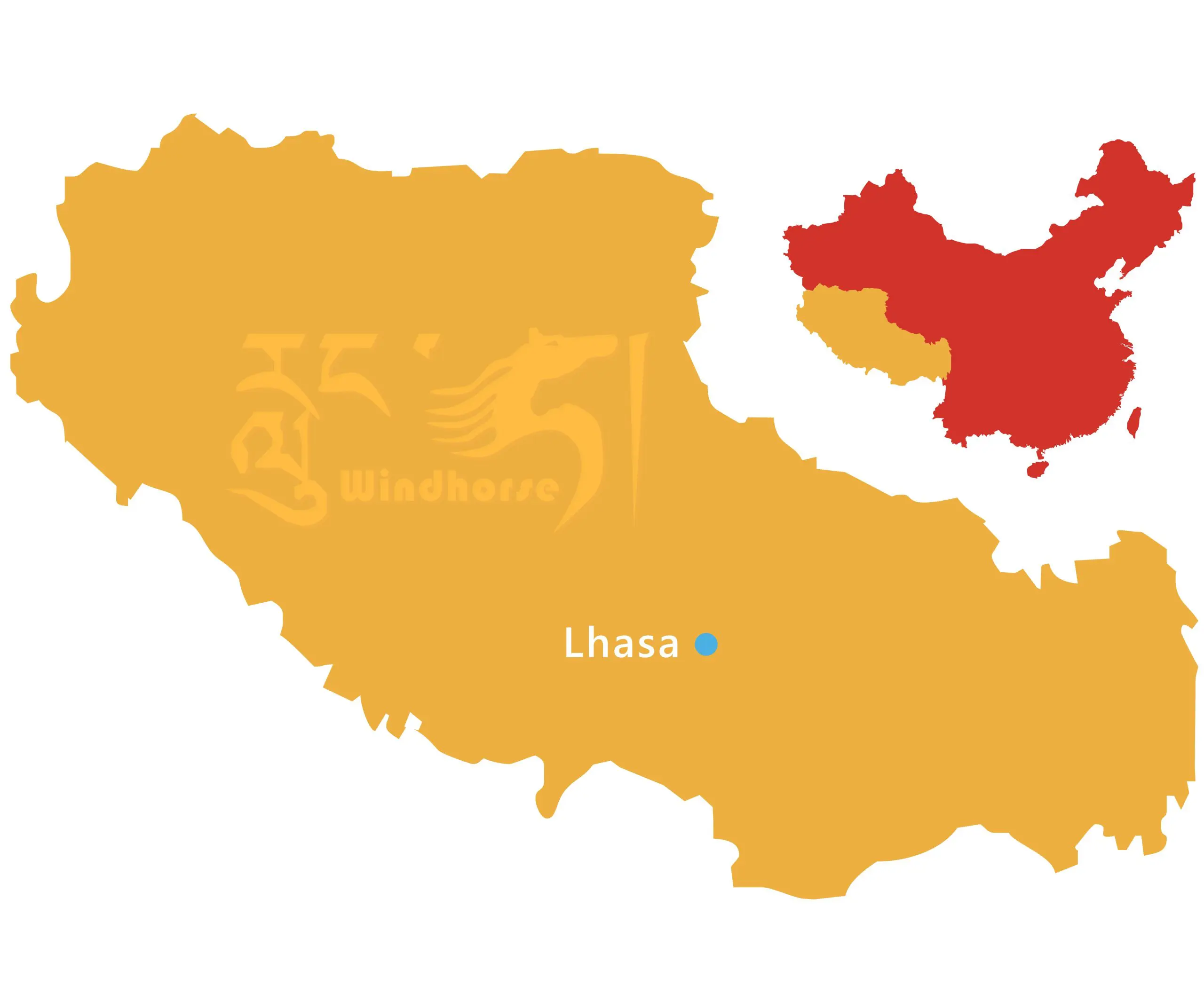
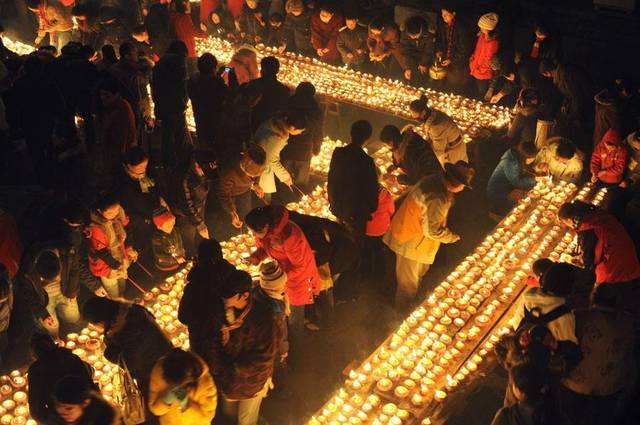
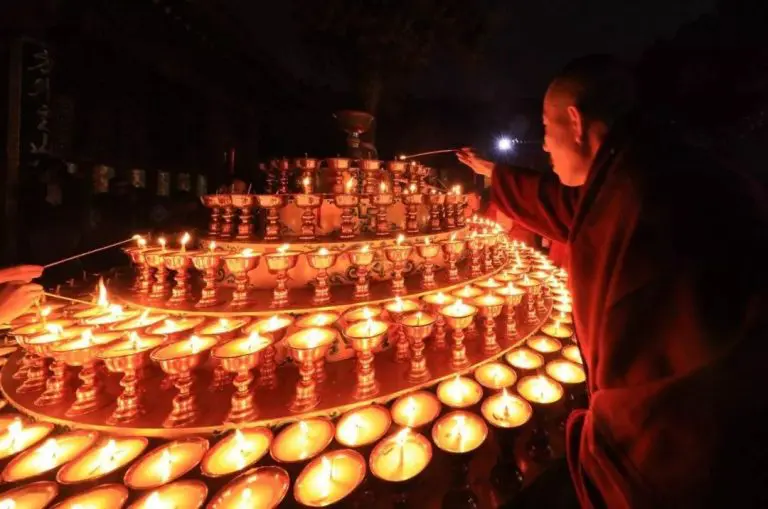
Experience Tibet's Butter Lamp Festival on this private 5-day tour. Visit Lhasa's iconic landmarks, Ganden Monastery, and witness thousands of butter lamps illuminating Jokhang Temple and Barkhor.