
Kashgar old town – A Living Legacy of the Silk Road
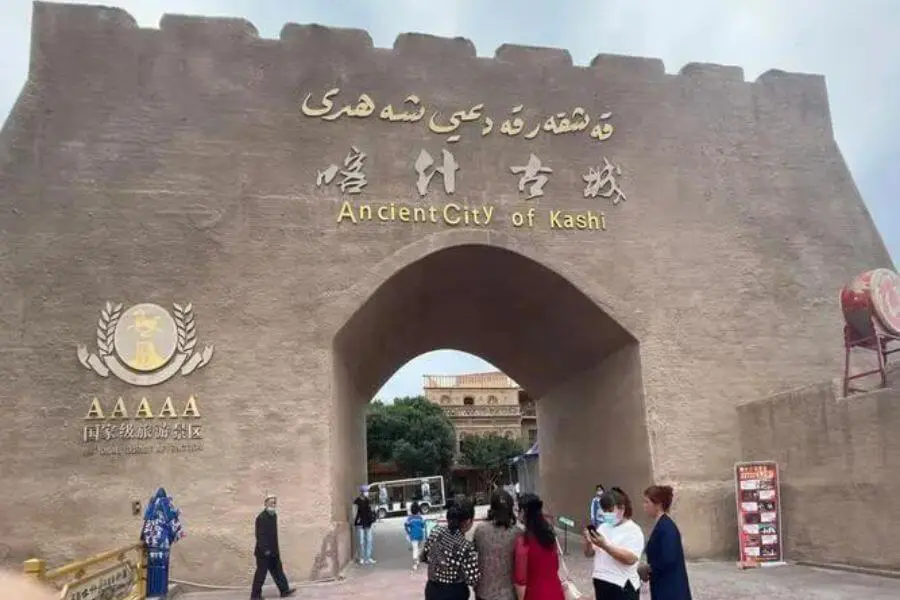
Located in the heart of Kashgar city in Xinjiang Uyghur Autonomous Region, Kashgar Old Town (also known as Kashgar Ancient City or Kashgar Gaotai Residential Area) is one of the most historically rich and best-preserved traditional Uyghur neighborhoods in China. It’s also recognized as the largest existing earth-structured settlement in the world – a living museum of Silk Road culture..
A 2,000-Year-Old Crossroads of Civilizations
The origins of Kashgar trace back over 2,100 years, with its earliest mention recorded during the Han Dynasty by imperial envoy Zhang Qian. Known in ancient times as Shule, the city served as a key trading post on the Silk Road, linking China to Central Asia, South Asia, and the Middle East. In 60 BCE, it was formally incorporated into Chinese territory under Han rule.
Over the centuries, Kashgar became a flourishing center of trade, culture, and religion, especially during the Tang, Yuan, and Qing dynasties. In 1986, it was named a National Historic and Cultural City by the State Council of China.
Traditional Architecture and Maze-Like Streets
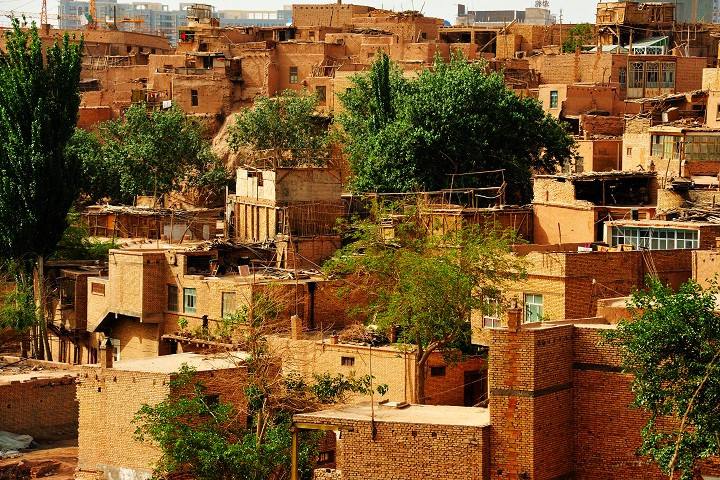
Kashgar Old Town covers approximately 4.25 square kilometers and is home to over 120,000 residents, most of them Uyghur. Its winding alleys, sun-dried earth buildings, and flat-roofed homes with ornately carved wooden balconies form a labyrinthine layout that has remained largely unchanged for centuries.
In areas like the Gaotai residential quarter, houses were once built atop loess cliffs, showcasing ancient engineering adapted to the natural terrain. Though some parts have been renovated for safety and preservation, much of the neighborhood retains its authentic charm.
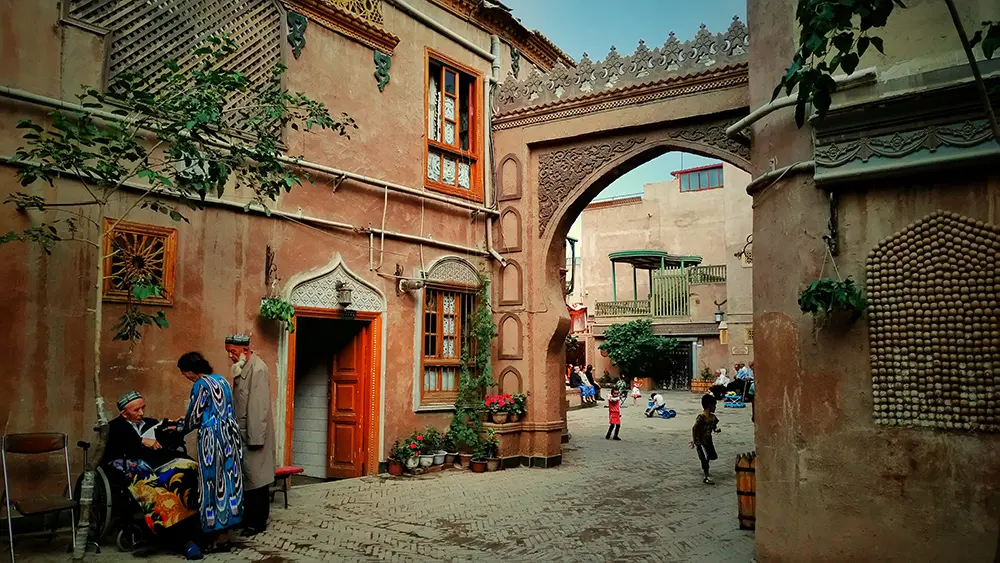
Look closely while walking the narrow lanes, traditional signals still guide daily life. Two open doors mean both hosts are home; one open door means only one is in. Even the paving bricks have meaning: six-cornered bricks indicate a pass-through lane, while four-cornered ones mark a dead end.
Cultural Highlights and Local Experiences
Id Kah Mosque
Built in 1442, Id Kah is the largest mosque in Xinjiang and an active center of Uyghur worship. Its yellow-tiled façade, peaceful courtyard, and daily prayer rituals make it one of the most iconic cultural landmarks in western China.
Kashgar Handicraft Workshops and Markets
Stroll through alleys filled with skilled craftspeople making copper teapots, wood-carved stools, handmade knives, clay pottery, and musical instruments like the rawap (a traditional Uyghur lute).
Wustangboyi Folk Street
This restored street is lined with artisan shops, teahouses, and traditional Uyghur homes. It’s a great place to witness daily life, enjoy a cup of local tea, or watch artisans at work carving wood or shaping copper.
Traditional Uyghur Tea Houses
Tea culture is central to Uyghur life. Sit down in a chaikhana (tea house) and enjoy sweet milk tea or black tea served in painted porcelain cups, often with raisins, nuts, and naan.
Uyghur Courtyard Homes (Open House Visits)
Some local families open their homes to visitors, offering a glimpse into traditional Uyghur domestic life. Many homes feature shaded courtyards, vibrant rugs, and flower-lined balconies, an architectural blend of function and beauty.
Morning Welcome Ceremony
Each day around 10:30 AM, a symbolic opening ceremony is held at the east gate, featuring Uyghur music and traditional dance. While designed for visitors, it offers a colorful and joyful introduction to the local culture.
Tastes of Kashgar
Head to Areya Street to try freshly baked naan, lamb kebabs, hand-pulled noodles, polo (Uyghur-style pilaf), and freshly squeezed pomegranate juice. The vibrant street food scene is as much a part of the Old Town’s charm as its architecture.
Visitor Information
Entrance: The Old Town itself is free to enter. Some attractions, such as the Id Kah Mosque, require a ticket (around 30 RMB).
Getting There: Easily accessible from anywhere in Kashgar city. It’s just a short drive from Kashgar Airport or a 10–15-minute walk from many central hotels.
Best Time to Visit: Spring (April to June) and autumn (September to October) offer the most pleasant weather and bustling market scenes.
Tips: Always ask for permission before photographing residents. Dress modestly when visiting religious sites, and take time to respectfully engage with local customs.
Related tours
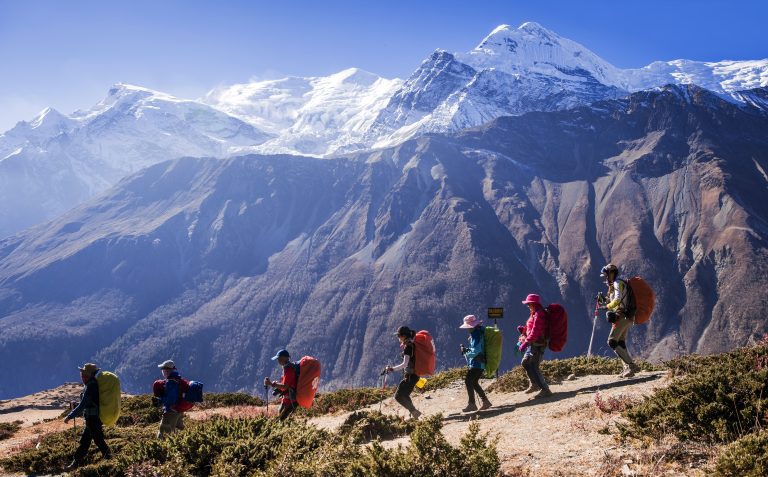
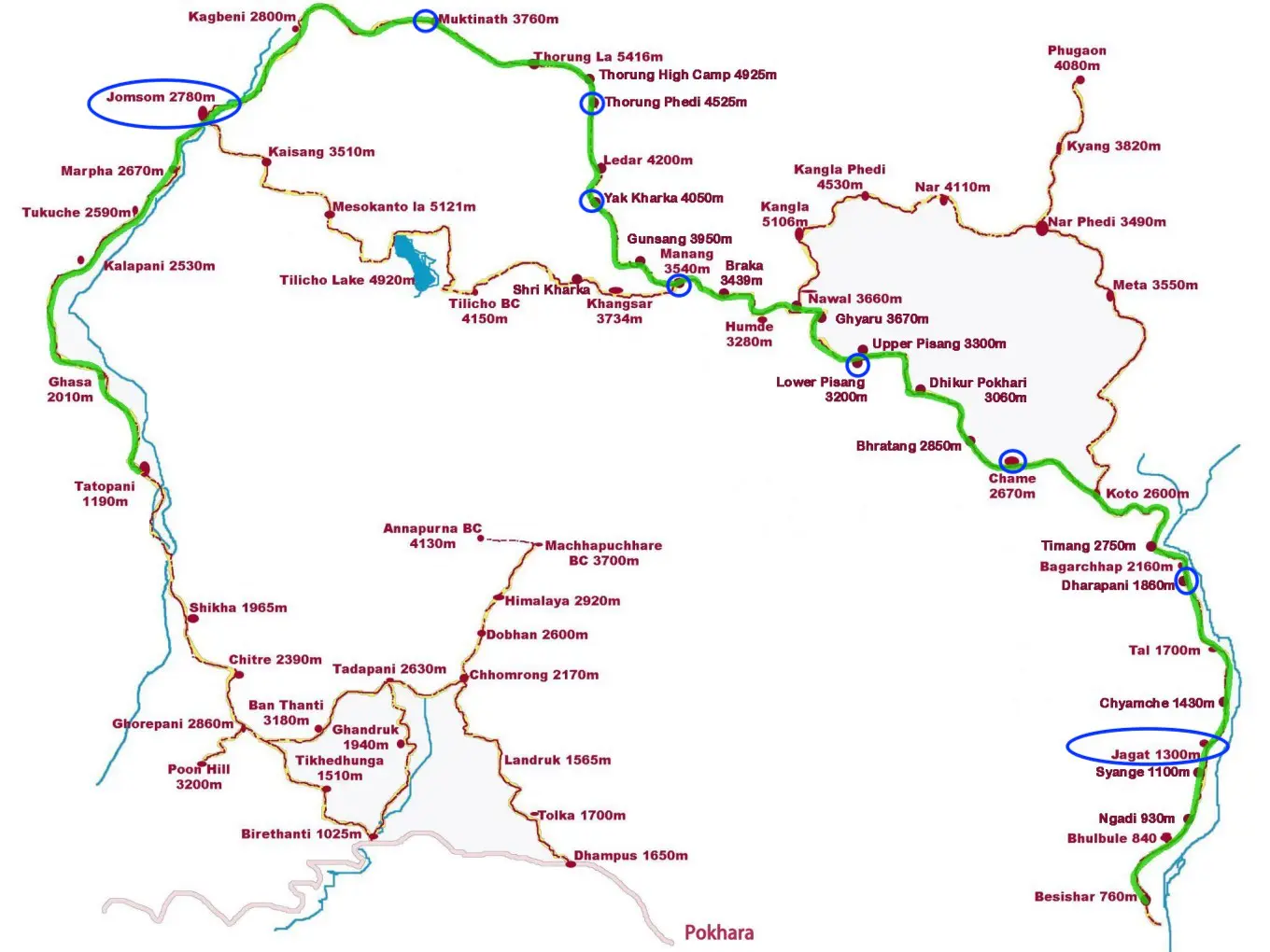
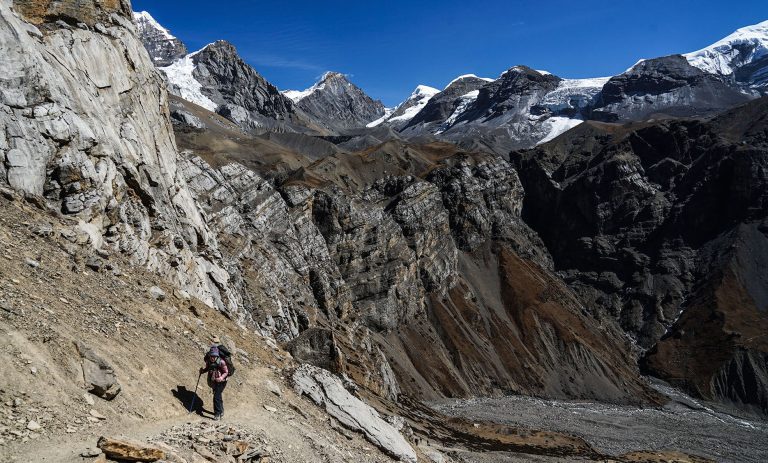
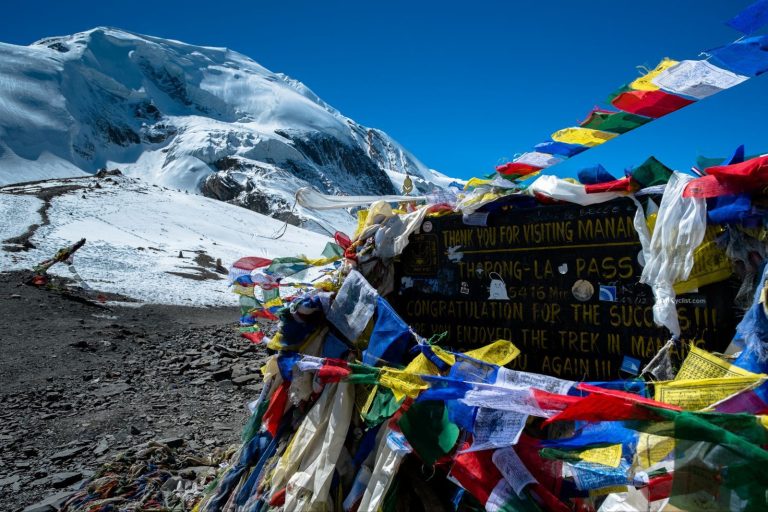
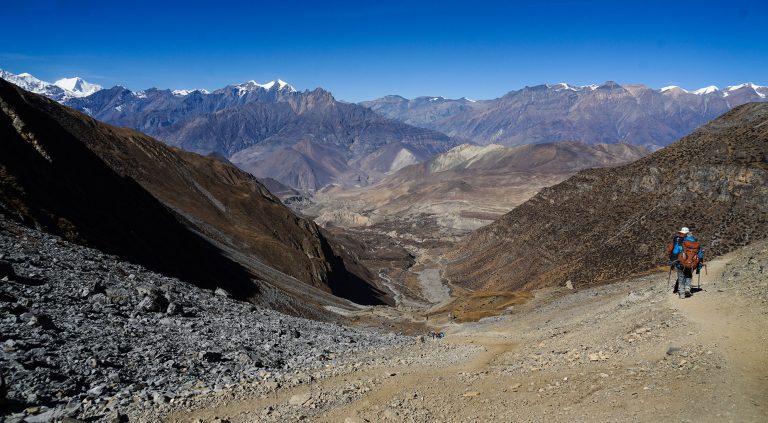
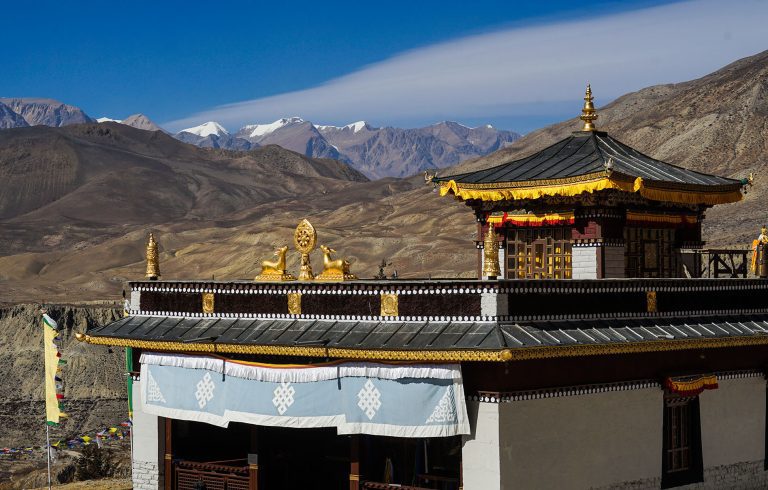
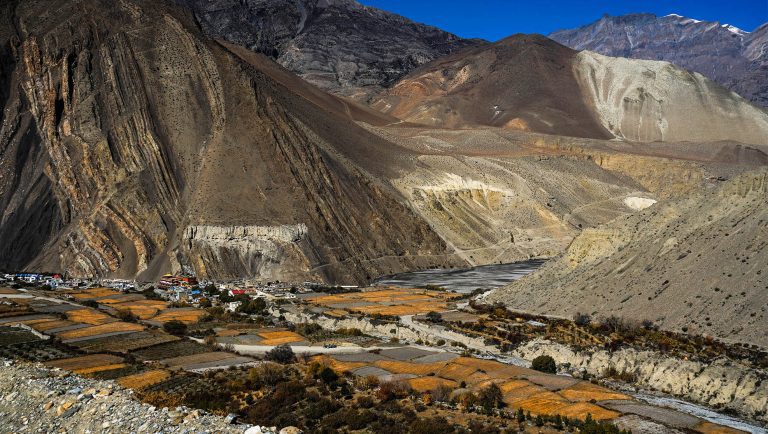
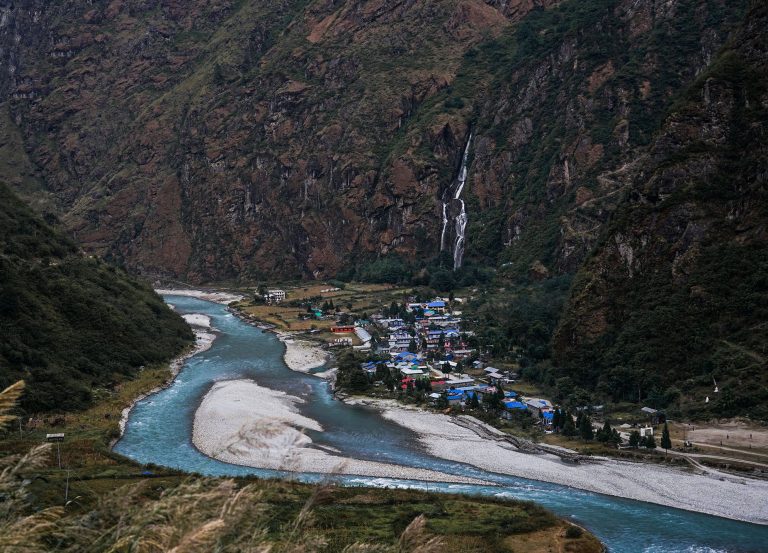
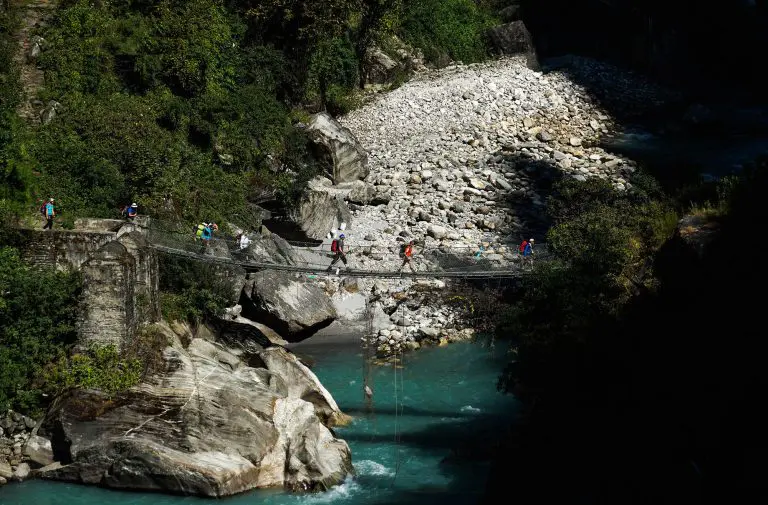
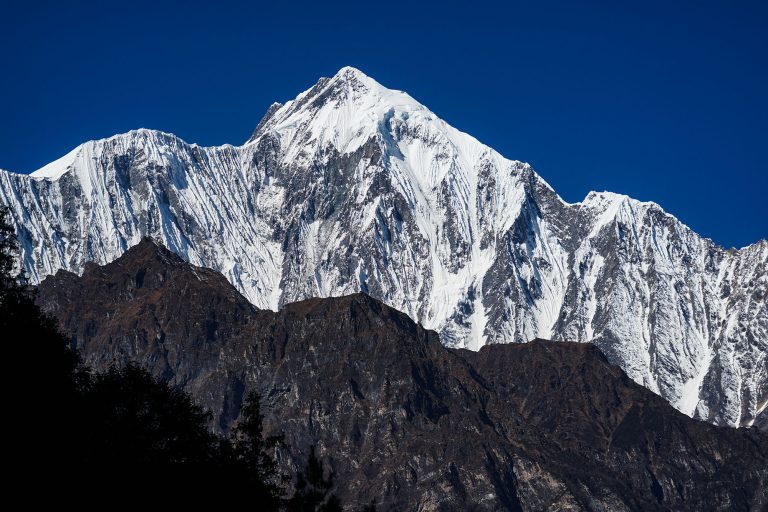
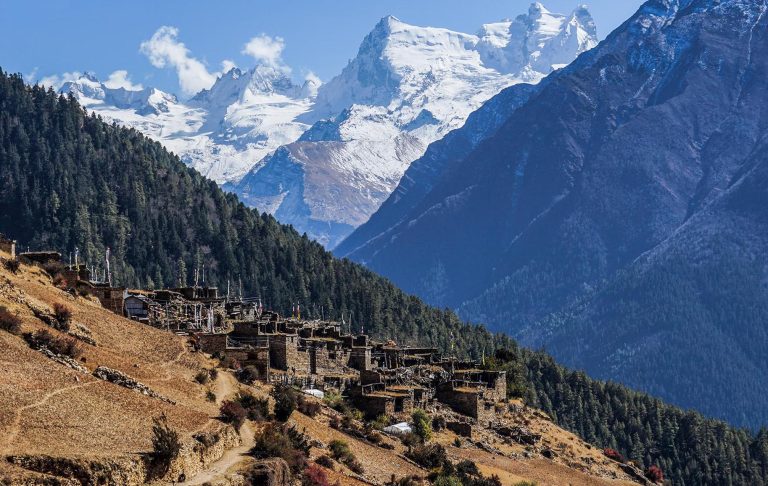
Experience this 15 day Annapurna Circuit Trek through Nepal's most scenic and culturally rich region. Hike from Jagat to Jomsom via Thorung La Pass, total 136km/84mi, explore traditional Gurung and Thakali villages, and enjoy incredible views of the Annapurna and Dhaulagiri ranges before flying to Pokhara.
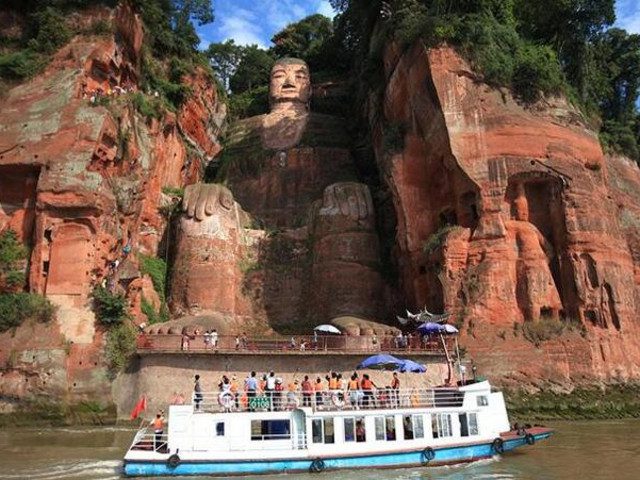
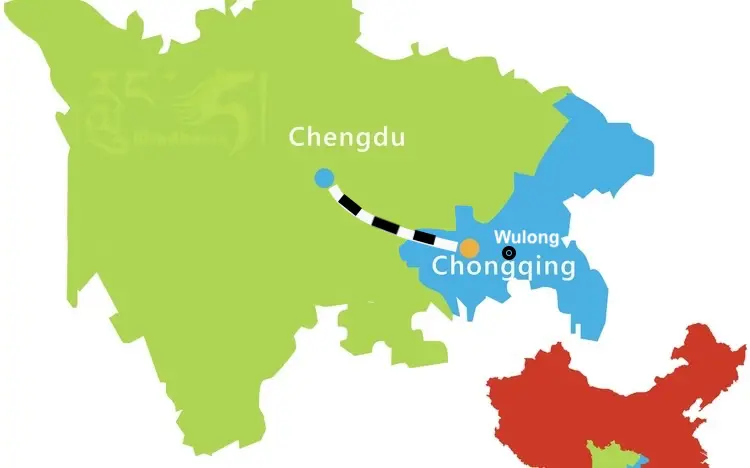
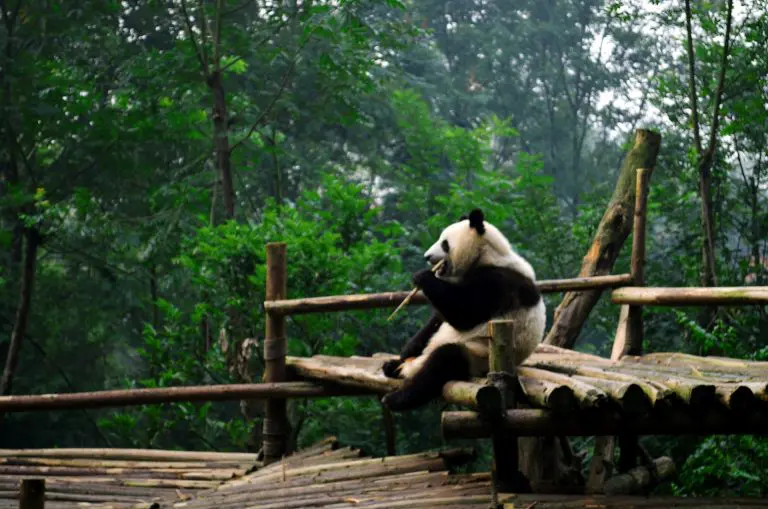
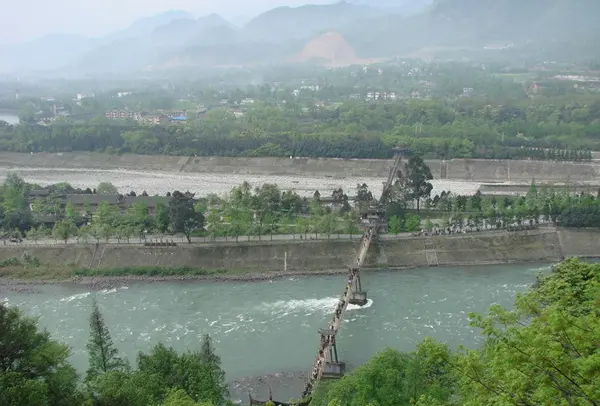
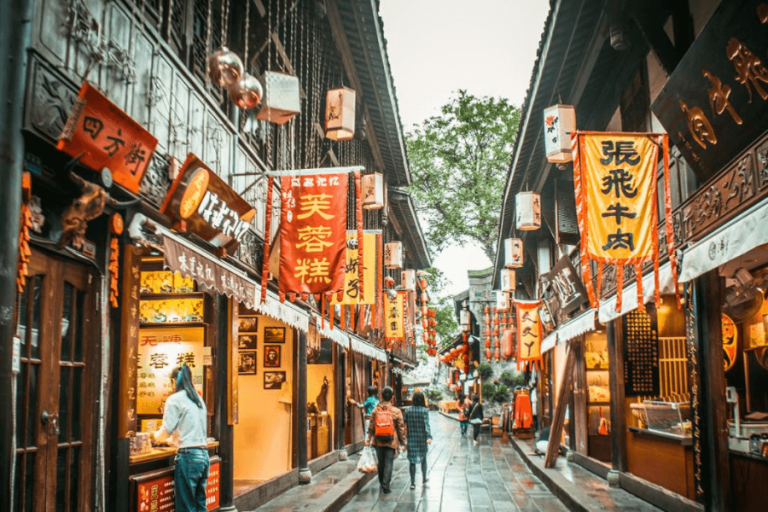

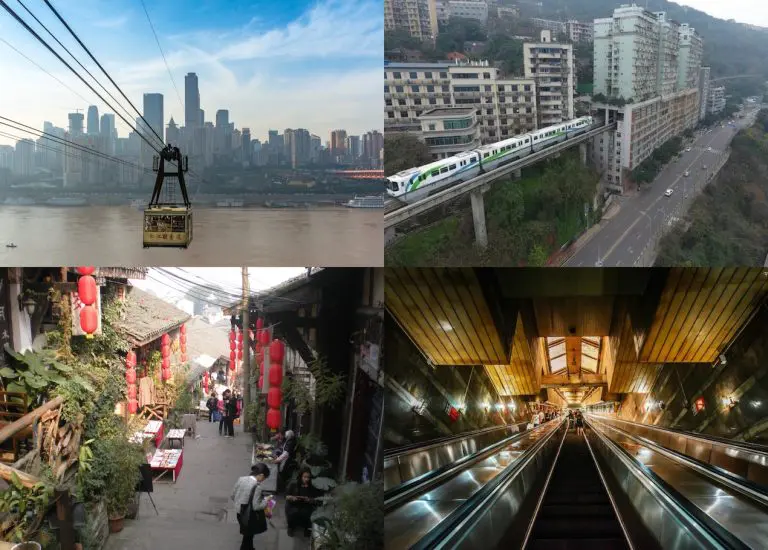
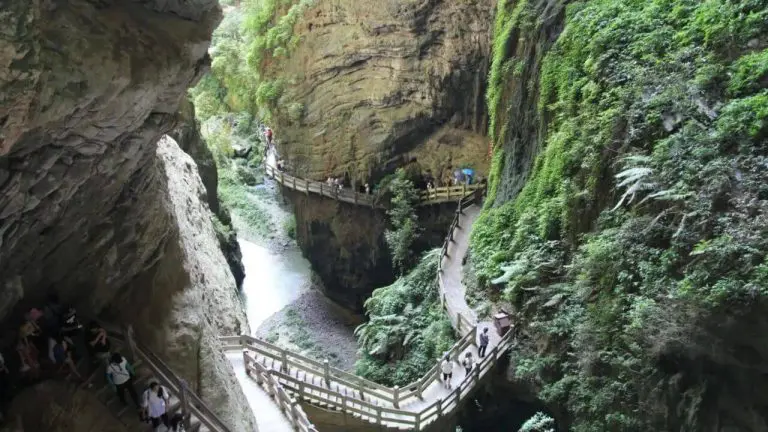
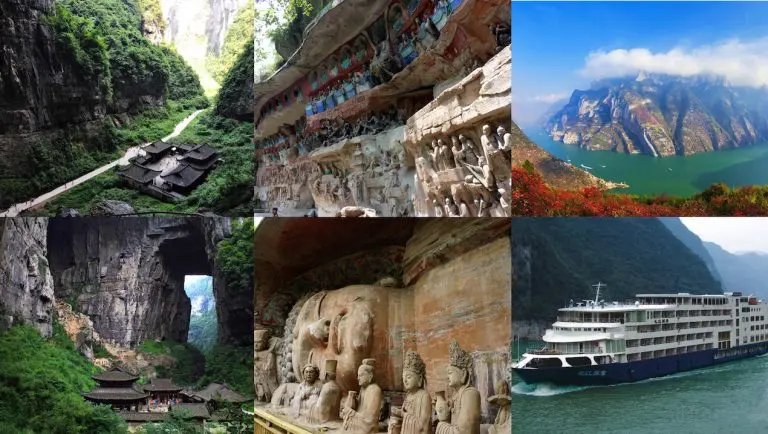
Travel through the top two cities of Southwest China on this 6-day Chengdu to Chongqing Tour with Wulong Karst. See giant pandas, the Leshan Grand Buddha, and Dujiangyan in Chengdu, explore Chongqing’s lively old streets, and marvel at Wulong’s UNESCO-listed karst bridges and gorges.
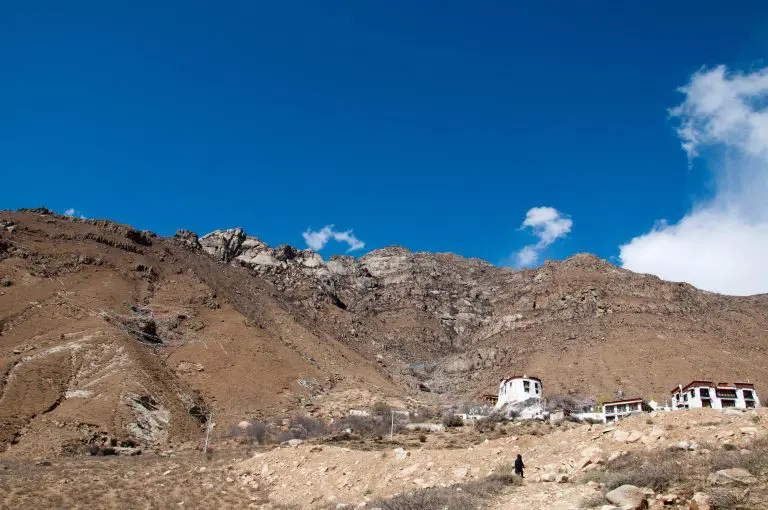
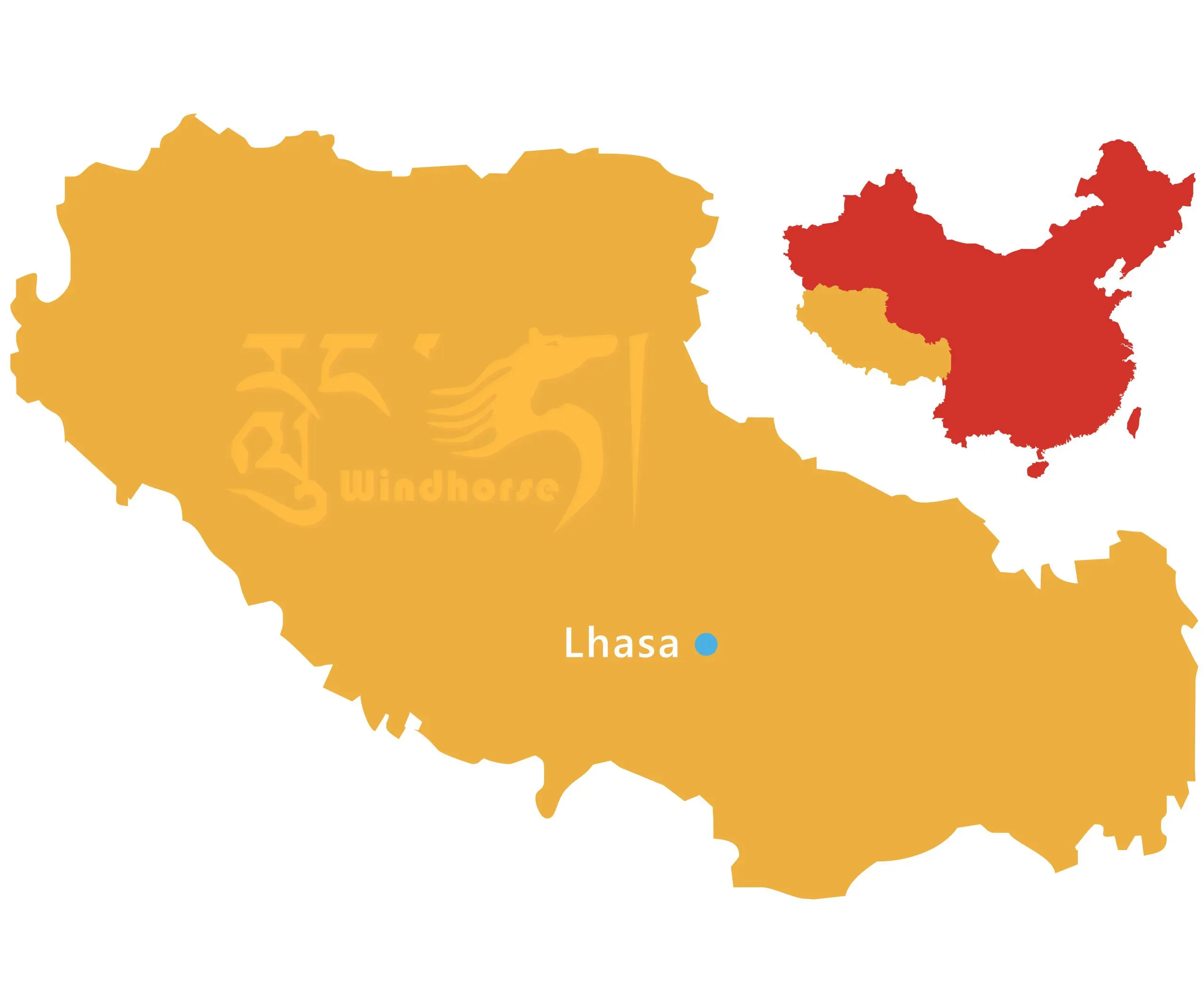
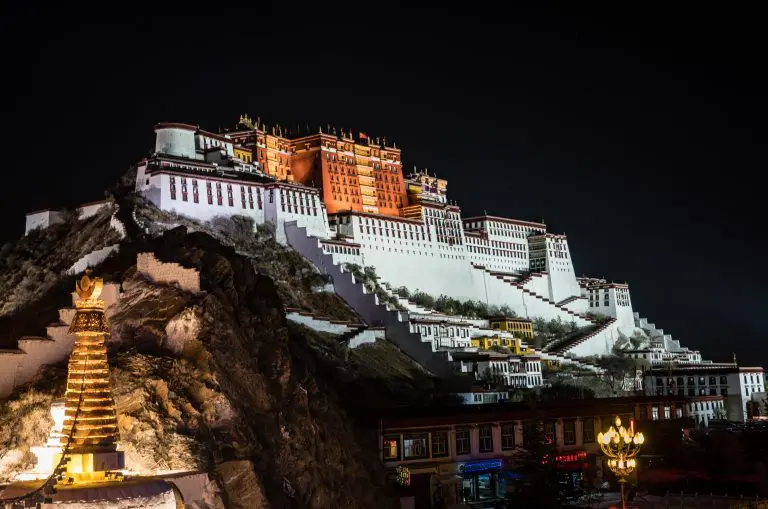
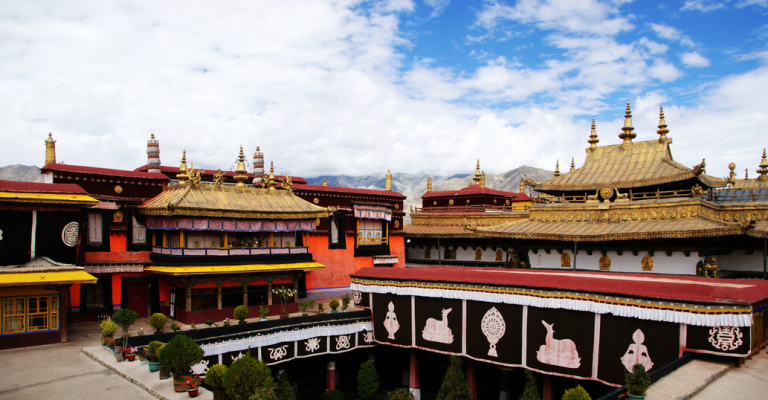
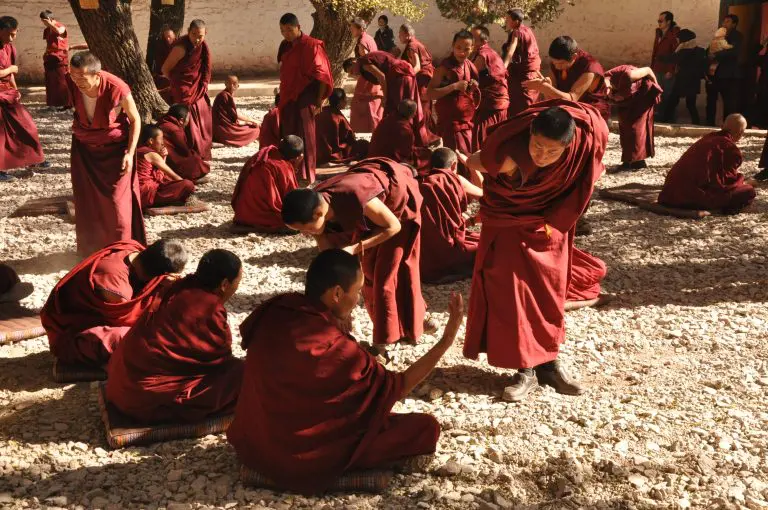
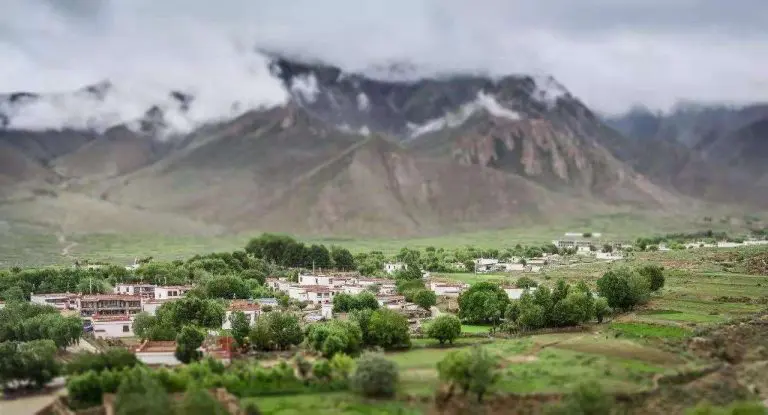
Experience Tibet’s culture and nature on this 6-day Lhasa Hiking & Nomad Experience Tour. Visit Lhasa’s landmarks, hike peaceful valleys, and visit a Tibetan nomad camp to learn about their traditional lifestyle on the plateau.
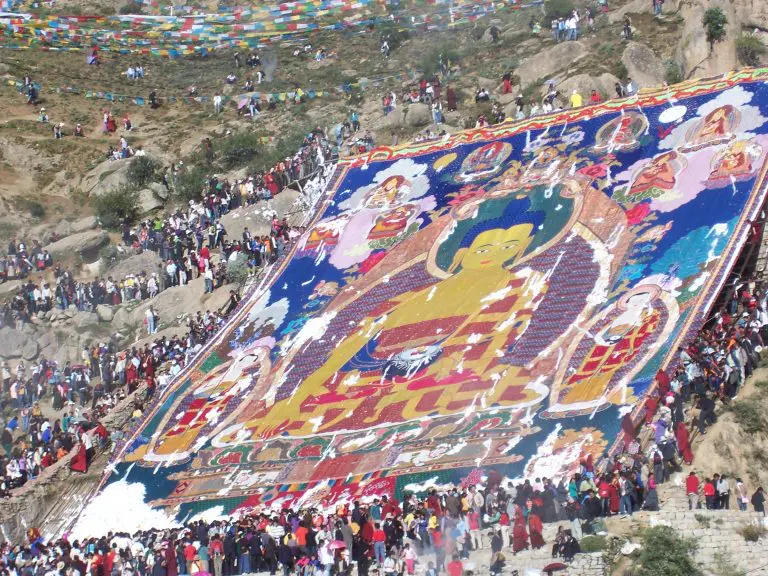
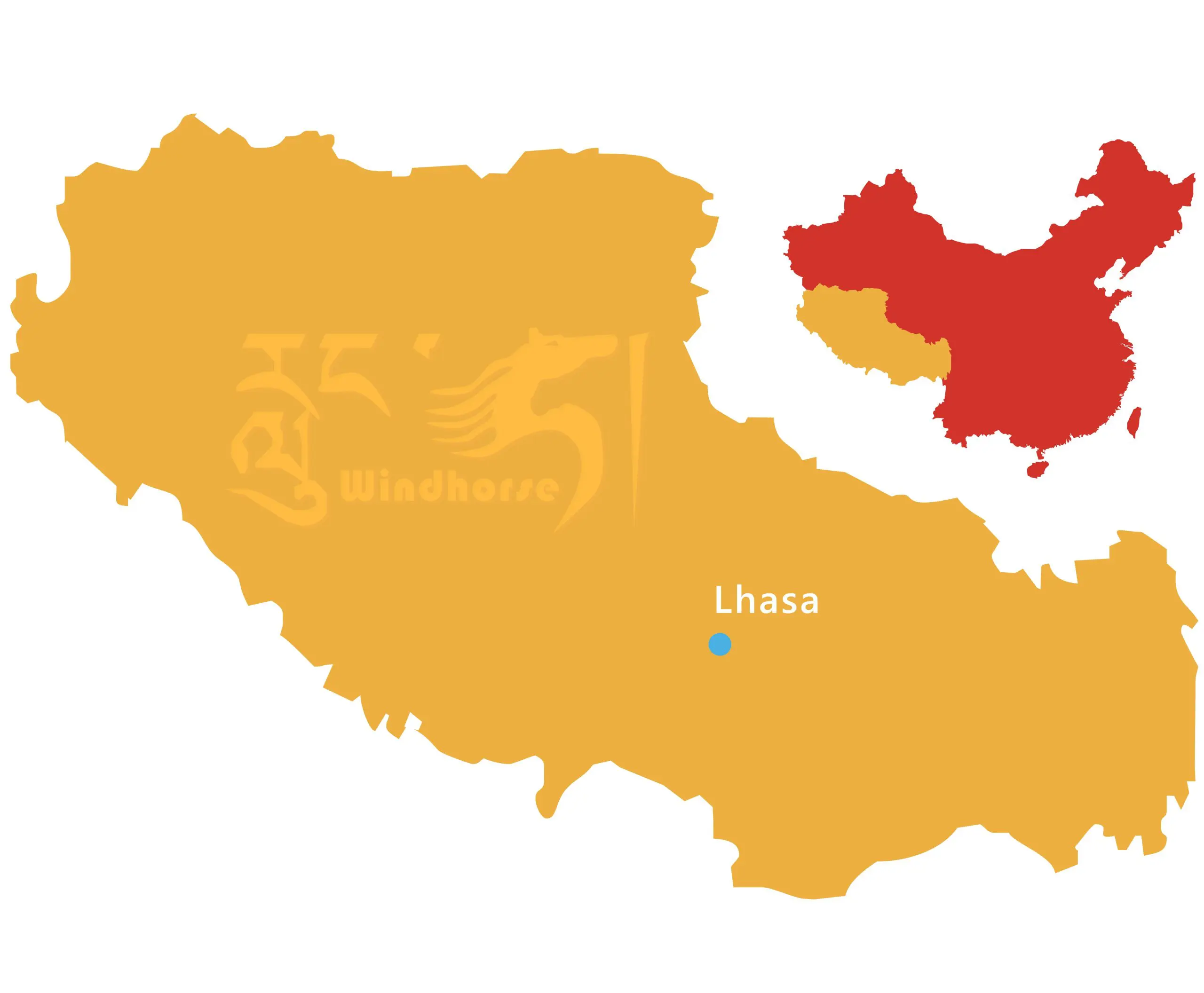
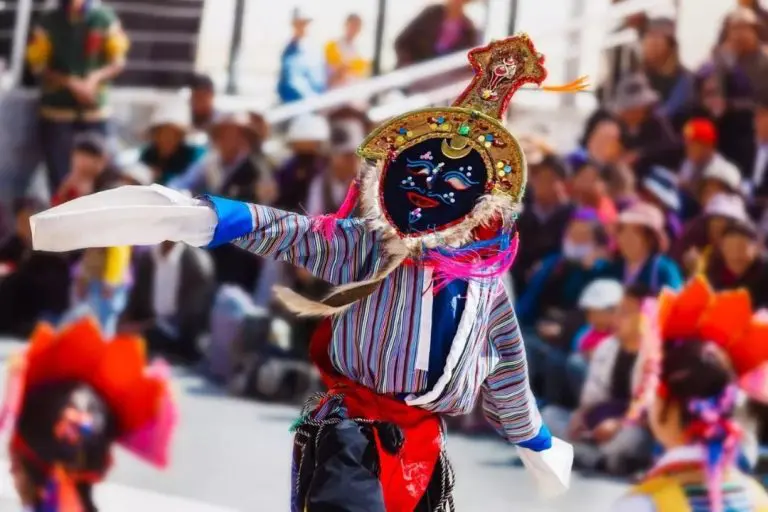

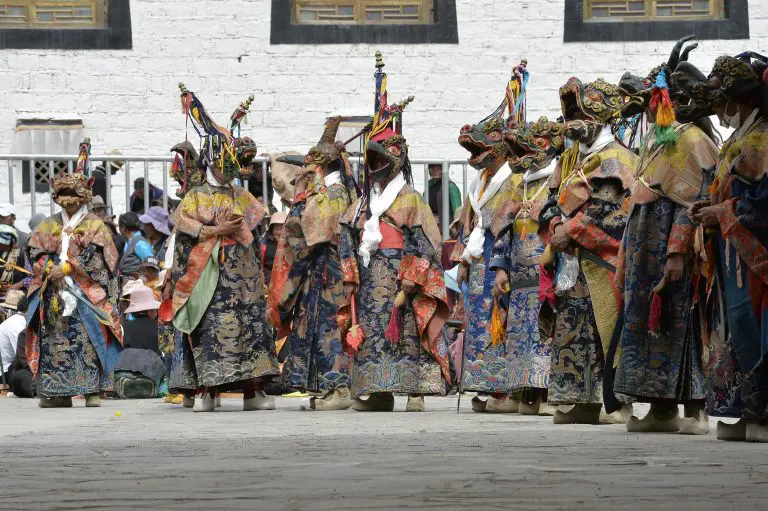
Join our Tibetan Shoton Festival Tour and experience one of Tibet's major religious celebrations on Aug. 23rd 2025. Enjoy the grand unveiling of Thangkas at Drepung Monastery and lively Tibetan opera performances at Norbulingka Palace and more.