
Xijiang Miao Village
Xijiang Miao Village is a must see if you want to explore the Chinese ethnic minority villages in Guizhou Province. It is one of the biggest Miao villages in Guizhou and is featured by Miao’s lifestyle, exotic dress and the unique architectural wooden houses.

Read on travel tips on its location, history, what to see, local customs, festivals and beyond. Xijiang Miao Village is a national cultural heritage in China.
Located 35 km. (22 mi.) northeast of Leishan County and 80 km. (50 mi.) away from Kaili, Xijiang is a settlement area for 1,000 households, a living fossil for history study and local culture of the Miao ethnic groups.
Xijiang Miao Village, located on two large slopes, is featured by its unique traditional residences, which are made from wood. All the houses are so densely distributed along the slopes, seen from a far distance, the slopes seem to be covered by black forests.
Walking along a zigzag cobblestone paths, you can get into the village, with every house standing on both sides of the old road. If you come here in a fine day, you will find everything emerges bright and clear, giving you an impression that you are in a beautiful landscape painting.
Xijiang Miao Village is built nestling besides the mountain near the rivers, which leave a wonderful natural scenic spots for this village. There are in total four rivers across this village and dividing it into two parts.
Interested in This Attraction? Contact Us Now!
The rivers seem to be great decoration of the village and is extremely beautiful with clear and green water all the way down. Moreover, the old bridges over the rivers seem to have gone through many years’ wind and rain, which are great places for resting, gathering and sight seeing.
Most people in Xijiang Miao Village are Miao ethnic group and they are very friendly to tourists coming here. So you can enjoy a hike around their valley or even have a meal in their house, with many local dishes are displayed and the local people sitting at the same table.

There are also many unique festivals of Miao people, such as Lusheng Festival, the New Year and the harvest celebration. These festivals are hold for the Miao people to worship their ancestors or celebrate harvest given by the Heaven.
If you come here at that time, you presented with a great banquet of songs and dances, which will surely glut your eyes.
Xijiang is also famous for its silversmiths, who will make all kinds of glittering silver ornaments for the Miao girls, such as neck rings, necklaces, earrings, bracelets, beads and sheaths of engraved silver.
All the ornaments weigh about 9 kg. (20 p.)! They all reflect the great craftsmanship of the silvermen.
Final travel tips for you: admission for Xijiang Miao Village is 100 RMB (17 USD). Xijiang Miao Village is a great place to enjoy the ethnic custom if you travel to Guizhou. One of the most popular ethnic tours of WindhorseTour clients is Guizhou Guilin Ethnic Culture Tour with Li River Cruise – 11 Days.
Start Your Private China Tour Today!
Related tours

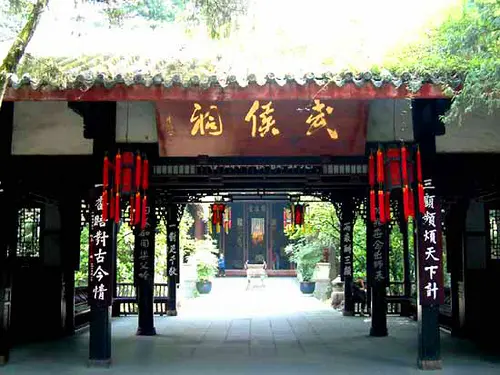
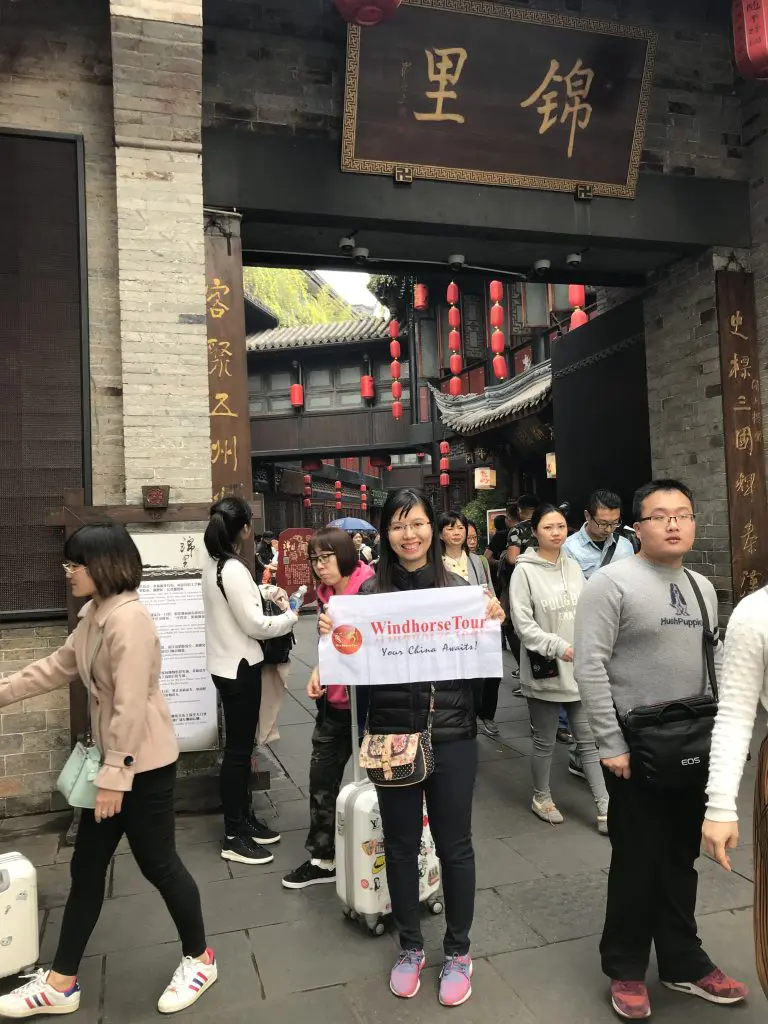
Experience Chengdu in a day! Visit the Chengdu Panda Base to watch giant pandas during feeding time, explore Wuhou Shrine’s rich history, stroll lively Jinli Ancient Street, and relax at People’s Park with locals over tea for a taste of Chengdu’s laid-back culture.
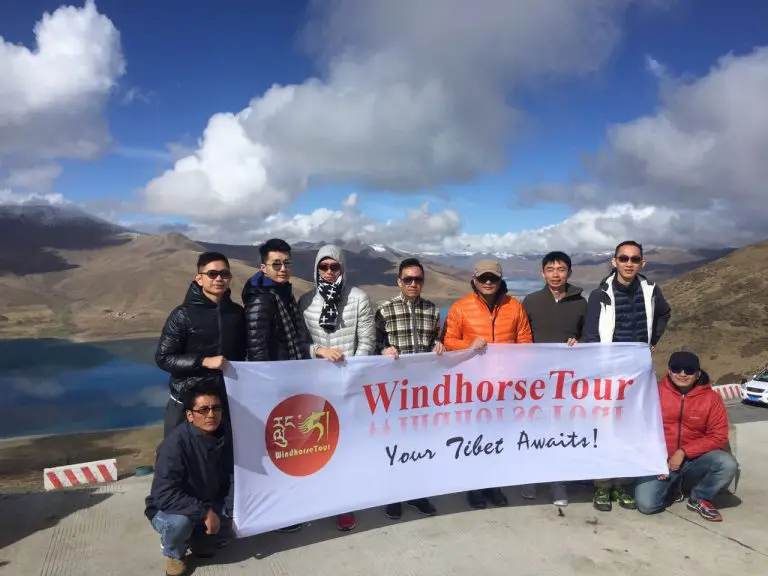
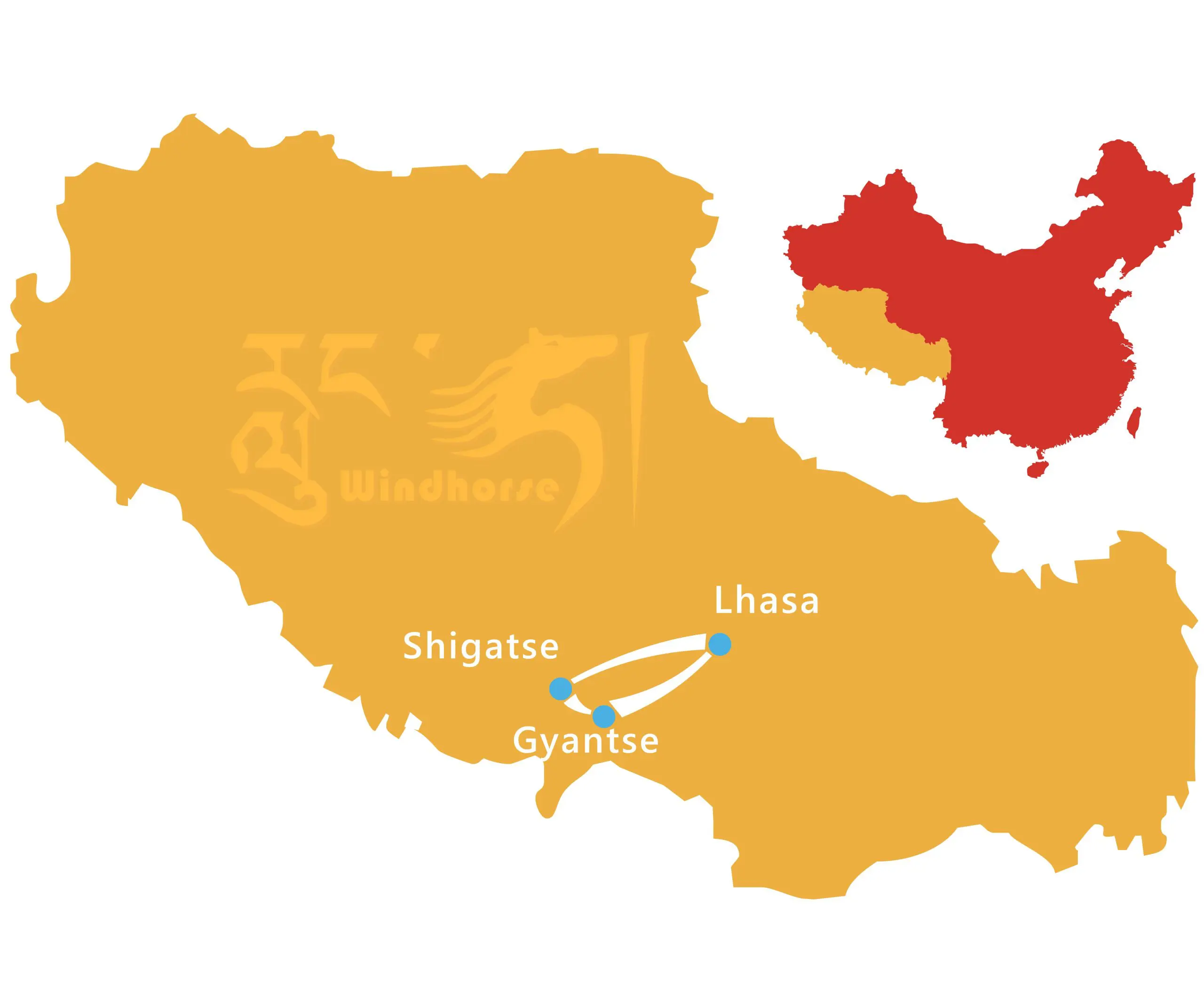



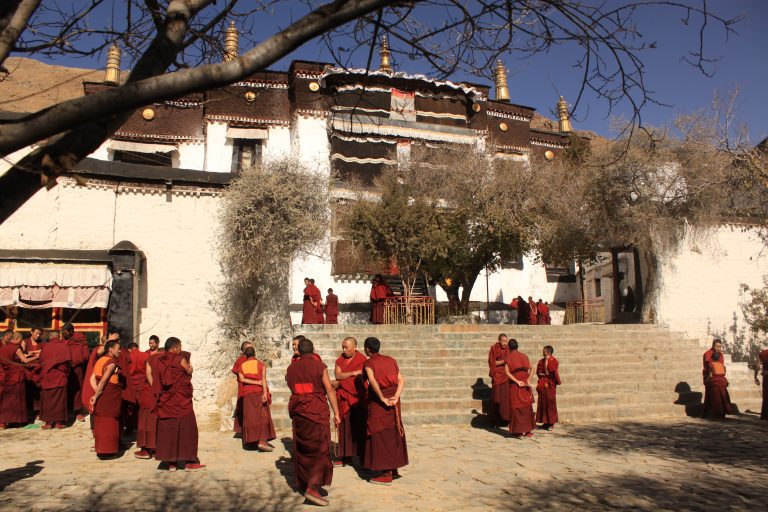
Discover Tibet’s culture and scenery on this 6-day Lhasa Shigatse Group Tour. Explore Potala Palace, Jokhang Temple, Yamdrok Lake, and Tashilhunpo Monastery while traveling with like-minded explorers on this classic Central Tibet route.

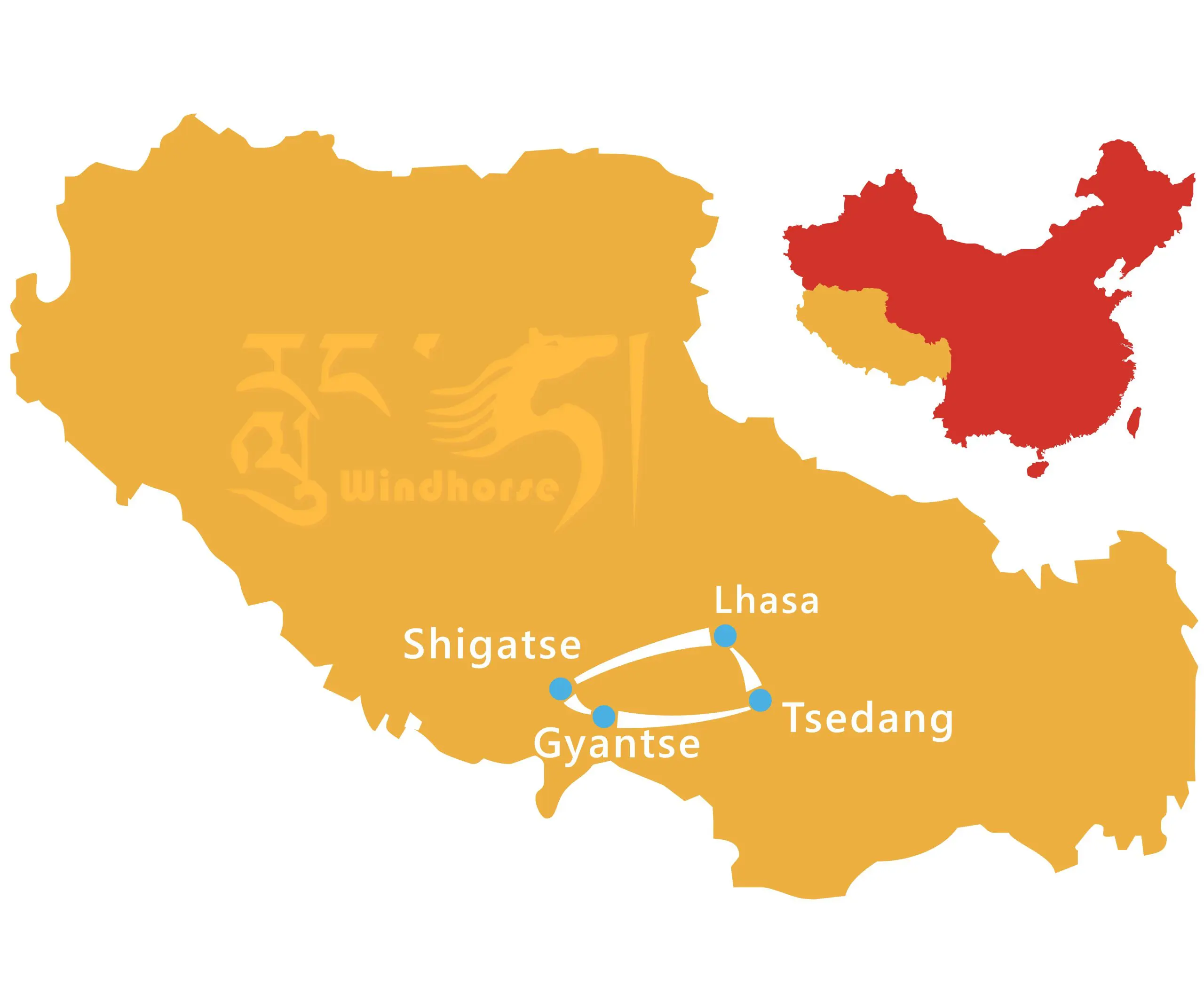
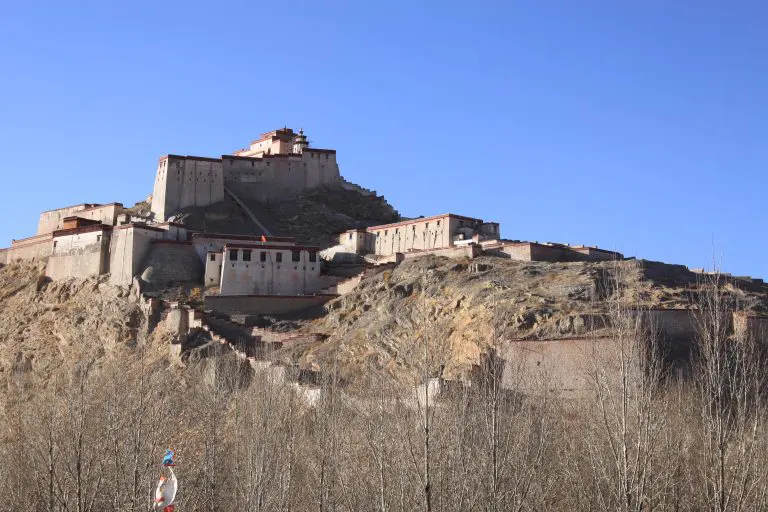


Experience the cultural heart of Tibet on this 8-day Central Tibet Cultural Tour. Explore sacred temples, ancient palaces, and beautiful highland landscapes from Lhasa through the Yarlung Valley to Shigatse. Visit Samye Monastery, hike to the meditation caves of Chimpu Hermitage, and discover Yamdrok Lake and Gyantse Kumbum along the way.
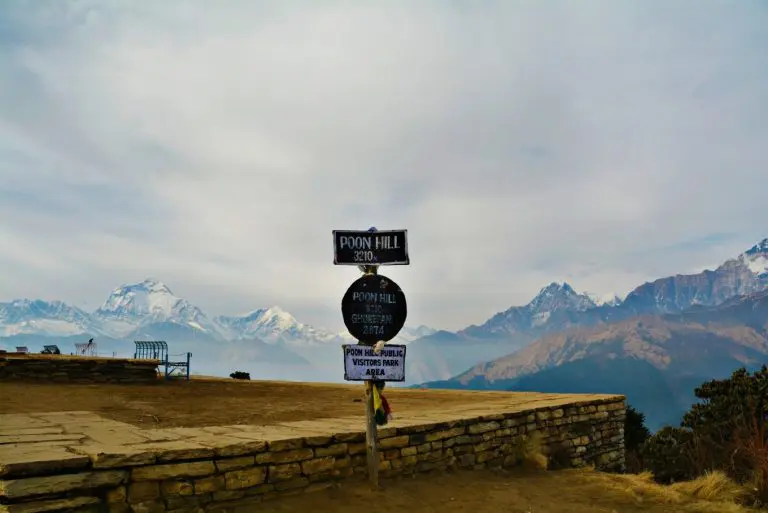
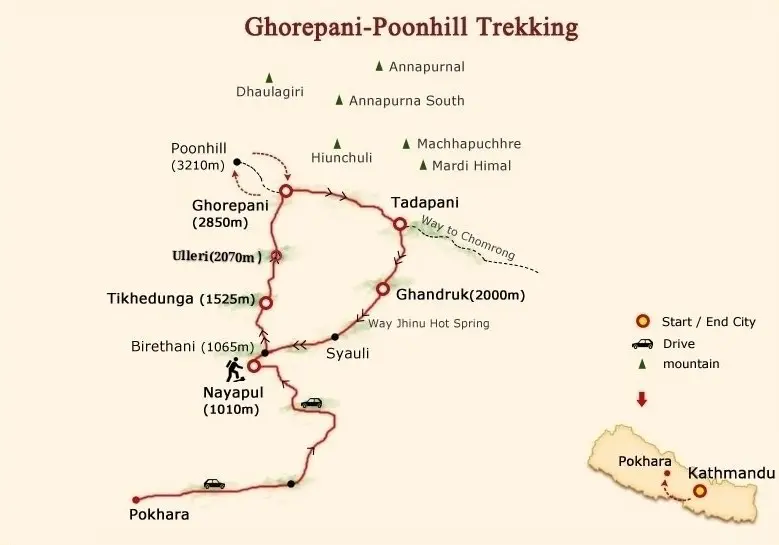
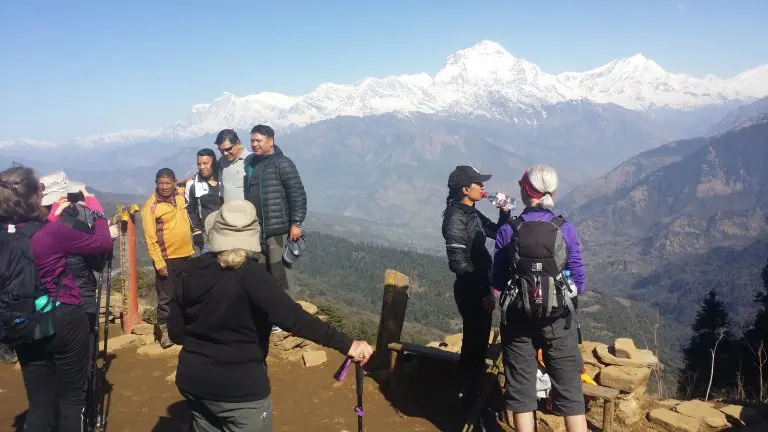
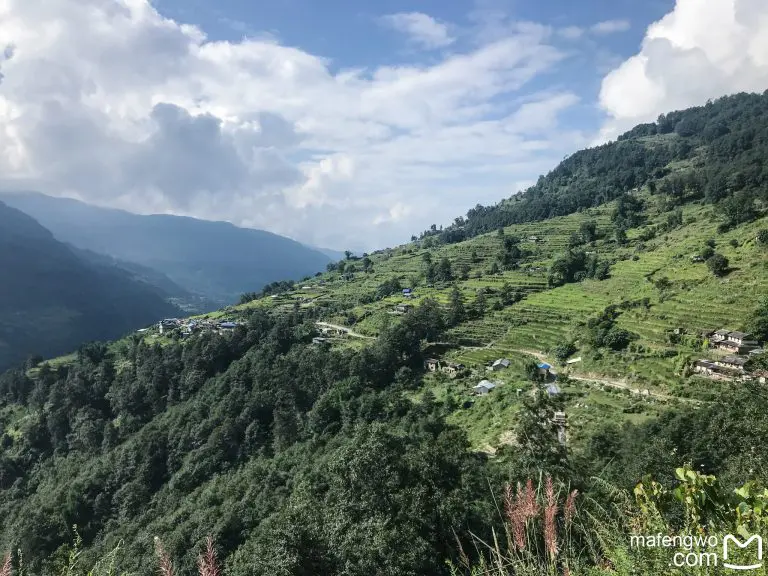
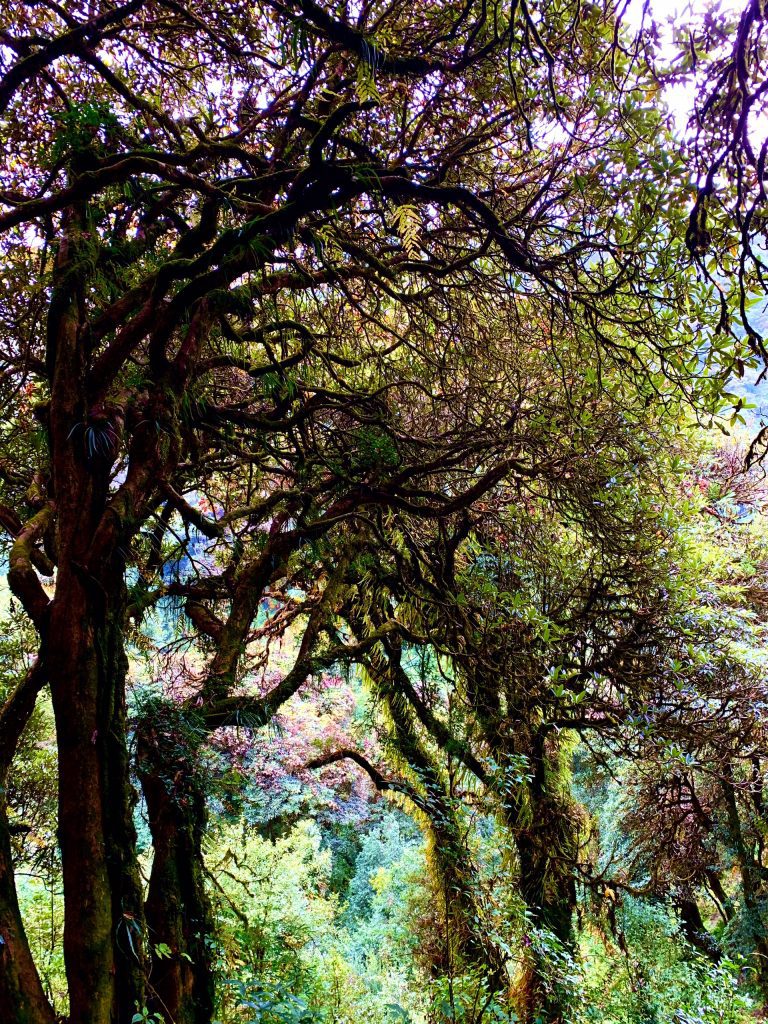
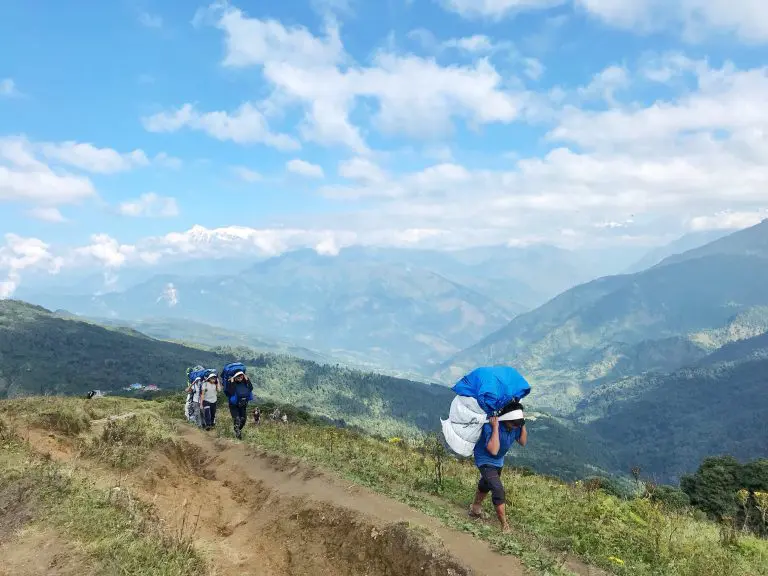
Experience this 10 day Ghorepani Poon Hill Trek, one of the easiest and most scenic short treks in the Annapurna region. Hike through blooming rhododendron forests, traditional Gurung villages, and green rice terraces to the famous Poon Hill viewpoint for sunrise over Annapurna and Dhaulagiri.