
Ankang City
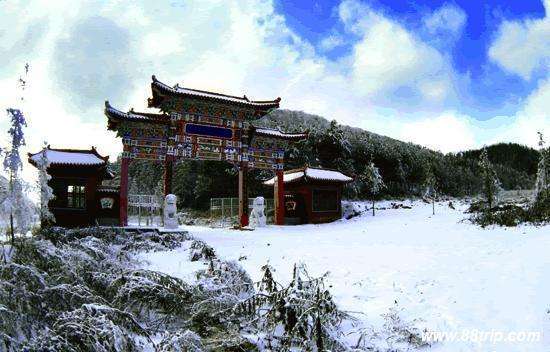
Ankang (安康; ān kāng), also known as Jinzhou (金州) in ancient times, is located at the south end of Shaanxi Province. Administering one district and nine counties, it covers an area of 23,391 sq.km. (9,031 sq. mi.) and has a population of 2.95 million which consists of twenty-three nationalities such as Han, Hui, Tujia, and the Korean and Hui is the largest minority group.
Ankang is a city that is surrounded by strong religious atmosphere for there are now some 100,000 believers in five religions: Taoism, Buddhism, Islam, Christian, and Catholicism. According to historical records, Buddhism was introduced to Ankang in Tang Dynasty, Taoism in Song Dynasty, Islam in Yuan Dynasty and the last two religions in Qing Dynasty during the reign of Daoguang Emperor (道光帝; 1782-1850). Temples, halls and palaces dedicated to the activities of these five religions are scattered in many places of Ankang making it an important and active religious center in Shaanxi Province.

At present, there are 32 scenic areas and 78 scenic spots in Ankang. This include five national forest parks: Nangongshan Mountain, Guigu Mountain, Qianjiaping, Tianhua Mountain, and Shangbahe National Forest Parks and several provincial forest parks as well as two national nature reserves: Liubeiliang and Hualongshan Nature Reserves. Other tourist attractions include Han River, Tianzhu Mountain, Bashan Pool, Xunyang Museum and Wenfeng Tower.
In Ankang, Sericulture plays an important part in the development of economy and currently three major private enterprises are devoted into this sector. Due to its favorable geographic location, tea trees are widely grown in eight counties and one district in this city. In 2010, the total area of tea gardens reaches ten 430,000 mu with a yield of 8,800 tons and an output value of one billion yuan. Moreover, thirteen kinds of famous tea have been developed winning more than 20 awards for their high quality.Besides, winter peaches produced in Cigou village, 50 km. (31 mi.) away from Ankang is well known for having tiny kernels and tender flesh, and the quality of being sweet, crispy and not easy to rot.
While you are in Ankang, be sure to have a try of the local food and snacks such steamed noodles, dried bean curd and the special kangkangmo (a kind of pancake). The dragon boat festival held annually there is also worth a visit to see as well as the characteristic Han opera, the second largest type of operas in Shaanxi Province.
Related tours

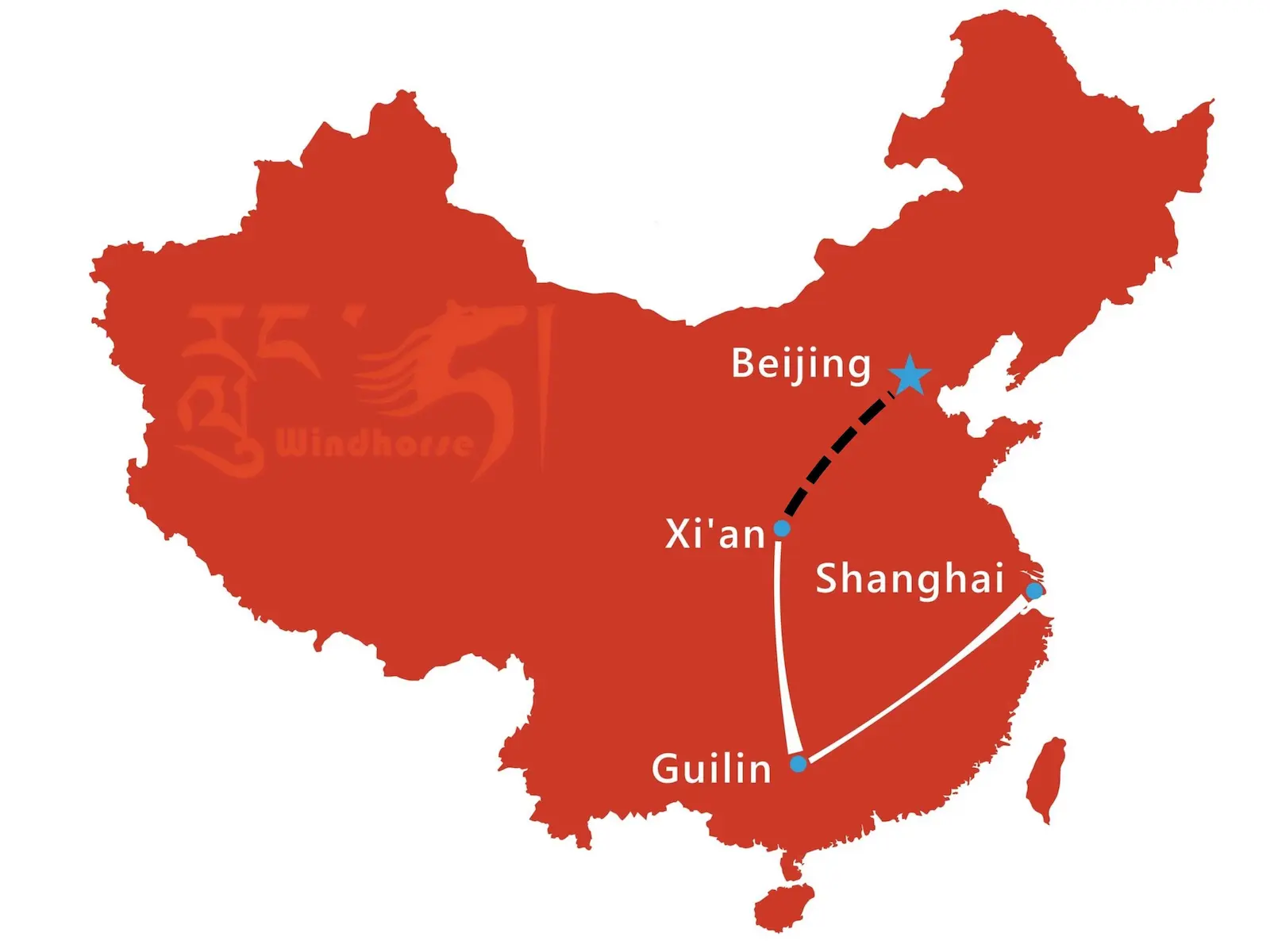
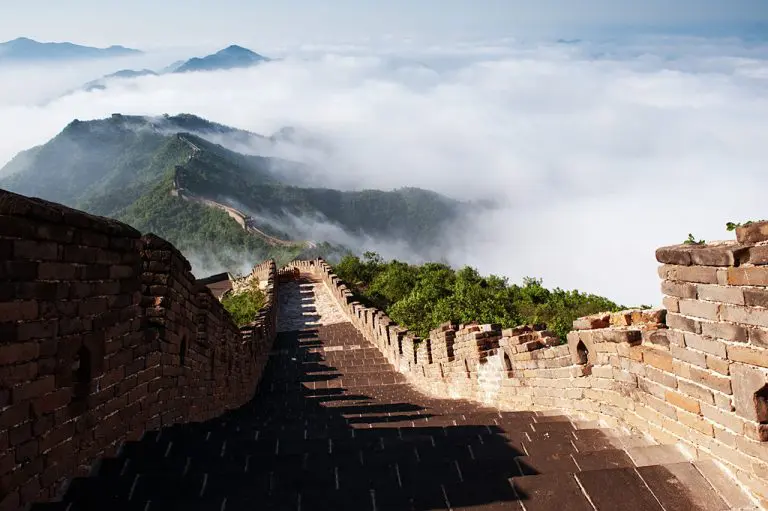

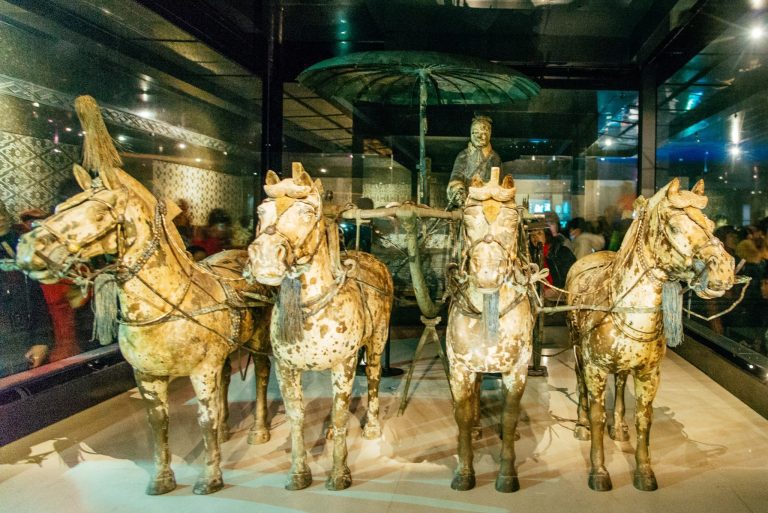


This 13 day China tour highlights Beijing, Xi’an, Guilin and Shanghai. Walk the Great Wall, see the Terracotta Warriors, cruise the Li River, explore Yangshuo and discover Shanghai’s blend of tradition and modern city life.
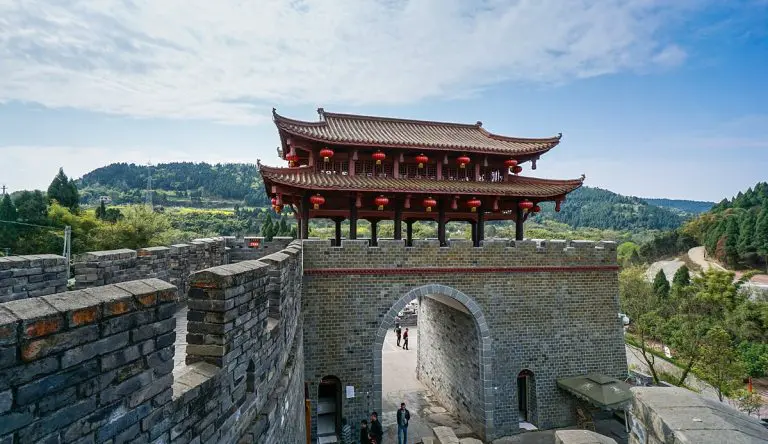
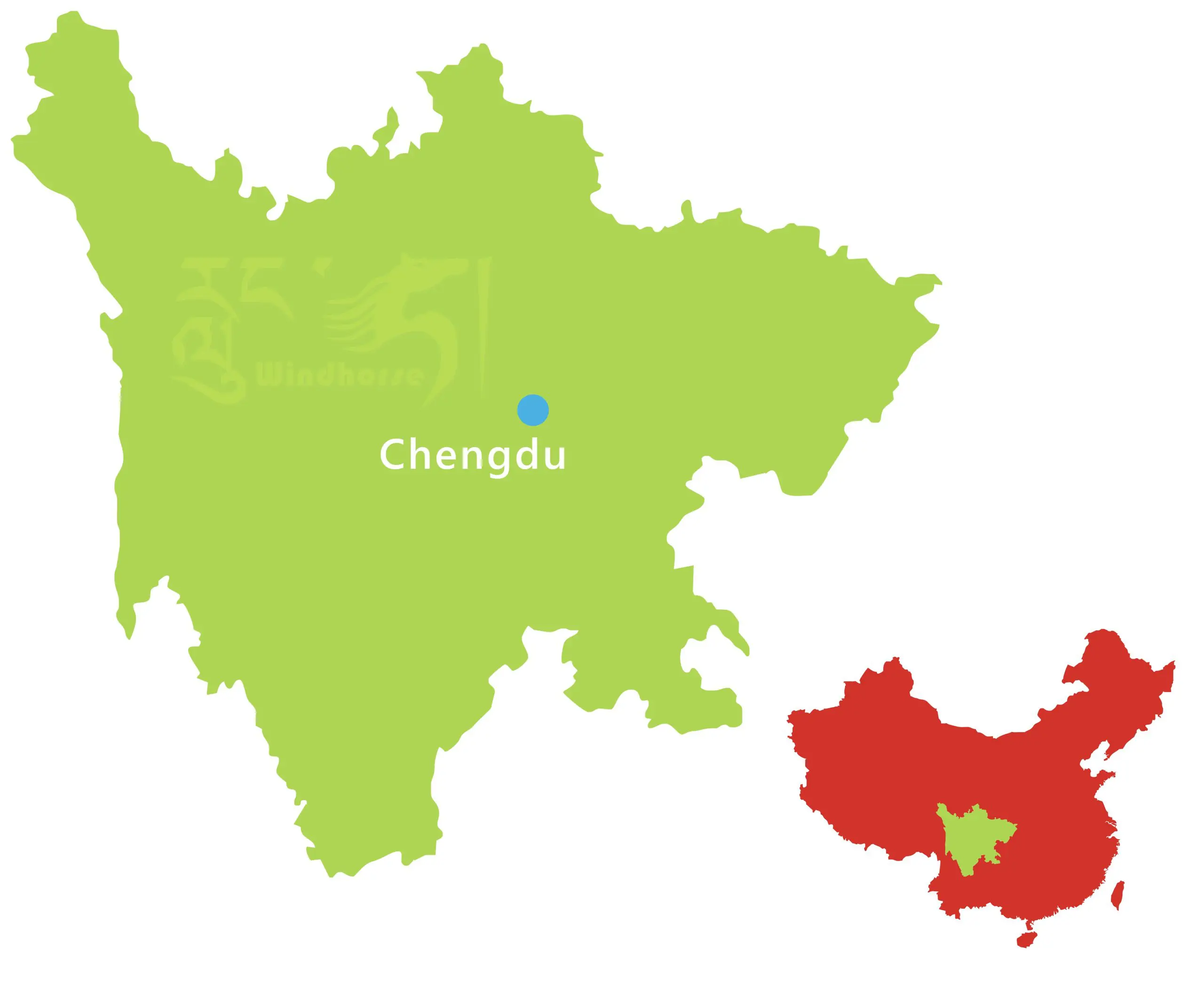
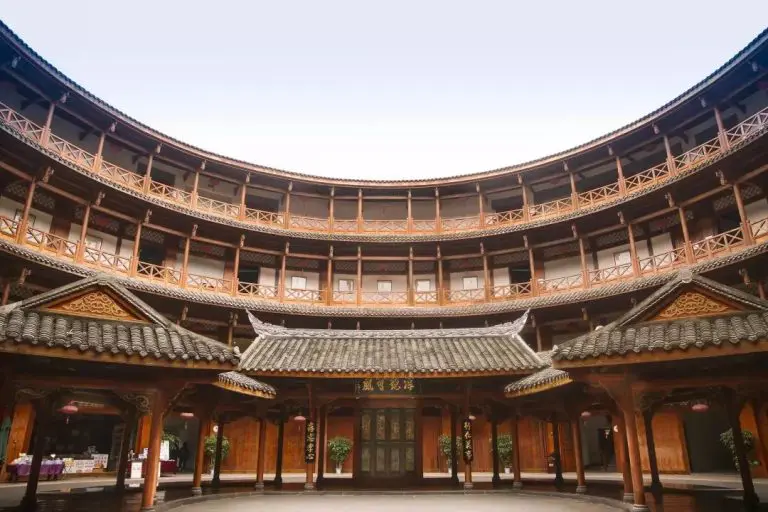
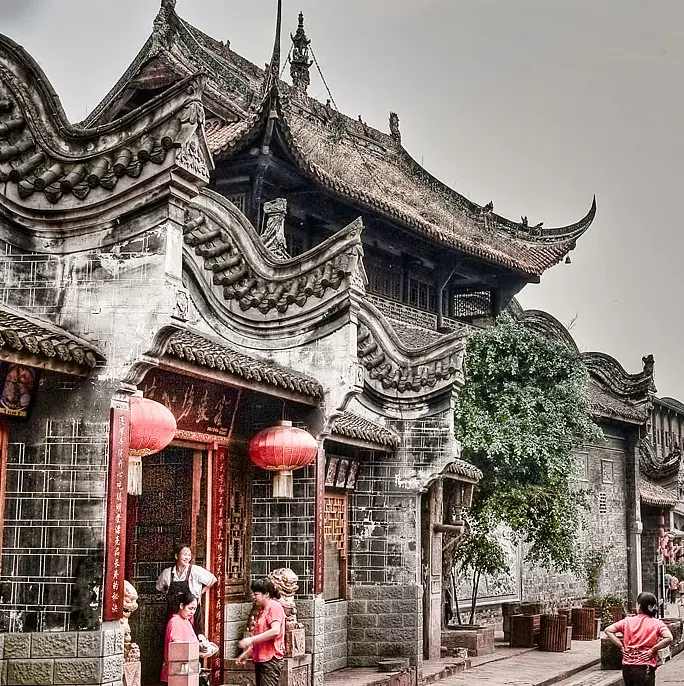
Luodai a 2,000 year old ancient town is a top choice for venturing out of Chengdu into the surrounding areas. Hike what some call Chengdu's Gerat Wall, the "Golden Dragon Great Wall" offers a beautiful view of the countryside.

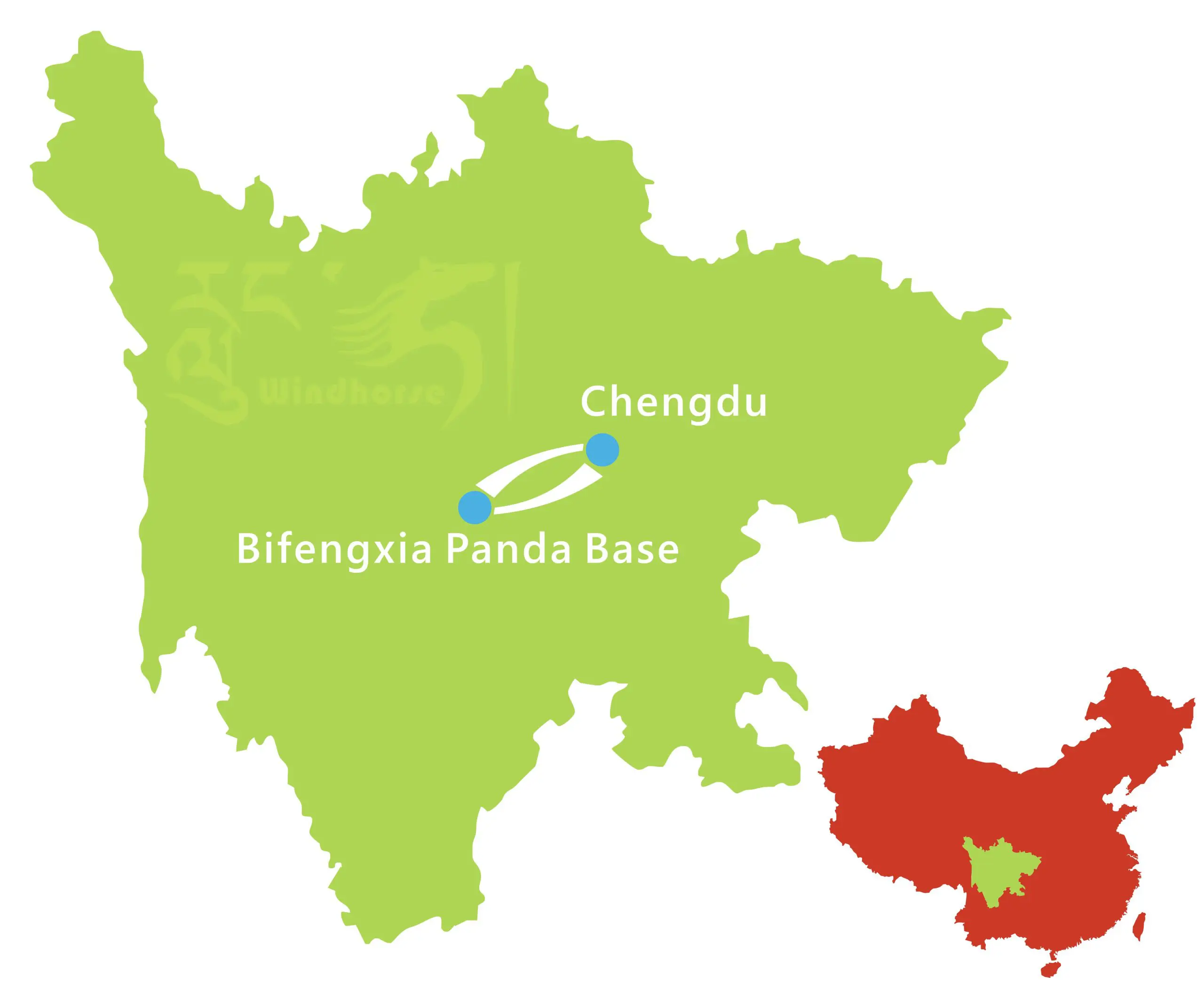

Join our Panda Volunteer Program at Bifengxia Panda Center and seize the unique opportunity to care for giant pandas. Engage in activities like feeding and cleaning as an assistant to a panda keeper. This tour is ideal for wildlife enthusiasts.
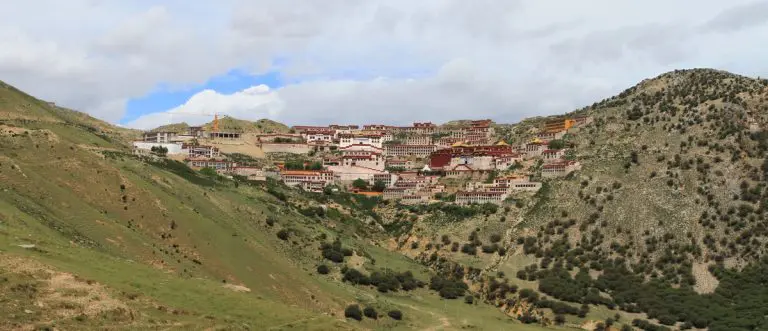
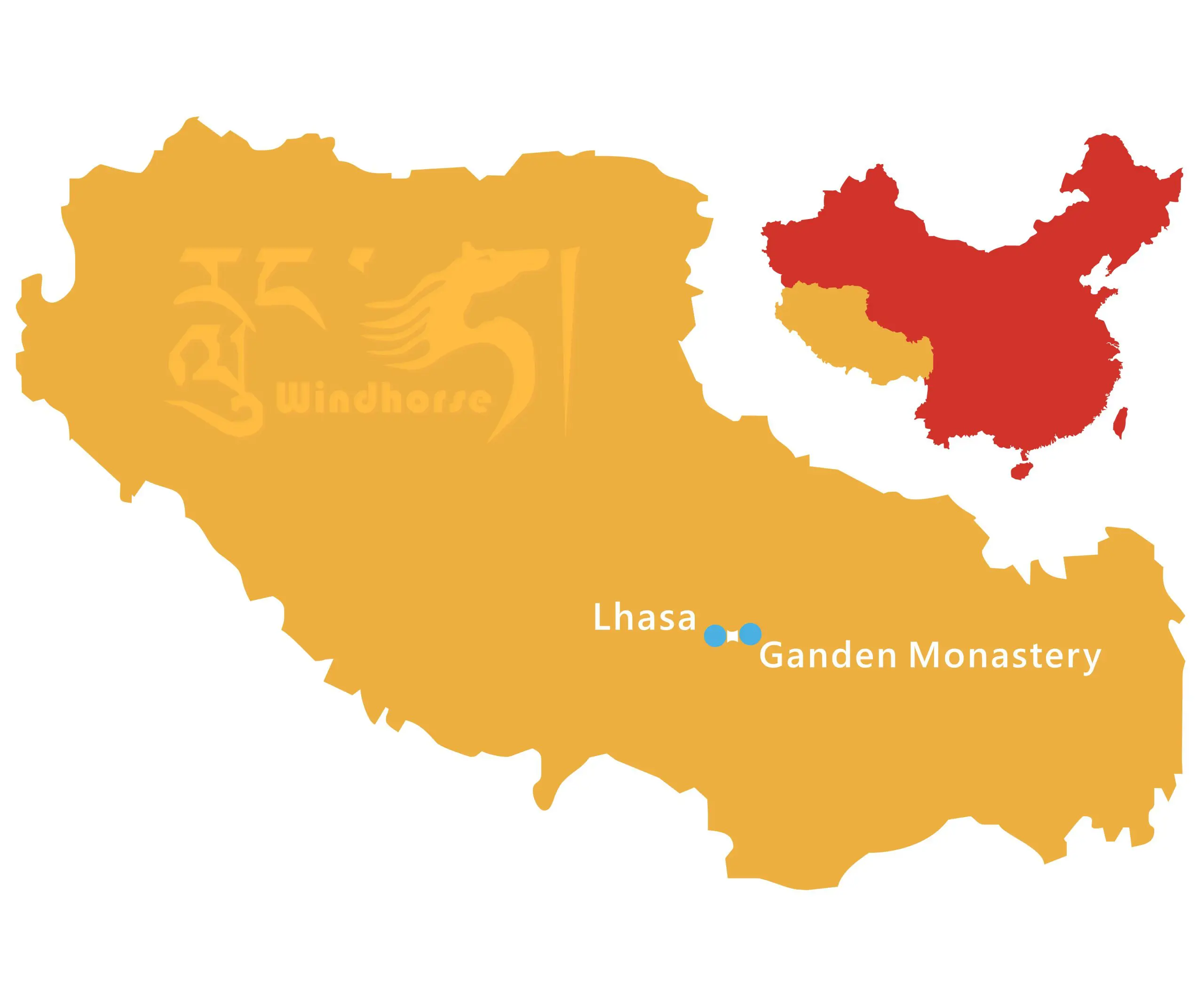
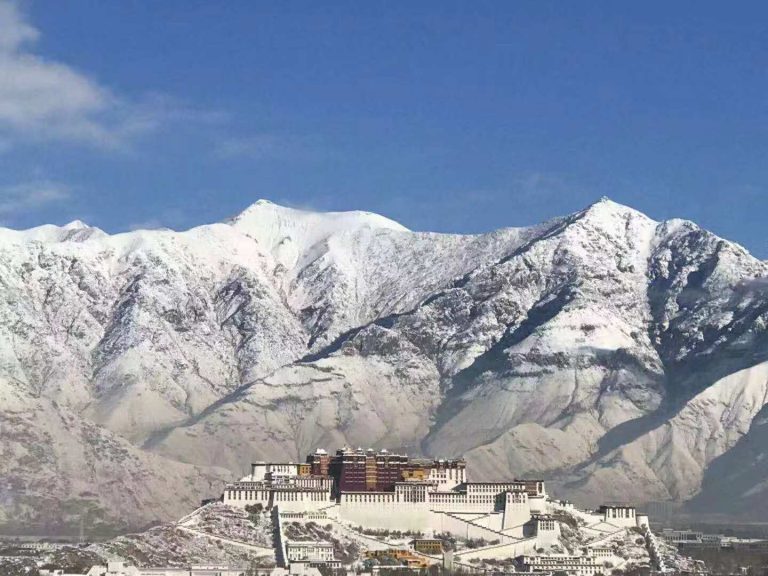
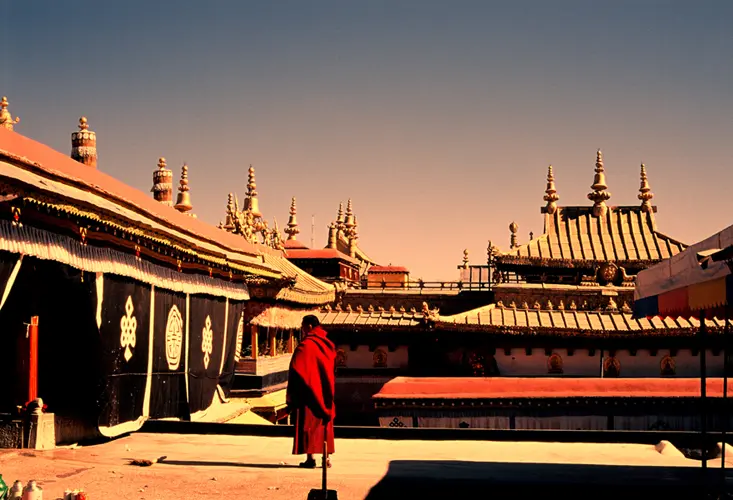
Discover Tibet’s spiritual and cultural heart on this 5 day Lhasa Ganden Monastery Tour. Explore Potala Palace, Jokhang Temple, Drepung, and Sera Monasteries, then travel to Ganden Monastery for panoramic views of Kyichu Valley and a scenic hike on the monastery hill.
Comments

Good day. I am interested in the 16 day Tibet by train. And 8 day Xinjiang. I would like to do both.
Both include acomodation? What is the average age of guests? Could I get a quote for both.
I arrive to Beijing Agoust 30 2026

Dear Juan Martin,
Good day, and thank you for your message!
For Xinjiang, we currently only arrange private tours, as we don’t have any scheduled group departures at the moment. You’re welcome to browse the itineraries on our website, and if you find anything that interests you, just let me know. I’d be happy to customize the itinerary and prepare a quotation for you.
For Tibet, if you prefer to travel by train, I would recommend starting from Xining to Lhasa. Compared with other departure cities, train tickets from Xining are generally easier to secure, and the journey is also shorter. We can arrange a train departing Xining on September 7 and arriving in Lhasa on September 8, which would allow you to join our 15-day Mount Kailash & Everest Base Camp Group Tour starting on September 8.
Yes, accommodation is included in the tour. Our group tours usually have a mix of ages, generally ranging from travelers in their 20s to 60s, creating a relaxed and friendly international group atmosphere.
I’ve already sent the detailed itinerary and quotation to your email. Please kindly check your inbox at your convenience.
I look forward to hearing from you!
Best regards,
Delia