
Kuqa great mosque

Kuqa Great Mosque is located in Kuqa (库车), Xinjiang, 4 k. m away from Kuqa new city. It is the second largest mosque in Xinjiang only next to Id Gah Mosque. The Mosque was originally built in the 15th century with an adobe structure. In 1700 s, it was renovated into a wooden architecture. In 1923, the Mosque was destroyed in a big fire and the present mosque was completed in 1931.

Covering an area of 1,165 sq. m, Kuqa Great Mosque is composed of two parts: the main body and a prayer hall. The prayer hall is large enough to hold as many as 3,000 persons. The Mosque is a unique I slamic style building with a door built by green tiles and a dome on the top. What is spectacular about the structure of the Mosque is the 64 prism-shaped pillars propping up the coffered ceiling which is decorated by intricate patterns.
In north of Kuqa Great Mosque, there is a ruin of a religious court which is a combination of religion and politics. It is one of the few Islamic organization for jurisdiction ever preserved in Xinjiang.The admission fee is 15 CNY per person and you can get there by taking Bus No.705.
Related tours
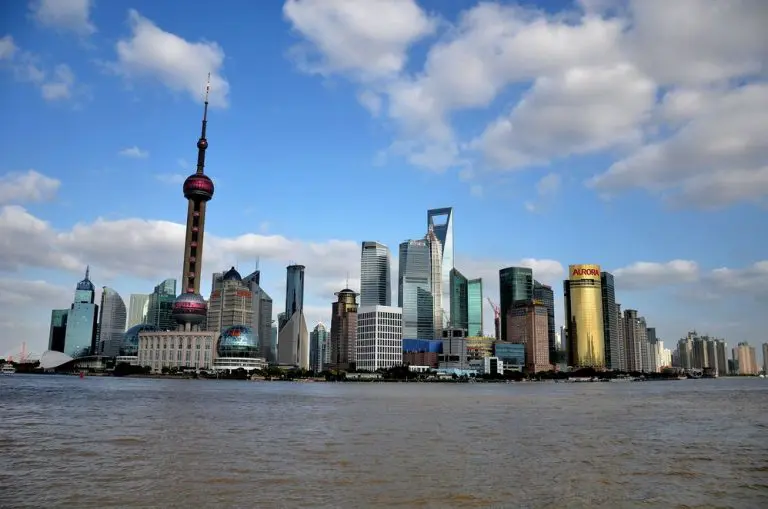
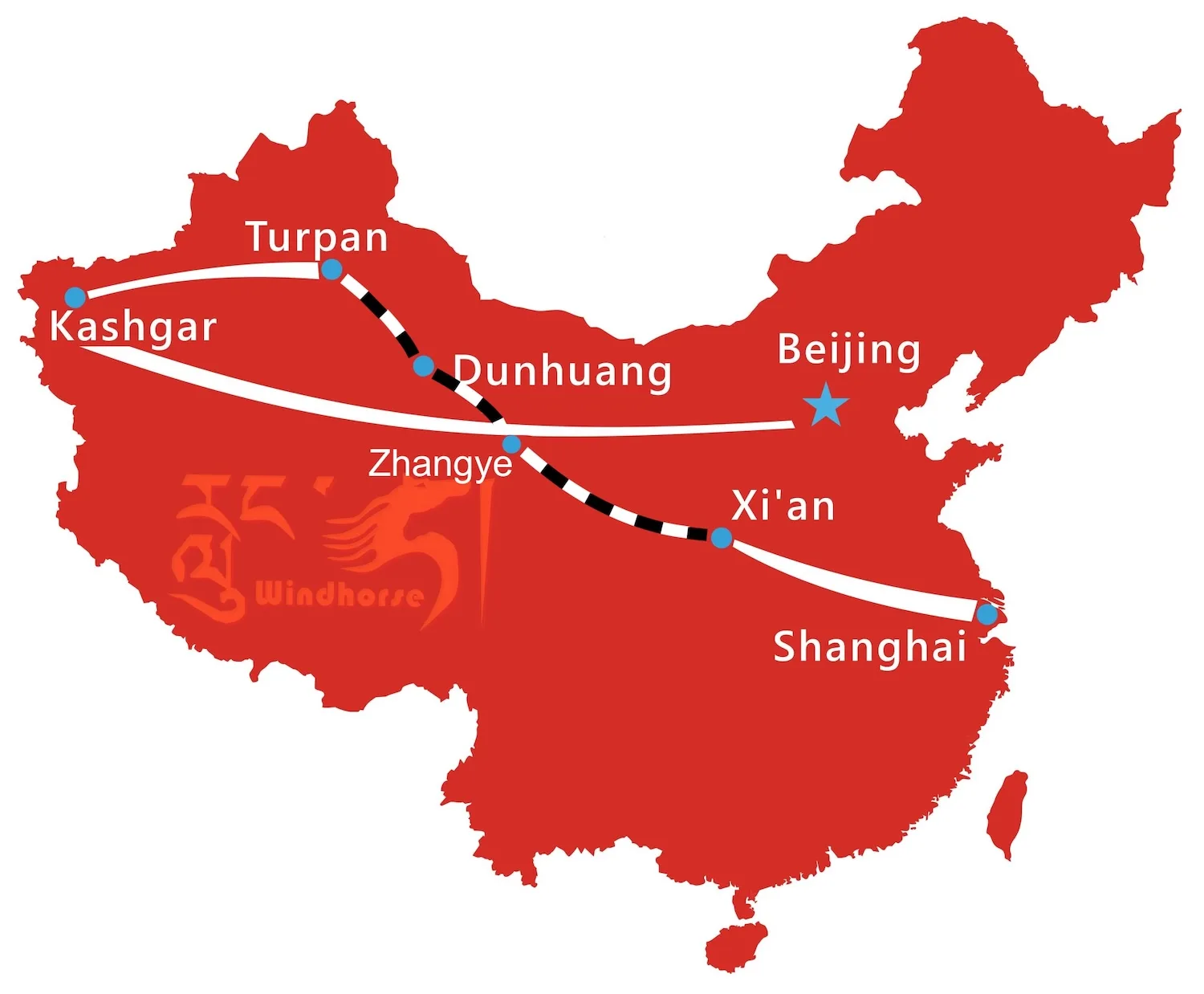
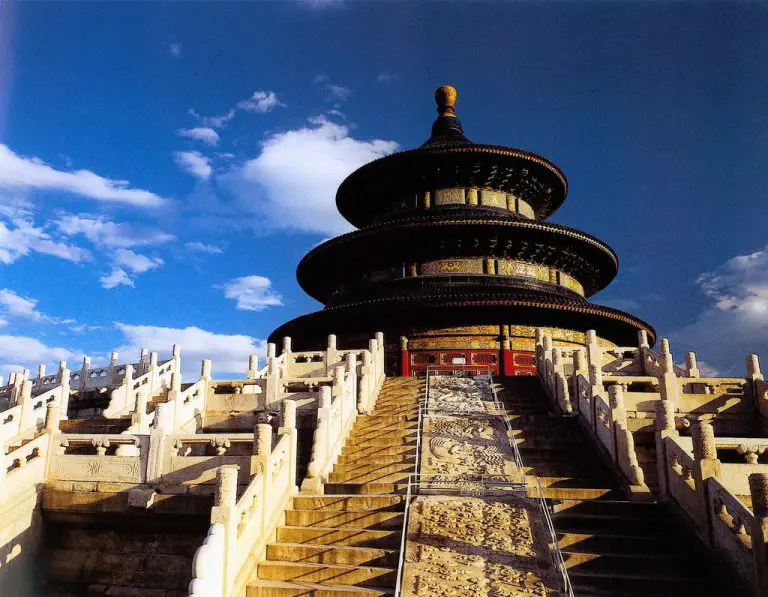
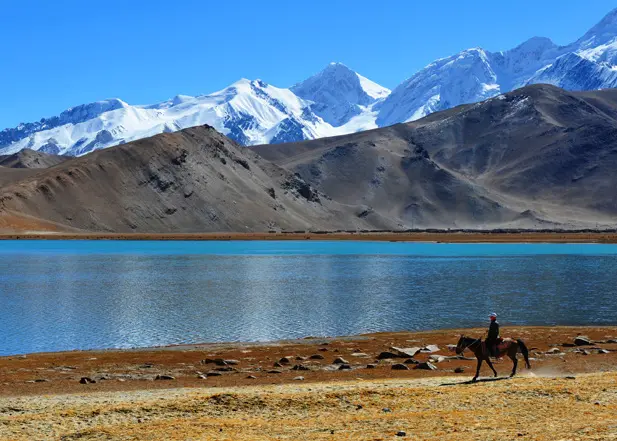
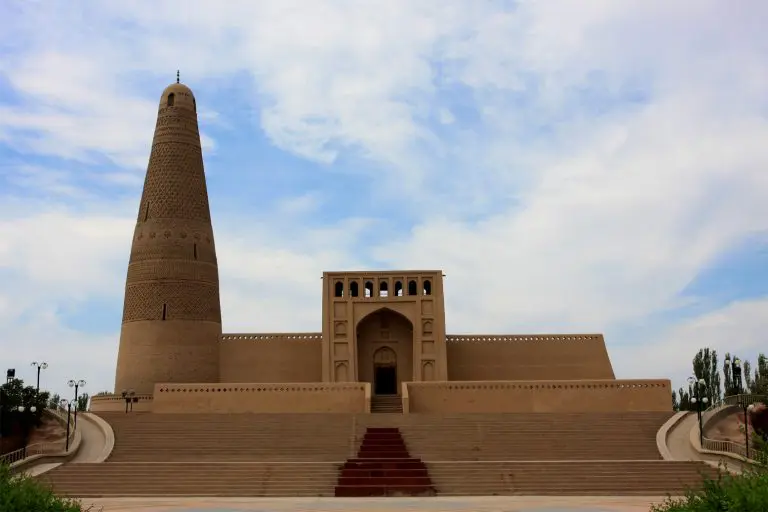
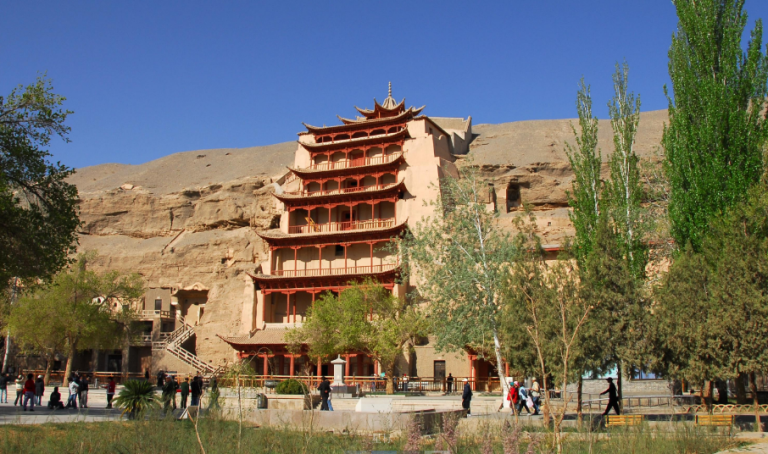
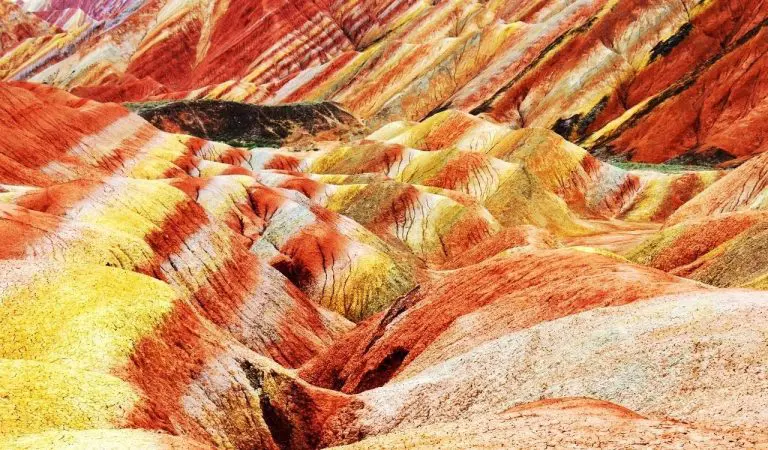
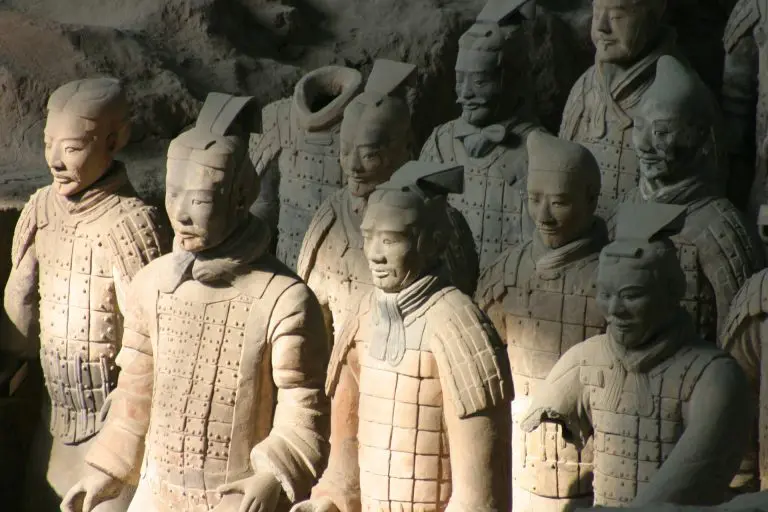
Travel from Beijing through Kashgar, Turpan, Dunhuang, Zhangye, Xi’an, and Shanghai on this 15-day Silk Road tour. Explore ancient trading cities, desert landscapes, Buddhist grottoes, and China’s cultural highlights.
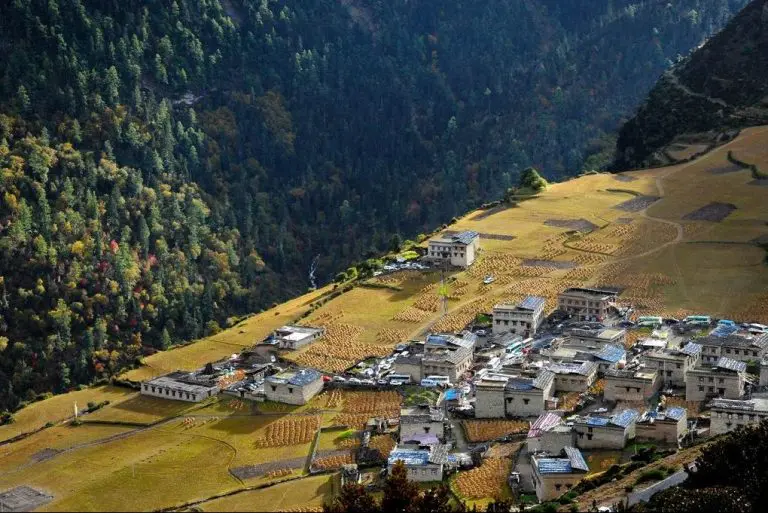
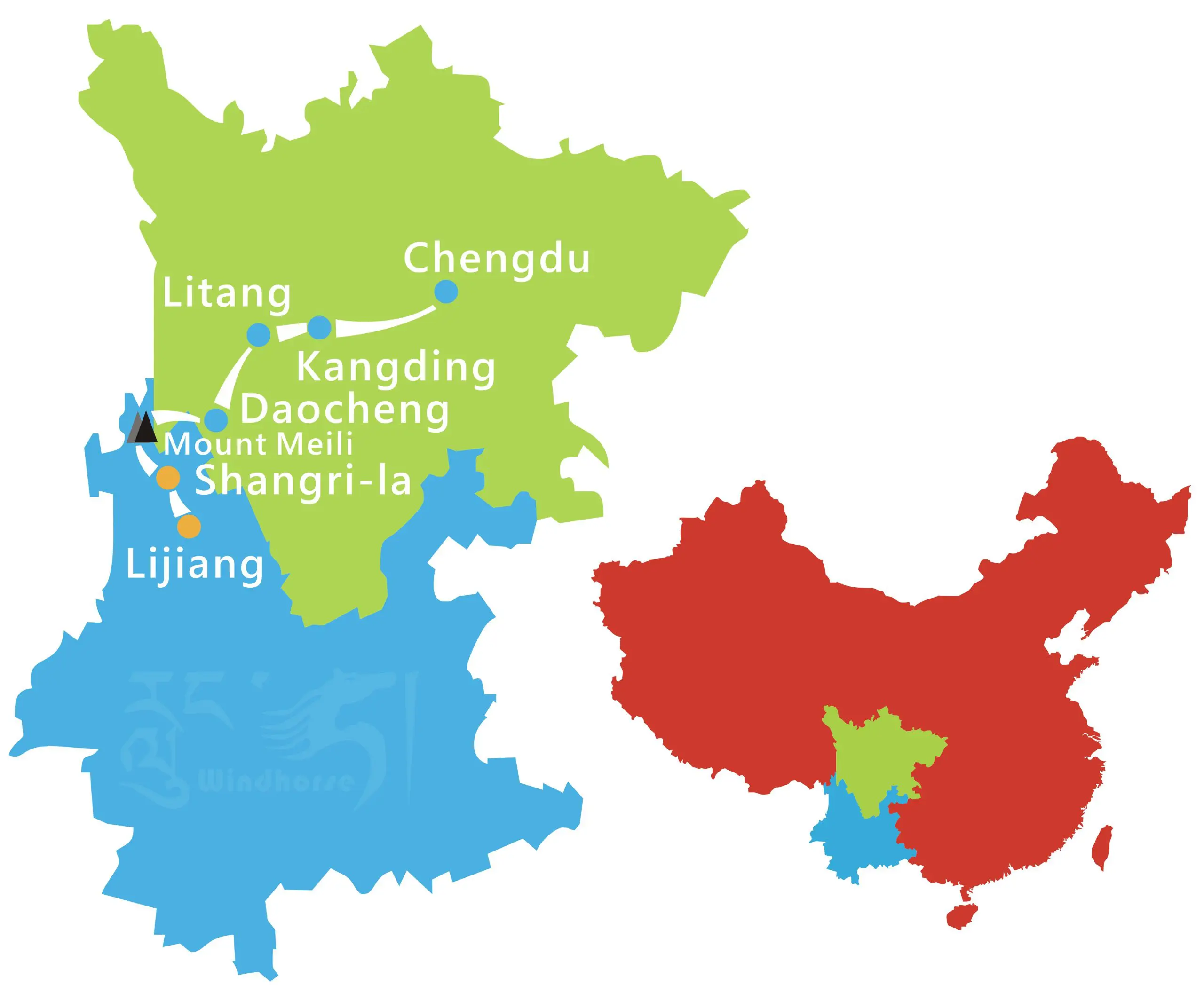
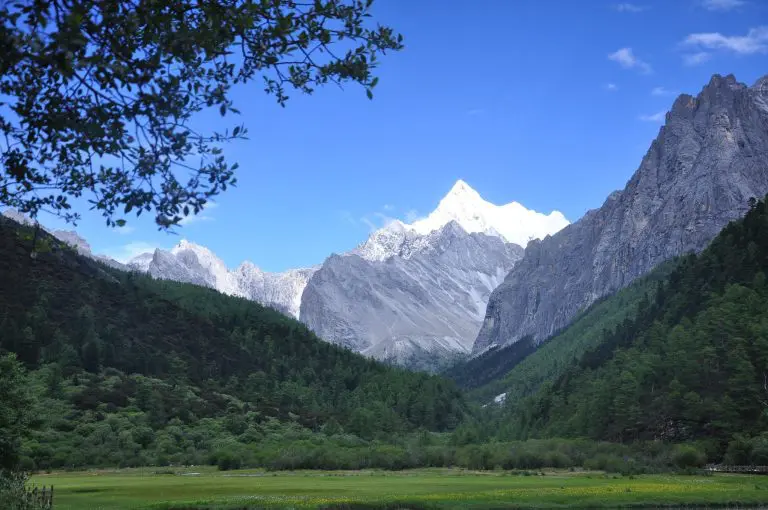
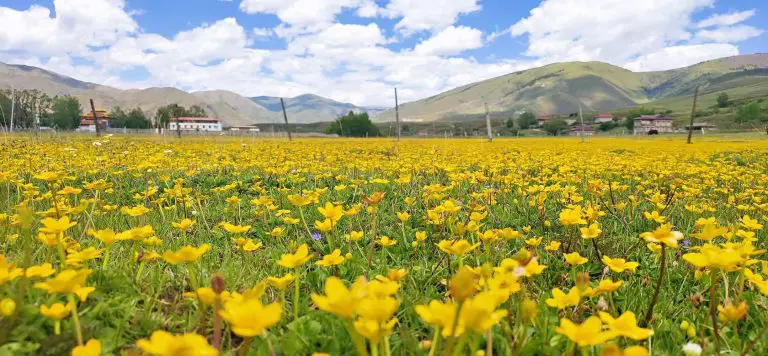
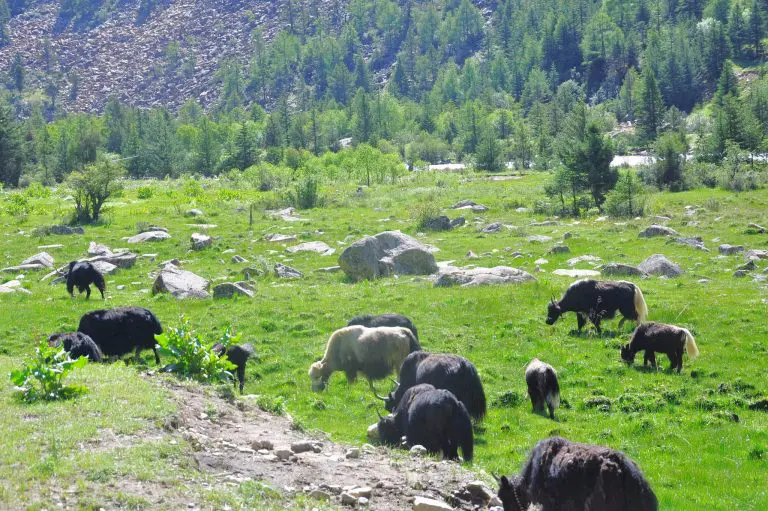
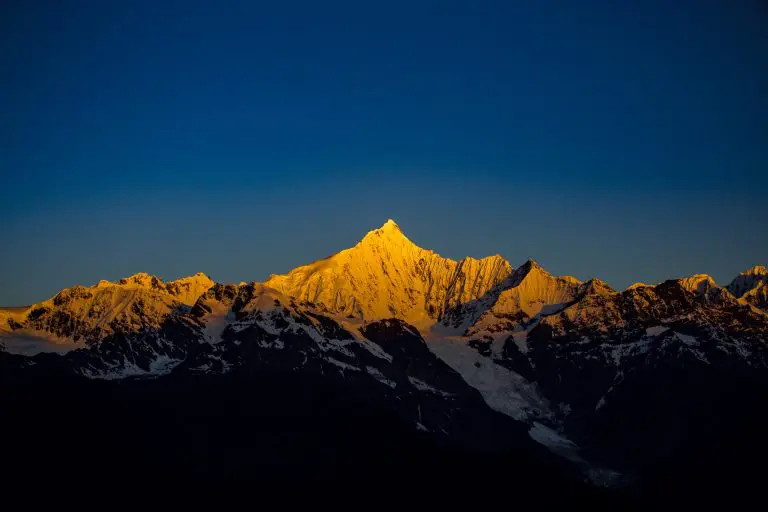
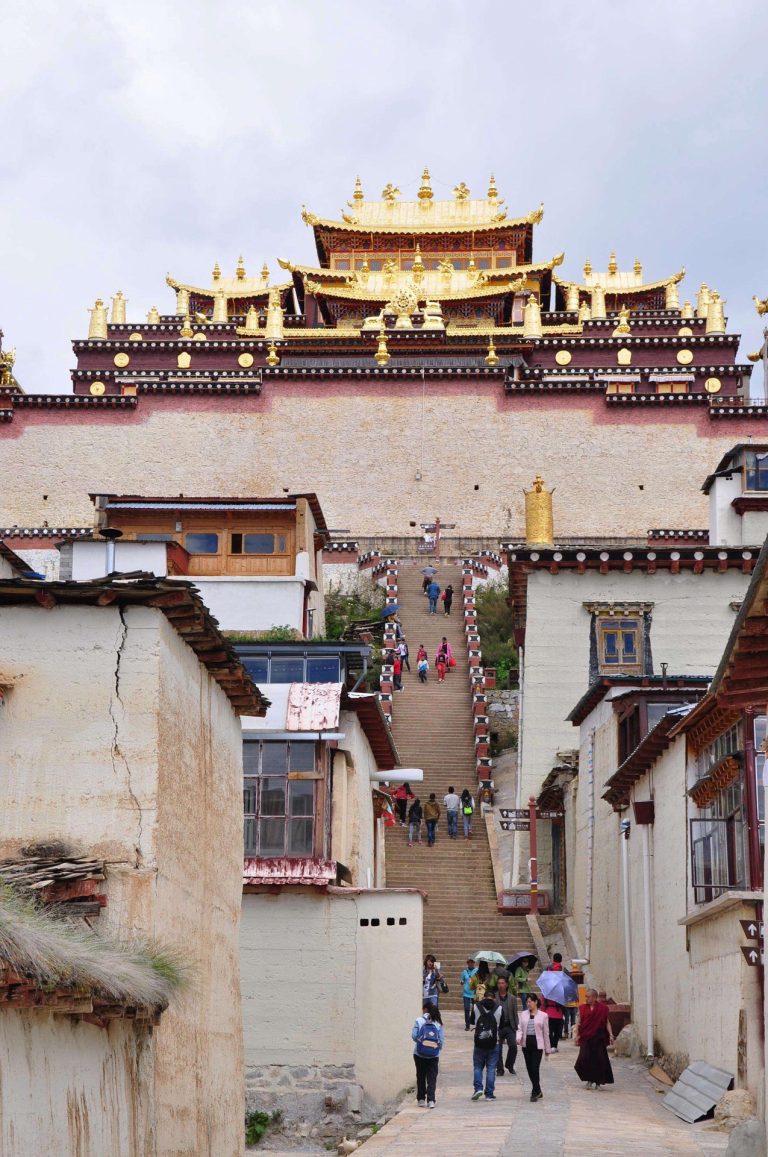
Experience an excellent picturesque trip traveling from Chengdu to the real Shangri-la and ending in Lijiang. A tour that passes through the wonderful virgin forest and snow-capped mountains of Daocheng and Yading. So much more awaits.
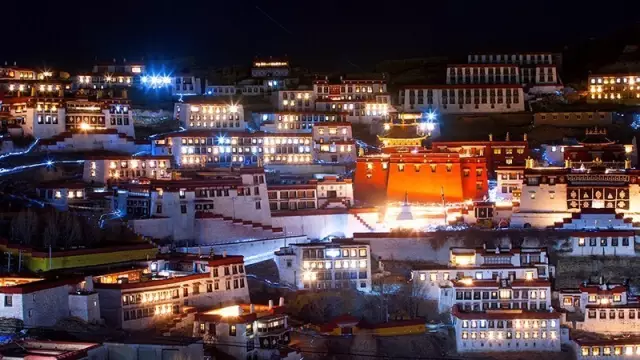
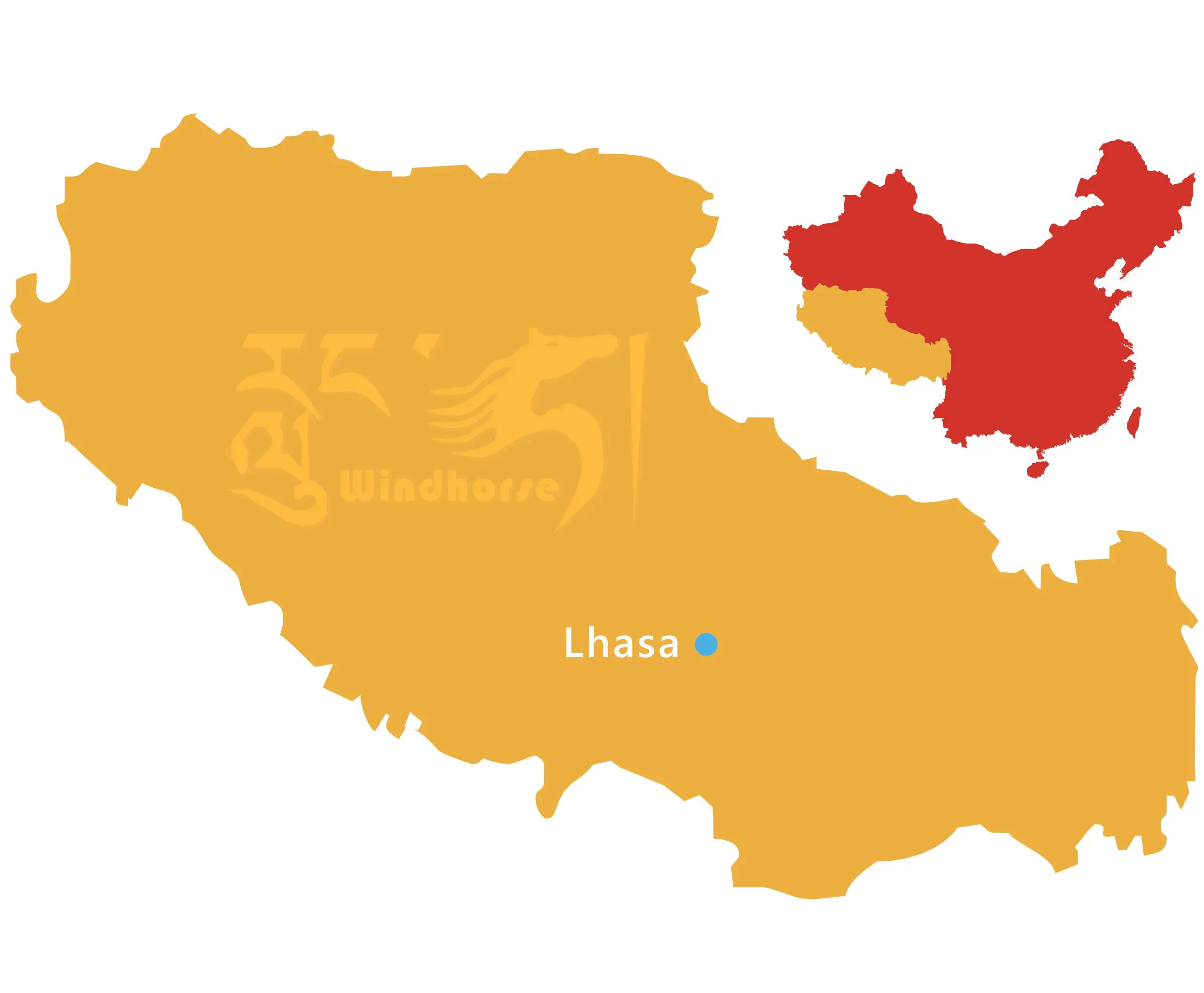
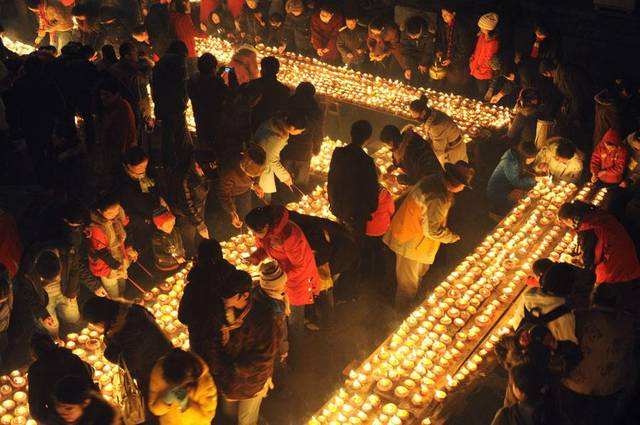
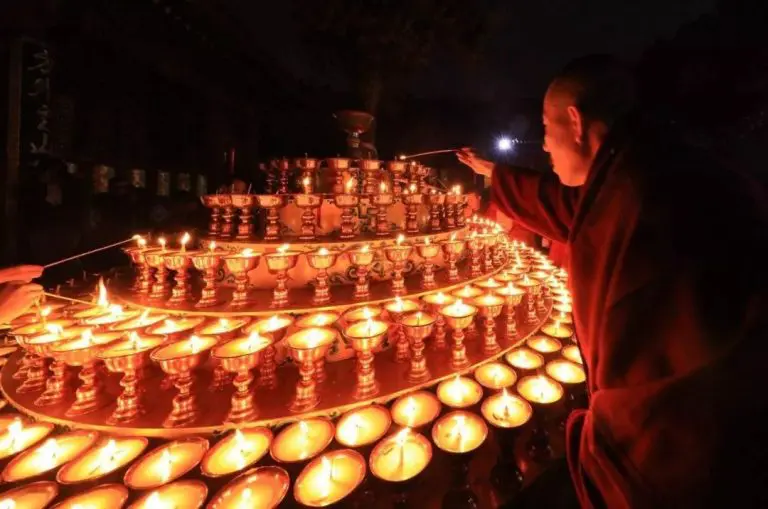
Experience Tibet's Butter Lamp Festival on this private 5-day tour. Visit Lhasa's iconic landmarks, Ganden Monastery, and witness thousands of butter lamps illuminating Jokhang Temple and Barkhor.
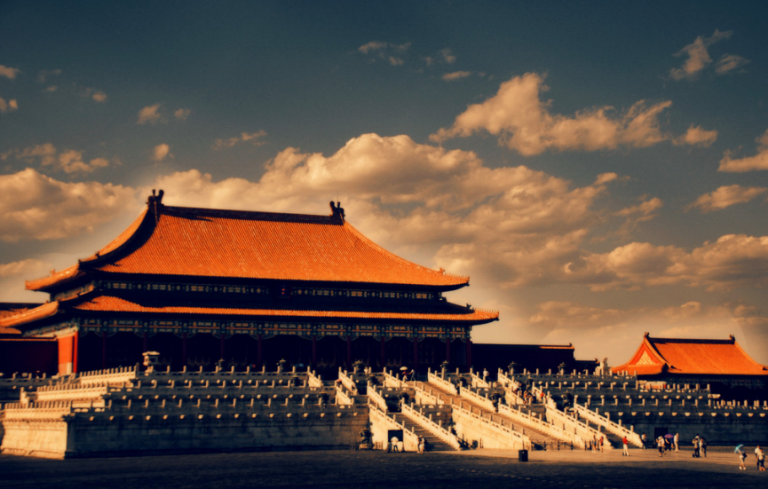
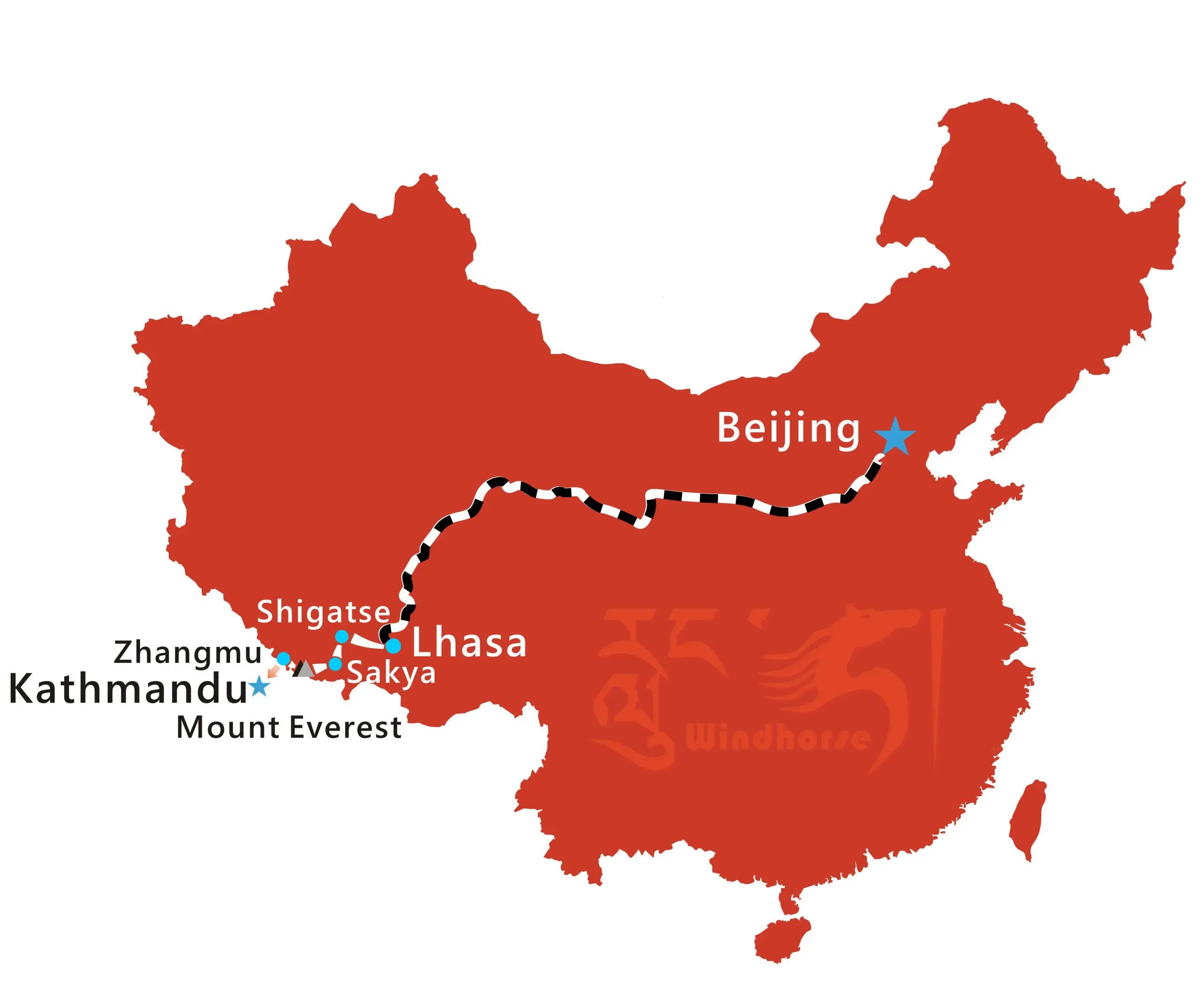

Experience the ultimate overland adventure on this 12-Day Beijing Tibet Train Tour to Kathmandu.
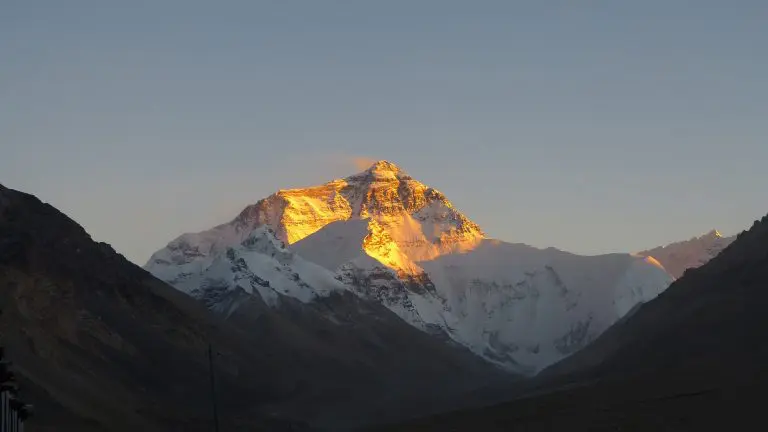
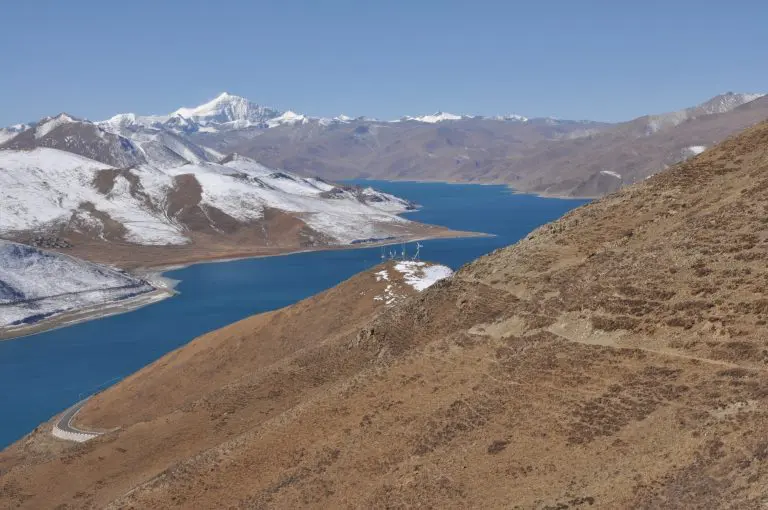
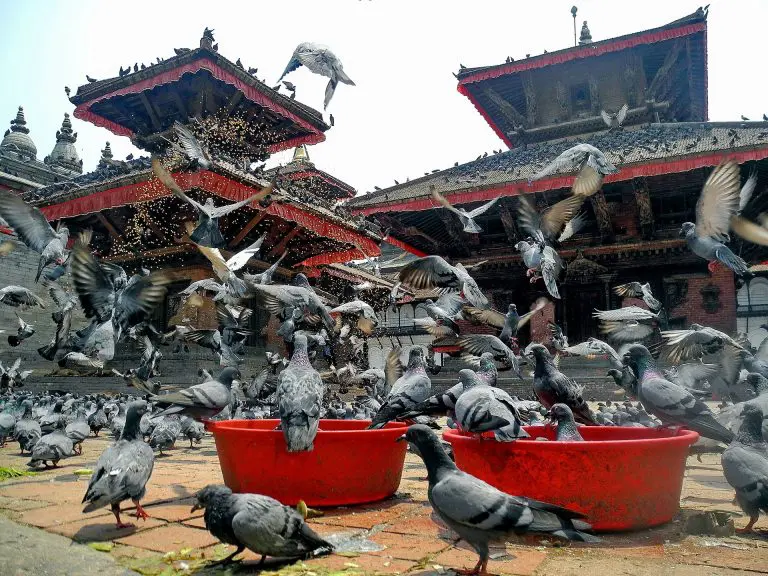
Explore Beijing’s Forbidden City, Temple of Heaven, and the Great Wall before boarding the Qinghai-Tibet Railway to Lhasa. Discover the Potala Palace, Yamdrok Lake, and Everest Base Camp, then continue into Kathmandu valley, where Tibetan culture meets Nepal’s vibrant mountain spirit.