
Wang family courtyard
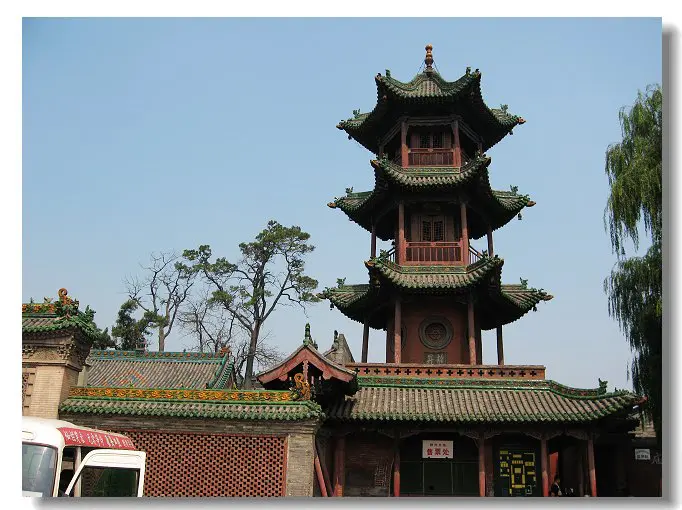
Wang Family Compound is not only a good example of ancient Chinese architecture but also a museum that showcases the architectural art of ancient times.
Read on travel tips on it’s location, history, what to see there, ticket price, opening time etc..
Covering an area of 250,000 sq.m. (2,691,000 sq. ft.), Wang Family Compound, a luxurious residence, is located in Jingsheng Town, Lingshi County, 35 km. (22 mi.) away from Ancient City Pingyao.
It was built during 1762 – 1811 by the descendants of the Wang Family, one of the Four Large Families of the Qing Dynasty (1644 – 1911) in Shanxi Province.
Currently 1/3 of the compound consisting of 231 courtyards and 2,078 houses is declared as a cultural site under provincial protection.
Start Planning on Your Private China Tour Today!
Carvings of stone, wood and brick can be found everywhere in the courtyard showing fine craftsmanship and high esthetic value. Today the architectural groups open to the public include Gaojia Ya, Hongmen Bao, Chongning Bao.
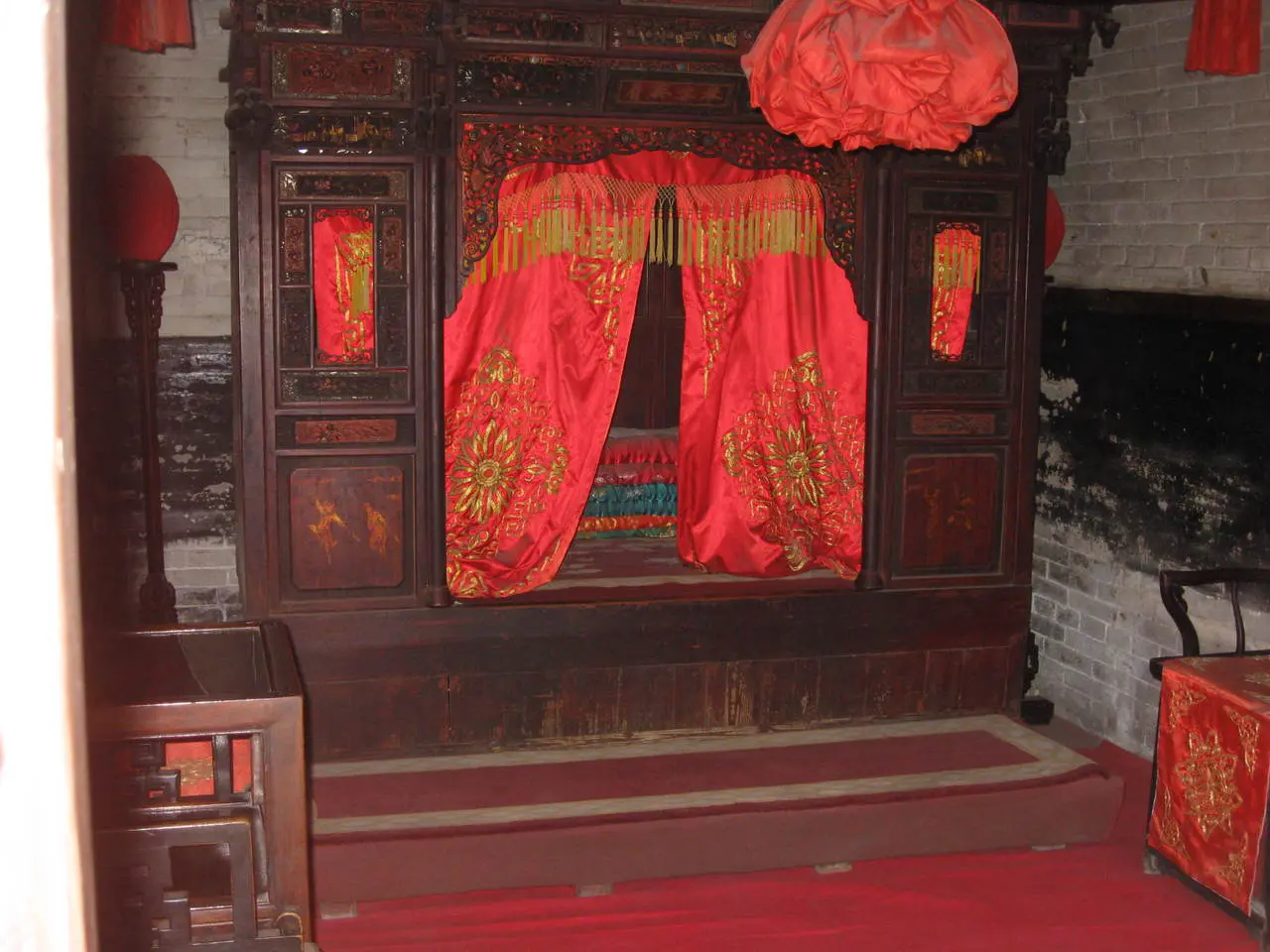
Gaojia Ya was built during the reign of Emperor Jiaqing (1796 – 1820) of the Qing Dynasty and is actually made up of a cluster of courtyards where you can find the kitchen houses, servant rooms and private school courtyard.
While wandering in Gaojia Ya, you’ll be amazed by the complexity of its architecture and feel like moving around in a maze.
What’s more, large numbers of items belonging to the then Wang Family are also on display there.
Opposite to the west of Gaojia Ya lies Hongmen Bao which takes its name from the only red gate facing the main street of the courtyard. In Chinese, Hong means red, Men means gate and Bao castle; hence its name Red Gate Castle in English.
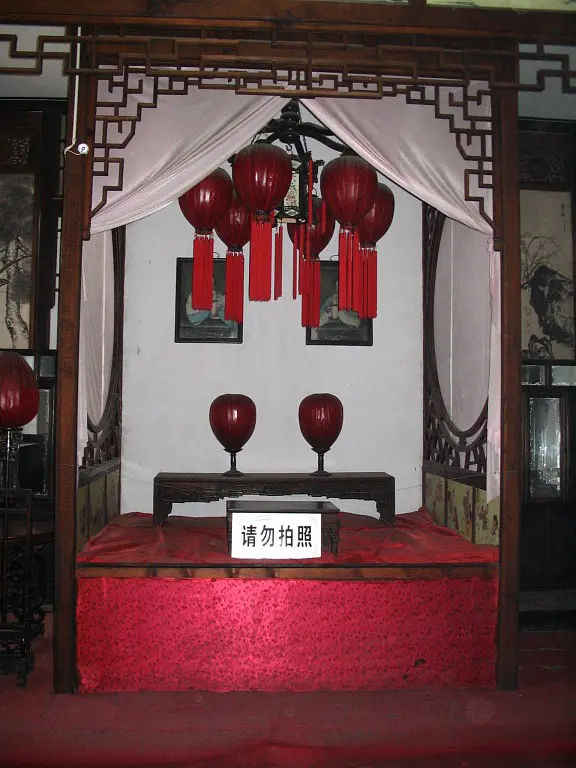
The castle takes the shape of a regular rectangle with three west-east alleys crossing the main street to present the Chinese character “Wang (王)”. Twenty-seven courtyards of different styles are another highlight of Hongmen Bao.
The style of Chongning Bao recalls the architectural style of Ming Dynasty. It’s featured by an art gallery called Liqun Art Hall where you can find a complete set of works on show by the famous painter named Liqun. Other excellent works are also displayed in the Painting and Calligraphy Hall.
Collections of old coins, porcelains, rare stones and jade carvings can be found in the Treasure Hall. All of this makes Wang Family Compound a must-see for tourists coming to Shanxi for a sightseeing.
Final travel tips for you: ticket price for Wang Family Compund is 66 RMB (11 USD) per person.
Related tours
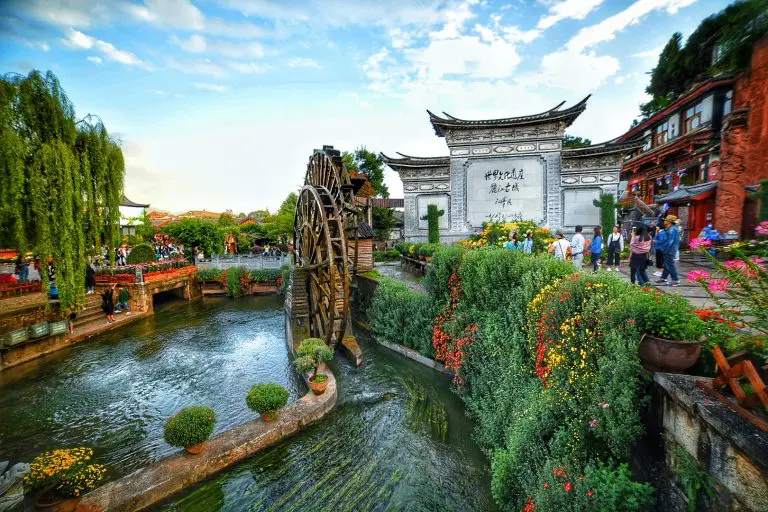
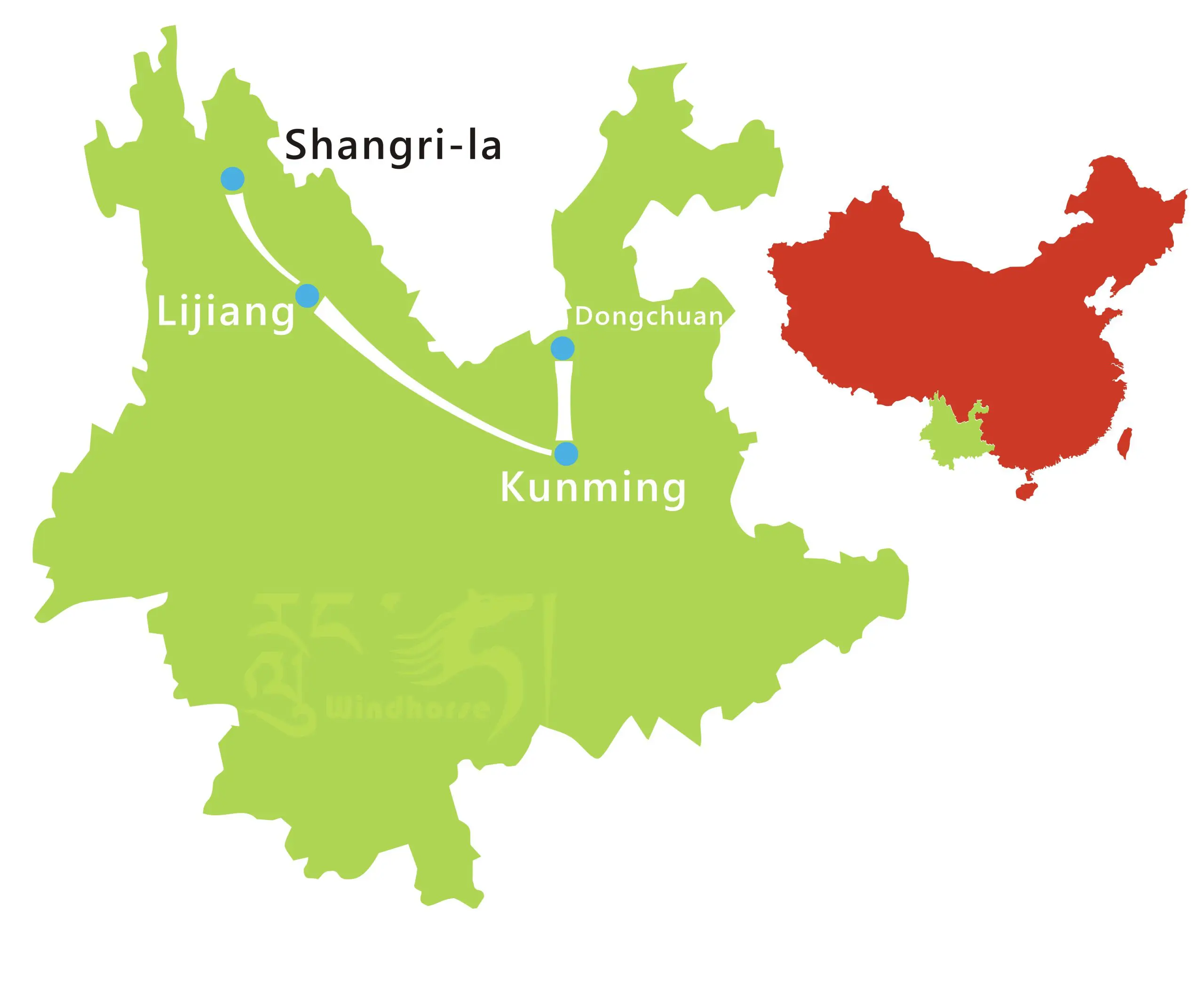


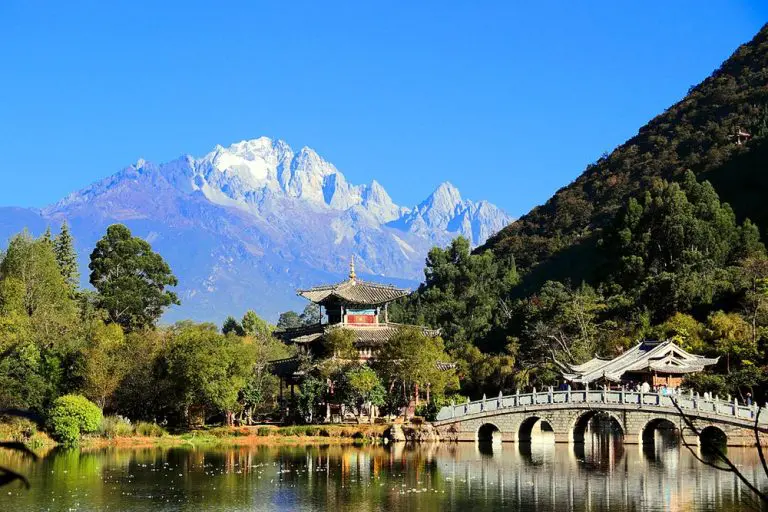
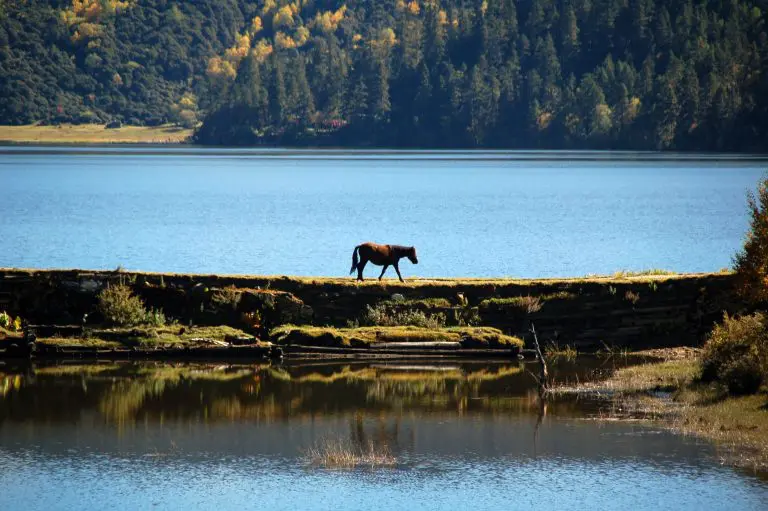
Explore North Yunnan on this 9-day tour through Kunming, Dongchuan Red Land, Lijiang, and Shangri-La. Capture Red Land’s vibrant terraces, explore ancient towns, and experience Tibetan culture and highland scenery.
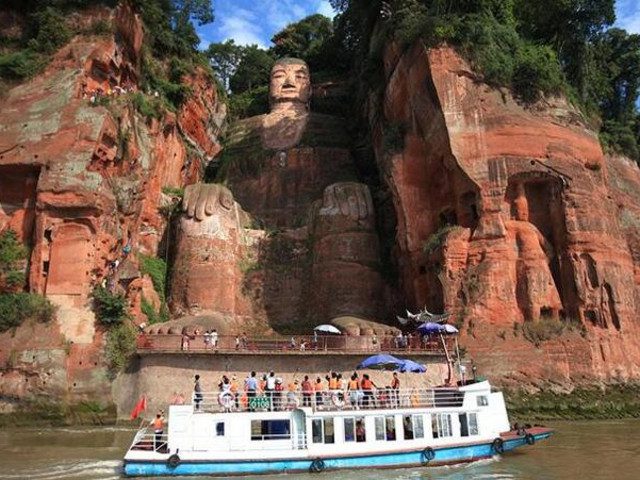
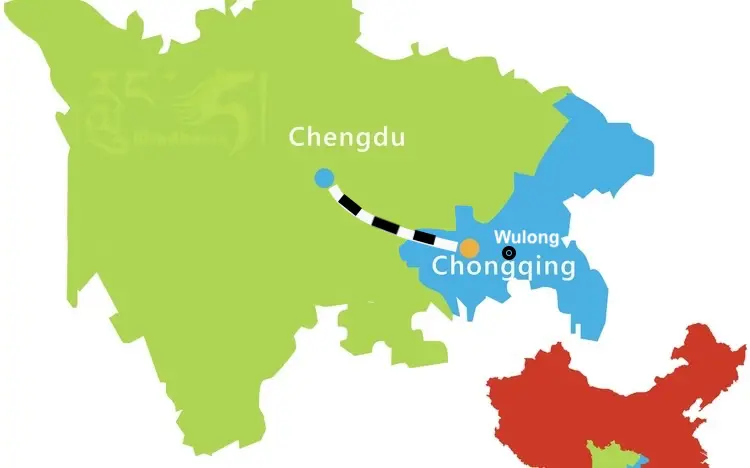
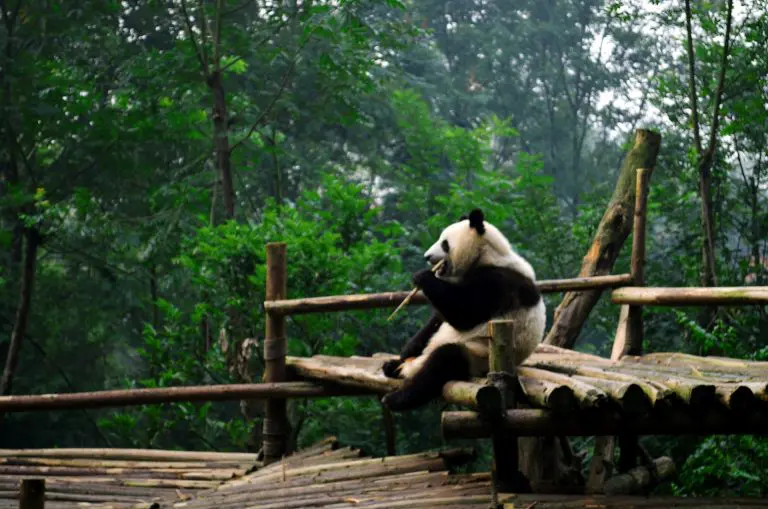
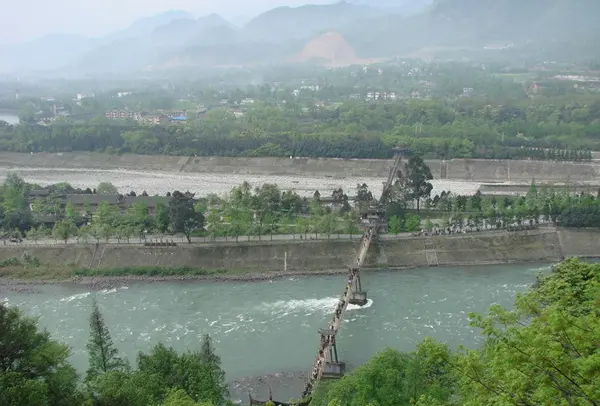
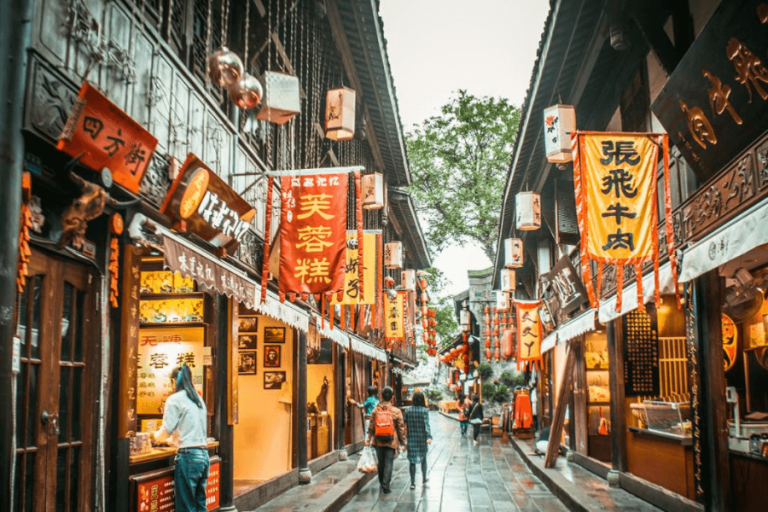
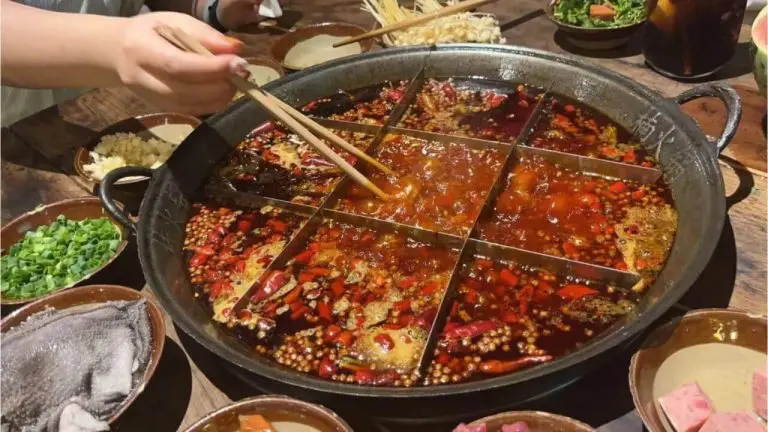
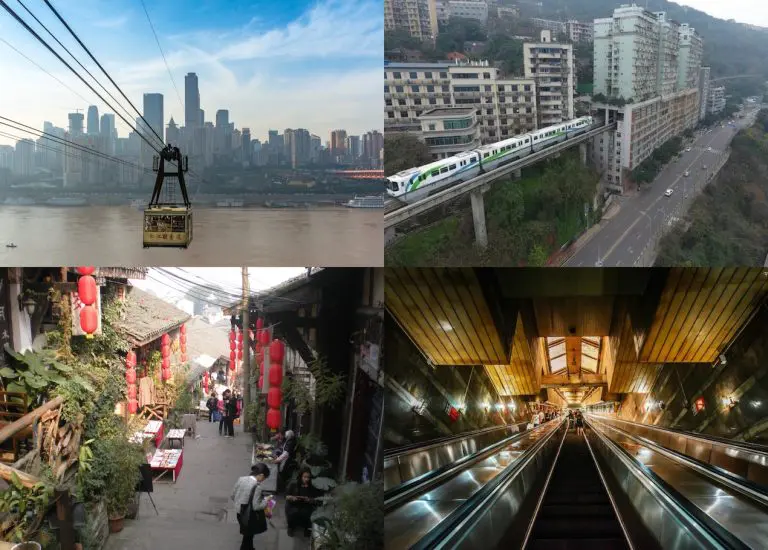
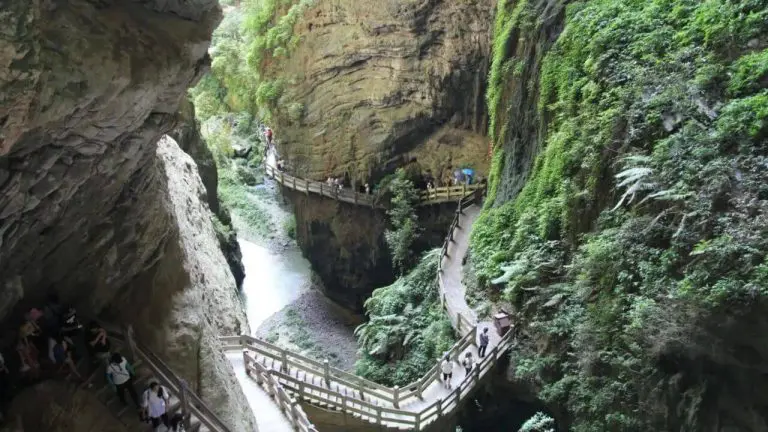
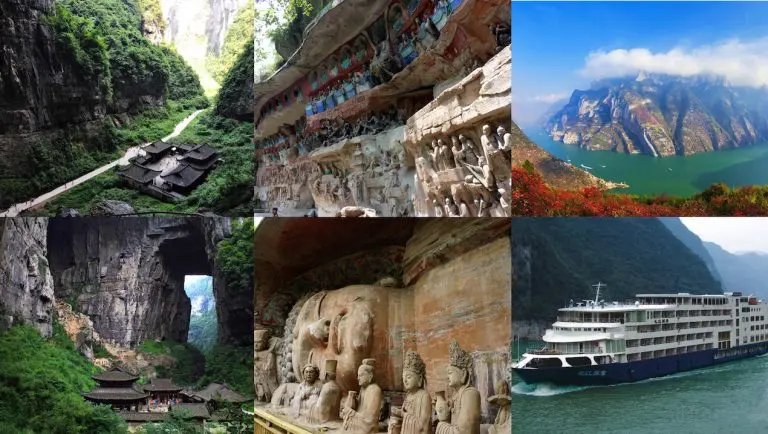
Travel through the top two cities of Southwest China on this 6-day Chengdu to Chongqing Tour with Wulong Karst. See giant pandas, the Leshan Grand Buddha, and Dujiangyan in Chengdu, explore Chongqing’s lively old streets, and marvel at Wulong’s UNESCO-listed karst bridges and gorges.
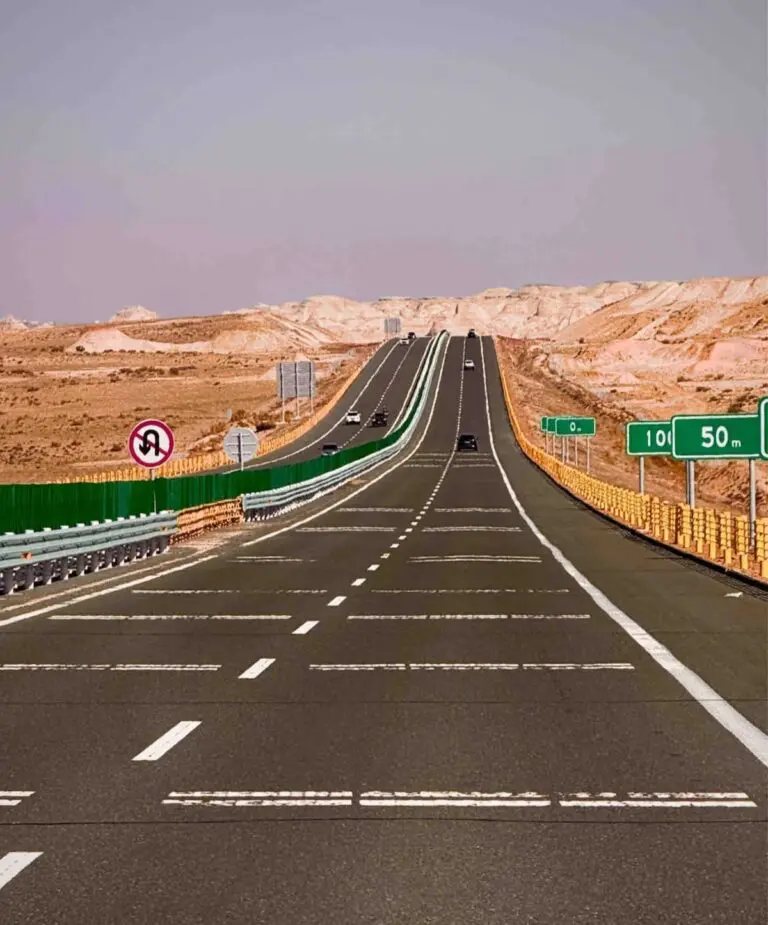
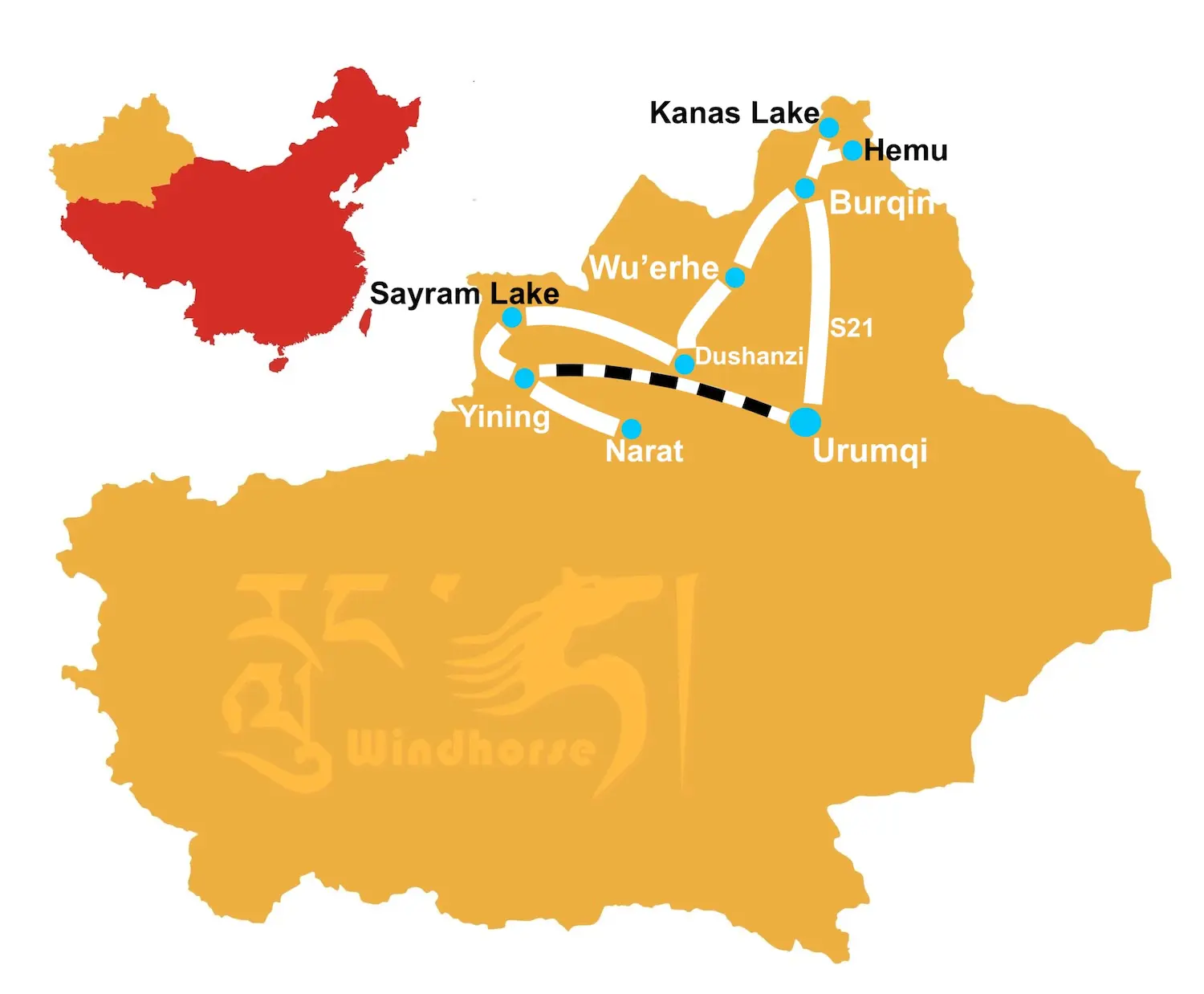
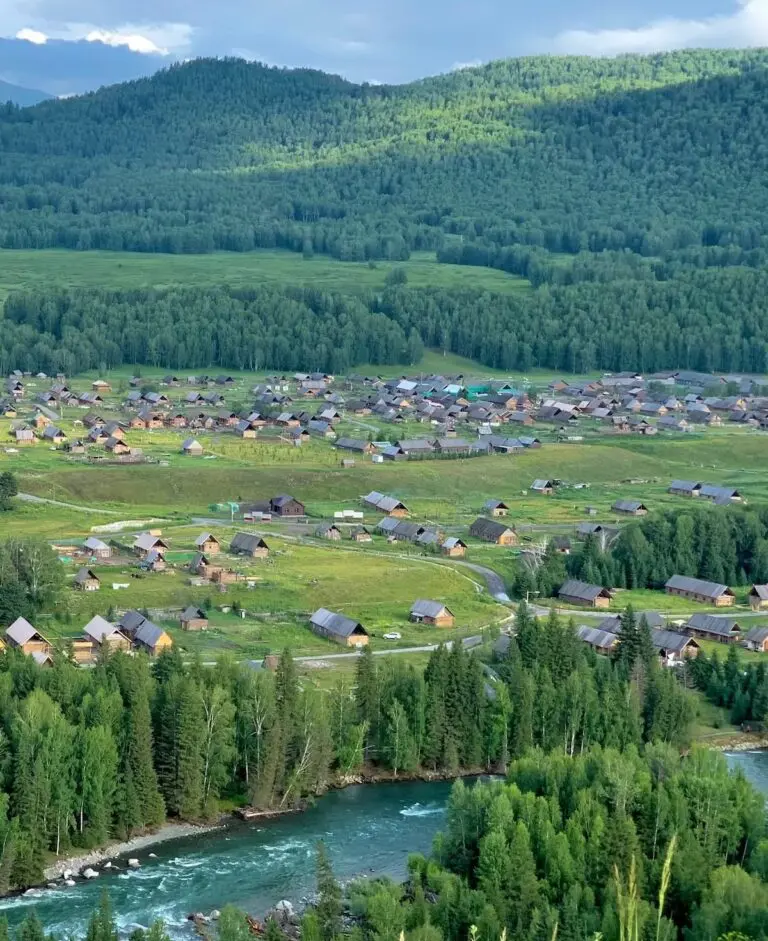

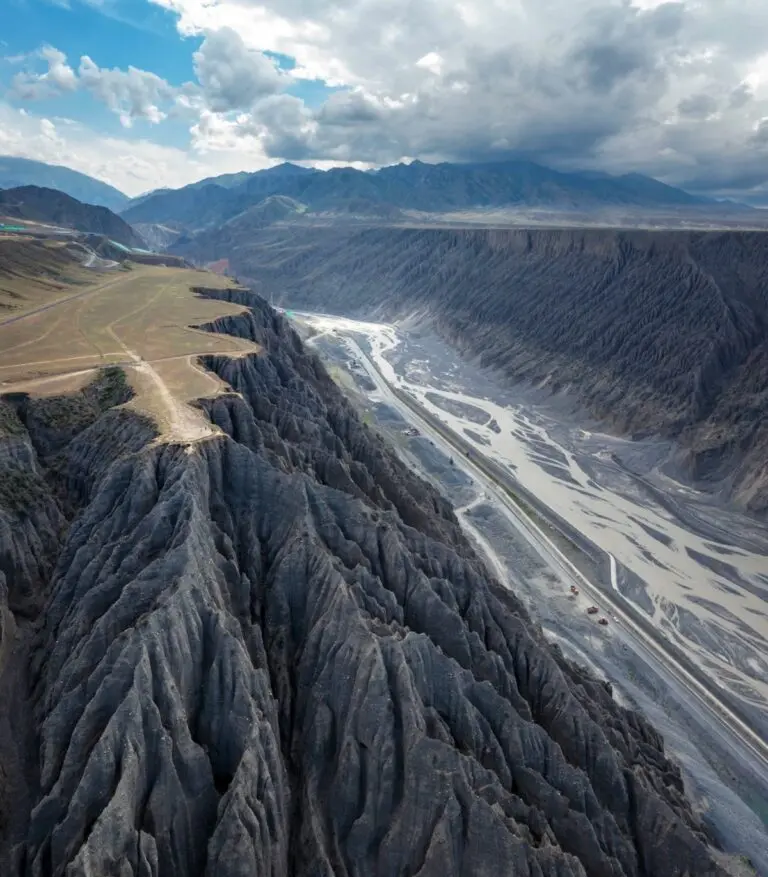

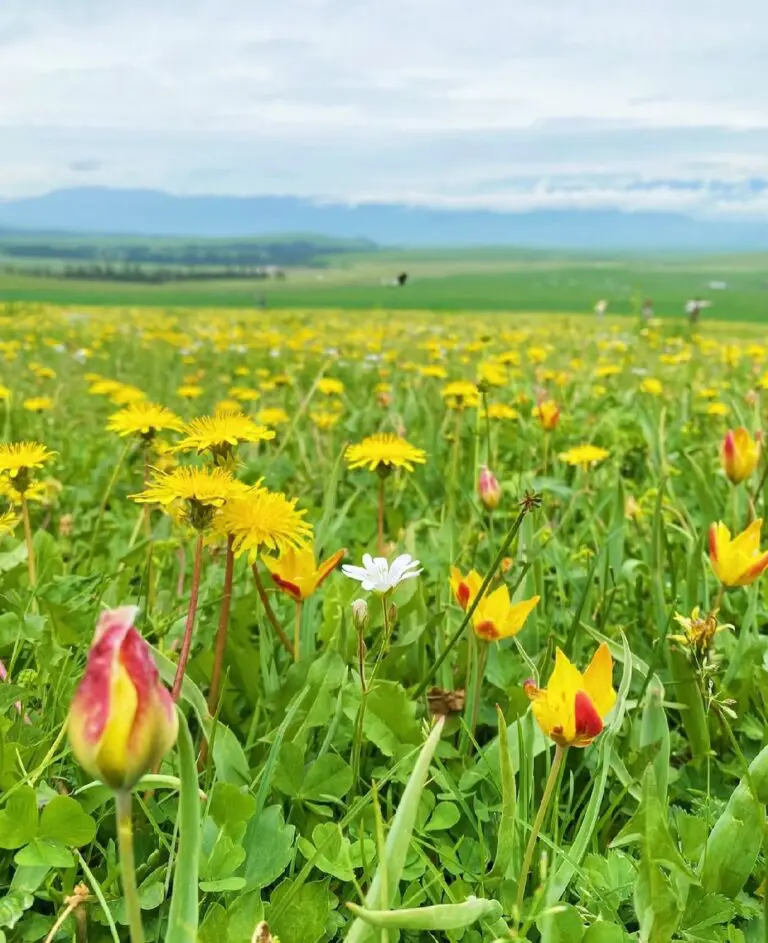
This 10-day Northern Xinjiang tour covers Kanas Lake, Hemu Village, Devil’s City, Sayram Lake, and Nalati Grassland. Explore stunning alpine lakes, ethnic culture, and vast grasslands on a scenic journey through the wild beauty of Xinjiang.
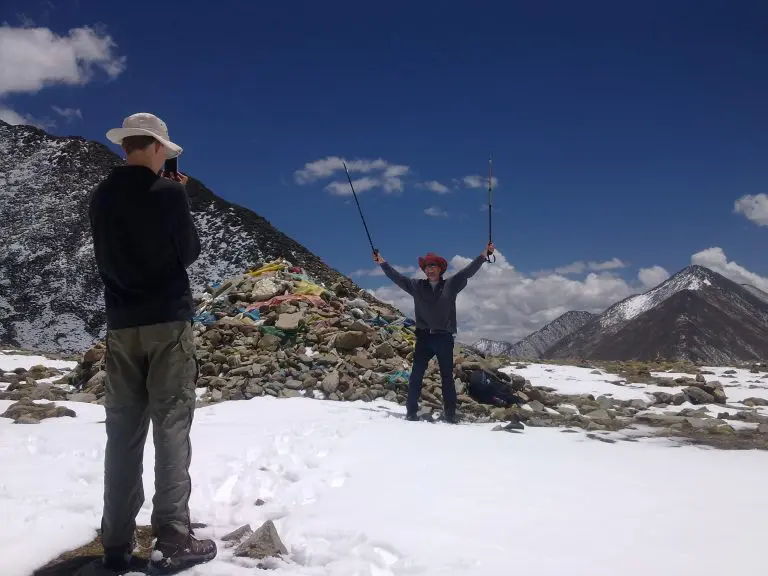
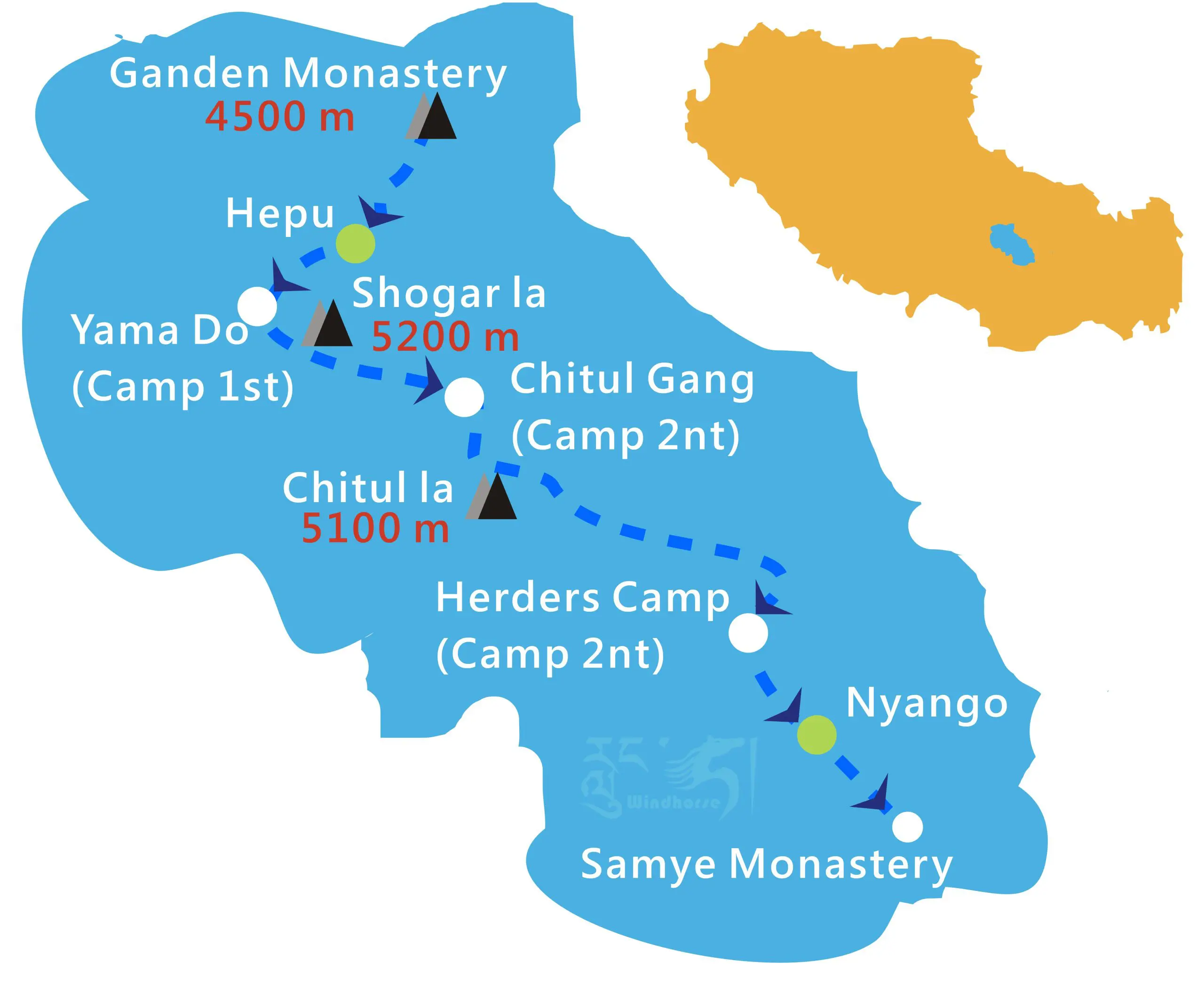
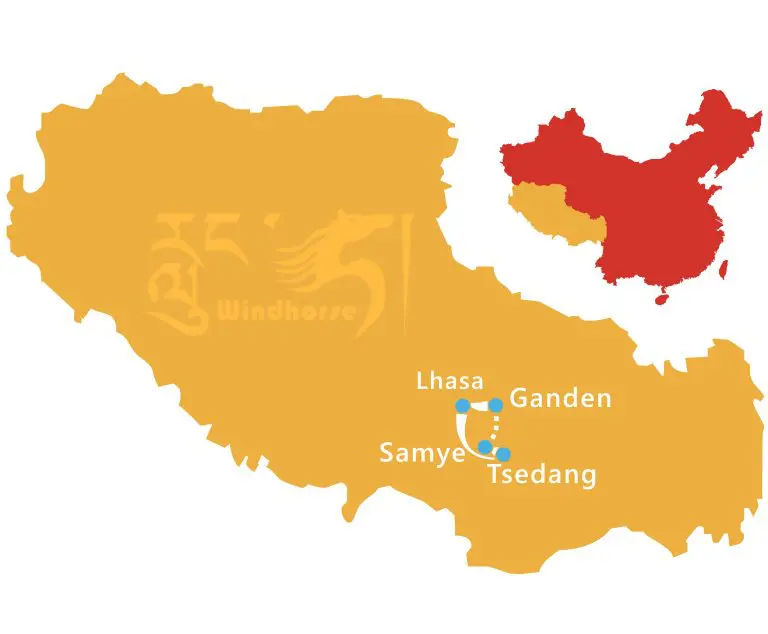
Trek from Ganden Monastery to Samye, Tibet’s most famous trekking route. Cross alpine valleys, high passes, and nomadic camps while exploring ancient monasteries and Tibetan culture along the way.