
Mating of giant pandas

1. Mating Age
In the wild, the female giant pandas will be first in heat at the age of 6.5, and they won’t mate and give birth to babies until they are 7.5 years old. The ones bred in captivity will be premature, they can begin to ‘have a love affair’ at the age of 3.5 , and ‘get married’ and give birth to baby pandas at the age of 4.5.
The male pandas can mate at the age of 7 to 8 years old.
2. Courtship
The scent information: smear the secretion of the circumlunar gland onto the basal of the trunk, onto the stones or the extrusive ground as the aural sign.
The auditory information: in different heat periods, the giant pandas will make different sounds—-the love songs of the giant pandas on the ground or in the trees to attract attention. In the climax of the heat, the sound will mainly be baas or charms.
The visual information: in order to look for a partner, the giant pandas will have the fidgets; they will often grasp and bite the branches and they will leave clear flapping marks on the trees and gnaw the branches.
3. Mating
The mating of the giant pandas often takes place in the mountainous regions or in the fields. But some giant pandas have a unique style that they will mate on the trees.
Related tours
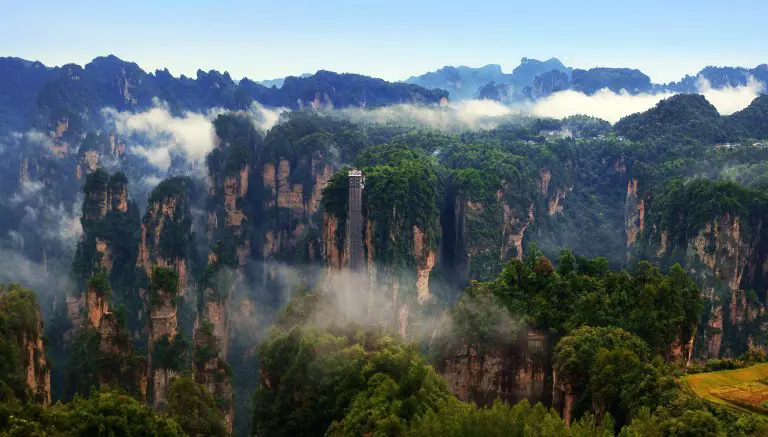
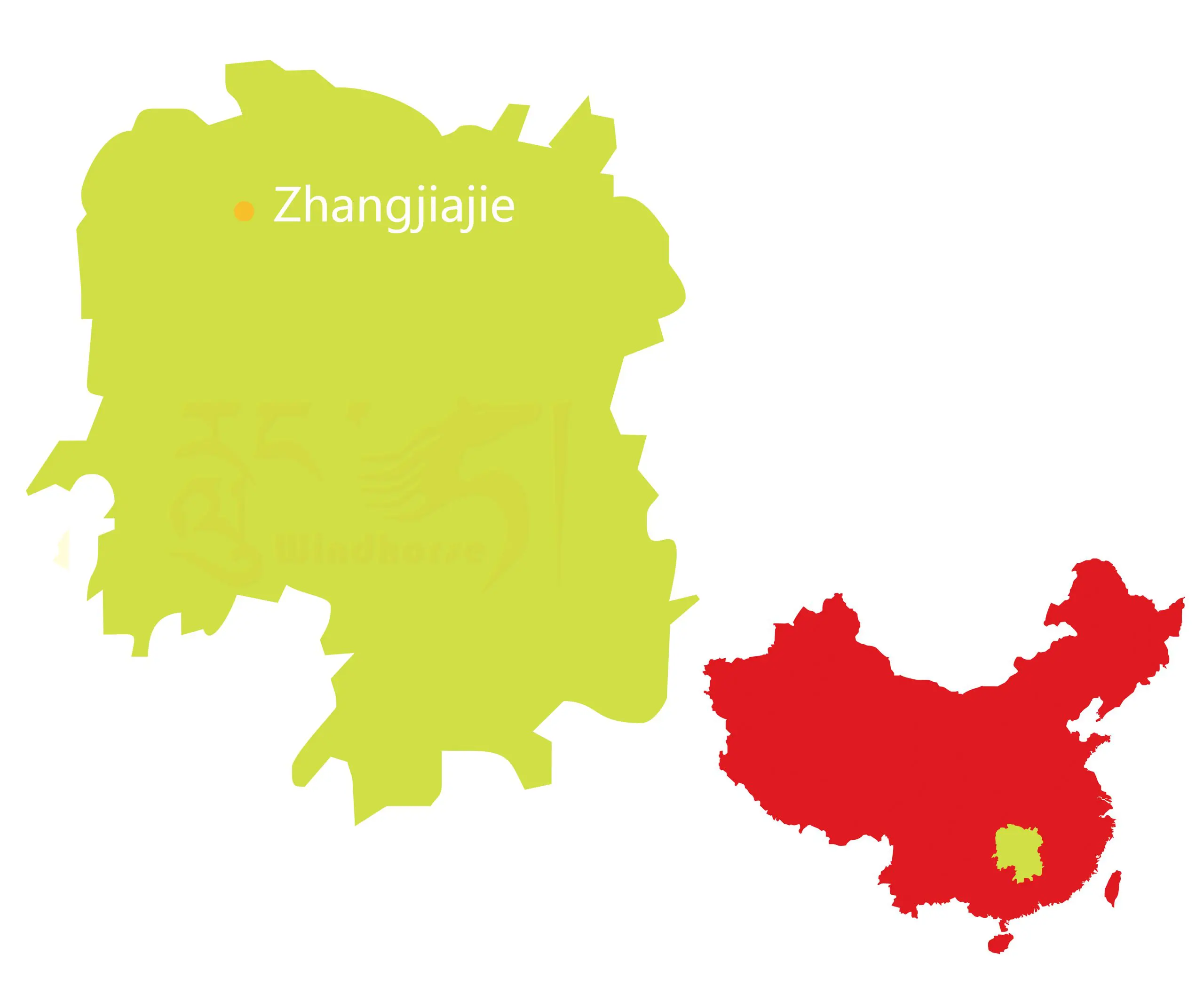



Explore the Avatar Mountains of Yuanjiajie, Tianzi Mountain, Golden Whip Stream, and Tianmen Mountain's Heaven's Gate on this 4-day private Zhangjiajie National Forest Park tour.

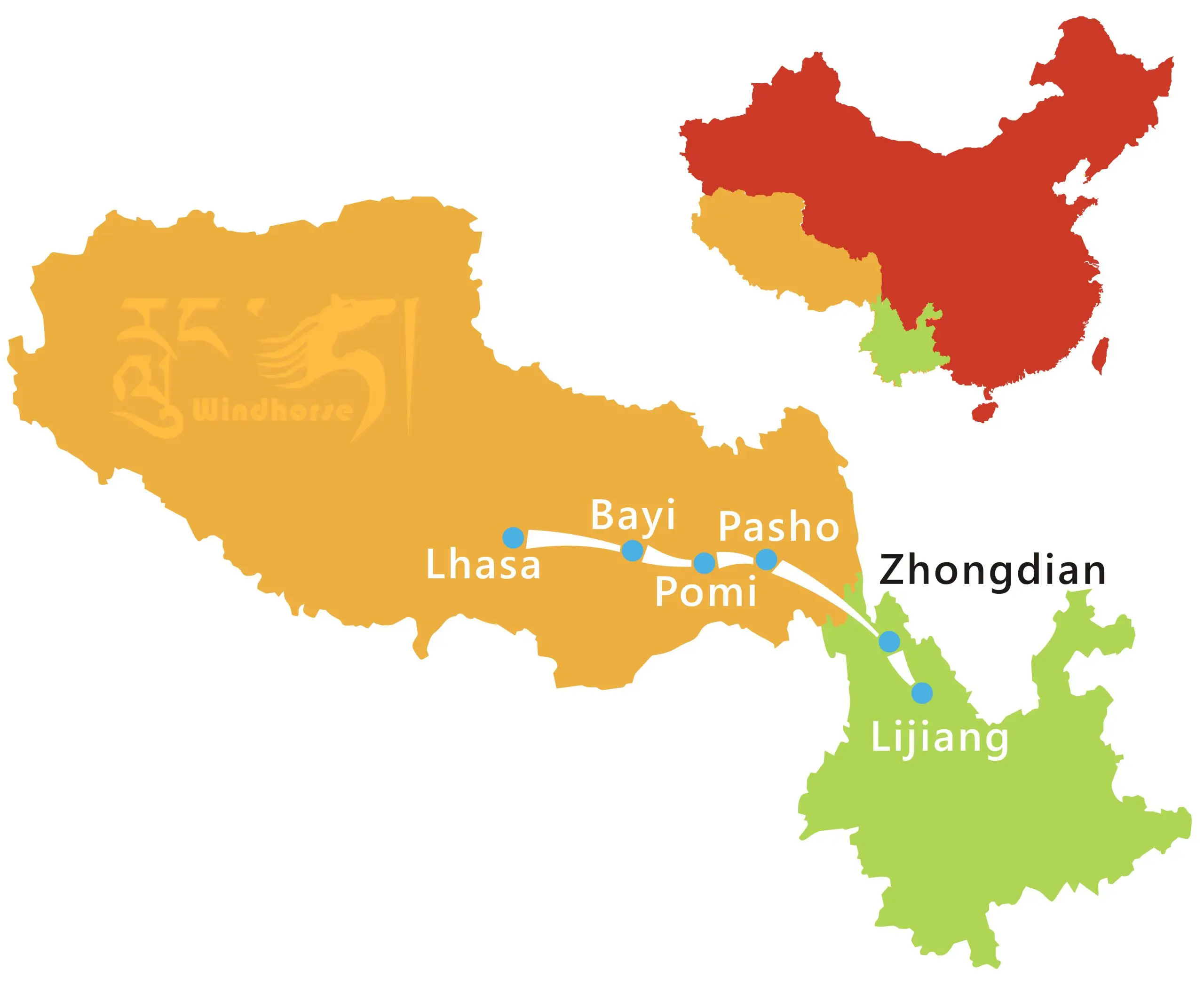
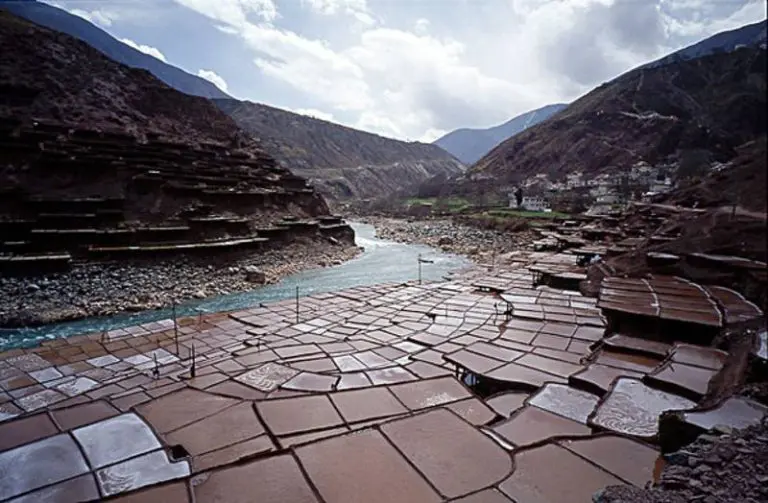
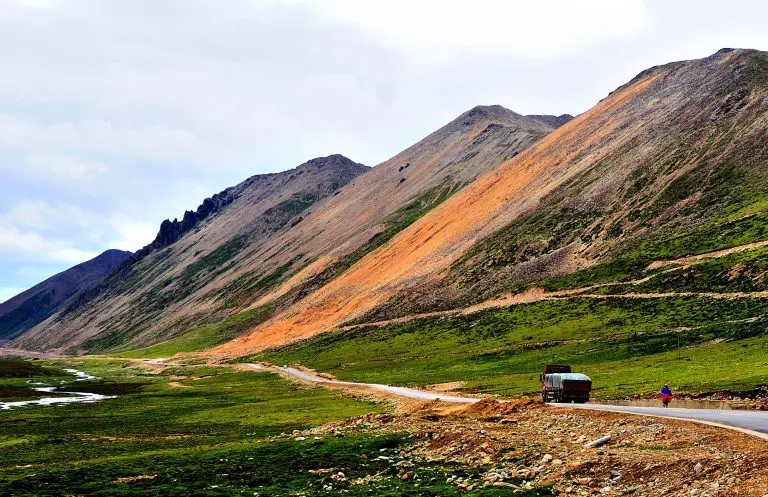

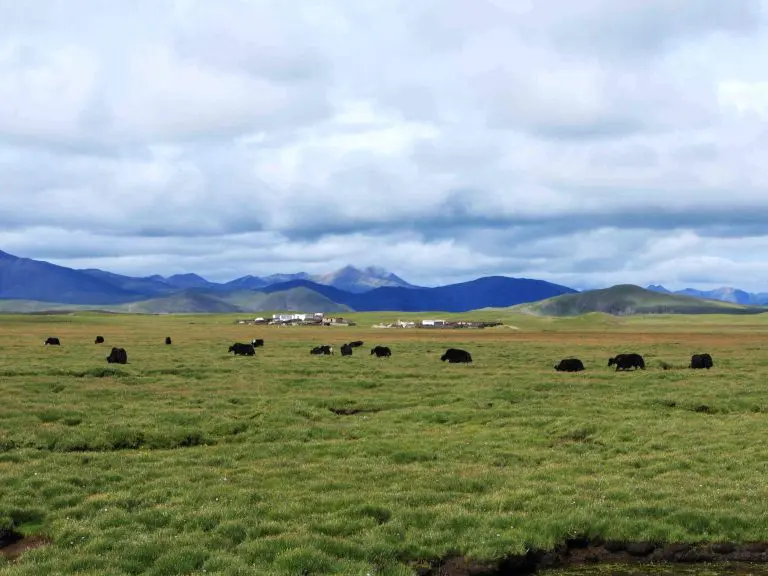
Follow the Ancient Tea Road to Tibet Lhasa from Yunnan Lijiang and discover the beautiful landscapes by driving through deep gorges, alpine forests, vast grasslands steppe.
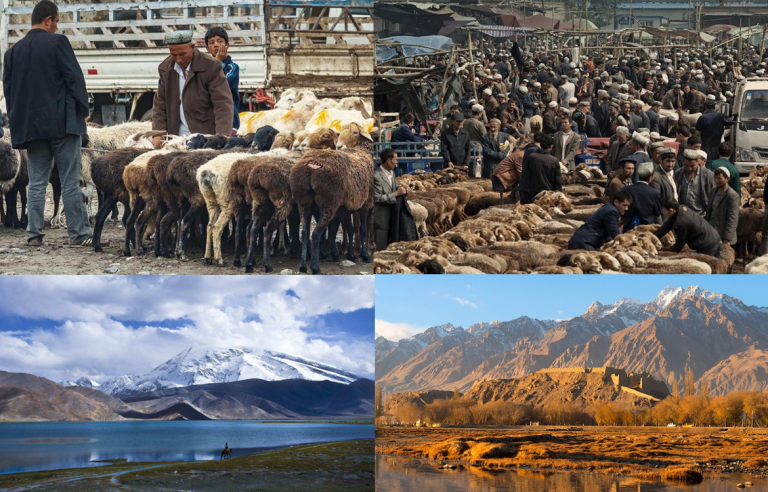
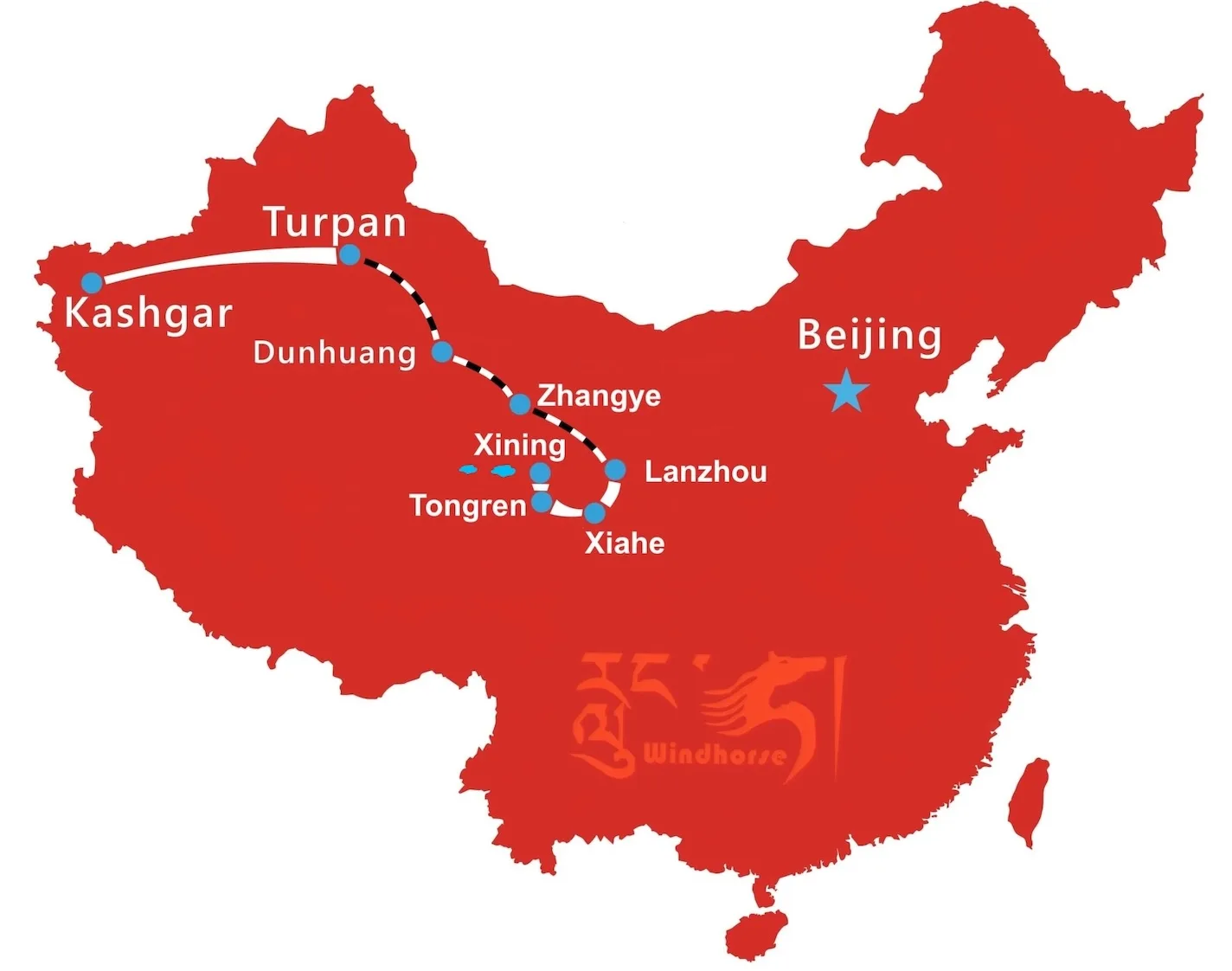






Journey across Western China on this 15-day Silk Road tour through Xinjiang, Gansu and Qinghai. Explore Kashgar, Turpan, Dunhuang, Zhangye Rainbow Mountains, Labrang Monastery, Xining, Qinghai Lake and the stunning Chaka Salt Lake.