
Bell tower
Xi’an Bell tower is the landmark and a must visit of this ancient city. Siting in the downtown of Xi’an City, it is super convenient to reach by public transportation or taxi.
Bell towers are common in China, but the one located in the center of Xi’an city in Shaanxi Province is the largest and best preserved of all. Read on travel tips to find out what is so special about the Bell Tower, its history and legend, ticket price and more.
What is unique about the tower is the intricate and delicate embossment patterns on doors and windows which is a popular decoration art in China’s Ming Dynasty (1368–1644).
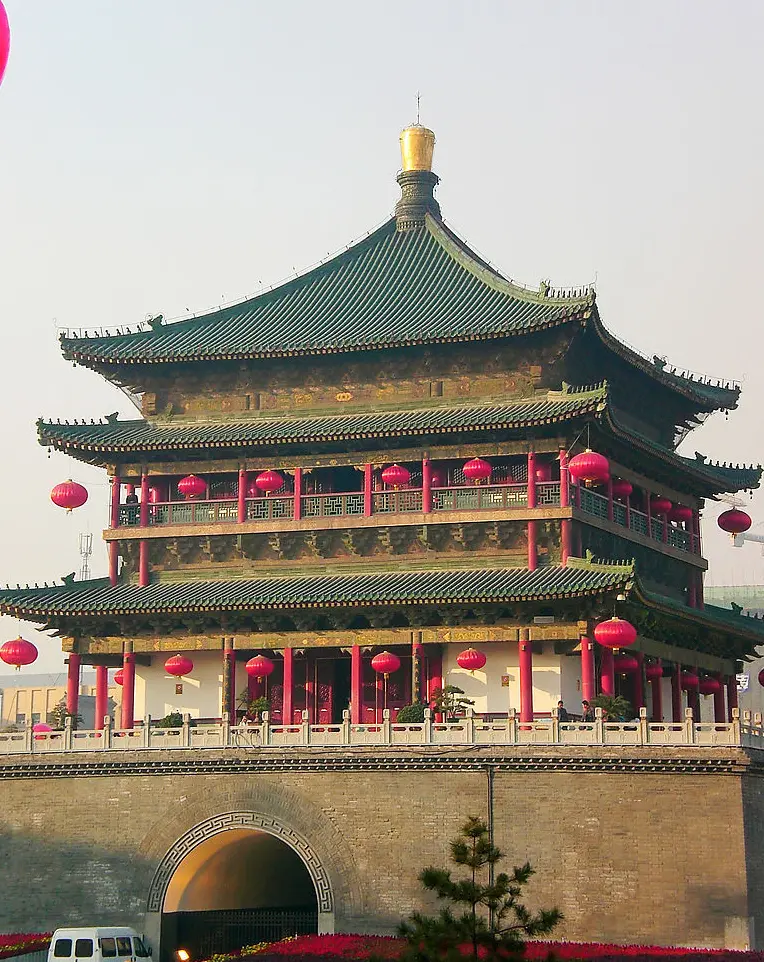
Bell Tower stands across from Xi’an’s popular drum tower and is joined with the four gates of the City Wall of Xi’an. It was built in the year 1384 during the reign of the Ming emperor Zhu yuanzhang (1328 – 1398) and open to the public in 1984.
Twenty years since its formal opening to the outside, it has received generations of leaders like Zhu De (the founder of the Chinese Red Army), Chenyi, Zhou Enlai (a beloved Chinese foreign minister), Deng Xiaoping (a great communist leader).
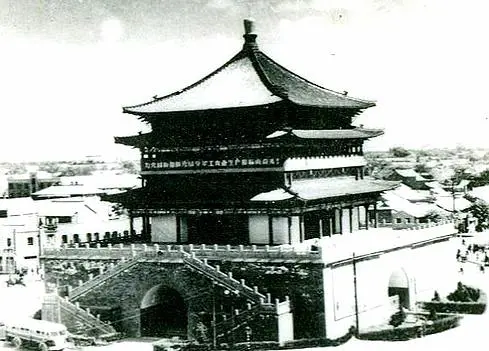
In 1996, the Bell Tower was listed as a key cultural site under national protection. Covering an area of approximately 1,377.4 sq.m. (4,519 sq.ft.), it stands 36 m. (118 ft.) in height on a 8.6 meters tall foursqure base with a side length of 35.5 m. (116.5 ft.).
The tower is of typical Ming Dynasty architectural style with bottle green glazed tiles on the eaves, colored paintings on the interior walls, exquisite carvings on the pillars and a golden top.
Legend has it that when Zhu yuanzhang came to power, earthquakes rattled the city frequently. This was said to be caused by a flood dragon in the dark ditch under the ground. Emperor Zhu was frightened and tried every means to suppress it.
Interested in This Attraction? Contact Us Now!
Then the Toaist priests suggested that a bell tower be built to serve this purpose. The emperor ordered right away the construction of it and even transferred the famous Jingyun bell to be put on it.
That’s how the Bell Tower came into being. Nowadays, Jingyun bell is preserved in Xi’an Beilin Museum,but you can still see a similar man-made bell weighing 6.5 tons and totaling 2.45 m. (8 ft.) in height.
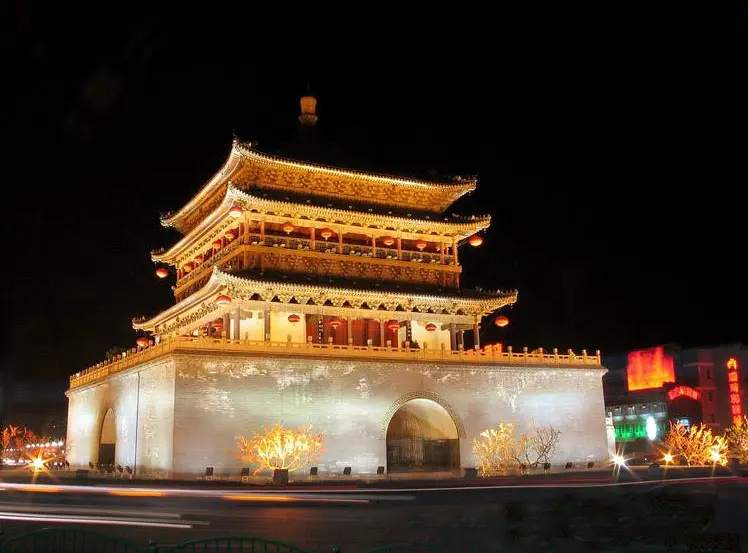
A close look at those patterns will reveal some interesting legends and anecdotes in that historical period. The most recent renewal effort was completed in 2013. Now it offers a fantastic night view.
Final travel tips for you: ticket price of Xi’an Bell Tower is 35 RMB (6 USD) per person. Spend 2 to 3 hours exploring this great building and feel the vicissitude of ancient China.
Start Your Private China Tour Today!
Related tours
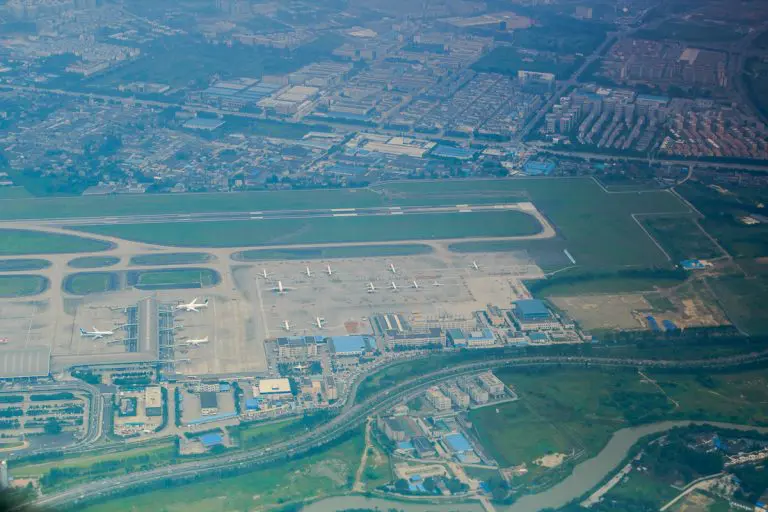
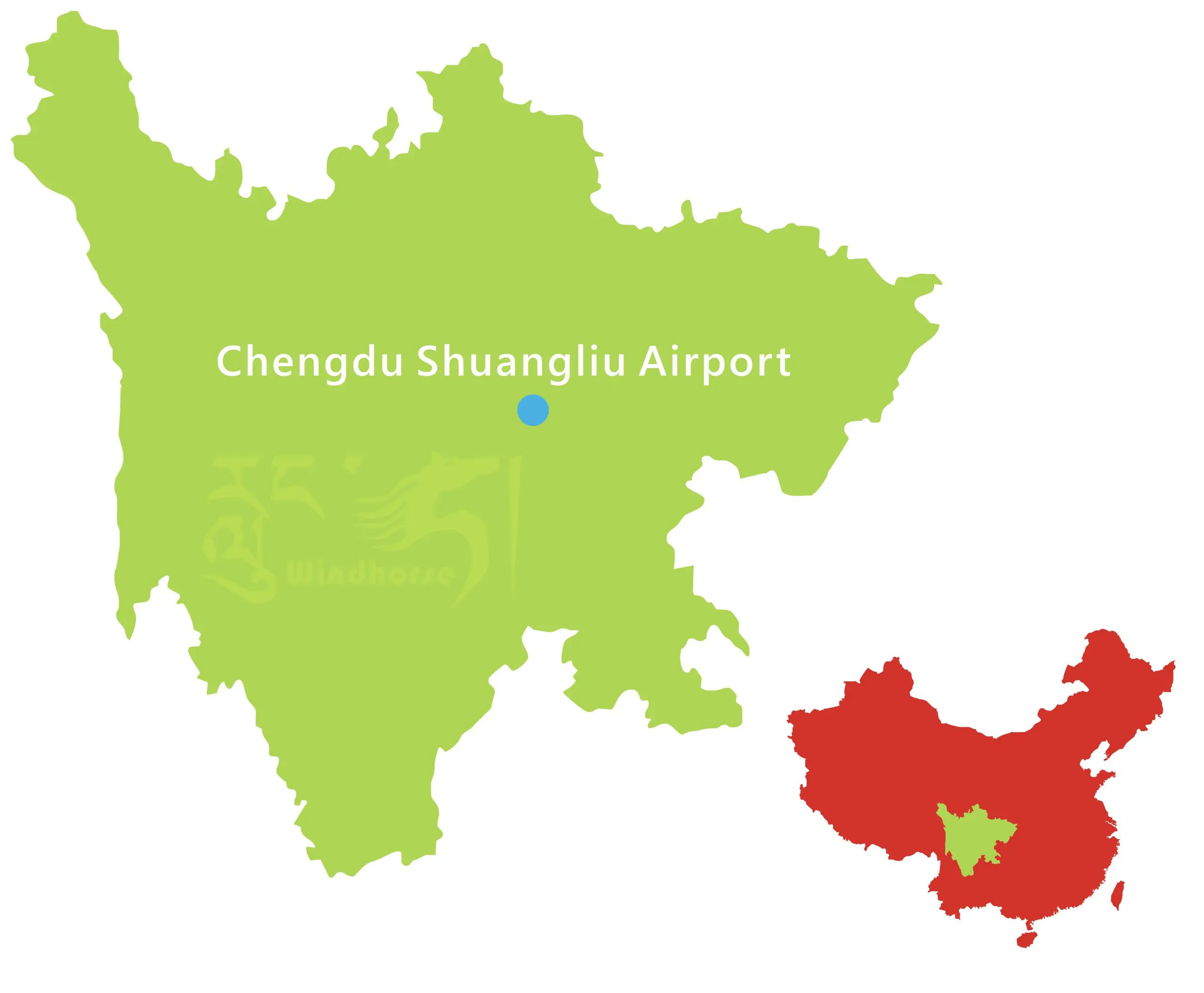
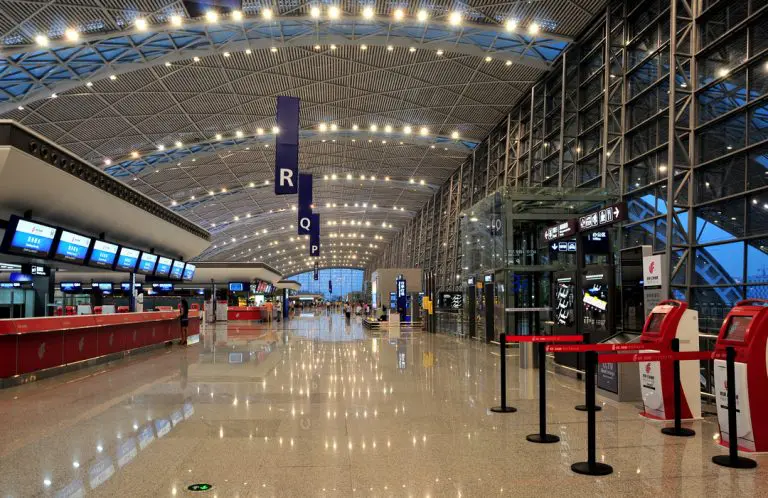
Offers Chengdu airport dropping off and picking up services. Traveling to Chengdu by air, you can easily to call us for different vehicle services.
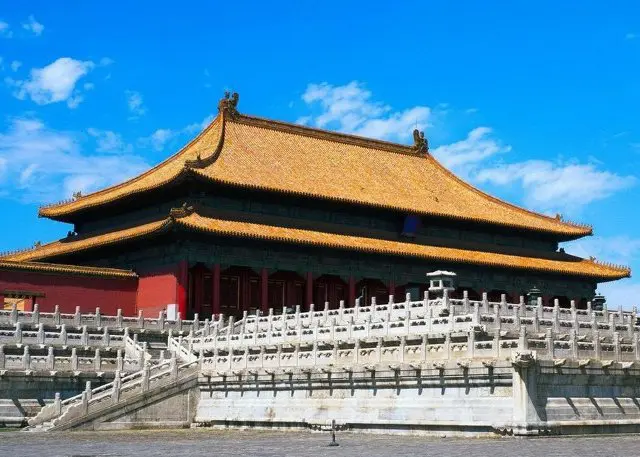
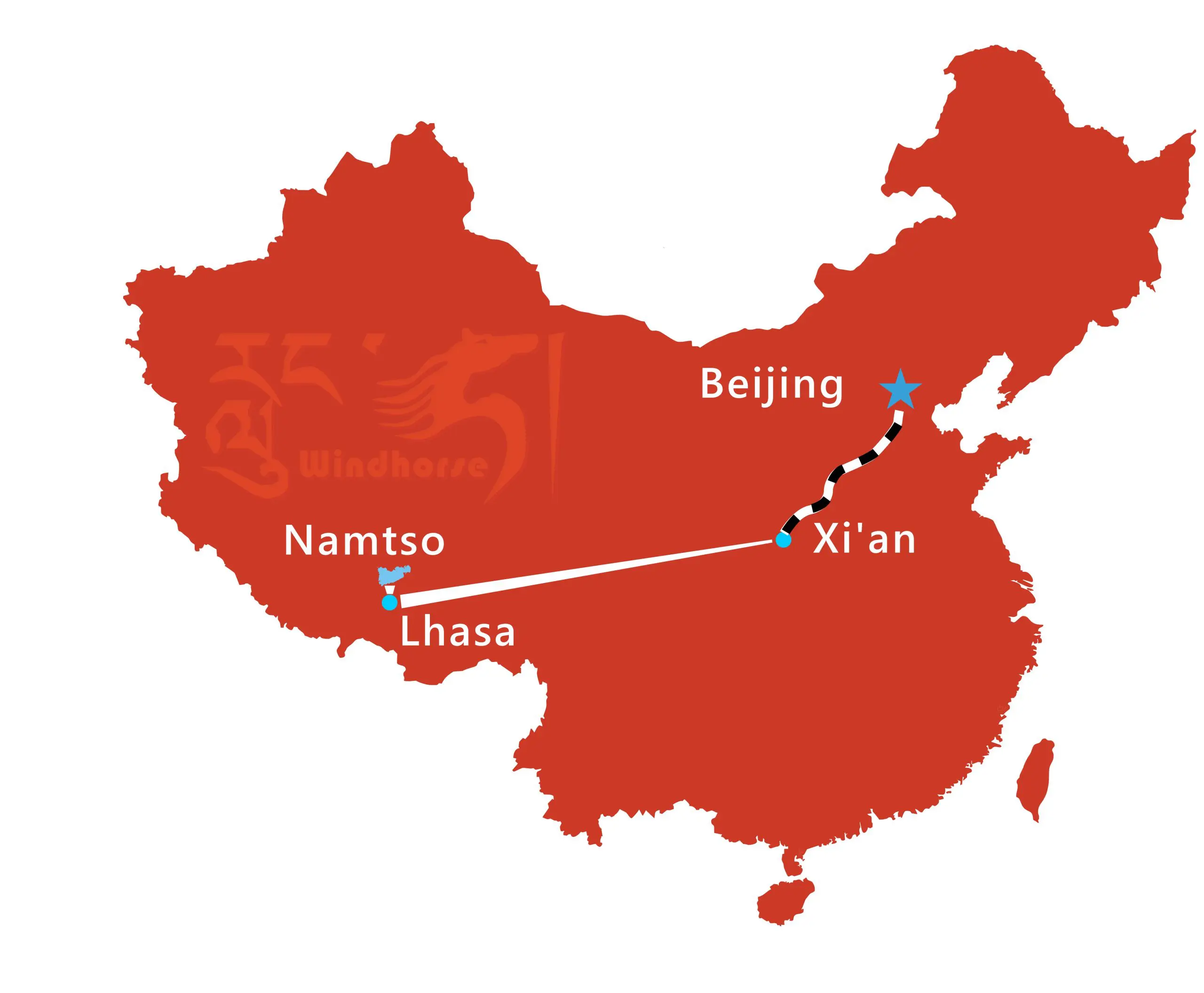
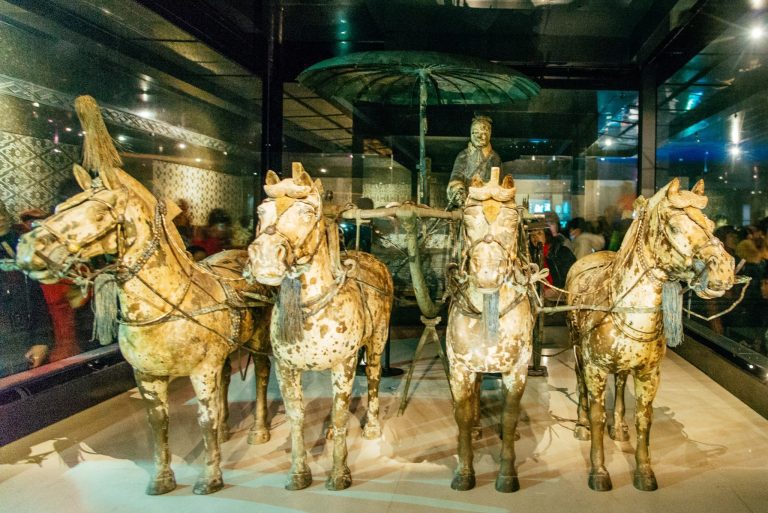



This 11-day Beijing Xi’an Lhasa Train Tour links China’s ancient capitals with Tibet’s cultural heart. Visit the Great Wall and Terracotta Warriors, then take the Qinghai-Tibet Railway to Lhasa to explore the Potala Palace, Jokhang Temple, and the stunning Namtso Lake or Yamdrok tso.
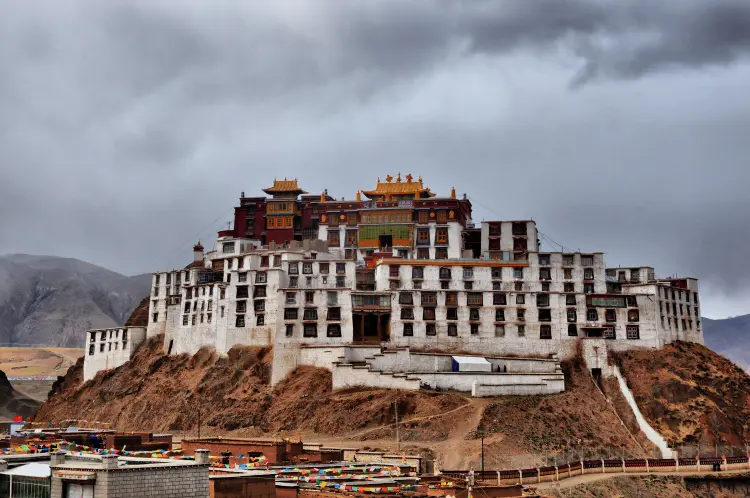
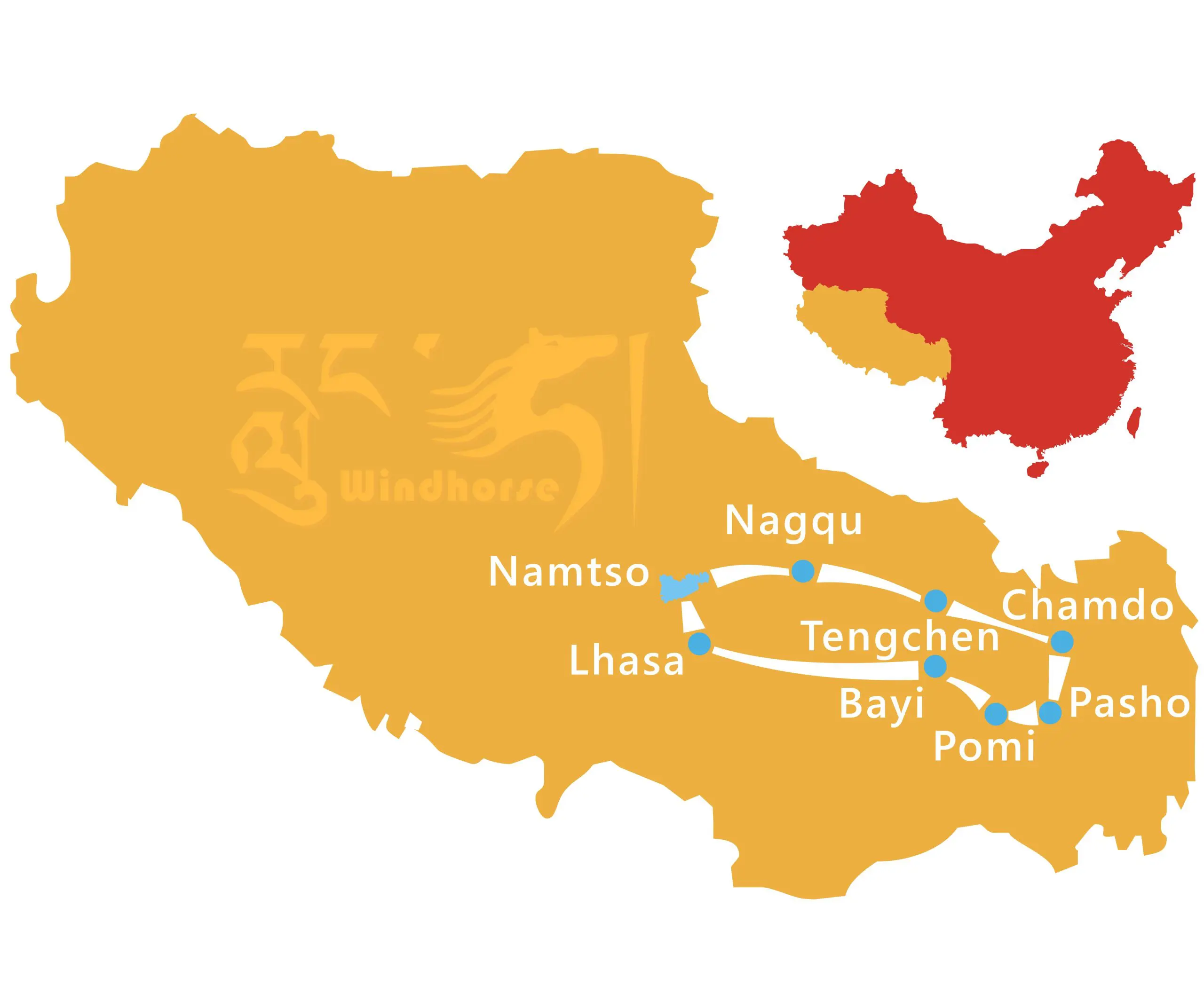


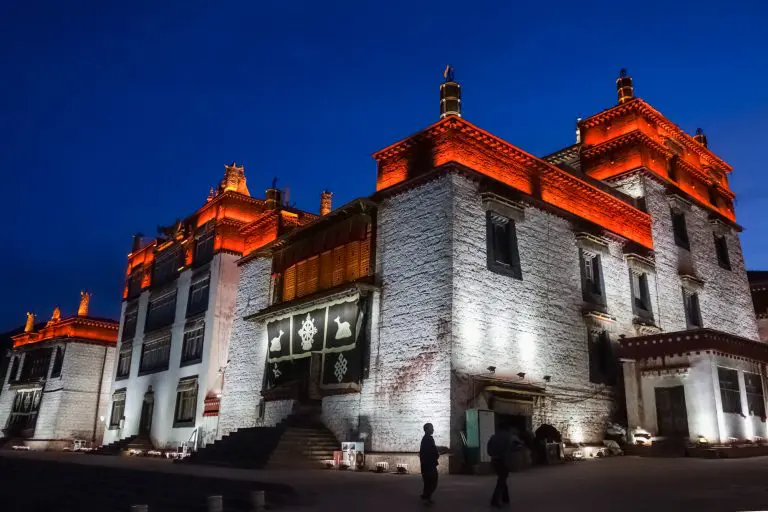


Travel to the eastern Tibet for the best view of the high plateau. Starting from Lhasa pass by gorgeous alpine lakes and yak pastures. Arrive in remote eastern Tibet to see the spectacular Riwoche Tsuglhakhang grassland and local nomadic life.

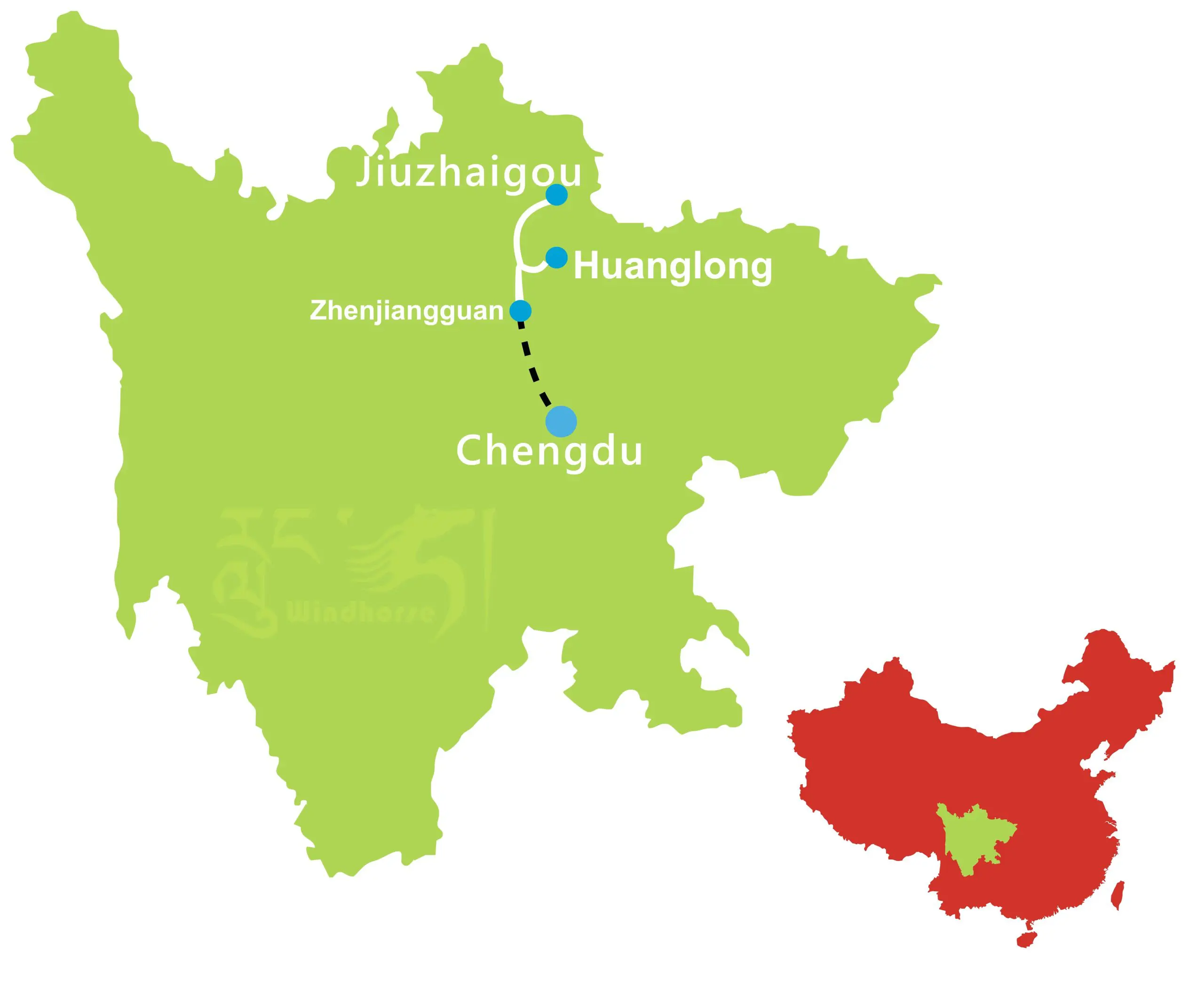
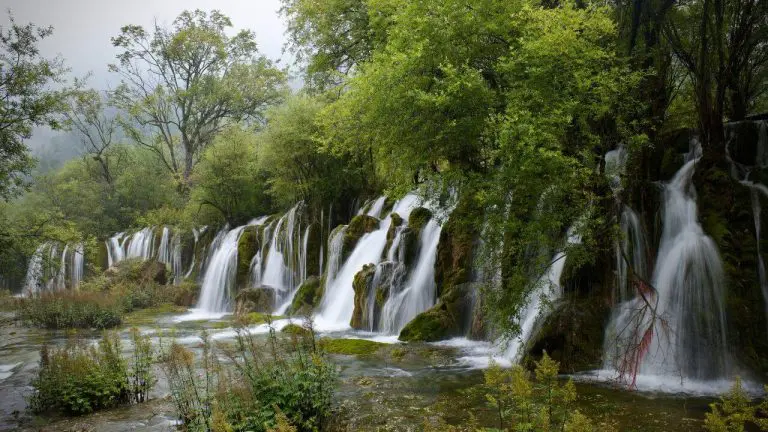
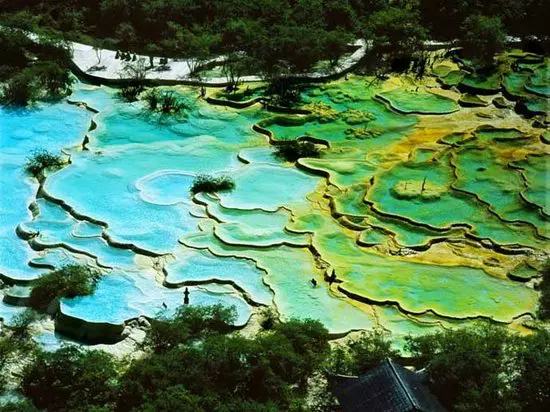
Take this 3 day Jiuzhaigou Train Tour from Chengdu, the fastest and most affordable way to explore Jiuzhaigou and Huanglong. Travel by high speed train, enjoy a full day in Jiuzhaigou National Park, and explore the colorful pools of Huanglong National Park with stunning mountain views.