
Haibao Pagoda
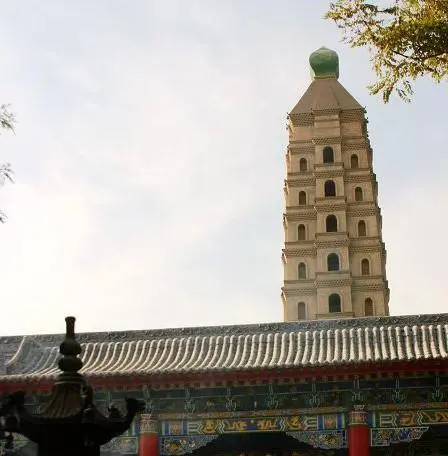
Haibao Pagoda is an ancient building noted for its rare seen architecture. Read on WindhorseTour travel tips for all the popular attractions within China. Including their location, key attractions, ticket price, and beyond.
Also known as north pagoda, it is located 1,500 m. (4,921 ft.) north of Yinchuan City in Ningxia Hui Autonomous Region.
The rectangular tower is 54 m. (177 ft.) high and takes a unique shape of the Chinese character “亚 (yà in mandarin)” which is rarely seen elsewhere in China.
It was included in the first group of key national cultural site and was one of the sixteen famous pagodas in China.
It’s not known when it was founded; but historical record has it that it was rebuilt during the reign of Xialianbobo, the king of Xia Dynasty during 407 – 427.
Hence, the tower is also referred to as Hebao Pagoda. Over the centuries, Haibao Pagoda has survived several earthquakes and has been rebuilt and repaired many times after the founding of new China making it the symbol of Yinchuan city today.
Look, Click, Start Your Private China Tour Today!
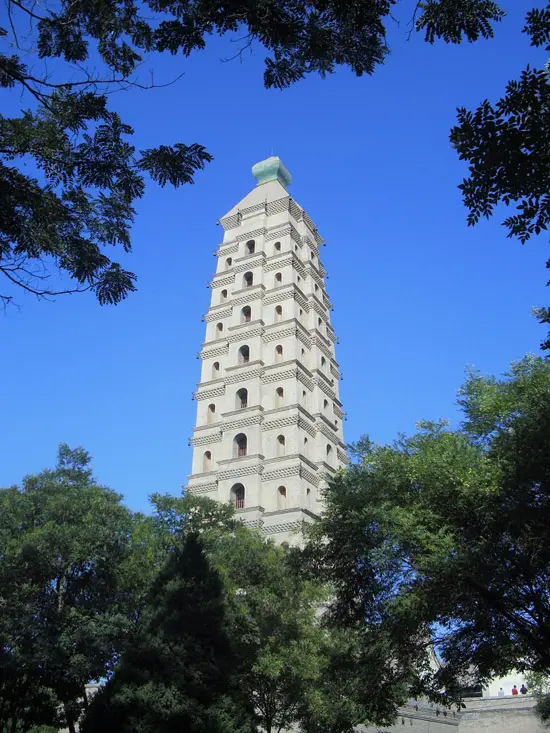
Haibao Pagoda is built up by black bricks with nine tiers and eleven flights of stairs. It has a square base, 5.7 m. (18.7 ft.) high and 19.7 m. (64.8 ft.) long.
You enter the pagoda by walking through an arched door and a portico on the first floor. When you reach the second floor, you’ll see four arched doors protruding ten centimeters to the outside.
There are also recesses built in the wall to add to its architectural complexity and give visitors a three dimensional feeling.
The pleasant sound produced by the chimes hanging on all the corners of the pagoda makes another attractive scene while climbing up to its top by the wooden stairs.
Every year on the 15th of the seven lunar month, the Buddhist festival of Obon is held in the nearby Haibao Pagoda temple and many Buddhist believers will gather there to participate in a variety of Buddhist activities.
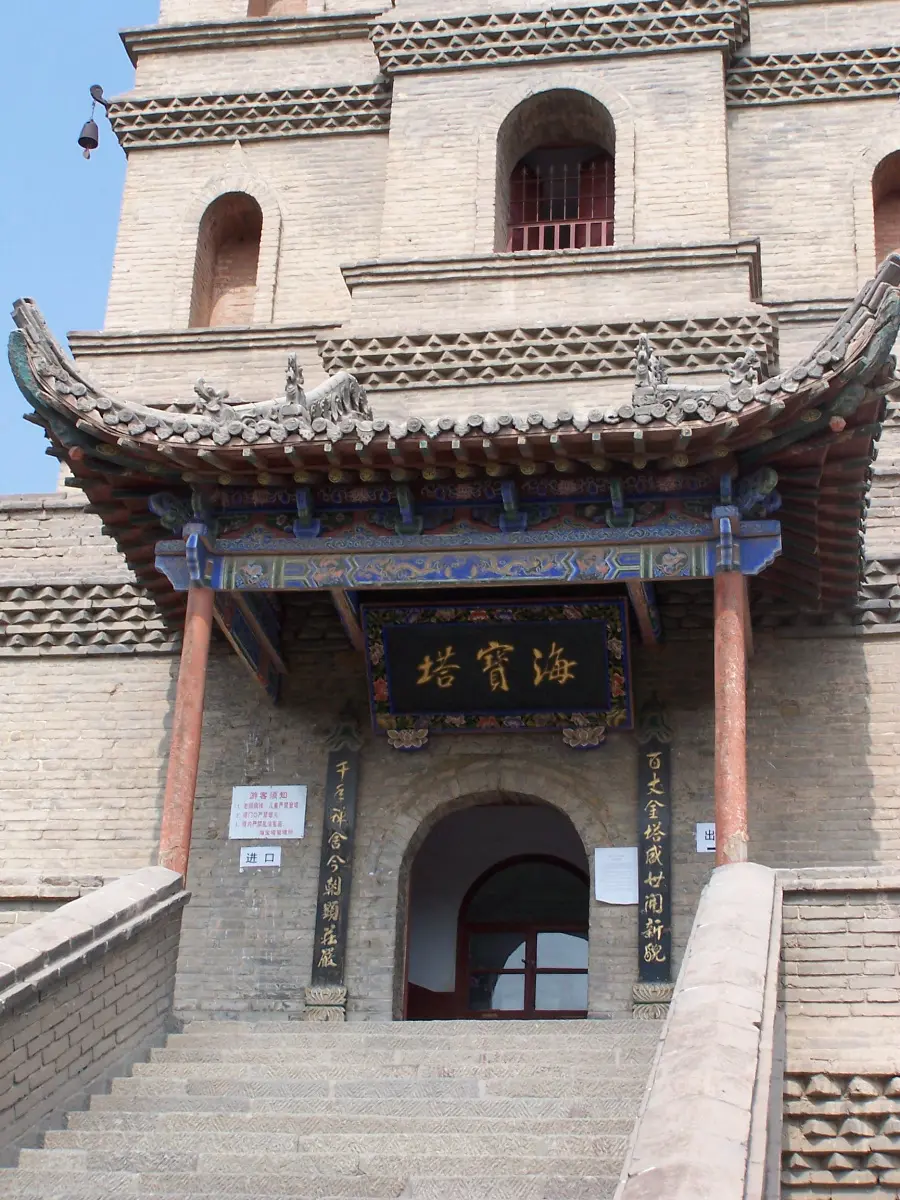
The smoke of the incense together with the melodious ringing of the bells and the sutras-chanting of the Buddhists add to the atmosphere of the Ghost Festival and the mysteriousness of Buddhist culture.
Final travel tips for you: the ticket price is 10 RMB (1.65 USD) including the charge for climbing the pagoda. It opens from 8:00-17:00.
Related tours
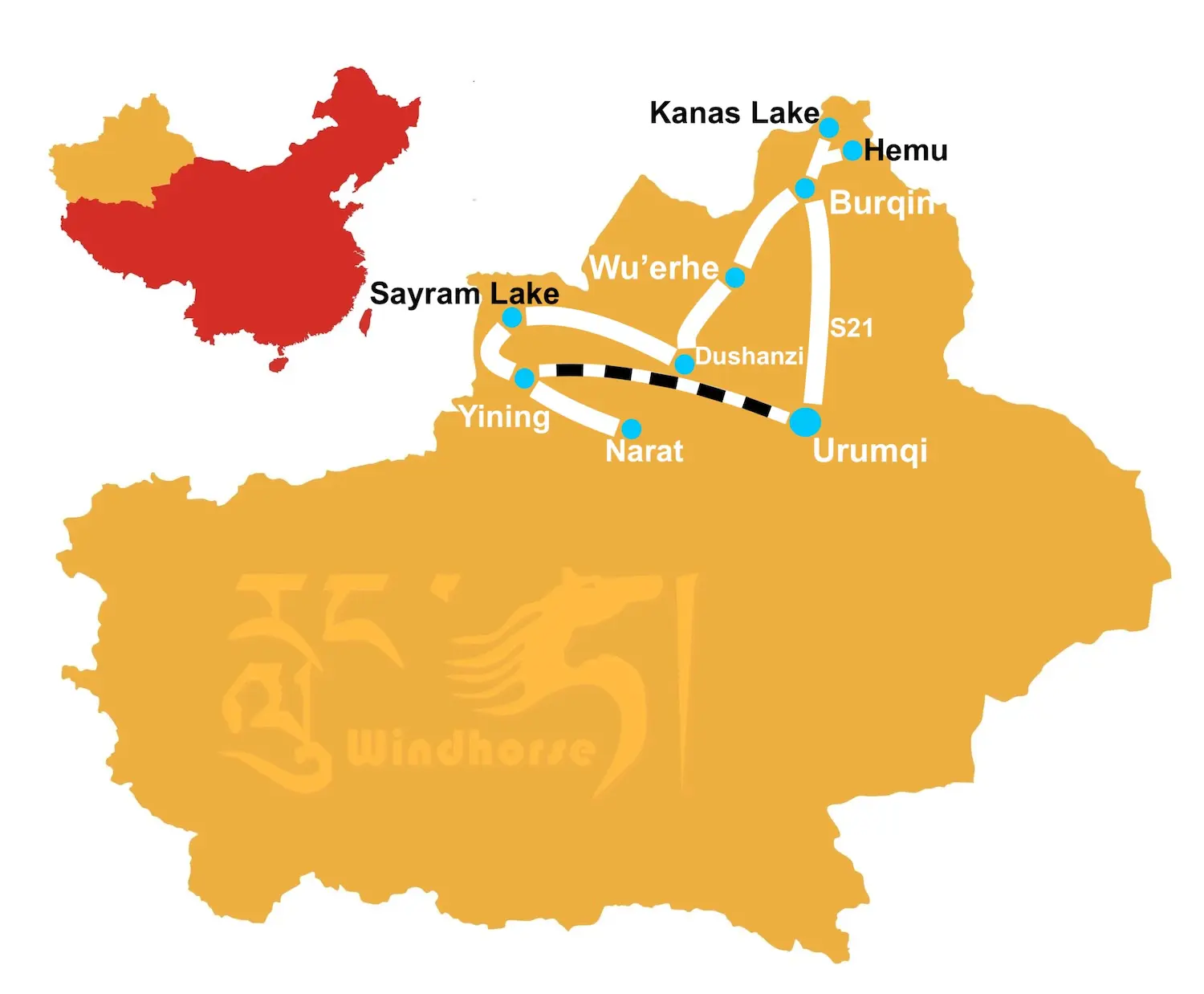
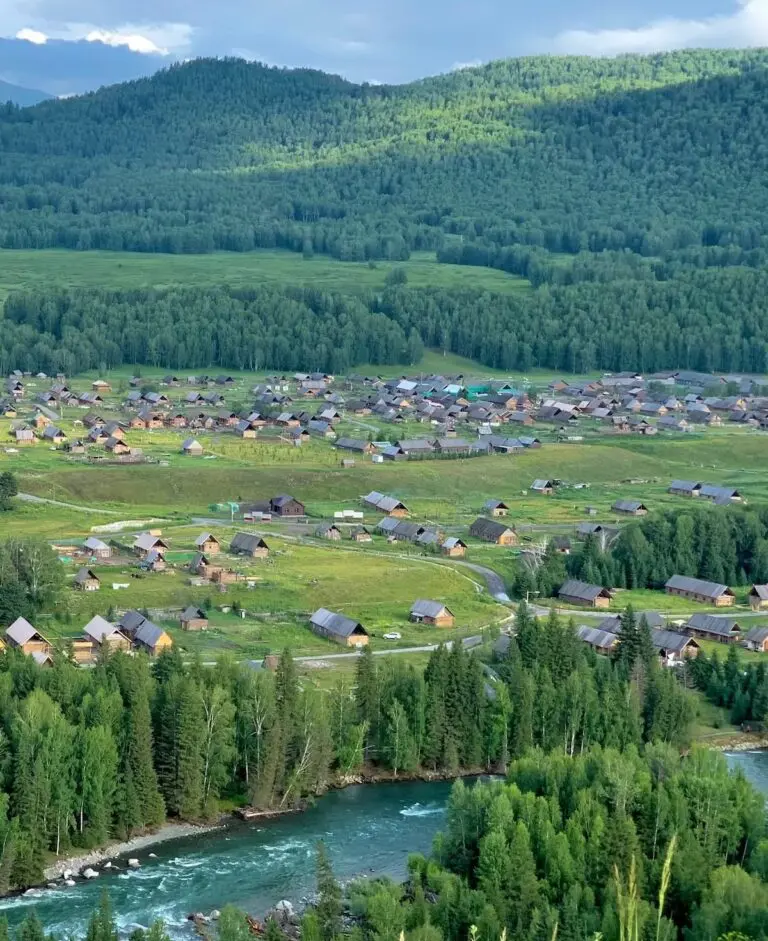

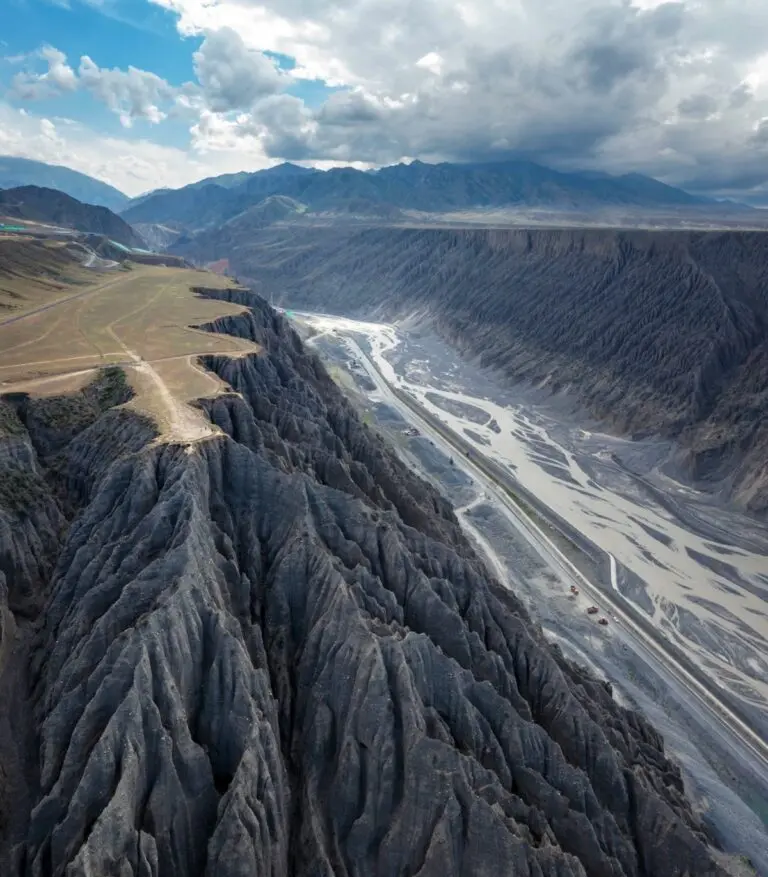

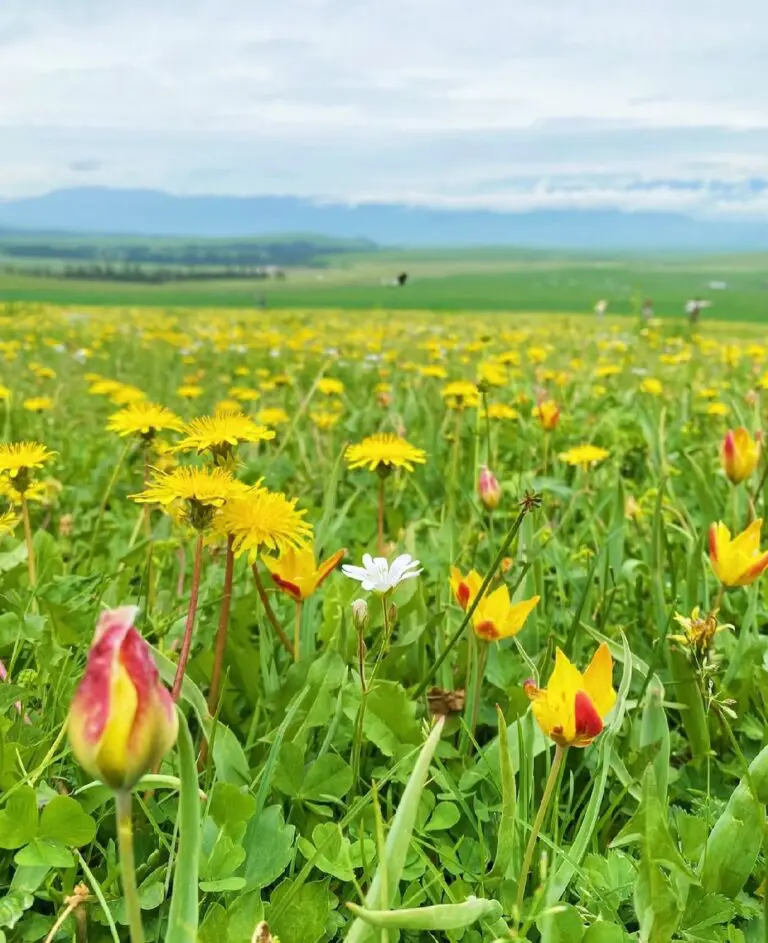
This 10-day Northern Xinjiang tour covers Kanas Lake, Hemu Village, Devil’s City, Sayram Lake, and Nalati Grassland. Explore stunning alpine lakes, ethnic culture, and vast grasslands on a scenic journey through the wild beauty of Xinjiang.
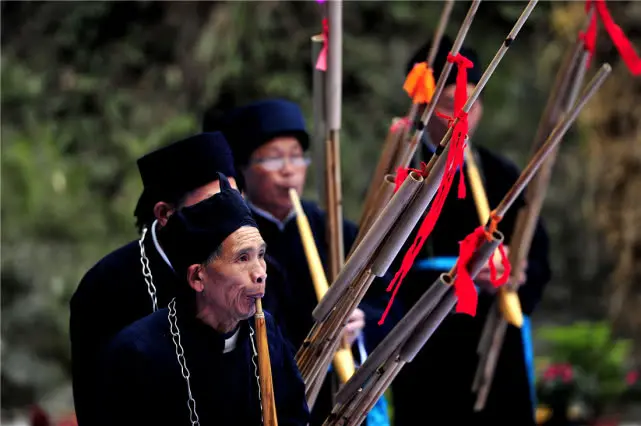
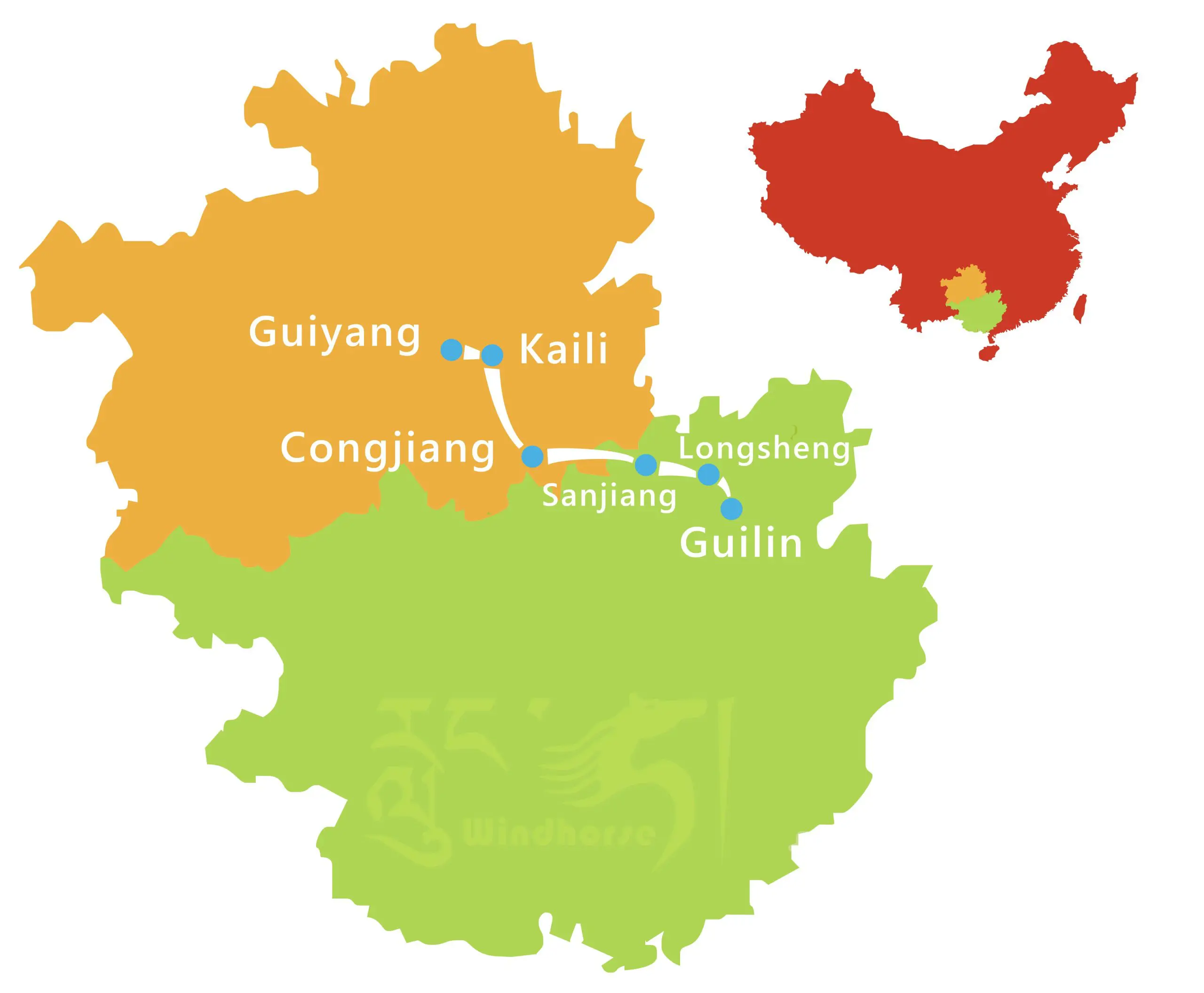


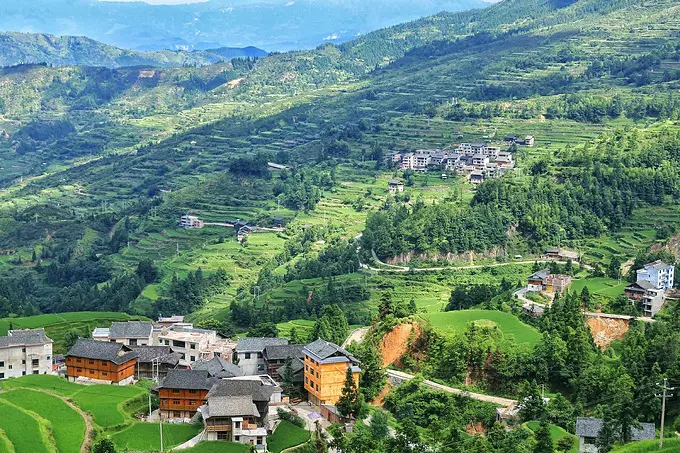
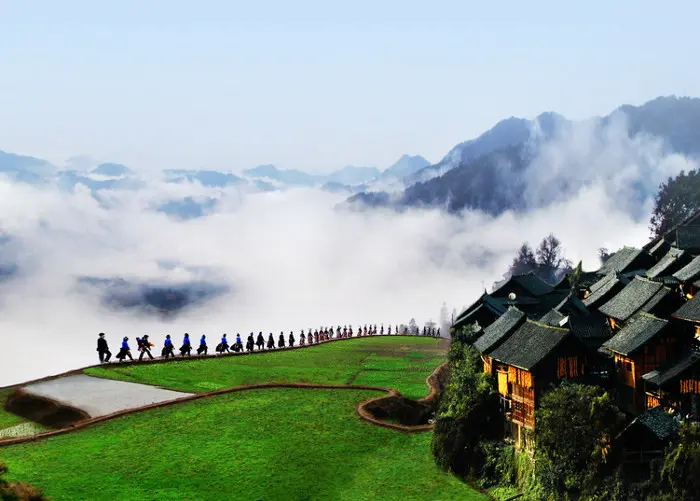
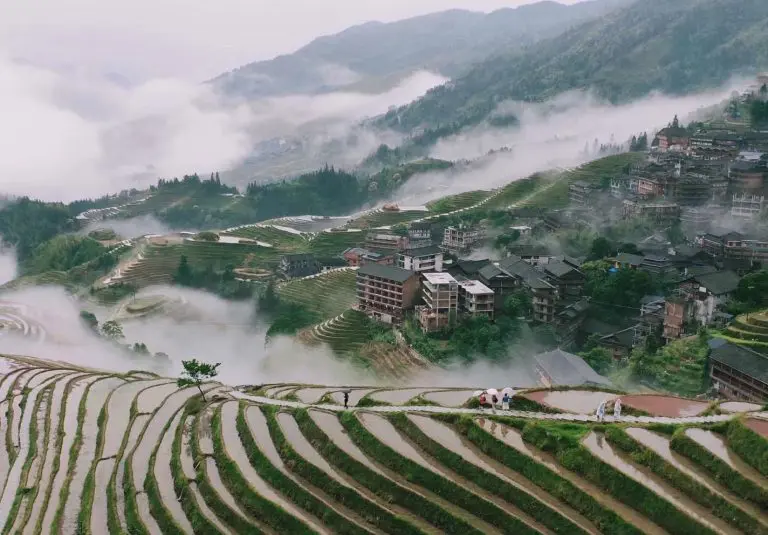
Travel deep into Guizhou and Guangxi provinces for over a week, exploring unique minority villages and gaining insights into Miao, Dong, and Zhuang cultures. Immerse yourself in stunning countryside landscapes with breathtaking rice terraces.
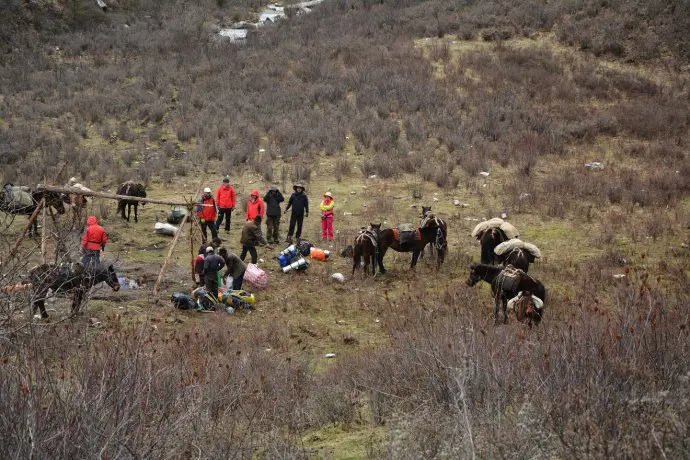
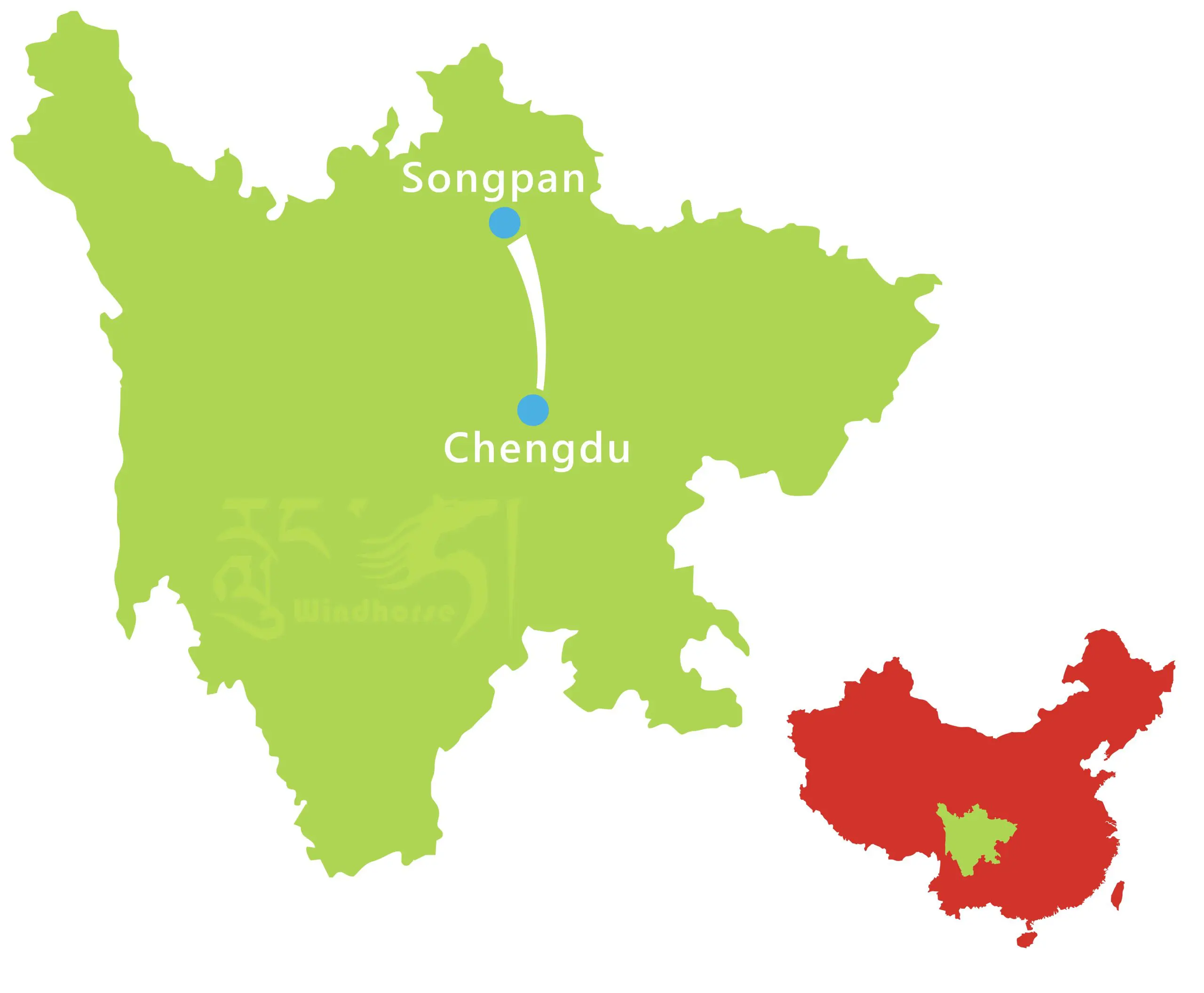
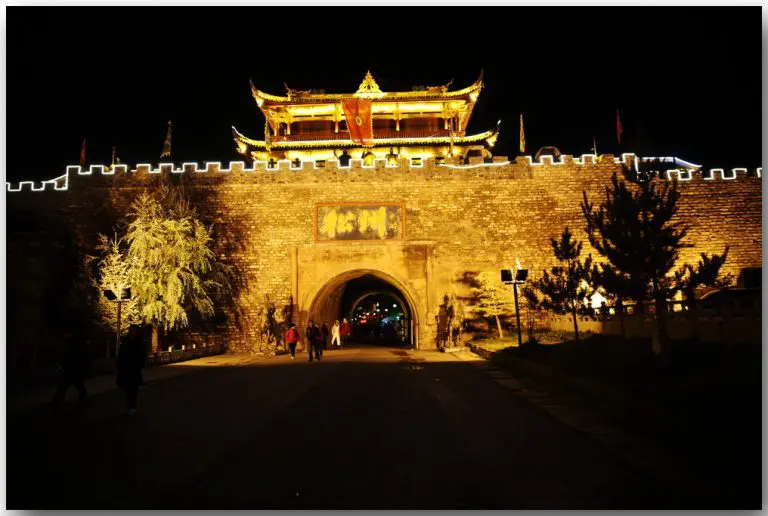
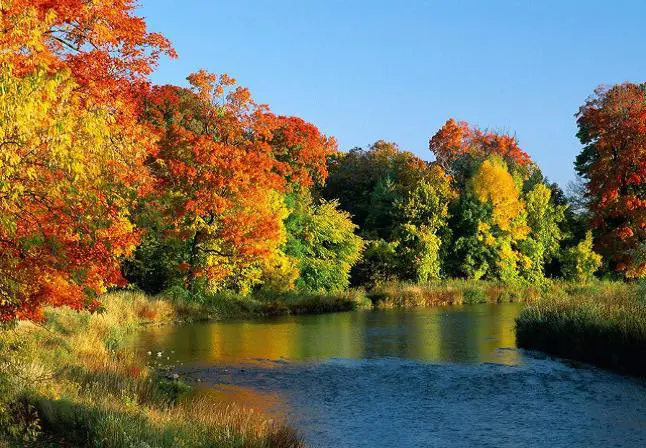
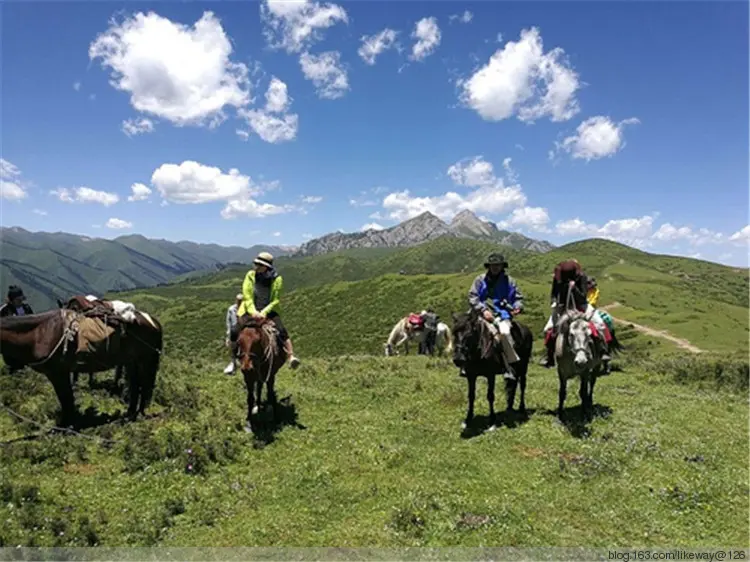
Enjoy the breathtaking scenery of Songpan in the highlands of norther Sichuan. Experience the life of the local Tibetan people as you ride into the woods. This unique horse riding experience adds to any Sichuan trip.
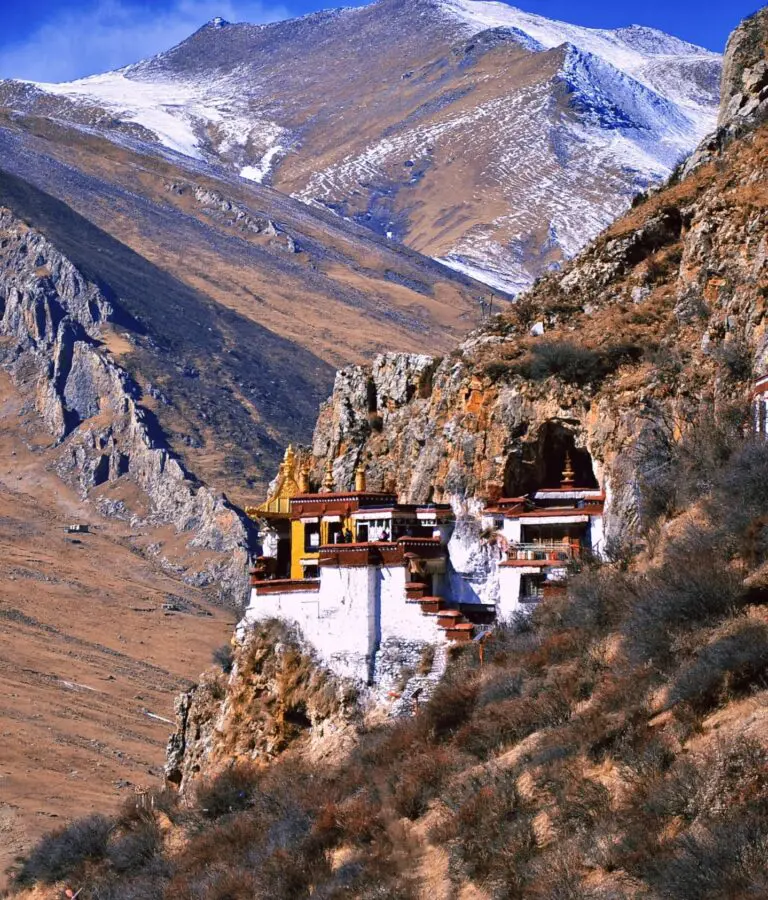
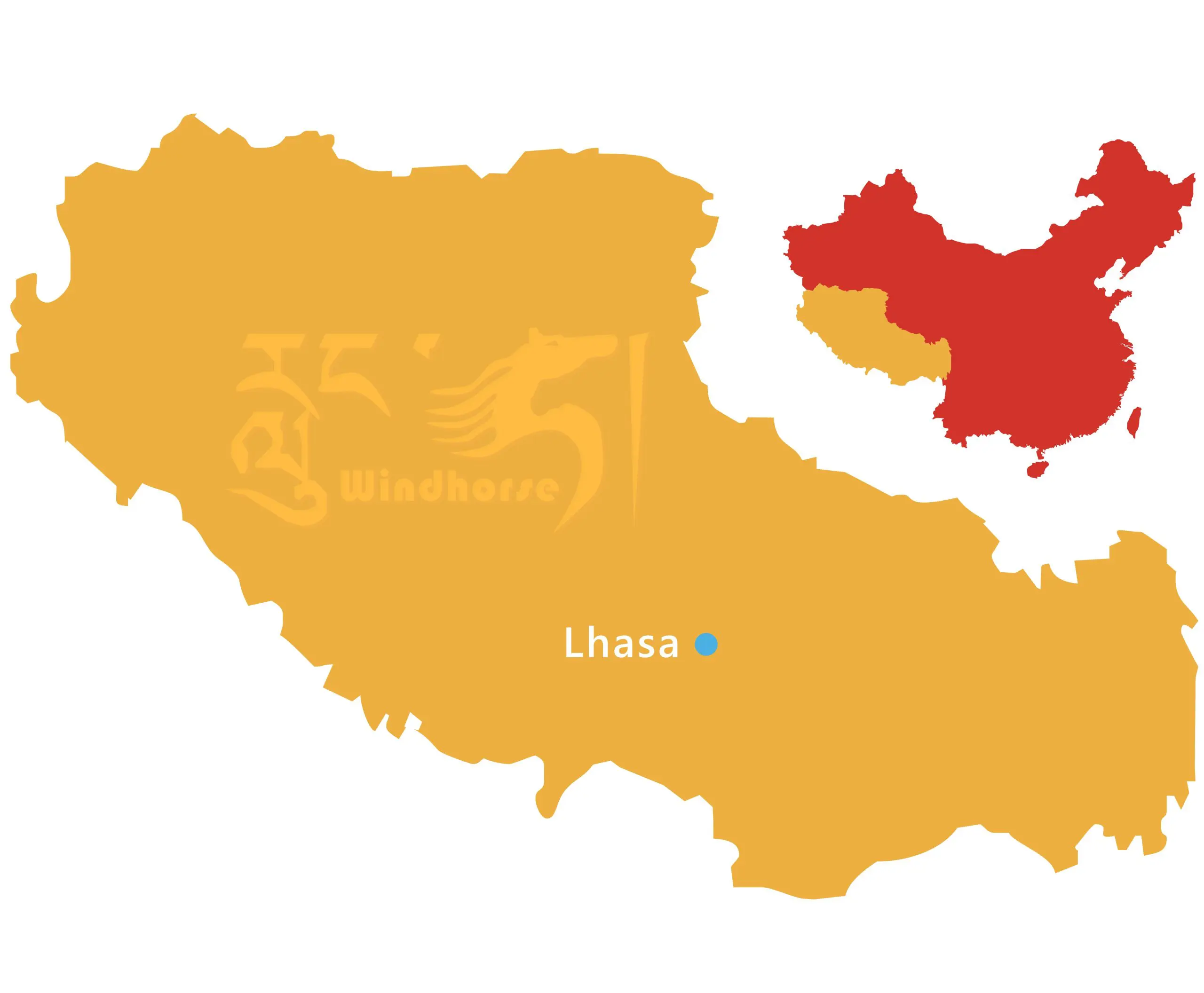
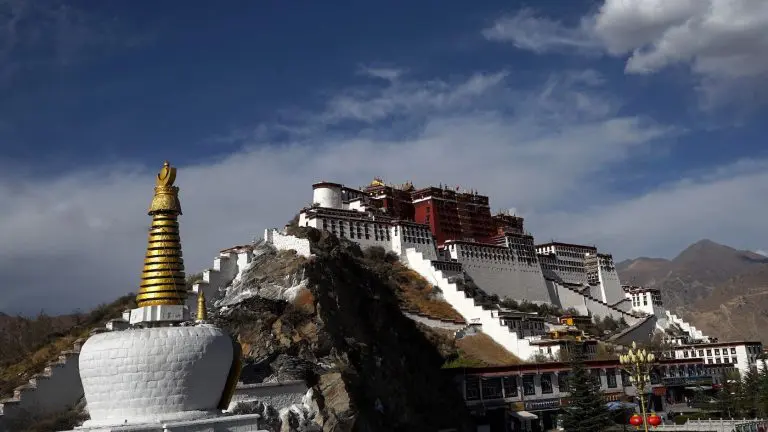
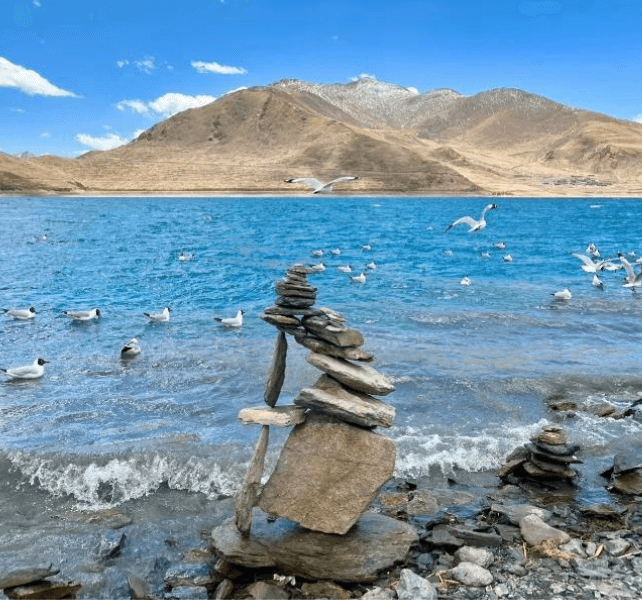

Experience Tibet’s calm winter landscapes on this 6-day Lhasa Winter Tour. Explore Potala Palace, Jokhang, and Sera Monastery, enjoy Yamdrok Lake’s turquoise beauty, and hike to Drak Yerpa meditation caves. A perfect blend of culture, nature, and local life.