
Zhangjiajie National Forest Park
UNESCO World Heritage Site and Avatar Mountain Landscapes
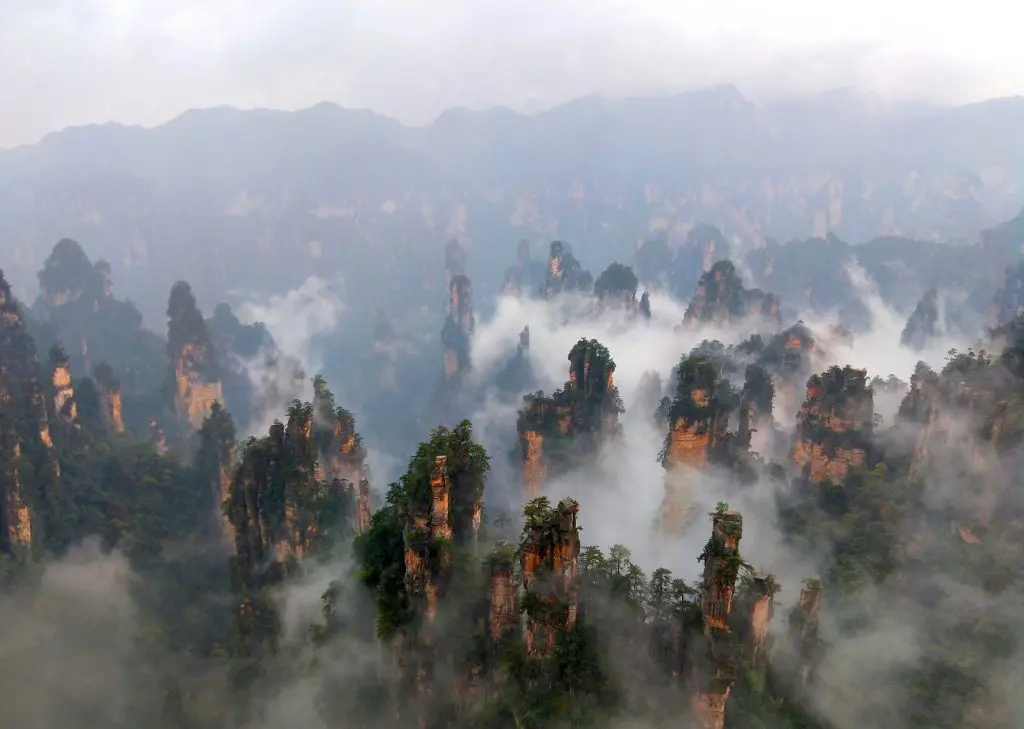
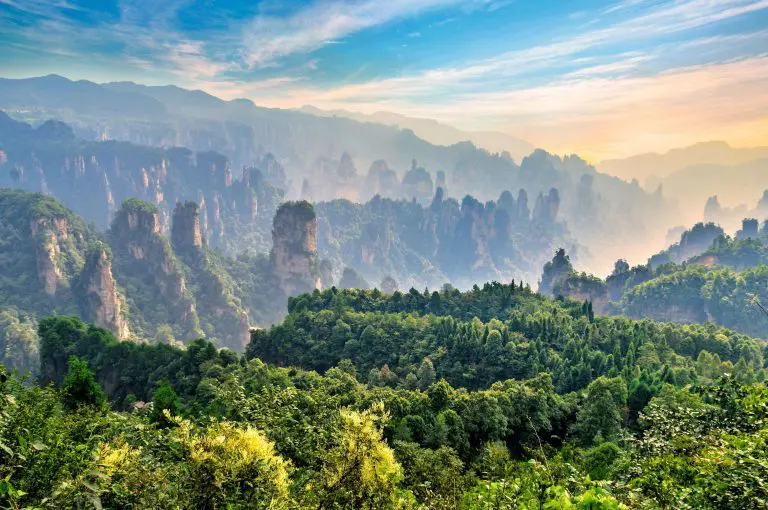
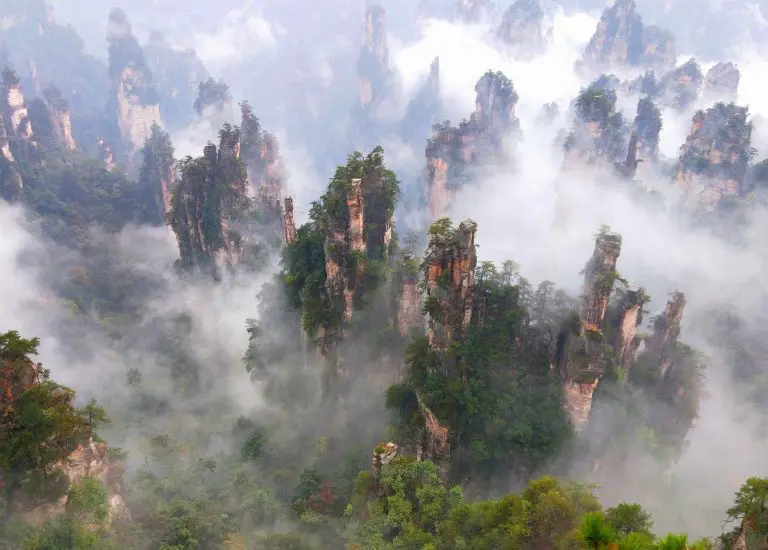
Zhangjiajie National Forest Park is the most iconic attraction in the Zhangjiajie region and the core reason many travelers visit this part of China. As part of the Wulingyuan Scenic Area, the park is famous for its towering quartz sandstone pillars, mist-filled valleys, and dramatic mountain scenery found nowhere else in the world. In 1992, the area was recognized as a UNESCO World Heritage Site for its unique geological formations and natural beauty.
The park’s surreal landscapes later inspired the floating mountains seen in the movie Avatar, bringing global attention to this once-remote corner of Hunan Province.
Table of Contents
Why Zhangjiajie National Forest Park Is Famous
What makes Zhangjiajie National Forest Park truly unique is its quartz sandstone pillar landscape. Thousands of narrow stone columns rise vertically from deep valleys, often shrouded in clouds and fog, creating a constantly changing and otherworldly atmosphere. Combined with dense forests, winding streams, and elevated viewpoints, the park offers a rare blend of vertical drama and accessible sightseeing.
Main Scenic Areas Inside Zhangjiajie National Forest Park
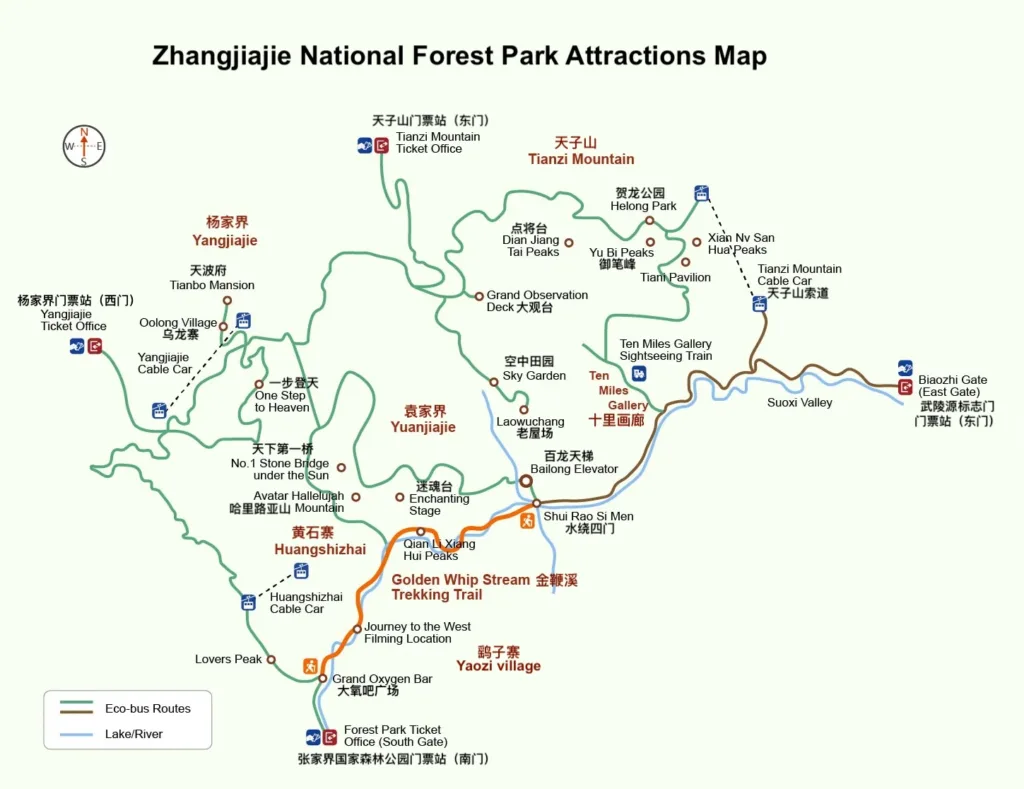
Zhangjiajie National Forest Park is not a single viewpoint but a vast protected area made up of several distinct scenic zones. Each area offers a different perspective on the park’s landscapes.
Yuanjiajie Scenic Area
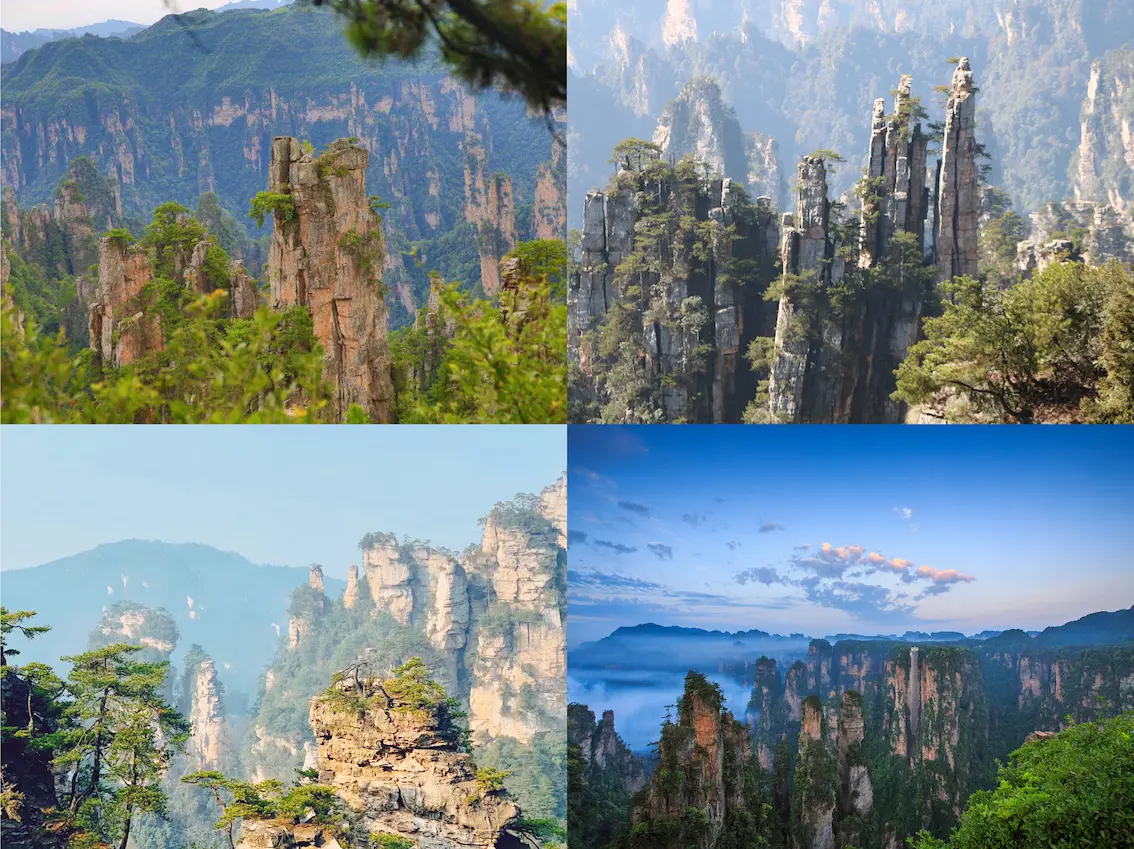
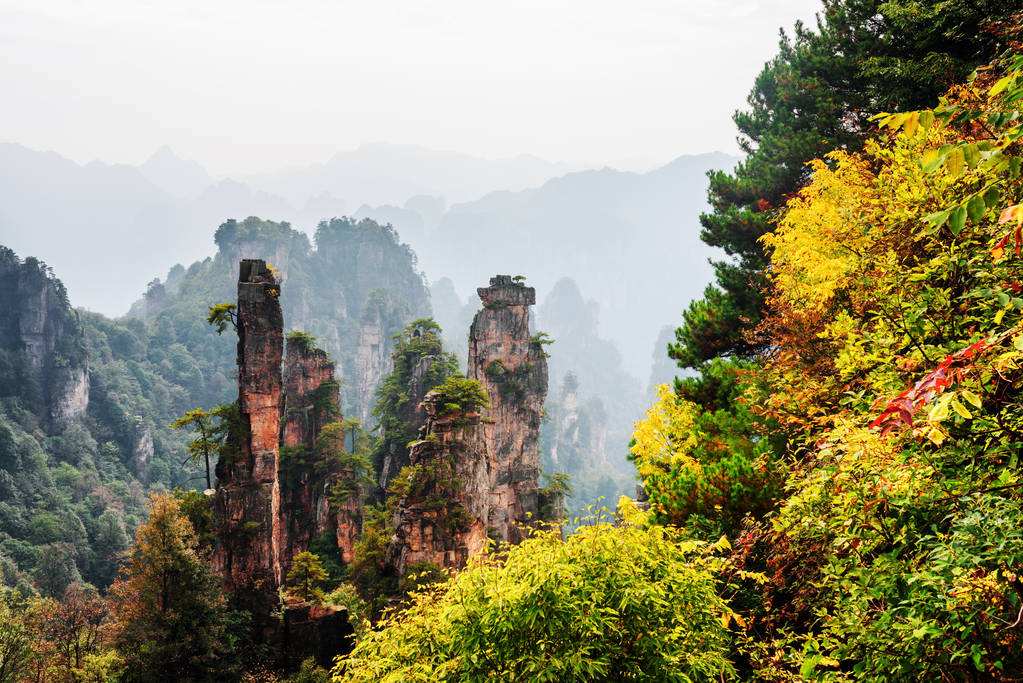
Yuanjiajie is the most visually striking section of the park and home to the famous sandstone pillars that inspired the floating mountains in Avatar. Highlights include the Avatar Hallelujah Mountain and the First Bridge Under Heaven. Elevated walkways and nearby transport connections make this area a key stop for first-time visitors.
Tianzi Mountain
Tianzi Mountain is known for its wide-open viewpoints, rolling peaks, and classic “sea of clouds” scenery, especially at sunrise. Compared to the vertical intensity of Yuanjiajie, Tianzi Mountain offers broader panoramas and is particularly popular with photographers.
Yangjiajie
Yangjiajie is the wildest and least developed area of the park. Narrow ridgelines, forested trails, and fewer visitors give it a more remote feel. The Sky Corridor in Yangjiajie can only be reached on foot and appeals to travelers who enjoy hiking and quieter scenery.
Golden Whip Stream
Golden Whip Stream runs along the valley floor beneath towering sandstone cliffs. This flat, shaded trail follows a clear stream for about 7.5 kilometers and is one of the easiest walks in the park. It is well suited for families, senior travelers, and anyone seeking a peaceful nature walk.
Ten Mile Gallery
Ten Mile Gallery is a gentle scenic corridor lined with rock formations that resemble animals, people, and mythical figures. Visitors can walk the route or take a small sightseeing train, making it accessible for all activity levels.
Huangshizhai (Yellow Stone Village)
Huangshizhai is one of the highest and most classic viewpoints in the park. Long regarded as a must-visit area, it offers expansive views across stone peaks and forested valleys. The viewpoint can be reached by hiking or cable car.
Bailong Elevator (Inside the Park)
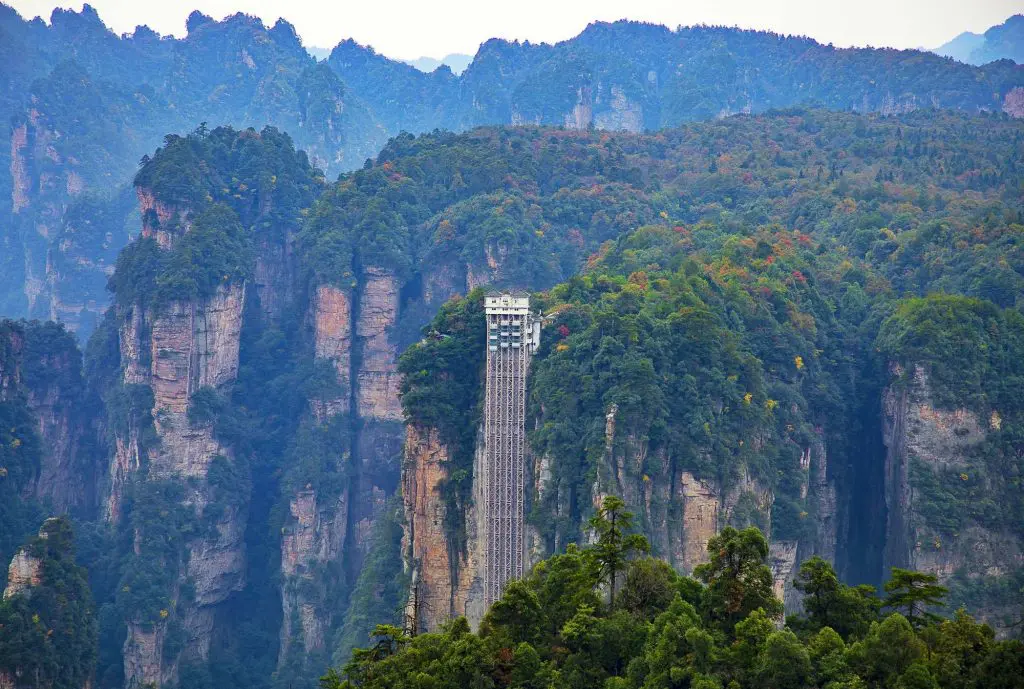
The Bailong Elevator is one of Zhangjiajie National Forest Park’s most remarkable features. Built directly into a cliff face, it is the world’s tallest outdoor elevator and connects Golden Whip Stream with the Yuanjiajie area in under two minutes. The elevator saves hours of uphill hiking and plays an important role in making the park accessible for families and less active travelers.
Suggested Itineraries for Zhangjiajie National Forest Park
Zhangjiajie National Forest Park is vast and vertically layered, with scenic areas spread across valleys, cliffs, and mountain ridges. The way you arrange entrances, exits, and elevation changes has a major impact on comfort and efficiency. Below are practical itinerary suggestions based on common visit lengths.
Zhangjiajie 1-Day Visit
(Best for first-time visitors with limited time)
Focus on the park’s most iconic high-altitude landscapes in a single, efficient loop.
Enter through the East Gate and ascend to Yuanjiajie Scenic Area by Bailong elevator, home to the Avatar Hallelujah Mountain and the First Bridge Under Heaven. Continue by park shuttle to Yangjiajie for dramatic ridgelines and a quieter atmosphere, then proceed to Tianzi Mountain for wide-open viewpoints and classic “sea of clouds” scenery. Descend by cable car and exit via the East Gate.
Optional: If you wish to include Ten Mile Gallery, the route can be reversed to keep walking distances reasonable.
Zhangjiajie 2-Day Visit
(Best balance of viewpoints and valley scenery)
With two days, you can combine the park’s famous peaks with its most relaxing low-altitude walks.
Day 1 follows the classic high-elevation route covering Yuanjiajie, Yangjiajie, and Tianzi Mountain.
Day 2 begins at the South Gate, focusing on Huangshizhai (Yellow Stone Village), one of the park’s highest and most traditional viewpoints. From there, descend to the valley and enjoy a long, gentle walk along Golden Whip Stream, a shaded trail beneath towering cliffs and forest canopy. Exit via the East Gate.
3-Day Visit Zhangjiajie Forest Park
(Best for trekking, photography, and a slower pace)
With three days, you can explore the park in greater depth and include more walking, particularly in quieter sections away from the busiest viewpoints. This pace is ideal for travelers who enjoy hiking and prefer a relaxed, unrushed experience between major highlights.
Day 1 Starts at the South Gate with extended hiking around Huangshizhai and Golden Whip Stream, combining classic viewpoints with valley-level scenery.
Day 2 Starts at the South Gate focuses on trekking routes in Yangjiajie and Yuanjiajie, emphasizing ridgelines, forest paths, and quieter sections of the park. Exit through the South Gate.
Day 3 Starts at the South Gate to explore Ten Mile Gallery and Tianzi Mountain at a relaxed pace, leaving time for photography and scenic overlooks before exiting at the East Gate.
Best Time to Visit Zhangjiajie National Forest Park
The best months to visit are April to June and September to October, when temperatures are comfortable and visibility is usually clear. Summer brings lush greenery but higher humidity and larger crowds. Winter is quieter, with occasional snow that creates a very different, atmospheric look.
How This Park Fits Into a Zhangjiajie Trip
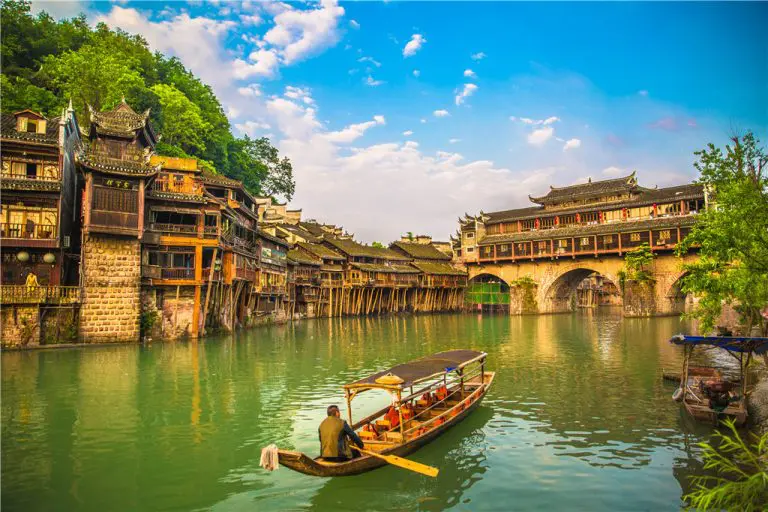
Zhangjiajie National Forest Park is usually the core highlight of a Zhangjiajie itinerary. It’s commonly paired with nearby sights such as Tianmen Mountain or cultural towns like Furong town or Fenghuang ancient city in western Hunan.
For broader planning, see our Zhangjiajie travel guide, or explore the things to do in Zhangjiajie for additional context.
If you prefer to visit with private transport, local guides, and a well-paced route, you can also browse our Zhangjiajie tours, designed by China-based travel experts.
Related tours
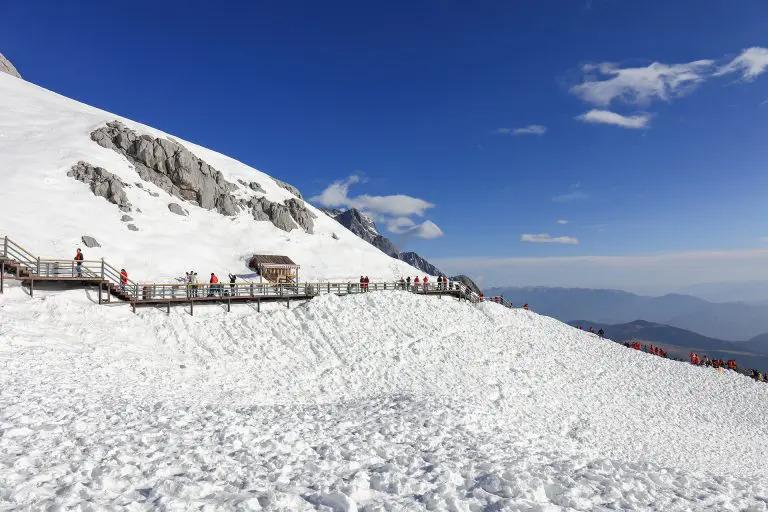
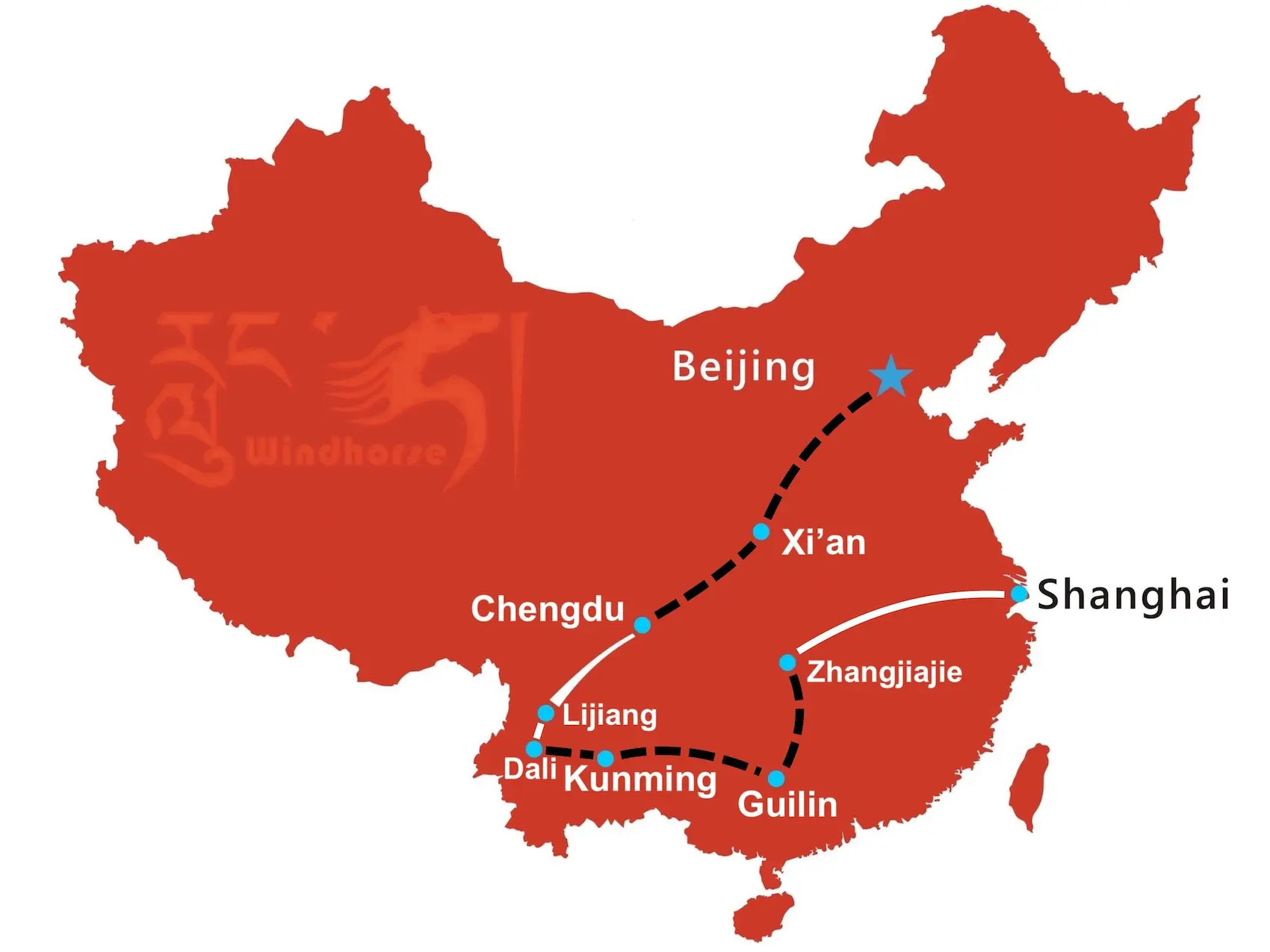
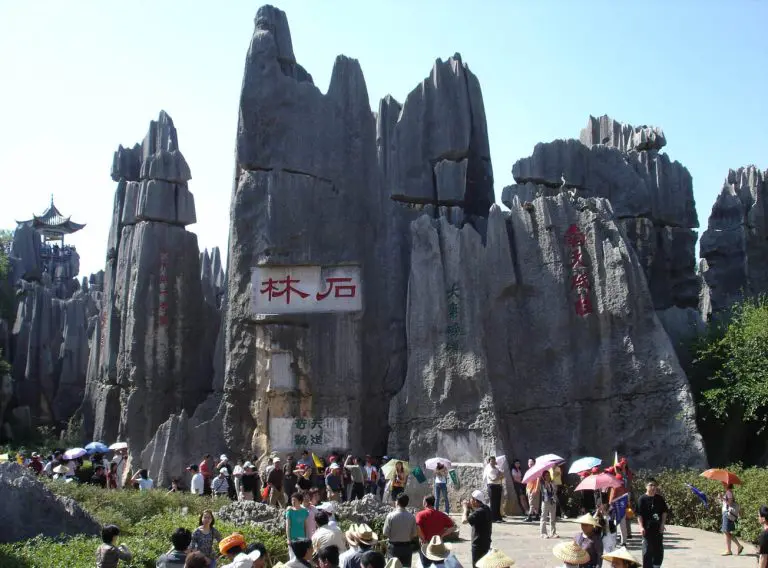
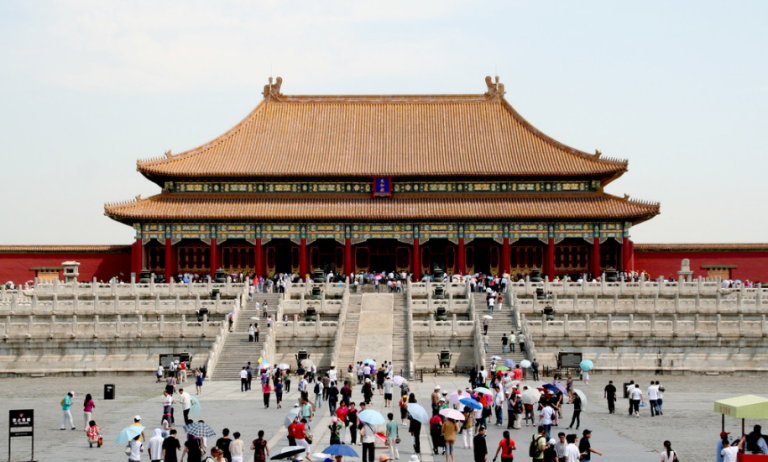

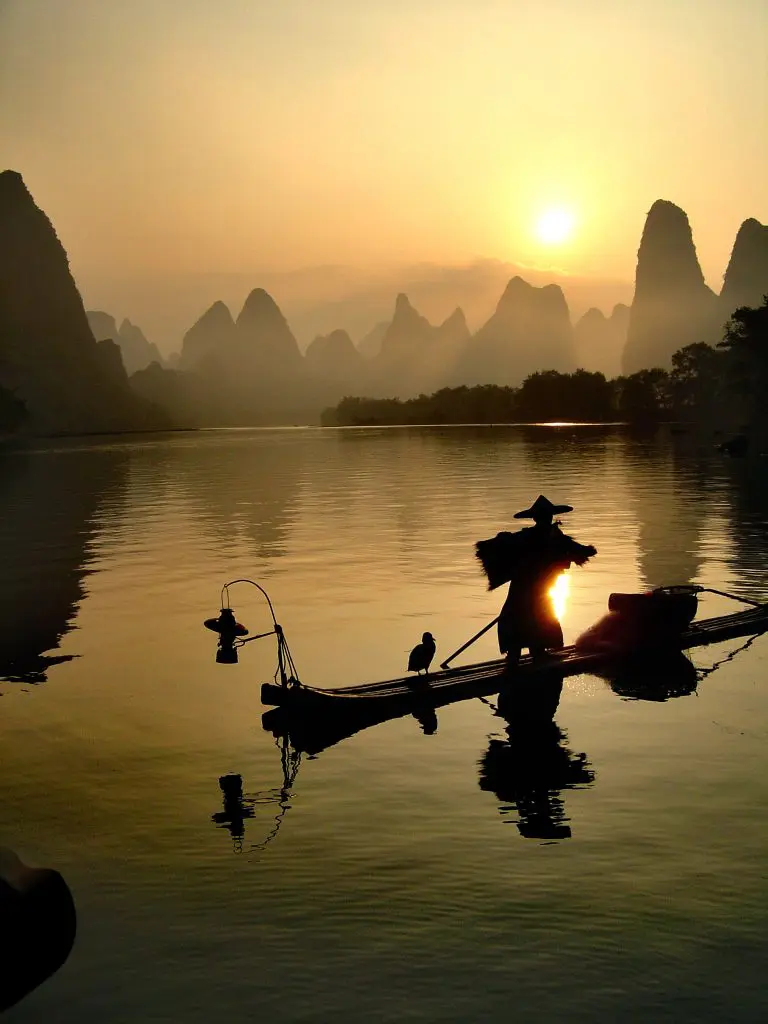
Travel across China in 21 days from Beijing and Xi’an to Chengdu, Yunnan, Guilin, Zhangjiajie, and Shanghai. This private journey highlights China’s top cities, historic towns, mountain scenery, and diverse cultures with well planned pacing and expert local guides.
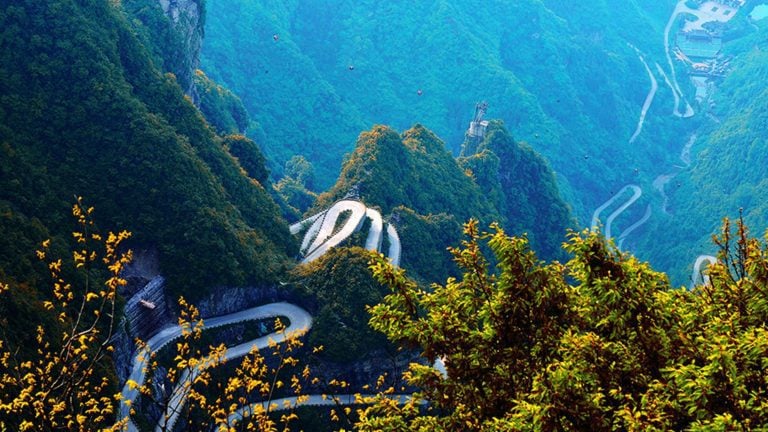
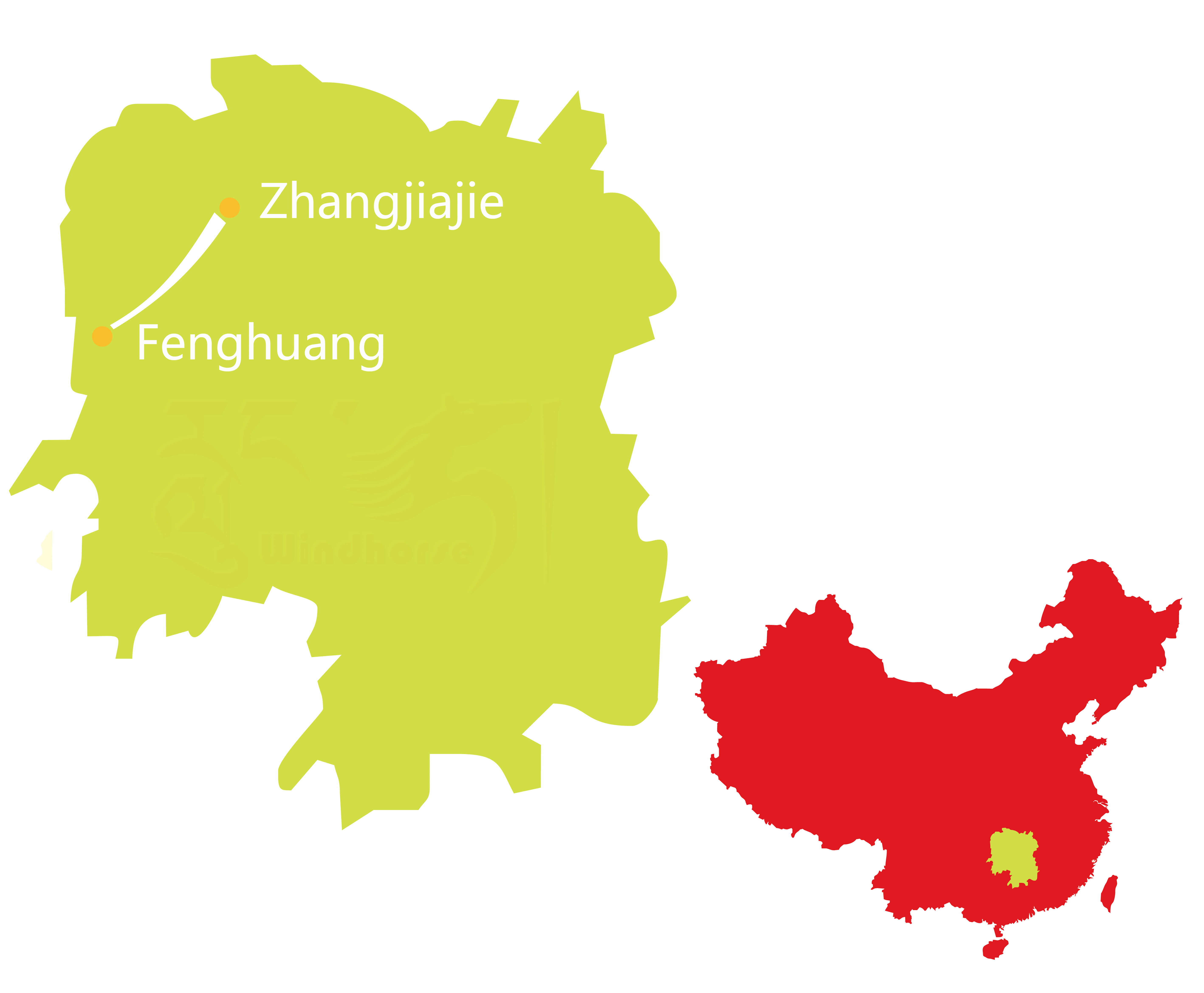
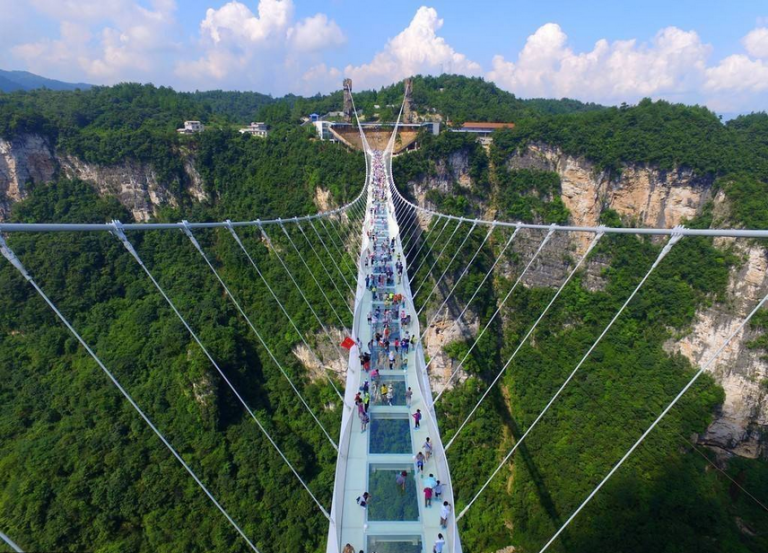
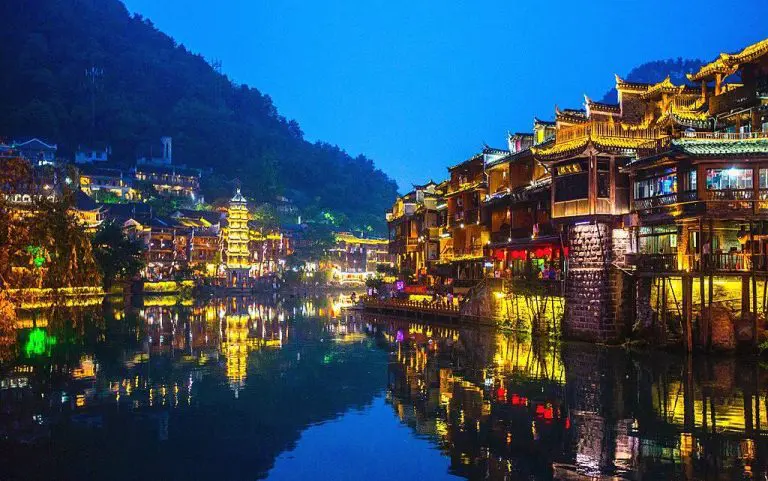
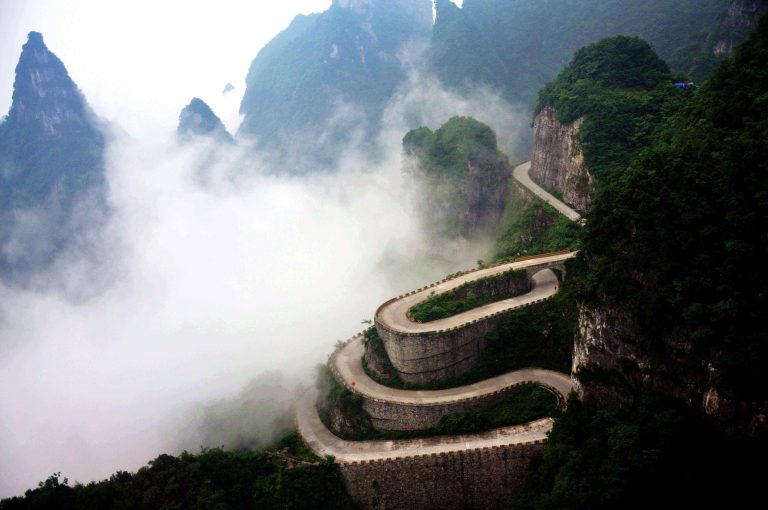
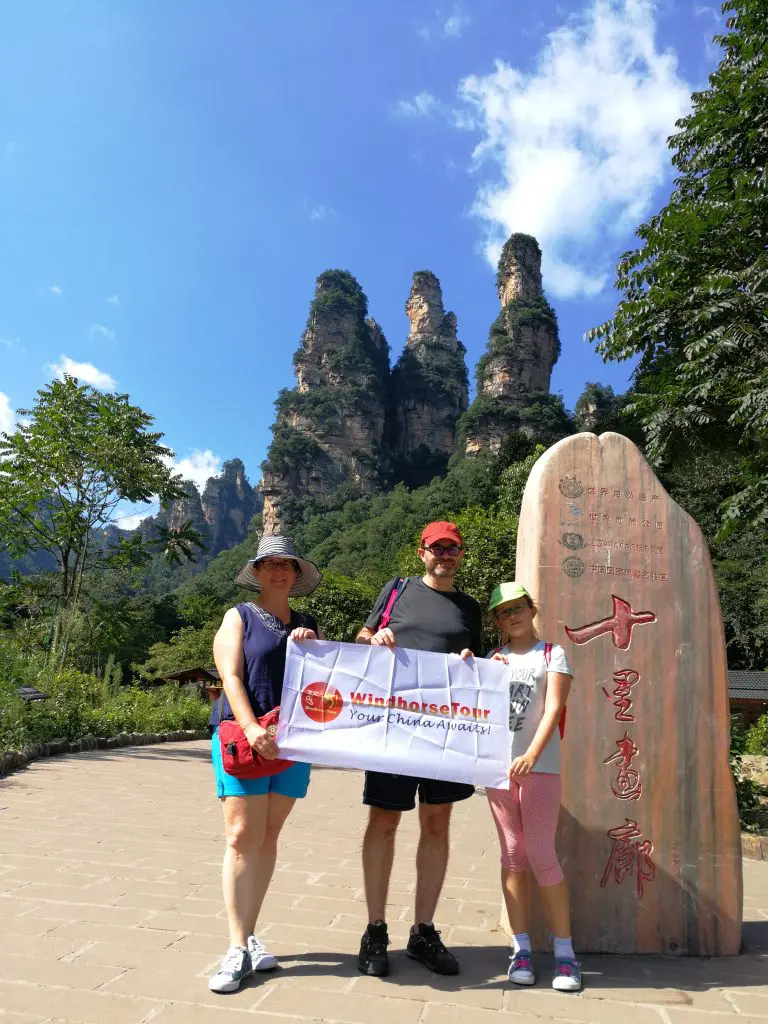
Experience the best of Hunan on this 6-day Zhangjiajie & Fenghuang Tour. Explore the stunning peaks of Zhangjiajie National Park, walk the world-famous Glass Bridge, ascend Tianmen Mountain, and uncover the charm of Fenghuang Ancient Town with its riverside stilt houses and vibrant night views.
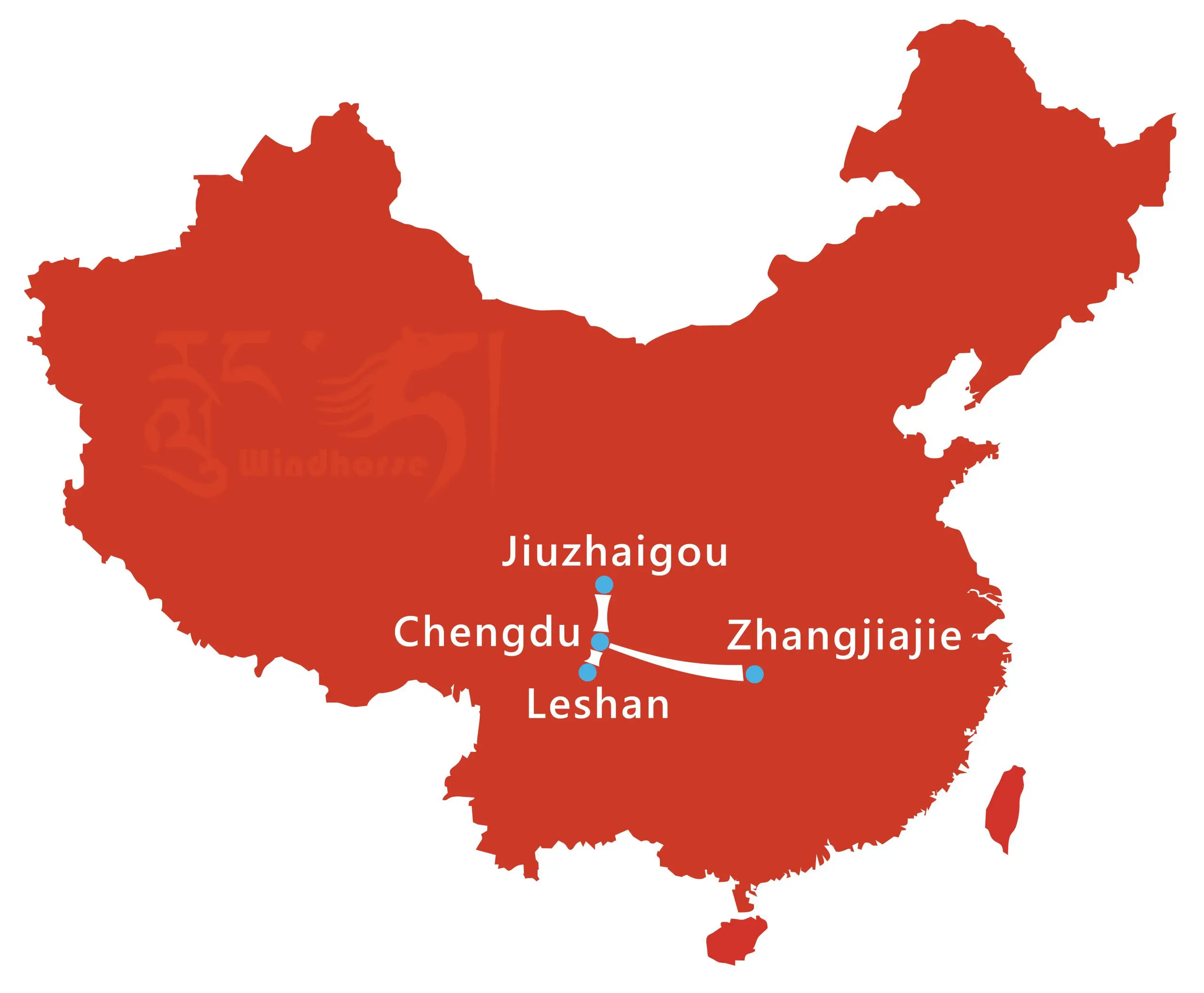
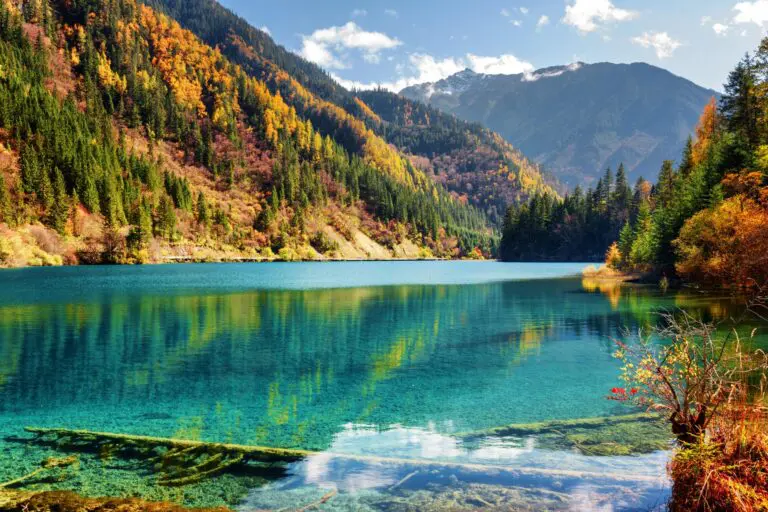
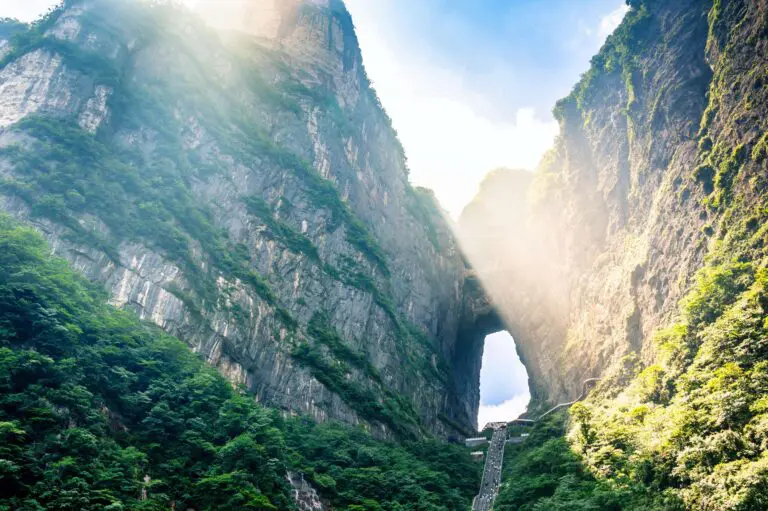
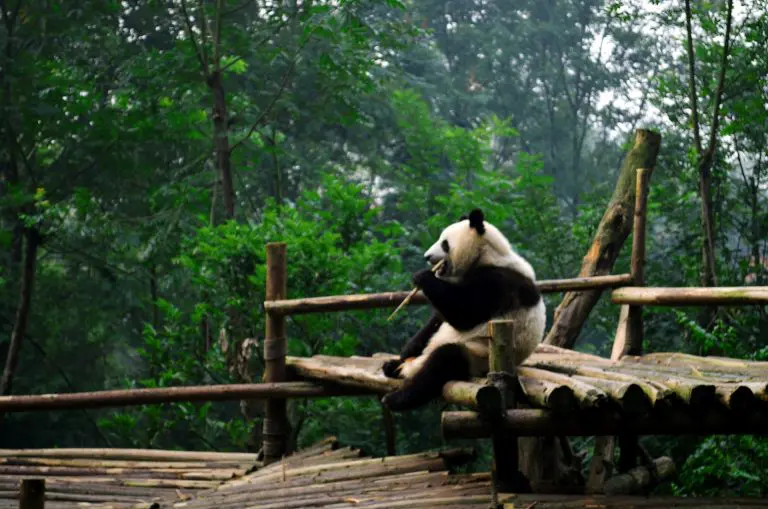
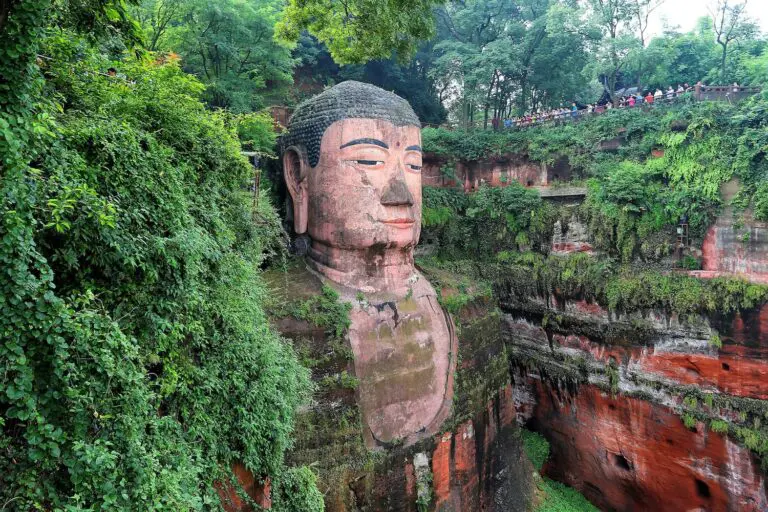
Experience China’s most breathtaking landscapes on this 8 Day Jiuzhaigou and Zhangjiajie Tour. Visit Chengdu’s pandas and Leshan Giant Buddha, explore Jiuzhaigou’s turquoise lakes and Huanglong’s colorful terraces, and marvel at Zhangjiajie’s sandstone pillars and glass bridge.


Experience China on this 2 week Beijing Xi’an Zhangjiajie Shanghai tour. Explore Beijing’s highlights, Pingyao Old Town, the Terracotta Warriors, Zhangjiajie’s Avatar Mountains, and Shanghai’s modern skyline for a balanced culture and nature journey.