
Mongols – Costume & Adornments

When traveling in the northeastern grasslands of China, you often run across Mongols dressed in colorful costumes and adornments. The effect is quite impressive, especially when you watch a group of Mongolian horsemen thunder past on their mounts, their robes flowing behind them. From a distance, these robes might appear savage and rough-hewn. Upon closer inspection, however, you will probably be amazed by the exquisite workmanship and complicated stitchery.
You might ask: How can such a rural people create such beautiful and complicated clothing? Well, the answer is: The Mongols have had a lot of practice. The history of Mongolian costume can be dated back to prehistoric times when Mongolian people first began using animal skins, fur, bones, and feathers to make clothes and ornaments for themselves.
The splendor of Mongolian attire doesn’t end with mere clothing; it extends to the realm of accessories, each telling its own tale of tradition and craftsmanship. If you delve deeper into the grassland culture, you will discover a plethora of jewelry, each piece intricately crafted and laden with cultural significance. Silver, known for its purity and brilliance, is commonly used, often adorned with precious stones. These are not just mere decorations; they serve as emblems of status, protection against evils, and tokens of affection passed down through generations.
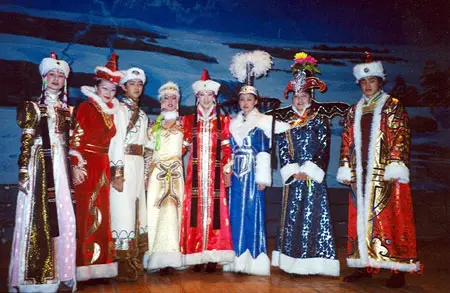
During your travels, you might witness the vibrant Naadam festival, a true spectacle of Mongolian culture. Here, the clothing transcends its utilitarian purpose, transforming into a canvas displaying the pride and resilience of the Mongolian people. The festival is a riot of colors, with participants donning their finest attire, each piece echoing the stories of their ancestral nomadic lifestyle, their battles, their triumphs, and their profound bond with nature.
In these garments, you see more than just fabric and thread; you witness the living, breathing essence of Mongolian heritage. Each stitch, each pattern, and each color is a narrative, a testament to the enduring spirit of the Mongols, who have navigated the challenges of the grasslands with grace and fortitude. As you immerse yourself in this rich tapestry, you begin to understand that these costumes are not just attire but a profound statement of identity, history, and the indomitable spirit of the Mongolian people.
Mongolian Lifestyle and Its Influence on Attire
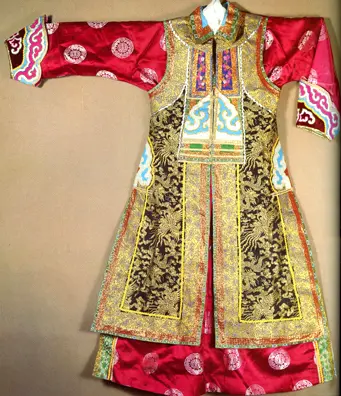
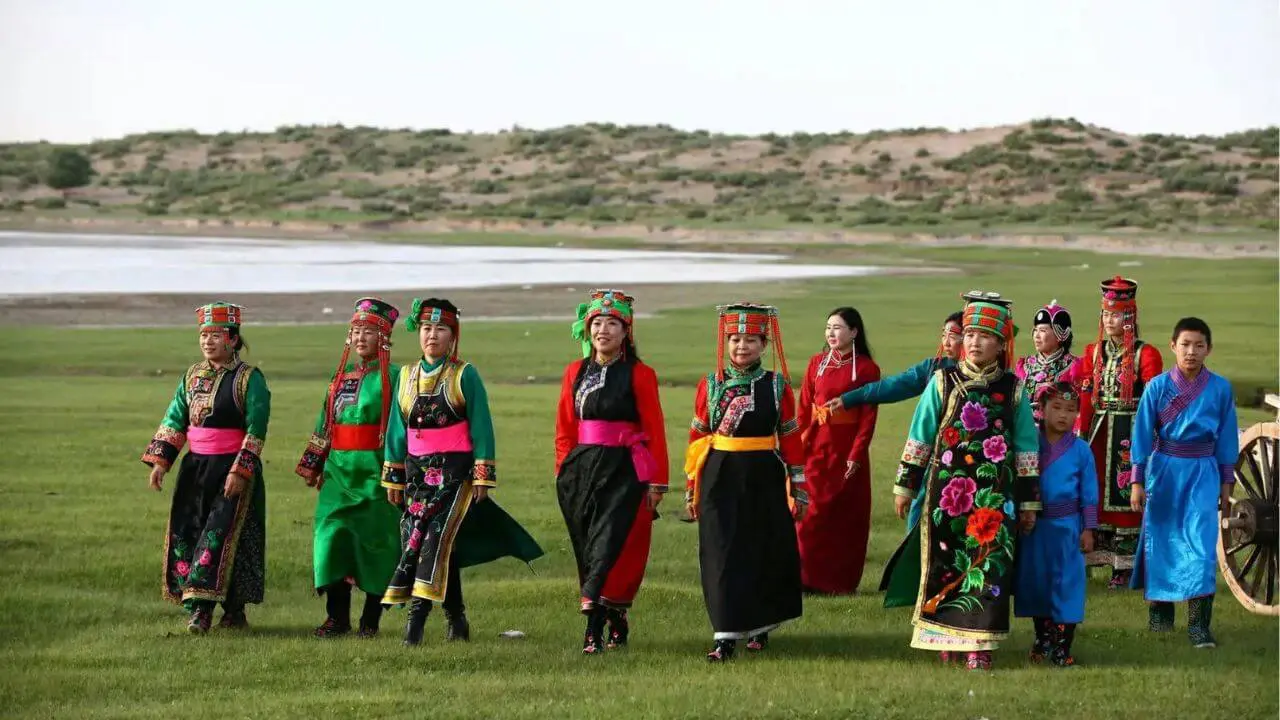
As you are probably aware, many Mongols today still reside on the cold Mongolian Plateau, practicing a traditional nomadic lifestyle. They are a rugged people, living on the backs of horses, carving out a living from the harsh countryside by herding and shepherding. Naturally, their clothes must be cold-proof, weather-proof, and easy to ride; as a result robes, waistcoats, boots, and fur hats developed into the Mongolian clothing of choice. A bulk of Mongols today are distributed across vast lands, living in different groups, each with its characteristic lifestyle, natural environment, and dressing style, but all of the costumes are of a style typically recognized as Mongolian – observe the image of the robe on the left: A good example of traditional Mongolian dress.
Distinctive Features of Mongolian Costumes
The Essence of Mongolian Garments
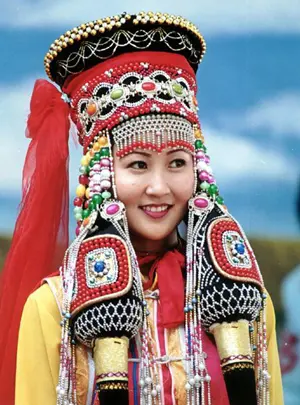
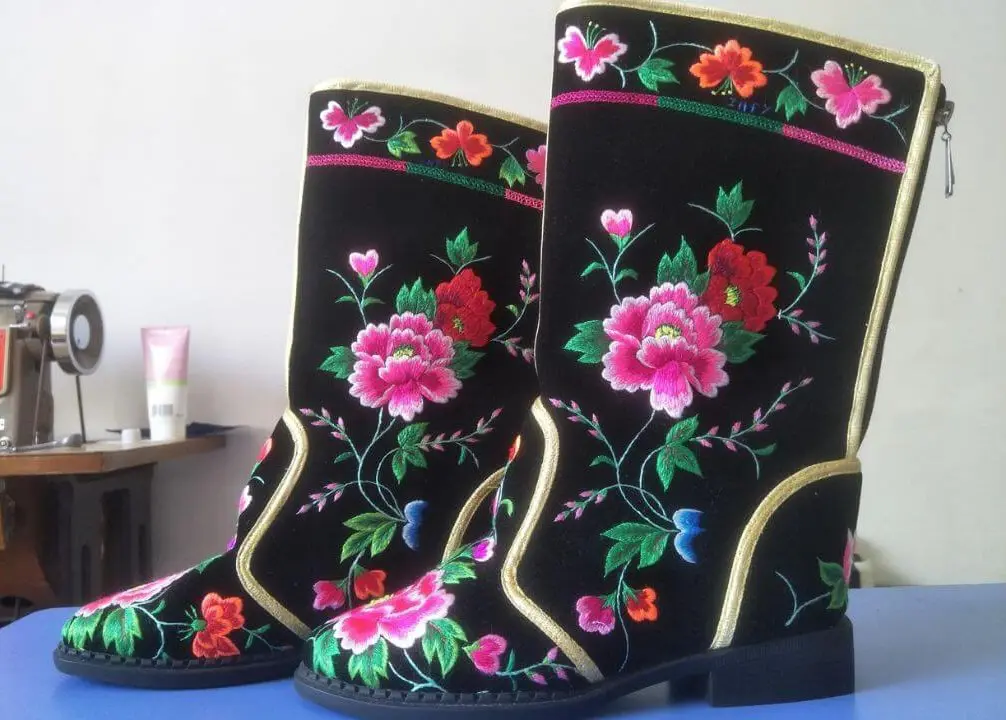
Generally, a Mongolian costume consists of a long robe with different kinds of elaborate patterns embroidered on it. Waistbands also play an important role in Mongolian clothing customs. Waistbands, like robes, are often made of silk (occasionally cotton), originally introduced to Mongolian culture via the Silk Road. Here, the style of clothing differentiates between Mongolian women and men: Women’s clothes are usually red, blue, and pink, and Mongolian men, similar to traditional Tibetan costumes, often hang knives, snuffboxes, and other ornaments from around their waists. Mongolian boots are very soft, and very delicate, with many elaborate designs on them. Hat-wearing is an old tradition among Mongols – as old as horse riding. Mongol hats are often decorated with agates, jade, coral, pearls, and other jewelry, all of which lend beauty and enchantment to the Mongolian costume.
Cultural Symbolism in Colors and Patterns
In this sartorial symphony, the colors used are not random but carry deep cultural significance. The vibrancy of the reds and blues in women’s attire is not just for aesthetic pleasure but often symbolizes vitality and prosperity. The intricate embroidery that adorns these garments is a testament to the dexterity and artistic vision of Mongolian seamstresses, often depicting scenes from nature, tribal folklore, or ancient symbols bestowing luck and protection.
Practicality Meets Elegance in Design
The utility of Mongolian clothing is as remarkable as its beauty. The robust, yet elegant waistbands serve multiple purposes, acting as a support for the back during long horse rides, as well as a convenient pouch for carrying essential items. The men’s attire, adorned with practical yet stylish ornaments like knives and snuffboxes, reflects the Mongols’ preparedness for the challenges of nomadic life.
Footwear: A Blend of Comfort and Durability
Moreover, the footwear of the Mongols is a marvel in itself. The boots, though soft and intricately designed, are made to withstand the rugged terrain of the steppes. Their unique shape prevents snow from entering and provides insulation against the biting cold, showcasing the Mongolian knack for blending form and function.
The Living Tapestry of Mongolian Attire
As you delve deeper into the world of Mongolian attire, you understand that every thread woven into these garments carries the heartbeat of the steppes, every pattern tells a story of survival and celebration, and every color is a brushstroke on the vast canvas of Mongolian culture. It’s not just clothing; it’s a narrative woven into the very fabric of life, echoing the whispers of the winds across the grasslands, resonating with the spirit of a people intimately connected with their land and heritage.
The Art of Mongolian Embroidery
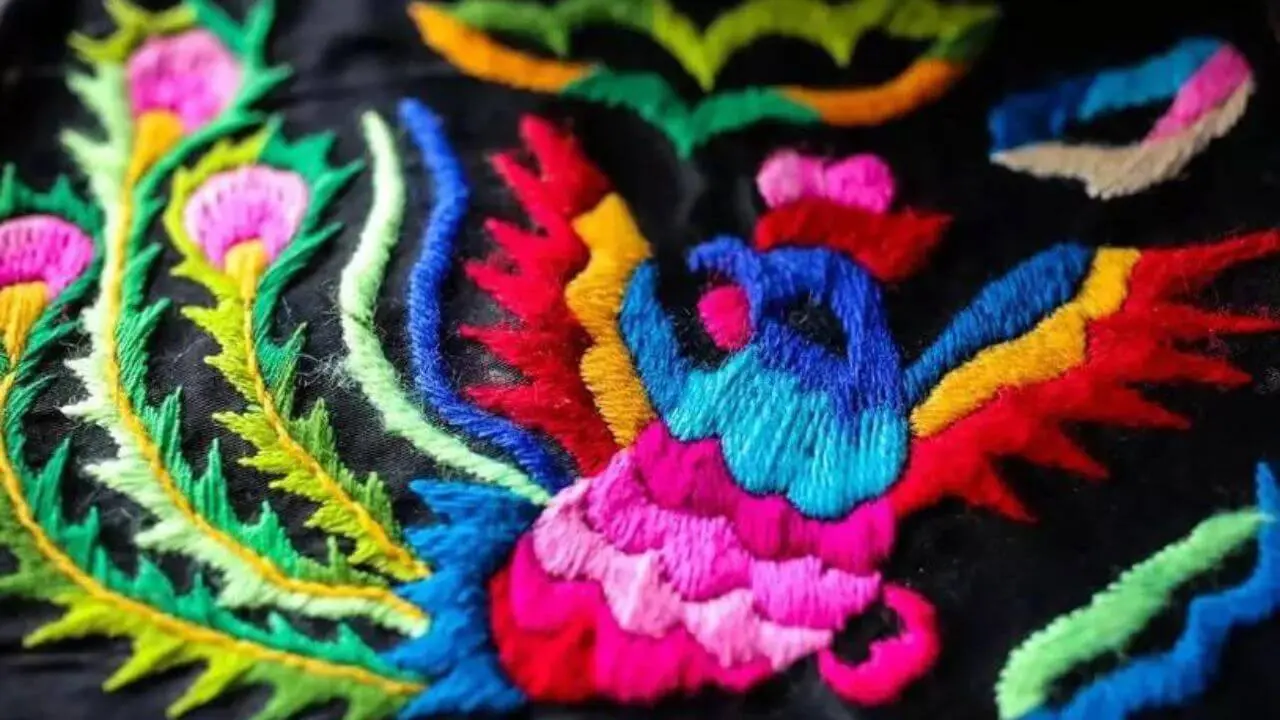
The embroidery work on traditional Mongolian clothes is a rare and valuable technique in the treasury of world art. Perhaps you think Mongolian women from the grasslands are only suited to be Shepherds; their rough fingers are only good for grasping the manes of horses. Can you imagine their long, nimble fingers are equally skilled at fine embroidery? Indeed, Mongolian women often learn traditional embroidering in their childhoods and are taught to make full use of their imaginations to create all kinds of delicate designs. These embroideries will be used on hats, headdresses, collars, cuffs, boots, purses, etc. Different designs have different symbolic meanings, which fully reflect the artistic value of the embroidery work.
Mongolian Costumes as Cultural Symbols
A Reflection of the Grassland Spirit
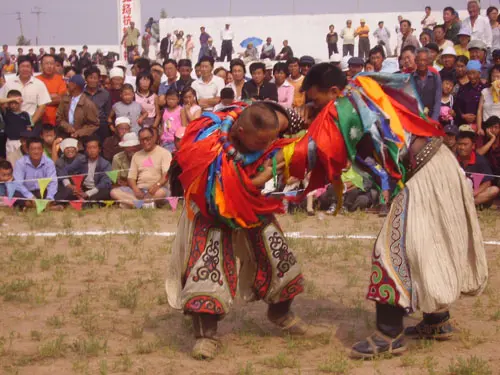
Mongols have been living on vast and beautiful grasslands for centuries. Their costumes, adornments, and embroidery fully reflect their unique and colorful culture. One of the most famous examples of traditional Mongolian costumes is the elaborate wrestling garments worn by Mongolian wrestlers (right), which are known worldwide for their high artistic value. If you are traveling in Inner Mongolia, Qinghai, Gansu, and other places where Mongols live, don’t miss the opportunity to observe these exquisite Mongolian costumes up close. Their fine stitching and ornamental style reveal as much about Mongolian culture as the Mongols themselves.
Costumes: Narrators of the Nomadic Lore
These garments are not merely attire but a rich tapestry that encapsulates the soul of the Mongolian people. Each costume narrates a tale of the endless steppes, the clear blue sky, and the resilient spirit of the nomads. The vibrancy of the costumes mirrors the dynamic and harmonious relationship the Mongols have with nature. Animals, a crucial part of their life, are often stylized in intricate patterns, symbolizing respect and symbiosis between the Mongolian people and the fauna of the grasslands.
Embroidery: The Fabric of Unity and Tradition
In festive events, these costumes transform into a kaleidoscope of colors and textures, showcasing the joy and pride of the Mongolian people. The meticulous embroidery, often a collective labor of love by the women of a family, weaves the threads of unity and continuity, connecting the present to the ancestral past.
The Wrestling Garments: A Symbol of Mongolian Valor
The wrestling garments, in particular, are a sight to behold. These costumes are not just for the sport; they are a celebration of strength, valor, and the ancient warrior spirit that runs in the veins of every Mongol. The intricate designs, the bold colors, and the majestic aura of the wrestlers in their traditional attire are a tribute to the centuries-old traditions, echoing the thumping heartbeats of thousands of spectators, resonating with the rhythm of the ancient Mongolian chants.
As you witness these costumes in the vastness of the Mongolian landscape, you realize they are more than cultural symbols; they are the guardians of a legacy, the storytellers of an ancient civilization, and the living, breathing embodiment of the Mongolian ethos. They stand as a testament to the enduring identity and the artistic finesse of a people who, through their deep reverence for their heritage, continue to weave the rich fabric of their culture against the backdrop of the modern world.
Related tours
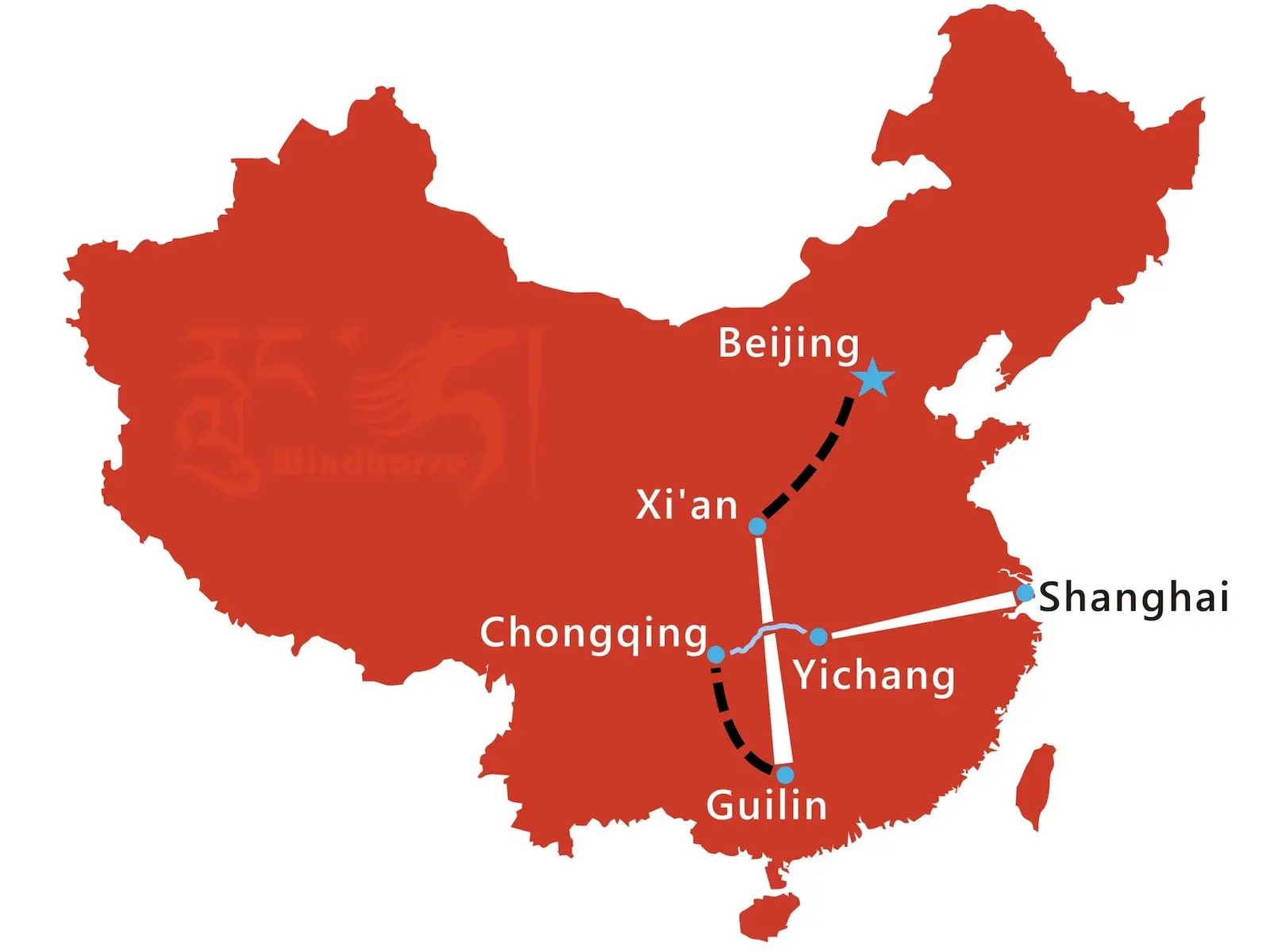
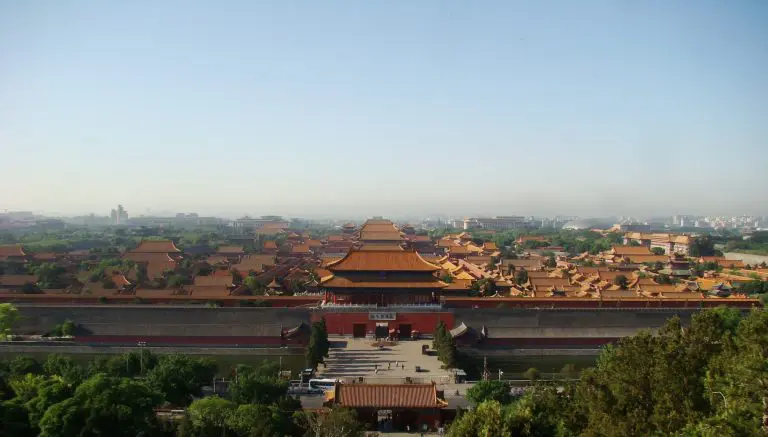
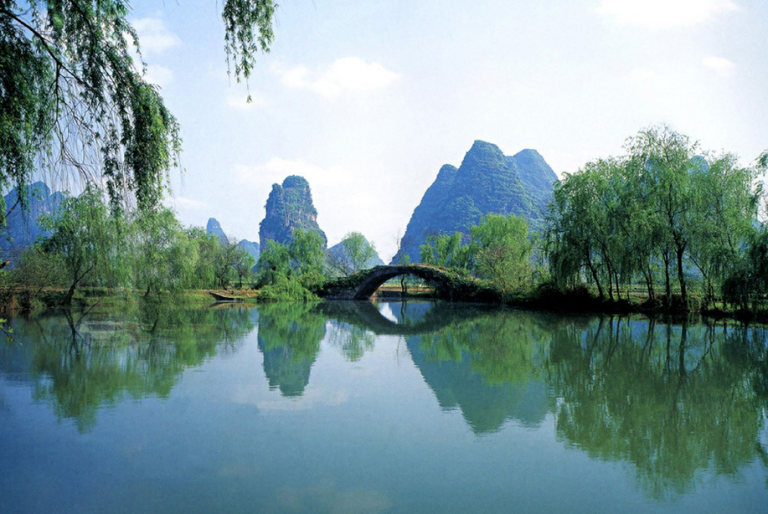
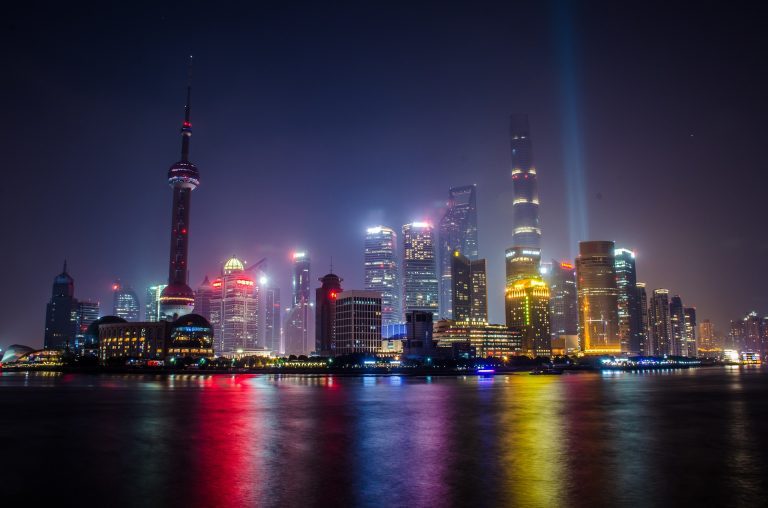
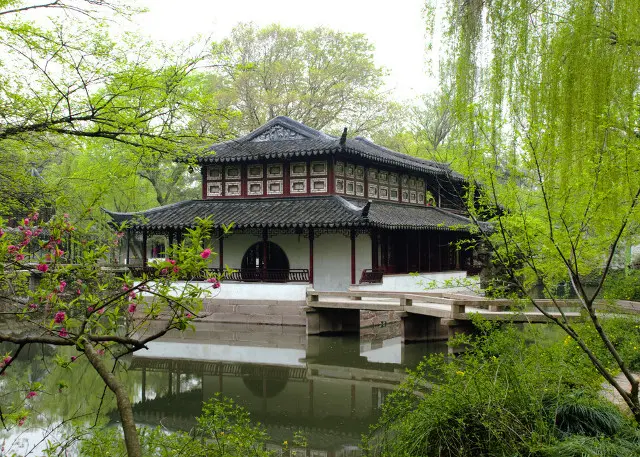
Explore China’s essential highlights on this 16-day journey through Beijing, Xi’an, Guilin, Yangshuo, Chongqing, Yichang, Shanghai, and Suzhou. Enjoy the Great Wall, Terracotta Warriors, Li River cruise, Longji Rice Terraces, and a relaxing Yangtze River Cruise through the Three Gorges.
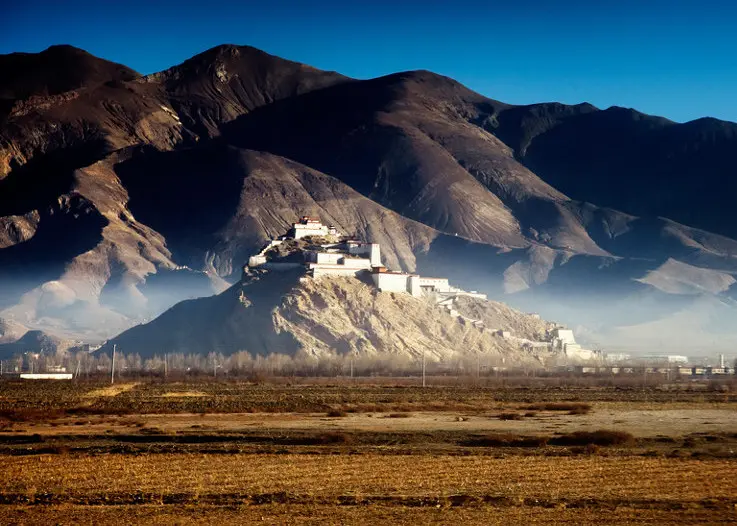
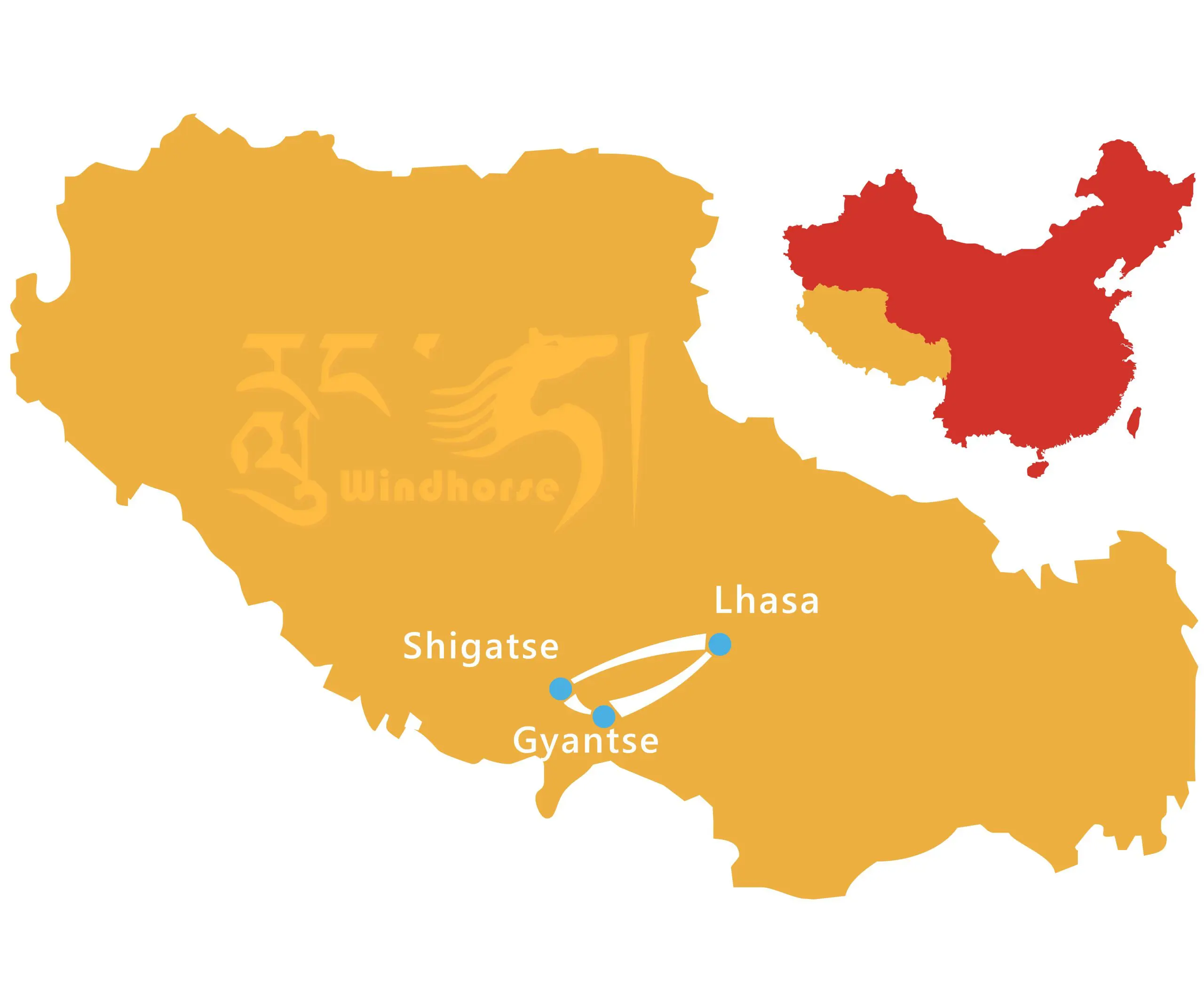
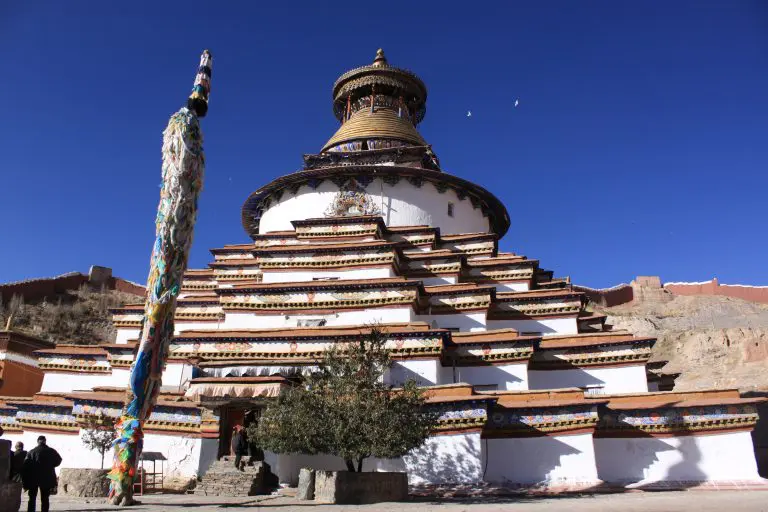
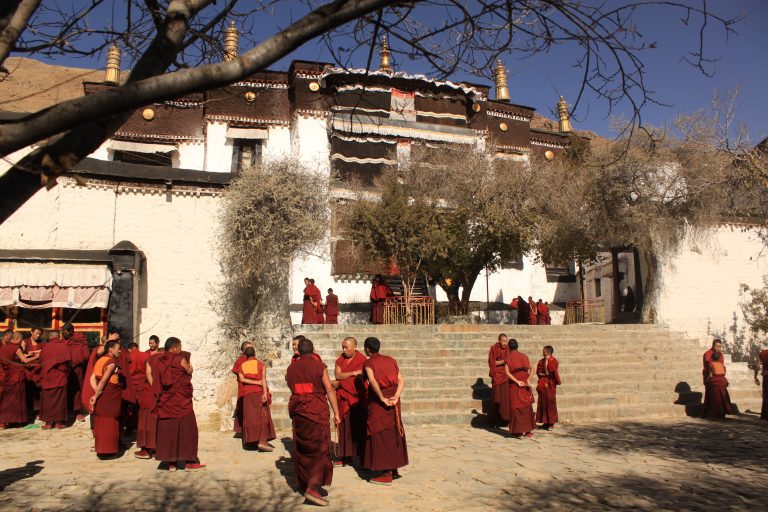
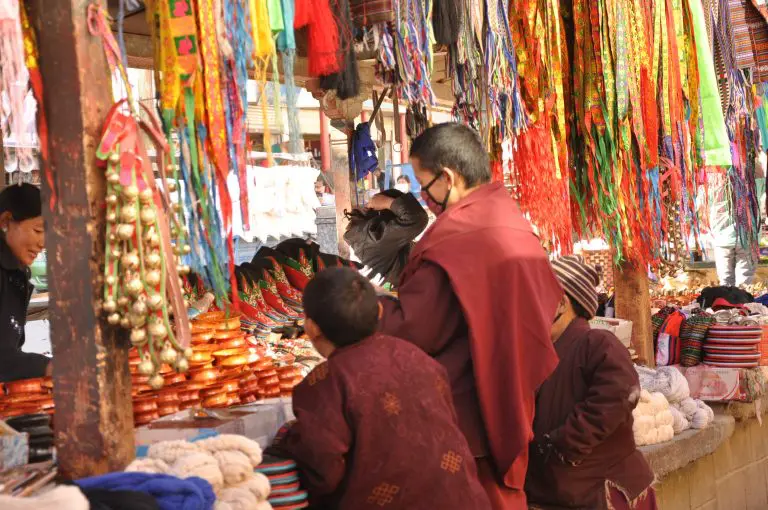
Join a 7-day Tibet culture tour from Lhasa to Gyantse and Shigatse. Explore Potala Palace, Jokhang, Gyantse Dzong, and Tashilhunpo Monastery. Enjoy Yamdrok Lake views, visit local families, and travel at a relaxed pace, ideal for families or seniors.
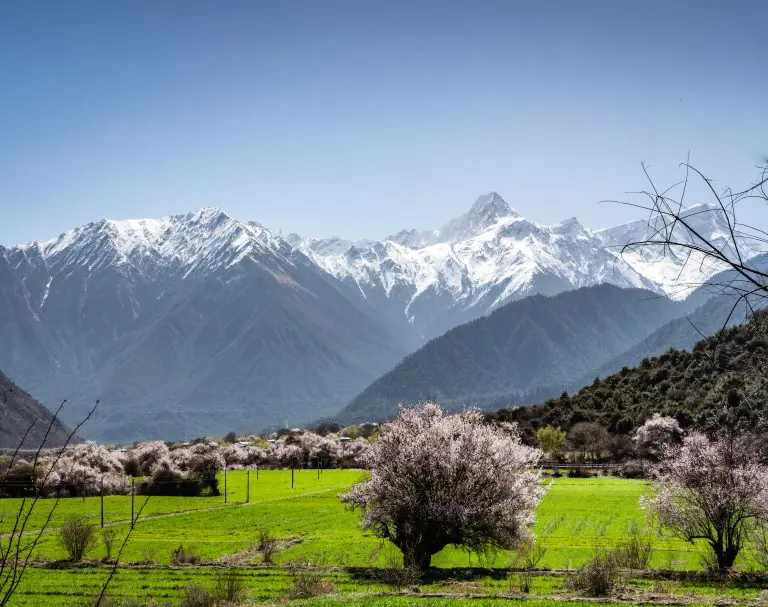
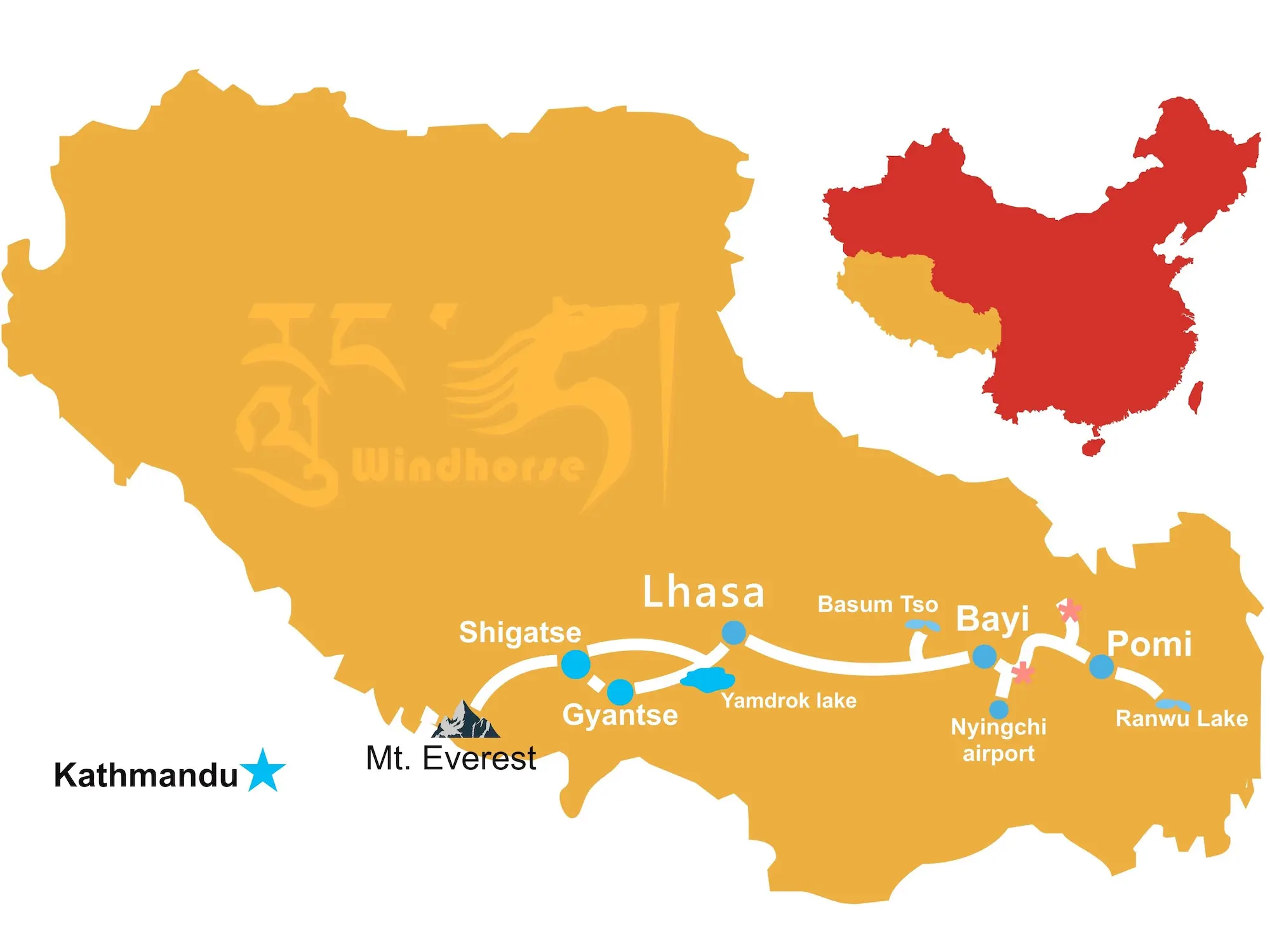
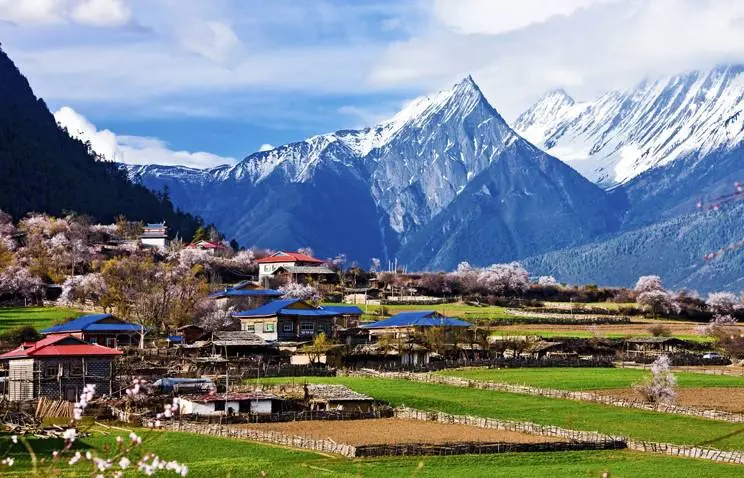

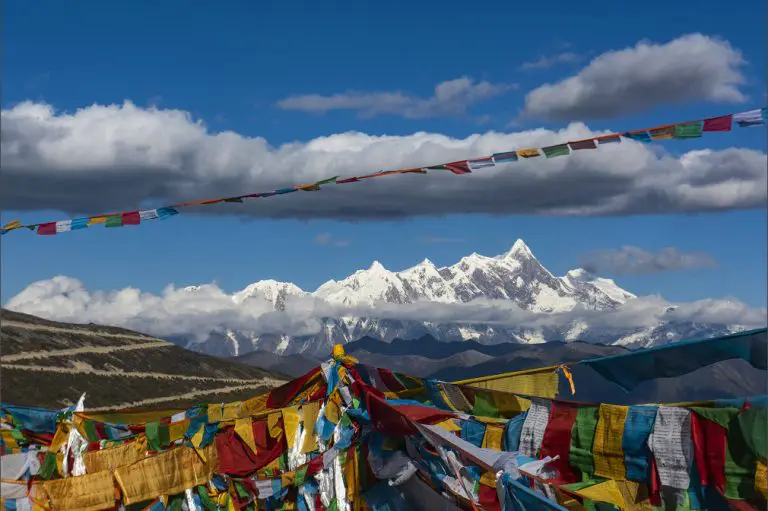
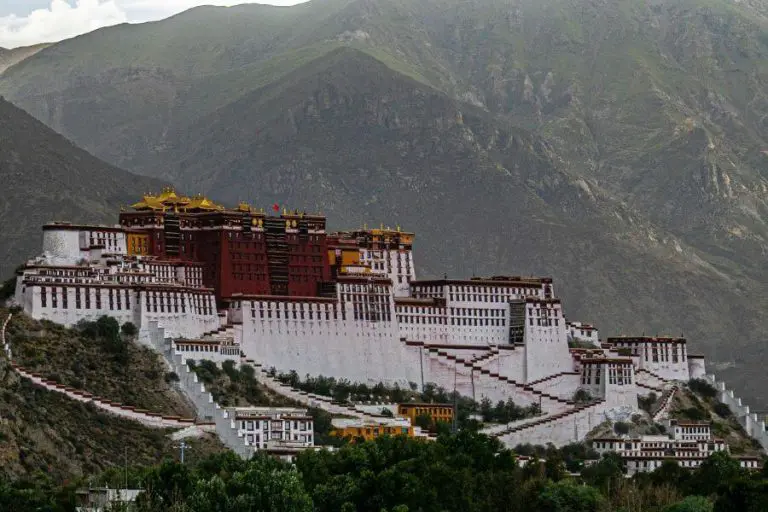

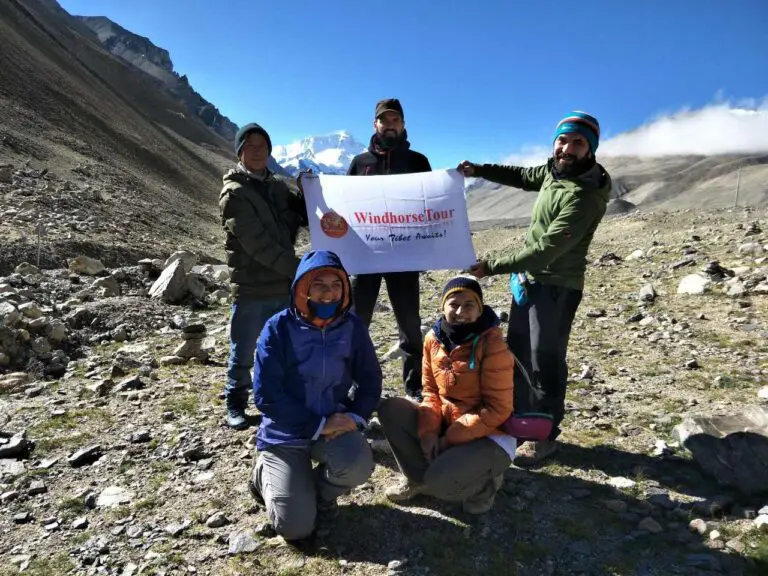
Experience the best of Tibet in spring on this 2 week Tibet tour. Join Nyingchi’s Peach Blossom Festival, explore Bomi Peach blossom valley, Ranwu Lake, visit Lhasa’s Potala Palace and monasteries, and overland trip to Everest Base Camp for stunning Himalayan views.
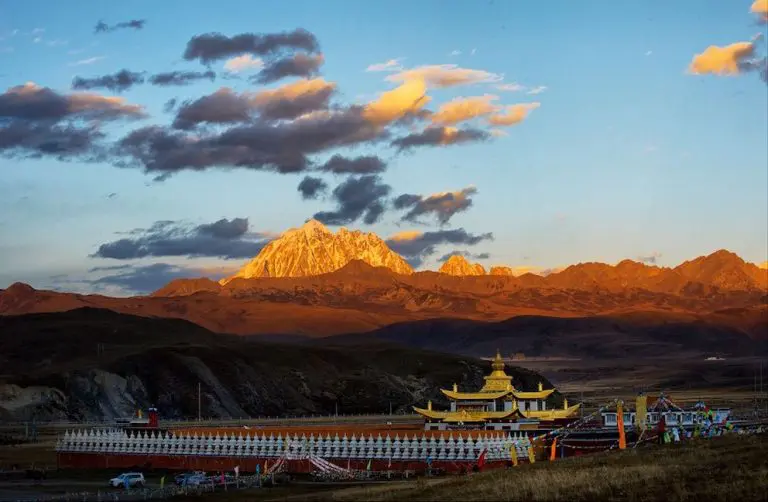
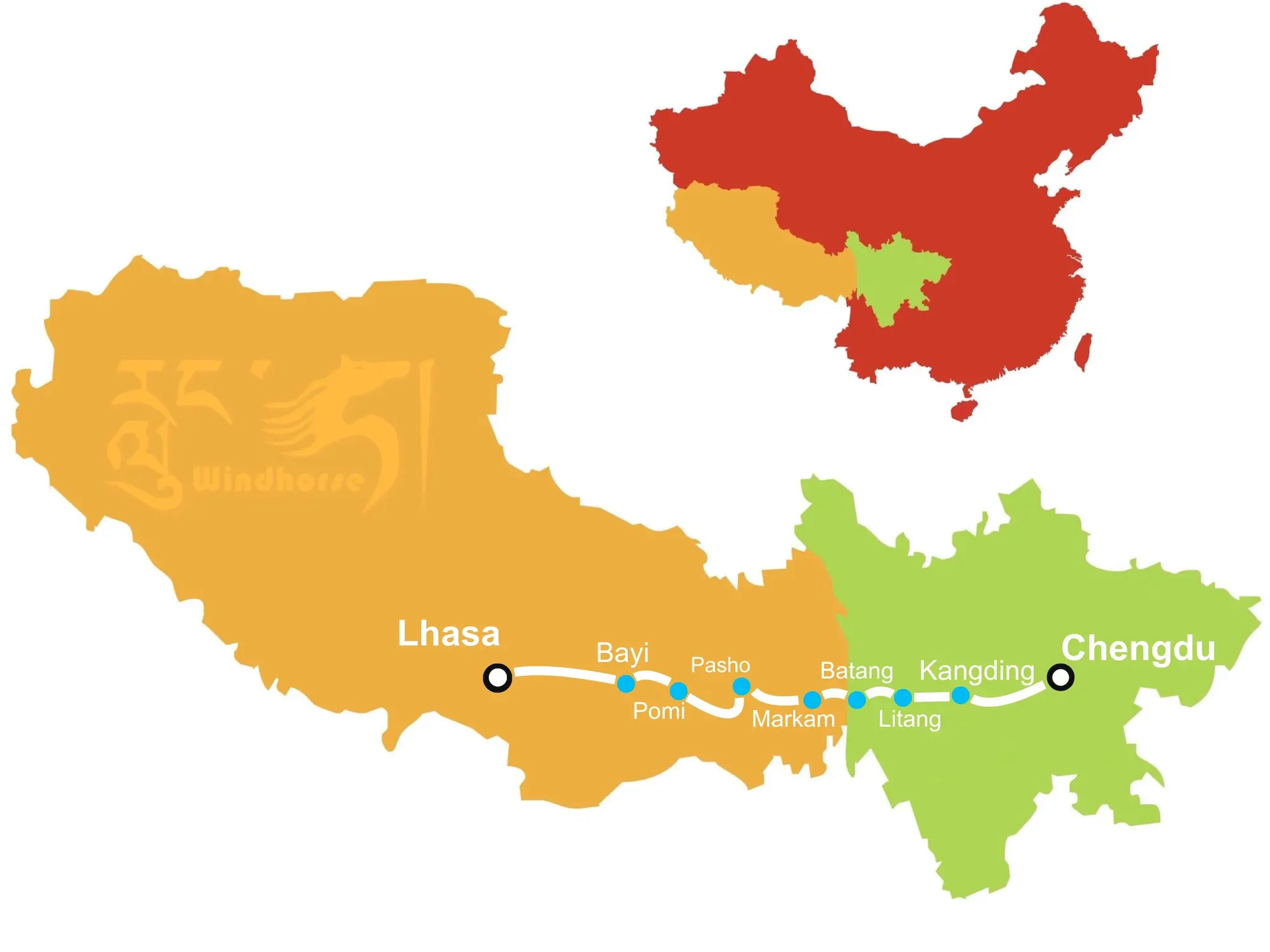
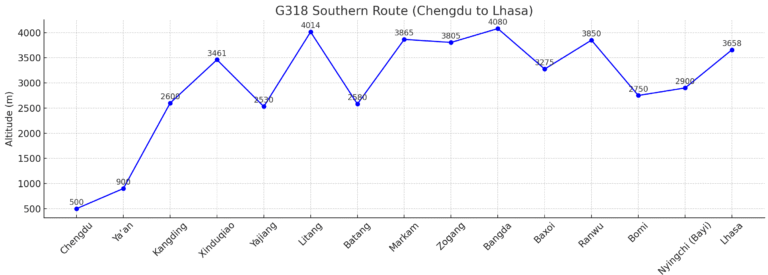

Set out on an unforgettable 11-day Chengdu to Lhasa overland tour along the Sichuan–Tibet Highway (G318). Cross high passes, vast grasslands, glaciers, and sacred lakes while experiencing yourself in Kham culture and the dramatic landscapes of eastern Tibet.