
What should I do when approached by beggars?
Traveling to Tibet, a region steeped in history, spirituality, and breathtaking landscapes, is a transformative experience. As you navigate the narrow, winding streets of Lhasa or explore the expansive Tibetan Plateau, you are bound to encounter beggars. Understanding the cultural nuances and being sensitive to the situation is crucial for an enriching experience.
The Significance of Giving in Tibetan Culture
In Tibet, like many other places around the world, giving alms or charity to those in need is a deep-rooted practice. But in Tibet, it extends beyond the simple act of charity. Here, giving money or food, especially to pilgrims, is perceived not only as a gesture of compassion but also as an act of merit. By donating, individuals believe they are accumulating good karma, which will benefit them in their current life and afterlife.
How Much to Give?
If you decide to give, donations of one Yuan or more are deemed appropriate. This may not seem like a considerable amount in many Western currencies, but it holds significant value in the Tibetan context. A small donation can provide sustenance or assist a pilgrim in continuing their spiritual journey.
However, while giving is encouraged and appreciated, it’s also essential to be discerning about when and to whom you offer donations.
Approached by Young Beggars: A Dilemma
While strolling through the bustling streets of Tibetan towns, you may often find yourself approached by young beggars, some as young as children. Though your immediate instinct might be to extend a helping hand, it’s essential to understand the backdrop of this situation.
Many of these young beggars are, unfortunately, part of a larger network of professional begging. Often, they are not genuinely in need but are employed, sometimes under coercion, to elicit sympathy from tourists. Giving money to them can inadvertently support this system and discourage them from seeking more sustainable and dignified means of livelihood.
Moreover, local Tibetans often wave these young beggars away, an indication of their awareness of the situation. As a responsible traveler, it is advisable to follow the locals’ lead in such circumstances. Rather than giving money, a polite nod or a simple wave, as the Tibetans do, will suffice.
Alternatives to Direct Giving
If you find yourself conflicted about giving directly to beggars, especially the young ones, consider other ways of making a positive impact:
-
Support Local NGOs and Charities: There are many organizations in Tibet working towards the upliftment of the needy. Contributing to such organizations ensures that your donations are channeled in the right direction.
-
Buy Local: When shopping for souvenirs or necessities, try to buy from local artisans and sellers. This directly supports the local economy.
-
Volunteer: If you have the time and resources, consider volunteering with local organizations. Your skills and expertise can bring about lasting change.
In Conclusion
Traveling to Tibet is a journey of both external exploration and inner reflection. When approached by beggars, it’s vital to act with compassion, understanding, and respect for local customs. While giving to pilgrims is a meritorious act, it’s equally essential to be discerning and avoid inadvertently supporting professional begging networks. Embrace the Tibetan spirit of compassion, but also be a responsible and informed traveler. Your journey in this mystical land will be all the richer for it.
Related tours
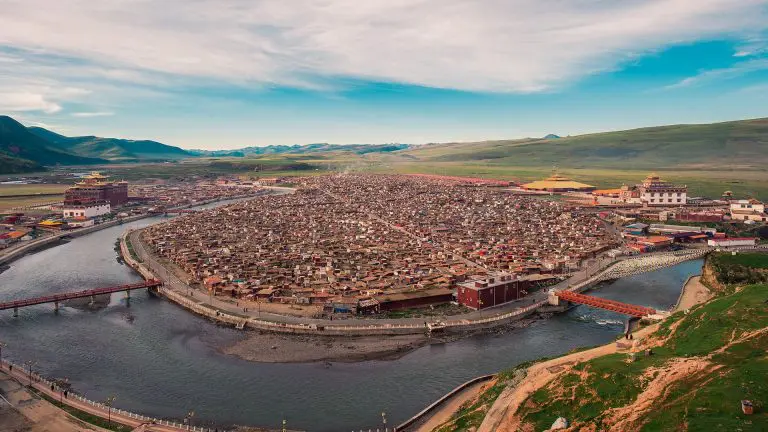
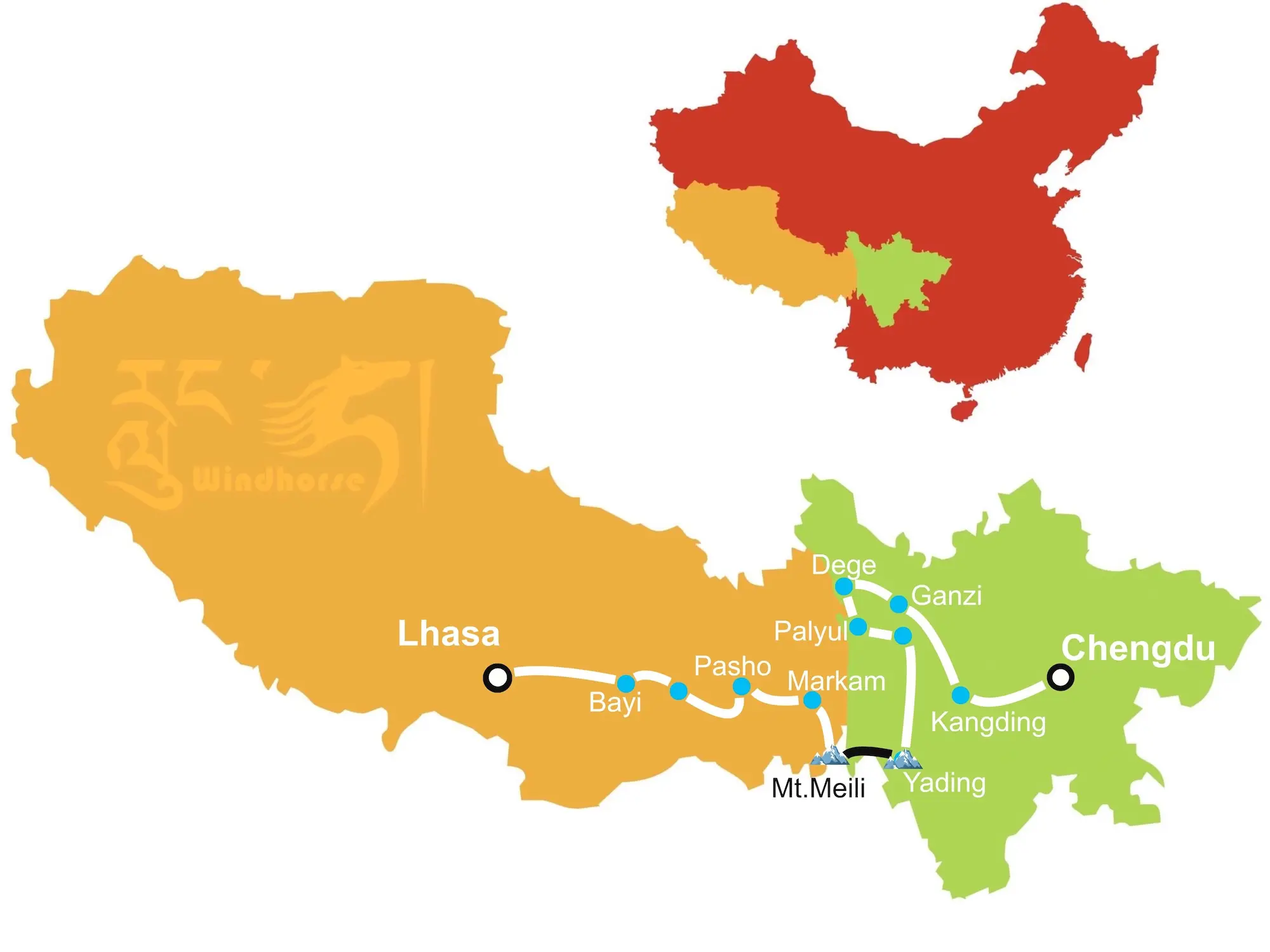
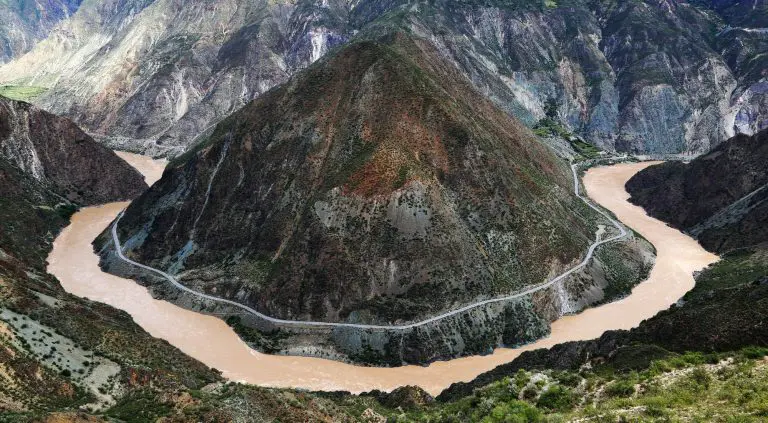
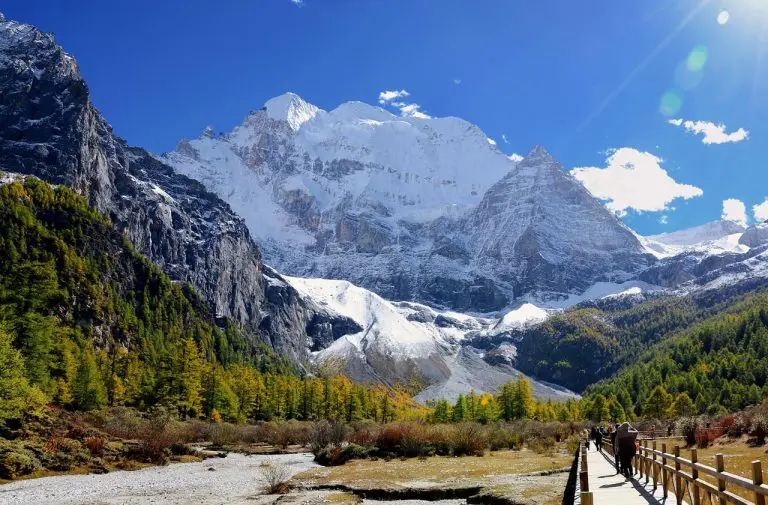
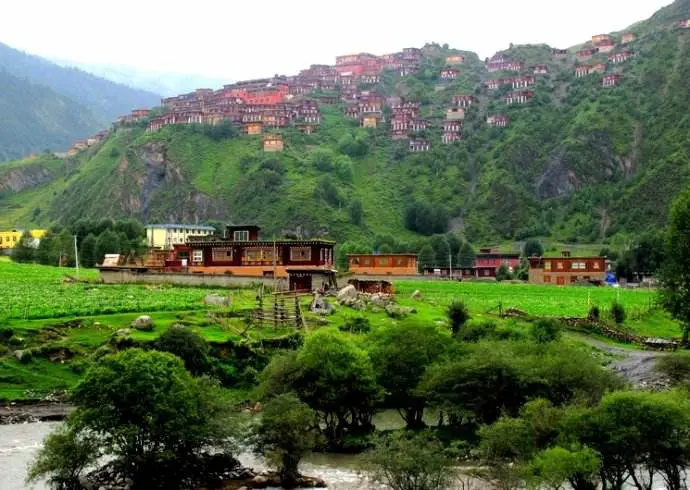
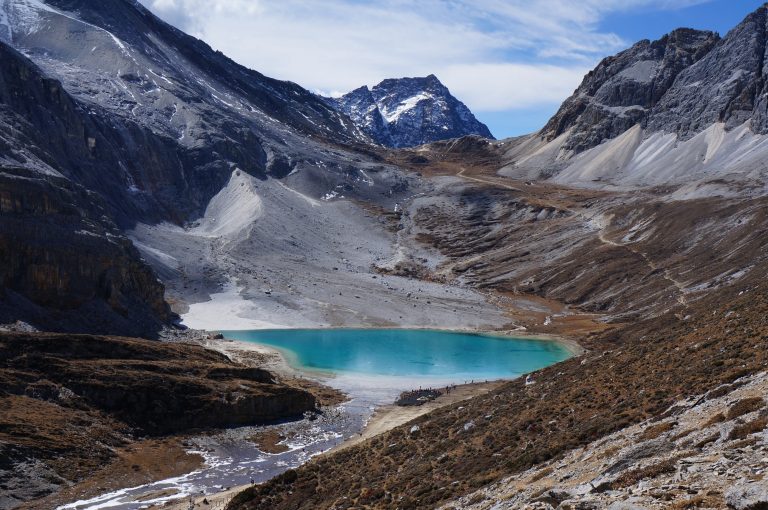
Experience Tibetan Kham culture and landscapes on this 3 week overland journey from Chengdu to Lhasa. Visit sacred monasteries, Daocheng Yading Nature Reserve, and Mount Meili, then follow the Yunnan–Tibet and Sichuan–Tibet Highways (G214/G318) through epic scenery to Lhasa.
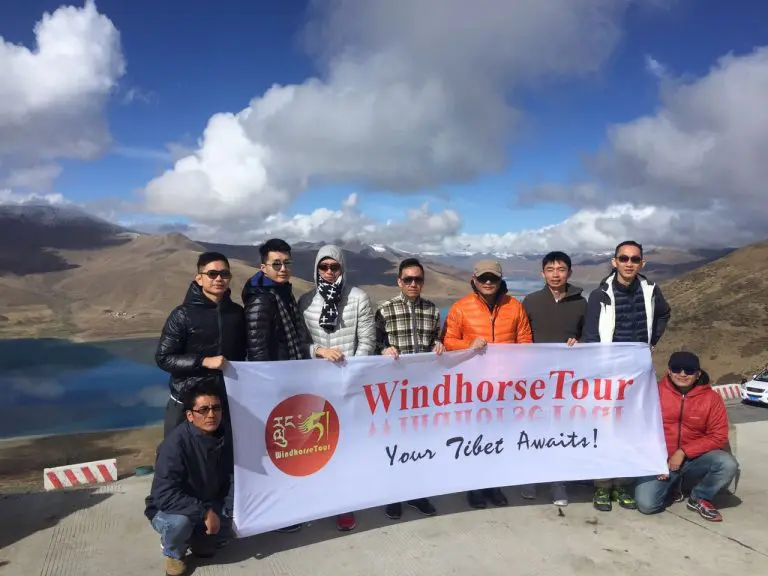
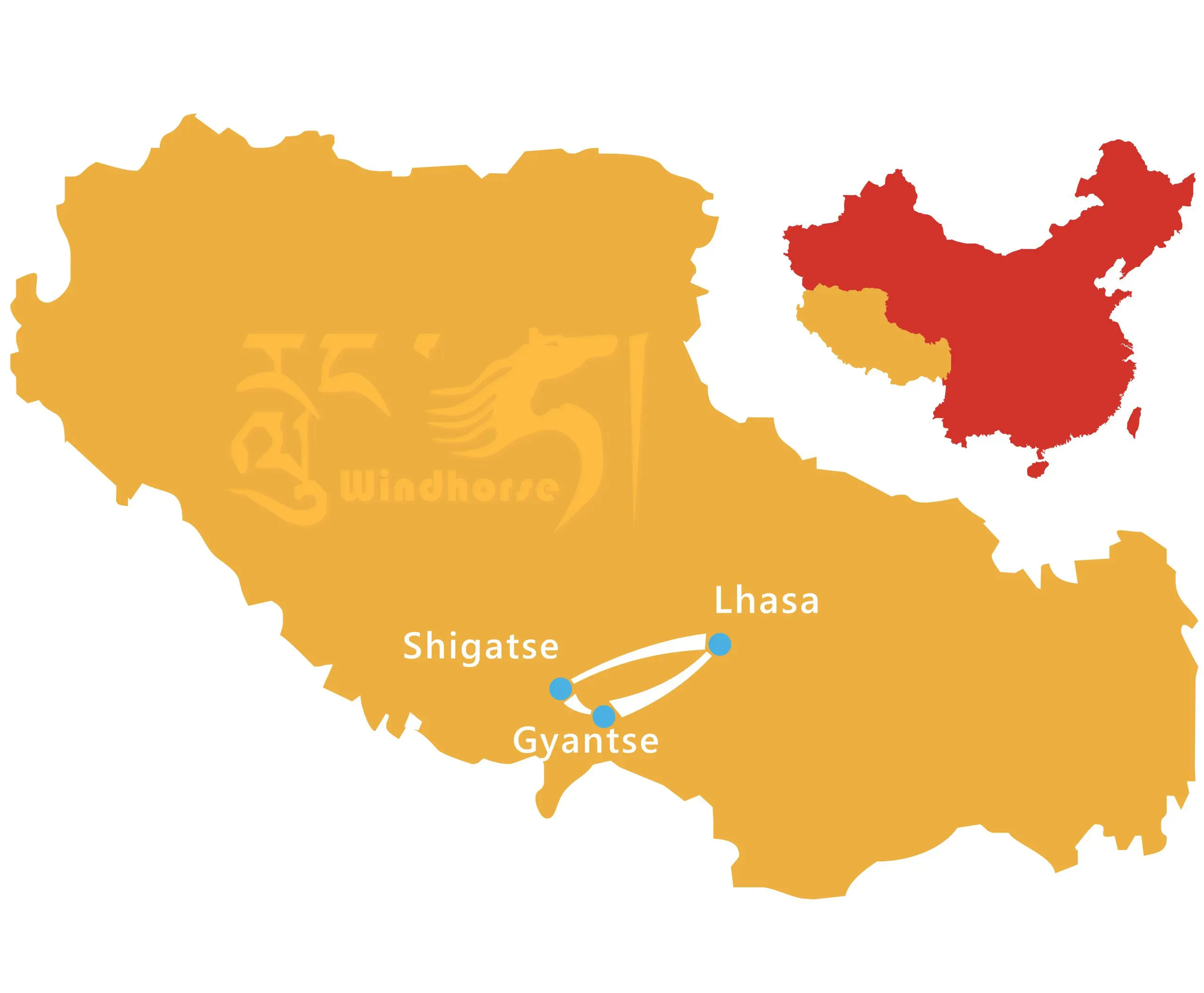
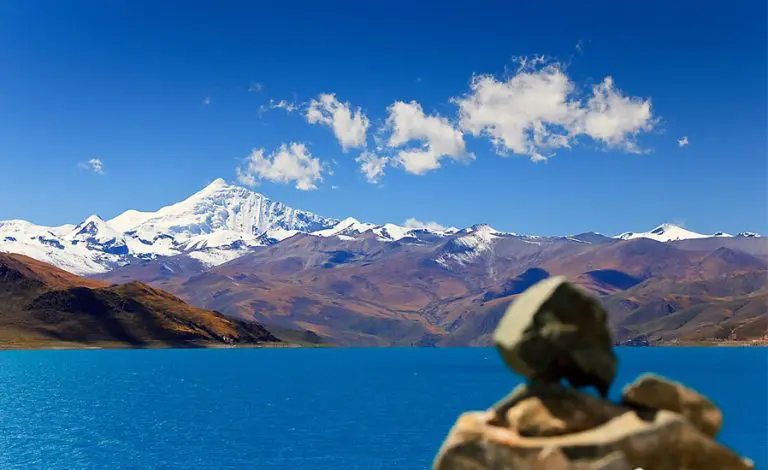

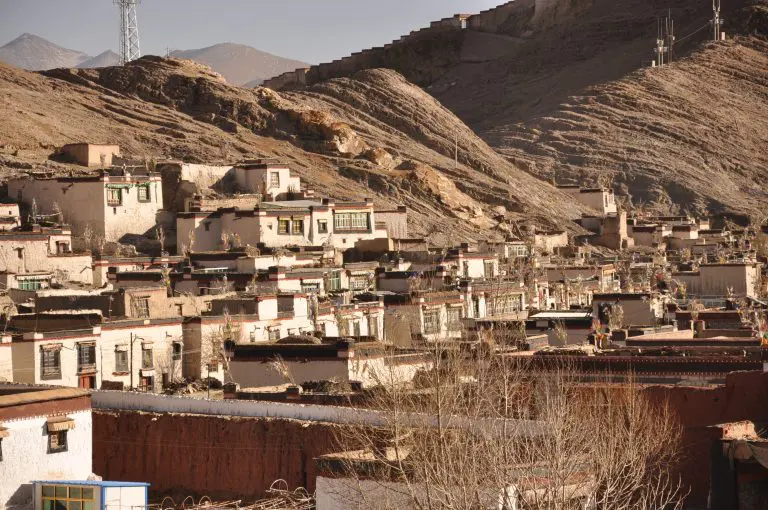
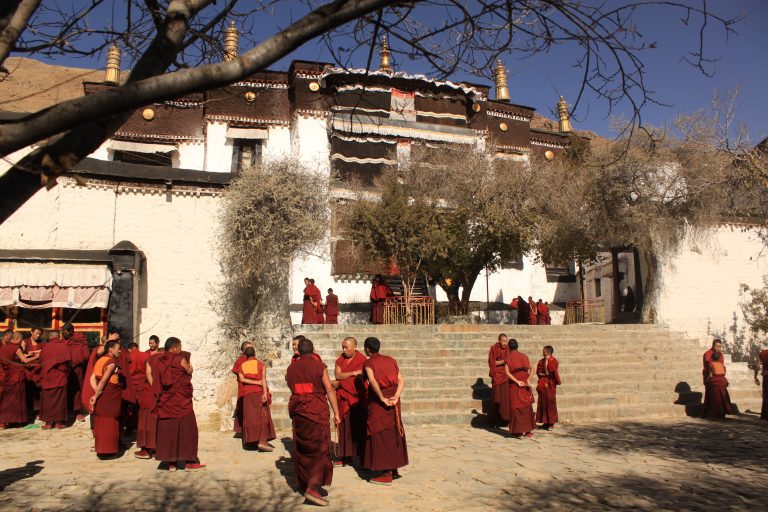
Discover Tibet’s culture and scenery on this 6-day Lhasa Shigatse Group Tour. Explore Potala Palace, Jokhang Temple, Yamdrok Lake, and Tashilhunpo Monastery while traveling with like-minded explorers on this classic Central Tibet route.
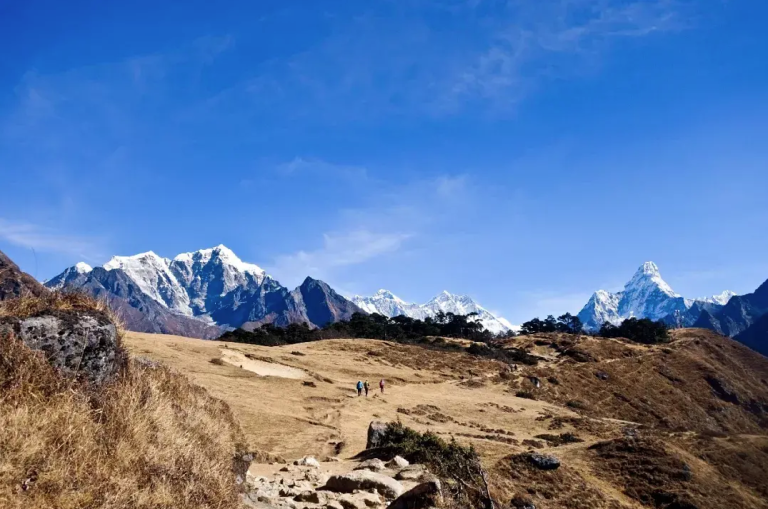
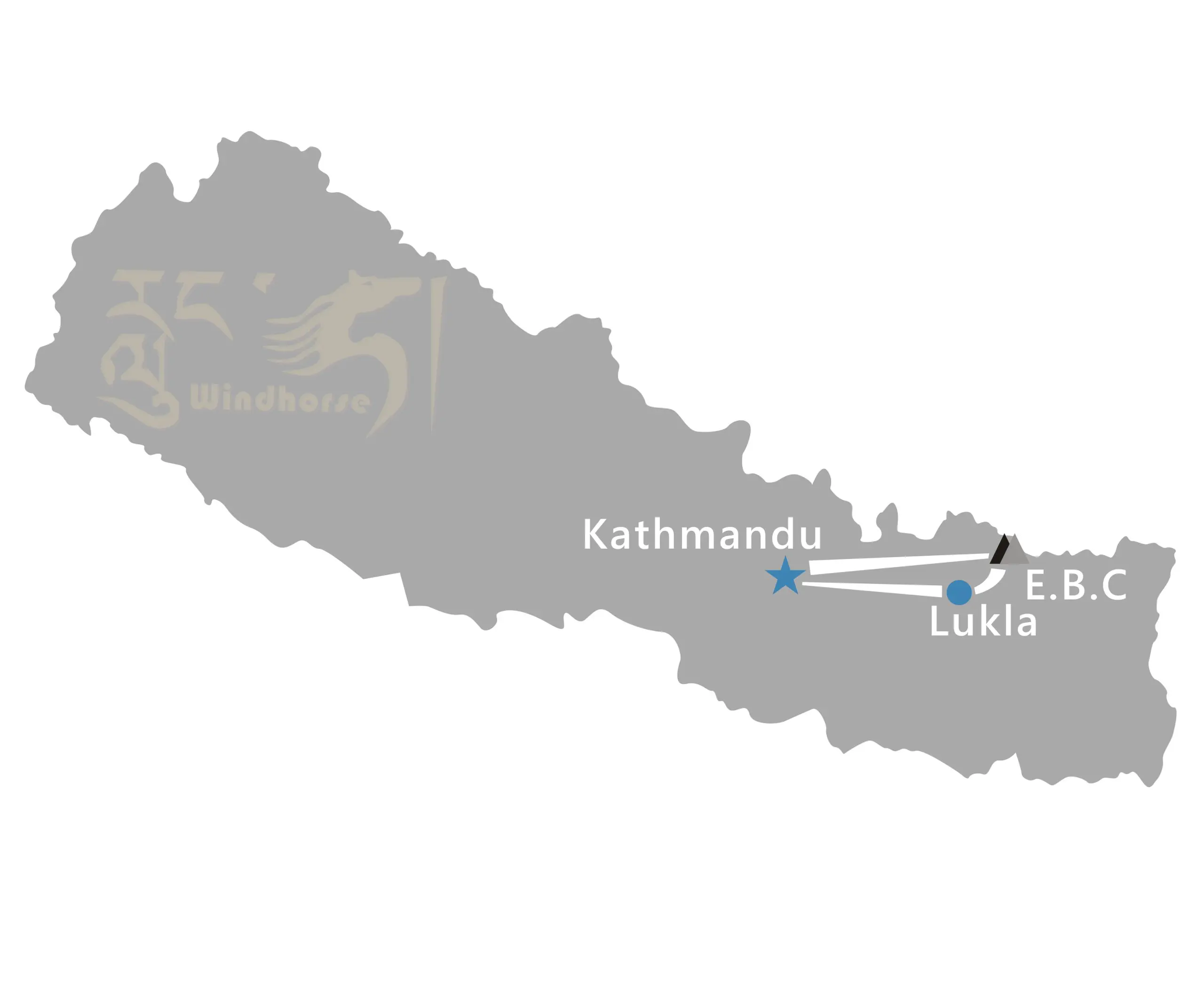
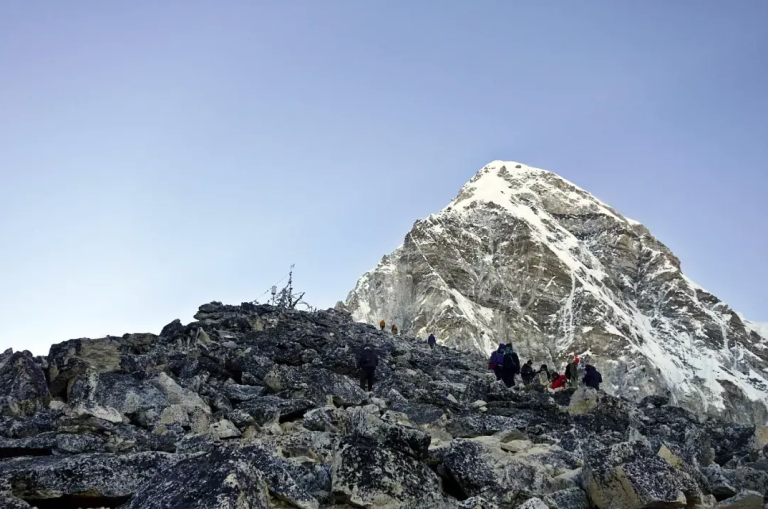
There are 2 base camps for Mount Everest: the south in Nepal and the north in Tibet. The trek to Everest Base Camp on the Nepal side is one of the most popular trekking routes in the Himalayas and is visited by thousands of trekkers each year.
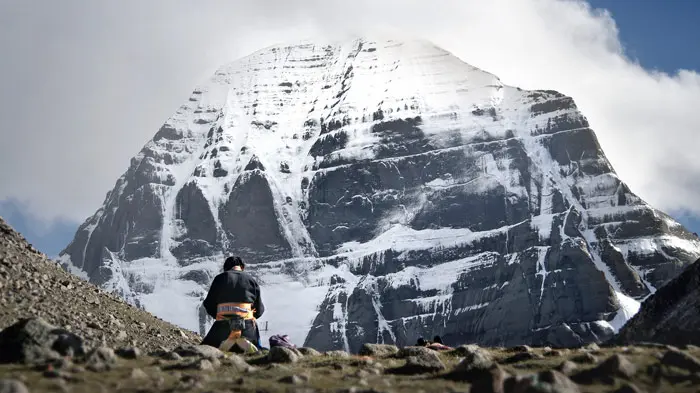
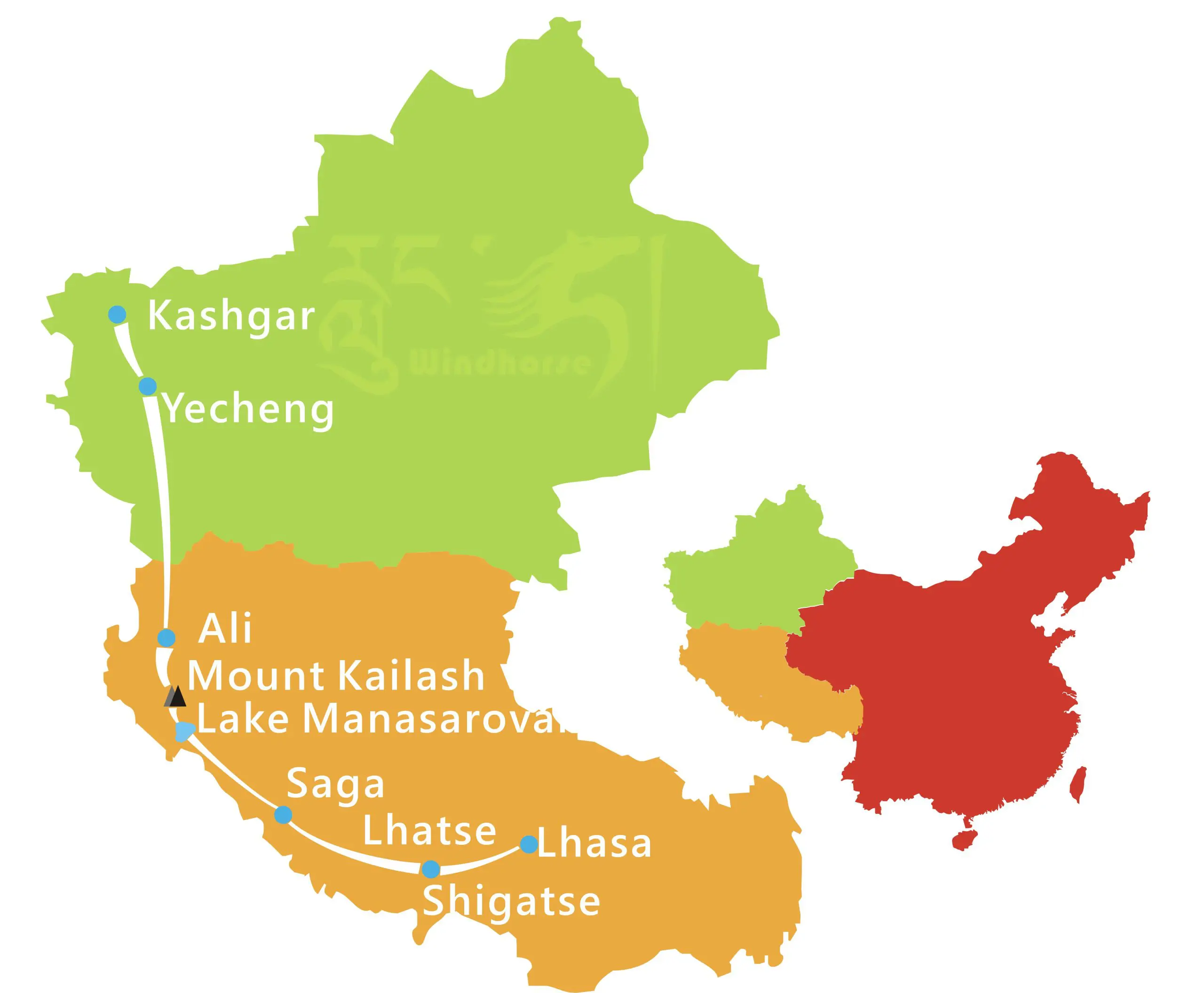
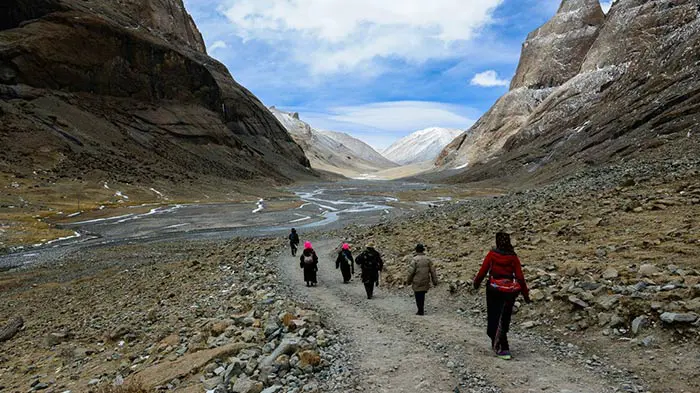
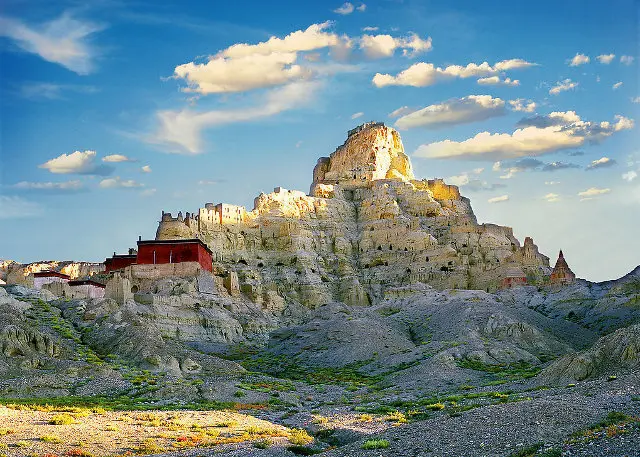
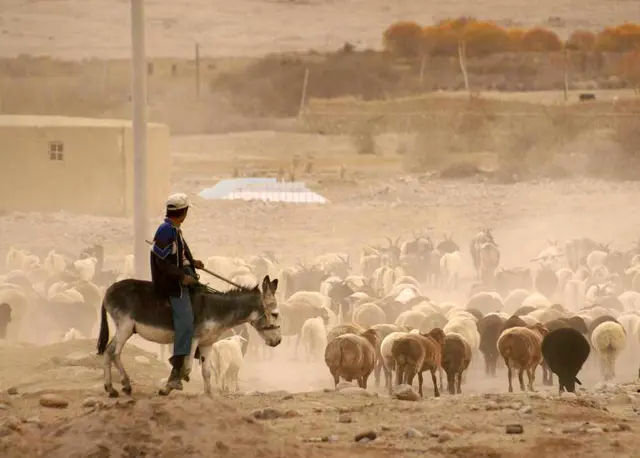
This Mount Kailash Overland Tour from Lhasa to Kashgar takes you explore Lhasa’s sacred sites, trek the 3-day Kailash Kora, visit Lake Manasarovar and the ancient Guge Kingdom, and journey along the Tibet Xinjiang highway by acrossing the vast western plateau to reach Kashgar, oasis city on China Silk Road.