
What are my food choices while traveling in Tibet?
Introduction
Traveling to Tibet is a journey of a lifetime, offering unparalleled landscapes and an opportunity to immerse oneself in a unique culture. However, when it comes to exploring this remote and mystical region, travelers often wonder about their food options. Tibet’s cuisine is a reflection of its diverse cultural influences and challenging geography. In this article, we will delve into the culinary choices available to travelers while navigating the enchanting terrain of Tibet.
Diverse Food Scene in Major Cities
Tibet is home to several major cities, including Lhasa, Gyantse, Shigatse, Nyintri, and Tsedang. In these urban centers, you’ll discover a diverse range of dining options. Clean and inviting restaurants can be found easily, offering a variety of cuisines to suit different palates. Here are the best 9 restaurants in Lhasa.
Tibetan Cuisine
One of the highlights of visiting Tibet is the opportunity to savor authentic Tibetan cuisine. Tibetan food is hearty and flavorful, with staples like tsampa (roasted barley flour), yak meat, momo (dumplings), and thukpa (noodle soup). Yak butter tea, a unique local beverage, is a must-try for the adventurous. It’s both warming and nourishing, perfect for the high-altitude climate.
Sichuan Influence
Due to its proximity to Sichuan province, Tibet’s cuisine is influenced by Sichuan flavors. You can indulge in spicy Sichuan dishes, such as mapo tofu and hotpot, in many Tibetan restaurants. These dishes provide a delightful contrast to the otherwise milder Tibetan fare.
Indian Cuisine
The presence of Tibetan refugees in India has led to a significant influence of Indian cuisine in Tibet. In cities like Lhasa, you’ll find restaurants serving delicious Indian dishes like curry, naan, and various vegetarian options. These establishments offer a comforting taste of home for travelers seeking familiar flavors.
Western Fare
For those who prefer Western-style dining, some restaurants in major Tibetan cities offer burgers, sandwiches, pizzas, and pastas. These options cater to a wide range of tastes and are perfect for travelers who crave a taste of the familiar.
Local Experiences: Trying Tibetan Food
While exploring the major cities in Tibet, it’s highly recommended to venture into local Tibetan restaurants. Sampling traditional Tibetan dishes can be a rewarding culinary adventure. Here are some Tibetan delicacies you should consider trying:
- Tsampa: Tsampa, made from roasted barley flour, is a staple food in Tibet. It’s often mixed with butter tea to create a filling and nutritious meal.
- Yak Meat: Yak meat is lean, tender, and packed with flavor. You can enjoy it in various forms, from grilled yak skewers to hearty stews.
- Momos: These Tibetan dumplings are filled with a mixture of meat or vegetables and are typically served with dipping sauces. They make for a delightful snack or meal.
- Thukpa: Thukpa is a warming noodle soup made with meat or vegetables, perfect for chilly days in Tibet.
Limitations in Remote Areas
While major cities in Tibet offer a diverse range of food options, it’s essential to be aware that food choices become more limited in remote and less developed areas of the region. As you venture deeper into the Tibetan plateau, you may find fewer restaurants and a narrower selection of dishes. In such areas, Tibetan cuisine remains dominant, and it’s advisable to embrace the local flavors to enhance your travel experience.
Food Safety and Hygiene
Travelers should prioritize food safety and hygiene while exploring Tibet. Ensure that you dine in clean and reputable establishments, especially in remote areas where food safety standards may vary. Additionally, it’s advisable to stick to cooked foods and avoid consuming raw or uncooked items to prevent any potential health issues.
Conclusion
Traveling in Tibet is a remarkable adventure that offers not only stunning natural beauty and cultural richness but also a diverse culinary landscape. In major cities like Lhasa and Gyantse, you’ll find a wide array of dining options, from authentic Tibetan cuisine to international flavors like Sichuan, Indian, and Western. Embracing the local Tibetan food culture is an essential part of the experience, allowing you to savor the region’s unique flavors and traditions. While food choices may be limited in remote areas, the journey itself, combined with the culinary discoveries along the way, will undoubtedly create unforgettable memories of your Tibet tour.
Related tours
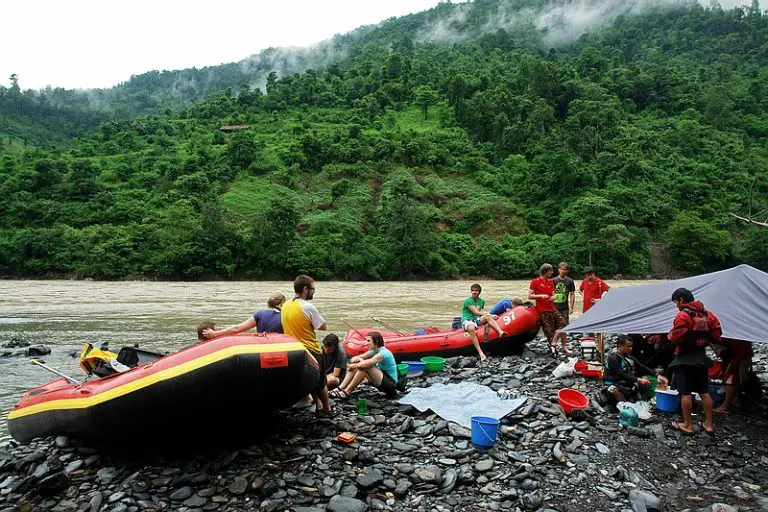
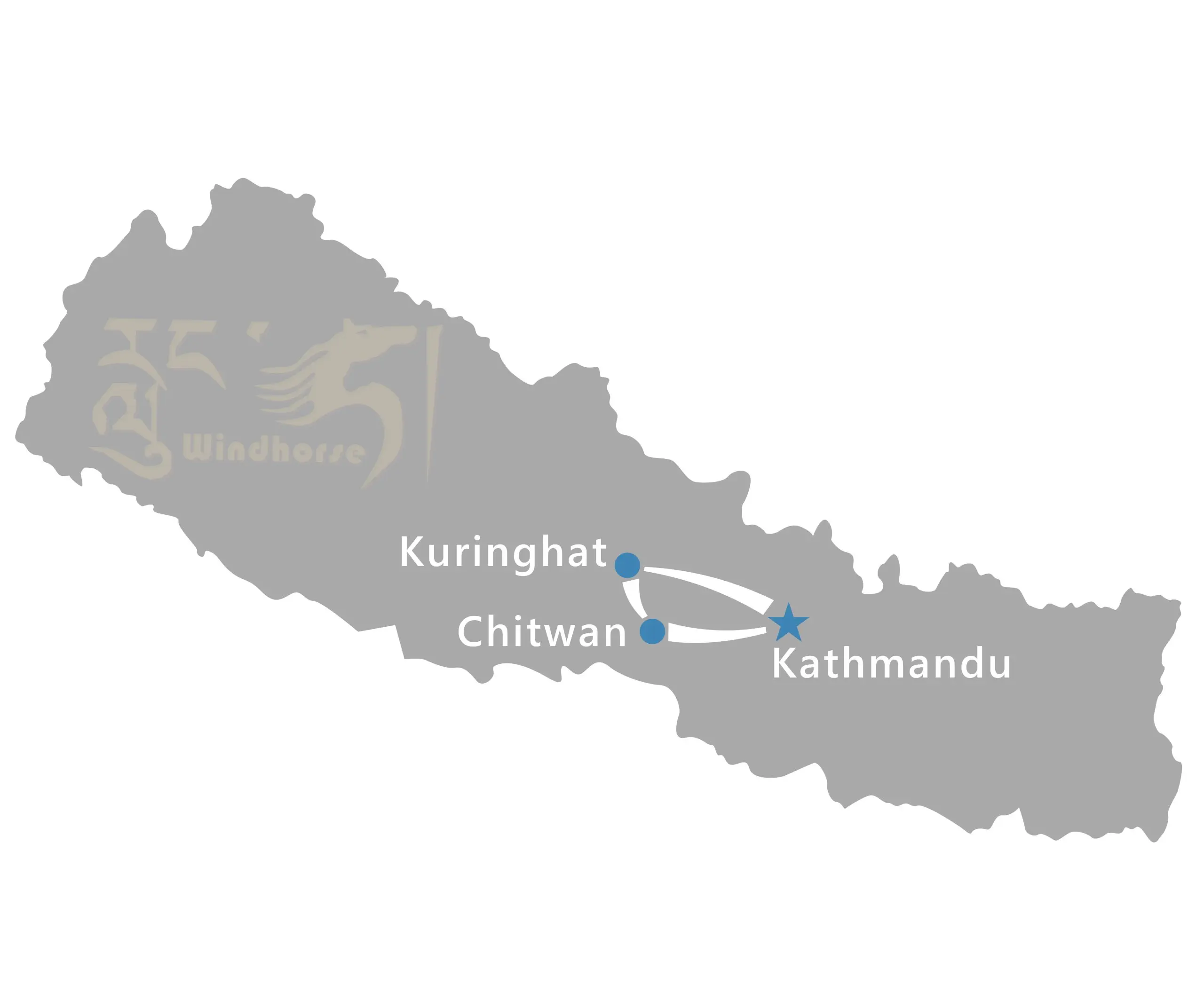
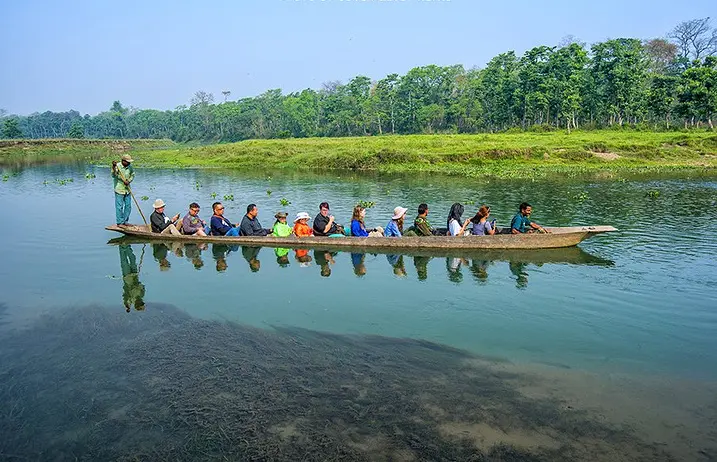
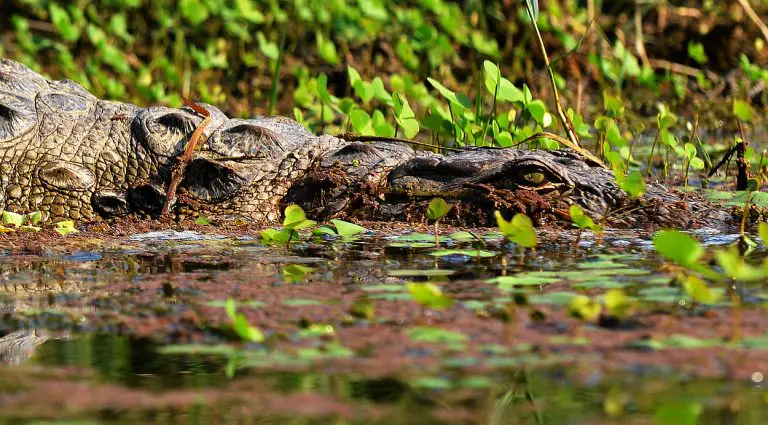
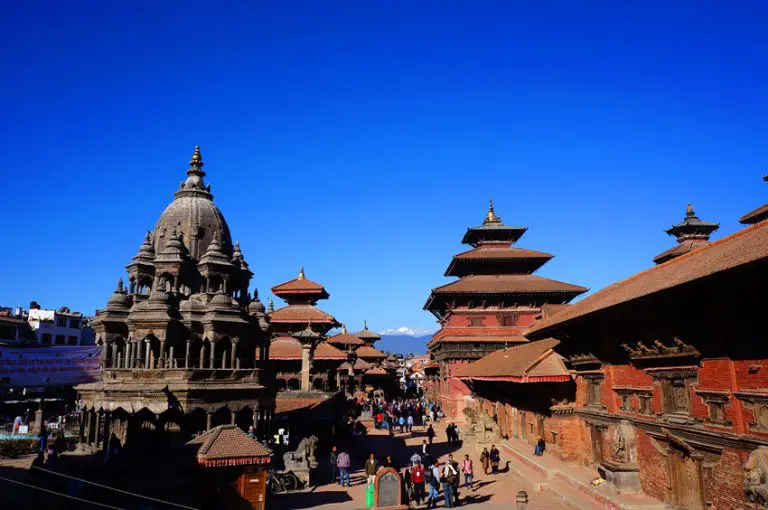
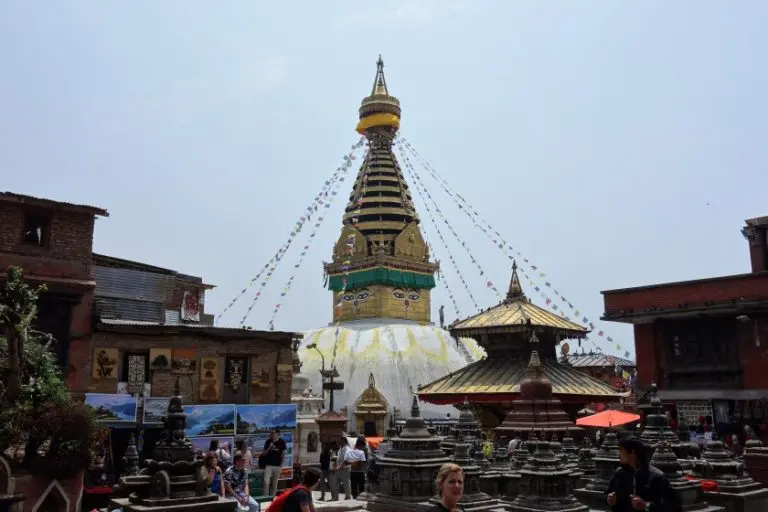
Raft along the Trishuli River in this adventure filled tour, enjoy a safari into Nepal's lush mountains with elephants. Lots of flexibility on activities for your choosing. The diverse tropical Terai region willed with its' rare animal species.
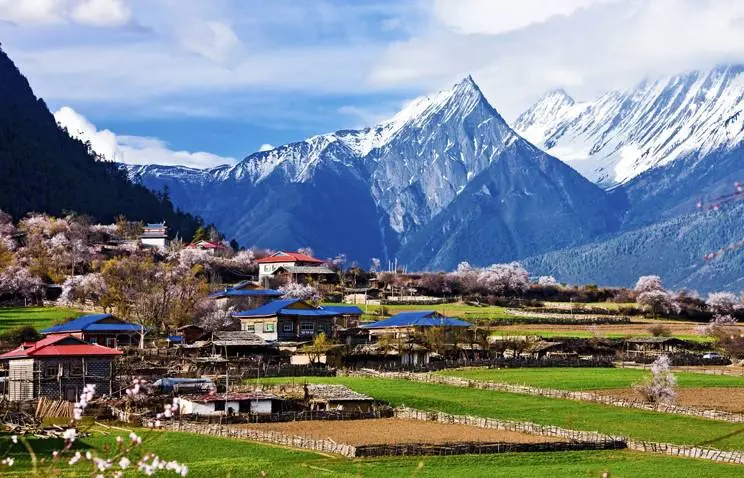
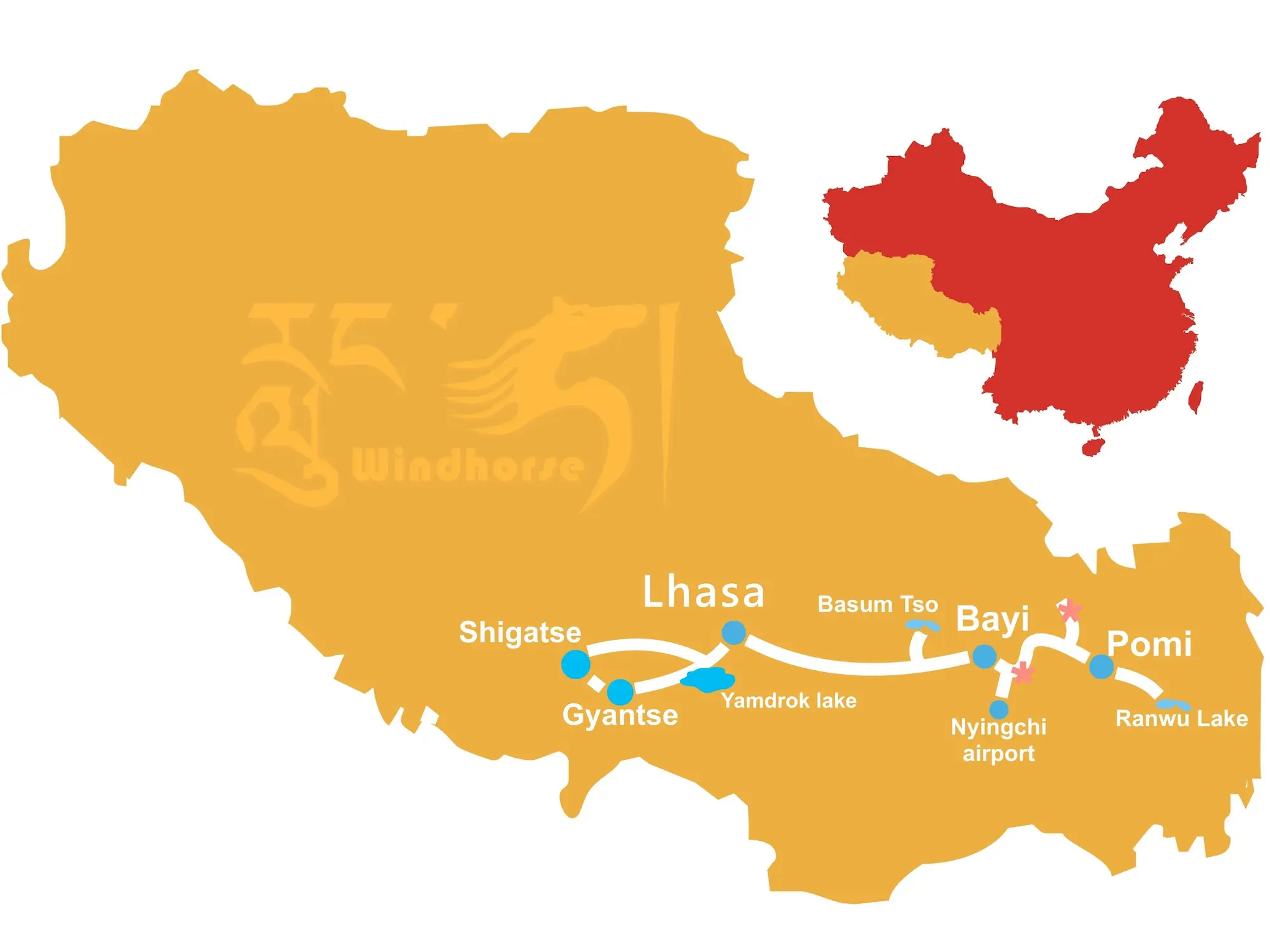

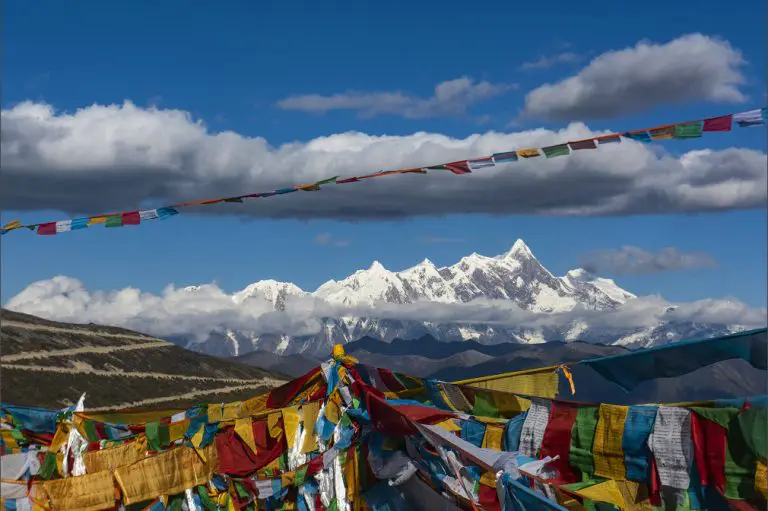
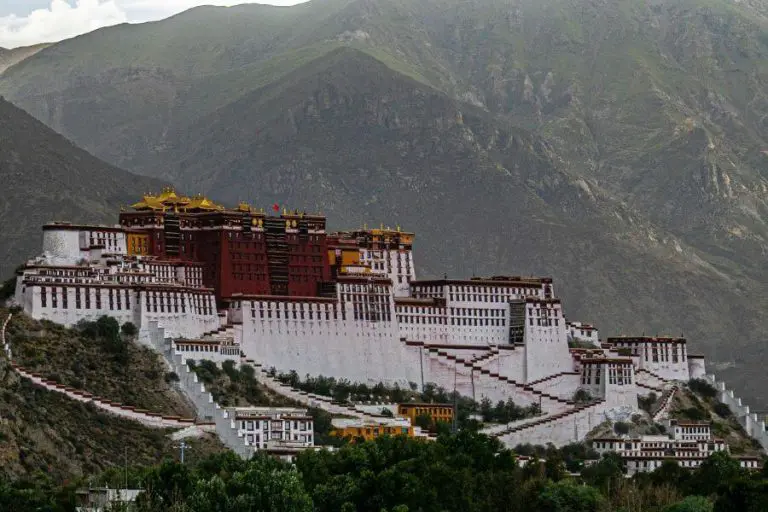
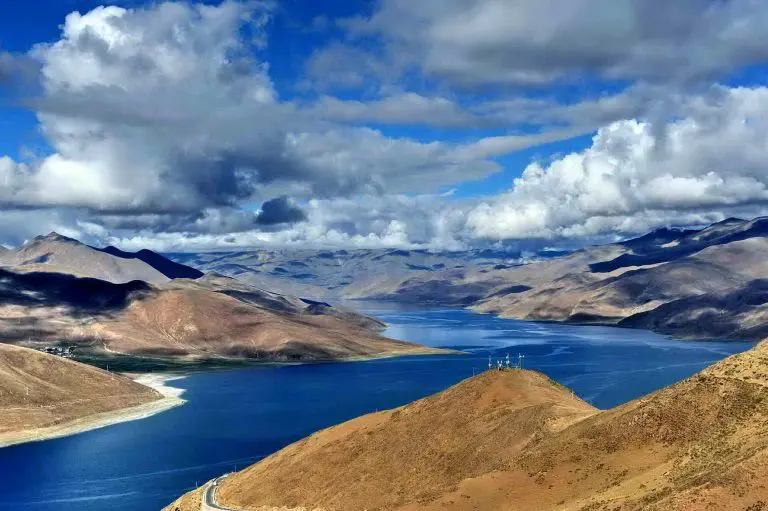
Discover eastern and central Tibet on this 10-day tour, from Nyingchi’s alpine valleys, Ranwu lake and Basum-tso Lake to Lhasa’s Potala Palace and Jokhang Temple, Yamdrok Lake, Gyantse’s Kumbum Stupa, and Shigatse’s Tashilhunpo Monastery.

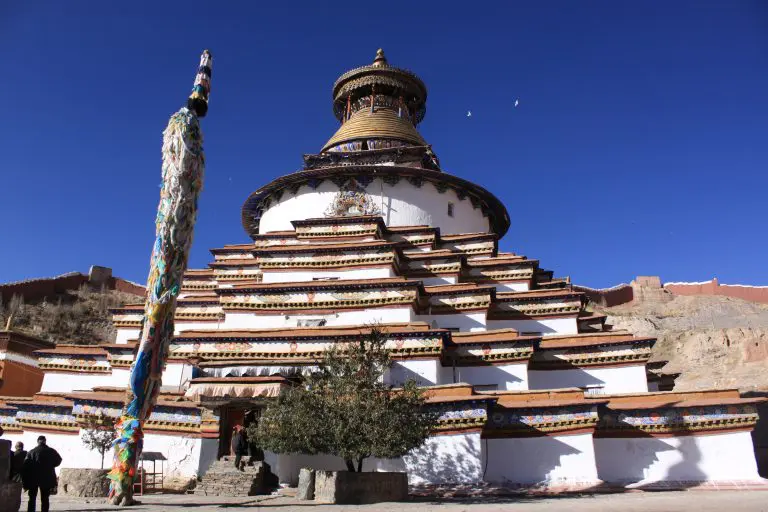
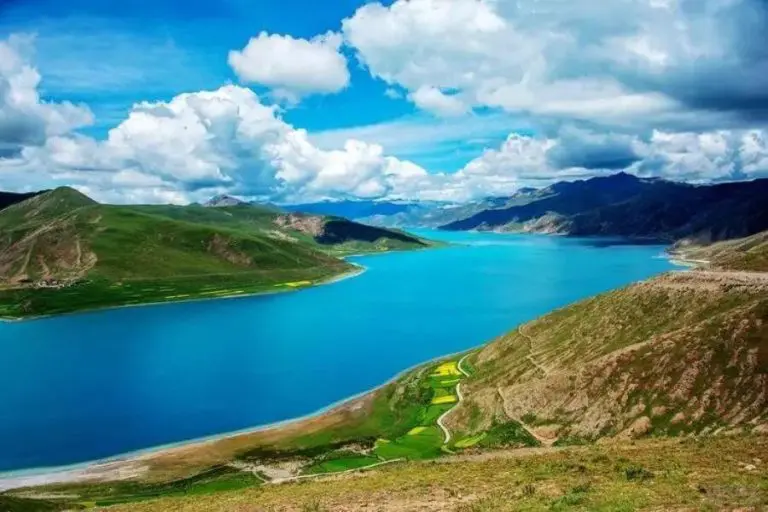
Travel from Kathmandu to Lhasa on an 8-day Kathmandu to Lhasa Group Tour, crossing the Himalayas via Everest Base Camp. This small-group overland journey combines dramatic landscapes, careful acclimatization, and Tibet’s cultural highlights.
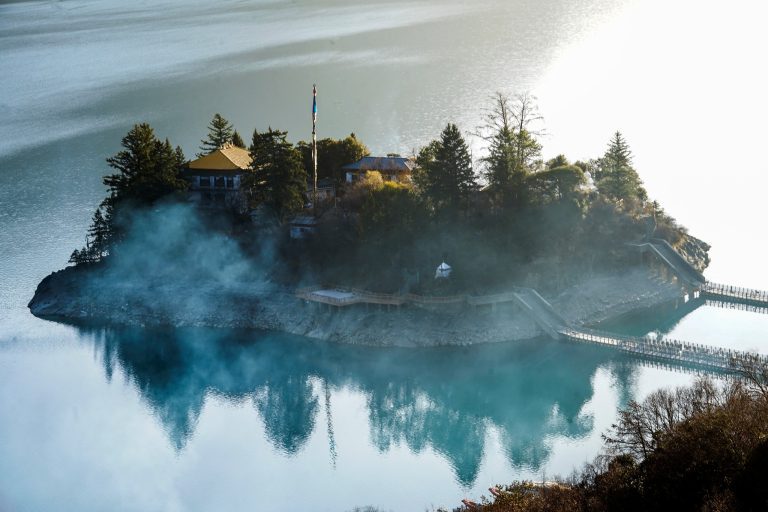
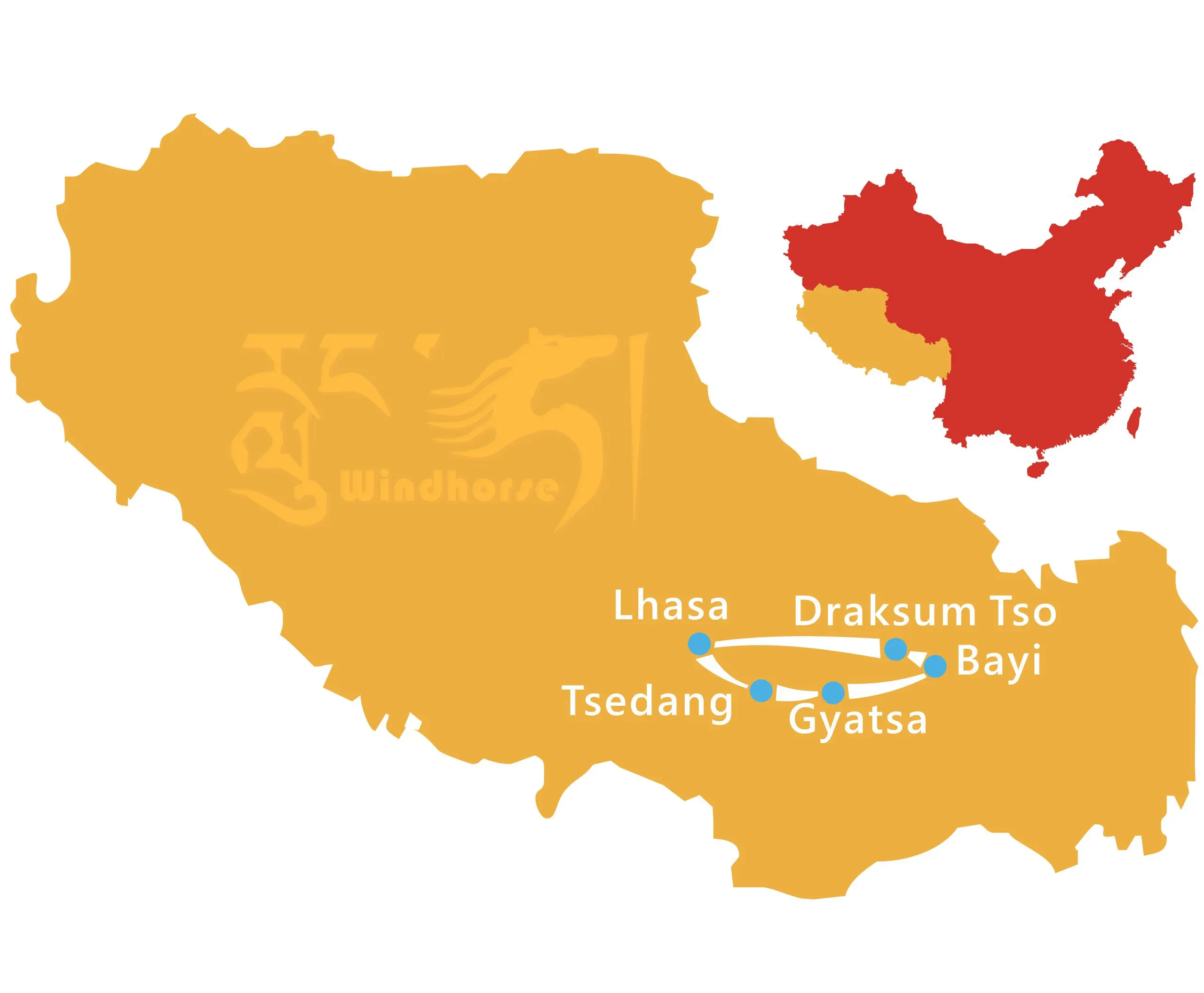
This Lhasa, Nyingchi and Tsedang loop tour explores the best of eastern and central Tibet. Discover Potala Palace, Jokhang Temple, Basum-tso Lake, Lulang Forest, and the Yarlung Valley with Samye Monastery, the cradle of Tibetan civilization.