
What kinds of food can I have in trekking?
Trekking is a thrilling adventure that takes you through some of the world’s most breathtaking natural landscapes. Whether you’re hiking in the Himalayas, exploring the Andes, or trekking through a national park closer to home, one of the most critical aspects of your journey is the food you’ll consume along the way. Proper nutrition is essential to sustain your energy levels and keep you going on long and strenuous treks. So, what kinds of food can you expect to have while trekking? Let’s explore the options and consider the possibility of having a private cook for your trekking adventure.
Check this amazing trekking tour.
Trail Food Basics
When embarking on a trekking adventure, it’s important to strike a balance between nourishing meals and practicality. Trekking often takes you to remote areas with limited access to restaurants or kitchens, so most of your food will need to be portable, lightweight, and easy to prepare.
Homemade Meals
Some trekkers choose to prepare their meals at home before setting out on their journey. Homemade meals can include sandwiches, wraps, and pasta salads, which are easy to carry and consume on the trail.
Instant Foods
Instant foods like freeze-dried meals, instant noodles, and oatmeal are popular choices for trekkers. They are lightweight, require minimal preparation, and provide the necessary calories and nutrients needed for strenuous activity.
Snacks
Snacks are essential for maintaining energy levels throughout the day. Trail mix, granola bars, nuts, dried fruits, and beef jerky are convenient options to keep in your backpack and enjoy while trekking.
Cooking Gear
Some trekkers prefer to cook their meals on portable stoves. This option allows for a more diverse menu, including hot meals like soups, rice, and pasta. However, carrying cooking gear adds weight to your pack and requires additional planning.
Private Cook Option
For those seeking a more luxurious and customized trekking experience, the option to hire a private cook is available. This service allows you to enjoy freshly prepared meals throughout your trek, tailored to your dietary preferences and requirements. Here are some key points to consider:
Personalized Menu: When you opt for a private cook, you can collaborate with them to create a menu that suits your tastes and dietary restrictions. Whether you prefer vegetarian, vegan, gluten-free, or have specific food allergies, a private cook can accommodate your needs.
Fresh Ingredients: Your private cook will source fresh ingredients and prepare meals on the spot. This means you can savor hot, nutritious dishes even in the wilderness.
Nutrition and Hydration: A private cook can ensure that you’re consuming a well-balanced diet tailored to the demands of your trek. They’ll also be mindful of your hydration needs, preparing beverages like herbal teas and electrolyte-infused water.
Cost Considerations: It’s important to note that hiring a private cook comes with an additional fee. This cost covers the cook’s services, ingredients, and cooking equipment. Make sure to discuss pricing and arrangements with your tour operator in advance.
Food to Bring
Regardless of whether you choose a private cook or rely on trail food, it’s a good idea to bring some supplementary snacks with you. Here are a few items to consider:
Cookies: High-energy, compact, and delicious, cookies are an excellent source of quick sustenance during breaks.
Chocolate: Chocolate provides a quick energy boost and a bit of comfort during challenging trekking moments.
Beef Jerky: High in protein and easy to carry, beef jerky is a favorite among trekkers for its long-lasting energy benefits.
In conclusion, the type of food you can have while trekking depends on your preferences, dietary requirements, and the level of comfort you seek. Trekking offers a unique opportunity to savor the simplicity of trail food, but the option to hire a private cook adds an element of luxury to your adventure. Regardless of your choice, staying well-fed and properly nourished is crucial to ensure a safe and enjoyable trekking experience amidst the beauty of the great outdoors. Don’t forget to communicate your food preferences and requirements to your tour operator so they can prepare accordingly and make your trekking journey as enjoyable as possible.
Related tours
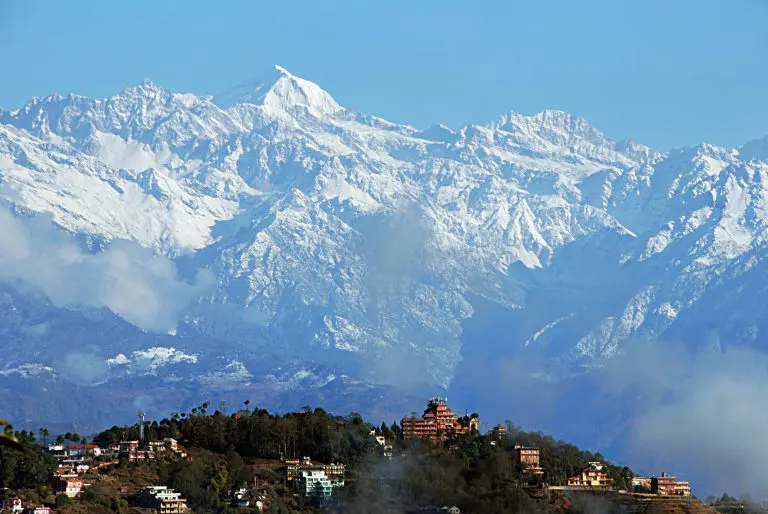

Experience Nepal's perfect short adventure on this 6 day Chisapani Nagarkot Trek with Kathmandu City Tour. Discover Kathmandu's UNESCO Heritage Sites, then enjoy a 3 day scenic trek through Shivapuri National Park to Nagarkot for spectacular sunrise views of the majestic Himalayas.
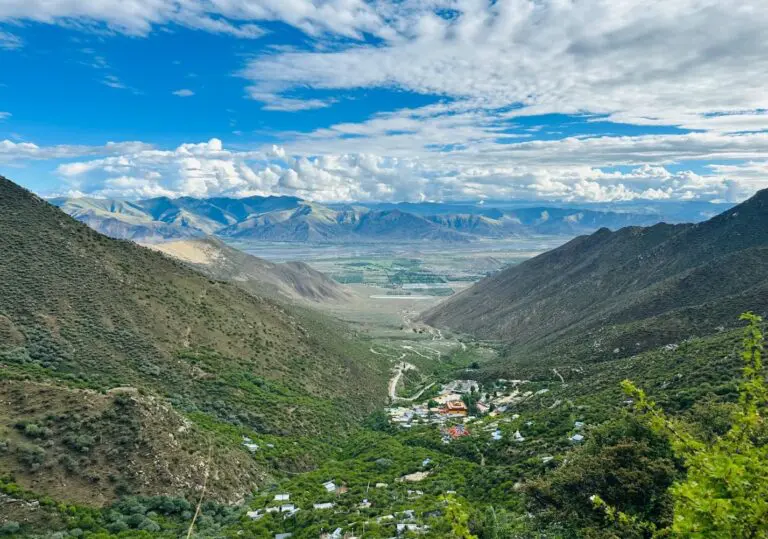
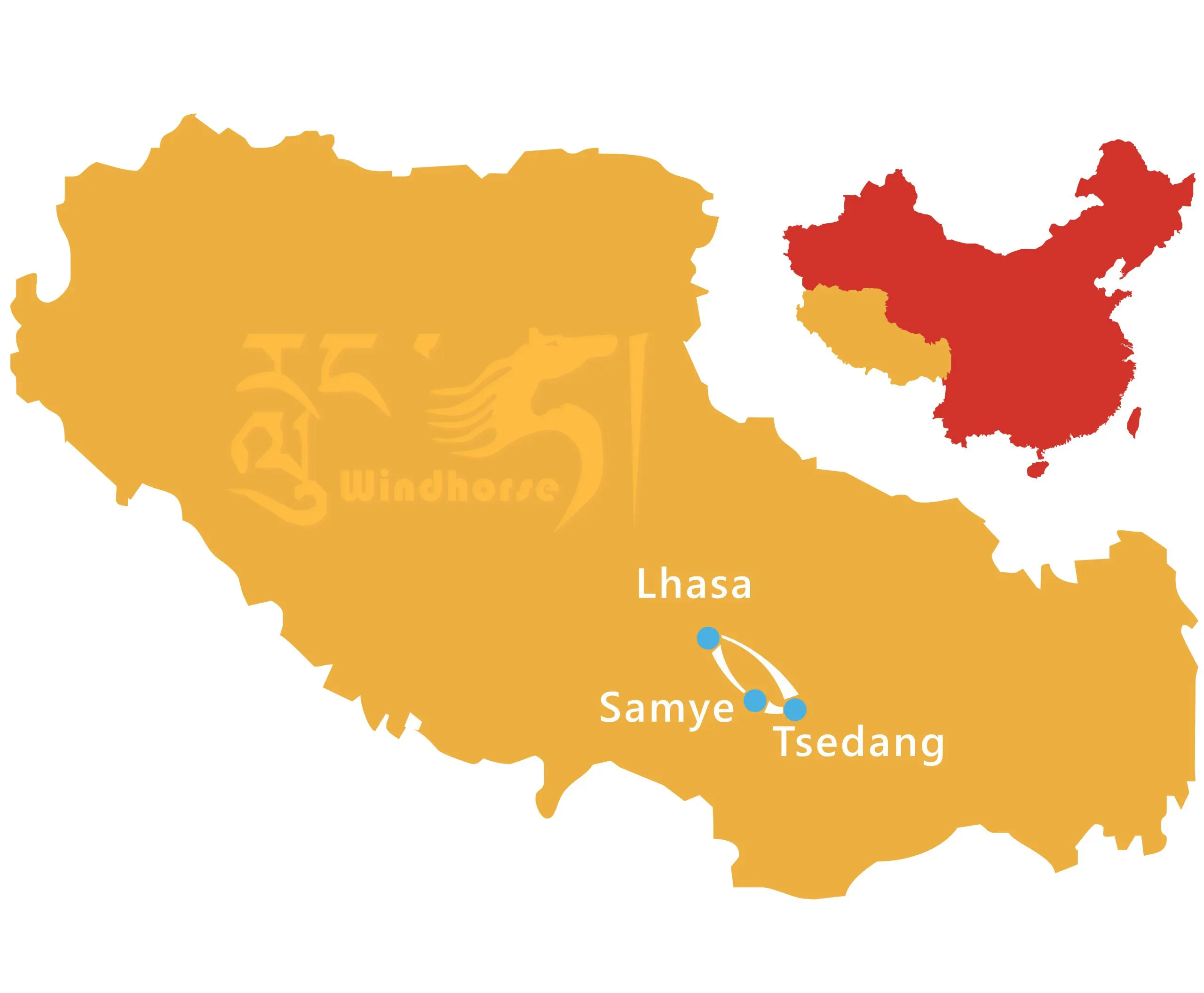
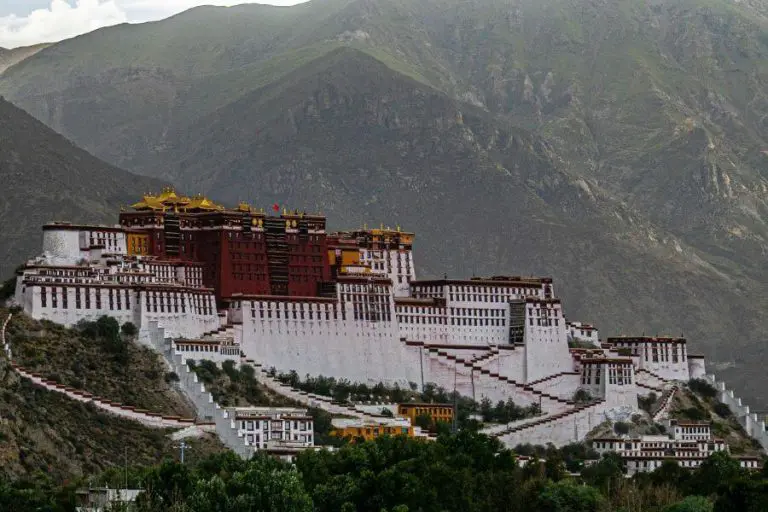

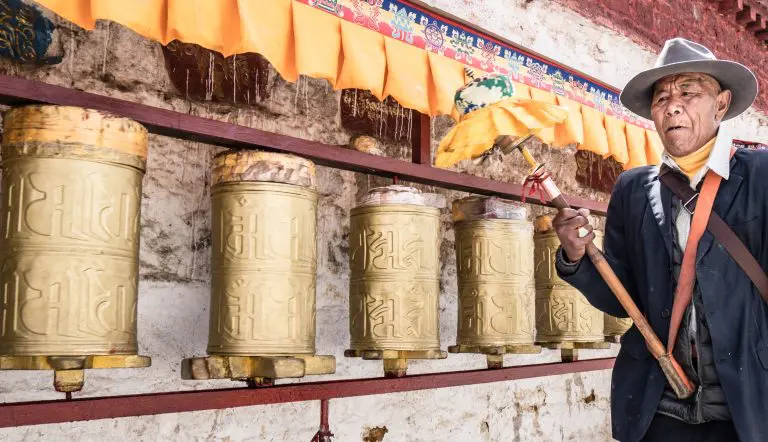
This 6-day Tibetan cultural heritage tour takes you from Lhasa to the historic Yarlung Valley. Visit Tibet’s first palace and monastery, explore sacred Buddhist sites, and enjoy a scenic hike to the meditation caves at Chim-puk Hermitage near Samye.
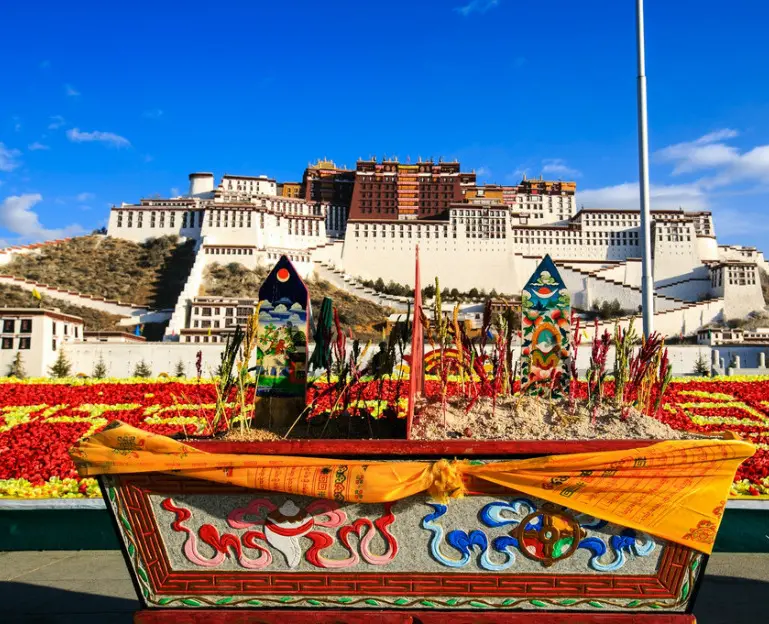
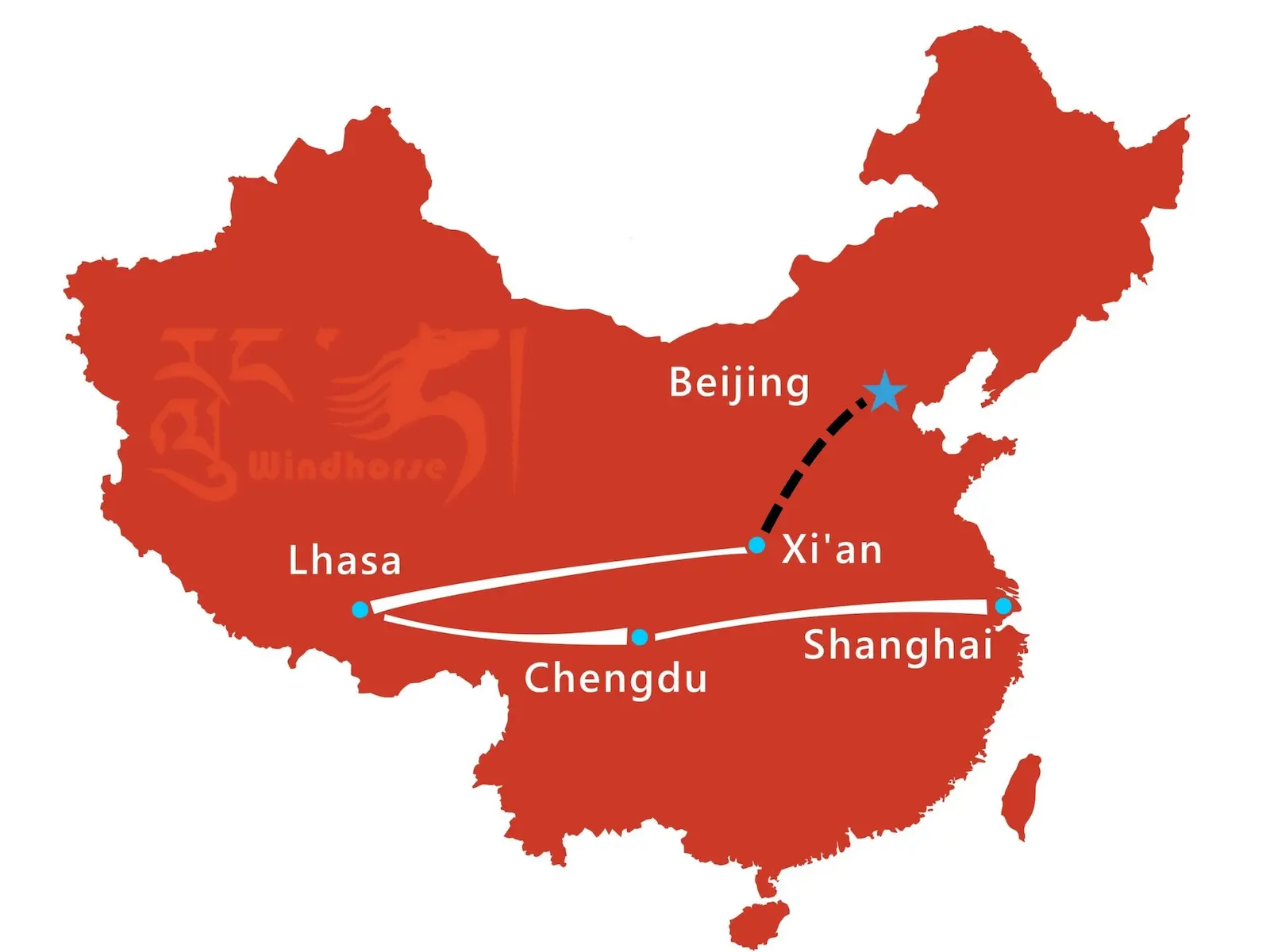
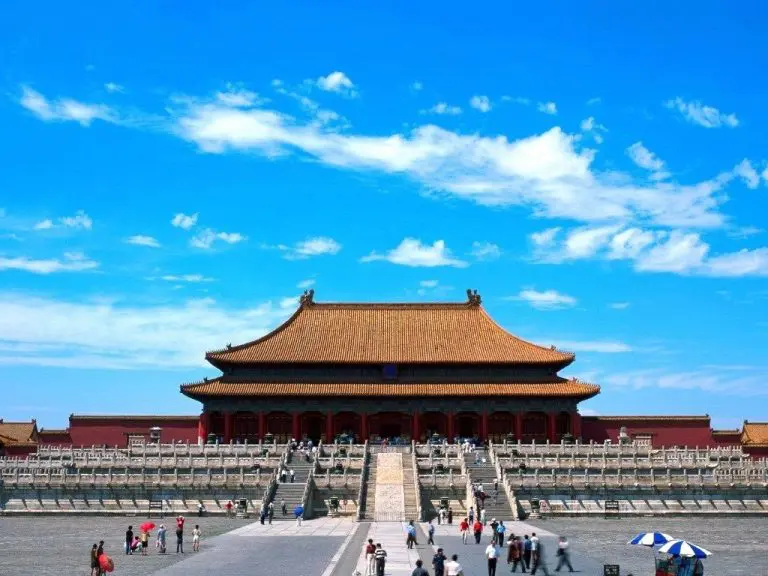
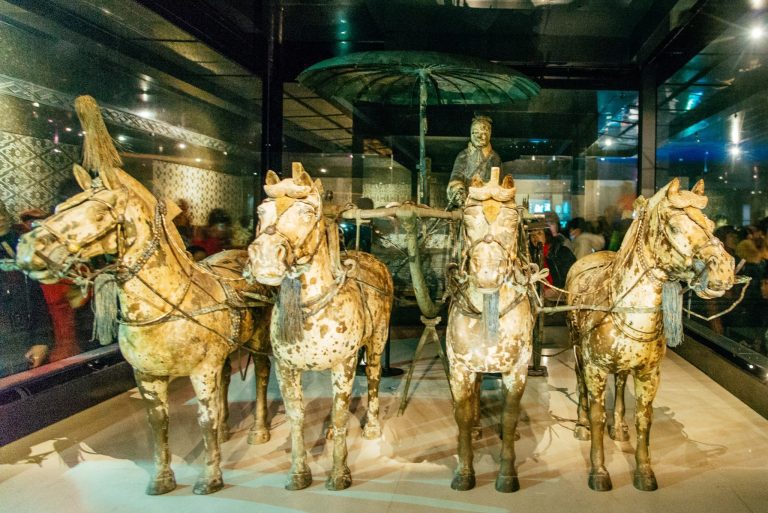

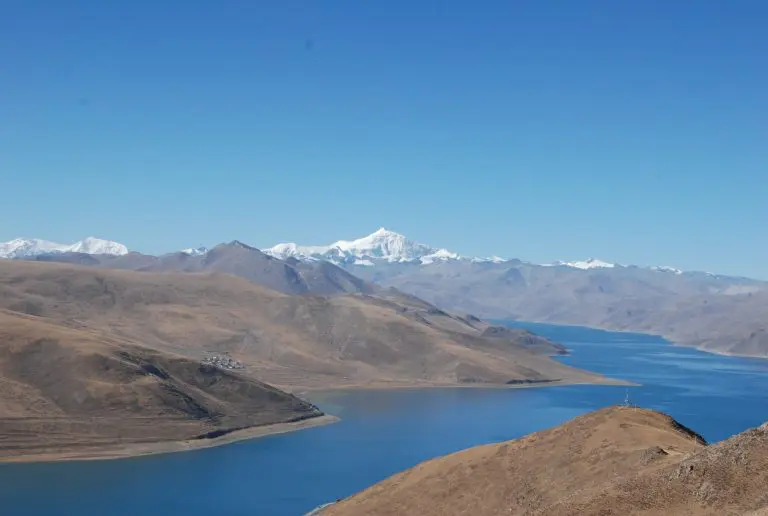

Experience the best of China and Tibet on this 2 week China Tibet Highlights Tour. Visit the Great Wall, Terracotta Army, Potala Palace, and pandas. A perfect mix of history, culture, and nature across Beijing, Xi’an, Lhasa, Chengdu, and Shanghai, perfect for first-time China Tibet travelers.
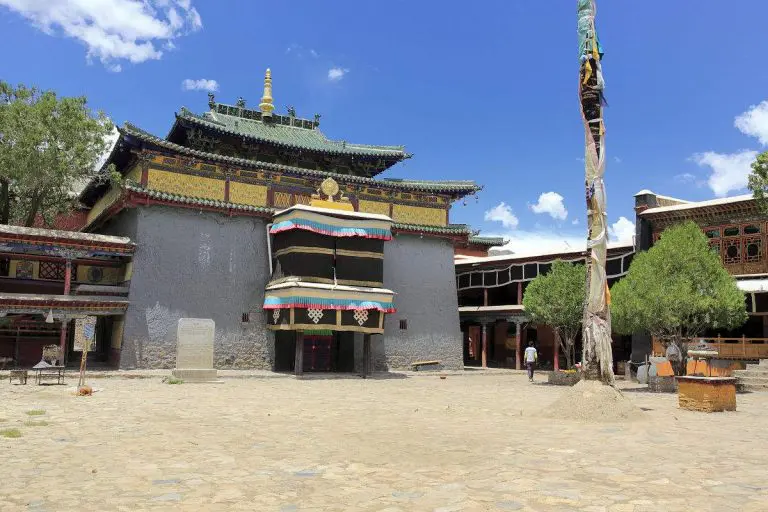
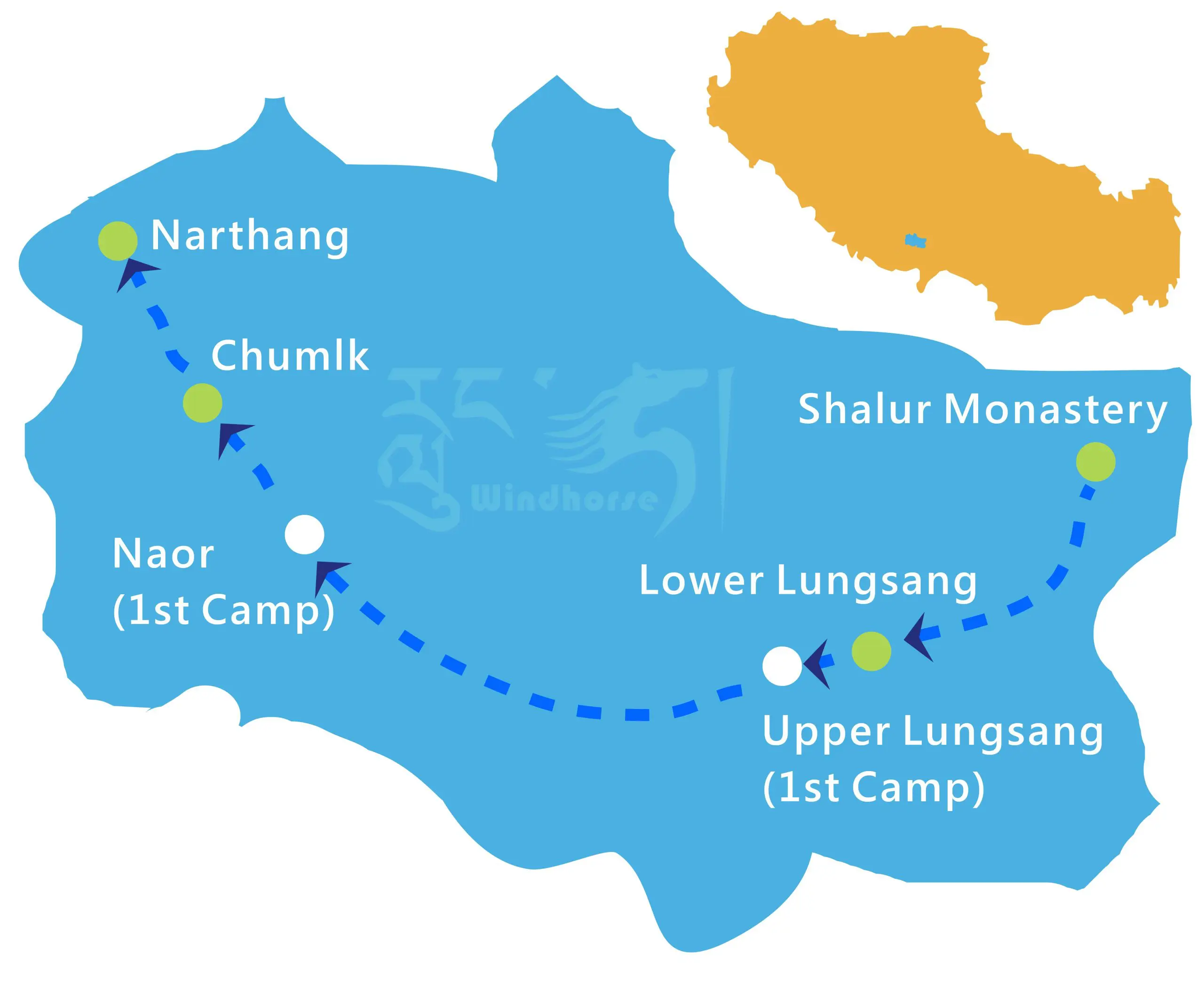
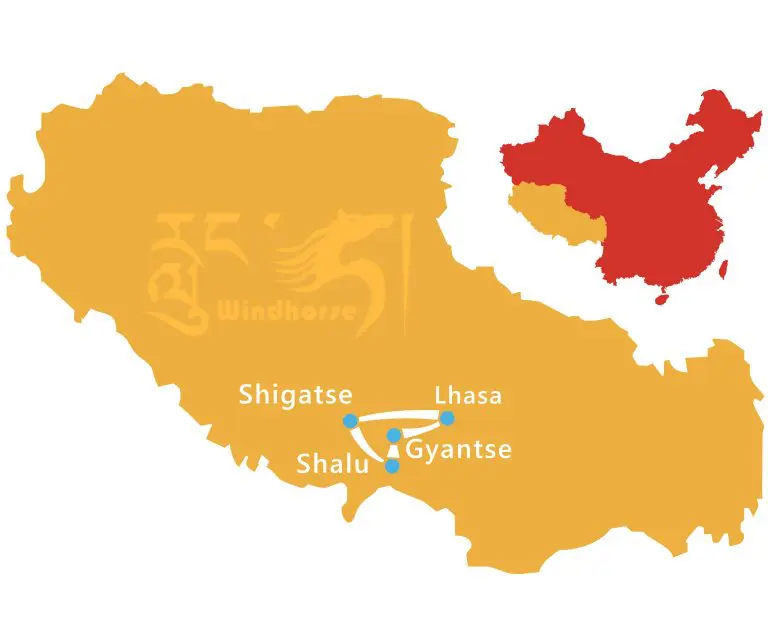
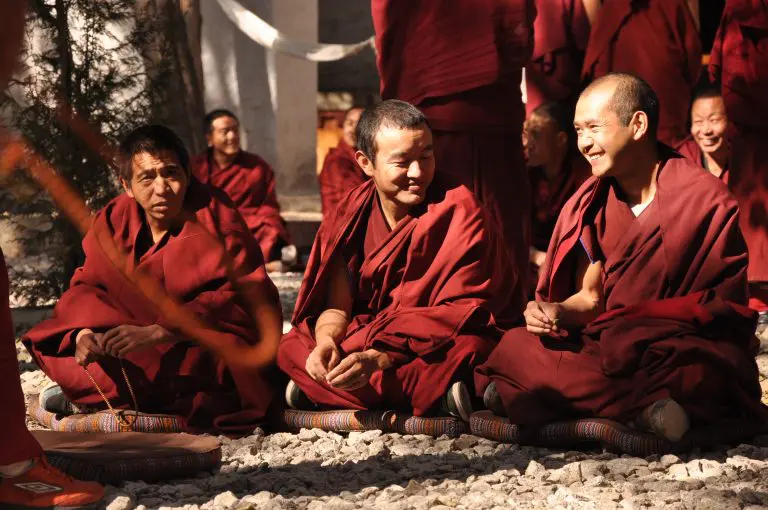
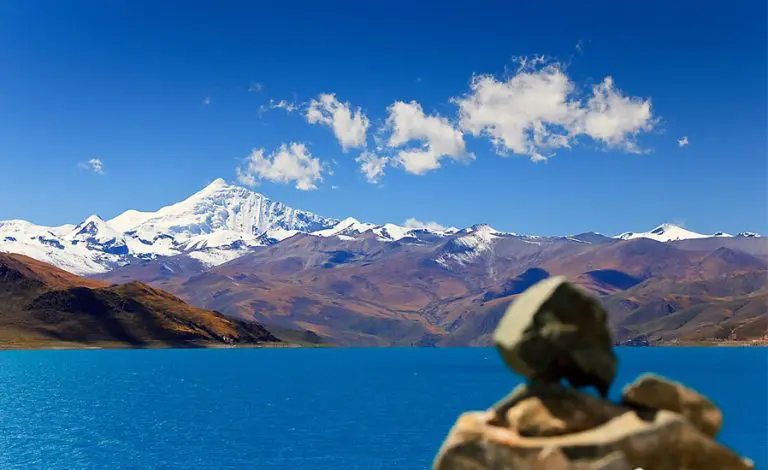
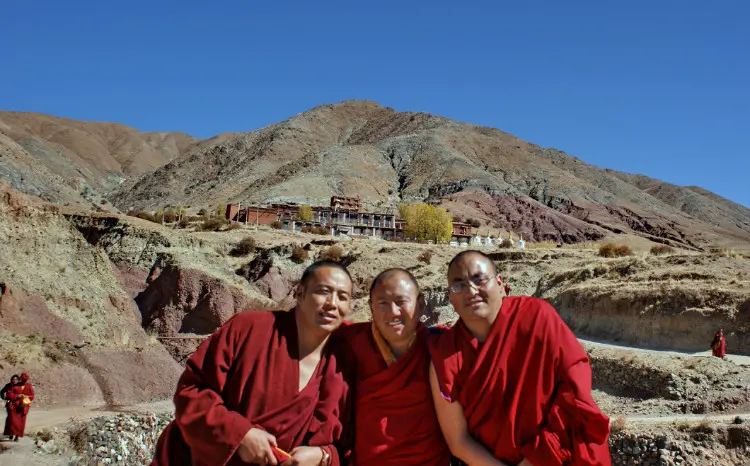
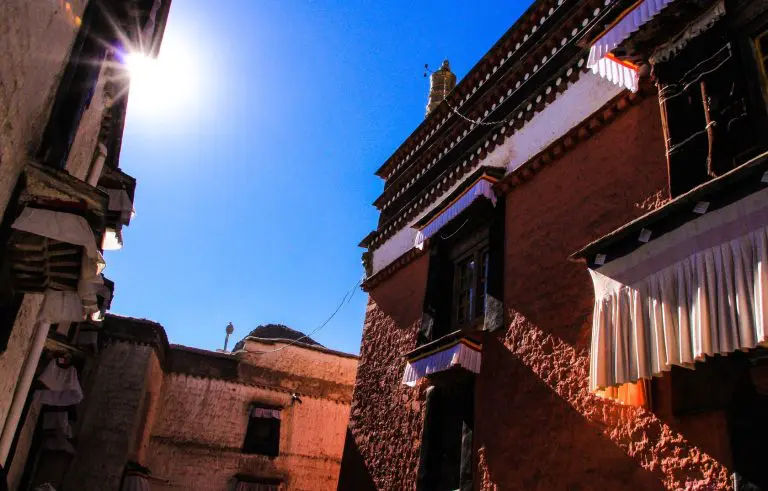
This 8-day Shalu to Nartang Monastery Trek combines Tibetan culture and easy trekking. Walk through quiet villages, barley fields, and dry valleys between two historic monasteries near Shigatse, offering a glimpse into authentic Tibetan life and scenery.