
Tibetan Sculptures
Tibetan sculpture is a profound artistic expression deeply rooted in Tibetan Buddhism. Over centuries, it has evolved into a unique art form shaped by native Tibetan culture and influenced by the Chinese Han tradition and neighboring countries. These sculptures primarily depict sacred subjects such as scenes from Buddhist sutras, Buddhas, Bodhisattvas, Vajras, Heavenly Kings, renowned lamas, and symbolic motifs like auspicious animals and plants. Beyond religious statues and ritual objects, Tibetan sculptures are also found in furniture, daily-use items, and decorative ornaments. Based on the materials used, they are commonly classified into categories such as metal, clay, stone, wood, horn, and butter sculptures.
Metal Sculptures
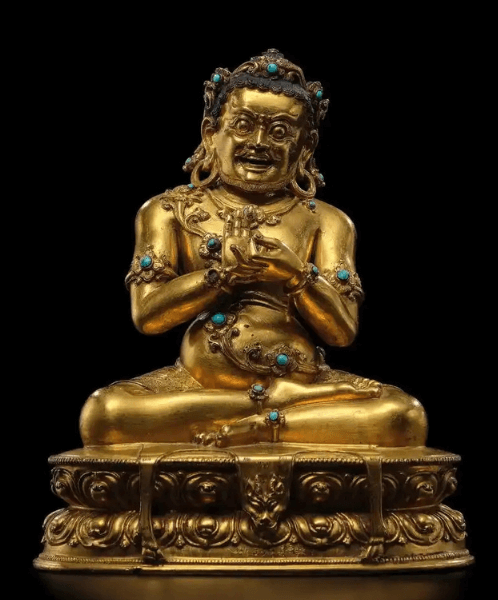
Metal is often used for Buddhist statues and various Buddhist objects, like mandalas , prayer wheels , stupas , butter lamps, and some jewelry. These objects are generally made of bronze, brass or copper, sometimes of gold, silver or iron.
The Buddhist statues are the most impressive of these sculptures. Making these statues is not a simple task. Prior to sculpting, a picture is painted on the surface of the metal to be worked. Then the sculptors follow the pattern using traditional methods. Lastly the sculptures are gilded and polished to make them really imposing.
The statues are produced in a variety of sizes, the smaller ones being measured in centimeters while huge ones can equal the buildings of several storeys high. The statue of Maitreya Buddha in Tashilhunpo Monastery , which is 26.2 m. (86 ft.) high, is the largest seated bronze Buddhist statue in the world. The Samye Monastery, Potala Palace, Jokhang Temple, Norbulingka, Sakya Monastery and Shalu Monastery, all house a variety of Buddhist statues and other artifacts.
Clay Sculptures
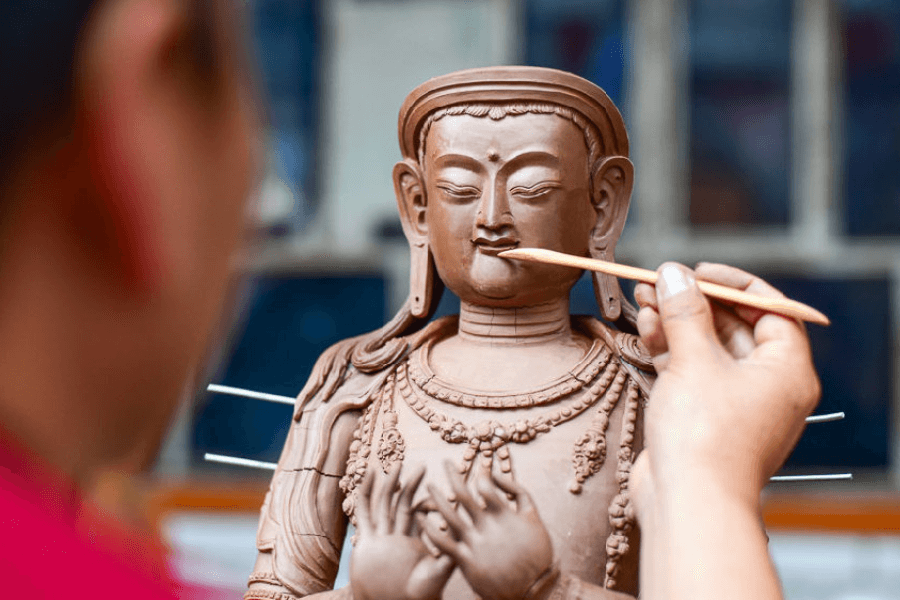
Tibetan clay sculptures have a long history that extends for more than 2,200 years. Due to the easy access to materials, they are actually more popular in the temples of Tibet. These include Buddhist statues, stupas, animals and other objects.
The clay sculptures preserved in Tholing Monaastery are some of the earliest ones that have been found in Tibet. There are many statues of Buddhas, Bodhisattvas, Buddhist masters, Guardians of Buddhist Doctrines and others. Those of the chief deities are usually several meters high and their companions are also life sized. They all seem quite lifelike and distinctive. The clay sculptures in Palkhor Monastery , which appeared later, seem more perfect and affective. The sculptures of this time tend to focus on expressing the emotional world of the figures rather than outward appearances.
Apart from these clay statues in the temples, the other common kinds of clay sculptures are Tsa-tsas , which are more popular among the devout Tibetans. They are mainly the small clay Buddhist statues and stupas, which can be put together in a special house or in a line along the roads devoted to worship, or sometimes in the big belly of a Buddhist statue or in the stupas.
Stone Sculptures
When compared with metal and clay sculptures, stone sculptures are more casual and popular in Tibet, especially among the locals. Stone statues, cliff sculptures, grotto sculptures, mani stones and jades are the most commonly seen.
The earlier stone statues of Tibet were made in the Tubo Kingdom. The most famous of these are the two lion statues in the Graveyard of Tibetan Kings and the Buddhist statues of Vairocana Buddha and others in the Temple of Princess Wencheng of Yushu Tibetan Autonomous Prefecture, Qinghai Province.
The cliff sculptures, which are mainly to be found on the huge mountainsides and cliffs, are more popular stone sculptures in Tibet. The cliff sculptures in the Chakpori Hill are the most expansive and well-known in Tibet. The Chalalupu Grottoes in the eastern piedmont of the hill contain stone sculptures. There are also grotto sculptures in Tagtse County of Lhasa, Gampa County and Lhatse County of Shigatse, and Rutog County of Ngari.
Mani Stones are the most common form of stone sculptures. They are often inscribed with sutras or Buddhist figures, the most popular inscription being the mantra ”Om Mani Padme Hum”. The stones are often piled in a mound alongside the road or around the sacred mountains and lakes, some are built as a spectacular Mani Stone Wall in the temples.
In addition, there are many wooden sculptures and carvings. These decorate furniture as well as gates and around windows, and also made as mold to print sutras, prayer flags and other subjects. Finally, bone and horn are also used in the creation of holy relics while butter sculptures also number among religious artifacts.
Related tours
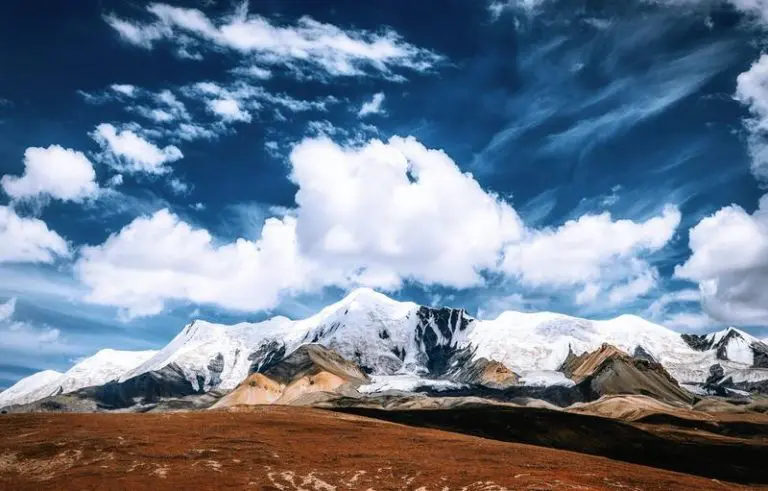
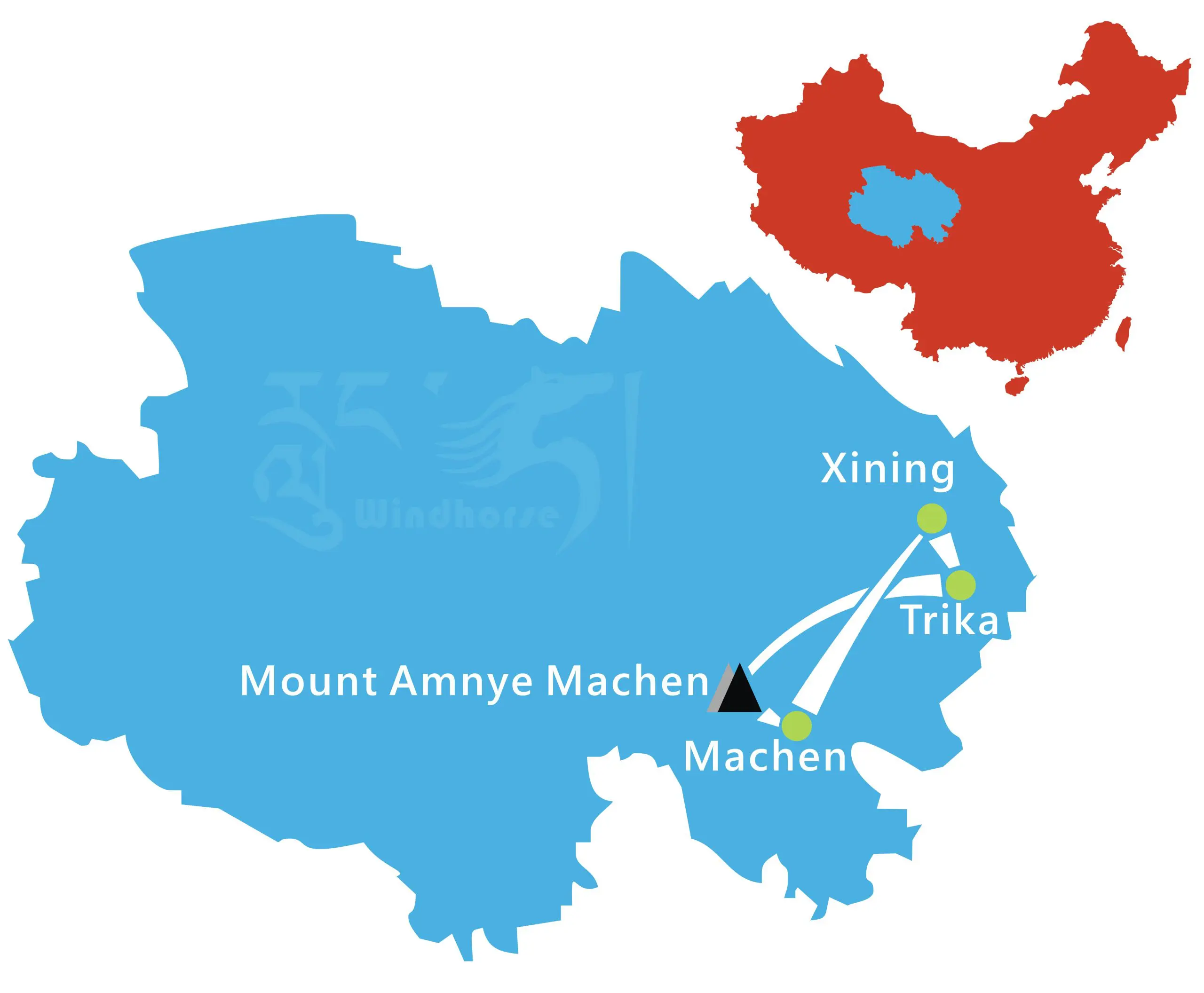
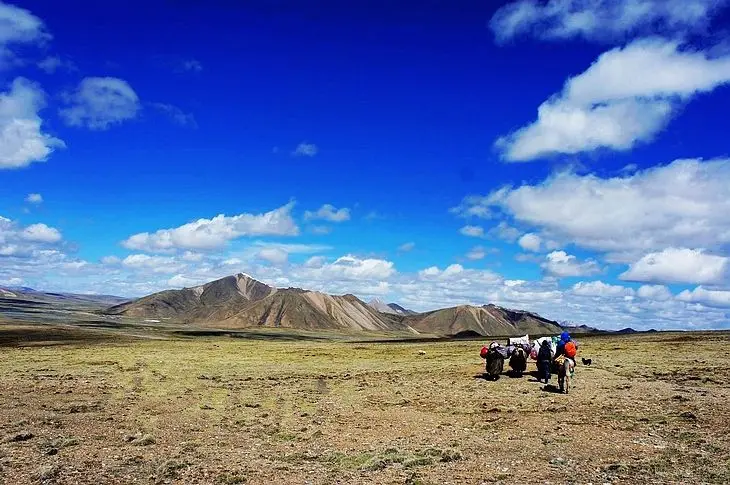
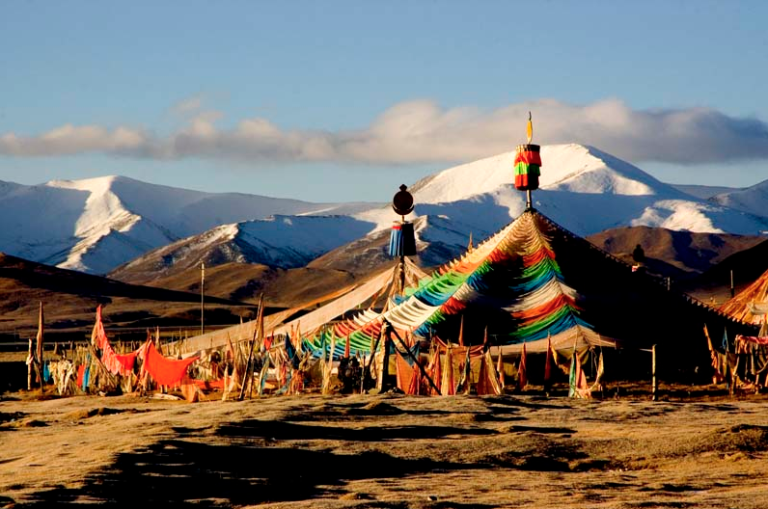
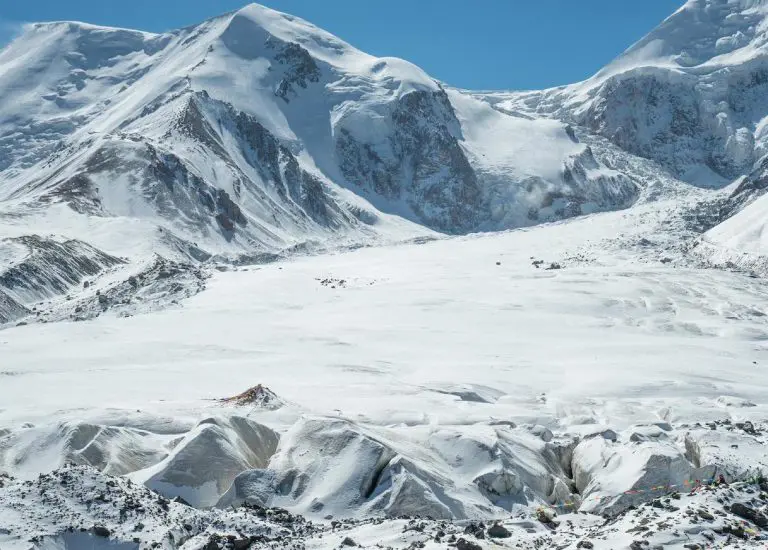
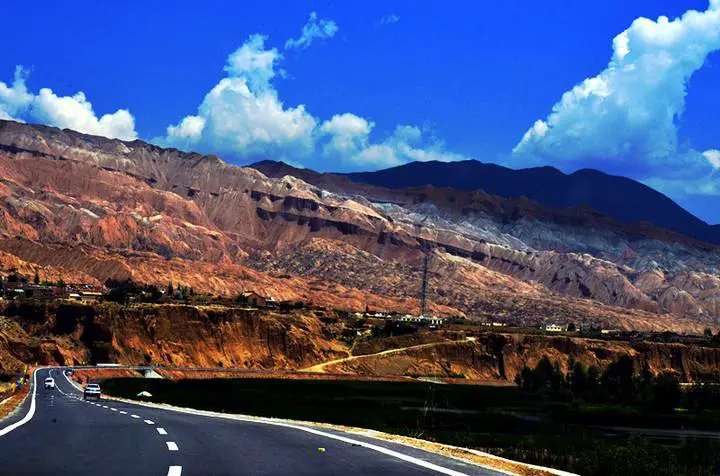
Take this 15-day Amnye Machen trekking tour through Qinghai’s sacred landscapes. Explore Qinghai Lake, remote valleys, monasteries, and high mountain passes while trekking around Mount Amnye Machen on the Qinghai–Tibet Plateau.
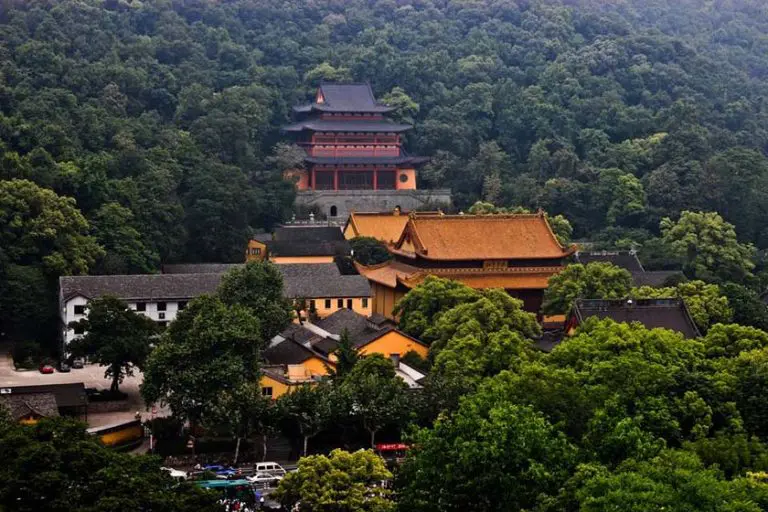
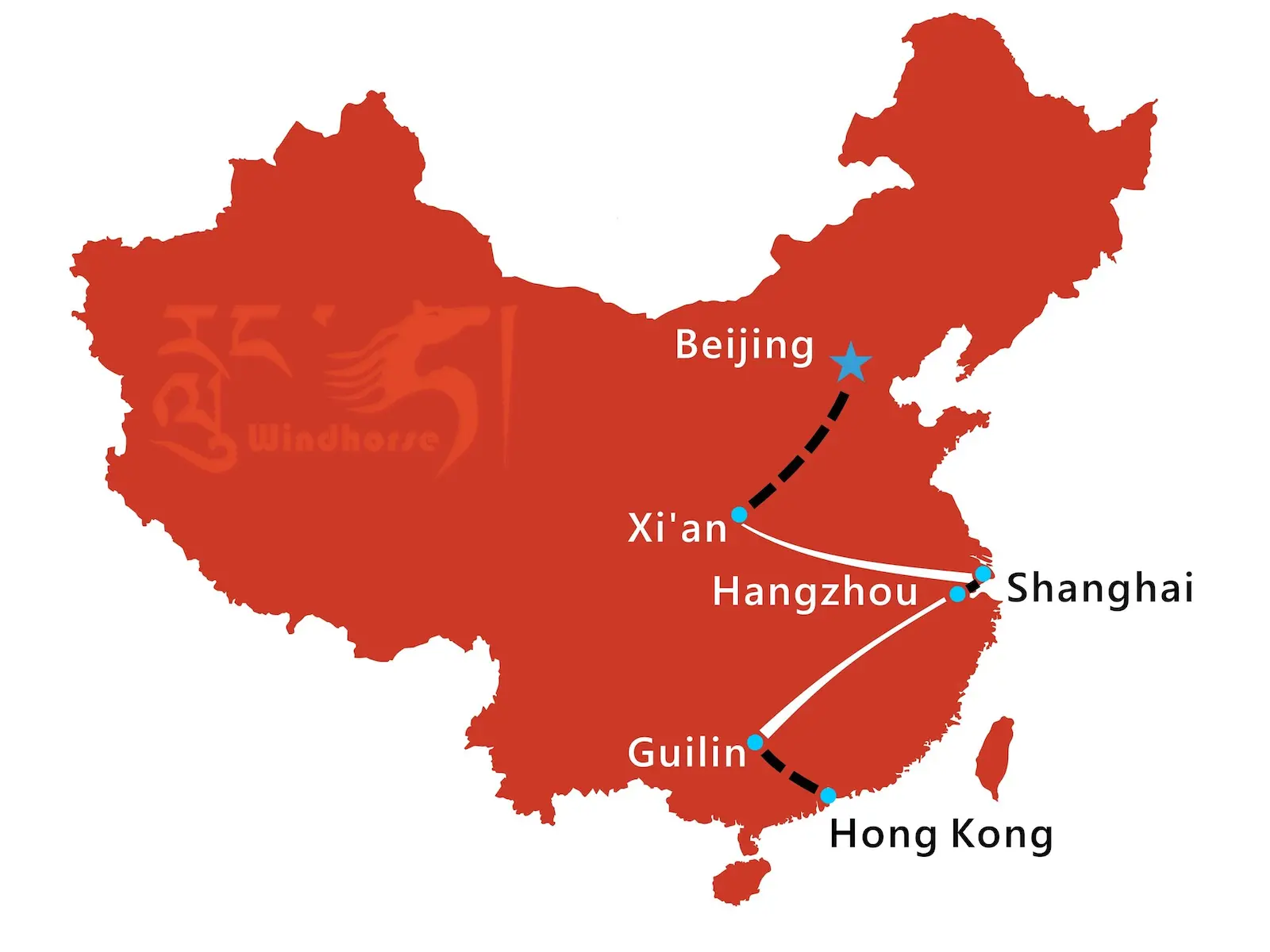
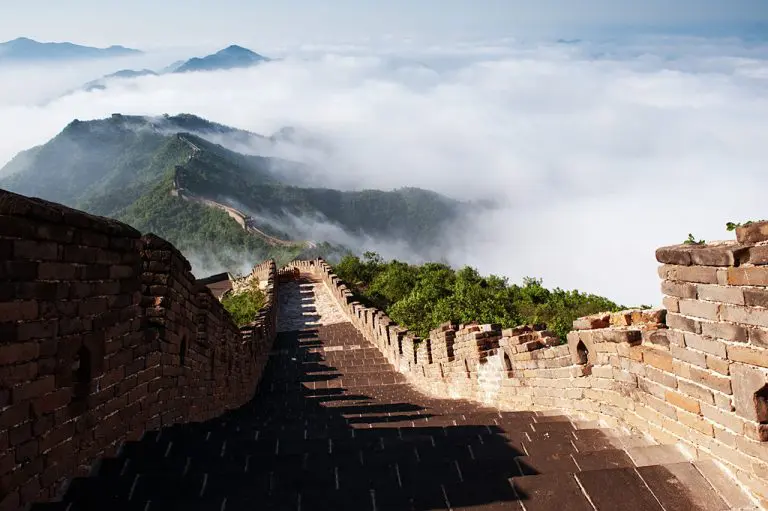


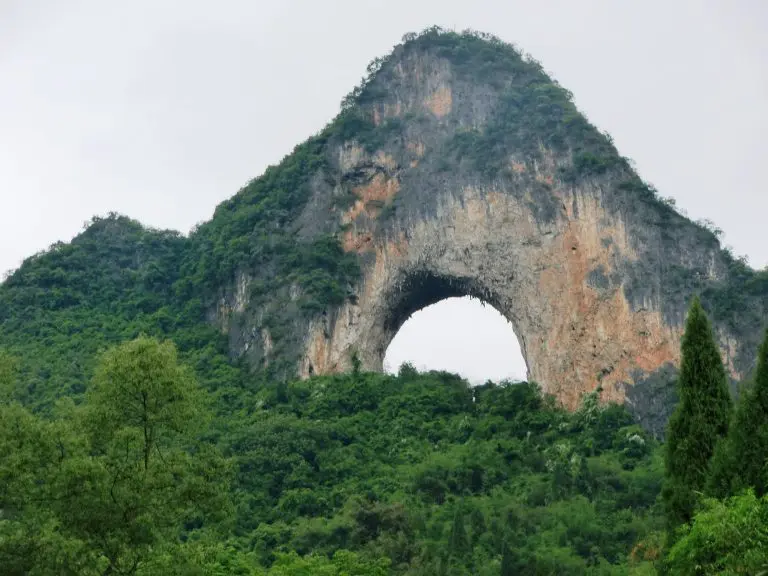
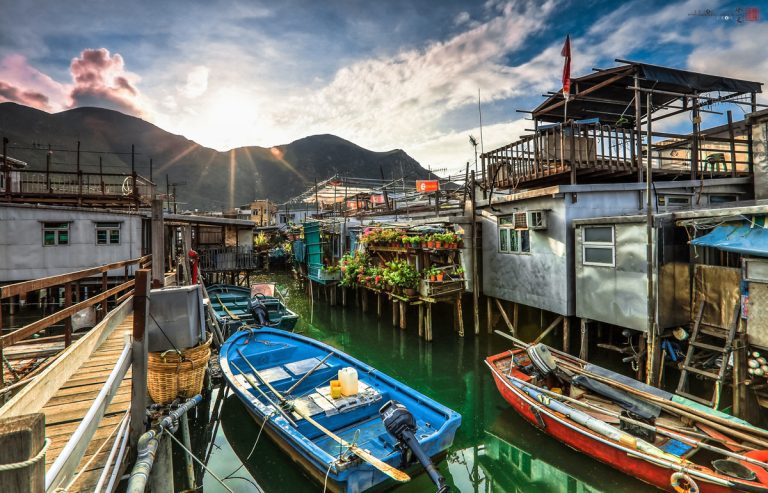
Experience a 15 day Beijing to Hong Kong tour that covers China’s top highlights. Visit Beijing, Xi’an, Shanghai, Suzhou, Hangzhou, and Guilin. Explore major landmarks, cruise the Li River, enjoy classical gardens and water towns, and finish in vibrant Hong Kong.
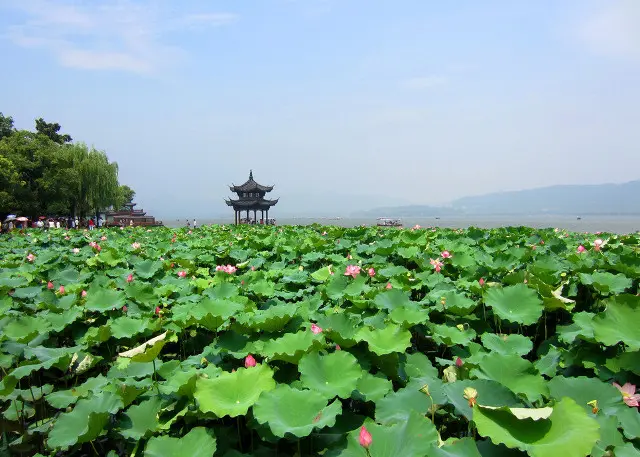
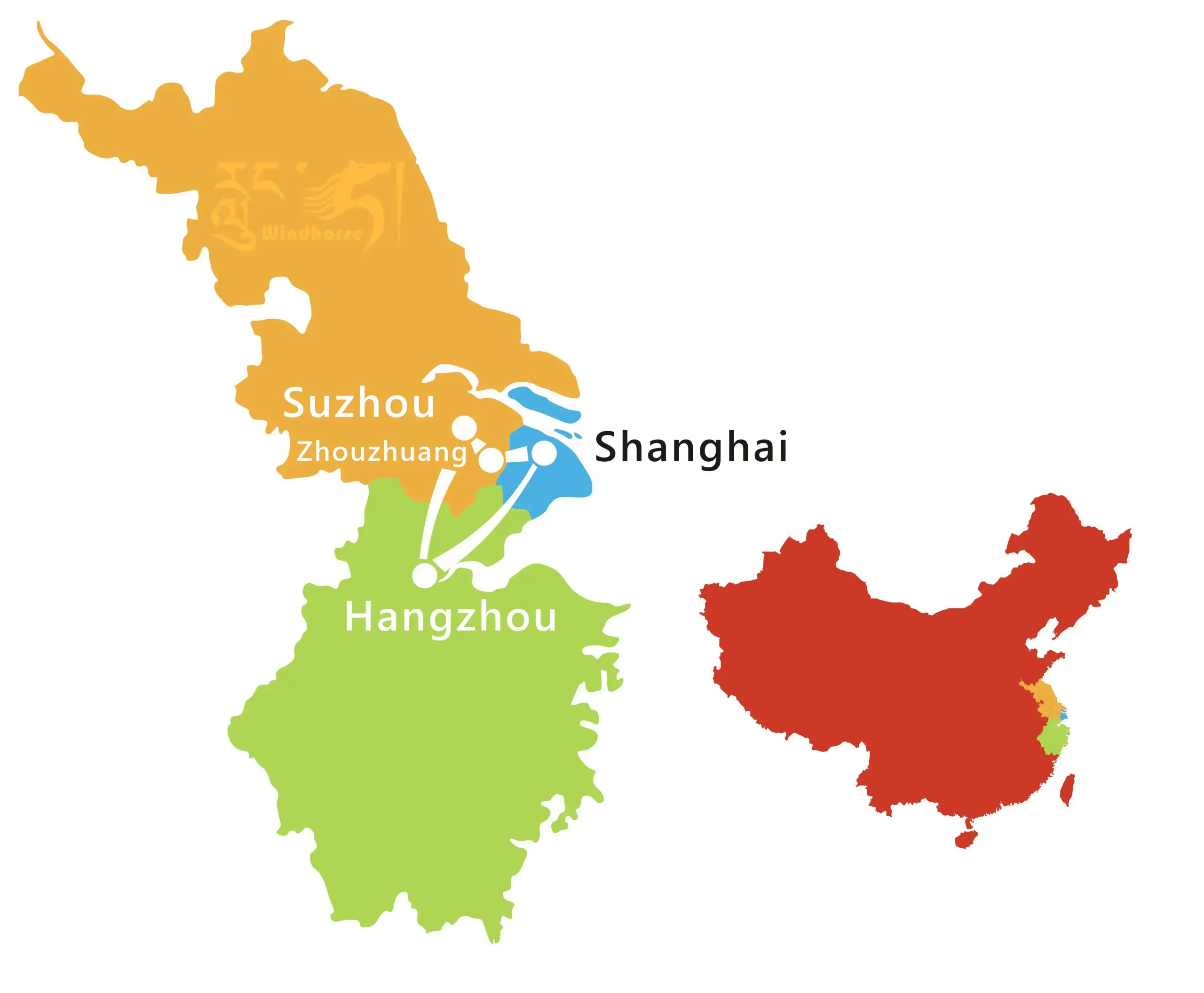
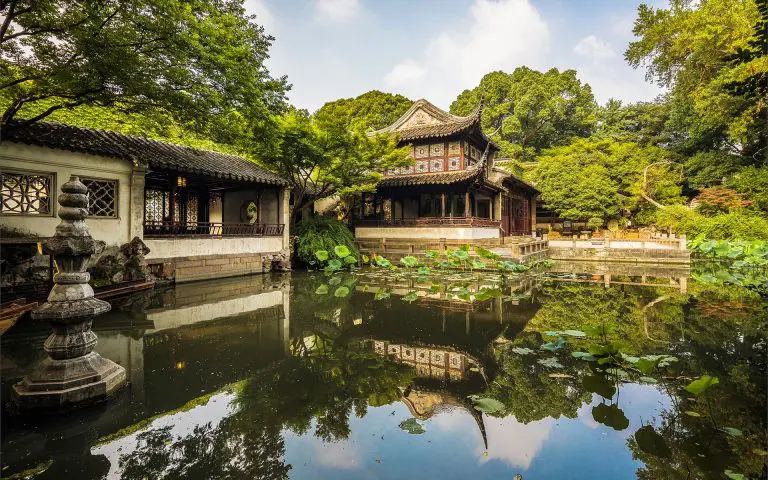

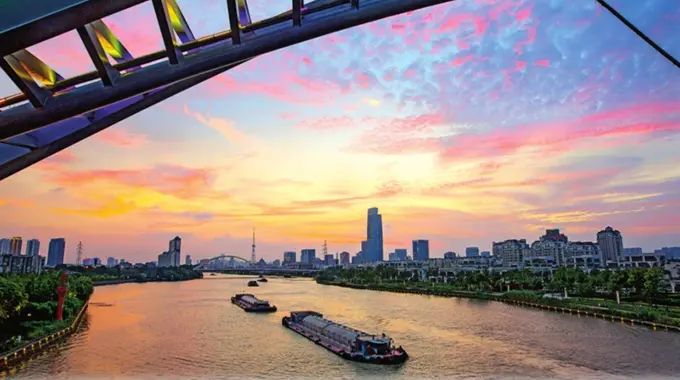
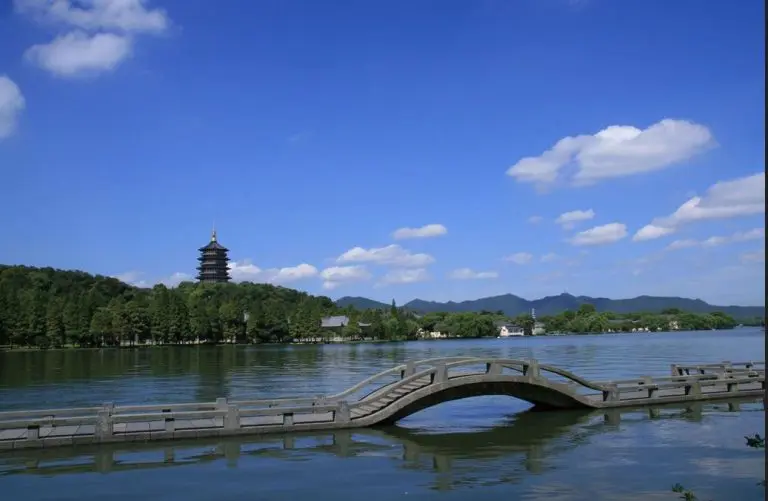
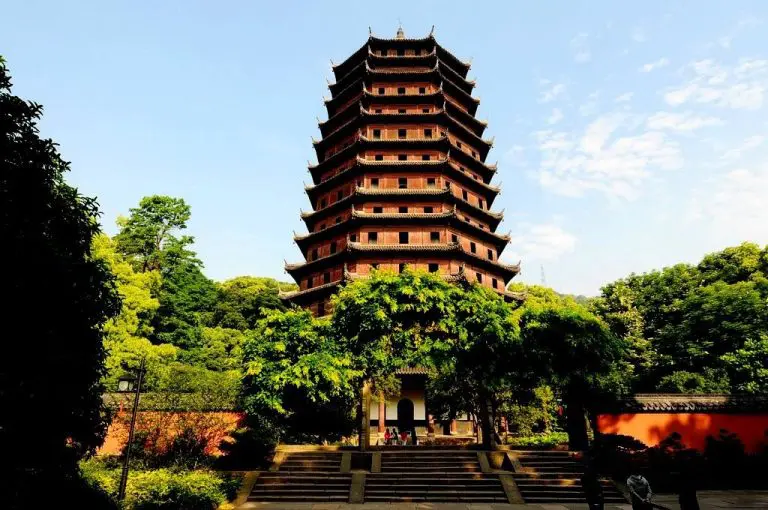
Enjoy the west east cultures, modern and traditional atmosphere in Shanghai, from the royal garden to the super tall modern skyscrapers, etc. A relax side trip to nearby Suzhou and Zhouzhuang offers leisure and history.