
Xumishan Grottoes
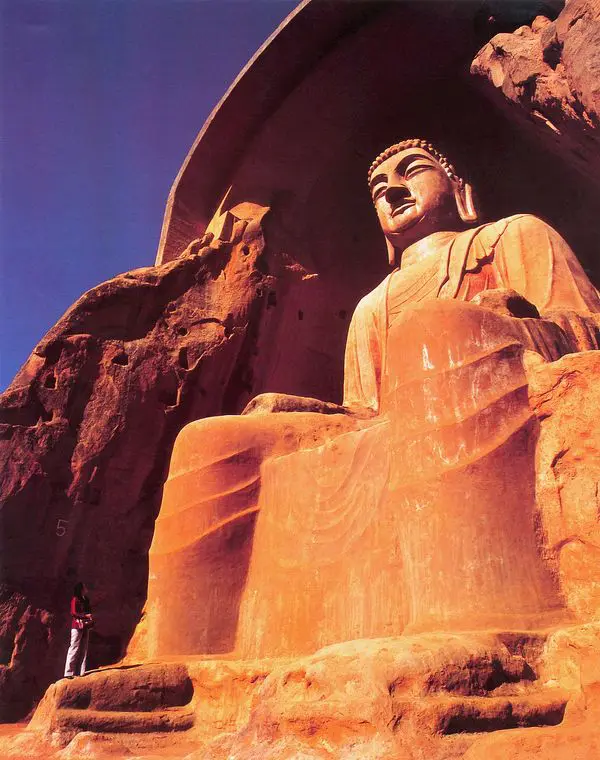
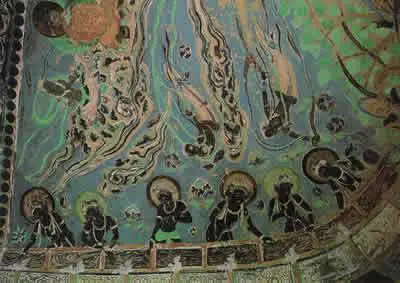
Xumishan Grottoes is a precious treasure of Buddhism. It is composed of 162 caves with 350 Buddhist statues, 12 inscriptions in Tibetan language, 3 stone carvings, 11 steles and many mural paintings.
Unlike other grottoes in China, Xumishan Grottoes has its caves chiseled on the cliffs of eight separate peaks and the distribution of these caves take a shape of a fan.
Xumishan Grottoes travel tips one – location. It is located 55 km. (34 mi.) northwest of Guyuan in Ningxia Province.
“Xumi” is the transliteration of a Sanskrit word meaning “treasure mountain”, a famous mountain in Indian legend and “shan” means mountain in Chinese.
Travel tips – history. Dating back to more than 4,000 years ago, Xumishan Grottoes was initially chiseled during Northern Wei Dynasty and was named Fengyi Mountain.
In Tang Dynasty and its following dynasties, it was called Jingyun Temple until in Song Dynasty when it was renamed Xumishan Grottoes as what we call today.
Once you reach the scenic spot, you’ll see an arresting giant Maitreya Buddha sitting in front of the entrance in a horseshoe-shaped cave chiseled in 849 during the Tang Dynasty.
It is 20.6 m. (68 ft.) in height, higher even than the one sitting in the nineteenth cave of Yungang Grottoes and the highest Lusena Buddha in Longmen Grottoes.
The ears of the Buddha is as high as two persons and the diameter of its eyes is as long as one meters.
Walking near in its front makes you feel like standing under a five- or six-floor building. The Buddha wears a cassock and a solemn facial expression demonstrating the consummate skills of ancient craftsmen.
Look, Click, Start Your Private China Tour Today!
At present, cave No 45 and No 49 built in Northern Zhou Dynasty boast the largest number of Buddhist statues. Usually, you’ll find a Buddha and a Budhisattva in each of the cave.
The decorative carvings like the curtains of the niche, the tassels carved on its side, those small Buddhas on top of it and the gigakus under playing all kinds of musical instruments all are treasured works of art showing the quintessence of carving skills in ancient times.
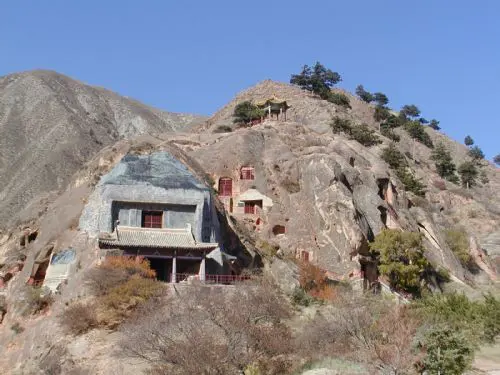
Across from Xumishan Grottoes, there are lots of rural inns that serve delicious local food and comfortable accommodations.
Final travel tips for travelers: Xumishan opens from 08:00-18:00 and the ticket price is 20 RMB (3.3 USD).
Related tours
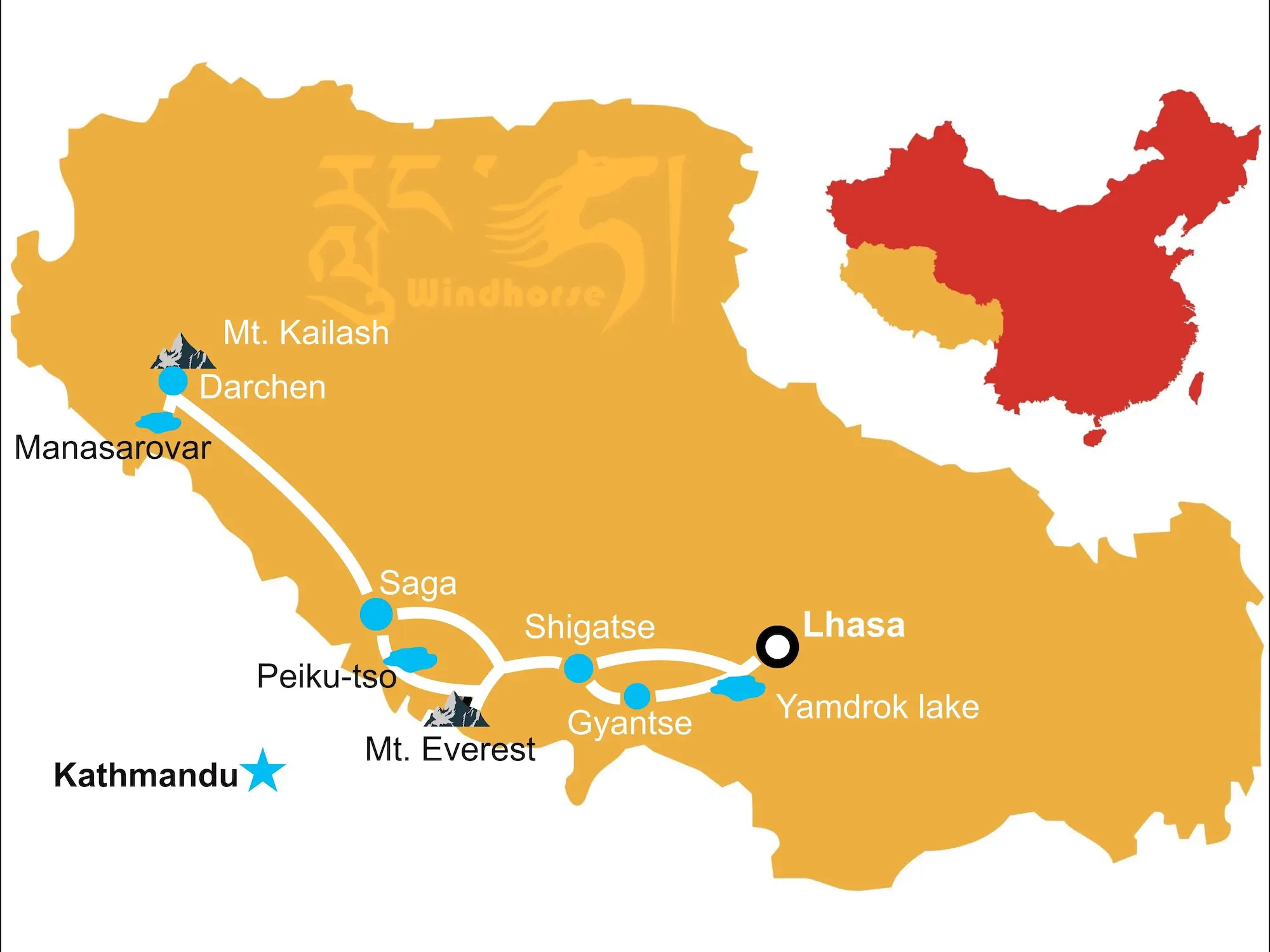
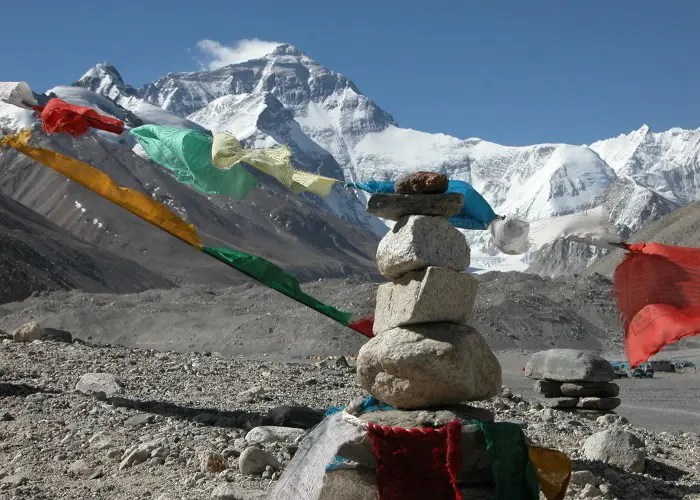
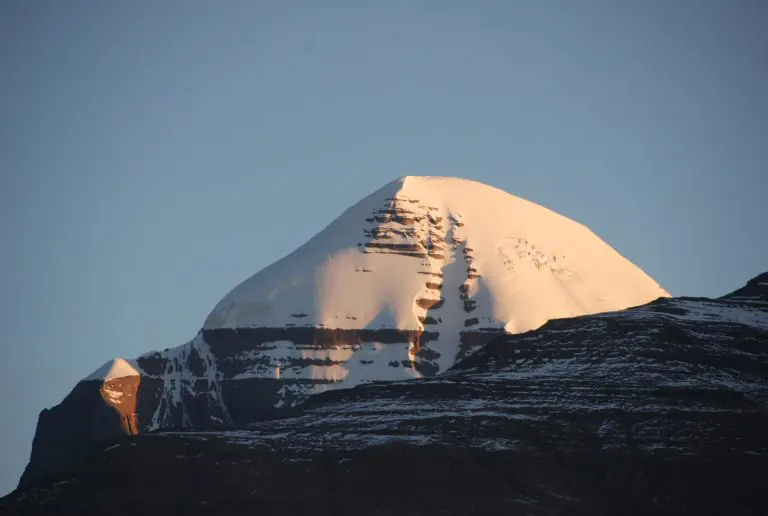
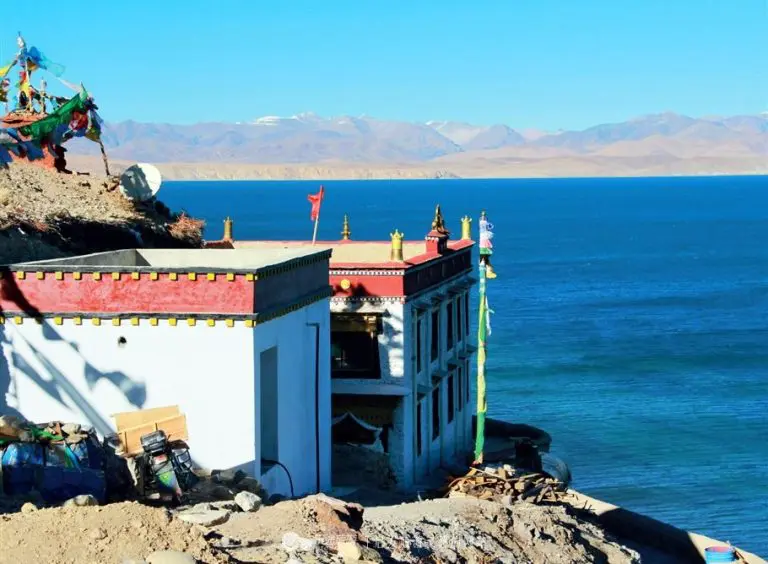
This 15-day Tibet private tour to Mount Kailash and Everest Base Camp combines spiritual discovery and adventure. Visit Lhasa and Shigatse’s top monasteries, see Mount Everest’s north face, and complete the 3-day Kailash Kora around Mount Kalash, Tibet’s holiest mountain.
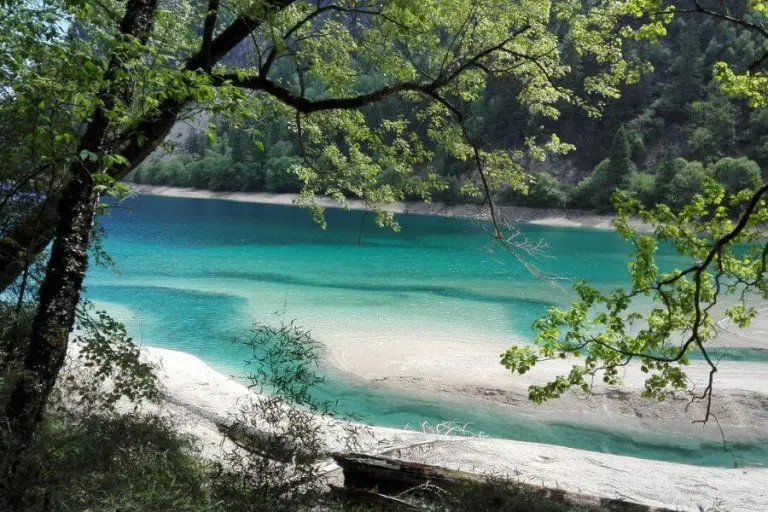
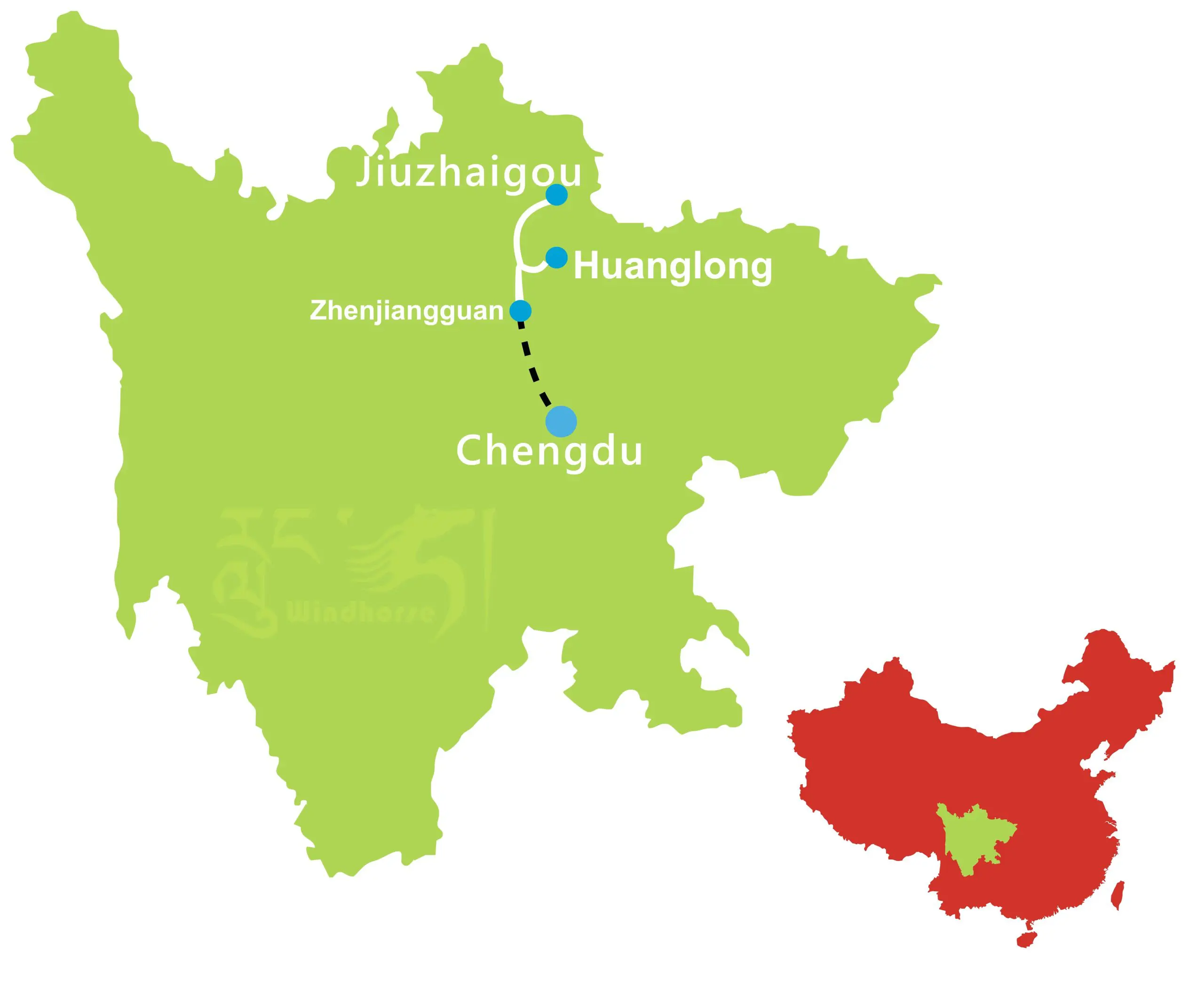
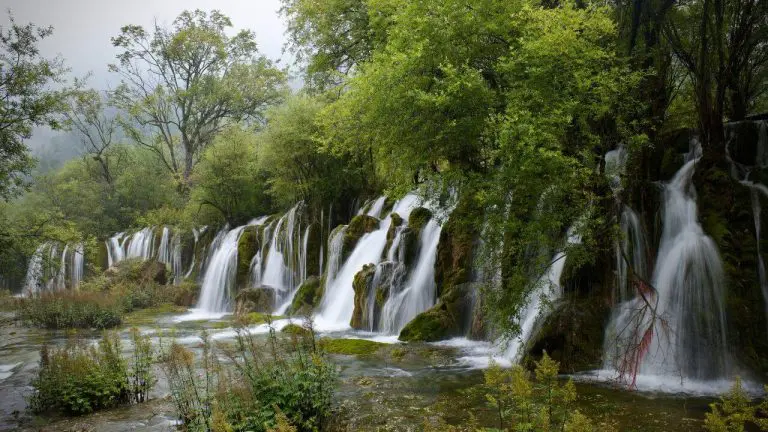
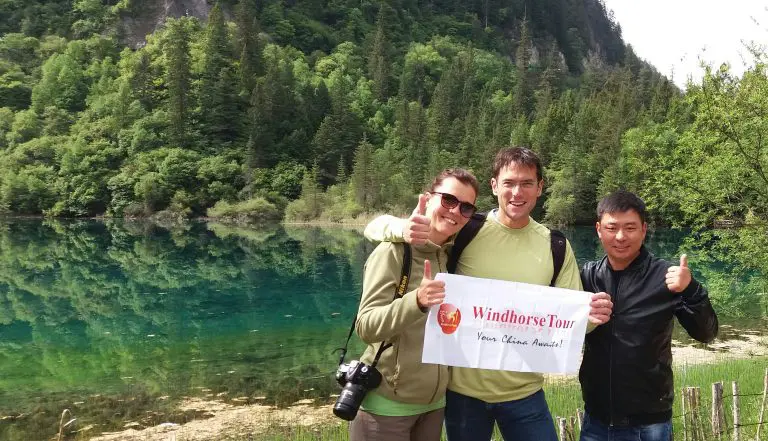
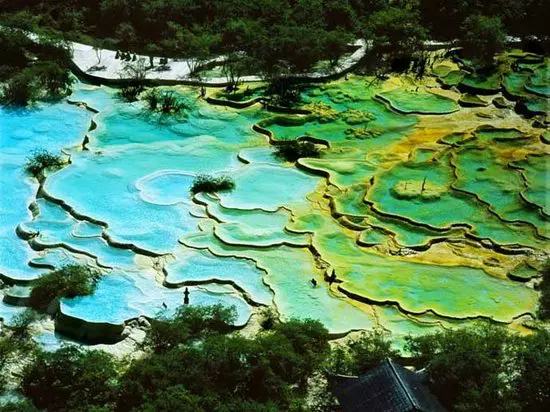
Take this 3 day Jiuzhaigou Train Tour from Chengdu, the fastest and most affordable way to explore Jiuzhaigou and Huanglong. Travel by high speed train, enjoy a full day in Jiuzhaigou National Park, and explore the colorful pools of Huanglong National Park with stunning mountain views.
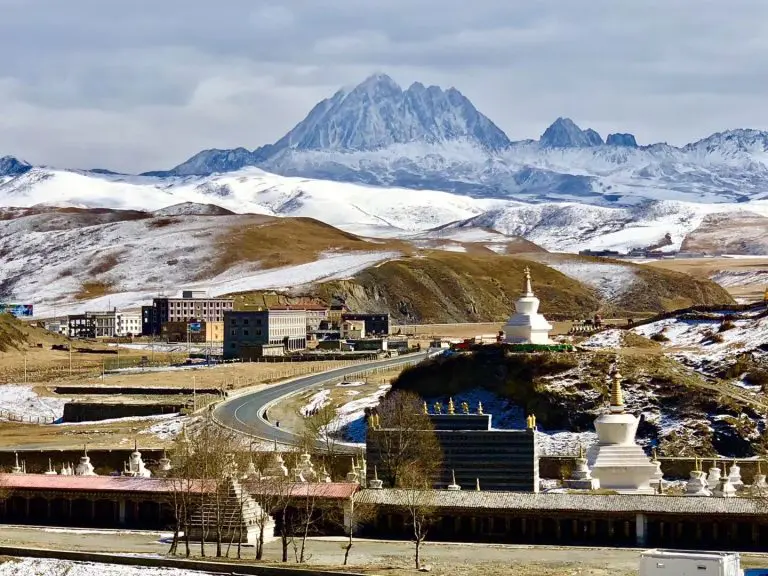
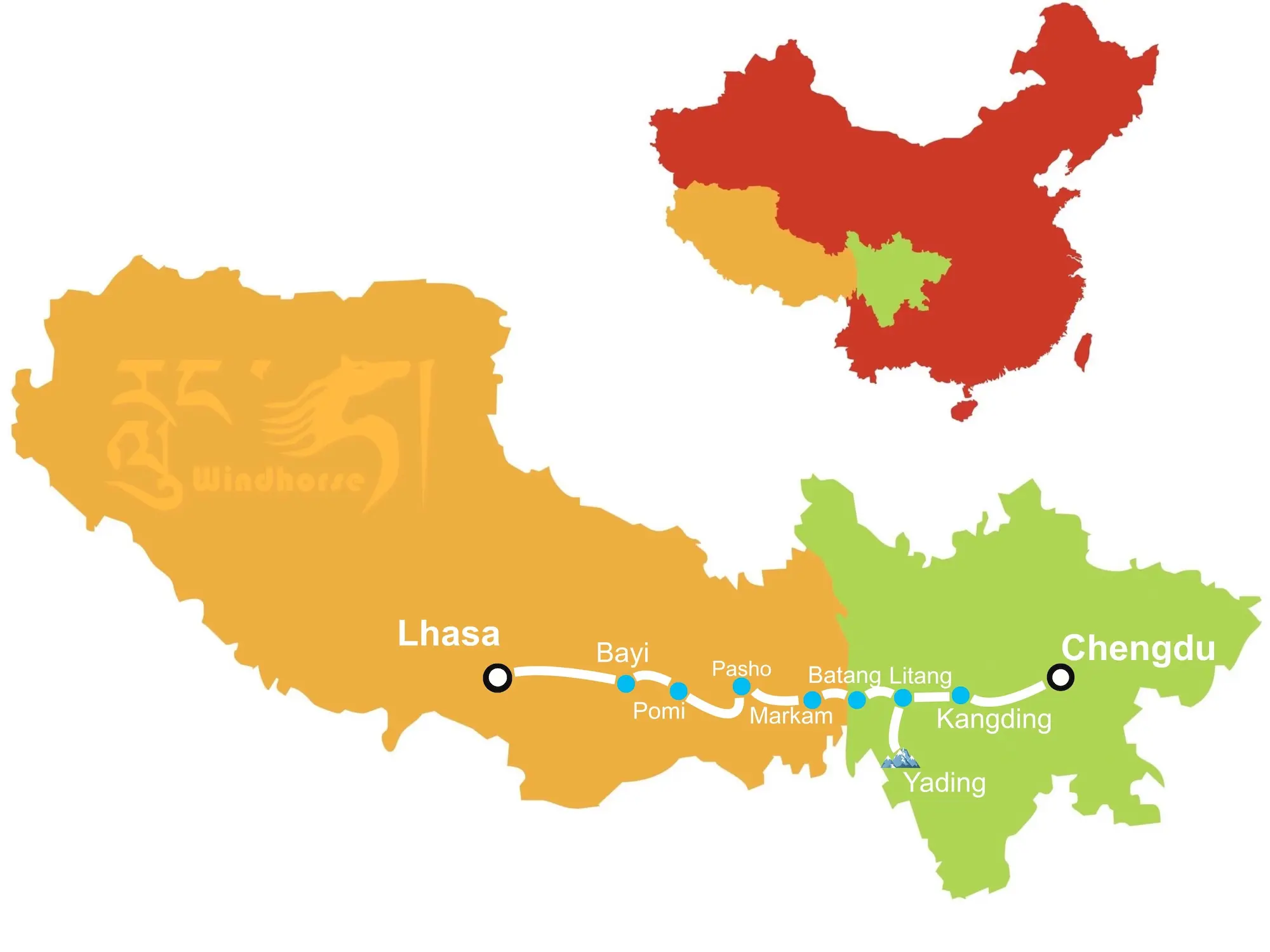
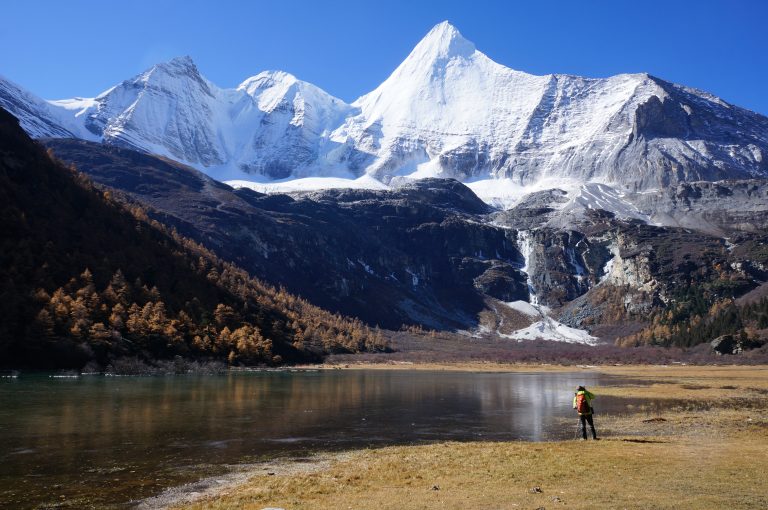
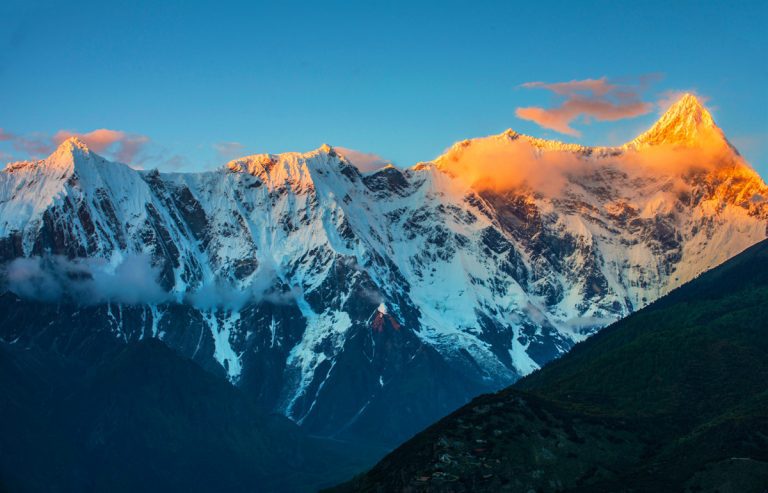
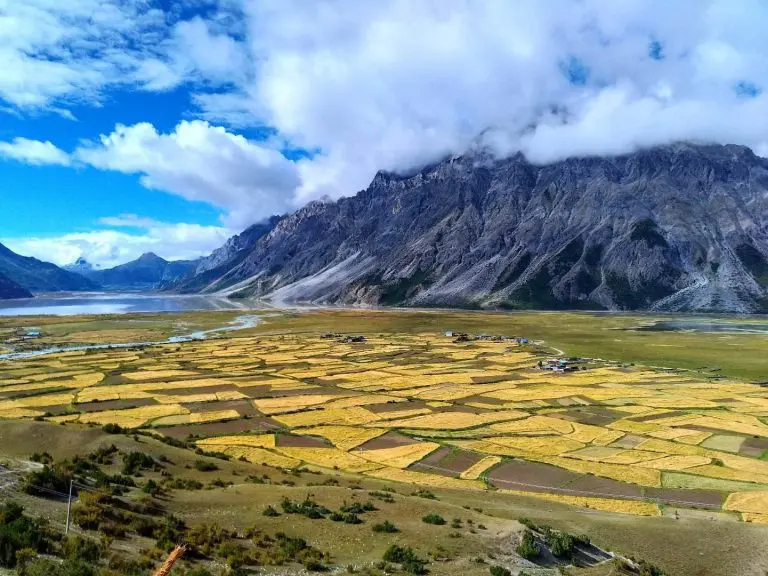
Take a Chengdu to Lhasa overland tour via Daocheng Yading along the Sichuan–Tibet Highway Southern Route (G318). Travel through Tagong Grasslands, Litang, Yading Nature Reserve, Ranwu Lake, Midui Glacier, Lulang Forest, and Draksum-tso before reaching Lhasa.
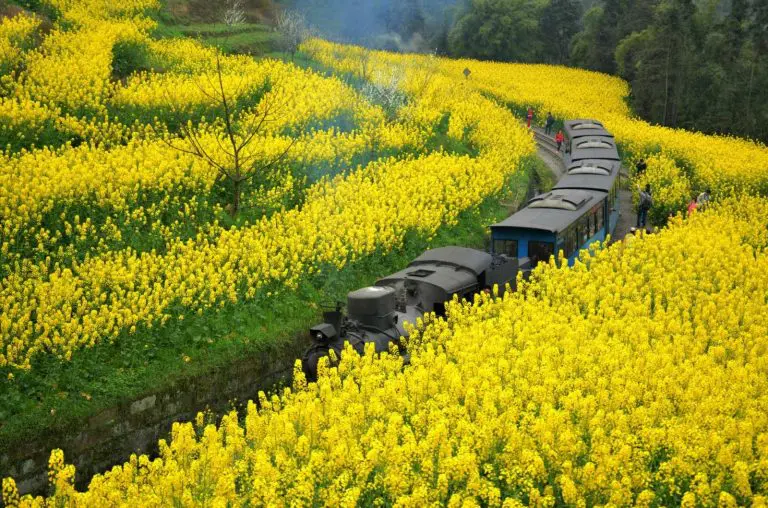
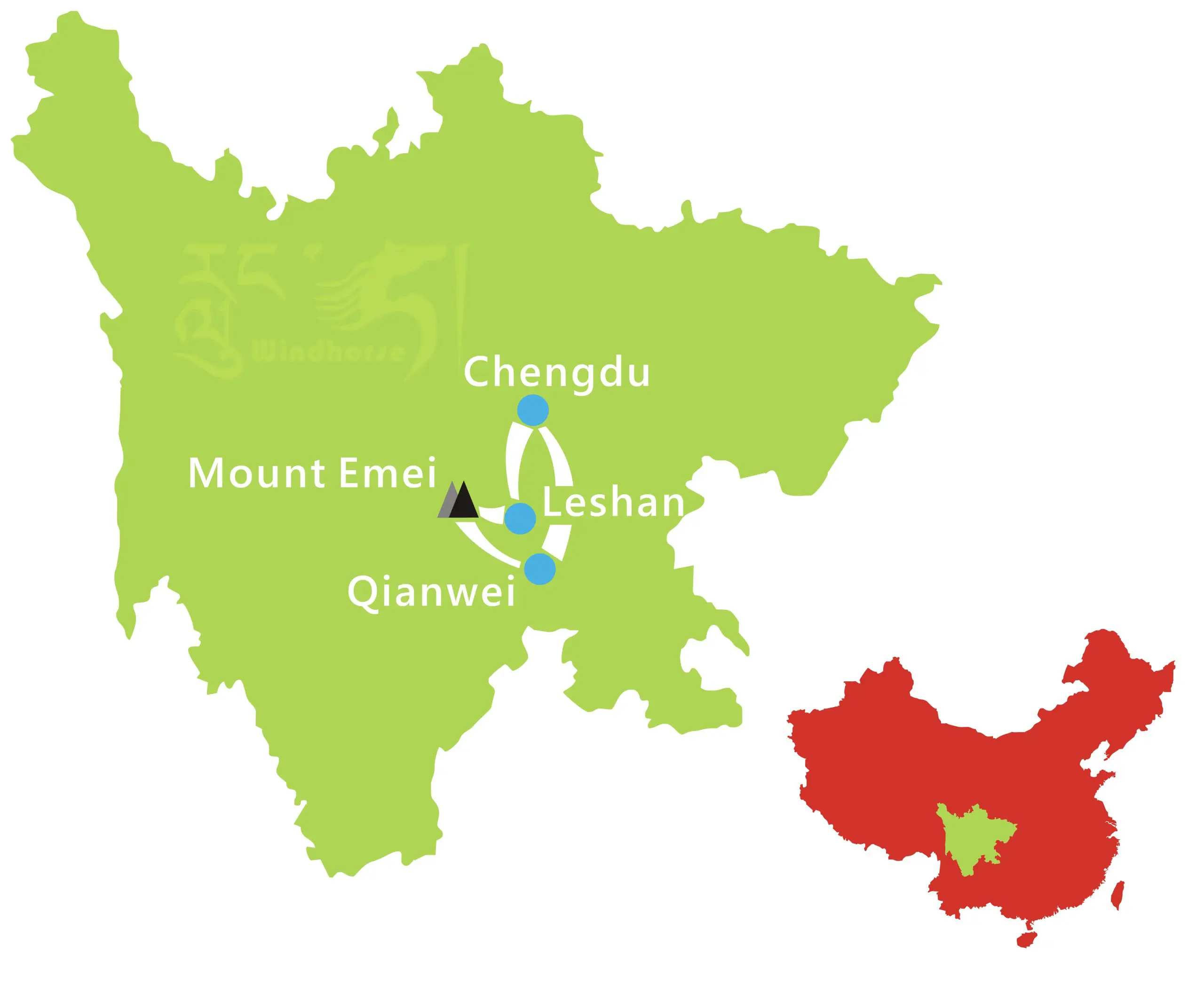
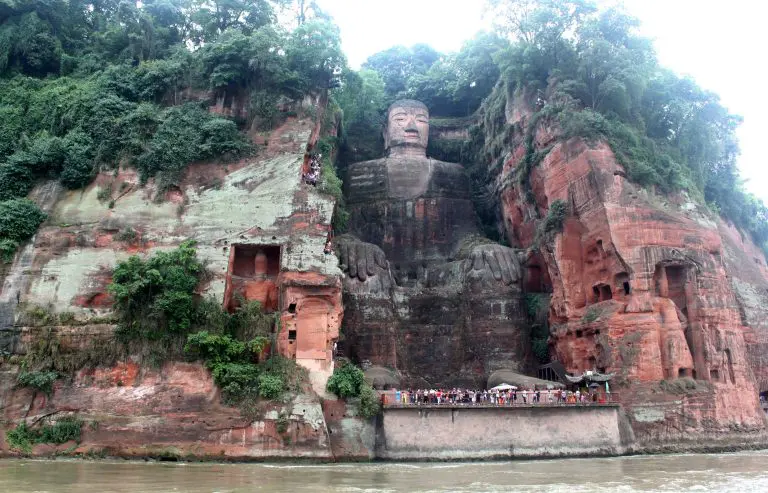
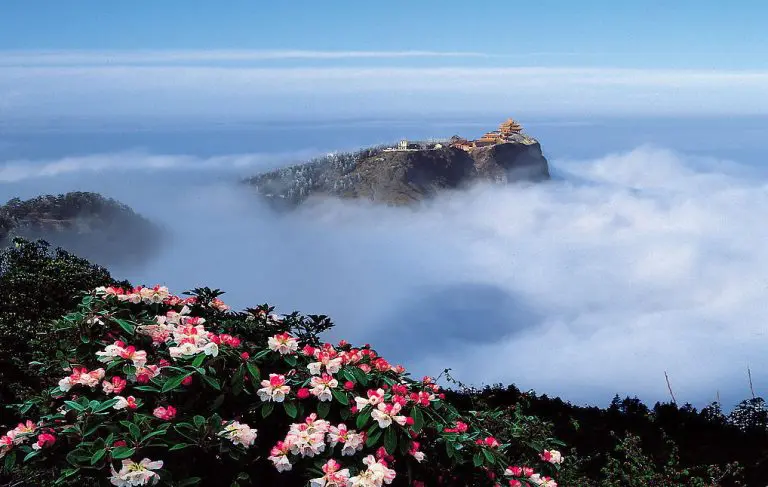
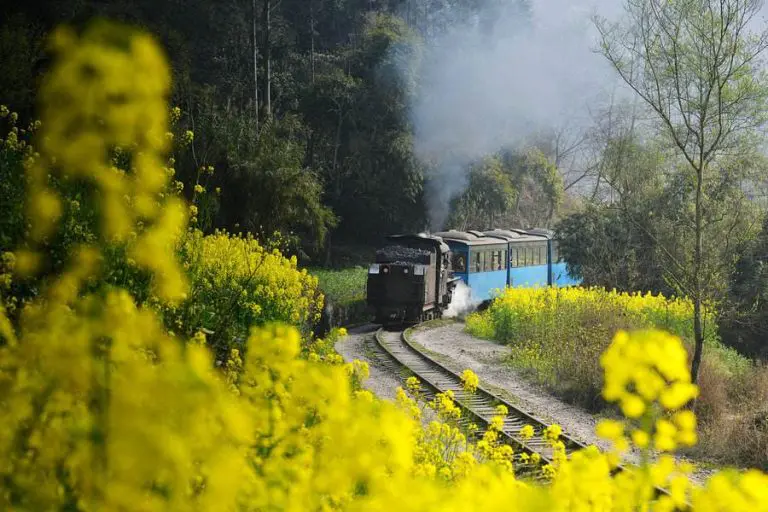
Get off the beaten track to discover the hidden ancient town Luocheng near Leshan Grand Buddha and take the world's only functioning steam train running in Qianwei, afterwards head to the scared Buddhist mount Emei for the splendid sunrise.