
Guilin travel facts

Guilin is one of the most popular travel destinations in China. Its idyllic scenery has attracted millions of tourists from near and far these years.
Celebrated for its Karst limestone pinnacles, Guilin serves as not only a paradise for photography lovers, but also a small and quite city for visitors to explore the colorful minority cultures.
There was an old Chinese saying, Guilin’s mountain and water scenery is the best under heaven. Renowned for its natural scenery, this city has ranked 4th on China’s list of the 10 best tourist destinations, after the “golden triangle” (Beijing, Xi’an, Shanghai).
Top Places to Visit in Guilin
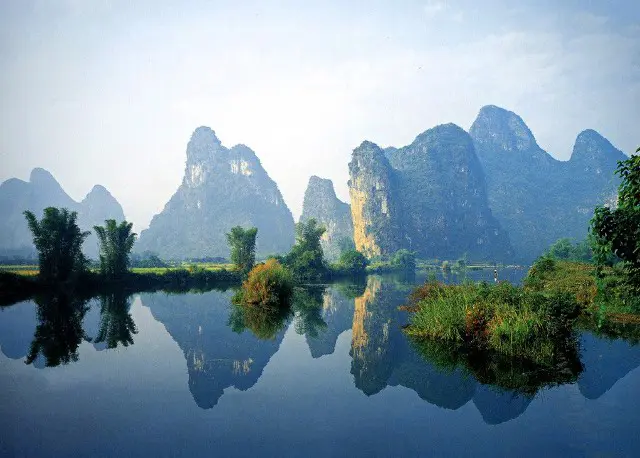
Li River Cruise: One of the most popular trips in China, the Li River cruise takes you past a panorama of bamboo groves, sleepy villages, and Karst peaks. This is also the most picturesque way to reach fabled Yangshuo to the south of Guilin.
The scenery en route is a splash of coffee-table book colors and, as you approach Yangshuo, some of the most idyllic in China.
Read more about Li River Cruise.
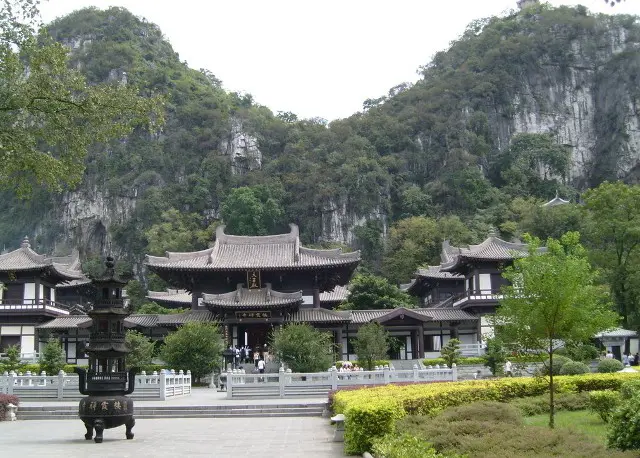
Seven Star Park: Located east across the Li River, this place is a well tended park st��� with 7 peaks thought to resemble the Great Bear constellation. The many caves that honeycomb the hills are geologically garish, but picturesque scenery, bridges, woods can also be found.
The grass in the park is lush and well managed, especially in front of Camel Hill, where a plinth commemorates a speech made at this spot in 1998 by former US President Bill Clinton.
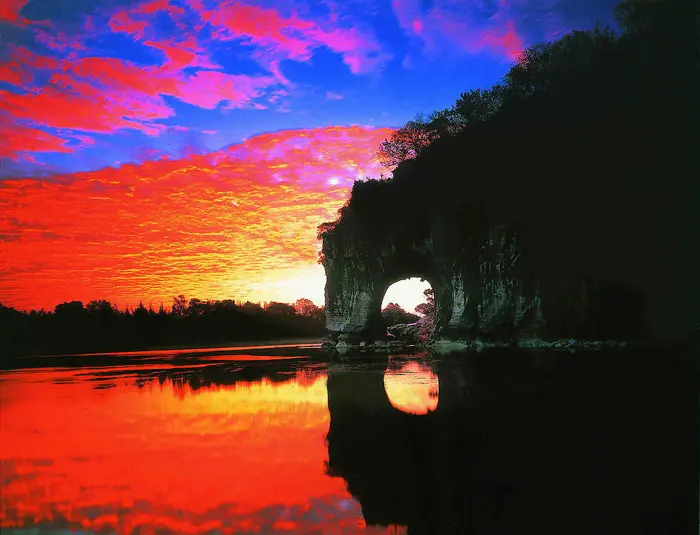
Elephant Trunk Hill: The geological oddity of this hill, with its “trunk” in the Li River, is worth a peek. You can be photographed standing under a seething mass of pigeons or with local Zhuang minority props, but it’s more fun to paddle in the clear water of the Li River.
Next you can dry your feet on the banks and eat a toasted Li River fish. Clamber up to a cave, take a trip on a bamboo raft into the river for more comprehensive views, or take to the waters watching cormorants fishing.
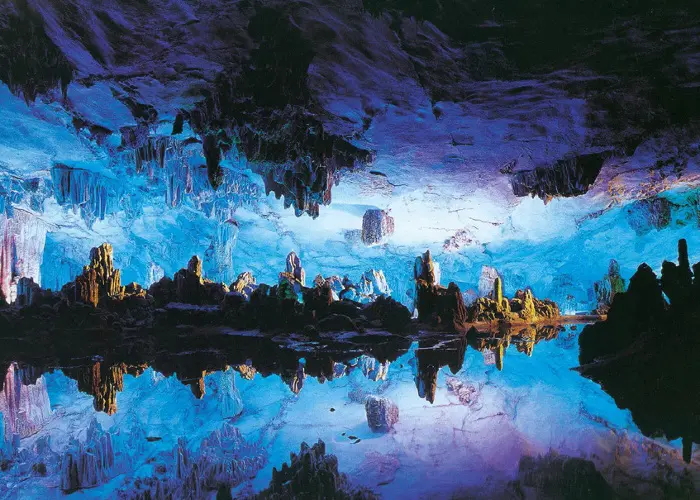
Reed Flute Cave: A pleasant bike ride will take you to this place, northwest of the city. The caves has some of the most arresting scenery in Guilin.
The cave is a magnificent product of nature, especially the vast crystal palace of the Dragon King, a huge aircraft hanger of a cave, partially suspended over a very cold lake.Here you can witness a cavernous labyrinth of stalactites and stalagmites gaudily illuminated by disco lights.
Transportation in Guilin
Guilin is a well-developed tourist city with convenient transportation facilities. You can enter the city by air, train, long-distance bus or ship and get around the city by bus, taxi or bicycle.
Guilin Liangjiang International Airport is about 28 kilometers (about 17.4 miles) from the city center. About 50 airlines connect Guilin with domestic cities as well as foreign countries such as Japan, Korea, Malaysia, Singapore, Thailand, etc.
In particular, airlines schedule several flights daily to and from major cities in China like Beijing, Chongqing, Guangzhou, Guiyang, Haikou, Hangzhou, Hong Kong, Kunming and more.
Eating in Guilin
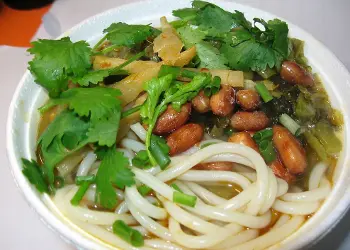
Guilin is noted for its snake soup, wild cat or bamboo rat, washed down with snake-bile wine. Mostly you will find an infinite variety of Guilin rice noodles, generally eaten for breakfast and snacks.
A Qing dynasty specialty, white fermented bean curd, is often used to make a dipping sauce for roast pork or chicken. Sanhua wine, actually more like mellow rice firewater, is a favorite local drink, as is local oil tea.
You will find a good variety of eateries including buffet-style cafeterias, standard restaurants, trendy cafes and small restaurants just north of Central Square along Yiren Road.
Related tours
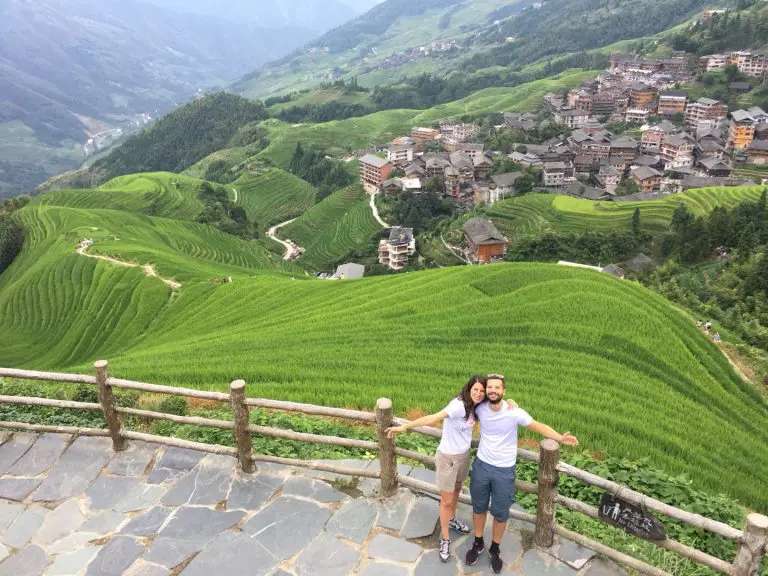
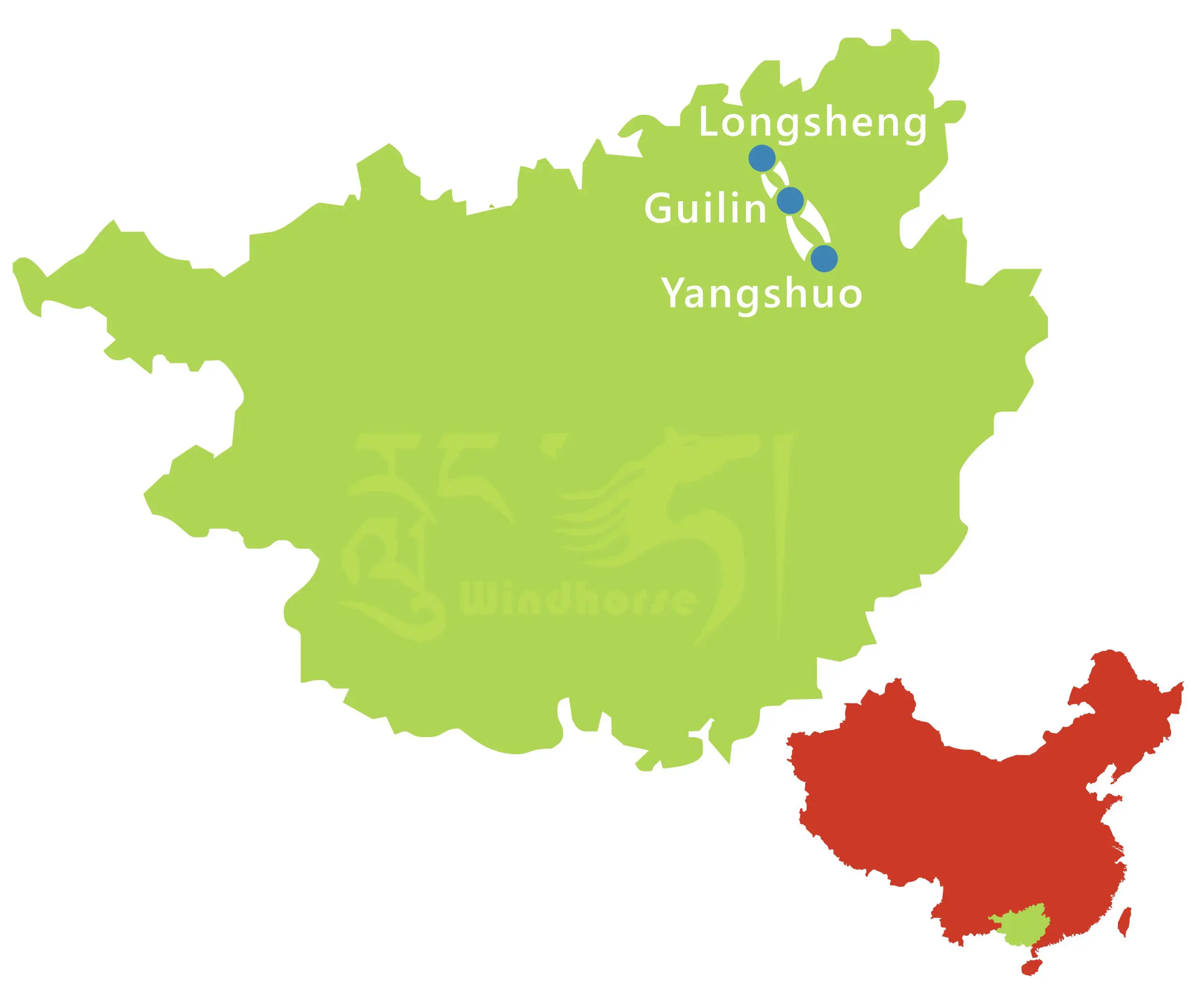
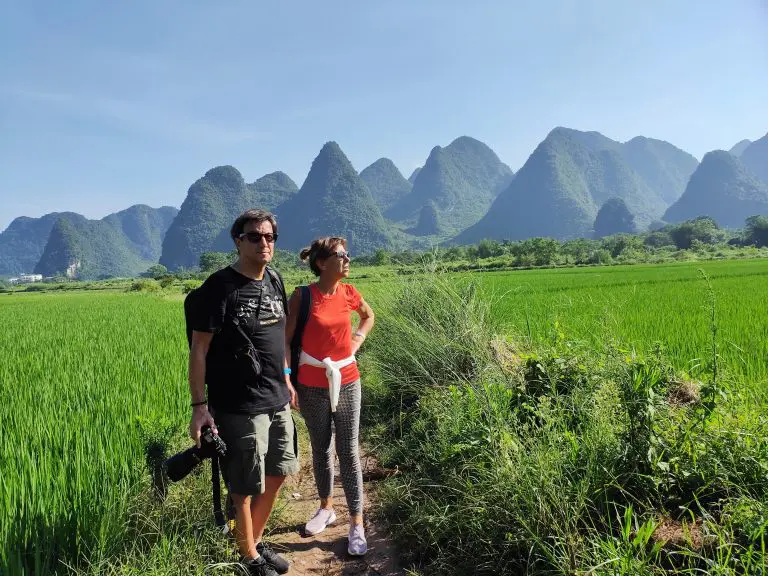
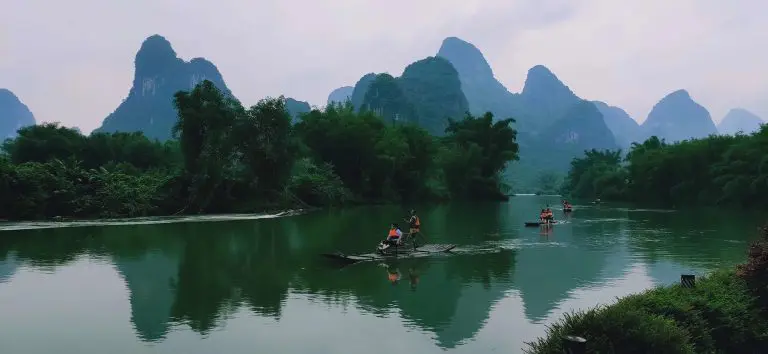
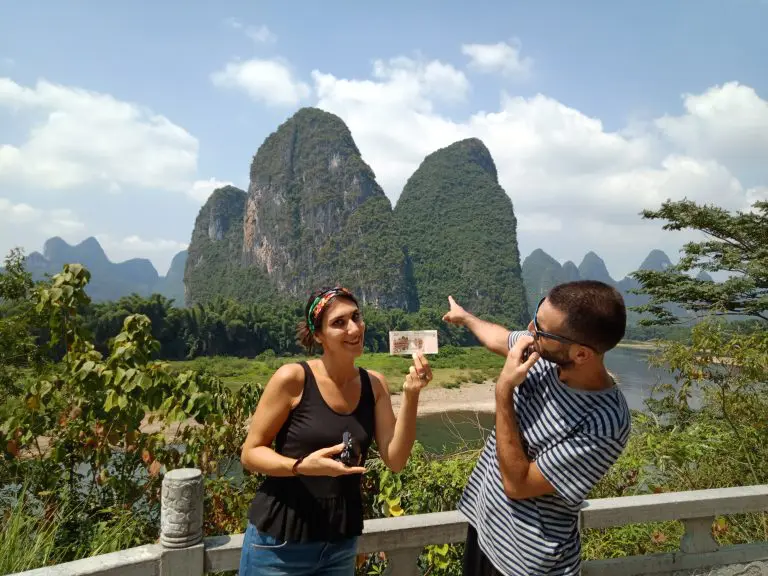
Discover the beauty of Guilin with your own eyes, and view the breathtaking scenery. Relax while cruising along the picturesque Li River. Then explore deep into the classical teared Chinese countryside on a bicycle. Amazing memories await.
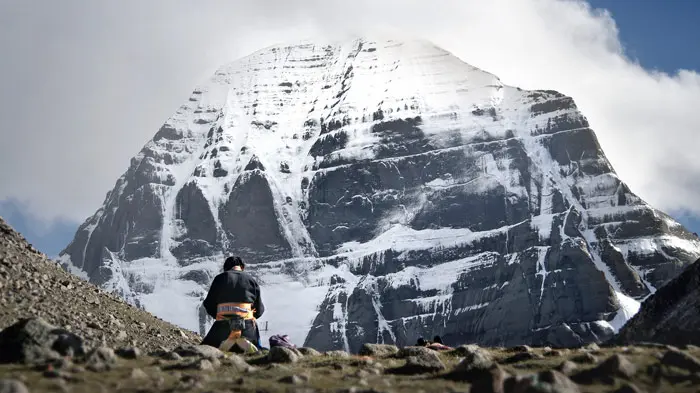
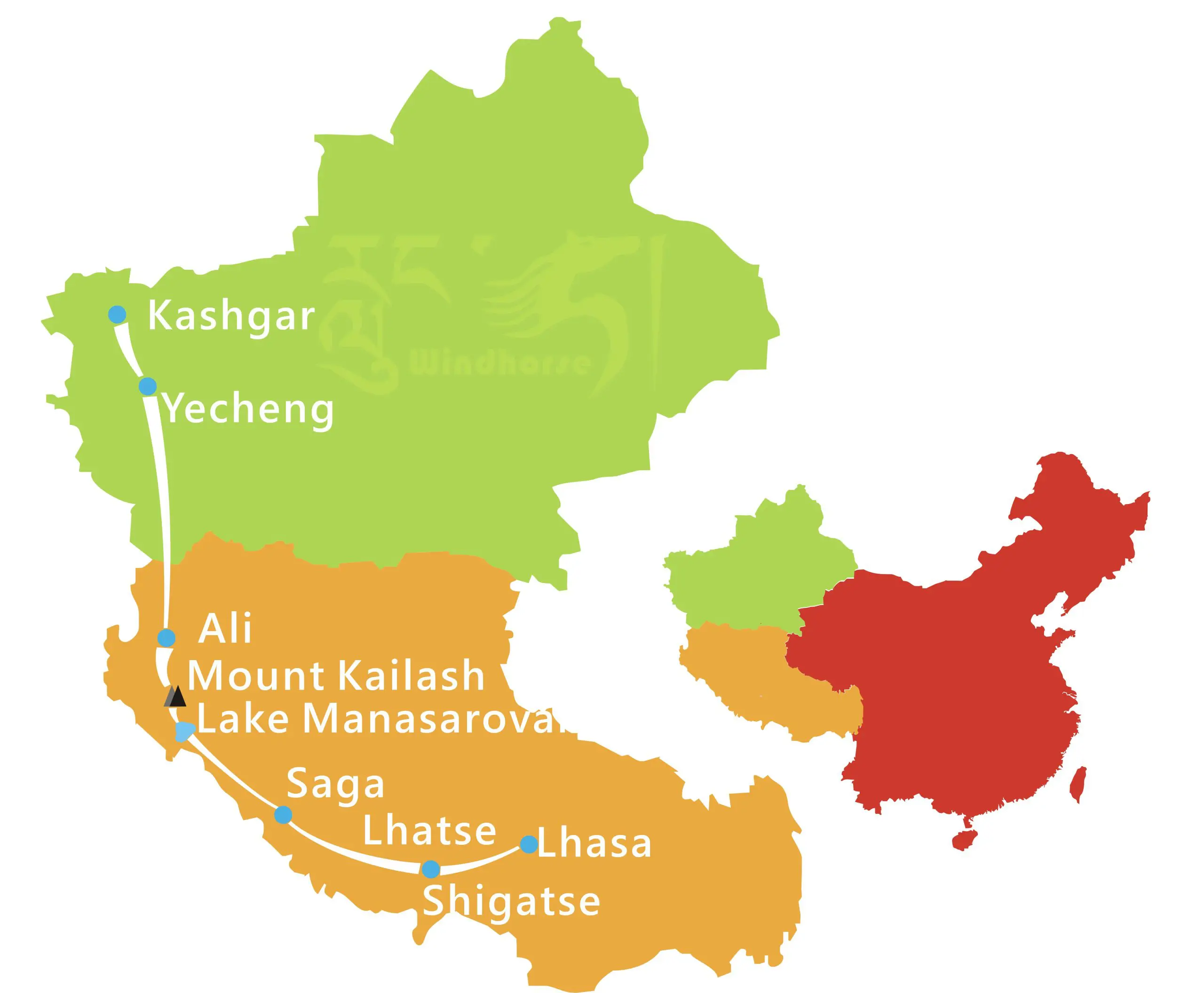
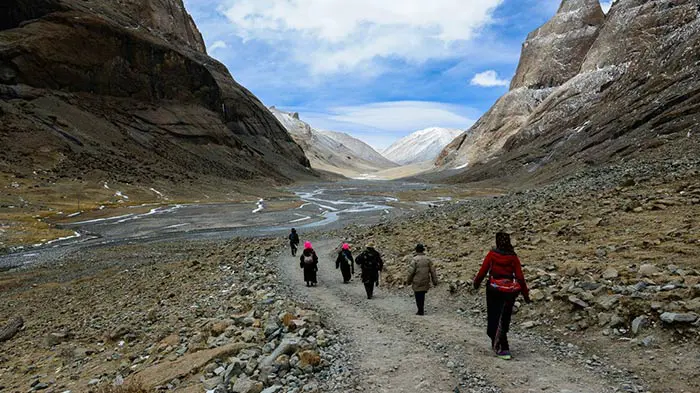
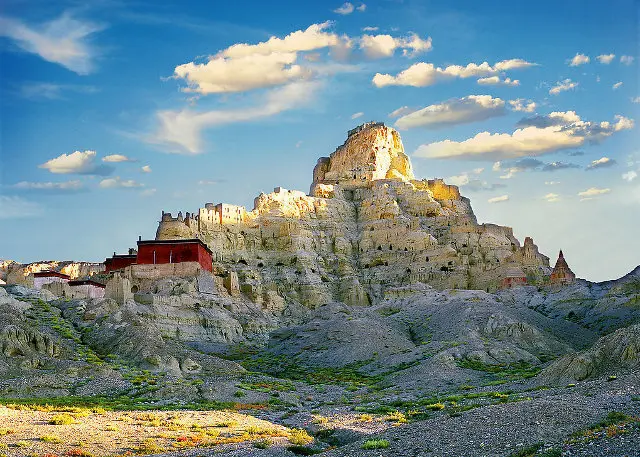
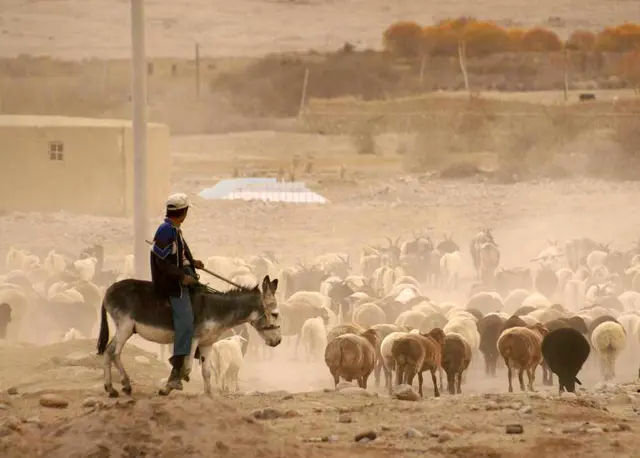
This Mount Kailash Overland Tour from Lhasa to Kashgar takes you explore Lhasa’s sacred sites, trek the 3-day Kailash Kora, visit Lake Manasarovar and the ancient Guge Kingdom, and journey along the Tibet Xinjiang highway by acrossing the vast western plateau to reach Kashgar, oasis city on China Silk Road.
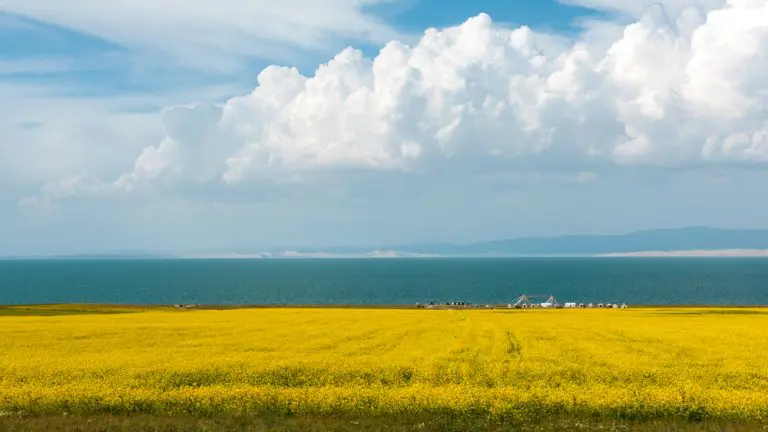
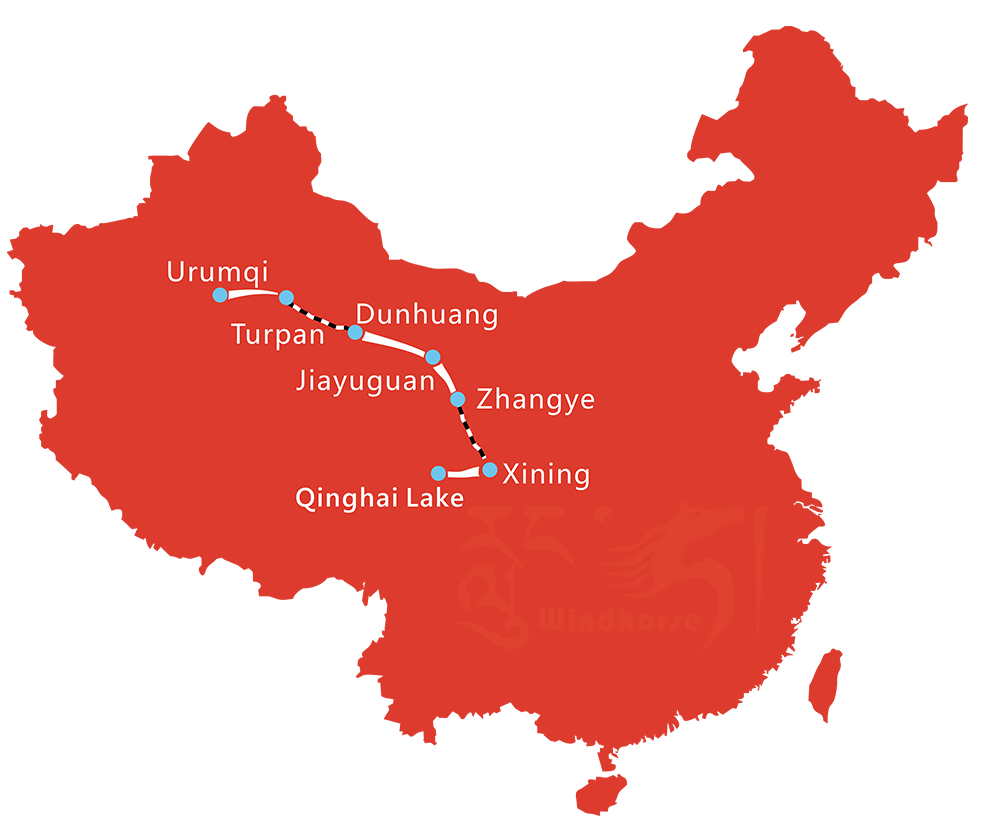
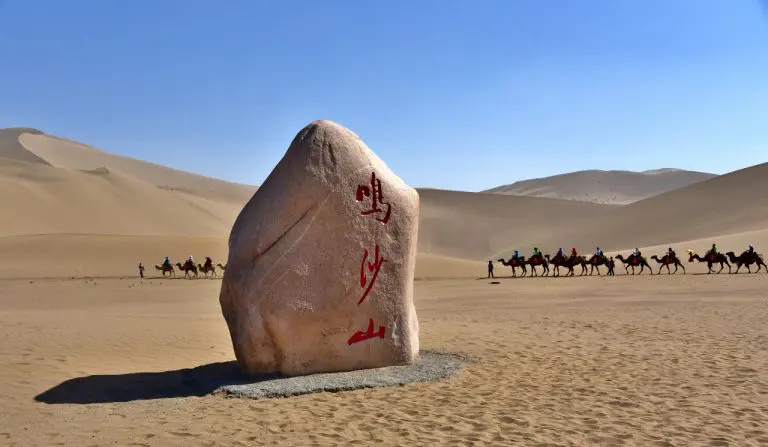
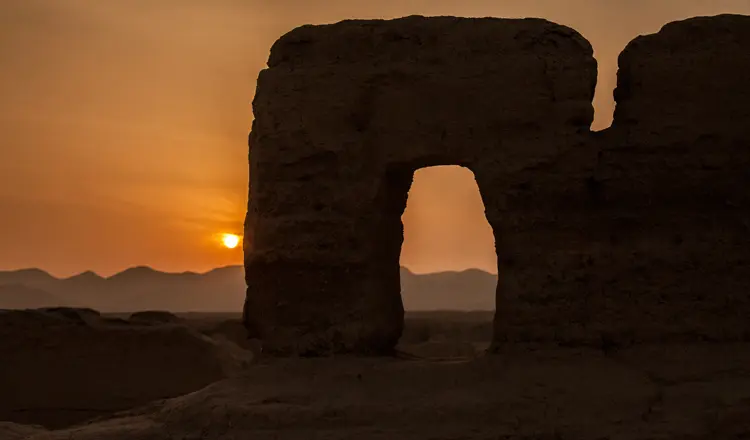
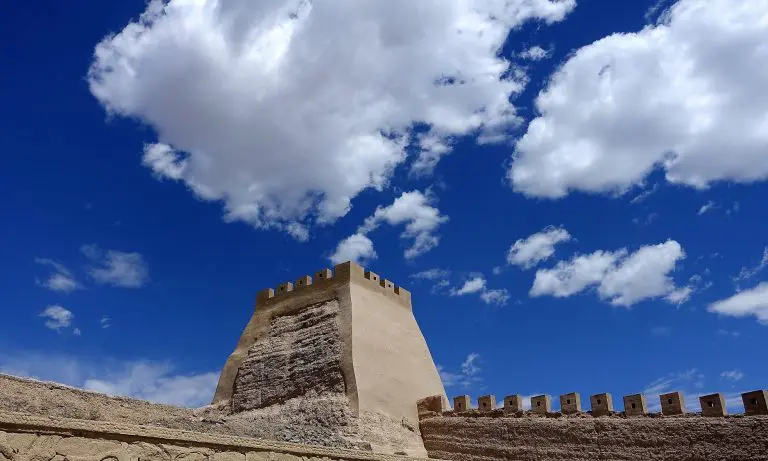
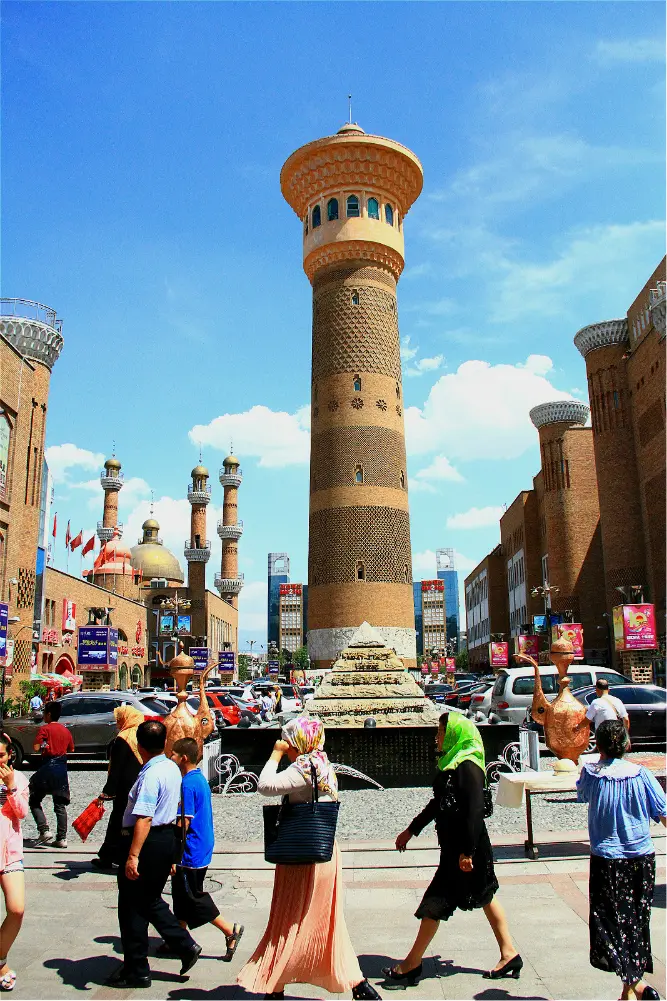
Explore Northwest China on this 10-day Urumqi to Xining Silk Road Tour. Discover Turpan’s ancient oasis, Dunhuang’s Mogao Grottoes, Jiayuguan Great Wall, and the stunning Qinghai Lake. Journey through deserts, monasteries, and colorful landscapes along one of the most scenic Silk Road routes.
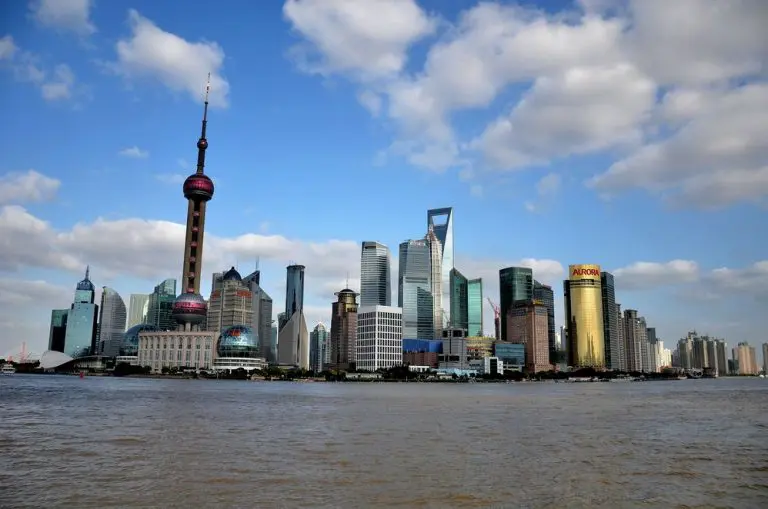
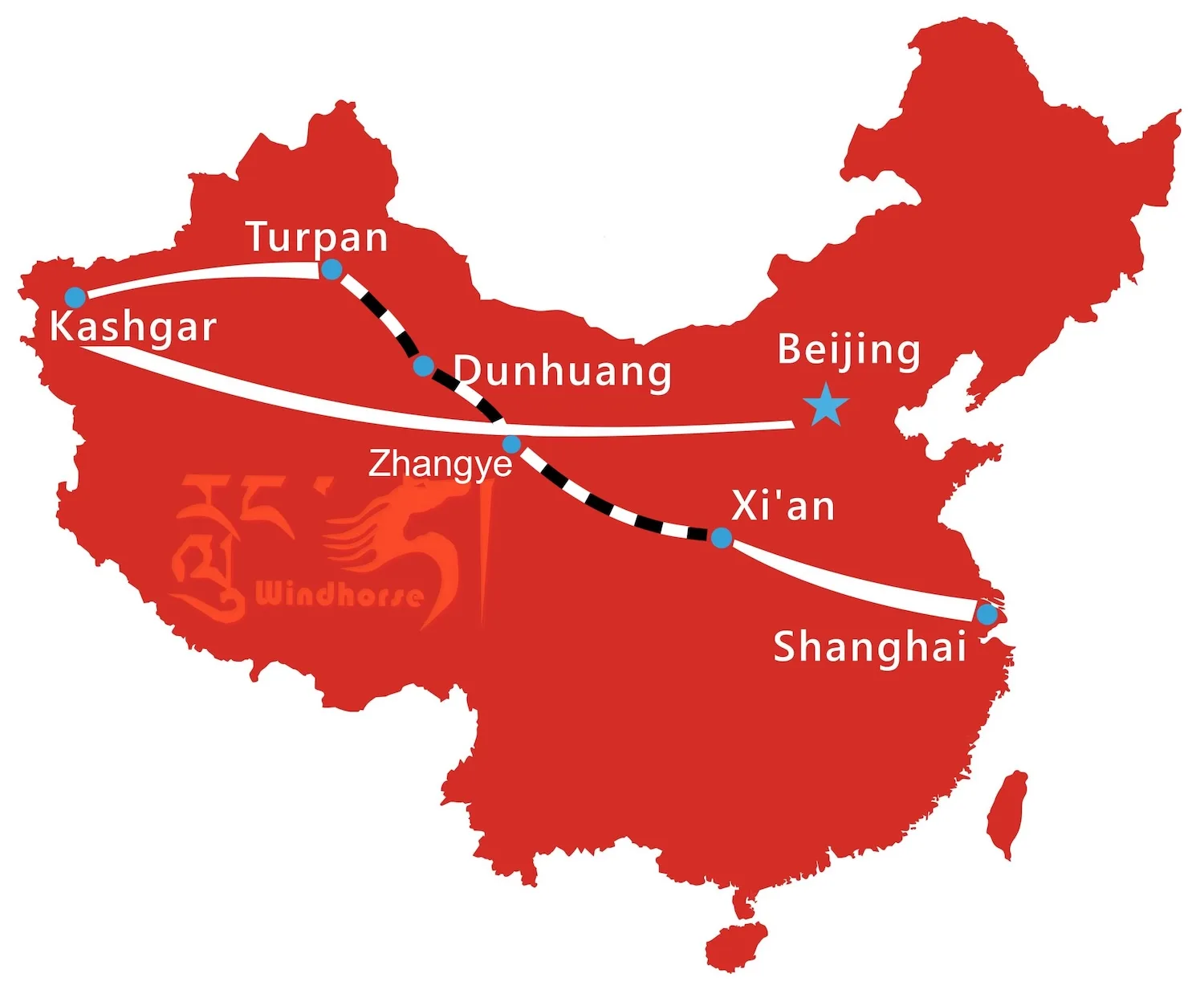
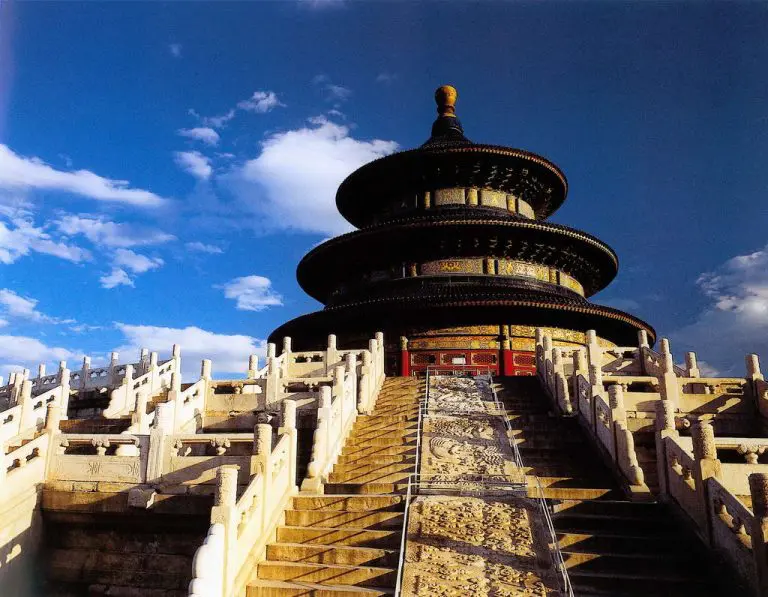
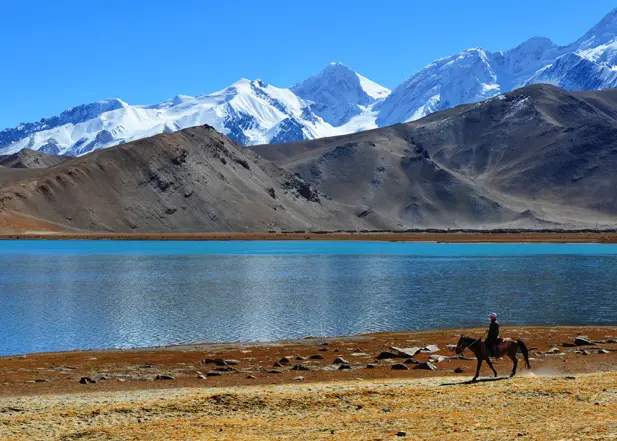
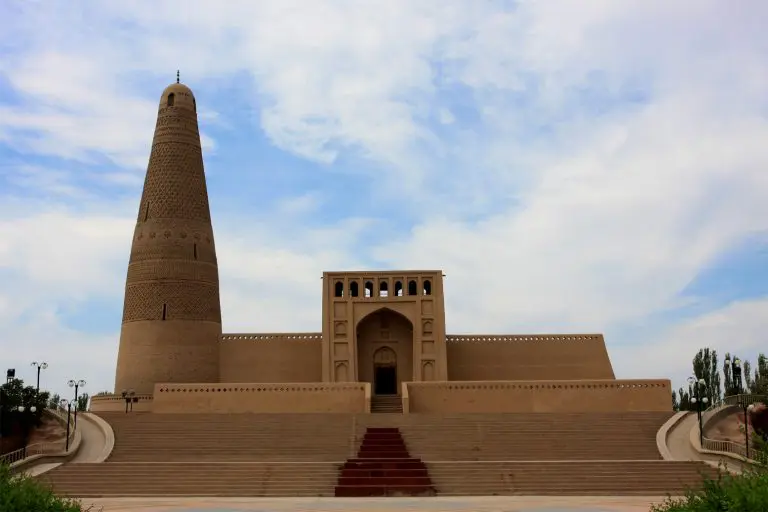
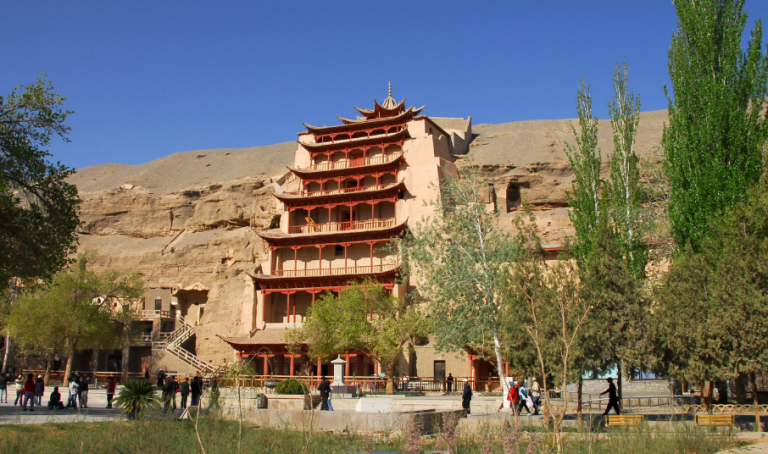
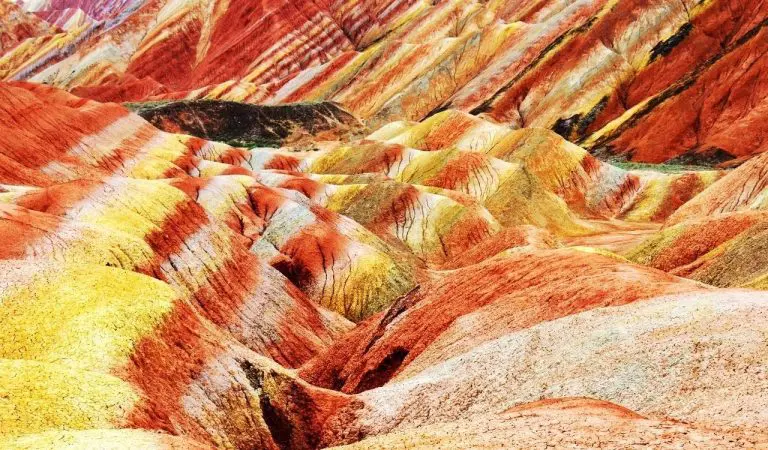
Travel from Beijing through Kashgar, Turpan, Dunhuang, Zhangye, Xi’an, and Shanghai on this 15-day Silk Road tour. Explore ancient trading cities, desert landscapes, Buddhist grottoes, and China’s cultural highlights.