
Discovering China’s Minority Cultures in Guilin and Guizhou

Embark on a rich minority cultural journey through southern China with our 9 days Guilin and Guizhou minority tour to explore the vibrant traditions of the Zhuang, Dong, and Miao ethnic minorities. This immersive tour takes you from the breathtaking karst landscapes of Guilin to the culturally rich villages of Guizhou, offering a close-up look at traditional architecture, festivals, crafts, cuisine, and warm local hospitality. Discover the enduring spirit of these communities as you delve into centuries-old customs and connect with their living heritage.
Guilin: Gateway to Zhuang Culture and Natural Beauty
Start your journey in Guilin, a city famed for its dramatic karst landscapes, picturesque rivers, and deep-rooted cultural heritage. This scenic region serves as an ideal introduction to China’s minority cultures, particularly the Zhuang people, the largest ethnic minority group in China.

Li River Cruise and Guilin Highlights
No visit to Guilin is complete without a cruise along the Li River, where limestone peaks rise majestically from the water and fishermen glide by on bamboo rafts with their cormorants. Along the way, you’ll pass iconic sites like Nine Horse Fresco Hill and Xingping Ancient Town, capturing postcard-worthy views at every turn.
Ping’an Village: Heart of Zhuang Culture
Nestled among the Longji Rice Terraces, Ping’an Village is home to the Zhuang people. With traditional wooden houses built on stilts and dating back over a century, this village exemplifies harmony with nature and enduring traditions. Zhuang women are known for growing their hair exceptionally long and wrapping it around their heads in intricate styles. Visitors can try on traditional Zhuang attire and learn local customs firsthand.
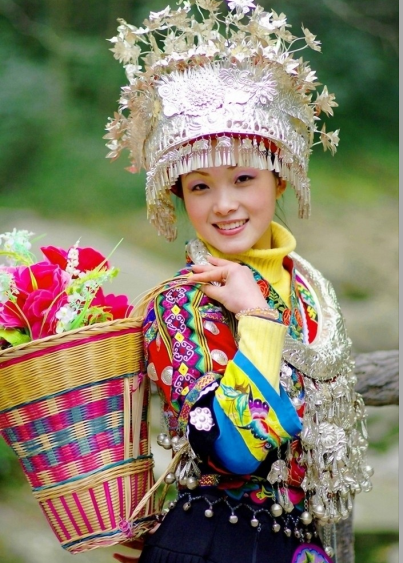
Longji Rice Terraces: A Living Legacy
Built over 600 years ago by the Zhuang people, the Longji (Dragon’s Backbone) Rice Terraces are a stunning example of sustainable agriculture and cultural resilience. These terraces carve along the steep mountainsides, forming patterns that change with the seasons, from mirror-like fields in spring to golden waves in autumn. You can hike between villages to gain different vantage points and connect with the farmers who still work the land using ancient techniques.
Zhuang Folk Songs: Keeping Traditions Alive
Another vibrant aspect of Zhuang culture is their love of singing. Folk songs especially in a call-and-response style, play an important role in daily life and festivals. During spring, locals celebrate the traditional “Song Fair”, where men and women gather in open fields to sing, exchange verses, and sometimes even find love. These melodies, passed down through generations, reflect the Zhuang people’s deep connection to nature, storytelling, and community.
Dong Ethnic Minority: Villages, Festivals, and Community Life
As you journey deeper into Guangxi and cross into Guizhou, you’ll find yourself in the land of the Dong people, known for their music, wooden architecture, and close-knit communal lifestyle.
Must-Visit Dong Villages
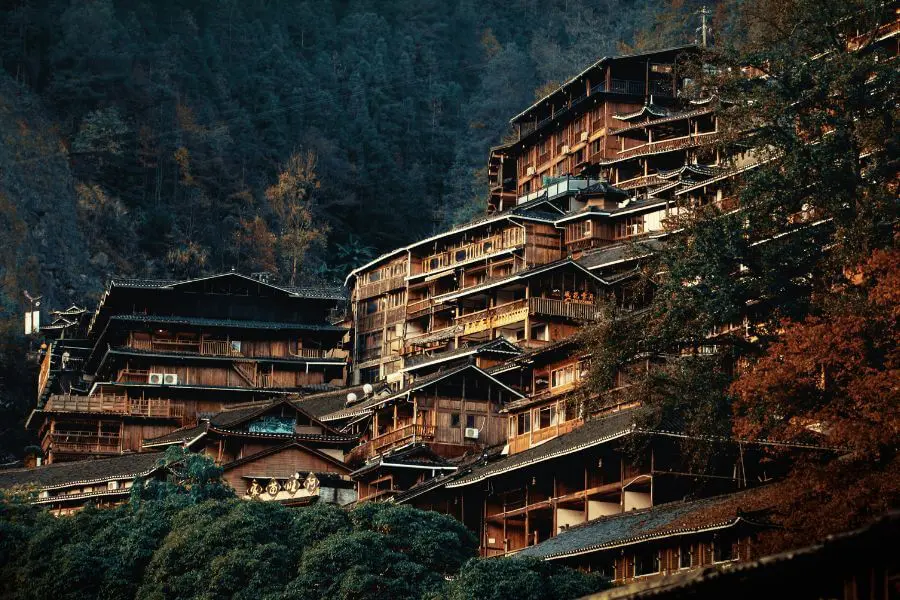
- Tang’an Dong Village: Perched halfway up a mountain, Tang’an is one of the oldest Dong villages and offers spectacular views, traditional drum towers, and ancient wooden dwellings.
- Zhaoxing Dong Village: One of the largest Dong settlements, featuring five iconic drum towers and bustling local life. Visitors can experience traditional song performances and explore artisan workshops.
- Dali Dong Village: A quieter option nestled by streams and lush forests, where you can see authentic Dong daily life away from tourist crowds.
Iconic Dong Architecture
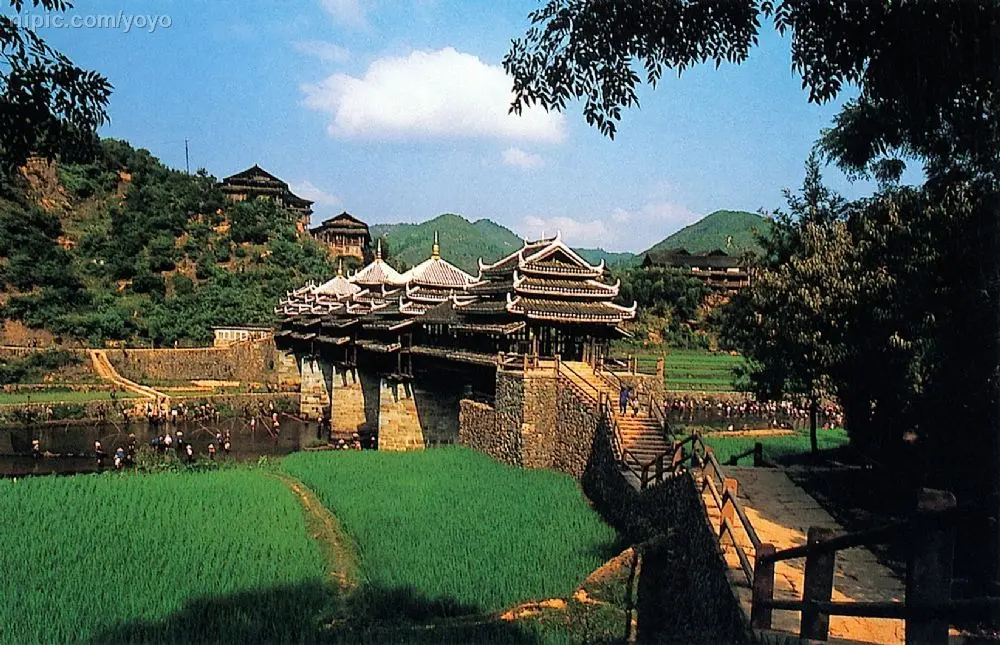
The Dong are masters of carpentry, and their villages feature stunning examples of architecture built entirely without nails. Central to each community is the Drum Tower, a symbol of unity where villagers gather for meetings and ceremonies. Wind and Rain Bridges, elaborately decorated with carvings and covered walkways, provide shelter and serve as social spaces for storytelling, music, and relaxation.
Festivals and Daily Life
Festivals are at the heart of Dong village life, marking the seasons and celebrating community, harvest, and ancestral traditions. Two of the most vibrant are the Grand Song Festival and Dong New Year, when entire villages come alive with music, dance, and color. The Dong are famous for their Grand Songs (Ga Lao), a form of polyphonic choral singing performed without instruments, recognized by UNESCO as an Intangible Cultural Heritage. These hauntingly beautiful harmonies are often passed down through generations.
You might also witness lively lusheng dances, accompanied by a bamboo pipe instrument shared among Dong and Miao communities. These performances are especially popular during major celebrations and gatherings.
Daily life in Dong villages reflects a strong connection to nature and community. Traditional dishes include sticky rice steamed in bamboo tubes, pickled vegetables, and smoked meats, often paired with homemade rice wine during festivities. Whether you’re attending a festival or simply sharing a meal, you’ll experience the warmth and hospitality that define the Dong way of life.
Miao Ethnic Minority: Vibrant Culture, Textiles, and Traditions
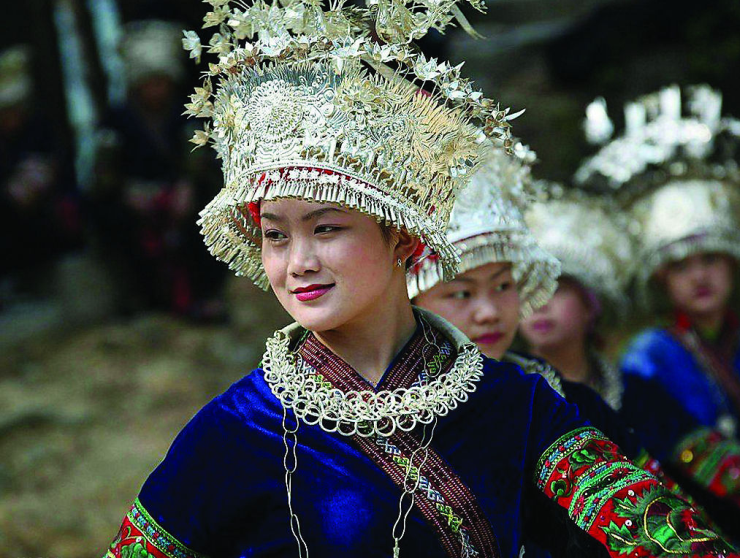
The Miao people are celebrated for their elaborate costumes, intricate embroidery, and lively festivals. Their villages are often perched high in the mountains, preserve traditions passed down for generations and offer travelers an authentic glimpse into one of China’s most colorful cultures.
Notable Miao Villages
- Datang Short Skirt Miao Village: Known for its bold, vibrant culture where women wear distinctive mini-skirts and elaborate headwear in all seasons—a strong expression of identity and pride.
- Langde Long Skirt Miao Village: Just a short drive away, this village is home to graceful long pleated skirts and richly embroidered blouses. The women’s attire here reflects both elegance and a deep connection to ancestral heritage.
- Shiqiao Miao Village: Famous for preserving the ancient Miao technique of handmade paper-making using tree bark. Visitors can watch local artisans demonstrate this centuries-old tradition.
- Matang Gejia Miao Village: Although officially classified under the Miao group, the Gejia people have a unique cultural identity. This village is known for its traditional batik dyeing techniques, where wax and indigo dye are used to create beautifully patterned fabrics.
Miao Culture: A Living Heritage in the Hills of Guizhou
The Miao ethnic minority, one of the most culturally vibrant groups in China, offers travelers a chance to explore a world of color, craftsmanship, and centuries-old tradition. Found in the mountainous villages of Guizhou, the Miao people continue to honor their ancestors through everyday practices, from intricate dress and silverwork to sacred festivals and age-old culinary customs. A visit to these communities provides not just a visual feast but a deeper understanding of a culture shaped by resilience and creativity.
Art in Every Stitch: Clothing, Silverwork & Embroidery
Miao clothing is far more than beautiful—it’s storytelling you can wear. Women’s dresses can feature up to 40 pleated layers, hand-embroidered with symbols representing family, history, and nature. Silver jewelry, crafted in ornate shapes, isn’t just decorative; it’s deeply spiritual, believed to ward off evil and bring good luck.
What makes Miao attire especially fascinating is the regional variation—you might find bold mini-skirts in Datang Village, elegant long skirts in Langde or Jidao, and silver accessories that take months to create. Visitors are often welcomed to watch or even try on traditional costumes for photos, offering a hands-on cultural experience you won’t forget.
Festivals & Daily Life: Music, Romance, and Ancestral Spirit
The Miao calendar is rich with vibrant festivals that bring entire villages together. The Guzang Festival, held every 13 years, is a powerful spiritual event to honor ancestors through music, dance, and ritual. Another favorite is the Sisters’ Meal Festival, sometimes called the “Miao Valentine’s Day” where young women prepare colorful rice meals, wrapped in embroidered cloth, to share with suitors in a joyful display of courtship and community.
These festivals aren’t staged for tourists, they’re living traditions. If you’re lucky enough to visit during one, you’ll be welcomed with rice wine, join in lusheng (bamboo flute) dances, and witness the authentic hospitality that defines Miao life.
A Taste of the Mountains: Miao Cuisine and Craft
Miao food is as rich and distinctive as their embroidery. Expect bold, earthy flavors including sour fish soup, spicy pickled vegetables, smoked pork, and bamboo-cooked sticky rice are staples. And don’t be surprised if you’re handed a cup of homemade rice wine within minutes of arriving, it’s the Miao way of saying “you’re family here.”
Handicrafts are also central to village life. In Shiqiao Village, you can witness the ancient paper-making process using tree bark. This thousand-year-old technique has been passed down through generations and remains an integral part of Miao cultural expression.
Why This China Minority Tour?
This 9-day Guilin and Guizhou minority tour is more than a sightseeing trip in China, it’s an intimate exploration of China’s ethnic living cultural heritage. From the sculpted Longji rice terraces of the Zhuang people to the soul-stirring polyphonic songs of the Dong, and the intricate silverwork of the Miao, every stop reveals stories passed down through generations.
You won’t just observe, you’ll step into ancient villages, share home-cooked meals, witness masterful crafts, and join in joyful festivals. Whether you’re a cultural explorer, a photography lover, or a traveler drawn to meaningful moments, this tour opens a window into the heart of southern China’s minority traditions.
You can find more Guizhou tours from our page.
Related tours

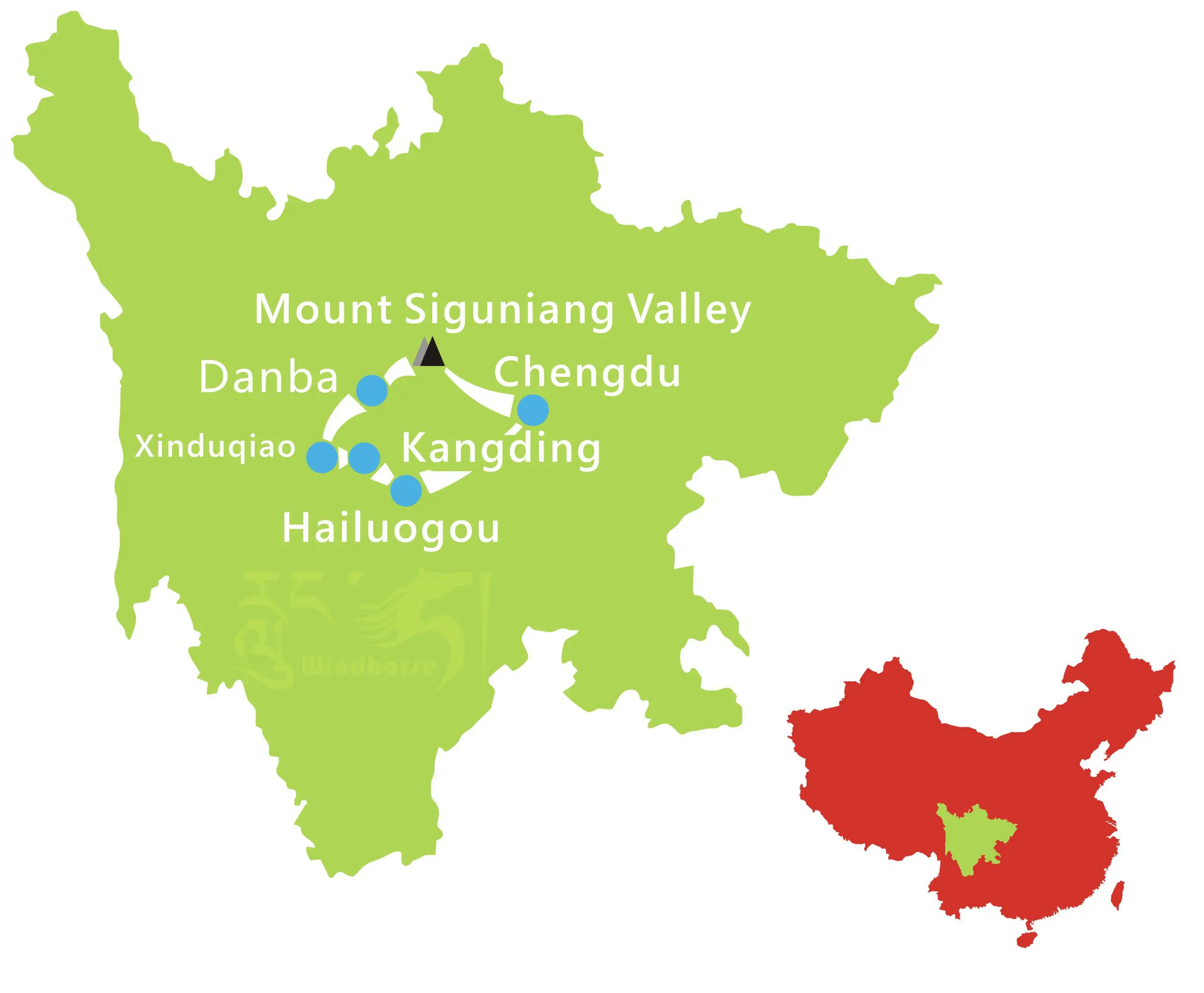



Enjoy the “king of shu mountains” Hailuogou Glacier as you travel into the Tibetan Kham region of western Sichuan. The beautiful Tagong grassland and the East Alpine Mount Siguniang offers some of the best sightseeing in all of China.
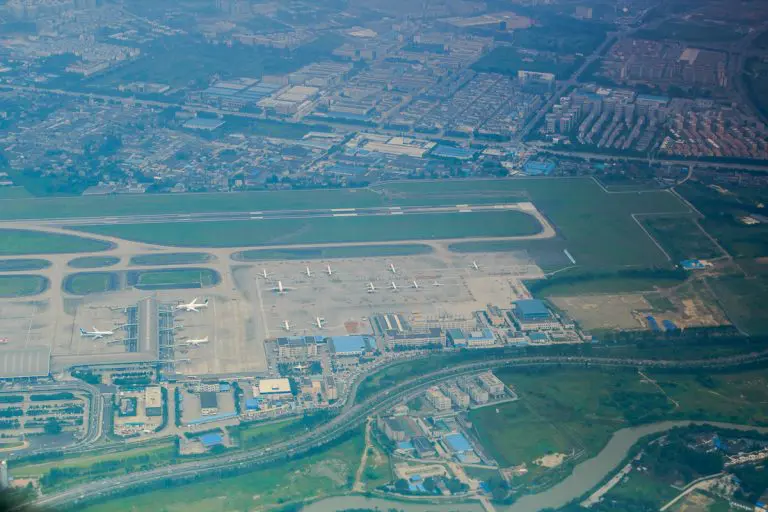
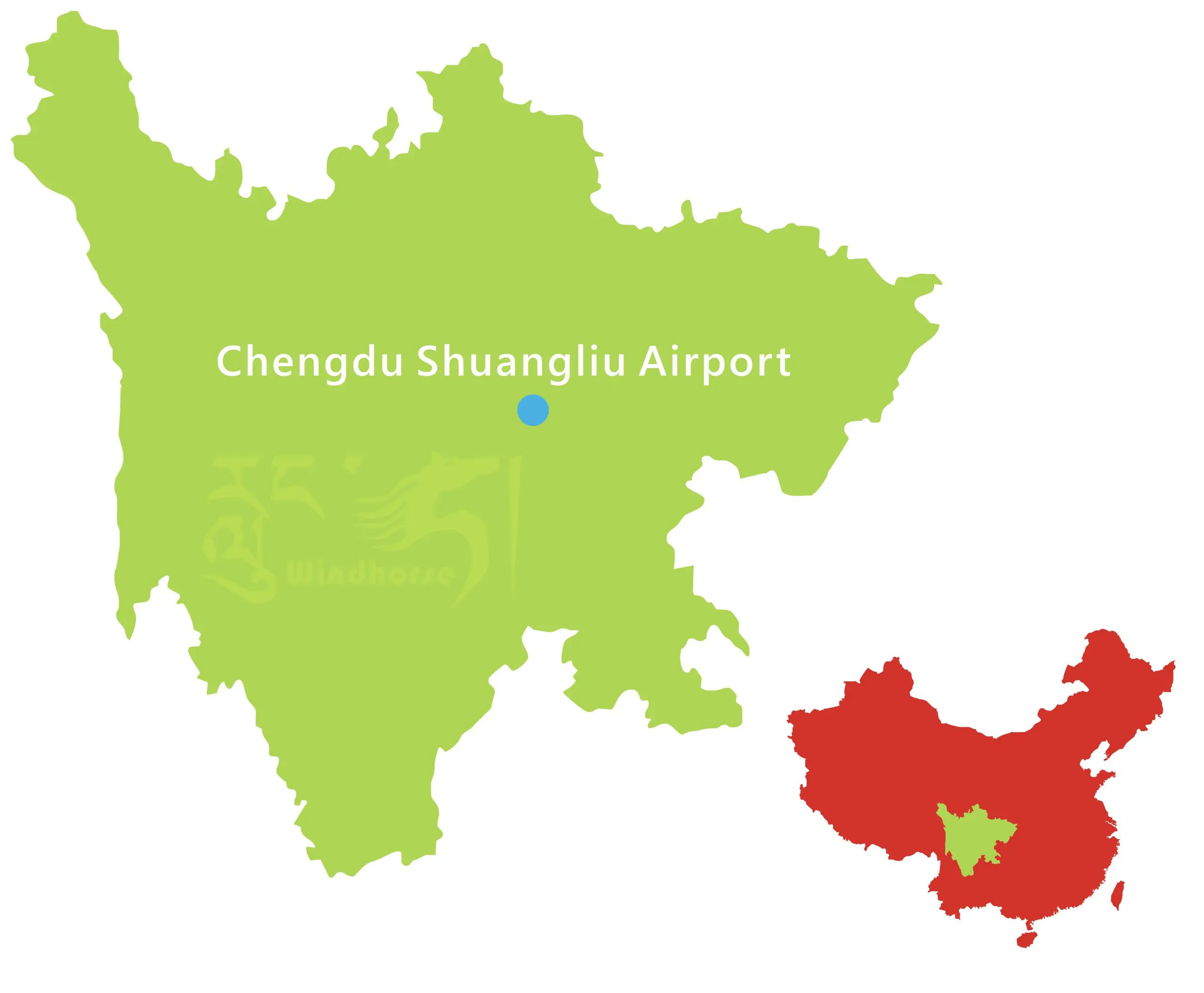
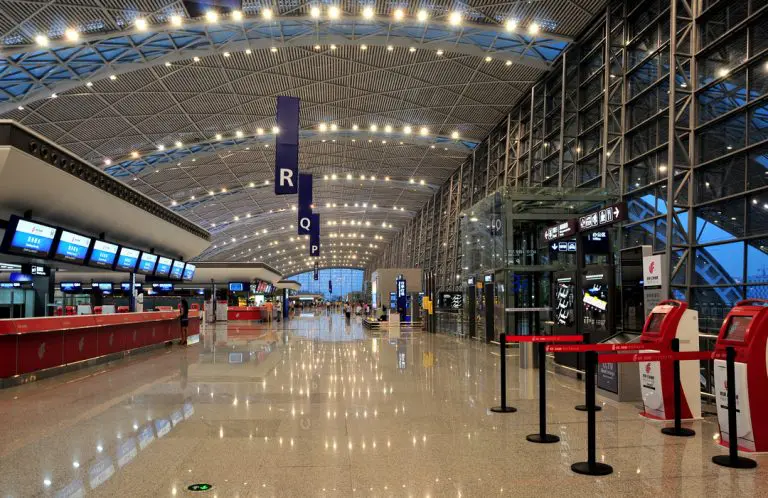
Offers Chengdu airport dropping off and picking up services. Traveling to Chengdu by air, you can easily to call us for different vehicle services.
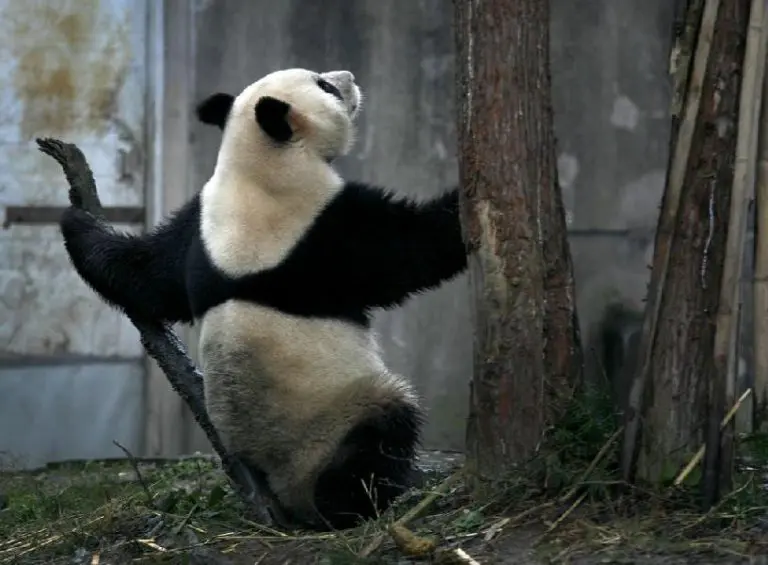
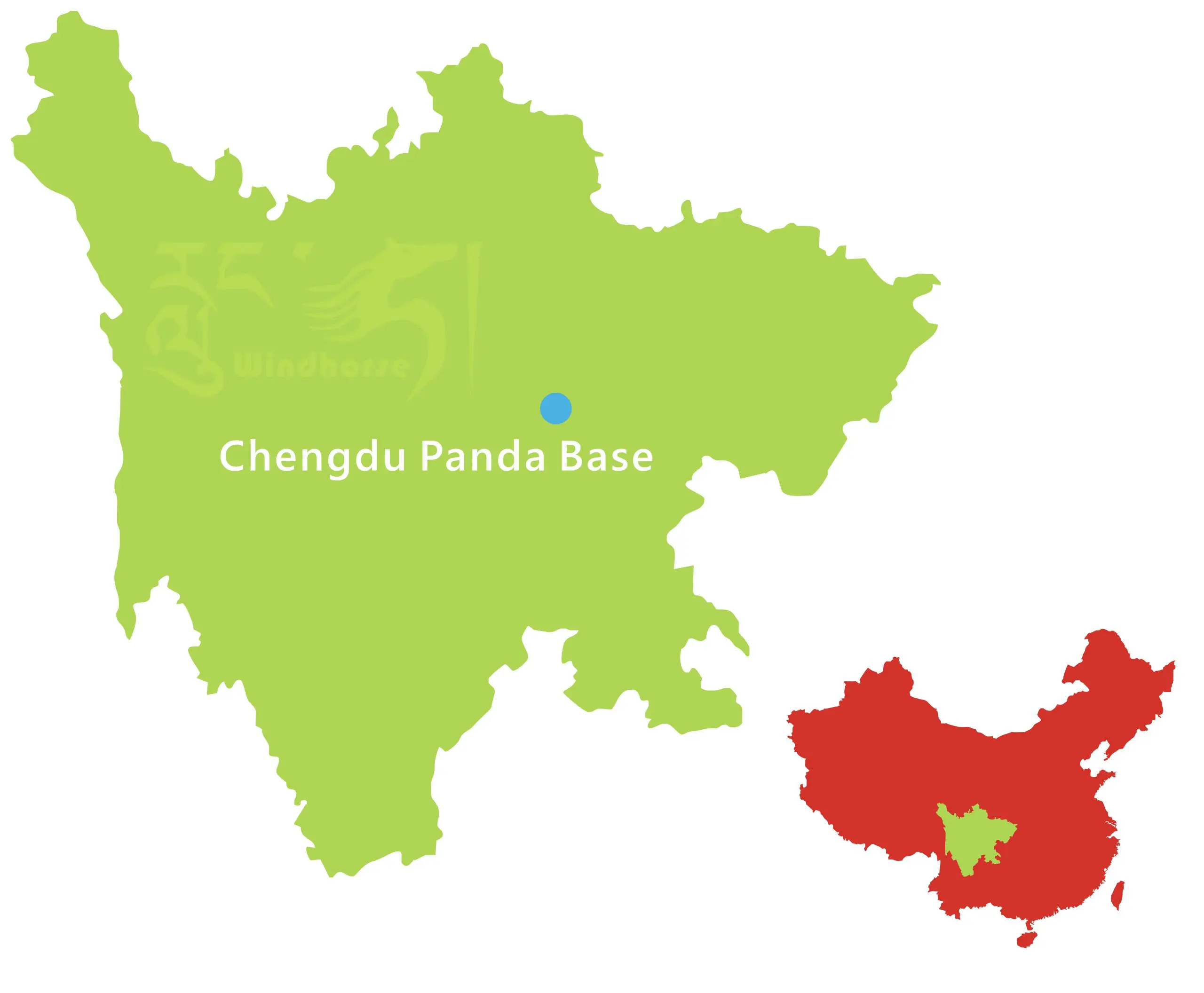
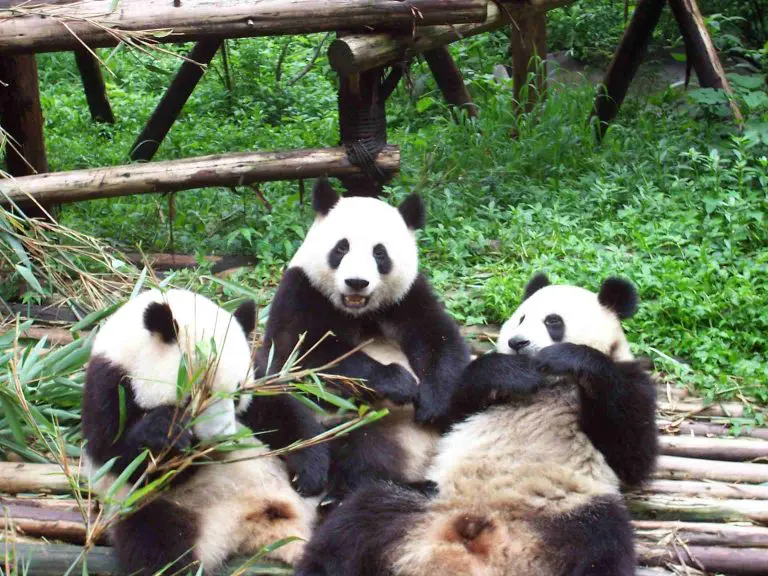
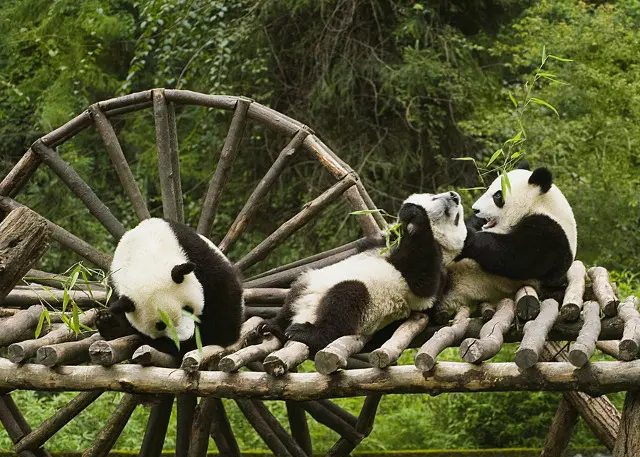
Sichuan is the natural home of the precious pandas and the best place to spend half day to visit those chubby bears. Arrive to see them when most active and feeding. Get closer by holding a panda and get a once in a lifetime photo.

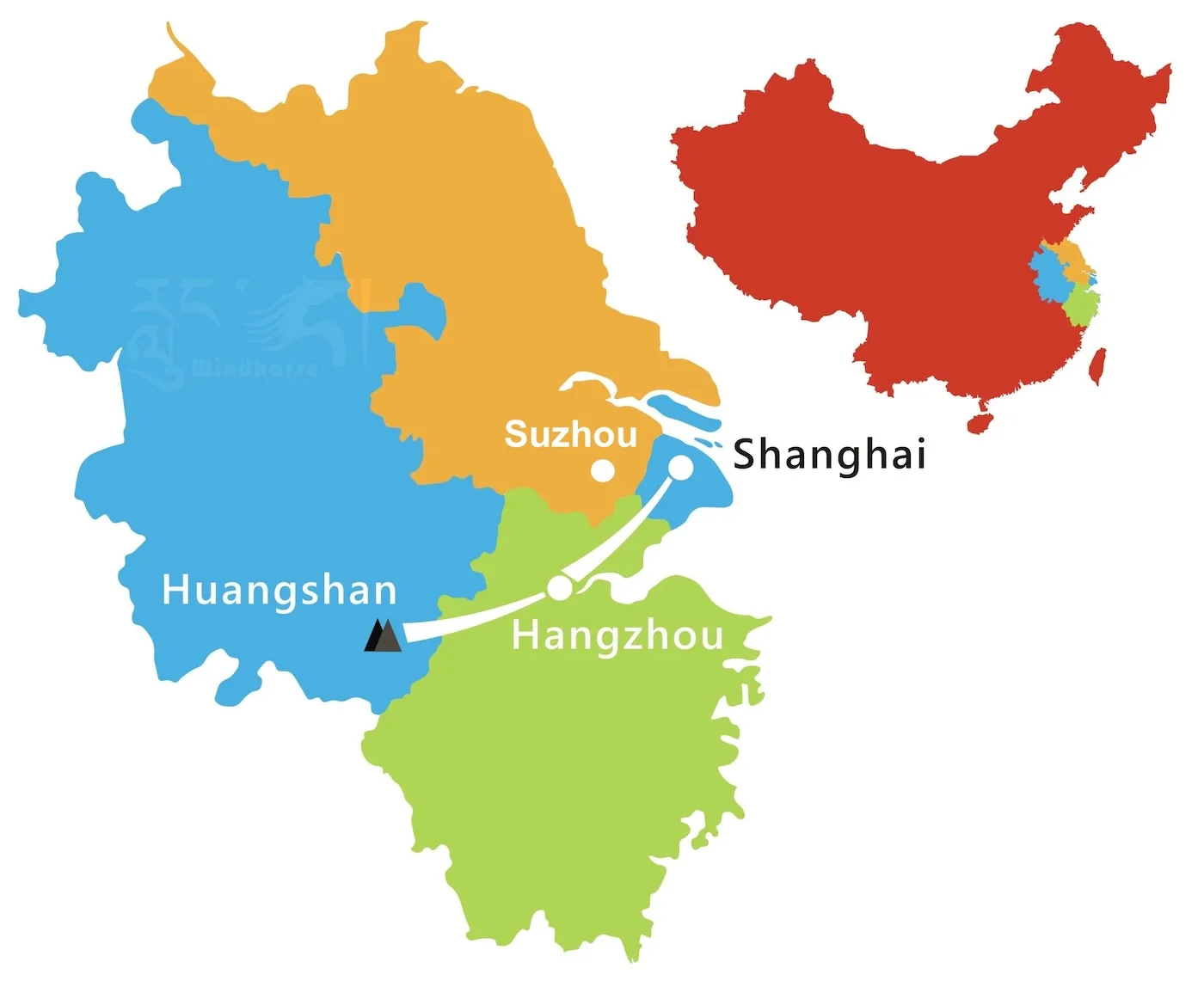
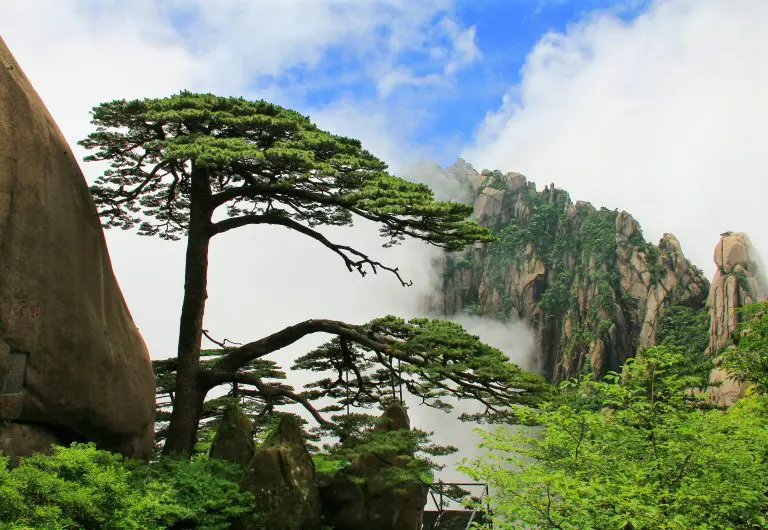

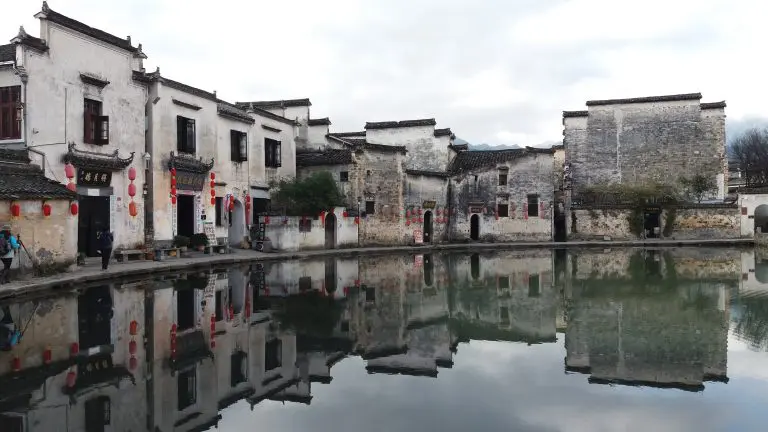
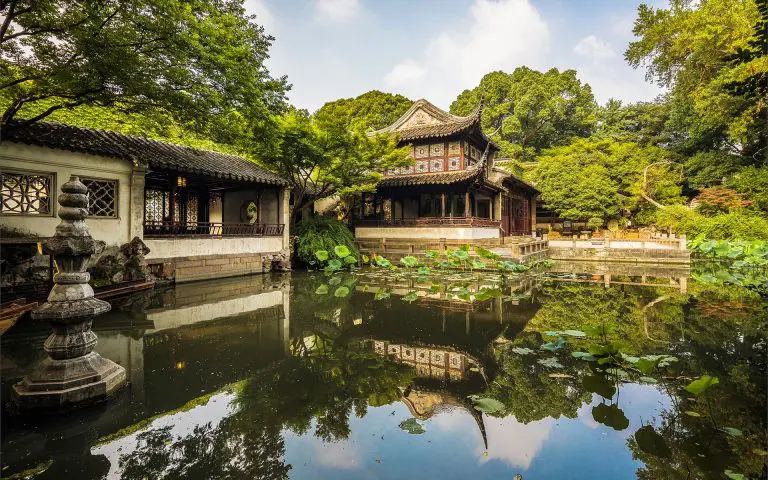
This one week long Shanghai and Hangzhou tour to Mount Huangshan covers Shanghai city highlights, West Lake in Hangzhou, Mount Huangshan scenery with sunrise views, and the historic village of Hongcun, combining city sightseeing with classic landscapes.
Comments

I am currently in the city of Guilin. I leave here on the 31st. Before I leave, I would like to visit Pingan Village. Is it possible to do a one-day tour?
Thank you!

Hello Sherrie,
Thanks for contacting!
Are you referring to visit Longji Jinkeng Rice Terraces in Ping'an Village? If so, please note that we can only arrange a private tour for you, because we don't organize group tours in Guilin. In a private tour, you will have your own guide and vehicle during the whole day. In this case, the tour cost would be very expensive because there's no one can share the the ground tour cost (including transportation cost, guiding service, etc.) with you.
I have just sent you a detailed email with quotation based on your requirements. Please kindly check it and feel free to share me the comments and thoughts you may have.
Best Regards,
Lycoris