
Tibetan Buddhism Eight Auspicious Symbols

Have you ever wondered about and yet cannot figure out why there are so many mysterious, beautiful, and interesting images all over the place when you travel in Tibet? Symbolism plays heavily into Tibetan culture and Tibetan Buddhism, so many of the images and art that you see on your next Tibet trek actually have significance past their aesthetic appeal!
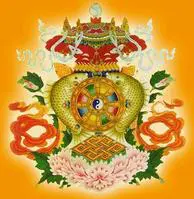
In Tibetan Buddhism, symbols are parts of everyday life and Buddhist art uses images to symbolize the Buddha and his teachings in its early stages of missionization. With the splendidly developed symbolic traditions in Tibet, the eight most prominent symbols came to be known as The Eight Auspicious Symbols.
This particular set of eight symbols is frequently painted or carved on all kinds of articles – household items and decorations, sacred Buddhist objects, and others, all intended to bring luck and protection from Buddha and to rid that space of evil spirits. These symbols are also indispensible in any kind of Tibetan religious ceremonies and rituals. In fact, if you are observant enough, you might be surprised by how frequently you see them as you travel in Tibet.
The Eight Auspicious Symbols are each believed to represent one physical form of Buddha and one aspect of the Buddhist teachings. They can appear individually or incorporated into intricate designs, and it is even believed that their power is multipled when they appear together. Here is a brief introduction to the first four of the Eight Auspicious Symbols:

1. Lotus flower. The lotus flower, one of Tibet’s most revered and ubiquitous symbols, represents purity and enlightenment. The growth of the lotus from mud and subsequent blossoming in the sunshine symbolizes the progress of the soul and mind through the mud of materialism into the sunshine of enlightenment.
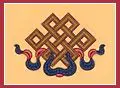
2. Infinite Knot. The infinite knot symbolizes the mutual dependence of religious doctrine and secular affairs. Similarly, it represents the union of wisdom and method, the inseparability of emptiness, and finally, at the time of enlightenment, the complete union of wisdom and great compassion.
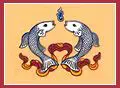
3. Golden Fish pair. This symbol of two fish represents conjugal happiness and freedom. The two fish standing vertically with heads turned to each other denotes good fortune, fertility and salvation. In Tibetan Buddhism the fish symbolize happiness and fertility, conjugal unity, and fidelity, and are often given as a wedding present.
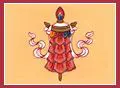
4. Victory Banner. This unique symbol, often seen recreated in religious institutions, represents a victorious battle and victory of the Buddha’s teaching and the triumph ofwisdom over ignorance.Check back for our follow-up piece, where we will look at the remaining 4 of Tibetan Buddhism’s Eight Auspicious Symbols.
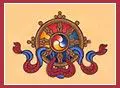
5. The Wheel of Dharma represents knowledge and the teaching of the Buddha. The wheel consists of three basic parts: the hub, the rim, and spokes (generally eight in number). Individually, the rim represents the element of limitation, the hub is the axis of the world, and the eight spokes denote the Eightfold Path set down by the Buddha, which leads to the cessation of all suffering. The wheel’s swift motion serves as an apt metaphor for the rapid spiritual change, the joy of wholesome deeds, and liberation engendered by the teachings of the Buddha.
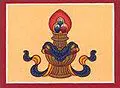
6. Treasure Vase represents inexhaustible treasure and wealth. The vase is sealed with precious and sacred substances, which are commonly placed by Tibetans upon altars and on mountain passes or buried at water springs, where their presence is believed to attract wealth and bring harmony to the environment. It also specifically means the spiritual abundance of the Buddha in Buddhist thinking, a treasure that will supposedly not diminish no matter how much is given away.
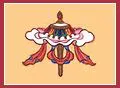
7. The Parasol represents protection. The precious parasol symbolizes the wholesome activity of preserving beings from illness, harmful forces, obstacles and so forth in this life. It also represents the enjoyment of a feast of benefit under its cool shade.
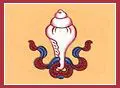
8. Right-coiled White Conch represents the thoughts of the Buddha. The white conch which coils to the right symbolises the deep, far-reaching, and melodious sound of the Dharma teachings and for the fame of the Buddha’s teaching, which spreads in all directions like the sound of the conch trumpet.
What is the significance of the conch being right-coiled? It is said that shells which coil to the right in a clockwise direction are a rarity and are considered especially sacred. The right-coiling movement of such a conch is believed to echo the celestial motion of the sun, moon, planets and stars across the heavens.
In addition to Tibetan paintings, you may be surprised to find that the Eight Auspicious Symbols have been so widely revered as to be tattooed on the people’s soles, palms, limbs, and even forehead! Truly, the Eight Auspicious Symbols are an integral part of every Tibetan’s life.
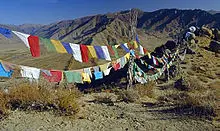
Similarly, the name “windhorse” is drawn from Tibetan symbolism, from a symbol that embodies the idea of well-being and good fortune, which is the pivotal element found in a Tibetan illustration representing the four cardinal directions. Windhorses are also a kind of colorful Tibetan mantra flag with all five animals printed on them, which can be see often when you trek Tibet.
If you are interested in Tibetan symbols and culture, consider a cultural tour of Tibet. See the most influential monasteries and schools of thought, revered holy mountains and lakes, and engage local Tibetans to get a feel for how they live these beliefs in their daily life!
If you have any questions or comments, please contact us at [email protected].
Recommended Tours:
Related tours






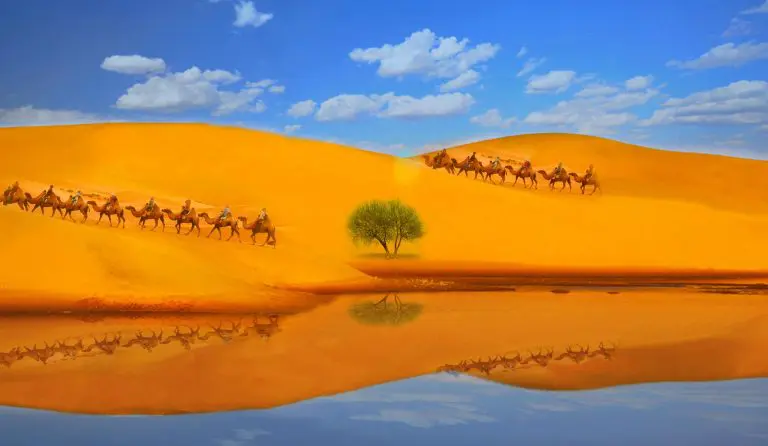
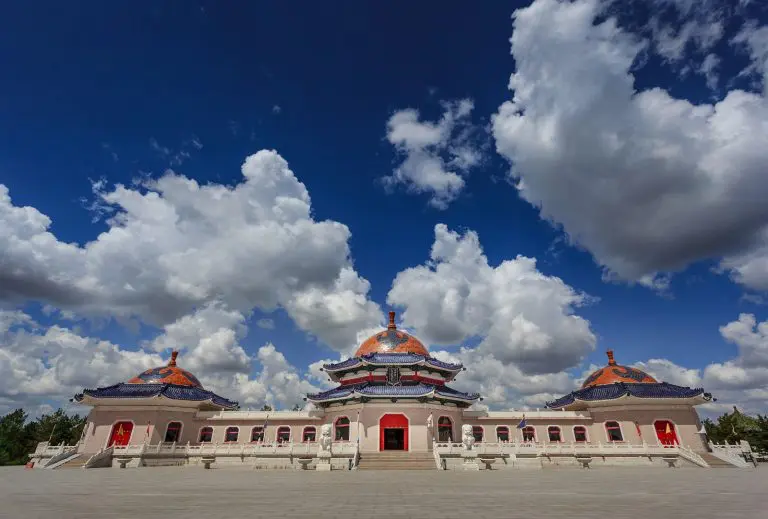
Experience Inner Mongolia’s diverse landscapes on this 5 Day Inner Mongolia Huitengxile Grassland Tour with Kubuqi Desert. Ride across rolling meadows, stay overnight in a traditional yurt, and explore vast golden dunes. Enjoy Mongolian culture, local cuisine, and scenic hikes through volcanoes and valleys.

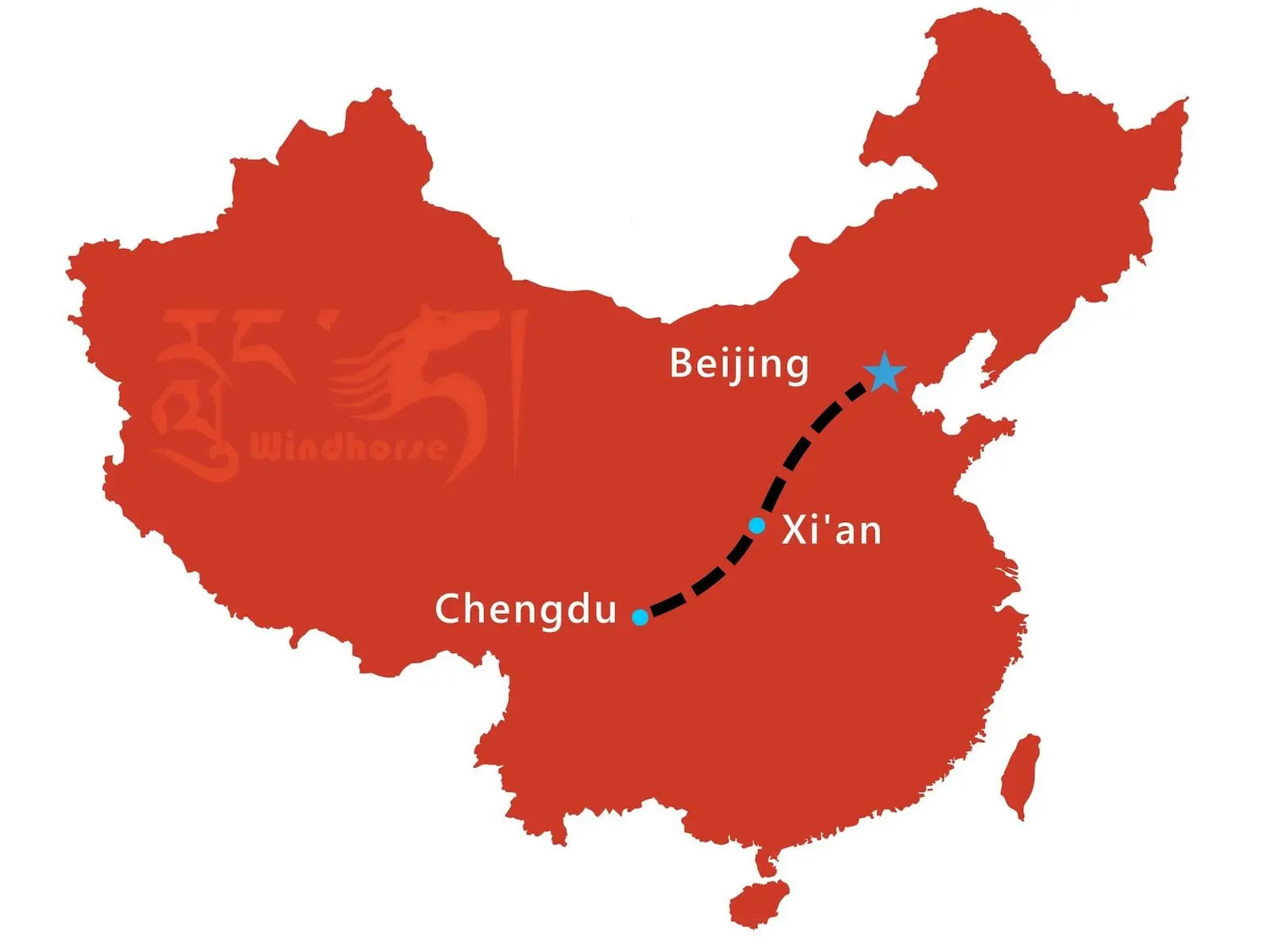
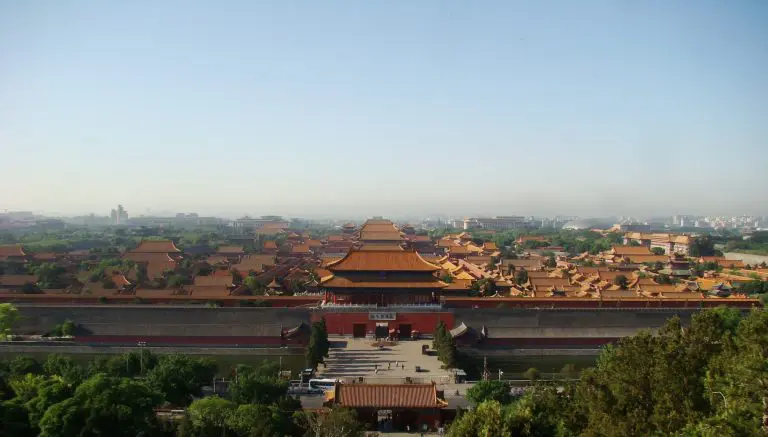

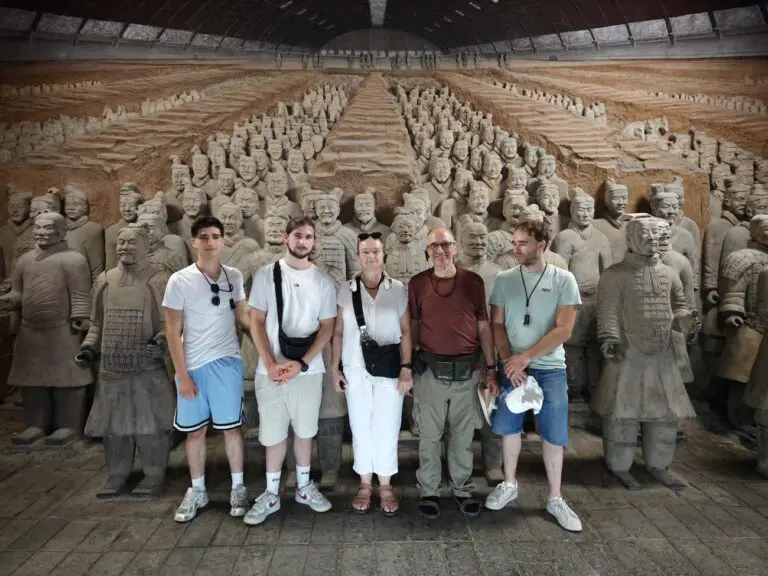

Explore Beijing, Xi’an and Chengdu in 10 days, combining the Great Wall and Terracotta Army with giant pandas, hands-on experiences and Chengdu’s relaxed local culture.




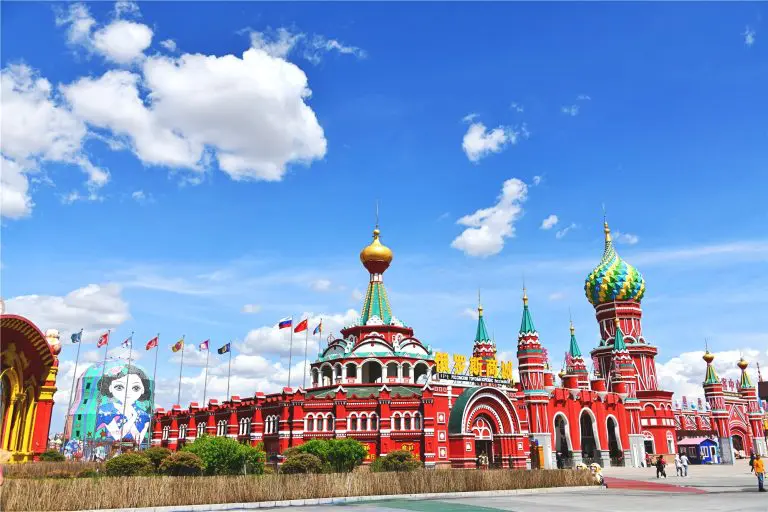
Join this 6 Day Hulunbuir grassland and forest tour to explore one of Inner Mongolia’s most stunning regions. Visit the Morigele River, Eerguna Wetland, and Aoluguya Reindeer Village, experience yurt stays and horseback rides, and discover the charm of the China–Russia border towns.

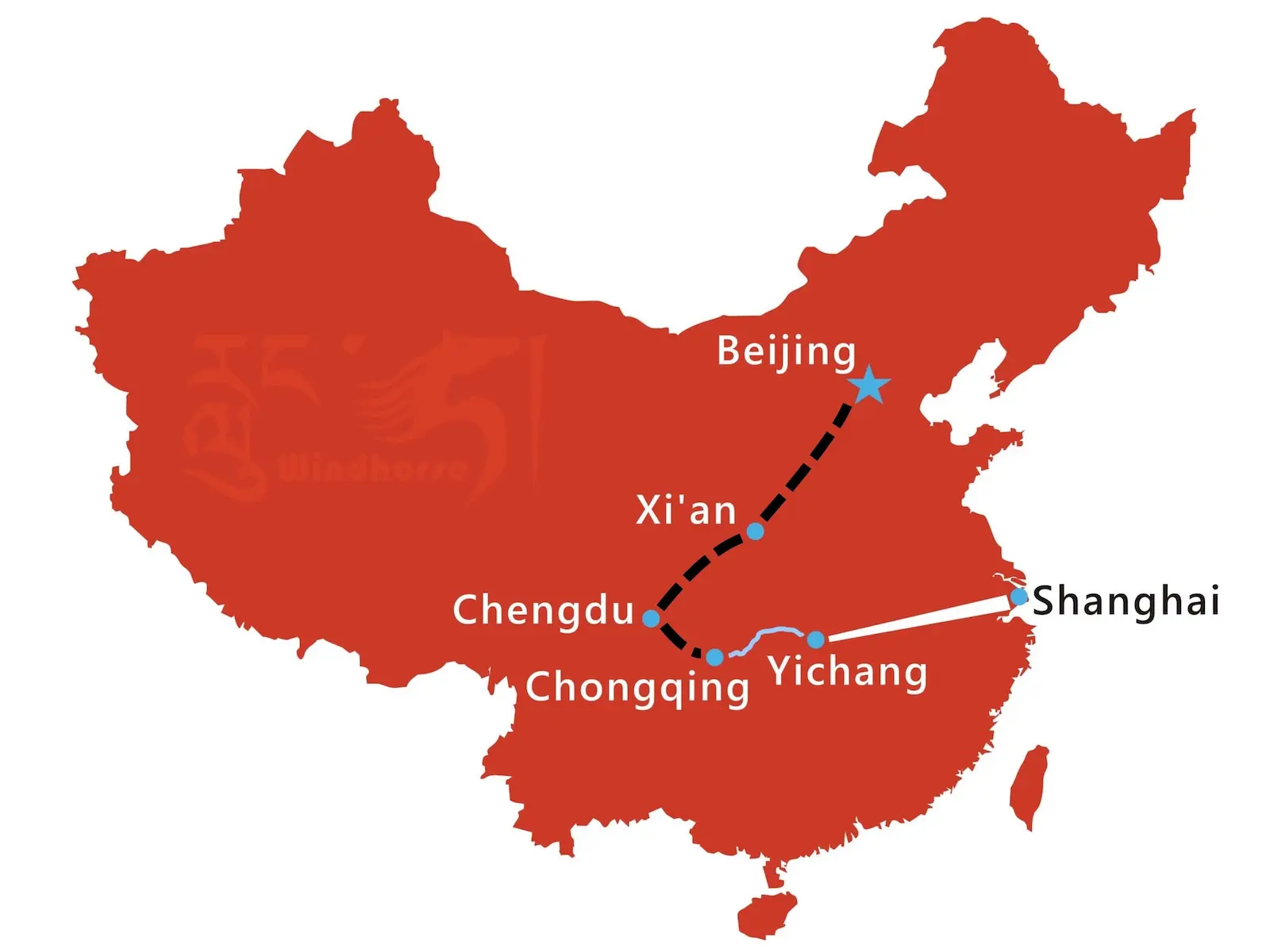
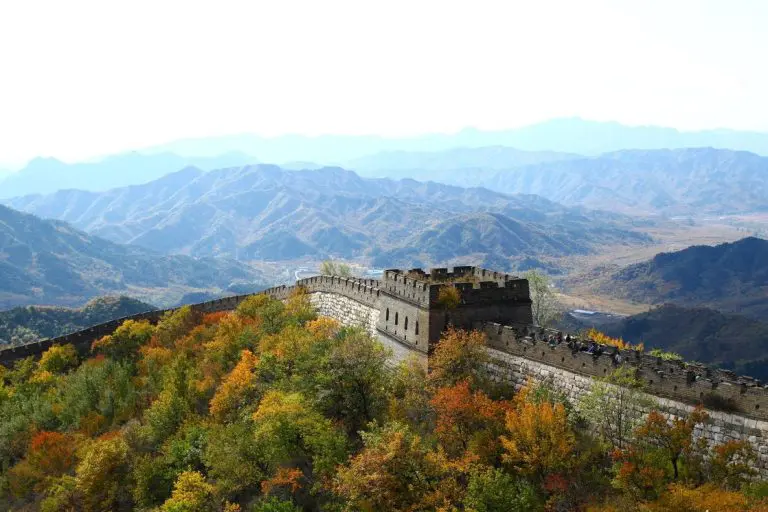
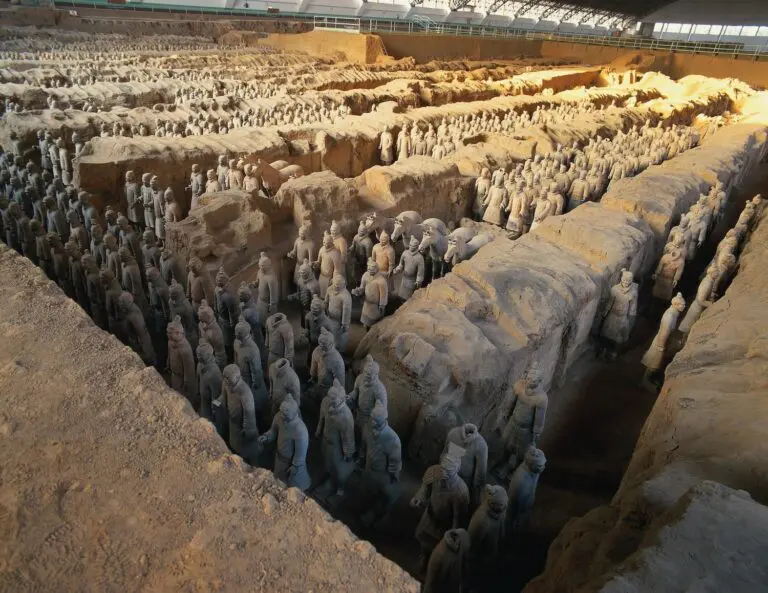



Experience the best of China on this 2-week China highlights tour with Yangtze cruise and pandas visit. Explore Beijing, Xi’an, Chengdu, Chongqing, and Shanghai, see world-famous landmarks, meet giant pandas, and enjoy a relaxing cruise through the scenic Three Gorges.
Comments

Your site shown only four of the Symbols. Please, please - post the other four, and e-mail the URL.
Thank you for your attention to this request!

Hi Bob - Please have a look at this link for part 2 of Tibetan Buddhism Eight Auspicious Symbols.