
Losar – Tibetan New Year

Tibet has been celebrating its new year – Losar – since the pre-Buddhist era, when local Tibetans made various offerings to appease the local deities of their Bon religion. Now, Losar is celebrated in Bhutan, Nepal, and parts of India, as well – all countries with strongly concentrated populations of so-called Tibetan Buddhists.
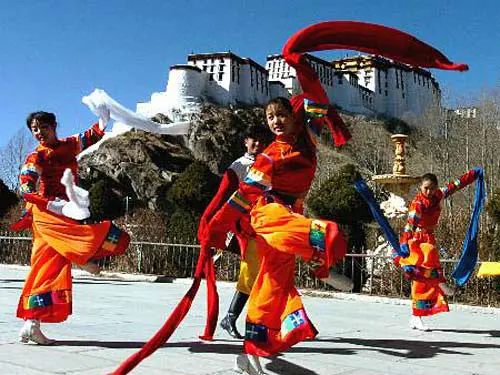
To Tibetan people, Losar is the most important festival of the year, much like Christmas to many Westerners. Tibetans celebrate Losar for 15 days, with an especially grand jubilee held at the Potala Palace in Lhasa. Special beverages, foods, and festive celebrations are a normal part of the holiday for every Tibetan family, attracting thousands of visitors to participate in the revelry, as well.
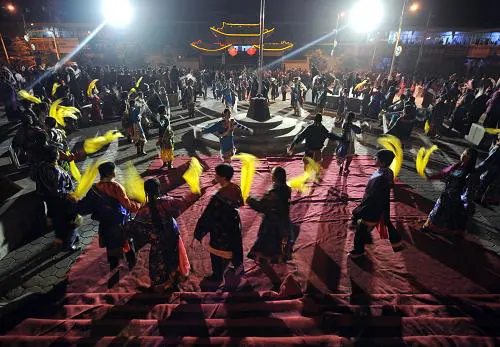
During the last two days of the year, called Gutor, Tibetan people make many preperations for the new year celebration. On the first day, Tibetans will do a complete house cleaning and draw auspicious patterns on the central wall of the house to bring good luck. Then, they will begin preparing special dishes and beverages and setting up the family collection of Buddha idols.
On the second day of Gutor, high monks (called lamas) will hold religious celebrations for the benefit of the surrounding community, including decorating the local monastery, making offerings to deities, chanting Buddhist scriptures, and throwing a new year banquet. As a family, Tibetans will go to visit the local monastery to worship and participate in the ceremonies, and to give offerings to the monks.
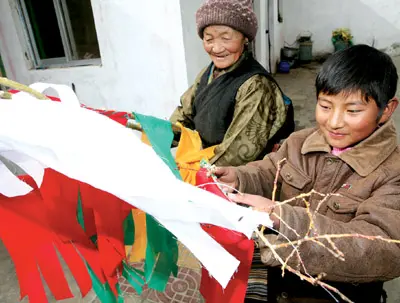
On the morning of Losar, Tibetans get up early, take a symbolic cleansing bath, and dress in brand new clothes. The primary activity on the first day of Losar is to worship household gods with offerings in front of the newly cleaned and arranged idols. Later in the day, families visit their relatives and friends for a day of feasting and exchanging gifts.
Families gather for a reunion dinner, much like Chinese do on the eve of Spring Festival. Traditional reunion dishes include: Kapse cake, a fried cake called Dega which is the most important offering, and a special Tibetan beverage called chang, a barley wine. From the third day onward, Tibetans will continue to enjoy the festival with feasting and partying.
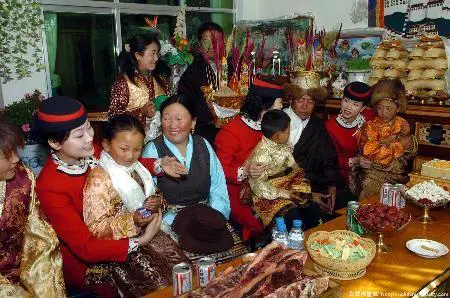
This year, Losar is celebrated on February 22, so grab this opportunity to tour Tibet and celebrate the Tibetan New Year with the locals!
Relevant Tours:
Related tours
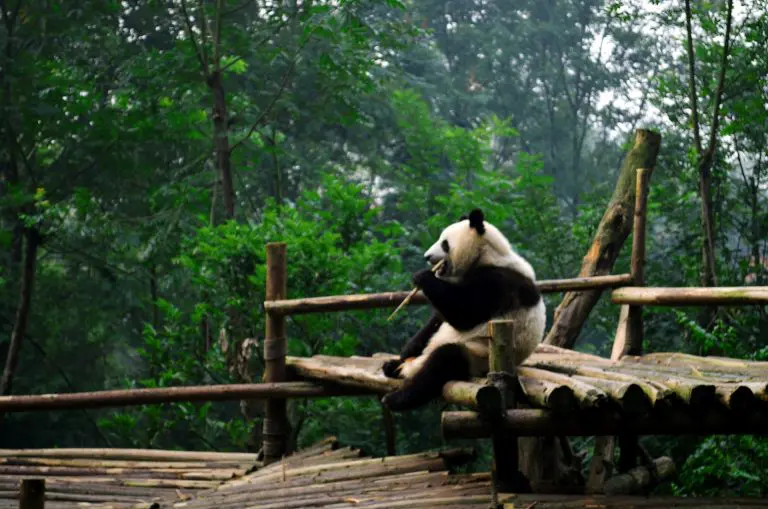
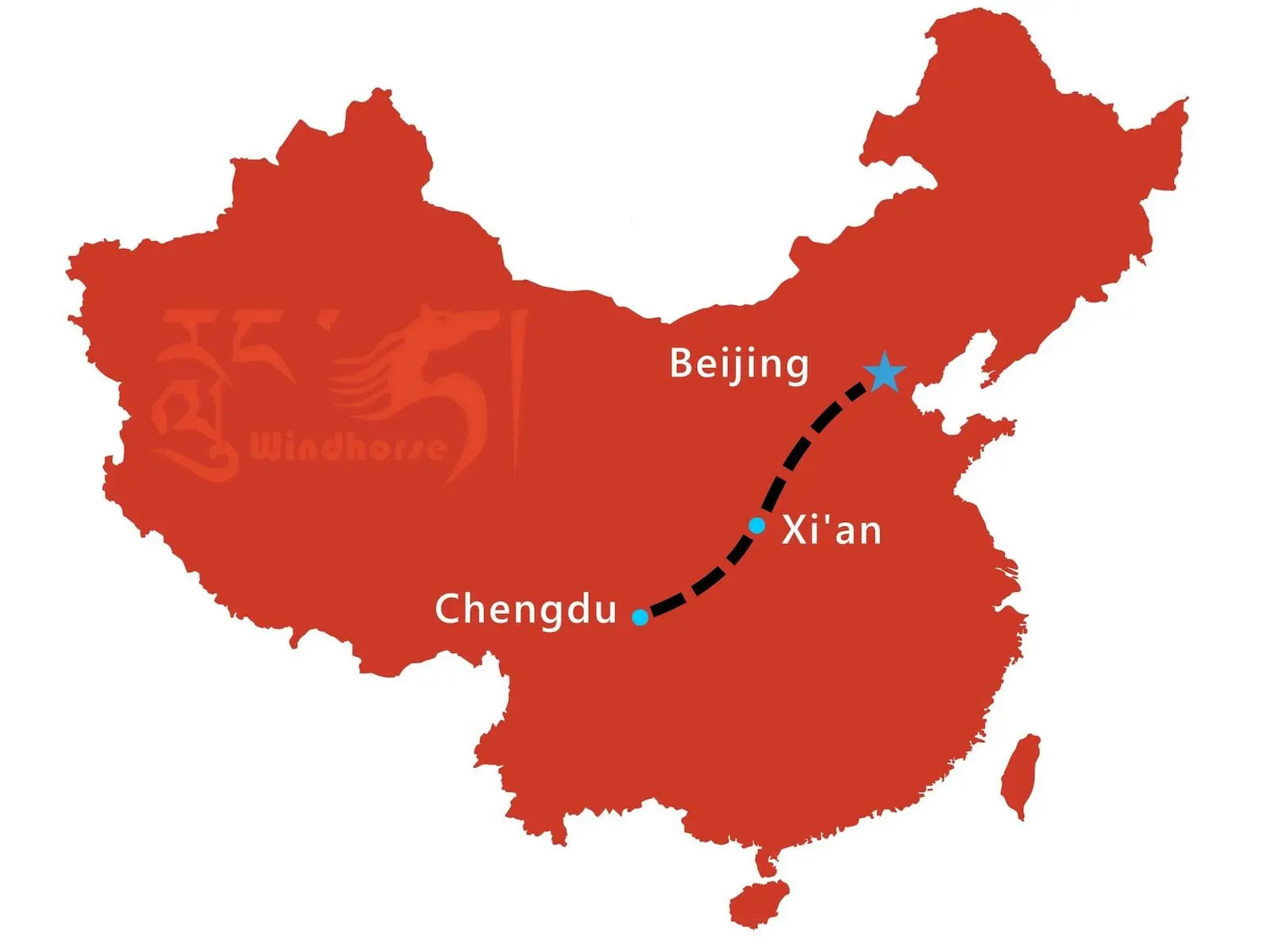
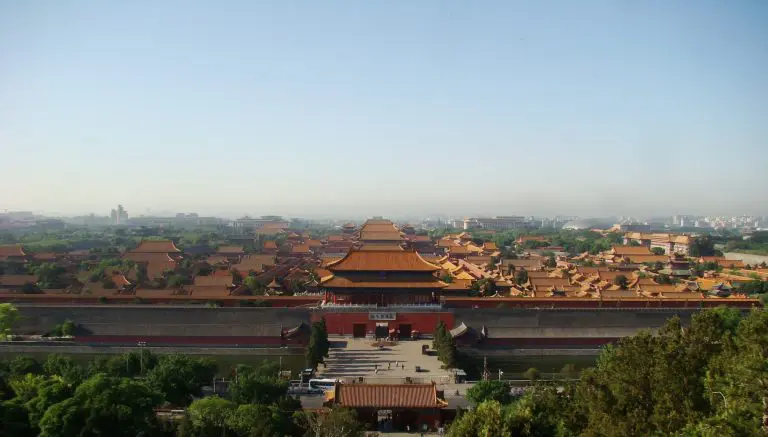
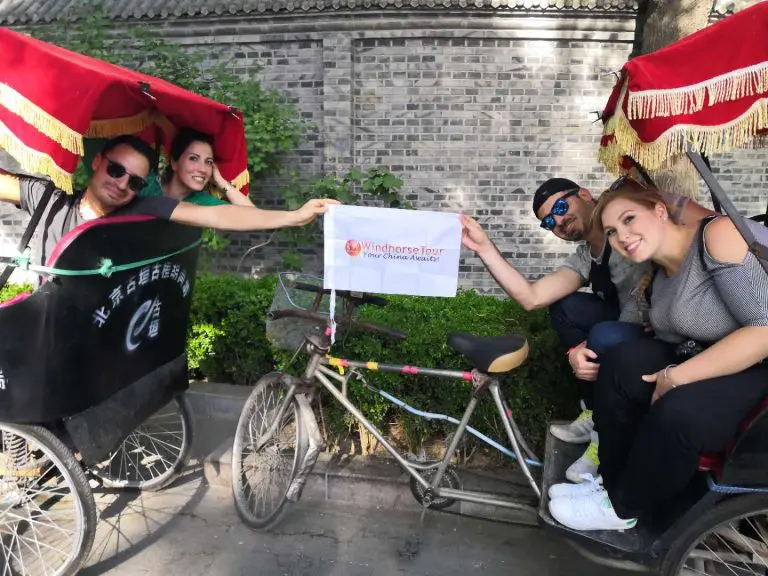
Explore Beijing, Xi’an and Chengdu in 10 days, combining the Great Wall and Terracotta Army with giant pandas, hands-on experiences and Chengdu’s relaxed local culture.
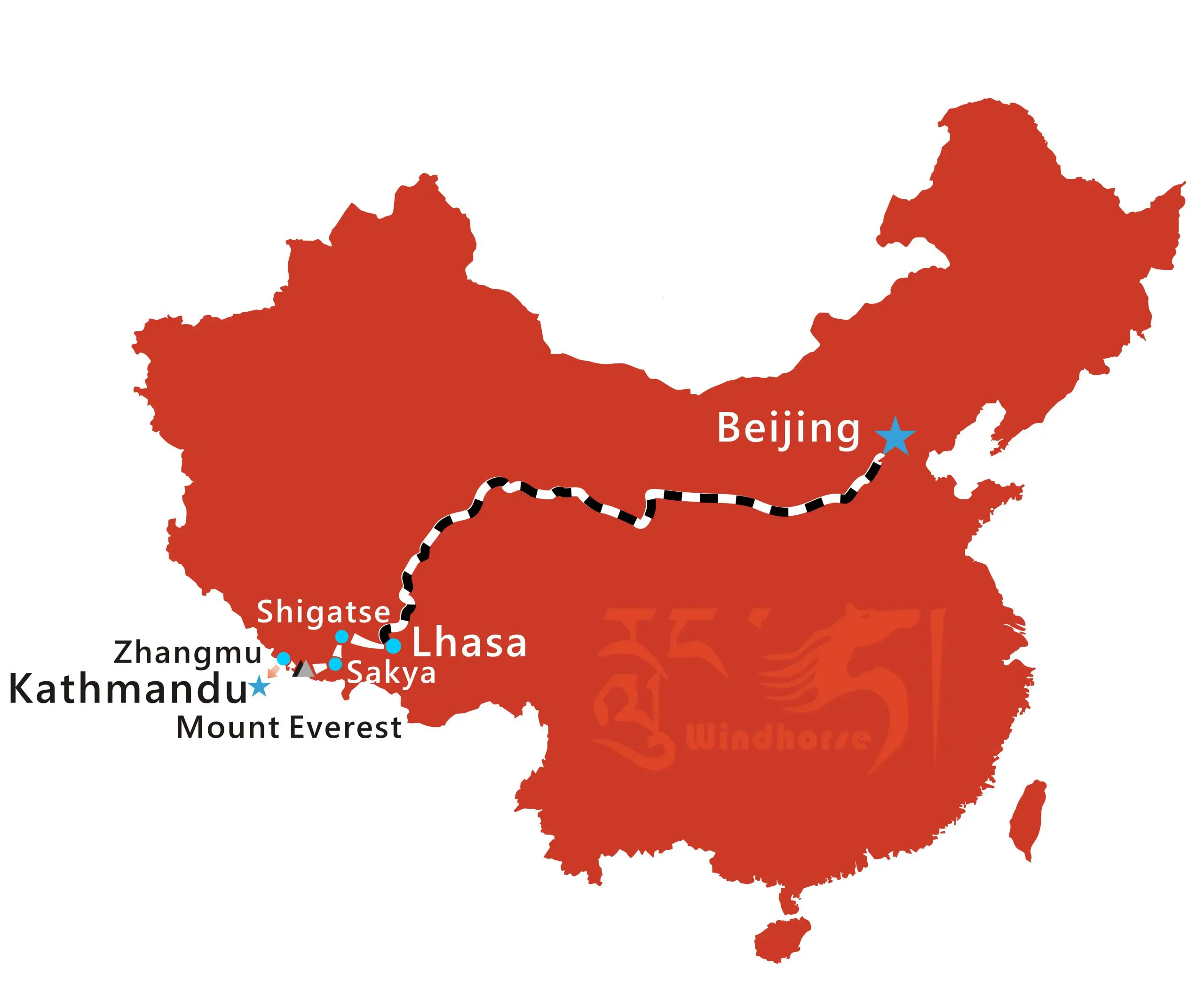

Experience the ultimate overland adventure on this 12-Day Beijing Tibet Train Tour to Kathmandu.
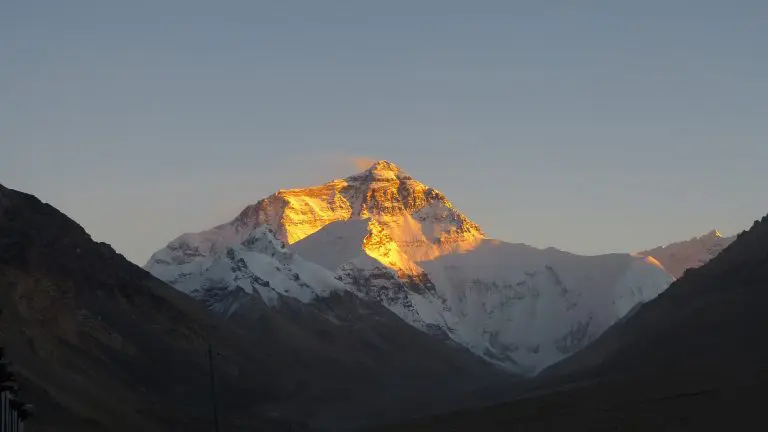
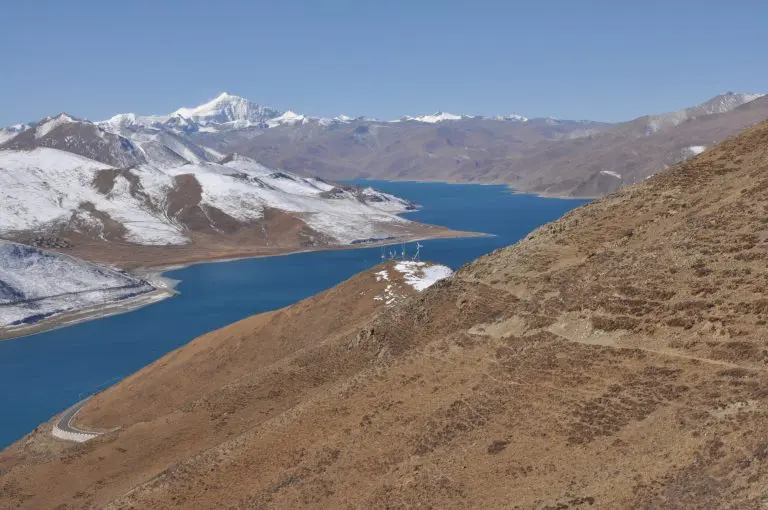
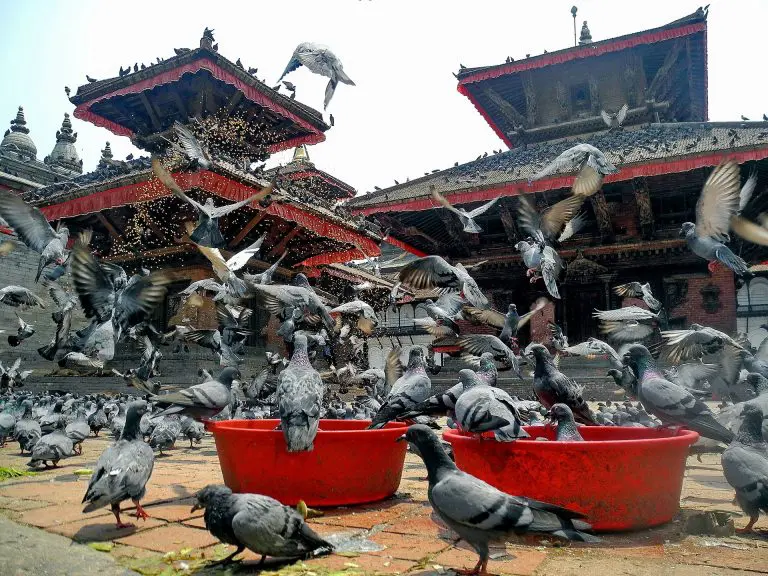
Explore Beijing’s Forbidden City, Temple of Heaven, and the Great Wall before boarding the Qinghai-Tibet Railway to Lhasa. Discover the Potala Palace, Yamdrok Lake, and Everest Base Camp, then continue into Kathmandu valley, where Tibetan culture meets Nepal’s vibrant mountain spirit.
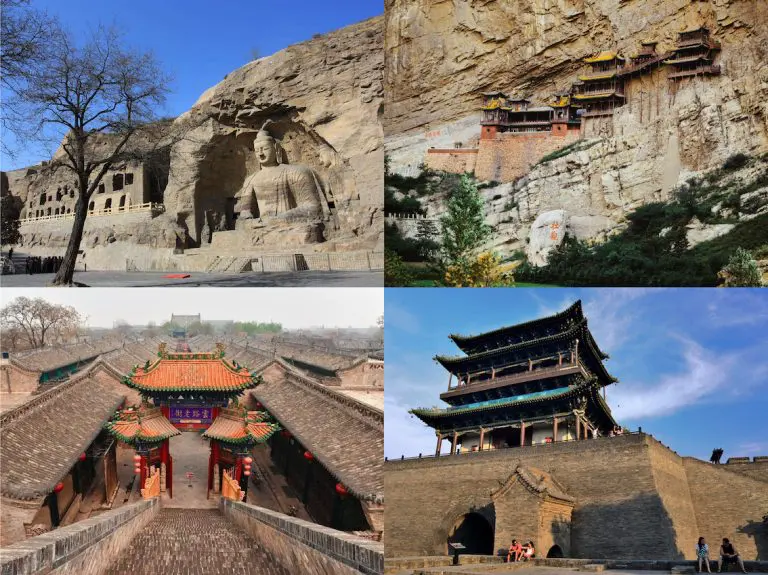

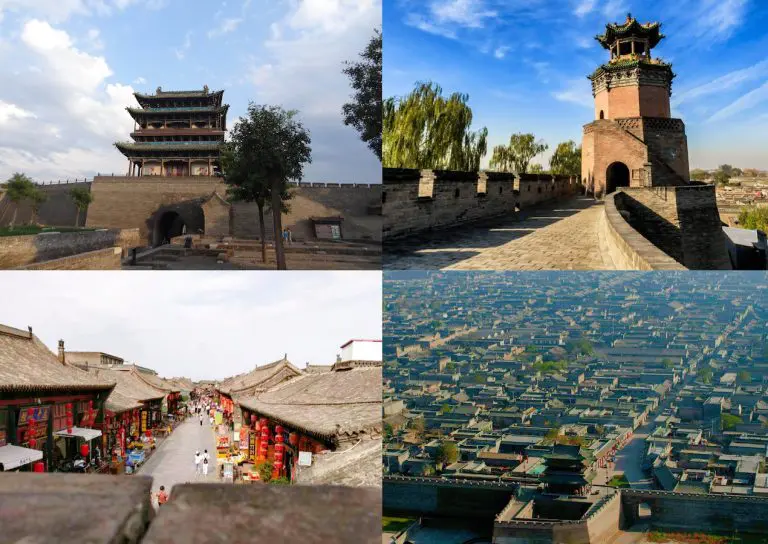
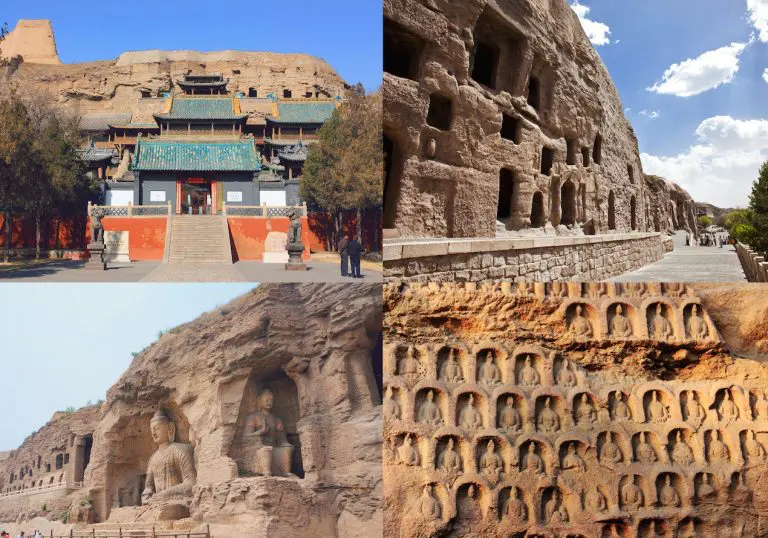
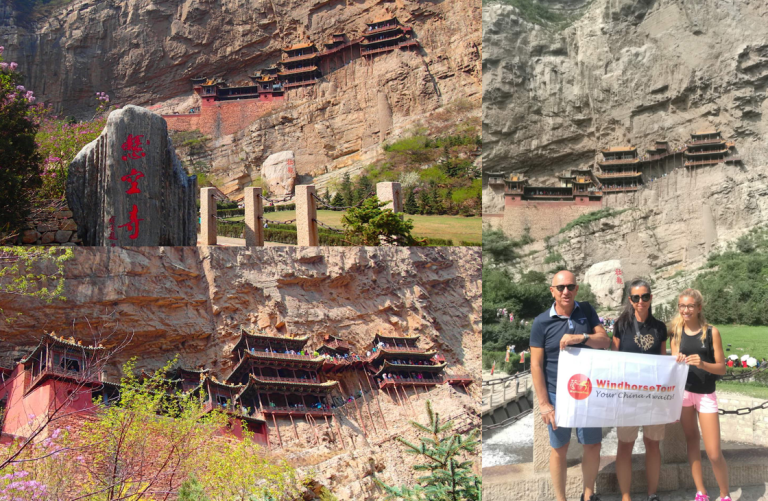
Join this Datong Pingyao Heritage Tour to explore northern China's ancient cultural treasures. Visit UNESCO sites including Yungang Grottoes, Hanging Monastery, and Yingxian Wooden Pagoda in Datong, then wander through Pingyao Ancient City to experience the authentic charm of Ming and Qing dynasty China.
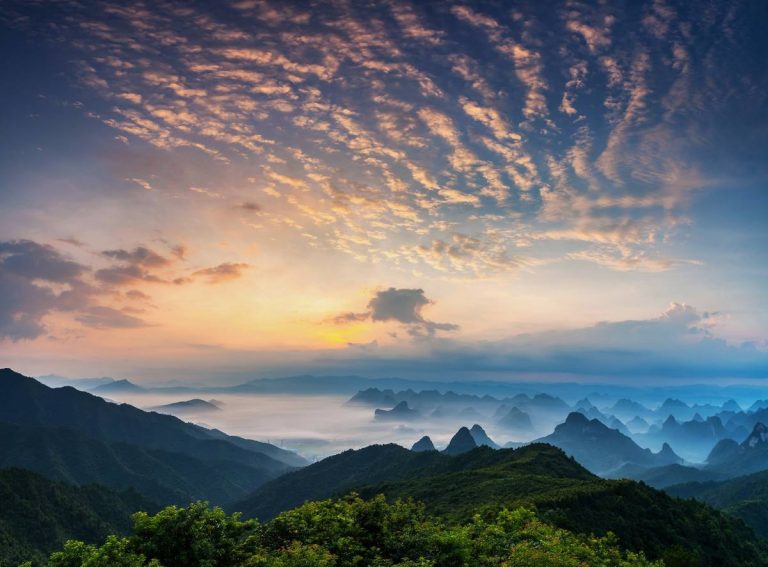
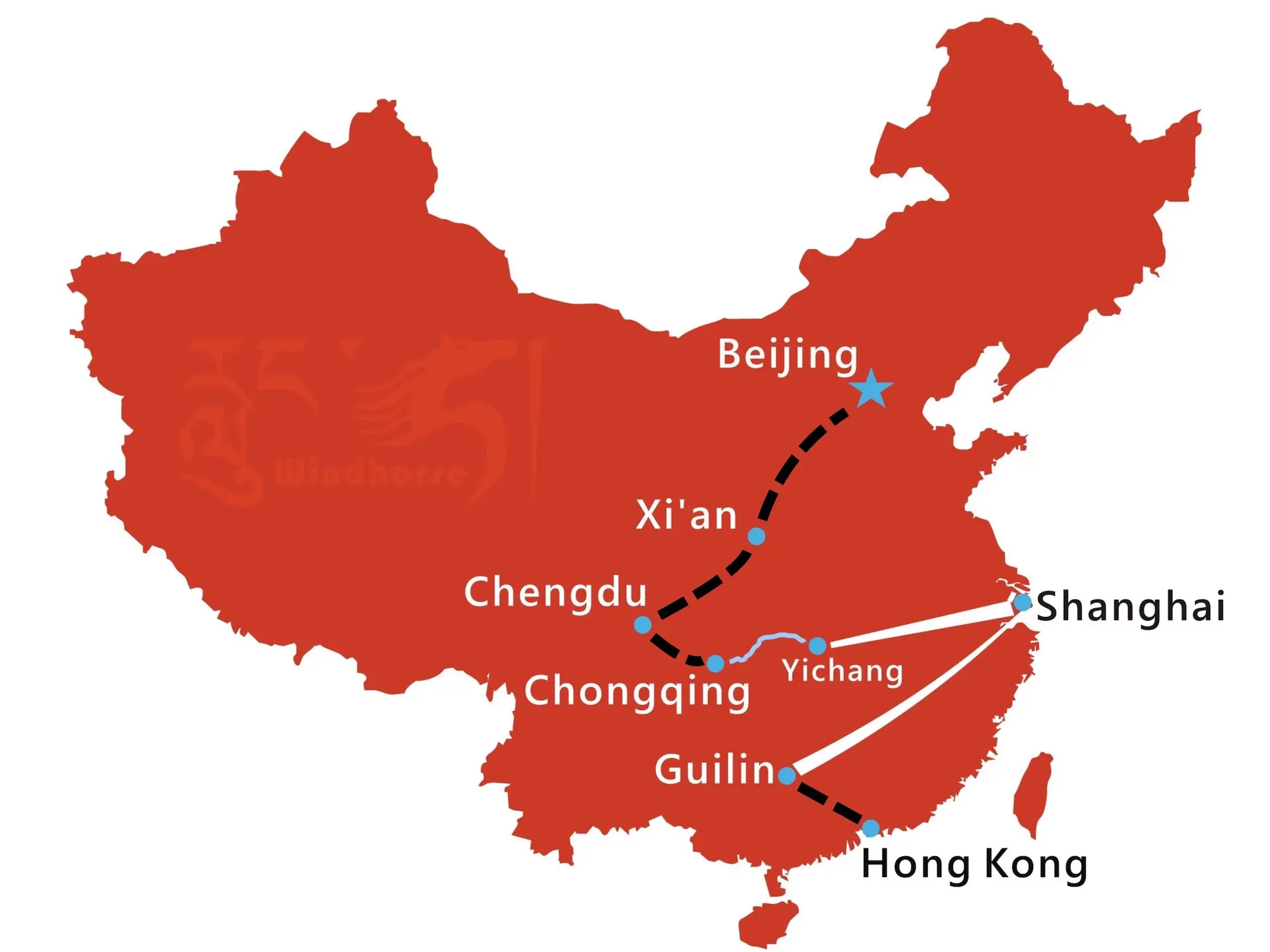
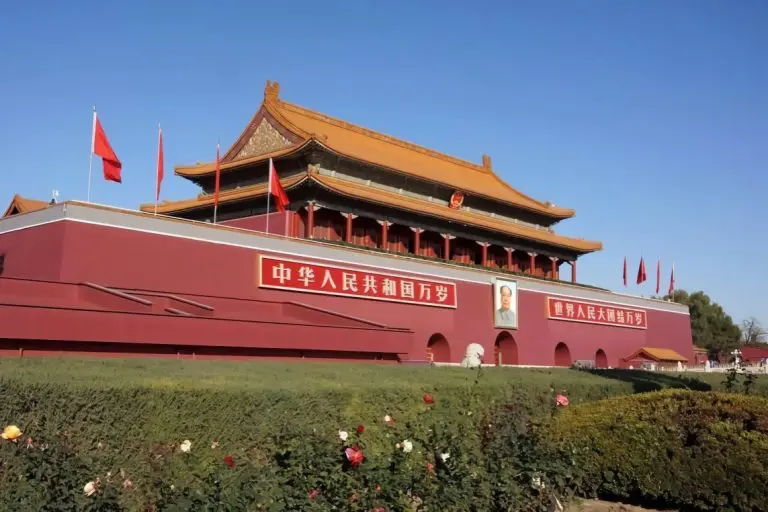
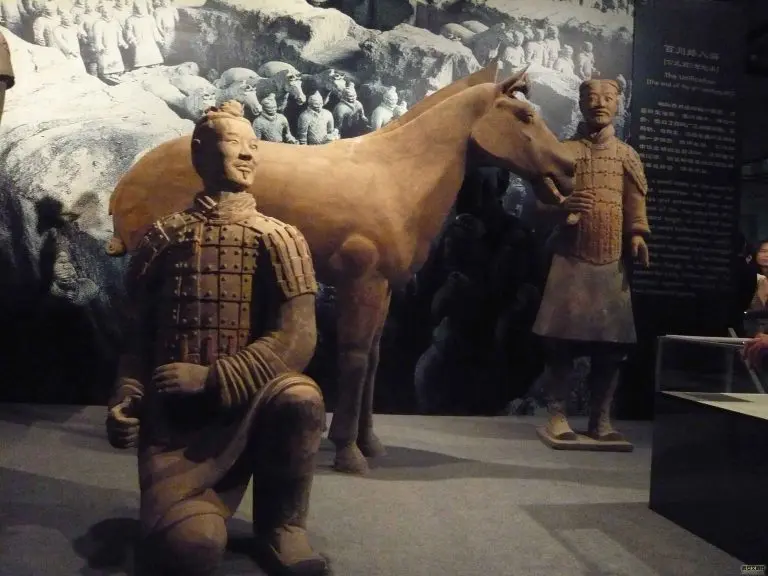
This 21-day China tour from Beijing to Hong Kong with a Yangtze River cruise covers imperial capitals, ancient wonders, pandas, water towns, classical gardens, and breathtaking karst landscapes. A complete journey through China’s culture, nature, cuisine, and city life.