
Featured destinations – the beautiful Mount Huangshan

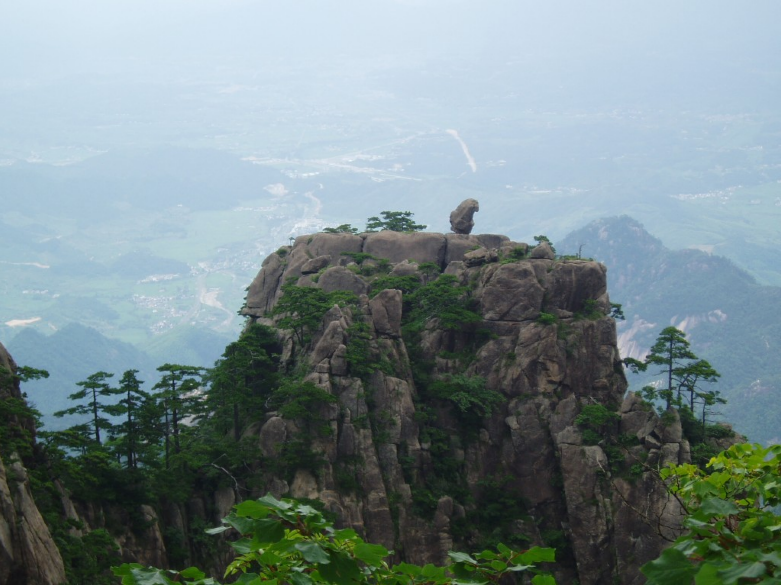
Mount Huangshan, commonly known as Yellow Mountain, is a remarkable and highly significant natural wonder in China, renowned for its breathtaking scenery, peculiarly shaped granite peaks, verdant vegetation, and a sea of clouds that creates an ethereal atmosphere. This mountain range, located in Anhui Province, has been a source of artistic inspiration and a spiritual haven for poets, painters, and philosophers for centuries. Its beauty has been celebrated in numerous Chinese artworks, particularly ink paintings, and it plays a pivotal role in Chinese aesthetics and the appreciation of natural landscapes.
The cultural and natural significance of Mount Huangshan is further underscored by its designation as a UNESCO World Heritage Site. This status highlights not only its exceptional beauty and geological features but also its importance in Chinese culture and history. The mountain is revered for its unique combination of exceptional natural beauty and cultural richness, representing the harmonious coexistence of human beings with nature, a central theme in Chinese philosophy.
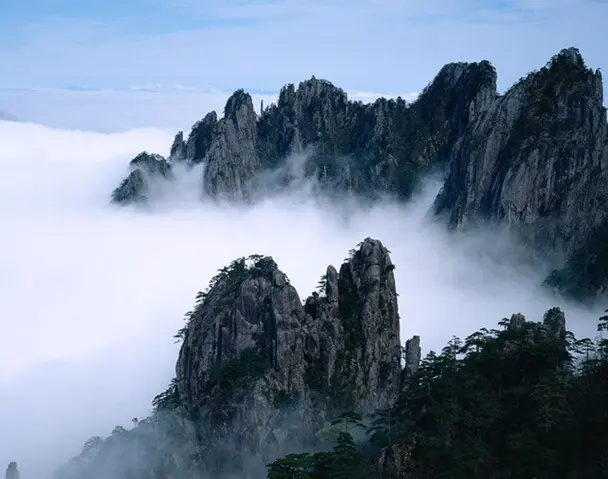
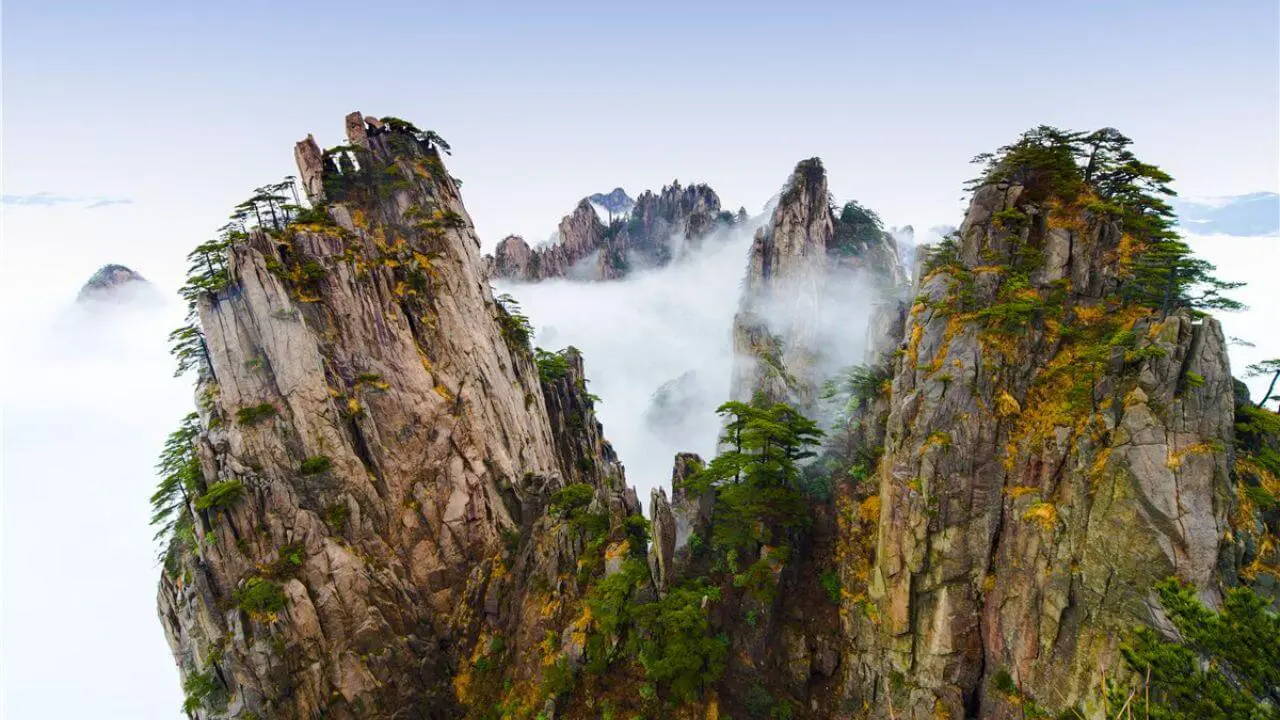
The landscape of Mount Huangshan is characterized by its “four wonders”: peculiarly shaped pines, oddly-formed rocks, seas of clouds, and hot springs. These natural phenomena, combined with the changing seasons and weather conditions, offer a constantly evolving and dynamic visual spectacle.
Geographical Overview
This region is not only celebrated for its natural beauty but also for its significant historical and cultural heritage. The mountain range is easily accessible from major cities like Shanghai and Hangzhou, making it a popular destination for travelers seeking a blend of natural wonder and cultural exploration.
The Four Wonders of Mount Huangshan: Essential Highlights for Travelers
Mount Huangshan, a jewel of natural beauty in China, is celebrated for its “Four Wonders”: Odd Pine Trees, Odd Stones, Sea of Clouds, and Hot Springs. Each of these features contributes to the unique and mystical appeal of the mountain, making them essential highlights for any traveler visiting this majestic landscape.
Odd Pine Trees
The Huangshan Pine Trees are a symbol of resilience and endurance. These ancient trees, some over a thousand years old, are famous for their unique shapes and the remarkable ways they grow out of rocky surfaces. Their twisted forms, shaped by the elements, are not just a testament to nature’s artistry but also provide stunning photographic opportunities. The most famous among them is the ‘Welcoming Guests Pine’, a must-see for visitors.
Odd Stones
Scattered across the landscape, the peculiarly shaped rocks and boulders of Huangshan are a marvel. These formations, carved by nature over millions of years, have inspired countless artists and poets. Each stone has its own legend and is often named for the object it resembles, such as the ‘Monkey Gazing at the Sea’ or the ‘Flying-over Rock’.
Sea of Clouds
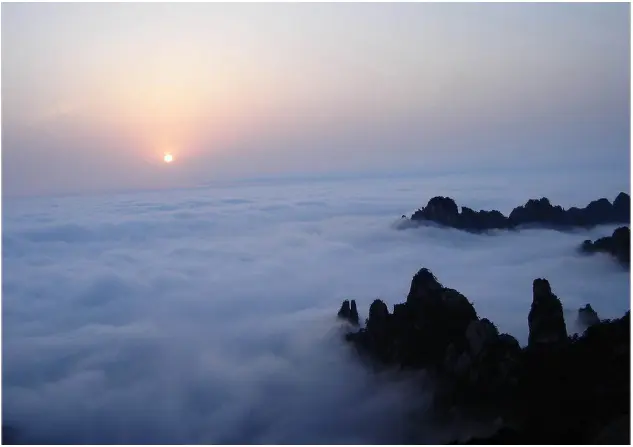
One of the most ethereal experiences on Mount Huangshan is witnessing the Sea of Clouds. This natural phenomenon, best viewed from higher elevations like the Bright Summit Peak, presents a surreal and ever-changing vista. The clouds roll in and envelop the peaks, creating a dreamlike landscape that is both mystical and serene.
Hot Springs
After a day of hiking, the hot springs at the foot of Mount Huangshan offer a soothing and therapeutic experience. These naturally heated waters, rich in minerals, are not only a delight for sore muscles but also hold historical significance, having been used for relaxation and healing for centuries.
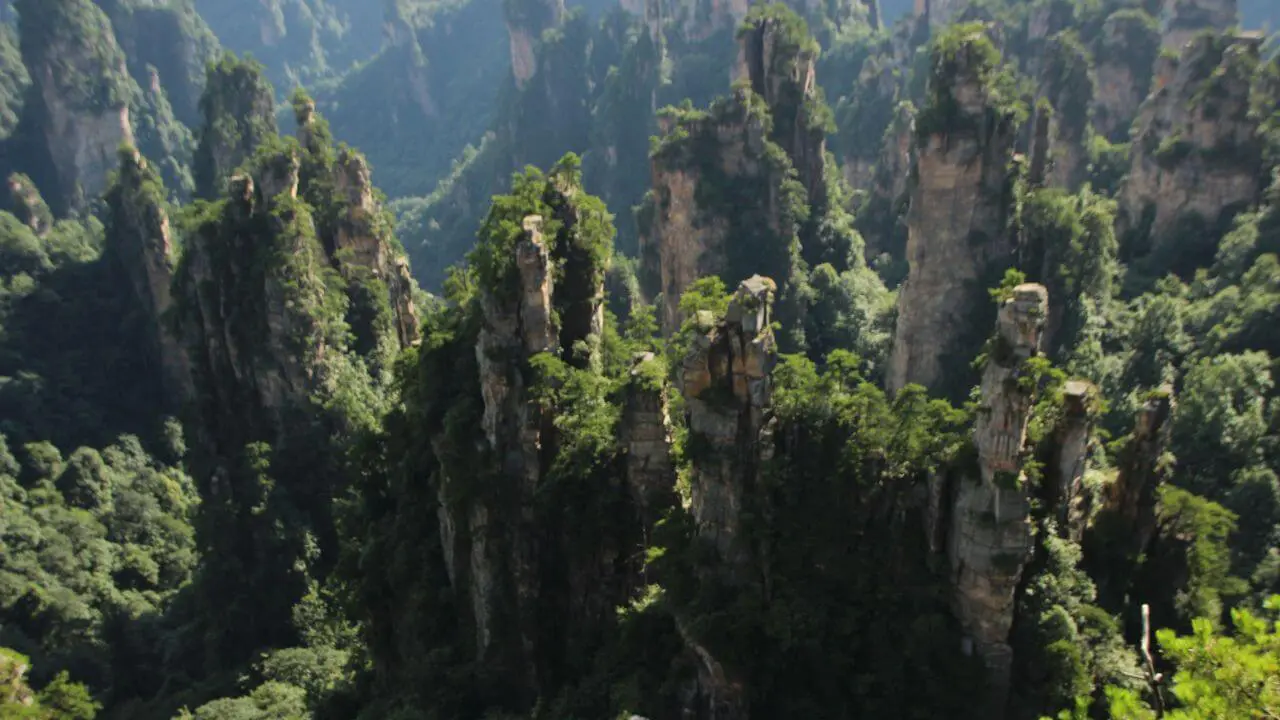
Mount Huangshan’s similarity to the Zhangjiajie Scenic Area, also located in Anhui province, is notable, particularly in the characteristic appearance of its mountain skylines. Both areas feature remarkable sandstone and quartzite formations, but each has its unique attributes. Zhangjiajie is known for its towering pillar-like formations, which were the inspiration for the landscapes in the movie “Avatar,” whereas Huangshan is celebrated for its granite peaks and ancient pines.
Flora and Fauna of Mount Huangshan
Mount Huangshan is a biodiversity hotspot, home to unique and diverse plant and animal life, some found only in this region.
Flora
The vegetation varies with altitude. Lower elevations have lush, broad-leaved forests, which transition to mixed and then coniferous forests higher up. The iconic Huangshan Pine is renowned for its resilience and dramatic growth on cliffs, contributing to the mountain’s mystical landscape. Springtime brings a spectacular display of rhododendrons and azaleas. The humid, foggy conditions also support a variety of ferns, mosses, and lichens.
Fauna
The mountain shelters various species, including the native Chinese macaque, which are often seen by visitors. It’s a haven for birdwatchers, with species like the Chinese bamboo partridge, silver pheasant, and various thrushes and warblers. The forests provide ideal habitats for these birds. Additionally, the mountain’s streams and ponds are home to unique amphibians and fish, thriving in the cool, clear waters.
Visiting Mount Huangshan
Visiting beautiful Mount Huangshan is a mesmerizing experience, offering breathtaking landscapes and a serene environment. To make the most of your trip, it’s essential to consider the best times to visit, transportation options, and accommodation choices.
Best Times to Visit
Spring (March to May): This is an ideal time to visit Mount Huangshan, as the weather is mild and the mountain is lush with vibrant greenery and blooming flowers. The temperatures are comfortable for hiking and exploring.
Summer: While summer offers lush landscapes, it can be quite hot and crowded.
Autumn (September to November in China) is a great season to visit in Huangshan. If we use a Chinese phrase to best define the scene, which is called 浓妆艳抹 (nóng zhuāng yàn mǒ, meaning the highlighted colorful scene), autumn of Yellow Mountain is a three-dimensional book – the green pine, blue stone, maples, yellow coloring chrysanthemum and much more… just forming a splendid picture that tourists desire to see it at most. Besides, autumn is the best time to see the sea of clouds.
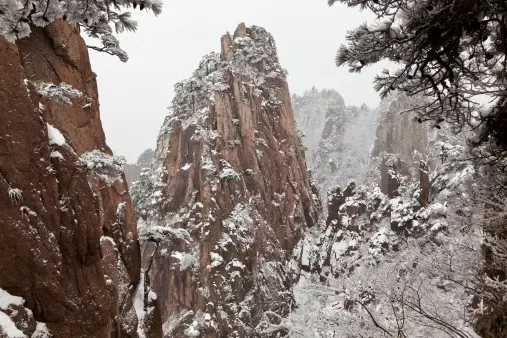
Winter of Mount Huangshan is a wonderland just like in Jiuzhaigou in winter, completely a fairytale world. For more information about the Jiuzhaigou tour, please look at WindhorseTour’s Jiuzhaigou and Huanglong Park Tours. One Chinese phrase 银装素裹 (yín zhuāng sù guǒ, meaning that the winter land is decorated by silver clothes) can also best describe this spectacular scene – full of ice snowflakes falling on the leaves, just like pieces of pure white of the ice carvings. This moment, you can watch one fantastic scene called Foggy Pine, transparent, still or flowing, presenting tourists a totally wondeful experience. Every year, countless travelers and tourists travel to China to Yellow Mountain to see the attractive winter scenery. Just take a tour and travel to China to Mount Huangshan…
The annual average temperature is 8 Degrees Celsius (46 Degrees Fahrenheit), up to 27 Degrees Celsius (80 Degrees Fahrenheit) in summer and below to –22 Degrees Celsius (71 Degrees Fahrenheit) in winter, belonging to the subtropical monsoon climate. Mount Huangshan is a famous summer resort and the national scenic area. Actually, Huangshan is welcoming you all year round, different scenes in four featured seasons. If the weather is sunny, you can watch the odd pine trees and stones. You can watch the sea clouds in cloudy, listen to the pine’s big wave when the wind is blowing. Mount Huangshan awaits your!
Transportation
From Major Cities: Mount Huangshan is accessible from major cities like Shanghai, Hangzhou, and Nanjing.
By Air: The nearest airport is Huangshan Tunxi International Airport. From here, you can take a bus or taxi to the mountain, which is about an hour’s drive away.
By Train: High-speed trains are available from these cities to Huangshan City. From Huangshan railway station, you can take a bus or taxi to the scenic area.
By Bus: Regular buses run to Huangshan from nearby cities. This is a budget-friendly option, though travel times can be longer.
Accommodation Options
Beautiful Mount Huangshan offers a range of accommodation options to suit different budgets and preferences.
Luxury Hotels: For those seeking comfort and luxury, there are several high-end hotels in the vicinity of the mountain, offering top-notch amenities, exquisite dining options, and often, splendid views of the mountains.
Mid-Range Hotels: These hotels provide comfortable accommodations with necessary amenities, suitable for most travelers. They are often conveniently located near transportation hubs or the scenic area entrance.
Budget Hostels and Guesthouses: Ideal for backpackers and budget travelers, these offer basic facilities at a lower cost. Many hostels also offer a communal atmosphere, which can be great for meeting fellow travelers.
Mountain Resorts and Lodges: For a unique experience, consider staying in one of the resorts or lodges located on the mountain itself. These provide easy access to hiking trails but may vary in terms of comfort and amenities.
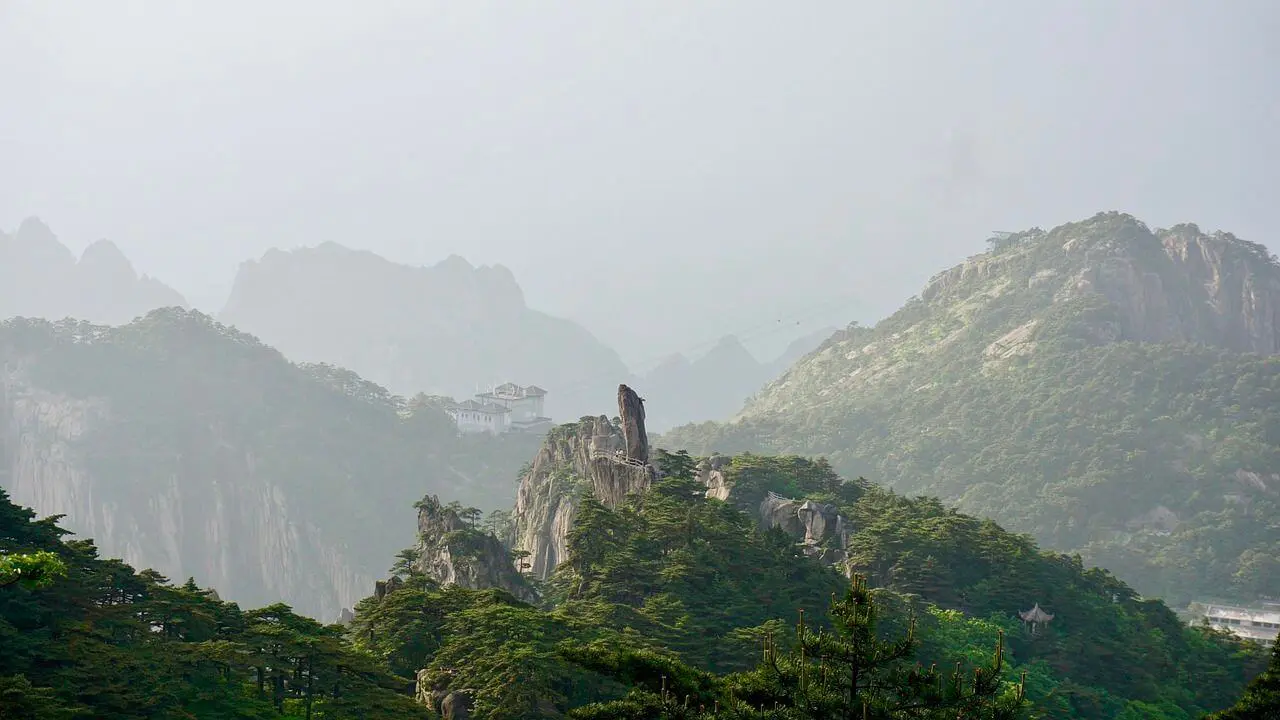
Hiking Trails on Mount Huangshan
Overview of Popular Hiking Trails and Their Difficulty Levels
Mount Huangshan, known for its breathtaking scenery and challenging trails, offers a variety of routes suitable for hikers of all skill levels. Check out our Hiking tours of Mount Huangshan.
The Eastern Steps: This is a relatively easier route, ideal for beginners. It starts at the Yungu Cable Car Station and takes you through highlights like the Beginning-to-Believe Peak, offering a mix of natural beauty and manageable challenges.
The Western Steps: More strenuous than the Eastern Steps, this trail is recommended for experienced hikers. Starting from the Mercy Light Pavilion, it encompasses steep climbs and offers stunning views from the Lotus Peak, one of the highest points in Huangshan.
Hot Spring to Bright Summit Peak: A moderate to difficult trail, this hike combines the serenity of the hot springs with the thrill of reaching one of Huangshan’s highest peaks, Bright Summit Peak. This trail offers a blend of cultural and natural landmarks.
Cloud Valley to the North Sea: A challenging but rewarding route, known for its rugged terrain and spectacular vistas. Ideal for those looking to experience the true essence of Huangshan’s natural beauty.
Tips for First-Time Hikers and Safety Precautions
Start Early: To make the most of the daylight and avoid crowds, start your hike early in the morning.
Wear Appropriate Gear: Comfortable hiking boots, breathable clothing, and a weather-appropriate jacket are essential. The weather in Huangshan can change rapidly.
Stay Hydrated and Energized: Carry enough water and snacks like nuts or energy bars to keep yourself hydrated and energized.
Respect the Trails: Stay on marked paths to protect both the environment and your safety. The trails can be slippery, especially after rain.
Check Weather Forecasts: The weather on Mount Huangshan can be unpredictable, so it’s important to check forecasts and be prepared for changes.
Travel Light: Carry only essentials to avoid fatigue. Most accommodations provide storage for bigger luggage.
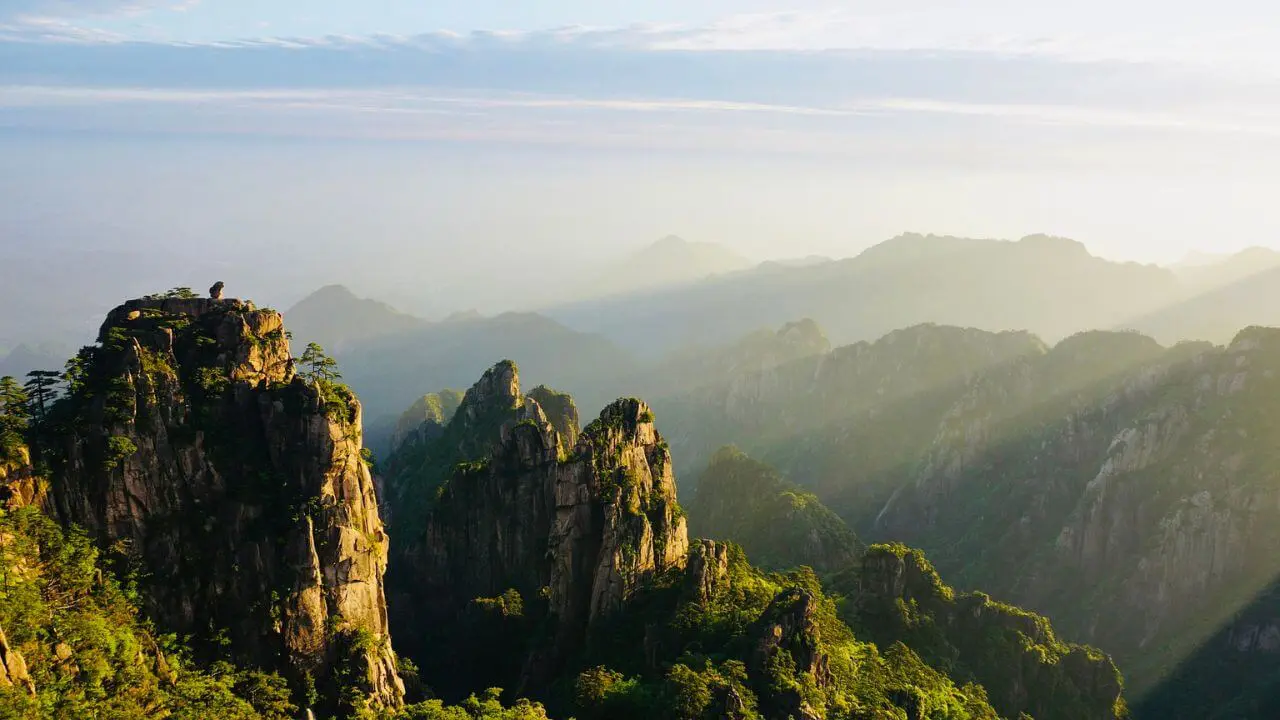
Highlight the Most Scenic Spots and Viewpoints
The Refreshing Terrace (Shixin Peak): Offers panoramic views of the peculiar rock formations and ancient pines.
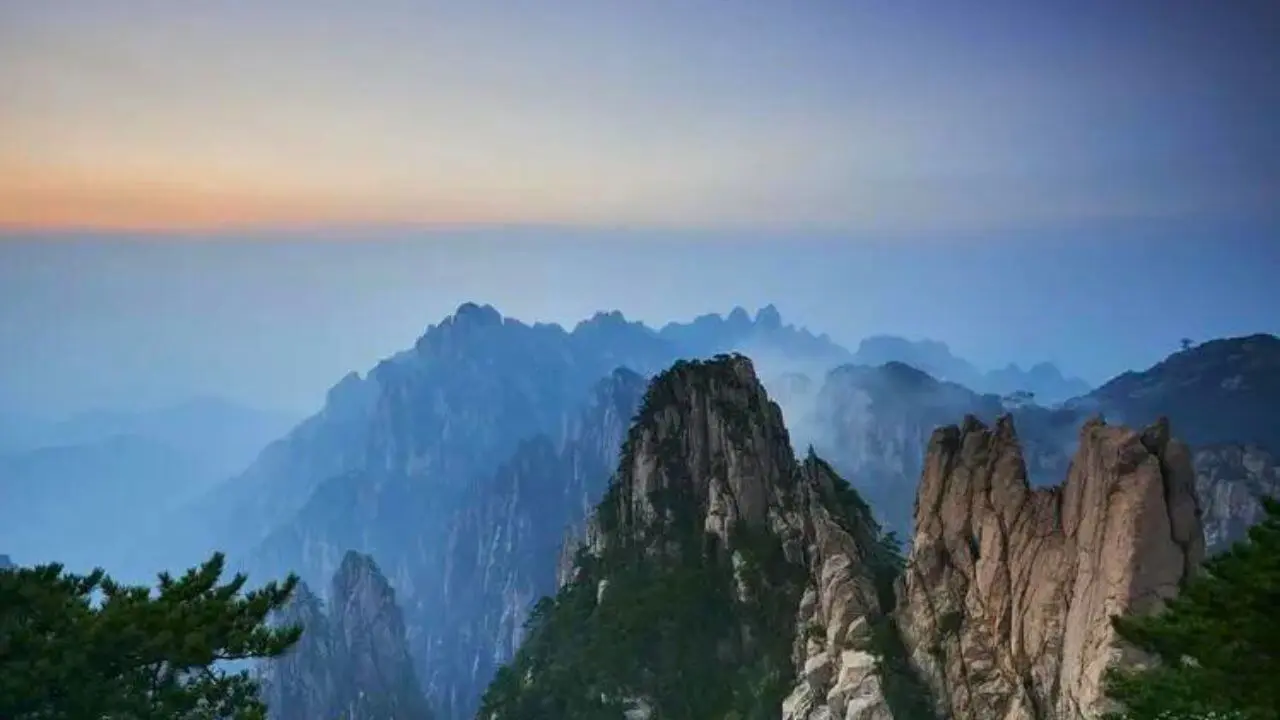
Bright Summit Peak: As one of the highest and most popular spots, it provides an excellent vantage point for sunrise and a sea of cloud views.
Fairy Walking Bridge: A narrow bridge connecting two peaks, offering thrilling views and a sense of adventure.
Lion Peak: Known for its lion-shaped rock formations, it offers unique photo opportunities, especially during the sea of clouds phenomenon.
West Sea Grand Canyon: A breathtaking area with deep valleys and stunning vistas, perfect for photography and experiencing the grandeur of Huangshan.
By following these trails and tips, hikers can safely enjoy the majestic beauty of Mount Huangshan. Each trail offers its own unique experience, showcasing the mountain’s diverse landscapes and providing memories that will last a lifetime.
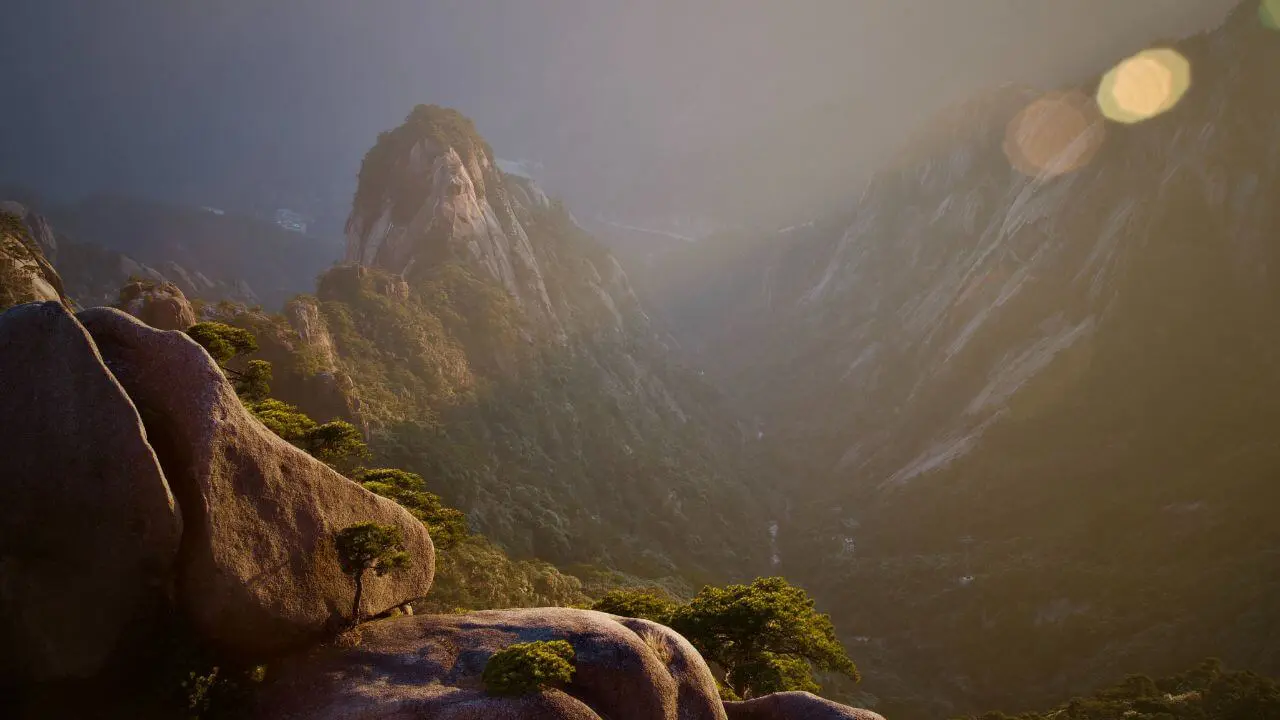
Photography of the Beautiful Mount Huangshan
Mount Huangshan, with its majestic landscapes and ever-changing atmospheric conditions, is a paradise for photographers and artists. The mountain’s unique blend of rugged peaks, ancient pines, and a sea of clouds offers endless opportunities for capturing stunning images. Here are some recommendations for the best spots and times for photography in Huangshan.
Best Photography Spots
Bright Summit Peak: As one of the highest peaks, it offers panoramic views of the surrounding mountains, especially beautiful at sunrise.
Cloud-dispelling Pavilion: Known for its exceptional views of the sea of clouds and the West Sea Grand Canyon.
Beginning-to-Believe Peak: This area is famous for its ancient pines and is ideal for capturing the essence of Huangshan’s unique vegetation.
Lotus Peak: The highest peak in Huangshan, it provides spectacular views of the mountain range and is particularly striking at sunset.
Lion Peak: Offers unique angles for photography, especially of the renowned “Monkey Gazing at the Sea” formation.
Xihai (West Sea) Grand Canyon: A deeper exploration into this area reveals breathtaking views and less crowded spots, perfect for landscape photography.
Best Times for Photography
Sunrise and Sunset: These are the golden hours for photographers. The play of light and shadow over the mountains and clouds creates a dramatic and beautiful scene. The East Sea area is a popular spot for sunrise, while the Bright Summit Peak and Lotus Peak are great for sunset.
After Rainfall: The period right after rain often results in clearer skies and more vibrant colors, making it an ideal time to capture the beauty of the mountain.
Spring and Autumn: These seasons offer the most favorable weather conditions and natural beauty. Spring brings lush greenery and blooming flowers, while autumn features vibrant fall colors.
Tips for Photographers
Be Prepared for Changing Weather: Weather on Huangshan can be unpredictable. Carry protective gear for your camera and be ready for sudden changes in light and weather.
Explore Different Perspectives: Don’t just stick to the popular spots. Sometimes, unique and compelling compositions can be found off the beaten path.
Patience is Key: Waiting for the perfect light or for the clouds to reveal the peaks can be time-consuming but rewarding.
Respect the Environment: While seeking the perfect shot, always be mindful of the natural environment and stay on designated paths.
Travel Tips and Practical Information
When planning a trip to Mount Huangshan, it’s crucial to consider several practical aspects to ensure a smooth and enjoyable experience. Here are some essential travel tips and practical information:
Weather
Mount Huangshan’s weather can be quite variable and unpredictable. Summers are typically warm and humid, while winters are cold with snow likely. Spring and autumn offer the most pleasant temperatures.
Due to the mountain’s elevation, weather conditions can change rapidly, so be prepared for sudden rain, fog, or temperature drops.
What to Pack
Clothing: Bring layers of clothing that can be easily added or removed. Waterproof and windproof jackets are essential.
Footwear: Wear comfortable, sturdy hiking shoes with good grip, as the mountain paths can be steep and slippery, especially after rain.
Accessories: Pack hats, sunglasses, and sunscreen for protection against sun and wind. Also, bring a flashlight or headlamp, especially if you plan to hike early in the morning or late in the evening.
Food and Water: While there are some food outlets on the mountain, it’s wise to carry snacks and water, especially if venturing off the main paths.
Permits and Fees
Entrance Fee: There is an entrance fee for Mount Huangshan, which varies depending on the season (higher during peak season). Check the latest fees before your visit.
Cable Car Fee: If you choose to use the cable car, there’s an additional fee. This can save time and energy, especially for those who prefer not to hike long distances.
Other Practical Information
Physical Fitness: Be aware of your physical limitations. While there are cable cars and well-maintained paths, some hiking is necessary to fully experience the mountain.
Altitude Sickness: While not extremely high, some visitors might feel the effects of altitude. Take it slow and stay hydrated.
Preservation of Nature: Respect the natural environment. Stick to designated paths, don’t litter, and avoid damaging plants or disturbing wildlife.
Accommodation: Book your accommodation in advance, especially during peak seasons. Options range from luxury hotels to basic lodges on the mountain itself.
Local Regulations: Be aware of any specific rules or regulations in place, such as restricted areas or photography guidelines.
By being prepared and respecting the natural and cultural significance of Mount Huangshan, you can ensure a memorable and respectful visit to this magnificent mountain.
Final Words
Mount Huangshan stands as a testament to nature’s splendor and the profound cultural heritage of China. Its mesmerizing landscapes, from the iconic Huangshan Pines to the enigmatic rock formations, the ethereal Sea of Clouds, and the rejuvenating hot springs, weave together a tapestry of natural wonders that captivate the hearts of travelers from around the world.
Related tours
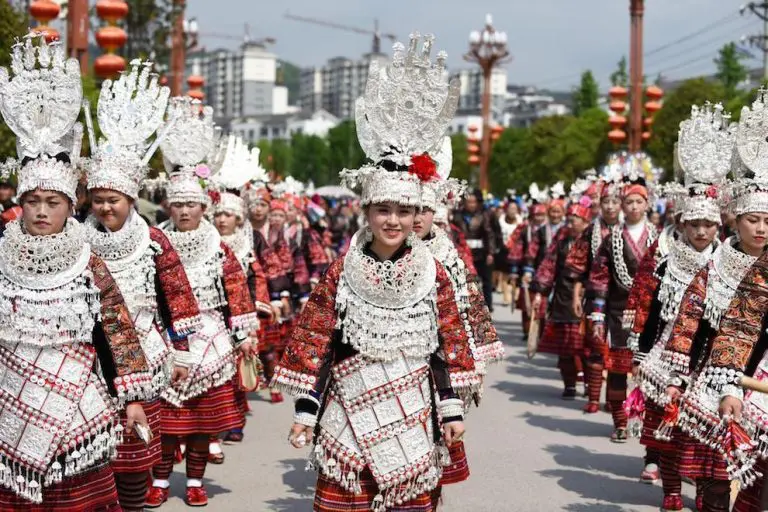
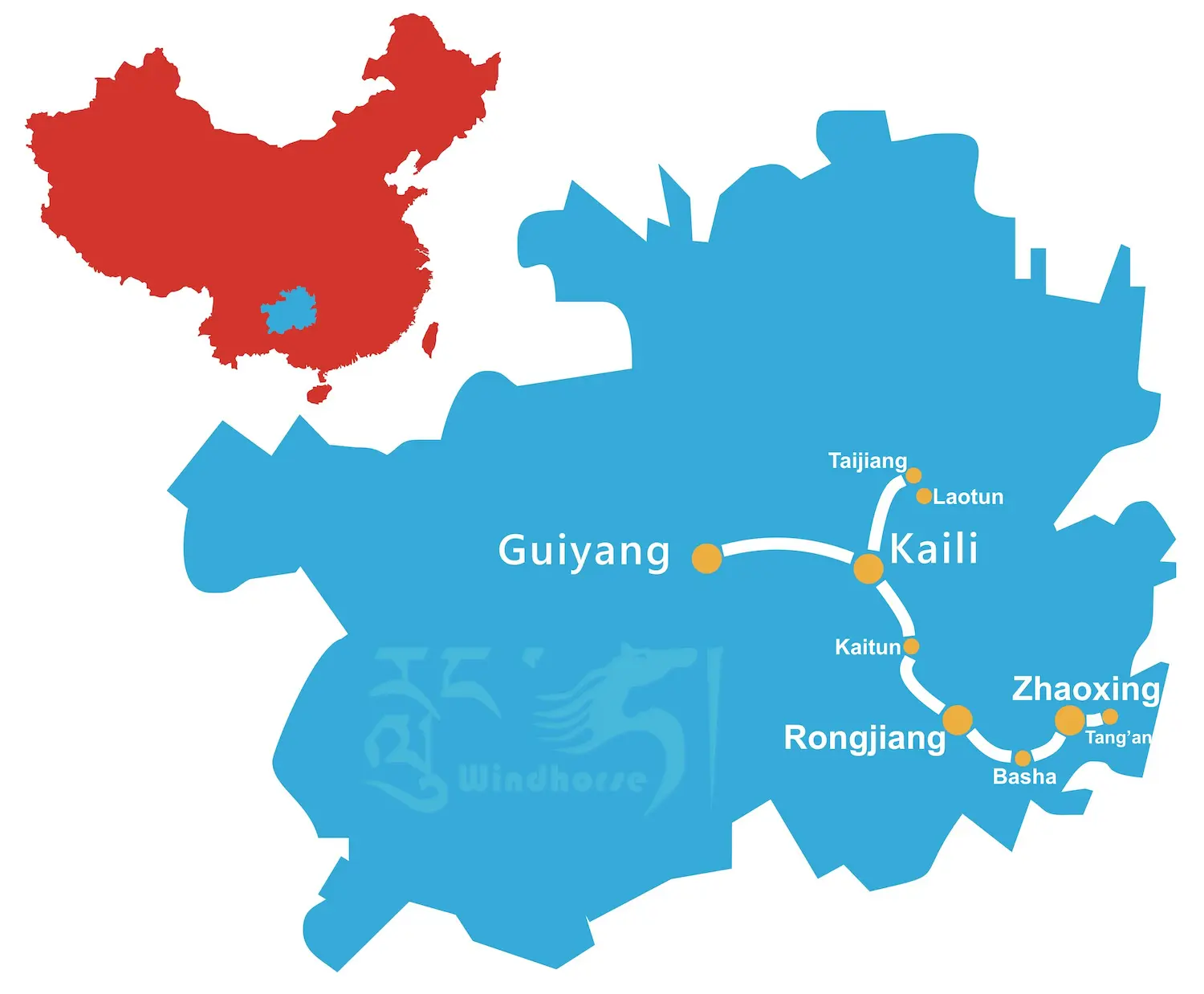
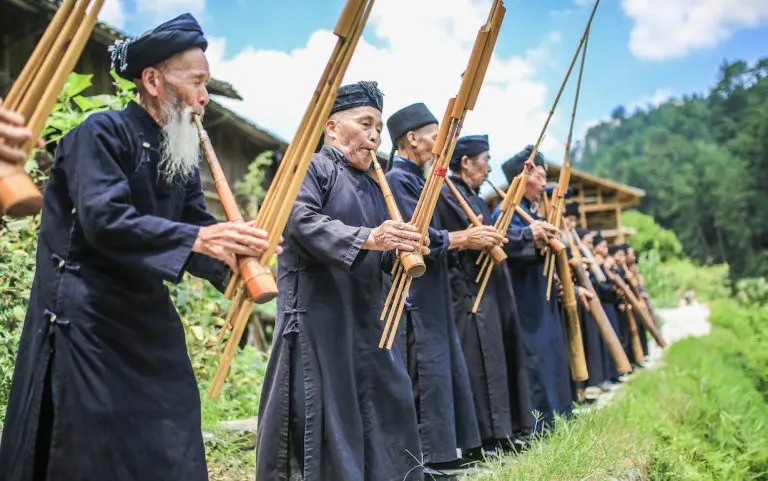
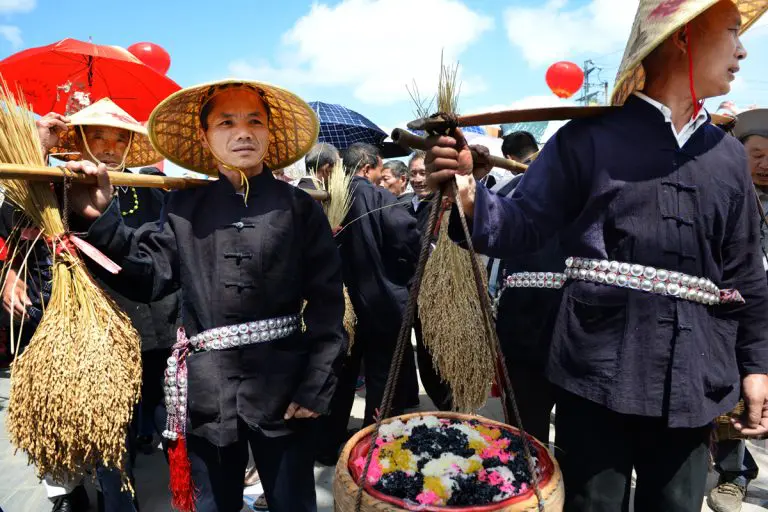
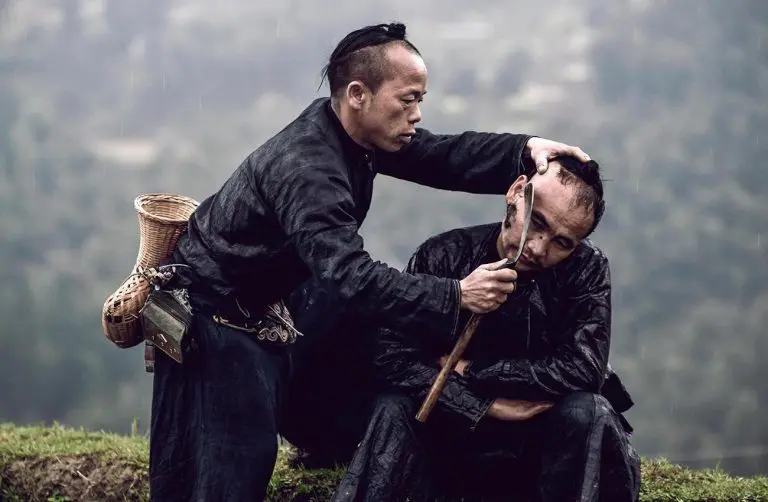
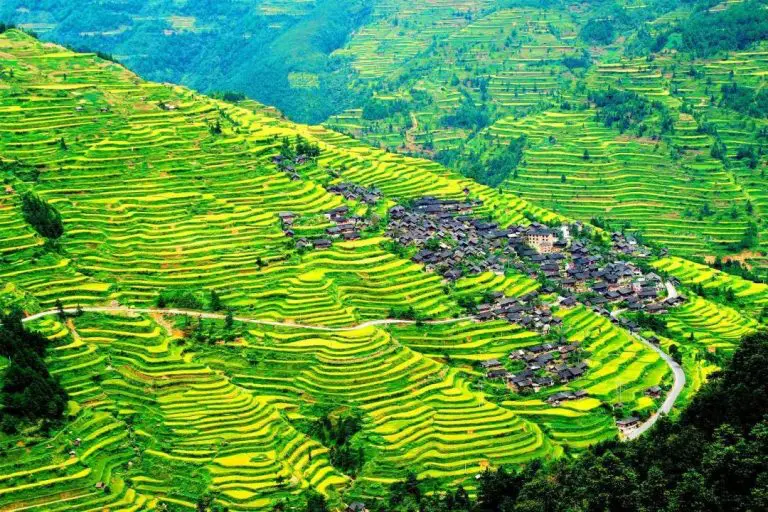
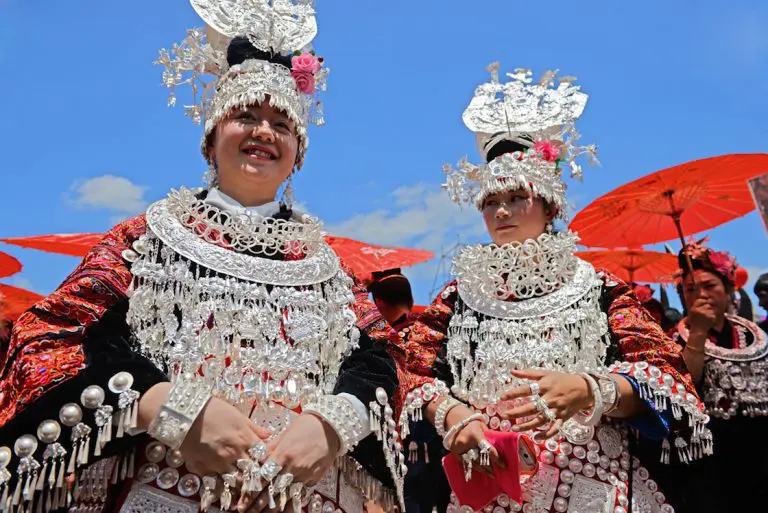
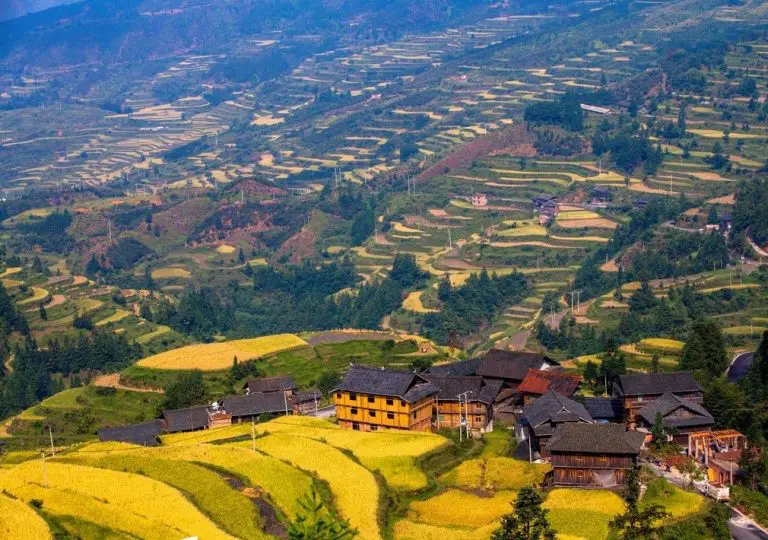
Join our 6 day Guizhou Sisters' Meal Festival Tour to celebrate China's oldest "Valentine's Day" with the Miao people in Taijiang and Laotun. Experience beautiful ethnic costumes, traditional dances, and Lusheng music, then explore authentic Miao and Dong villages in Kaili, Rongjiang, and Zhaoxing.
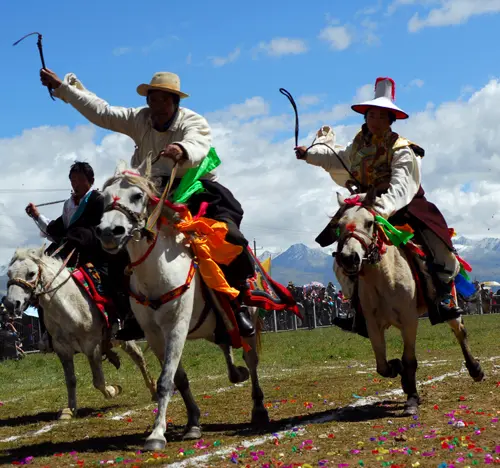
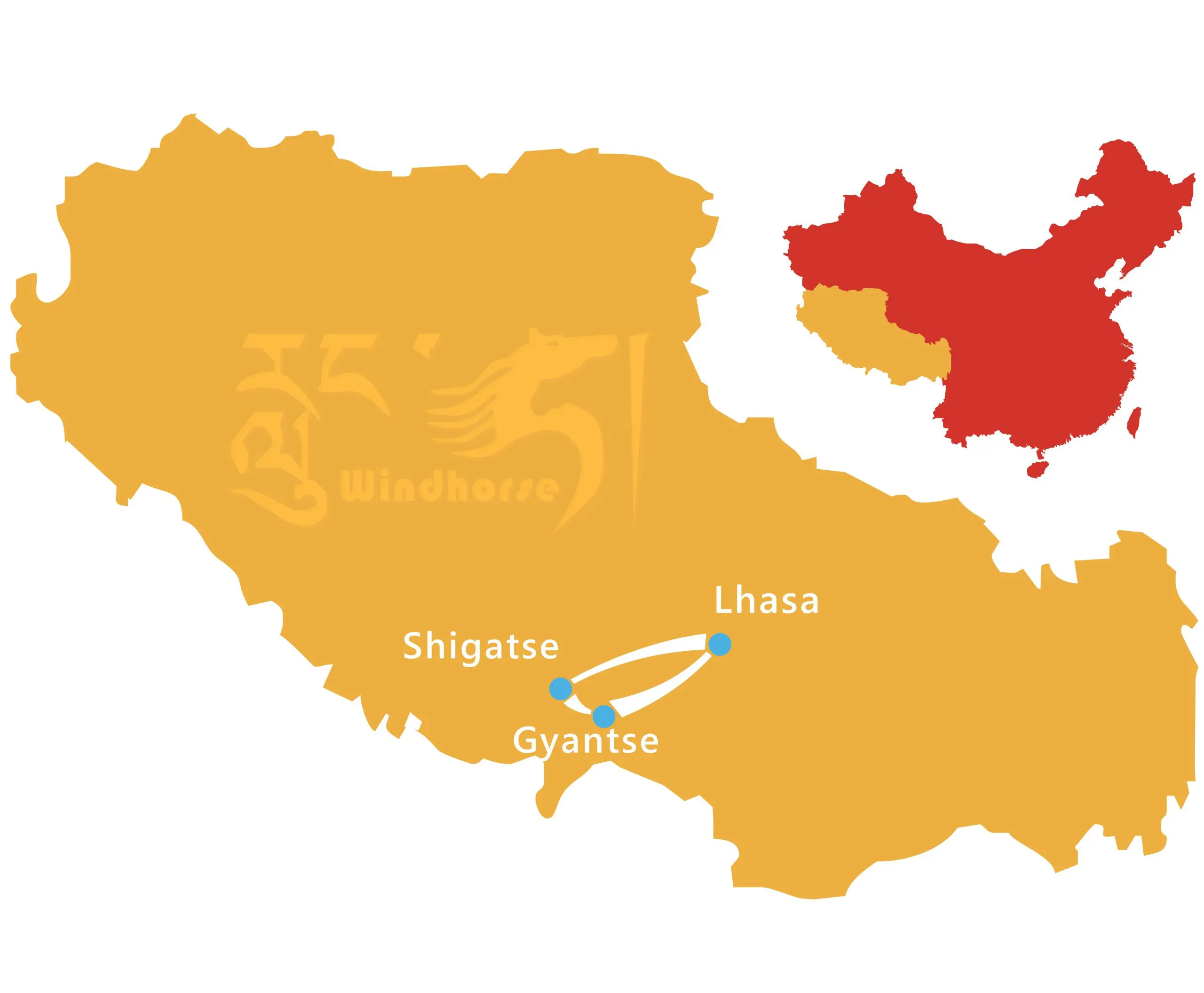
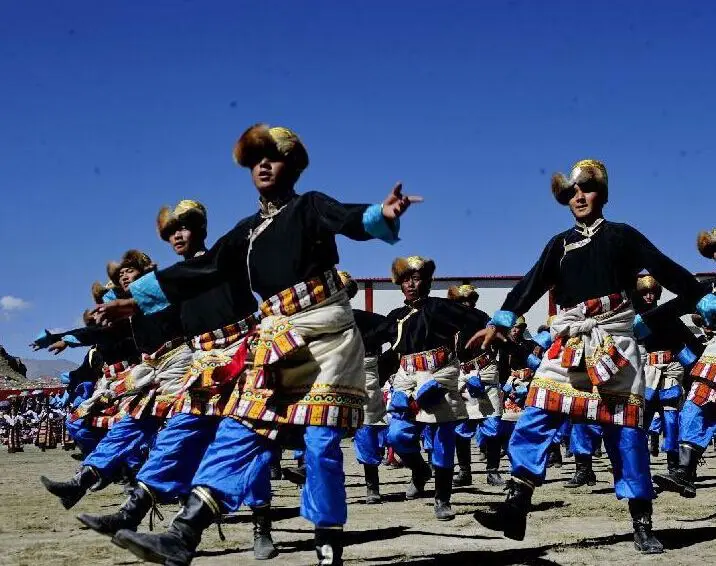
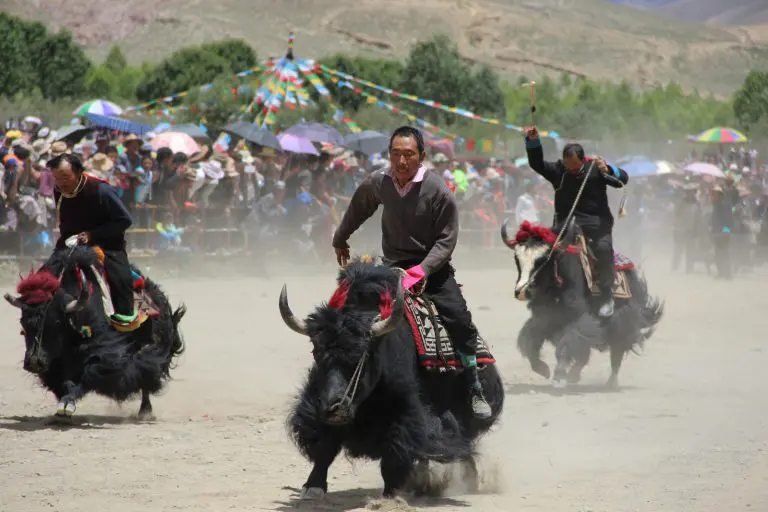
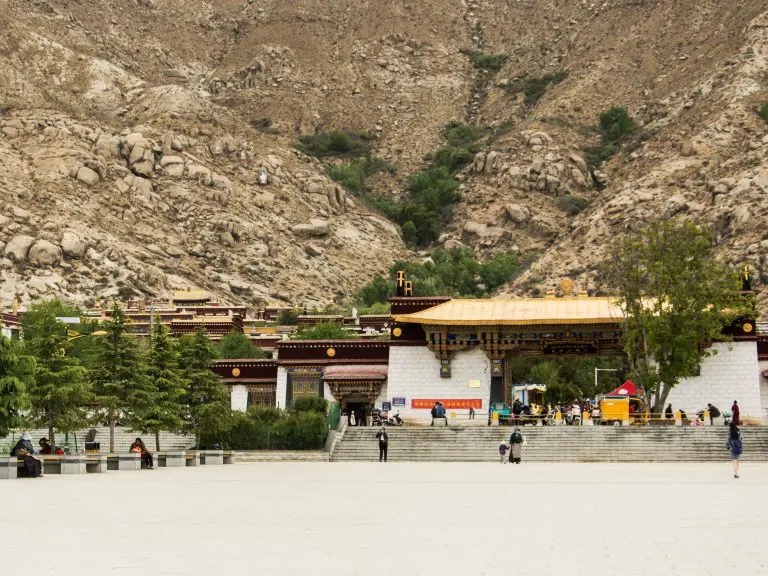

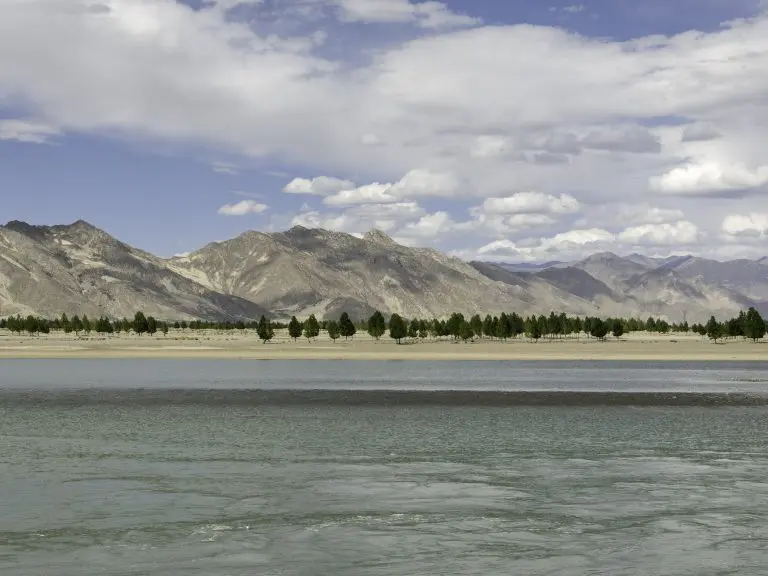
Gyantse Horse Racing Festival is one of the largest feastival in Tibet. A great way to see Tibetan world famous horse racing, archery, dancing and more. With a tibet guide experience the local life, culture and sightseeing beyond Lhasa.
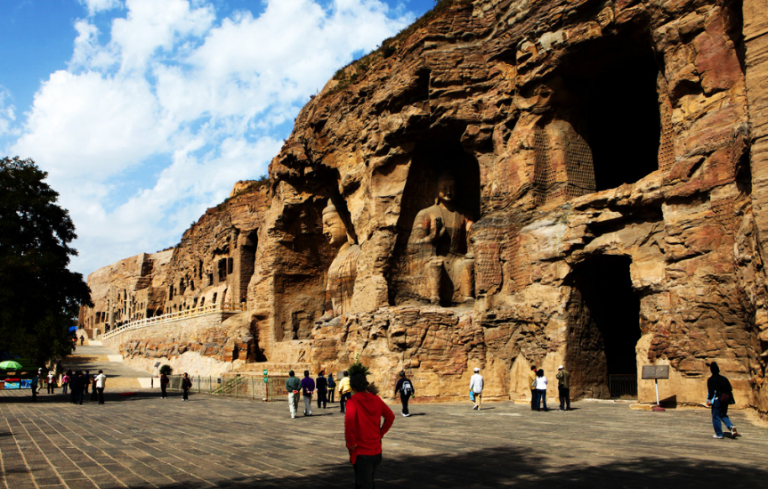

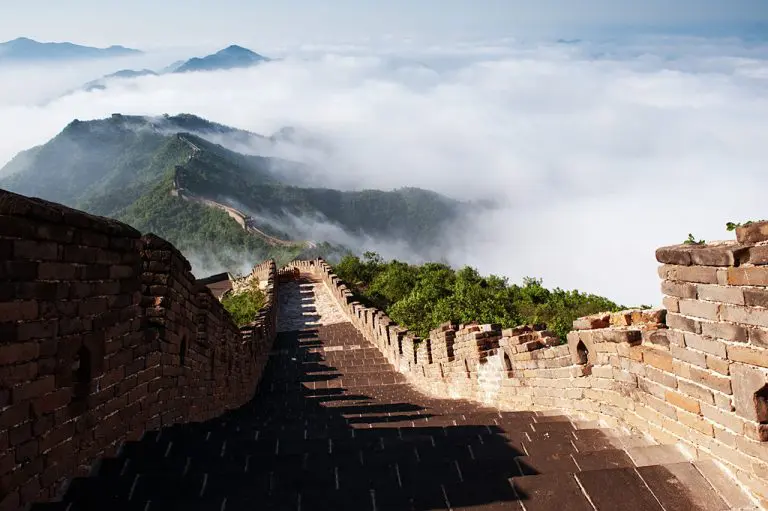
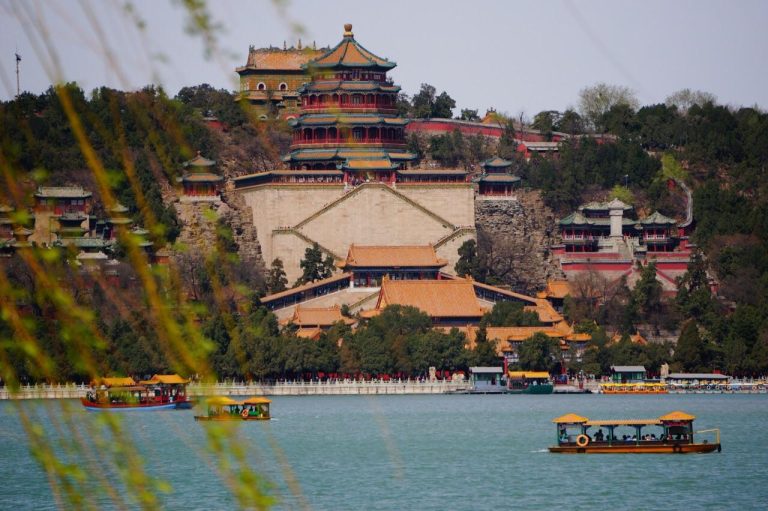
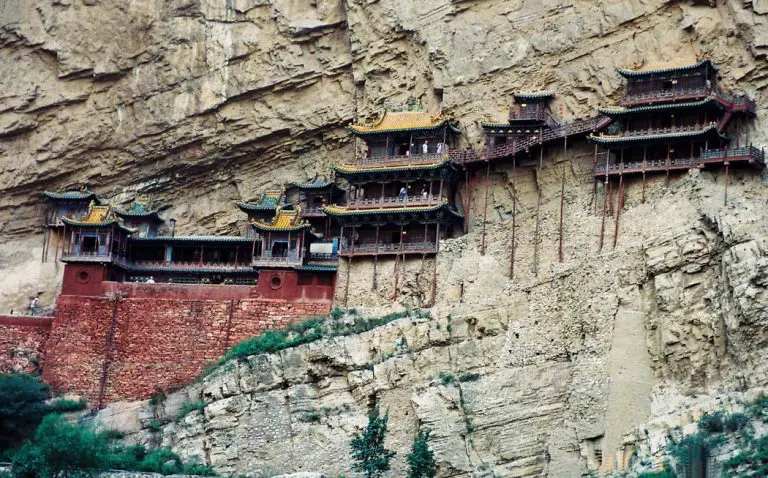
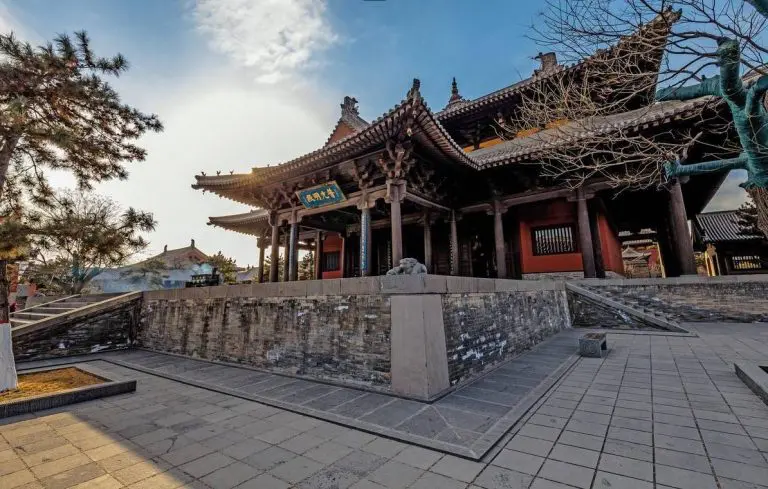
Experience the best of Beijing and Datong on this 6-day private tour. Visit Tiananmen Square, the Forbidden City, the Great Wall and Summer Palace before traveling by high-speed train to Datong for the Yungang Grottoes, Hanging Temple and Nine Dragon Screen.
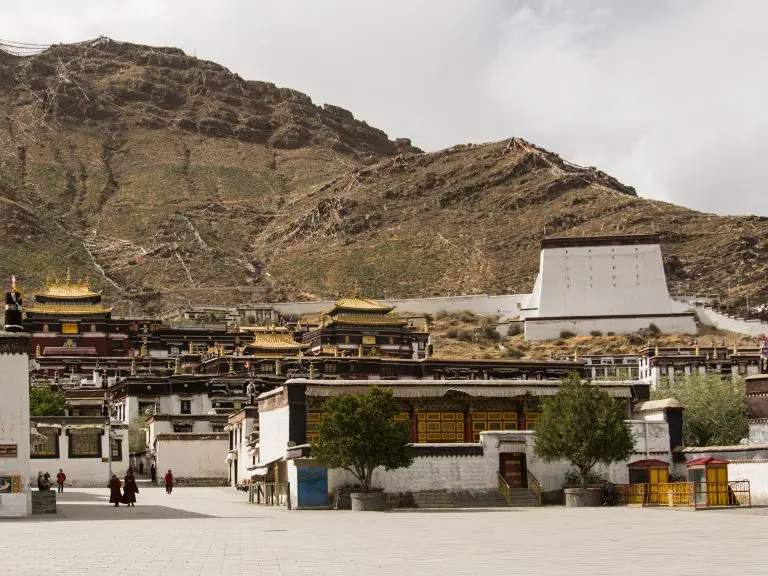
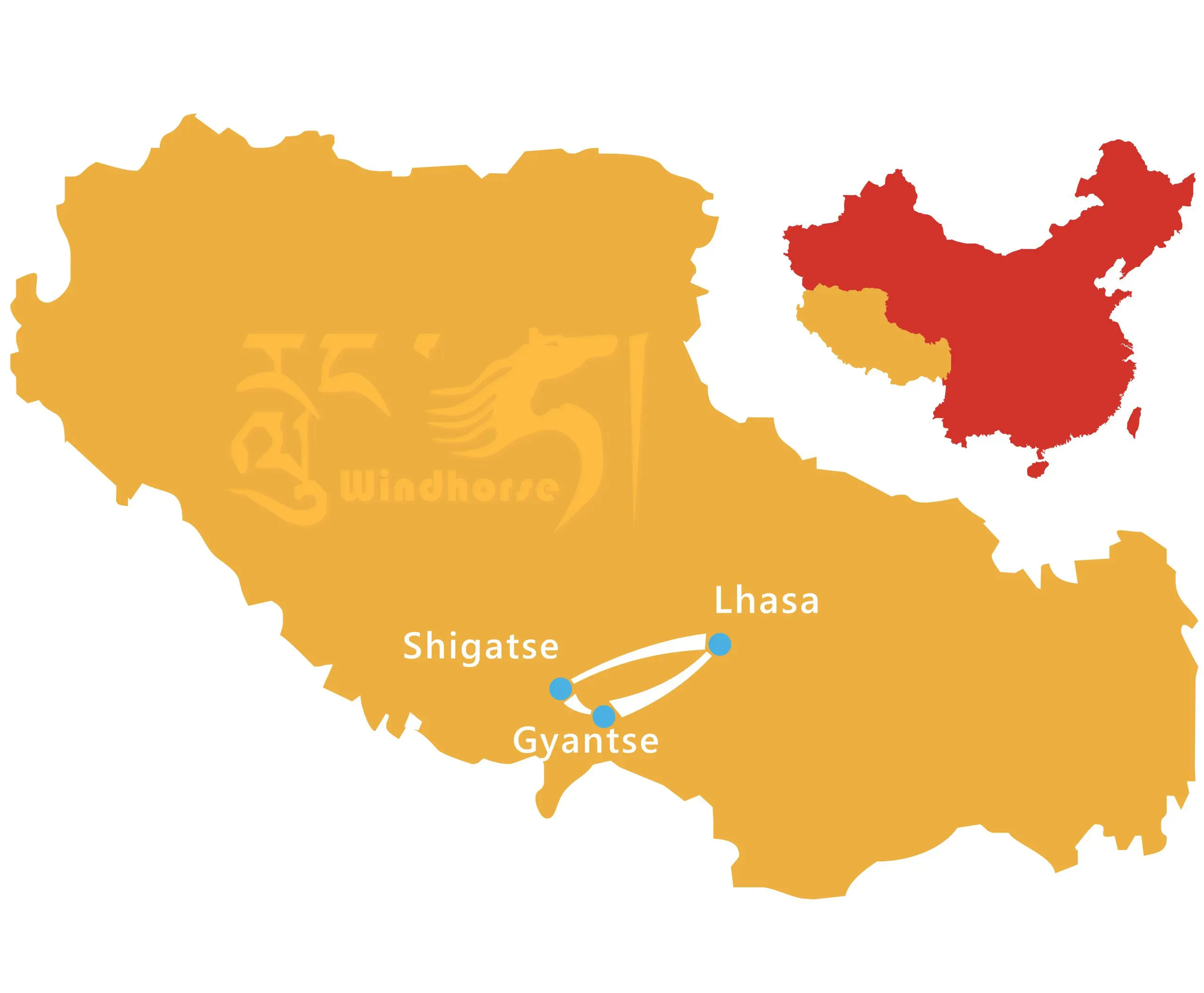
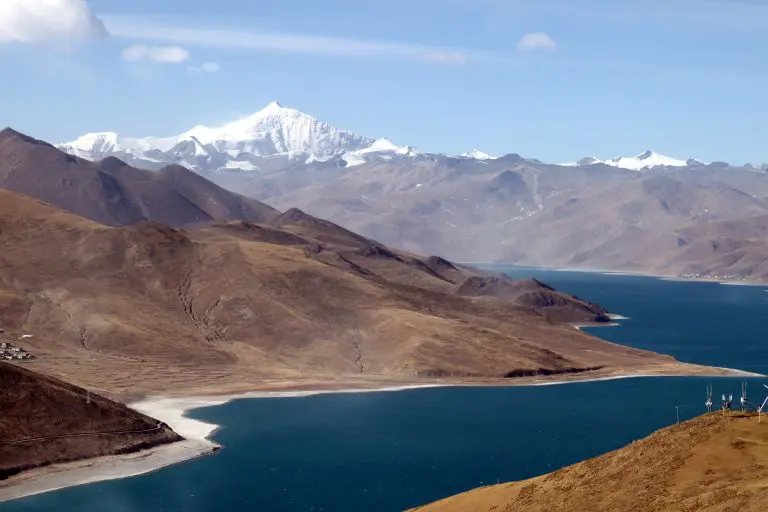
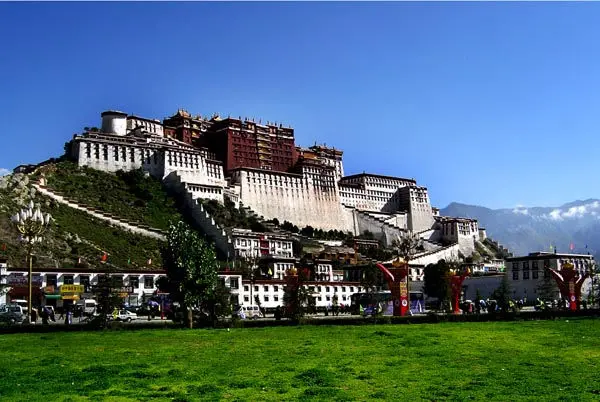
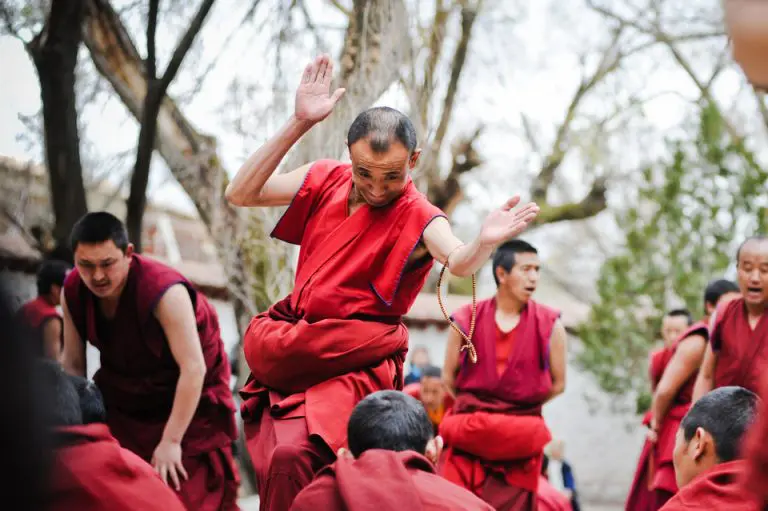
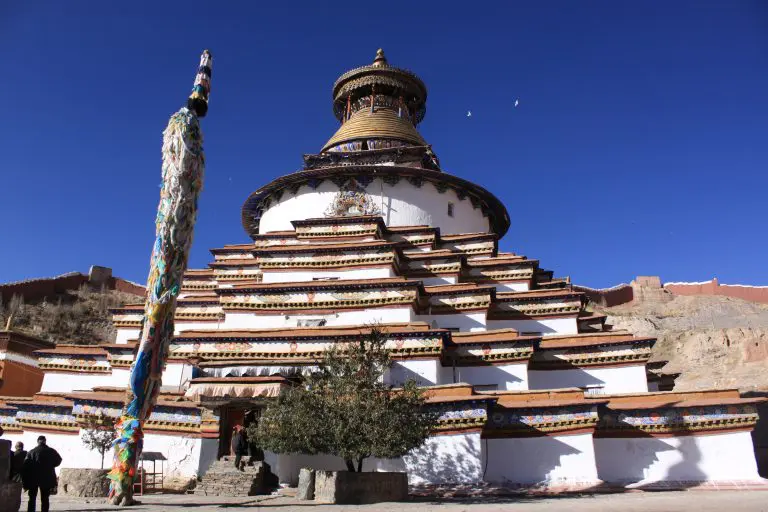
Explore Tibet’s cultural and spiritual heart on this 6-day Lhasa and Shigatse tour. Visit the iconic Potala Palace and Jokhang Temple, witness sacred Yamdrok Lake, and explore historic monasteries like Drepung, Sera, Gyantse Kumbum, and Tashilhunpo.