
Kunming Yuantong Temple
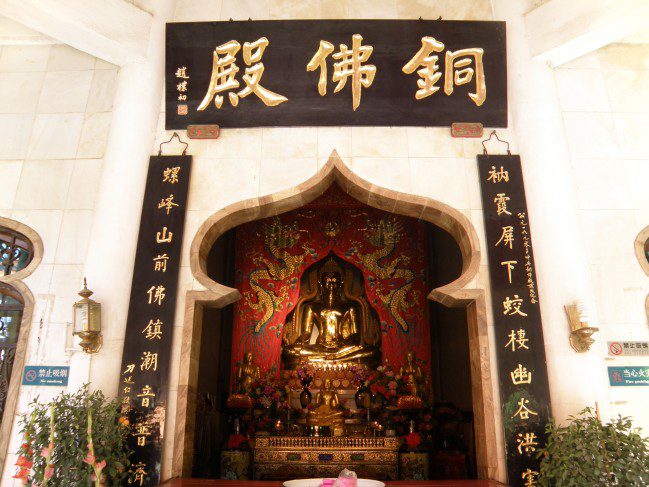
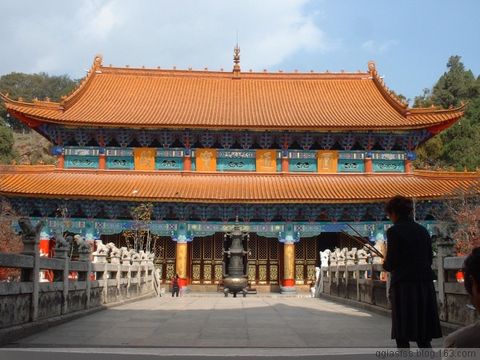
With a history of 1,200 years, the Kunming Yuantong Temple is the largest and oldest Buddhist temple located in the Yuantong Street of Kunming City, Yunnan Province. It was first built in Tang Dynasty using the name of Putuoluo Temple and was changed to the name Yuantong Temple in Yuan Dynasty (A.D 1301). Having been renovated for many times since then, nowadays it is famous its architectural style, grandness, cultural heritage and Buddhism atmosphere.
Every temple is of its unique styles, so is the Yuantong Temple. It is located on the Yuantong Hill and is adjoining Kunming Zoo. Unlike other temples which is built on a uphill, the Yuantong temple is on a downhill. When you enter into the main gate, you can find that you are descending along a gently sloping path and the main temple is situated at the lowest area.
The main temple perfectly combined the octagonal pavilions, Golden palace with the mountains, water and the garden architectural style in Jiangnan, which is rarely found in other temples. There is a copper Buddha palace and a copper statue of Sakyamuni in the temple, which is the only Buddhism Hall in the inner land of China. The Sakyamuni is 3.5 m high, weights 4 tons and it is featured by its vivid expression and grandness. Looking from a far distance, we can see the magnificent temple, solemn Buddha, unique pavilions and verdant forests bonding well with each other, which leaves this temple a grand sight.
If you go to the back of the temple along the stone staircase, you will find that on each side of the path, there has caved by many poetry, which are left by the ancient poets. This path is known as the “Caizhilu”, from which one can climb to the top of the mountain. Beside the path you will find many ancient inscriptions, though weathering in the wind and rain for centuries, the characters are still clear today. They are one of the most important historical relics in the city.
The Yuantong Temple is a Buddhist temple best combining three major sects of Buddhism, say Mahayana, Hinayana, Tibetan Buddhism, which is not common in China. If you want to know something about Buddhism, you can come here and you will surely get an overall idea of it. Moreover, it is a symbol of the excellent ancient architectural buildings of ancient Chinese style. If you are interested in architecture, this temple is surely your good choice. The entrance fee is 10 RMB and the transportation is very convenient, you can take a car or bus to get there. We recommend one or two hours stay here and you can savor the great artistic atmosphere and the architectural wonders.
Related tours
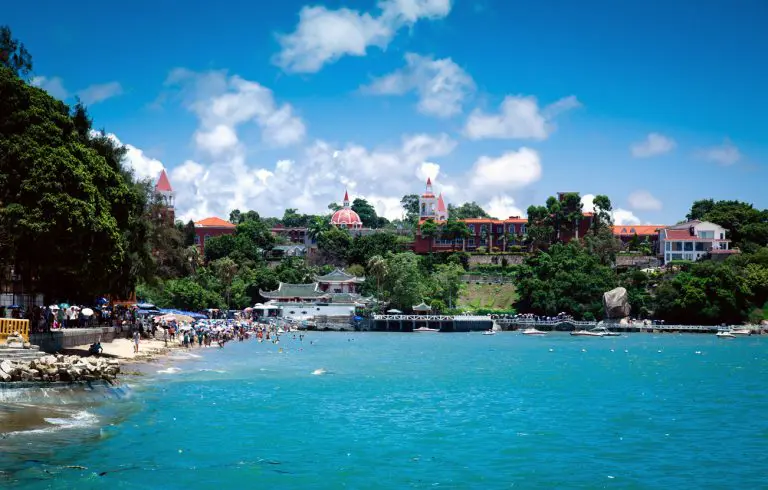

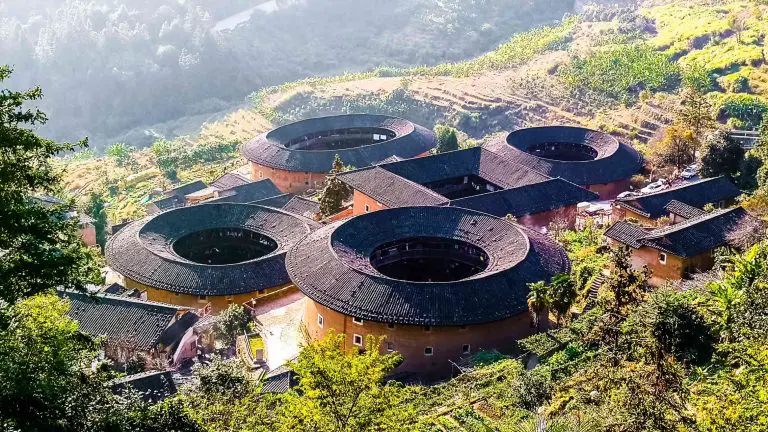
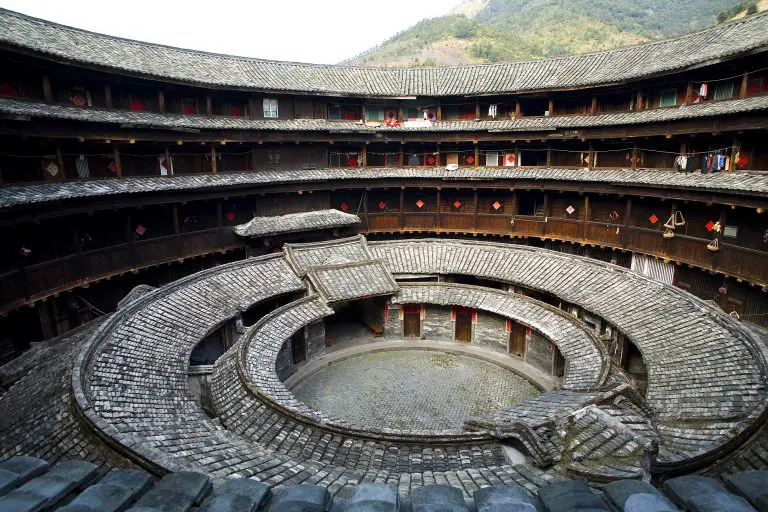
Experience coastal charm and Hakka heritage on this 5 day Xiamen & Fujian Tulou Tour. Enjoy the refreshing sea breeze on Gulangyu Island, explore Xiamen's historic temples and colonial architecture, then travel to visit to the UNESCO listed Fujian Tulou clusters for an authentic look at Hakka culture and traditional rural life.
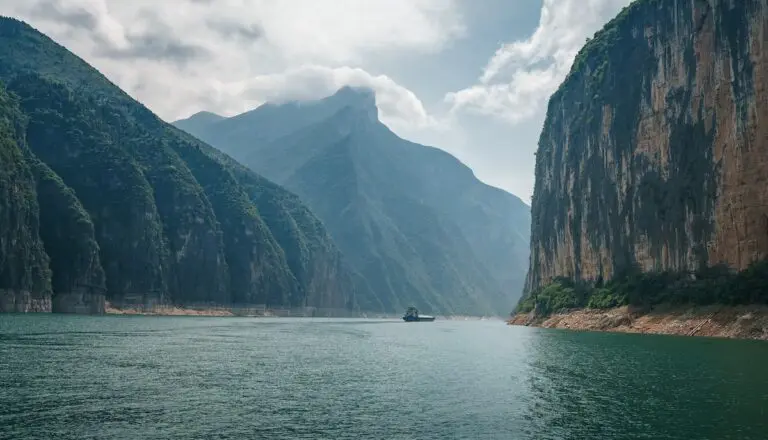
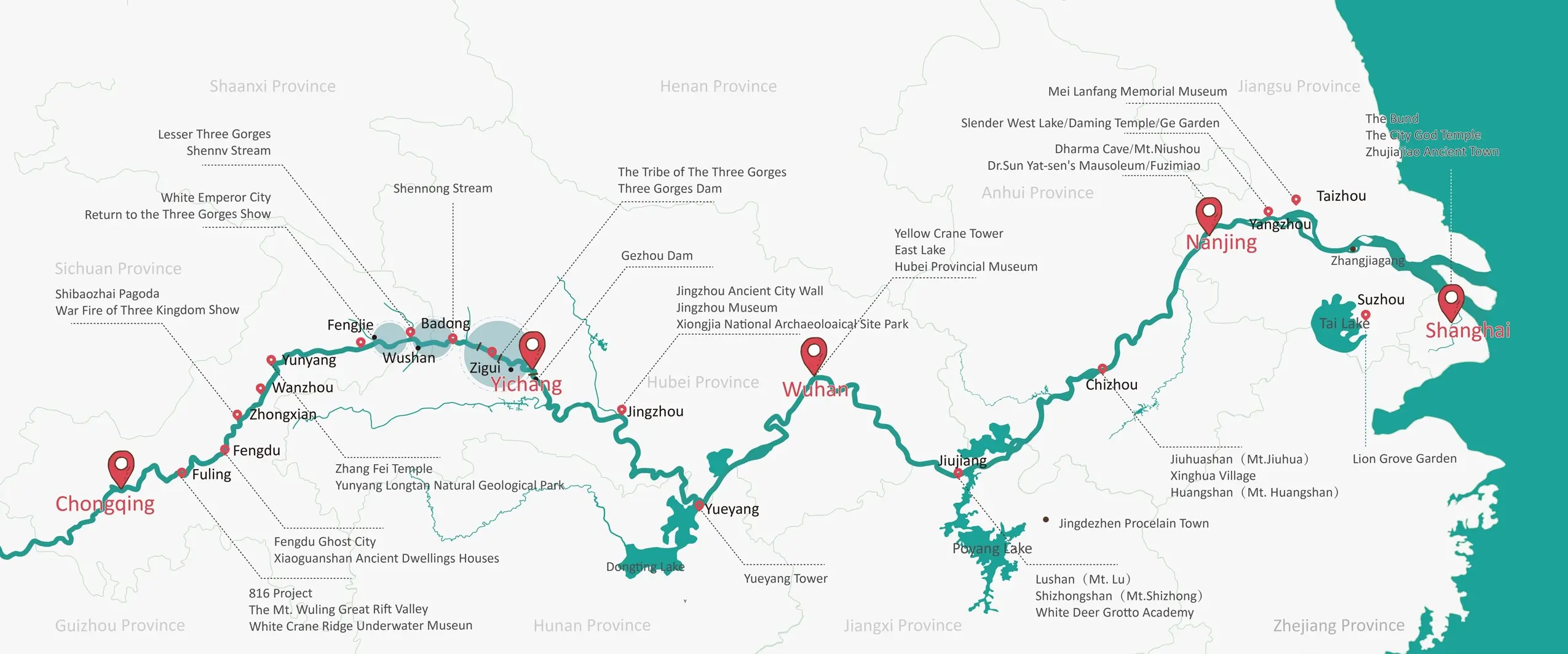
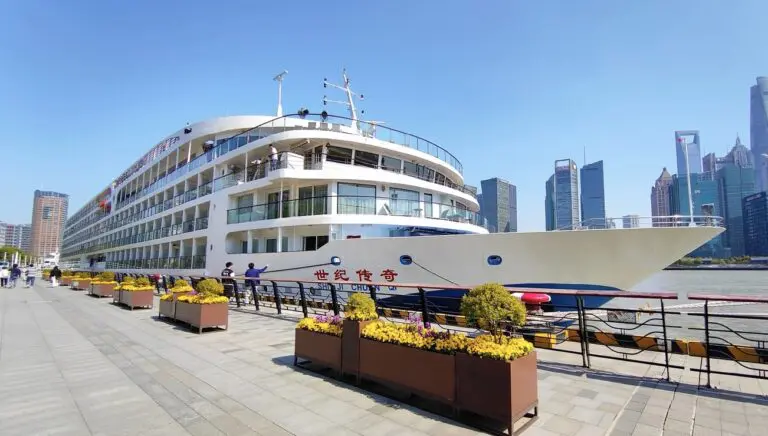
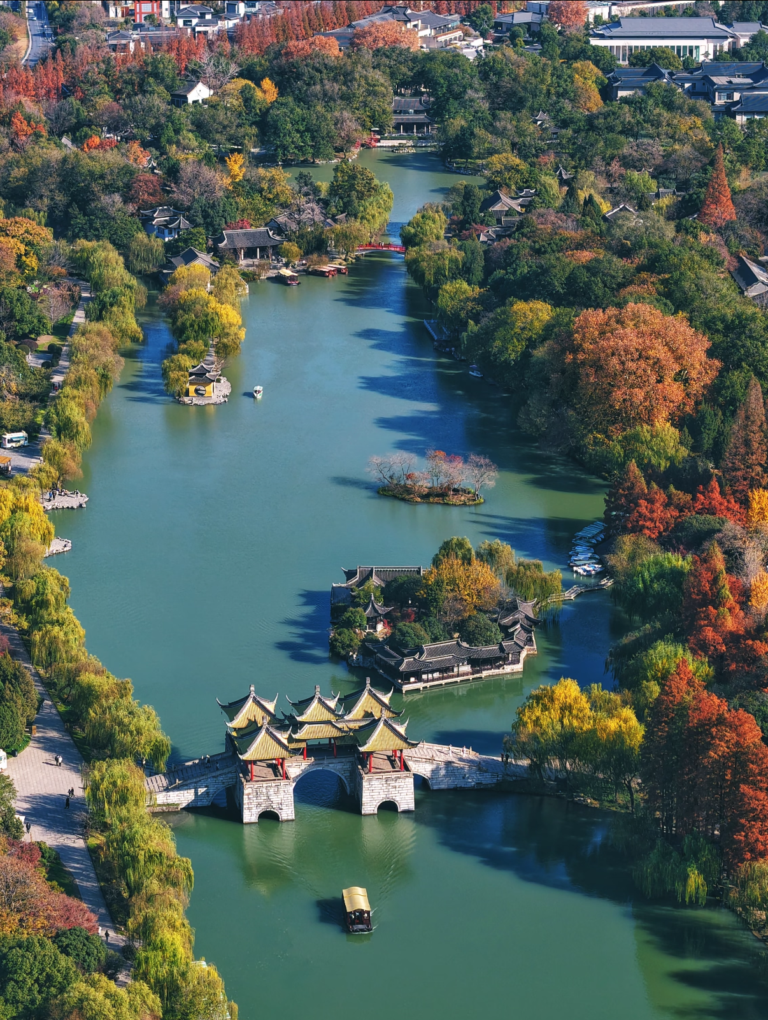
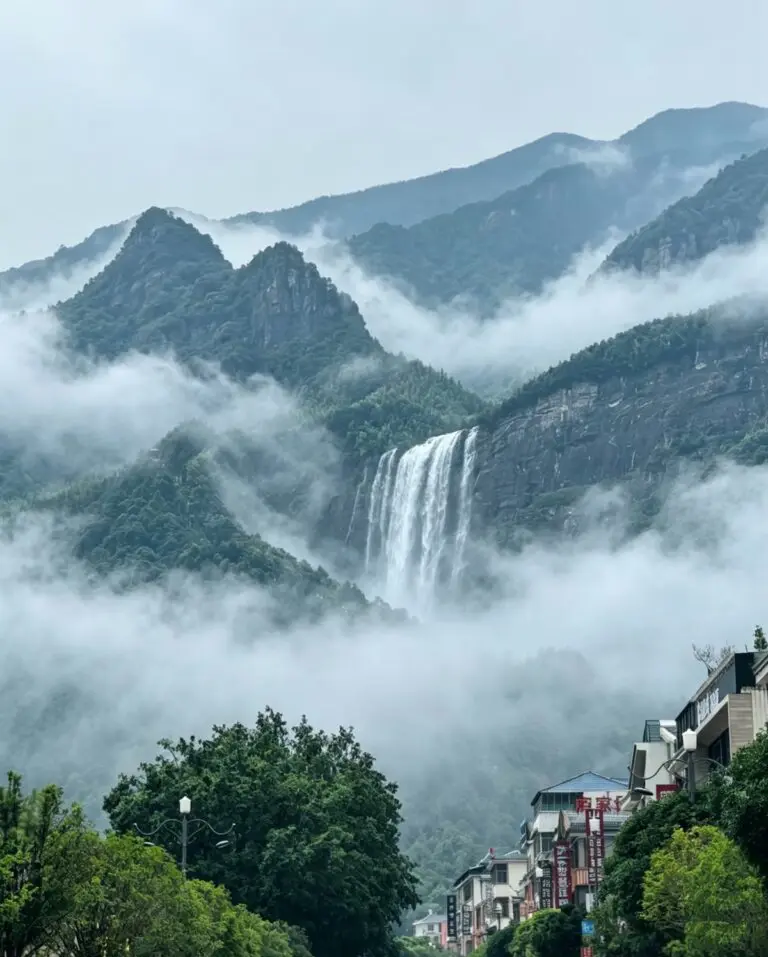
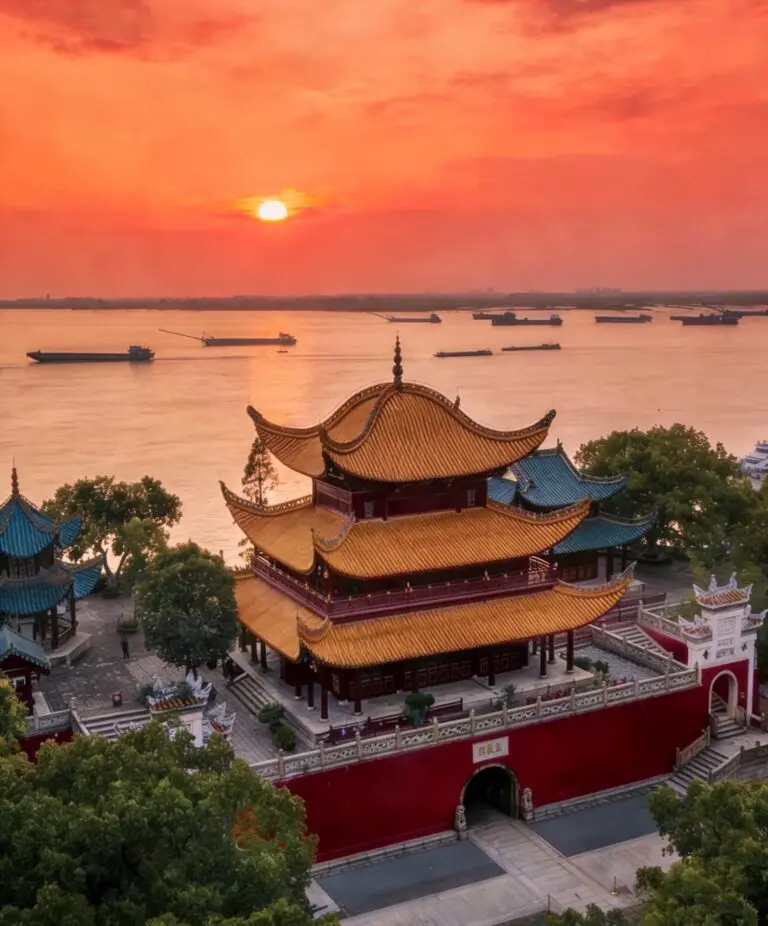
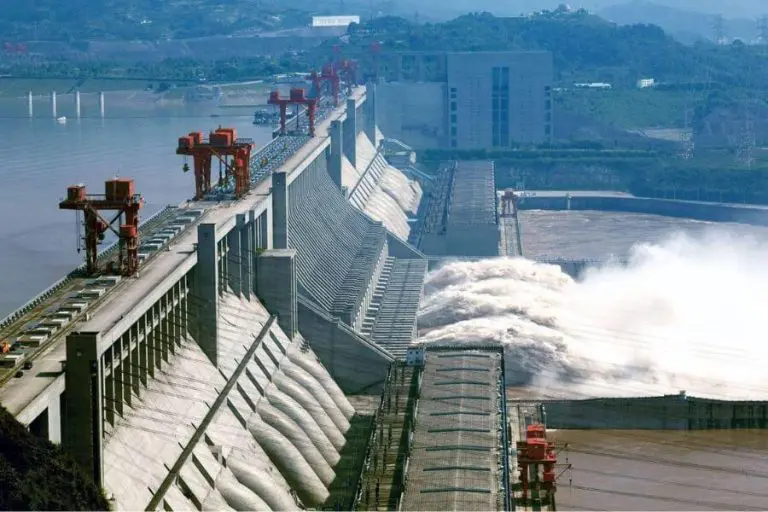
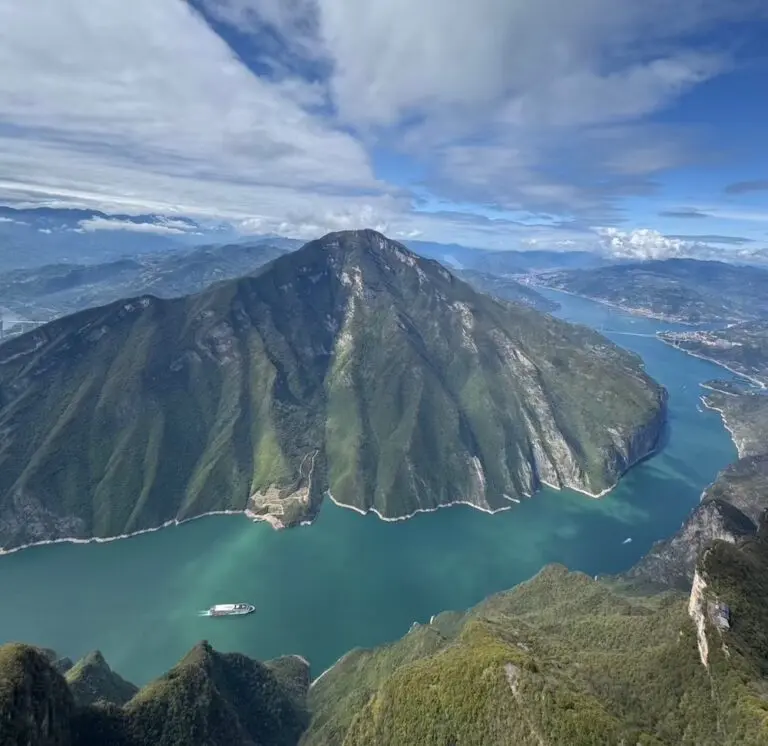
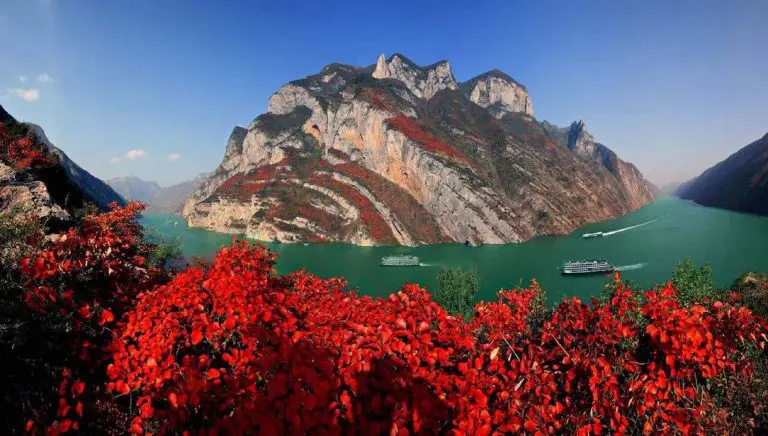
12-day Yangtze River cruise from Shanghai to Chongqing aboard Century Legend, traveling through historic river cities and the Three Gorges, with shore excursions along the way.
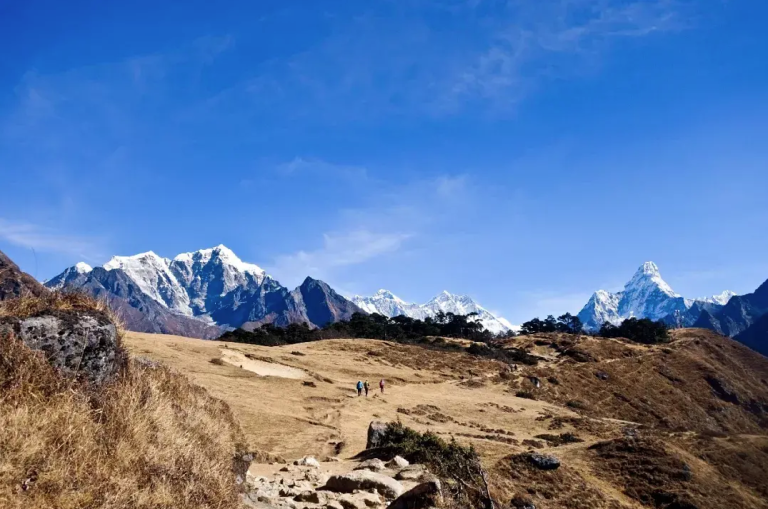
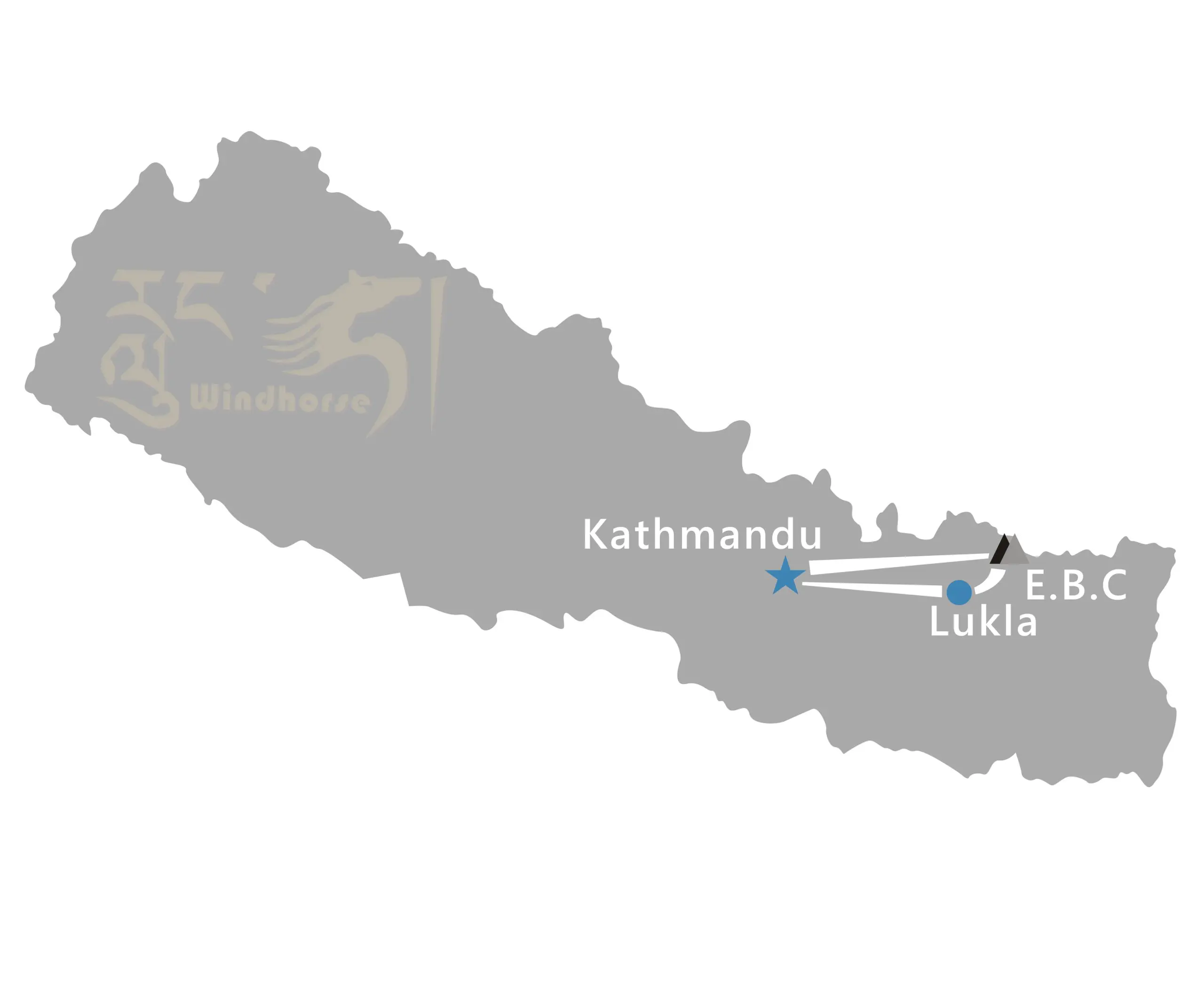
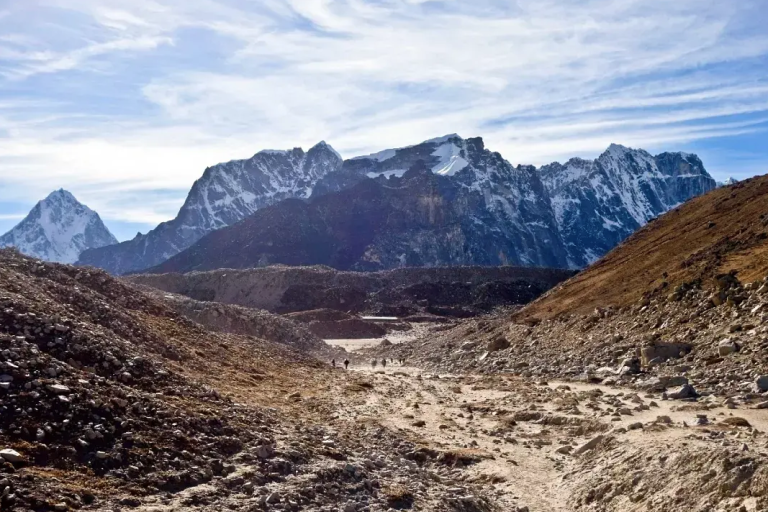
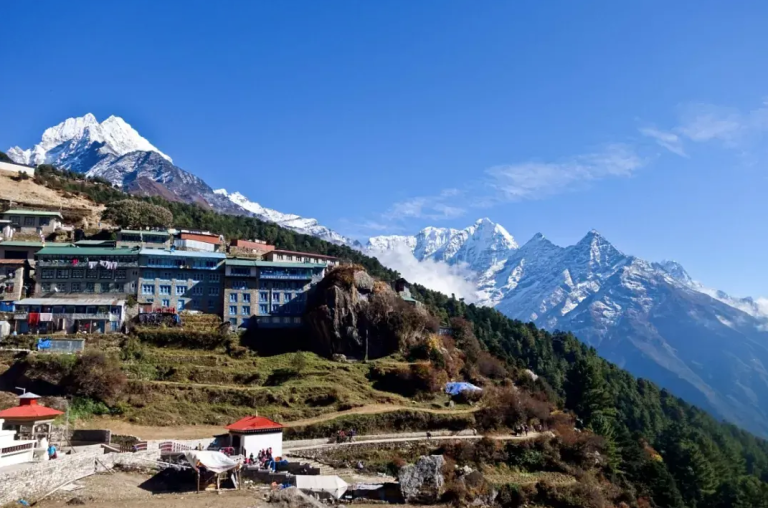
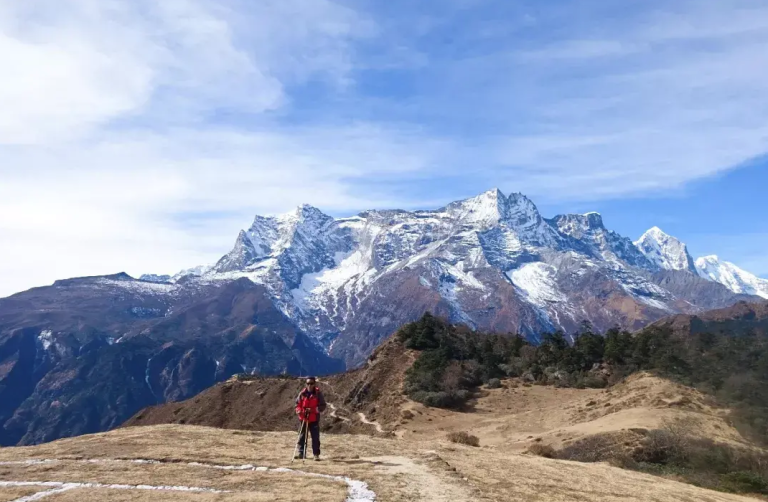
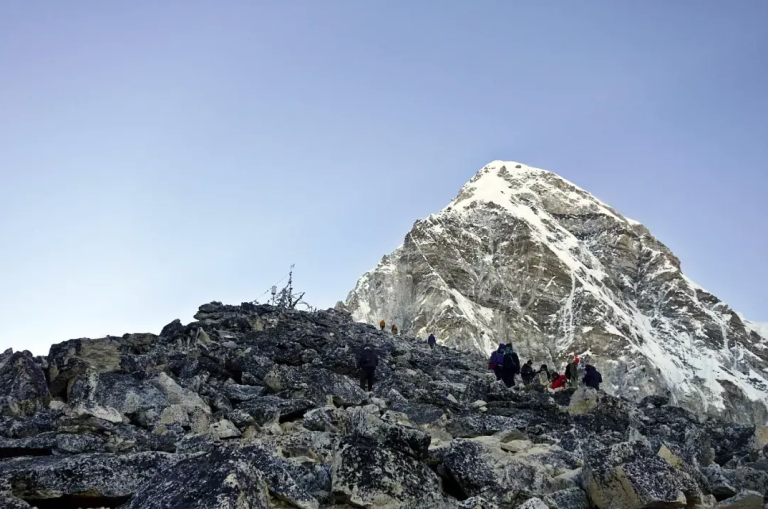
There are 2 base camps for Mount Everest: the south in Nepal and the north in Tibet. The trek to Everest Base Camp on the Nepal side is one of the most popular trekking routes in the Himalayas and is visited by thousands of trekkers each year.
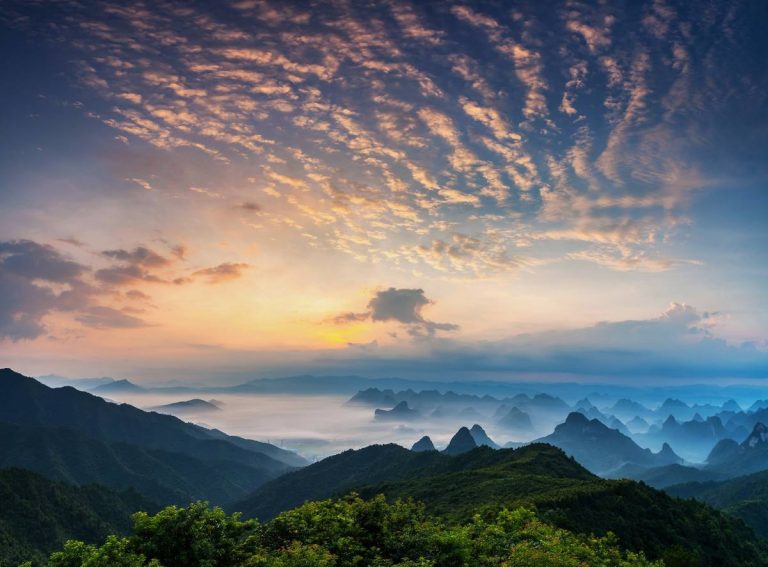
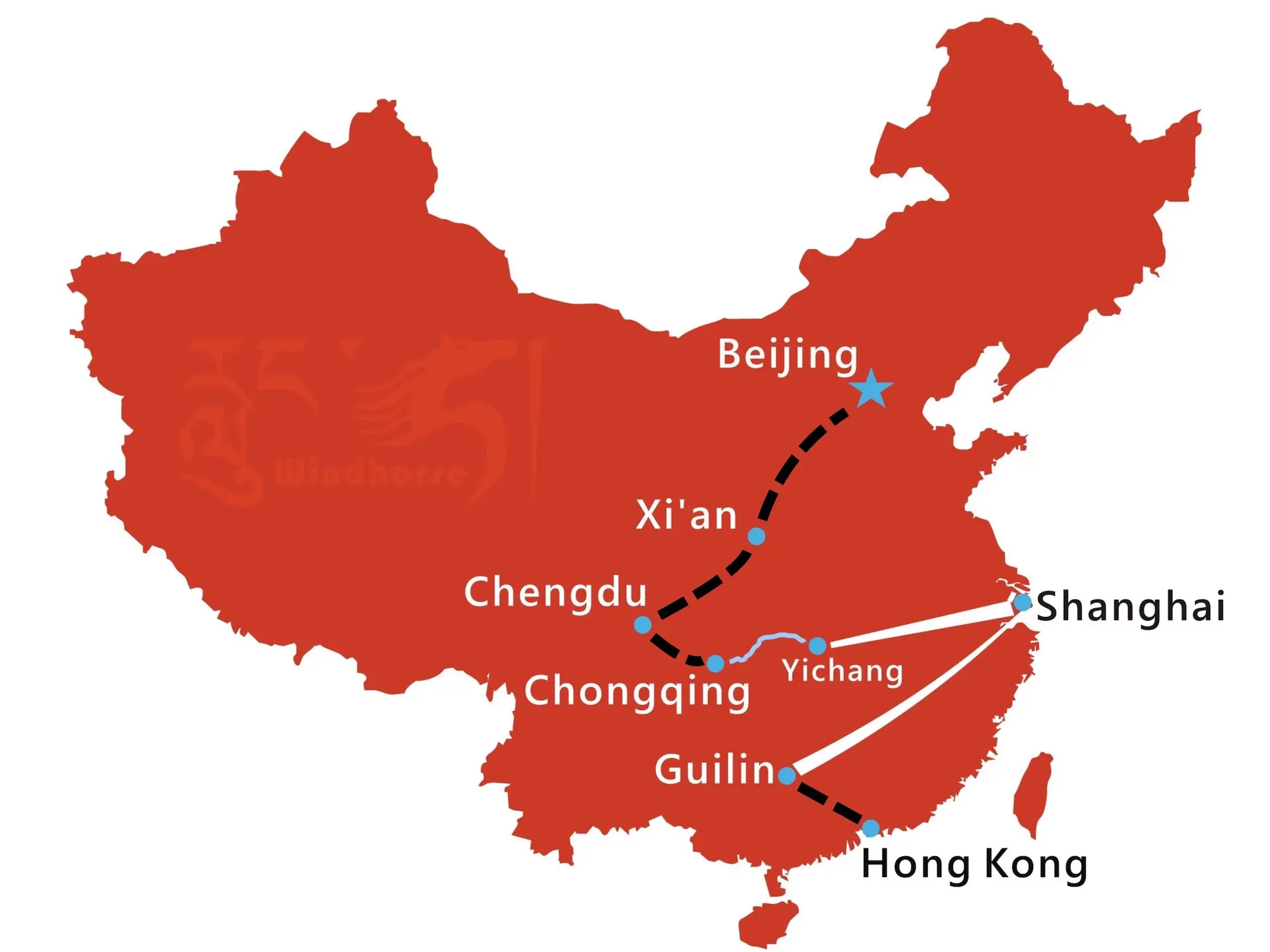
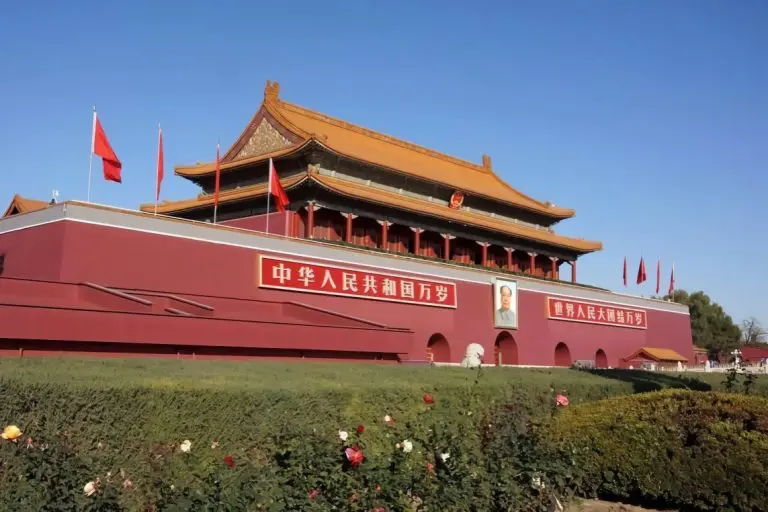
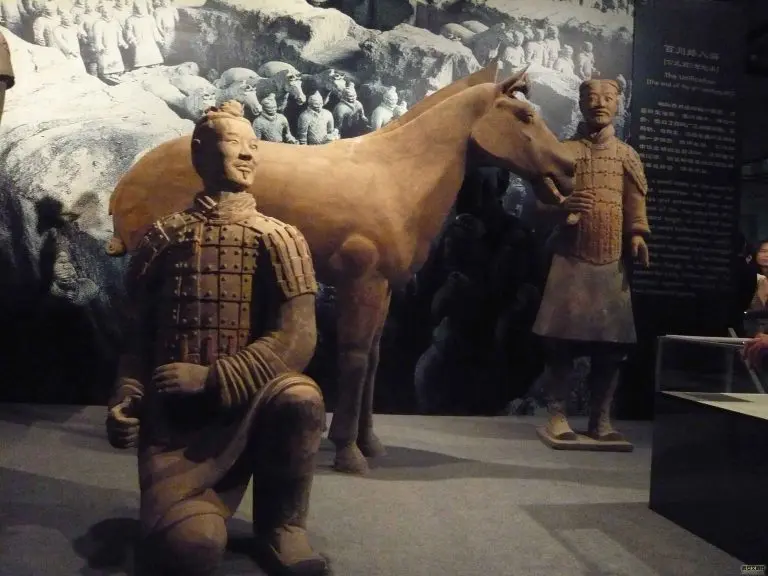
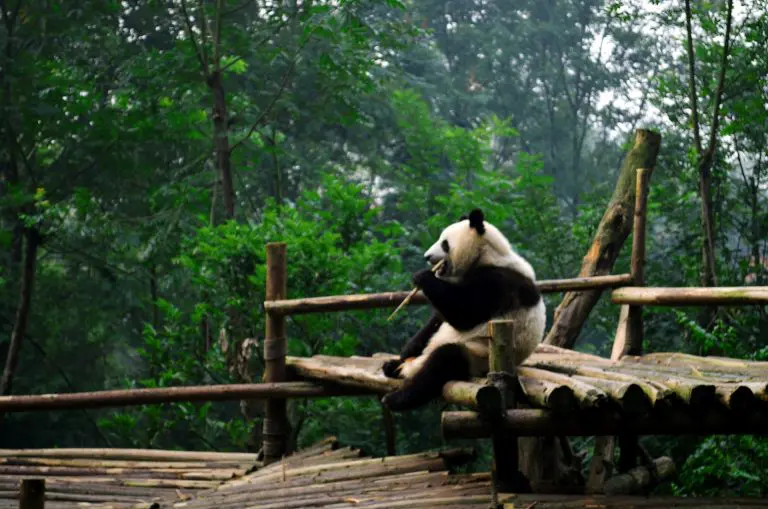
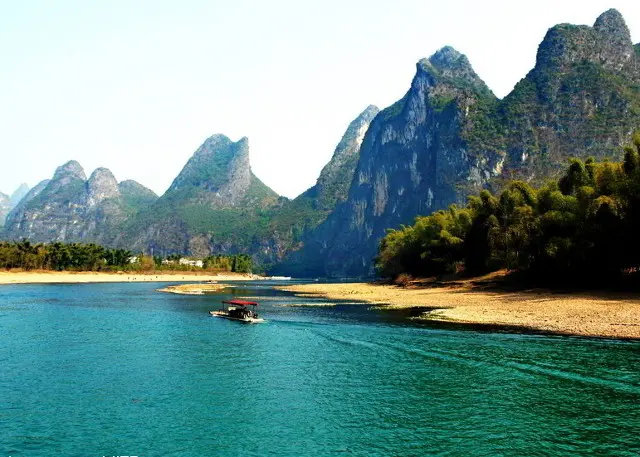
This 21-day China tour from Beijing to Hong Kong with a Yangtze River cruise covers imperial capitals, ancient wonders, pandas, water towns, classical gardens, and breathtaking karst landscapes. A complete journey through China’s culture, nature, cuisine, and city life.