
Security During the Yangtze Cruise
Security On-board
It goes without saying that safety and security are number one priorities on board the ships that cruise the Yangtze. The vessels have been specially built and are fully equipped with modern navigation and communication devices. This means that the operators are able to ensure safe and comfortable voyages along the river.
All passengers are recommended to pay heed to the safety instructions and in particular to acquaint themselves with the location of their individual life jackets. Deck plans are displayed in cabins so that all passengers may be aware of emergency exit routes.
The members of staff on board are professional, responsible people and are wiling to offer every assistance to passengers at all times.
By observing all the necessary precautions you can relax and enjoy your trip.
Most cruise operators have comprehensive security protocols in place. These include:
- Surveillance Systems: Many modern cruise ships are equipped with CCTV cameras in public areas to monitor activity and ensure passenger safety.
- Trained Security Personnel: Security teams are usually present on board to handle any emergencies, monitor passenger movements, and prevent unauthorized access to restricted areas.
- Access Control: Passenger cabins typically have keycard systems, preventing unauthorized individuals from entering personal spaces. Public areas are usually monitored, and access to crew-only sections is restricted.
- Safety Drills: Before setting sail, many cruise ships conduct safety drills for passengers. These include instructions on emergency procedures, where to find life vests, and how to locate lifeboats.
Health and Safety Measures
Health security, particularly in the post-pandemic environment, is also a priority:
- Sanitation Protocols: High hygiene standards are maintained on most Yangtze cruises, with frequent cleaning of shared spaces, especially dining areas and restrooms. Hand sanitizers are commonly provided throughout the ship.
- Medical Staff: Many cruise ships have a medical team or a doctor on board to handle health issues and emergencies. Larger ships may have a small clinic for minor treatments.
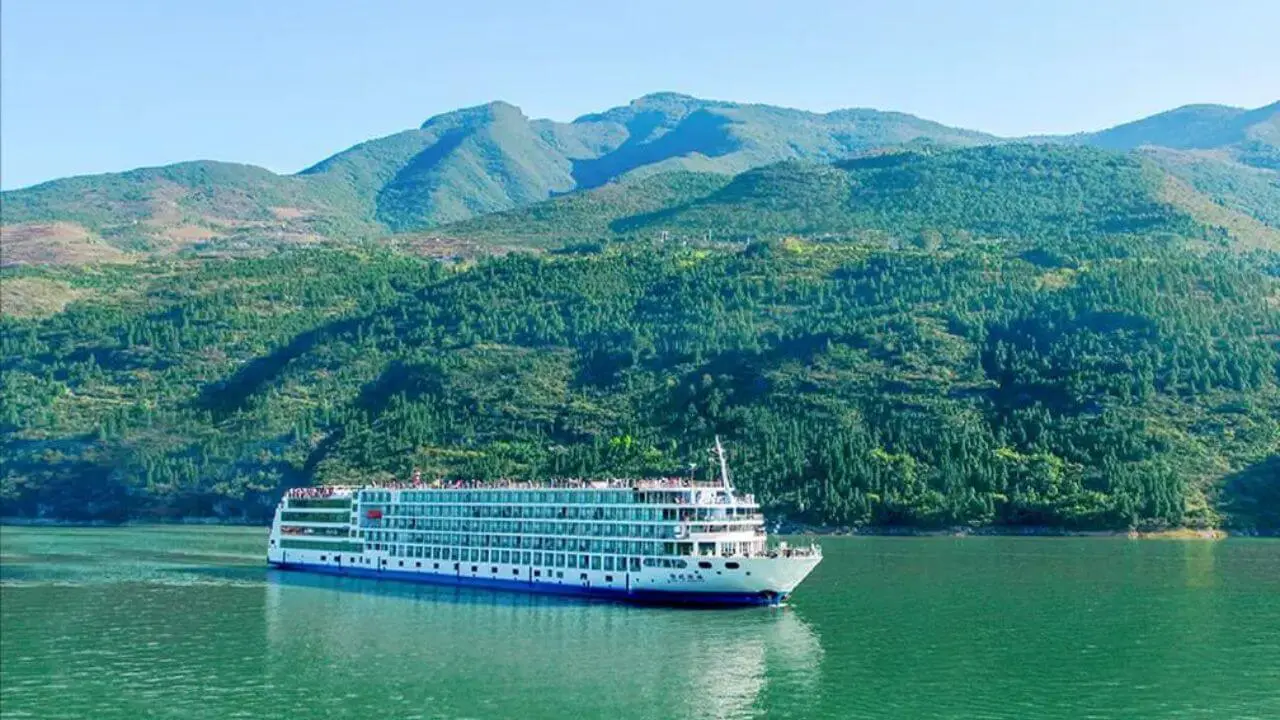
Luggage Depositary
Yangtze Cruise ships set no limit on luggage amount. It is better for each passenger pack the mostly needed luggage just for convenience. There are racks in cabins and some ships provided luggage depository services. Luggage of visitors traveling in groups are transferred on board in advance or delivered on arrival of the owners. After then, each piece will be delivered to your own cabin. Baggage-smasher will offer help when there is a need; however, the service is usually tipped.
In addition, there is a deposit box in each cabin and can be used for the safekeeping of valuables. Regulations specifically state that the ship’s company takes no responsibility for any lost of valuables that are not placed into the deposit box. The service center also offers safe deposit boxes as well, but they may require specific procedures.
Shore Excursion
Generally, an Yangtze excursion takes two or three hours. Please remember to bring some water with you. We would suggest you buy enough water before boarding since there is hardly chance buying bottled water during excursions. You can also buy it on the ship, it usually costs more.
For the whole cruise trip, passengers will usually have two river guides and some local guides for excursion tours. When on excursions, passengers will be divided into several groups by the cruise company and each group will have a local guide for the excursion. All activities aboard are arranged by the cruise company and subject to change without prior notice.
As for transport vehicles, passengers will have clean and safe coaches and/or minibuses for touring on shore. We should remind you that there are many steps in certain places, like the Ghost City, Fengdu and Shibaozhai (the precious stone stronghold). You may consult the river guide or the cruise staff, if you think it might be difficult for you and you may then decide whether to take part in a particular excursion.
Related tours
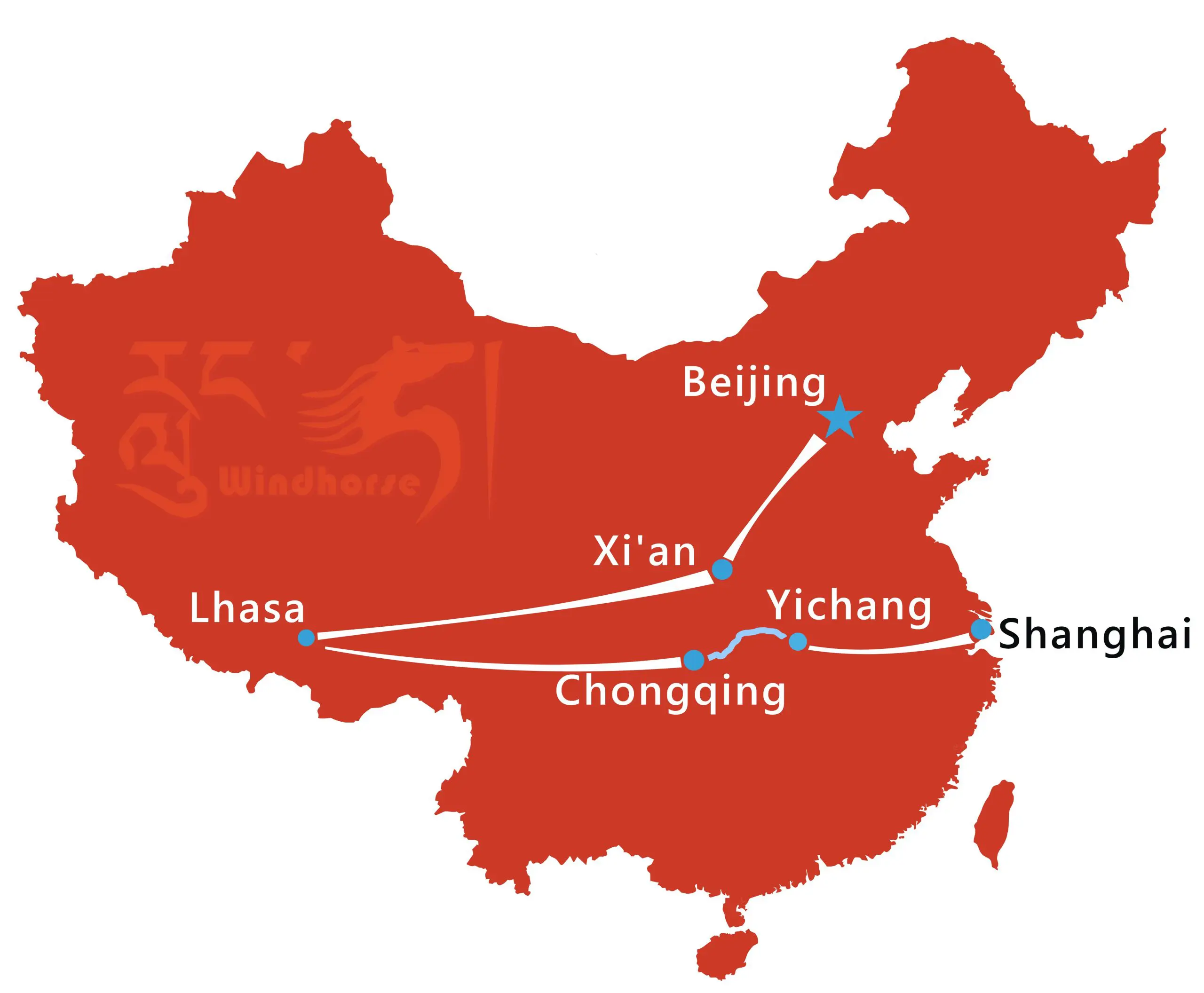

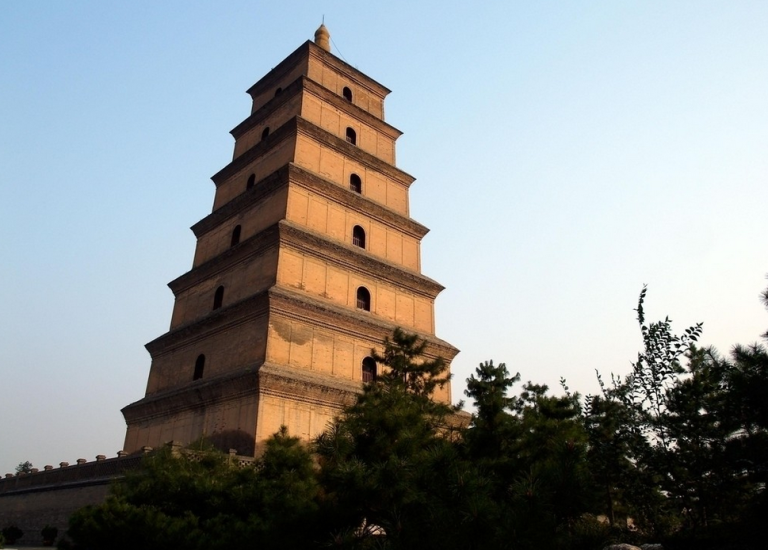

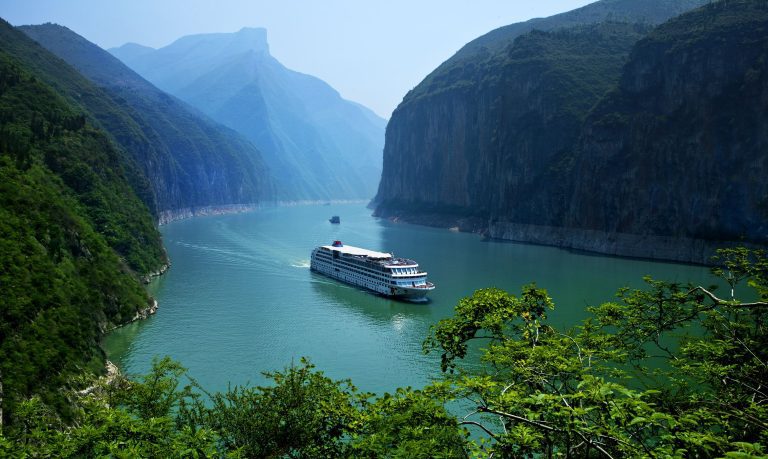

This 16-day China Tibet Tour with Yangtze River Cruise blends ancient history, highland culture, and natural beauty. Explore Beijing, Xi’an, Lhasa before cruising the Yangtze River through the dramatic Three Gorges to vibrant Shanghai.
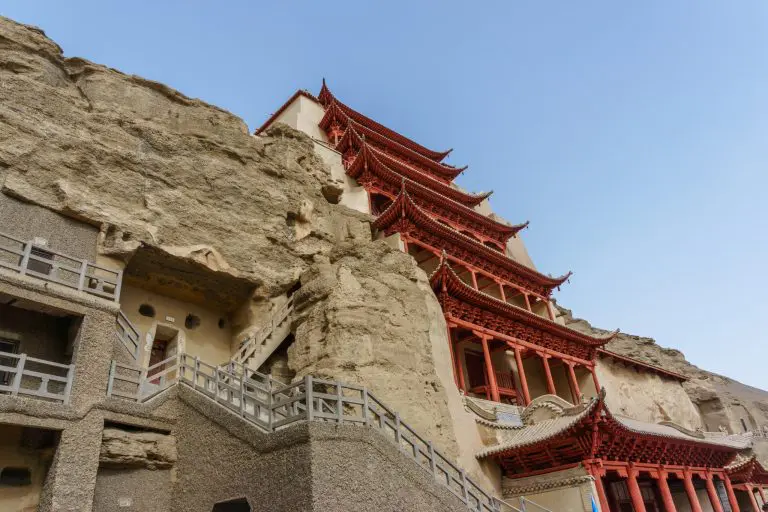
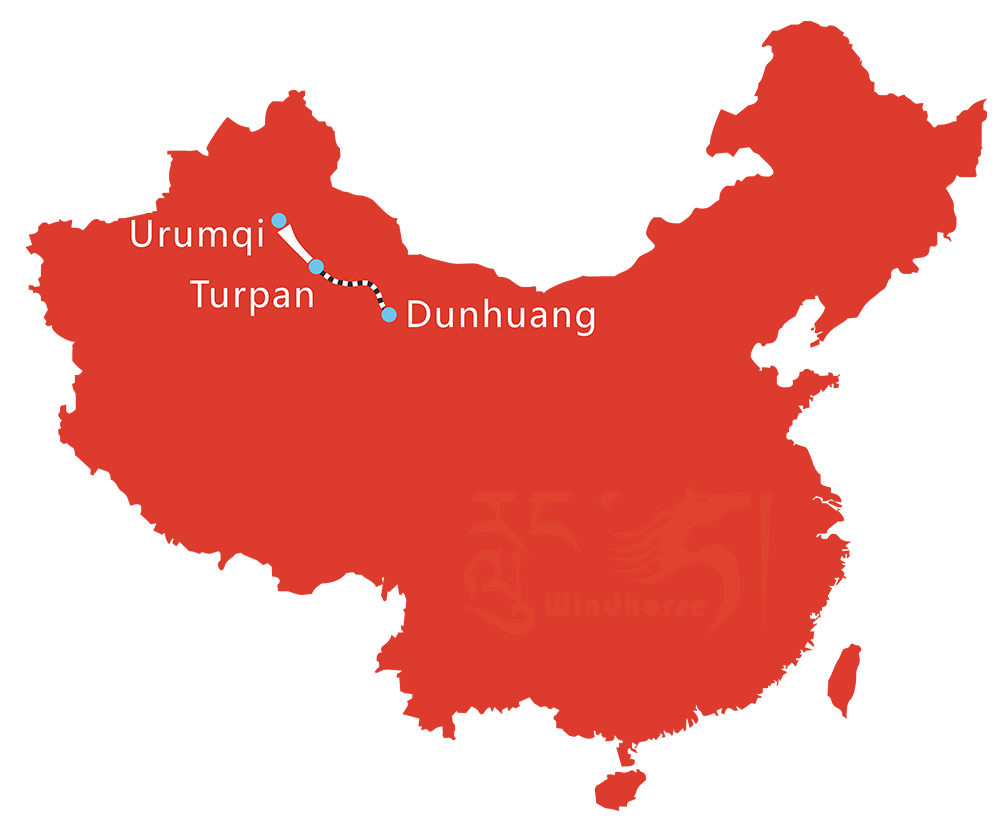

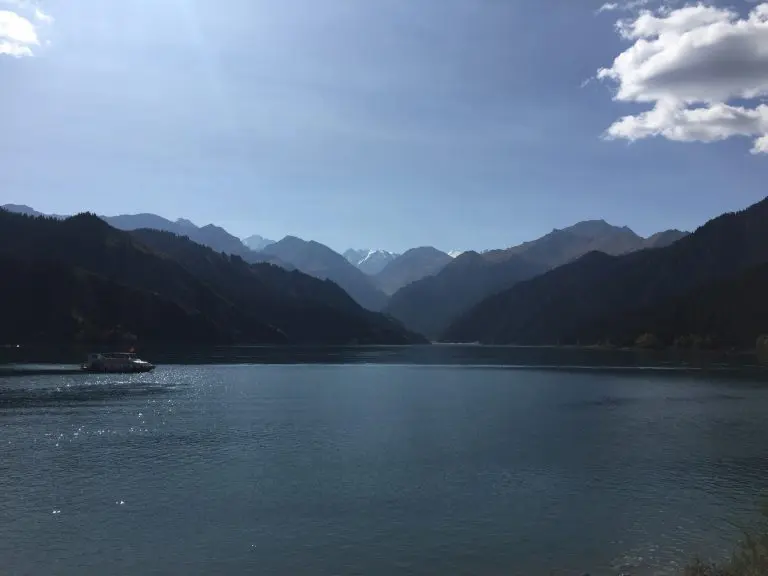
Experience the essence of the Silk Road on this 6 Day Urumqi to Dunhuang Silk Road Tour. Discover Heavenly Lake’s alpine beauty, explore Turpan’s ancient oasis and Uyghur heritage, and marvel at the Mogao Caves in Dunhuang. A perfect short tour to Northwest China’s culture, landscapes and history.

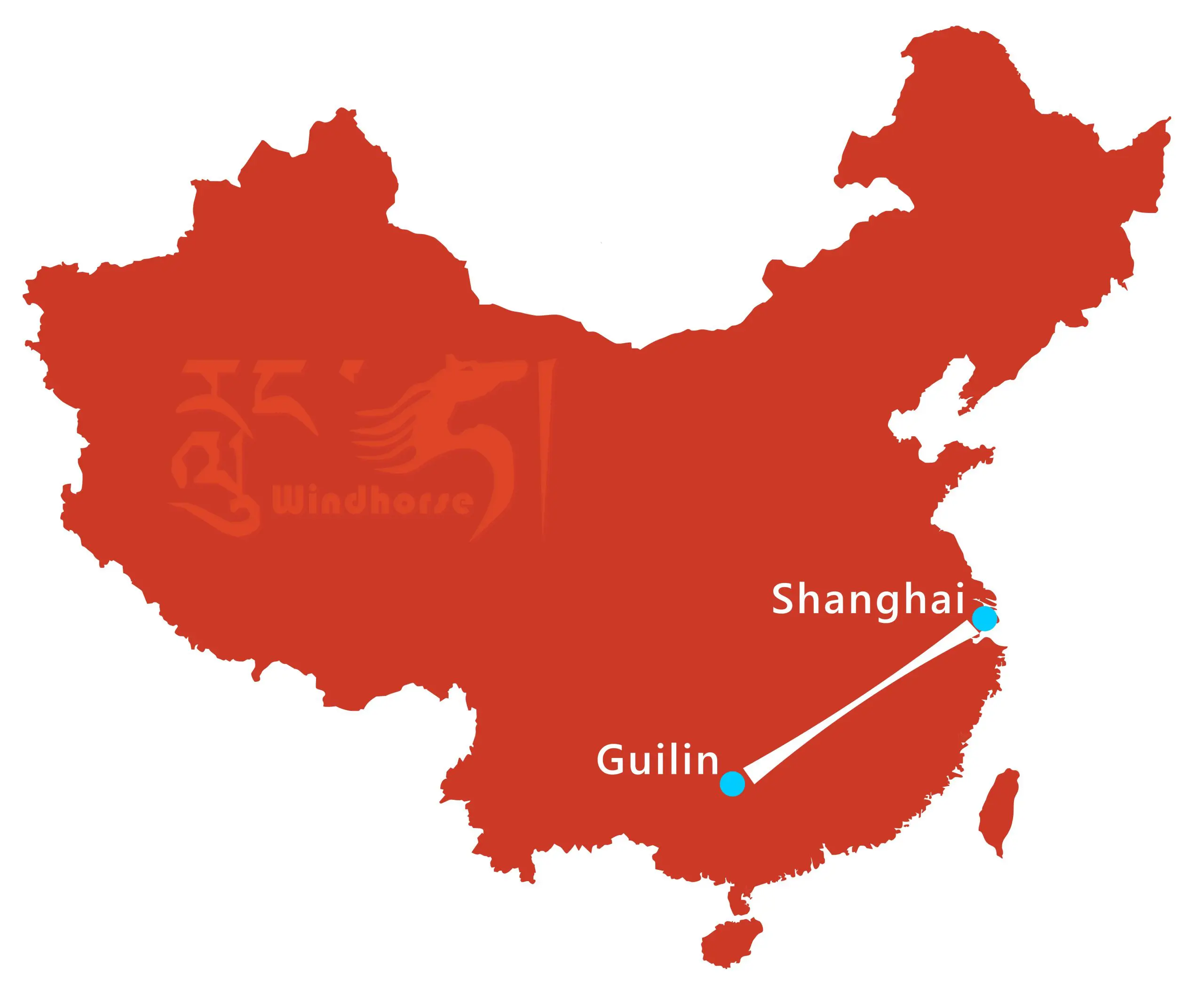



Discover Shanghai, Suzhou’s classical gardens, Guilin’s Li River, Yangshuo countryside, and the Longji Rice Terraces on this well-paced 8-day private tour blending culture, landscapes, and traditional village life.