
How to Plan a Yangtze River Cruise
A Yangtze River cruise is a relaxing way to see the Three Gorges and add a few slower-paced days to a China trip. Planning one mainly comes down to a few decisions: which route to take, when to go, and which ship and cabin suit your dates and budget.
For most travelers, the classic route is between Chongqing and Yichang: 4 days / 3 nights downstream from Chongqing, or 5 days / 4 nights upstream from Yichang. Longer 11–12 day cruises between Chongqing and Shanghai are also available on selected dates.

Table of Contents
Yangtze River Cruise at a Glance
| Classic route | Chongqing ↔ Yichang |
| Downstream | Chongqing → Yichang, 4 days / 3 nights |
| Upstream | Yichang → Chongqing, 5 days / 4 nights |
| Longer route | Chongqing ↔ Shanghai, around 11–12 days |
| Main sights | Three Gorges, Three Gorges Dam & shore excursions |
| Best time | Late March–May & September–early November |
| Typical cost | Around USD 400–800 per person |
Which Yangtze Cruise Route Should You Take?
There are two main Yangtze cruise routes to choose from: the shorter, classic 4–5 day Three Gorges cruise between Chongqing and Yichang, or the longer 11–12 day cruise between Chongqing and Shanghai.

Classic Three Gorges Route: Chongqing ↔ Yichang
The classic Three Gorges cruise is available in two directions:
- Chongqing → Yichang: 4 days / 3 nights downstream
- Yichang → Chongqing: 5 days / 4 nights upstream
Whichever direction you choose, you’ll cruise through the Three Gorges, visit the Three Gorges Dam, and join scenic and cultural shore excursions along the way.
Choose downstream if you prefer the shorter cruise. It covers the main Yangtze highlights in four days and leaves you an extra day for other destinations in China.

Choose upstream if you prefer a slower pace. The five-day itinerary gives you an extra day on the river, and some ships include an additional shore excursion.
Typical 4 days Chongqing to Yichang Yangtze River Cruise
Day 1: Board the cruise in Chongqing in the evening
Day 2: Shore excursion and cruising along the Yangtze
Day 3: Cruise through the Three Gorges and take a smaller-boat gorge or stream excursion
Day 4: Visit the Three Gorges Dam and continue to Yichang
Typical 5 days Yichang to Chongqing Yangtze River Cruise
Day 1: Arrive in Yichang, transfer to the port and board the cruise
Day 2: Visit the Three Gorges Dam and cruise through the Three Gorges
Day 3: Smaller-boat gorge or stream excursion and Three Gorges scenery
Day 4: Shore excursion and cruising along the Yangtze
Day 5: Disembark in Chongqing
Exact shore excursions and their order vary by ship and sailing.
If either direction works with your China itinerary, compare the ships and cabins available for your travel dates.
Read more: Upstream vs Downstream Yangtze River Cruise

Longer Yangtze Route: Chongqing ↔ Shanghai
For travelers who want to see much more of the Yangtze, longer cruises between Chongqing and Shanghai generally take around 11–12 days.
These journeys include the Three Gorges but continue through the middle and lower reaches of the Yangtze, combining river scenery with historic cities and cultural sites along the way.
Depending on the sailing, stops and excursions may include Wuhan, Jiujiang, Nanjing and Yangzhou, along with other historic and cultural sites before reaching Shanghai.
This is a very different trip from the classic Three Gorges cruise. Instead of adding four or five cruise days to a China itinerary, the Yangtze itself becomes a major part of the journey. Departures are also much more limited, so check the sailing schedule before planning the rest of your trip.
Check the detailed itinerary: 11 days Yangtze River Cruise from Chongqing to Shanghai, 12 days Shanghai to Chongqing Yangtze Cruise

When Is the Best Time for a Yangtze River Cruise?
Late March to May and September to early November are generally the best times for a Yangtze cruise, with comfortable temperatures for shore excursions and generally pleasant conditions along the Three Gorges.
April, September and October are particularly popular. Cruises can fill quickly during these months, so booking well in advance is recommended, especially if you have a preferred ship or cabin.
Summer (June–August) is hotter, more humid and wetter. The gorges are lush and green, but heavier rainfall and runoff can make the river more turbid or muddy-looking.
Winter (December–February) is quieter and cruise prices can be lower, but fewer ships operate as some vessels stop for annual maintenance.
If the cruise is part of a longer China trip, consider the weather across your whole itinerary, not just the Yangtze.

What Will You See and Do on a Yangtze River Cruise?
A classic Yangtze cruise combines scenic cruising through the Three Gorges with shore excursions to natural and cultural sites along the river. Most days include time onboard as well as one or two excursions, depending on the ship and itinerary.
Three Gorges
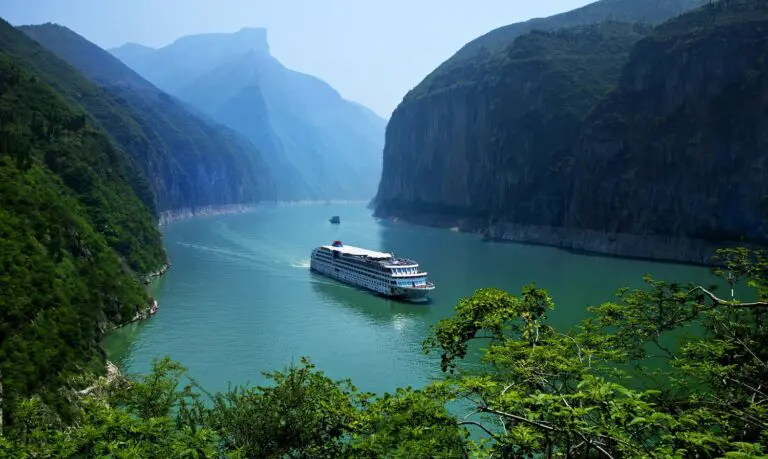
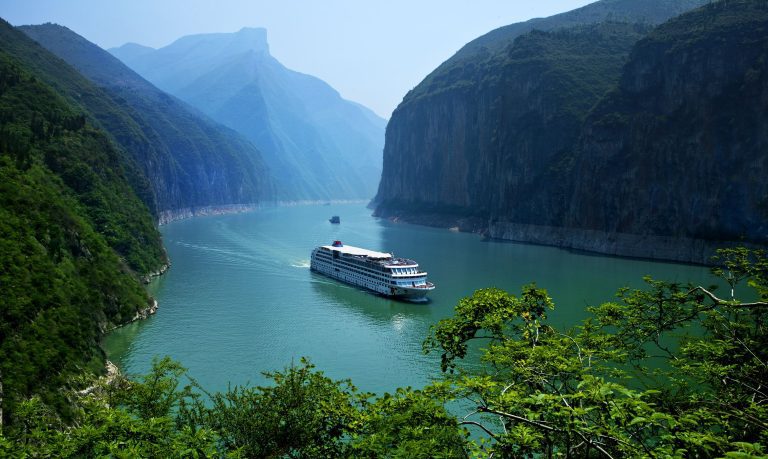
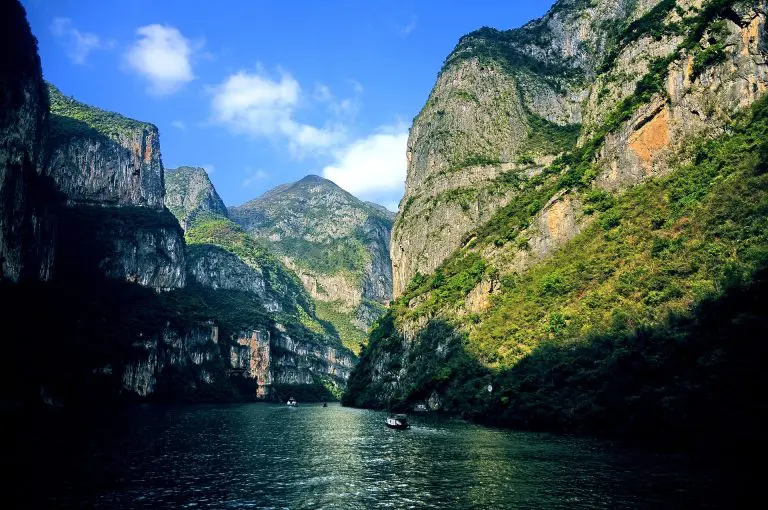
The Three Gorges — Qutang Gorge, Wu Gorge and Xiling Gorge — are the main scenic highlight of the cruise.
Qutang is the shortest and most dramatic, Wu Gorge is known for its winding river and layered mountain peaks, and Xiling is the longest of the three. Much of the experience is simply enjoying the changing scenery from the sundeck, lounge or your private balcony as the ship sails through the gorges.

Three Gorges Dam
Every classic cruise includes a visit to the Three Gorges Dam near Yichang, one of the world’s largest hydroelectric projects. Depending on the itinerary, some cruises also offer the Three Gorges ship lift as an additional experience.
Shore excursions along the Yangtze
Other shore excursions depend on the ship and sailing. Common stops include:
- Shennong Stream or Shennv Stream or Little Three Gorges— a smaller-boat excursion through dramatic tributary gorges
- White Emperor City — history and views overlooking Qutang Gorge
- Shibaozhai — a distinctive red wooden pagoda built against a riverside cliff
- Fengdu Ghost City — temples and traditions connected with the Chinese concept of the afterlife

Some excursions are included in the cruise fare, while others are optional. The exact combination varies by ship.
Onboard activities
Between sightseeing and shore excursions, there is plenty of time to relax onboard. Depending on the ship, activities may include Tai Chi, Chinese calligraphy, cultural lectures, Mahjong, evening performances, and captain’s welcome or farewell events. Larger ships may also have gyms, children’s areas, spas and other recreational facilities.
Read more: Yangtze Shore Excursions | Three Gorges Guide | Yangtze Cruise Onboard Experience
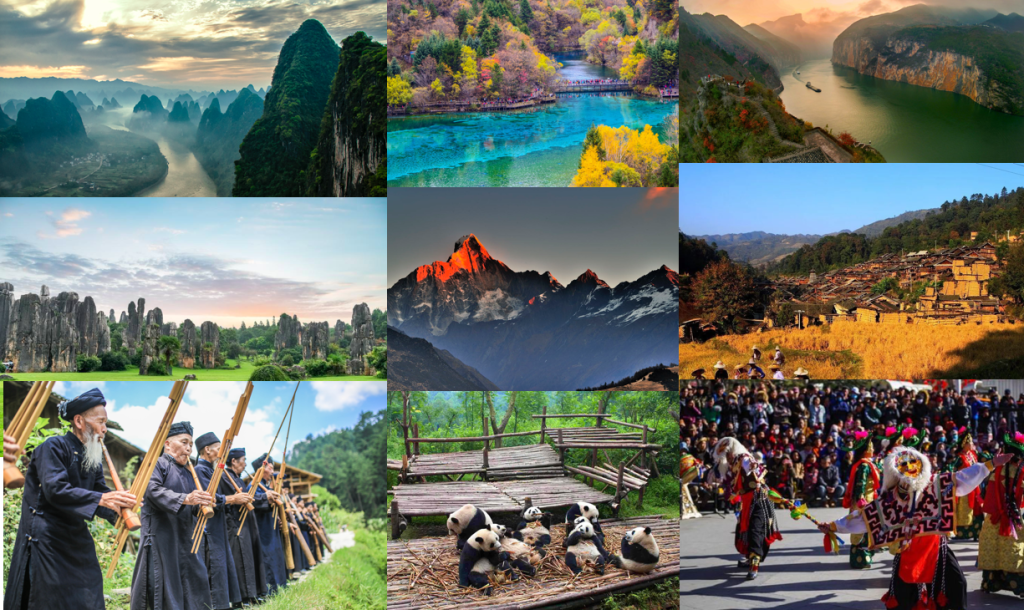
How Does a Yangtze Cruise Fit Into a China Trip?
A Yangtze cruise works particularly well as a slower section in the middle of a longer China trip. A common first-time route, for example, is:
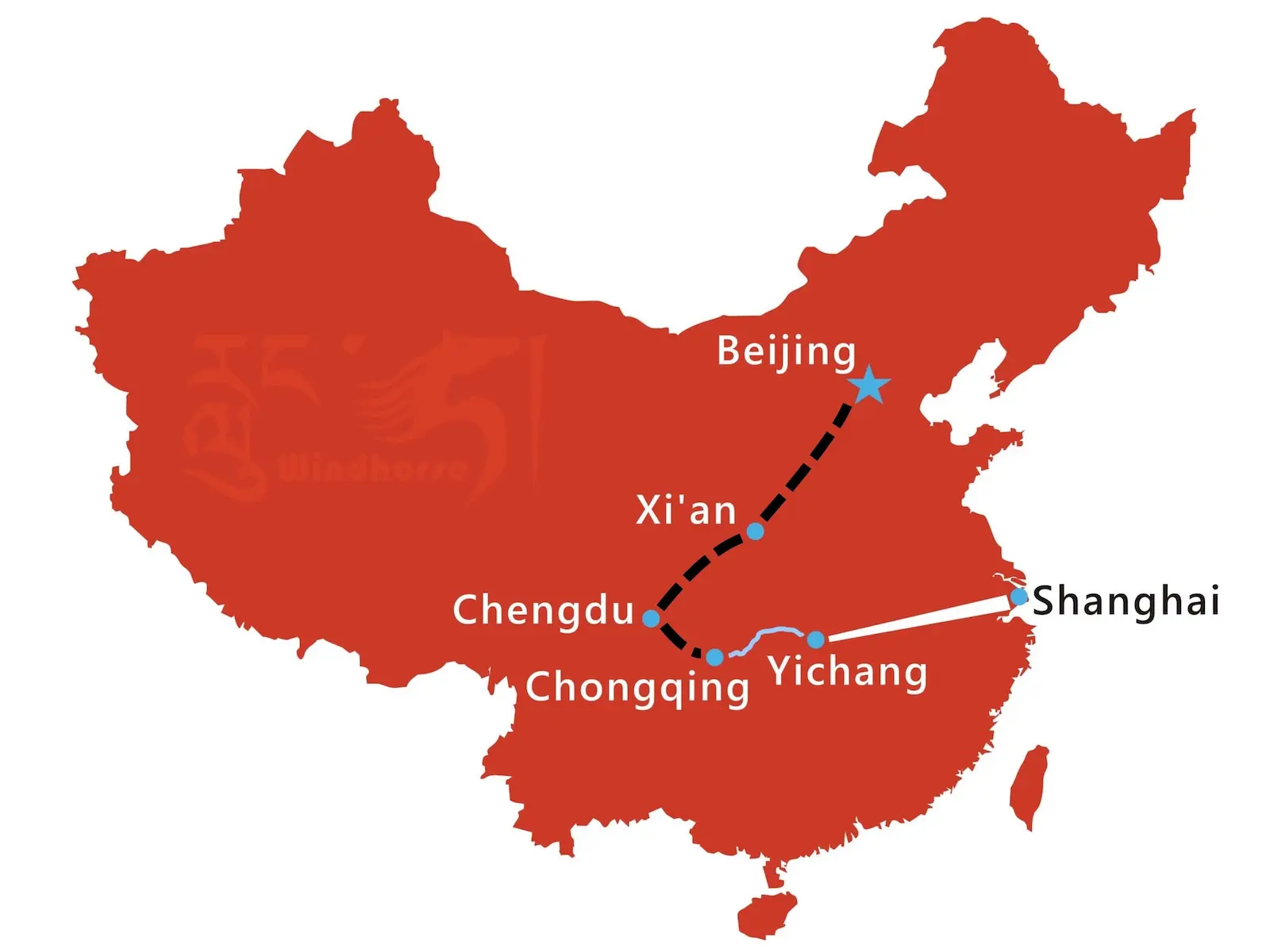
Beijing → Xi’an → Chongqing → Yangtze Cruise → Yichang → Shanghai — a classic way to include the downstream cruise in a first China trip. Our 2-week China Highlights Tour with Yangtze Cruise and Panda follows this route.
Other destinations such as Chengdu, Guilin or Zhangjiajie can also be combined with the cruise, but the best order depends on transport connections and your overall route.
Adding a Yangtze cruise to a longer China trip? We can plan the route around your cruise and arrange the land itinerary and transfers before and after it.
If you take downstream cruise
Chongqing → Yichang is easy to add after destinations such as Chengdu or Xi’an because Chongqing has extensive high-speed rail and flight connections.
The main consideration is what comes after Yichang. Yichang has fewer direct connections to many popular China destinations. Wuhan is around two hours away by high-speed rail and provides many more onward connections. Depending on your next destination, flying from Yichang can also be the more practical choice.
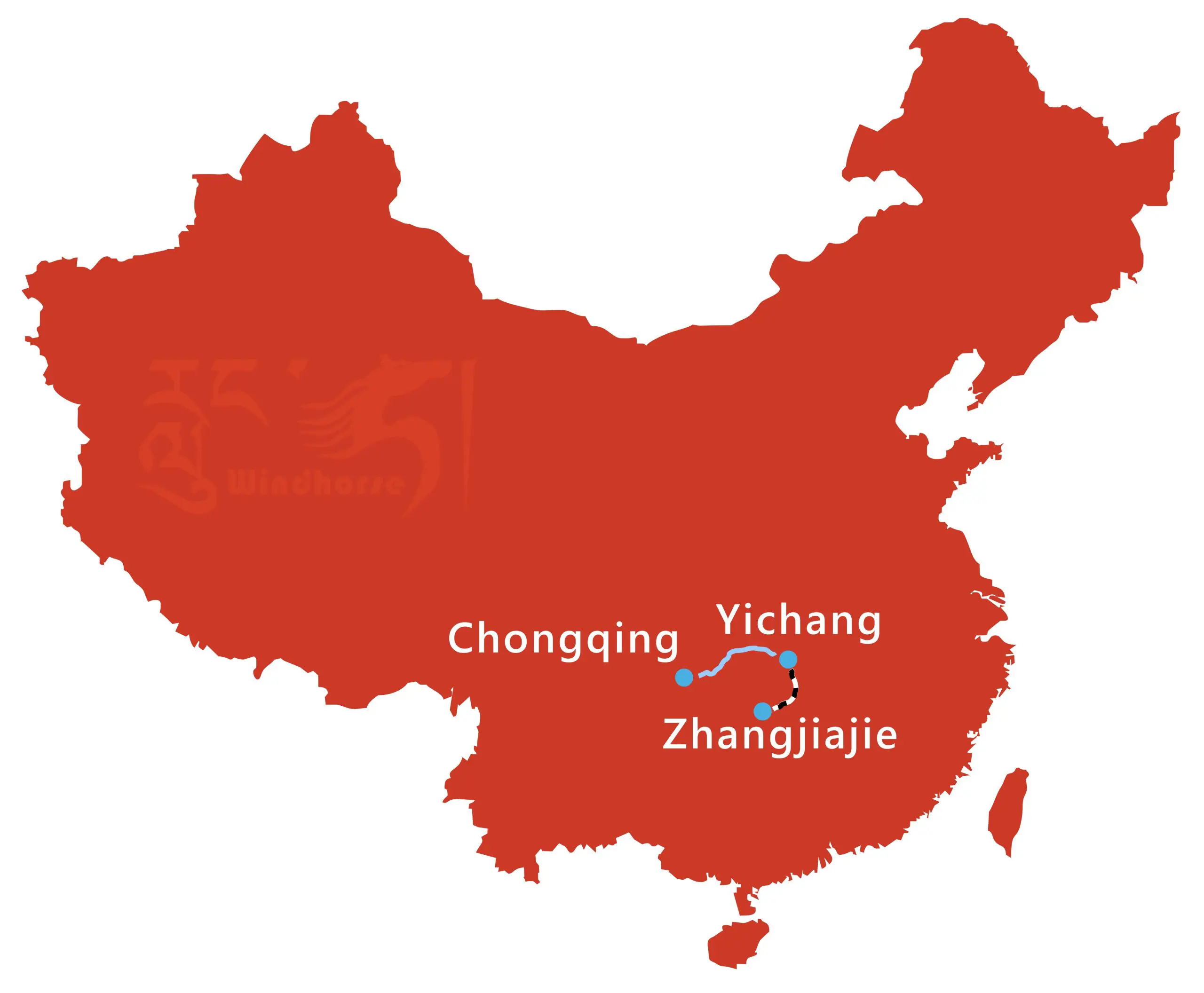
Although Yichang and Zhangjiajie look relatively close, there is no direct train between them. The journey requires a road transfer or transit connection, so allow for the extra travel time when combining the two.
If you take upstream cruise
The Yichang → Chongqing cruise can work particularly well as a relaxing break in the middle of your trip. Travel to Yichang, spend four nights on the river, then continue from Chongqing, which has extensive high-speed rail and flight connections to other parts of China.

How Do You Choose a Yangtze Cruise Ship and Cabin?
Start with your travel dates and direction, then compare the available ships by cabin, onboard experience, itinerary and price.
For most international travelers, Century and Victoria Cruises are good places to start. Century has a strong selection of newer ships, while Victoria has long experience serving international travelers. Yangtze Gold is generally more budget-friendly, while Yangzi Explorer offers a higher-end experience with fewer guests.
For most travelers, a standard balcony cabin works well, but cabin sizes vary considerably between ships. Compare the actual cabin size and upgrade price before deciding.
See our Which Yangtze River Cruise Should You Choose? guide for detailed ship, cabin and price comparisons.
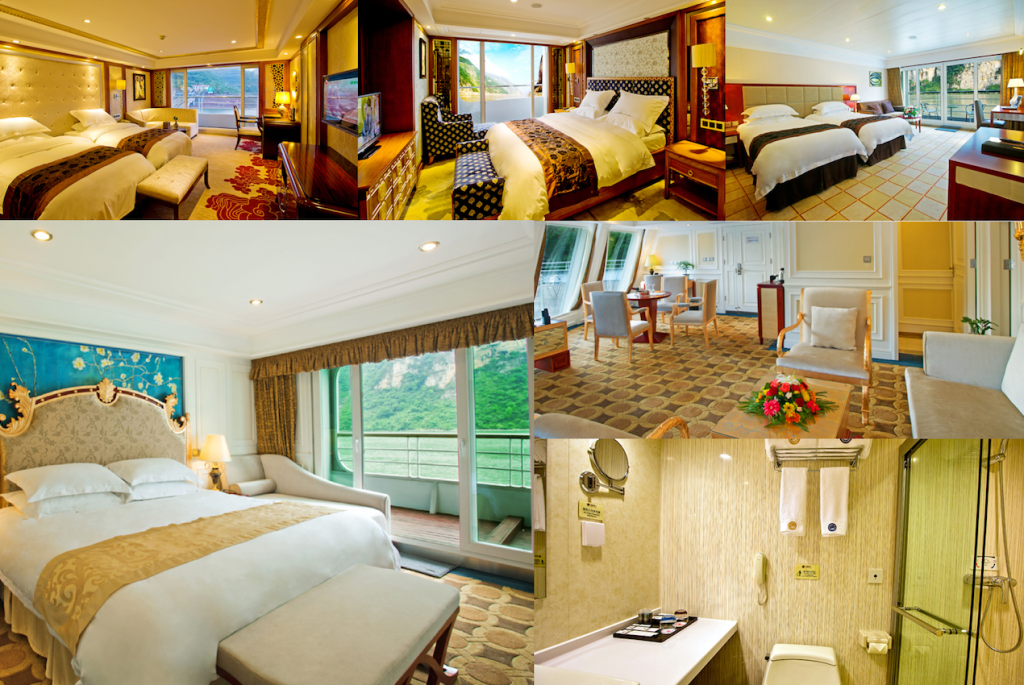
Which cabin should you choose?
For most travelers, a standard cabin with a private balcony is a good choice. Standard cabins usually have twin beds, although some ships offer double-bed configurations.
If you want more space, look at executive or business cabins and suites. These generally offer larger rooms and may include larger balconies or additional services.
Don’t choose based on deck level alone. A higher deck usually costs more, but doesn’t necessarily give you a larger or better cabin. Compare the actual cabin size, layout and inclusions before upgrading.
Yangtze Cruise with children
Child fares depend on whether the child uses a bed. As a general practice:
- Child with an extra bed: 75% of the adult per-person fare
- Child without a bed: 50% of the adult per-person fare
If one adult travels with one child in the same cabin, the child normally needs to be booked at the bed-occupying rate, which is 75% of the adult per-person fare.
Exact child fares and sleeping arrangements vary by ship and cabin, so we confirm these before booking.

How Much Does a Yangtze River Cruise Cost?
A classic 4–5 day Yangtze River cruise typically costs around USD 400–800 per person for a standard cabin on a 4–5 star ship.
Premium cruises such as Yangzi Explorer start from around USD 1,600+ per person, while longer 11–12 day cruises between Chongqing and Shanghai generally cost around USD 2,800- USD 3,100 per person. Prices vary by ship, cabin category, season and sailing date. See our Yangtze River Cruise Cost Guide for detailed price comparisons, cabin costs and additional charges.
Most cruise fares include:
- accommodation onboard
- daily meals
- included shore excursions
- scheduled onboard activities
Usually not included are transportation to and from the cruise ports, optional shore excursions, personal expenses, drinks and other additional services, although inclusions vary by ship.

Frequently Asked Questions About Yangtze River Cruises
How far in advance should I book a Yangtze River cruise?
There are usually several cruise options across different ships, but April, September and October are peak travel months. For these months, booking 3–6 months in advance is recommended, especially if you want a specific ship, sailing date or cabin category. For major Chinese holidays, book even earlier.
Where do I board a Yangtze River cruise in Chongqing or Yichang?
For most Chongqing → Yichang cruises, passengers board in the Chaotianmen riverfront area, generally between 18:00 and 21:00. The exact pier depends on the ship.
For most Yichang → Chongqing cruises, passengers meet at the Three Gorges Tourist Center or Yichang East Railway Station and take the cruise-arranged transfer to Maoping Port.
Always follow the final boarding information for your sailing, as the exact pier, meeting point and transfer arrangements can vary.
What time will I finish a Chongqing-to-Yichang cruise?
Most downstream cruises disembark near Maoping Port in the morning and then include the Three Gorges Dam visit. After the excursion, passengers are transferred into Yichang and generally arrive in the downtown area at around 11:30–13:30, depending on the ship and day’s arrangements.
Allow enough time before booking an onward train or flight rather than using the ship’s arrival time as your connection time.
What time should I book a train or flight from Yichang after the cruise?
For a standard Chongqing → Yichang cruise, it is generally recommended to book an onward train after 15:30 or a flight after 16:00. This allows time for disembarkation, the Three Gorges Dam visit and the transfer into Yichang.
Allow additional time when possible, as cruise and transfer schedules can change.
Are Yangtze River cruises suitable for travelers with limited mobility?
They can be, but the ship and shore excursion program should be checked before booking. Some excursions involve stairs, uneven paths, floating docks or transfers to smaller sightseeing boats.
If walking or stairs are difficult, tell us before booking so we can check the specific ship, cabin location and shore excursions rather than assuming every Yangtze cruise has the same accessibility.
Planning Your Yangtze River Cruise
Tell us your travel dates and China itinerary, and we’ll check suitable sailings and help you compare ships, cabins and prices.
We can arrange the cruise on its own or build it into a longer China trip, including Chongqing or Yichang transfers and onward travel arrangements.
Related tours

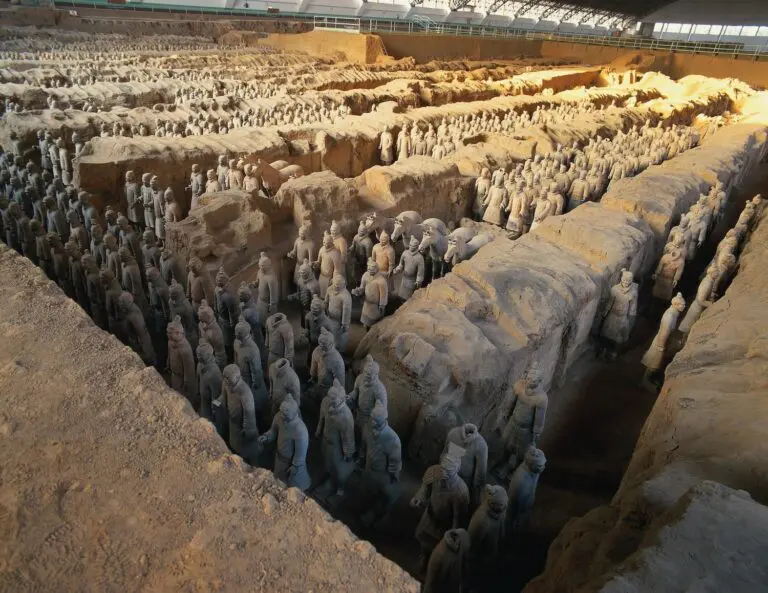

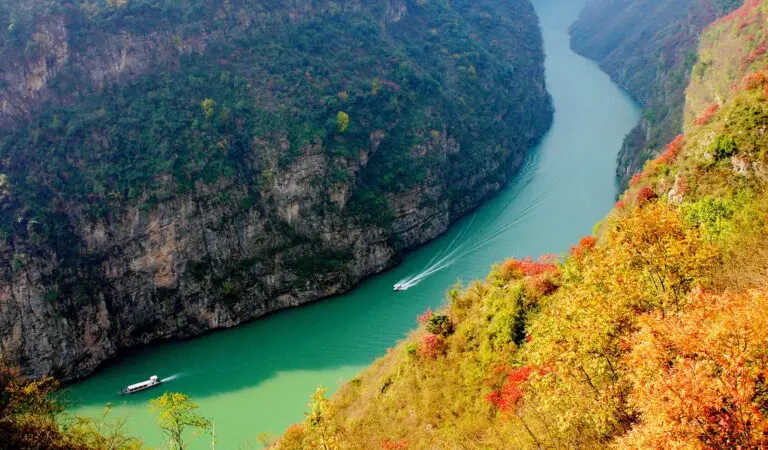
Experience the best of China on this 2-week China highlights tour with Yangtze cruise and pandas visit. Explore Beijing, Xi’an, Chengdu, Chongqing, and Shanghai, see world-famous landmarks, meet giant pandas, and enjoy a relaxing cruise through the scenic Three Gorges.

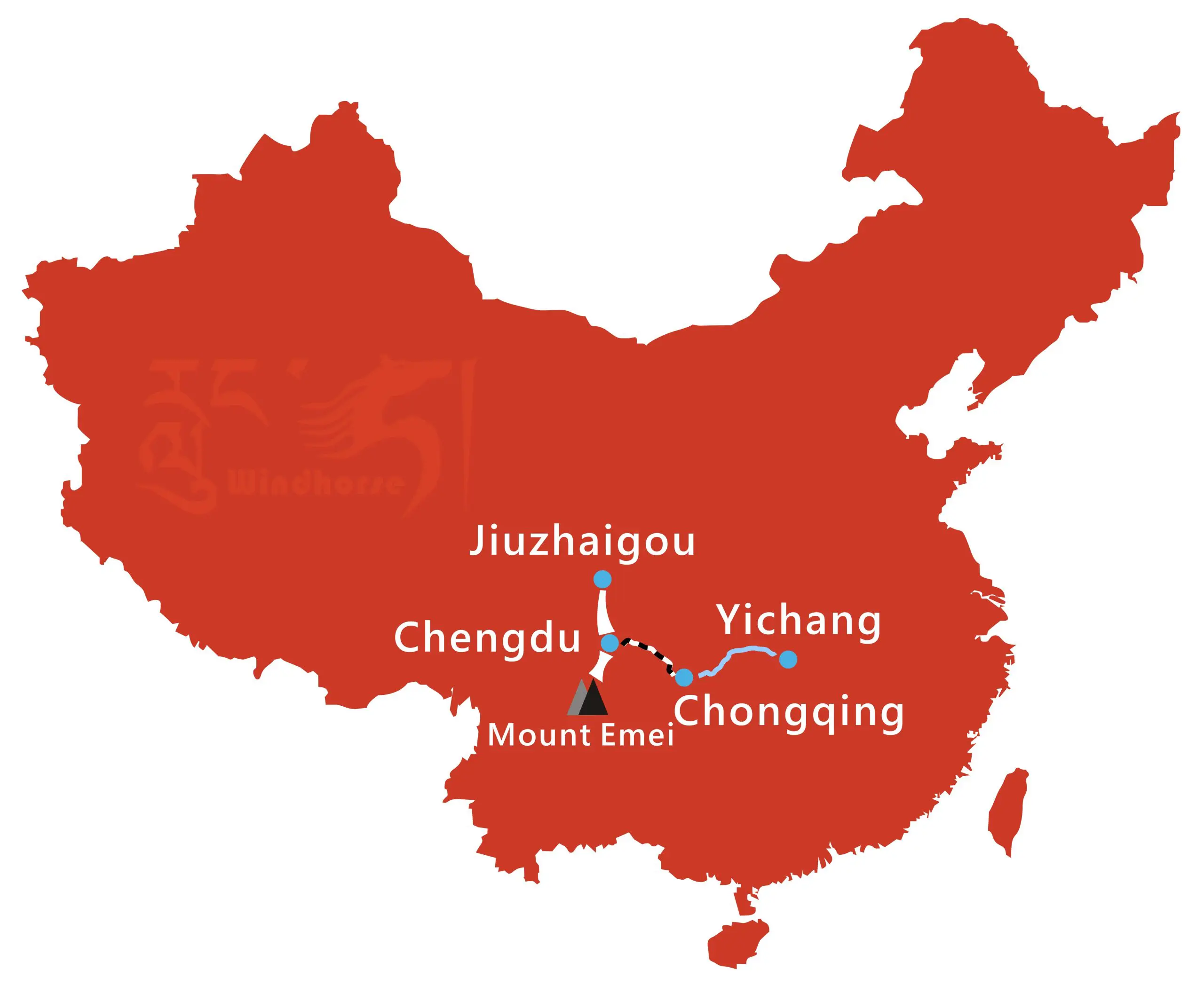
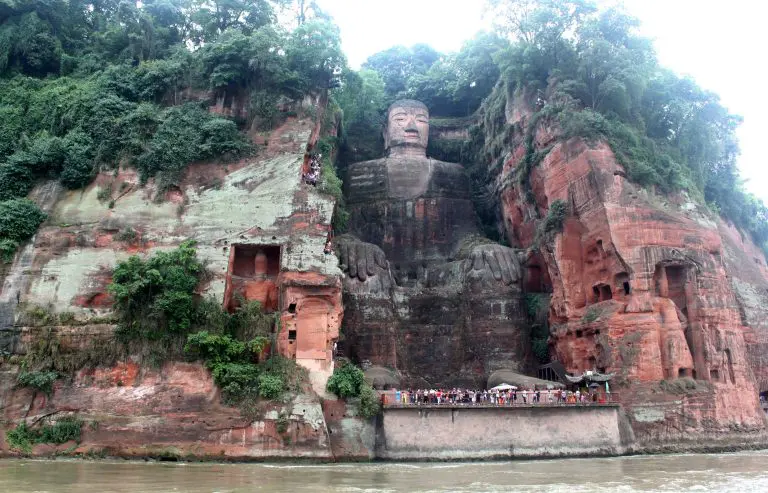
Explore Sichuan’s natural wonders and cruise the Yangtze River. Visit Chengdu pandas, Jiuzhaigou’s turquoise lakes, Mount Emei’s Golden Summit, Dazu Rock Carvings, Chongqing, and sail through the dramatic Three Gorges.
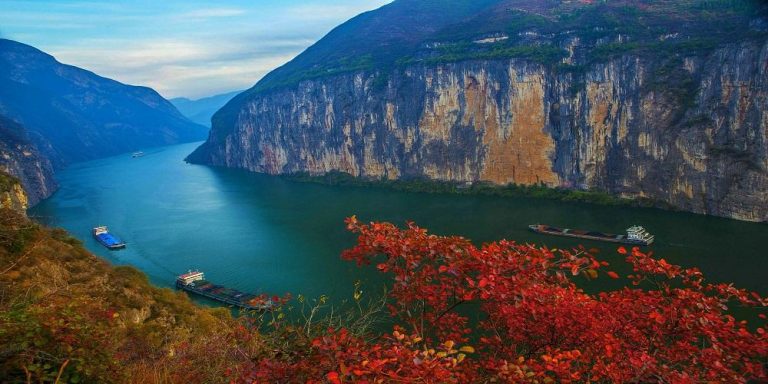

Experience an 8-day Chongqing Yangtze Cruise and Zhangjiajie Tour, combining a classic Three Gorges cruise from Chongqing to Yichang with Zhangjiajie’s top sites, including Yuanjiajie, Tianzi Mountain, the Glass Bridge, and Tianmen Mountain.