
Tibet Sky Burial
Tibetan Sky Burial, or Jhator (བྱ་གཏོར་), is a traditional Tibetan funeral rite deeply rooted in Buddhist philosophy. In this practice, the body of the deceased is offered to vultures—a sacred act symbolizing the impermanence of life and the cycle of rebirth. While it may seem unsettling to outsiders, sky burial is the most common and respected method of funerary practice among ordinary Tibetans. Often misunderstood, this unique ritual adds to the spiritual depth and cultural mystery of Tibetan life.
Preparations After Death
After the death of a Tibetan, the corpse is wrapped in white cloth and is placed in a corner of the house for three or five days. During these several days monks are asked to chant so that the souls can be released from purgatory. Family members stop other activities in order to create a peaceful environment to allow convenient passage for ascension of souls into heaven. On the day before the burial, the family members take off the clothes of the dead and fix the corpse in a fetal position.
The Burial Process
At dawn on a selected day, the corpse is sent to the burial site among mountains which is always far from the residential area. The smoldering scent of juniper invites clusters of vultures to hover above the site. Then a ‘daodeng’, the man who is in charge of the burial process, begins to slice the body. The corpse is laid facing the ground. The first cut falls on the back, then muscles are peeled off and limbs are disjointed from the body. The bones are crushed and mixed with tasmpa flour. After a signal is sent off, the ravenous vultures swoop down and peck at the flesh and the bones scattered around. Any remains left by these huge birds would tie the spirits to this life, so they must be collected up while monks are invited to patter the dead at the same time. After they are cremated, the ashes are scattered into the air. At this time the deceased completes the move on to nirvana.
Taboos and Restrictions
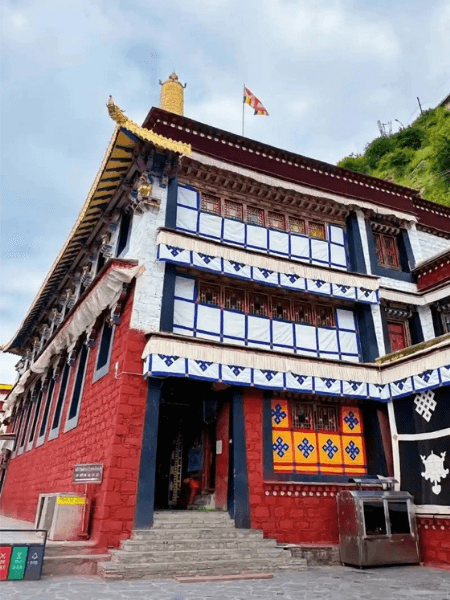
Besides, there are a lot of taboos in the process of the burial. For instance, the family members are not allowed to be present at the burial site. ‘Daodeng’ and mourners avoid going to the deceased’s house for two days after the burial, lest that the souls will be brought back home. It is noted that visitors are not allowed to watch the ritual, for Tibetans believe it will bring negative efforts to the ascending of the souls.
Origins and Cultural Significance
As to the origination of sky burial, we can see a trace of a clue in the 3rd and 4th century B.C. when the deity of Heaven possessed supreme power. However the forming of the unique ritual involved the development of religions and many other historical facts. It is very complicated and could be a long story to tell. Besides, Buddhism contributes a lot to the development of sky burial. Buddhism advocates that the soul is immortal and the body is only a carrier. It would be better to benefit other creatures rather than let the body rot.
Sacred Role of Vultures
Vultures are sacred birds in the eyes of Tibetans, which are avatars of Dakini. It is said that a vulture can sense its death in advance, so it chooses a place on the top of a mountain to end its life where human beings can not reach. So Tibetans believe that only the majestic birds are competent for bringing the souls up to heaven.
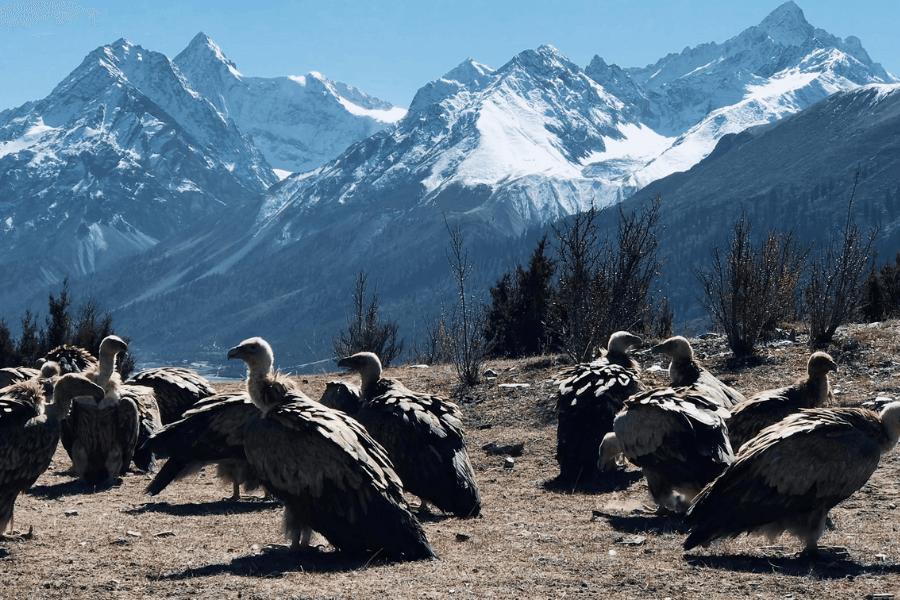
Visiting a site associated with Tibetan sky burial requires respect, cultural sensitivity, and adherence to local customs. Here are key details to keep in mind:
Popular Sky Burial Sites:
- Drigung Til Monastery is located northeast of Lhasa, this monastery is renowned for its sky burial ceremonies. It is a significant spiritual site for Tibetan Buddhists. While you cannot witness the ritual itself, you may explore the surrounding area and learn about its significance.
- Mountains Near Lhasa are remote mountain areas often serve as sky burial sites. These are usually far from residential zones and may offer views of juniper burning sites.
- Local Villages in Eastern Tibet: Some lesser-known regions in Kham and Amdo also practice sky burials, though access might be restricted to maintain privacy.
Guidelines for Visitors:
- No Observation: Watching a sky burial is strictly prohibited for non-participants, as it is considered highly disrespectful and disruptive to the spiritual process.
- Photography: Taking photos near a sky burial site or during any part of the ceremony is forbidden.
- Seek Local Guidance: Hire a local guide who can provide context and ensure you respect cultural boundaries. Guides can also recommend alternative ways to learn about the tradition.
- Timing: Avoid visiting these areas during festival times or specific burial days, as these are especially sacred.
Alternative Ways to Learn:
- Museums and Cultural Centers: Places like the Tibet Museum in Lhasa may offer exhibitions or information on Tibetan death rituals, including sky burials.
- Monastic Discussions: Engage with monks or scholars who may explain the ritual’s significance in Tibetan Buddhism.
Related tours
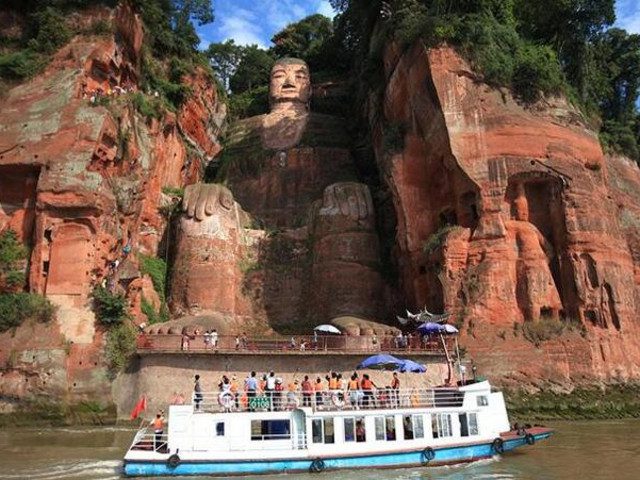
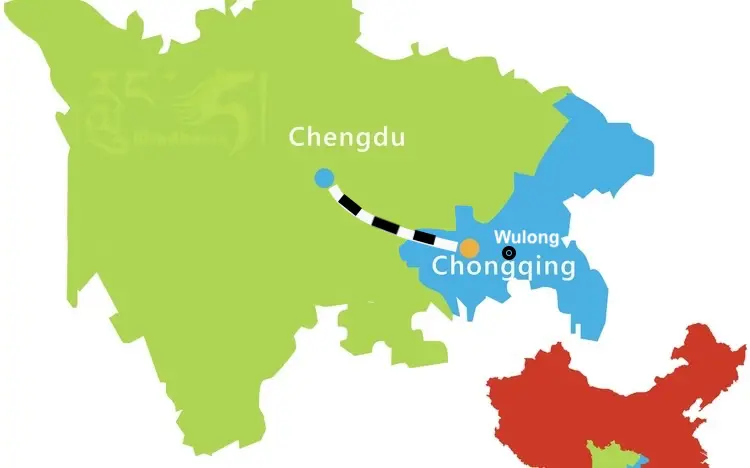
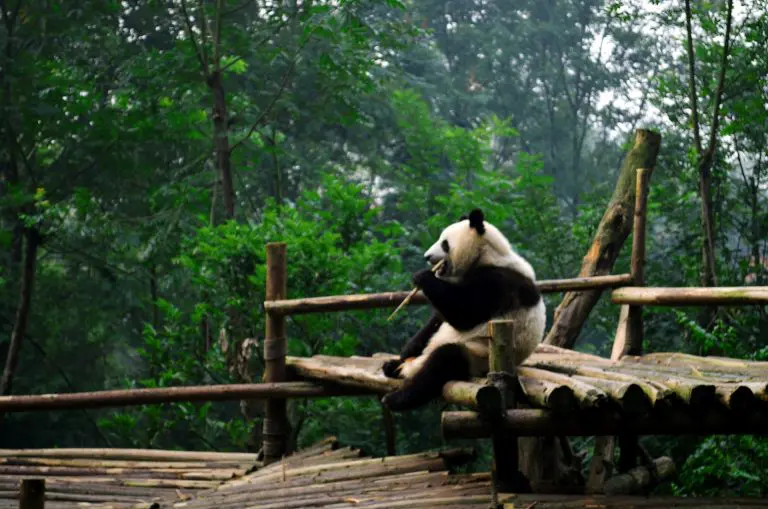
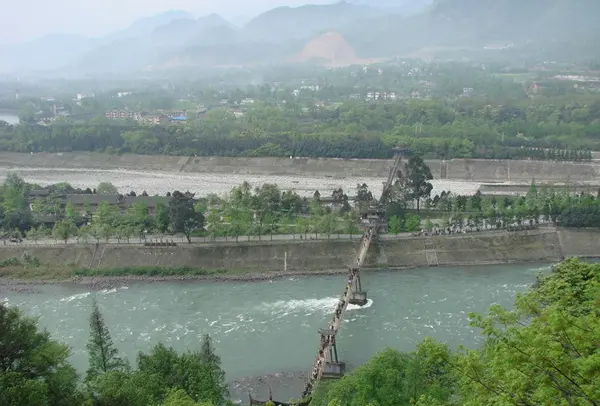
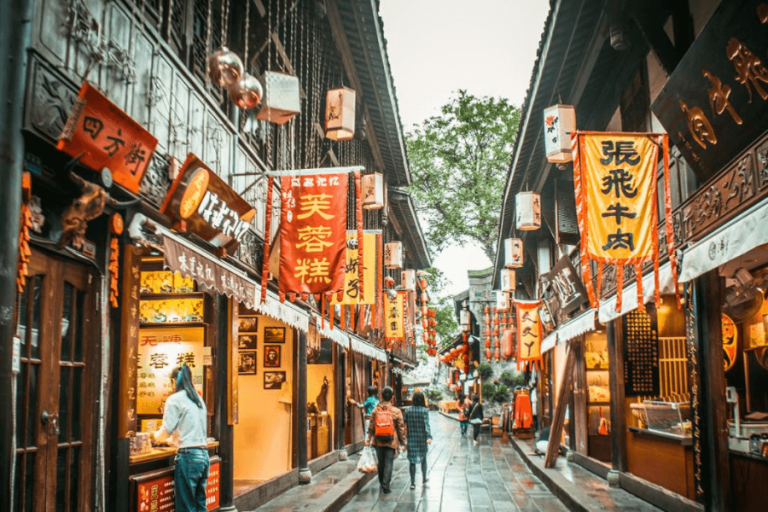


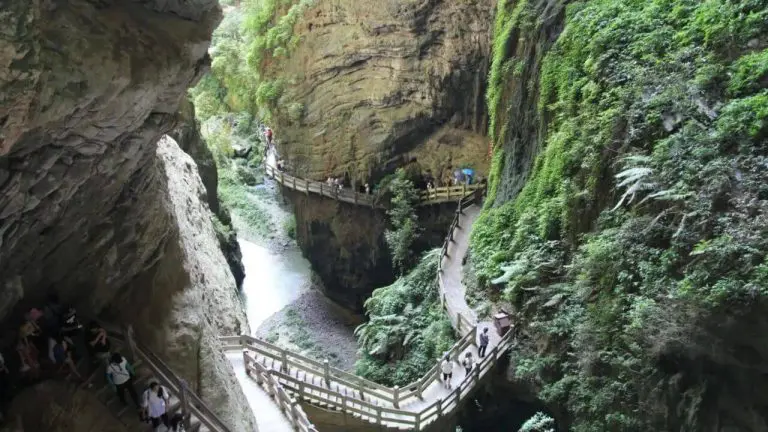
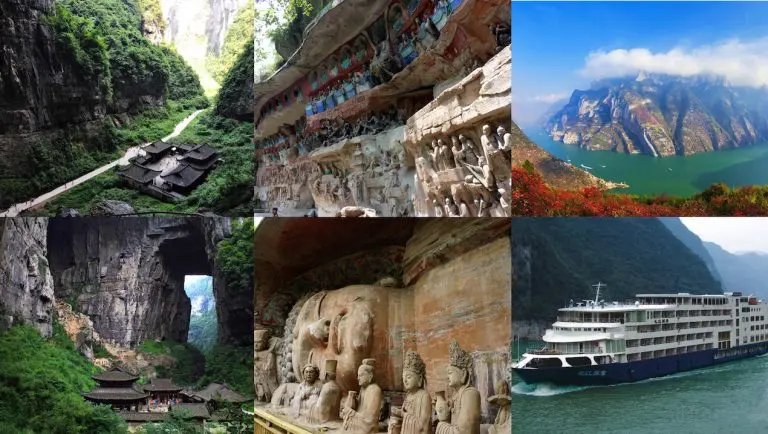
Travel through the top two cities of Southwest China on this 6-day Chengdu to Chongqing Tour with Wulong Karst. See giant pandas, the Leshan Grand Buddha, and Dujiangyan in Chengdu, explore Chongqing’s lively old streets, and marvel at Wulong’s UNESCO-listed karst bridges and gorges.
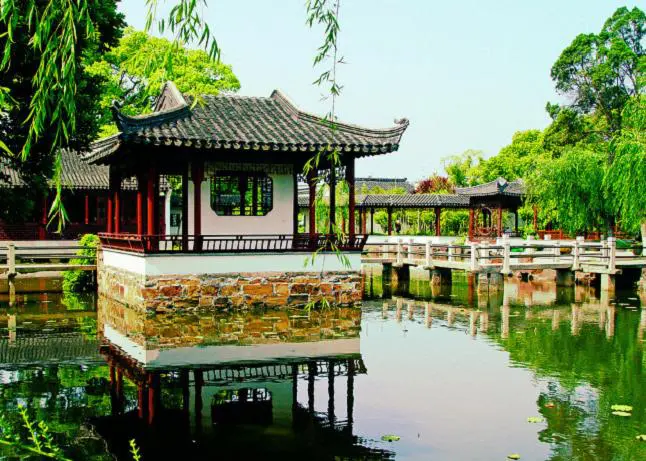
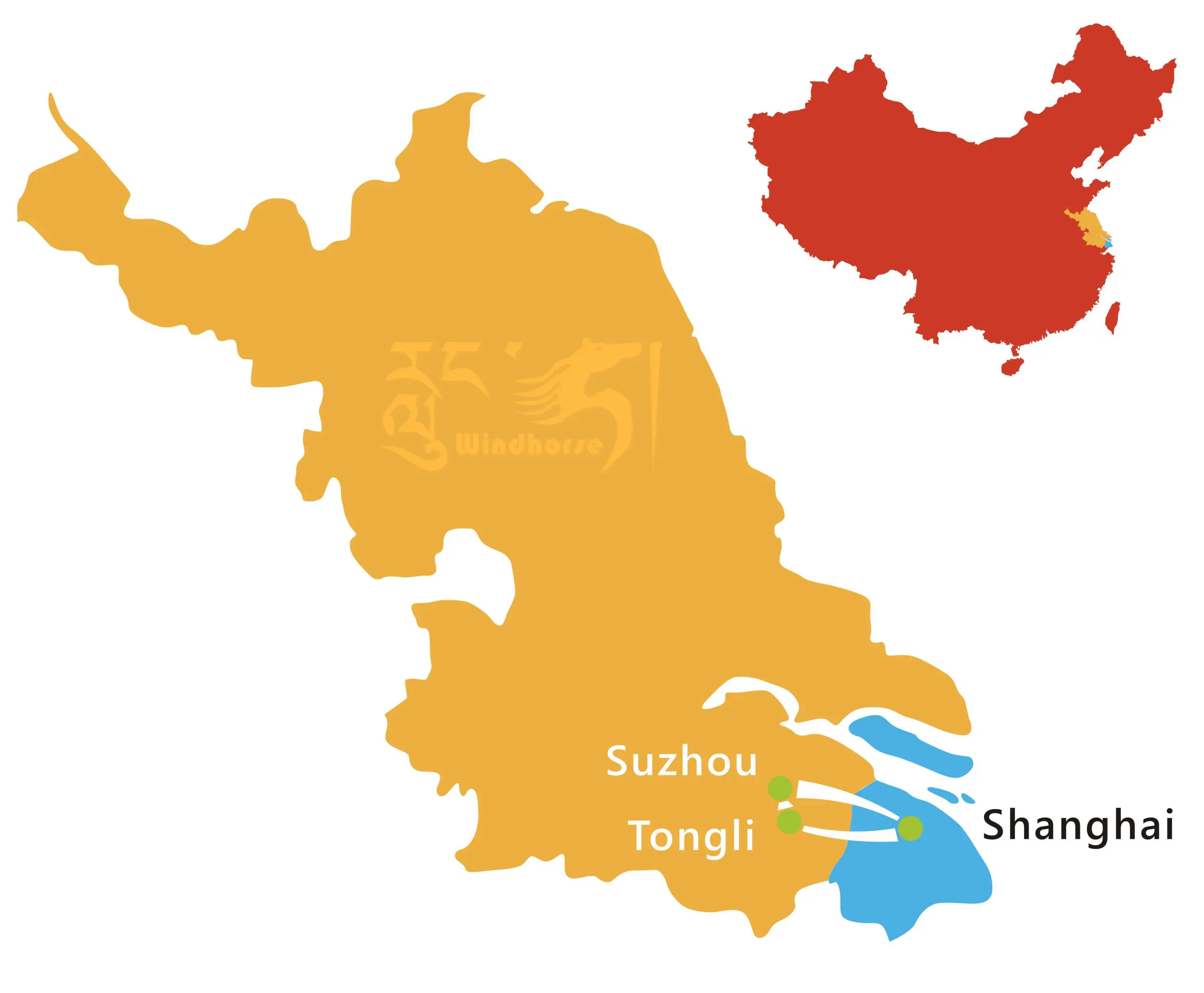


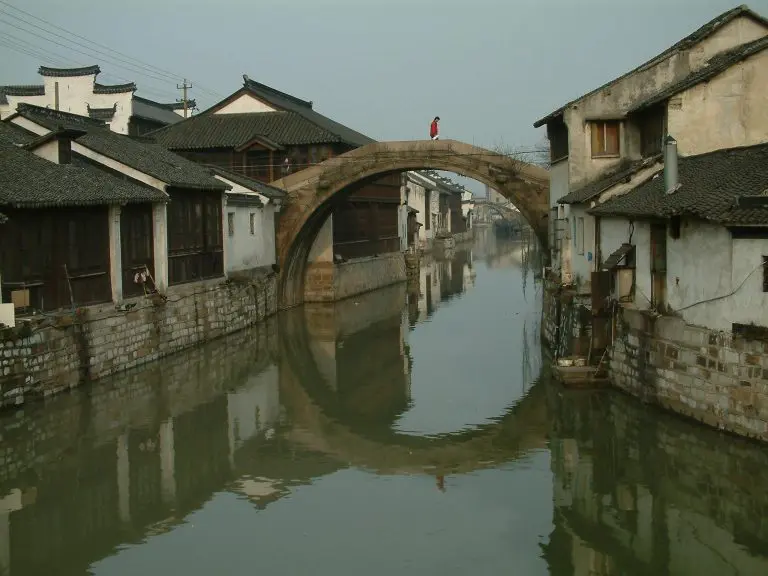
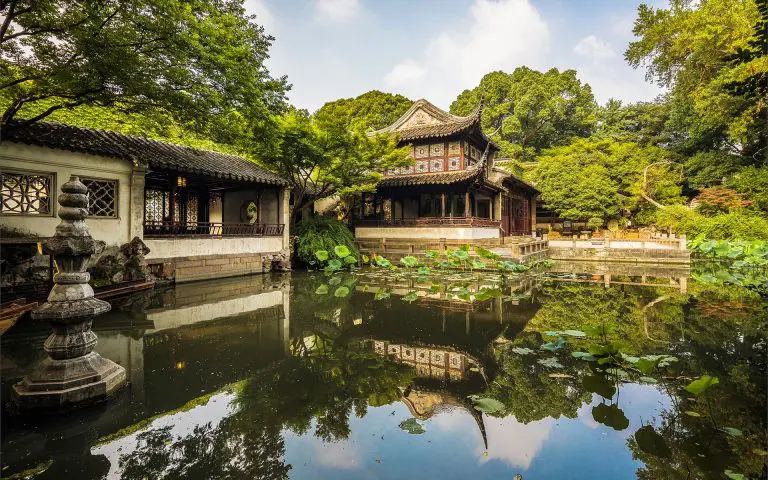

Visit three unique classical cities of eastern China. Each amazing in their own right. Suzhou's classical gardens, Hangzhou's spectacular West Lake and China's financial capital Shanghai. Balanced to provide you with the best of all.
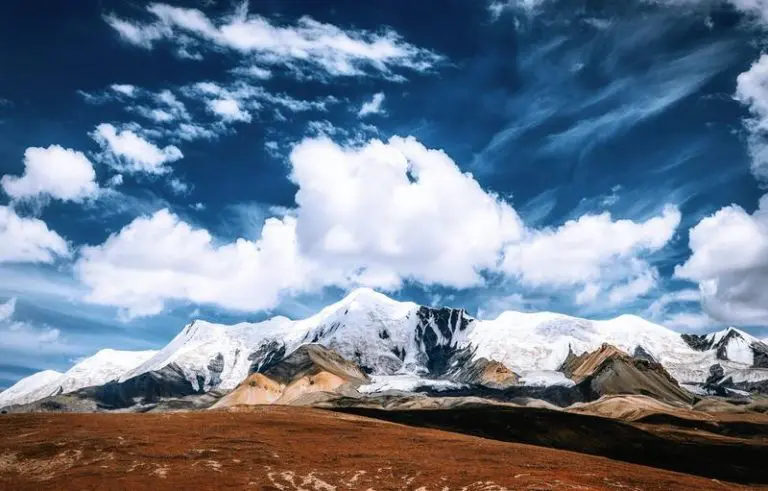
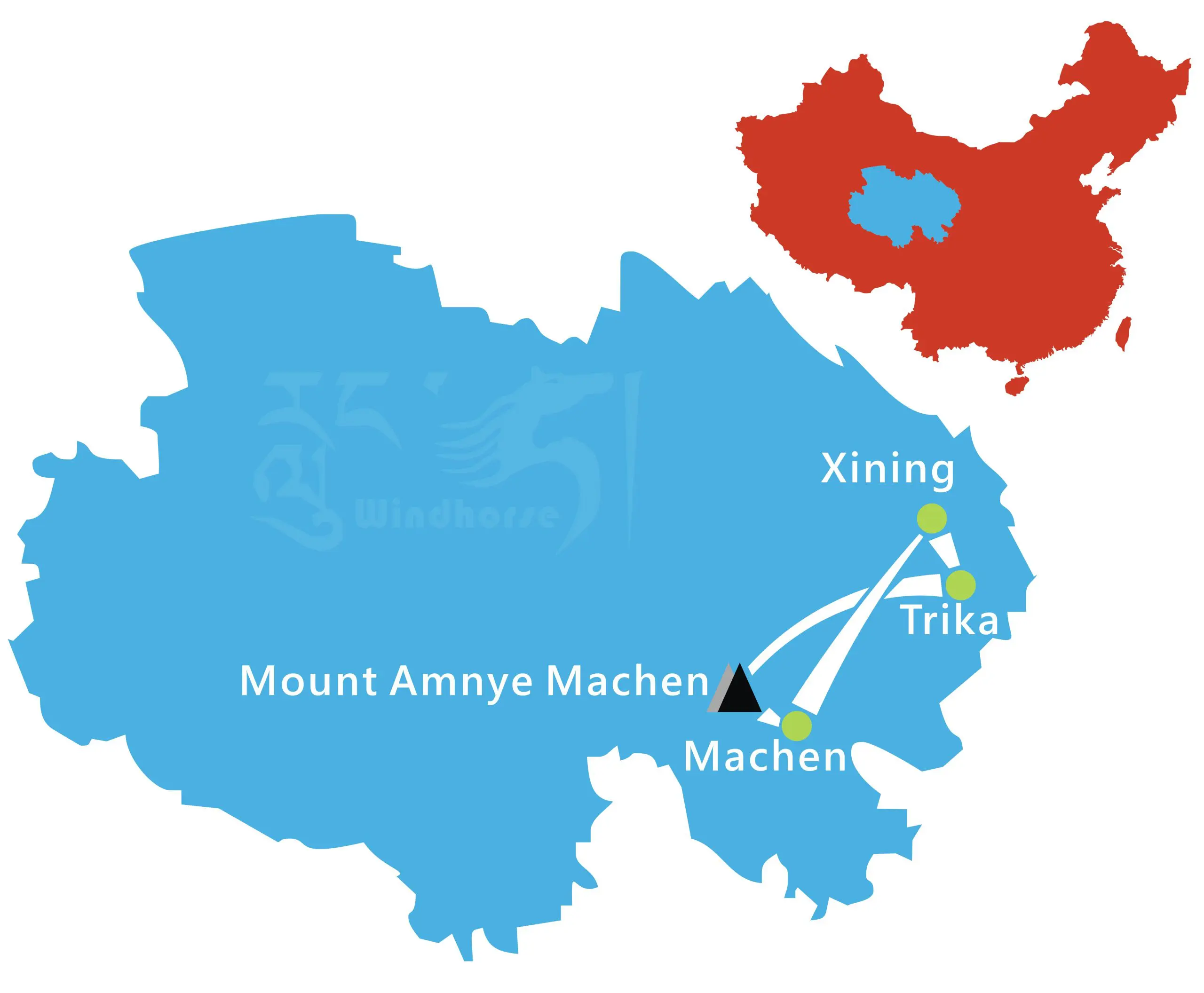
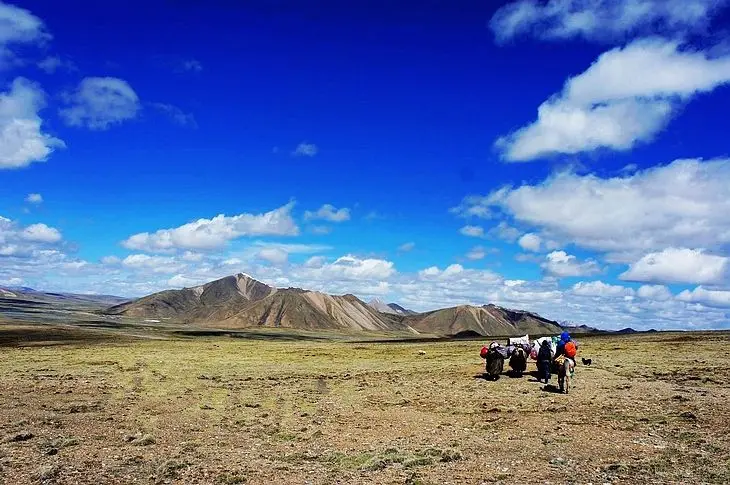
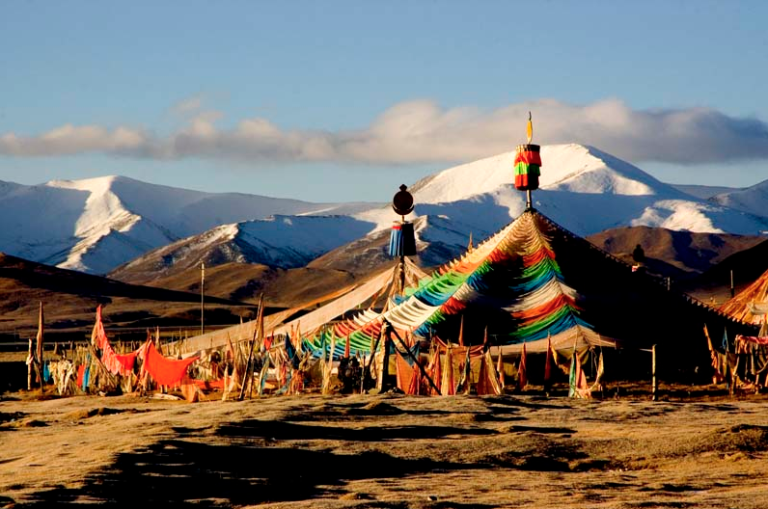
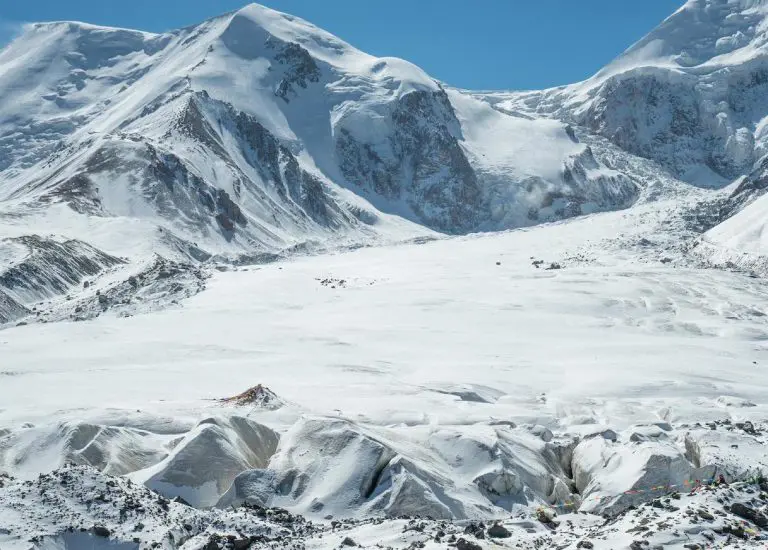
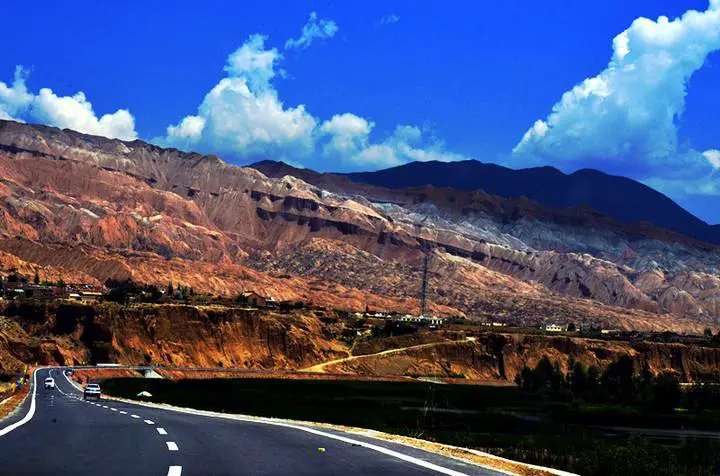
Take this 15-day Amnye Machen trekking tour through Qinghai’s sacred landscapes. Explore Qinghai Lake, remote valleys, monasteries, and high mountain passes while trekking around Mount Amnye Machen on the Qinghai–Tibet Plateau.