
High Altitude Sickness at Huanglong
Before going deep into high altitude sickness at Huanglong we need to know what high altitude is and which are the symptoms.
High altitude sickness, also known as acute mountain sickness (AMS), occurs when travelers ascend to high elevations too quickly, exposing their bodies to reduced oxygen levels. As altitude increases, the air becomes thinner, making it harder for the body to absorb oxygen. This can lead to symptoms like headaches, dizziness, shortness of breath, nausea, and fatigue. AMS typically occurs at altitudes above 2,500 meters (8,200 feet) and affects individuals who aren’t acclimatized to such heights. The body’s inability to adjust quickly to lower oxygen levels is the primary cause of these symptoms.
Quick Facts about Huanglong National Scenic Reserve
- Location: Sichuan Province, China.
- Altitude: 3,200 to 3,500 meters (10,500 to 11,500 feet).
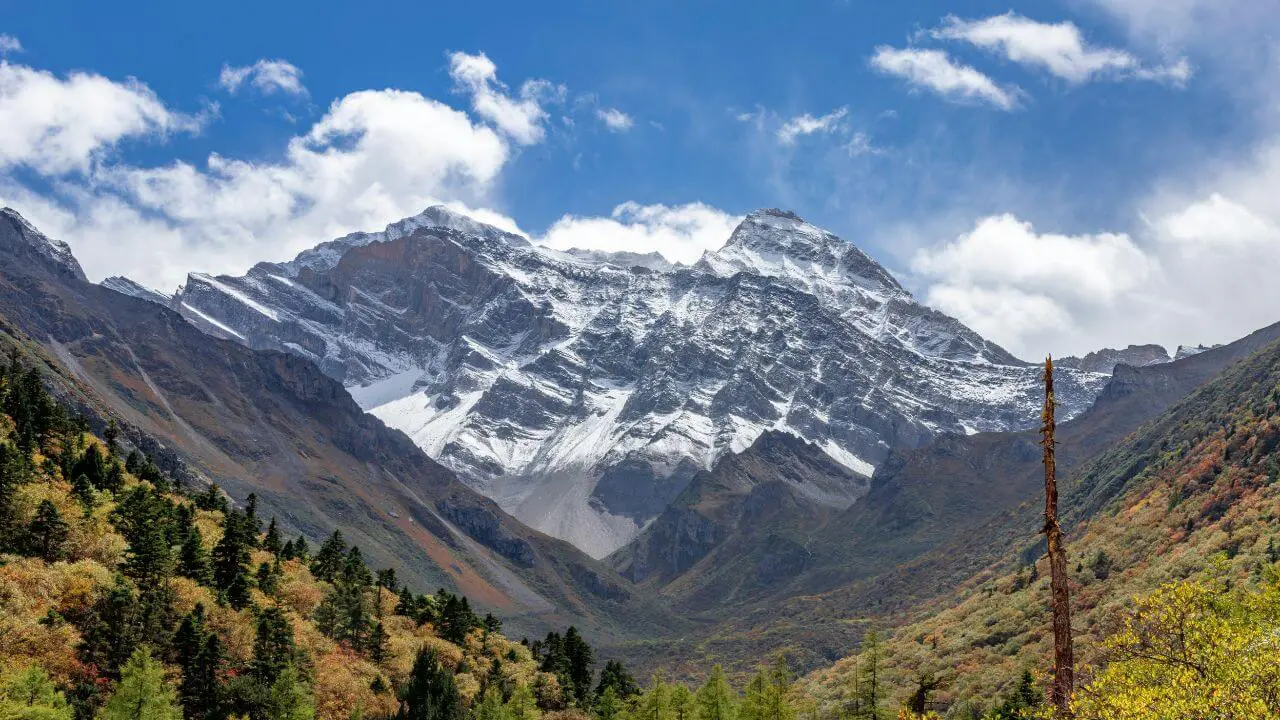
- Famous for: Colorful travertine pools, waterfalls, hot springs, and snow-capped peaks.
- UNESCO World Heritage Site: Recognized for its environmental and cultural significance.
- Accessibility: Reachable by hiking or cable car.
- Biodiversity: Home to unique flora and fauna, including endangered species like the giant panda and Sichuan golden snub-nosed monkey.
Major Attractions in Huanglong and Their Altitudes
Huanglong Temple: Situated at an altitude of 3,560 meters (11,680 feet), this ancient temple is a cultural and spiritual highlight of the park. It offers stunning views of the surrounding peaks and travertine landscapes.
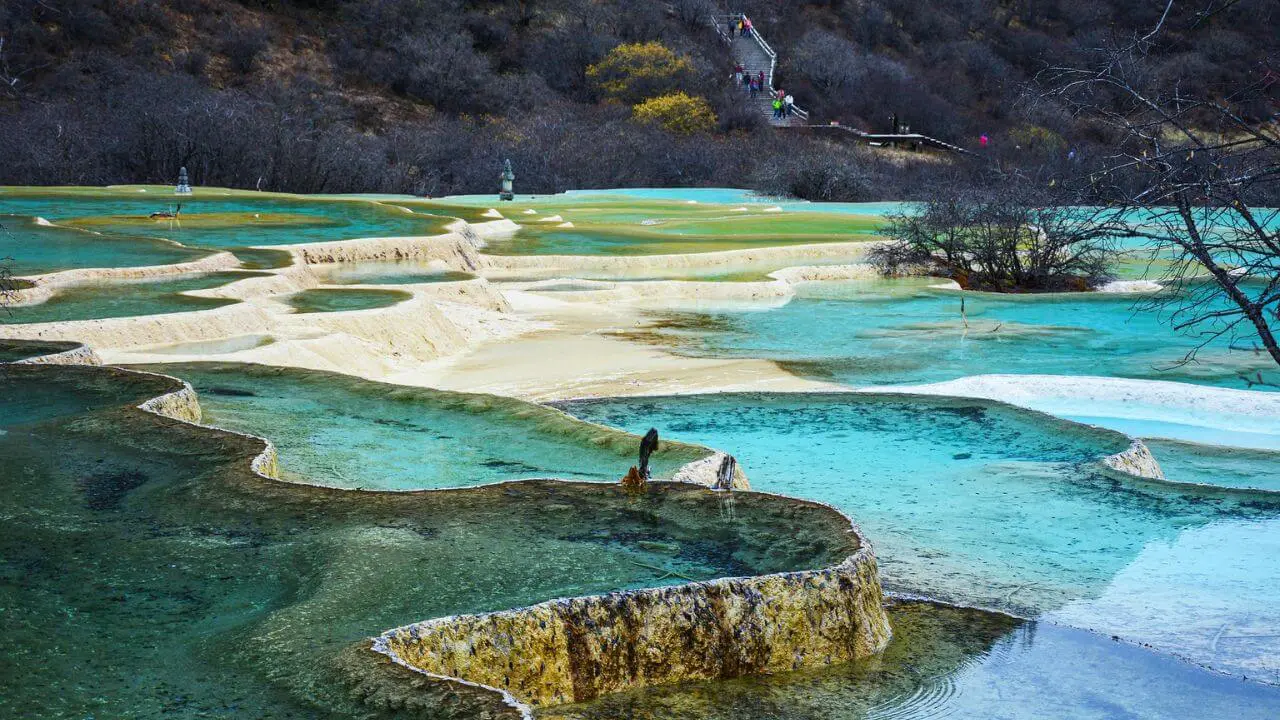
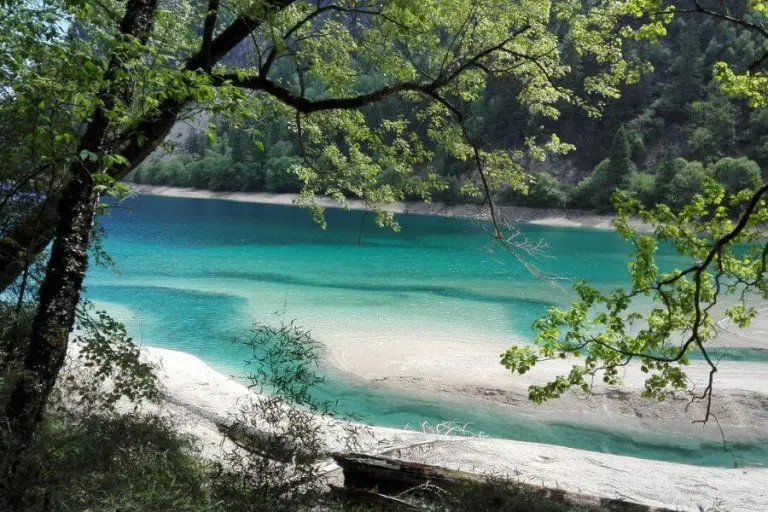
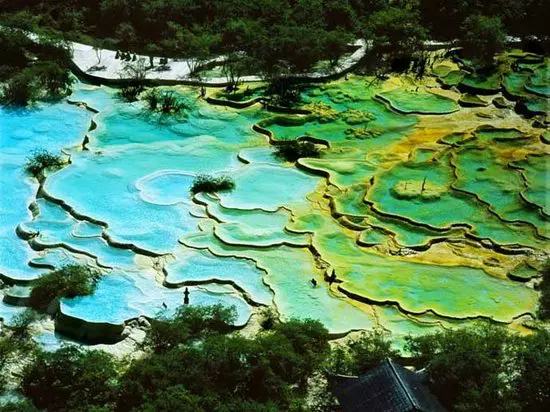
Five-Color Ponds: At 3,500 meters (11,483 feet), these are perhaps the most iconic feature of Huanglong. The ponds display vibrant colors due to mineral deposits, creating a surreal and picturesque scene that attracts many visitors.
Travertine Pools: Found at approximately 3,200 meters (10,500 feet), these pools are formed by calcite deposits, creating terraces of shimmering water in various shades of blue, green, and yellow. They stretch over 3.6 kilometers (2.2 miles), making them one of the largest travertine formations in the world.
Cable Car Station (top): Located around 3,500 meters (11,483 feet), the cable car provides a convenient way to ascend quickly to higher elevations, reducing the strain of hiking while offering panoramic views of the park.
Key Observation Points: These vantage points are scattered between 3,200 and 3,560 meters (10,500 to 11,680 feet), providing visitors with spectacular views of the park’s natural beauty, including the vibrant ponds, cascading waterfalls, and distant snow-capped mountains.
Read here more about Huanglong.
High Altitude Sickness in Huanglong
Risk Factors
- High Altitude: The park’s elevation of 3,200 to 3,560 meters (10,500 to 11,680 feet) makes visitors susceptible to acute mountain sickness (AMS), particularly those who are not accustomed to high altitudes.
- Rapid Ascent: Taking the cable car to higher altitudes quickly may increase the likelihood of AMS, as the body has less time to acclimatize to the reduced oxygen levels.
Symptoms to Watch For
- Common Symptoms: Headaches, dizziness, shortness of breath, nausea, and fatigue are common indicators of AMS.
- Higher Risk Groups: Visitors with pre-existing conditions (like respiratory or heart issues) or those who ascend too rapidly are at greater risk of developing more severe symptoms.
Prevention Tips
- Acclimatization: Spend time at lower altitudes before visiting Huanglong to help your body adjust to the elevation.
- Stay Hydrated: Drink plenty of water and avoid alcohol or caffeine, which can dehydrate the body and worsen AMS symptoms.
- Ascend Slowly: If possible, hike up gradually rather than using the cable car to allow for a smoother adjustment to the altitude.
- Medication: Consider taking acetazolamide (Diamox) or other medications that help prevent AMS, but always consult a doctor before use.
Comparison with Jiuzhaigou
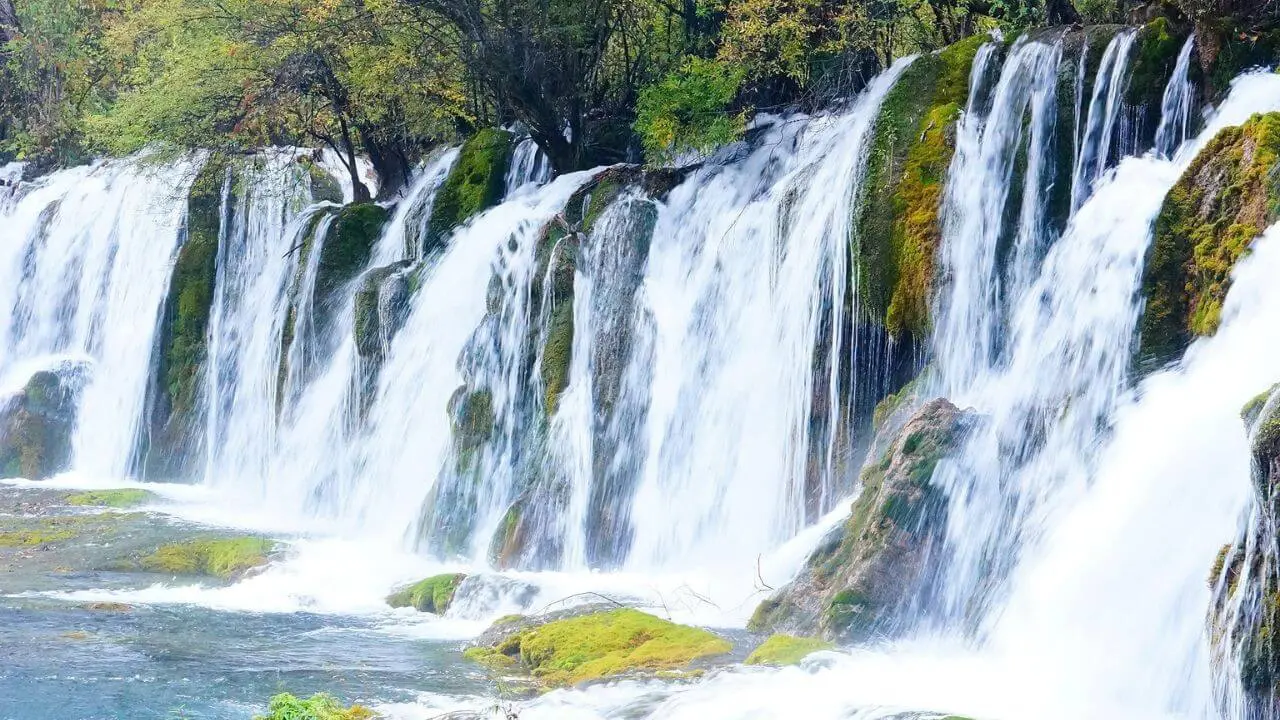
Jiuzhaigou is located in a high altitude region, so you are not suggested to do any strenuous exercise, eat more vegetables and fruits while drinking less in order to avoid altitude sickness. You are suggested to take some common medicines with you, a small oxygen bottle (which you can buy in Chengdu) is preferred; The old and frail and people with high blood pressure, coronary disease and heart disease are not recommended to travel to Jiuzhaigou without the permission of their doctors.
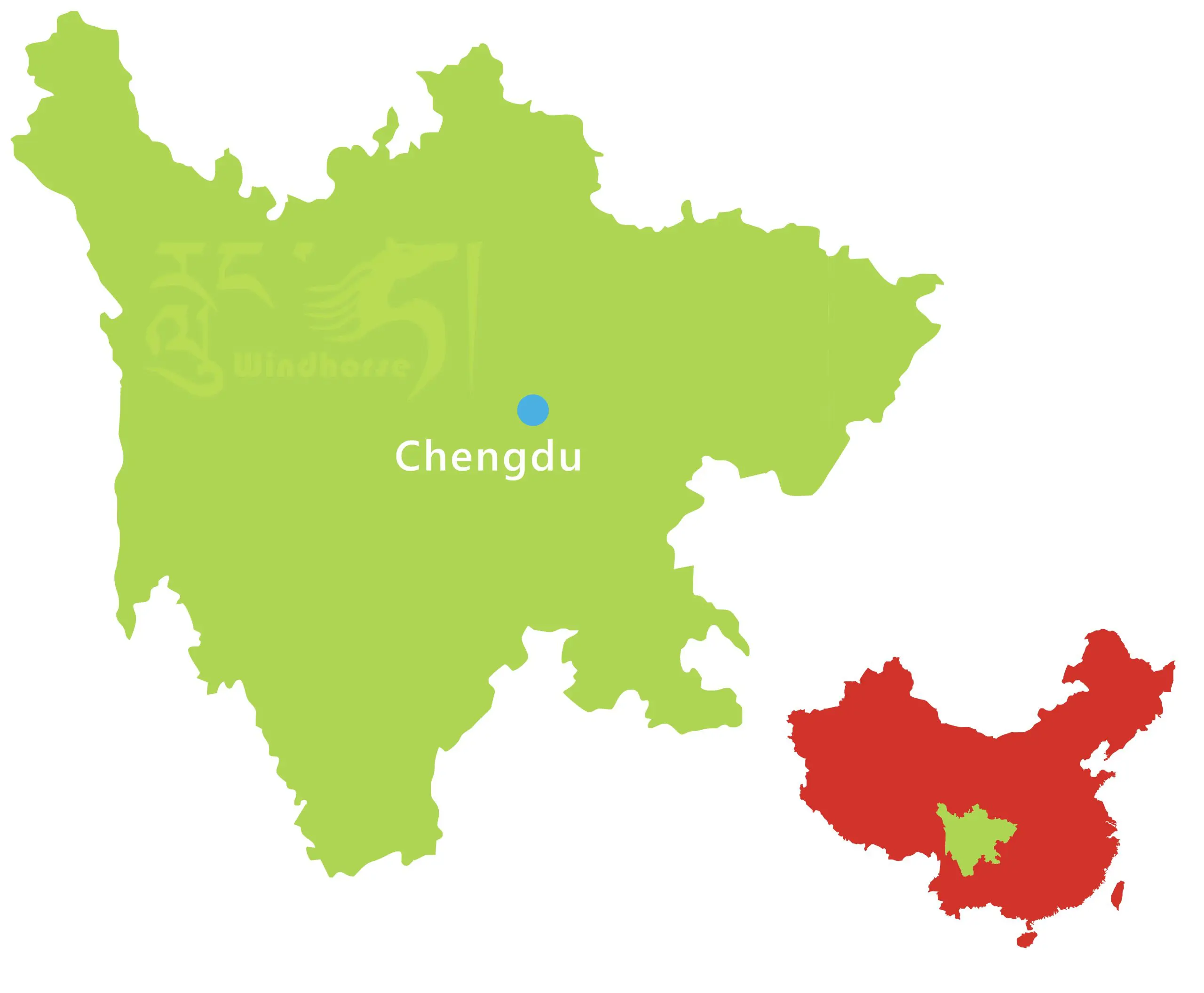
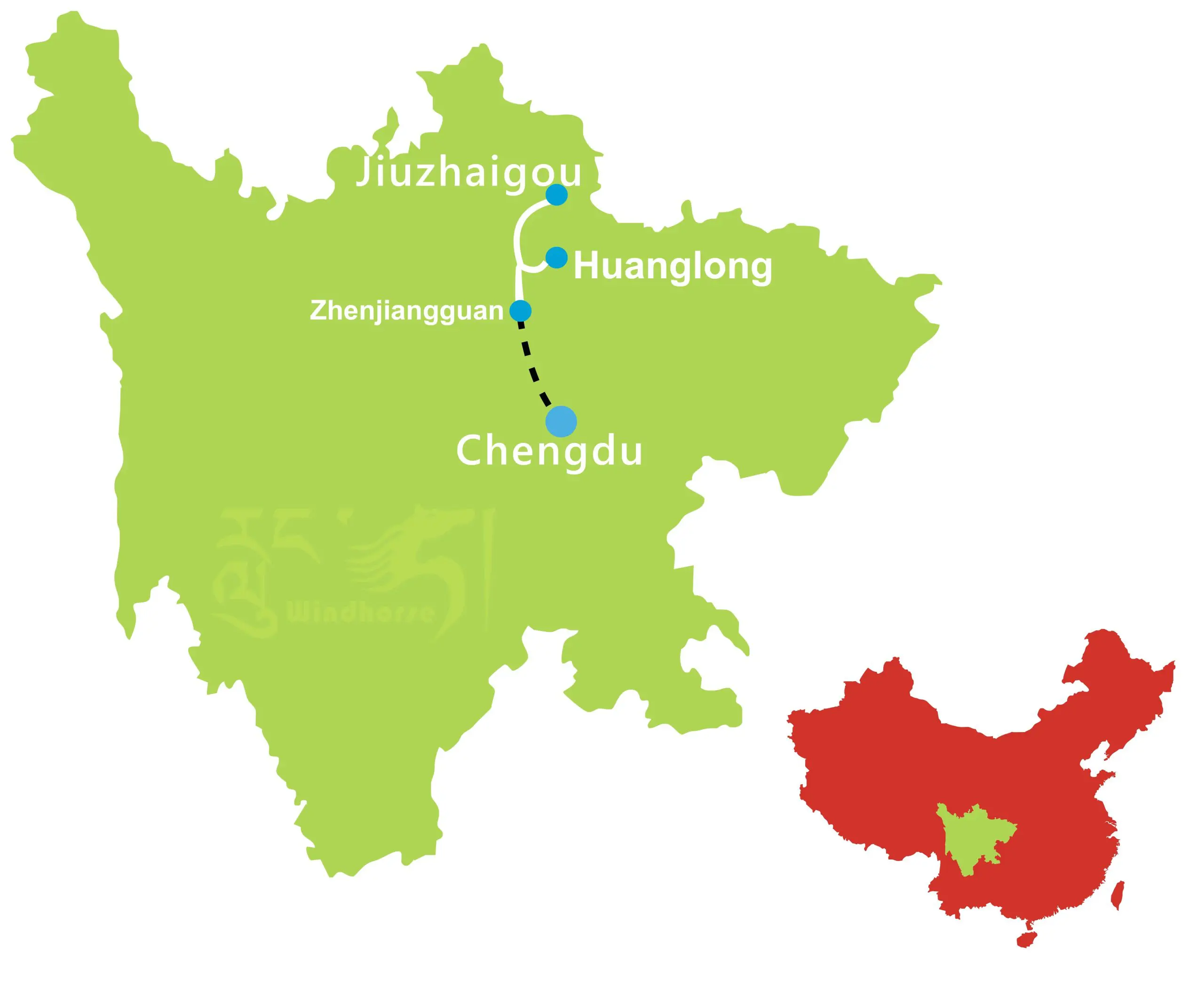
Jiuzhaigou Location: Like Huanglong, Jiuzhaigou is located in Sichuan Province and is relatively close, making it convenient to visit both on the same trip.
Altitude:
- Jiuzhaigou’s elevation ranges from 2,000 to 3,100 meters (6,562 to 10,170 feet).
- This is lower than Huanglong’s altitude, which ranges from 3,200 to 3,560 meters (10,500 to 11,680 feet).
Altitude Sickness Risk:
- The risk of altitude sickness is generally lower in Jiuzhaigou due to its lower elevation compared to Huanglong
- However, sensitive travelers may still experience mild symptoms of AMS, particularly if they ascend too quickly or are not well-acclimatized.
Accessibility:
- Both Jiuzhaigou and Huanglong are easily accessible by car or bus from Chengdu, making them popular destinations for tourists.
- Due to the higher altitude of Huanglong, many travelers visit Jiuzhaigou first to acclimatize before moving on to Huanglong, which helps minimize the risk of altitude sickness.
The altitude of Huanglong is higher than Jiuzhaigou, so do pay attention to the possible altitude sickness in Huanglong, even if you are ok in Jiuzhaigou. Do not run or jump a lot during your tour. An oxygen bag in Huanglong is highly recommended. Plus a full breakfast may help you avoid altitude sickness.
Related tours
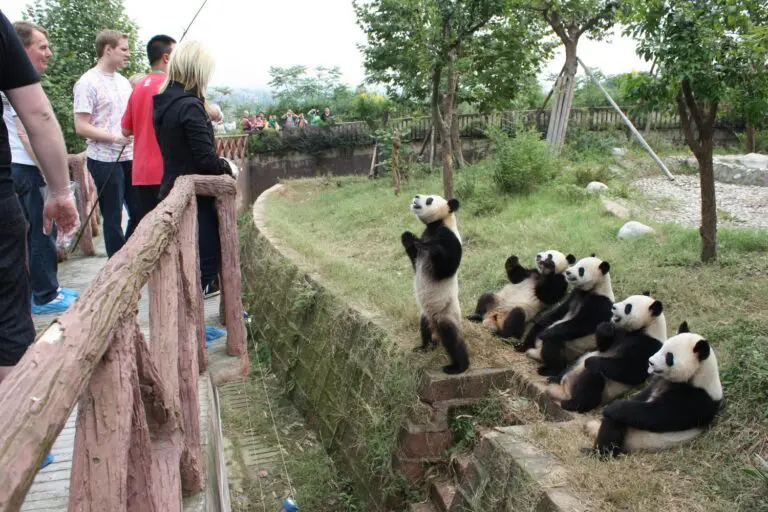
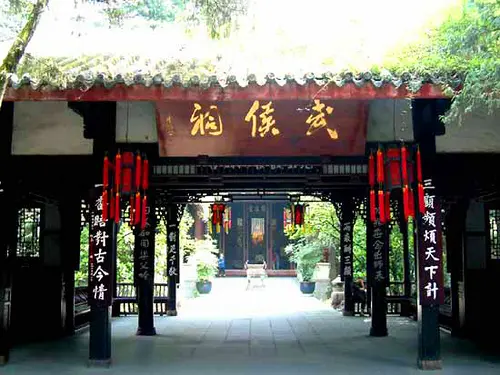
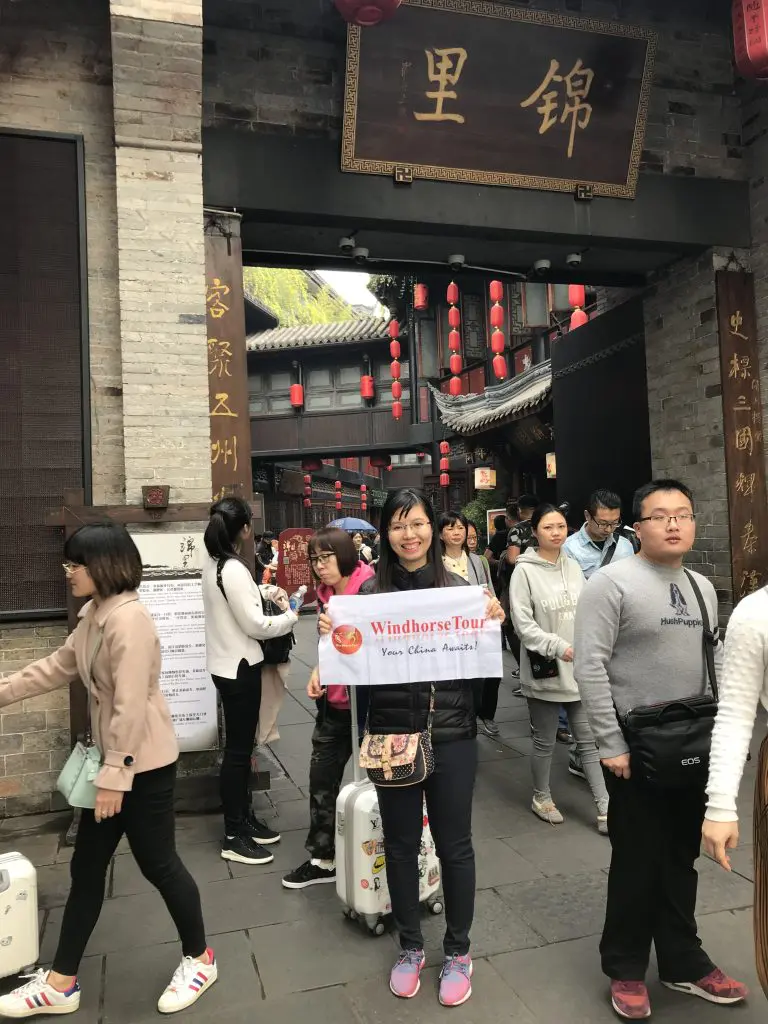
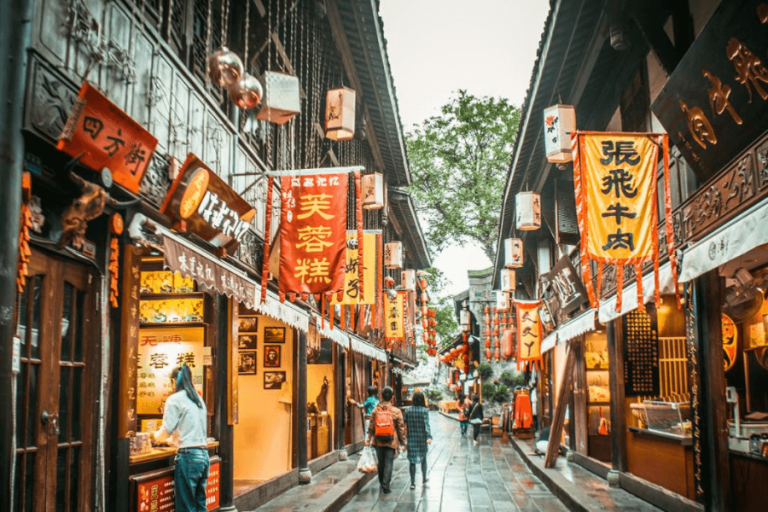
Experience Chengdu in a day! Visit the Chengdu Panda Base to watch giant pandas during feeding time, explore Wuhou Shrine’s rich history, stroll lively Jinli Ancient Street, and relax at People’s Park with locals over tea for a taste of Chengdu’s laid-back culture.
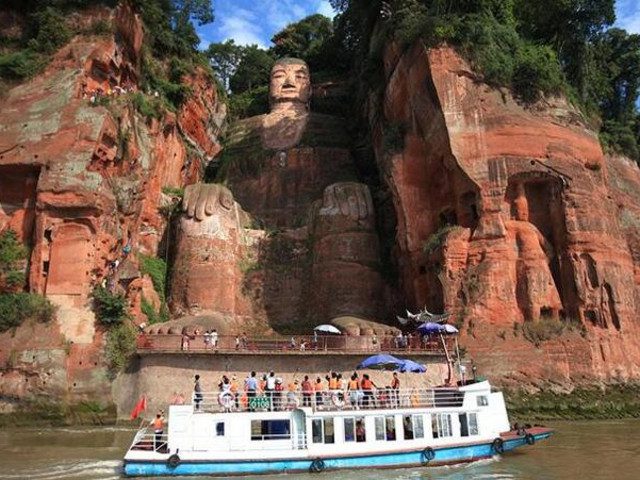
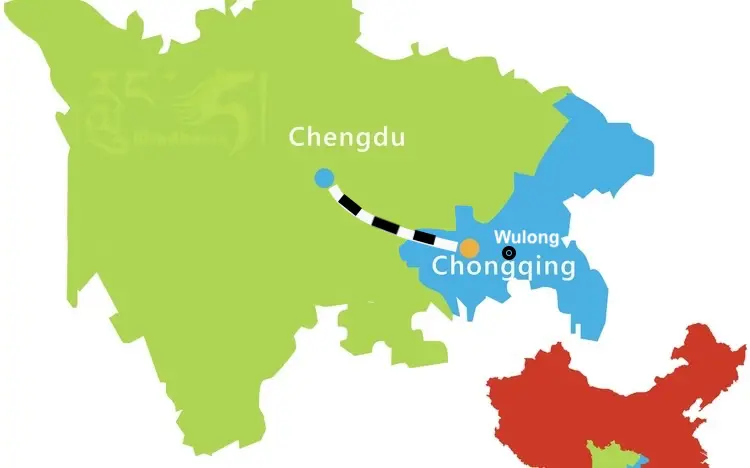
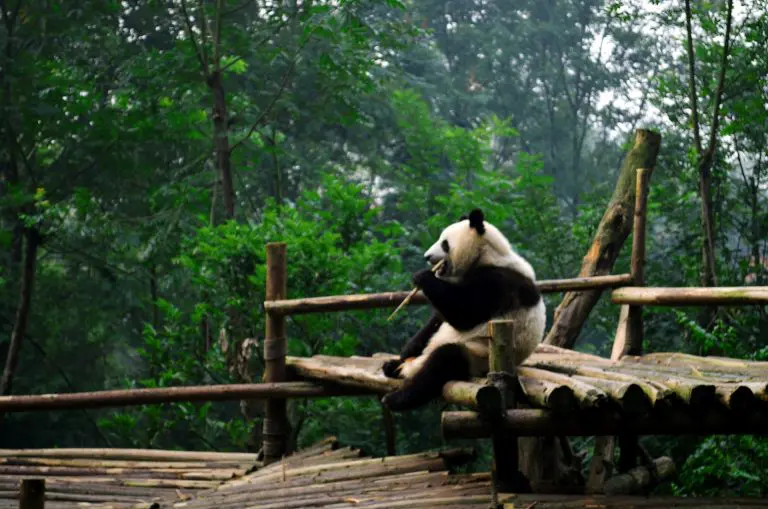
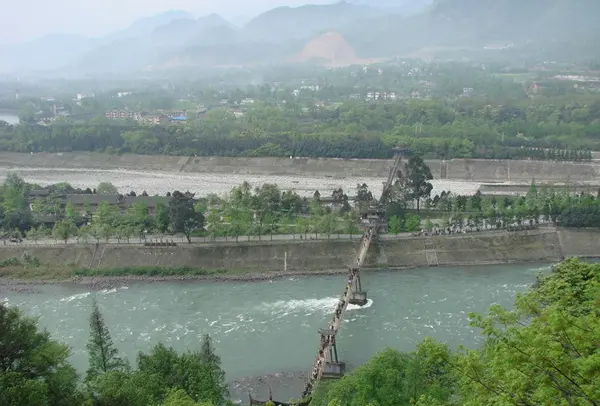

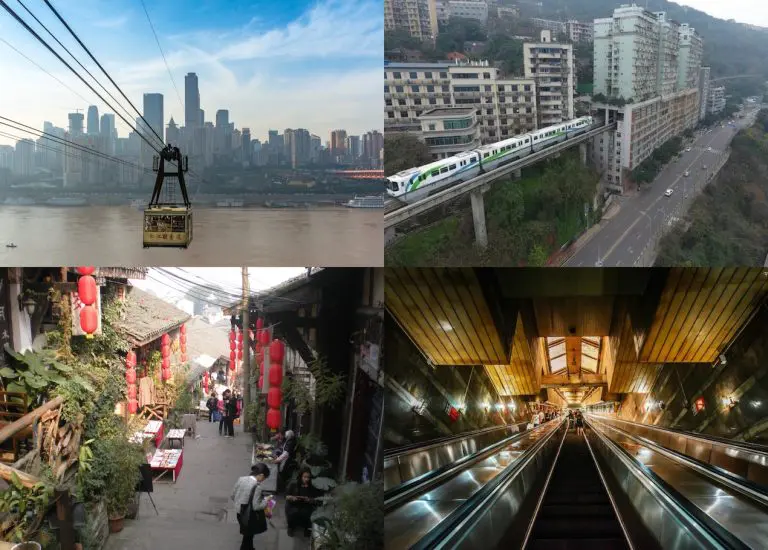
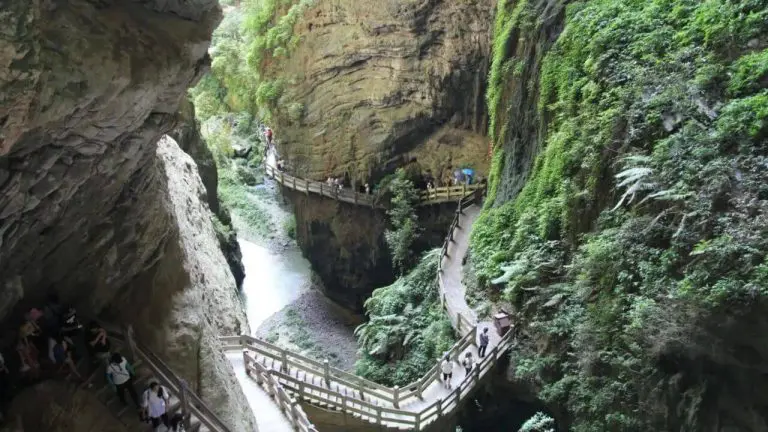
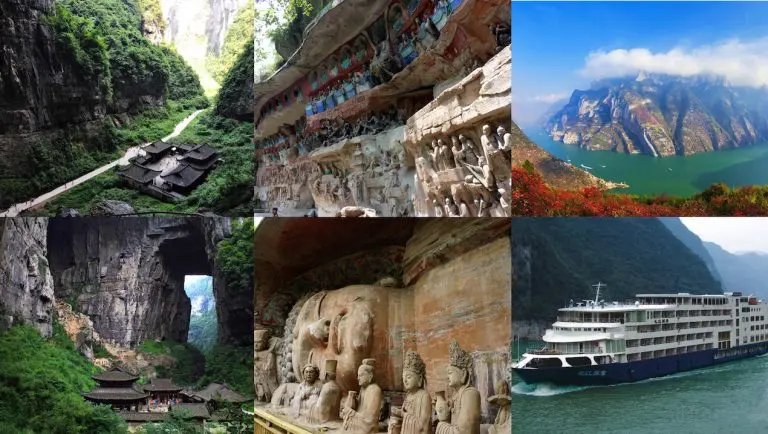
Travel through the top two cities of Southwest China on this 6-day Chengdu to Chongqing Tour with Wulong Karst. See giant pandas, the Leshan Grand Buddha, and Dujiangyan in Chengdu, explore Chongqing’s lively old streets, and marvel at Wulong’s UNESCO-listed karst bridges and gorges.
Take this 3 day Jiuzhaigou Train Tour from Chengdu, the fastest and most affordable way to explore Jiuzhaigou and Huanglong. Travel by high speed train, enjoy a full day in Jiuzhaigou National Park, and explore the colorful pools of Huanglong National Park with stunning mountain views.