
Chengdu North railway station
Before the East Train Station came into use in the middle of 2011, Chengdu North Train Station was the primary train terminal for Chengdu and the busiest station in southwest China. The Chengdu North Station has been accessible by Chengdu Metro line 1 since 2011, as well as by a number of city bus lines, and several automatic ticketing machines are now in service to alleviate the difficulty of buying a ticket during the peak seasons. Even with all of these measures, the station is continually packed with people, especially during national holidays, though more and more passengers are being routed to the massive new East Train Station.
At present, the Chengdu North Station has trains serving all of China’s major cities, including Beijing, Shanghai, Guangzhou, Chongqing, Urumqi, Xi’an, and Lhasa. There is also a tourist express train that departs the North Station for Chengdu’s neighboring areas such as Guangyuan, Yibin, and Panzhihua. There are also four scheduled bullet trains departing daily for Chongqing’s North Railway Station, which only take 2 to 2.5 hours to reach their destination.
Related tours
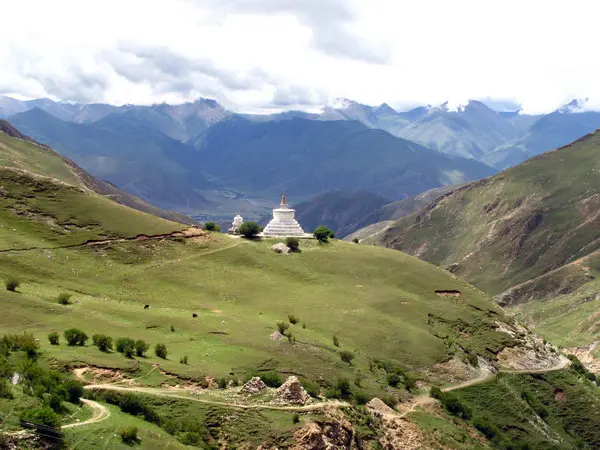
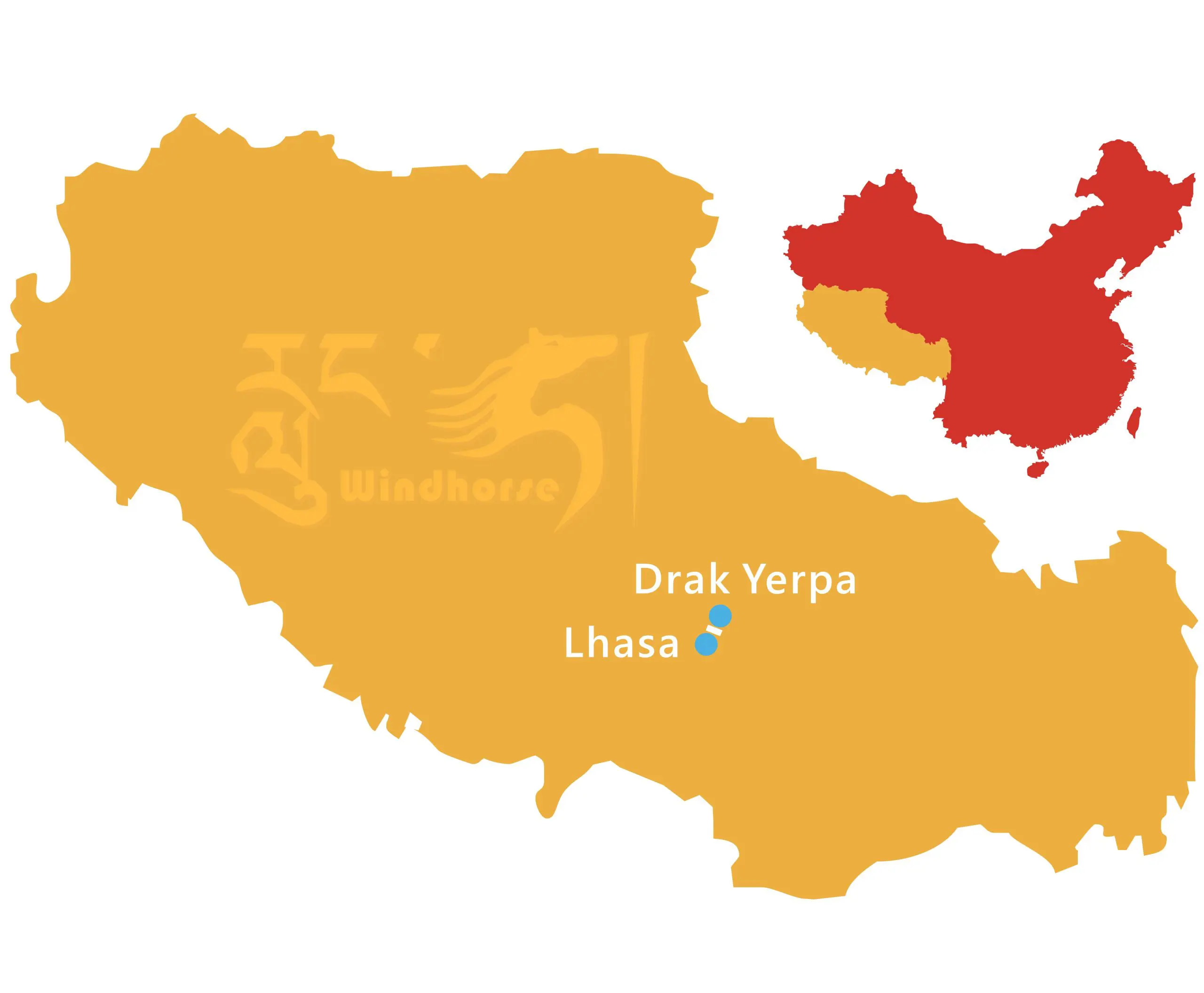
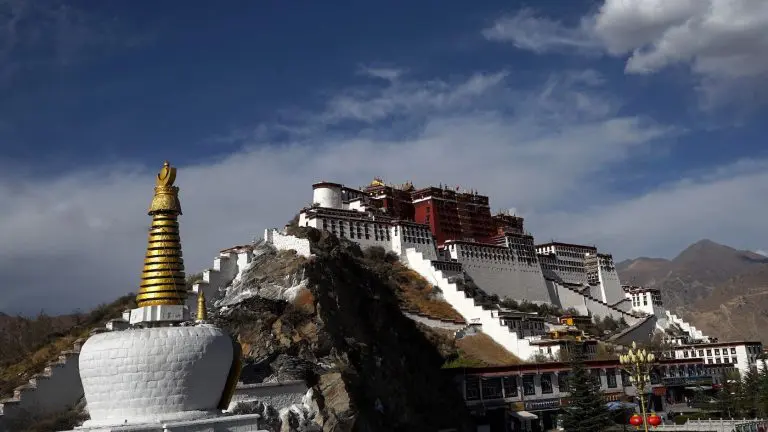
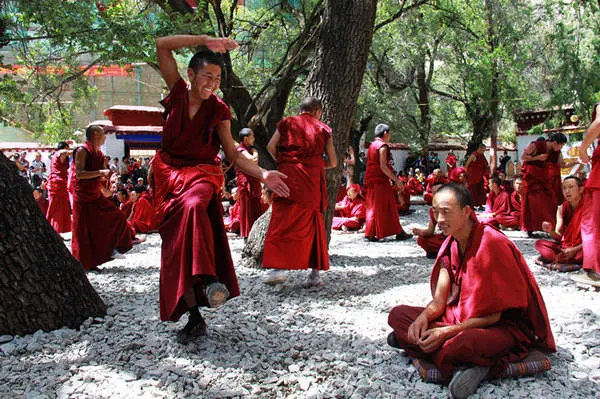
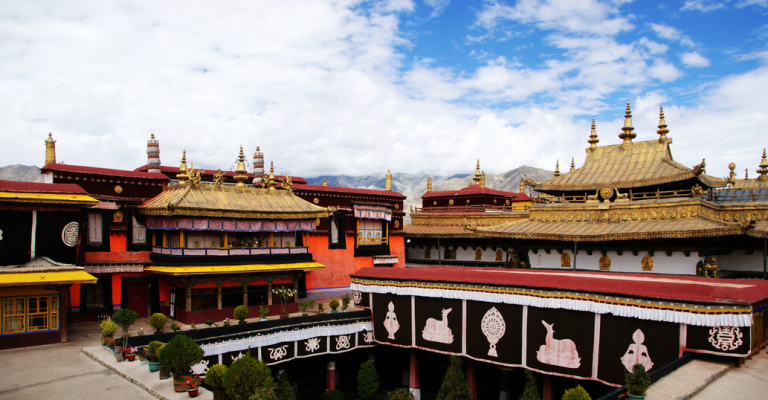
This best Lhasa 5-day tour covers Potala Palace, Jokhang Temple, Drepung and Sera monasteries, plus a day trip to the sacred Drak Yerpa Caves and a visit to a local Tibetan family.
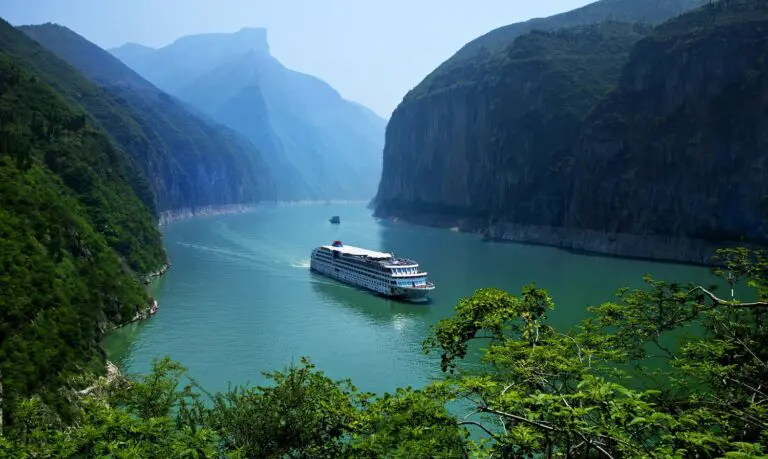
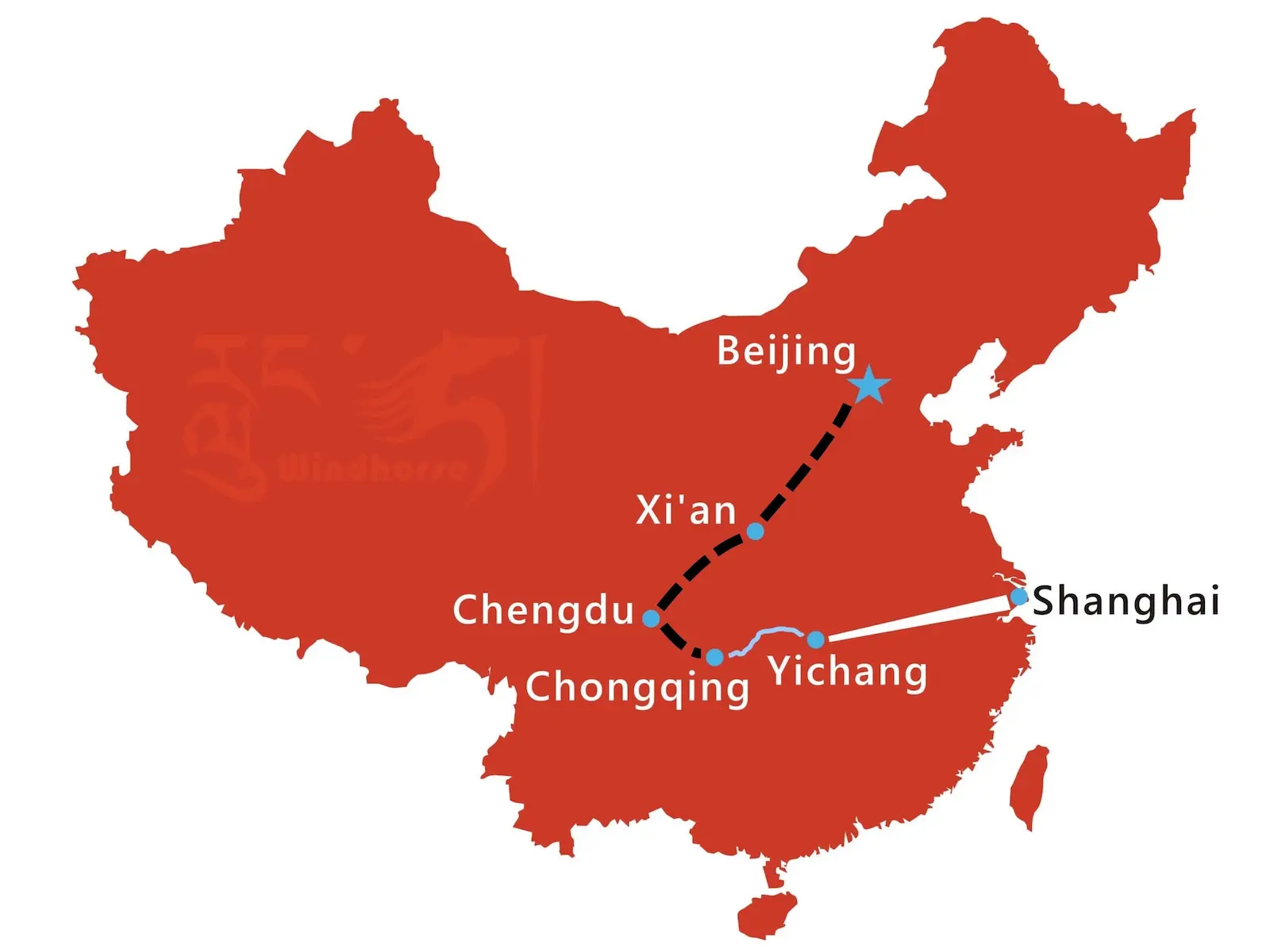
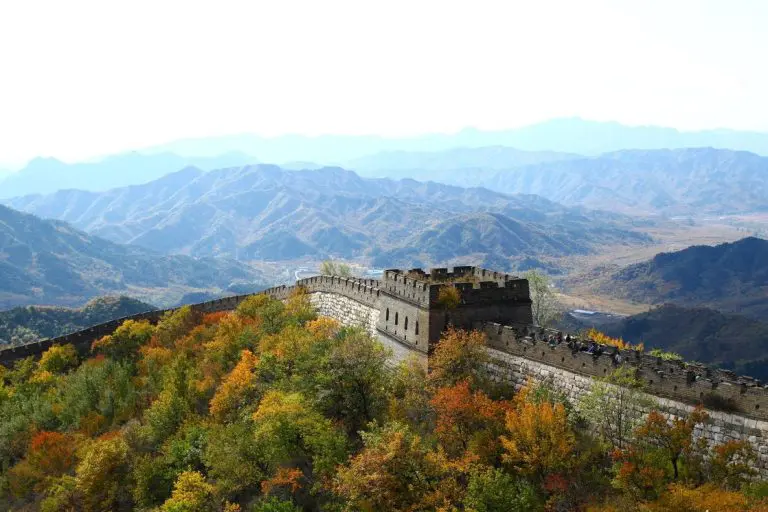
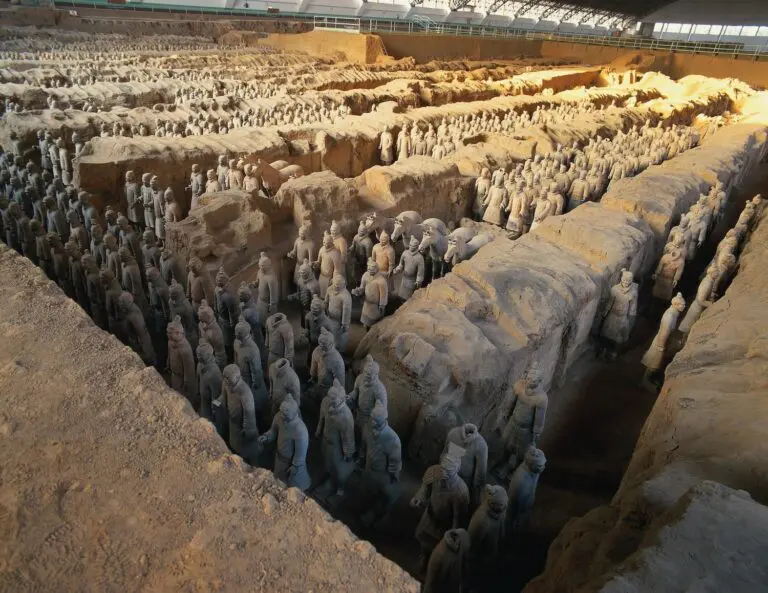
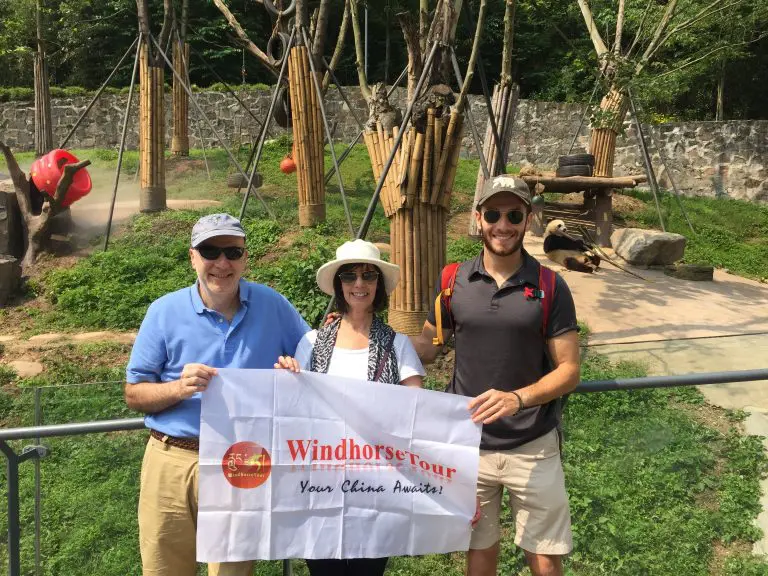
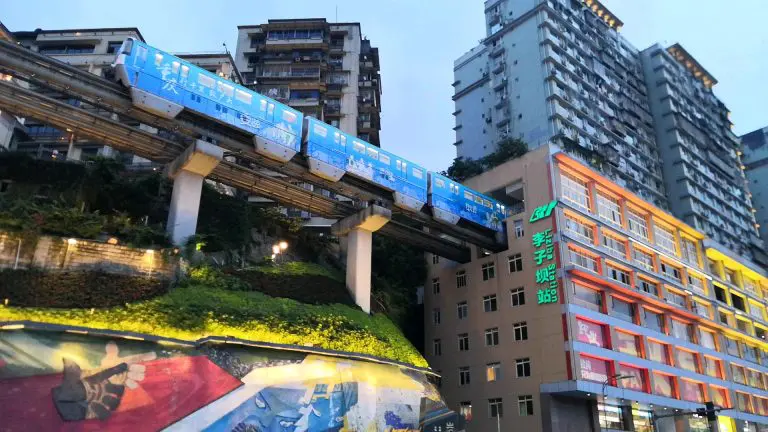
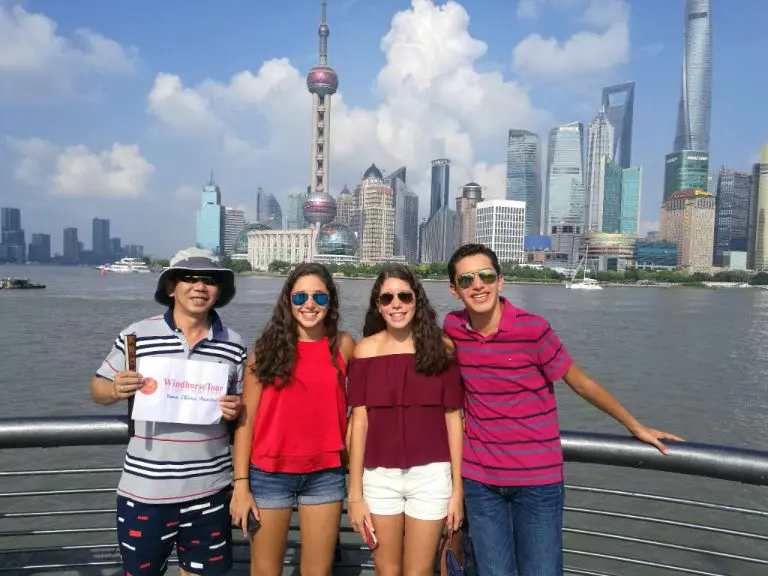
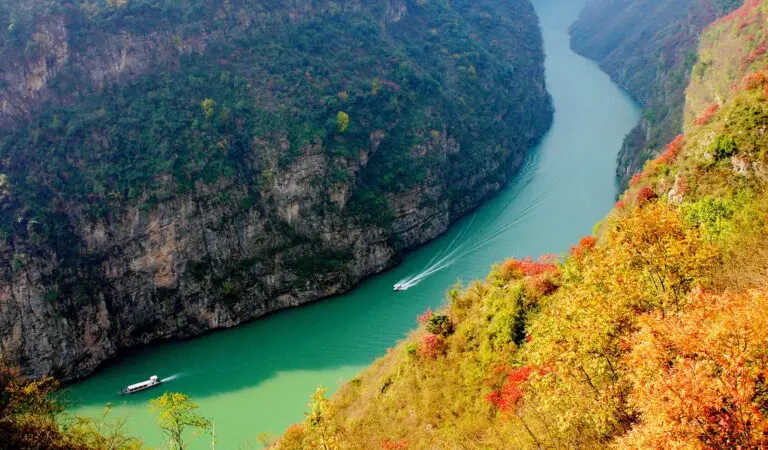
Experience the best of China on this 2-week China highlights tour with Yangtze cruise and pandas visit. Explore Beijing, Xi’an, Chengdu, Chongqing, and Shanghai, see world-famous landmarks, meet giant pandas, and enjoy a relaxing cruise through the scenic Three Gorges.
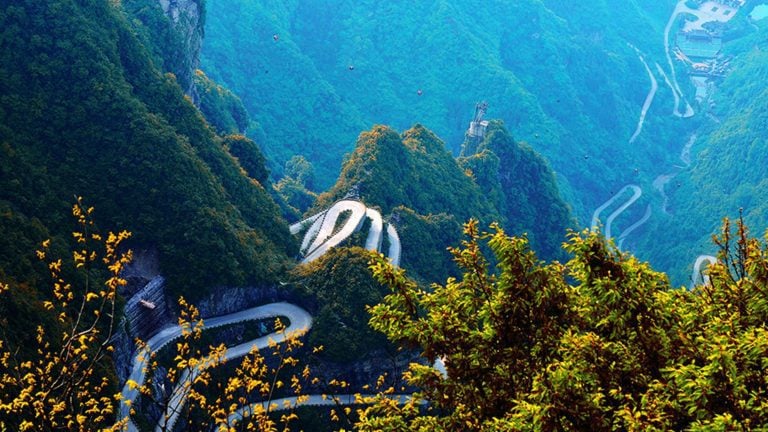
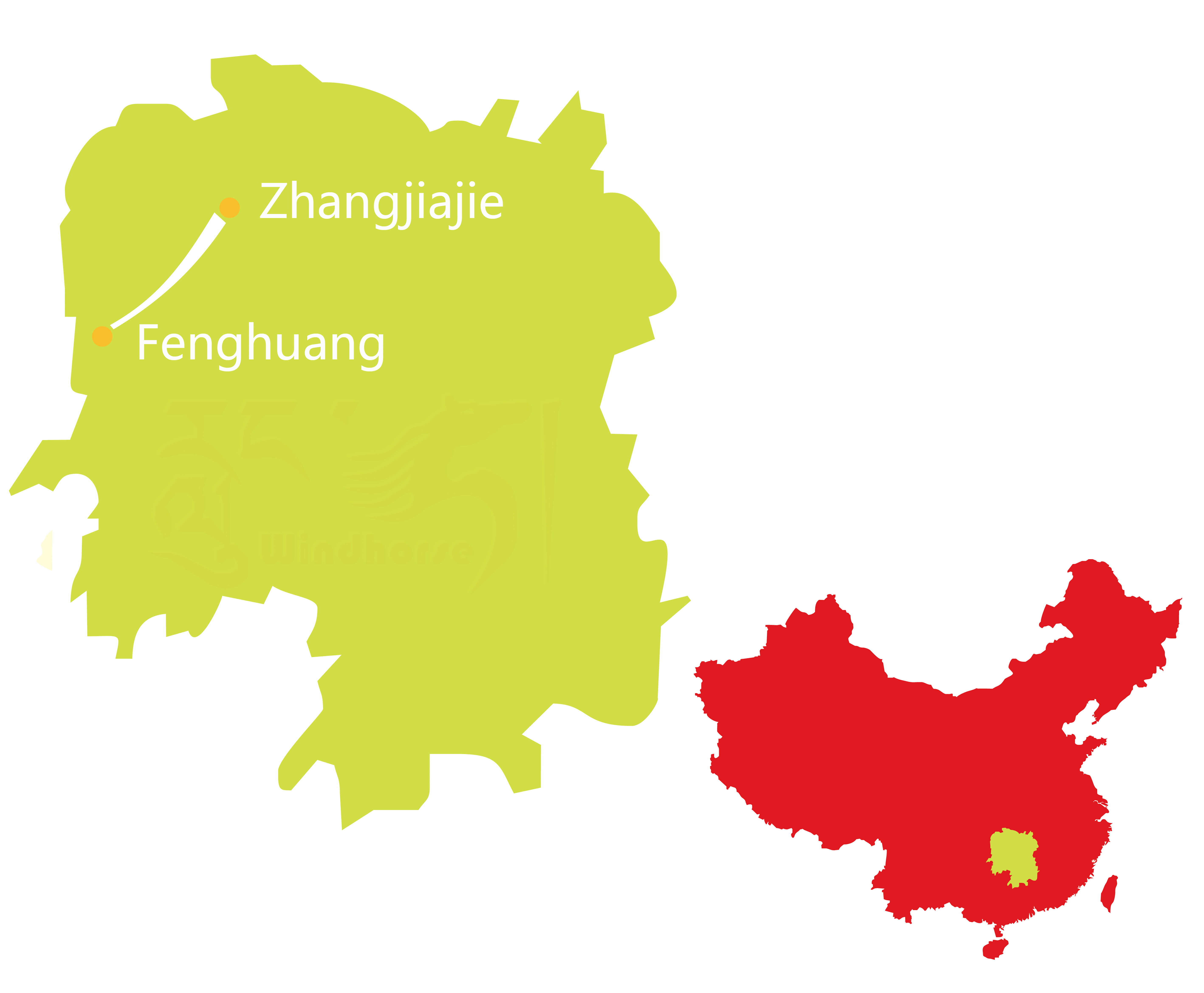
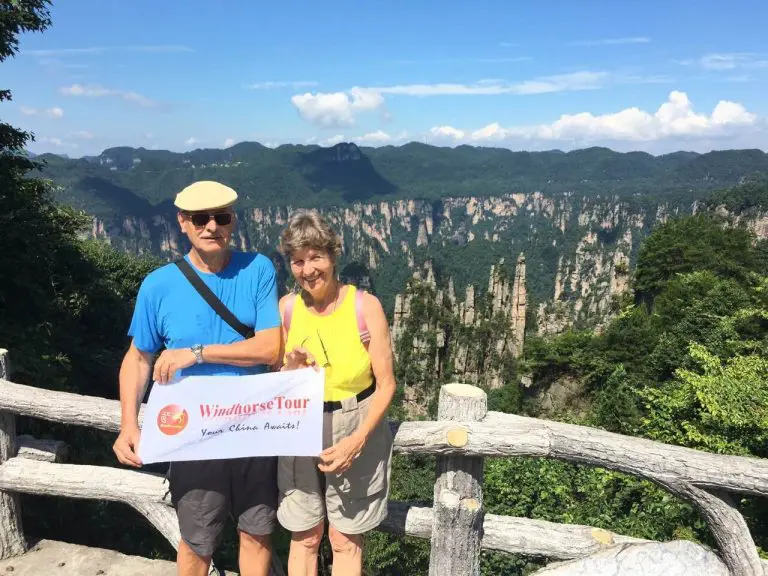
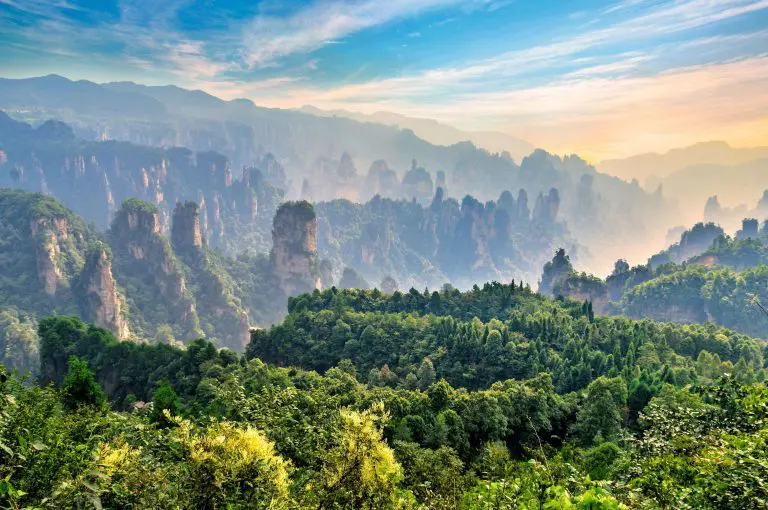
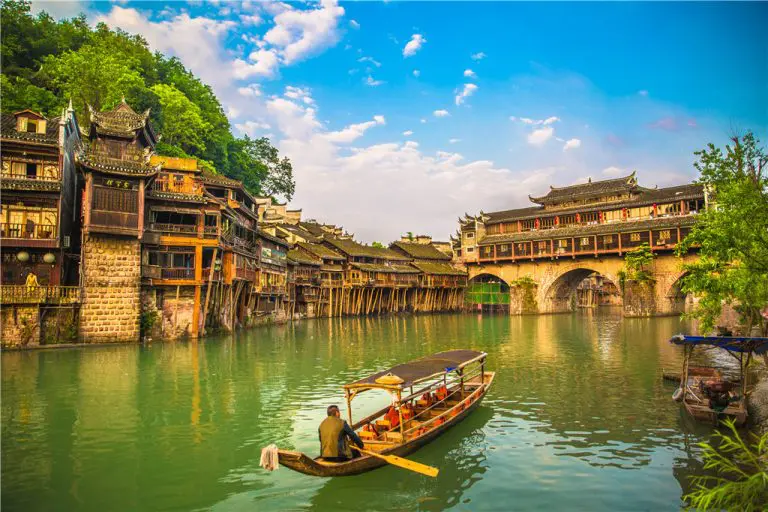
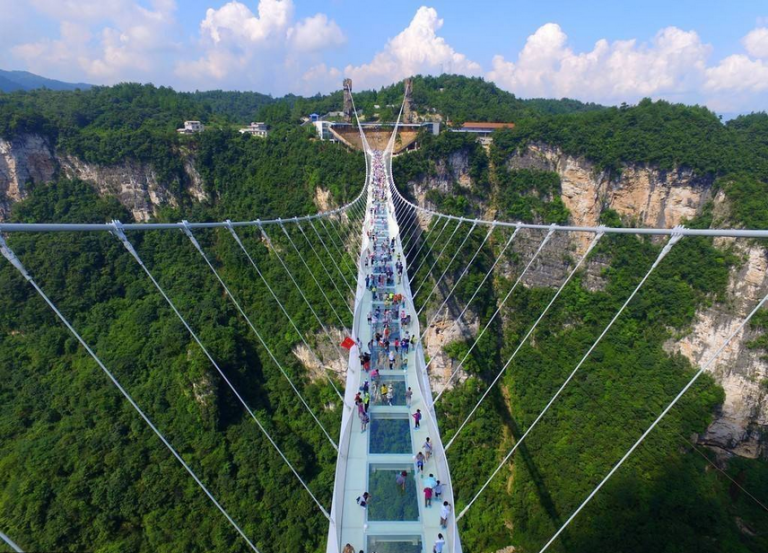
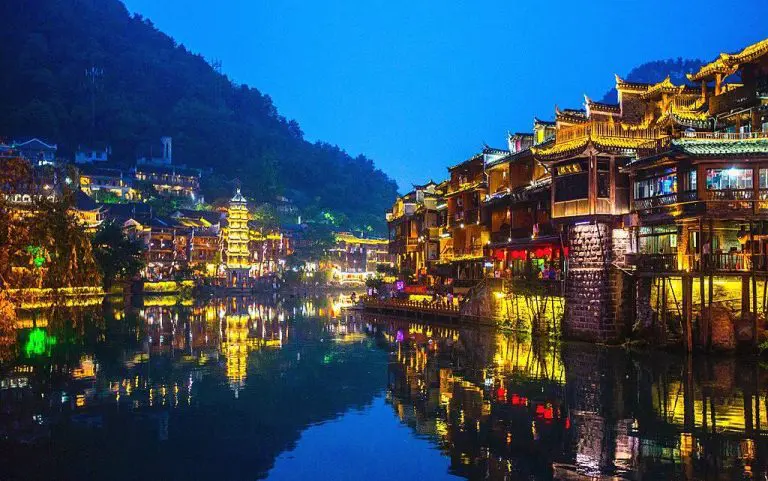
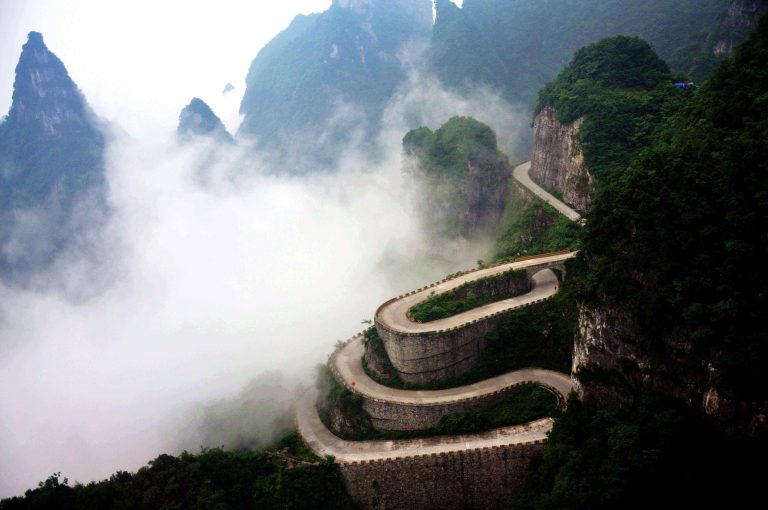
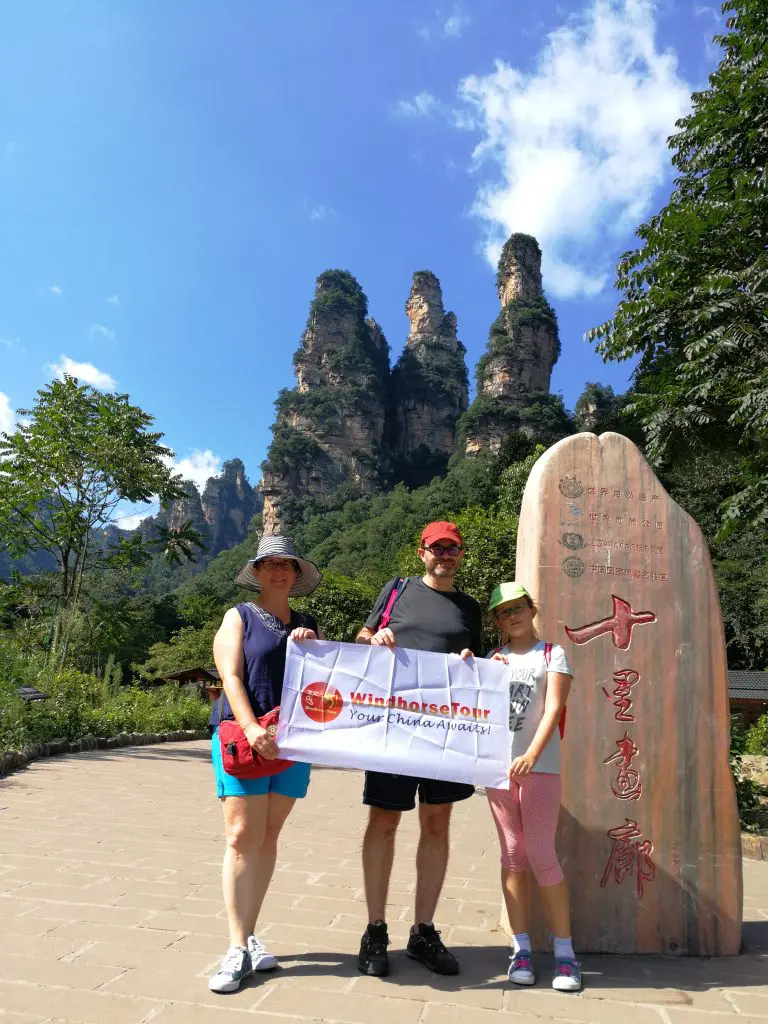
Experience the best of Hunan on this 6-day Zhangjiajie & Fenghuang Tour. Explore the stunning peaks of Zhangjiajie National Park, walk the world-famous Glass Bridge, ascend Tianmen Mountain, and uncover the charm of Fenghuang Ancient Town with its riverside stilt houses and vibrant night views.
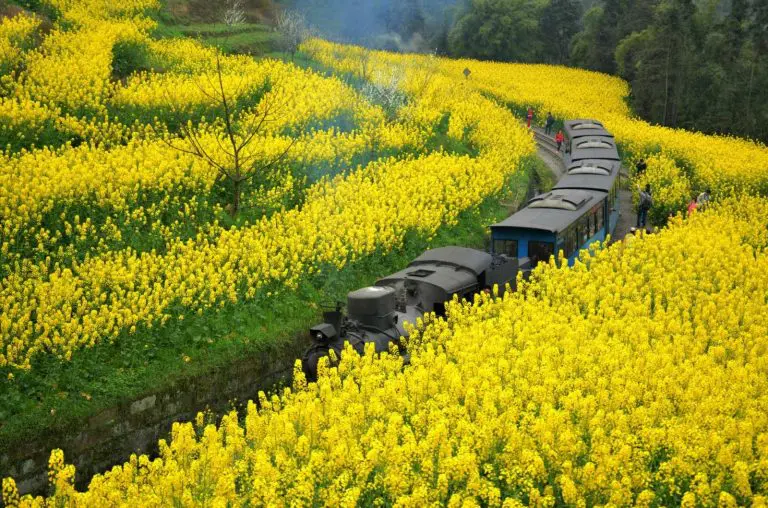
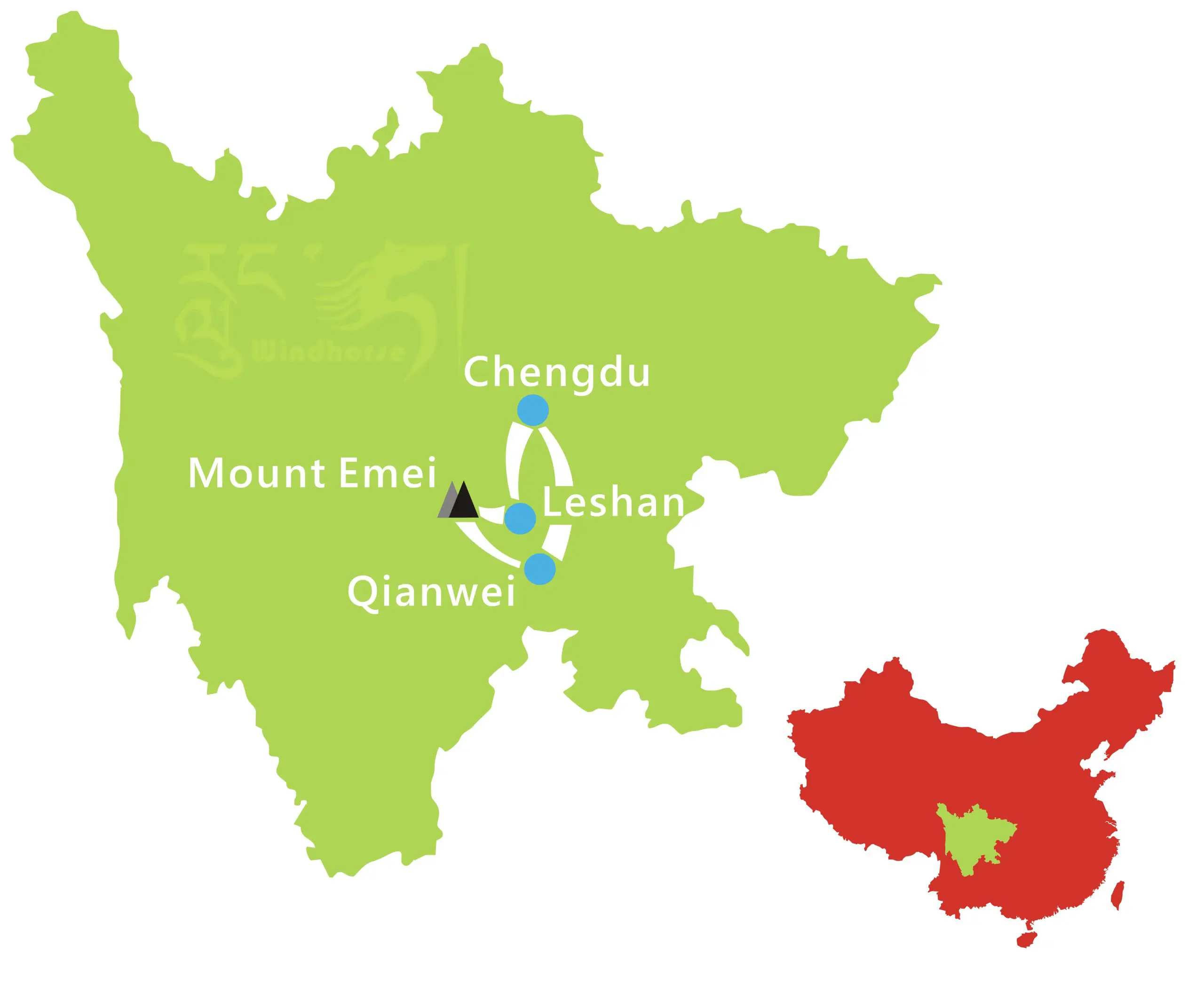
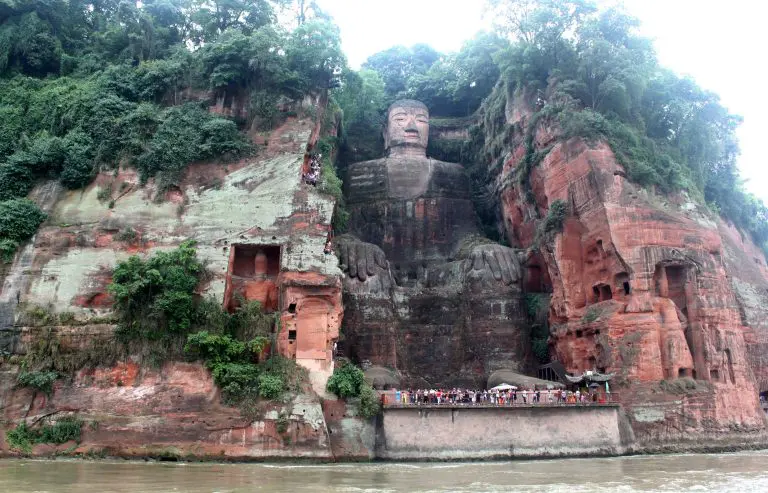
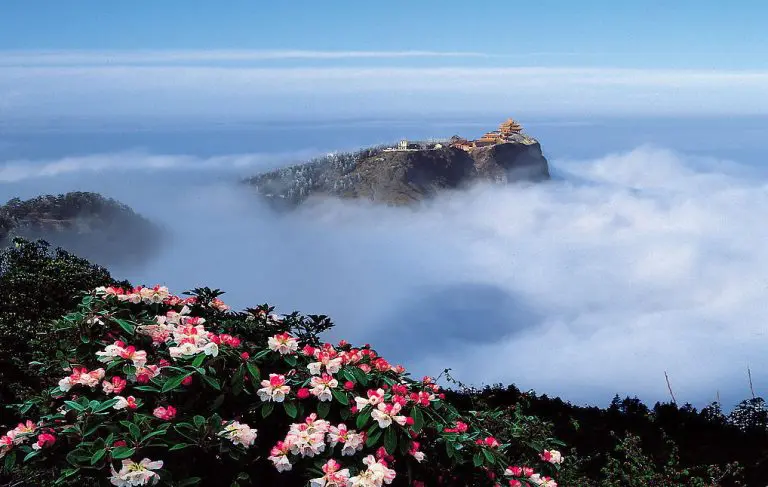
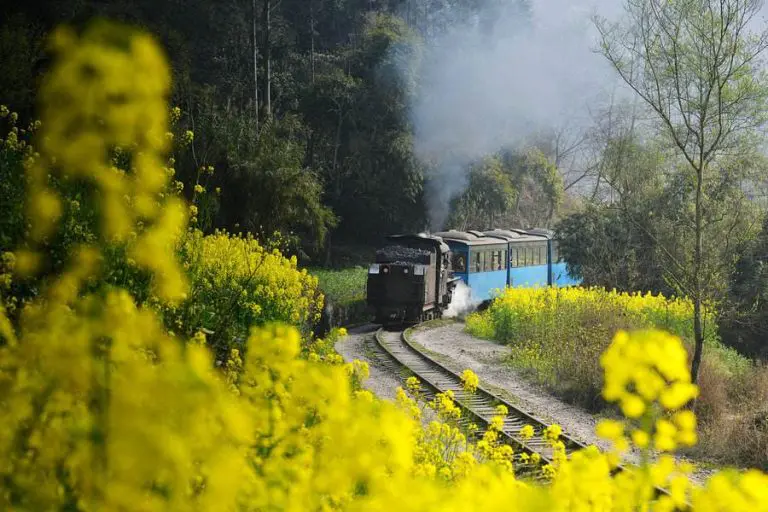
Get off the beaten track to discover the hidden ancient town Luocheng near Leshan Grand Buddha and take the world's only functioning steam train running in Qianwei, afterwards head to the scared Buddhist mount Emei for the splendid sunrise.