
Do they broadcast in english at the railway stations?
The rapid expansion and modernization of China’s railway system is a testament to the nation’s remarkable growth and its aim to cater to an increasingly globalized world. With sprawling networks connecting the vast expanse of the country, from the bustling metropolises to the serene countryside, railway stations in China serve as major hubs for both domestic and international travelers. A common query among many of these travelers, especially those from English-speaking countries, is: Do they broadcast in English at these railway stations?
Big Cities: Catering to a Global Audience
In China’s prominent cities, like Beijing and Shanghai, which see a significant influx of international tourists and business travelers, the answer is a resounding ‘yes’. Recognizing the need for clear communication in these cosmopolitan centers, announcements at railway stations are made both in Mandarin and English.
These dual broadcasts are especially useful not only for foreign travelers but also for the local population who might be more comfortable or familiar with English due to their educational or professional backgrounds. The English announcements typically cover essential details such as train timings, platforms, boarding procedures, delays, and safety precautions.
Smaller Cities: A Focus on Mandarin
However, as one ventures further from these metropolitan hubs into smaller cities or towns, the scene changes. In these areas, where the international footfall might be less frequent, the railway stations primarily broadcast in Mandarin. The primary reason is straightforward: the vast majority of passengers and commuters in these regions are local Chinese residents.
For someone unfamiliar with the language, this can initially seem daunting. However, there are ways to navigate this. Many train tickets and signage often have English translations. Additionally, smartphone translation apps can serve as invaluable tools for real-time translations, and there’s always the universal language of gestures and friendly smiles to bridge any communication gaps.
In Conclusion
China’s railway system, in many ways, mirrors the nation’s blend of tradition and modernity. While big cities like Beijing and Shanghai have adapted to the global milieu with English broadcasts, smaller cities stay rooted in their linguistic traditions with exclusive Mandarin announcements.
For the intrepid traveler, this offers a genuine experience of the diverse cultural tapestry that China presents. Whether you’re greeted with an English announcement echoing through a bustling railway terminal or the melodic tones of Mandarin in a quieter town, each journey on China’s railways promises a unique and memorable experience.
Related tours


This 6-day Lhasa Drigung Til Monastery Tour explores Lhasa’s off-the-beaten-path gems. Discover Potala Palace and Jokhang Temple, hike around Tidrum Nunnery, soak in its natural hot spring, and visit Drigung Til Monastery for authentic Tibetan spirituality.

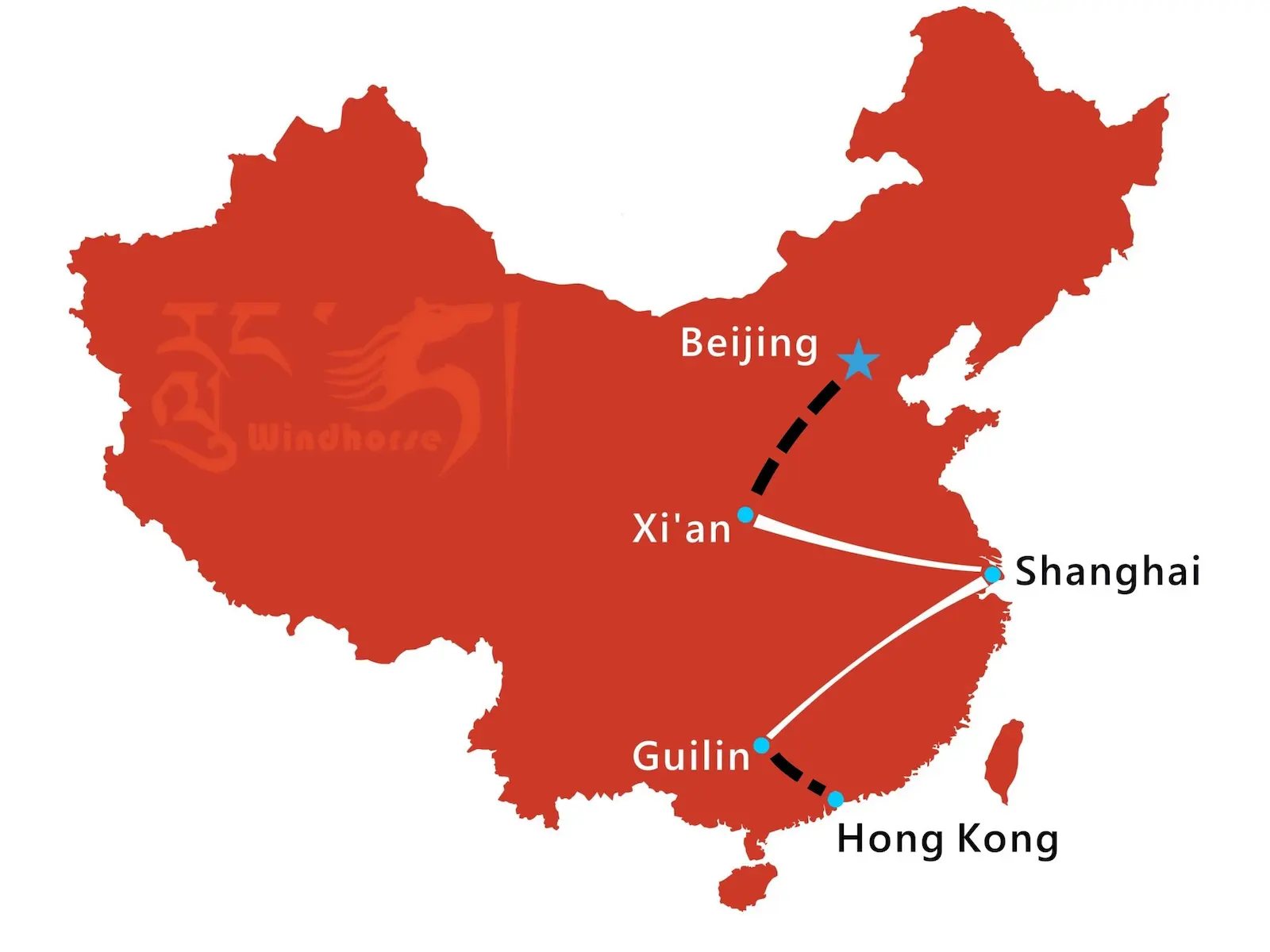




This 2 week China tour from Hong Kong to Beijing explores Guilin’s landscapes, Shanghai’s skyline and nearby Suzhou, Xi’an’s Terracotta Warriors, and Beijing’s imperial landmarks. A well-paced route combining scenery, culture, and China’s must-see cities.

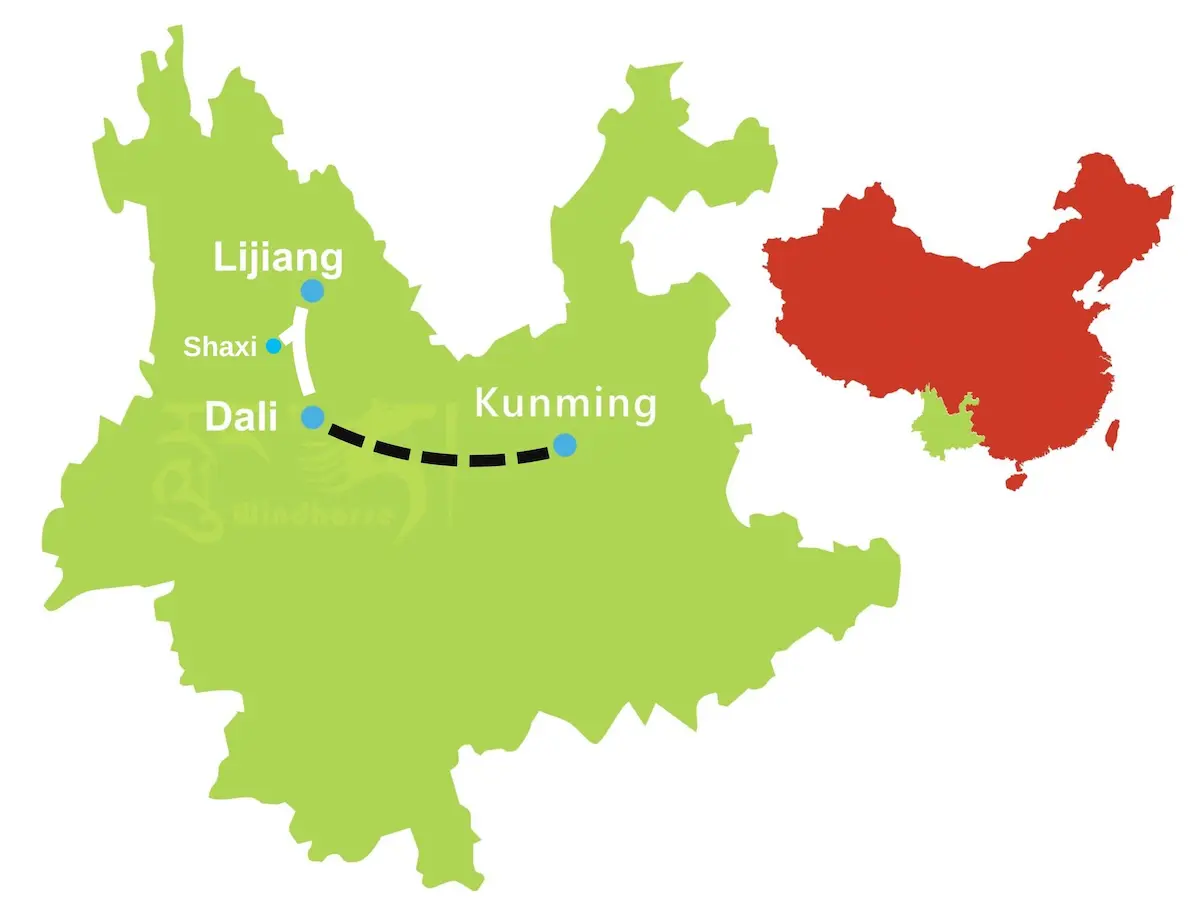




Explore Yunnan's most iconic destinations on this 7-day private tour. From Kunming's Stone Forest to Dali's ancient towns and Lijiang's Jade Dragon Snow Mountain, with a stop at the lesser-known Shaxi on the Tea Horse Road.






There are 2 base camps for Mount Everest: the south in Nepal and the north in Tibet. The trek to Everest Base Camp on the Nepal side is one of the most popular trekking routes in the Himalayas and is visited by thousands of trekkers each year.