
Liangpizi – Gansu’s special noodle snack

Liangpi Zi, a distinctive noodle snack hailing from China, is particularly renowned in the Gansu Province. Characterized by its smooth, chewy texture, Liangpi Zi is not just any noodle dish; it is a culinary testament to the art of noodle-making. The name ‘Liangpi Zi’ itself, which translates to ‘cold skin noodles,’ only partially reveals the essence of this dish. Made primarily from wheat starch or rice flour, these noodles are served cold, often accompanied by a variety of seasonings, vegetables, and sometimes meat, offering a refreshing yet flavorful eating experience.
Historical Background and Origin in Gansu Province
The origins of Liangpi Zi can be traced back to the Qin Dynasty, making it a dish steeped in history. However, it is in Gansu Province, a region known for its rich cultural heritage and diverse culinary traditions, where Liangpi Zi truly flourished. Historically, Gansu’s strategic location on the ancient Silk Road played a pivotal role in the culinary exchange and fusion that shaped its food culture. Liangpi Zi, with its unique preparation technique and versatile nature, is believed to be a product of this historical amalgamation. Over the centuries, it has evolved, incorporating local flavors and ingredients, yet its essence remains a reflection of the region’s historical palate.
The locals in Gansu also call liangpizi “Zhaojun pizi” after Wang Zhaojun, one of the four beauties of ancient China. She was given as a bride by the Han emperor to marry Xiongnu Chanyu – king of the Huns, a rival empire that was determined to unseat the Han Dynasty, to establish more friendly relations between the two kingdoms.
When Wang Zhaojun arrived at the Hun tribe, however, she found it difficult to adjust to their diet. Coming from the southern part of China where the staple food is rice, Zhaojun was not used to such a heavy diet of wheat noodles, so to make her feel more at home, one of the cooks created liangpizi – a dish with noodles made from rice flour. Legend has it that Zhaojun loved this special dish and the popularity of liangpizi, or “Zhaojun pizi,” quickly spread throughout the northern parts of China.

Ingredients and Preparation of Liangpizi
Key Ingredients
The allure of Liangpizi lies in its simplicity and the harmonious blend of its components. At its core, the dish revolves around
Wheat Starch or Rice Flour: The foundation of Liangpizi, wheat starch or rice flour, is chosen for its ability to yield a silky, supple texture in the noodles. The choice between the two often depends on regional preferences and the desired consistency.
Seasonal Vegetables: Freshness is key, and seasonal vegetables add crunch, color, and nutrition to the dish. Common additions include cucumber, bean sprouts, and radishes, but variations abound based on local produce and seasonal availability.
Spices and Condiments: The flavor profile of Liangpizi is elevated by a carefully curated selection of spices and condiments. Chili oil, garlic paste, vinegar, and soy sauce are staples, each adding a layer of complexity and depth to the dish.
Step-by-Step Preparation Process
Dough Preparation:
Begin by mixing wheat starch or rice flour with water to form a smooth, consistent batter.
Allow the batter to rest, enabling the starch to settle at the bottom, forming a thick paste.
Carefully pour off the excess water, retaining the concentrated starch paste.
Steaming Method
Spread the starch paste evenly onto a flat, oiled surface, ensuring it’s thin enough to produce delicate, translucent noodles.
Steam the spread paste over boiling water until it turns glossy and firm, indicating it’s cooked through.
Once cooled, the resulting sheet is the base of your Liangpizi noodles.
Slicing and Serving Techniques
Gently peel the steamed sheets from the surface and slice them into thin, noodle-like strips.
Serve cold, topped with an array of julienned vegetables.
Drizzle with a vibrant mix of spices and condiments, adjusting to taste.
Variations Across Different Regions in Gansu
The essence of Liangpizi remains constant, but regional variations add a delightful diversity to this dish:
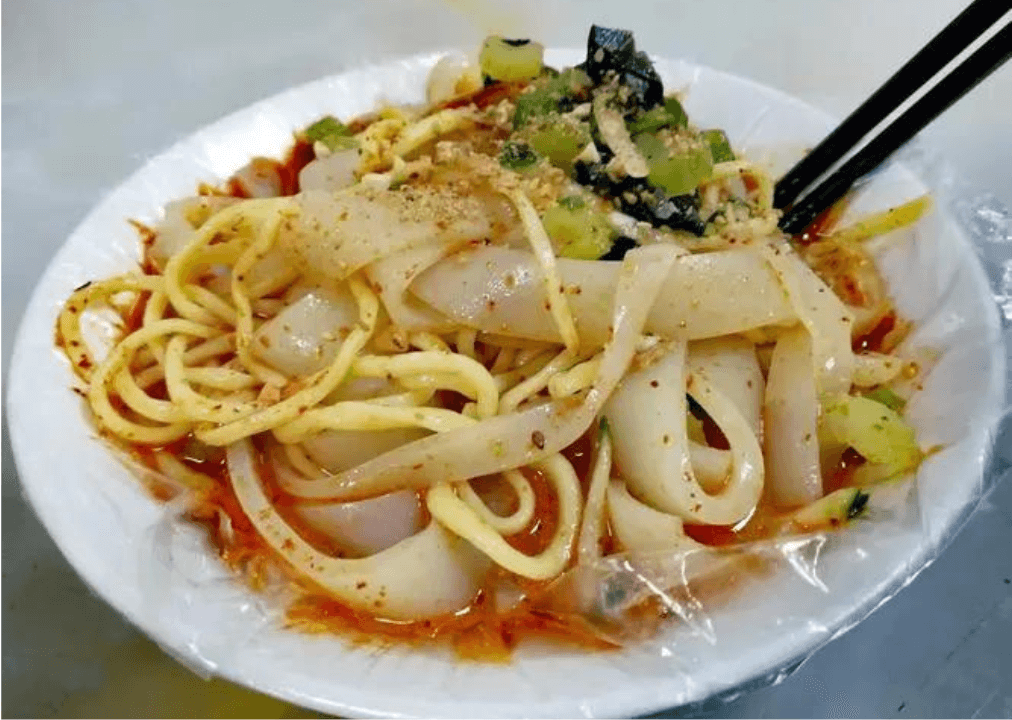
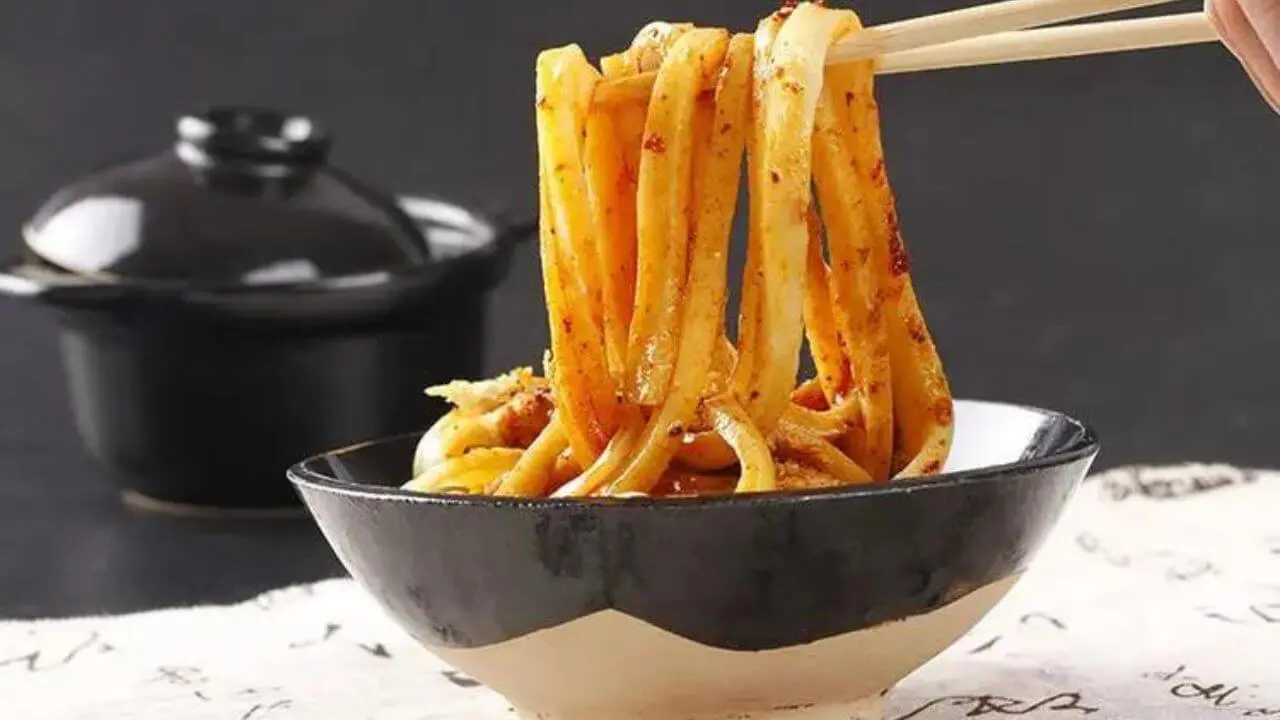
In some areas, the noodles are broader and more substantial, while in others, they are prized for their thin, almost translucent delicacy.
The choice of vegetables and the balance of spices can vary, reflecting local tastes and seasonal produce. For instance, some regions might favor a more piquant version, leveraging local chili varieties, while others might emphasize a more balanced, umami-rich profile.
Additional toppings like crushed peanuts or sesame seeds might be included for added texture and flavor, showcasing the adaptability and regional flair of this beloved dish.
Through these local variations, Liangpizi not only offers a taste of Gansu’s culinary heritage but also tells a story of the region’s geography, climate, and cultural preferences, making it a dish that’s both universal in its appeal and uniquely local in its expression
Modern Adaptations and Popularity
Fusion with Other Cuisines and Innovative Recipes
Liangpi Zi, while deeply rooted in tradition, has shown remarkable versatility, adapting to the palates of a global audience. Chefs and culinary enthusiasts have taken the liberty to infuse this classic dish with a modern twist, marrying it with elements from various cuisines. Innovative recipes might include
International Flavors: Incorporating ingredients like avocado, sun-dried tomatoes, or feta cheese, transforming Liangpi Zi into a global dish that caters to diverse tastes.
Protein Additions: While traditionally a vegetarian dish, modern renditions might include grilled chicken, shrimp, or tofu, making it more substantial and appealing to a broader audience.
Sauce Innovations: Experiment with sauces, from peanut-based to yogurt-herb drizzles, offering a new dimension to the classic Liangpi Zi.
Liangpi Zi in Contemporary Dining and Street Food Culture
Liangpi Zi’s journey from a local delight to a contemporary favorite is evident in its presence across various dining scenarios:
Street Food Markets: Here, Liangpi Zi retains its authentic charm, served fresh and flavorful, drawing both locals and tourists eager for a taste of tradition.
High-end Restaurants: Gourmet versions of Liangpi Zi, deconstructed or reimagined with luxury ingredients, cater to a clientele seeking an elevated dining experience.
Casual Dining: As a versatile dish, Liangpi Zi fits perfectly in the casual dining scene, appealing to those looking for a quick, nutritious, and flavorful meal.
Presence in Social Media and Impact on Food Tourism
In the age of digital connectivity, Liangpi Zi’s appeal has transcended geographical boundaries, much credited to social media:
Visual Appeal on Social Platforms: With its vibrant colors and unique texture, Liangpi Zi is a visual treat, making it highly shareable on platforms like Instagram, Pinterest, and Facebook.
Influencer and Food Blogger Features: Popular food influencers exploring the streets of Gansu or experimenting with Liangpi Zi recipes at home have contributed to its fame, drawing food enthusiasts and travelers to the region.
Impact on Food Tourism: The buzz around Liangpi Zi has sparked a surge in food tourism, with travelers eager to experience this dish in its place of origin, thereby contributing to the local economy and promoting cultural exchange.
Through these modern adaptations and its growing popularity, Liangpi Zi is not just a dish but a cultural phenomenon, bridging the gap between tradition and modernity, and between local flavors and global tastes.
Final Words About Liangpi Zi
Liangpi Zi, more than a noodle snack from Gansu Province, is a culinary narrative interweaving history, tradition, and innovation. From its origins in the ancient Qin Dynasty to its modern global presence, this dish, rooted in the story of Wang Zhaojun, epitomizes cultural adaptation. Its simple ingredients belie a rich tapestry of flavors and textures, reflecting meticulous preparation and the rich diversity of Gansu’s regional tastes. Today, Liangpi Zi has evolved, merging with international cuisines and emerging as a versatile delight in both street food scenes and upscale dining. Its popularity, amplified by social media, has transformed it into a symbol of food tourism and a testament to the evolving culinary landscape. Liangpi Zi stands as more than Gansu’s special snack; it’s a testament to cultural heritage, a bridge linking the past to the present, and a globally cherished culinary gem.
Related tours

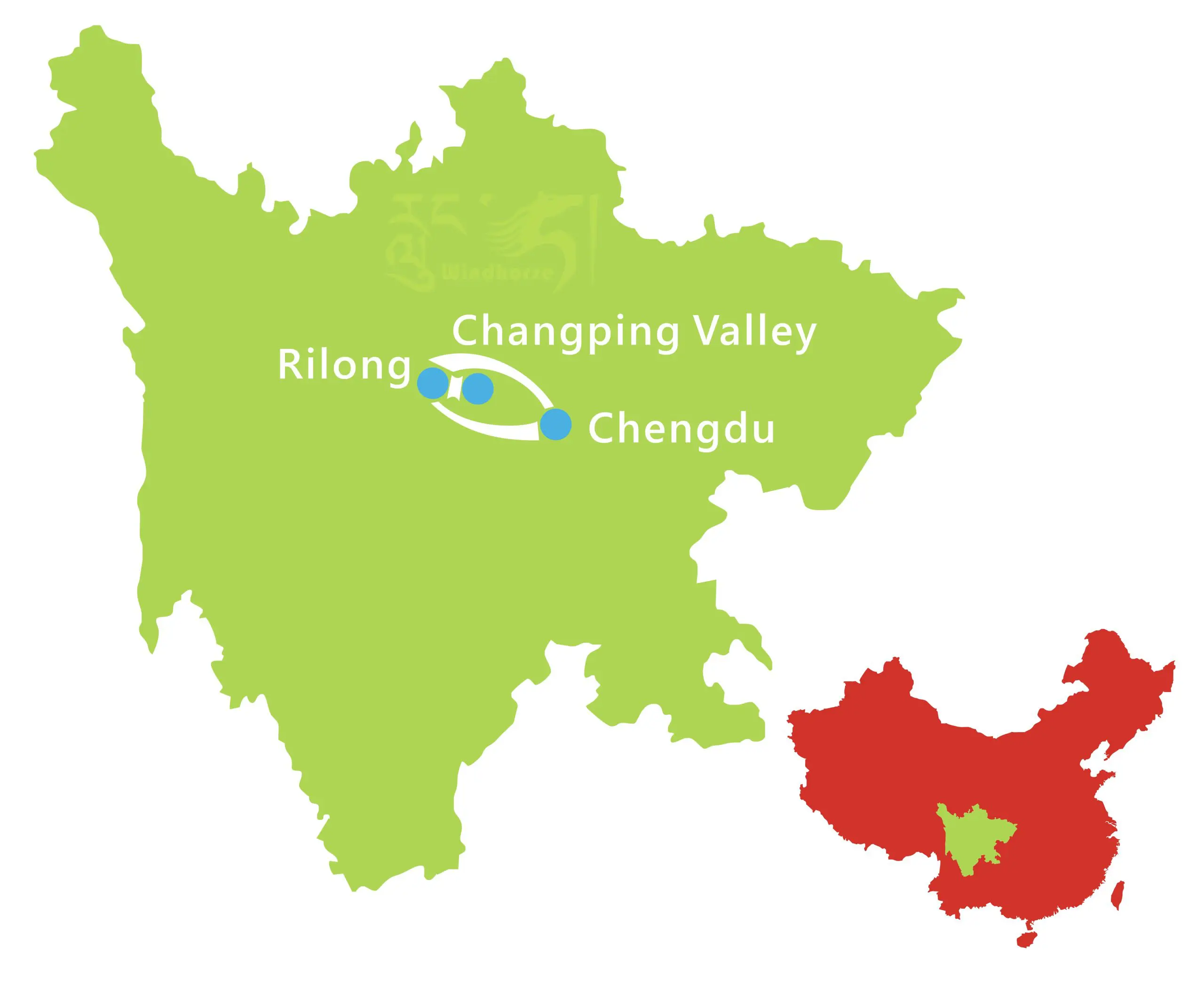



This one week long Siguniang Haizi Valley trekking tour starts in Chengdu and continues to Rilong for hikes in Shuangqiao Valley, Changping Valley and Haizi Valley. Explore alpine lakes, snow capped peaks, forests and meadows, then return to Chengdu to visit Dujiangyan and the Panda Base.

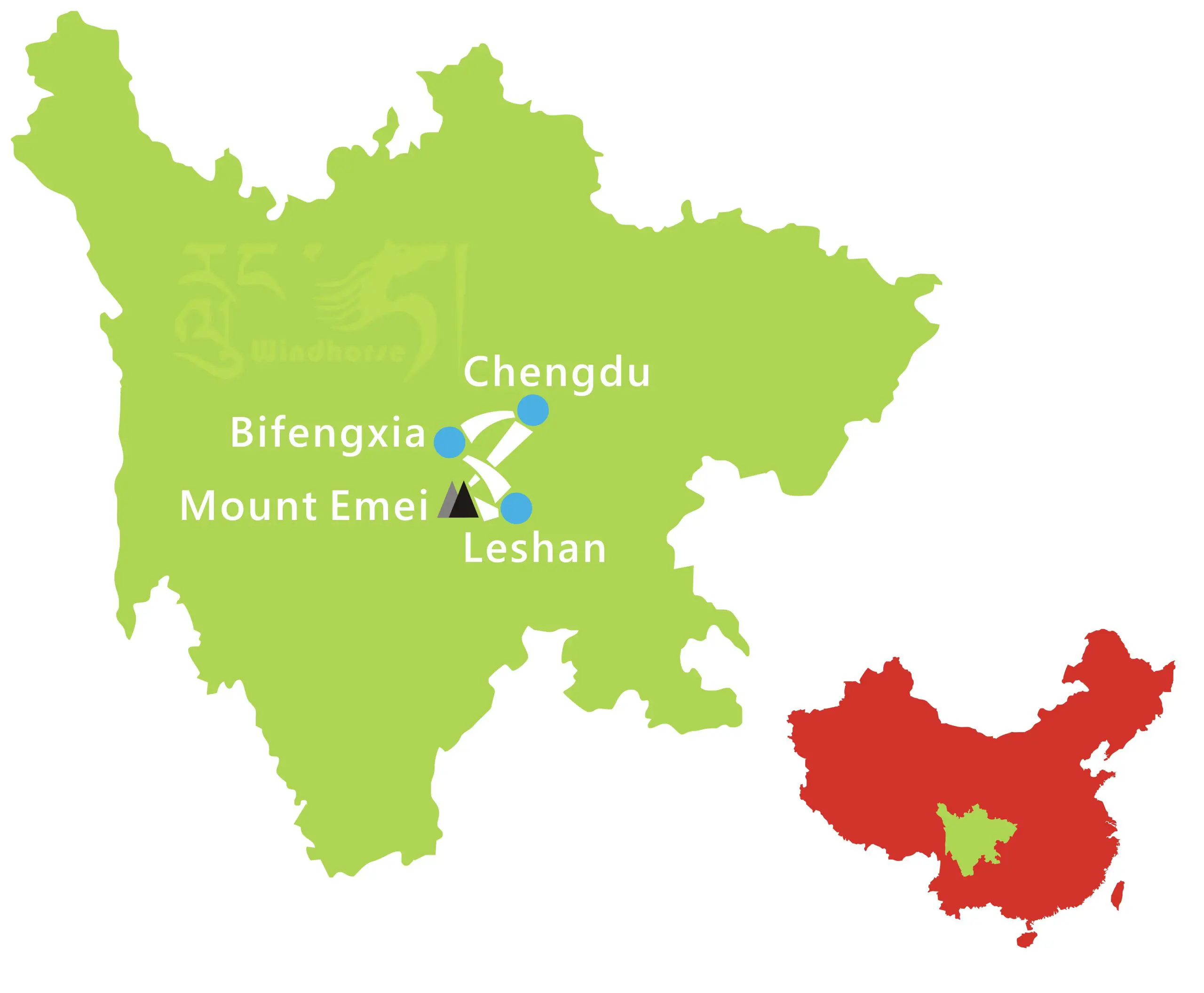



Spend time volunteering at the Bifengxia Panda Center outside of the hustle and bustle Chengdu. A great way to get up close to the China's treasure. Afterwards, drive to visit the majestic Mt. Emei and the big sitting Buddha at Leshan.

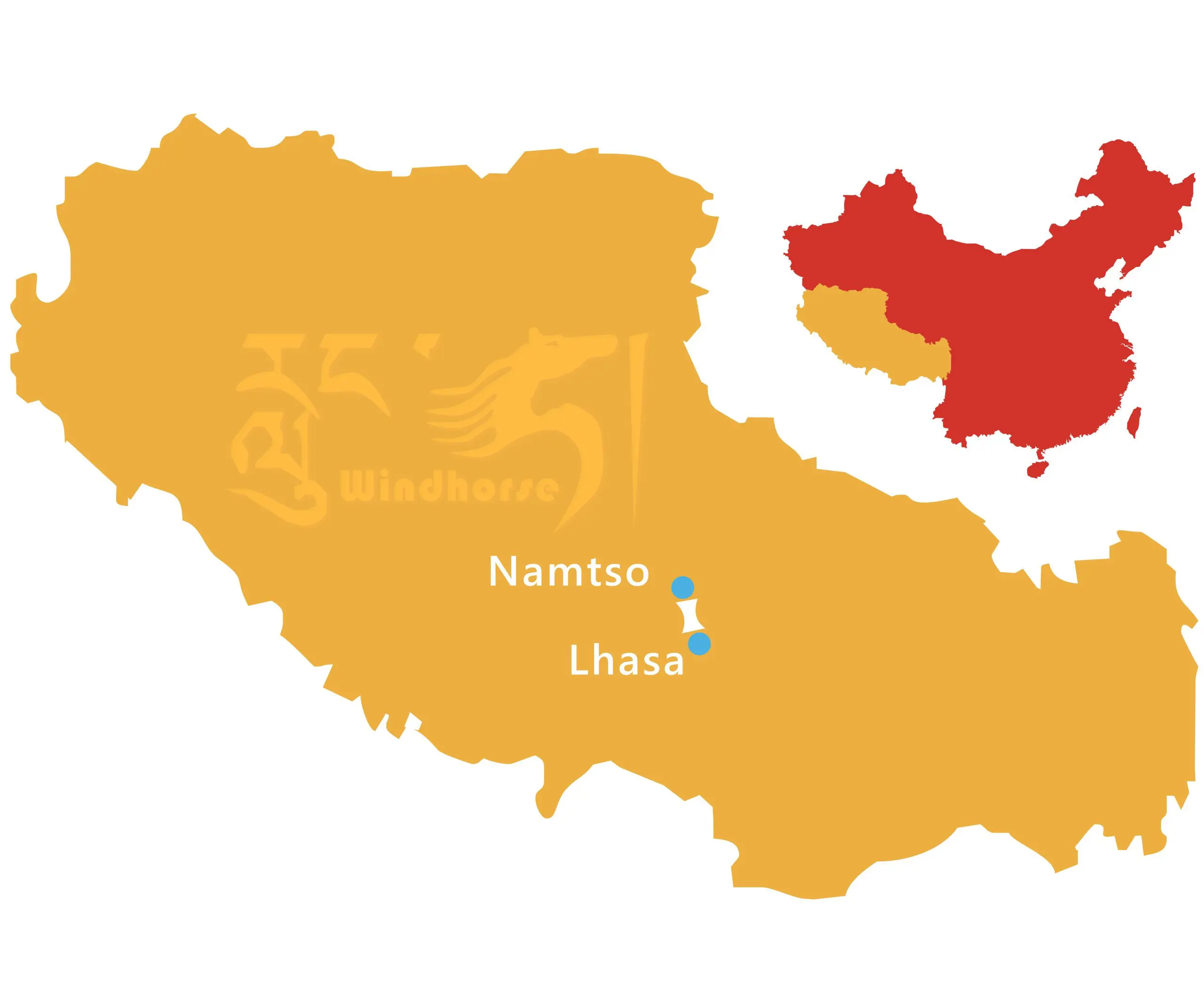



Join this Lhasa Namtso Lake Group Tour to experience Tibet’s culture and scenery. Explore Potala Palace, Jokhang Temple, Drepung and Sera Monasteries in Lhasa, then travel north on the Lhasa to Namtso Lake Tour for turquoise lakes, vast grasslands, and authentic Tibetan life.

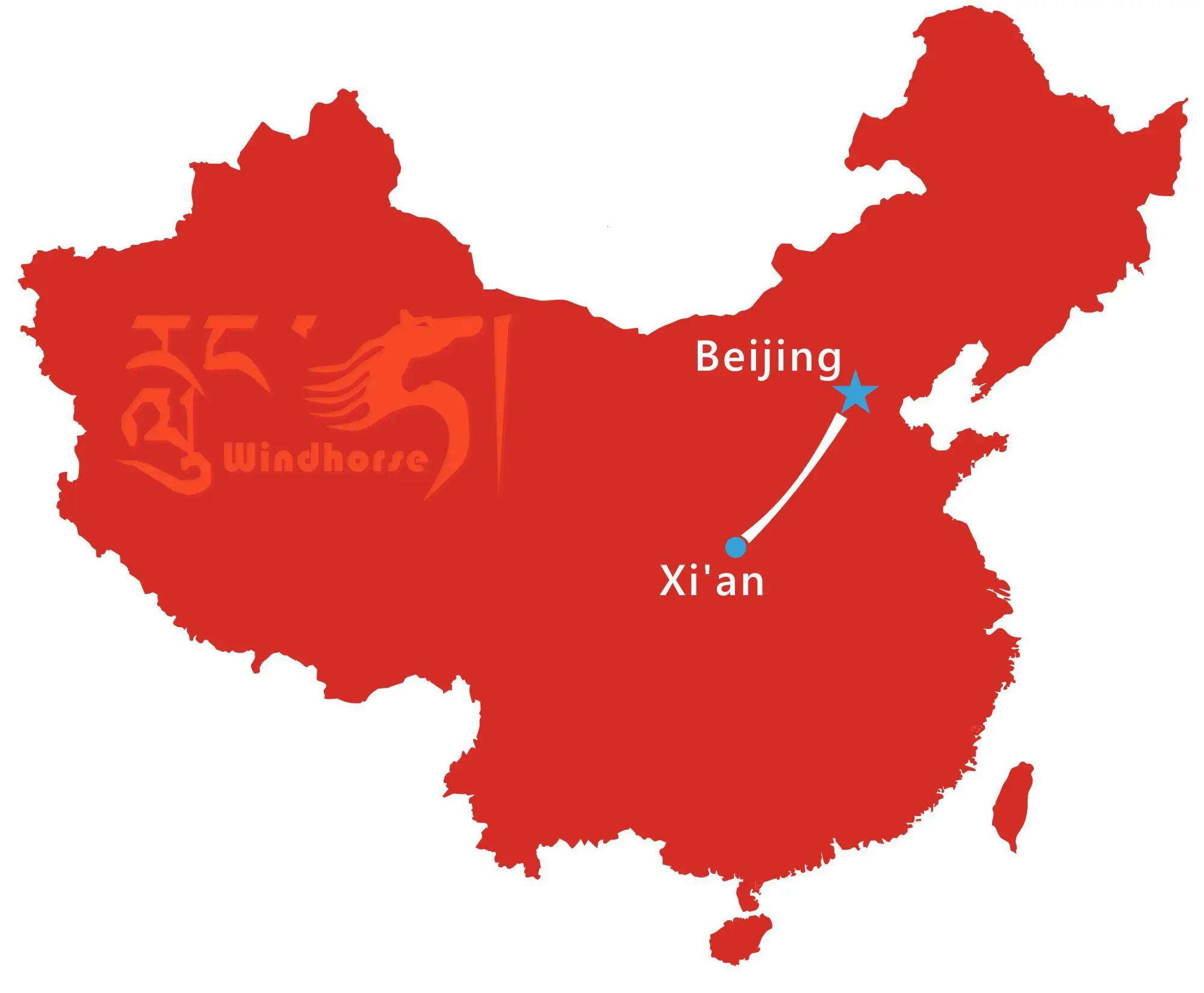

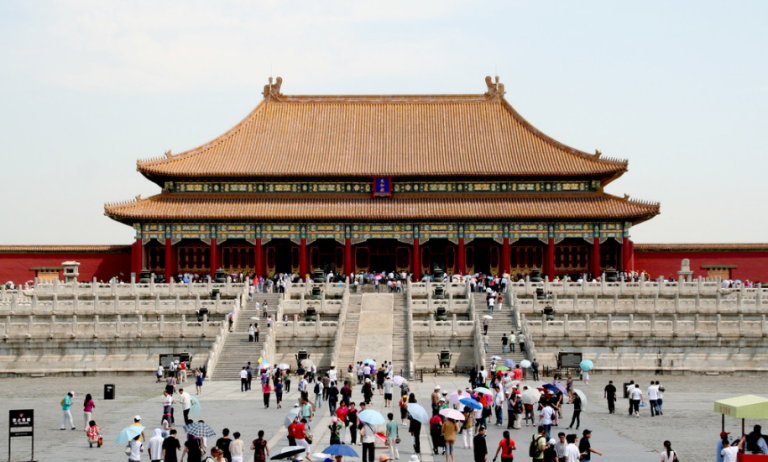

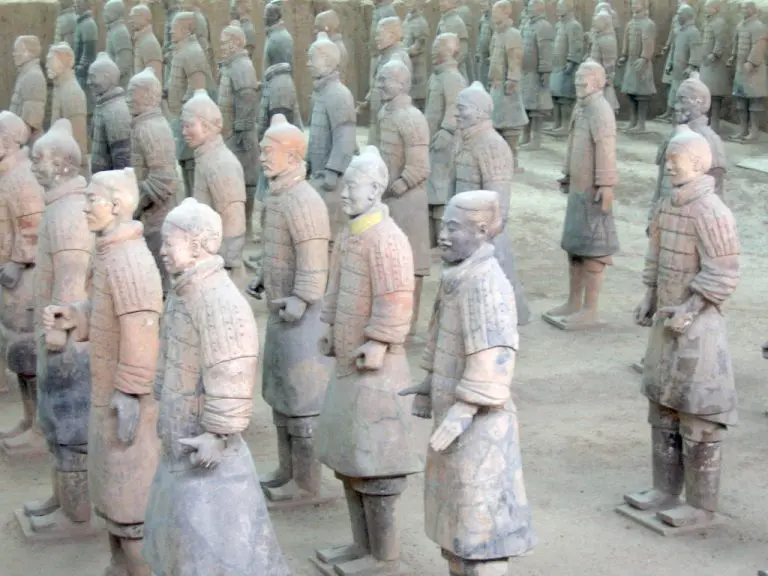
This week-long Beijing Xi’an tour by high-speed train covers the highlights of both cities. Visit Tiananmen Square, the Forbidden City, Temple of Heaven, Summer Palace and Great Wall, then travel to Xi’an for the Terracotta Warriors, City Wall, Beilin Museum and Big Wild Goose Pagoda.