
Discovering the Lhoba People of Tibet

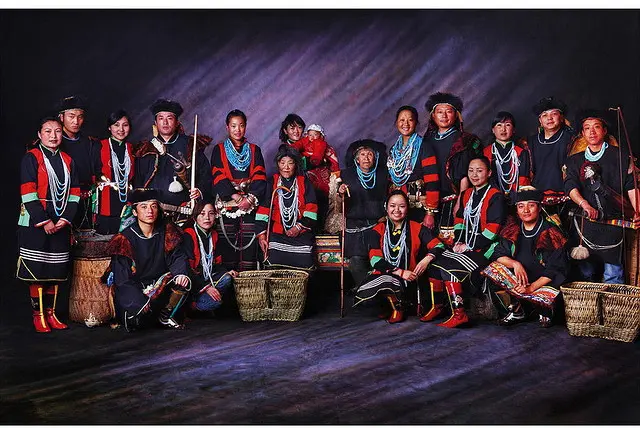
In the far southeast of Tibet, nestled between steep valleys and dense forests near the border with India, lives a little-known community called the Lhoba People. Officially recognized as one of China’s 56 ethnic groups, the Lhoba are among the smallest in number, with a population of approximately 2,300 individuals. And their culture has remained relatively hidden from the outside world.
Who Are the Lhoba people?
The name “Lhoba” means “southerner” in Tibetan. It’s a term that refers not to a single tribe, but to several small groups such as the Bogar, Adi, and Idu Mishmi , who live in the southern part of Tibet, mainly in Nyingchi Prefecture. Most of them are based in counties like Mainling, Medog, Longzi, and Luoyu.
The Lhoba speak different languages, none of which have a traditional written form. Instead, they pass on knowledge, history, and customs orally, through songs, stories, and everyday practices. Because of this, and due to the isolation of their villages, much about their early history remains unknown.
Life in the Forested Valleys
Traditionally, Lhoba communities lived in highland villages surrounded by dense forests. Hunting was central to their survival, with many families keeping trained hunting dogs. While farming has become more prevalent, especially in resettled villages, hunting and gathering still hold cultural significance in certain areas.
Bartering remains a part of the economy. Lhoba families trade items like wild herbs, animal hides, and handcrafted goods with Tibetan neighbors in exchange for salt, fabric, and farming tools.
Beliefs and Spiritual Traditions
Many Lhoba continue to follow traditional animist beliefs, viewing the world as inhabited by spirits present in animals, rivers, mountains, and even household objects. Offending these spirits, particularly the revered tiger spirit, is believed to bring misfortune.
Over time, Tibetan Buddhism has influenced some Lhoba communities. Temples, monks, and Buddhist holidays have become more familiar. However, traditional customs persist. Some families still practice shamanic healing or divination. In one ritual, patterns in a freshly harvested animal liver are examined to predict future events, a practice now rare but still remembered by elders.
Clothing and Daily Life
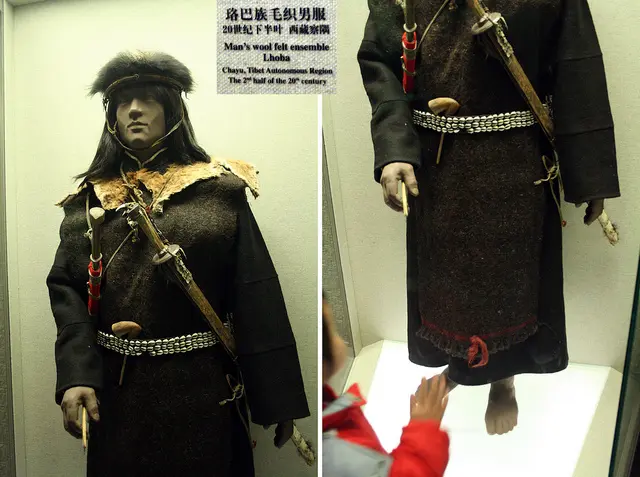
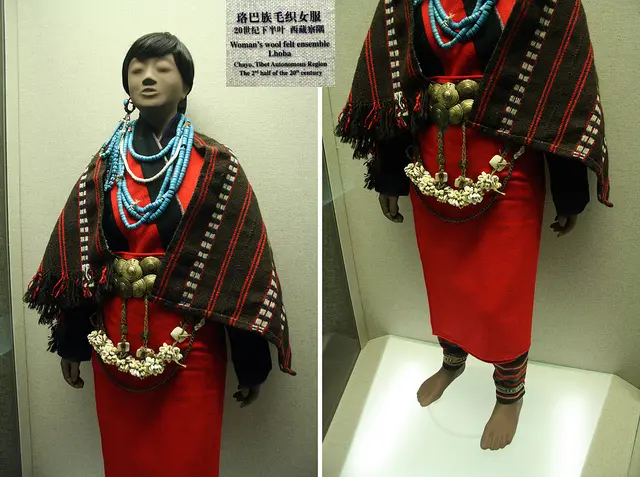
Lhoba clothing is adapted to the rugged landscape. Men often wear sleeveless wool tunics and handmade hats of bamboo or bearskin. Women don long wool skirts and fitted blouses, adorned with shells, beads, or metal jewelry. These ornaments symbolize family status and identity.
Diet varies by region. In forest villages, roasted meat, foraged roots, and maize dumplings are common. In areas closer to Tibetan towns, meals might include butter tea, tsampa, and potatoes.
Lhoba homes typically feature a central fireplace, serving as a place for cooking, warmth, and storytelling. Elders are deeply respected, and family decisions are often made collectively.
Celebrations and Festivals
The Lhoba celebrate several unique festivals throughout the year. The Xudulong Festival, held in early spring, is particularly significant. It involves giving thanks, offering gifts, and gathering with extended family. Meat is shared with relatives, and animal skulls are sometimes placed at doorways to symbolize wealth and good fortune .
In Caizhao Village, a well-known Lhoba settlement, traditional dances and performances can be observed during public holidays or cultural festivals. A small museum showcases Lhoba life, clothing, and customs.
Their New Year is celebrated differently from the Tibetan Losar. Depending on the harvest cycle, it may be observed in November, December, or January, marked by weddings, reunions, and community rituals.
Can Travelers Visit Lhoba villages?
Accessing remote Lhoba villages like those in Medog or Luoyu is challenging and often restricted. However, some communities, such as Caizhao in Milin County, have become more accessible in recent years. With the rise of rural tourism, visitors now have limited opportunities to experience Lhoba traditions respectfully.
It’s crucial to remember that these are living communities, not museums. Many Lhoba people still live modestly, and tourism is a sensitive topic. Local guides can assist in arranging visits where appropriate during your Tibet Nyingchi tours, ensuring both cultural preservation and ethical engagement.
Final Thoughts
The Lhoba people represent a small yet rich part of Tibet’s cultural tapestry. Their traditions, though not widely known, have endured for generations shaped by nature, history, and quiet resilience.
If your journey through eastern Tibet takes you near Nyingchi or its surrounding valleys, take a moment to learn about the Lhoba. Even a glimpse into their world offers a powerful reminder of the diverse cultures that enrich our global heritage.
Related tours

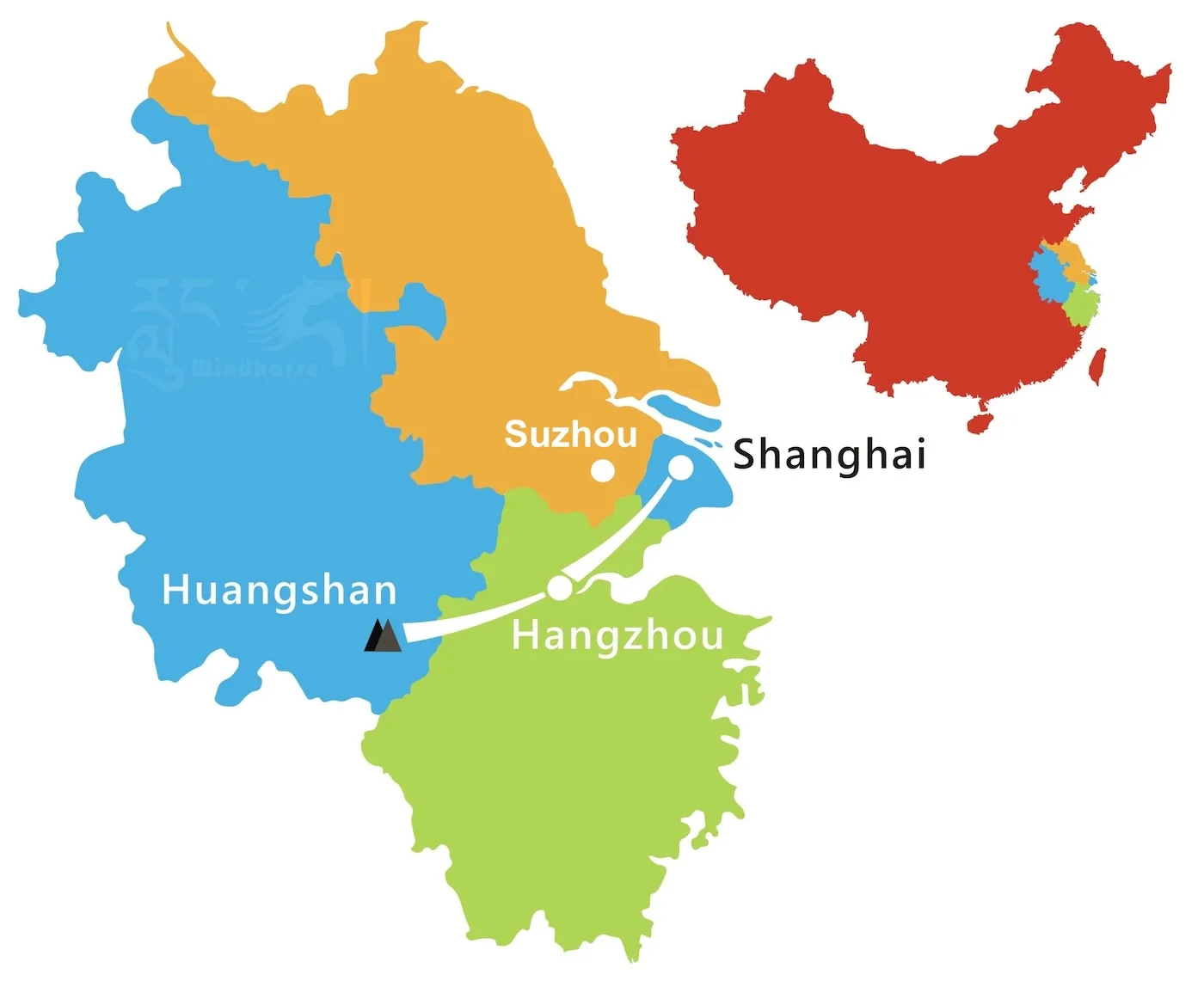
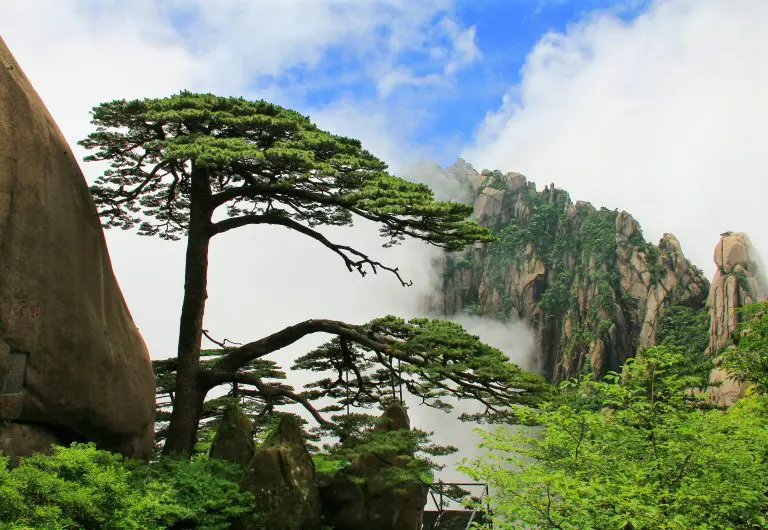

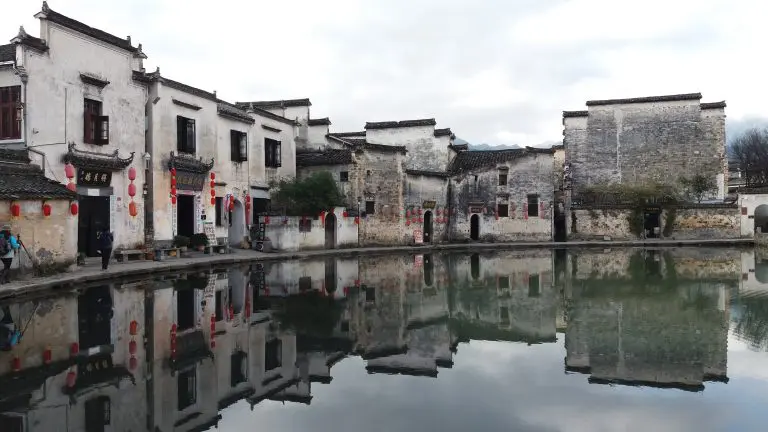
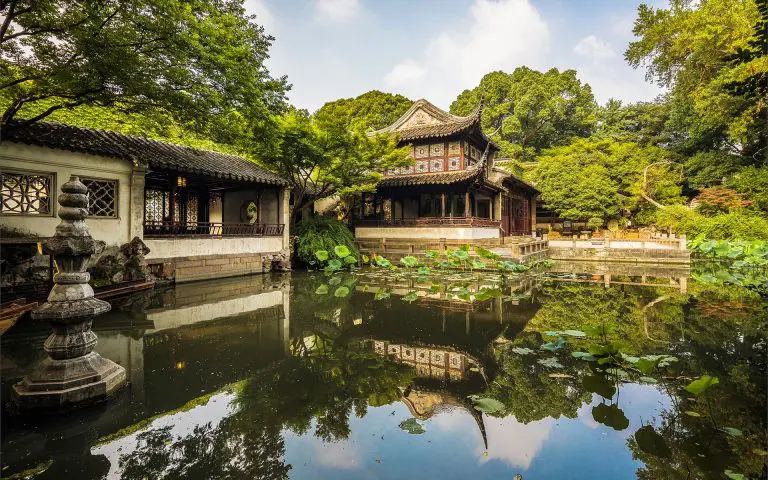
This one week long Shanghai and Hangzhou tour to Mount Huangshan covers Shanghai city highlights, West Lake in Hangzhou, Mount Huangshan scenery with sunrise views, and the historic village of Hongcun, combining city sightseeing with classic landscapes.
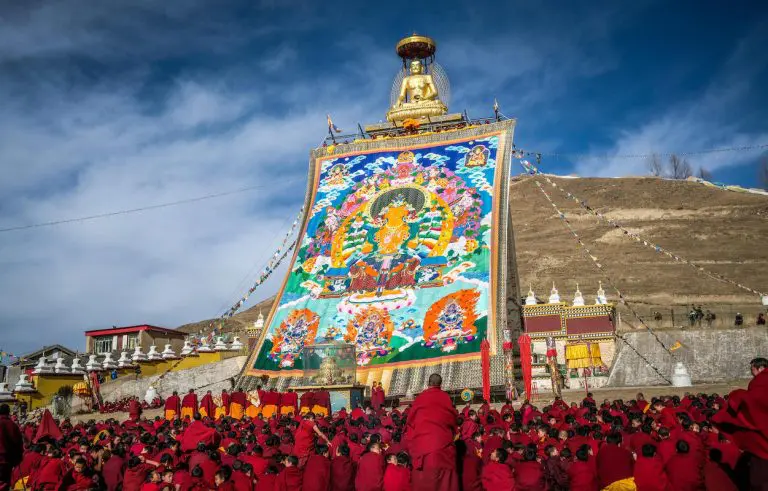

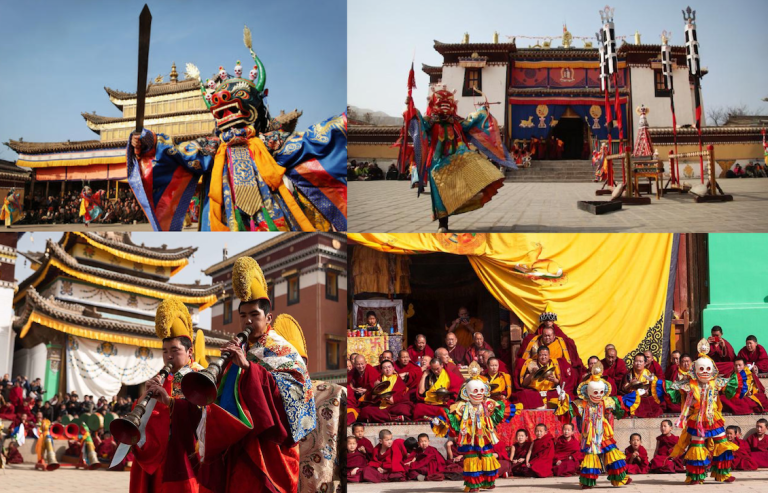
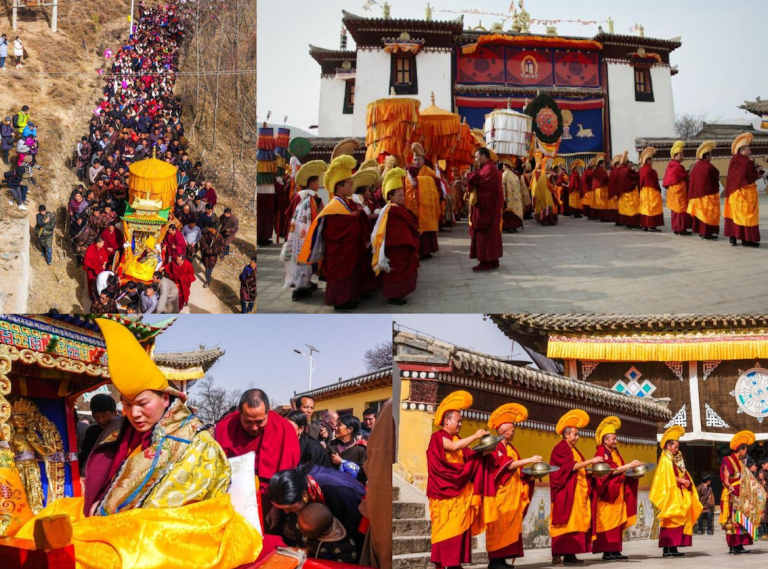
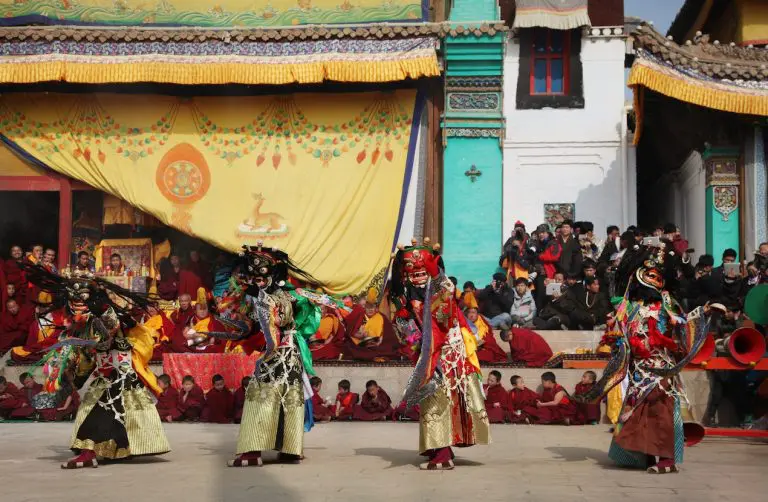
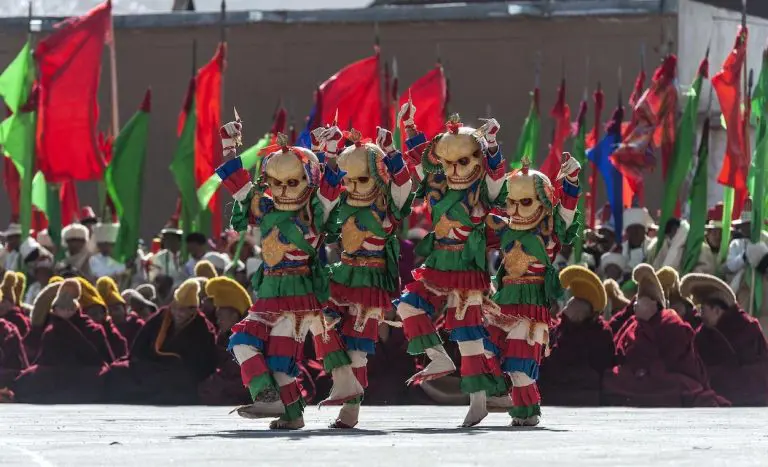
Experience the Amdo Monlam Festival across southern Qinghai and southwestern Gansu. Witness giant thangka unveilings, cham dances, butter sculpture displays, and centuries-old monastery ceremonies on this 10-day cultural journey.
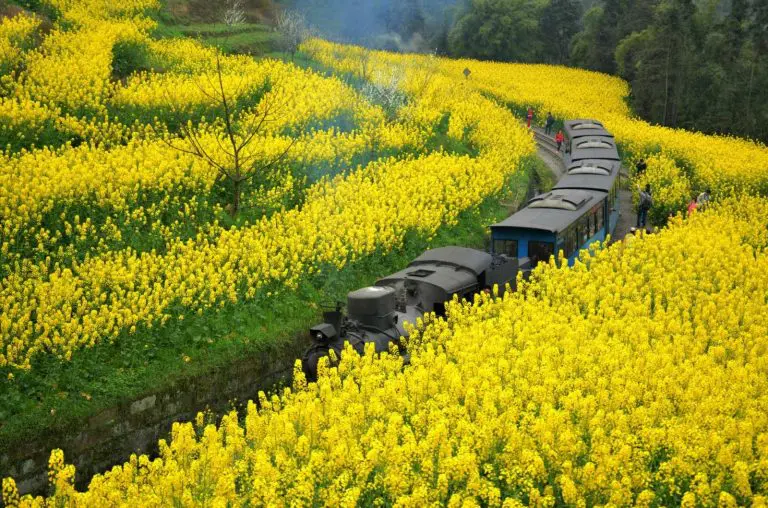
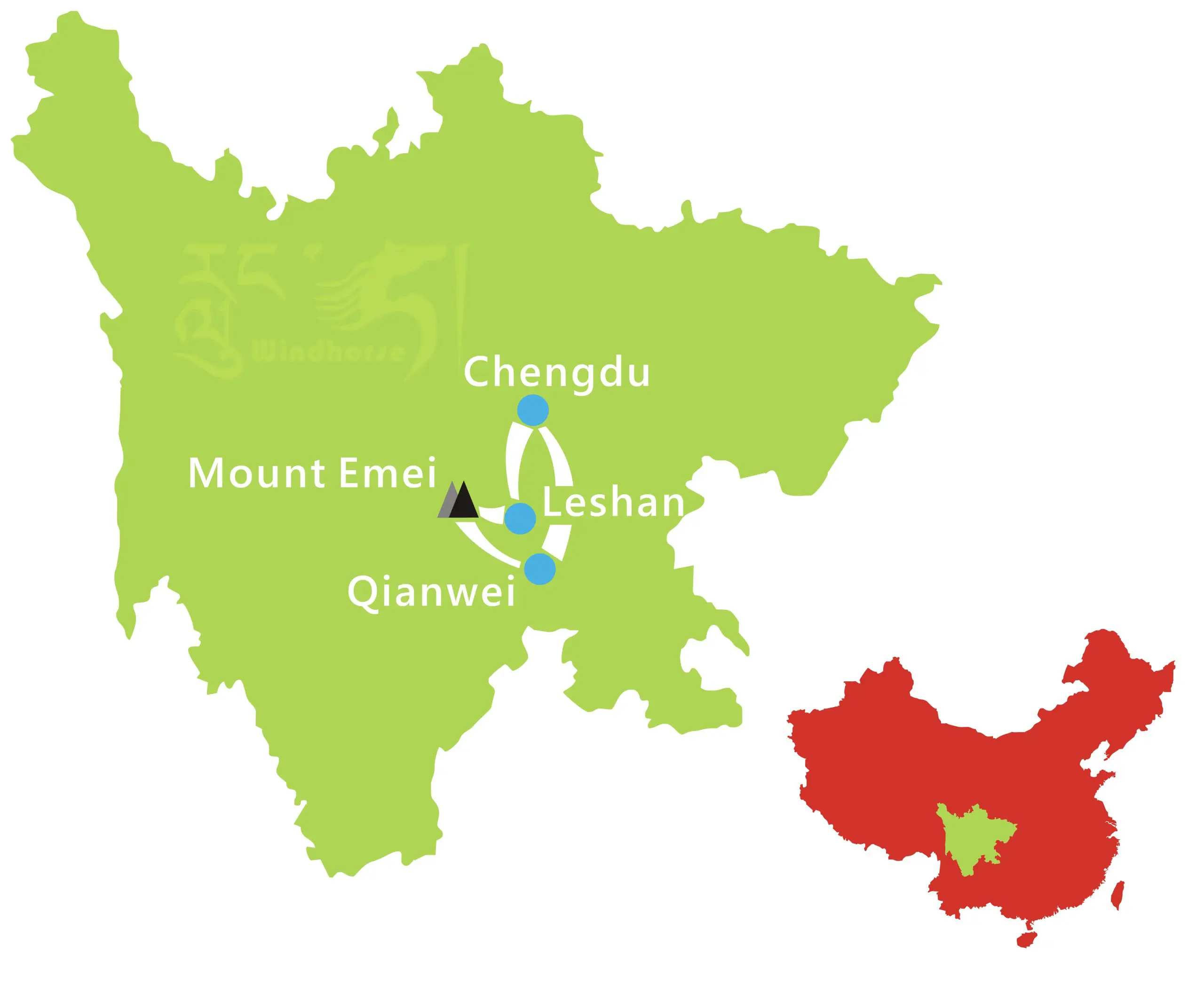
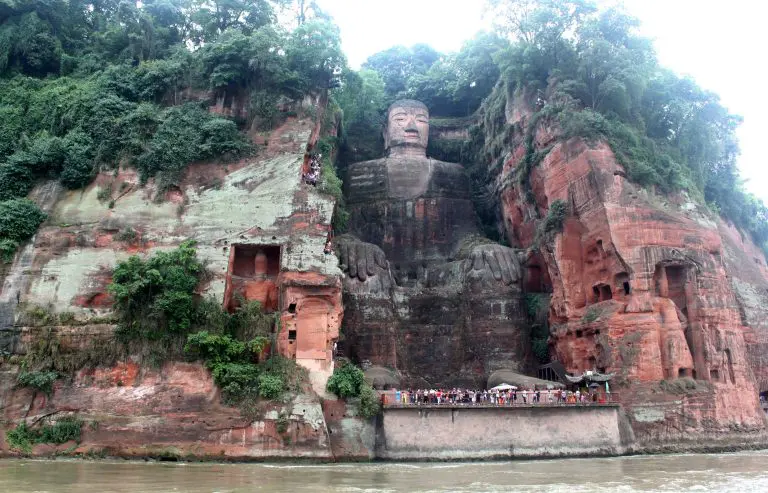
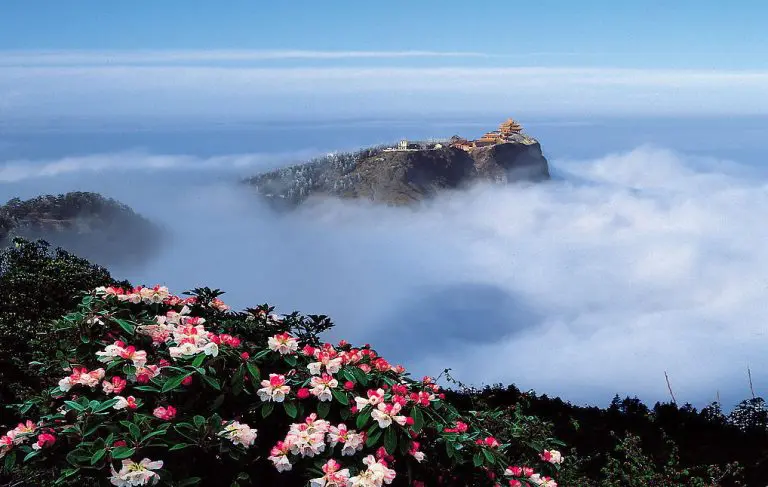
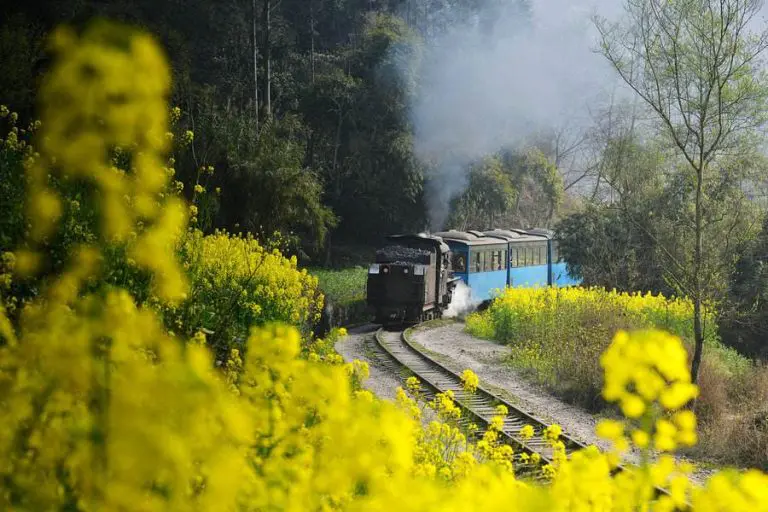
Get off the beaten track to discover the hidden ancient town Luocheng near Leshan Grand Buddha and take the world's only functioning steam train running in Qianwei, afterwards head to the scared Buddhist mount Emei for the splendid sunrise.
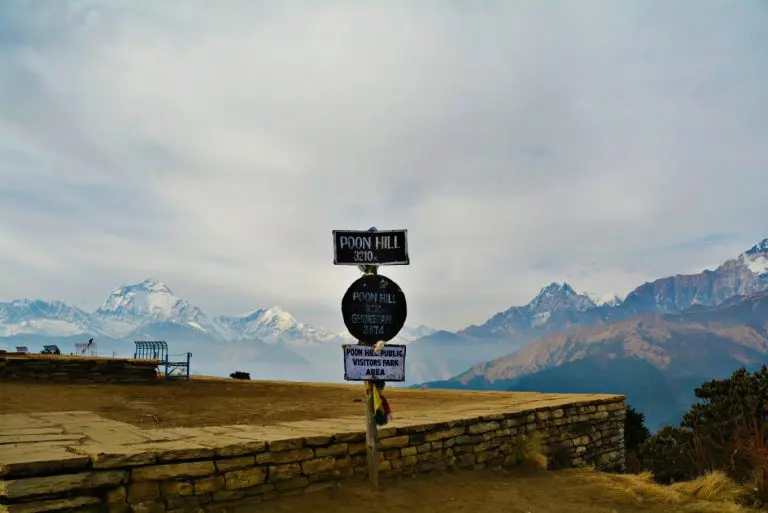
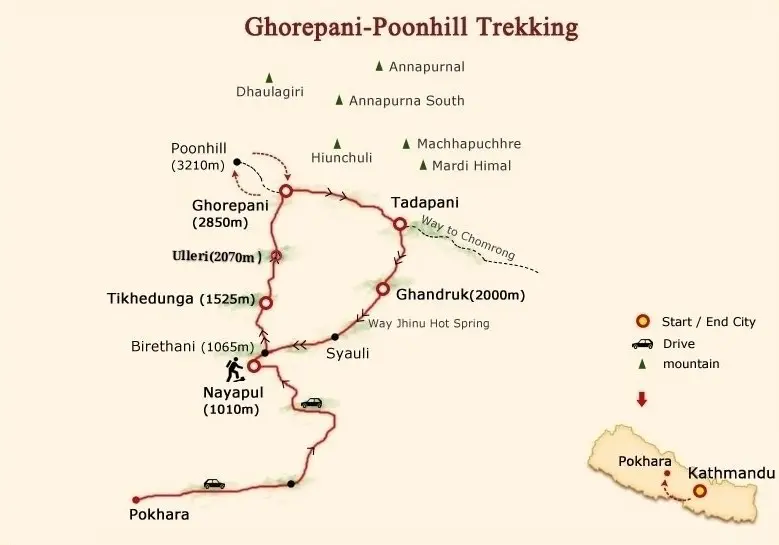
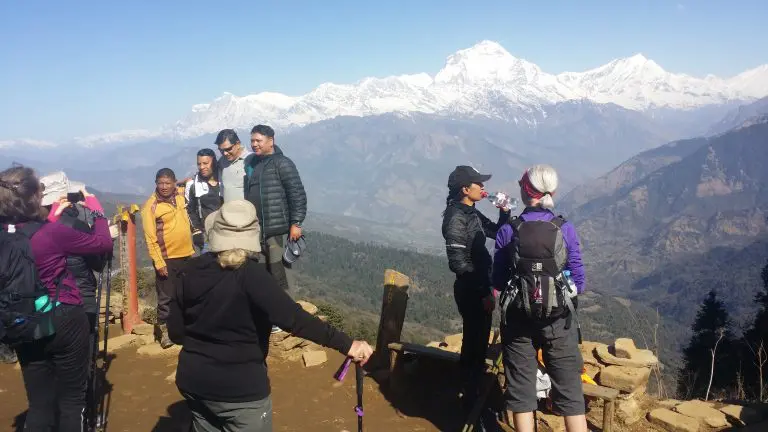
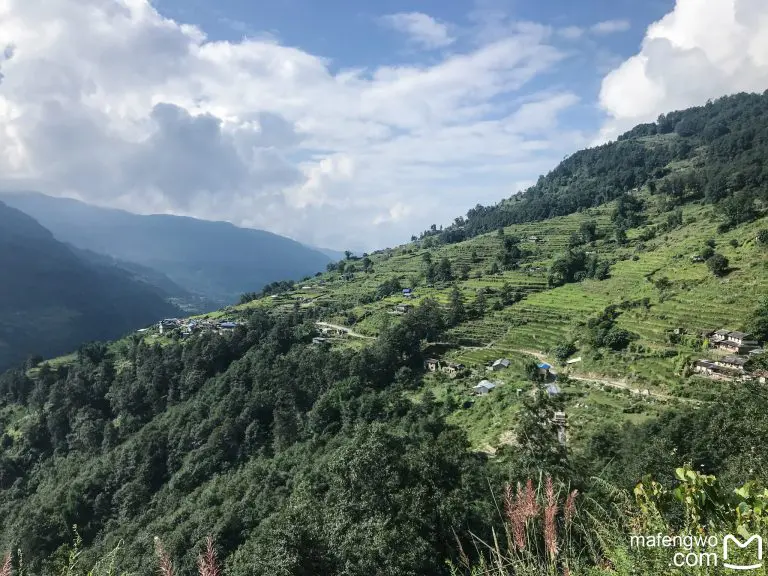
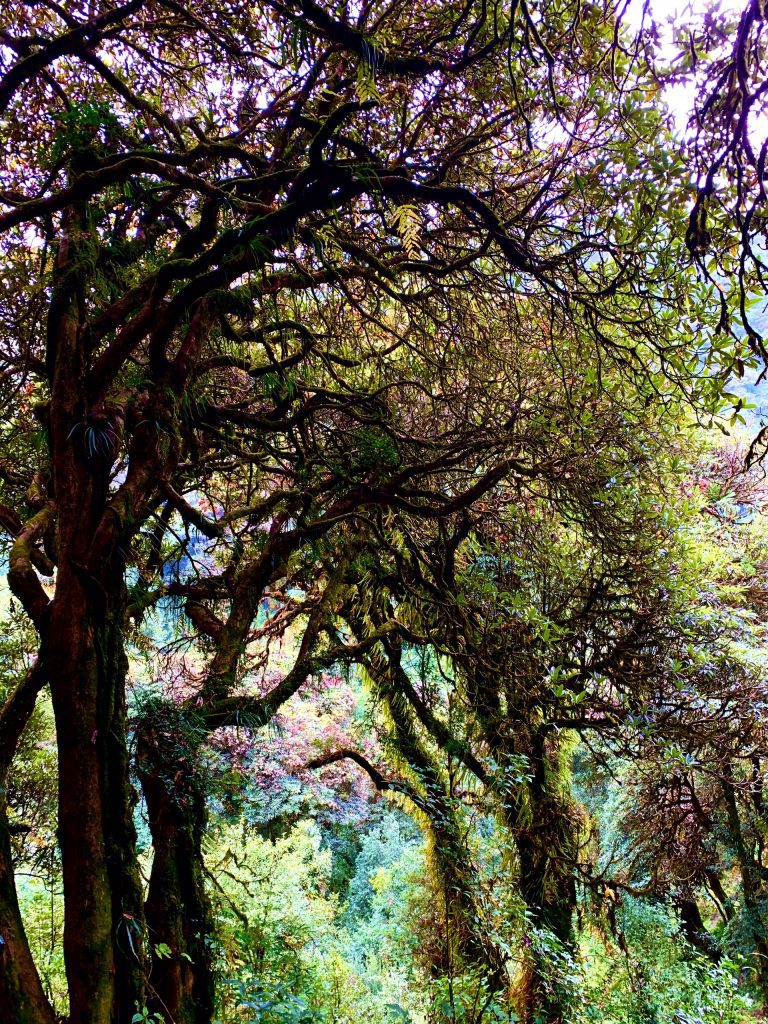
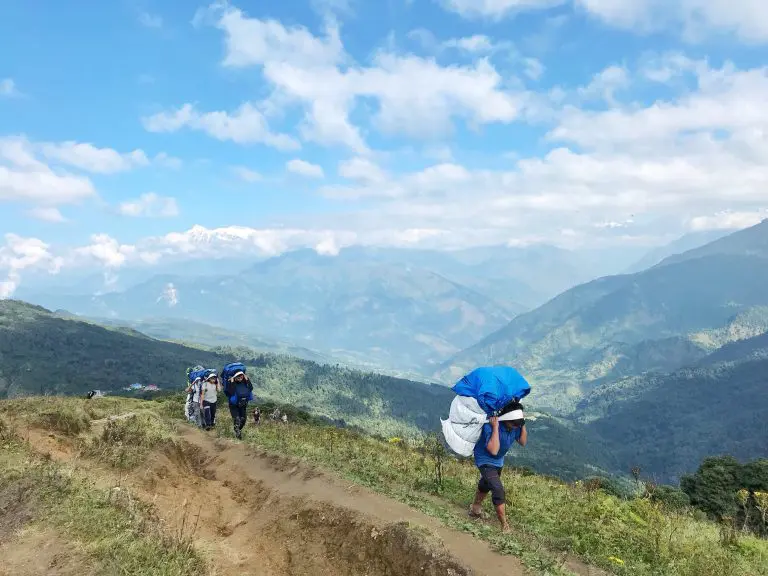
Experience this 10 day Ghorepani Poon Hill Trek, one of the easiest and most scenic short treks in the Annapurna region. Hike through blooming rhododendron forests, traditional Gurung villages, and green rice terraces to the famous Poon Hill viewpoint for sunrise over Annapurna and Dhaulagiri.
Comments

I have a small point to add. The term "Lhoba" I suppose loosely means "the southeners."

Hi, T.L. Thanks for reading our post. In the post, Lhoba means an ethnic group. But I am wondering why you have this thought? The southerners?? Waiting to know more about this term that you generated in your mind.
The looks, dress in the photo are quite similar to the Adi of Arunachal pradesh. i wonder they are our brothers in china.
I'm from arunachal belong to Taging tribe. I like this page because approximately 95% of written points are similar to our culture.